

Sailboats · Offshore Monohulls
The best blue water sailboats are not the newest or the biggest. They are proven designs with a seakindly motion, a protected rudder, strong rigging and a track record of ocean crossings. Eight used monohulls stand out, and the right one depends on your crew, budget and route.
Ask ten offshore sailors to name the best blue water boat and you will hear ten answers. That is not because the question has no answer. It is because the answer depends on who is aboard, how far they plan to go, and how much upkeep they can handle in a foreign port.
What every good answer shares is a set of traits. A true ocean boat moves gently in a seaway, keeps its crew dry and secure, and can take a knockdown without losing its rig or rudder. It also carries enough fuel, water and stores to stay self-reliant for weeks. Many of the boats that tick those boxes were built in the 1970s, 1980s and 1990s, which is good news for buyers: the used market is where most of them live.
How to use this listRead the traits first, then the eight boat profiles. The capsize chart compares the boats on one simple screen, and the inspection checklist near the end covers what an older offshore boat needs before you trust it.
Key Takeaways
- 01
The best blue water sailboats combine a moderate to heavy build, a protected rudder, a manageable rig and a small, safe cockpit.
- 02
Proven used designs like the Westsail 32, Tayana 37, Pacific Seacraft 37, Island Packet 38, Valiant 40, Hallberg-Rassy 42, Outbound 46 and Amel Super Maramu all clear the 2.0 capsize screen.
- 03
Condition beats reputation: rigging, keel attachment, deck core and seacocks decide whether a classic is ready for sea.
- 04
Budget for a refit, a full survey and offshore insurance on top of the asking price.
What Makes a Sailboat Blue Water Capable?
A blue water sailboat is one built to cross oceans, not just hop between islands. The term is informal, so there is no stamp on the hull that settles it. Still, a few design choices show up again and again on boats that have earned the name.
European builders do have a formal yardstick. Under the Recreational Craft Directive design categories, a Category A boat is built for wind above Beaufort force 8 and waves above 4 meters. That rating helps, but it excludes true storm conditions, and many older American and Taiwanese boats were never rated at all. Treat it as one clue, not a verdict.
01 · Motion
Moderate to heavy displacement
Weight slows the boat’s roll and pitch. A heavier boat is less tiring to live on during a week of trade wind swell.
02 · Steering
A protected rudder
A rudder hung on a skeg or on the back of a long keel is harder to damage than a bare spade rudder. Debris and groundings are real risks far from a boatyard.
03 · Rig
A cutter or ketch sail plan
Splitting sail area into smaller pieces lets a short-handed crew reef and balance the boat without wrestling one huge sail.
04 · Safety
A small, deep cockpit
A modest cockpit drains fast if a wave fills it. High coamings and good handholds keep the crew aboard.
05 · Range
Tankage and storage
Large fuel and water tanks, sea berths with lee cloths, and dry lockers matter more offshore than a big saloon does.
Eight Used Blue Water Monohulls Worth a Look
The boats below span 32 to 52 feet and several decades of design thinking. Each has a long record of ocean passages and an active owner community, which makes parts, advice and resale easier. Published figures vary a little between sources and between hull years, so confirm the numbers on any boat you shortlist.
The Westsail 32 is the boat that sold a generation on the dream of sailing away. It is 32 feet on deck with a full keel, a transom-hung rudder and a displacement of about 19,500 pounds. Westsail Corporation built roughly 830 of them between 1971 and 1981, and about half left the factory as kits or bare hulls.
That kit history is the catch. Build quality ranges from excellent to amateur, so the survey matters more here than on almost any other boat. The payoff is a tiny, tough ocean boat that is slow in light air but very hard to hurt.
Bob Perry drew the Tayana 37 in the 1970s, and Ta Yang Yacht Building in Taiwan built it for decades. The long keel has a cut-away forefoot, and most boats are cutter rigged. It displaces about 22,500 pounds on a length of roughly 36.7 feet, and close to 600 hulls were built.
Expect lots of teak inside and out. That gives a warm cabin but adds upkeep, and older decks and teak-covered hatches deserve a hard look for leaks and soft core.
Also sold as the Crealock 37, this canoe-sterned cutter is often the first name on an offshore shortlist. It is about 37 feet long and displaces around 16,000 pounds, with a fin keel and a rudder hung on a skeg.
The underbody is a compromise: more nimble than a full keel, yet still steady at sea. Interior volume is modest for the length, which suits a couple far better than a family.
Designer Bob Johnson gave the Island Packet 38 a long, full foil keel with the lead sealed inside the hull. It is 38 feet long, displaces about 21,500 pounds and has a beam near 12 feet 8 inches. Island Packet built 188 of them from 1986 to 1993.
The wide beam buys a roomy interior, and the shallow draft suits the Bahamas and Caribbean anchorages. In return, it points less high than a fin-keel boat when beating to windward.
The Valiant 40 is another Perry design, and many call it the first true performance cruiser. It pairs a canoe stern with a fin keel and a skeg-hung rudder. It is about 40 feet long, with a 34-foot waterline and a displacement near 23,500 pounds.
It sails faster than most heavy double-enders while still feeling solid offshore. Hulls from the late 1970s and early 1980s are known for blistering, so check the survey notes and any repair records with care.
Olle Enderlein designed this Swedish center-cockpit cruiser, built from 1980 to 1991. The builder’s own Hallberg-Rassy 42E data sheet lists a hull length of 12.93 meters, an empty displacement of 11,500 kilograms and a 4,500-kilogram keel, with 255 hulls built.
The fixed windscreen is the signature feature, and in a squall it is a gift. Build quality is high, though teak decks of this age are often near the end of their life.
Carl Schumacher designed the Outbound 46 as a fast, modern offshore cruiser. It is about 46 feet 4 inches long, with a 40-foot waterline, a 13-foot-6 beam and a displacement of roughly 28,000 pounds.
This is a newer and pricier boat than the classics above. It covers more miles per day, and the long waterline gives a smoother ride than the length alone suggests.
The French-built Amel Super Maramu 2000 is a 52-foot ketch made for a couple to sail around the world. It displaces about 16 tonnes and carries large tanks for fuel and water. Roughly 247 hulls were built in the early 2000s.
Amel designed it to be sailed from a protected center cockpit, with powered sail handling. That works well, but the systems are complex. Budget for an owner who knows them, or a broker who can find one.
How Do These Boats Compare on Capsize Risk?
One quick screen sailors use is the capsize screening formula. It weighs a boat’s beam against its displacement. A wide, light boat sits well on the surface of a breaking wave, which also makes it easier to roll. A narrower, heavier boat sits deeper and resists rolling.
A result of 2.0 or lower is the usual rule of thumb for offshore work. The formula ignores ballast placement and hull shape, so it is a first filter, not a safety rating.
The capsize screening formula, with displacement in pounds and beam in feet
textCapsize screen = Beam / (Displacement / 64) ^ (1/3)
Example, Valiant 40:
23,520 / 64 = 367.5
cube root of 367.5 = 7.16
12.33 / 7.16 = 1.72Capsize screening value by model (lower is more resistant)
| Westsail 32 | 1.63 |
| Tayana 37 | 1.64 |
| Hallberg-Rassy 42 | 1.69 |
| Pacific Seacraft 37 | 1.72 |
| Valiant 40 | 1.72 |
| Outbound 46 | 1.78 |
| Island Packet 38 | 1.82 |
| Amel Super Maramu | 1.84 |
Calculated from published beam and displacement figures for each model
Every boat on this list clears the screen with room to spare. The spread tells a story, too. The two smallest, heaviest boats score lowest, while the roomier Island Packet and the big Amel trade a little of that margin for living space.
Full Keel or Fin Keel for Offshore Cruising?
Full or long keel
- Tracks straight, so the boat is easy on a self-steering vane
- Rudder sits behind the keel, well protected
- Takes the ground more gently in a grounding
- Slower to tack and harder to back into a slip
- Points lower when sailing upwind
Fin keel with skeg-hung rudder
- Faster, with less drag in light air
- Turns and maneuvers more easily in a marina
- Points higher, so upwind legs are shorter
- Keel joint and bolts need careful inspection
- Skeg protects the rudder better than a bare spade
Neither shape wins outright. Long trade wind runs from the Canaries to the Caribbean favor the steady tracking of a long keel. A route with many upwind legs, or a crew that spends most of its time in tight marinas, may favor a fin keel and skeg.
If you are still deciding between hull types, our look at catamaran versus monohull cruising sets out what changes when you add a second hull.
What Size Blue Water Sailboat Do You Need?
Smaller than you think, in most cases. Plenty of couples have crossed oceans in boats under 35 feet. A smaller boat costs less to buy, haul, insure and repair, and every sail and anchor is lighter to handle.
Size does buy real things: speed, tank capacity and a steadier motion. As a rough guide, a couple sailing on their own often lands between 35 and 45 feet. A family with children or frequent guests may need more. Above about 45 feet, loads on sails, winches and ground tackle climb fast, so powered winches start to feel less like a luxury.
- Couple, budget first
- Westsail 32, Pacific Seacraft 37
- Couple, comfort first
- Tayana 37, Island Packet 38, Hallberg-Rassy 42
- Speed and sailing feel
- Valiant 40, Outbound 46
- Long range, short-handed
- Amel Super Maramu
What to Inspect on an Older Offshore Boat
A 40-year-old boat can be a superb ocean boat or an expensive project. The difference is in the details a survey finds. Our list of questions to ask before buying used is a good place to start, and the items below are the ones that matter most for ocean work.
1Standing rigging and chainplates
Ask when the wire and fittings were last replaced. Chainplates hidden behind cabinetry can corrode out of sight, so ask the surveyor to pull at least one.
2Keel attachment and rudder
Look for rust weeping at keel bolts and cracks at the hull-to-keel joint. Check rudder bearings for play and the skeg for any sign of past impact.
3Deck core and hardware
Moisture readings around stanchions, winches and hatches show where water has soaked into the deck core. Soft decks are a costly repair.
4Engine and fuel system
Hours alone do not tell the whole story. Our guide on judging diesel engine hours explains what to weigh, and old fuel tanks are worth inspecting for sludge and corrosion.
5Through-hulls and seacocks
Every opening below the waterline should have a working seacock in sound metal. A single failed seacock can sink a boat at anchor on a calm day.
6A real sea trial
Take the boat out in some wind. A proper sea trial under sail shows how it balances, how the rig loads up and whether the engine runs hot.
Keep in mind
What a classic boat will not do for you
- Caution
Older heavy boats are slow in light wind, so plan on motoring more than you expect.
Fit a larger light-air sail and keep the fuel system in top shape.
- Caution
Original wiring, plumbing and electronics are often near the end of their life.
Price a refit into your offer instead of hoping the systems hold.
- Note
A good design does not make a good boat. Upkeep history matters more than the model name.
Buy the best example of a decent design over a tired example of a famous one.
Budgeting Beyond the Purchase Price
The asking price is only the opening number. An offshore refit often covers sails, rigging, a life raft, self-steering and new electronics. Some buyers find the engine needs replacing, and our breakdown of what a boat repower costs helps you plan for that before you make an offer.
Insurance for ocean passages is another line. Underwriters ask about crew experience, route and hurricane plans, and our piece on Caribbean yacht insurance covers what moves the premium. Add a full survey and haul-out to the list, and leave room for the problems a survey will find.
Broker's note
Use a buyer's broker on a used ocean boat
Classic offshore boats are spread across the US East Coast, the Caribbean and Europe. A broker who works in co-brokerage can show you boats listed by other firms, so you see the whole market instead of one company’s stock.
Buying a Blue Water Boat in the Caribbean
Many offshore boats end a long voyage in the Caribbean, and some owners decide to sell there. That can make the islands a good place to find a boat already set up for ocean work, with the gear that a fresh listing back home may lack.
It also means checking things that a boat at a mainland marina may not face. Years of tropical sun are hard on canvas, varnish, hatches and wiring. Ask where the boat spent hurricane season and how it was stored. A boat already in the islands also lets you try local cruising before committing to an ocean passage.
QWhat is the safest blue water sailboat?
No single model is the safest. Safety comes from a sound design kept in sound condition and sailed by a prepared crew. Look for moderate to heavy displacement, a protected rudder and a small cockpit, then confirm the rigging and keel are in good order.
QWhat is the best size sailboat for crossing an ocean?
Many couples choose boats between 35 and 45 feet. Smaller boats have crossed oceans many times, but they carry less water and fuel. Larger boats are faster and more comfortable, yet their gear is heavier to handle.
QIs a full keel necessary for blue water sailing?
No. A full keel tracks well and protects the rudder, but fin-keel boats with a skeg-hung rudder, such as the Valiant 40 and Pacific Seacraft 37, have crossed oceans for decades. Match the keel to your routes and crew.
QCan a 30-foot sailboat cross an ocean?
Yes, if it is well built and well prepared. The Westsail 32 is the classic example of a small boat built for ocean work. A small boat demands careful loading, since every extra pound of stores affects how it sails.
QAre older blue water sailboats worth buying?
Often, yes. Many of the best offshore designs were built decades ago with heavy hulls. The catch is that rigging, wiring, engines and deck cores age, so a full survey and a refit budget are essential.
QWhat does the capsize screening formula tell you?
It compares a boat’s beam with its displacement to give a rough sense of how easily it could be rolled by a breaking wave. A value of 2.0 or lower is the common offshore guide, but it ignores ballast and hull shape.
QIs a ketch or a cutter better offshore?
Both split the sail area into smaller sails that are easier to handle. A cutter keeps one mast and a simpler rig. A ketch adds a mizzen mast that helps balance the boat at anchor and in strong wind, at the cost of more rigging to maintain.
Talk to a broker
Shopping for an ocean-ready monohull?
Tell us which designs are on your shortlist and where you plan to sail. We will help you compare boats on the market and plan the survey and sea trial.
Featured Listings
$499,000
$1,300,000
$1,699,000

$299,000
$589,000

$899,000
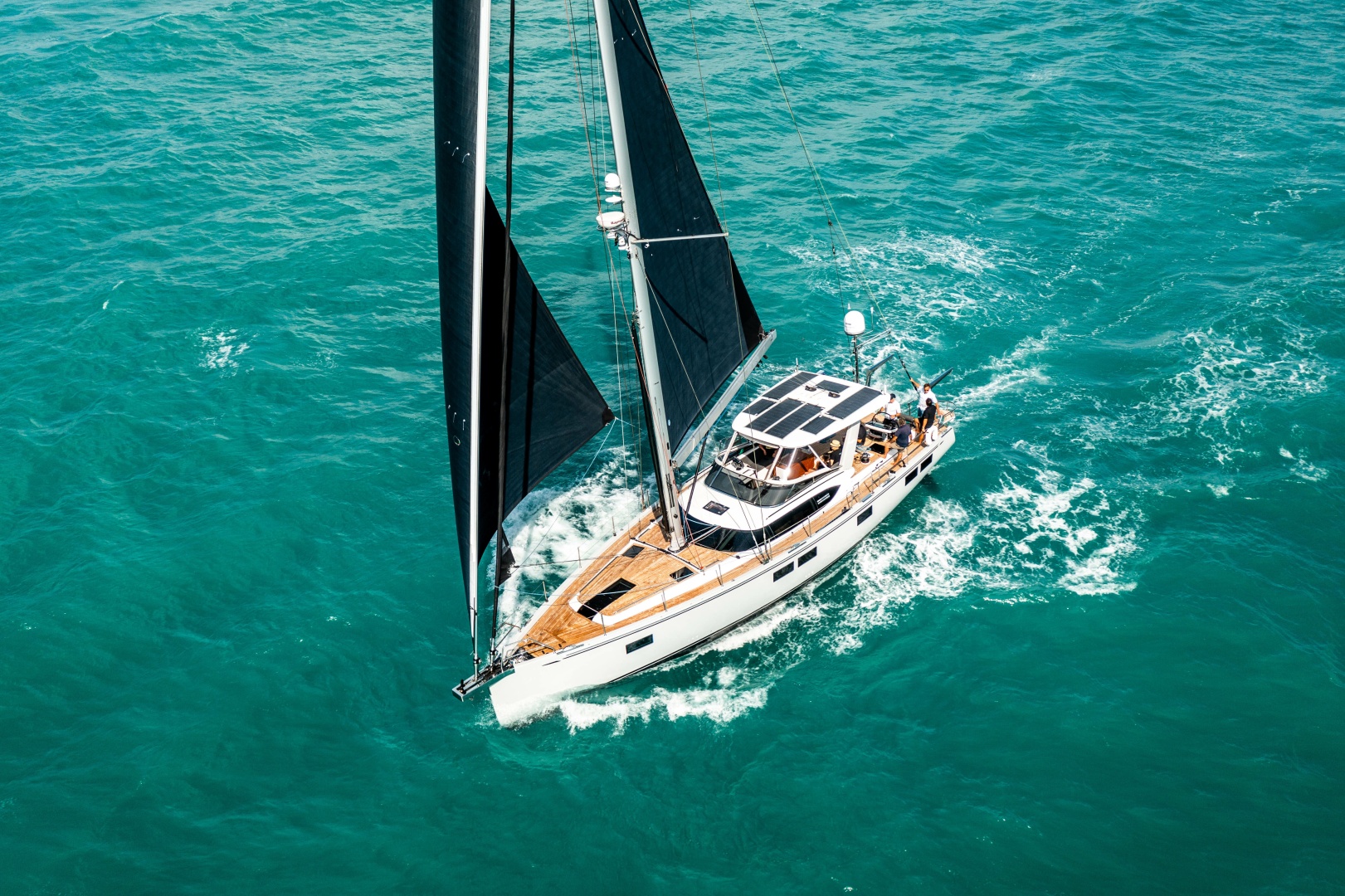
$1,795,000

$269,000
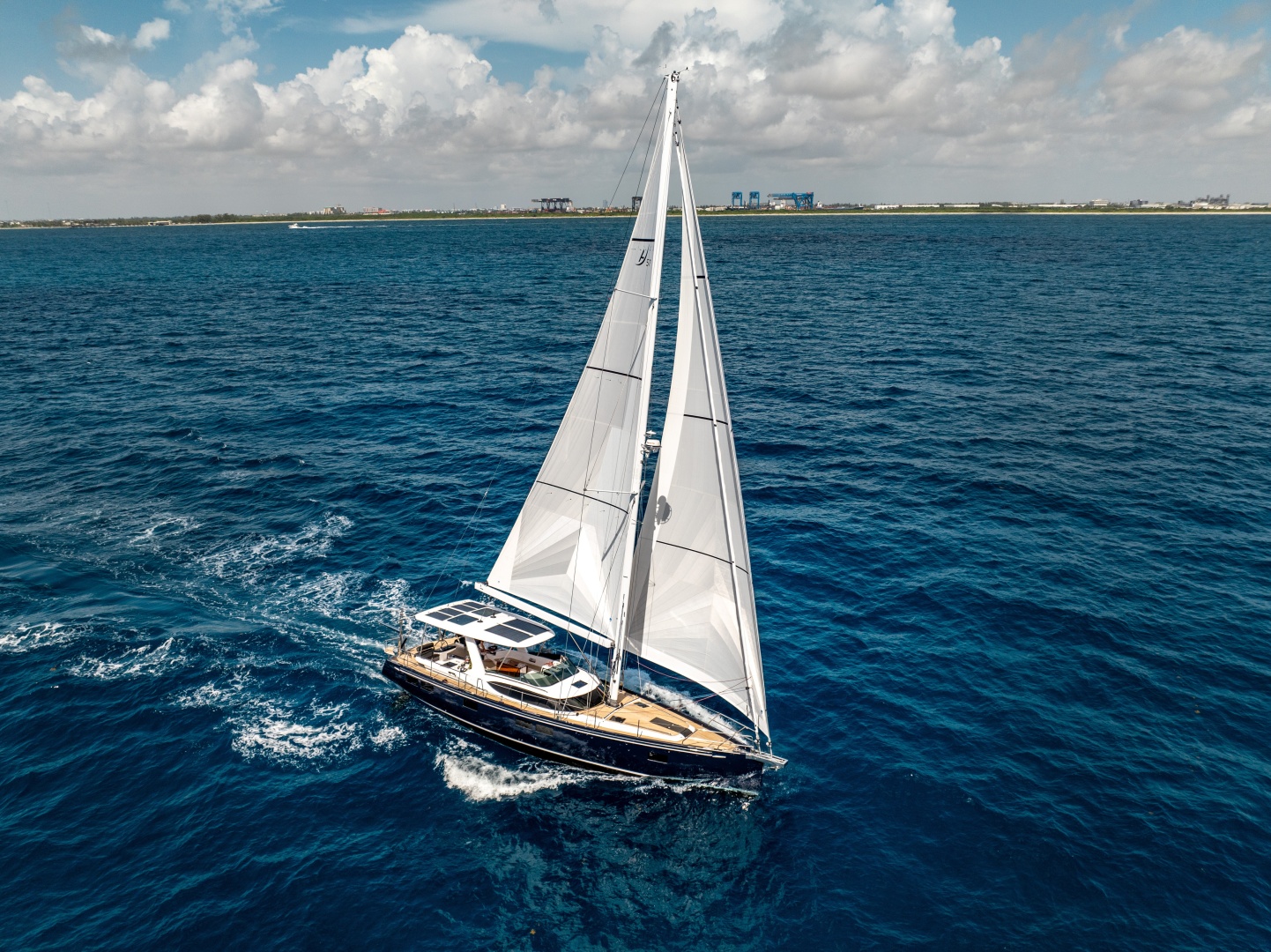
$2,780,000
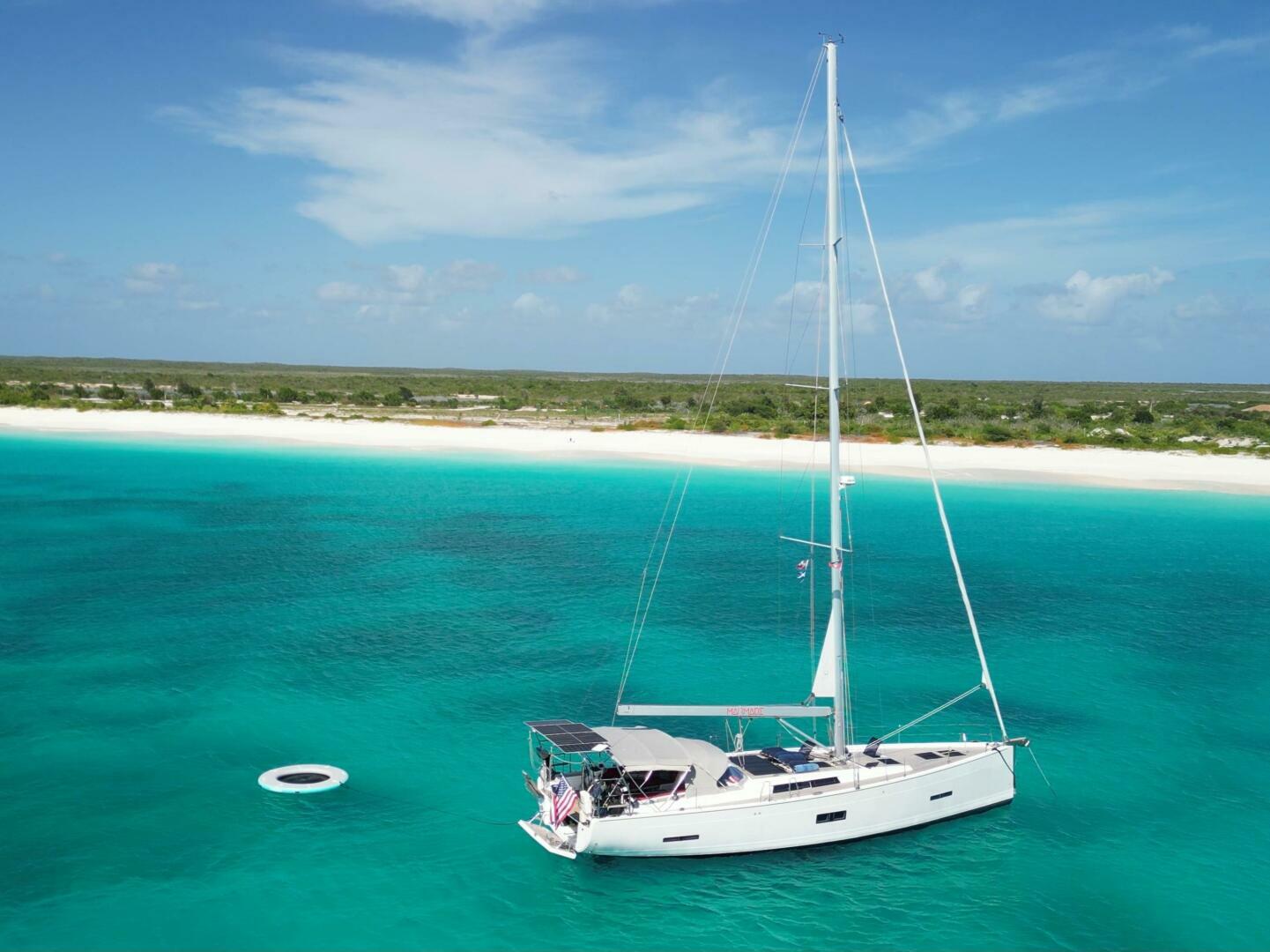
$359,000
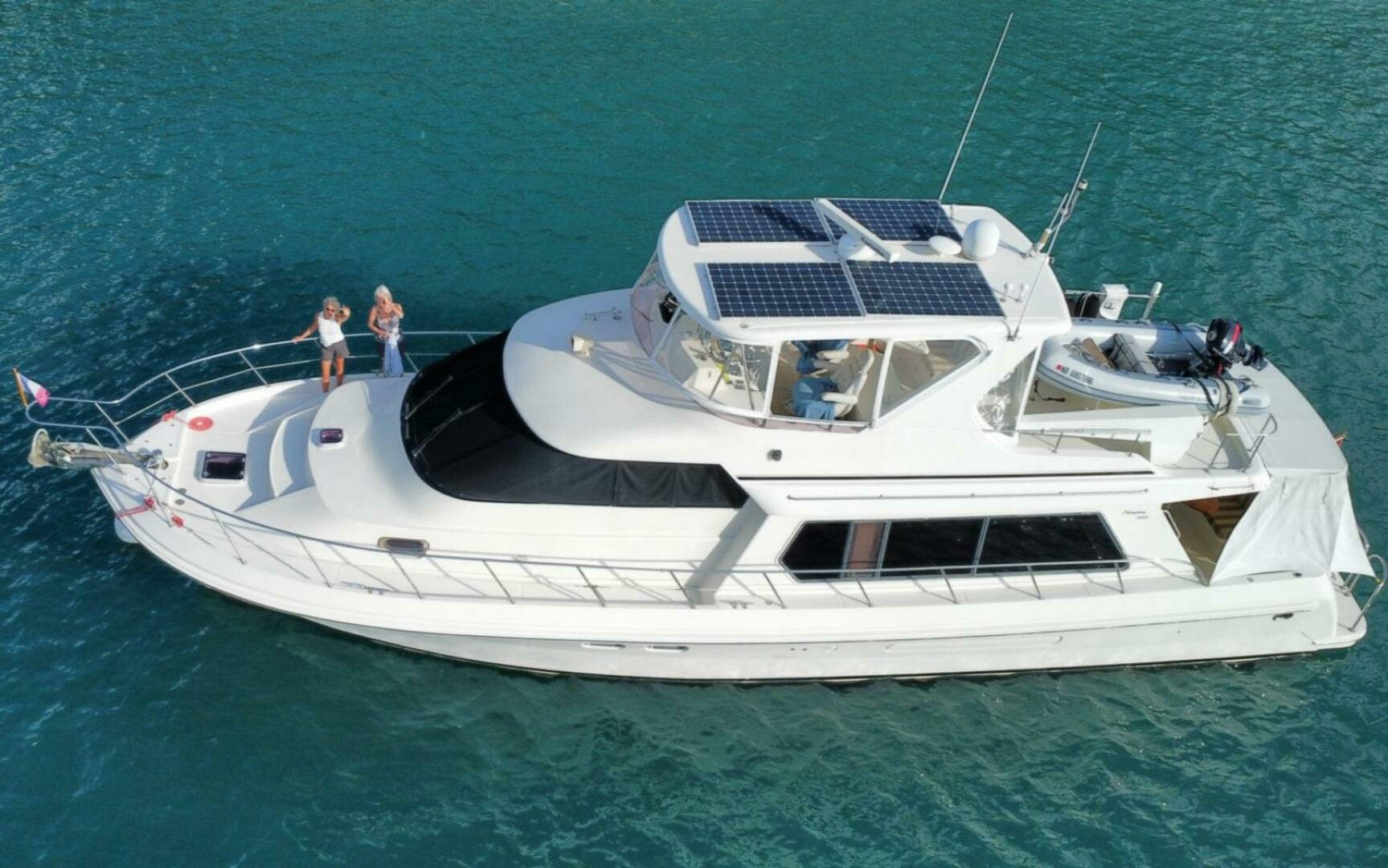
$499,500
$299,500
$1,290,000
$790,000
$545,000
$564,900
$1,130,000
$145,000
$499,000
$350,000
$80,000
$80,000
$599,000
$119,000
$98,250
$149,850
$339,000
$395,000
$349,000
$125,000
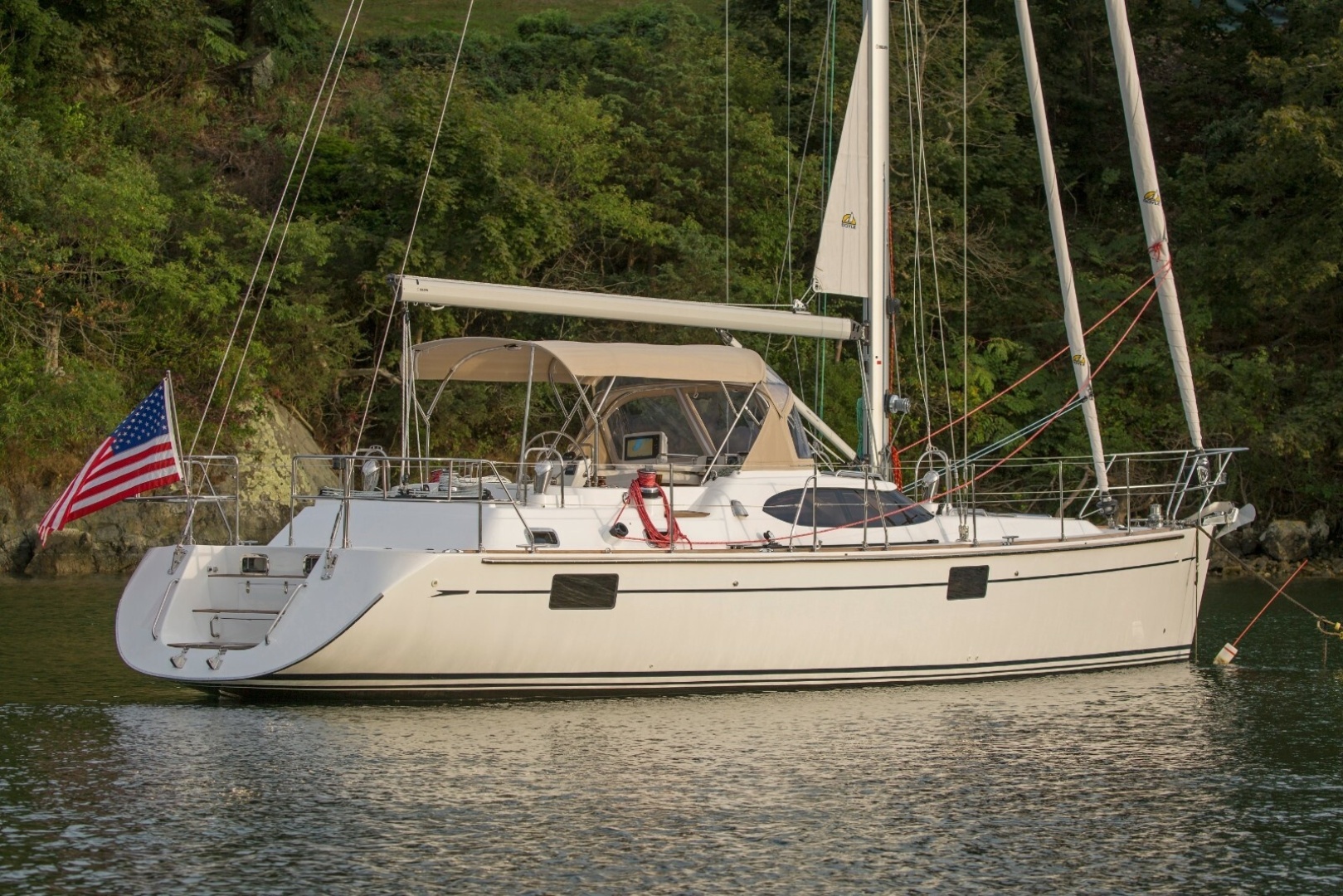
$1,730,000
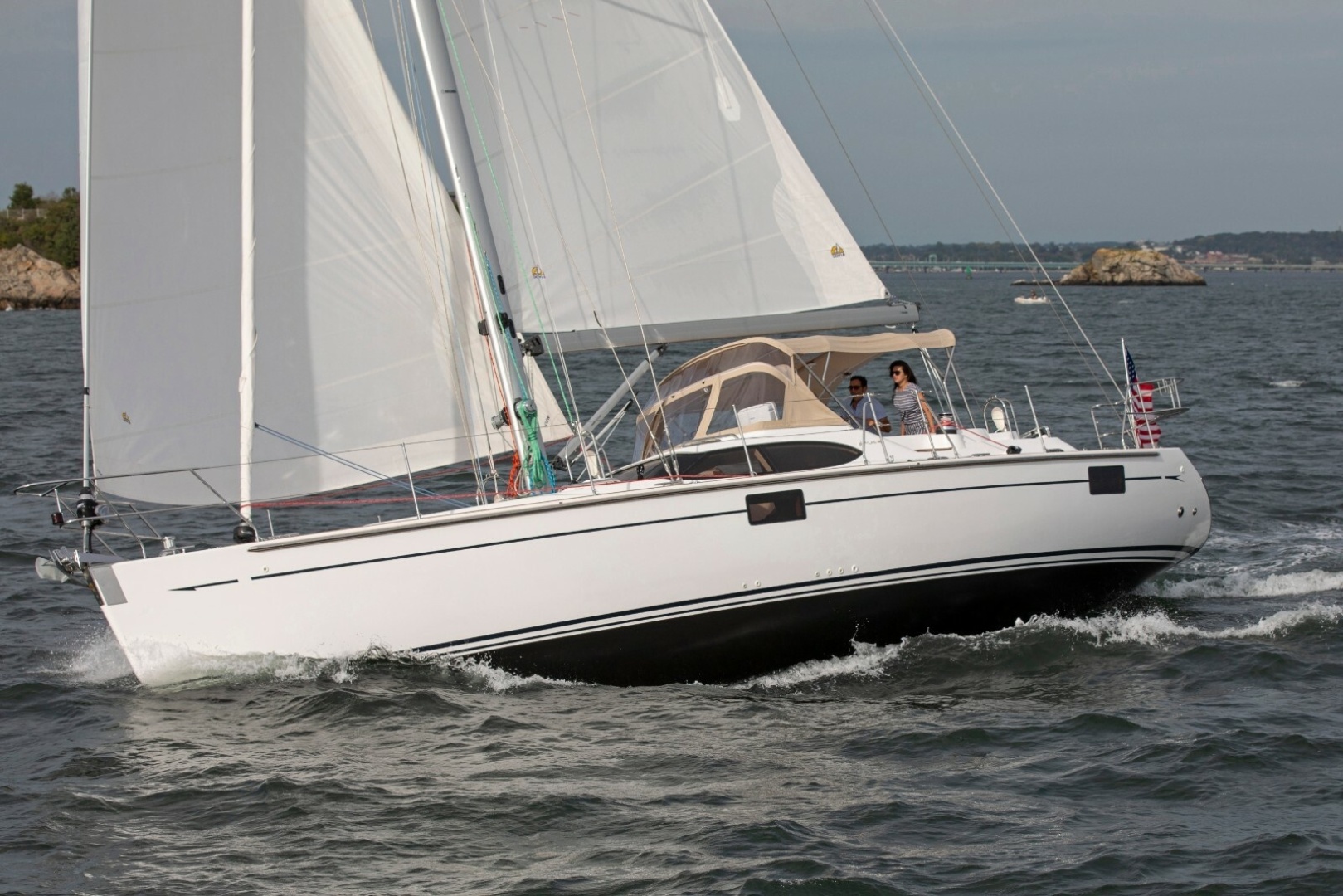
$1,730,000
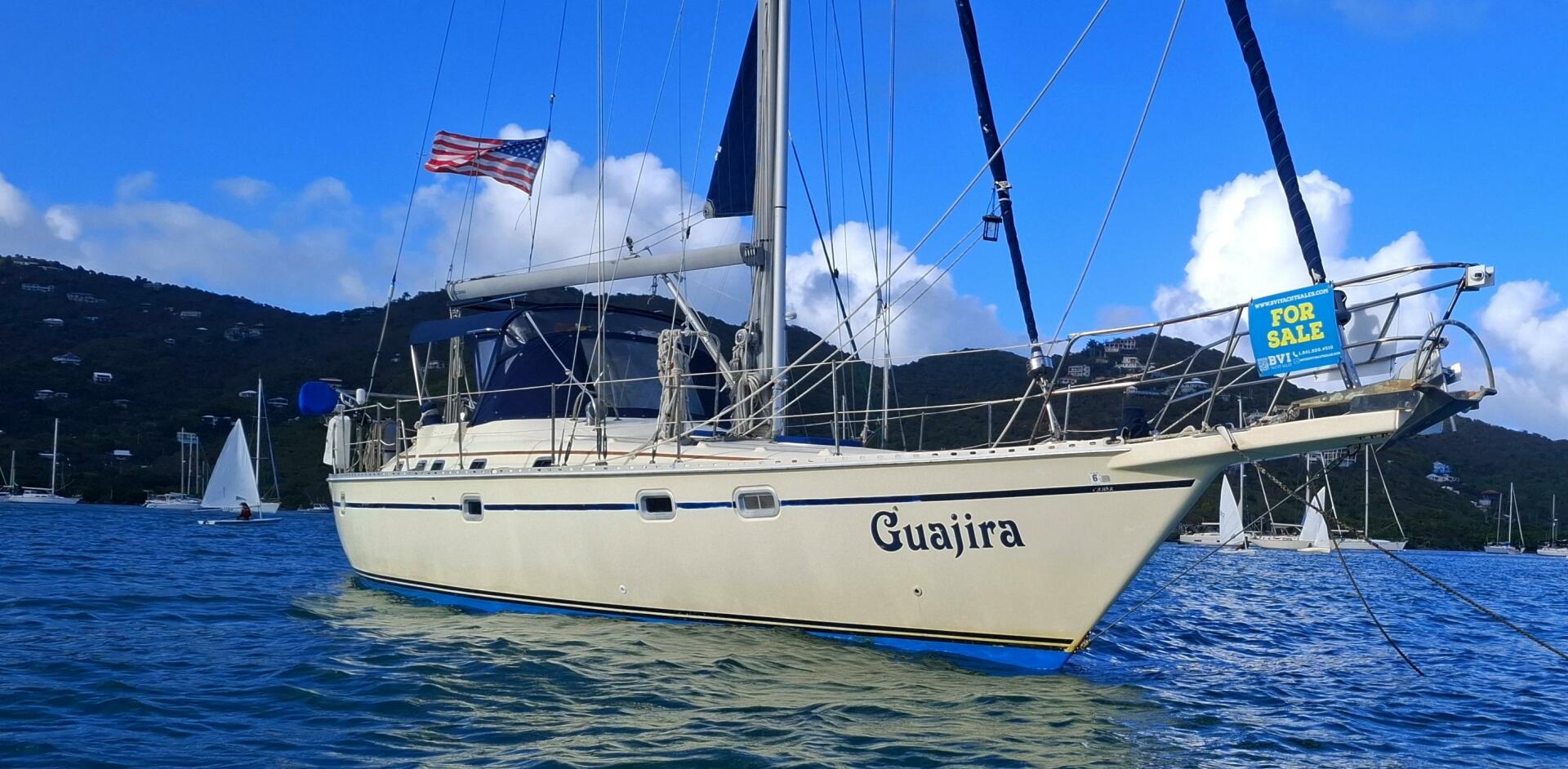
$149,500
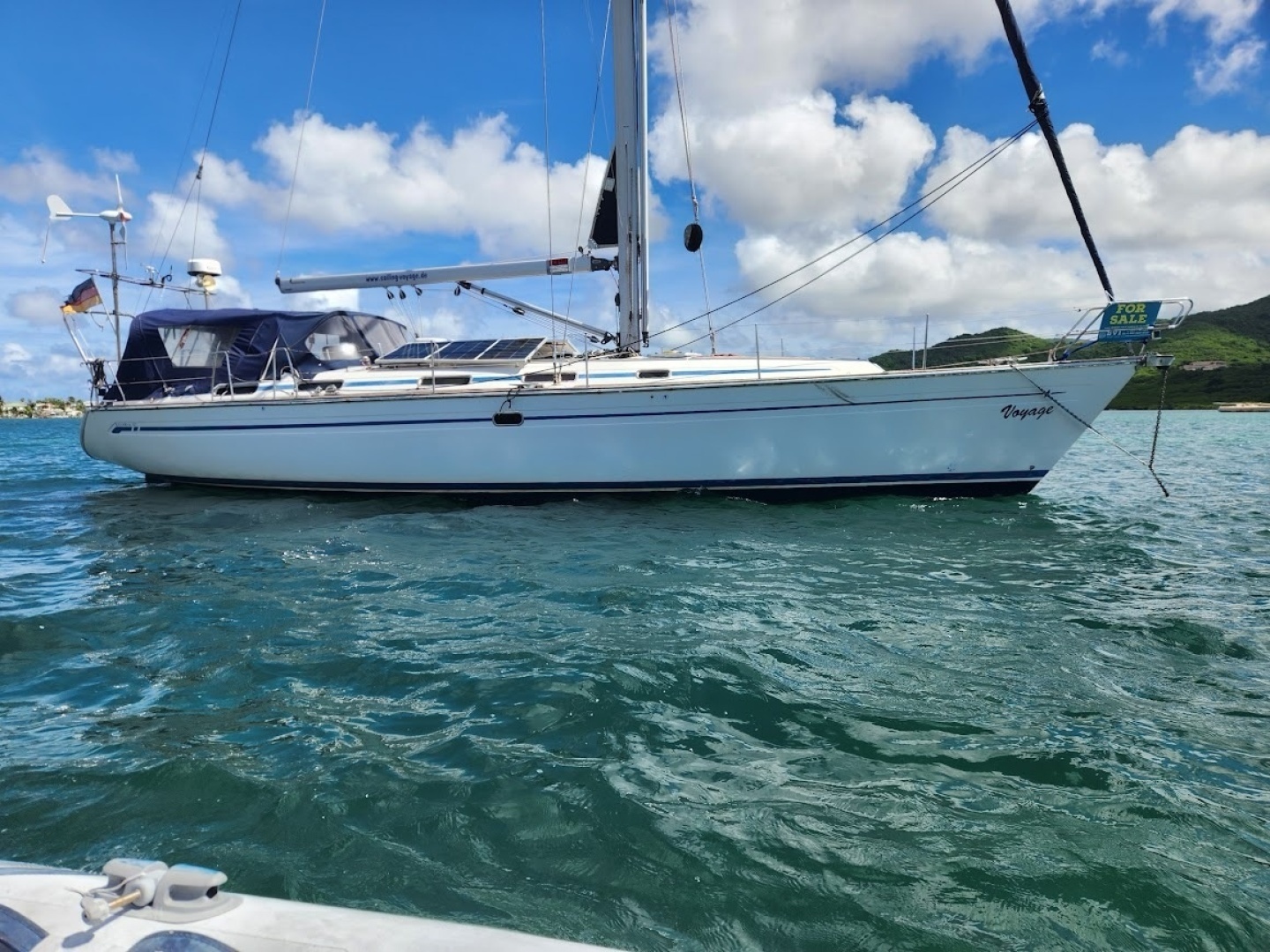
$94,999

$652,000
$105,000

$115,000
$950,000
$149,000