

Catamarans & Multihulls · Liveaboard Guide
The best catamarans for liveaboard life balance real living space, shallow draft for Caribbean anchorages, and sailing manners you actually enjoy. For most cruisers in the 40-to-46-foot range, that shortlist starts with the Lagoon 42, the Leopard 45, and the Fountaine Pajot Elba 45.
The best catamarans for liveaboard cruising in the Caribbean are the models that pair genuine standing-headroom living space with a draft shallow enough for the islands’ lagoons and the kind of seakindly motion that makes a 247-day passage season pleasant rather than exhausting. In practice, that means a production cruising cat between 40 and 46 feet from one of a handful of proven builders.
Definition
Liveaboard catamaran — A multihull, typically 38 to 50 feet, fitted out to be a full-time home afloat: two hulls connected by a bridgedeck, with sleeping cabins in each hull, a saloon and galley on a single level, and the tankage, refrigeration, solar, and watermaking capacity to support extended self-sufficient cruising.
Why catamarans dominate the liveaboard conversation here is simple geometry. A 44-foot catamaran offers interior volume roughly equivalent to a 55-to-60-foot monohull, and the twin hulls keep the boat level instead of heeling, so daily life at anchor and under sail stays flat and comfortable. That stability matters most for the people who are aboard every day, not just on charter weeks.
Equally important in the Caribbean is draft. Most cruising catamarans draw around one metre, against two metres or more for a comparable monohull keelboat, which unlocks the shallow lagoons and beach-edge anchorages that define cruising the British Virgin Islands. If you are still weighing the platform itself, our breakdown of catamaran versus monohull for Caribbean cruising covers the trade-offs in full. Liveaboards split fairly evenly on this question, and the trade-offs in range, fuel burn and motion at anchor are laid out in power catamaran versus sailing catamaran.
01The Shortlist
Key Takeaways
- 01
The best liveaboard catamarans for the Caribbean sit between 40 and 46 feet, led by the Lagoon 42, Leopard 44/45, and Fountaine Pajot Elba 45.
- 02
A 44-foot cat lives like a 55-to-60-foot monohull and draws barely a metre, unlocking shallow island anchorages a keelboat cannot reach.
- 03
Buy the smallest, newest boat that fits your crew, and weight sailing feel as heavily as cabin count to avoid the most common owner regret.
- 04
Budget for the full ownership picture, not just the purchase price, and survey ex-charter hulls carefully before you commit.
The Best Liveaboard Catamarans for the Caribbean
There is no single best liveaboard catamaran, only the best one for your crew size, budget, and cruising plans. That said, a short list of proven production models comes up again and again in Caribbean anchorages because they balance volume, draft, build quality, and resale. Here are the boats worth putting on your shortlist.
01 · The all-rounder
Lagoon 42
Built by Lagoon, this is among the world’s best-selling cruising catamarans, with well over a thousand hulls in the water. Its single-level saloon-to-cockpit living, roughly four-foot draft, and choice of three- or four-cabin layouts make it the default liveaboard for couples and families alike. Plentiful used inventory across the Caribbean keeps pricing realistic.
02 · The charter-proven workhorse
Leopard 45 / Leopard 44
Robertson and Caine’s Leopard line is everywhere in the islands because so many ex-charter hulls come to market. The forward cockpit and lounge, robust build, and easy short-handed sailing make the Leopard 44 and 45 strong full-time homes. Buy a well-maintained owner’s-version boat rather than the cheapest tired charter cat.
03 · The refined cruiser
Fountaine Pajot Elba 45 / Tanna 47
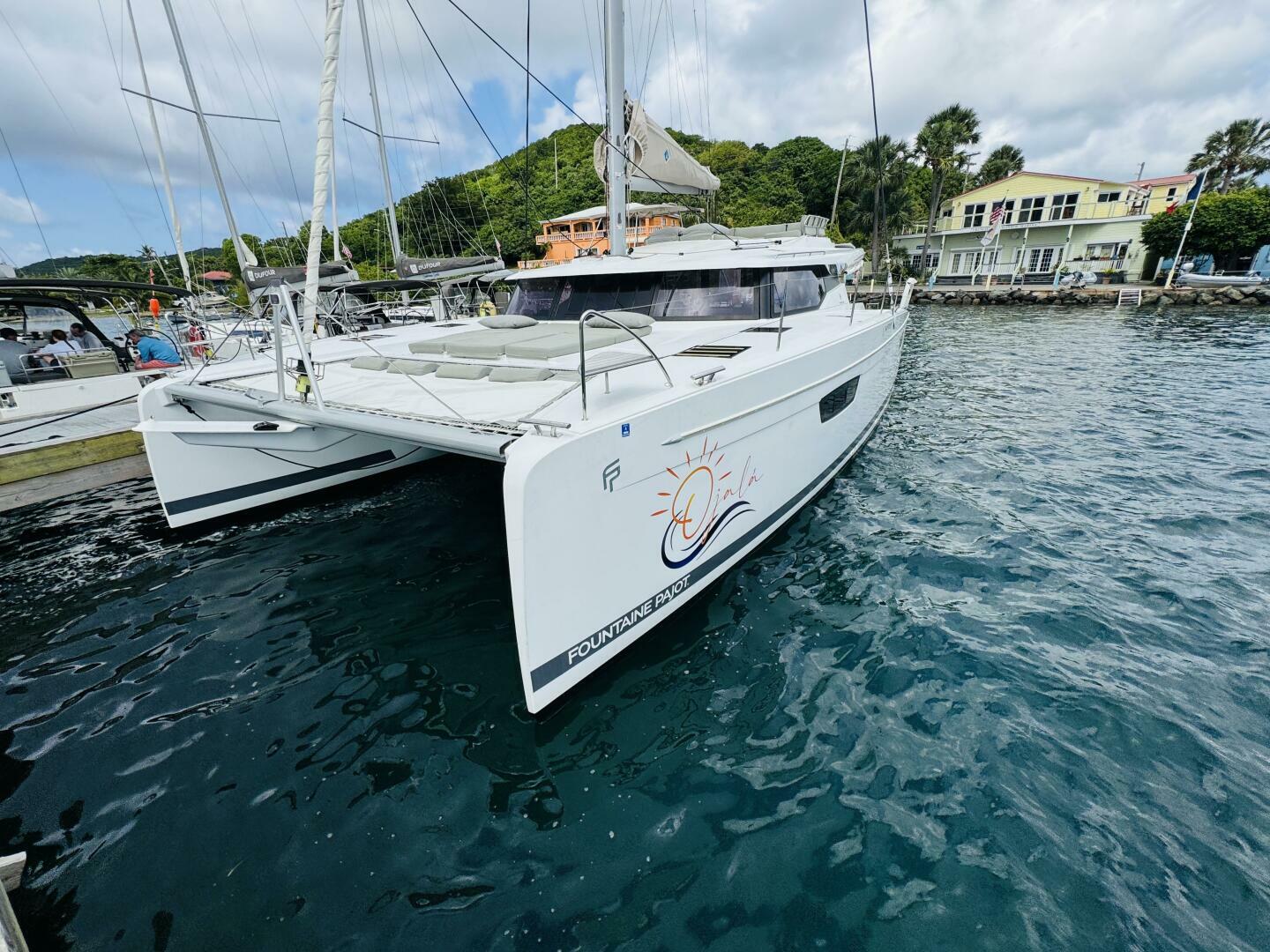
Fountaine Pajot pairs elegant interiors with respectable sailing performance. The Elba 45 is a proven liveaboard, and the larger Tanna 47 won Cruising World’s 2023 Boat of the Year for Best Cruising Multihull, with judges singling out its solar, watermaker, and refrigeration as ideal for living aboard.
04 · The performance pick
Catana / Outremer
For owners who want to sail well, not just live well, the lighter, finer-hulled Catana and Outremer cats trade some interior volume for genuine passage-making speed and upwind ability. They cost more and reward experienced crews, but they answer the most common liveaboard regret: settling for a boat you never enjoyed sailing.
Beyond the build itself, the right model depends on whether you intend to cruise as a couple or carry guests. The Fountaine Pajot Tanna 47 that earned Cruising World’s 2023 Boat of the Year for Best Cruising Multihull was praised specifically for being set up for living aboard, with solar panels, a watermaker, and ample refrigeration as standard cruising kit rather than afterthoughts. Those systems are what separate a charter cat from a true home afloat.
02How to Choose
How to Choose Between Them
Once you have a shortlist, the decision comes down to a handful of measurable factors. Size and layout dominate everything else: the best liveaboard catamarans generally fall between 38 and 50 feet, and the common wisdom is to buy the smallest, newest boat that comfortably suits your crew. A bigger boat is more to dock, maintain, insure, and slip, and Caribbean marina berths typically cost one-and-a-half to two times more for a catamaran than a monohull of the same length.
Layout is the next fork in the road. An owner’s-version layout gives one hull over entirely to a private master suite; a four-cabin charter layout maximises berths and resale to the charter market. Standing headroom should clear at least five feet ten inches throughout, and the galley-up arrangement that puts cooking on the same level as the saloon is what makes daily life feel like a home rather than a campsite.
- Sweet-spot length
- 40–46 ft for a liveaboard couple or small family
- Draft target
- Around 1.2 m / 4 ft for Caribbean lagoons and beach anchorages
- Minimum headroom
- 5 ft 10 in throughout the saloon and hulls
- Layout decision
- Owner’s version (privacy) vs 4-cabin (berths + charter resale)
- Must-have systems
- Solar, watermaker, generous refrigeration and battery bank
Owner's-version layout
- ✓Full-hull master suite with private head and desk
- ✓Best for cruising couples and long-term living
- ✗Fewer berths for guests or charter income
- ✗Smaller resale pool than charter-spec boats
Four-cabin layout
- ✓More berths for family, friends, and charter guests
- ✓Broadest resale market, including charter buyers
- ✗Tighter individual cabins and shared heads
- ✗Less stowage repurposed from a spare cabin
A 44-foot catamaran lives like a 55-to-60-foot monohull, draws barely a metre, and stays flat at anchor. That combination of space, shallow draft, and stability is why cruisers choose multihulls for full-time Caribbean life.
BVI Yacht Sales03Avoid These
Common Liveaboard Catamaran Mistakes to Avoid
The most expensive mistakes happen before the boat is ever bought. The data on buyer regret is consistent: people reach for the biggest boat their budget allows, then discover that a large, inexpensive catamaran needs a substantial refit and costs far more to sustain, insure, and berth than they planned. The smaller, newer boat is almost always the smarter buy.
The biggest one
Buying volume instead of a boat you enjoy sailing
A great many buyers regret settling for a cat that had enormous interior space but that they never truly enjoyed under sail. If you plan to actually cruise the islands rather than sit on a mooring, sea trial your shortlist properly and weight sailing feel as heavily as cabin count.
Before you commit
Get real sailing time first
If you have never spent days aboard a catamaran, charter one in the BVI before you buy. A week of living aboard reveals more about galley flow, headroom, and motion at anchor than any dockside walkthrough ever will.
The other classic error is treating the purchase price as the whole cost. Insurance, haul-outs, antifouling on two hulls, watermaker and generator service, and Caribbean berthing all add up quickly, and a tired ex-charter boat front-loads deferred maintenance onto your first season. Our guide to the hidden Caribbean yacht ownership costs that mainland buyers miss walks through the full annual picture before you sign.
Talk to a Caribbean catamaran specialist
Find Your Liveaboard Catamaran in the Caribbean
From Lagoons and Leopards to Fountaine Pajots, our brokers know which hulls in the islands are worth your time. Browse current listings or tell us what you are looking for.
QWhat is the best liveaboard catamaran?
There is no single best liveaboard catamaran, but the most proven all-rounders for Caribbean cruising are the Lagoon 42, the Leopard 44 and 45, and the Fountaine Pajot Elba 45. The Lagoon 42 is the most popular choice for couples and families thanks to its single-level living, shallow draft, and deep used-boat market. Performance-minded owners often choose a Catana or Outremer instead.
QWhat size catamaran is best to live aboard?
For a couple or small family, a catamaran between 40 and 46 feet is the sweet spot. It offers full standing headroom, separate cabins, and the tankage for self-sufficient cruising while staying manageable to dock, maintain, and insure. The common advice is to buy the smallest, newest boat that comfortably suits your crew rather than the largest you can afford.
QHow do you choose a liveaboard catamaran?
Start with size and layout, since they drive everything else. Decide between an owner’s version and a four-cabin layout, confirm at least five feet ten inches of headroom, and target a draft near four feet for Caribbean anchorages. Then weigh sailing performance, build quality, and the boat’s solar, watermaking, and refrigeration capacity for living aboard.
QIs a catamaran or monohull better for living aboard?
For full-time living aboard in the Caribbean, most cruisers prefer a catamaran. A 44-foot cat offers living space equivalent to a 55-to-60-foot monohull, stays level instead of heeling, and draws about half the water, opening up shallow lagoons. Monohulls keep the edge for serious offshore self-righting, lower berthing costs, and easier single-handed operation.
QHow much does a liveaboard catamaran cost?
A capable used cruising catamaran in the 40-to-46-foot range typically runs from the mid-six figures upward, depending on age, builder, and condition, with new boats well into seven figures. Beyond the purchase price, budget for insurance, haul-outs, two-hull antifouling, systems service, and Caribbean berthing, which often costs one-and-a-half to two times a monohull’s berth.
QWhat are the biggest mistakes when buying a liveaboard catamaran?
The two costliest mistakes are buying the biggest boat the budget allows and choosing interior volume over a boat you enjoy sailing. Large, cheap catamarans usually need a substantial refit and cost more to sustain. Buyers also underestimate total ownership costs and skip real time aboard before committing. The fix is a smaller, newer boat, a thorough survey, and a proper sea trial.
QAre ex-charter catamarans good for living aboard?
Ex-charter Leopards and Lagoons can be excellent value, since many come to market in the Caribbean after five-year programs. The risk is condition: hard-used fleet boats carry deferred maintenance that a well-kept owner’s boat does not. A detailed pre-purchase survey and a candid broker are essential to tell a bargain from a money pit.
QWhat draft should a Caribbean liveaboard catamaran have?
Aim for a draft around 1.2 metres, or roughly four feet, which is typical of production cruising catamarans such as the Lagoon 42. That shallow draft lets you anchor in the lagoons, sandbars, and beach-edge bays of the British Virgin Islands that deeper monohull keelboats simply cannot reach, which is a major part of the multihull appeal in these waters.
Featured Listings
$599,000
$1,300,000
$1,699,000

$299,000

$899,000
$1,795,000

$269,000
$359,000
$499,500
$299,500
$1,290,000
$800,000
$545,000
$564,900
$1,130,000
$159,000
$499,000
$89,000
$89,000
$135,000
$98,250
$149,850
$369,000
$395,000
$349,000
$125,000
$1,724,571
$149,500
$109,900
$395,000

$652,000
$105,000

$115,000
$950,000
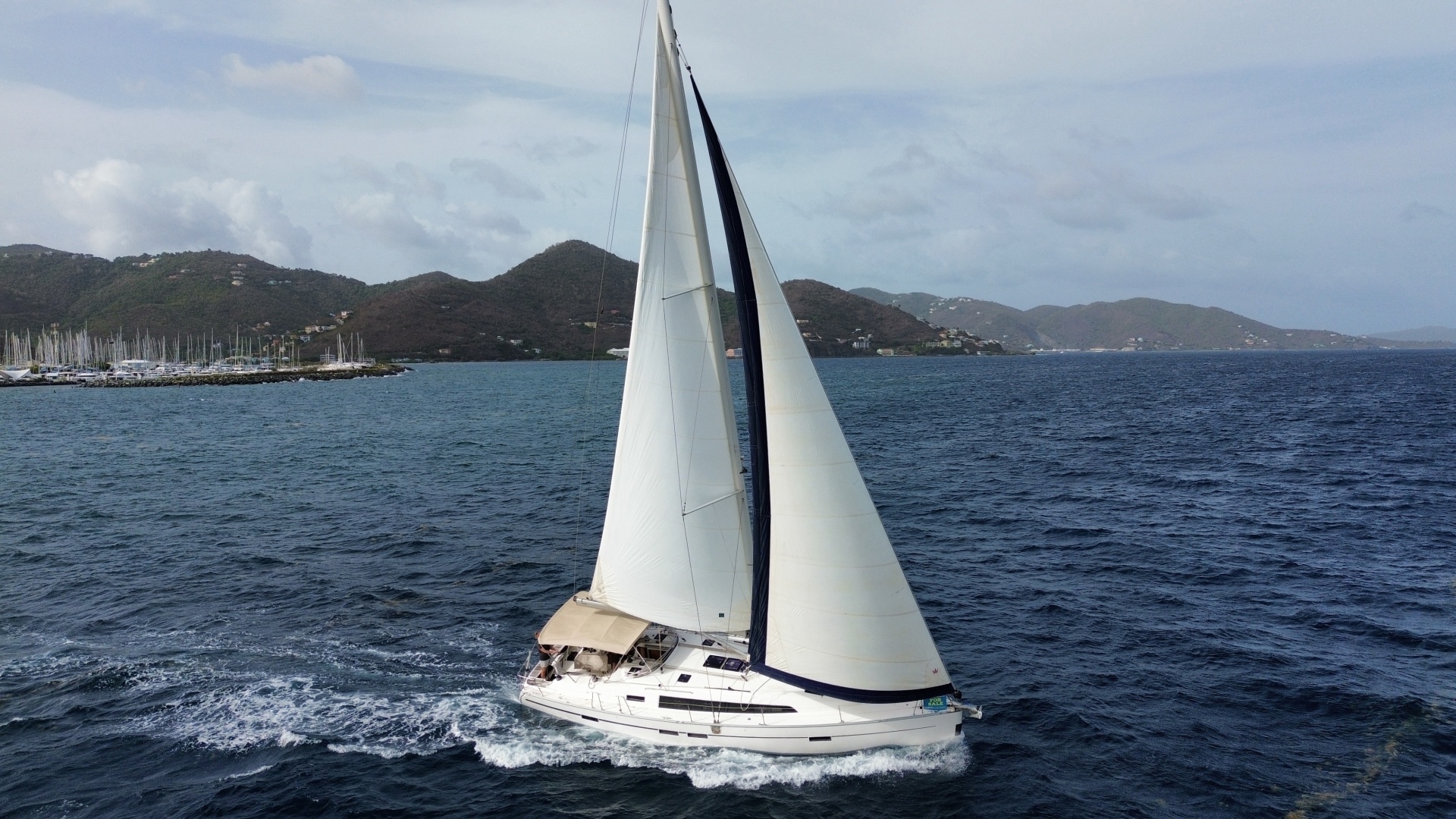
$149,000
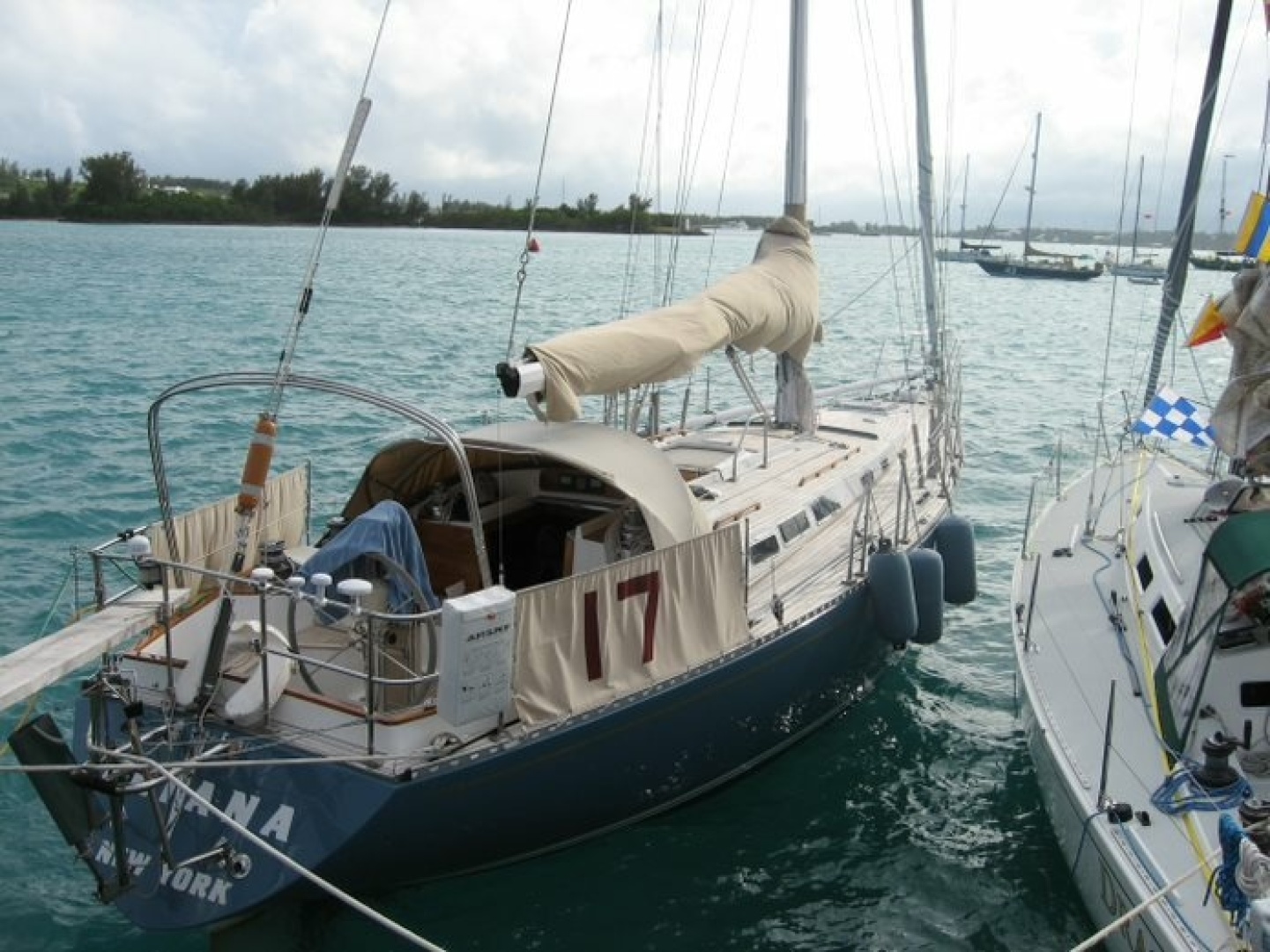
$135,000
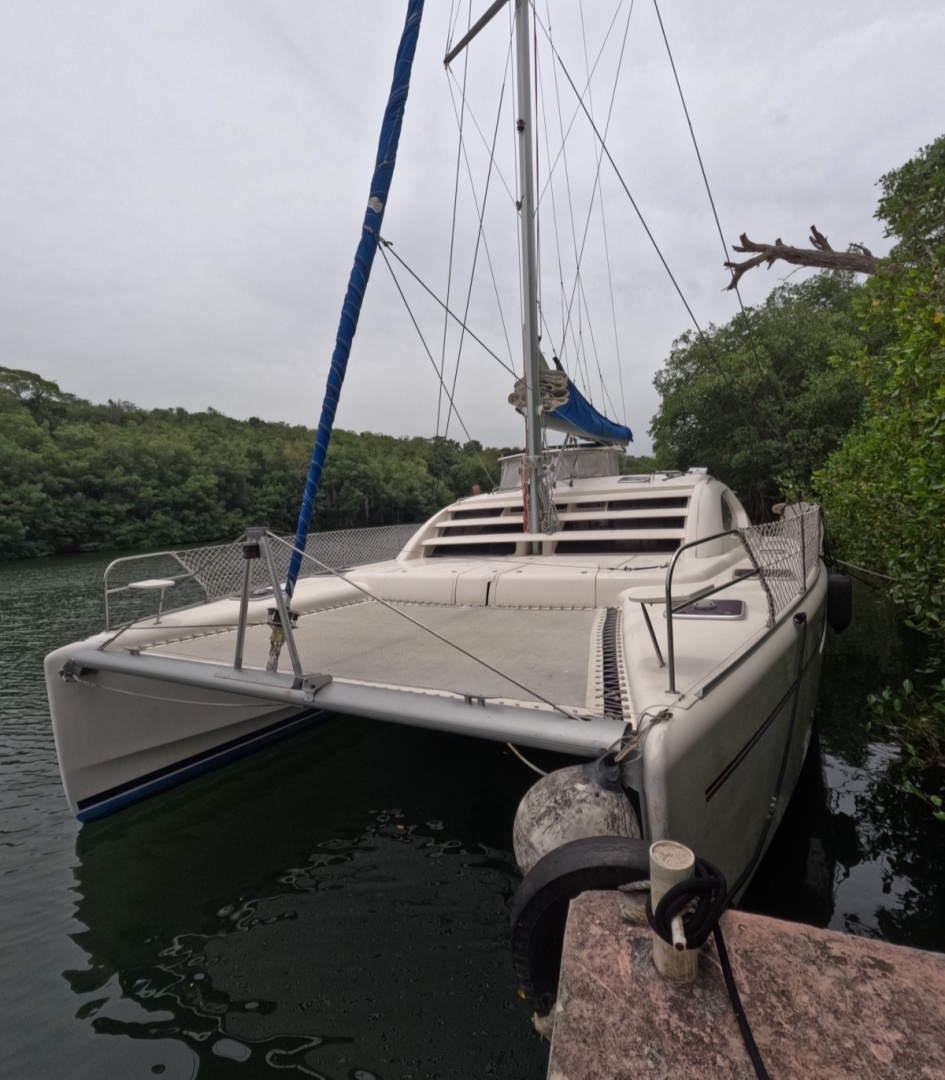
$349,000