

Buying Guide · After the Closing
Sailors will tell you how to keep Poseidon happy. Fewer will tell you that the name on the transom must also match the papers, the radio license, the beacon and the insurance policy. Here is the whole job, in order.
A boat renaming ceremony takes twenty minutes and a bottle of decent bubbly. The paperwork takes a few weeks and touches five or six offices. Most new owners plan the first part and forget the second, then find out at a customs dock or during a claim. This guide walks through both, from scraping off the old name to the day the new certificate arrives.
Is it bad luck to rename a boat?
By old sailing lore, yes, unless you do it properly. The legend says every boat’s name is written in the Ledger of the Deep, kept by Poseidon. Change the name without telling him and you are trying to sneak past the record keeper. The fix the tradition offers is simple: first remove the old name from the ledger, then ask the sea gods to accept the new one.
Nobody can prove that a skipped ceremony sinks boats. Still, plenty of owners who laugh at the idea hold the ceremony anyway. It costs little, it gives the crew a good evening, and it marks a real change of hands. Think of it as the fun half of renaming. The other half is filing, and that half has real teeth.
The sea gods want the old name gone. The Coast Guard, your insurer and your radio license want the new name on file. Do both.
Step one: dename her properly
Tradition says the old name must be gone from the boat before the purging ceremony. That means every trace, not just the big letters on the stern. A name hides in more places than you expect, and the lore treats any leftover as a loose thread.
Step 1Transom and hull
Peel or sand off the stern letters and any name on the bow or topsides. A heat gun softens old vinyl so it lifts in long strips.
Step 2Tender and life ring
Dinghies, life rings and man-overboard poles often carry the name. Strip or replace them.
Step 3Logbook and old papers
Take the old logbook ashore. Keep the prior owner’s records for your files, but not on board.
Step 4Keys, cushions and canvas
Look for embroidered cockpit cushions, dodger panels, branded key floats and monogrammed towels.
Step 5Charts, manuals and spares
Check binder covers, chart cases and spare-parts boxes. Owners often write the boat’s name on everything.
Step 6Electronics
Clear the old name from the very high frequency (VHF) radio and the automatic identification system (AIS) unit, if one is fitted. You will program the new name later.
Once the boat is clean, hold the denaming ceremony. You can do it the same day as the renaming, but tradition prefers a short gap, often a day or two. Some owners do both back to back on the evening of the closing. Either way, keep the new name off the boat until the second ceremony is done.
The renaming ceremony, word for word
Most modern scripts come from a version that cruising writers have passed around for decades. It has two parts: a purging that asks Poseidon to strike the old name, and a renaming that asks him and the four winds to accept the new one. Below is a plain version you can read from the bow. Change the wording to suit your crew; the spirit matters more than the exact lines.
A usable script
A few notes make the evening go well. Pour real drink, not cheap fizz; the lore says the gods notice. Have everyone aboard face the bow when you read. Hold the ceremony before the new lettering goes on, then apply the name the next day. If the ritual feels odd, keep it short. A two-minute version with a toast is still a ceremony.
From ritual to records
Asking the sea gods to accept a new nameGetting every government office and service provider to record it
The ceremony is optional. The filings below are not.
The paperwork the ceremony does not cover
This is where new owners get caught. The name on the stern is a legal marking on a registered boat. Your papers, radio license, beacon record and insurance policy all name the vessel. When those records disagree, small problems follow. A customs officer may question the boat, a marina contract may not match, or an insurer may slow a claim while it sorts out which boat it covered. If you are not sure whether your new vessel counts as a boat or a yacht, our page on boat vs yacht explains where the line usually falls.
For most buyers, the name change is the last step of a purchase. It usually follows the ownership filings covered in the guide to yacht title transfer and documentation. If the ownership change and the name change go in together, you can often file them as one request.
US-flagged vessels: amending the certificate of documentation
A boat documented with the United States Coast Guard carries a certificate that lists its name and hailing port. The hailing port is the home port shown under the name on the stern. To change either, the owner asks the Coast Guard’s National Vessel Documentation Center to issue an updated certificate. The center calls this an exchange.
The request goes on the application form the center uses for most changes, filed online through its storefront. You list the new name and the old name, along with the vessel’s official number. The Coast Guard documentation fee schedule sets the base exchange fee at $84. If the boat has a recorded mortgage, the lender must agree in writing, and that consent adds $24.
Do not paint the new name on until you know the filing is moving. The rules expect the marked name and the certificate to match. If the boat will sail before the new certificate arrives, keep a copy of the filed request aboard.
BVI and offshore flags: what changes and who files it
Many boats sold in the islands sit on the British Virgin Islands (BVI) registry or another offshore flag. The broad pattern is similar to the US process, with one key difference. The registry usually checks and approves the new name before anything else moves, because it will not accept a name already in use on its books.
Owners on these flags usually file through a registration agent or a maritime lawyer. They submit the name request, then the change, and the registry issues an updated certificate of registry. Fees and timing differ by flag and change over time, so get a current quote before you plan the ceremony. If you are also moving the boat to a new flag, rename it as part of that filing. Doing the name change twice costs twice.
If the purchase crossed borders, read up on boat sales tax on offshore purchases before you file. The flag you choose can affect what you owe and where.
The other records that carry the name
The flag registry is the big one, but it is not the only record. Work through the list below in the same week, so every office has the same name on file.
01
State registration
Some US states register documented boats too and record the name. Check with the state boating agency where the boat is kept.
02
Radio license and call number
A Maritime Mobile Service Identity (MMSI) is the number your radio sends in a distress call. If it came with a Federal Communications Commission (FCC) ship license, update the vessel name through that license. If a boating group issued it, contact that group.
03
Beacon registration
An emergency position-indicating radio beacon (EPIRB) is registered to the boat. Update the vessel name with the national beacon registry so rescuers know what they are looking for.
04
Insurance policy
Ask your insurer to endorse the policy with the new name. Get a fresh binder, the short proof-of-coverage page marinas ask for.
05
Marina, mooring and towing
Update slip contracts, mooring permits and any towing or assistance membership. Their dispatch records use the name you hail with.
06
Radio and tracking units
Program the new name into the radio and the tracking transponder. Public tracking sites can take a few weeks to catch up.
Lettering, transom and tender
For a US boat used only for pleasure, the federal rule is short. The federal vessel marking rule says the name and hailing port must appear together on a clearly visible exterior part of the hull. Letters must be at least four inches tall, in a durable material. The stern is the usual spot, but the rule does not demand it. The official number goes inside the hull, on a structural part, as a separate marking.
Other flags have their own marking rules, and charter boats often have more. Ask your registration agent before you order letters. It is cheaper to get the layout right once than to redo a transom.
Vinyl or paint on a Caribbean transom
Cut vinyl lettering
- Fast to apply and easy to remove later
- Cheaper for simple fonts
- Edges can lift in strong sun and salt
- Fades sooner on dark hulls
Painted or gold-leaf lettering
- Lasts longer in tropical sun
- Looks finished on a classic yacht
- Costs more and needs a skilled hand
- Harder to change if you sell or rename
In the islands, sun and salt are hard on letters. Good-quality cast vinyl, applied to a clean, wax-free surface, holds up well. Lighter colors on light hulls stay cooler and fade less. Whatever you choose, letter the tender too. A dinghy marked with the mother ship’s name is easier to return when it drifts off a beach at night.
What a new name costs, all in
The ceremony costs a bottle or two. The real spending is in filings and lettering. Only the federal fees below are fixed. Everything else depends on the boat, the flag and the shop, so treat this as a checklist for quotes rather than a price list.
- US certificate exchange
- $84 base fee to the Coast Guard documentation center
- Lender consent
- $24 more when a recorded mortgage needs the lender’s approval
- Offshore registry
- Name approval plus a change fee; varies by flag, quote first
- Registration agent
- Optional for US boats; usual for offshore flags
- Transom and tender lettering
- Depends on size, font and vinyl versus paint
- Old-name removal
- Labor plus any polishing to hide ghost lettering
- Insurance and memberships
- Ask whether the policy change carries a fee
- The ceremony
- Two bottles of bubbly and a crew who will show up
Choosing a name that will not haunt you on the radio
You will say the name on the radio more often than you think. Hailing a marina, a fuel dock or a harbor office all start with it. A name that is hard to hear in static becomes a daily chore. Short names with clear sounds work best, especially two or three syllables.
Avoid names that sound like emergency words, like Mayday, or like common radio words. Skip puns that need spelling out. If you have to say “that is S-E-A, not S-E-E” every time, pick something else. Read the name aloud to a friend over a phone line before you order letters. If they get it right the first time, it will likely work on the water.
Names can also matter when you sell. A buyer can always rename, so a name rarely sinks a sale. Still, a crude joke or a very personal name can put off early viewers in a listing. If you plan to sell in a few years, a calm, classic name is the safer choice.
Keep in mind
Before you lock in a name
- Caution
Check that no other boat on your flag’s registry already uses it.
Have two or three backup names ready before you file.
- Caution
Confirm the name uses only plain letters and numbers.
Symbols and accents may not print on the certificate.
- Note
Hold off on lettering until the filing is underway.
Order letters once the registry accepts the request.
If you are still shopping, a name is a nice thing to dream about while you browse yachts for sale in the BVI, along with a list of questions to ask about a used yacht.
For the full buying path, from offer to survey to closing, see the Caribbean yacht buying process. It helps to check the clauses in the purchase agreement too, since closing dates drive when you can file. And if the closing is near, talk to a broker about your closing to learn which filings to start first.
FAQ
QIs it bad luck to rename a boat?
By sailing tradition, only if you skip the ceremony. The lore says Poseidon keeps every name in his Ledger of the Deep, so you ask him to strike the old name before you give a new one. There is no proof either way, but most owners hold the ceremony anyway.
QHow do you dename a boat before renaming it?
Remove every trace of the old name from the boat: the transom, the dinghy, the life ring, the logbook, cushions, keys and electronics. Then hold a short purging ceremony that asks Poseidon to strike the old name. Keep the new name off the boat until the renaming is done.
QDo you have to tell the Coast Guard if you rename your boat?
Yes, if the boat is documented with the US Coast Guard. You file for an exchange of the certificate of documentation with the new name. The base fee is $84, plus $24 when a lender must consent. A boat registered only with a state may need a state update instead.
QWhat do you say at a boat renaming ceremony?
First ask Poseidon to strike the old name from his ledger and thank him for past protection. Then ask him to record the new name and grant safe passage. Finish by asking each of the four winds for fair weather, pouring a little bubbly to each, and over the bow.
QDoes renaming a boat affect its resale value?
Rarely in a big way, because a buyer can rename the boat. A crude or very personal name can put off some viewers in a listing, though. A clear, classic name is the safer choice if you expect to sell.
QHow much does it cost to rename a boat?
For a US-documented boat, the federal exchange fee is $84, plus $24 when a lender must consent. Add lettering, old-name removal, any agent fees and a bottle or two for the ceremony. Offshore registries charge their own fees, so get a current quote.
Key Takeaways
- 01
Hold the denaming first, after every trace of the old name is gone, then the renaming.
- 02
A US-documented boat needs a certificate exchange: $84 base fee, plus $24 for lender consent.
- 03
Offshore registries usually approve the name first, often through an agent.
- 04
Update the radio license, beacon, insurance, state and marina records in the same week.
- 05
Letter only after the filing is moving, with letters at least four inches tall on US boats.
Closing on a yacht?
Plan the paperwork before the party
BVI Yacht Sales brokers work from Tortola, St. Croix and Annapolis and guide buyers through survey and closing. Ask which filings to start before you pick a ceremony date.
Featured Listings
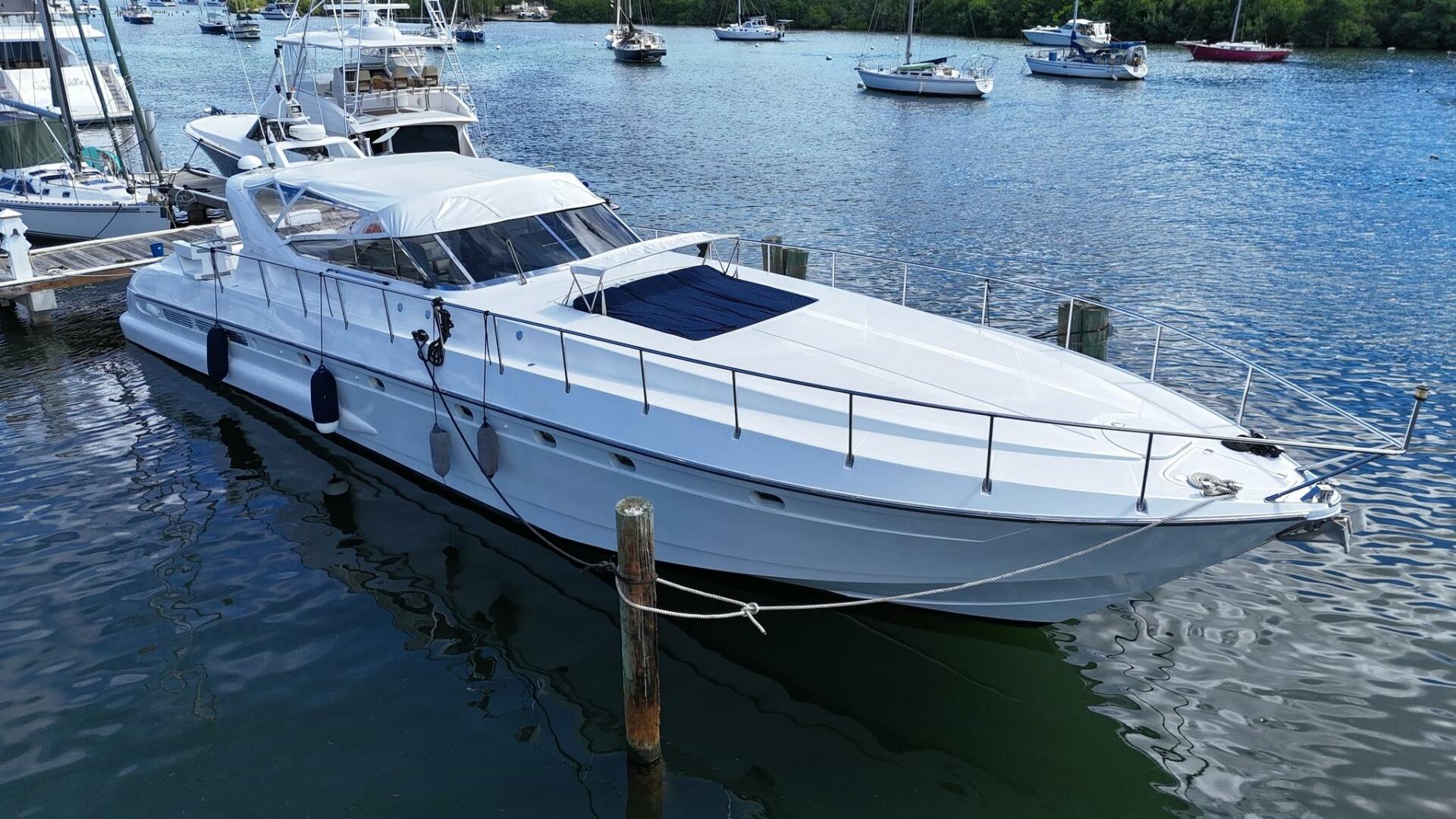
$499,000
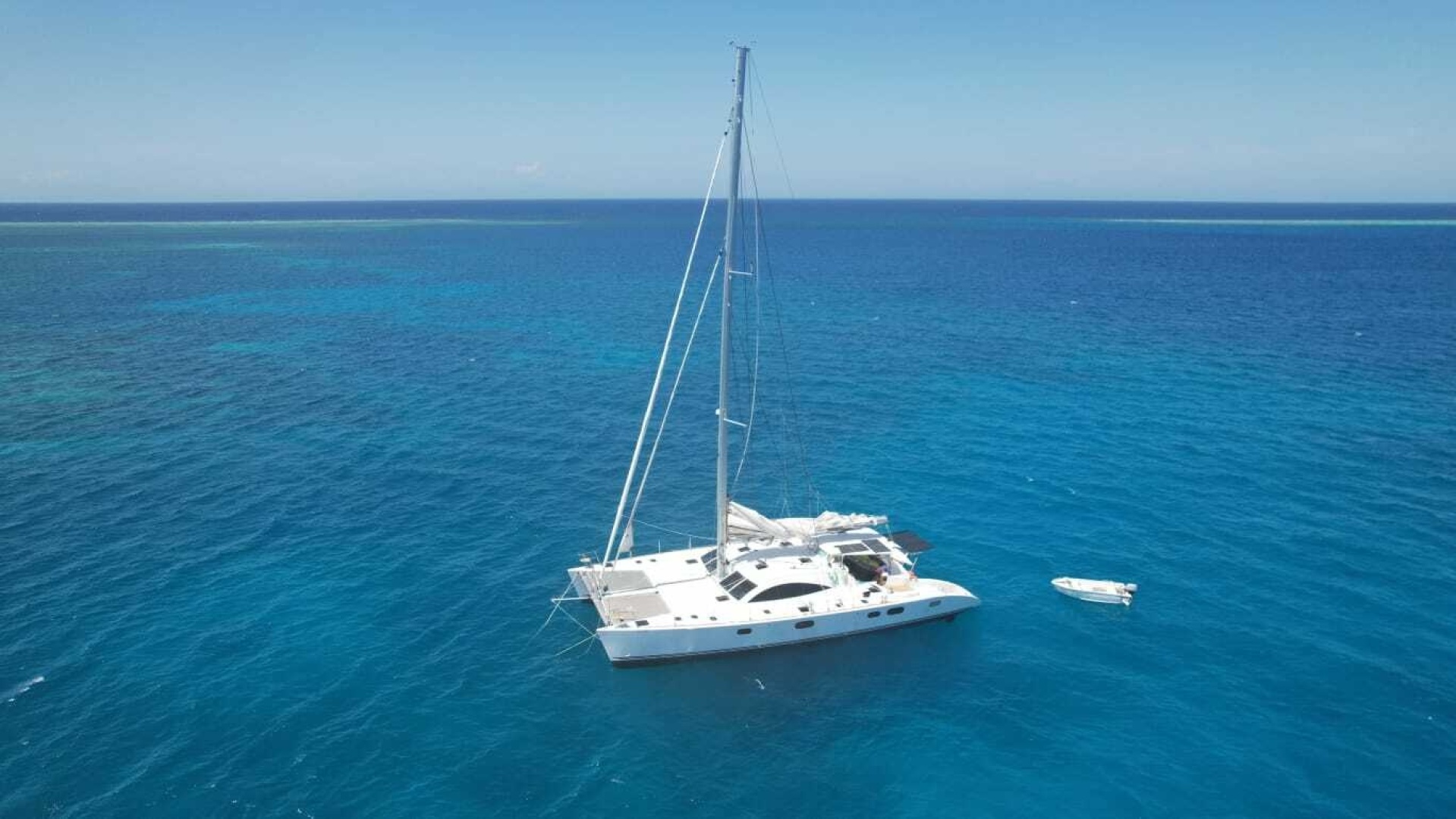
$1,300,000

$1,699,000

$299,000
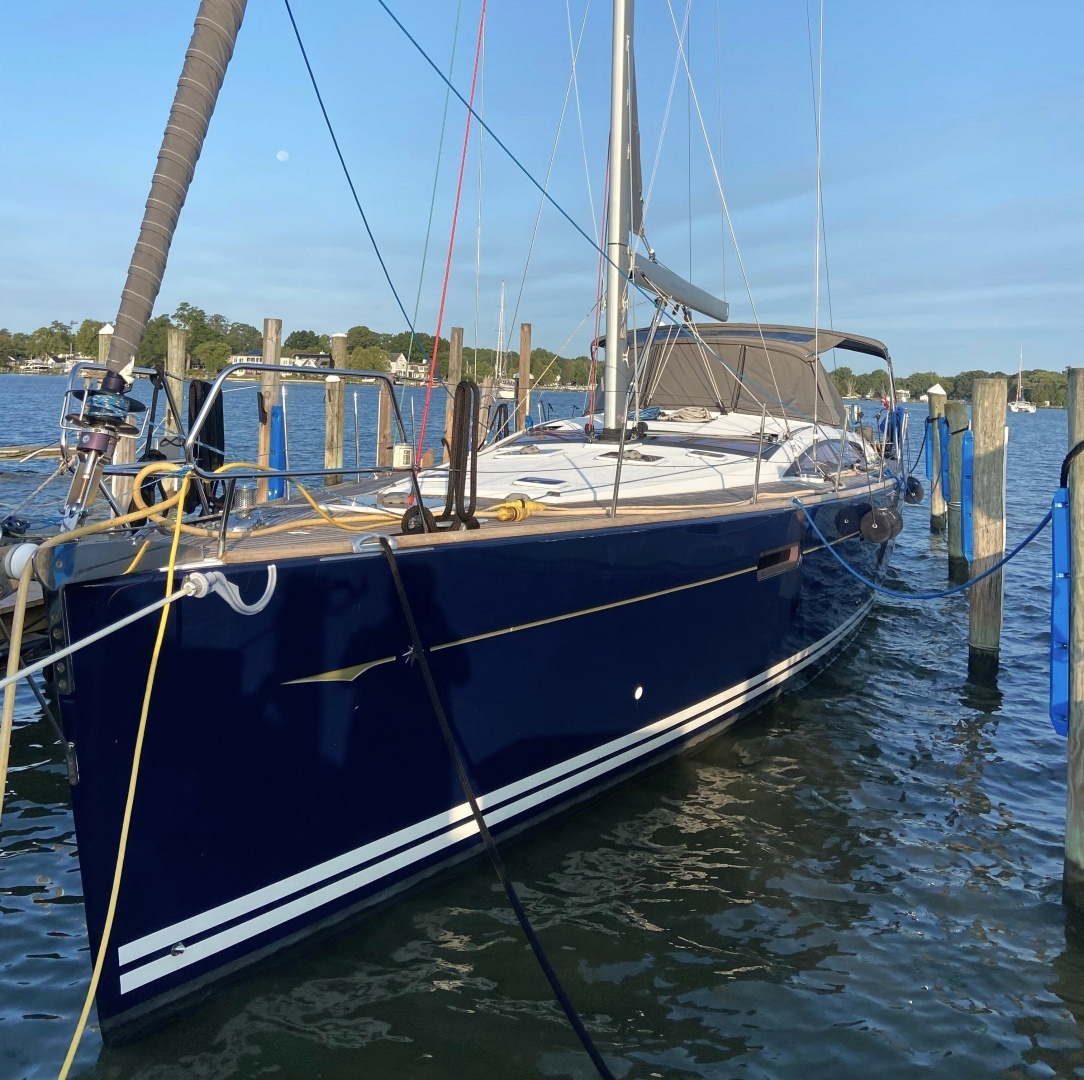
$589,000

$899,000

$1,795,000

$269,000

$2,780,000
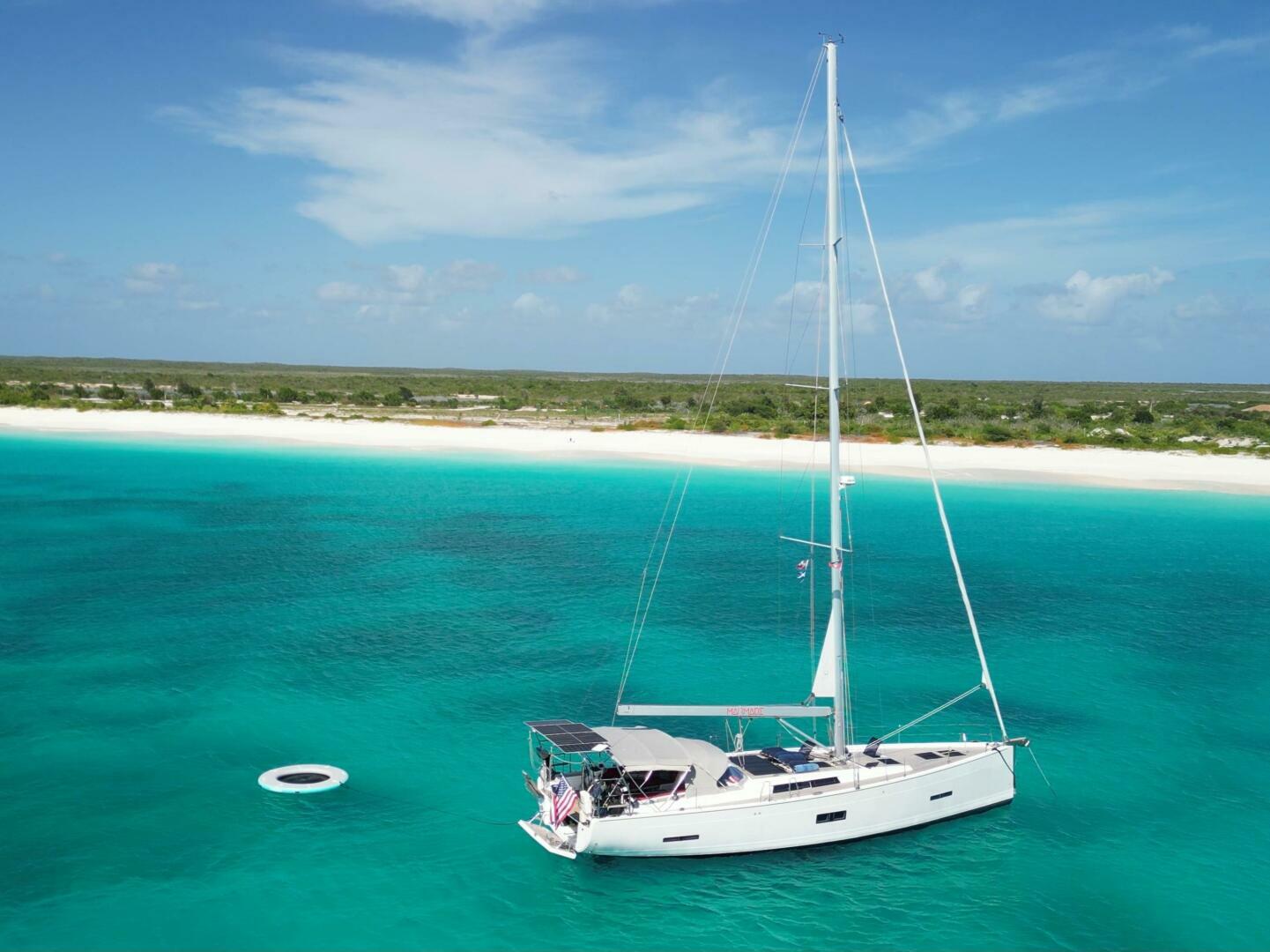
$359,000
$499,500

$299,500

$1,290,000
$790,000
$545,000
$564,900

$1,130,000
$145,000
$499,000

$350,000
$80,000
$80,000

$599,000
$119,000

$98,250
$149,850
$339,000
$395,000

$349,000
$125,000
$1,730,000
$1,730,000
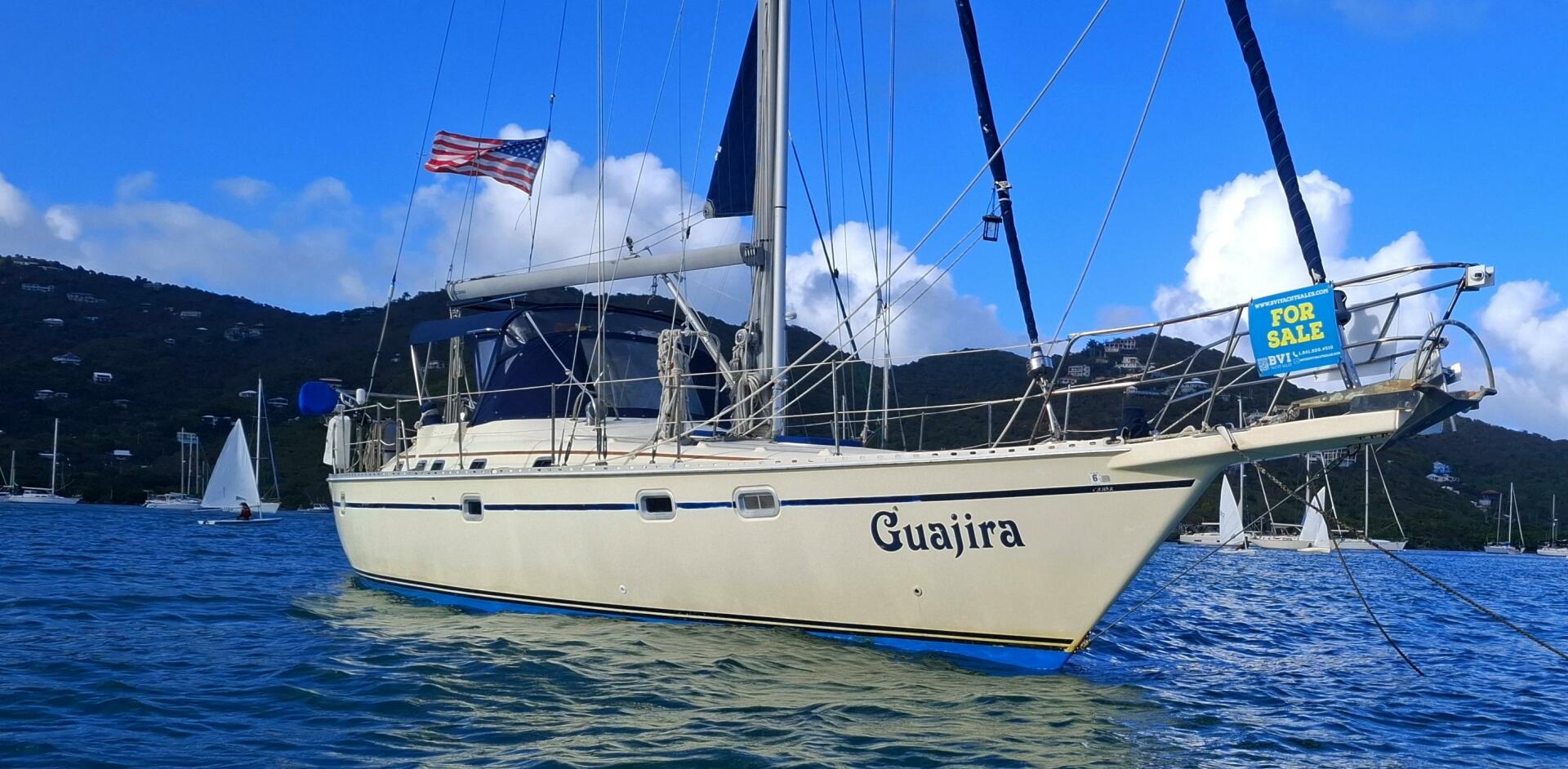
$149,500
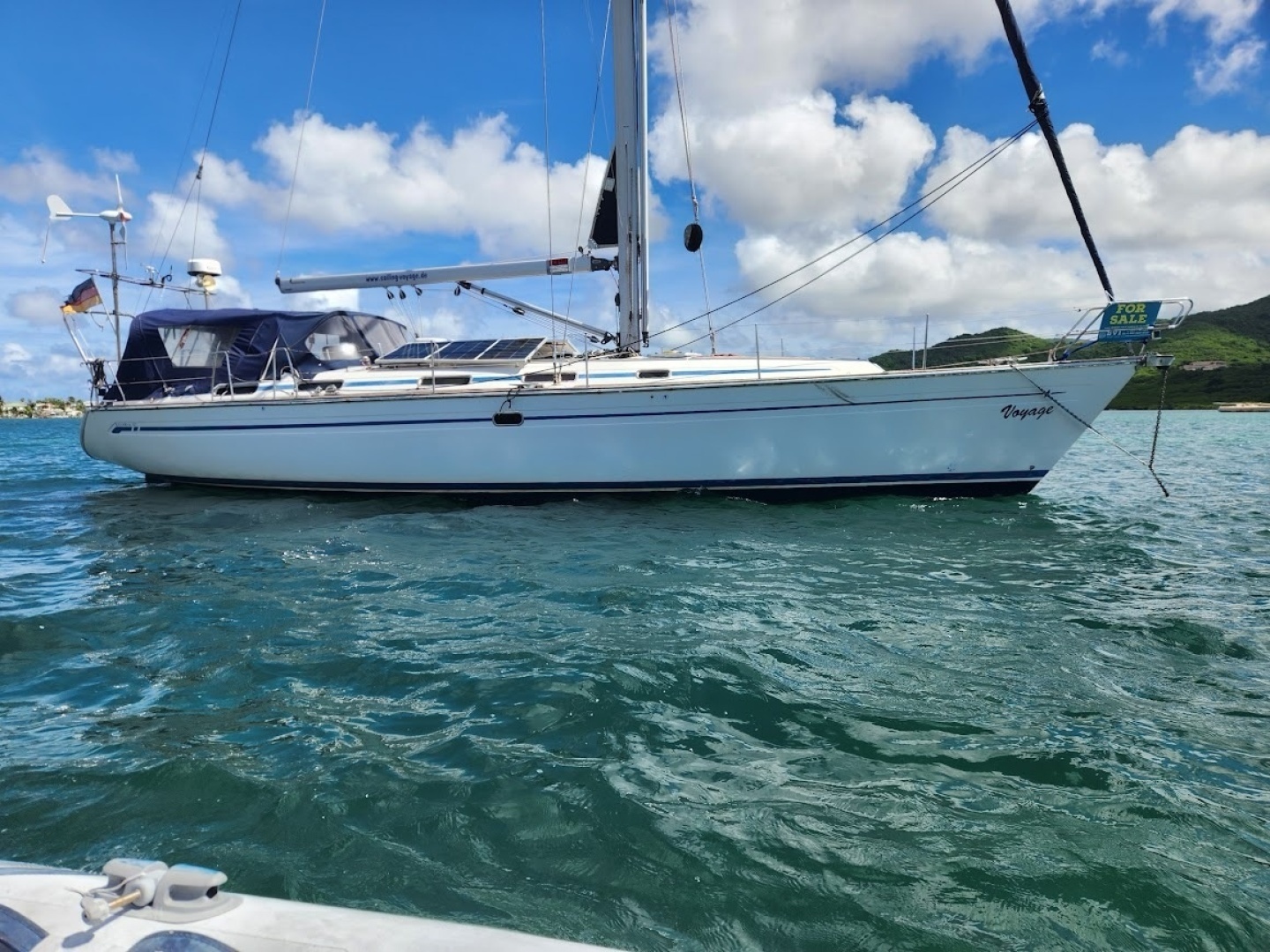
$94,999

$652,000
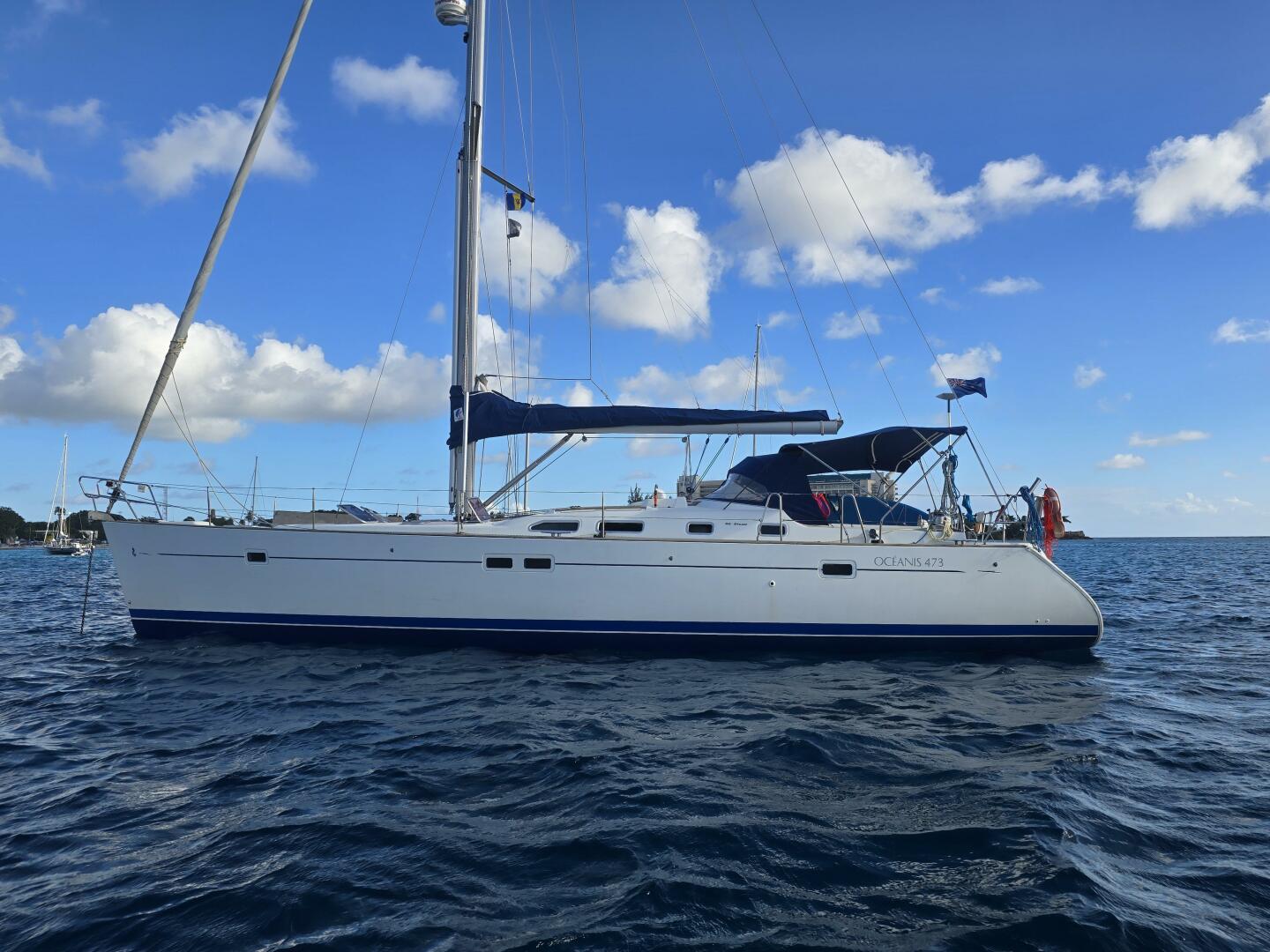
$105,000

$115,000
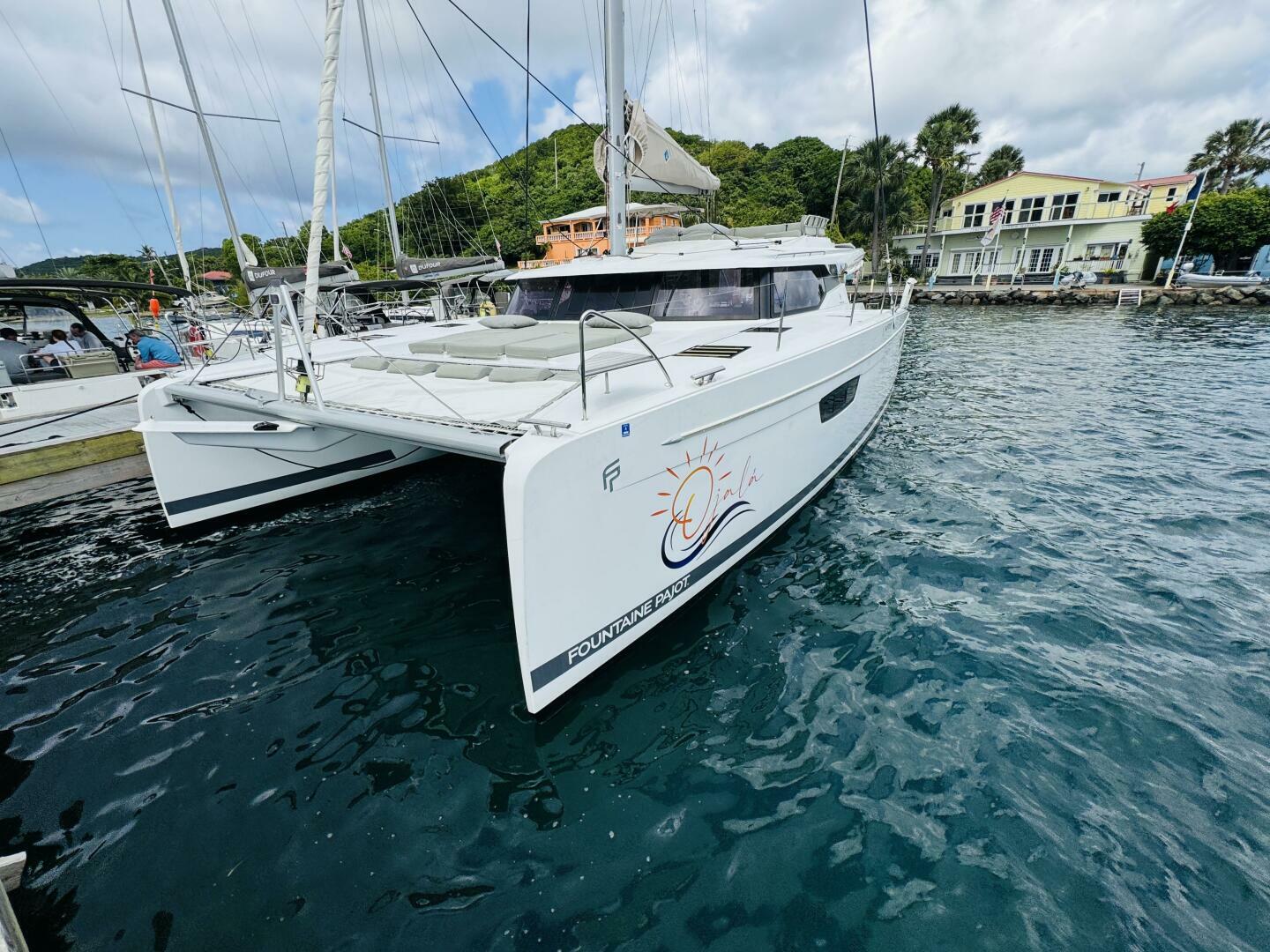
$950,000

$149,000