

Ownership & Lifestyle · Caribbean
A repower is not an engine purchase. Expect the installed total to land 45% to 70% above the engine’s list price once mounts, shaft work, controls, exhaust and labour are counted. On a single mid-range diesel in a 35-45 foot cruiser, that is roughly $30,000 to $60,000 all in.
55%
Engine and gear as a share of the total
45%
Rigging and installation as a share
60%
Typical resale recovery on a fresh repower
8 weeks
Added lead time for an island yard
BVI Yacht Sales, broker observations across Caribbean listings 2026
The short version
- 01
Price the installed job, not the engine. The bare engine is roughly 50-60% of what you will actually write cheques for.
- 02
Repowering rarely returns its full cost at resale — budget on recovering something like half to two-thirds — but it reliably converts an unsellable boat into a sellable one.
- 03
The strongest financial case for a repower is almost never the owner’s own use. It is a buyer’s engine survey coming back badly during a sale, where the alternative is a much larger price concession.
- 04
In the islands, add duty, freight and yard lead time. Duty is the whole tax charge in the BVI because there is no VAT, and an engine that ships in six days to Florida can take six weeks to reach Tortola.
- 05
Never accept a repower quote that is not itemised. An unbroken lump sum is where the shaft coupling, the new panel and the fuel-system work quietly are not included.
What a Repower Costs: The Ranges
A boat repower costs between roughly $18,000 and $120,000 installed, depending almost entirely on engine size and whether the boat has one or two. A small auxiliary diesel in a 30-foot sailboat sits at the bottom of that range; a pair of 400-plus-horsepower diesels in a mid-size powerboat sits at the top. For the most common case we see — a single 40 to 110 horsepower auxiliary in a cruising sailboat, or a single mid-range diesel in a 35 to 45 foot cruiser — the honest planning figure is $30,000 to $60,000 all in.
Installed repower cost by engine class
| Application | Engine list price | Rigging + labour | Installed total | Yard time |
|---|---|---|---|---|
| 30-38 ft sailboat auxiliary, 30-55 hp | $9k-$15k | $7k-$14k | $18k-$30k | 3-5 weeks |
| 38-48 ft sailboat auxiliary, 55-110 hp | $14k-$26k | $11k-$22k | $28k-$50k | 4-6 weeks |
| Single diesel, 35-45 ft cruiser, 150-300 hp | $20k-$38k | $14k-$28k | $34k-$66k | 4-7 weeks |
| Twin diesels, 40-55 ft, 250-450 hp each | $60k-$110k | $35k-$60k | $95k-$170k | 6-10 weeks |
| Saildrive replacement on a cruising catamaran | $22k-$45k | $16k-$30k | $38k-$75k | 5-8 weeks |
Two structural points explain why the ranges are that wide. The first is access. An engine that lifts straight out through a cockpit hatch is a fundamentally cheaper job than one that requires cutting and re-glassing a bulkhead, dismantling a galley or lifting the cockpit sole. We have seen the same engine installed for $12,000 of labour on one boat and $26,000 on another of the same length, purely on access. Before you take any quote seriously, ask the yard to tell you how the old engine comes out and the new one goes in.
The second is what the new engine forces you to change. A modern diesel is usually physically smaller and lighter than the lump it replaces, and it very often has a different footprint, different shaft height and electronic rather than mechanical controls. Every one of those differences generates work: new engine beds, a new coupling, sometimes a new shaft, a new instrument panel and harness, and frequently a new exhaust run. None of that is optional and none of it is in the engine’s list price. As engine manufacturers themselves make the point in their own repower guidance, the number that matters is the fully installed cost, not the price on the crate.
Where the Money Goes
Here is the itemisation that the forum threads dominating this search never produce. These are the lines we expect to see on a complete quote for a single-engine job, and the ones we check for when a client sends us a quote to look over.
- Engine and transmission
- 50-60% of the total. Reduction ratio matters as much as horsepower — the wrong ratio means the wrong propeller, or an engine that never reaches rated RPM
- Engine beds and mounts
- $1,200-$4,500. New beds when the footprint changes; flexible mounts always
- Shaft, coupling and alignment
- $900-$4,000. Coupling almost always; new shaft if the height or diameter changes; alignment and sea trial in every case
- Propeller
- $800-$5,000. A new engine and gear ratio usually needs repitching at minimum, often a new wheel
- Controls, panel and harness
- $1,500-$6,000. Electronic controls are where mechanical-throttle boats get an unpleasant surprise
- Exhaust system
- $800-$3,500. New mixing elbow, hose and often a new muffler sized to the new engine
- Fuel system and cooling
- $600-$3,000. Tank cleaning or polishing, new lines and filters, raw-water plumbing and a heat exchanger or cooler
- Labour
- $140-$225 per hour, 60-160 hours for a single engine. The single largest variable and the one access drives
- Haul-out and yard storage
- $1,200-$5,000 depending on length and how long she sits
Read the quote
Six lines that go missing
The items most often absent from a headline repower number: the propeller or repitch, the shaft coupling, the instrument panel and harness, the exhaust mixing elbow and muffler, fuel tank cleaning, and the post-launch alignment and sea trial. Ask about those six by name. A quote that adds $6,000 once you do was never a cheaper quote.
Repower vs Rebuild vs Walk Away
Most owners reading this are not really asking what a repower costs. They are asking whether to spend the money at all. Three paths, and a reasonably clear rule for choosing between them.
Rebuild when the block and bottom end are sound, parts are available, and the rebuild quote comes in well under about 40% of the installed cost of new. A top-end rebuild on a well-maintained engine with good service records can buy years for a fraction of a repower. The moment a rebuild estimate passes roughly half the installed cost of new, the arithmetic flips: you would be spending half a repower to get a used engine back, with no warranty and none of the fuel economy or resale benefit.
Repower when the engine is beyond economical rebuild, when parts support has dried up, or when you intend to keep the boat five or more years. Walk away — meaning sell as-is and let the next owner make the decision — when the boat’s market value is close to or below the installed repower cost, or when the engine is only one item on a longer list of deferred maintenance. Hours alone are a poor guide to which bucket you are in; a well-documented engine at 6,000 hours may have more life left than a neglected one at 3,000, which is why how many engine hours are too many depends on the service record more than the meter.
Does a Repower Pay Back at Resale?
Not in full, and any broker who tells you otherwise is selling you something. Across the listings we handle, a recent repower with documentation typically recovers something in the region of half to two-thirds of its cost in the achieved price. Spend $45,000 and expect perhaps $25,000 to $30,000 of it to show up in what the boat actually sells for.
But that framing undersells what a repower does, because it treats the alternative as selling at the same price minus nothing. In practice the alternative is worse than a discount. A boat with a tired or failed engine does not simply sell for less — it sells slowly, to a much smaller pool of buyers, after a survey that gives every other defect more weight than it deserves. Fresh engines with a warranty and an invoice remove the single largest objection in the transaction and shorten the listing period considerably. When we are pricing your yacht to sell, a documented repower is one of the few line items that reliably moves both the price and the time on market.
Two things maximise what you do recover. Keep every invoice, the commissioning report and the warranty registration in one folder and hand it to the broker on day one. And repower with a brand that has service support wherever the boat is likely to be sold — in the Caribbean that generally means Yanmar or Volvo Penta, because a buyer’s surveyor will ask who services it here, and an orphan engine costs you more at negotiation than the money you saved buying it.
When an Engine Fails Survey
This is the situation where repower economics are least understood and most consequential, and it is a brokerage-specific problem the rest of this search result set never addresses. A deal is agreed, the buyer’s surveyor and mechanic go aboard, and the engine comes back with low compression, a cracked head, or oil analysis showing bearing metal. The deal does not have to die, but somebody is now paying for an engine.
There are three usual resolutions. The seller repowers before closing, which is the slowest and ties the boat up for weeks with the deal in limbo. The seller grants a credit at closing against a quoted repower cost, which is the cleanest and by far the most common outcome we negotiate — the buyer takes the work on with cash in hand and chooses their own yard. Or the price is renegotiated outright, usually by considerably more than the repower would have cost, because a buyer discounting for an unknown discounts generously. Owners budgeting a repower often forget the boat still has to sit somewhere for the weeks the work takes, and slip and dockage rates in the islands are not a rounding error.
The broker’s job at that moment is to convert an alarming survey finding into a number both sides can live with, which means having a real itemised quote in hand within days rather than arguing about a hypothetical. If you are selling a boat with an engine you have doubts about, get the repower quoted before you list. Walking into that conversation with a written quote is worth more than any negotiating tactic, and it is the same logic that makes a pre-purchase survey worth its cost to a buyer.
A tired engine does not cost you a discount. It costs you the buyers who never made an offer.
BVI Yacht SalesRepowering in the Islands
Everything above holds in Tortola, St Thomas or St Croix, with three adjustments no mainland guide will give you.
Freight and duty come first. An engine crate that reaches a Florida yard in under a week can take four to six weeks to reach the BVI once ocean freight, consolidation and clearance are counted, and it arrives with duty on it. BVI Customs collects import duty on goods entering the Territory at rates set by commodity classification, and because there is no VAT or general sales tax here, that duty is the entire tax charge rather than a layer on top of one. Get the classification confirmed locally before the crate ships rather than after it lands — the difference between an assumed rate and the assessed rate on a $30,000 engine is real money, and it is easier to resolve on paper than on a dock.
Yard availability is second. The Caribbean has a genuine season, and the yards know it. Attempting a repower between December and April means competing for the same lifts, the same mechanics and the same shed space as every charter refit in the territory. Book a repower for May through September and both the schedule and the labour rate improve. Plan for eight weeks of lead time on the engine itself as a baseline, not four.
Third, service support after the fact. Choose the engine your island can actually service. A brand with a dealer and a parts shelf within a ferry ride is worth paying a premium for, because the alternative is air-freighting an impeller and waiting. That calculation belongs in the same budget as your other annual yacht ownership costs, not as an afterthought.
Getting a Quote You Can Compare
Ask every yard for the same nine lines and the comparison becomes trivial: engine and transmission with the reduction ratio stated; engine beds and mounts; shaft, coupling and alignment; propeller or repitch; controls, panel and harness; exhaust from elbow to outlet; fuel system work; estimated labour hours with the hourly rate shown; and haul-out plus storage. Then ask three questions that are not on any quote. How does the old engine come out. What is the lead time on the engine, in writing. And who commissions it and performs the post-launch alignment and sea trial, because that last step is the one that gets dropped when a job runs late.
Last updated
QHow much does it cost to repower a boat?
Installed repower costs run roughly $18,000 to $120,000 depending on engine size and count. A small sailboat auxiliary of 30 to 55 horsepower comes in around $18,000 to $30,000; a 55 to 110 horsepower auxiliary around $28,000 to $50,000; a single mid-range diesel in a 35 to 45 foot cruiser around $34,000 to $66,000; and twin diesels in a 40 to 55 footer anywhere from $95,000 to $170,000. The engine itself is only 50 to 60% of that. The rest is beds, shaft and coupling, propeller, controls, exhaust, fuel and cooling work, labour and haul-out.
QIs repowering worth it, or should I rebuild?
Rebuild when the block is sound, parts are available and the quote lands well under about 40% of the installed cost of a new engine. Repower when the engine is past economical rebuild, when parts support has ended, or when you plan to keep the boat five or more years. Once a rebuild estimate approaches half the installed cost of new, repowering is usually the better value because you get a warranty, better fuel economy and a resale benefit that a rebuilt used engine does not carry. If the boat’s market value is close to the repower cost, the right answer may be to sell as-is.
QDoes a new engine add to a boat's resale value?
It adds value, but not pound for pound. Expect to recover roughly half to two-thirds of a documented repower in the achieved sale price. The larger benefit is liquidity rather than price: a boat with fresh, warrantied engines and a folder of invoices attracts a far wider pool of buyers and sells materially faster, while a boat with a doubtful engine sells slowly and invites discounting on everything else the survey finds. Keep the invoices, the commissioning report and the warranty registration together and give them to your broker at listing.
QHow long does a repower take at a Caribbean yard?
Budget four to eight weeks of yard time for a single engine and six to ten for twins, plus lead time on the engine itself — and in the islands that lead time is the part that surprises people. Allow around eight weeks for the engine to arrive once ocean freight, consolidation and customs clearance are counted, rather than the week or so a Florida yard would quote. Schedule the work for May through September if you can. Between December and April you are competing with the charter refit season for lifts, sheds and mechanics.
QWho pays for a repower when an engine fails survey?
It is negotiated, and in our experience the cleanest resolution is a credit at closing against a written repower quote. The buyer completes the sale with cash in hand and picks their own yard, and the boat is not tied up for weeks with the deal unresolved. The seller can instead repower before closing, which is slow, or agree a price reduction — which usually costs the seller more than the repower would have, because a buyer pricing an unknown prices it generously. If you have doubts about your engine, get it quoted before you list.
QWhat is included in a quoted repower price?
It varies far more than it should, which is why you should require itemisation. A complete quote covers the engine and transmission with the reduction ratio stated, engine beds and mounts, shaft and coupling with alignment, the propeller or a repitch, controls with panel and harness, the exhaust from mixing elbow to outlet, fuel system and cooling work, labour hours with the rate shown, and haul-out with storage. The six items most commonly missing are the propeller, the coupling, the panel and harness, the exhaust elbow and muffler, fuel tank cleaning, and the post-launch alignment and sea trial.
BVI Yacht Sales · The Informative Brokers
Repower, or sell as she sits?
Send us the boat, the engine and the hours and we will tell you candidly which way the numbers point — including when the answer is to list her as-is rather than spend the money. We will also review a repower quote you have already been given, line by line.
Featured Listings
$599,000
$1,300,000
$1,699,000

$299,000

$899,000

$1,795,000

$269,000

$359,000
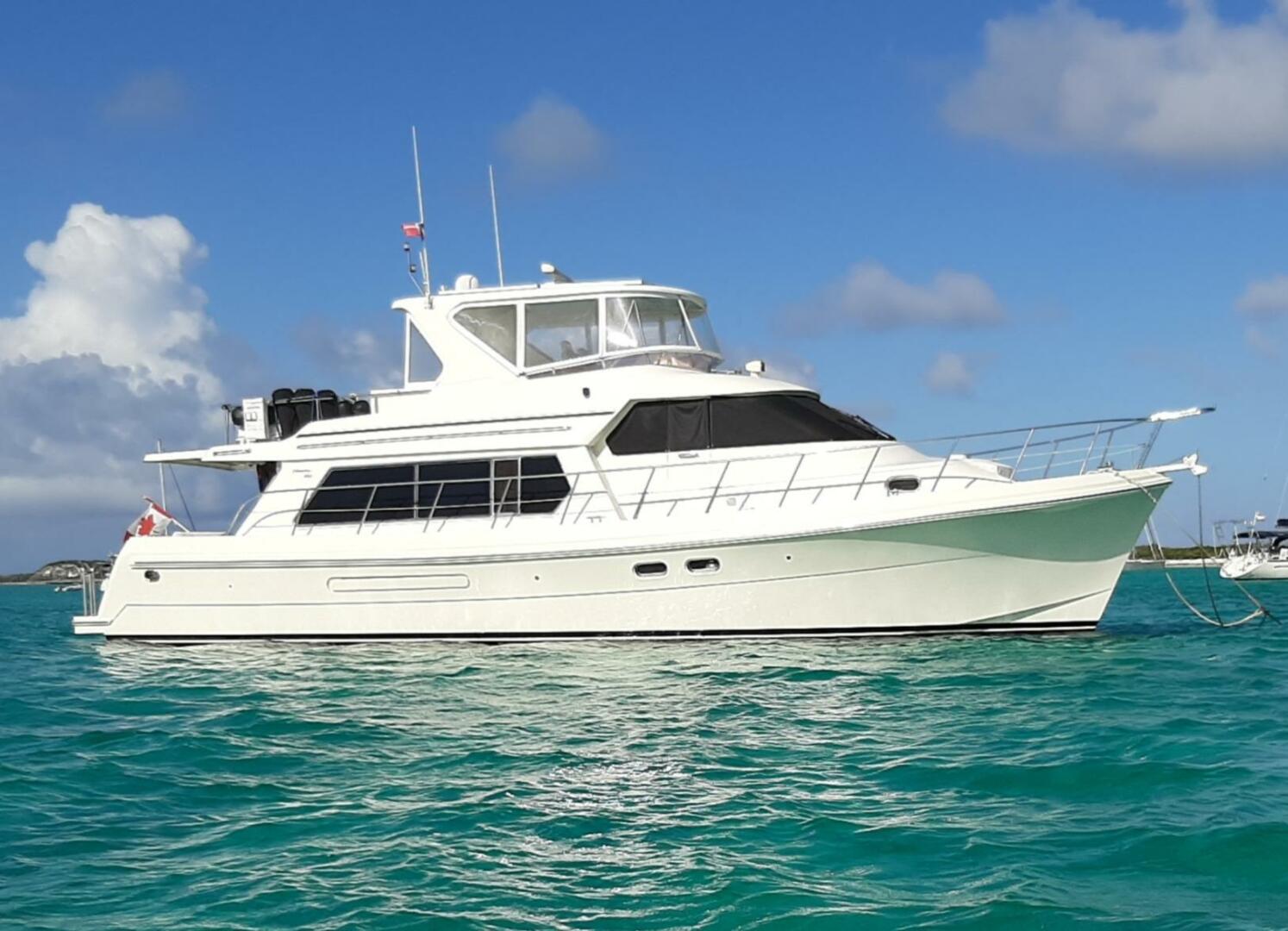
$499,500
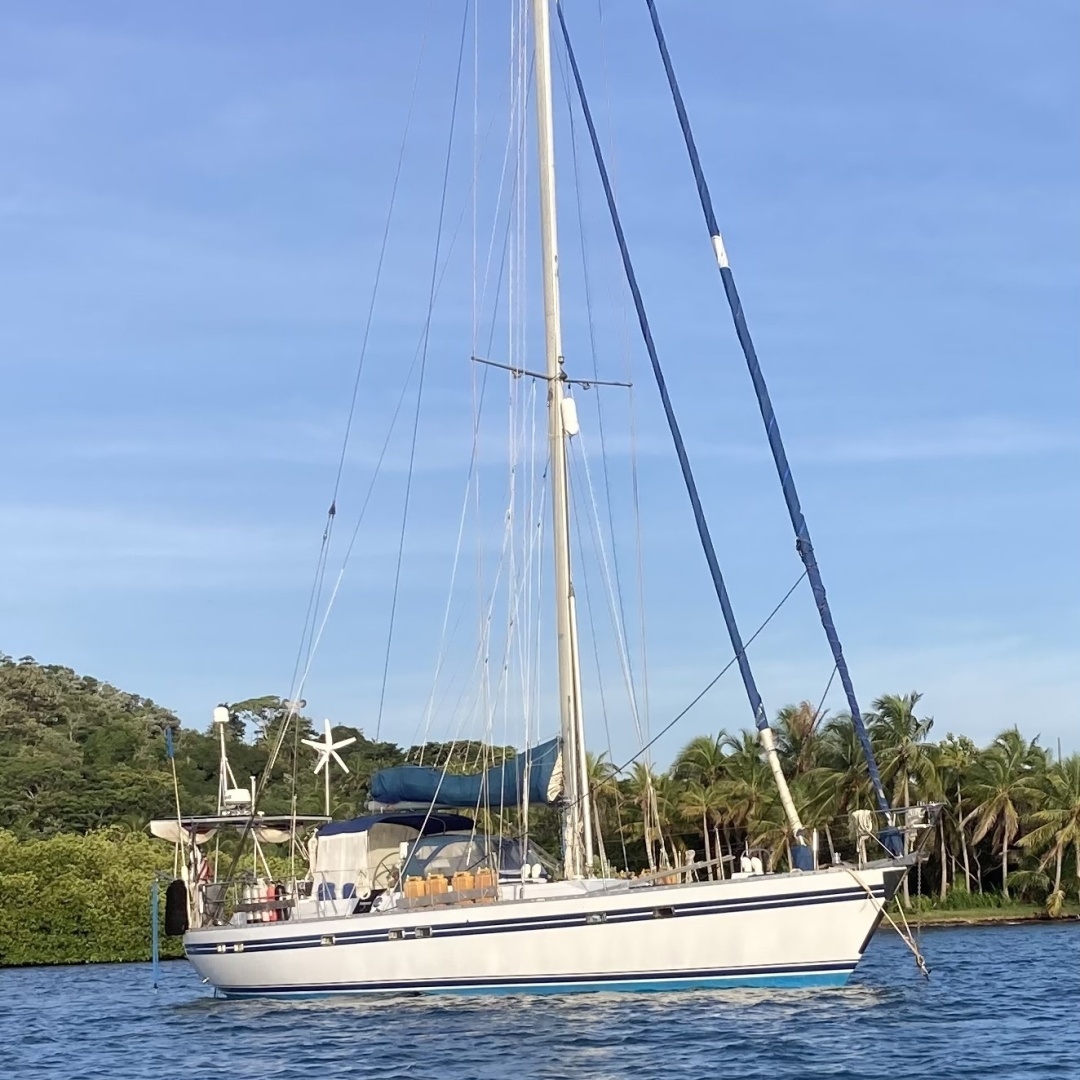
$299,500
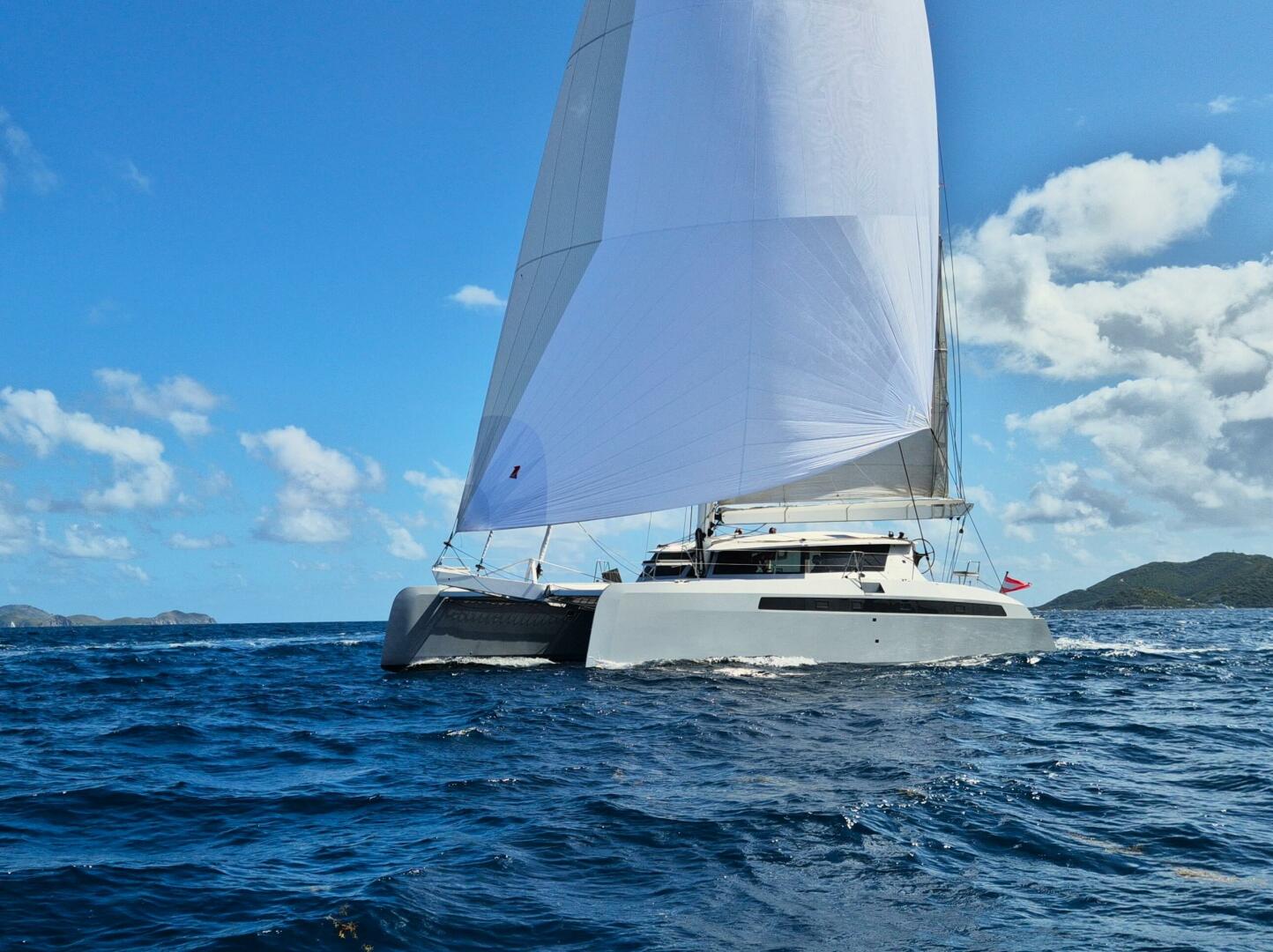
$1,290,000
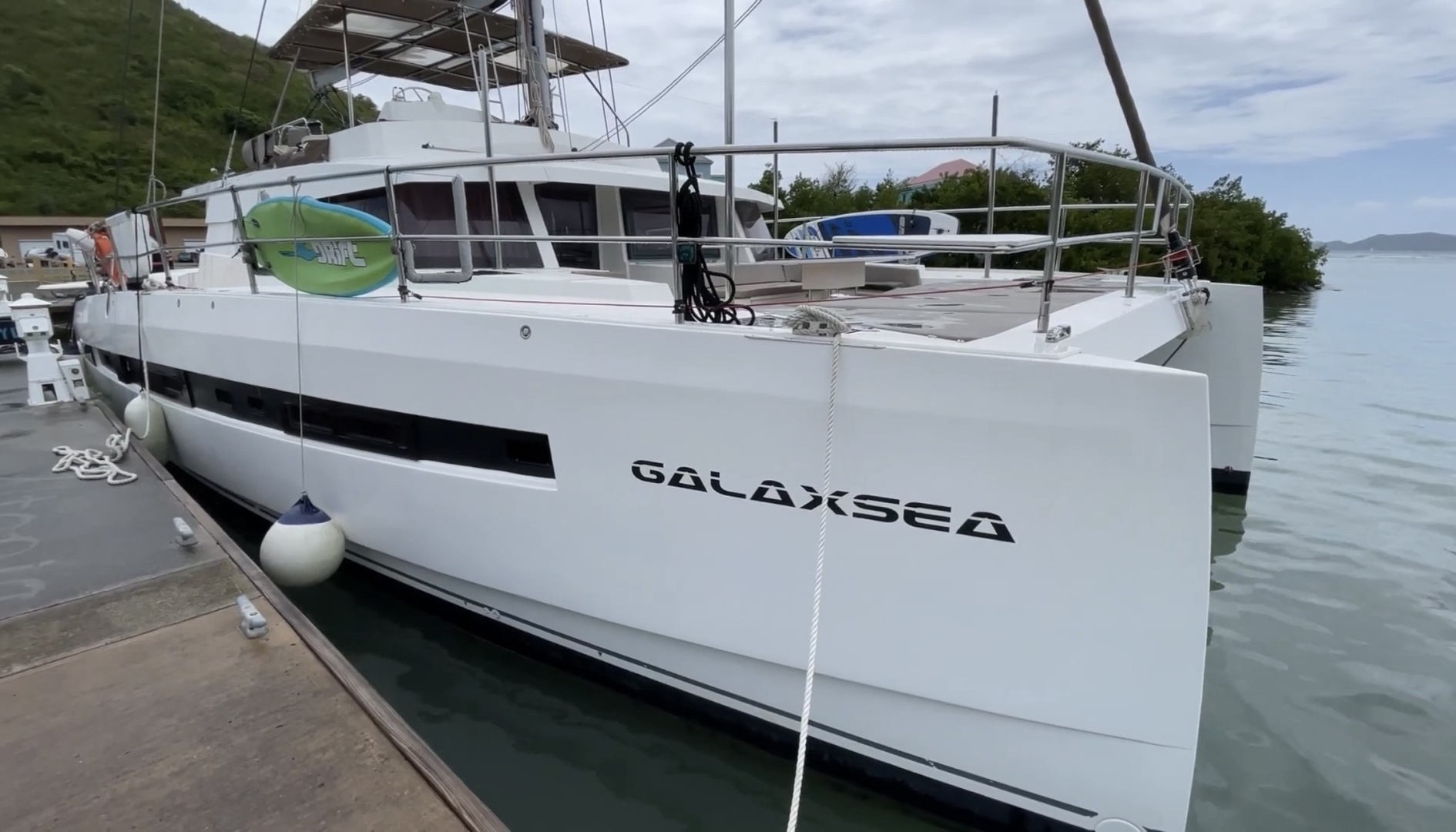
$800,000
$545,000
$564,900
$1,130,000
$159,000
$499,000
$89,000
$89,000
$135,000

$98,250
$149,850
$369,000
$395,000
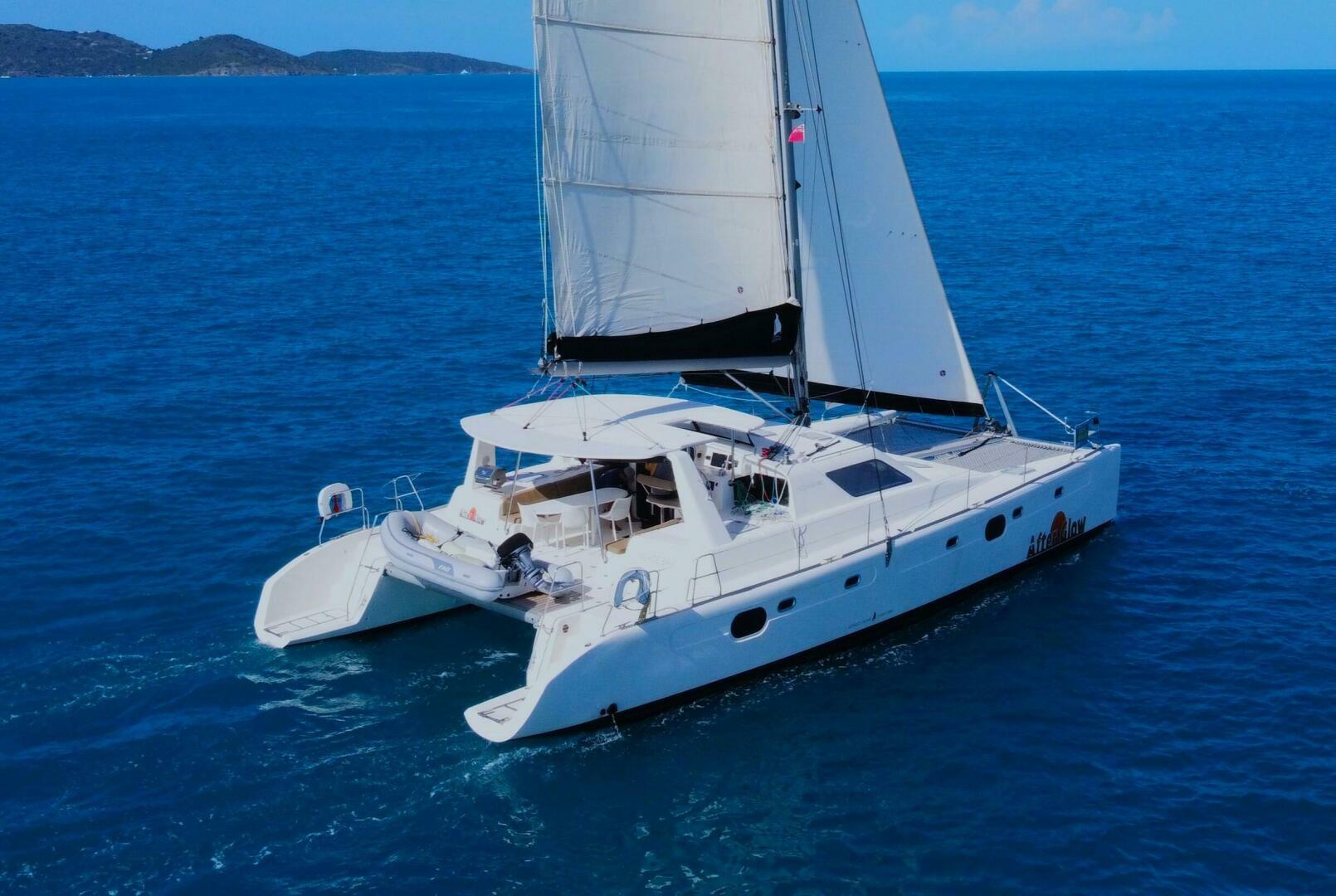
$349,000
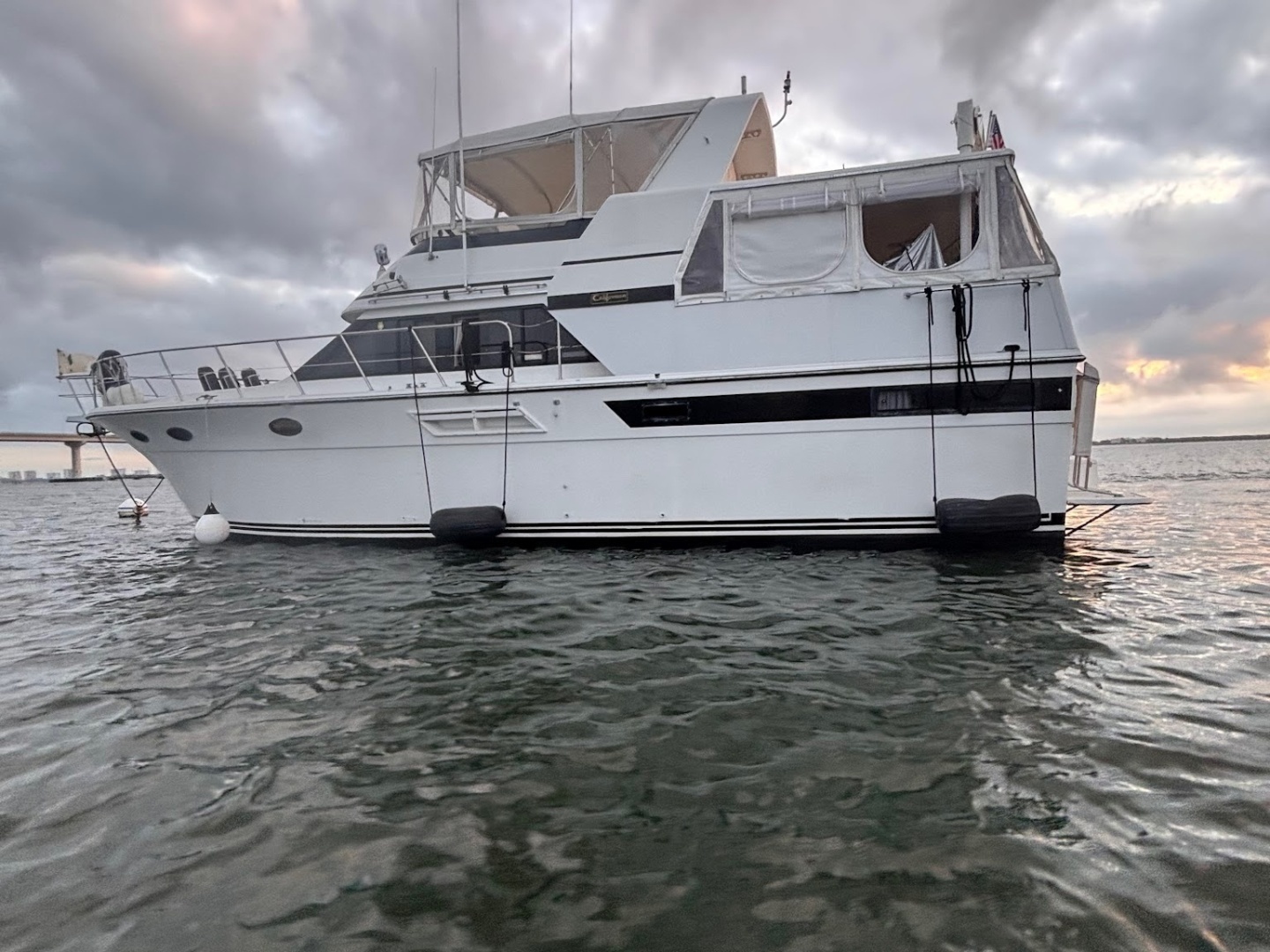
$125,000
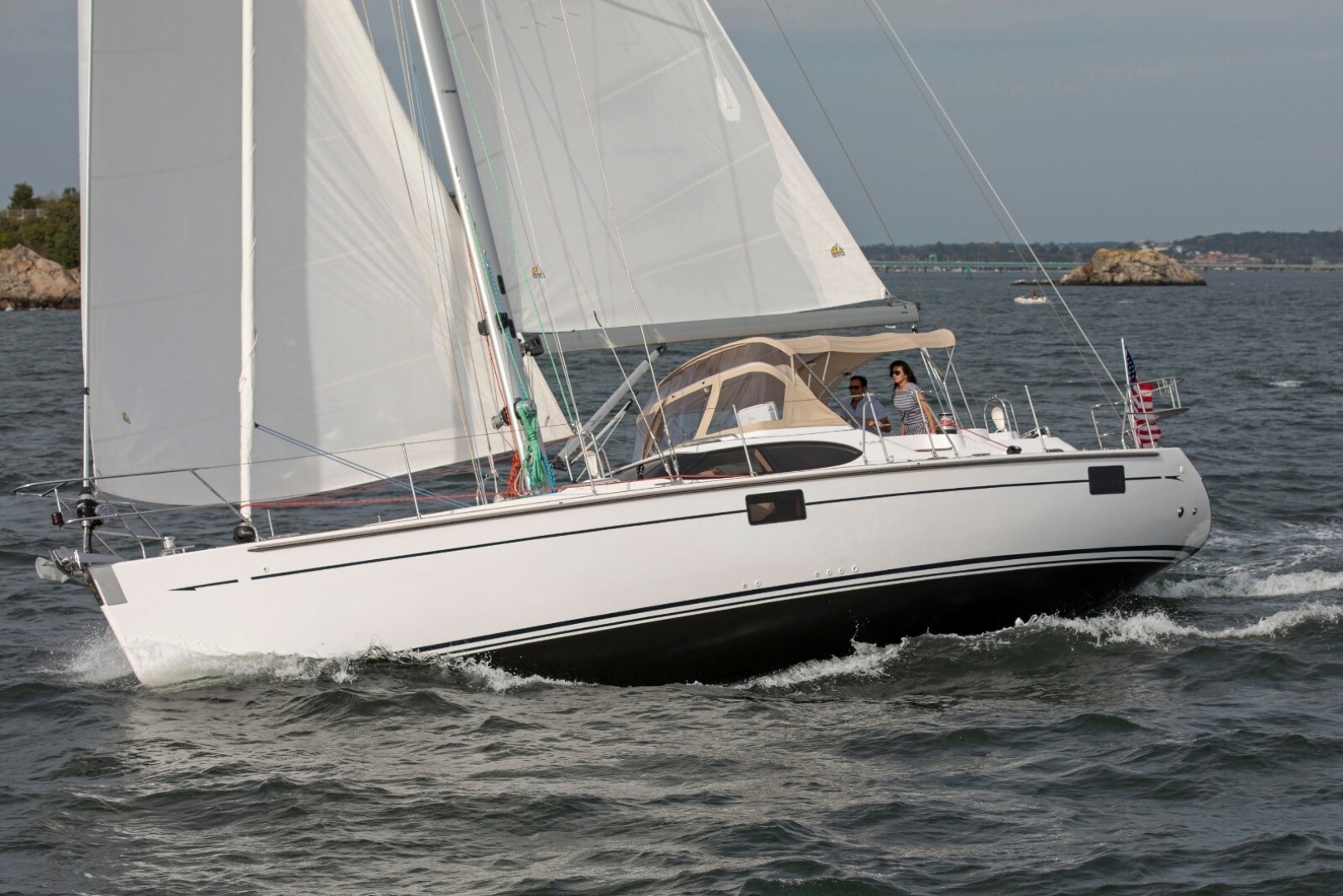
$1,724,571
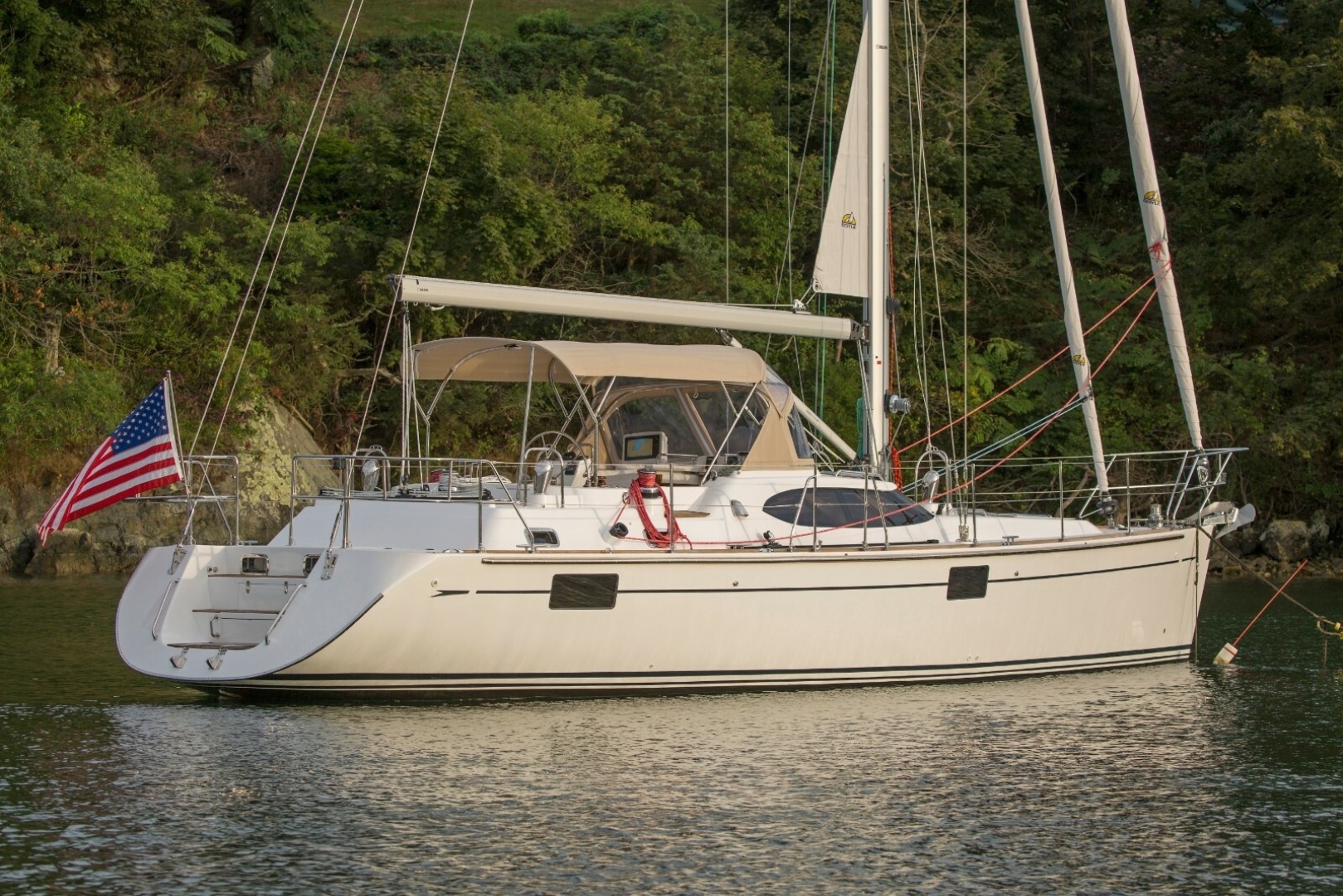
$149,500
$109,900
$395,000

$652,000
$105,000

$115,000
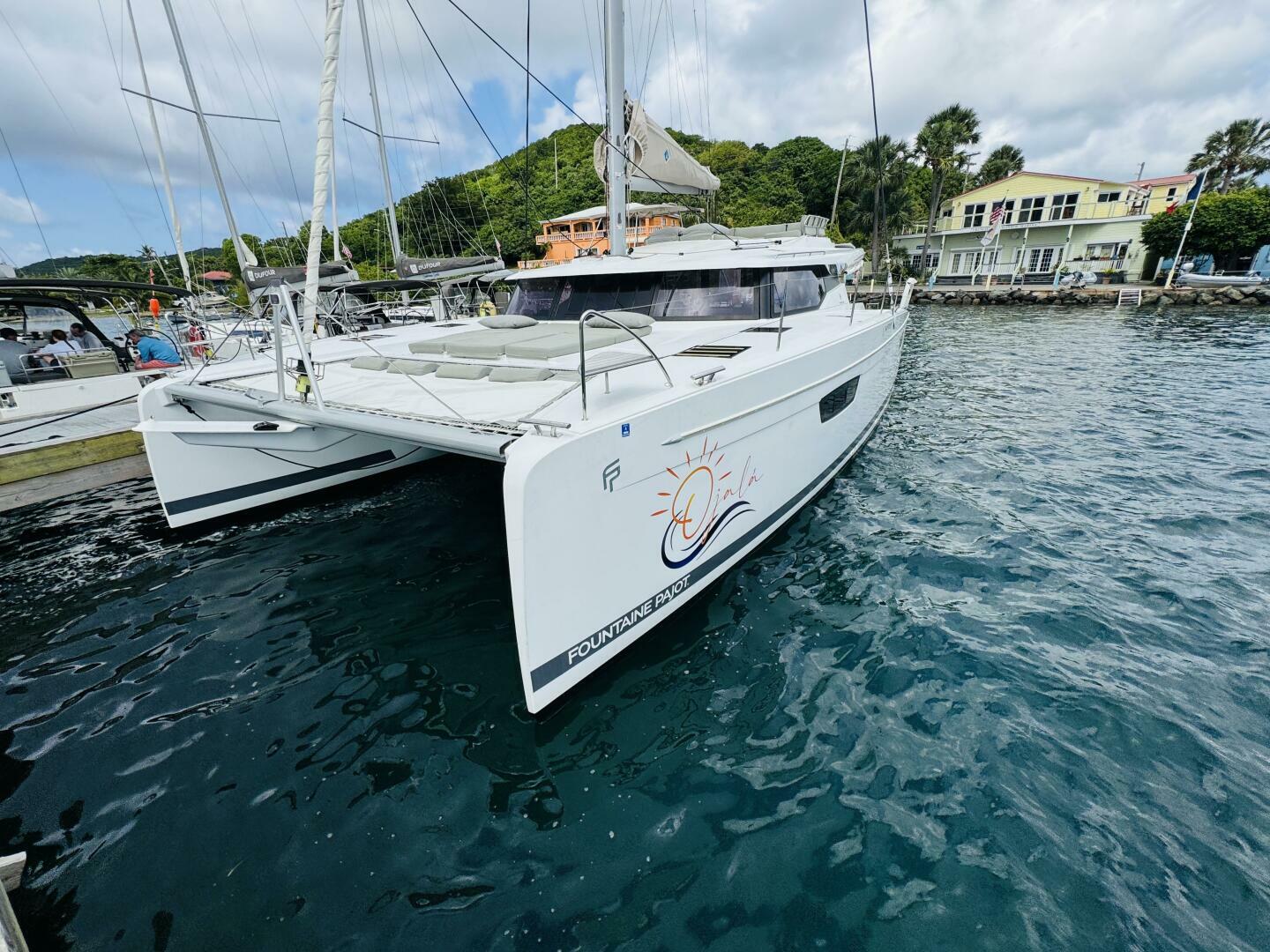
$950,000
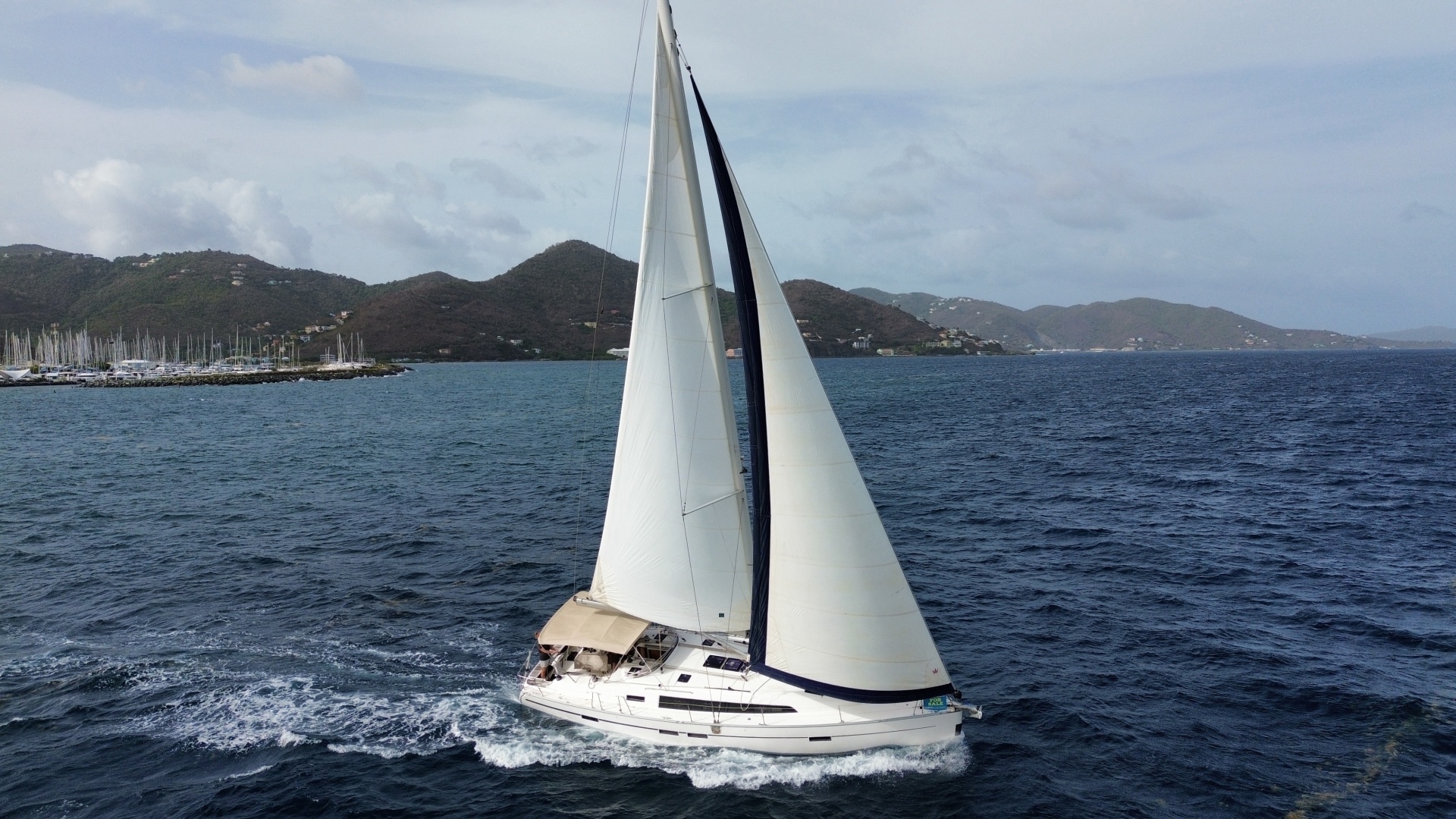
$149,000
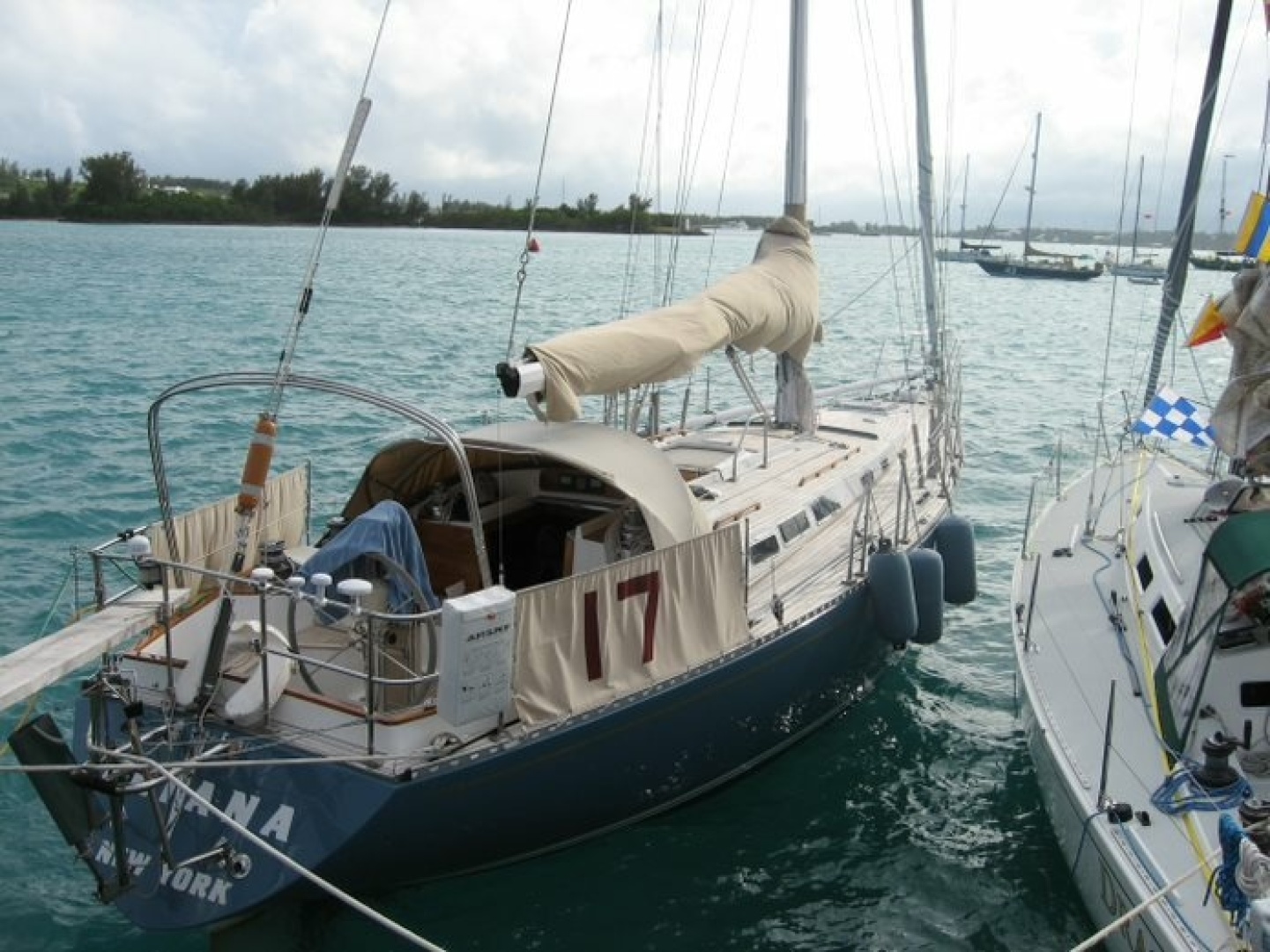
$135,000
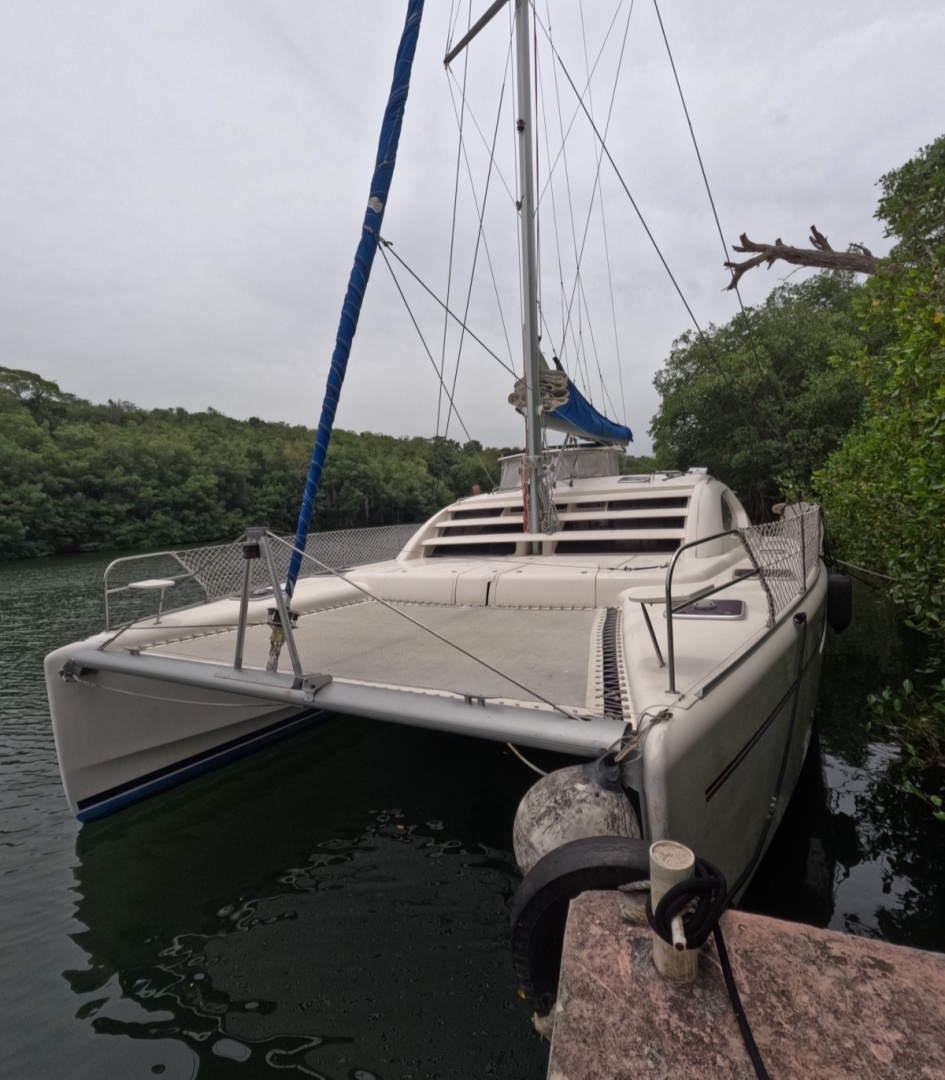
$349,000