

Buying Guide · Closing
Sales tax is charged where you buy. Use tax is charged where you keep the boat. Almost every expensive surprise at a Caribbean closing comes from confusing the two, and from assuming that buying offshore makes the question disappear.
The short version
- 01
Sales tax applies at the point of sale; use tax applies in the state where the boat is principally kept and used.
- 02
Buying in the BVI or USVI does not eliminate tax — it usually moves the liability to the state the boat ends up in.
- 03
Most states credit tax already paid elsewhere, so the exposure is the difference, not the full amount twice.
- 04
A foreign-built boat entering the United States is a customs matter as well as a tax one, with duty assessed on declared value.
- 05
Offshore delivery changes where the paperwork is signed, not where the boat is used — and use is what the taxing state looks at.
The Short Answer on Boat Sales Tax
Buy a boat from a dealer or broker inside a US state and that state’s sales tax is normally collected at closing, at the state rate plus any local surtax. Buy the same boat privately, or offshore, and no tax is collected at the table — but the obligation does not vanish. It converts into use tax, payable in whichever state becomes the boat’s home, and it generally becomes due on a clock that starts when the boat arrives there.
That is the whole structure in two sentences. Everything else is detail about rates, deadlines, credits and caps — and those details are set state by state, which is why no single figure applies everywhere.
Definition
State of principal use — The state where a vessel is primarily kept, moored or operated, regardless of where it was bought, where it is documented, or whose name is on the title. It is the concept most state revenue departments use to decide who has the right to tax the boat.
Florida is the clearest worked example, and the one that matters most to Caribbean buyers, because a large share of boats bought in the islands end up there. The Florida Department of Revenue’s guidance on sales and use tax for boat owners and purchasers sets out the mechanics: six per cent use tax plus any applicable discretionary surtax is due on a boat used or stored in Florida that was purchased out of state, and where the boat is titled or registered elsewhere, that tax becomes due within ninety days of the vessel entering Florida.
Two provisions soften it considerably. The first is credit: tax already paid to another state is credited dollar for dollar, so a buyer who paid four per cent elsewhere owes the two-point difference rather than the full six again. The second is the cap. Under section 212.05 of the Florida Statutes, the total tax collected on a single vessel sale is capped, which is why the tax on a two-million-dollar yacht and a three-hundred-thousand-dollar yacht can land at the same number. For larger vessels, that cap is often the single most important line in the whole calculation.
Other states run the same logic with different numbers and different clocks. Some have no cap at all. Some measure the deadline from purchase rather than arrival. Some treat a boat that stays under a threshold number of days as never having established use there. The principle transfers; the arithmetic does not.
Sales Tax vs Use Tax
The distinction catches cruisers more than any other group, because a cruising boat does not sit still long enough to make the answer obvious.
Sales tax is transactional. It attaches to the act of sale in a jurisdiction that taxes sales, and it is usually collected by the seller. Use tax is the complement: it exists precisely so that buying outside a state does not create an advantage over buying inside it. It attaches to bringing the boat home and using it there, and it is self-reported by the buyer rather than collected by anyone.
Because use tax is self-reported, it is easy to believe it has been avoided when it has only been deferred. Registration is where it usually surfaces. Applying to register or title a vessel in a state is, in effect, telling that state the boat is now here — and most revenue departments treat the registration record and the use-tax record as the same conversation.
Documentation with the US Coast Guard adds a layer people misread. Federal documentation establishes nationality and provides a clean chain of title; it is not a substitute for state registration and it confers no tax exemption. A documented vessel kept in a state is still a vessel kept in a state.
System constraints
Where the clock actually starts
- hard
Arrival in the state, for a boat bought elsewhere and brought in
- hard
Purchase date, in states that measure from the transaction instead
- hard
First use on that state’s waters, which can predate any registration attempt
- hard
Registration or titling, which is where an unpaid obligation is most often discovered
Buying Offshore: BVI and USVI Purchases
This is where Caribbean buyers need advice that general US boat-tax pages do not provide, because the British Virgin Islands and the US Virgin Islands are treated very differently despite sitting a few miles apart.
The BVI is a British Overseas Territory and, for these purposes, foreign. A purchase there is an offshore purchase: no US state sales tax is charged at closing, and the transaction itself sits outside the US tax system entirely. What happens next decides the liability. Keep the boat cruising in the Caribbean and no state has a claim. Bring it to Florida, Texas or the Carolinas and establish it there, and the use tax of that state attaches on its own timetable. The purchase being foreign does not exempt the boat; it only means nobody collected anything at the table. Buyers new to the region will find the wider mechanics in our guide for first-time buyers in the British Virgin Islands.
The USVI is the more commonly misunderstood case. It is US territory, so a vessel there is in the United States for many purposes — but it sits outside the US customs territory. That combination means a boat moving from St. Thomas or St. Croix to the US mainland is making a customs entry, not simply moving between domestic ports, while simultaneously not being a foreign-flag arrival in the ordinary sense. Buyers routinely get one half of that right and the other half wrong. Tax treatment is only half the diligence on an offshore purchase; the other half is mechanical, and how many engine hours are too many depends far more on the service records than on the number itself.
Neither territory issues a result that survives being ignored. The reliable planning question is not where the closing happens but where the boat will spend its first year, because that is the question a revenue department will eventually ask.
A persistent myth
Offshore delivery does not by itself avoid tax
Closing outside a state’s waters — signing in international waters, or taking delivery at a foreign port — changes where the sale occurred. It does not change where the boat is subsequently kept and used, and use is the trigger for use tax.
Offshore delivery can still be the right structure for legitimate reasons, including timing and the seller’s own obligations. It simply should not be sold to you as a way of making the liability disappear.
Importing a Boat Into the United States
Tax and customs are separate obligations and are settled with different agencies, which is why a buyer can clear one and still owe the other.
A foreign-built vessel entering the United States for the first time is a formal importation. Duty is assessed on the declared value of the vessel under the pleasure-craft headings of the Harmonised Tariff Schedule, and for most sailing yachts and motor yachts the applicable rate is low — typically in the range of one to one and a half per cent of value, with the precise figure depending on the subheading and the vessel’s country of origin. Trade-agreement origin can reduce it to nothing. Because that determination is specific and binding, it is worth getting from a customs broker rather than from a rate table.
The paperwork chain matters more than the percentage. A customs entry generally wants the bill of sale, evidence of the vessel’s build and origin, and documentation or registration papers, and the entry has to be made at a port of entry by someone authorised to make it. Foreign-flag vessels arriving for cruising rather than importation operate under a different regime again, using cruising licences where reciprocal privileges exist.
For a first-time importer the practical advice is simple: engage a customs broker before the boat moves, not after it arrives. Corrections made at the dock are considerably more expensive than a determination made in advance, and the survey stage is the natural moment to have the conversation — the same stage where a pre-purchase survey cost is already being budgeted.
- Duty basis
- Declared value of the vessel at importation
- Typical pleasure-craft rate
- Around 1–1.5% of value, subject to subheading and origin
- Who determines it
- US Customs and Border Protection, usually via a customs broker
- Documents commonly required
- Bill of sale, evidence of build and origin, registration or documentation papers
- Separate from
- State sales and use tax, which is owed regardless of the customs outcome
How Tax Is Handled at Closing
At a brokered closing, the tax treatment should appear on the closing statement in plain terms rather than being left as an assumption. Where a state’s tax is collected, it is itemised. Where it is not collected because the sale is offshore or the buyer is taking the boat elsewhere, the statement should say so explicitly, so that nobody leaves the table believing an obligation has been extinguished when it has merely been deferred. Where the closing happens changes the tax exposure, so what the purchase agreement should say about delivery point and acceptance is not boilerplate worth skimming.
A broker’s job here is disclosure, not advice. We will tell you plainly what is and is not being collected, what the chain of documents needs to contain, and which specialists to bring in. We will not tell you what you owe in your home state — that is a question for a marine tax attorney or an accountant who works in your jurisdiction, and the sums involved on a yacht are more than large enough to justify one.
For buyers still forming a budget, the tax line belongs in it from the beginning rather than appearing at the end. It sits alongside survey, insurance, registration and delivery in the full cost to buy a yacht in the BVI, and on a larger vessel it is frequently the biggest single one-off item after the purchase price itself. Buyers considering a charter-managed yacht should also take advice early, because placing a vessel into a revenue-earning programme changes the analysis in ways a private-use calculation will not capture.
Frequently Asked Questions
QDo I pay sales tax when I buy a boat?
If you buy through a dealer or broker within a US state that taxes vessel sales, that state’s sales tax is normally collected at closing. If you buy privately or offshore, nothing is collected at the table, but use tax generally becomes due in the state where you subsequently keep and use the boat. The obligation follows the boat rather than the transaction.
QDo I owe tax if I buy a boat in the BVI or USVI?
No US state sales tax is collected on the purchase itself, because neither territory is a US state. What matters is where the boat goes next. If it stays in the Caribbean, no state has a claim. If you bring it to a US state and keep it there, that state’s use tax attaches on its own timetable, typically measured from arrival or from first use.
QWhat is use tax on a boat and when does it apply?
Use tax is the counterpart to sales tax, designed so that buying outside a state gives no advantage over buying inside it. It applies when a boat purchased elsewhere is used or stored in a state, and it is self-reported by the owner rather than collected by a seller. In Florida, for example, it is due within ninety days of the vessel entering the state when the boat is titled or registered elsewhere.
QDoes keeping the boat offshore avoid sales tax?
Genuinely keeping the boat outside US waters means no state has a basis to tax its use, so in that narrow sense yes. But an offshore closing followed by bringing the boat home does not, because the trigger is use in the state rather than the location of the signing. Structures that rely on the boat staying away only work for as long as it actually stays away.
QWhat duty applies when importing a boat into the US?
A foreign-built vessel entering the United States for the first time is formally imported, with duty assessed on declared value under the pleasure-craft tariff headings. For most sailing and motor yachts the rate is low, commonly around one to one and a half per cent, and trade-agreement origin can reduce it further. The binding figure depends on the exact subheading and country of origin, so have a customs broker determine it before the boat moves.
QWill I be taxed twice if I already paid tax in another state?
Generally no. Most states that levy use tax give a credit for sales or use tax already paid to another jurisdiction, so the exposure is the difference between the two rates rather than the full amount again. Keep the closing statement and proof of payment — the credit is only as good as the documentation supporting it.
QWho collects the tax at closing?
Where a state’s sales tax applies to the transaction, the broker or dealer generally collects and remits it, and it appears as a line on the closing statement. Where the sale is offshore or the boat is leaving the state, nothing is collected and the responsibility to report and pay use tax sits with the buyer in the destination state. A good closing statement says clearly which of the two applies.
Last updated
Buying in the Caribbean
Ask a broker what your closing will actually look like
We will walk you through the documents, the sequence and what is and is not collected at the table — and tell you plainly where you need a tax professional instead of a broker.
Featured Listings
$599,000
$1,300,000
$1,699,000

$299,000

$899,000

$1,795,000

$269,000

$359,000
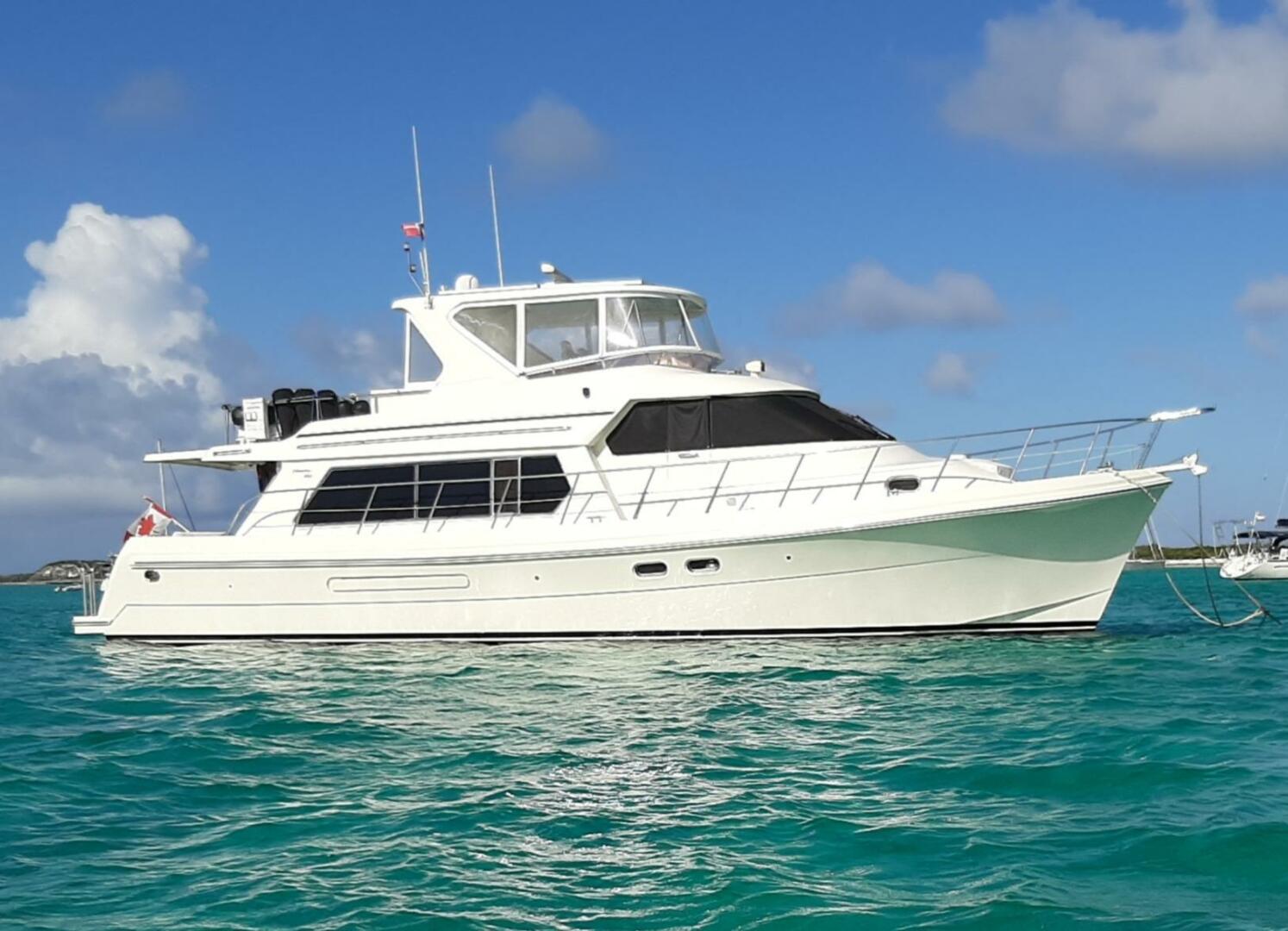
$499,500
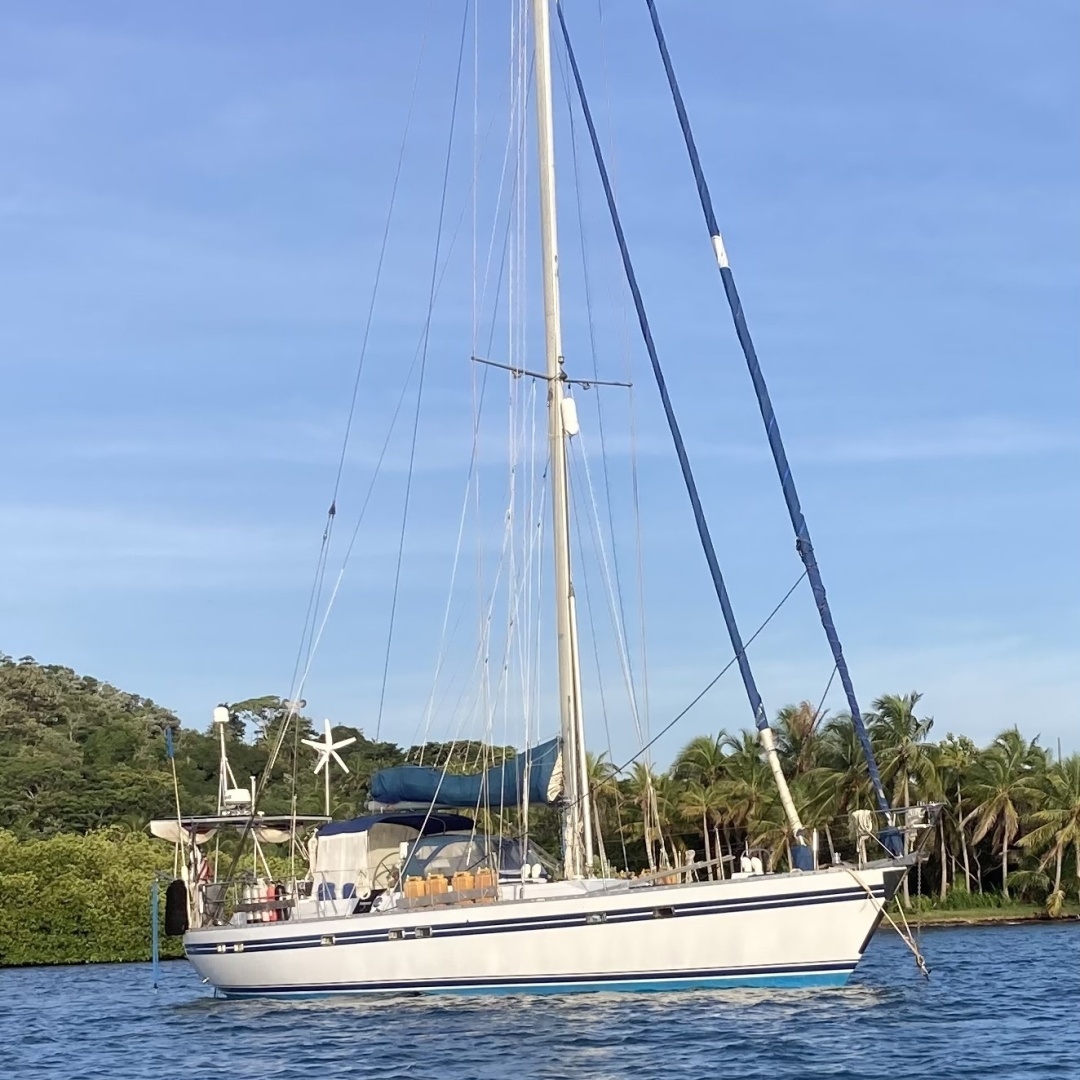
$299,500

$1,290,000
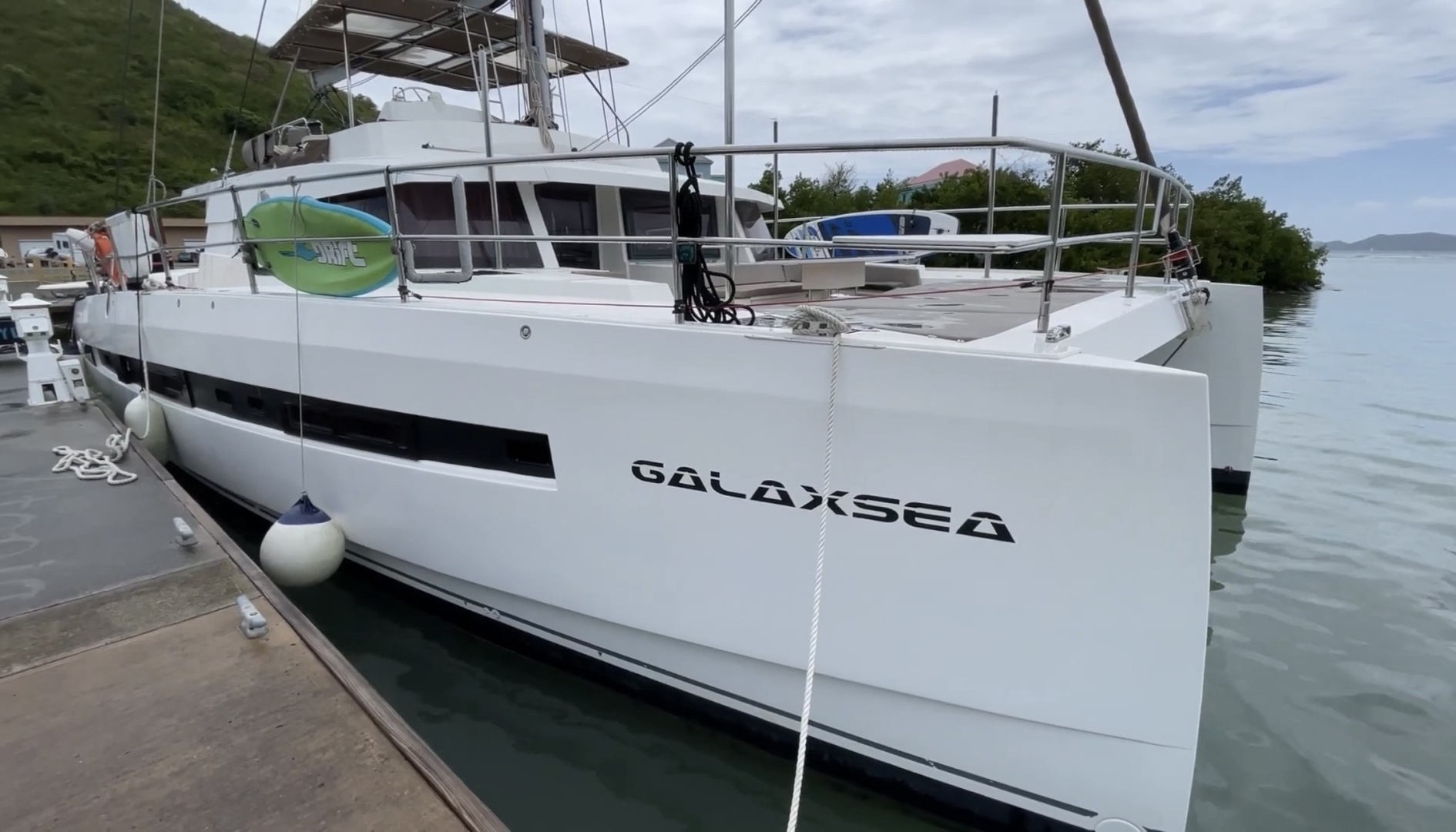
$800,000
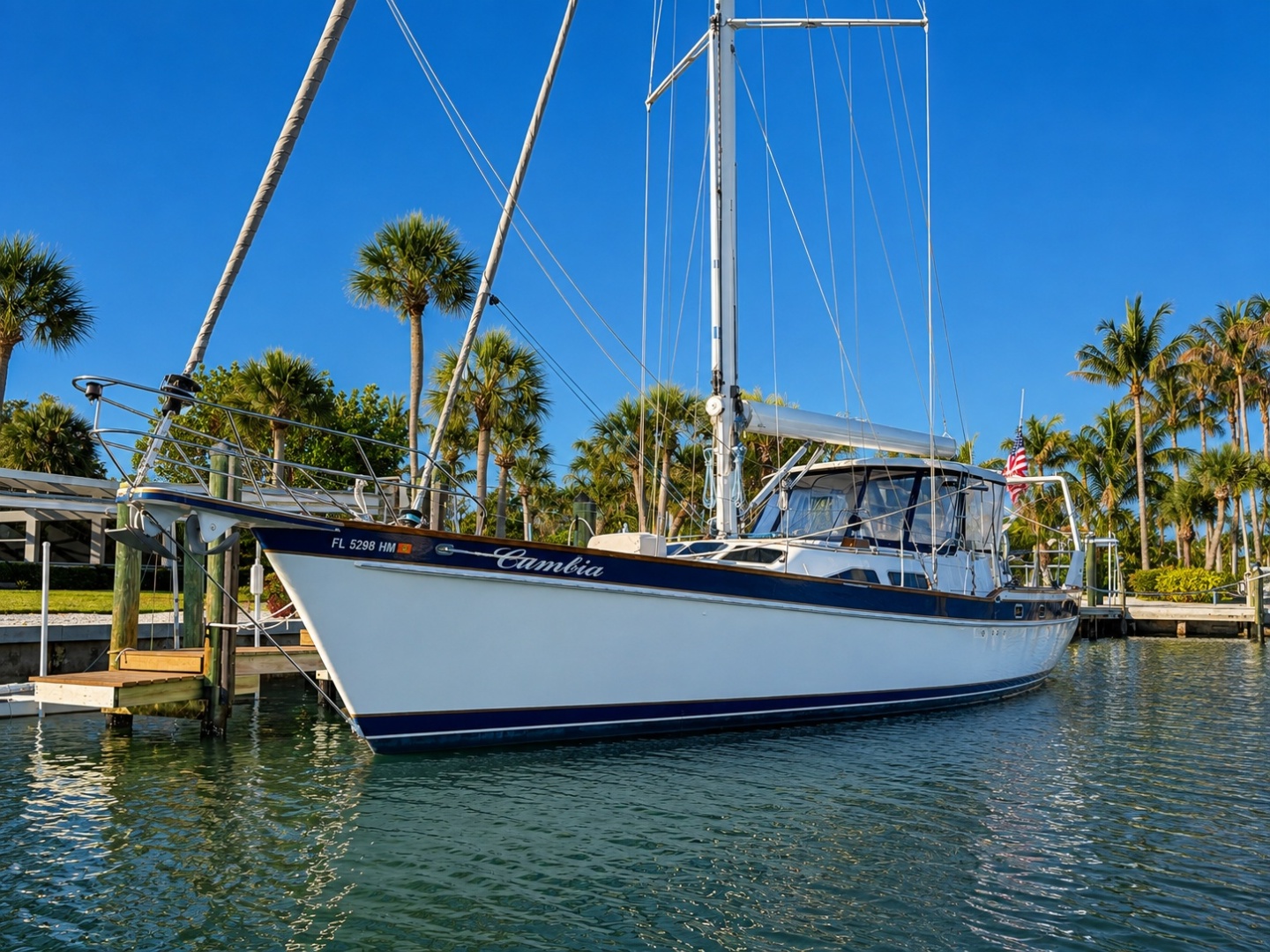
$545,000
$564,900

$1,130,000
$159,000
$499,000
$89,000
$89,000
$135,000

$98,250
$149,850
$369,000
$395,000
$349,000
$125,000
$1,724,571
$149,500
$109,900
$395,000

$652,000
$105,000

$115,000
$950,000
$149,000
$135,000
$349,000