
Buying Guide · Due Diligence
A boat sea trial is the only time before closing that you see the engines, rig and systems working together under real load. Run it like a test, write the numbers down, and do it in the conditions the boat will actually live in.
A boat sea trial is a short, structured run under way that proves how a yacht performs under load: whether the engines reach their rated revs, whether the rig and sails handle a breeze, and whether the systems that only work at sea actually work. It is not a joyride and it is not the survey. It is the one part of due diligence where the boat has to do its job while you watch.
Most buyers treat it as a pleasant hour on the water with the listing broker. The buyers who come out ahead treat it as a checklist with a clipboard, a stopwatch and a plan for what happens if something fails. This guide sets out that plan for sailing yachts, catamarans and motor yachts, with the Caribbean conditions that change how each test should be run.
Definition
Sea trial — A test run of a vessel under way, normally made after an accepted offer and as a condition of the purchase agreement, to check propulsion, handling, rig and onboard systems under real operating load. The buyer, the buyer’s surveyor and often an engine surveyor attend; the results feed the decision to accept, renegotiate or reject the vessel.
Key Takeaways
- 01
The survey proves condition and the sea trial proves performance under load; a good offer is subject to both.
- 02
Insist on a cold start and a few minutes at wide-open throttle in gear, measured with a handheld tachometer.
- 03
On a sailing yacht or catamaran, test every sail, the reefing, the furler and the winches under real load.
- 04
Trial the boat in a working trade-wind breeze and open water, not a flat-calm morning in harbour.
- 05
Write every fault down on the day and act before the acceptance deadline in the purchase agreement.
What a Sea Trial Is, and What It Is Not
The short answer: the sea trial proves performance, and the survey proves condition. A surveyor can measure hull moisture, sound the deck for delamination and inspect chainplates with the boat ashore. None of that tells you whether the starboard engine overheats after twenty minutes at cruising revs, whether the autopilot holds a course in a following sea, or whether the genoa furler jams with load on the sheet.
That is why a well-drafted offer makes the purchase subject to both. The survey contingency and the sea trial contingency are separate rights with their own deadlines, and the boat purchase agreement clauses that create them decide how long you have to act on what you find. If you are earlier in the process, the overview of buying a yacht in the Caribbean shows where the trial sits between offer and closing.
Sea Trial vs Survey: Who Does What, and in What Order
In the islands the survey and sea trial are usually run as one long day, or two consecutive days, because getting a surveyor to the boat is often the largest cost of the whole exercise. A common sequence is a haul-out first, so the surveyor can inspect the bottom, running gear and through-hulls, then relaunch and go straight out for the trial while the surveyor is still on board. Booking them together is also what keeps the pre-purchase survey cost from doubling with a second trip.
On larger motor yachts, and on any boat whose machinery is a large share of the value, a separate engine surveyor rides along. Their job during the trial is narrower and more technical: readings, oil samples, exhaust and temperature observations under load.
Sea trial
- ✓Proves engines reach rated RPM and hold temperature under load
- ✓Tests rig, sails, steering and handling in real wind and sea
- ✓Runs systems that cannot be tested at the dock: autopilot, watermaker, genset under load
- ◦A few hours; buyer normally arranges and pays, terms set in the offer
Pre-purchase survey
- ✓Inspects hull, deck, structure, rig and systems for condition and safety
- ✓Produces a written report and a valuation that lenders and insurers rely on
- ✓Ranks deficiencies by priority, which becomes your negotiating document
- ◦Usually needs a haul-out; buyer pays, and the report belongs to the buyer
Before You Leave the Dock
The most informative minutes of the day can happen before the lines come off. Ask in advance that the engines are not run on the morning of the trial, so the surveyor sees a genuine cold start. A diesel that has been warmed up before you arrive can hide hard starting, a puff of white smoke that clears, or a slow rise in oil pressure. Put a hand on each engine block when you step aboard: warm metal is a question worth asking politely.
Check the state of the boat the way it would leave on a passage. A sea trial run with near-empty tanks and nobody aboard flatters performance. Discover Boating’s sea trial checklist makes the point that real use adds hundreds or even 1,000 pounds or more of fuel, passengers and gear, so try to trial the boat with meaningful fuel and water aboard and with the people who will actually sail her.
Finally, settle the paperwork and the people. Confirm who is skippering (normally the listing broker or the owner’s captain, since the boat is not yet yours), that insurance covers the trial, and that the surveyor has agreed the test plan. If you are still deciding whether this boat deserves a survey at all, run through the questions to ask before buying a used yacht first.
Agree these before the trial day
Worth knowing
- Important
No engine or generator run on the morning of the trial, so the surveyor sees a cold start.
- Important
Fuel and water levels that reflect normal use, and the boat stowed as for a day sail.
- Important
Who skippers, who is aboard, and confirmation that insurance covers the trial.
- Important
A route long enough to reach open water and a realistic breeze, with time for a full-load engine run.
- Important
Who pays for fuel, haul-out and relaunch, written into the offer rather than agreed on the dock.
The Engine Run: The Numbers to Write Down
The single most revealing engine test is wide-open throttle (WOT) under load. Once the engine is fully warm, it should reach the manufacturer’s rated RPM in forward gear, not just in neutral. An engine that cannot is overloaded, usually because the propeller has too much pitch or diameter, the bottom is fouled, or the engine has lost power. Practical Sailor’s repower sea trial is a clean illustration: a Beta 25 that showed 3,789 RPM unloaded reached only 3,000 RPM under load against the 3,600 it needed, and the boat’s own tachometer was off by about 340 RPM when checked against an optical tach.
Two lessons follow. First, run the WOT test for a few minutes only, and stop if temperatures climb. Second, do not trust the dash tachometer on a used boat. A surveyor with a handheld optical or laser tach removes the argument. If the engines are part of the reason you chose this boat, read the trial results alongside the engine hours on a used yacht, because hours alone say little about how an engine was treated.
Engine readings to record on every engine
| Reading | When to take it | What should worry you |
|---|---|---|
| Cold start | At the dock, before any warm-up | Long cranking, heavy white or blue smoke that does not clear |
| Oil pressure | At idle warm, and at cruise | Low or falling pressure as temperature rises |
| Coolant temperature | Every five minutes at cruise and during WOT | A steady climb that does not level off |
| Wide-open throttle RPM | Fully warm, in gear, for a few minutes | Falling short of the rated RPM on the spec sheet |
| Exhaust smoke | At WOT and on sudden throttle-up | Black smoke that persists, blue smoke, or steam with no water flow |
| Raw-water flow | Throughout | Weak or intermittent discharge at the exhaust |
| Charging voltage | At idle and at cruise | No rise above resting battery voltage |
| Vibration and noise | Across the RPM range | A vibration band, knocking, or gear whine under load |
Why a handheld tach matters
340 RPM
How far a boat's own tachometer read from an optical tach in one documented repower sea trial
Practical Sailor
Under Sail: Rig, Sails and Handling
Almost every sea trial checklist online is written for a powerboat: bring it up to 30 mph, throw it into a hard turn, check for glare. That tells a sailing buyer very little. On a sailing yacht or catamaran, the rig and sail-handling gear are a large share of the value and of the refit bill, and they can only be tested with wind in the sails.
Ask for every sail to come out, not just the one that is easiest to hoist. Watch how the furling gear runs under load, how much effort the winches take, and whether the boat can be reefed quickly by the crew you will actually have. Sail upwind, reach and run, and tack and gybe several times. A boat that will not point, that carries heavy weather helm, or that needs two people on every manoeuvre is telling you something about its sails, its rig tune or its design.
STEP 01Hoist and inspect every sail
Raise the main and unfurl each headsail fully. Look for stretched shapes, patched panels, UV-damaged sacrificial strips and chafe at the batten pockets. Old sails are not a dealbreaker, but they are a cost you should price into your offer.
STEP 02Put in a reef, then shake it out
Reef the main the way you would in a squall, ideally from the cockpit. Time it. Jammed reefing lines, missing reef points or a boom that will not come to the gallows are all common on boats that have been sailed little.
STEP 03Load the furler and the winches
Furl and unfurl the genoa with some load on the sheet, not only head to wind. Run every winch, manual and electric, under real load. Slipping, grinding or an electric winch that stalls points to servicing or replacement.
STEP 04Sail every point of sail
Beat, reach and run for long enough to feel the helm. Note how close to the wind the boat sails, whether it rounds up in gusts, and whether the steering stays light. Excess weather helm can mean blown-out sails or a rig out of tune.
STEP 05Tack, gybe and check the traveller
Tack several times and run at least one controlled gybe. Watch the traveller, mainsheet and blocks under load, and listen to the rig. Creaks are normal; bangs from the chainplates, mast step or boom fittings are not.
STEP 06Look up and look down
With the rig loaded on each tack, sight up the mast for bend or a kink and check that the leeward shrouds do not go slack. Then look in the bilge, under the mast step and at the chainplates for water or movement once the boat is working.
Catamaran-Specific Checks
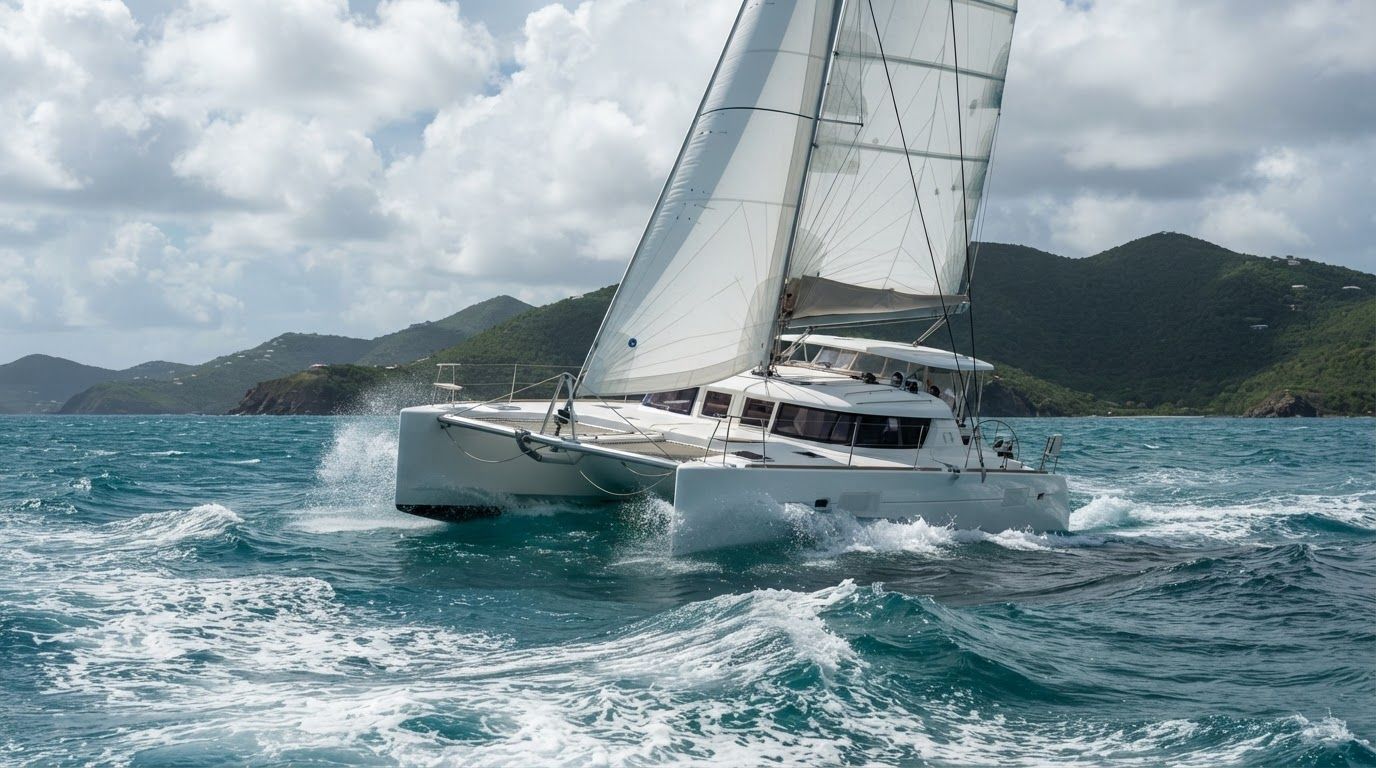
Catamarans need a few tests a monohull does not. Most cruising cats use saildrives, so listen to each one under load and in reverse, and ask when the seals were last changed. Run the boat on one engine and see whether it can still turn through the wind and hold a course, because that is how you will come home if an engine fails. If the boat has daggerboards, raise and lower them under way.
Then find some chop. The underside of the bridgedeck is where waves strike, and clearance decides how often they do. A quiet trial on flat water will not reveal slamming that a beat into a short sea makes obvious. The background on bridgedeck clearance and daggerboards explains what you are listening for.
- Saildrives
- Listen for knocking or whine under load and in reverse; ask for seal and diaphragm service dates
- One-engine handling
- Turn, hold a course and come alongside on each engine alone
- Daggerboards or keels
- Raise and lower under way; check the cases for cracking or water
- Bridgedeck
- Beat into chop and note how often the underside slams
- Steering linkage
- Check for play between the two rudders and stiffness at the wheel
A flat-calm morning sea trial tests the boat you would like to own. A trade-wind afternoon tests the boat you are actually buying.
Buying GuideSystems You Can Only Test Under Way
Some equipment can be switched on at the dock but only proven at sea. Engage the autopilot on several headings, including downwind in a swell, and see whether it holds a course without hunting. Check that the chartplotter, depth, wind and speed instruments agree with each other and with what you can see. Run the generator under a real load, with the air conditioning, water heater or battery charger drawing on it, rather than just confirming it starts.
Run the watermaker if the boat has one, and ask for its last membrane service. Check refrigeration after an hour of running, the bilge pumps and high-water alarms, the windlass, and the steering from lock to lock. Every item that does not work becomes either a repair the seller makes, a price adjustment, or a known cost you accept with your eyes open.
Caribbean Conditions Change the Test
In the Virgin Islands and down the Eastern Caribbean, boats spend most of their lives in the trade winds: a steady easterly breeze, a short sea in the channels, and afternoons that build. That is the real operating envelope, and it is the one the trial should test. A trial run at seven in the morning on a glassy day in a sheltered harbour tells you the engines start. It tells you little about how the boat will feel beating across an open channel with a full crew.
Ask for a route that reaches open water, and if the boat has been sitting on a mooring for months, allow time for a second attempt. Boats that have sat unused often need fuel filters changed or an impeller replaced before they run cleanly. Heat matters too: engine room and coolant temperatures behave differently in tropical water and air, which is exactly why the full-load engine run should be long enough for temperatures to settle.
Plan the day
Schedule the trial for the breeze, not the calm
If you can choose, book the sea trial for late morning or early afternoon, after the haul-out, when the wind has filled in. You learn more about a sailing yacht in a working breeze, and it is better to discover a slipping furler or an overheating engine with your surveyor aboard than on your first passage.
After the Trial: Acceptance, Renegotiation or Walking Away
When the boat is back at the dock, the clock that matters is the acceptance deadline in your purchase agreement. Under the usual brokerage terms you have three choices: accept the vessel, reject it and recover the deposit in line with the agreement, or come back with a revised price or a list of repairs for the seller. Failing to respond in writing by the deadline is often treated as acceptance, so put the date in your calendar before the trial day.
Keep the decision proportionate. Most sea trials turn up a list of small faults on a used boat; that is normal and is what the survey report and your notes are for. Serious failures, such as an engine that will not reach rated RPM, a rig problem or a structural noise under load, justify either a significant price adjustment or walking away. If this boat does not pass, the Caribbean yacht listings are the place to start again.
Before
Offer signed, trial booked
Deposit placed, survey and sea trial dates set inside the contingency period, test plan agreed with the surveyor.
Trial day
Haul-out, survey, sea trial
Bottom and running gear inspected ashore, then a cold start, a full-load engine run, sail and systems tests under way.
Days after
Report and decision
The written survey report arrives. Combine it with your trial notes and decide: accept, renegotiate or reject.
Deadline
Written notice
Send acceptance, rejection or a revised offer in writing before the date in the agreement.
Talk to a broker
Planning a sea trial on a Caribbean yacht?
Talk through the boat you are considering with BVI Yacht Sales before you book the survey and trial day. Call 941-900-4510 or get in touch online.
QWhat actually happens during a yacht sea trial?
The boat leaves the dock with the buyer, the skipper and usually the surveyor aboard. After a cold start, the engines are run through their range and briefly at wide-open throttle in gear while readings are recorded. On a sailing yacht every sail is set, reefed and trimmed on all points of sail. Then the autopilot, instruments, generator, watermaker and other systems are run under way, and every fault is noted.
QIs a sea trial the same thing as a survey?
No. The survey is an inspection of condition, structure and systems, normally with the boat hauled out, and it produces a written report and valuation. The sea trial tests how the boat performs under way and under load. They are usually done on the same day with the same surveyor aboard, and most purchase agreements make the sale subject to each separately.
QWho pays for the sea trial and the fuel?
In most brokerage sales the buyer pays for the survey, the haul-out and relaunch, and any surveyor or engine surveyor time on the trial. Fuel is a matter of agreement: some sellers absorb it, others ask the buyer to cover what is used. Settle it in writing in the offer, along with who skippers and whose insurance covers the boat during the trial.
QHow long should a sea trial take on a 45-foot catamaran?
Plan on two to four hours under way, separate from the time ashore for the haul-out and survey. That allows a cold start, time for the engines to reach steady temperature, a short full-load run on each engine, one-engine handling, sailing on several points of sail with every sail set, and time to run the generator, watermaker and autopilot properly. Rushing it is the most common mistake.
QCan you sea trial a boat that has been on the hard for a season?
Yes, but expect it to need preparation first. A boat that has been stored ashore needs relaunching, and engines that have stood unused may need fuel filters, impellers or batteries attended to before they run cleanly. Allow for the possibility of a second trial and agree in advance who pays if the first attempt has to be abandoned because the boat was not ready.
QWhat engine readings should you insist on seeing?
Ask for oil pressure at idle and at cruise, coolant temperature at regular intervals, wide-open throttle RPM in gear measured with a handheld tachometer, charging voltage, and observations of exhaust smoke and raw-water flow. Compare the WOT figure with the manufacturer’s rated RPM. Record each reading for every engine and the generator so the surveyor’s report and your notes agree.
QWhat happens if the sea trial goes badly — do you get the deposit back?
Under a typical brokerage purchase agreement that is subject to survey and sea trial, a buyer who rejects the vessel in writing before the deadline is entitled to the deposit back, less any costs the agreement says the buyer bears. The exact terms depend on your contract, so read the acceptance clause before the trial and respond in writing in time. Silence is often treated as acceptance.
Featured Listings
$599,000
$1,300,000
$1,699,000

$299,000

$899,000

$1,795,000

$269,000

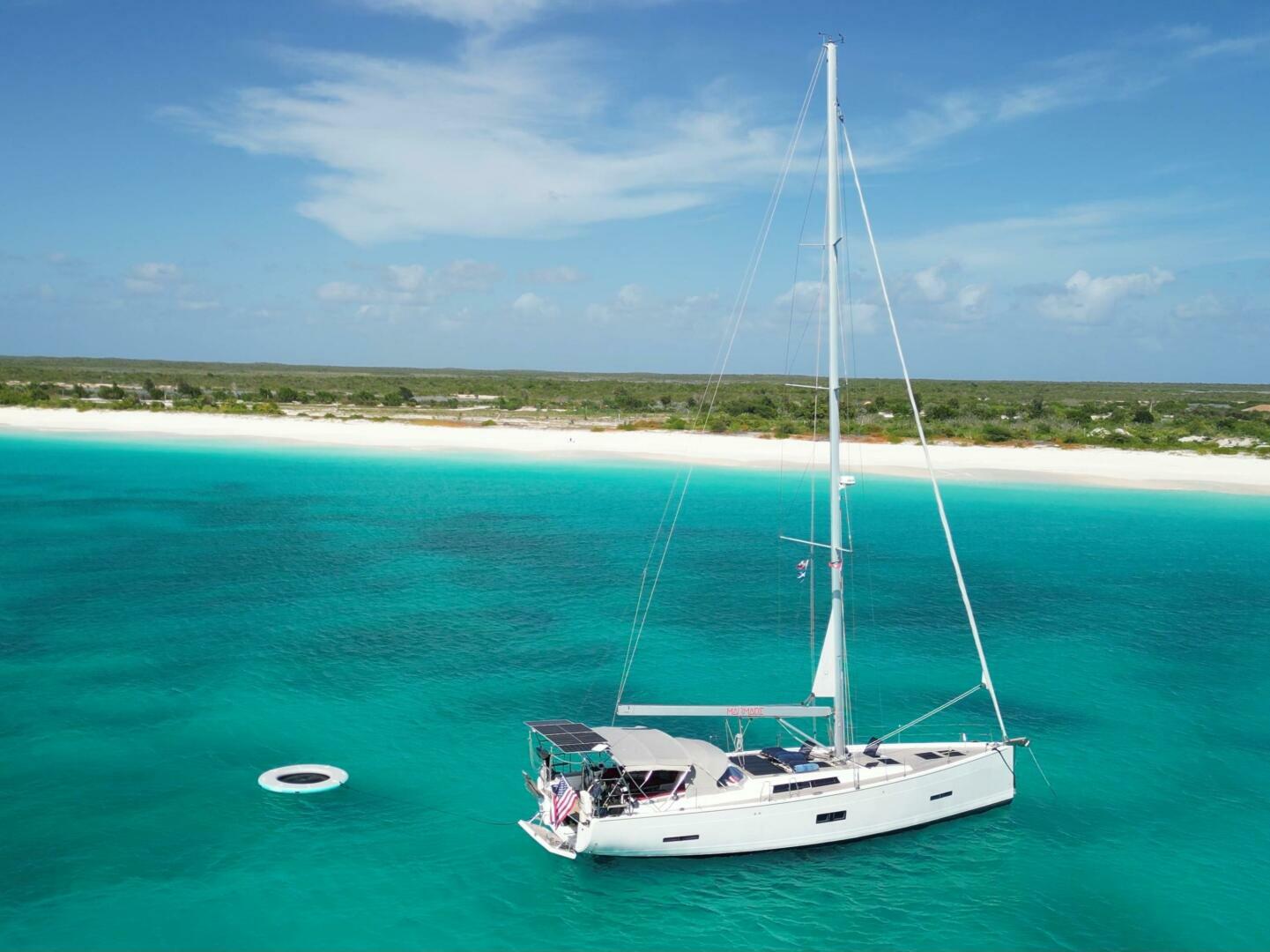
$359,000
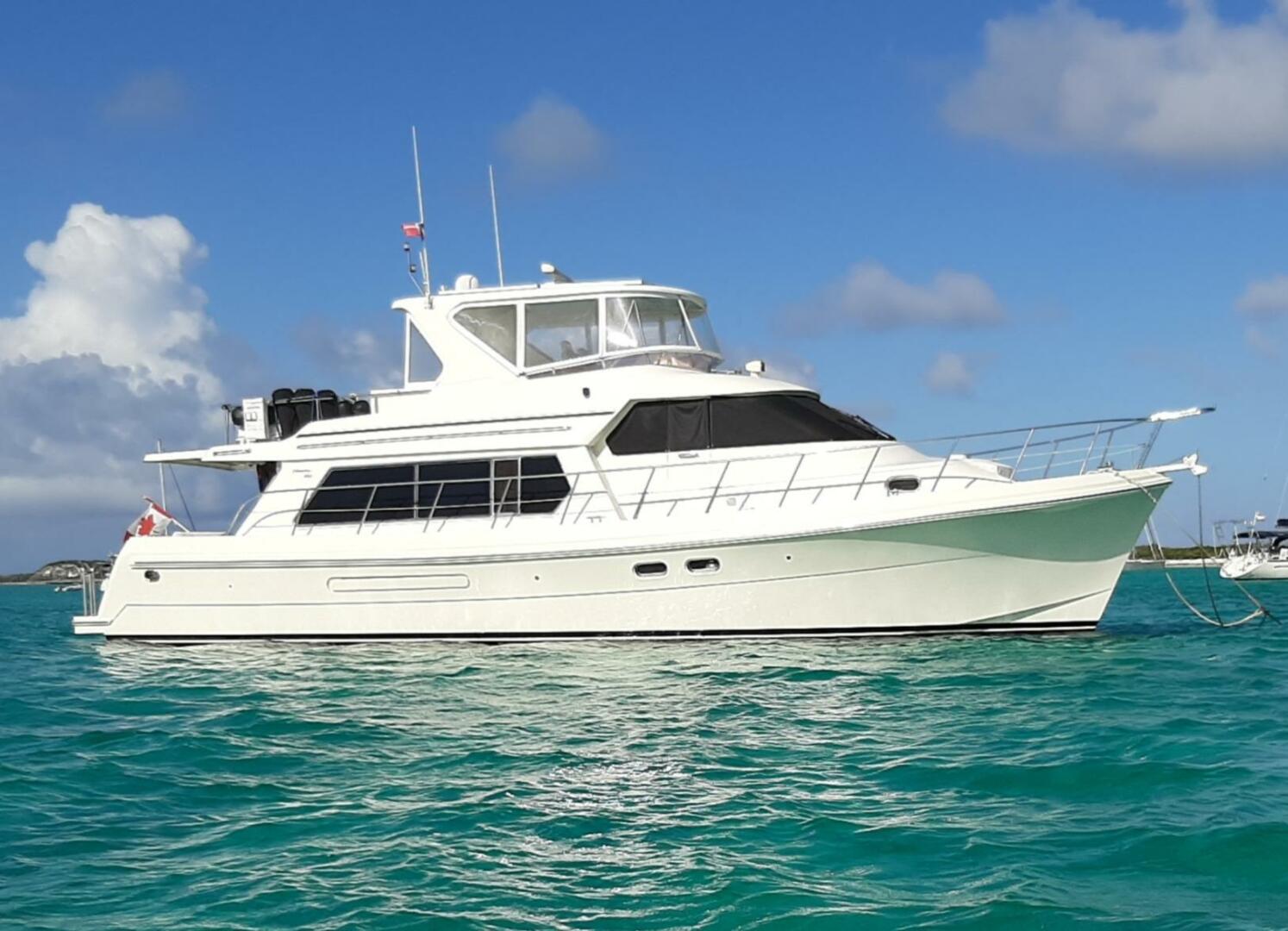
$499,500
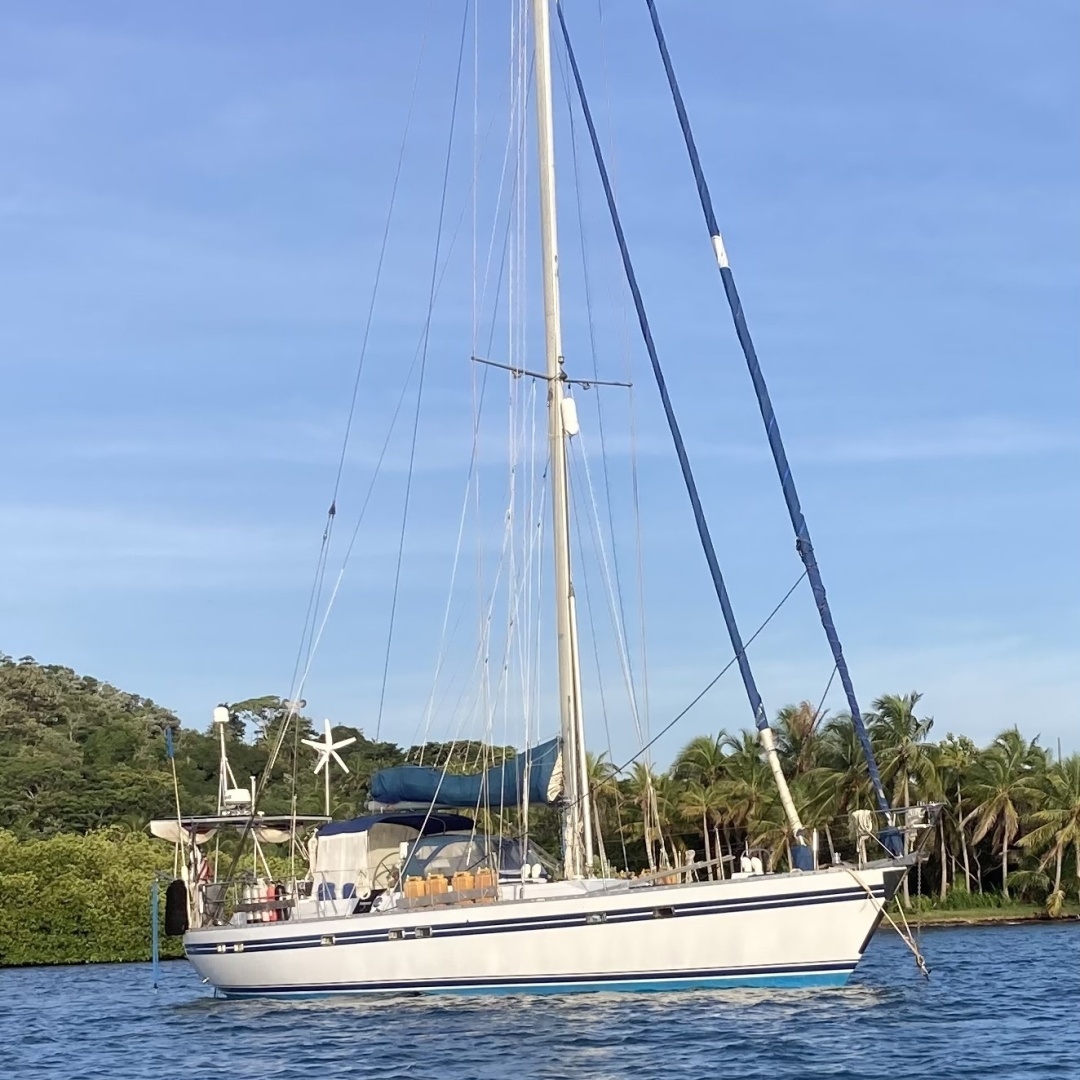
$299,500
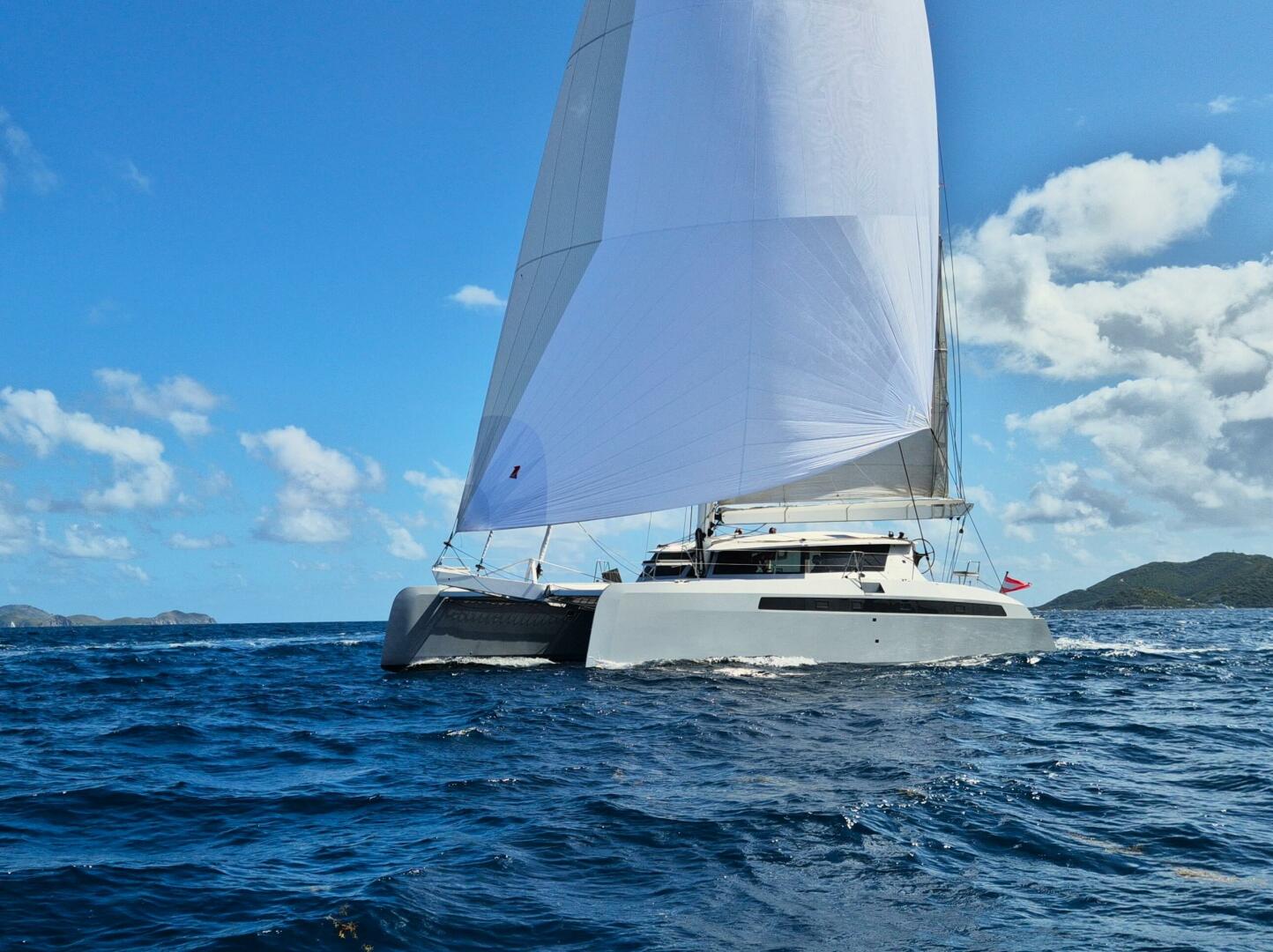
$1,290,000
$800,000
$545,000
$564,900
$1,130,000
$159,000
$499,000
$89,000
$89,000
$135,000
$98,250
$149,850
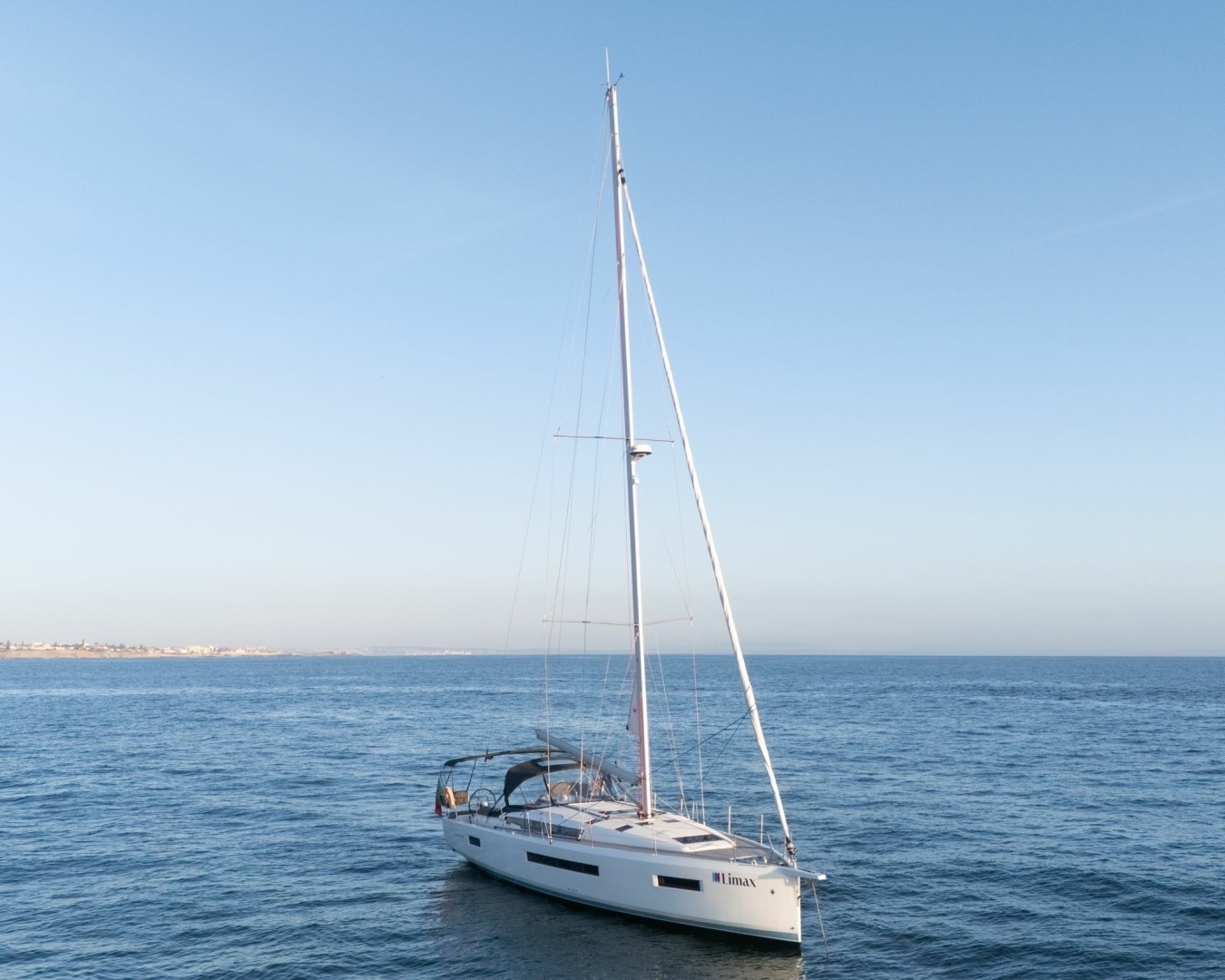
$369,000
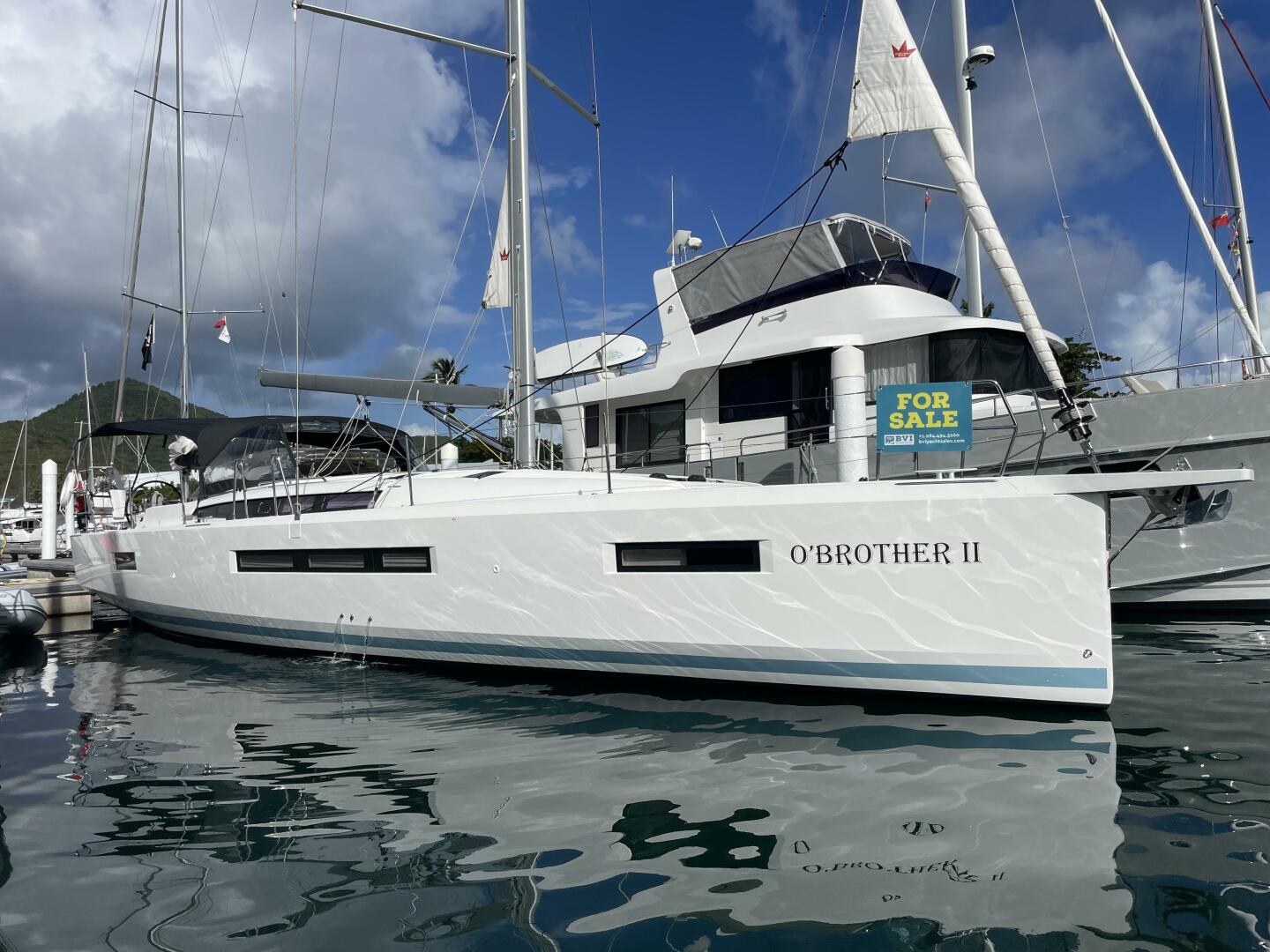
$395,000
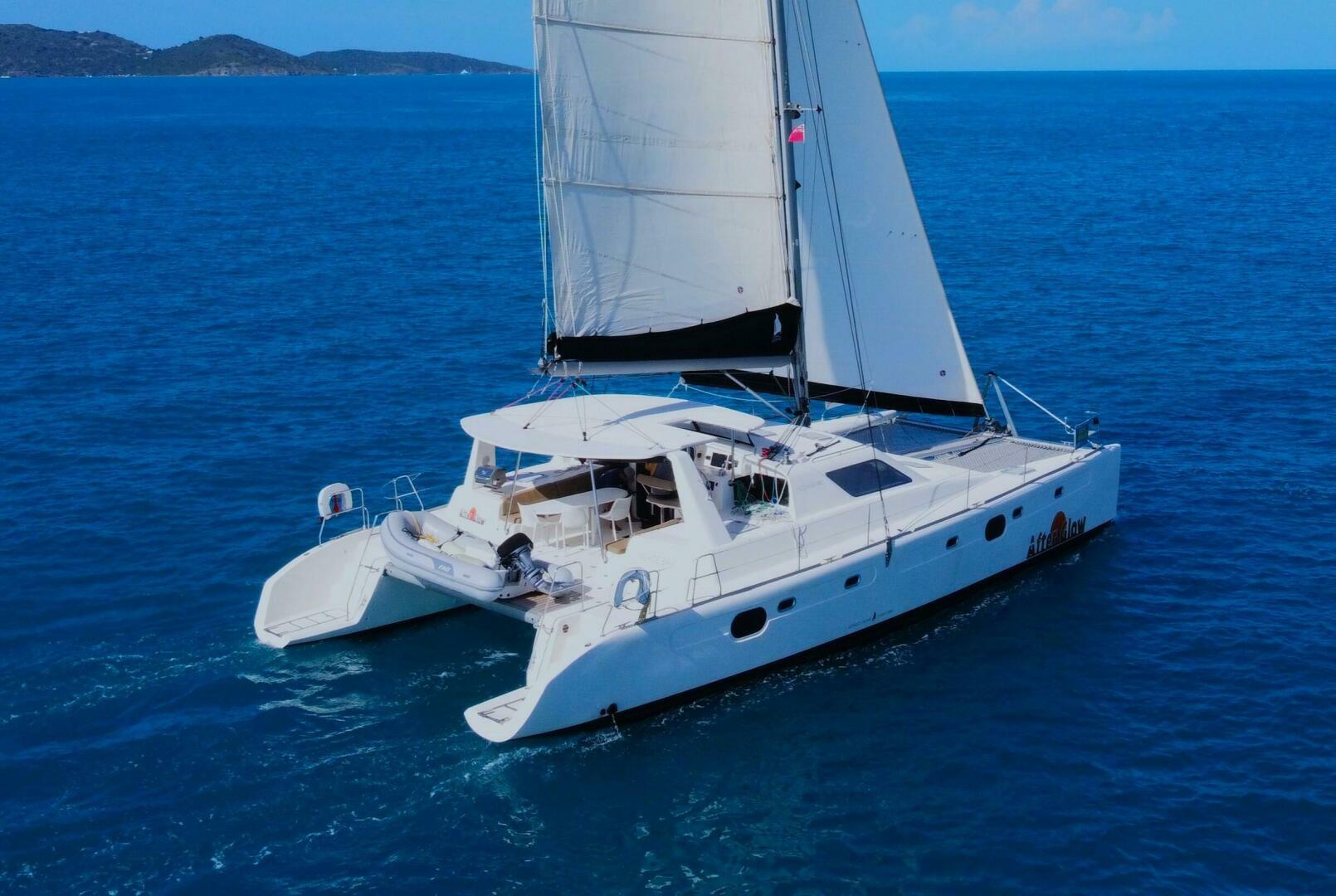
$349,000
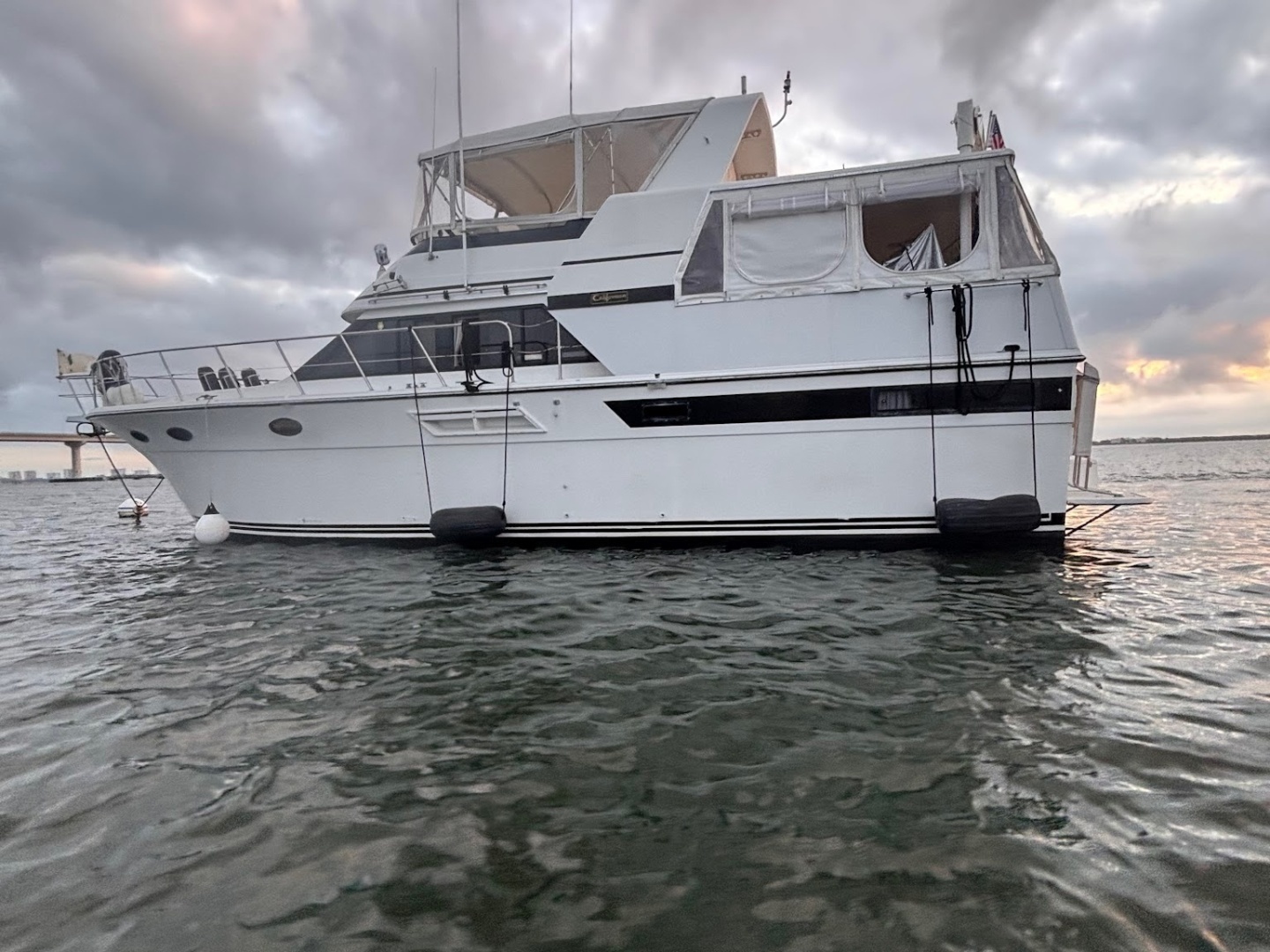
$125,000
$1,724,571
$149,500
$109,900
$395,000

$652,000
$105,000

$115,000
$950,000
$149,000
$135,000
$349,000