
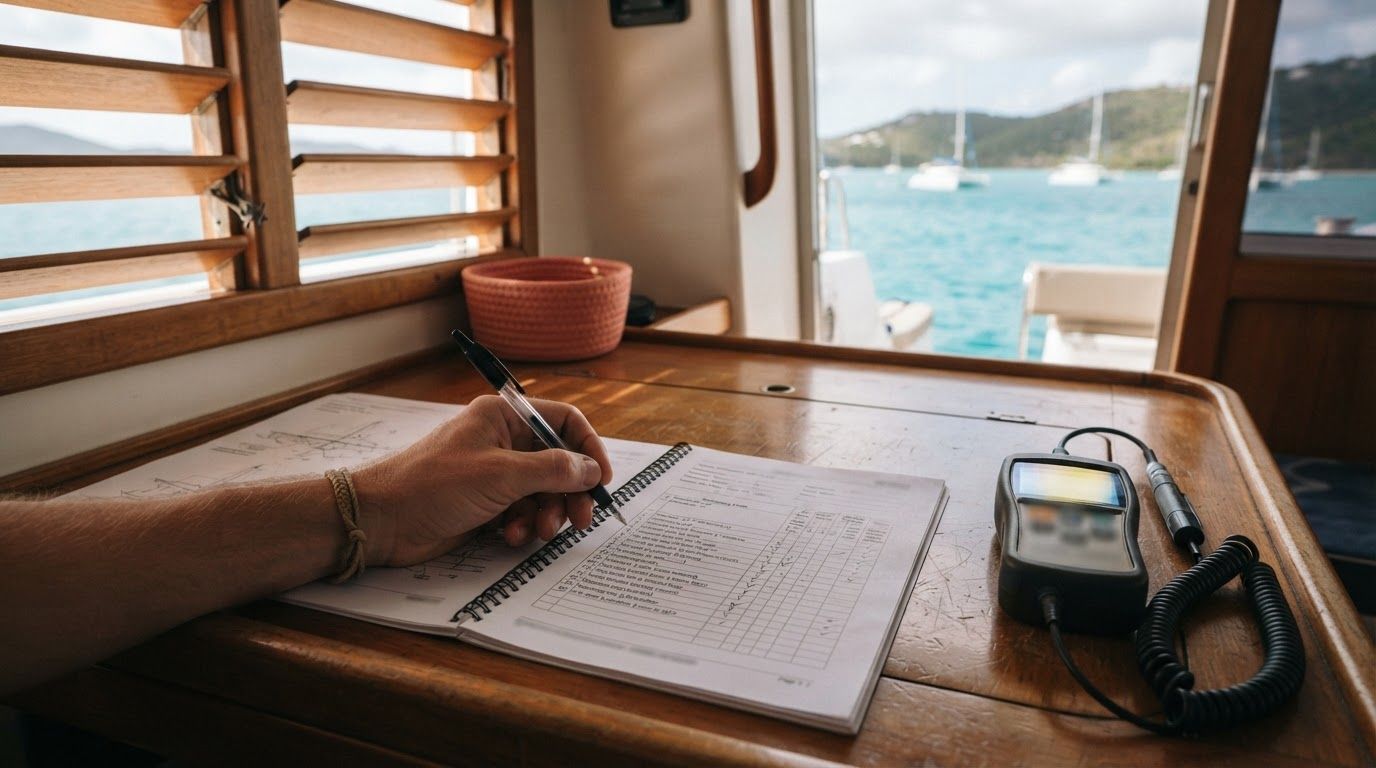
Buying Guide
$18–$35
per foot — the working range for a pre-purchase survey
2026 surveyor rate cards, US and Caribbean
The per-foot number is the easy part. What separates a $1,200 survey from a $3,000 survey day is everything billed around it — the haul-out, the yard time, the sea trial, and in the islands, getting the surveyor to the boat.
Every buyer asks the same question in the same order: what does a survey cost, and do I really need one? The second question answers the first. A pre-purchase survey is the only independent look at the boat you get before your deposit stops being refundable, and it is the document your insurer and your lender will ask for. Skipping it to save a thousand dollars on a $400,000 catamaran is not a saving; it is an uninsured bet. A lender will almost always want the survey in hand before it commits, so read how buyers arrange financing alongside this if you are borrowing against the hull.
So the honest framing is not how little can I spend but what am I buying, and what is going to appear on the invoice that I did not expect. Below is the whole bill, in the order you will pay it.
Part 1The Per-Foot Number
Surveyors price by length overall. That is the industry convention and it holds from Annapolis to Tortola. Across published surveyor rate cards, a condition-and-valuation pre-purchase survey — the full one, the one lenders accept — typically quotes in the $28 to $35 per foot band. Simpler insurance-renewal surveys and limited condition surveys run lower, from roughly $18 per foot. Most quotes you will see for a straightforward monohull land between $20 and $25 per foot.
Base survey fee by length (pre-purchase condition & valuation)
Composite of 2026 US and Caribbean surveyor rate cards. Excludes haul-out, travel and sea trial.
| Length overall | At $25/ft | At $30/ft | At $35/ft |
|---|---|---|---|
| 38 ft monohull | $950 | $1,140 | $1,330 |
| 45 ft monohull | $1,125 | $1,350 | $1,575 |
| 45 ft catamaran | $1,350 | $1,620 | $1,890 |
| 50 ft monohull | $1,250 | $1,500 | $1,750 |
| 55 ft catamaran | $1,650 | $1,980 | $2,310 |
Two length rules catch people out. First, catamarans are quoted at a premium — commonly 15 to 25 percent above the monohull rate for the same LOA, because there are two hulls, two engines, two saildrives and twice the through-hull count to inspect. Second, several surveyors set a minimum day rate. On a 32-footer the per-foot maths may produce $800, but if the surveyor’s floor is $1,200, you pay $1,200.
- Usually included in the base fee
- Hull, deck and structure; rig and standing rigging from deck level; through-hulls and seacocks; steering and rudders; tankage; electrical panel and DC/AC systems; bilge pumps; safety gear inventory; a fair market valuation; and a written report with deficiencies ranked by priority.
- Usually billed separately
- Haul-out and relaunch; yard lay days; sea trial attendance; engine survey by a diesel mechanic; oil and coolant analysis; rig climb or unstepping; thermal imaging or ultrasonic hull testing; travel and accommodation.
- Rarely included anywhere
- Dive inspection of running gear in the water, tender and outboard survey, and any disassembly. Nothing gets taken apart in a survey — surveyors inspect, they do not dismantle.
What to budget
- 01
Base fee — $25–$35 per foot for a pre-purchase condition and valuation survey; add 15–25 percent for a catamaran; watch for minimum day rates on smaller boats.
- 02
Haul-out — $10–$20 per foot plus lay days, and it is not optional on a purchase survey.
- 03
Engine survey — $400–$900 per engine, a separate specialist and a separate invoice.
- 04
Island travel — $400–$1,200 when the surveyor has to reach an outer island. The most controllable line on the bill — schedule around it.
- 05
All-in reality — Budget 1 to 1.5 percent of the purchase price for the full survey day on a typical Caribbean cruising boat, and treat anything under that as a bonus.
The add-ons that double the day
The base fee is usually the smaller half of what leaves your account. A haul-out to see the bottom — and you must see the bottom — runs roughly $10 to $20 per foot in most yards, with lay days on top if the boat has to stay in the slings or on stands overnight. An independent engine survey by a diesel mechanic is a separate trade and a separate invoice, typically $400 to $900 per engine depending on whether oil analysis and a compression or borescope check are included. Sellers Guide to Getting a Boat Sold in the Caribbean goes deeper on the specifics. Budget the survey alongside the berth, because boat slip cost per foot keeps billing every month you own her while the survey fee is paid once.
01
Haul-out and relaunch
$10–$20 per foot, plus lay days. Non-negotiable on a pre-purchase survey — blisters, keel joints, rudder bearings and prop shafts cannot be judged from a dinghy.
02
Engine and gearbox survey
$400–$900 per engine. A separate specialist. On a twin-engine catamaran, budget for two.
03
Sea trial attendance
Often a half-day rate or folded into the base fee. Confirm which — it is the most common line-item dispute.
04
Rig inspection aloft
$300–$700 if the surveyor goes up the mast or brings a rigger. Deck-level inspection only is the default.
05
Travel
In the islands, the line that moves most. See Part 2.
Part 2What Changes in the Caribbean
Published per-foot rates come overwhelmingly from the US mainland market, and buyers assume they transfer to the BVI, USVI, Antigua or Grenada unchanged. Mostly the base rate does. What does not transfer is the logistics around it, and that is where a Caribbean survey bill diverges from a Florida one.
There are far fewer accredited surveyors per square mile of cruising ground here. If the boat lies in Virgin Gorda and the nearest credentialed surveyor is in Tortola or St. Thomas, you are paying for a ferry, a day of that surveyor’s time in transit, and sometimes a night’s accommodation. On the outer islands that can add $400 to $1,200 before anyone opens a locker. Booking a surveyor who is already on the island for another job — or scheduling around a yard’s haul-out day — is the single biggest lever you have on the total. Survey reports assume you already speak the language, so if a phrase in yours is unfamiliar our glossary of boat terminology explains the terms surveyors actually use. A surveyor finds what the log books leave out, which is why buyers read up on engine hours on a used boat before deciding how much survey to pay for.
Practical limits
What a Caribbean survey cannot do on your schedule
- hard
Haul-out slots at the main yards are finite and, in peak season, booked weeks out.
Reserve the lift before you finalise the survey date, not after. The yard’s calendar drives the survey, not the other way round.
- hard
Hurricane season and the winter charter turnaround compress everyone’s availability into the same narrow windows.
Build 10 to 14 days of float into your offer’s survey-and-acceptance period.
- soft
A boat that has been sitting on a mooring for months may not sea trial cleanly on the first attempt.
Ask the seller to run and check the engines the week before. A failed sea trial that has to be repeated is a second travel charge.
- info
Ex-charter boats carry a documented service history that shortens survey time on systems but lengthens it on cosmetics and interior wear.
Ask for the charter company’s maintenance log in advance and hand it to the surveyor.
Pre-purchase survey vs. insurance survey
Pre-purchase (condition & valuation)
- Full inspection of structure, systems, engine and rig
- Includes a fair market valuation
- Requires haul-out and normally a sea trial
- Deficiencies ranked by priority — your negotiating document
- Accepted by lenders and underwriters
- $28–$35 per foot plus add-ons
Insurance / renewal survey
- Condition and safety focus, narrower scope
- Valuation often included but less detailed
- Haul-out sometimes waived on newer vessels
- Written to satisfy an underwriter, not a buyer
- Not a substitute when you are buying
- $18–$25 per foot, fewer add-ons
Buyers occasionally try to reuse the seller’s recent insurance survey to save the fee. It is the wrong document. It was commissioned by the other side, its scope is narrower, and its valuation was written for a renewal, not a transaction. Read it — it is useful background — but do not buy on it.
Where the survey sits in the deal
Day 0
Offer accepted, deposit into escrow
The purchase agreement sets a survey-and-acceptance deadline. In the Caribbean, ask for 14 to 21 days, not the mainland-standard 10.
Days 1–5
Book surveyor and haul-out together
The yard slot is the constraint. Confirm travel charges in writing at the same time you confirm the rate.
Survey day
Haul-out, inspection, sea trial
Attend if you possibly can. What the surveyor says standing next to the keel is worth more than what fits in the report.
Days 3–7 after
Written report delivered
Deficiencies come ranked. Safety and structural items are your negotiating leverage; cosmetics generally are not.
Acceptance deadline
Accept, renegotiate, or walk
This is what the survey fee bought: the right to walk with your deposit intact, or to reprice against a documented list.
That last line is the whole economic case. On a 45-foot catamaran, a full survey day with haul-out, engine survey and island travel might total $3,500 to $5,000. A single rigging replacement or one saildrive is multiples of that. The survey is not a cost of buying the boat — it is the price of finding out what the boat actually is while you can still change your mind.
QHow much does a boat survey cost?
A pre-purchase condition and valuation survey typically costs $25 to $35 per foot of length overall. A 45-foot monohull lands around $1,125 to $1,575 for the base fee. Haul-out, engine survey, sea trial and travel are billed separately and often add as much again.
QWho pays for the survey, the buyer or the seller?
The buyer. You commission it, you own the report, and the surveyor works for you — which is precisely why the seller’s existing survey is not a substitute.
QIs a haul-out really necessary?
On a pre-purchase survey, yes. Blistering, keel-joint condition, rudder bearings, prop shafts, cutless bearings and the true state of the antifouling cannot be assessed with the boat in the water. Any surveyor who offers to skip it on a purchase survey is offering you a cheaper report, not a cheaper boat.
QHow much extra does a catamaran survey cost?
Typically 15 to 25 percent above the monohull per-foot rate. Two hulls, two engines or saildrives, roughly double the through-hulls and a much larger deck and bridgedeck area all add inspection hours.
QDo I need a SAMS or NAMS surveyor?
If you are financing or insuring the boat, almost certainly. Most lenders and underwriters require the condition and value report to come from an accredited surveyor. Confirm your underwriter’s requirement before you book, not after.
QHow long does a survey take?
A half to a full day on the water and in the yard for a 40 to 50 foot boat, plus the sea trial. The written report usually follows within three to seven days.
QCan I negotiate the price down after the survey?
That is what the ranked deficiency list is for. Structural and safety findings are legitimate grounds to reprice or ask for repairs before closing. Cosmetic wear on a used boat generally is not, and pushing on it tends to cost you goodwill you will want later in the deal.
QWhat happens if the survey is bad?
Under a properly written purchase agreement you can walk away within the acceptance period and recover your deposit. That option is the single largest thing the survey fee buys.
Talk to a broker who has stood on that dock
Planning a purchase in the BVI or the wider Caribbean?
We coordinate surveys, haul-outs and sea trials across Tortola, St. Croix and the islands every season — including which yards have lift capacity and which surveyors are already on your island. Ask before you book, and the travel line on your invoice usually gets smaller.
Featured Listings
$599,000
$1,300,000
$1,699,000

$299,000

$899,000
$1,795,000

$269,000
$359,000
$499,500
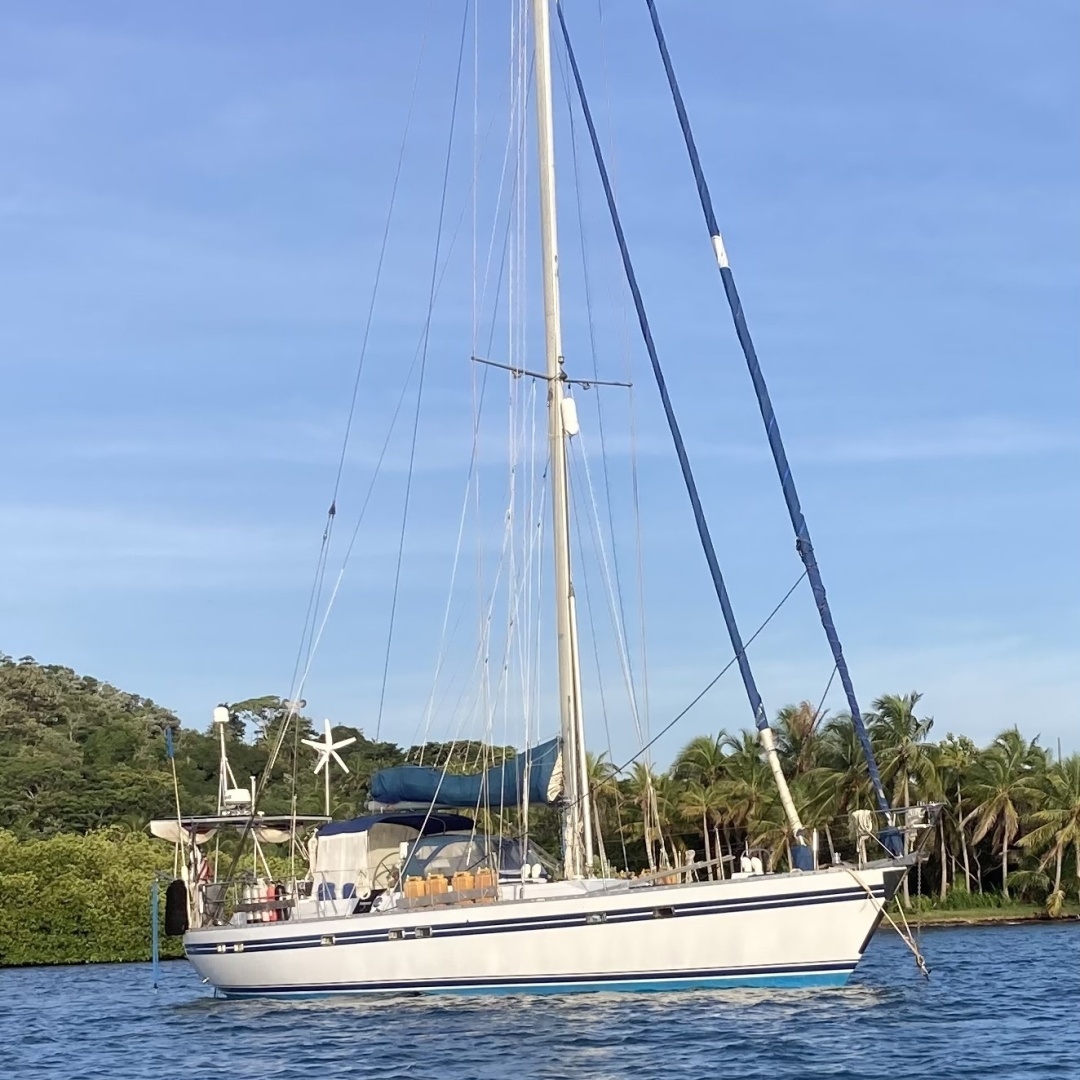
$299,500
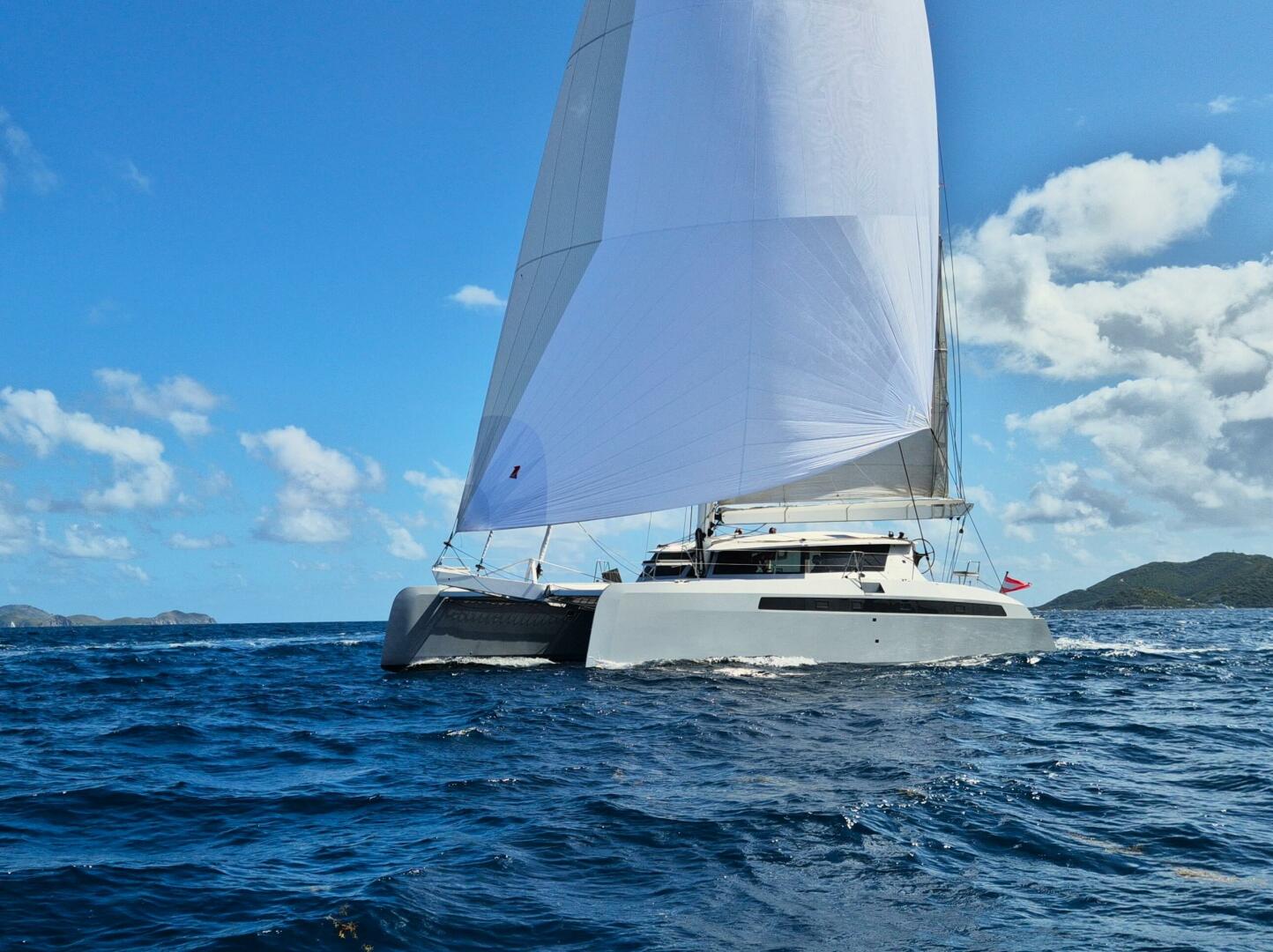
$1,290,000
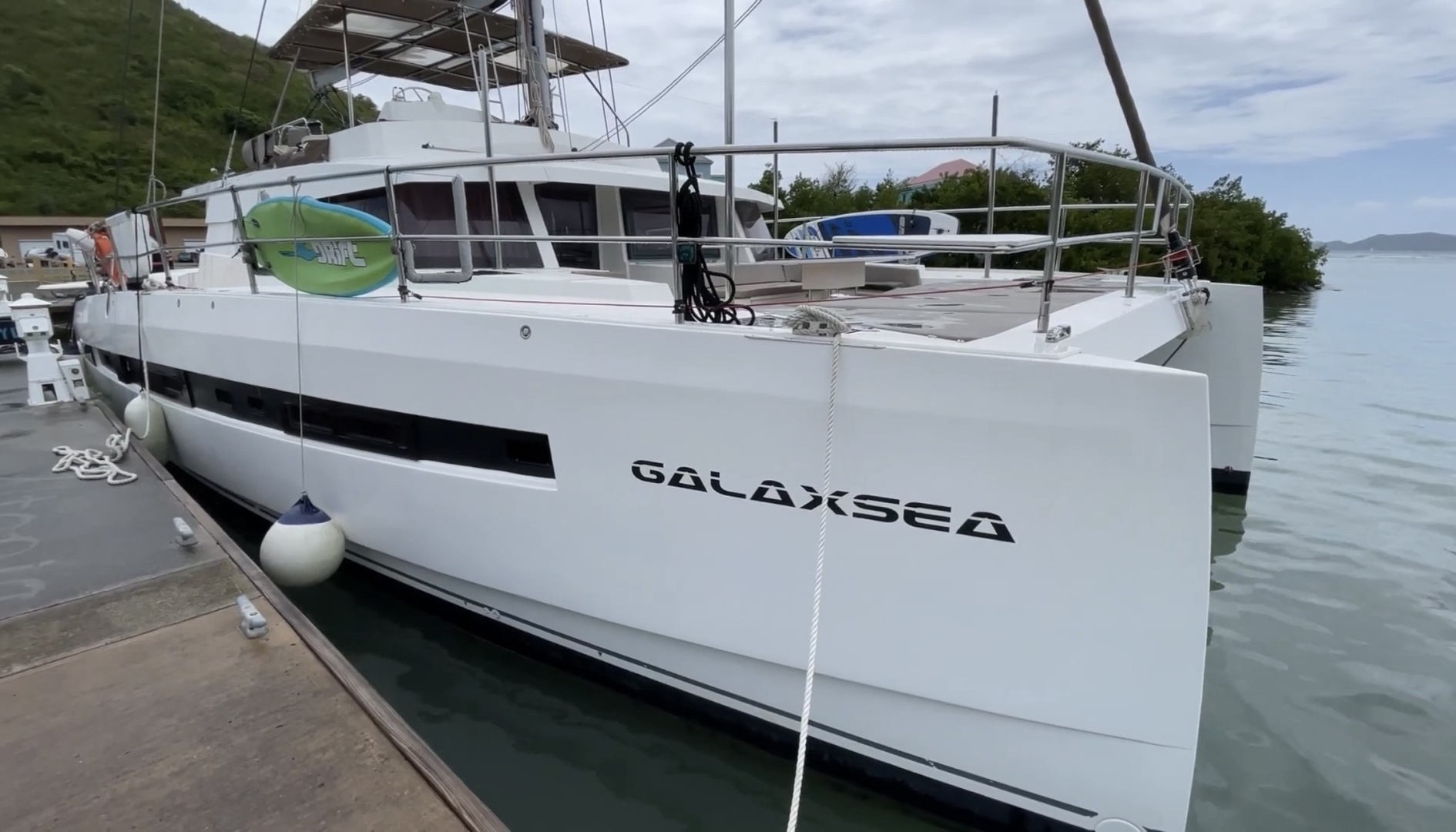
$800,000
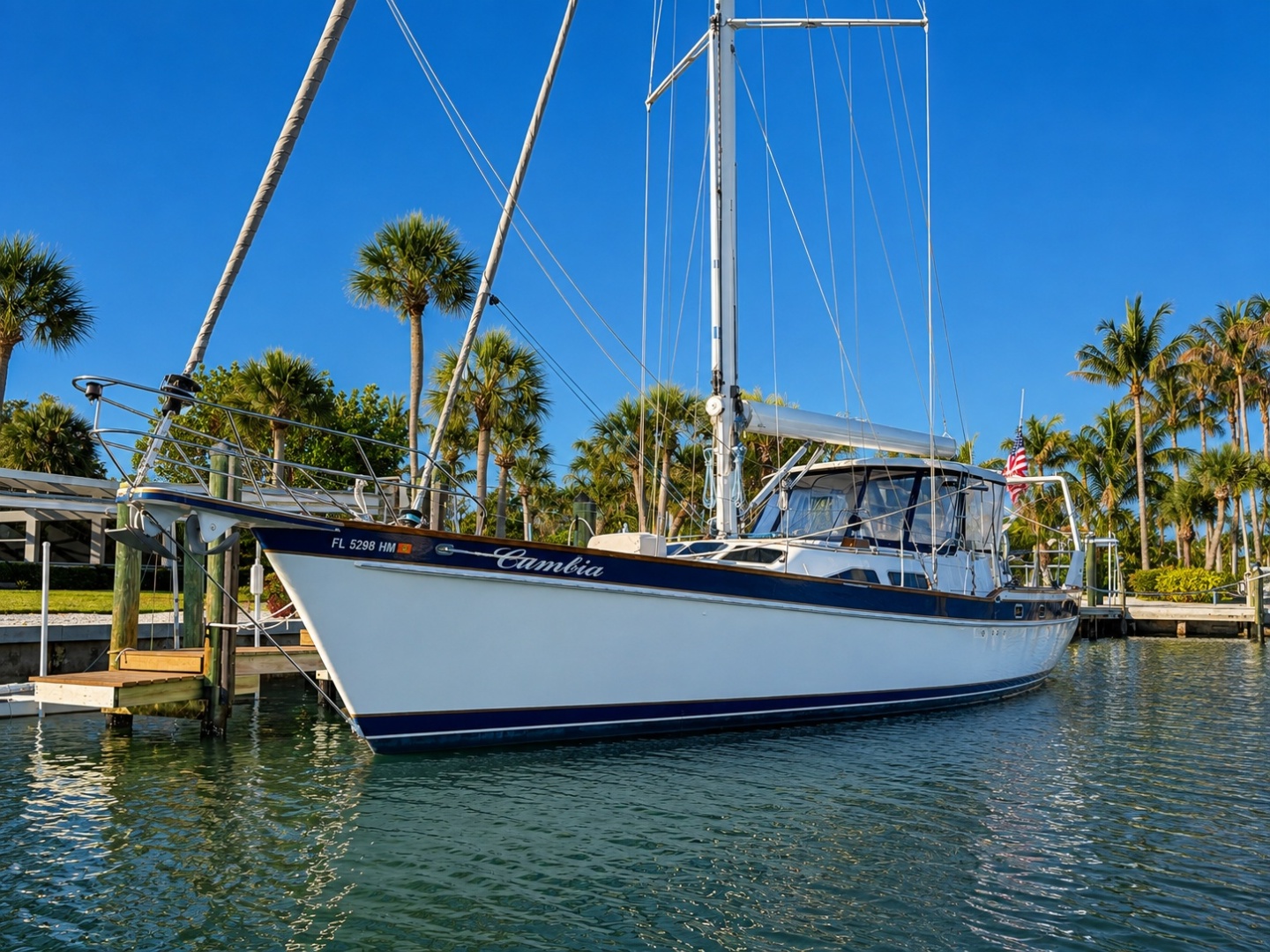
$545,000
$564,900
$1,130,000
$159,000
$499,000
$89,000
$89,000
$135,000
$98,250
$149,850
$369,000
$395,000
$349,000
$125,000
$1,724,571
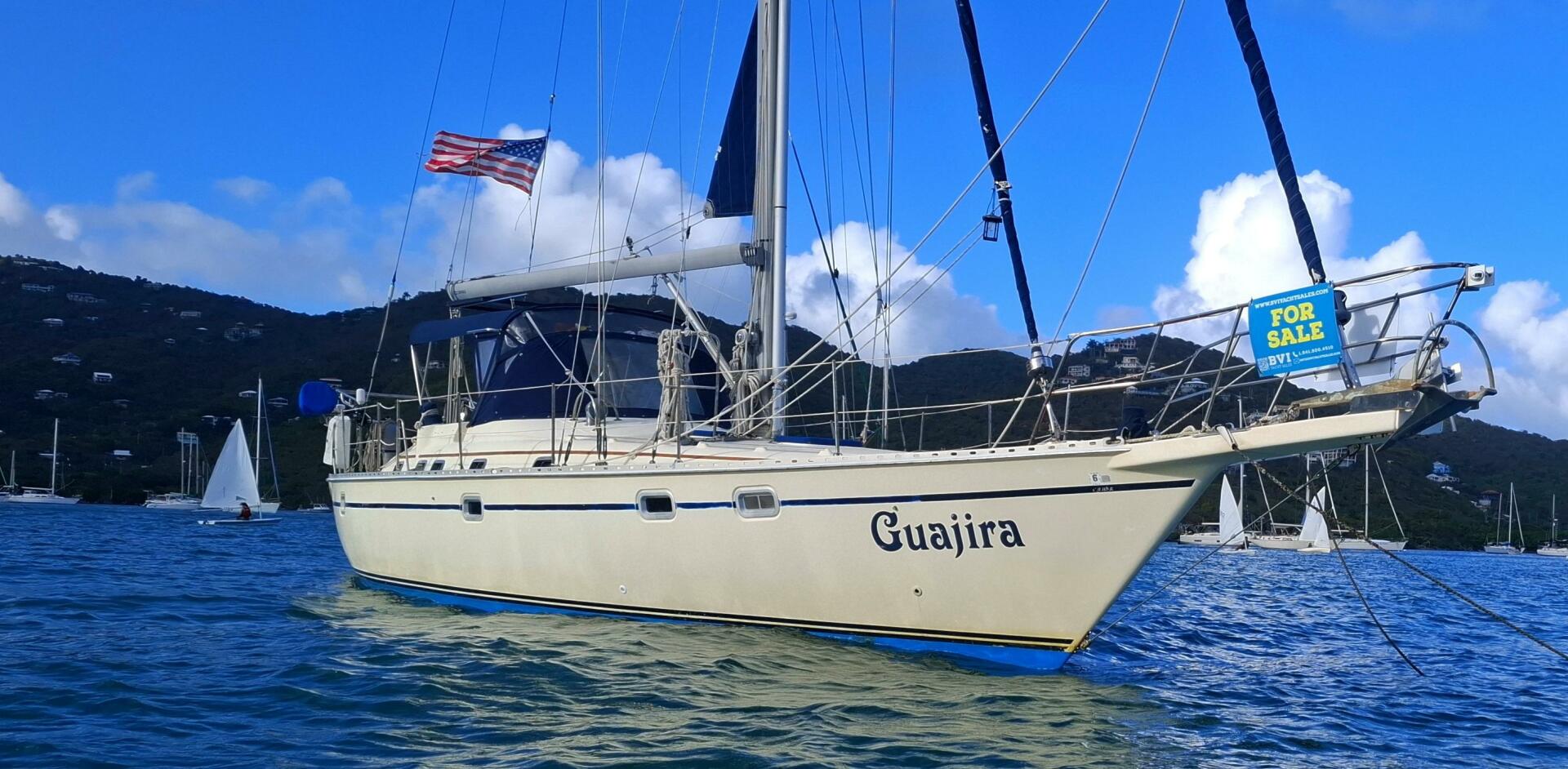
$149,500
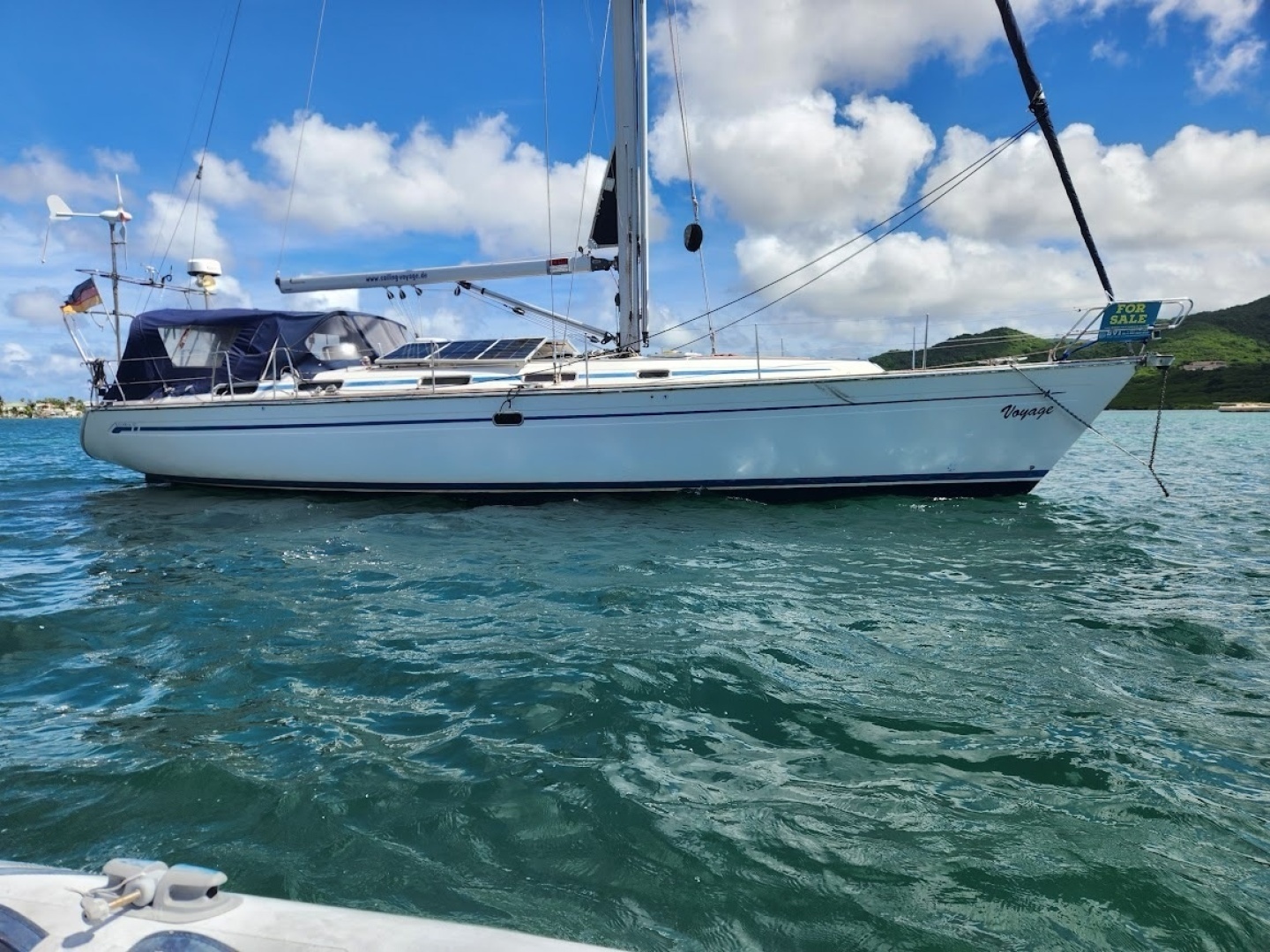
$109,900
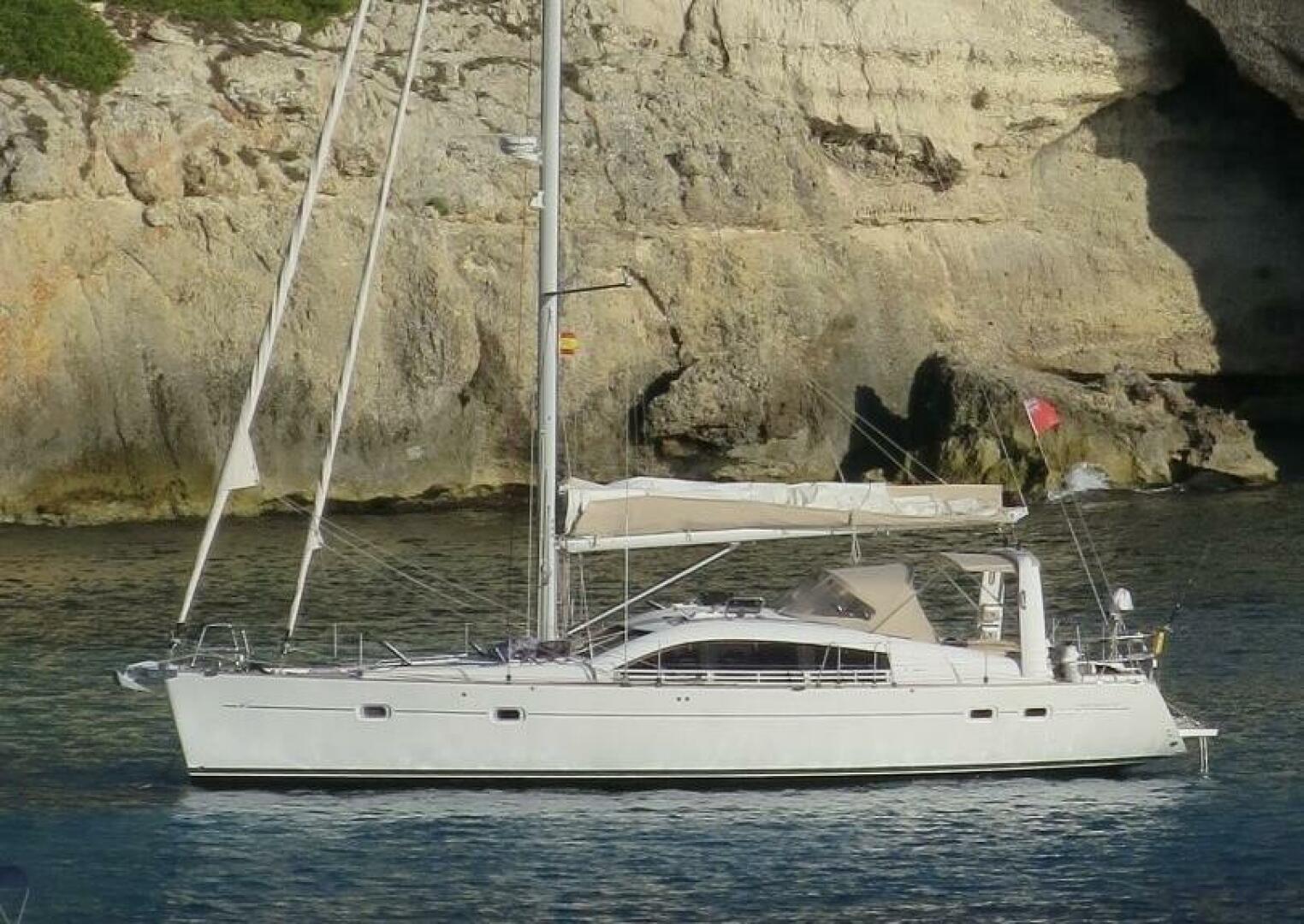
$395,000

$652,000
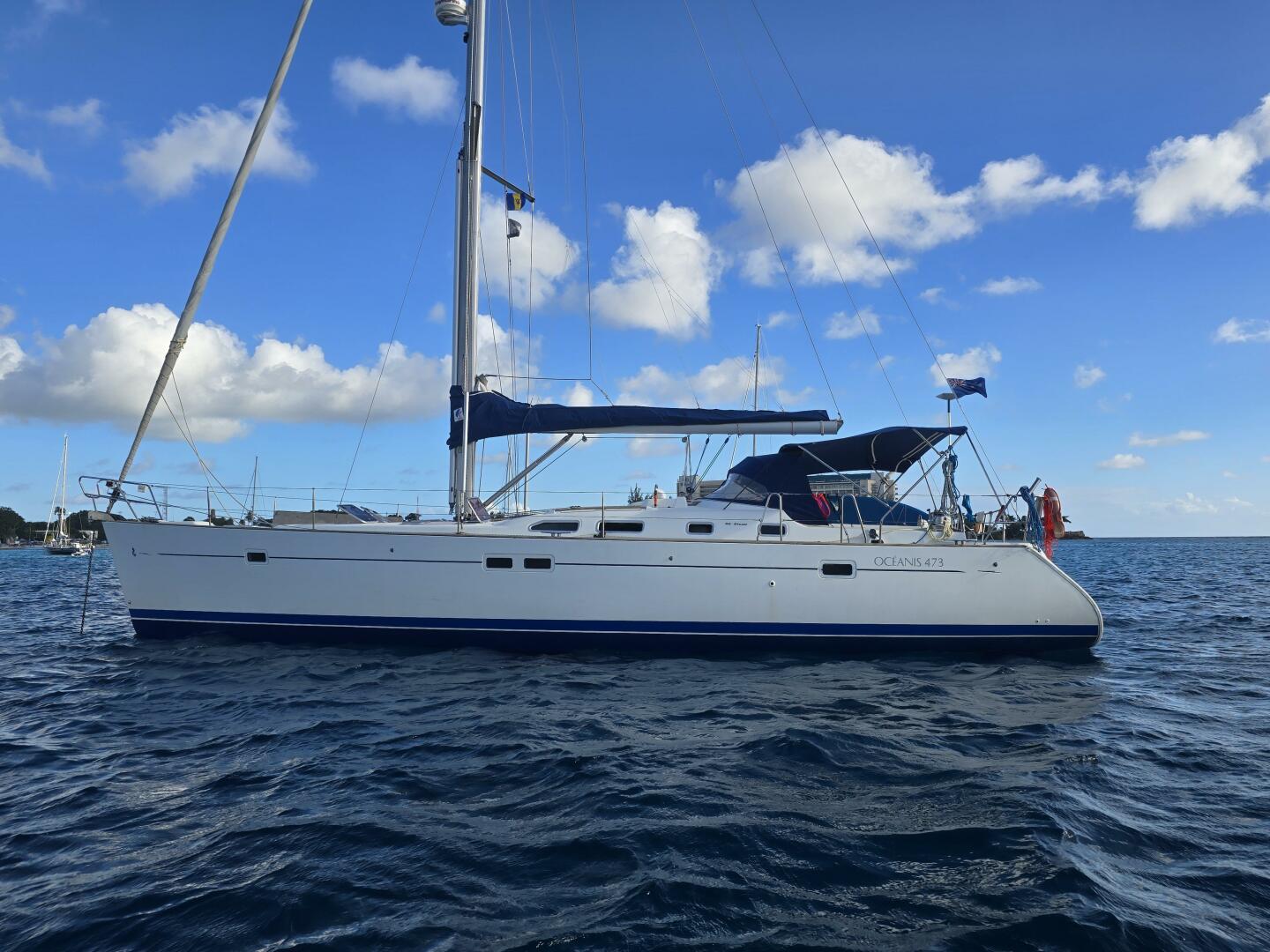
$105,000

$115,000
$950,000
$149,000
$135,000
$349,000