

Buying Guide · Yacht Types
There is no single legal length where a boat turns into a yacht. In everyday use, a yacht is a pleasure boat big enough to live aboard for days. In regulation, the line that matters most is 24 meters, about 79 feet.
If you are shopping for your first cruising boat, the words get used loosely. A listing calls a 38-foot sloop a yacht, and a friend calls a 60-foot motor yacht a boat. This guide sorts out what each word means, where the real lines fall, and why the label changes your costs, paperwork and insurance more than your bragging rights.
Key Takeaways
- 01
Every yacht is a boat; a yacht is a pleasure boat big and comfortable enough to live aboard for days.
- 02
There is no legal length where a boat becomes a yacht, but 24 meters of load line length, about 79 feet, is where large yacht codes start.
- 03
In the United States, documentation depends on 5 net tons of inside volume and eligible ownership, not length.
- 04
The features that earn the word, such as cabins, generators and crew, are the same ones that raise ownership costs.
- 05
Judge a listing by its length, systems and intended use, not by whether the seller calls it a boat or a yacht.
The short answer: every yacht is a boat, but not every boat is a yacht
A boat is any vessel that floats and carries people on the water. A canoe is a boat. So is a fishing skiff, a ferry and a 100-foot motor yacht. The word covers everything, which is why it tells you so little.
A yacht is a narrower idea. It is a boat used for pleasure rather than work, and it is usually large and comfortable enough to cruise for days at a time. Most people picture a cabin with berths, a galley for cooking, a head with a toilet and a shower, and room to stow gear for a long trip.
So the honest answer to the question is that the switch happens in two places. One is in how people talk, and that line is fuzzy. The other is in the rules that flag states and insurers write, and those lines are sharp. The rest of this guide walks through both.
Where the word yacht comes from
The word came into English from the Dutch word jacht, which described a fast, light ship built to chase pirates and carry officials. When the Dutch gave King Charles II of England a pleasure vessel in the 1600s, the English nobility picked up both the boat and the word.
From the start, then, a yacht meant a boat built for speed and pleasure, owned by someone who did not need it to earn a living. That idea of purpose still sits at the center of the word today, more than any size.
Five things that make people call a boat a yacht
01 · Purpose
It is used for pleasure
A yacht is for cruising, racing or relaxing. A boat of the same size that hauls cargo, fishes for a living or carries paying passengers on a set route is a working vessel, not a yacht.
02 · Overnight comfort
You can sleep and cook aboard
Most people stop calling something a boat once it has real berths, a galley and an enclosed head. A day boat with a bench seat and a cooler rarely earns the word.
03 · Size
It is long enough to cruise
Many people in the trade start using the word somewhere in the 30 to 40 foot range. There is no rule behind that, only the point where a boat can carry a couple or family in comfort for a week.
04 · Systems
It runs like a small house
A generator, a water maker, air conditioning and a full electrical panel mean the boat can support life away from the dock. Those systems also drive most of the running cost.
05 · Crew
It may need help to run
Larger yachts often carry a paid captain or crew. Once a vessel needs crew for routine use, almost nobody calls it a boat any more.
The 24-meter line: where regulators draw it
If you want a hard number, look at how flag states treat large pleasure vessels. According to Boat International’s guide to yacht classification, a large yacht is a pleasure vessel with a load line length of 24 meters or more. Almost every flag administration has adopted safety codes written for vessels over that line.
Twenty-four meters is about 79 feet. Load line length is measured near the waterline. A yacht with a long bow overhang or a swim platform can be longer than 79 feet overall and still fall under the line. When a broker or surveyor talks about a yacht being over or under 24 meters, this is the measurement they mean.
Above that line, a yacht that is put into commercial charter has to meet a much stricter set of rules on construction, fire safety, crew and equipment. That is the main reason you see so many charter yachts built just under 24 meters. The builder keeps the boat as large as possible while staying out of the heavier code.
There is no length where a boat legally becomes a yacht. There is a length where the rules change, and for most of the world it is 24 meters.
Load line rule summarized from Boat InternationalOther lines that change what you own
The 24-meter line is the best known, but it is not the only one a buyer meets. Several other thresholds change your paperwork and costs well before a boat is long enough to be called a superyacht.
In the United States, federal registration is tied to tonnage, not length. Under the federal vessel documentation statute, a vessel must measure at least 5 net tons and be wholly owned by eligible United States owners. Only then can the Coast Guard document it. Net tonnage measures inside volume, not weight, so a beamy catamaran can qualify at a shorter length than a slim monohull.
Insurers draw their own lines too. Many underwriters move a boat onto a yacht policy once it passes a certain value or length, and they ask more about crew, cruising area and hurricane plans. If you want to see how that plays out, the guide to what drives a yacht insurance premium breaks down each factor.
The lines that matter when a boat becomes a yacht
| Threshold | Who sets it | What changes for you |
|---|---|---|
| Overnight comfort (berths, galley, head) | Common usage | People start calling it a yacht; listings and buyers use the word |
| About 30 to 40 feet | Brokers and buyers, informally | Boat is big enough to cruise for a week with a couple or family |
| 5 net tons | United States federal law | Vessel becomes eligible for Coast Guard documentation |
| Value or length set by the insurer | Each underwriter | Policy may move to a yacht form with more questions on crew and hurricane plans |
| 24 meters load line length (about 79 feet) | Flag states and their large yacht codes | Commercial charter use triggers much stricter safety and crew rules |
Boat vs yacht by type: how the word is used on the water
The word yacht does not care what drives the hull. Sail, motor and multihull boats can all be yachts. What changes is the size at which people start using the word for each type.
A sailing monohull of 35 to 40 feet with two cabins is usually called a sailing yacht or a cruising yacht. Smaller sailboats are more often called by their rig, such as a sloop or a daysailer.
Cruising catamarans pick up the word sooner, because their wide decks give them the living space of a much longer monohull. A 40-foot catamaran can have four cabins and four heads. If you are weighing the two hull types, the comparison of catamaran versus monohull for island cruising covers the trade-offs in detail.
On the power side, a center-console boat is a boat at almost any length. A boat with a full cabin, a flybridge and a generator is called a motor yacht from about 40 feet up, and the term is standard by 50 feet.
Under 30 feet
Almost always a boat
Daysailers, beach cats, bowriders and center consoles. Some small cruisers have a berth, but few people call them yachts.
30 to 40 feet
Where the word starts
Two-cabin sailboats and cruising catamarans from about 38 feet are often called yachts. Open fishing boats of the same length are still boats.
40 to 60 feet
Yacht is the normal word
Cruising sailboats, catamarans, cabin cruisers and flybridge motor yachts. Most are still run by their owners.
24 meters and up
Large yacht
About 79 feet of load line length. Large yacht codes apply in commercial use, and paid crew becomes common.
Roughly 40 meters and up
Superyacht territory
No legal definition, but this is where most people switch to superyacht, usually with a full professional crew.
Why the label matters when you buy
Calling a boat a yacht does not change what it costs. Its size, systems and use do. Still, the same features that make people reach for the word are the ones that change your budget, so the label is a useful warning sign.
A boat with a generator, air conditioning and a water maker has more to maintain. A boat long enough to need a larger slip pays more for dockage every month. A boat with crew pays wages, food and insurance for the people aboard. Before you fall for a listing, put a number on each line in an annual budget for owning a yacht.
The label also changes how a sale works. Buyers of larger yachts almost always use a broker, a sea trial and a full survey. A good surveyor checks the hull, engines, rigging and every system before money changes hands, and the fee grows with length. The guide to pre-purchase survey costs in the islands shows what to expect.
Is the boat you are looking at a yacht for practical purposes?
Answer each question with a yes or no. Three or more yes answers mean you should budget, insure and inspect it like a yacht, whatever the listing calls it.
Question 1Can two or more people sleep aboard for a week?
Look for real berths, a galley you can cook in, and an enclosed head with a shower.
Question 2Does it run its own power and water?
A generator, inverter, water maker or air conditioning means more systems to service and inspect.
Question 3Is it long or beamy enough to need a larger slip?
Many marinas charge by the foot, and some charge more for wide multihulls.
Question 4Will you cruise offshore or between islands?
Offshore use changes your insurance, safety gear and the survey your insurer will ask for.
Question 5Could it ever need paid crew or charter use?
Crew and charter work bring their own rules, contracts and costs, and over 24 meters they bring a stricter code.
Boat vs yacht in the islands
In the British Virgin Islands (BVI) and across the Caribbean, the yacht most buyers look at is a cruising sailboat or catamaran in the 35 to 50 foot range. It is big enough to live aboard, small enough for a couple to handle, and it fits most moorings and marinas.
Many of these yachts come out of charter fleets. A charter boat is still a yacht, but it has been run hard and maintained to a schedule. That cuts both ways, which is why a survey and sea trial matter even more on an ex-charter boat.
Size also shapes where you can go. Shallow anchorages and small island marinas favor yachts with modest draft and length. A yacht that is too big for the places you want to visit becomes a boat you spend more time worrying about than enjoying.
Some buyers in the islands also look at power catamarans, which give the living space of a cruising cat with faster passages between anchorages. If you are torn between the two, the guide on choosing a power or sailing catamaran lays out how each suits island cruising.
Common myths about boats and yachts
Myth one: a yacht must be a motor yacht. Sailing yachts have used the word for centuries, and racing sailboats are still called yachts in clubs around the world.
Myth two: anything over a set length, such as 40 feet, is legally a yacht. No such rule exists. The legal lines that matter are tonnage for documentation and the 24-meter load line for large yacht codes.
Myth three: a yacht has to have crew. Most cruising yachts are run by their owners. Crew becomes normal on larger yachts, and it becomes required once a vessel is in commercial use and over certain sizes.
Myth four: calling your boat a yacht will raise your insurance. Insurers price risk from the boat’s value, age, size, cruising area and your experience. The word on the listing does not change the premium.
Myth five: a bigger yacht is always the better buy. Every extra foot adds to slip fees, haul-outs, bottom paint and insurance. Many owners find the right yacht is the smallest one that fits the way they actually cruise, not the largest one the budget allows.
QHow many feet is a boat before it is called a yacht?
There is no fixed number. Many people start using the word for cruising boats somewhere between 30 and 40 feet, once the boat has cabins, a galley and a head. The firm regulatory line is 24 meters of load line length, about 79 feet, where large yacht codes begin.
QIs a 40-foot boat a yacht?
In most cases, yes. A 40-foot sailboat, catamaran or cabin cruiser with sleeping space, a galley and a head is usually called a yacht. A 40-foot center-console fishing boat is still usually called a boat, because it is not built for living aboard.
QWhat is the difference between a yacht and a superyacht?
A superyacht is a very large yacht, usually with a professional crew. The word has no agreed legal definition. The rule that matters most is the 24-meter load line length, above which large yacht codes apply when the yacht is used commercially.
QCan a sailboat be a yacht?
Yes. The word yacht was used for sailing vessels long before engines existed. A cruising sailboat with cabins is a sailing yacht, and racing sailboats are still called yachts in sailing clubs.
QDoes a yacht need a captain?
Not usually. Most cruising yachts under about 50 feet are run by their owners. Larger yachts often carry a paid captain, and yachts in commercial charter must meet crew rules set by their flag state.
QDoes calling a boat a yacht change the price?
No. The price comes from the builder, model, age, condition, equipment and market. A broker will compare the boat with recent sales of similar vessels, whatever the listing calls it.
QWhat is the difference between a yacht and a ship?
A ship is a large vessel built for work, such as carrying cargo or passengers on a set route. A yacht is built for pleasure. A very large yacht can be longer than a small ship, but its purpose still sets it apart.
Buying or selling
Not sure what size yacht fits the way you want to cruise?
Talk to a broker about the sailboats, catamarans and motor yachts that fit your plans, budget and cruising ground.
Featured Listings
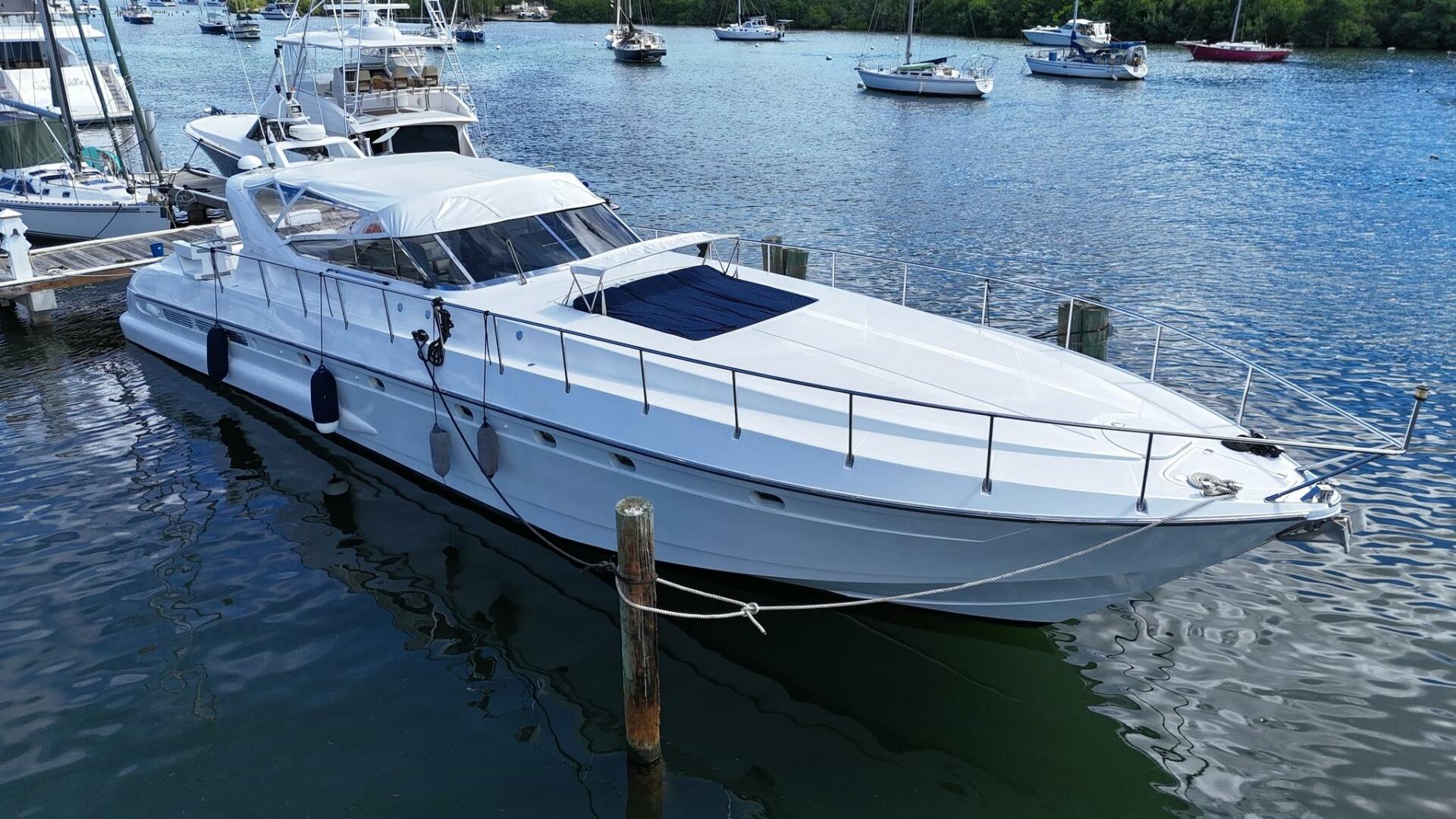
$499,000
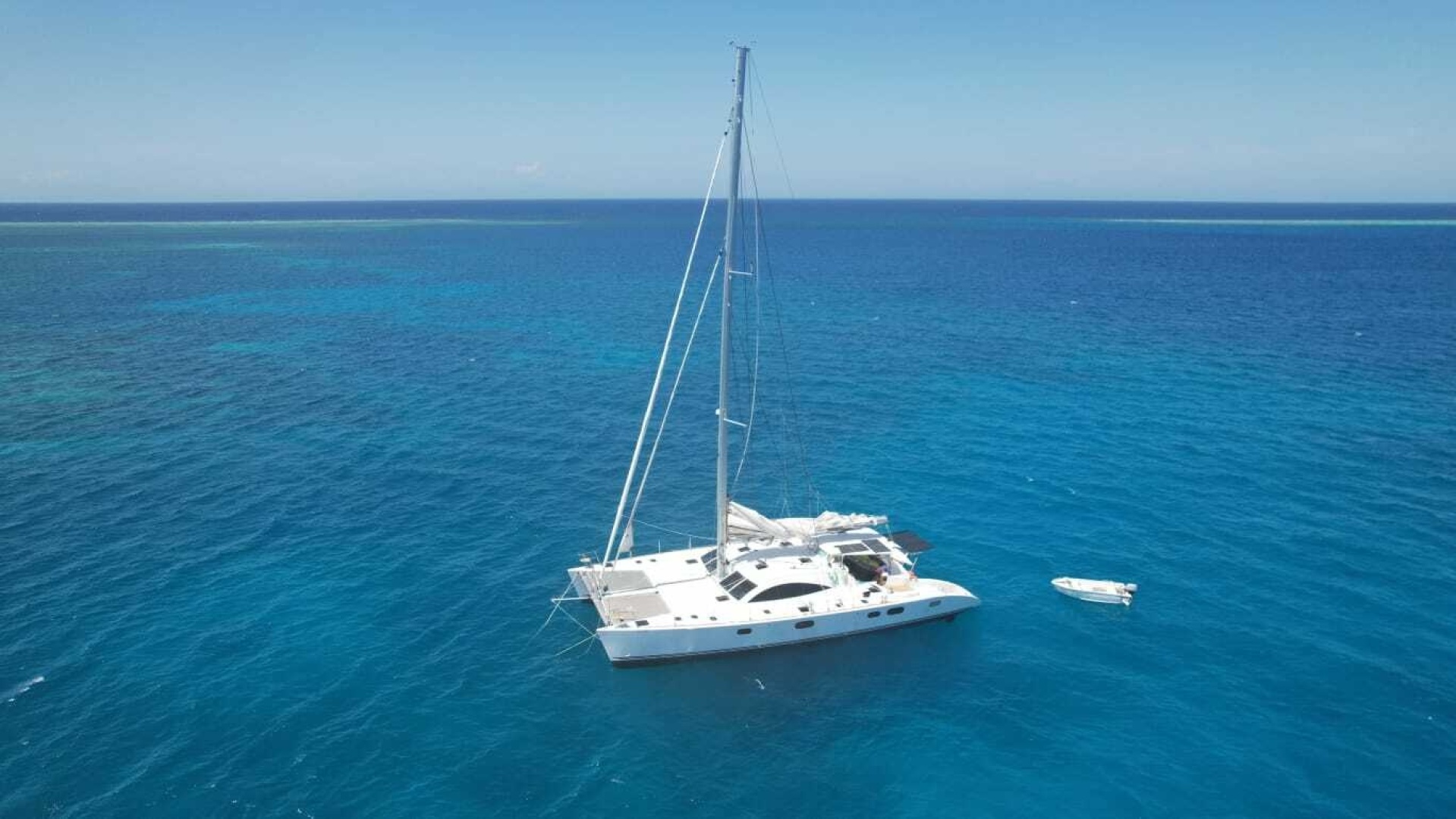
$1,300,000
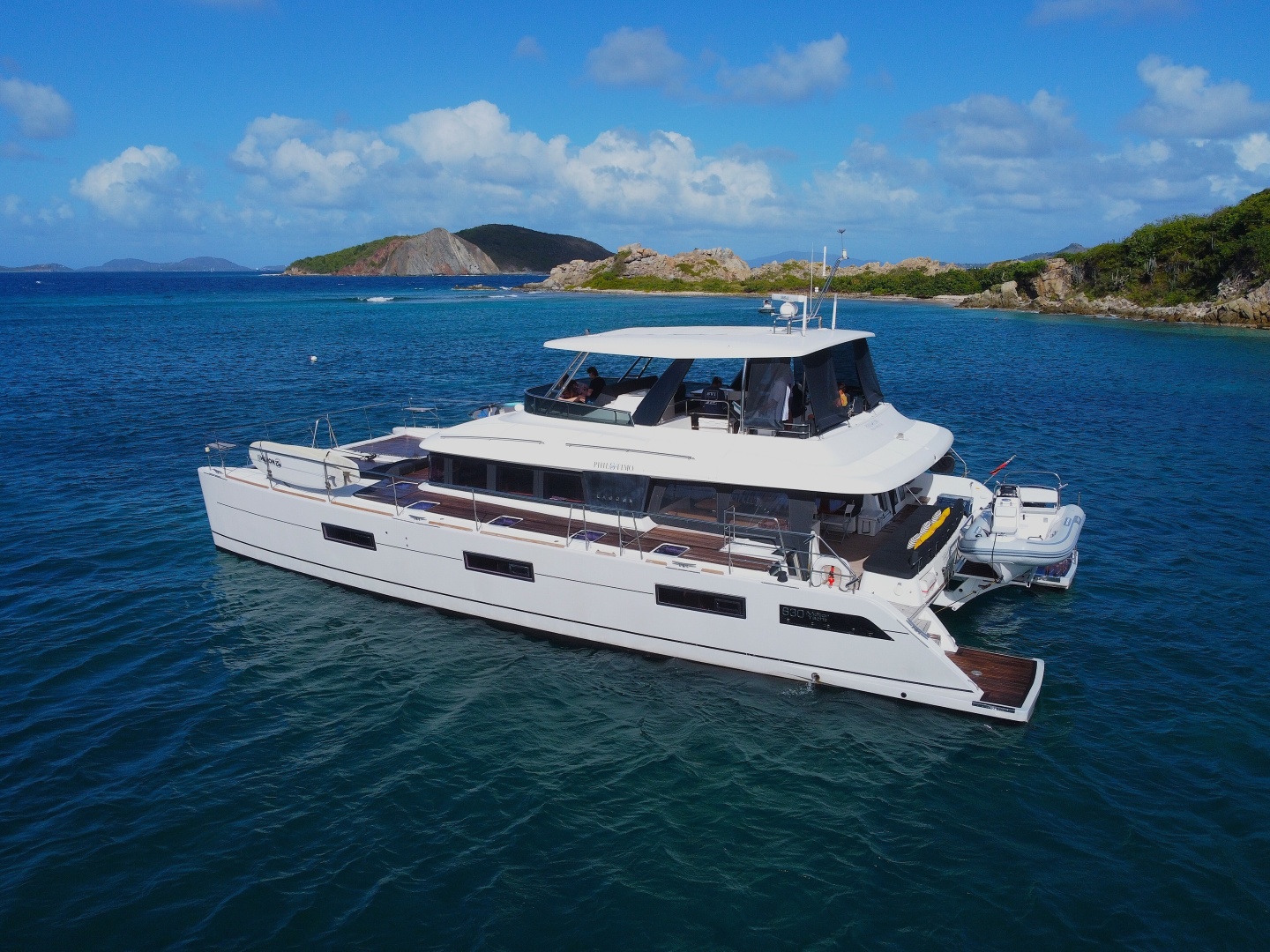
$1,699,000

$299,000
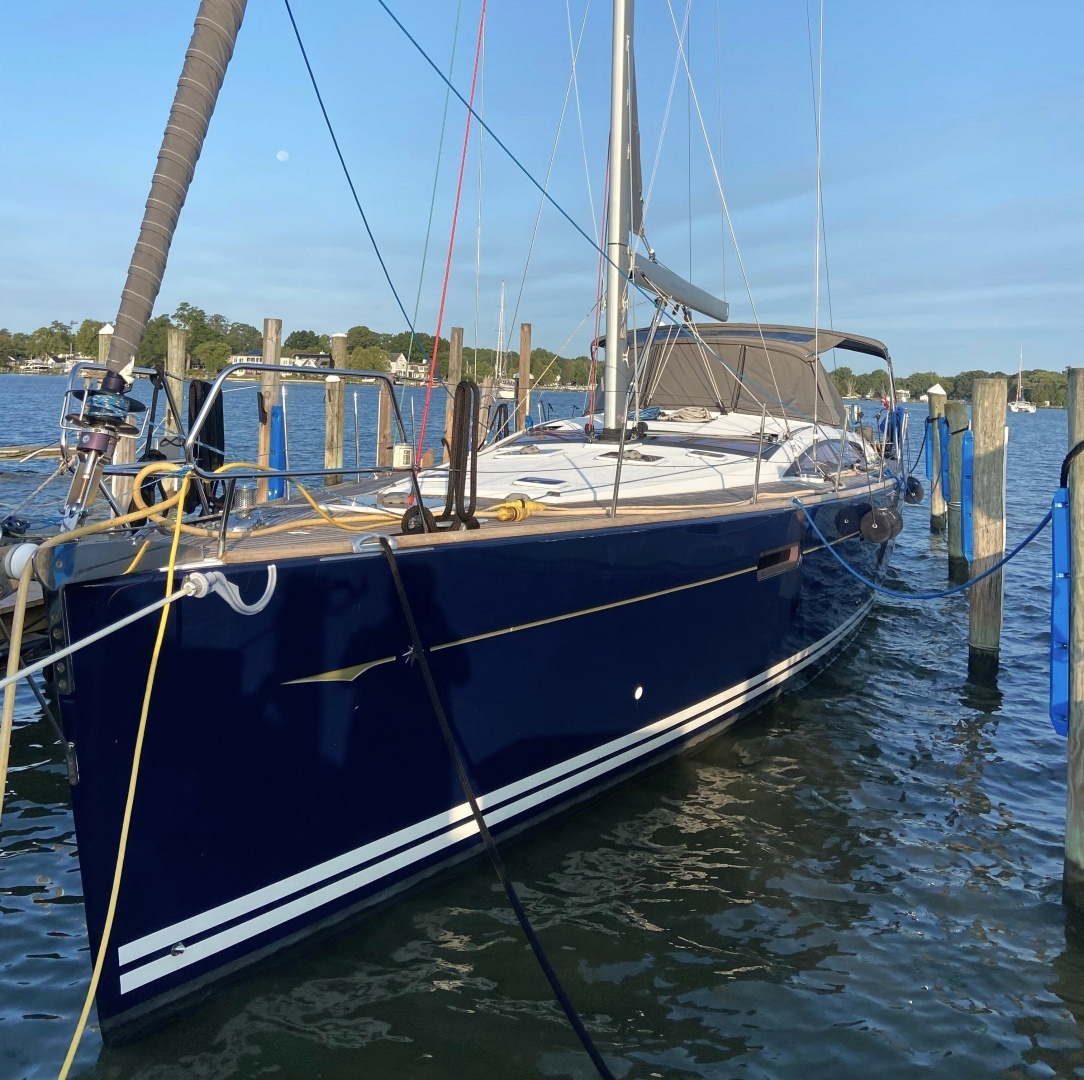
$589,000

$899,000
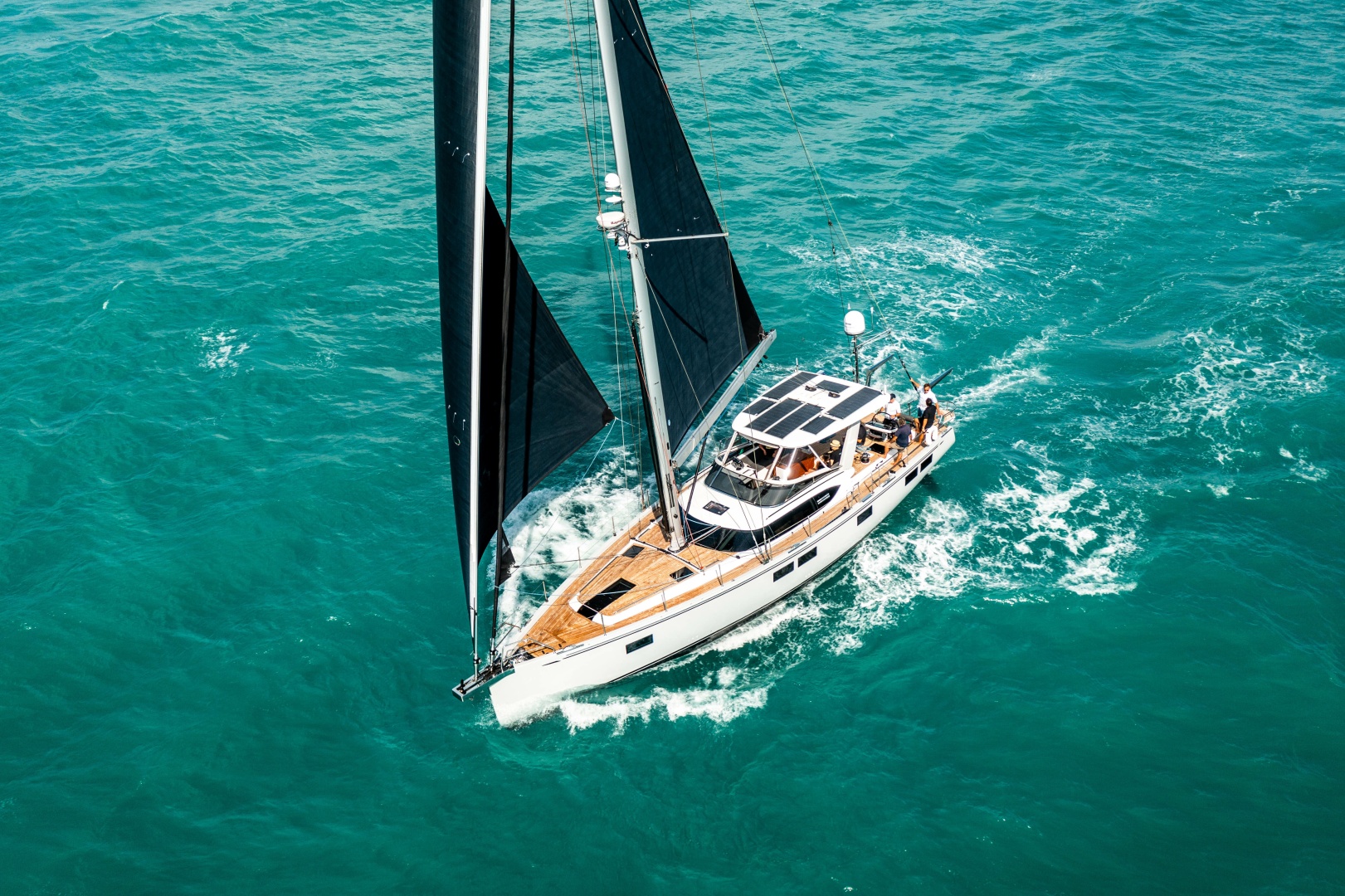
$1,795,000

$269,000
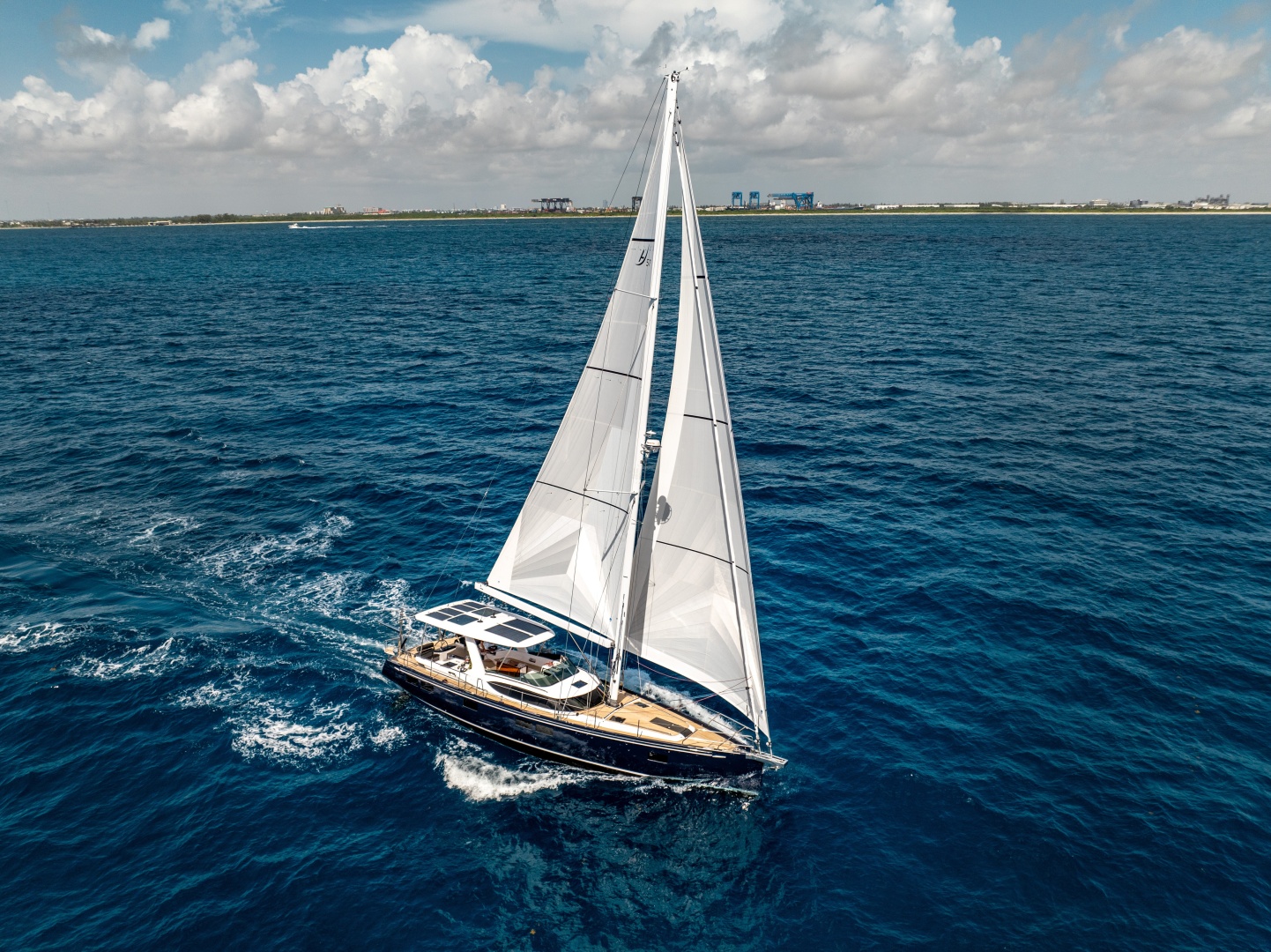
$2,780,000
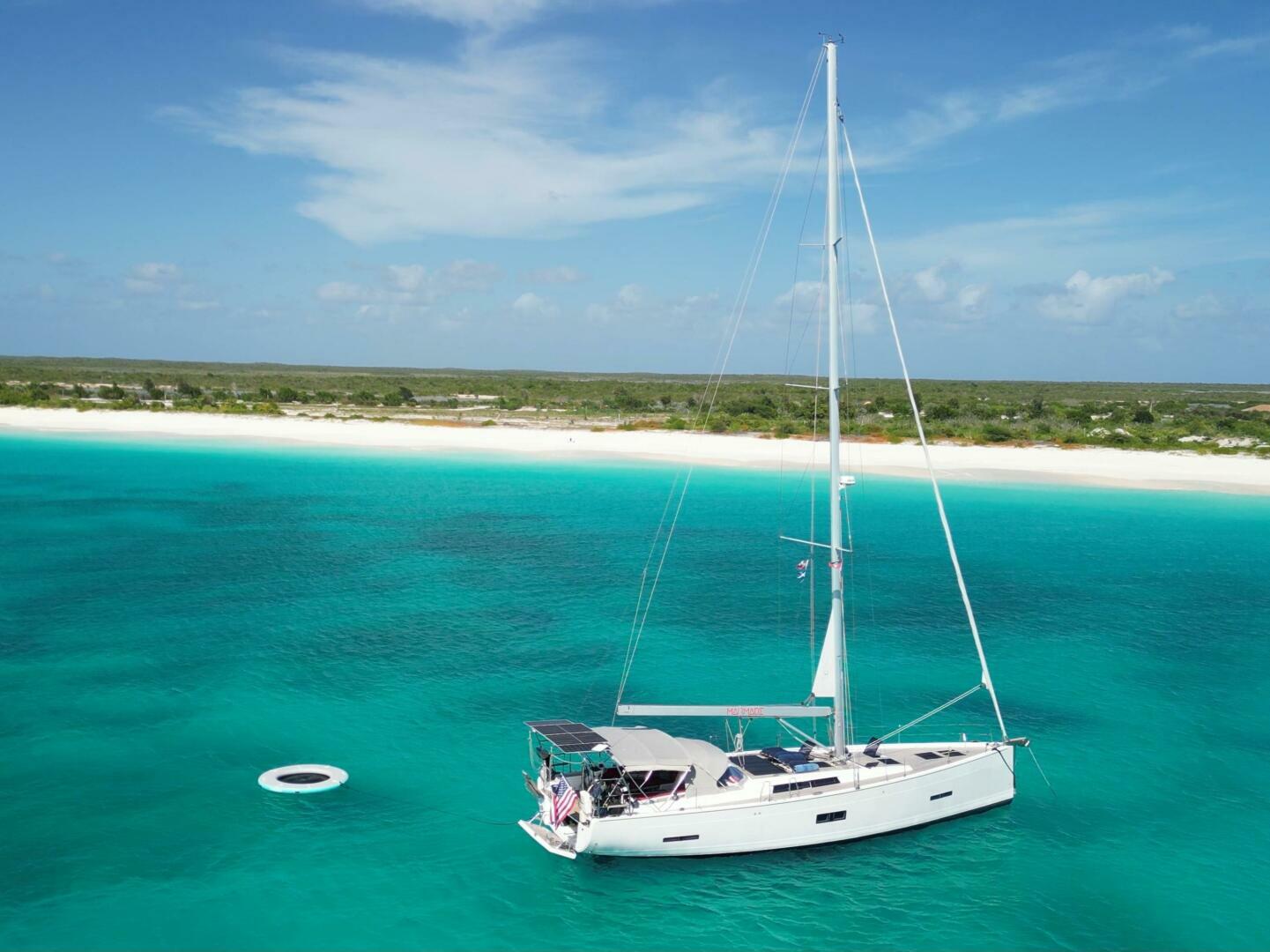
$359,000
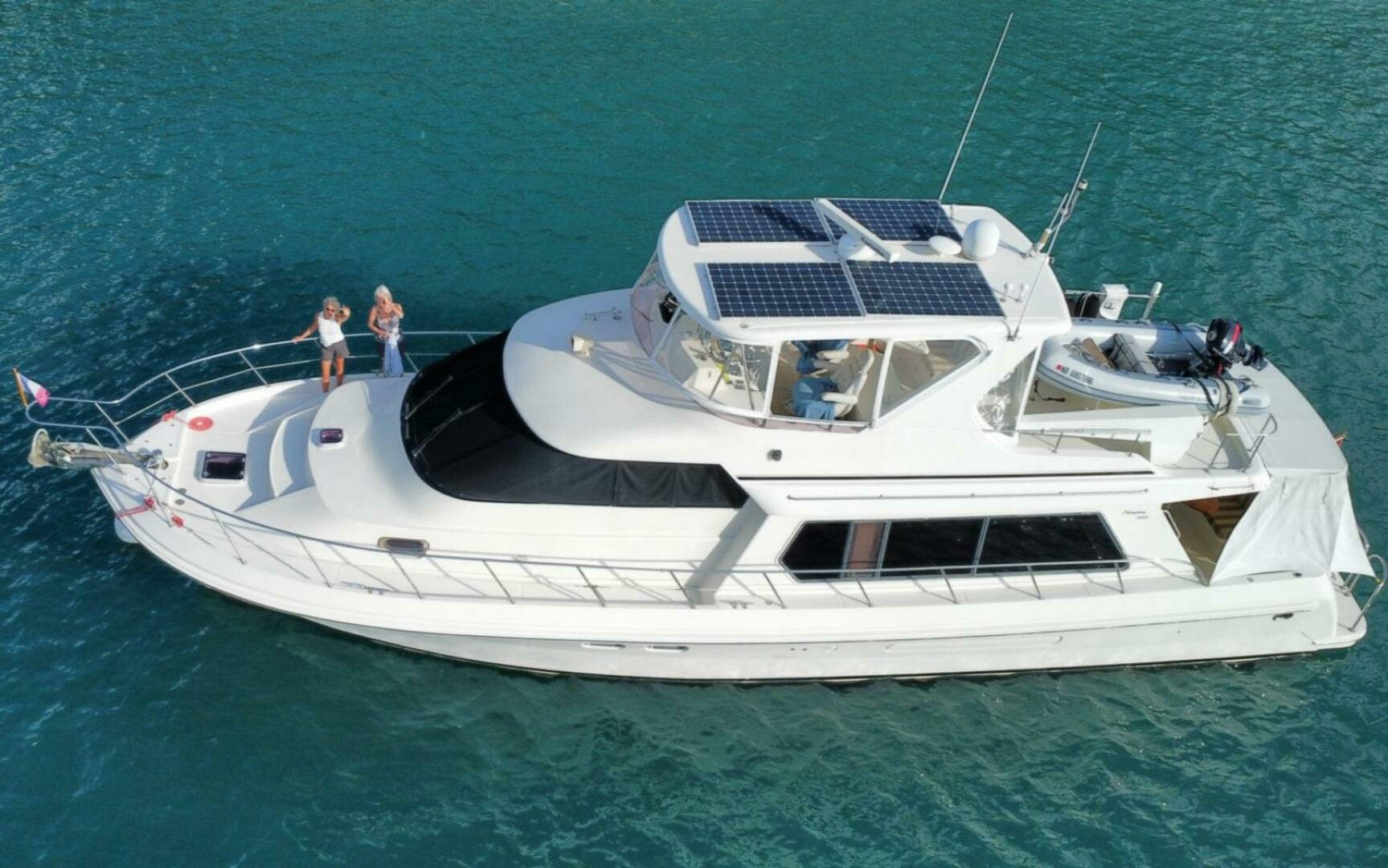
$499,500
$299,500
$1,290,000
$790,000
$545,000
$564,900
$1,130,000
$145,000
$499,000
$350,000
$80,000
$80,000
$599,000
$119,000
$98,250
$149,850
$339,000
$395,000
$349,000
$125,000
$1,730,000
$1,730,000
$149,500
$94,999

$652,000
$105,000

$115,000
$950,000
$149,000