

Catamarans & Multihulls · Buying
Buying a catamaran in the BVI follows a clear path — shortlist boats, sign a purchase-and-sale agreement, survey the vessel, and close, usually within six to twelve weeks of an accepted offer.
To buy a catamaran in the BVI, you follow a defined path: shortlist candidates, sign a purchase-and-sale agreement, place a refundable ten percent deposit in escrow, survey the vessel, and close. The British Virgin Islands sit at the center of the Caribbean brokerage market, so the boats, the qualified surveyors, and the closing experience are all close at hand. What trips up most first-time buyers is not the sailing — it is the money, the survey, and the paperwork.
Definition
Buying a catamaran in the BVI — The process of purchasing a two-hulled sailing or power vessel through a Caribbean broker — from offer and marine survey to import duty, registration, and closing — typically completed within six to twelve weeks of an accepted offer.
Last updated
Key Takeaways
- 01
Budget for total cost of entry: a five percent BVI import duty on non-commercial vessels, plus registration, insurance, and closing costs, sits on top of the asking price.
- 02
Settle the hull question first — a catamaran wins on level sailing and space, a monohull on upwind pointing and lower cost.
- 03
Never compress the survey: hire an accredited, multihull-experienced surveyor and arrange a short haul before you accept the boat.
- 04
Your ten percent deposit stays refundable through due diligence, so you keep the right to renegotiate or walk away.
- 05
Use a co-broker to reach unlisted boats — buyer representation is paid from the seller’s commission, so it costs you nothing extra.
What It Costs to Buy a Catamaran in the BVI
Asking prices for sailing catamarans listed in the British Virgin Islands run from roughly $239,000 for older mid-size boats to more than $1.29 million for late-model performance cruisers. The sticker, though, is only the start of the number that matters.
Duty is where the BVI structure surprises mainland buyers. Non-resident owners who place a boat into a licensed charter program can qualify for a duty exemption, while non-commercial recreational vessels face a five percent import duty on their assessed value when brought into the Territory. Registration, licence fees, insurance, and closing costs then round out your true cost of entry, which is why a realistic budget looks well beyond the catamaran prices you first see advertised.
$239k–$1.3M
typical asking-price range for sail catamarans listed in the BVI
YachtWorld BVI listings 2026
10%
refundable deposit held in escrow once a boat goes under contract
The Multihull Company
5%
BVI import duty on a non-commercial recreational vessel's value
BVI Customs Management and Duties Act 2010 (Mondaq)
Catamaran or Monohull: Choosing a Boat for BVI Waters
Before you compare individual listings, settle the hull question. A cruising catamaran sails nearly level in the steady Caribbean trades, and its wide beam of twenty to twenty-five feet resists the rolling that makes a monohull heel. Space follows from that beam: a forty-foot catamaran commonly offers four cabins and four heads, which is why so many liveaboards and charter buyers favor them for BVI waters.
A monohull still earns its place. It points higher upwind, often costs less to buy and berth, and delivers the time-tested motion many experienced sailors prefer. The honest answer in the catamaran versus monohull debate depends on how you plan to use the boat, and if you are leaning multihull, the split between a power catamaran and a sailing catamaran is the next decision to make.
Cruising catamaran
- ✓Sails nearly level with minimal heeling in the Caribbean trades
- ✓A 40-foot model commonly offers four cabins and four heads
- ✓Twin engines spin the boat in place for easy docking and anchoring
- ✗Slower upwind and needs wider, pricier slips and haul-outs
Monohull
- ✓Points higher upwind and typically costs less to buy and berth
- ✓Time-tested sailing motion many veteran sailors prefer
- ✗Heels under sail, which many families and guests dislike
- ✗Less living and deck space than a comparable catamaran
The best catamarans rarely reach the open market. They sell quietly between brokers before a public listing ever appears — which is why buyers who work with a co-broker see boats the rest of the market never does.
BVI Yacht Sales brokersThe Step-by-Step Catamaran Buying Process
Once you have chosen a hull type and a shortlist, the purchase itself is orderly. The one step you never compress is the survey: hire a SAMS Accredited Marine Surveyor with genuine multihull experience, because the structural issues unique to catamarans — bridgedeck, saildrive housings, hull-to-deck bonds — demand a specialist a monohull-focused inspector may miss.
STEP 01Define your use case and budget
Decide first how you will use the boat: coastal weekends, full-time liveaboard, or a charter-income catamaran. The use case sets your size, layout, and budget.
Build the budget around total cost of entry — purchase price, import duty, registration, insurance, and a refit reserve — not the asking price alone.
STEP 02Shortlist and view boats
Work with a broker to surface listings that fit your brief, including quiet inventory that never hits the public market. Co-brokerage widens the pool because your broker can show any listed boat, not only their own.
STEP 03Make an offer and sign the agreement
When a boat fits, submit a written offer. Once both sides sign the purchase-and-sale agreement and your deposit — usually ten percent — lands in escrow, the boat is officially under contract.
That deposit stays fully refundable through the due-diligence period, so you are protected while you inspect.
STEP 04Survey, short haul, and sea trial
Commission a multihull-experienced surveyor and arrange a survey short haul — a brief lift-out so the surveyor can inspect the bottom for damage or water intrusion below the waterline. Run a sea trial the same window to confirm the rig, engines, and systems perform under load.
STEP 05Review findings and renegotiate
Read the survey with your broker and sort every finding into three buckets: deal-breakers, items worth a price concession or seller repair, and minor notes not worth arguing over. If a major structural issue threatens value or seaworthiness, you keep the right to walk away.
STEP 06Accept the vessel and close
Once you accept the boat, funds move by wire against clear closing instructions, and the deposit applies to the balance. Registration, any duty or charter licence, and title transfer complete the deal — and the catamaran is yours.
Broker tip
Buyer representation usually costs you nothing extra
In a co-brokerage sale the commission is paid by the seller and split between the listing broker and your buyer’s broker. Using a broker to buy therefore adds no cost to you, while giving you access to unlisted boats and an advocate through survey and closing.
How Long Buying a Catamaran Takes
There is no fixed clock, but a well-run BVI catamaran purchase tends to move through four predictable phases. Building in a little slack — rather than rushing to a cruising start date — preserves your negotiating power and keeps survey scheduling calm.
Weeks 1–3
Search and shortlist
Clarify your brief, review listings and quiet inventory with your broker, and view the strongest candidates in person.
Weeks 3–5
Offer and contract
Negotiate the offer, sign the purchase-and-sale agreement, and place the refundable deposit into escrow to put the boat under contract.
Weeks 5–8
Survey, short haul, and sea trial
Complete the marine survey and haul-out, run the sea trial, and gather quotes for any work the survey flags.
Weeks 8–12
Negotiate findings and close
Settle concessions, accept the vessel, wire funds, and finish registration, duty, and title transfer at closing.
Common Catamaran-Buying Mistakes to Avoid
The regrets buyers voice most often are not about the boat they chose but about the discipline they skipped. Each of these is avoidable with a plan and the right advisers.
01 · Mistake
Buying emotionally
Falling for the first catamaran you see, then bending your budget and plans to fit it, is the fastest route to regret. Start from the use case and let it filter the boats.
02 · Mistake
Chasing size over quality
The largest cheap catamaran your budget allows is often a tired, under-maintained refit project that costs far more to run, insure, and slip than a smaller, sound boat.
03 · Mistake
Underestimating running costs
Insurance, haul-outs, standing rigging, canvas, electronics, and a long list of small upgrades add up quickly. Reserve for ownership costs, not just the purchase.
04 · Mistake
Skipping a proper survey
A general marine surveyor is not enough. Catamarans have structural details that demand a multihull-experienced, accredited surveyor to catch hidden moisture and delamination.
Why the surveyor matters
5+ yrs
minimum full-time experience required to hold the SAMS Accredited Marine Surveyor credential
Society of Accredited Marine Surveyors
Start your search
See Catamarans for Sale Across the Caribbean
Browse current sail and power catamaran listings in the BVI and wider Caribbean, or talk to a broker about the boats that never reach the public market.
QDo you pay import duty when you buy a catamaran in the BVI?
It depends on how the boat is used. A non-commercial recreational vessel imported into the BVI is subject to a five percent customs duty on its assessed value. However, a boat owned by a non-resident and placed into a licensed commercial charter program can qualify for a duty exemption, paying an annual licence fee instead. Confirm your status before closing, because it changes your total cost meaningfully.
QWhat does a catamaran survey in the Caribbean involve?
A marine survey is a detailed inspection of the vessel’s condition and seaworthiness. The surveyor lifts floorboards, opens lockers, checks bilges, and inspects rigging and systems, then arranges a short haul to examine the hull below the waterline. Always use a surveyor with catamaran experience, as multihulls have structural details a monohull-focused inspector can miss.
QHow much does a catamaran cost in the BVI?
Asking prices for sailing catamarans listed in the British Virgin Islands generally range from about $239,000 for older mid-size boats to more than $1.29 million for late-model performance cruisers. Your real cost is higher once you add import duty, registration, insurance, and closing costs, so build the budget around total cost of entry rather than the advertised price.
QIs a catamaran or a monohull better for BVI cruising?
Neither is universally better; it depends on your priorities. A catamaran sails nearly level, offers far more living space, and handles anchorages comfortably, which suits families, liveaboards, and charter use. A monohull points higher upwind, usually costs less to buy and berth, and delivers a sailing motion many experienced sailors prefer. Match the hull to how you actually plan to use the boat.
QShould you buy a charter-managed catamaran or a private one?
A charter-managed catamaran can offset ownership costs and may qualify for a BVI duty exemption, but the boat sees heavy use and your access is scheduled around bookings. A privately owned catamaran costs more to carry but is yours whenever you want it and typically shows less wear. The right choice hinges on your budget, tax position, and how often you plan to sail.
QWhat are the most common mistakes when buying a catamaran?
The frequent ones are buying emotionally instead of from a use-case plan, chasing the largest cheap boat rather than a sound one, underestimating running costs, and skipping a proper survey. Rushing the timeline also weakens your negotiating position. A clear brief, a realistic budget, an accredited surveyor, and a broker on your side prevent nearly all of them.
QDo you need a broker to buy a catamaran in the BVI?
You are not required to, but buyer representation usually costs you nothing extra. In a co-brokerage sale the seller pays the commission, which is split with your buyer’s broker, so using one adds access to unlisted boats and an advocate through survey, negotiation, and closing without adding to your price.
Featured Listings
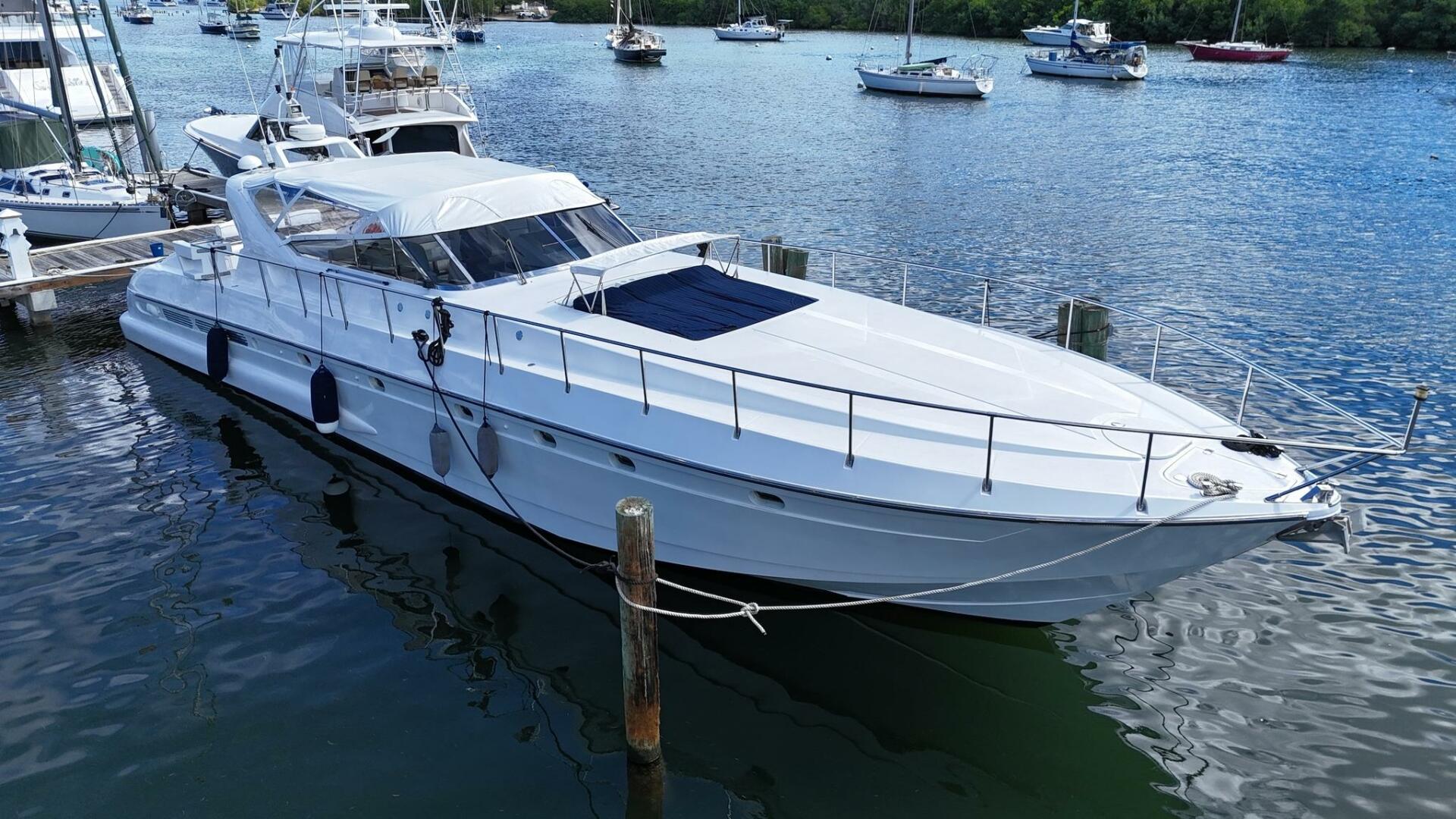
$599,000
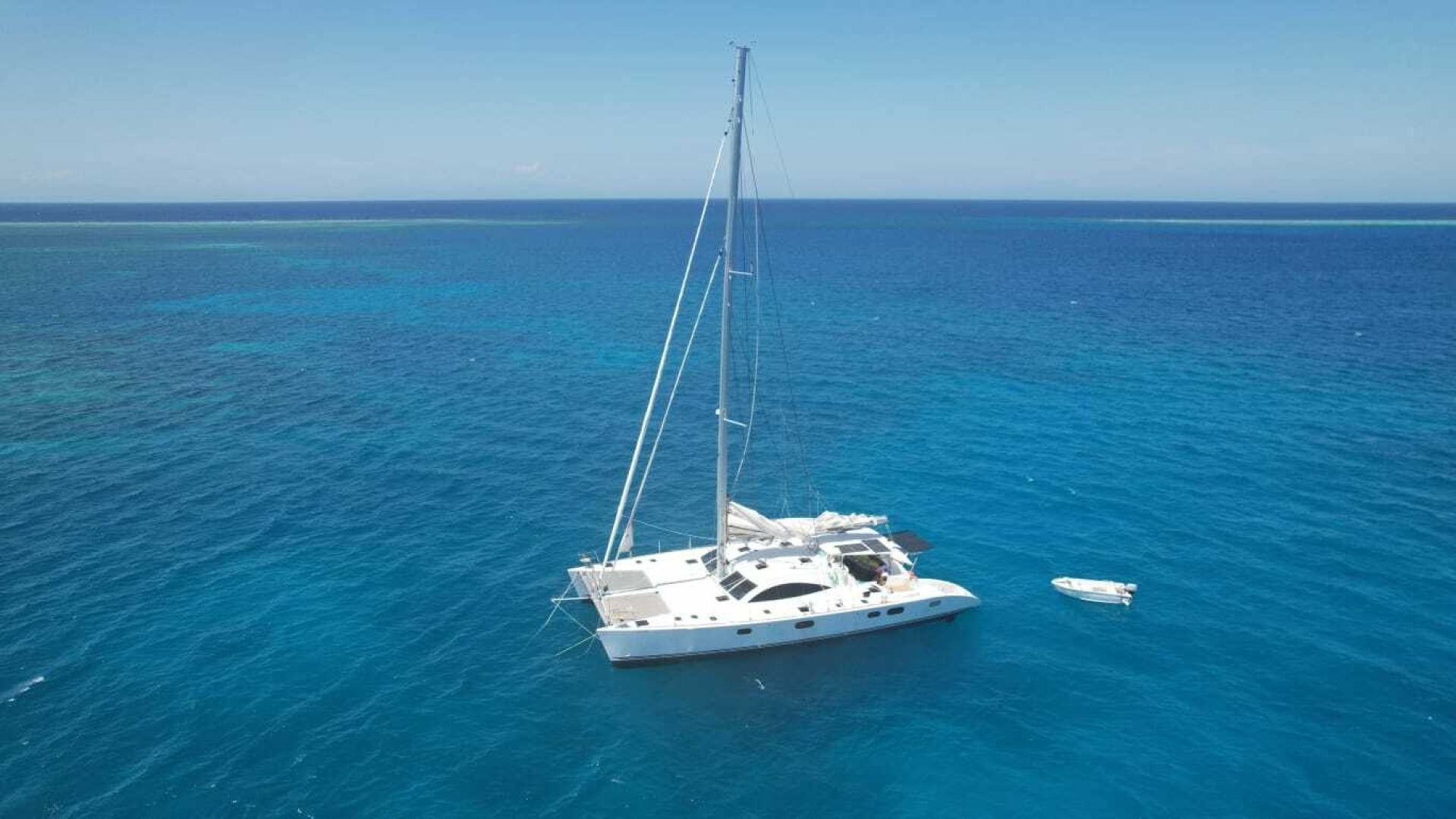
$1,300,000
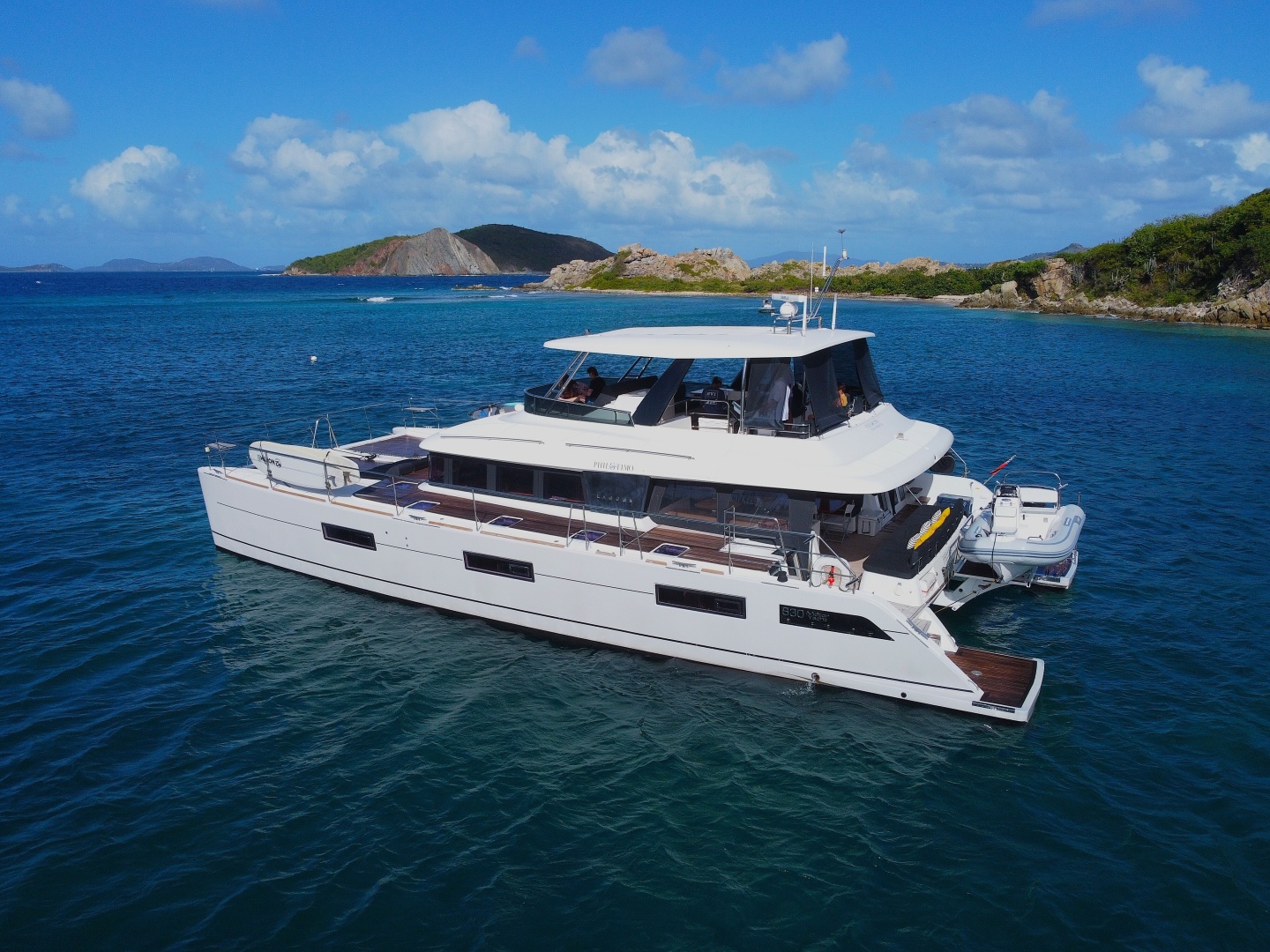
$1,699,000

$299,000

$899,000
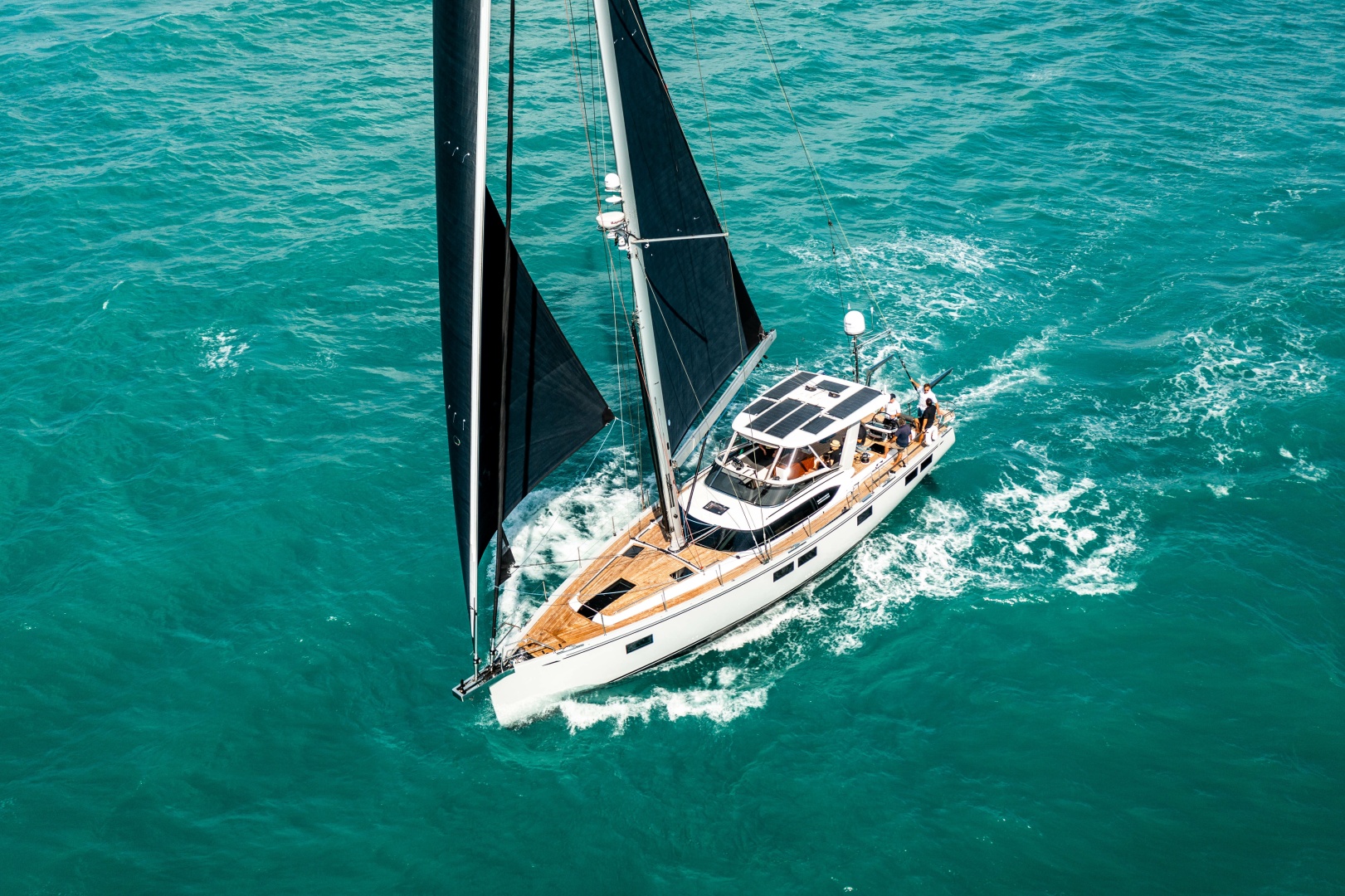
$1,795,000

$269,000
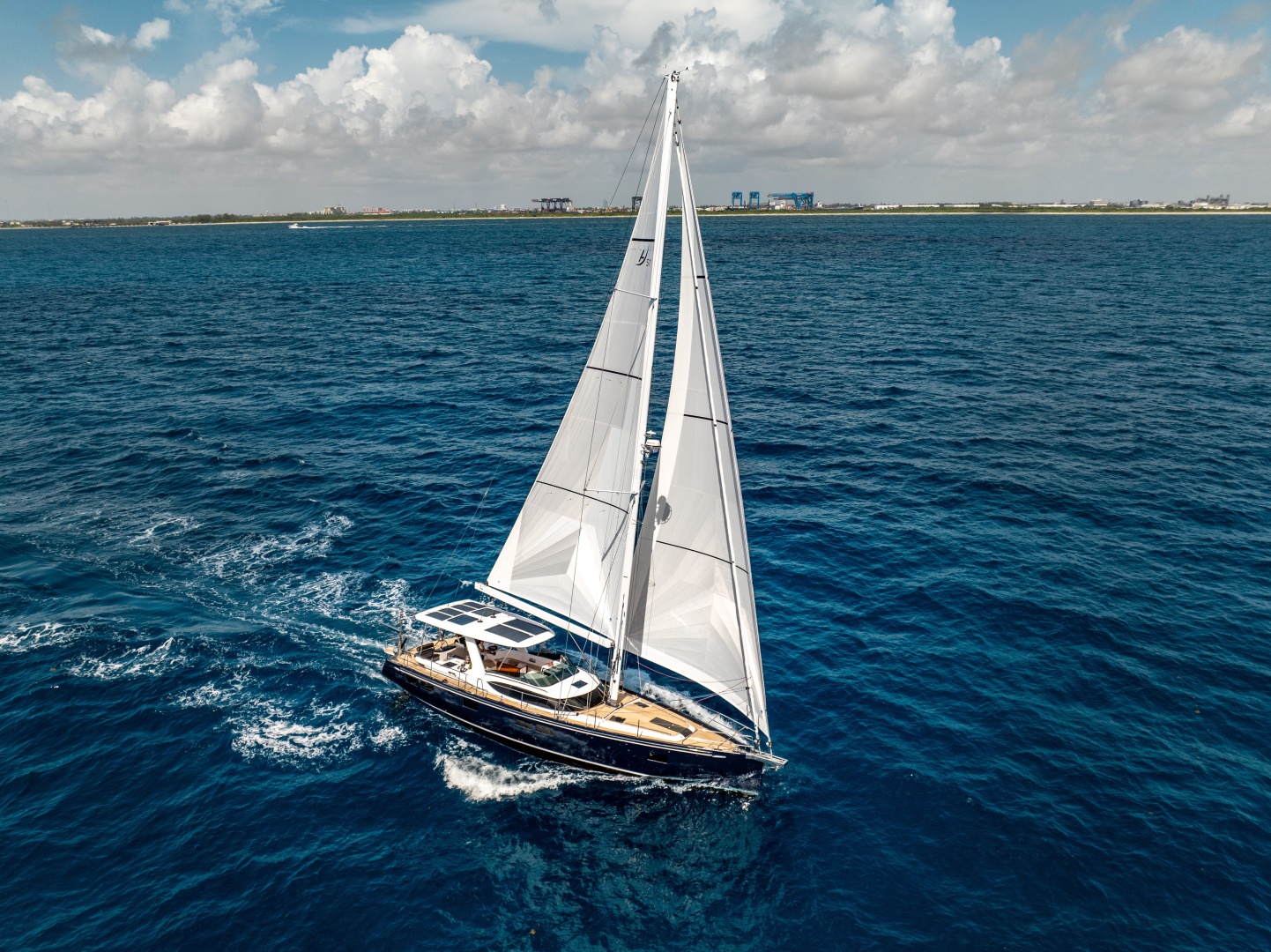
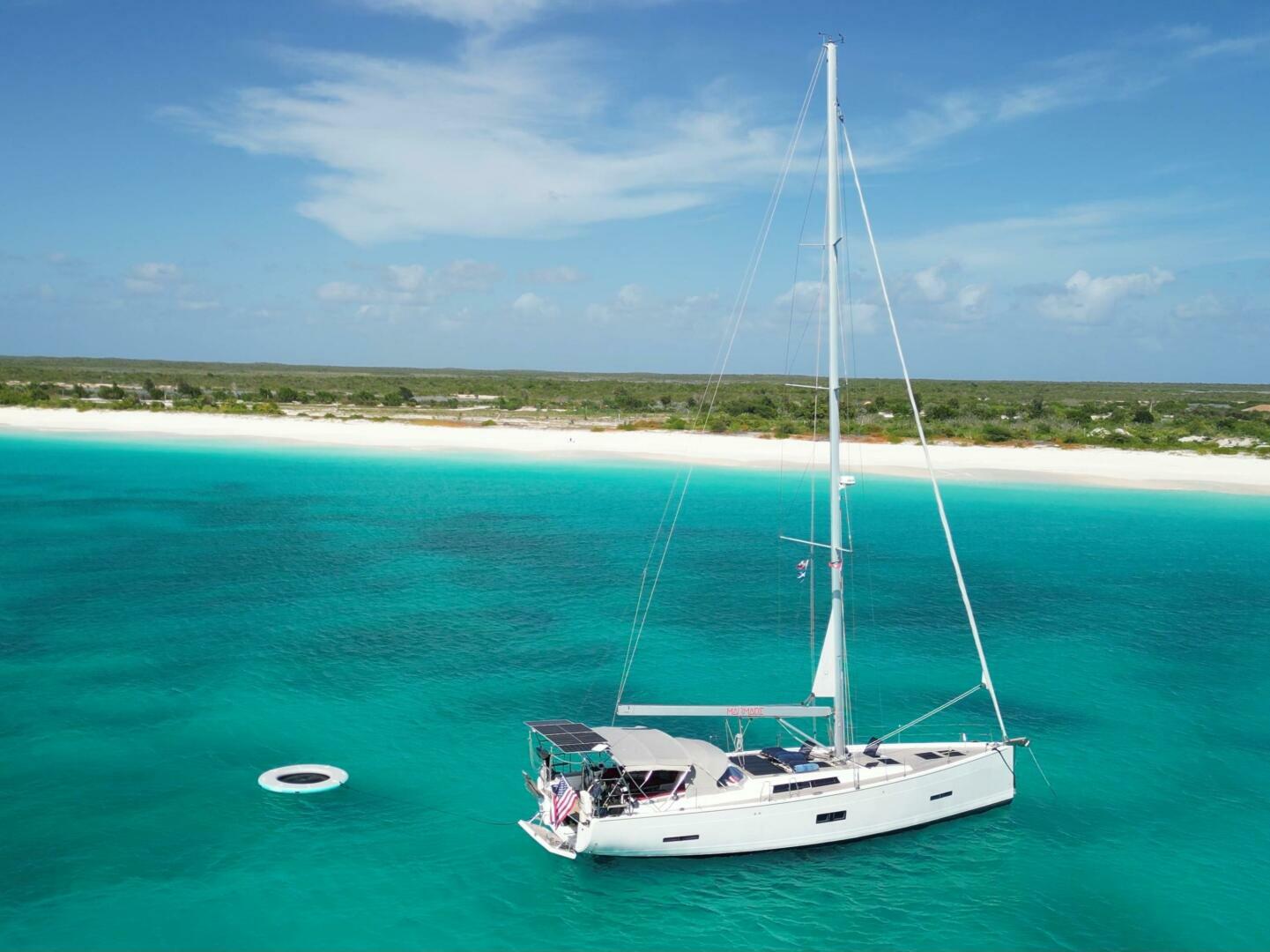
$359,000
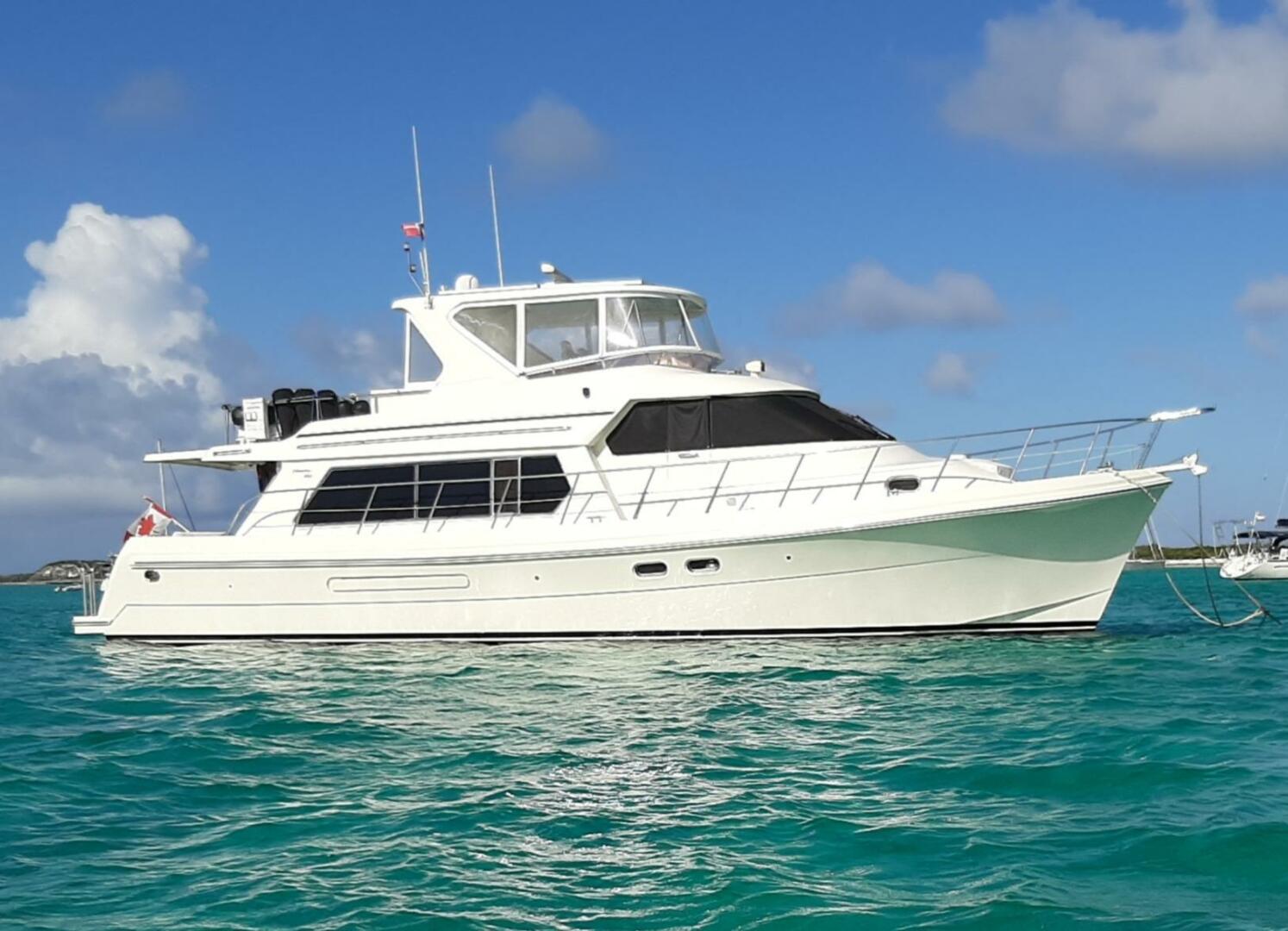
$499,500
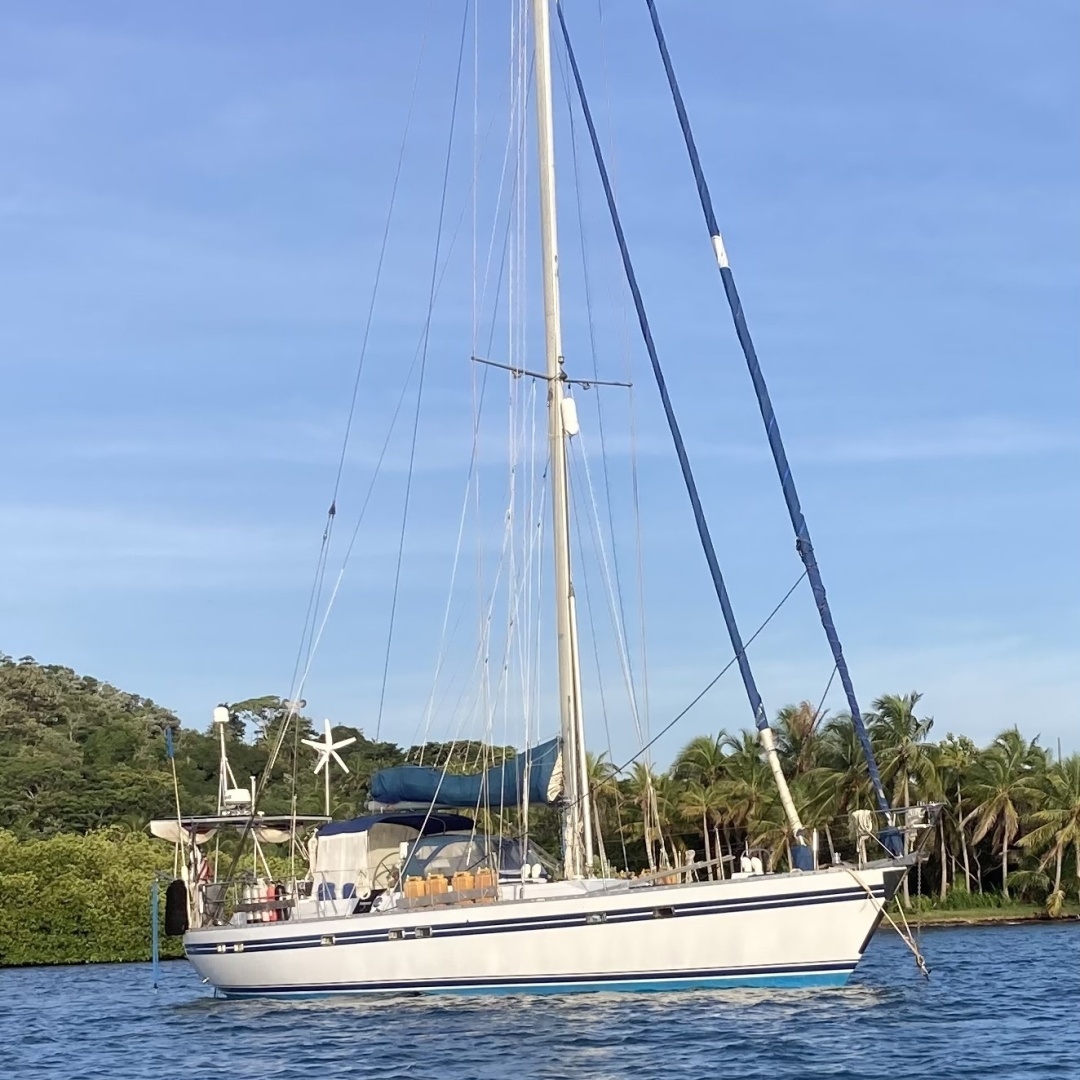
$299,500
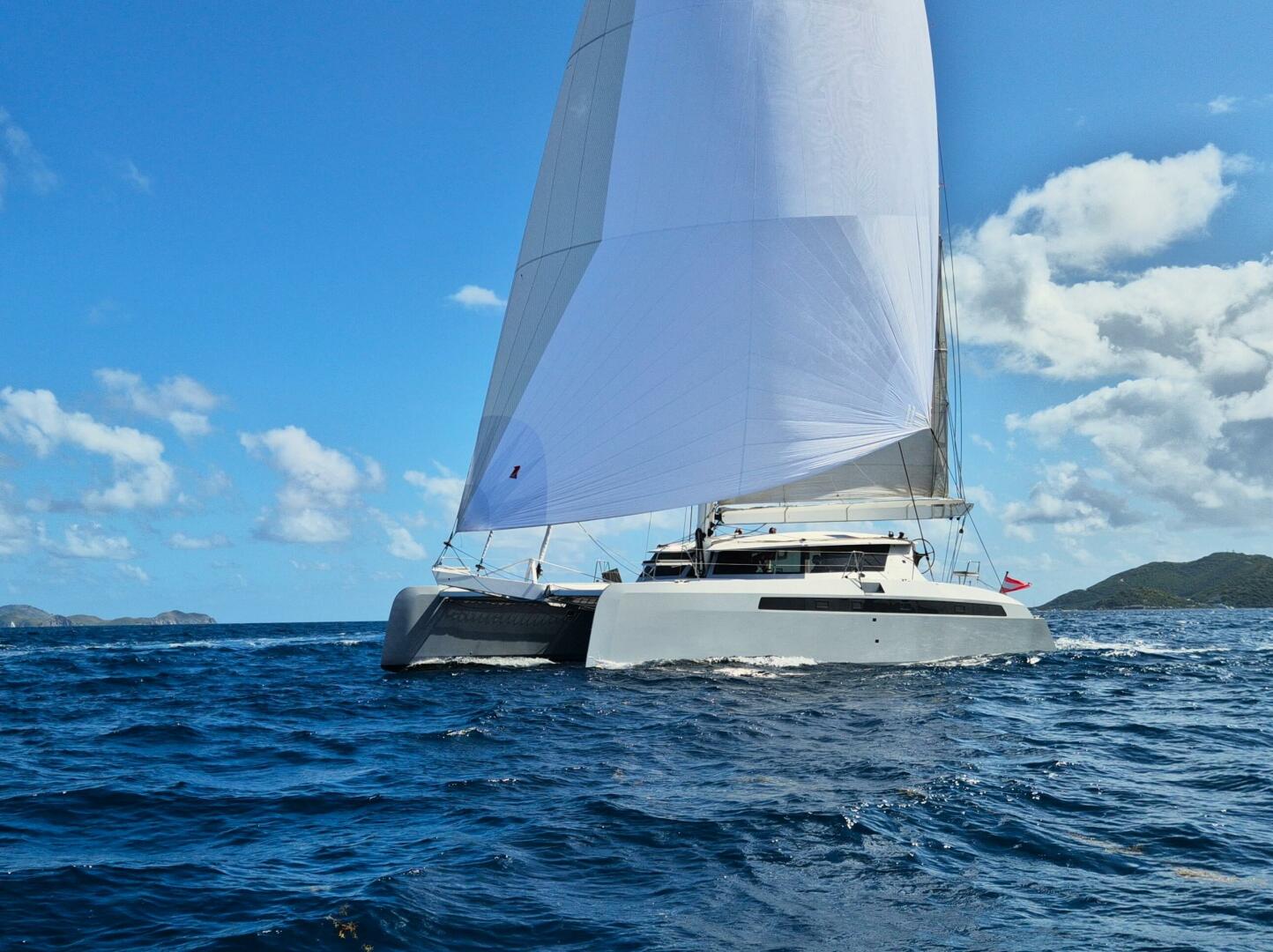
$1,290,000
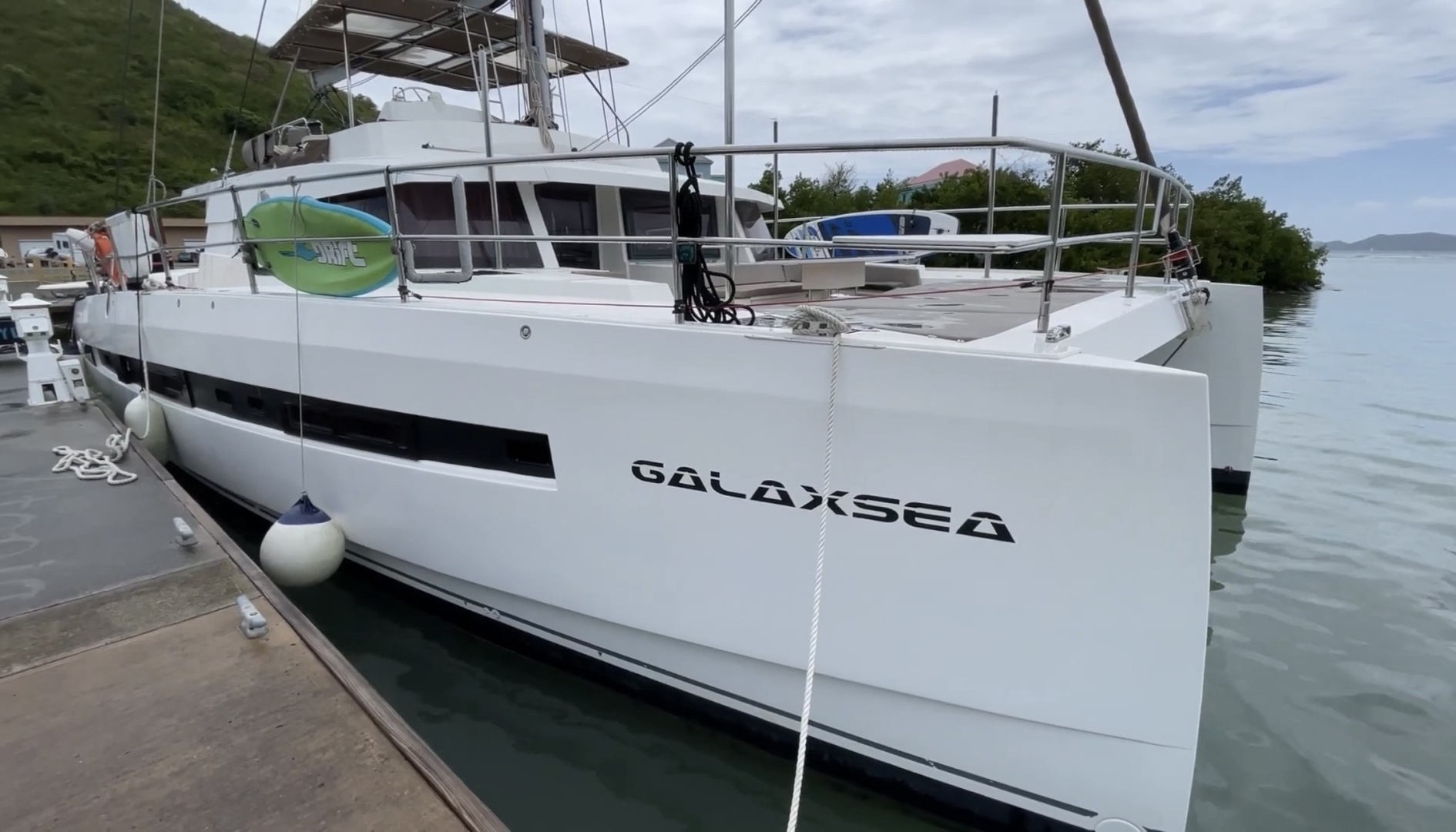
$800,000
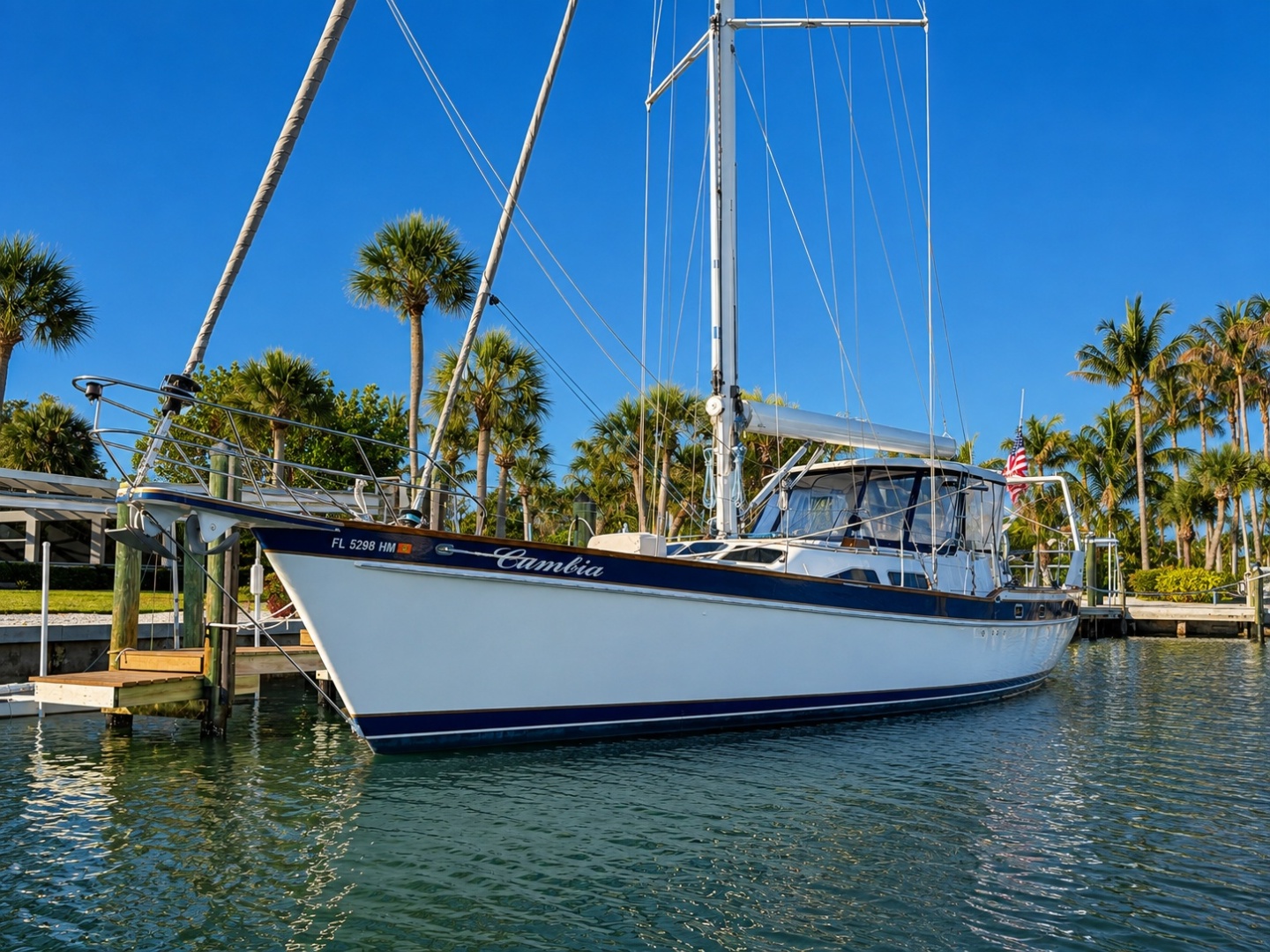
$545,000
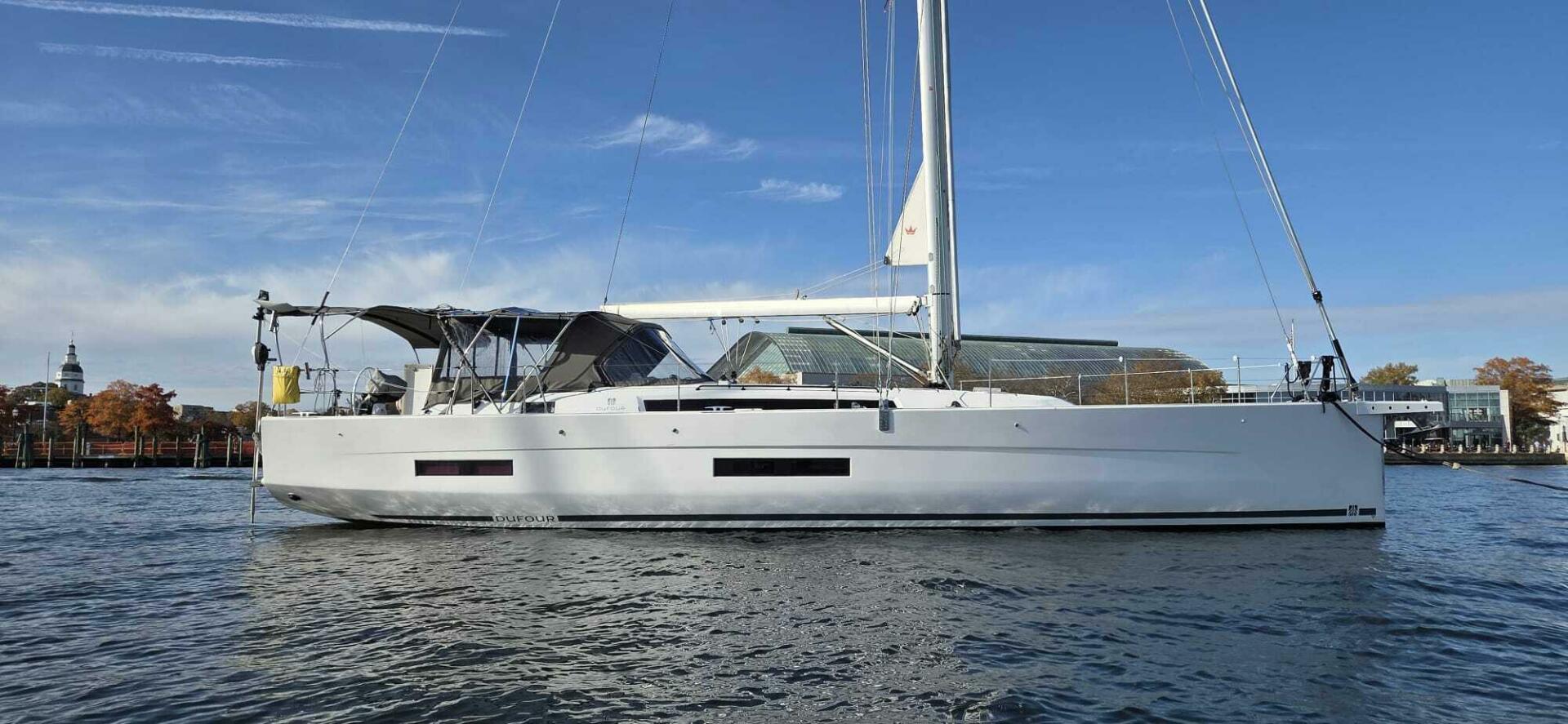
$564,900
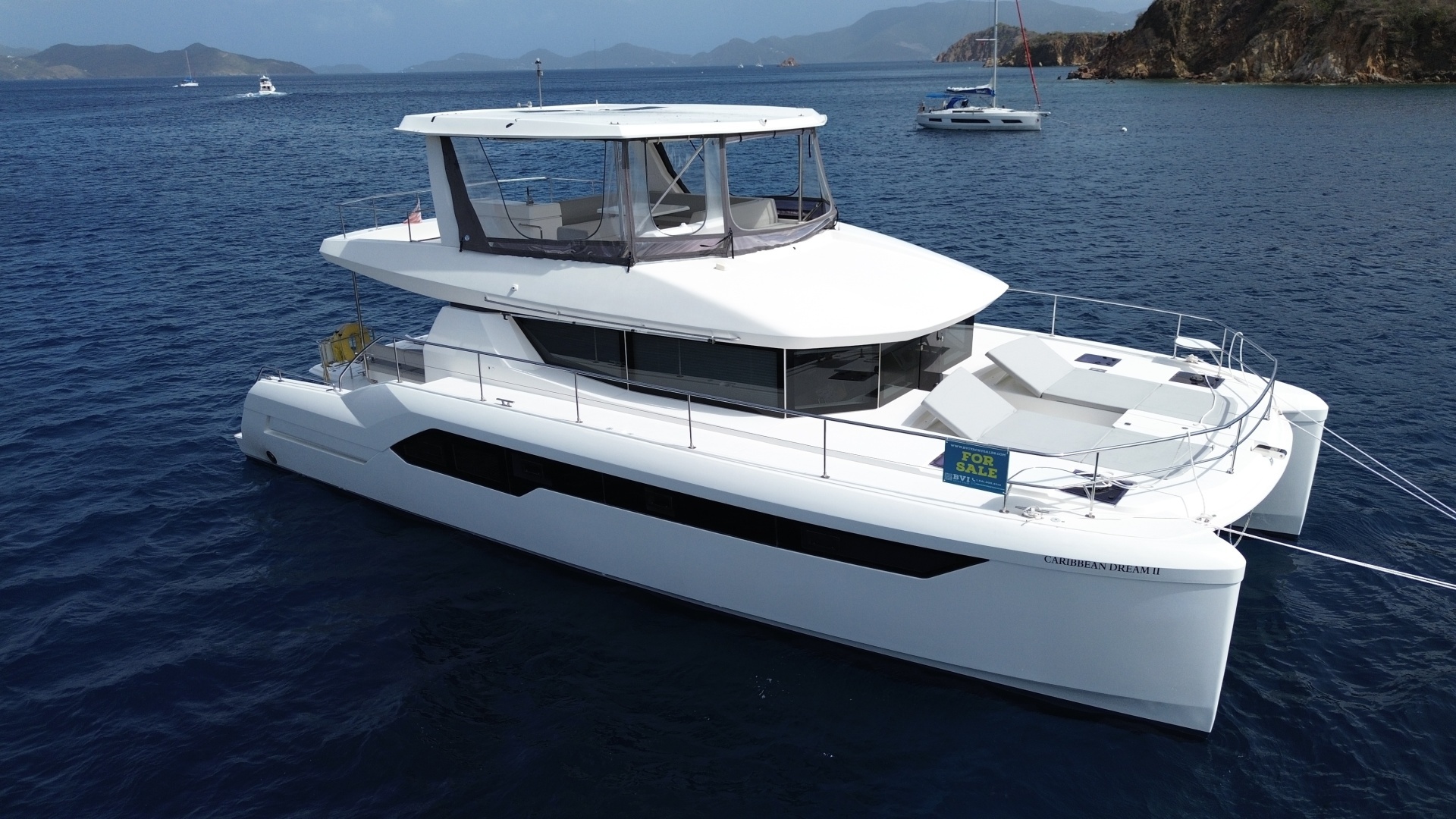
$1,130,000
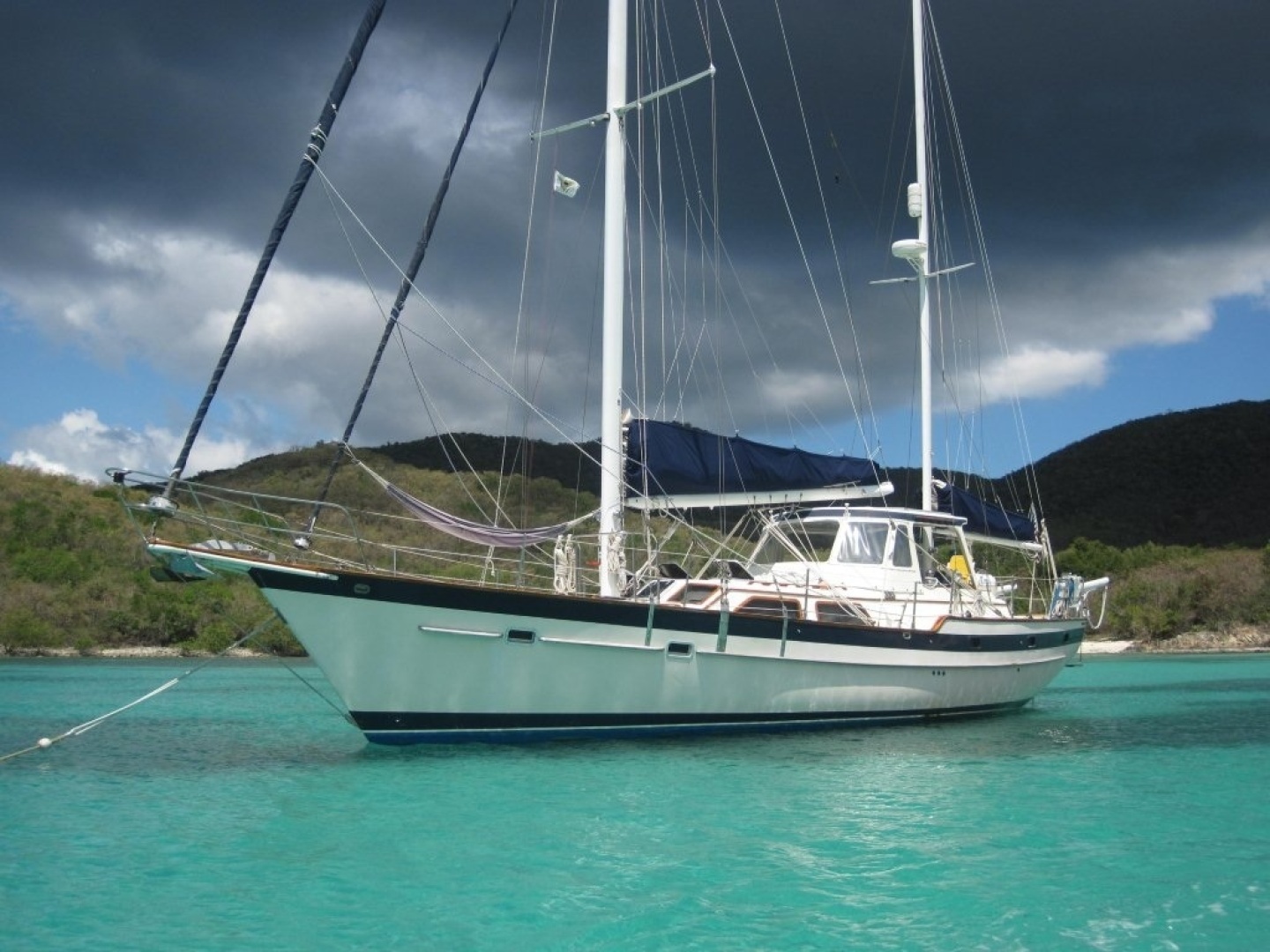
$159,000
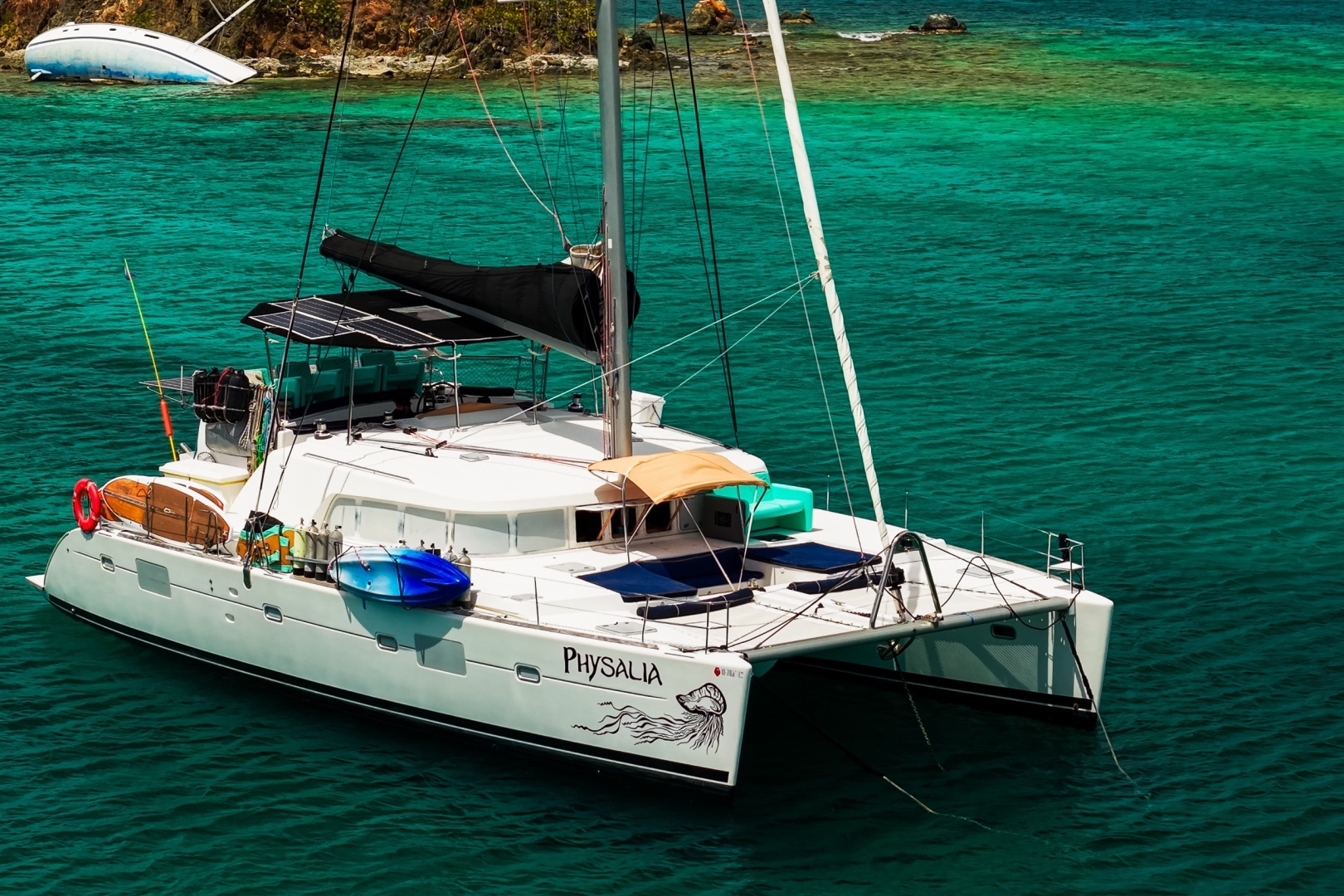
$499,000
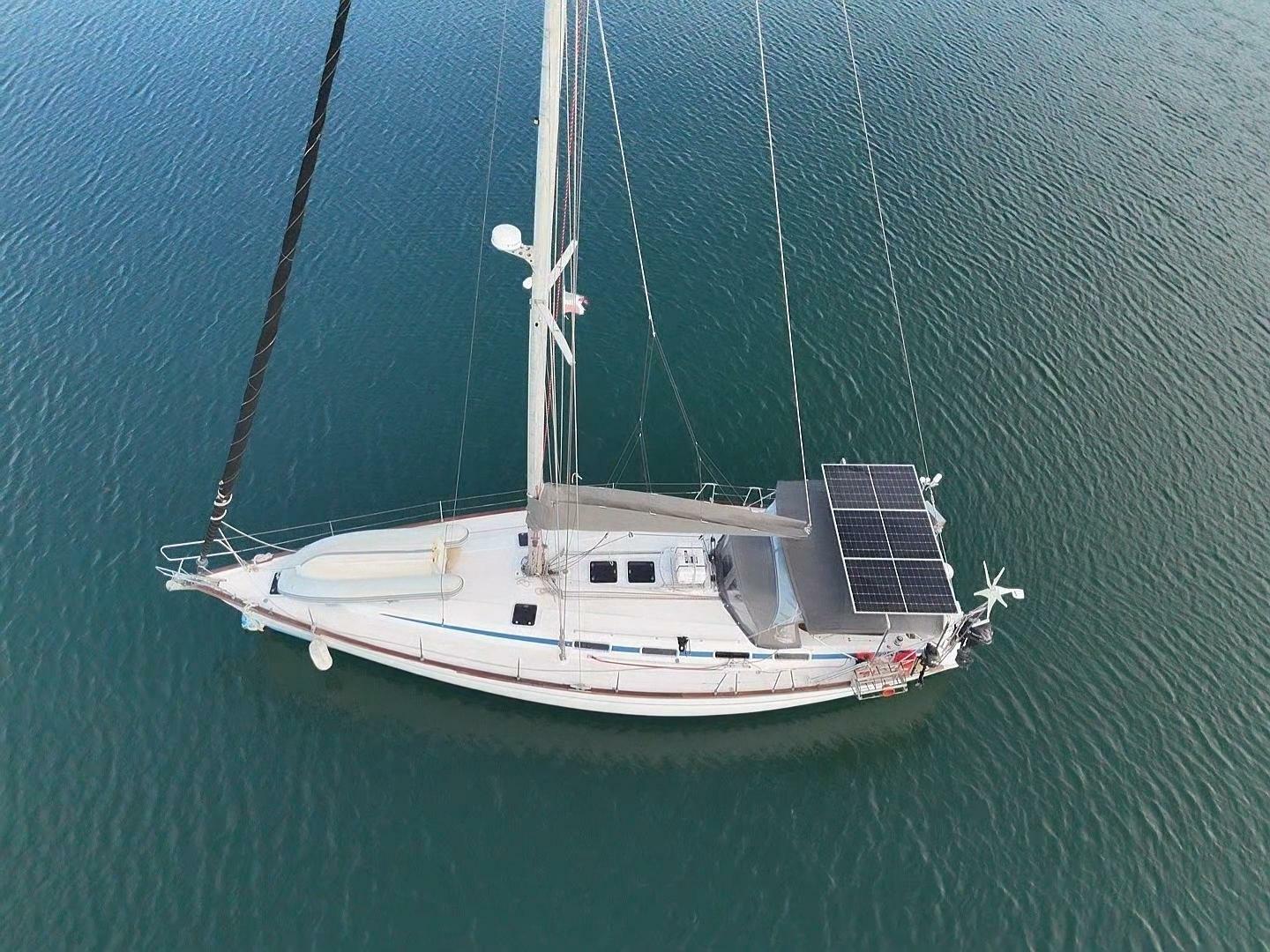
$89,000
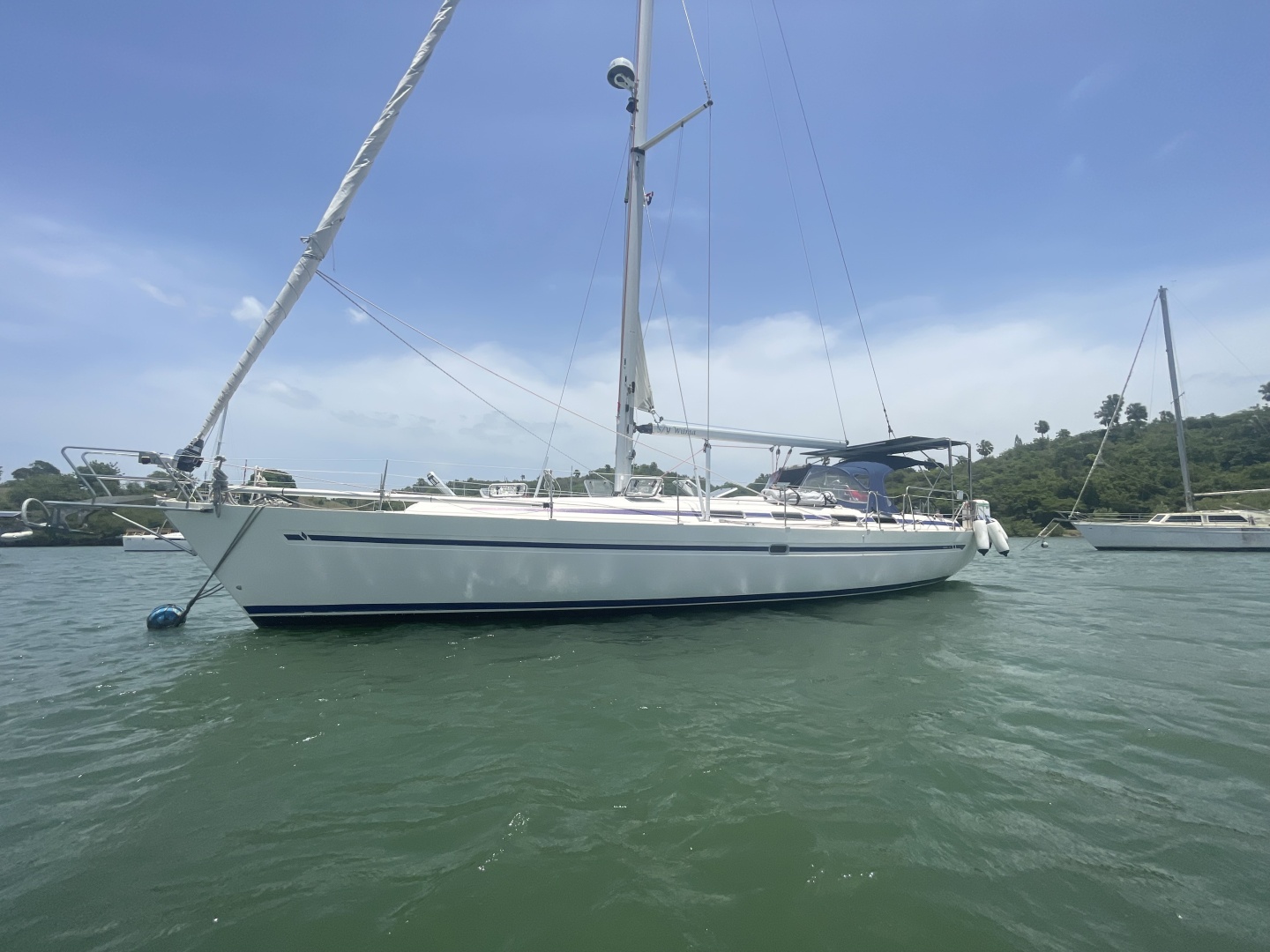
$89,000
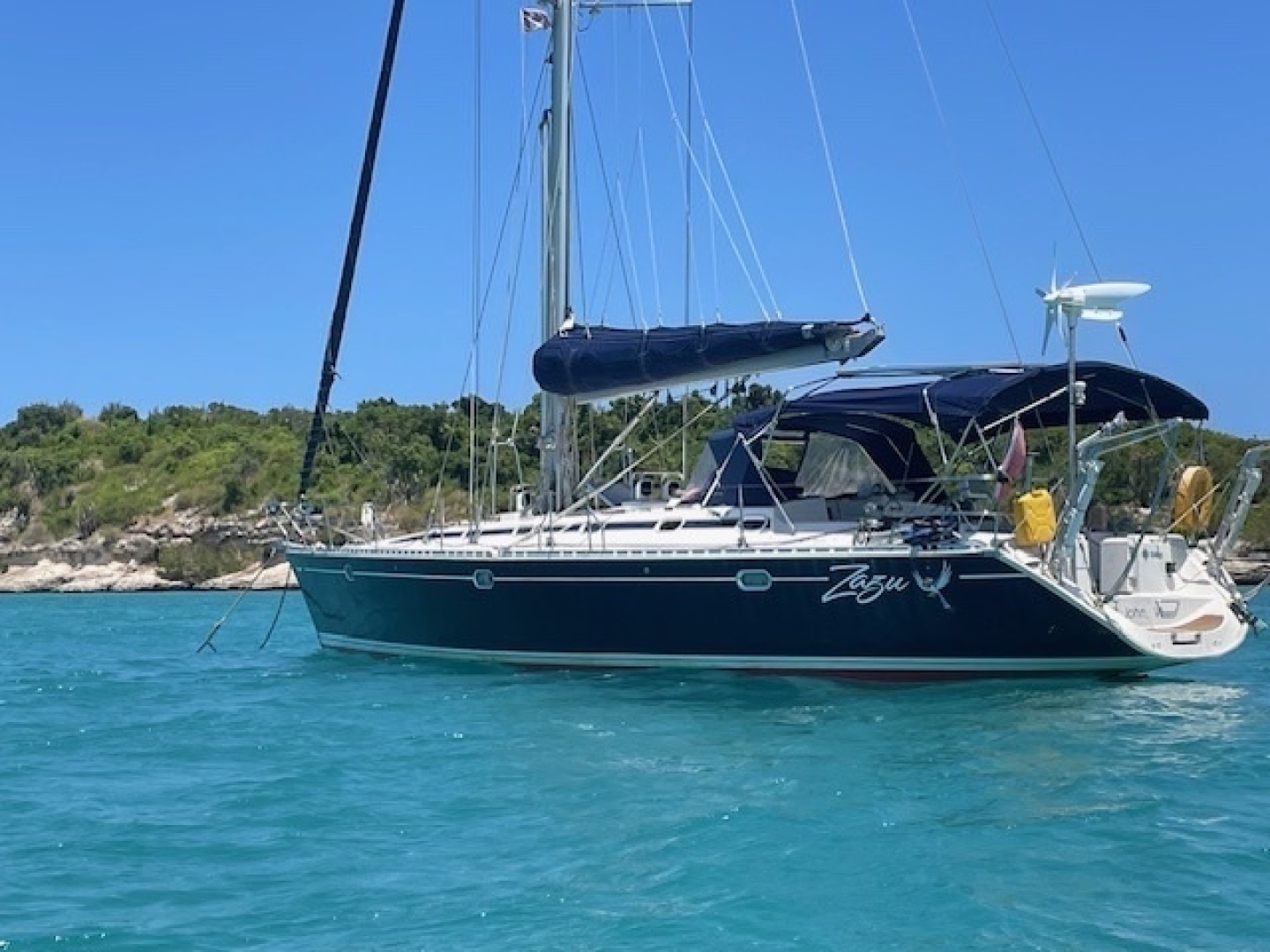
$135,000
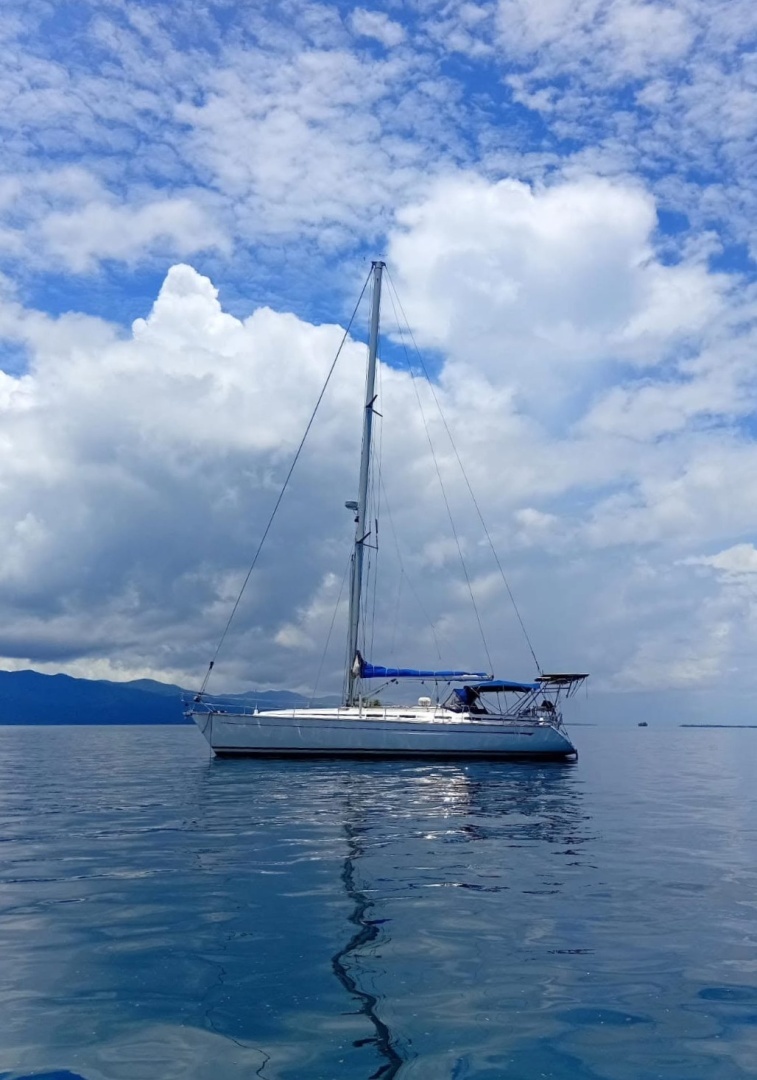
$98,250
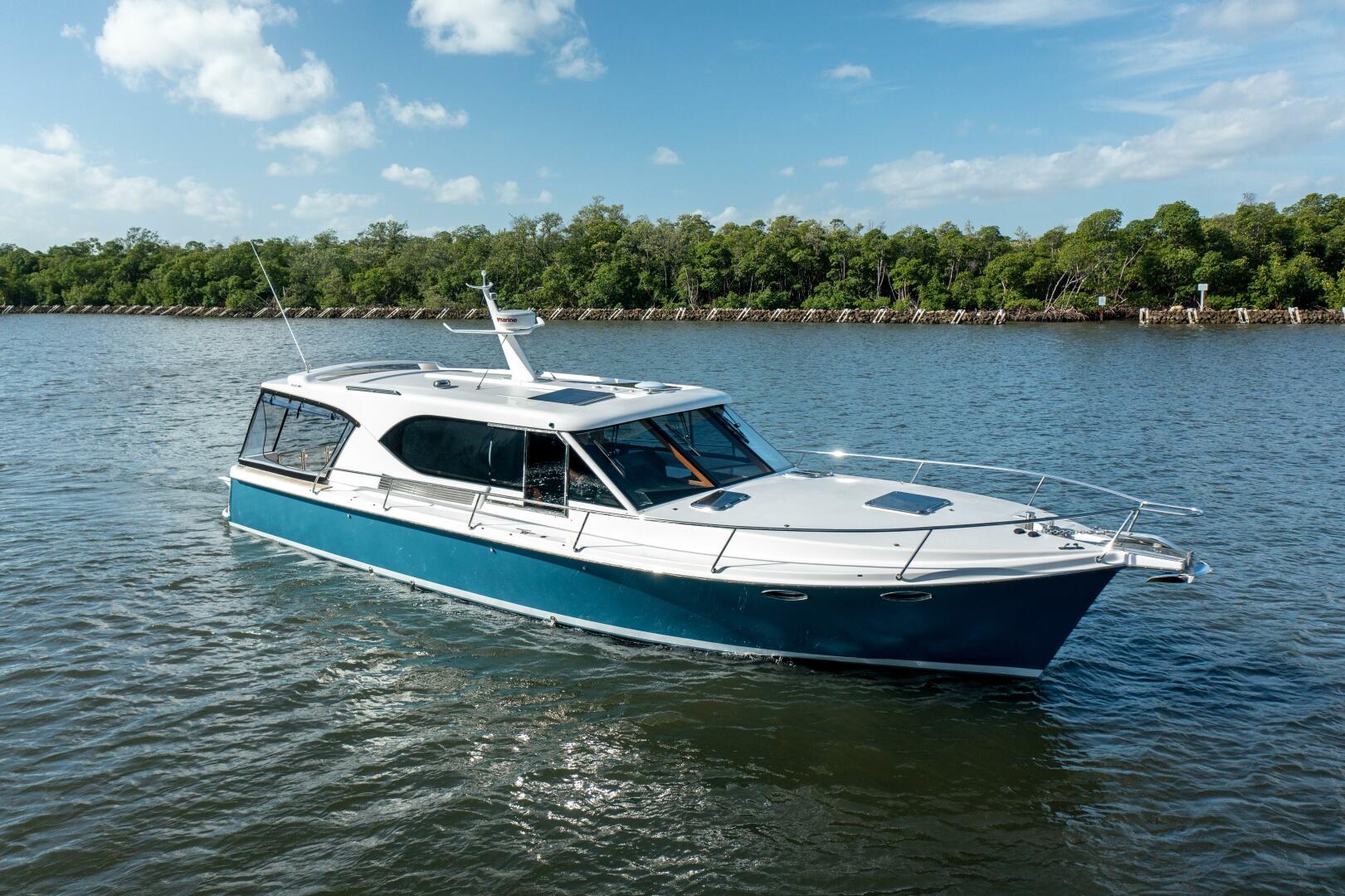
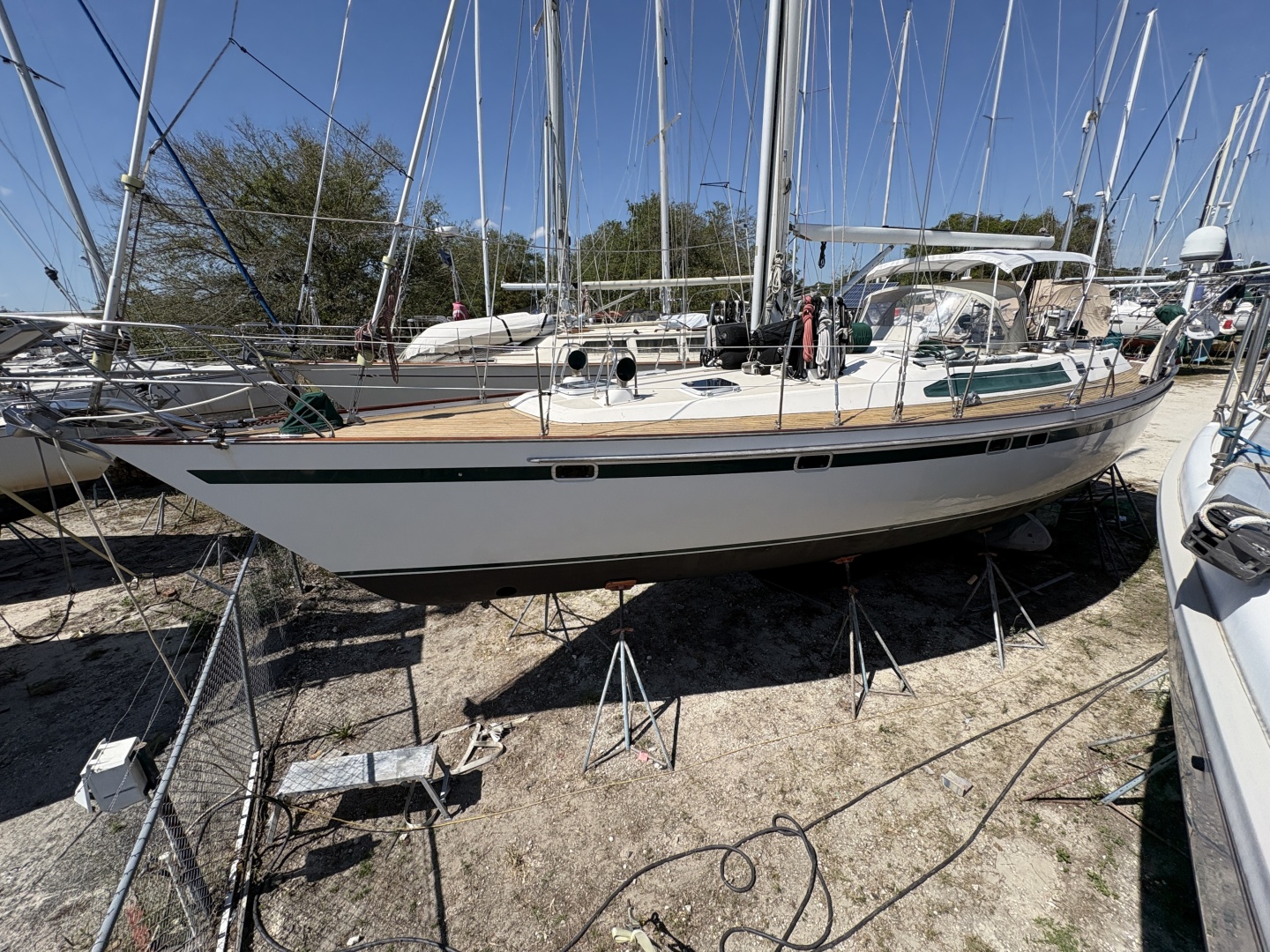
$149,850
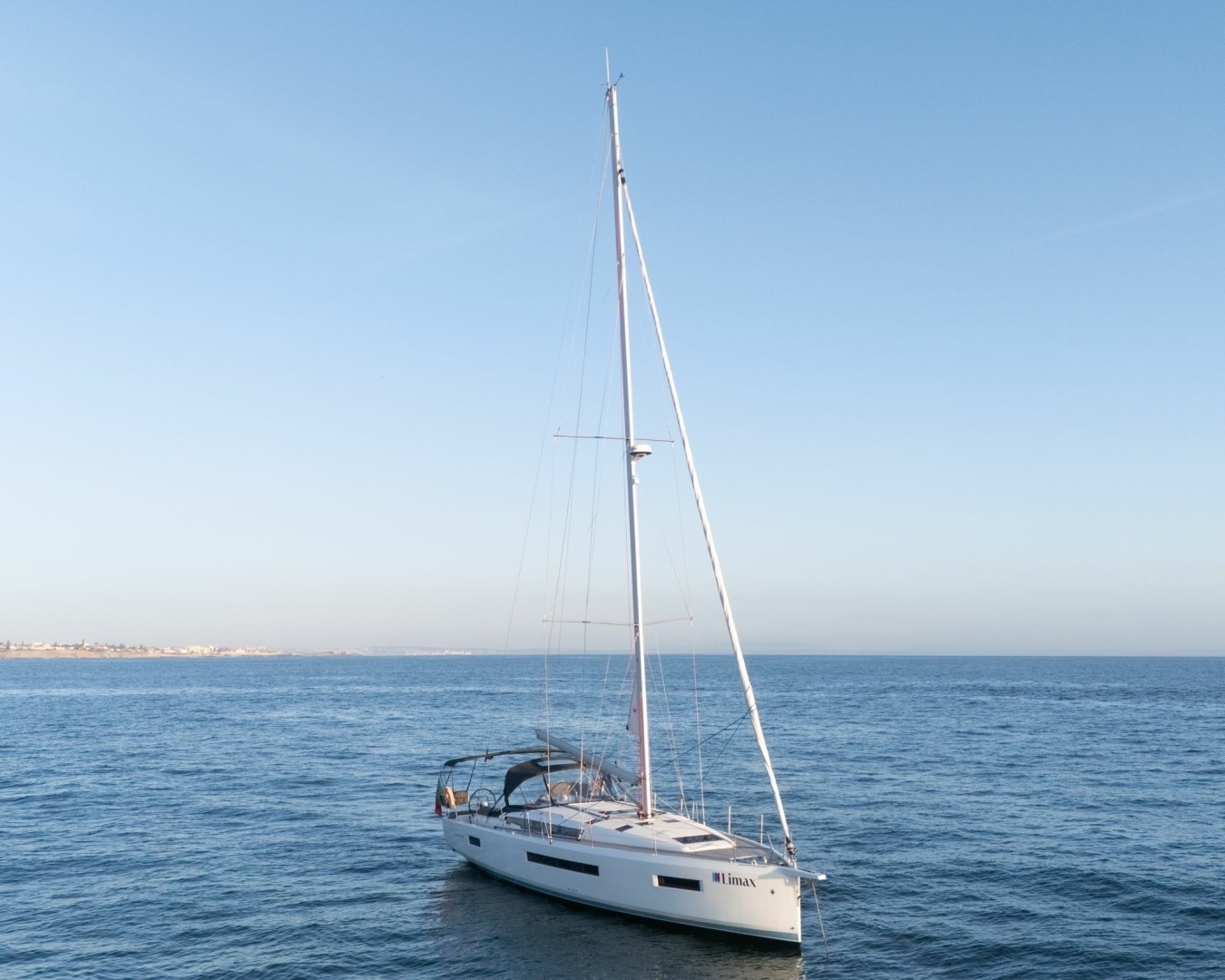
$369,000
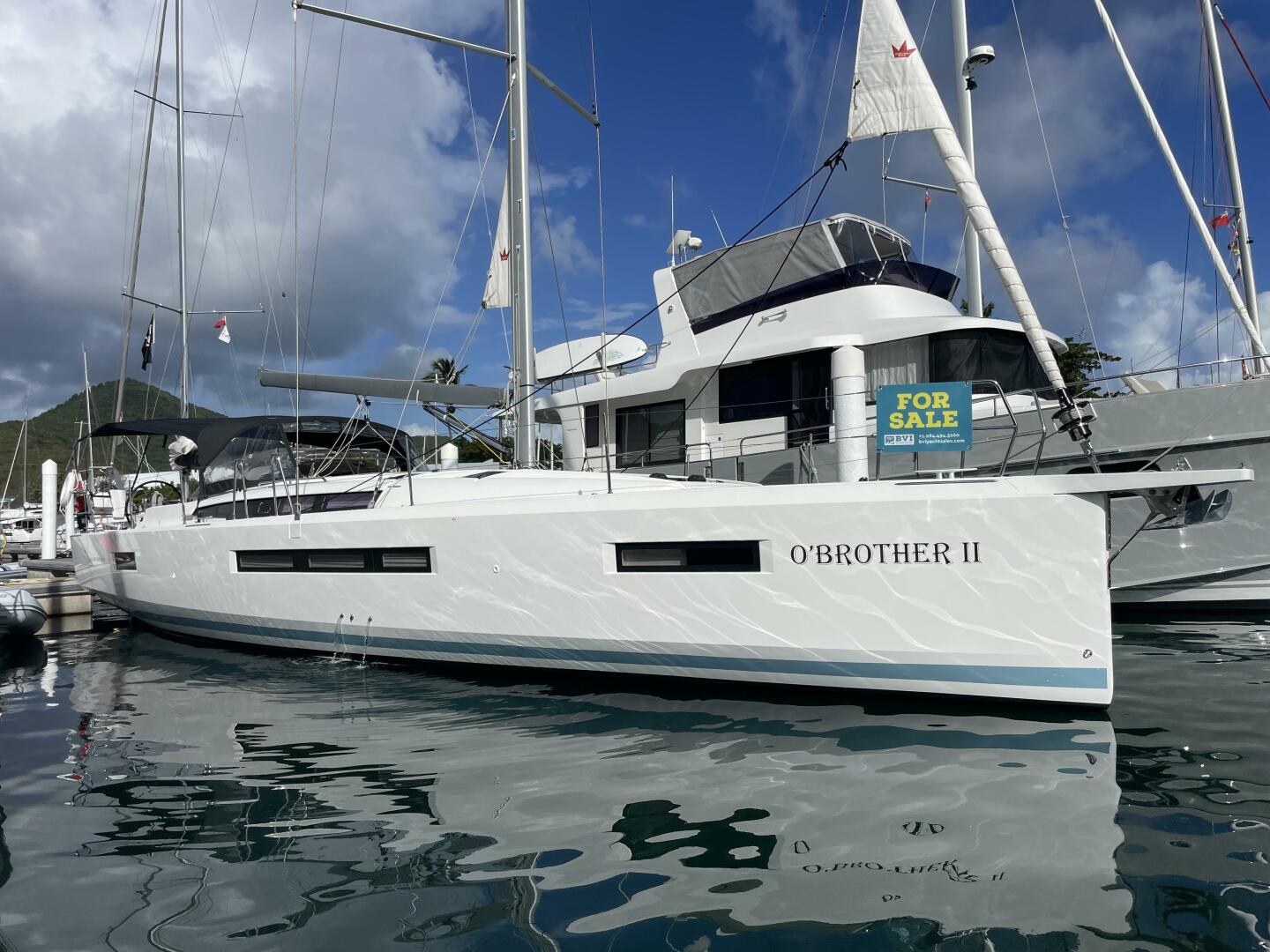
$395,000
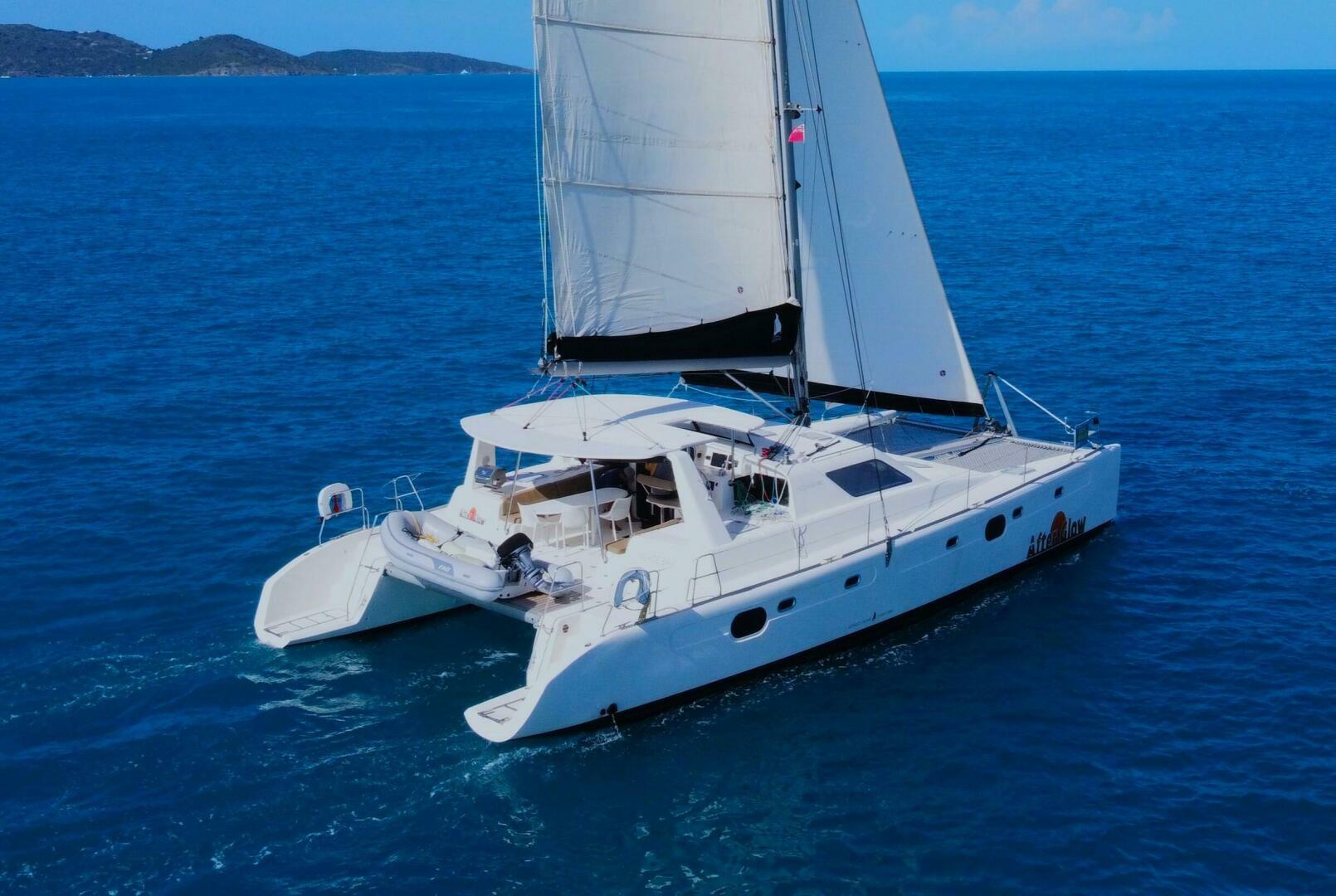
$349,000
$125,000
$1,724,571
$149,500
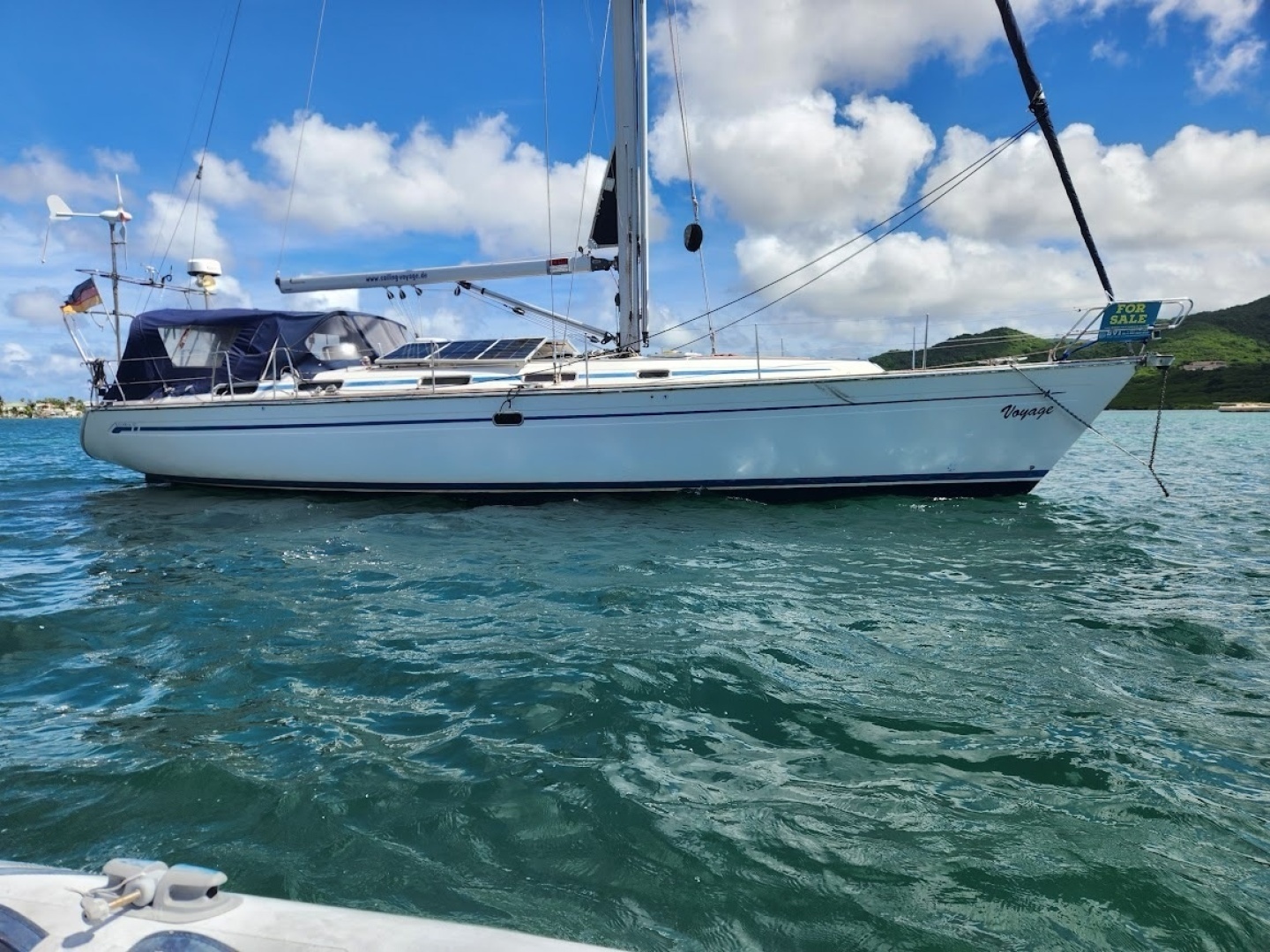
$109,900
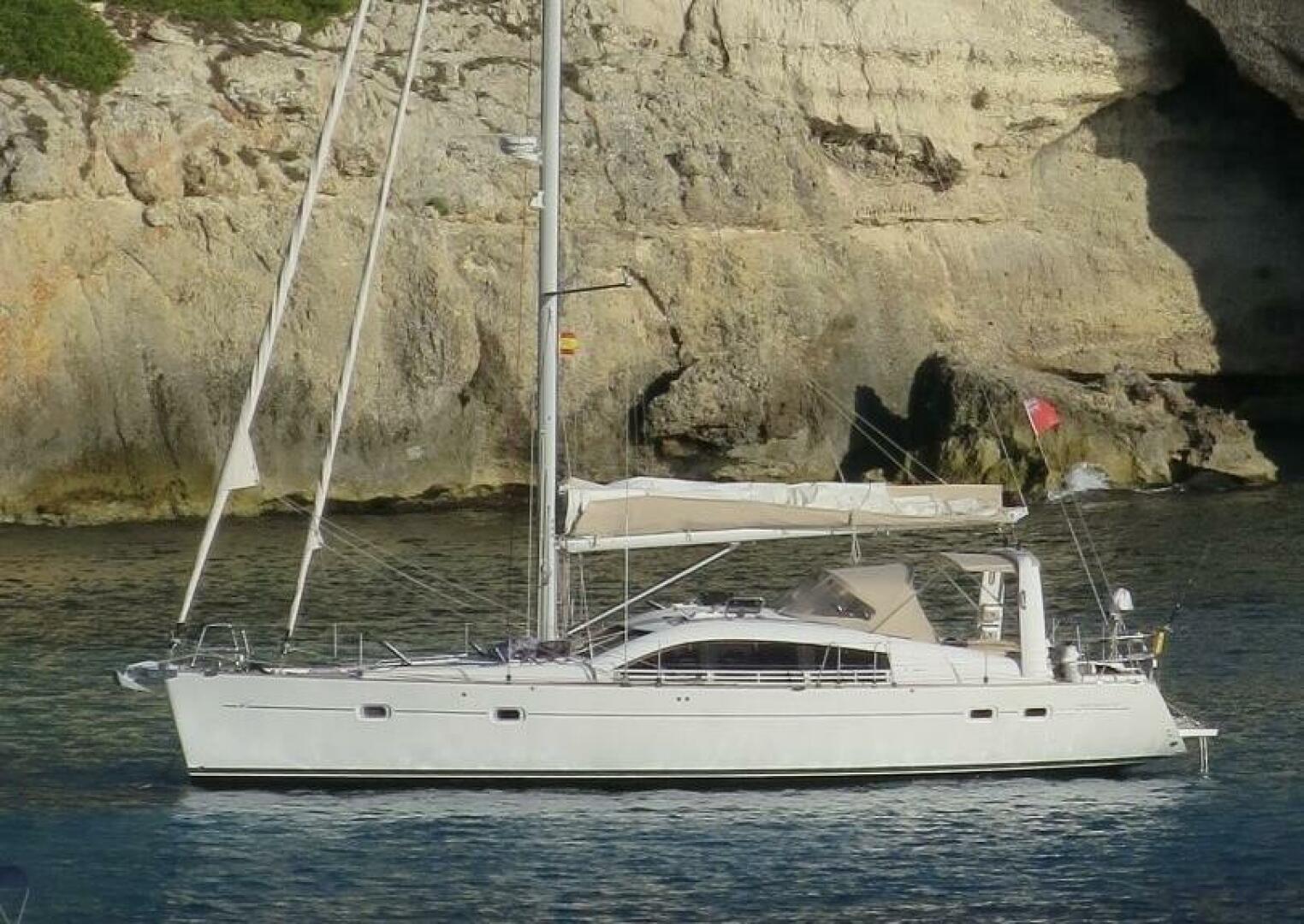
$395,000

$652,000
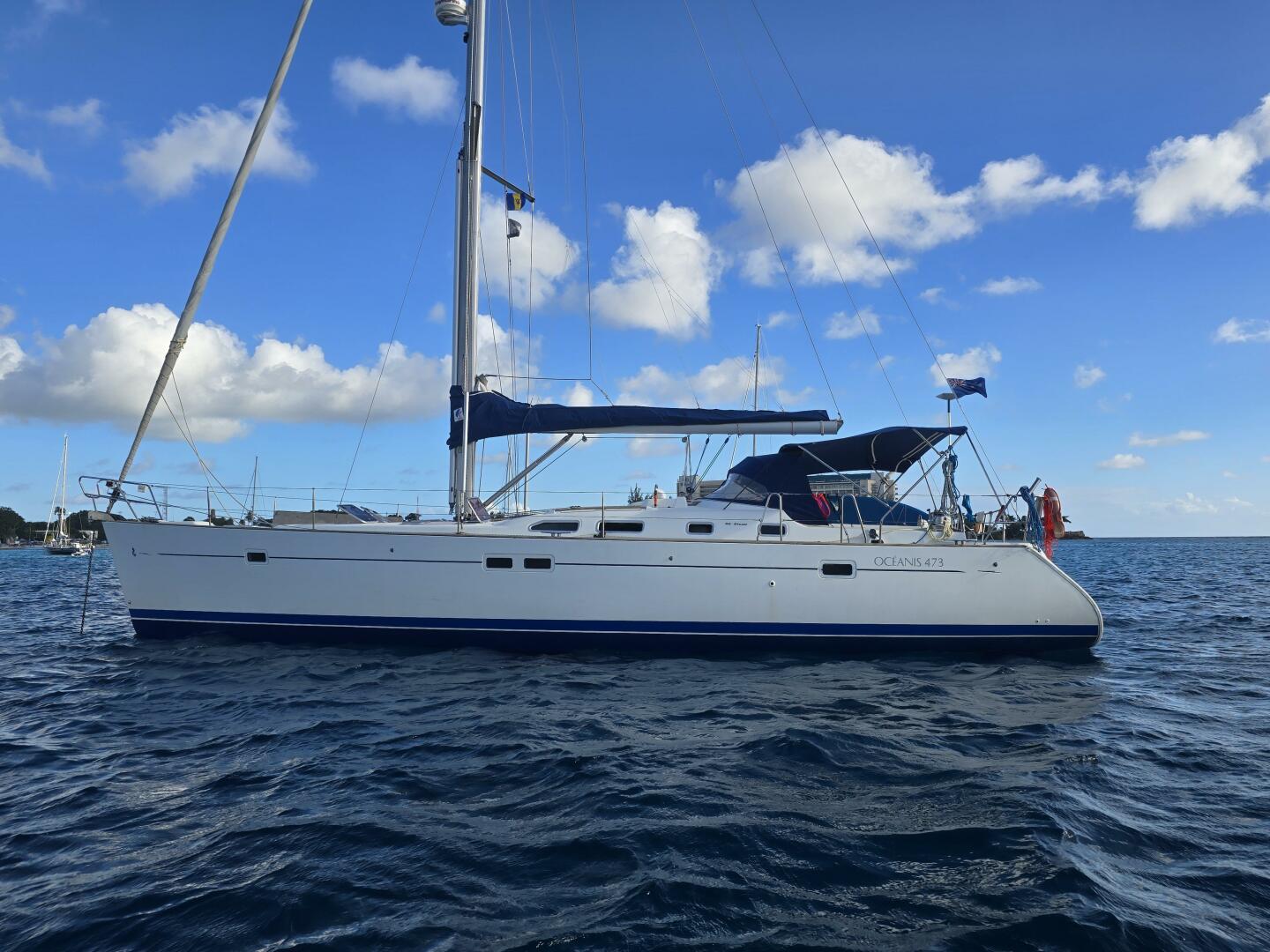
$105,000

$115,000
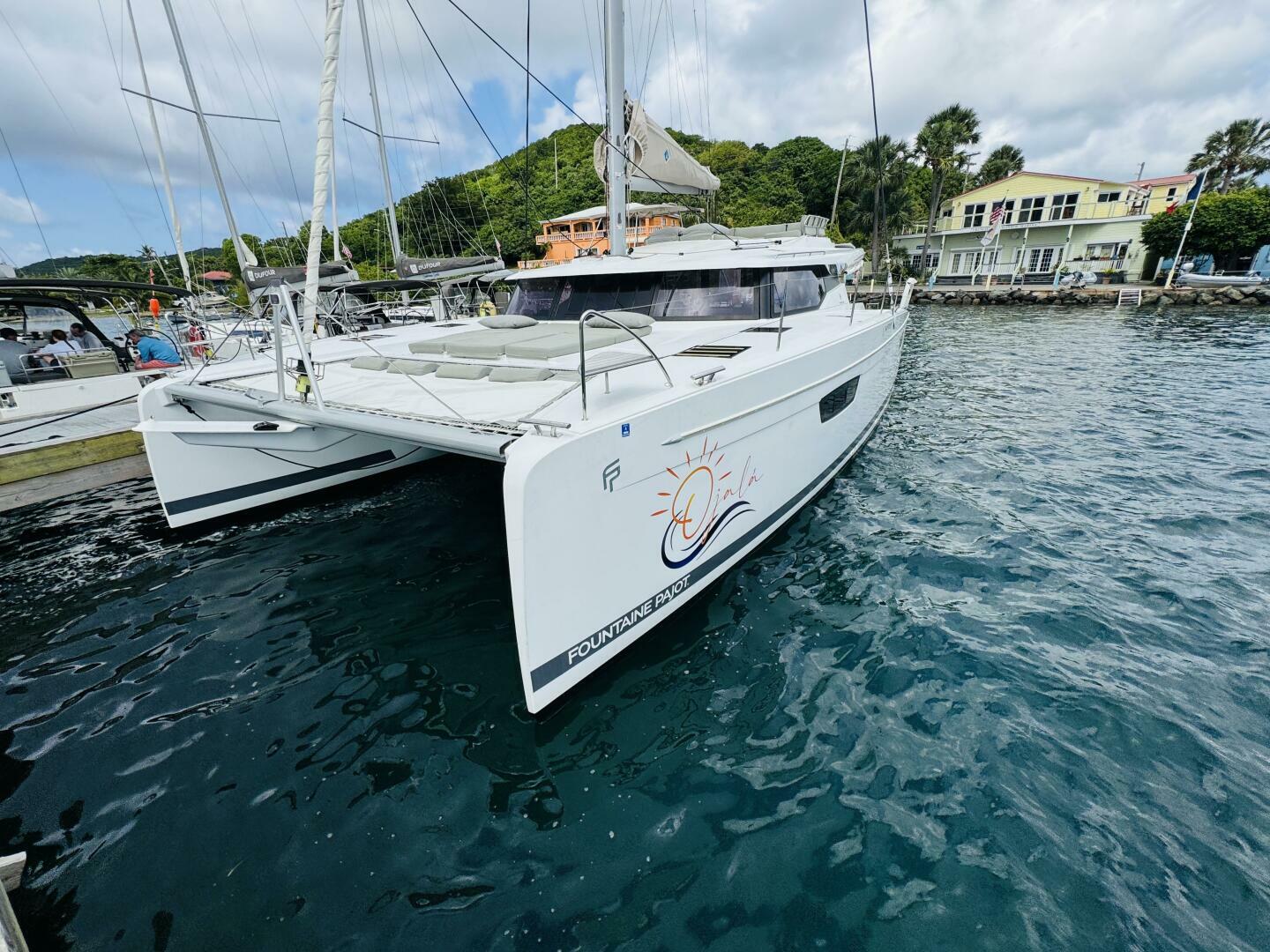
$950,000
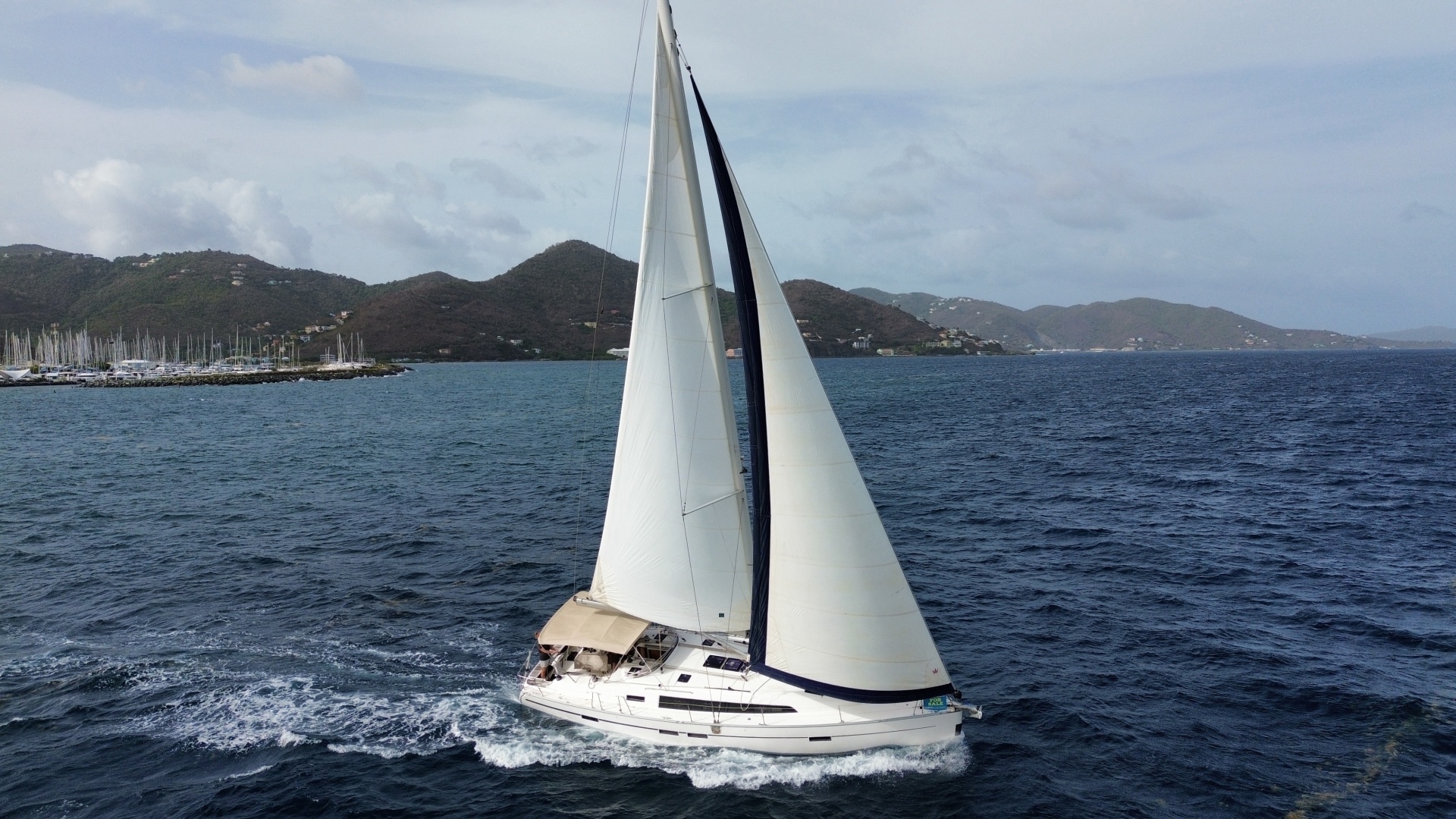
$149,000
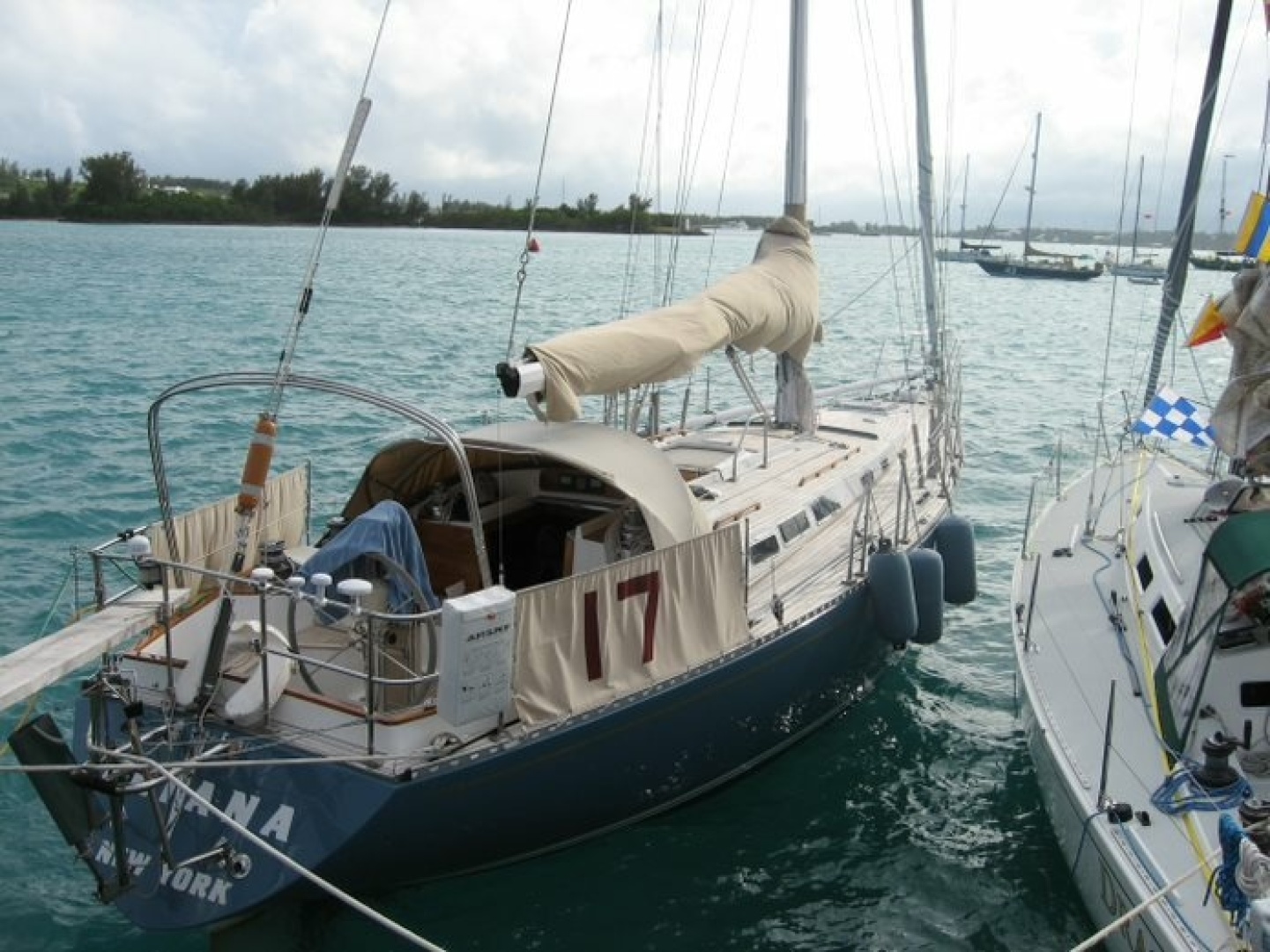
$135,000
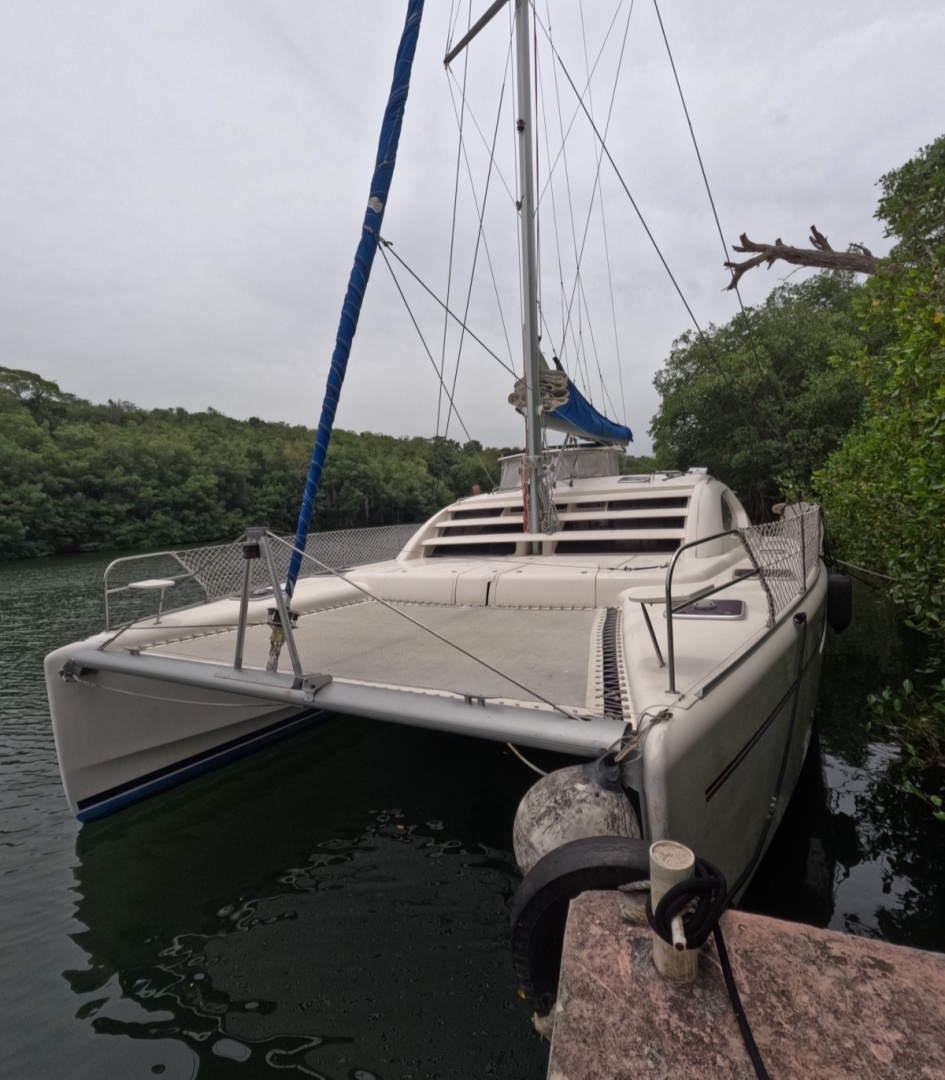
$349,000