

The short answer most buyers are looking for
Ask ten Caribbean sailors whether you should buy a catamaran or a monohull and you will get ten confident, contradictory answers. That is because the question has no single correct response — only trade-offs that matter differently depending on the kind of cruising you actually plan to do.
The catamaran has become the dominant cruising boat across the Caribbean, particularly at the busy charter bases of the British Virgin Islands and Martinique. That popularity is reflected in the broader market: the global catamaran market sits at roughly USD 2.23 billion in 2025 and is projected to reach USD 2.92 billion by 2030 at a 5.51% annual growth rate. But popularity is not the same as suitability. A monohull remains the smarter buy for a meaningful share of cruisers, and the goal here is to help you figure out which group you fall into. Readers who have already ruled out a single hull often ask whether a third one is better still, which is where our comparison of the cruising trimaran against the catamaran picks up.
Strip away the brand loyalty and the trade-offs are clear.
| Catamaran | Monohull |
|---|---|
| Stays flat — minimal heel underway and at anchor | Heels under sail, which some sailors love and others dislike |
| Far more living and deck space at equal length | More compact, but easier to handle short-handed |
| Shallow draft (~3-4 ft) reaches beach and lagoon anchorages | Deeper keel (6-7 ft+) limits where you can anchor |
| Two engines and two hulls for redundancy | Single systems are simpler and cheaper to maintain |
| Self-rights only if undamaged; stays inverted if capsized | Ballasted keel self-rights after a knockdown |
| Higher purchase price at equal length | Lower purchase price and far deeper used-boat supply |
Space and comfort: the catamaran's clearest advantage
At equal overall length, a catamaran offers dramatically more usable space than a monohull — and this is the least debatable point in the entire comparison. A 45-foot cat is roughly 22 feet wide, giving you a bridgedeck saloon on a single level with the cockpit, multiple private cabins in the hulls, and expansive deck and trampoline area for lounging at anchor.
That space is why catamarans dominate the crewed charter market in the Caribbean. If you intend to cruise with family, host guests who are new to sailing, or live aboard for extended stretches, the comfort difference is hard to overstate. The boat stays level, so you can carry a cup of coffee from the galley to the helm without a hand on the rail.
Stability and seasickness — but read the caveat
The flat platform of a catamaran reduces the constant rolling and heeling that triggers seasickness in many guests. For mixed-experience crews and anyone prone to motion sickness, that is a real, well-documented advantage, and it is one of the most common reasons buyers switch from a monohull to a cat.
There is a caveat worth knowing before you assume a catamaran solves the problem entirely. A minority of experienced sailors report that a cat’s quick, jerky motion in beam-on swell actually bothered them more than the slower, predictable roll of a monohull. It is not the majority experience, but it is real — and it is the kind of candid detail a broker should tell you rather than let you discover after closing.
Draft: the anchorage question that changes everything
Most cruising catamarans draw three to four feet of water; a comparable monohull keelboat draws six feet or more. In the Caribbean, that difference unlocks an entirely separate category of anchorage — the shallow lee of a beach, the inner reaches of a protected bay, the thin water behind a reef where deep-keel boats simply cannot follow.
If your dream is tucking into quiet, gin-clear anchorages that the charter fleet can’t reach, shallow draft is a decisive factor. It is also a safety margin: a boat that can anchor closer to a protected shore has more options when weather turns.
Sailing feel and offshore passages: the monohull's case
Upwind, a monohull generally points higher and makes less leeway thanks to its deeper keel. Many sailors also simply prefer the connected, responsive feel of a heeling monohull — the sense of the boat working with the wind. If sailing performance and the experience of sailing itself rank high for you, the monohull rewards that.
For serious offshore passages, the monohull carries a structural argument. Its ballast sits below the waterline, so a knockdown or capsize is self-correcting — the keel rights the boat. A catamaran resists capsize through sheer beam, but if it does go over in extreme conditions, it stays inverted. This is why a number of very experienced bluewater sailors still choose monohulls for ocean crossings, even as they acknowledge the cat’s comfort at anchor. As cruisers who have lived aboard both often advise, there is a strong case for learning on a monohull before moving up to a cat.
Cost: purchase price, maintenance, and resale
At equal length, catamarans cost more to buy — often substantially. The used market reinforces this: monohull supply far outweighs demand, so pre-owned monohulls are comparatively cheap, while well-found catamarans hold their value and command a premium. Below roughly USD 250,000, your catamaran choices narrow quickly, whereas the same budget opens a wide field of capable monohulls. Before that premium settles the question for you, check it against real figures — we break down how much a catamaran costs new, used and ex-charter at each common length.
Ownership costs follow the same pattern. A catamaran’s two engines, two saildrives, and larger surface area mean more haul-out cost, more antifouling, and more systems to maintain. None of this is a reason to avoid a cat — it is simply part of the true cost of ownership that should be in your budget before you fall for a particular boat.
How to decide for your kind of cruising
Match the boat to your plan, not to the trend. Choose a catamaran if you prioritize living space, entertaining, shallow anchorages, level motion at anchor, and comfort for a mixed-experience crew — the profile of most Caribbean island-hopping. Choose a monohull if you value upwind performance and sailing feel, expect to make serious offshore passages, want easier short-handed handling, or are working within a tighter budget. If the decision really turns on how a boat feels in a seaway rather than how it looks alongside the dock, our piece on hull shape and bridgedeck clearance explains what the underwater profile changes.
The most useful next step is an honest conversation about how you actually intend to use the boat, followed by time aboard both. A good broker will not push you toward whichever hull carries the bigger commission — they will help you avoid buying the wrong boat for your cruising life.
QIs a catamaran or monohull better for Caribbean cruising?
For most Caribbean cruising — island-hopping, entertaining, and shallow-water anchoring — a catamaran offers more space, a flat platform, and access to anchorages a deep-keel boat can’t reach. A monohull is better for tighter budgets, serious offshore passages, and sailors who value upwind performance and the feel of sailing.
QAre catamarans safer than monohulls offshore?
They are safe in different ways. A catamaran’s wide beam makes it extremely hard to capsize, but if it does go over it stays inverted. A monohull’s ballasted keel self-rights after a knockdown, which is why some experienced bluewater sailors still prefer monohulls for ocean crossings.
QDo catamarans really reduce seasickness?
For most people, yes — the flat, level platform reduces the rolling and heeling that triggers motion sickness. The exception is that a minority of sailors find a cat’s quicker motion in beam-on swell more uncomfortable than a monohull’s slower roll, so it isn’t a guaranteed cure.
QWhy are catamarans more expensive than monohulls?
At equal length a catamaran offers far more volume and carries two of nearly everything — two hulls, two engines, two saildrives — which raises both purchase price and maintenance cost. The used market also has fewer catamarans relative to demand, so they hold value better.
QCan a monohull go where a catamaran goes in the Caribbean?
Not everywhere. Catamarans typically draw three to four feet versus six or more for a monohull, so a cat can anchor in shallow lagoons and beach-edge spots a deep-keel monohull cannot safely reach.
QShould a first-time buyer start with a catamaran or a monohull?
Many experienced cruisers recommend learning the fundamentals on a monohull first, where you feel the wind and develop sail-handling instincts, then moving up to a catamaran for comfort and space. That said, plenty of buyers start successfully on a cat with proper instruction.
Not sure which hull fits your cruising plans?
Talk through how you actually intend to use the boat with a broker who has cruised both across the Caribbean. We’ll help you weigh the trade-offs honestly — no hard sell, no pushing you toward the bigger commission.
Featured Listings
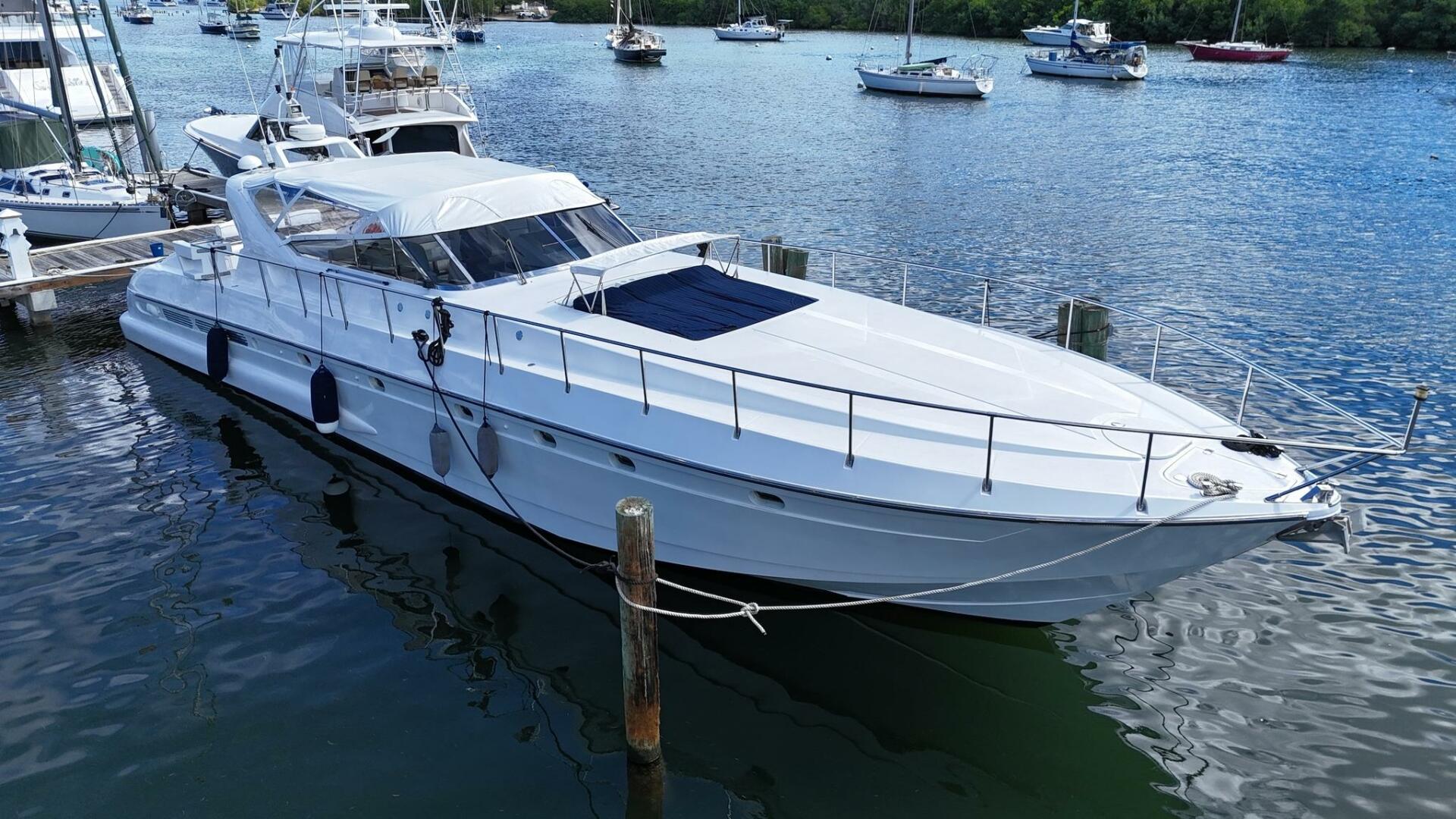
$599,000
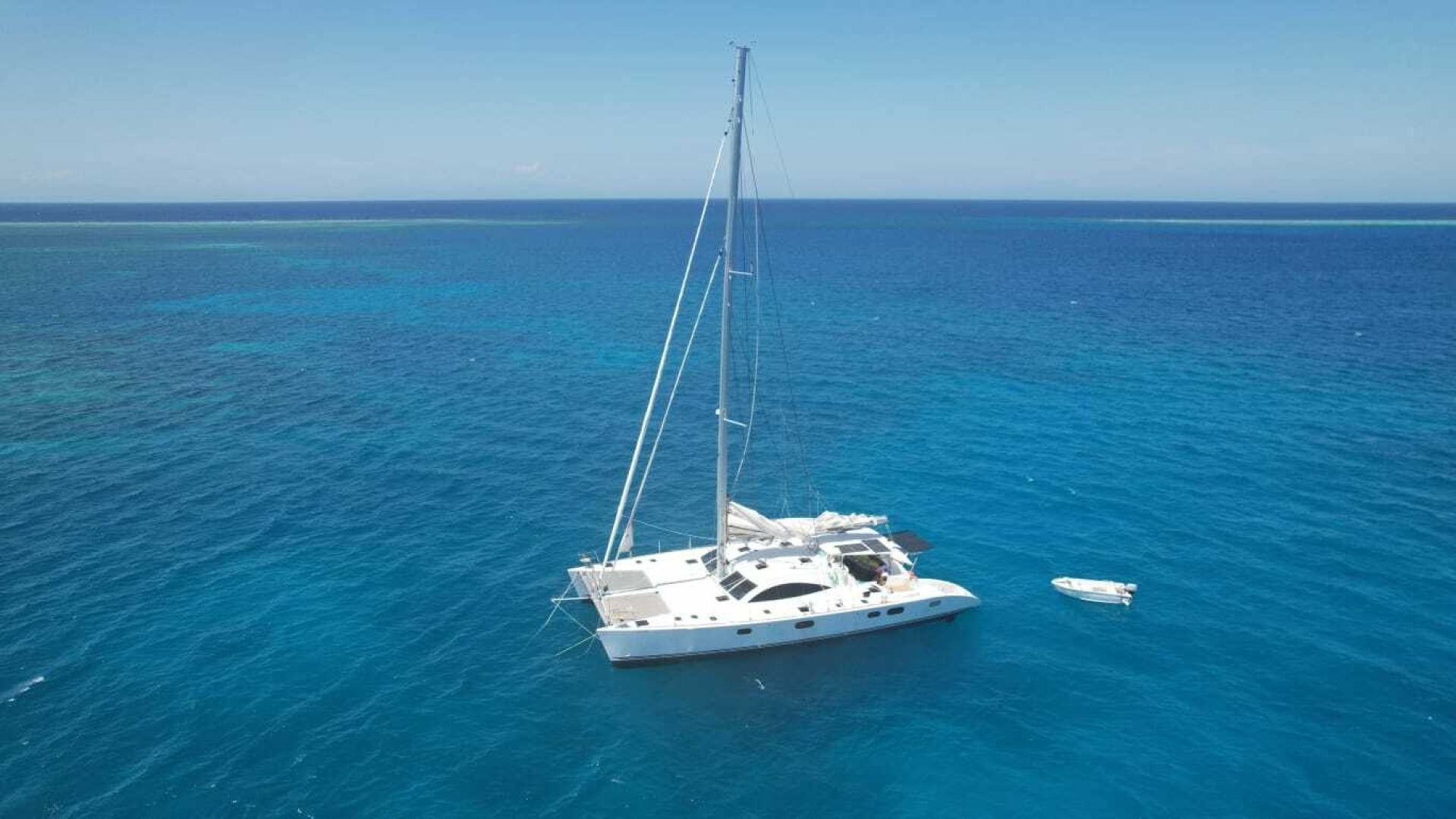
$1,300,000
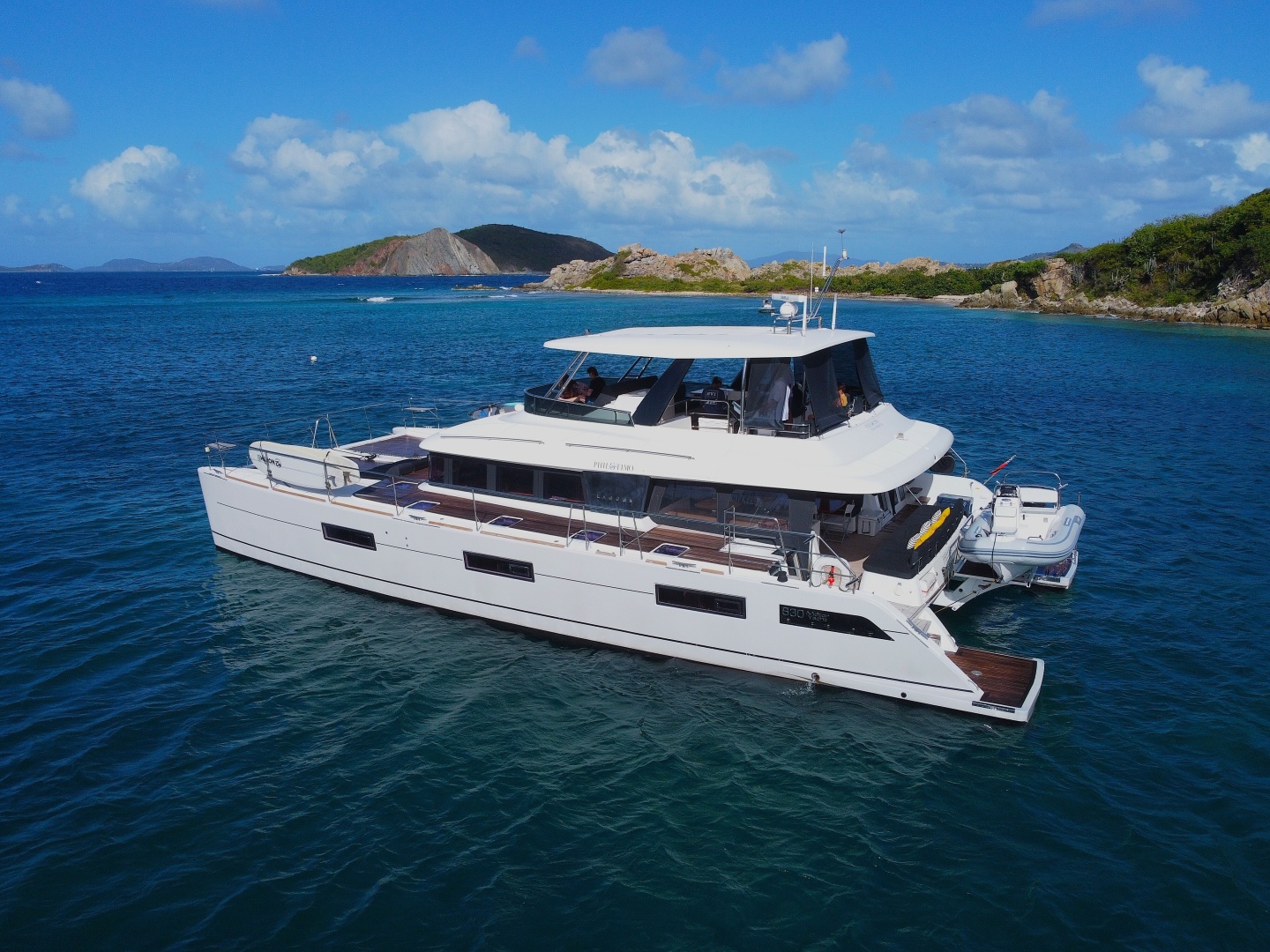
$1,699,000

$299,000

$899,000
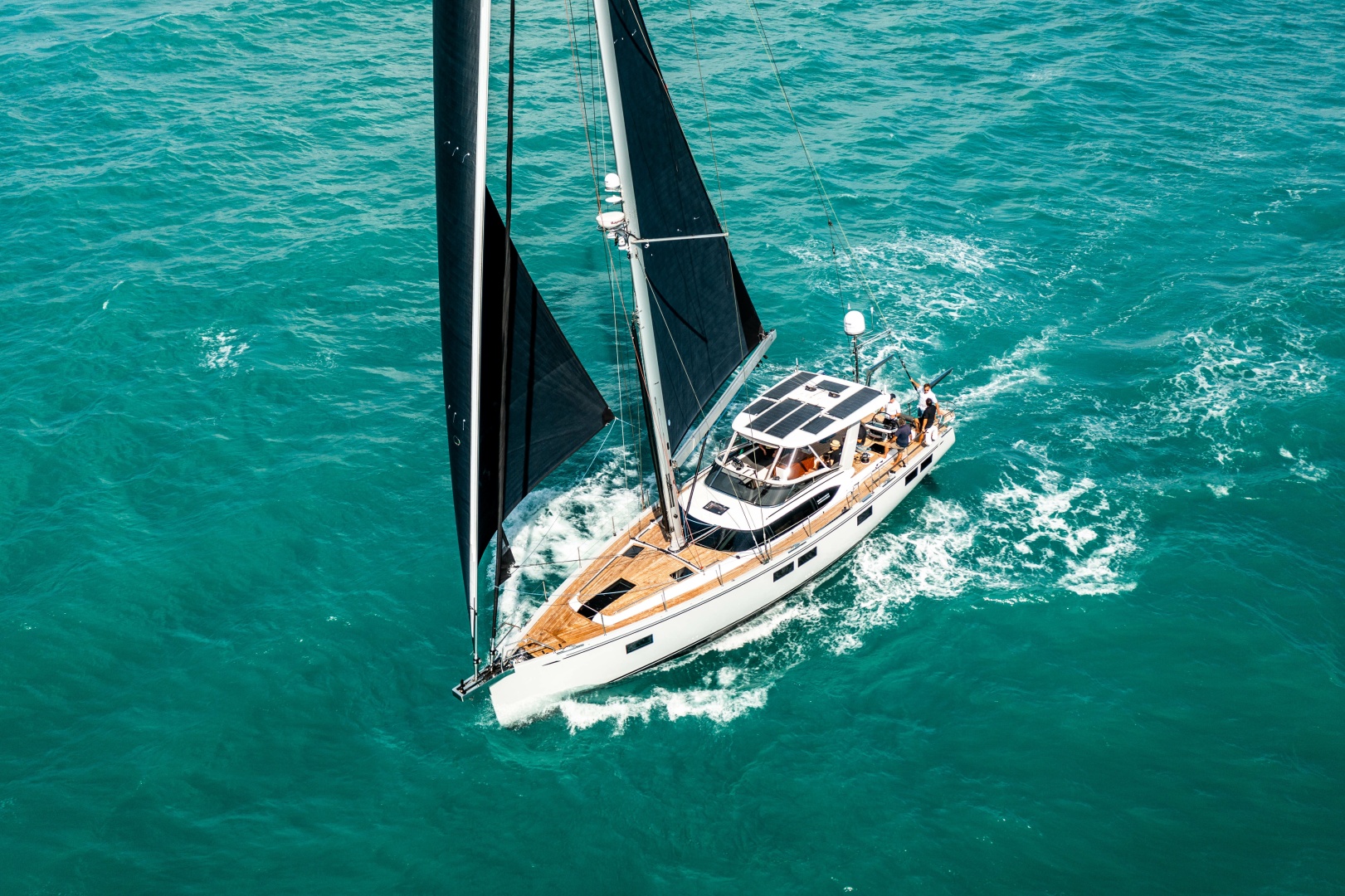
$1,795,000

$269,000
$359,000
$499,500
$299,500
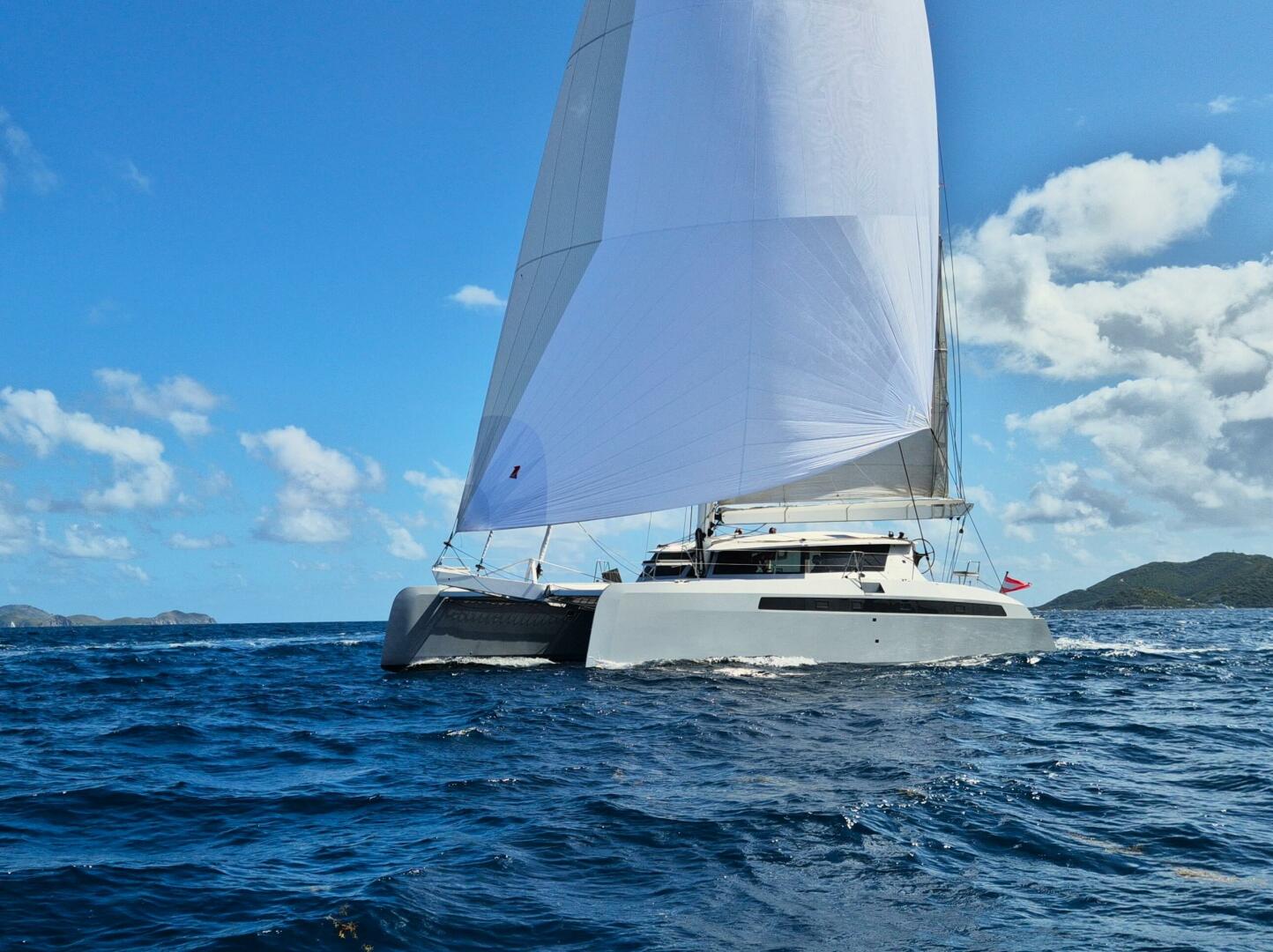
$1,290,000
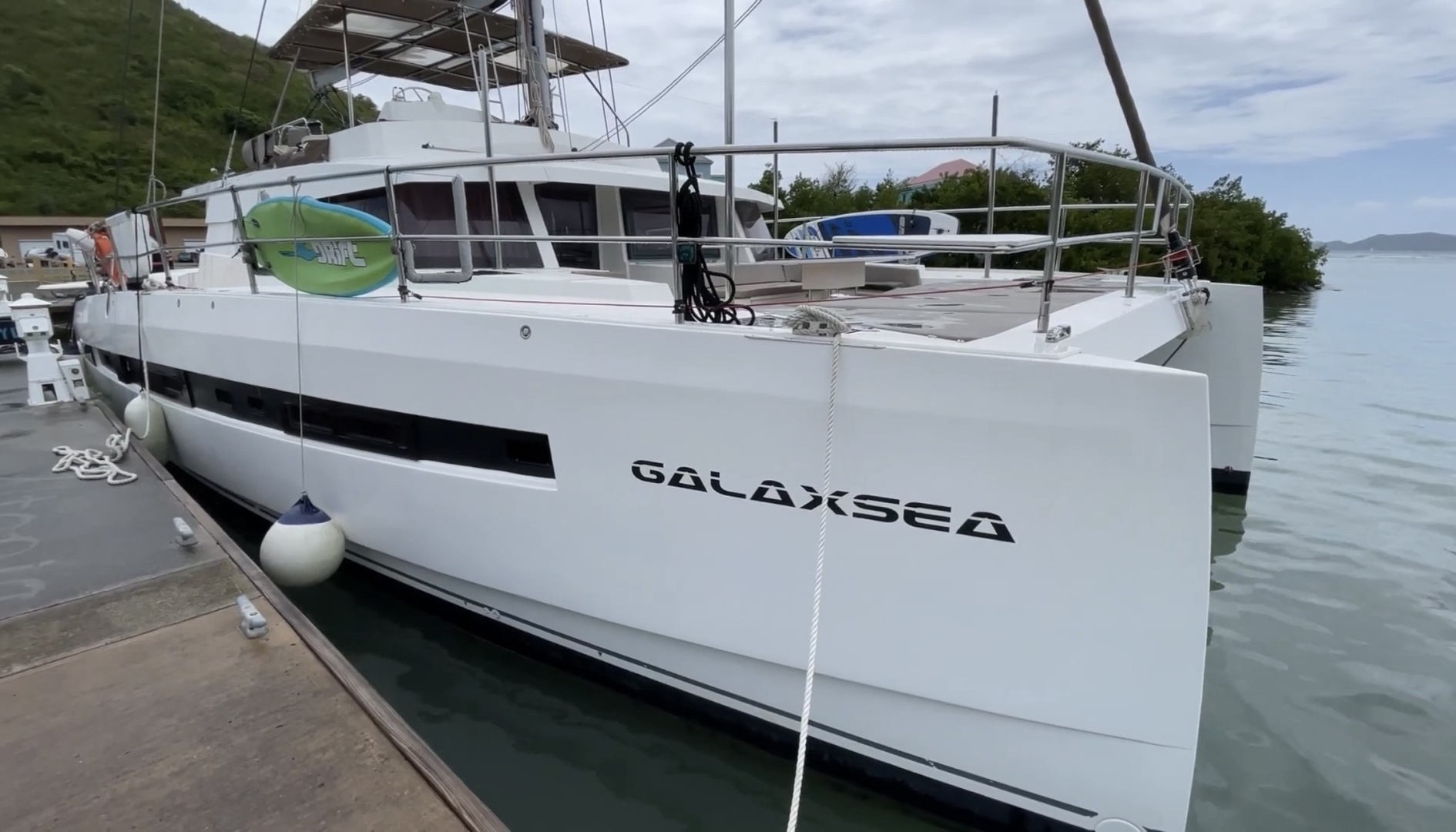
$800,000
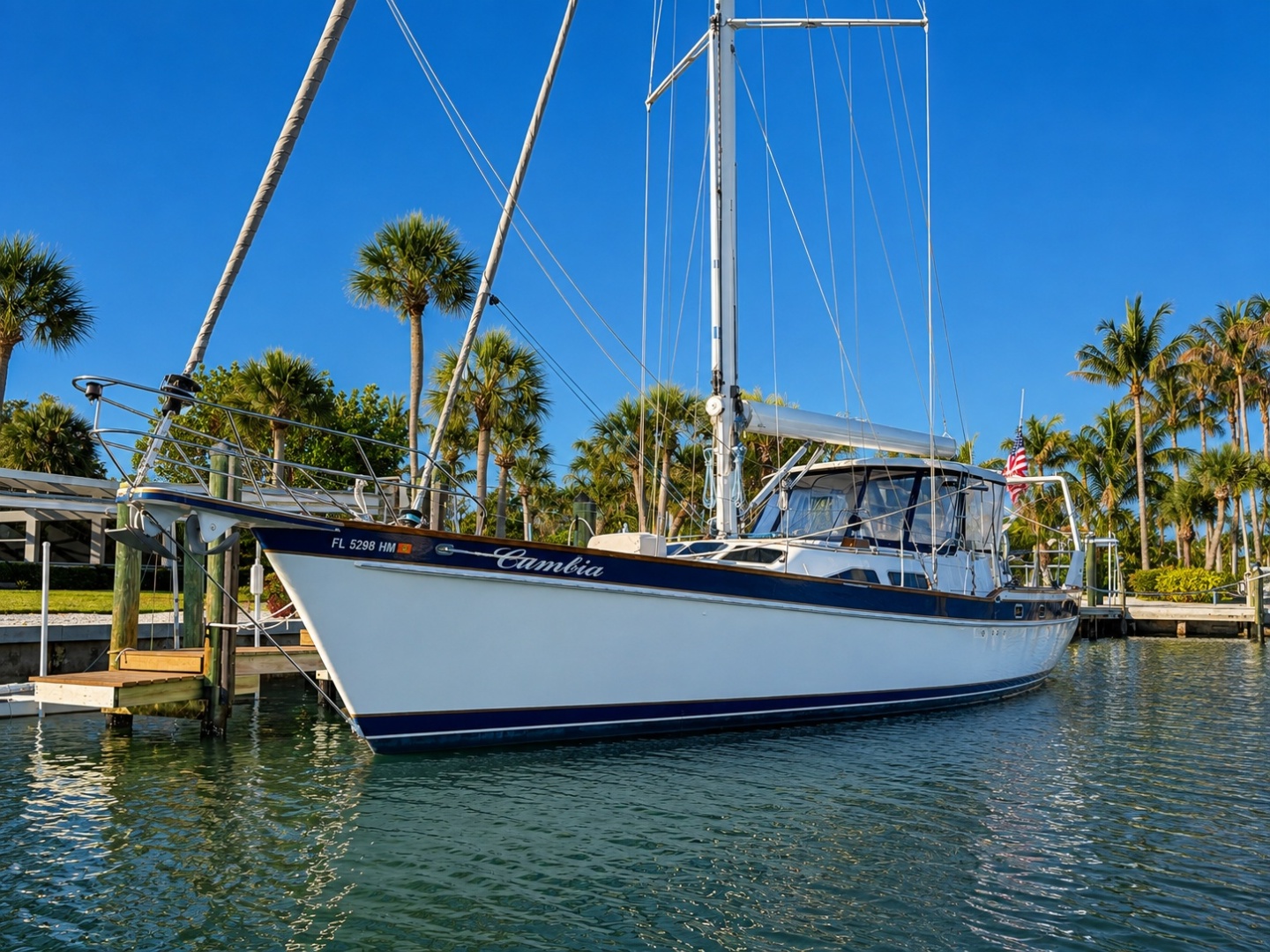
$545,000
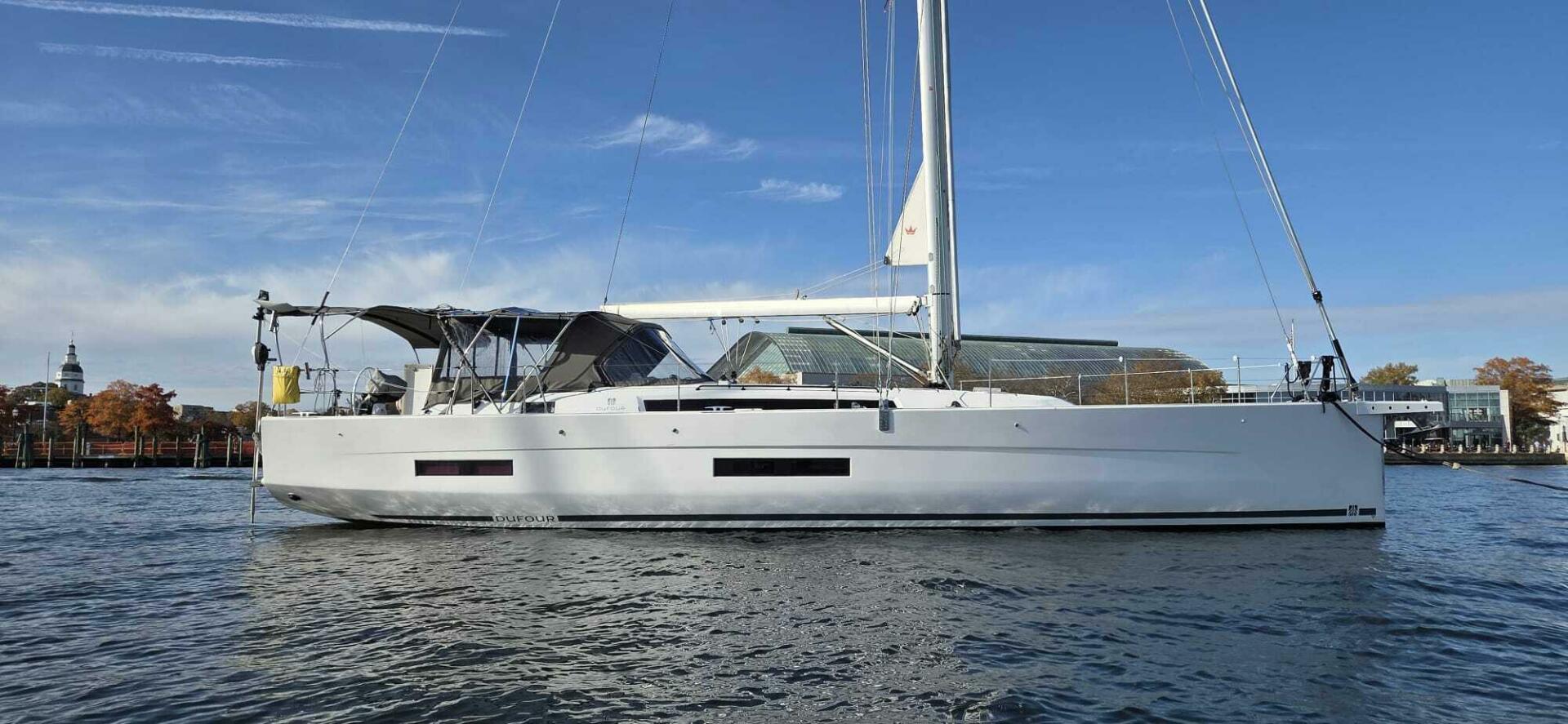
$564,900
$1,130,000
$159,000
$499,000
$89,000
$89,000
$135,000
$98,250
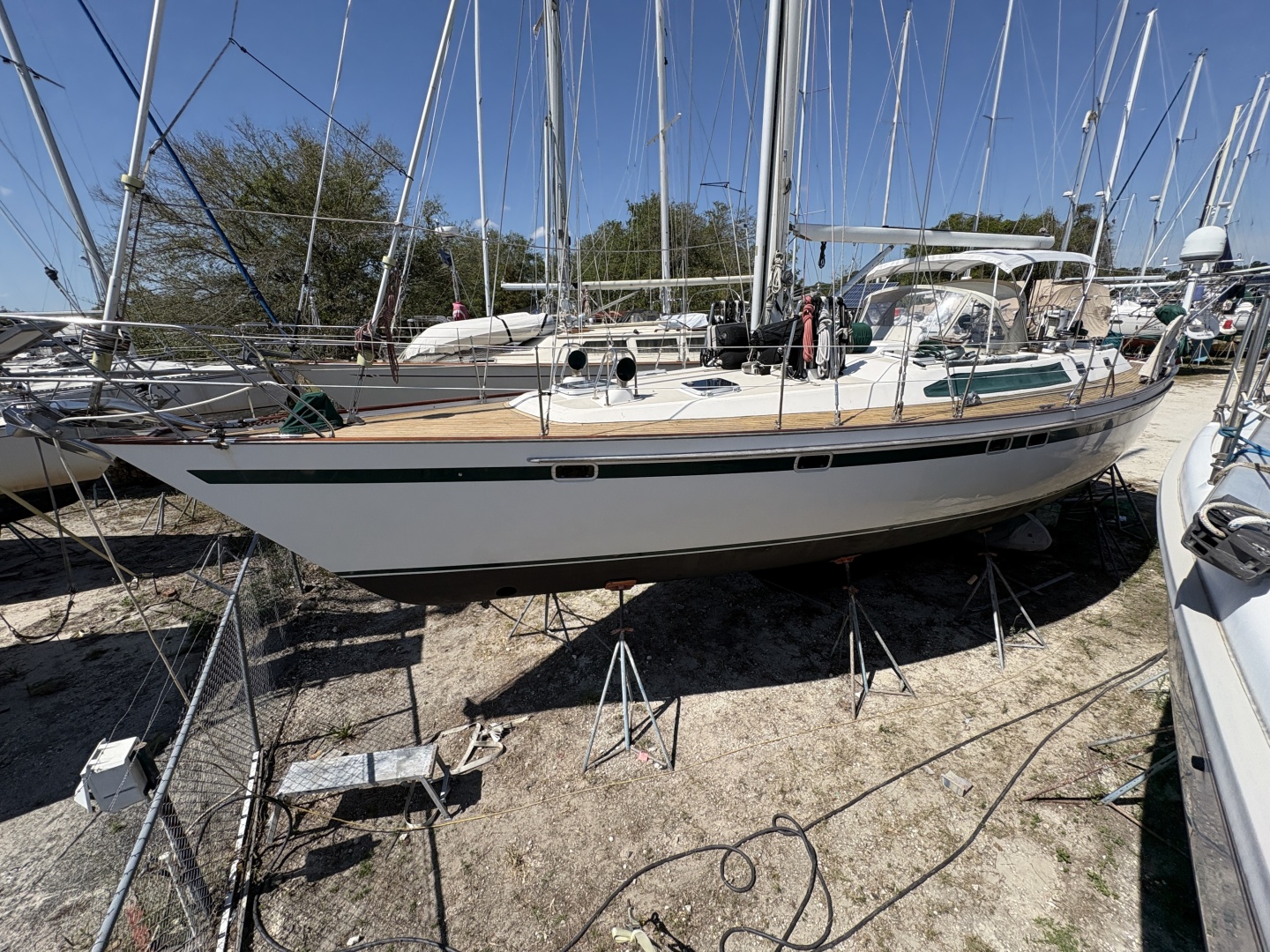
$149,850
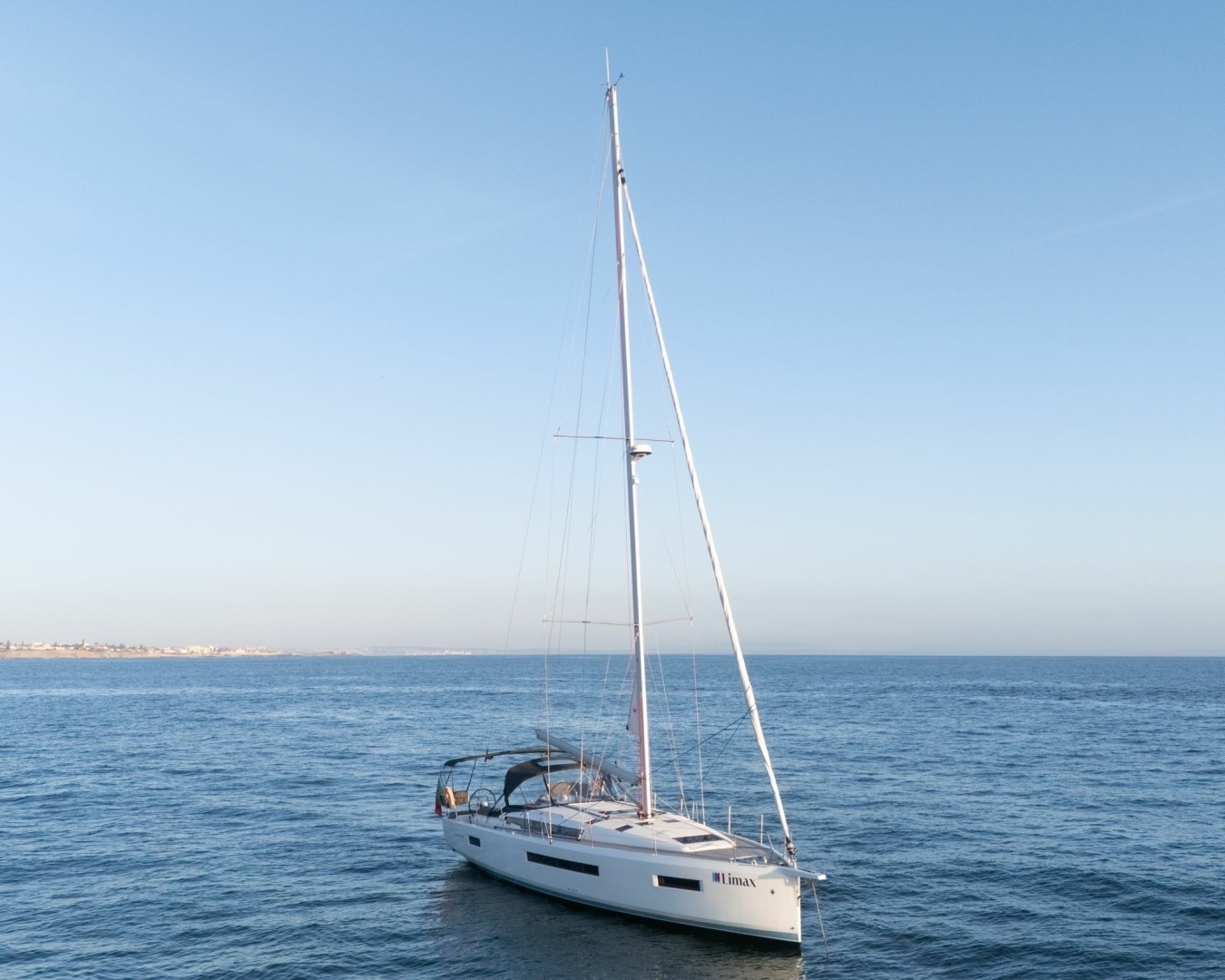
$369,000
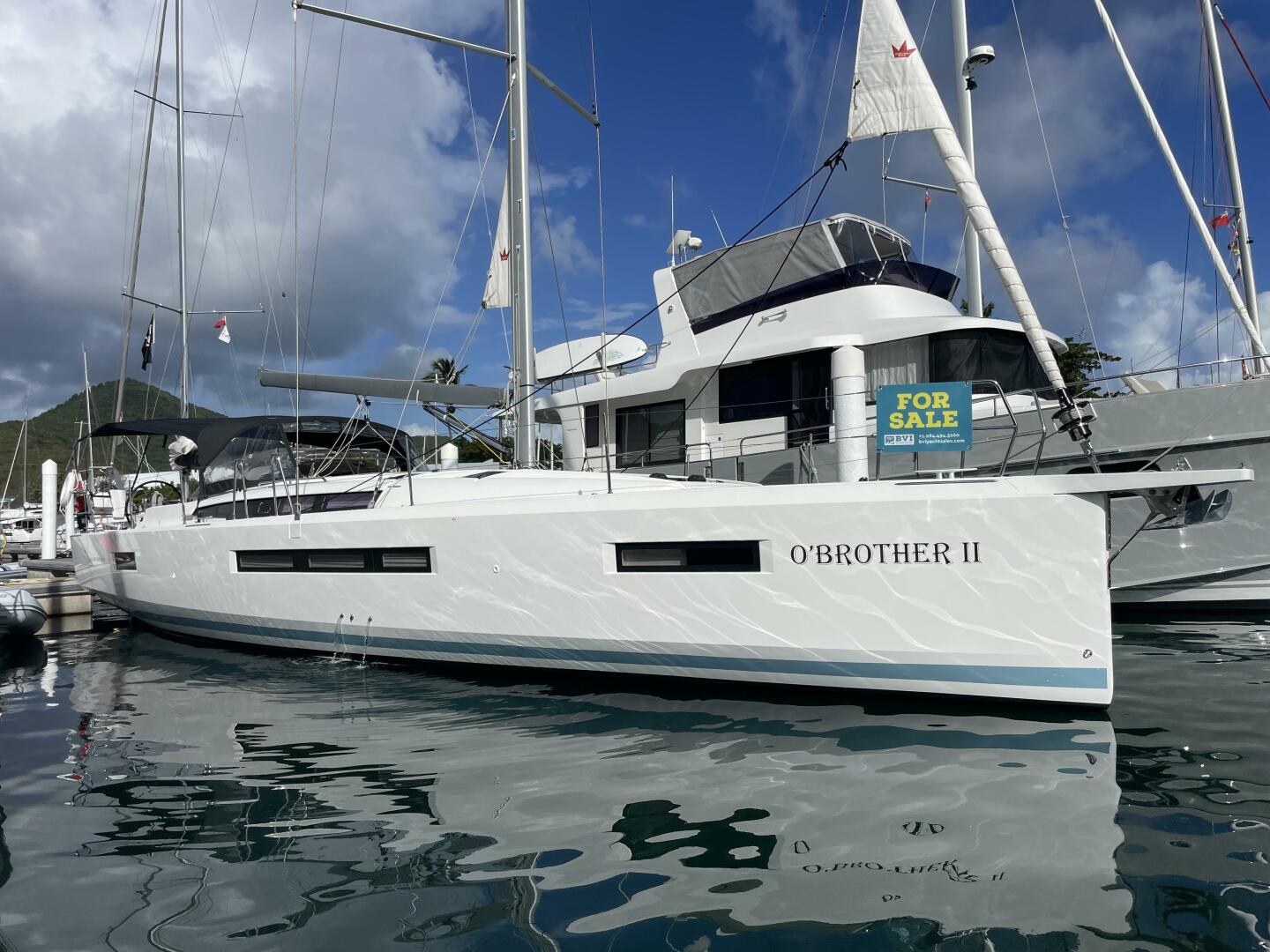
$395,000
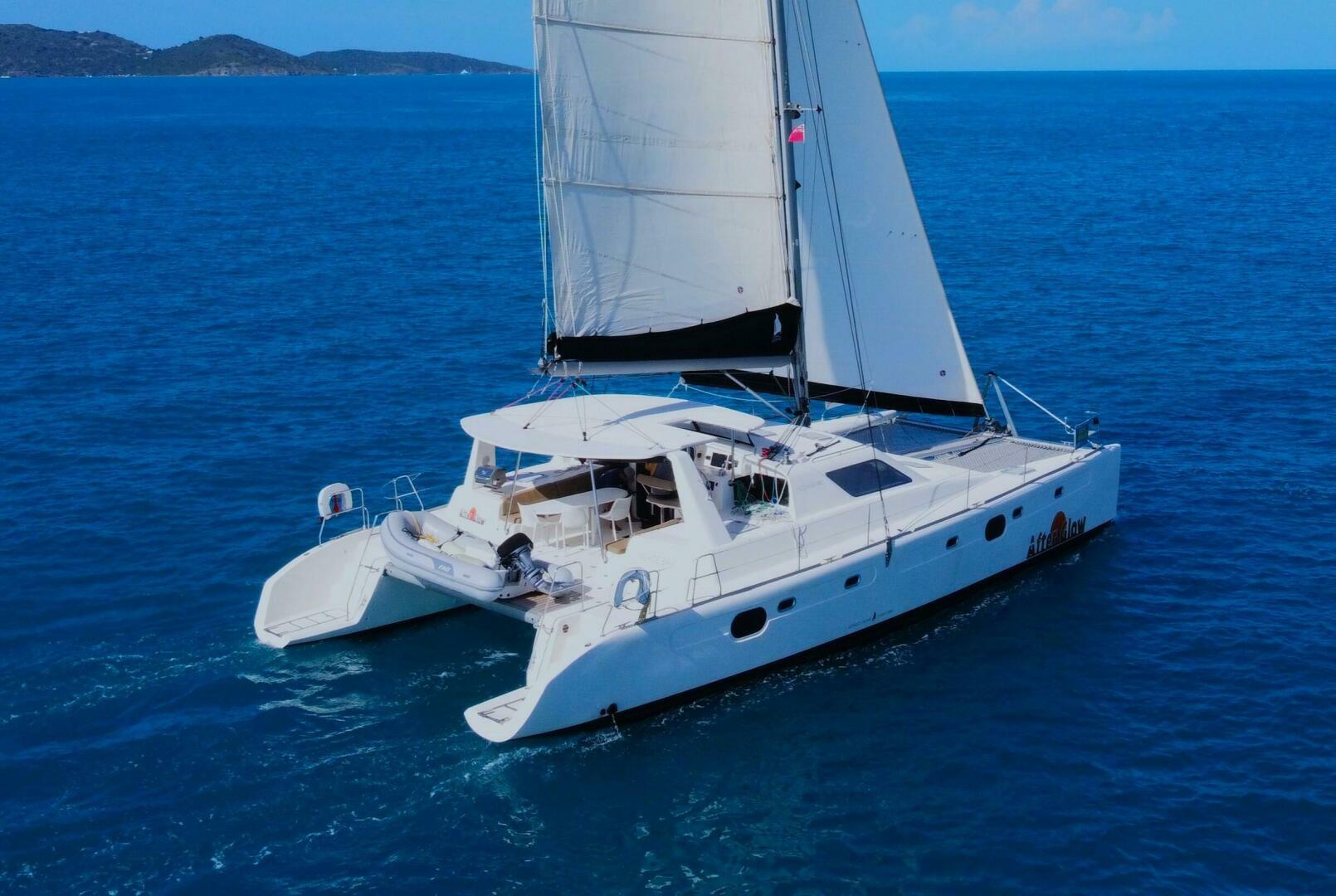
$349,000
$125,000
$1,724,571
$149,500
$109,900
$395,000

$652,000
$105,000

$115,000
$950,000
$149,000
$135,000
$349,000