

Imagine this: You’re floating in a calm turquoise bay, warm trade winds in your hair, and the lush hills of a tropical island on the horizon. Not long ago, you were just a daydreaming charter guest in the British Virgin Islands (BVI). Now, you’re contemplating buying your very own yacht to make this paradise your sailing playground. It’s exciting – and maybe a little overwhelming. Monohull or catamaran? Sail or power? New or used? Don’t worry, you’re not alone in asking these questions. In this conversational guide, we’ll walk through everything a first-time yacht buyer in the BVI should know, from choosing the right boat to understanding island life and ownership costs. By the end, you’ll feel encouraged and confident about launching into yacht ownership in one of the world’s premier sailing destinations.
Why the BVI Is a Yachting Paradise for First-Timers
The British Virgin Islands have long been hailed as the “sailing capital of the world” – and for good reason . This Caribbean archipelago of 60+ islands offers a unique mix of perfect sailing conditions, stunning scenery, and a welcoming boating community. If you’re a first-time yacht owner, there’s hardly a better place to begin your journey.
- Line-of-Sight Navigation: The BVI’s islands are clustered close together, often within sight of one another. This means you can almost always see your next destination as you sail. Even if you’re new to navigation, it’s hard to get lost or in over your head. One sailing writer quips that in the BVI “the navigation is line-of-sight, so you can’t screw up too badly even if the chartplotter is new to you” . For a newcomer at the helm, that’s a huge confidence booster.
- Consistent, Manageable Winds: Steady trade winds blow through the BVI almost year-round, generally in the gentle 10–20 knot range. These winds are strong enough to enjoy real sailing (you won’t be stuck adrift!), but typically mild enough not to overwhelm novices. As one report puts it, “the winds are manageable so the sailing isn’t overwhelming” for newcomers . You get the best of both worlds: reliable breeze without white-knuckle gales.
- Protected Waters and Calm Seas: The islands form a natural barrier that tames ocean swells. You’ll mostly be cruising in the Sir Francis Drake Channel and surrounding bays, where seas are relatively calm. Minimal currents and plenty of protected coves make the waters forgiving for those still finding their sea legs. It’s smooth sailing – literally.
- Plentiful Moorings and Marinas: Worried about tricky anchoring or finding a spot for the night? In the BVI, you’ll find tons of mooring buoys in popular anchorages and several full-service marinas around Tortola and Virgin Gorda. New sailors can grab a mooring ball instead of anchoring if they prefer (there’s no shame in it – many do!). “There are tons of moorings in case you’re still iffy with anchoring,” notes one chartering guide . And if you want to dock at a marina for an evening of shore power and shore leave, places like Nanny Cay, Soper’s Hole, and Bitter End Yacht Club (recently rebuilt and gorgeous) have you covered.
- English-Speaking, Boater-Friendly Culture: The local language is English and the economy is very tuned to yachting tourism. You’ll find marine services, provisioning stores, and helpful locals who understand the needs of sailors. Need a part or a repair? The islands have several chandleries and yards. Feel like some company? The anchorage happy-hour circuit (think Soggy Dollar Bar on Jost Van Dyke or Willy T’s floating bar off Norman Island) is legendary. The community here welcomes newcomers—swap stories with other cruisers, join impromptu beach barbecues, and soak up knowledge from seasoned captains. It’s easy to make friends and get advice in this floating village.
“What happens when steady trade winds meet an island-flecked channel with tame currents and hundreds of protected bays? They create the sailing capital of the world – an ocean of great adventure.” – This poetic description isn’t an exaggeration. The BVI truly offers a gentle learning ground combined with thrilling adventures for first-time yacht owners.
In short, the BVI’s line-of-sight sailing, moderate winds, and ample safe harbors make it ideal for beginners. First-time yachties love the easy navigation and forgiving conditions, while more experienced sailors never tire of the BVI’s charms (lively beach bars, secluded anchorages, and dive sites galore) . It’s a place where you can build your skills gradually, with the reassurance that help or a safe port is usually just a short sail away. Now that we’ve covered why the BVI is the perfect backdrop, let’s dive into the big decision every buyer faces: choosing the right type of yacht for your needs.
Choosing the Right Yacht for BVI Waters
One of your first big decisions as a buyer is what kind of yacht to get. Sail or power? One hull or two? The choice will shape your experience, so let’s break down the main options and how they fit the BVI lifestyle. We’ll cover the three popular categories of private yachts: monohull sailboats, multihull catamarans, and power yachts. Each has its own personality, pros, and cons. The “right” choice comes down to your personal dreams, budget, and comfort level. Not sure which is for you? Let’s explore.
Monohull Sailboats (Classic Single-Hull Sailboats)
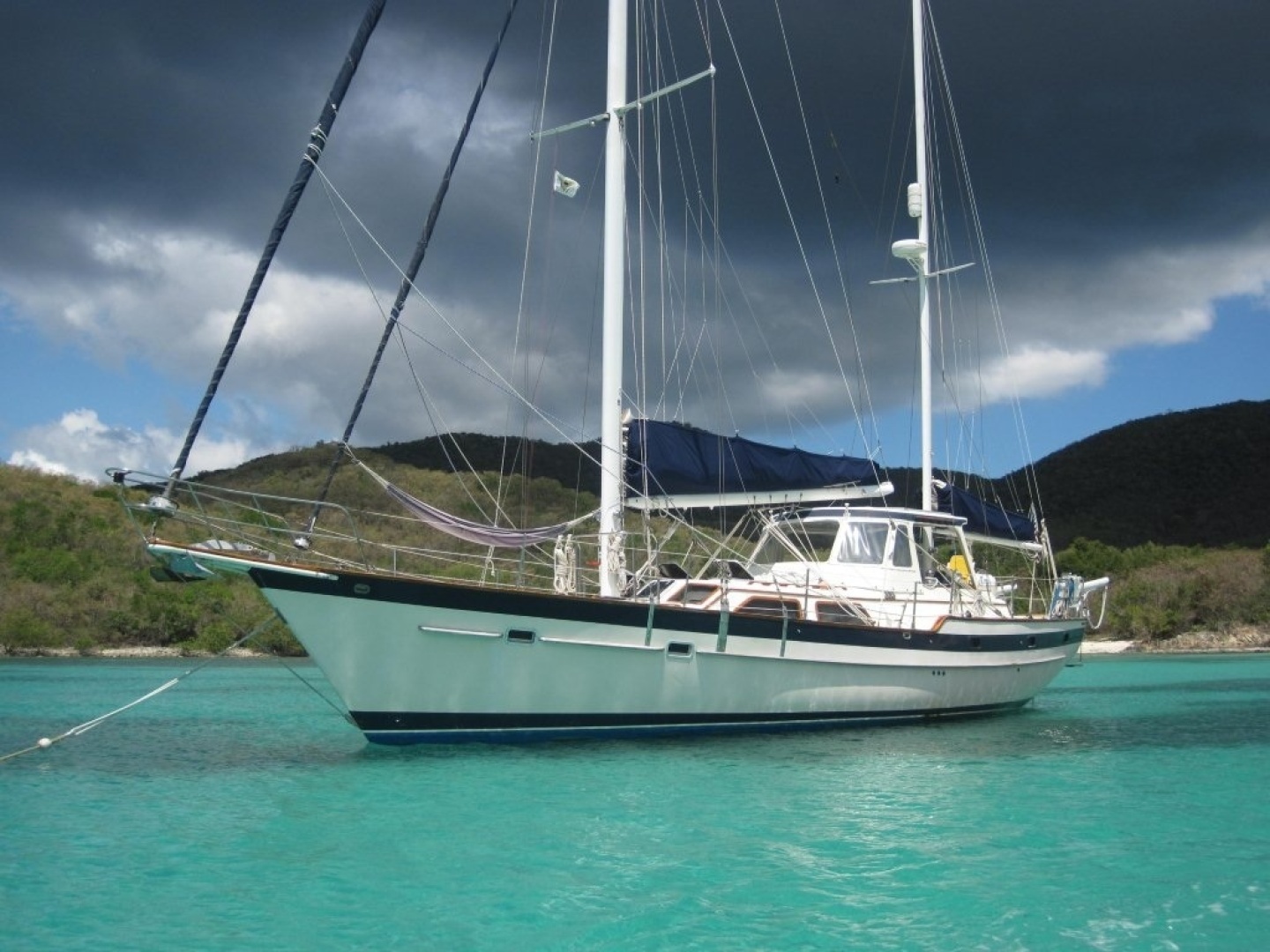
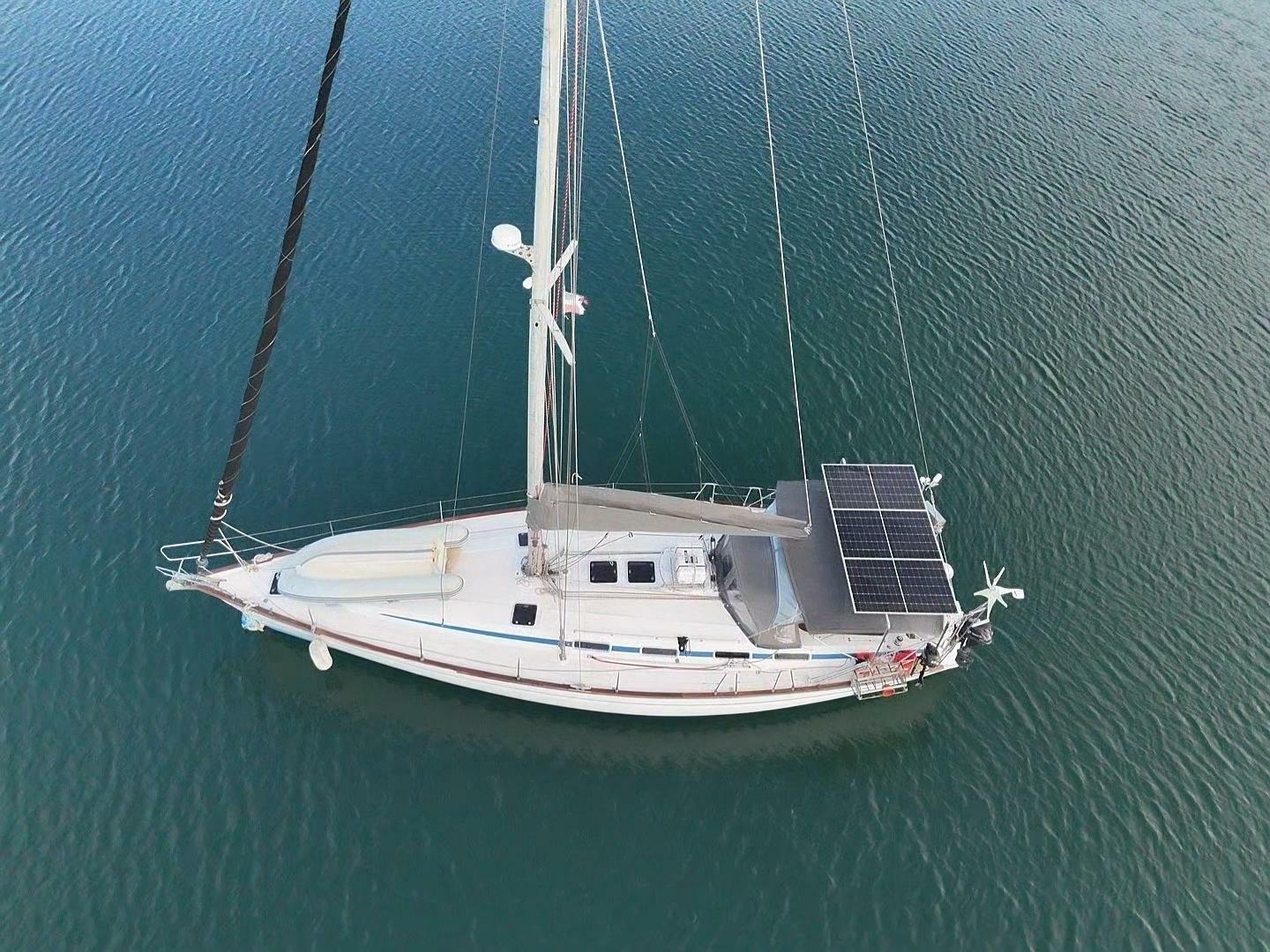
Monohull sailboats are the traditional single-hulled sailboats that most people picture when they think of “yacht.” If you’ve fantasized about slicing through waves with sails full and the boat leaning (“heeling”) over, a monohull delivers that pure sailing romance.
- Authentic Sailing Feel: Many sailors adore monohulls for the classic experience – the boat heels under wind, you feel the power on the helm, and you get instant feedback from the sea. There’s a certain thrill in conquering the elements in a monohull. The responsive helm and the way a monohull “dances” with the wind is hard to replicate. “Monohulls are well-loved for their authentic, ‘real sailing’ sensations and thrills while heeling under full sails,” as one yacht sales company notes . If the idea of feeling each puff of breeze and leaning into the wind makes you smile, a monohull might be your happy place.
- Performance & Agility: Monohulls tend to sail upwind better than comparable catamarans. Their deeper keel lets them point closer to the wind with less sideways drift . In practical terms, when you need to head east (say, beat upwind to Anegada or back toward Tortola), a monohull will typically make the trip a bit faster or easier than a cruising cat. Many sailors also find tacking (turning through the wind) to be straightforward on a monohull. Overall, these boats are nimble and responsive, which can be gratifying if you enjoy the art of sailing. And because they heel, strong winds give you a built-in signal to reef sails (reduce sail area) – when you’re practically on your ear, it’s definitely time to reef! This can keep you attuned to conditions.
- Sleeker Size (and Price): By nature of having one slim hull, monohulls usually require less space at the marina and can fit into smaller moorings or docks. Berthing a monohull in the BVI often comes easier and cheaper – you’ll occupy one slip, whereas a wide catamaran might incur higher fees or limited availability in a full marina. Also, monohulls of the same length generally cost less to purchase than their catamaran counterparts . For a first-time buyer on a budget, this price difference can be significant. You might get a newer or larger monohull for the same money as an older/smaller cat. Maintenance costs can be lower too (one engine instead of two, fewer systems). In short, monohulls often offer great “value for money” for private buyers.
- Character and Tradition: If you appreciate nautical tradition and the aesthetics of a sleek sailboat cutting through waves, monohulls have that timeless appeal. Many are drawn to the elegant lines and heritage of monohull designs – it’s the kind of boat pirates, explorers, and round-the-world racers all used in one form or another. There’s a romance to it: picture yourself on deck at sunset, sails down, perhaps channeling your inner Captain Jack or Moana. 😄
Considerations (aka “Cons”): Monohulls do heel (lean) under sail, which not everyone loves. If your idea of fun isn’t hanging onto your drink at a 20-degree angle, that’s something to think about. However, many folks get used to it quickly and even enjoy the excitement. Down below, living space is limited by that single narrow hull – quarters are cozier, with less room to spread out compared to a catamaran. Monohulls also have a deeper draft (keel), around 5–6 feet for midsize models . In the BVI most waters are deep enough that draft isn’t an issue , but very shallow spots (like some corners of Anegada’s anchorage or close approaches to a beach) might be off-limits. Finally, docking a monohull can be a bit trickier in crosswinds since you only have one engine (unless equipped with a bow thruster). But again, these are skills you build with practice or mitigated by picking your weather.
Who it’s Ideal For: Sailing purists, those on a tighter budget, smaller crews (couple or family) who don’t mind a snug interior, and anyone who prioritizes the journey under sail as much as the destination. If you dream of classic sailing adventures and don’t need a floating condo, a monohull could be your perfect match.
Catamarans (Multihulls)
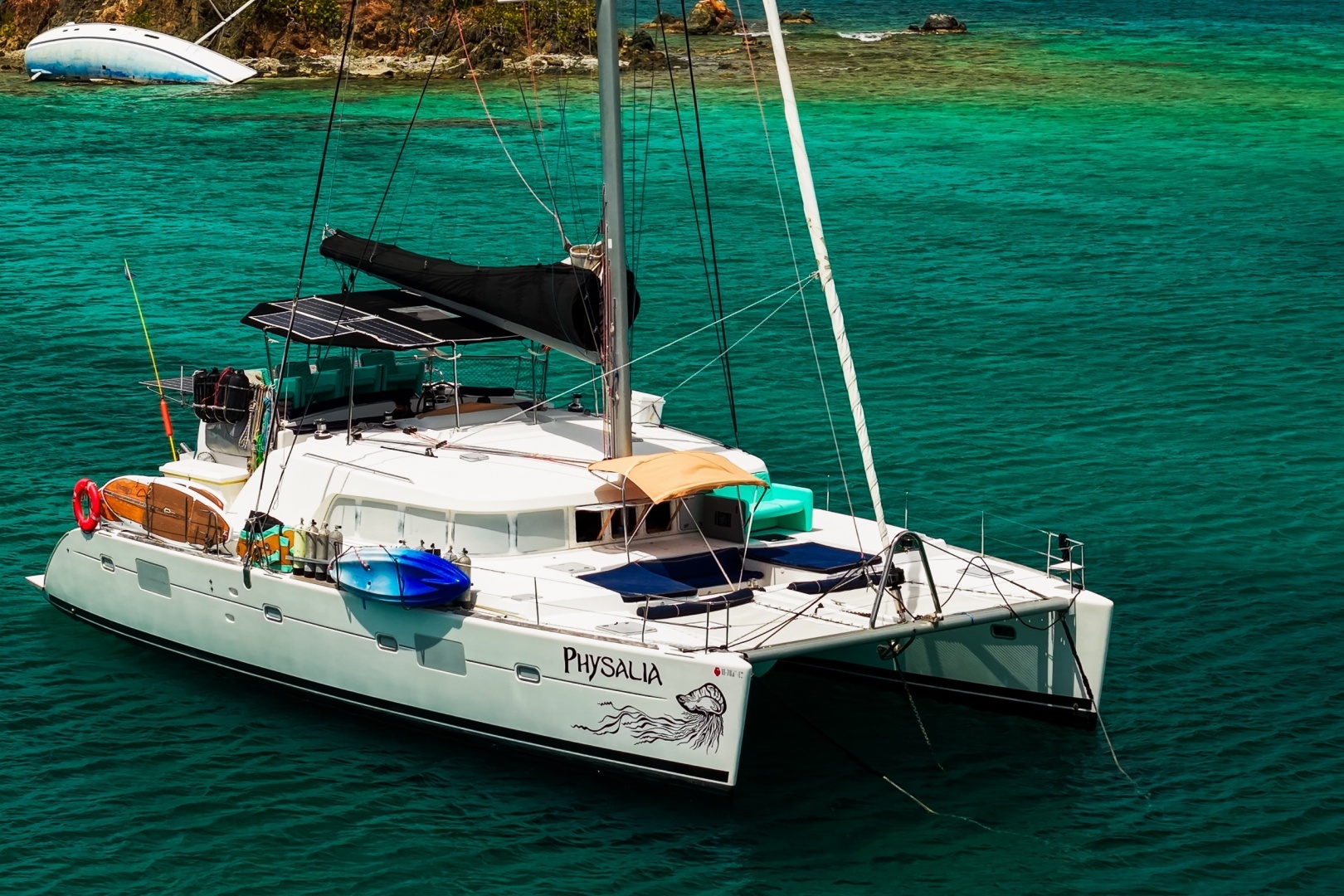
Catamarans – the twin-hulled sailboats that have become incredibly popular – are practically synonymous with BVI cruising these days. If you’ve ever chartered in the BVI, chances are you’ve been on a cat or noticed dozens of them in every harbor. There’s a reason first-timers (and charter companies) love cats: space and stability.
- Stability & Comfort: Perhaps the biggest draw of a catamaran is that it doesn’t heel over under sail. With two widely spaced hulls, a cat stays relatively flat even when the wind picks up. This makes moving around on deck (and inside) more comfortable – your drink is far less likely to slide off the table when the boat isn’t tilting! 🥂 For families or those prone to seasickness, the stability of a catamaran is a game changer. You can sail hard and still prepare lunch in the galley without everything flying around. In the gentle conditions of the BVI, a catamaran ride often feels smooth and easy, like your own private island hopping ferry.
- Living Space Galore: Cats are famous for spaciousness. With a broad beam (width), they offer expansive decks and large living areas. You typically get a big salon (often with 360° views), a roomy cockpit for outdoor dining, plus that glorious forward trampoline (netting between the bows) that’s basically a built-in sunbathing and stargazing lounge. Many modern cats even have flybridges or upper lounges. “There are many areas for hanging out and lounging,” one cruiser notes, and it never feels too cramped . Cabins in a cat are usually in the hulls and provide more privacy (separated by the salon). If you plan to cruise with friends or a larger family, everyone can have their own space. In the BVI, this means you can host that sunset happy hour on board comfortably or have two families split a boat with less compromising on personal cabin space.
- Shallow Draft Access: Catamarans often have a shallower draft (around 4–5 feet) than similar-length monohulls . Practically, this means you can sneak into shallower bays and closer to the beach. In the BVI, you might anchor closer to shore in places like Anegada or slip into smaller coves. While the difference in draft isn’t huge in many charter models , it can be an advantage if you love exploring skinny-water spots or mooring near the beach for a shorter dinghy ride.
- Ease of Handling: This may be counter-intuitive, because trimming sails on a cat requires understanding some differences (and they tack a bit slower than monohulls ). But in everyday maneuvering, cats shine. Two engines (one in each hull) mean you can pivot in place and dock with precision. Think of a riding mower with two steering levers – you can push one engine forward, one reverse, and spin the boat easily. When picking up moorings or med-mooring at a dock, this is a stress-saver. Also, many newbies find motor-cruising on a cat simple: if the sails get to be too much, you have a very stable powerboat at your command (most cruising cats motor at ~7 knots comfortably).
- Great for Entertaining: If you envision hosting friends, throwing deck parties, or just want plenty of elbow room, cats are social boats. The cockpit flows into the salon (often on the same level), creating an open-air living room. Eight people on a 45-foot catamaran can lounge without feeling on top of each other. In the BVI charter scene, cats are the go-to for groups – and the same perks apply to private owners who like to invite guests. You’ll have room for that extra kayak or stand-up paddleboard, a grill on the rail, maybe even a hammock on the bow. It’s a floating villa vibe.
Considerations: All that wonderful size and stability comes at a price – literally. Catamarans are generally more expensive than monohulls of equivalent length. You’re basically buying two hulls, two engines, and a whole lot of extra fiberglass, after all. Maintenance can cost more (twice the engines to service). Docking fees might be higher too; marinas sometimes charge cats as 1.5x or 2x a monohull, due to width. Another consideration: while modern cruising cats sail well on a reach or downwind, upwind performance is usually poorer. A cat can’t point as high into the wind and may require motoring if heading tight upwind. In practice around the BVI, this isn’t a big problem – the distances are short and you can often plan a route that’s a reach or downwind. But if you do find yourself beating into the trade winds, expect a slower, zig-zag path compared to a monohull . Finally, because cats don’t heel, a newbie can inadvertently overload the sails in rising wind without obvious warnings – so you must be diligent about reefing early (capsizing is extremely rare in cruising cats, but it’s theoretically possible in extreme conditions). This just means paying attention to weather and not being over-canvassed, which you’d do on any boat.
Who it’s Ideal For: If your priority is comfort, space, and stability, and your budget can swing it, a catamaran is tough to beat. They are ideal for families with kids (stable play space!), multi-couple cruising, or anyone who wants the feel of a floating condo in paradise. Many first-time owners in the BVI choose cats for exactly these reasons – it feels more like a “home” on the water. Cats are also great if you plan to spend a lot of time at anchor; they’re stable platforms for swimming, snorkeling, and even hosting a beach party onboard.
Power Yachts (Motor Yachts & Power Catamarans)
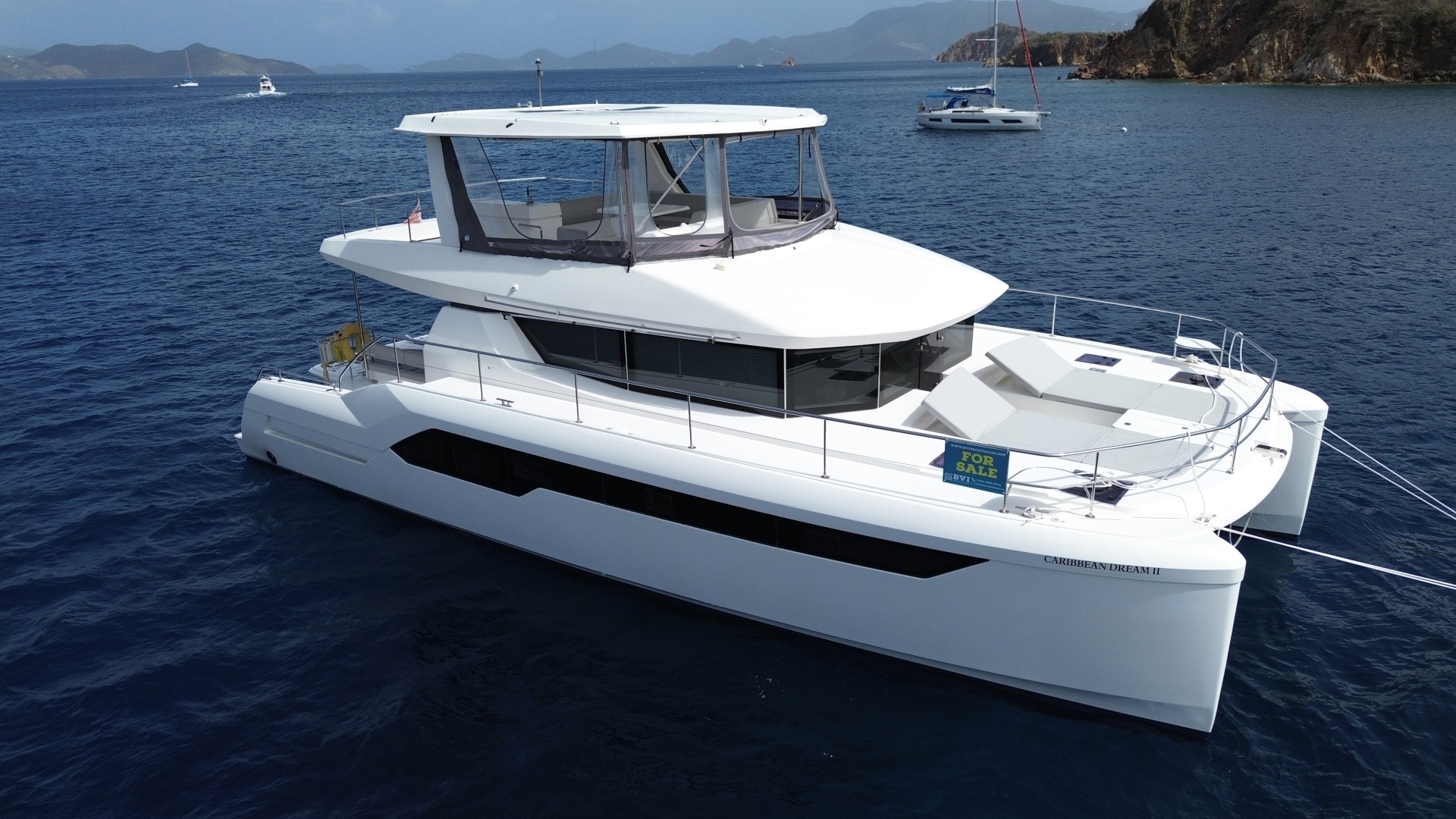
Not into sailing or just crave the power and convenience of motors? Power yachts are the ticket. In the BVI, this could mean a traditional motor yacht (monohull) or increasingly, a power catamaran (essentially a catamaran without sails, built for cruising under engine). Power yachts offer a different way to explore: faster point-to-point travel and a more “plug and play” experience – just turn the key and go, no sails to manage.
- “Point and Shoot” Simplicity: The biggest appeal of a power yacht is how straightforward it is to operate compared to a sailing vessel. Power yachts offer a more hands-off way to cruise, often with more luxury for those who prefer relaxation over the work of sailing . There are no sails, winches, or rigging – you won’t be trimming jib sheets or worrying about wind angles. You simply use the throttles and steering. For a first-time owner not versed in sailing, this can be far less intimidating. In fact, many power cats are marketed specifically to people new to boating or sailors who want an easier option. They typically feature user-friendly controls, thrusters for docking, and modern nav systems. As The Moorings (a major charter company) notes, “Equipped with world-class technologies and designed with maximum maneuverability in mind, [power cats] are easy to operate, offering a hassle-free experience for sailors of all abilities.” In short, if the idea of tacking and jibing makes you uneasy, you can skip it altogether with a power yacht.
- Speed & Time Maximization: With twin engines humming, power yachts can cover more ground quickly. It’s common for power catamarans in the BVI to cruise around 15–20 knots, significantly faster than a sailing yacht’s typical 6–8 knots. This means you could have breakfast at Norman Island, zip 25 nautical miles up to Virgin Gorda for lunch, and still make Jost Van Dyke by cocktail hour – try that in a sailboat! For those eager to see as many islands as possible, or who only have limited time aboard, the speed is a huge plus. “Their speed allows you to maximize your itinerary, giving you more time to explore each destination,” note experts on power cats . Also, if the wind dies or is heading the wrong direction, a power yacht’s day isn’t spoiled – you’re not reliant on the weather to get where you want to go.
- Comfort & Amenities: Today’s power yachts, especially power catamarans, are floating luxury apartments. Because they don’t need to carry masts and sails, the design can dedicate even more space to accommodations and leisure features. Many have expansive flybridges (great vantage point and entertaining space), large cabins with residential-style beds, bigger galleys (kitchens), and abundant refrigeration (hello, ice maker and blender for those Painkiller cocktails!). In the BVI’s charter fleets, power cats often boast extra perks like air conditioning and generators running at all times, since there’s plenty of engine power. It really can be turn-key comfort. One source points out that on a power yacht, you often gain a flybridge where the sail would be, creating “the perfect space for socializing with friends, eating dinner, and admiring the views” . If you want a resort-like experience at sea, power yachts deliver. And at anchor, a wide powercat is as stable as a sailing cat – no rolling, just a gentle platform to enjoy the sunset.
- Great for Non-Sailors: Perhaps you have family members or a spouse who aren’t keen on sailing, or you yourself just love the idea of driving a boat like a car. Power yachts are very much aligned with that mindset. You can focus on navigation and scenery without juggling sheets and halyards. Fishing enthusiasts might also prefer a power boat (many come with small fishing cockpits or at least are easier to troll from). The BVI even hosts a famous Poker Run for powerboats each year, underlining a vibrant motor yacht culture alongside the sailboats.
Considerations: The obvious one – fuel. With great power comes great… fuel bills. Engines require diesel, which in the islands can be pricey, and you’ll consume a lot more of it than a sailboat that mostly uses wind. So, budget for operating costs accordingly. Also, range can be a factor; while it’s no issue within the BVI (distances are short), if you ever want to venture further afield, ensure your yacht’s fuel capacity covers the longest legs or that you can refill en route. Maintenance on power yachts is centered on those engines and mechanical systems – regular servicing is a must to keep them humming. In addition, pure motor yachts (monohull) can have a deeper draft and might roll more in a swell compared to cats (but within the protected BVI waters, that’s usually minor). And unlike sailing where the journey itself is play, on a power yacht you might miss the art of sailing – some find solely motoring less rewarding. It really depends on what you enjoy. Finally, purchase price: a brand-new power catamaran can be as costly or more than a sailing cat of equal size due to all the extra systems and engineering for speed. However, used power boats (like older trawlers or motor cruisers) can sometimes be found for good deals since they aren’t in as hot demand as cats in the BVI.
Who it’s Ideal For: Those who prioritize convenience and speed over the traditional sailing experience. If you want to island-hop with ease, have a floating condo with all the mod-cons, or perhaps you have limited sailing skills but still want to explore by water, a power yacht is very attractive. It’s also a great option if you plan to use the boat as a part-time liveaboard and want maximum comfort at anchor or dock. Many older couples who are done with “working the winches” happily transition to power yachts for the relaxed cruising style. In the BVI, where nearly every day is sunny and gorgeous, it’s really about how you want to enjoy your time out there – there’s no wrong choice.
Quick Comparison Table: Monohull vs Catamaran vs Power Yacht
Below is a quick side-by-side comparison of the three yacht types and how they stack up for key factors:
| Yacht Type | Notable Pros | Considerations (Cons) | Ideal For |
|---|---|---|---|
| Monohull Sail | – Authentic sailing feel (heels under wind) 🔺– Typically lower purchase price and cheaper berthing – Agile upwind performance and handling – Classic looks & tradition ✨ | – Heels under sail (less comfort for some)– Less living space; cozier quarters– Single engine; requires sailing know-how– Deeper draft (can’t get as close to shore) | Sailing enthusiasts, smaller crews, budget-conscious buyers, those craving a classic adventure |
| Catamaran Sail | – Stable & level sailing (no heel) 👍– Huge deck and cabin space for comfort & entertaining – Shallow draft for beach access– Twin engines = easy maneuvering/docking | – Higher purchase and maintenance cost 💰– Wider beam (marina fees, space)– Slower/upwind sailing performance – Must reef early; less heel feedback on wind strength | Families, multi-couple groups, comfort seekers, those wanting a roomy “floating home” experience |
| Power Yacht | – Simple operation (no sails to manage) 🚀– Fast cruising – see more islands in less time – Often lavish amenities (AC, flybridge, etc.)– Great for non-sailors or fishing/diving focused trips | – Fuel dependent (higher running costs)⛽– Engine maintenance is critical– Lacks the quiet of sailing (engine noise)– Range limited by fuel capacity (for long trips) | Those who prefer driving over sailing, want maximum luxury and ease, or have tight itineraries; ideal for exploring quickly and in comfort |
Key Takeaways – Choosing a Yacht: If you want heart-thumping sail thrills and lower costs, a monohull is a strong choice. If comfort, space, and stability top your list, you’ll likely lean toward a catamaran. And if you care most about speed and simplicity, a power yacht might be your best friend. Remember, there’s no one-size-fits-all answer – it’s about what aligns with your vision of the perfect BVI adventure. Many first-time buyers start with what they enjoyed chartering: if you loved that Lagoon 42 catamaran on your vacation, it might make sense to get something similar. If you yearned for more sailing performance, a nice Beneteau or Jeanneau monohull could be calling your name. Now, with a type of yacht in mind, let’s talk about buying the boat and what ownership in the BVI entails.
The Yacht Buying Process in the BVI (and Beyond)
Buying a yacht is a journey of its own. It’s a significant purchase, and when you add the layers of doing it in a place like the BVI (possibly far from your home country), it raises some special considerations. In this section, we’ll outline the steps and factors to consider as a first-time yacht buyer, with a focus on the BVI context. We’ll cover whether to buy new or used, working with brokers, the paperwork and registration side, and some tips to make the process smoother. Take a deep breath – we’ll break it down into manageable pieces, just like plotting a course on a chart.
New vs. Used: Deciding on a Pre-Owned Gem or a New Build
One of the first questions: brand new yacht, or previously owned? Each path has its merits:
- Buying New: The thought of a factory-fresh yacht customized to your liking is tempting. New boats come with warranties, the latest technology, and that shiny “new boat smell.” You can spec out exactly what you want (if ordering from a builder) or choose a model that fits your needs. In the BVI context, you could order through dealers for brands like Jeanneau, Beneteau, Lagoon, etc., sometimes timed with boat shows or delivery to the islands. The benefit is peace of mind – fewer immediate repairs and the joy of knowing every hour on the engine is yours. However, new yachts are of course pricier. You also face the initial depreciation hit. And keep in mind, new doesn’t mean flawless; you’ll still have a break-in period and likely a few warranty fixes (especially true for complex catamarans). In the BVI, some new owners opt to place the boat into a charter management program for a few years to offset costs (charter companies often sell new boats into their fleet with guaranteed income programs). That’s something to explore if it interests you (we’ll touch on it later), but since we’re focusing on private use, assume you’ll be footing the full bill.
- Buying Used: Many first-time buyers go the pre-owned route, especially in the BVI where there’s a vibrant market of used boats (often ex-charter boats coming out of fleets). A used yacht can be significantly cheaper and may come already equipped for cruising (previous owners might have added useful gear like watermakers, solar panels, dinghy and outboard, etc.). But you must do your homework: always get a marine survey and possibly an engine inspection. In a place like the BVI, you’ll find used boats ranging from well-loved private yachts to hard-working ex-charter boats. Each can be fine, but know their histories. For instance, ex-charter boats might have higher wear and tear (think countless novice crews using them), but they also typically receive regular maintenance from the charter base. You might score a deal on a 5-year-old catamaran that was in charter – just go in with eyes open and inspect for any abuse or deferred maintenance. After the devastating hurricanes (Irma in 2017, for example), a lot of BVI boats were damaged and repaired. Be cautious of any yacht with a known hurricane history; a good surveyor can advise if it was properly fixed or if issues linger.
In either case, sea trial the boat if you can (take it out for a test sail). This isn’t always easy if you’re not on island yet, but a trip to the BVI to check out boats (or hiring a local surveyor/captain to test on your behalf) is worth the investment. Also consider ordering a boat elsewhere and sailing it to the BVI. Some buyers purchase in the US or Europe and cruise to the Caribbean as part of the adventure. If you prefer to buy in the BVI, the main island Tortola has brokers and marinas (Road Town, Nanny Cay) where many boats are for sale.
Tip: Whether new or used, think about your intended use and routes. As one guide says, “A monohull may be ideal in some situations but not in others. When shopping for a catamaran to cruise the shallow seas of a tropical island, you won’t have the exact requirements as someone trying to cross the Atlantic.” In other words, pick a boat suited for BVI island hopping if that’s your plan – you likely don’t need a heavy bluewater boat designed for polar expeditions 😉. Conversely, if you dream later of venturing beyond the BVI, factor that in.
Working with a Broker vs. Private Sale
Unless you’re buying new directly from a dealer, you’ll likely work with a yacht broker when purchasing in the BVI. Brokers are like real estate agents for boats – they list boats for sellers and help buyers find the right match. For first-time buyers, a good broker is worth their weight in gold. They can guide you through the process, help with negotiations, and handle paperwork.
- Why Use a Broker: Especially in an international context (different laws, possibly a foreign flag vessel), having a professional to navigate contracts, escrow, title transfer, etc., is extremely helpful. A broker will often coordinate the survey and sea trial logistics too. Importantly, their commission is paid by the seller, so as a buyer it typically costs you nothing extra to have this expertise on your side. Look for brokers with strong BVI or Caribbean experience – they’ll know common issues (like ensuring there are no outstanding debts or liens on the boat). An experienced broker can also advise on registration (flagging) and insurance, connecting you with the right people for those steps . In the BVI, you might check out brokers such as BVI Yacht Sales, Moorings Brokerage (if looking at ex-charter Moorings boats), Dream Yacht Sales, or international brokers who operate in the area (e.g., Multihull Company, Denison Yachting, etc.).
- Private Party Deals: Could you find a boat for sale by owner and do a direct deal? Sure, it happens. Perhaps you meet a cruiser in an anchorage who is moving on and selling their boat. Private sales can sometimes save the seller paying a commission, which might reflect in a better price for you. However, caution is key: you’ll take on more responsibility to ensure all paperwork is legal and clear. Always do proper due diligence – verify ownership, ensure there’s no outstanding loan or marina fees, and that the boat isn’t stolen or anything odd (rare, but due diligence protects you). At minimum, consider hiring a maritime attorney to oversee a private sale, or using a title/documentation service. For most first-timers, going with a broker simplifies things significantly and provides peace of mind.
Fun fact: The BVI is a popular jurisdiction for registering yachts (a “flag of convenience”), meaning you might end up owning a BVI-flagged vessel even if you’re not from the BVI. Many boats in the islands are BVI-registered. But you can also register your yacht elsewhere (U.S., UK, Cayman, Delaware, etc.) depending on your nationality and preferences. This is something a broker or documentation service can help with – there are pros and cons to each choice (fees, ease of sale, legal protection). The good news is you don’t have to be a BVI citizen to own a boat in the BVI or even to register it under the BVI flag.
Paperwork, Registration, and Legal Bits
Navigating the administrative side of yacht ownership might not be the thrilling part, but it’s essential. Here are the key points to consider:
- Flag (Registration): This is the country under which your boat is registered (its “flag state”). It doesn’t have to match where you keep the boat. Many BVI-based yachts are flagged in the BVI, but also plenty are U.S.-flagged or others. The BVI has a well-regarded Shipping Registry (as a British overseas territory, a BVI registration is essentially a UK Red Ensign flag). Advantages of a BVI flag can include straightforward ownership via a BVI company and recognition worldwide. On the other hand, some choose to register in their home country for simplicity or legal comfort. If you’re American, for example, a U.S. Coast Guard documentation might make insurance or future sale in the U.S. easier. Each flag has its requirements – e.g., some require you to form a local company or be a citizen. Get advice on this early. As noted, a broker or specialist can assist . Switching a boat’s registry is also common during a sale (e.g., the previous owner had it in BVI, you want it in USA or vice versa).
- Taxes and Import Duties: The BVI does not charge sales tax like some places. If the boat is already in the BVI and staying there, you might not have to worry about VAT (Value Added Tax) that could apply in Europe, for instance. However, if you are importing a boat to the BVI from elsewhere, be aware of any import duties. Also, if you ever move the boat to another country, consider their taxes. For example, bringing a boat into the EU can trigger VAT if it wasn’t paid. This can get complex, but for a BVI-centric owner using the boat privately in the Caribbean, it’s usually straightforward. The BVI is generally tax-friendly for yacht owners – one reason the charter industry thrives here.
- Insurance: You will want a good marine insurance policy. Hurricanes are the big factor in the Caribbean. Insurance companies may impose conditions during hurricane season (June 1–Nov 30) such as requiring the boat to be above a certain latitude, or secured in an approved hurricane hole or on land. Some owners keep their yacht in the BVI year-round; many insurers will still cover you but possibly with a higher premium or a named storm exclusion (meaning you have to pay extra or have a specific plan for named storms). Shop around for insurance and read the fine print. Expect to pay more in the hurricane belt than you would in, say, the Mediterranean. Insurance cost is often around 1–3% of hull value annually, varying by coverage and deductible. If you plan to charter out occasionally (even just with friends pitching in), note that standard private insurance doesn’t cover commercial use – you’d need a different policy or endorsement.
- Local Permits: Owning privately, you don’t need a boating license in the BVI. (Charter companies require sailing resumes or certifications for bareboat charterers, but as an owner you operate under your own responsibility). However, you do need to comply with BVI regulations when cruising: you’ll need to clear in/out with Customs & Immigration if you sail to foreign ports (like the USVI), and you should get a BVI cruising permit for your boat annually (a modest fee for the privilege of cruising BVI waters). There’s also a National Parks Mooring Permit if you want to use the national park mooring balls at dive/snorkel sites (highly recommended, they protect coral – places like The Indians, The Caves, etc., require one). These are small paperwork details, but part of responsible ownership in the islands.
- Financing: If you’re not buying in cash, there are marine financing options, though they can be a bit more complex for an overseas purchase. Some U.S. banks finance U.S.-flagged boats kept in the BVI. There are also specialist lenders. Keep in mind, a loan may require certain insurance and that you keep the boat documented under a certain flag (often the U.S. if it’s a U.S. bank loan). If you go the charter-management route, sometimes the charter company can facilitate financing as well. As a first-timer, if you do finance, ensure you understand the total costs – loan payment plus docking plus maintenance, etc., to avoid surprises.
Operating Costs and Maintenance: Budgeting for Life as an Owner
Let’s talk money – not the purchase price, but the ongoing costs of owning a yacht in the BVI. It’s often said that buying the boat is just the beginning; the real cost is in maintenance and operations. While this shouldn’t scare you off (remember, the rewards are incredible), being prepared financially will make ownership far more enjoyable.
Here are the main recurring costs to budget for:
- Dockage or Mooring: Where will you keep the boat when you’re not aboard? Some owners leave their yacht on a moorings ball long-term or at anchor (cheapest option, but you’ll need someone to check her regularly). Others rent a marina slip on a monthly or annual contract. In the BVI, annual slip rentals can be in the thousands of dollars, depending on the marina and boat size. Mooring fees (if you rent a private mooring from a local) might be a bit less. And when you’re cruising, each night on a mooring in a national park or at a place like Cooper Island will cost around $30. If you plan extended off-island periods, consider hauling out at a boatyard during hurricane season (storage fees apply, but it’s secure). Bottom line: have a plan (and budget) for berthing. As one expert advice article bluntly put it, “the most crucial part of preparing to purchase a boat is making sure you have a place to dock it.” Don’t let your dream boat become a very expensive guest moored indefinitely because you can’t find it a “home.”
- Insurance: We touched on it earlier – factor this in. It’s often required if you have a loan, and even if not, it’s wise to have. Insurance can easily be a few thousand dollars a year or more (depending on boat value and coverage). Hurricane coverage is the priciest component.
- Maintenance & Repairs: All boats need continuous upkeep. Think of it like home ownership plus an added layer of marine wear-and-tear. You’ll have annual haulouts for bottom painting (scraping and painting the hull to prevent barnacles). Engines need servicing (oil, filters) at least yearly or per hours run. Sails (if you have them) may need occasional repairs or replacement every several years. There’s also the “boat bling”: lines, fenders, electronics, safety gear, etc., that you’ll replace or upgrade over time. A well-known rule of thumb is to budget about 10% of the boat’s value per year for maintenance and operating costs . It’s not a hard science, but many find it a decent estimate. So, if you buy a $300,000 catamaran, $30k/year all-in (dock, insurance, maintenance) could be expected to keep her in top shape. If that sounds high, note that in some years you won’t spend that much – but in others, you might (for instance, replacing a generator or a set of sails can be hefty). It averages out. One source cites a similar guideline: maintenance, docking, insurance, and crew (if any) can cost around 5–10% of the yacht’s value annually . The good news is that with a smaller or simpler boat, the costs (and labor) go down. A 40-foot monohull will cost much less to maintain than a 58-foot luxury cat.
- Upgrades and Gear: As a new owner, you’ll likely invest in some extra gear. Common ones for BVI cruising: a dinghy and outboard (your tender for getting to shore; if buying used your boat may already include one), snorkel/dive gear, water toys (paddleboards, kayaks), maybe additional solar panels or a watermaker if you want more independence. These are mostly one-time or occasional expenses, but they add to the initial outlay. Prioritize what enhances your experience. You can always add gizmos over time.
- Crew or Maintenance Help: Will you hire a captain or crew? Most private owners in the BVI do not have full-time crew for boats under ~60ft; you’ll be captain and chief engineer yourself (which many enjoy!). However, you might pay for services like a diver to clean the bottom monthly, a mechanic for engine tune-ups, or a systems expert for tricky fixes. Labor in the islands can be expensive but necessary – unless you’re living aboard full time and handling everything personally, budget some funds for local service providers. On the flip side, the more you learn to DIY (Do It Yourself), the more you save – and many sailors find maintenance to be part of the fun (or at least a satisfying trade-off for independence).
Money-saving tip: Some first-timers opt to put their yacht into a charter management program for a few years. This means when you’re not using it, the boat is rented out to charter guests, generating income that can offset your costs (and often covers dockage, insurance, basic maintenance). In BVI, companies like The Moorings, Sunsail, Dream Yacht, etc., offer these programs. After a set term (often 5 years), you get your boat back (or a similar one) to use privately. It’s a way to ease into ownership financially. However, you’ll have heavy use on the boat from charters and you sacrifice some privacy and flexibility during those years. There’s no right or wrong – it’s an option to be aware of. Since we’re focusing on private ownership, just know that charter management can reduce the financial burden, but you’ll want to weigh the pros and cons carefully (it’s essentially a business decision).
Embracing the BVI Yachting Lifestyle
Owning a yacht in the BVI isn’t just a transaction or a hobby – it’s entry into an entire lifestyle and community. This is perhaps the most rewarding aspect: the experiences you’ll have and the people you’ll meet.
- Island Hopping at Your Leisure: Unlike charterers who have to return the boat in a week, you, as an owner, are free to cruise on your own schedule. Want to linger an extra day at Anegada because the snorkeling is amazing and the lobster dinner calls? Go for it. Feel like sailing over to St. John or St. Thomas (USVI) for a change of scene? As an owner, you can (just clear customs and enjoy). This freedom is priceless. The BVI has dozens of anchorages – some popular, some nearly unknown – and you can explore them one by one, at leisure, finding your own secret spots. Maybe you’ll discover a tiny cove on Peter Island where it’s just you and the turtles, or make it a personal mission to visit all the legendary beach bars (there are many!). The adventure is yours to craft.
- Community and Camaraderie: The sailing community in the BVI is wonderfully welcoming. There’s a shared understanding among those who roam the islands by boat. You’ll find morning radio nets in some areas (cruisers sharing tips, items for trade, etc.), and it’s easy to strike up conversation with your anchorage neighbors. Need a cup of sugar or a spare shackle? Someone nearby likely has it and will gladly help (and you’ll pay it forward to others). There’s also the Royal BVI Yacht Club based on Tortola – joining local clubs or events can connect you with fellow sailors and even opportunities to race if you fancy. Don’t be shy about chatting with liveaboards and fellow boaters; everyone has stories, and they’re usually happy to share advice on cruising the area. Before long, you might have a whole new circle of friends who drop by your boat for sundowners and swap tales of the day’s sail.
- Events and Activities: Owning a yacht opens doors to fun events. The BVI Spring Regatta is a big annual sailing festival – even if you’re not racing, you can sail out to watch or join the parties. There are also poker runs (for powerboats), sailing races between islands, full-moon parties (not specifically for boaters, but many boaters attend via their yachts), and holiday gatherings like the New Year’s Eve bash at Foxy’s on Jost Van Dyke (famous worldwide – hundreds of boats anchor for it). The BVI also hosts some rendezvous events for cruising rallies. As a new boat owner, plugging into these events can be a blast. It’s a chance to celebrate the lifestyle and feel part of something bigger – the long tradition of seafaring in the Virgin Islands.
- Learning and Growing: Every day on the water is a learning experience, especially when you’re new. Embrace it! You’ll get better at sailing (or docking, or both), become more attuned to weather patterns (you might become that person who casually says “looks like a northeasterly setting in tomorrow”), and gain confidence handling your vessel. The BVI is a forgiving classroom, but it also offers challenges to expand your skills when you’re ready (for instance, navigating the coral shallows into Anegada is a rite of passage – requiring careful piloting and reward of an utterly unique island). Perhaps you’ll take an advanced sailing course or two – many instructors operate in the area if you want formal training. Always keep safety in mind (the sea demands respect), but know that with each trip, you’ll feel more like a seasoned captain.
- Pride of Ownership: There’s a special pride in looking out at a beautiful anchorage – say, White Bay on Jost Van Dyke – and thinking, “That’s my boat out there.” It’s not just a vacation fling; it’s yours to return to again and again. You’ll get to know every inch of your yacht, personalize it to your tastes (maybe you’ll give it a cool name and graphic), and build memories aboard that truly belong to you. Perhaps you’ll host your family for an unforgettable reunion afloat, or teach your kids to sail in gentle BVI seas, or simply enjoy solitary sunrises on deck with a cup of coffee and the sound of gentle waves. These moments are what make the costs and effort worthwhile. Life in the BVI on your own yacht can be as peaceful or as adventurous as you desire.
Before we wrap up, let’s summarize some key points and tackle a few frequently asked questions that new yacht buyers often have.
Key Takeaways for the First-Time Yacht Buyer in BVI
- BVI = Beginner’s Paradise: The British Virgin Islands offer ideal conditions for new yacht owners, with easy line-of-sight navigation, steady but manageable winds, and numerous safe harbors . It’s a world-class sailing destination where even novices can feel at ease while learning the ropes.
- Match Your Yacht to Your Dreams: Choose a yacht type that fits your goals. Monohulls give you classic sailing thrills and often cost less , catamarans provide unmatched comfort and space (perfect for family cruising), and power yachts let you explore effortlessly at speed . There’s no wrong choice – only what’s right for you.
- Do Your Homework (and Paperwork): Take time with the buying process. Decide on new vs used based on budget and appetite for maintenance. Always get a survey for used boats. Consider working with a reputable broker to handle contracts and flag registration details – especially valuable in an international purchase. Plan where you’ll keep the boat and factor in all ownership costs (dock, insurance, maintenance – a common rule is ~10% of boat value per year ).
- Budget for the Fun Stuff: Owning a yacht is an investment in a lifestyle. Beyond purchase price, budget for ongoing care and upgrades. This ensures you can truly enjoy the experience without stress. Maintenance, insurance, and fees are part of the game – but with good planning, they’re manageable. Some owners even offset costs via occasional charters or charter programs, though private use was our focus here.
- Learn and Lean on the Community: As a first-timer, you don’t have to know everything. Seek advice from other BVI sailors, join forums or local clubs, and don’t be afraid to ask questions. The sailing community is full of folks who were once beginners too, and in the BVI you’ll find an encouraging network. Consider taking an advanced course (like an ASA or RYA certification) to boost your skills and confidence.
- Safety First: The BVI is friendly, but the sea is still the sea. Ensure you and your yacht are equipped with proper safety gear (life jackets, VHF radio, GPS, first aid, etc.), and have contingency plans especially for the hurricane season. Yacht ownership includes playing amateur meteorologist during storm season – always have a plan for securing the boat or moving it out of harm’s way when needed.
- Enjoy the Journey: Finally, remember why you’re doing this – for the joy of sailing and exploring! Owning a yacht is about freedom and experiences. So once you’ve checked the boxes and the ink is dry on the documents, get out there and live the dream. Nothing beats that first sail on your own boat in the BVI, charting your own course. 🏝️
With these points in mind, let’s address a few frequently asked questions that often come up for prospective yacht buyers in the BVI.
Frequently Asked Questions (FAQ)
Q: Is the British Virgin Islands a good place for first-time yacht owners?
A: Absolutely, yes! The BVI is often considered one of the best places on Earth for new sailors and yacht owners. The combination of gentle conditions and well-developed sailing infrastructure is hard to beat. You get reliable trade winds and easy line-of-sight navigation, meaning you can usually see your next destination and won’t be pushed beyond your comfort zone . The islands are close together, so help or a safe harbor is never far away. Plus, English is spoken and there are plenty of fellow boaters around, which creates a supportive environment. First-time owners can build skills gradually while island-hopping among beautiful spots. In short, the BVI offers a forgiving learning ground with the reward of incredible scenery and fun culture at each stop – perfect for newbies and veteran sailors alike.
Q: Monohull vs. Catamaran – which is better for a first-time buyer in the BVI?
A: It depends on your priorities, but here’s a quick take: If you value stability and space, a catamaran might be better. Cats don’t heel over, offering a smooth ride and lots of room for family and friends. They’re very popular in the BVI for those reasons. On the other hand, if you’re a sailing purist or on a tighter budget, a monohull sailboat could be ideal. Monohulls are typically cheaper to buy and maintain and give that classic sailing feel (many sailors find it more exhilarating to helm a monohull that heels in the breeze) . Cats are like floating condos – great for comfort – whereas monohulls are like sporty cruisers – great for the joy of sailing. Neither is “wrong” for a beginner in the BVI. Many first-timers lean toward catamarans for the comfort factor (and indeed most BVI charter boats are cats for that reason). But if you love traditional sailing and don’t mind a bit of lean, you’ll be happy with a monohull. It really comes down to your personal comfort and how you plan to use the boat. Consider trying both types (maybe via charter or test sail) before deciding.
Q: How much does it cost to own a yacht in the BVI, beyond the purchase price?
A: The ongoing costs can be broken into a few categories: Docking/Mooring, Insurance, Maintenance, and Miscellaneous. Dock or mooring fees will vary – a marina slip might run a few hundred to over a thousand dollars a month depending on location/size, whereas a private mooring or anchoring is cheaper but you may pay someone to check on the boat. Insurance is influenced by boat value and coverage (hull insurance for the Caribbean often costs ~1-2% of the boat’s value annually, higher if you include full hurricane coverage). Maintenance is the big one – a common rule is to budget about 10% of the boat’s value per year for all upkeep . So a $200k boat might need ~$20k/year for haulouts, repairs, servicing, replacing equipment, etc. You might not use all of that every year, but it’s a good contingency. Don’t forget registration fees, annual permits (like the BVI cruising permit fee which is relatively small), and provisioning/travel costs for yourself when you use the boat. The cost can also be offset if you decide to charter out your boat when you’re not using it (through a charter company program) – that income could cover many expenses. To put a ballpark, some owners of a ~40ft yacht in the BVI report spending around $15,000–$25,000 per year in operating costs. Larger or more complex boats (or those with crew) can be more, smaller ones less. Plan a budget, add a buffer for surprises, and you’ll avoid financial stress.
Q: Do I need a license or certification to sail my own yacht in the BVI?
A: Legally, no license is required for private yacht owners in the BVI. The territory does not mandate a boating license for leisure sailors (unlike some European countries). However, practical knowledge is a must – for your safety and insurance. While you won’t be asked for a license when simply using your own boat, insurance companies often want to know your sailing resume or that you have certifications (like an American Sailing Association 104 Bareboat certification or RYA Day Skipper, etc.) before they insure you. And if you ever charter your boat out or let someone else use it, they might need to show proficiency. Essentially, you’re on the honor system to ensure you can competently handle your yacht. We highly recommend getting some formal training if you haven’t already, such as courses or hiring a skipper for a short time, just to build confidence. The BVI, with its relatively easy conditions, is forgiving, but you should still know the basics of navigation, seamanship, and rules of the road. Many first-time owners are sailors who’ve already done charters (so they have experience) – if you’re coming in fresh, definitely invest in training. It will make your adventures safer and more enjoyable. But rest assured, there’s no state “boating license” you must obtain to operate your vessel privately in the BVI.
Q: What about hurricanes? How do I protect my yacht during hurricane season in the BVI?
A: This is a crucial question for any Caribbean yacht owner. The hurricane season (approximately June through November, with peak months Aug-Sep) does pose a risk. Here’s how owners manage it:
- Off-Season Storage or Relocation: Many owners haul their boats out of the water and store them on land in secure boat yards during the peak hurricane months. Yards in the BVI (and nearby USVI or Grenada) offer hurricane storage where they strap the boat down. Another strategy is relocation – sailing the boat to a safer zone. Some take their boats down to Grenada or Trinidad, which are south of the usual hurricane belt, for the season. Others might sail to the U.S. east coast or haul out in Florida. If you can’t move the boat far, BVI’s Tortola has Paraquita Bay, a well-known hurricane hole where boats anchor/moor in mangroves and often run webbing lines ashore to hold them in a storm.
- Insurance Preparations: If you plan to keep the boat in the BVI year-round, your insurer will likely have a clause requiring a hurricane plan. This could be an agreement that the boat will be hauled out if a named storm is approaching, or that you’ll relocate if possible. It might also come with a higher deductible for named storms. The key is to follow your insurance requirements to stay covered.
- Prudent Monitoring: Many owners enlist a local caretaker or management company to watch the boat when they’re away. This person can implement storm prep: adding extra lines, removing sails and canvas (which you’d definitely want to do to reduce windage), setting up chafe guards, etc. They also keep an eye on weather forecasts. If you’re living on the boat or nearby, you’ll of course monitor storms yourself and secure the boat as needed.
- Last Resort: In the event a severe hurricane is coming and the boat is in water, double up all lines, use long scope on anchors if anchored, and strip EVERYTHING that can catch wind (sails, bimini, even halyards tied down). Boats that ride out storms in the BVI usually do so in Paraquita Bay or similarly prepared locations. It’s high risk to stay at a normal dock or mooring in a big direct-hit hurricane (as history from 2017 showed, marinas were devastated). So plan never to be caught unprepared.
The bottom line: You’ll need a hurricane plan as a BVI yacht owner. Whether that’s seasonal relocation, haul-out, or a hurricane hole, plan it in advance each year. Many people successfully keep boats in the BVI through hurricane seasons by being diligent. And luckily, the BVI often only gets a few serious threats in a season, if any. It’s all about being prepared to act when needed. This is a trade-off of the otherwise idyllic year-round conditions.
Q: Can I rent out or charter my yacht when I’m not using it?
A: Yes, and many owners do this to offset costs – but it requires the right setup. The common routes are:
- Charter Management Programs: Companies like The Moorings, Sunsail, Dream Yacht Charter, etc., allow owners to place their boats in the charter fleet. They handle bookings, maintenance, etc., and you typically get to use your boat (or a sister ship) a certain number of weeks per year. In return, you receive guaranteed income or a revenue split. This is a hands-off approach; your boat essentially becomes one of the charter boats available to vacationers. At the end of the program term (usually 5 years), you get it back for private use. This can cover a lot of expenses (sometimes they even cover insurance, dockage, and maintenance during the program) . The downsides: the boat will have heavy wear from many users, and you can’t use it freely whenever you want (only when you’ve scheduled your owner use time).
- Independent Chartering: Some owners operate their boat as a sort of small business, hiring a freelance captain or chartering it out bareboat on their own. Doing this legally in the BVI would require a commercial license and permits, so most individuals go through established companies to handle the logistics and legalities. If you wanted to personally run crewed charters (where you skipper for guests), that’s another avenue, but then you’re turning your leisure boat into a working boat, which not everyone wants.
For a first-time buyer, charter management is the simpler way if you want to dip a toe into renting out the yacht. It can significantly defray the cost of ownership, effectively letting others pay for your boat while you still get to enjoy it at intervals. Just remember, charter guests won’t baby your boat like you will – expect cosmetic wear and some equipment replacement by the end of a term. If you decide to go this route, negotiate a program that suits your usage desires and understand the contract (e.g., where will maintenance be done? Who pays for what? Is the income fixed or variable?). Many people have had great success with it and it’s a popular model in the BVI.
If you prefer to keep the boat solely for yourself, that’s perfectly fine too! You can always change your mind later and list it with a charter company if needed. Or, charter it occasionally through a broker while still mostly using it privately. There’s flexibility, but be sure to comply with BVI regulations and insurance conditions if doing any sort of charter activity. And if you do charter it out, you might need a BVI commercial license and local captain for crewed charters, or to meet safety requirements for bareboat charter (like certain equipment aboard). Charter companies handle those details on your behalf in their programs.
Congratulations on making it through this extensive guide! By now, you should have a solid understanding of what it takes to become a yacht owner in the British Virgin Islands. From choosing the yacht that fits your style, to navigating the purchase process, to living the island-hopping life, we’ve covered the bases. Buying your first yacht is a big step, but it’s also the gateway to experiences most people only dream of – waking up to turquoise bays, sailing into sunsets, and having the freedom to explore at will.
The BVI, with its gentle winds and endless beauty, is ready to welcome you into its community of happy yachties. With preparation, realistic planning, and a spirit of adventure, you’ll soon be anchoring off pristine islands and making memories that will last a lifetime. So hoist the sails (or fire up the engines) – your first voyage as an owner in the sailor’s paradise of the BVI awaits. Fair winds and calm seas! 🌤️⛵🏝️
Featured Listings
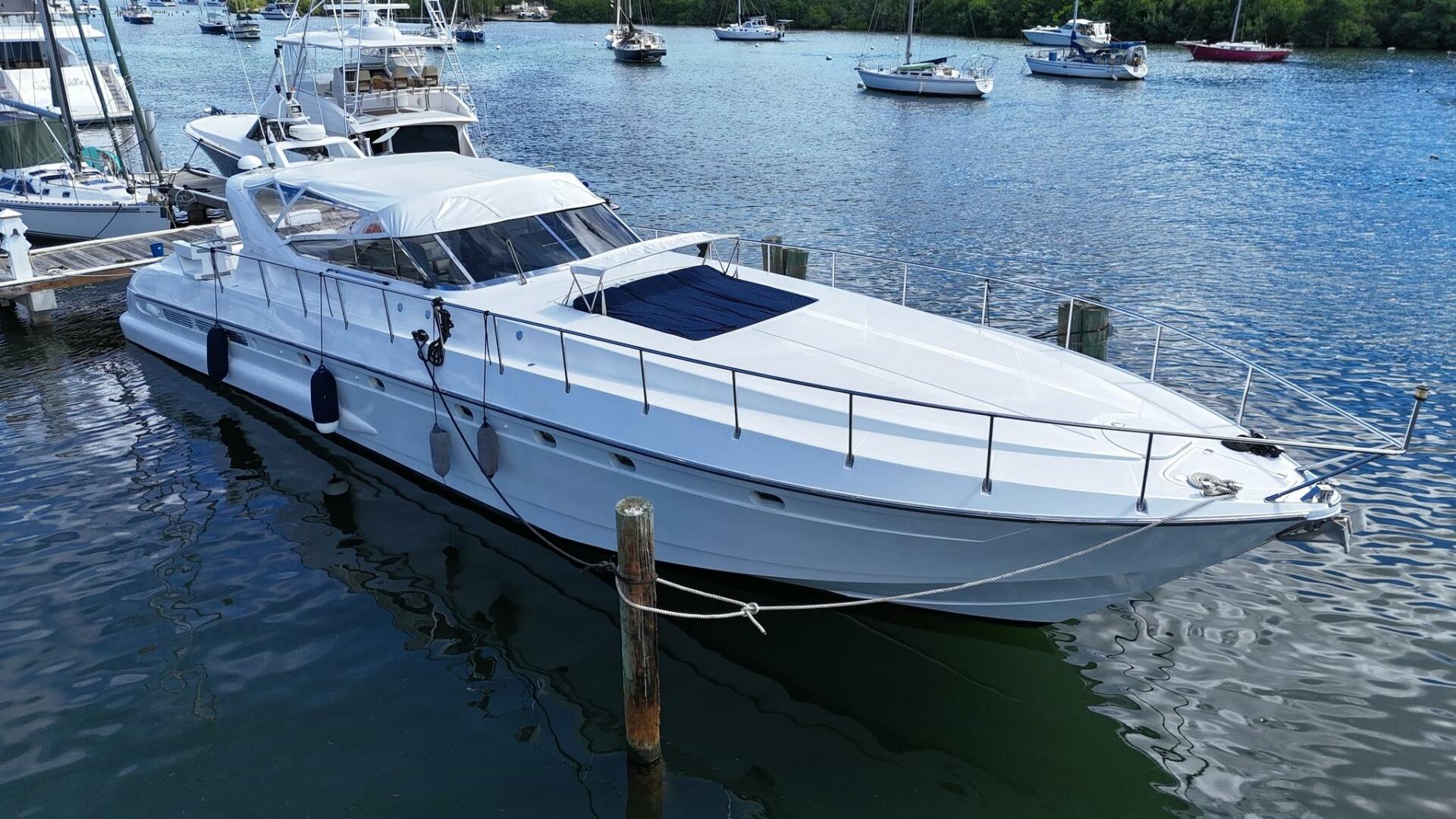
$599,000
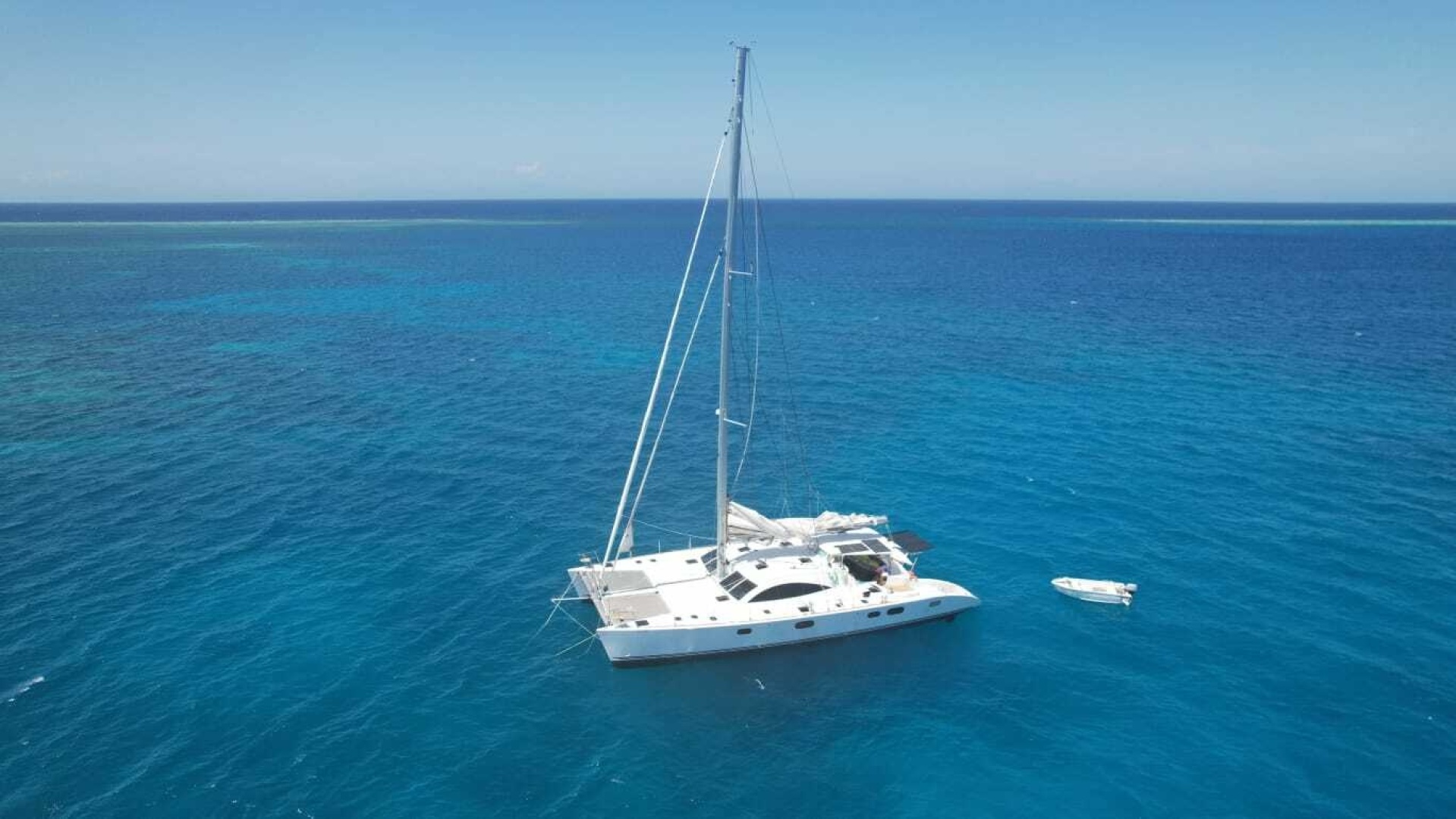
$1,300,000
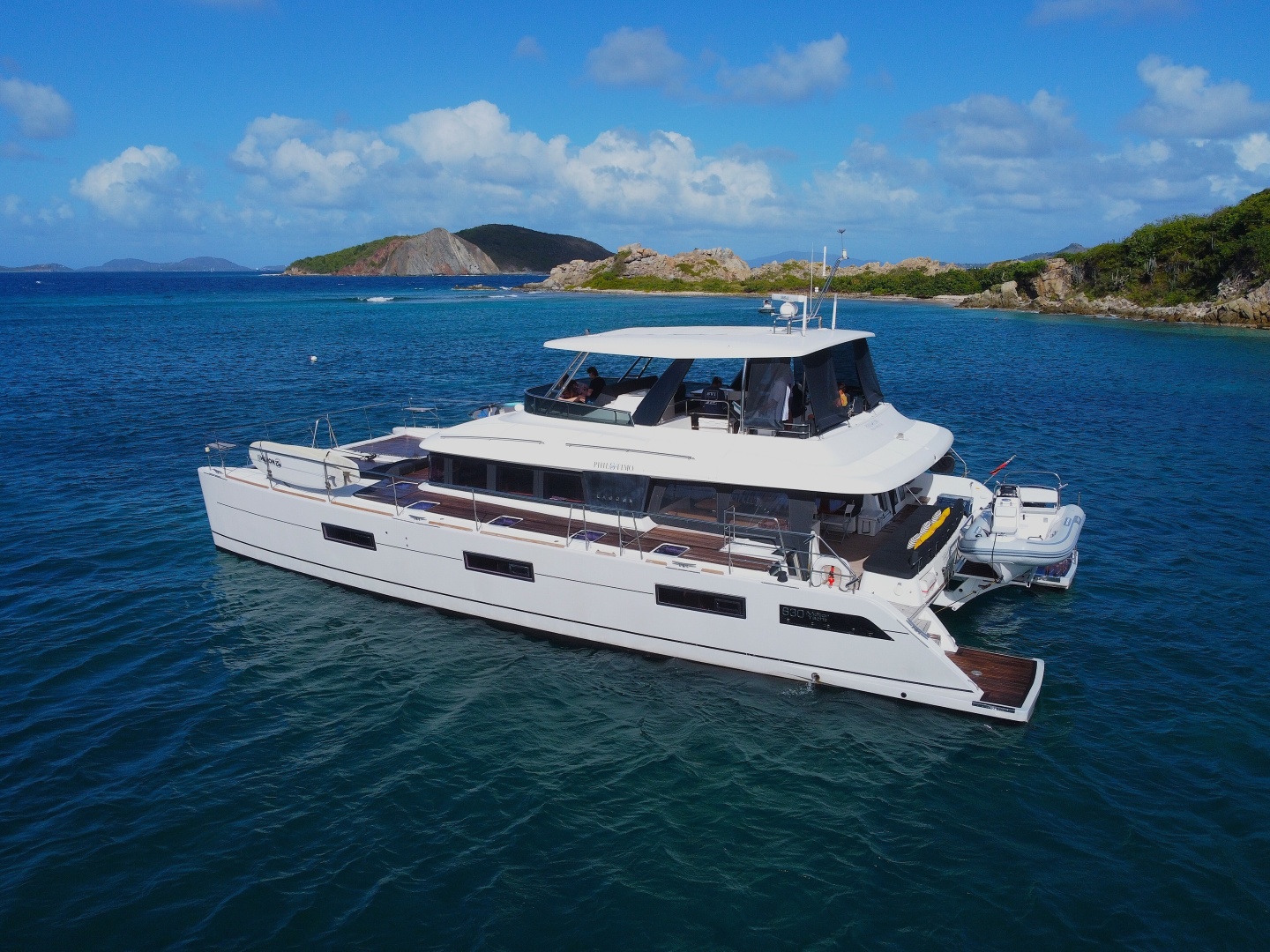
$1,699,000

$299,000

$899,000
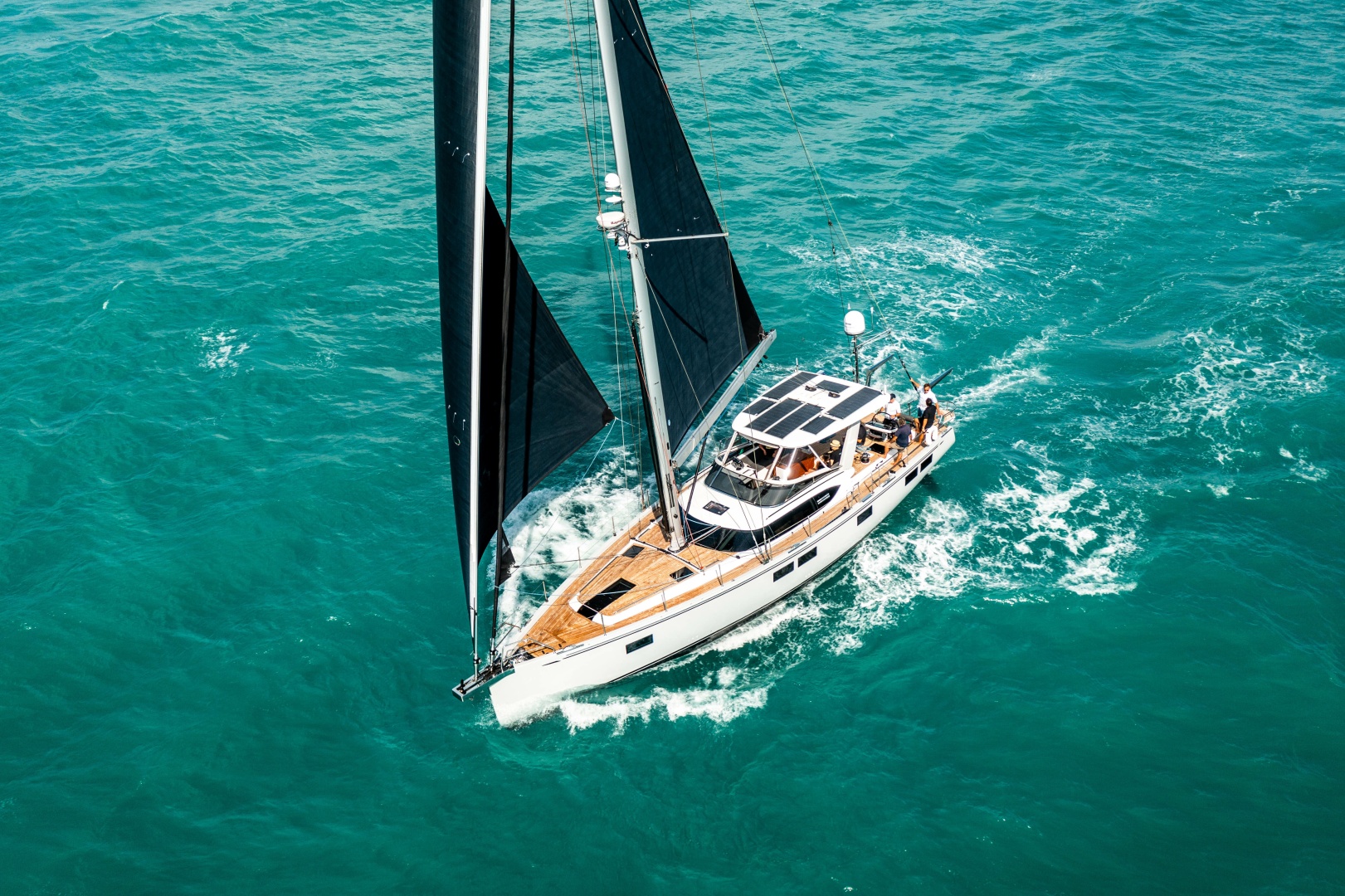
$1,795,000

$269,000
$359,000
$499,500
$299,500
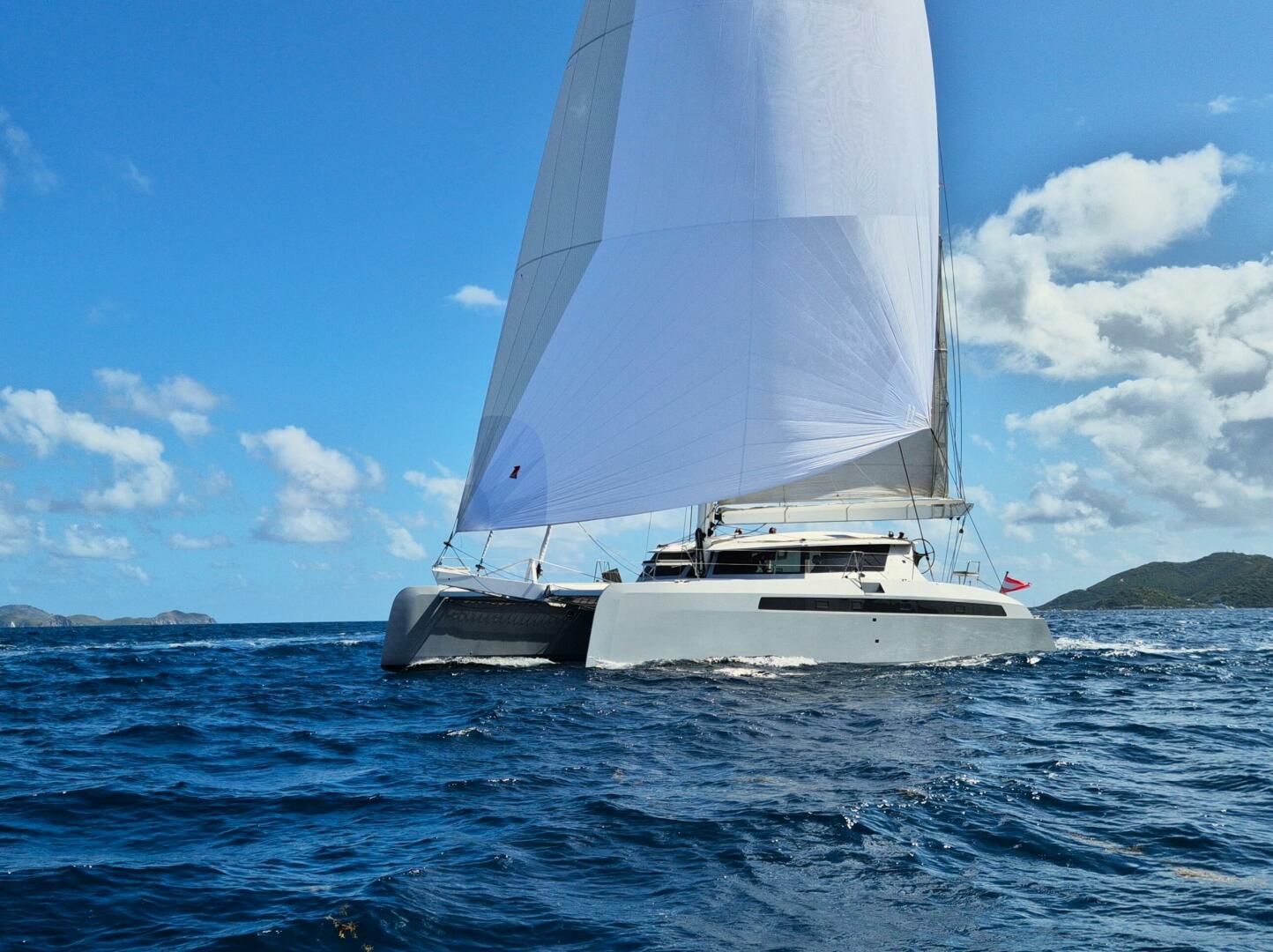
$1,290,000
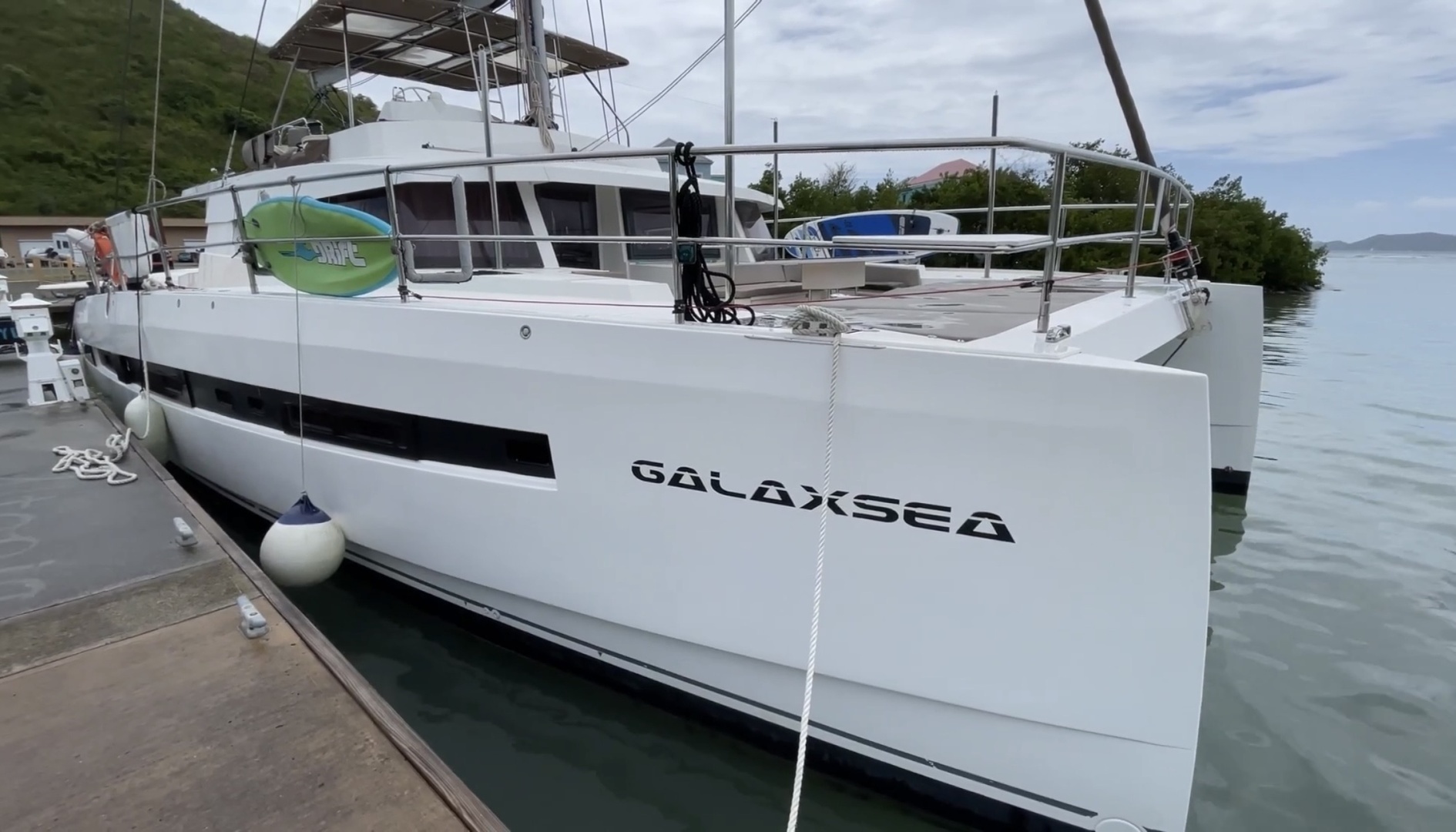
$800,000
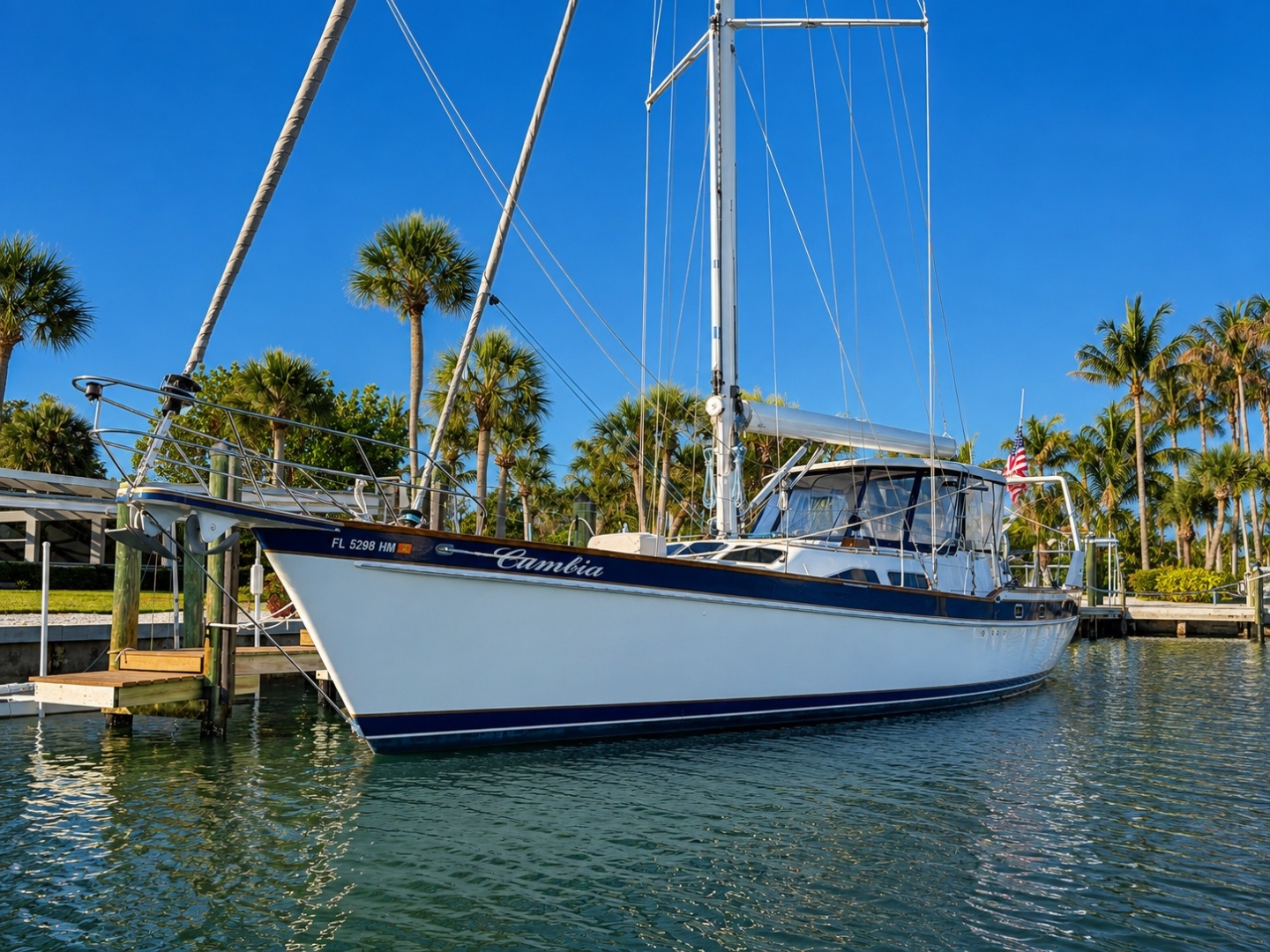
$545,000
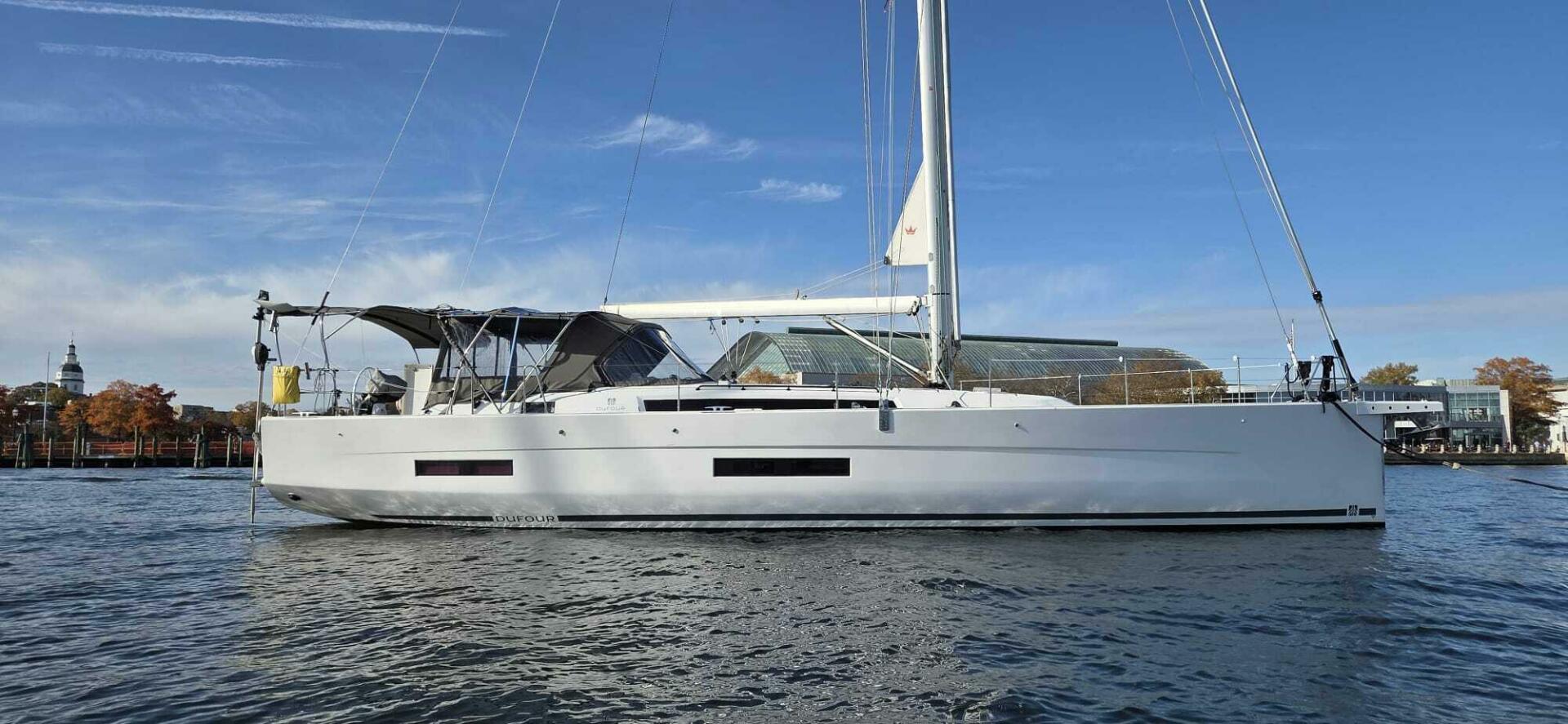
$564,900
$1,130,000
$159,000
$499,000
$89,000
$89,000
$135,000
$98,250
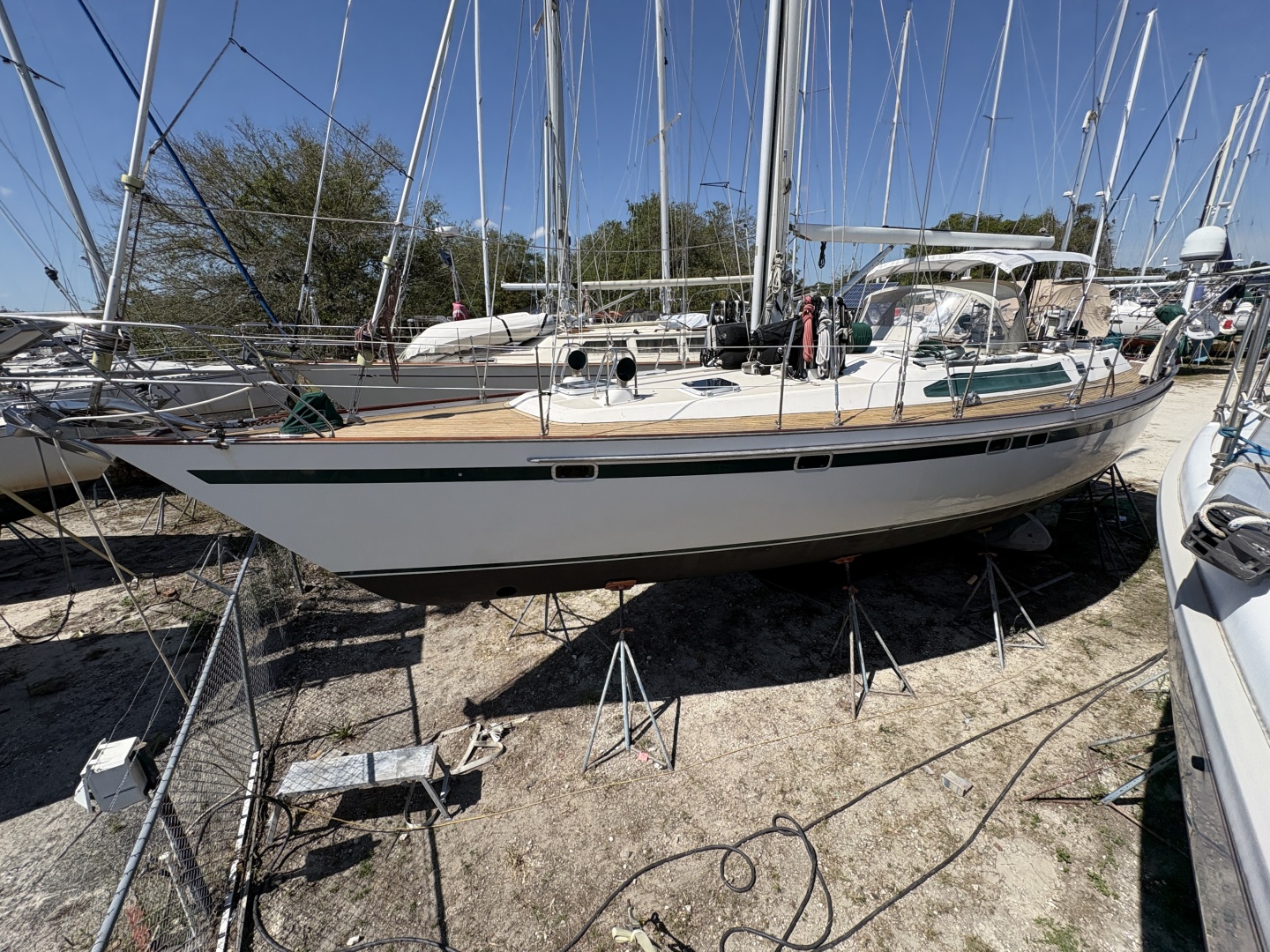
$149,850
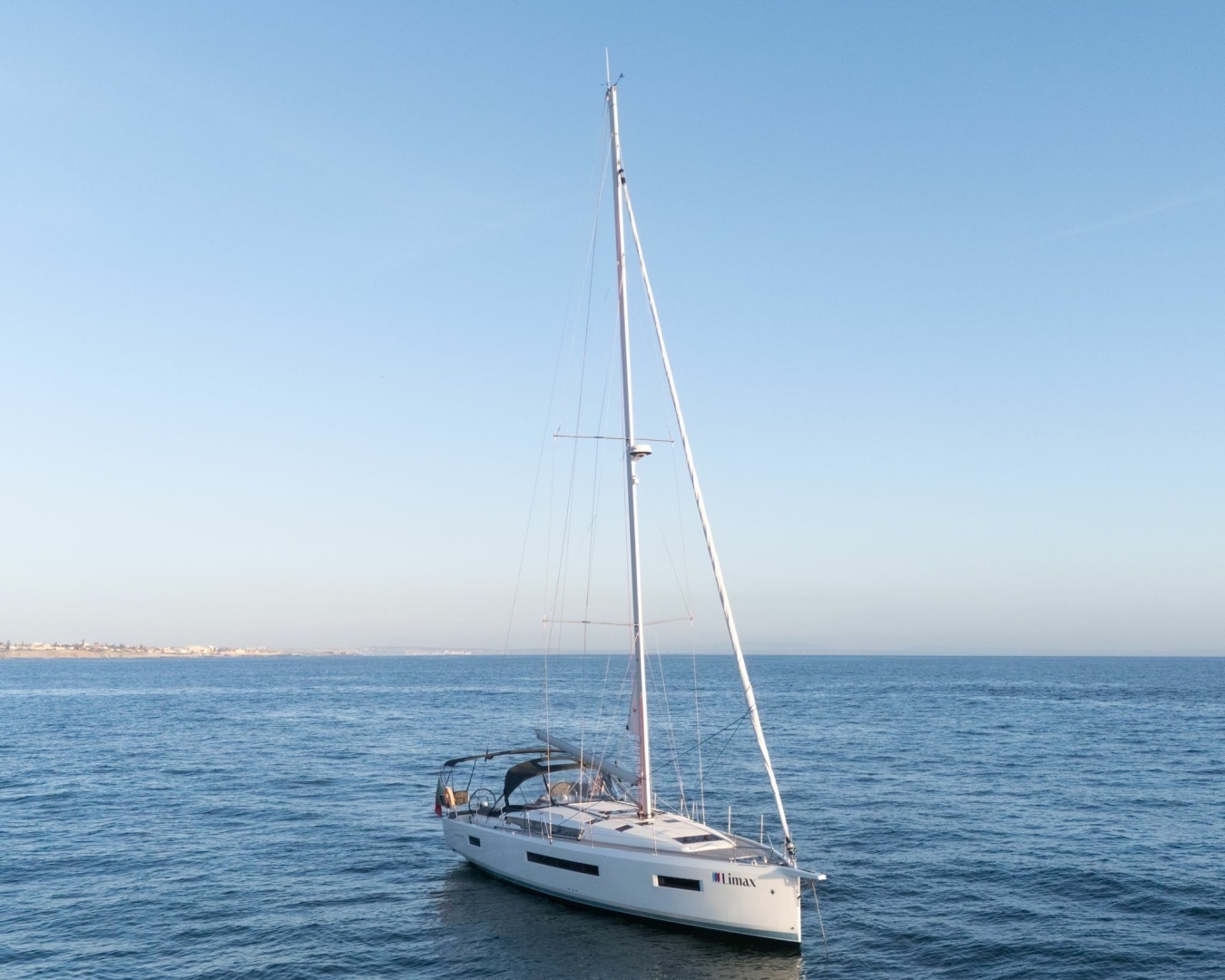
$369,000
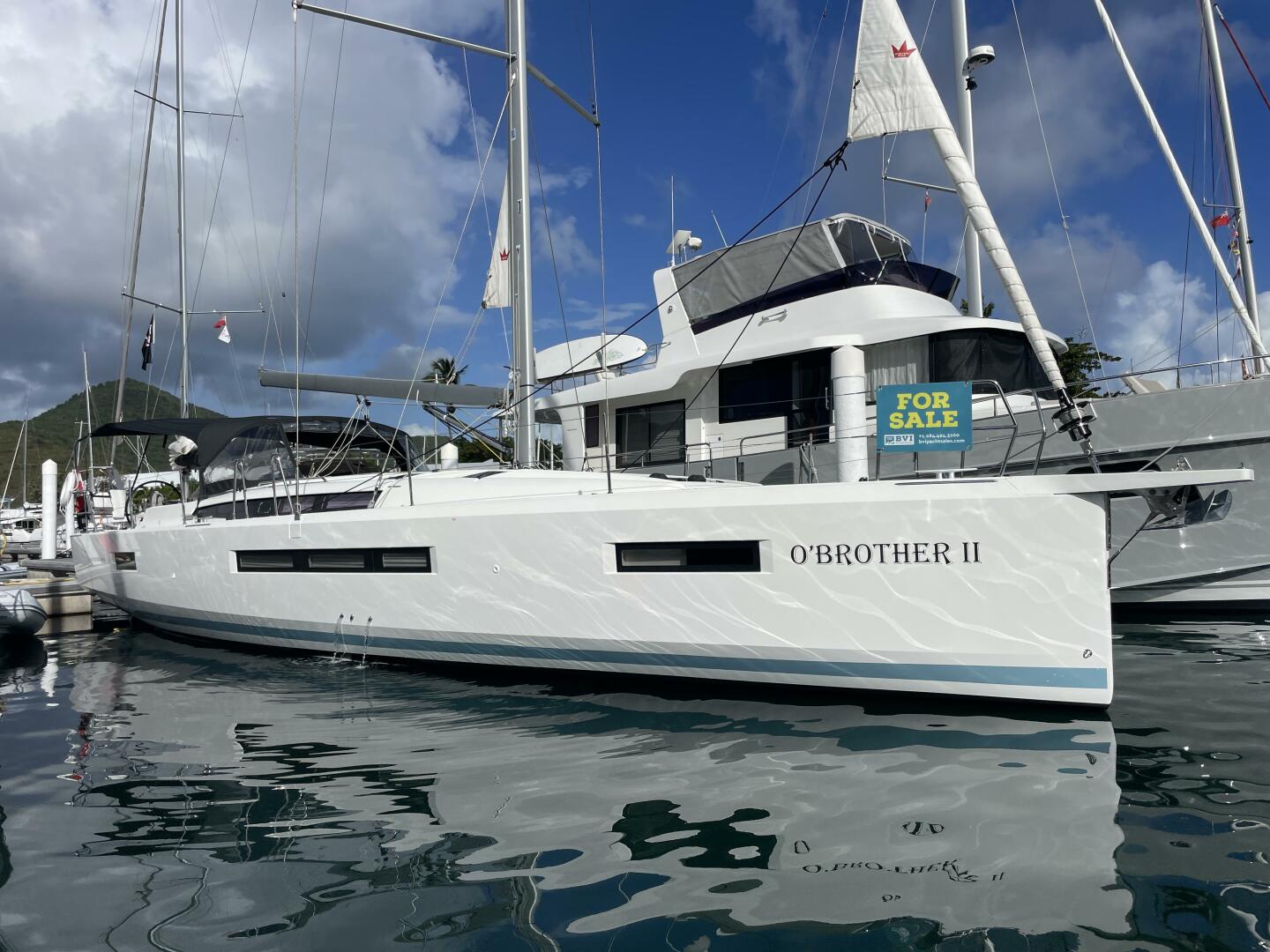
$395,000
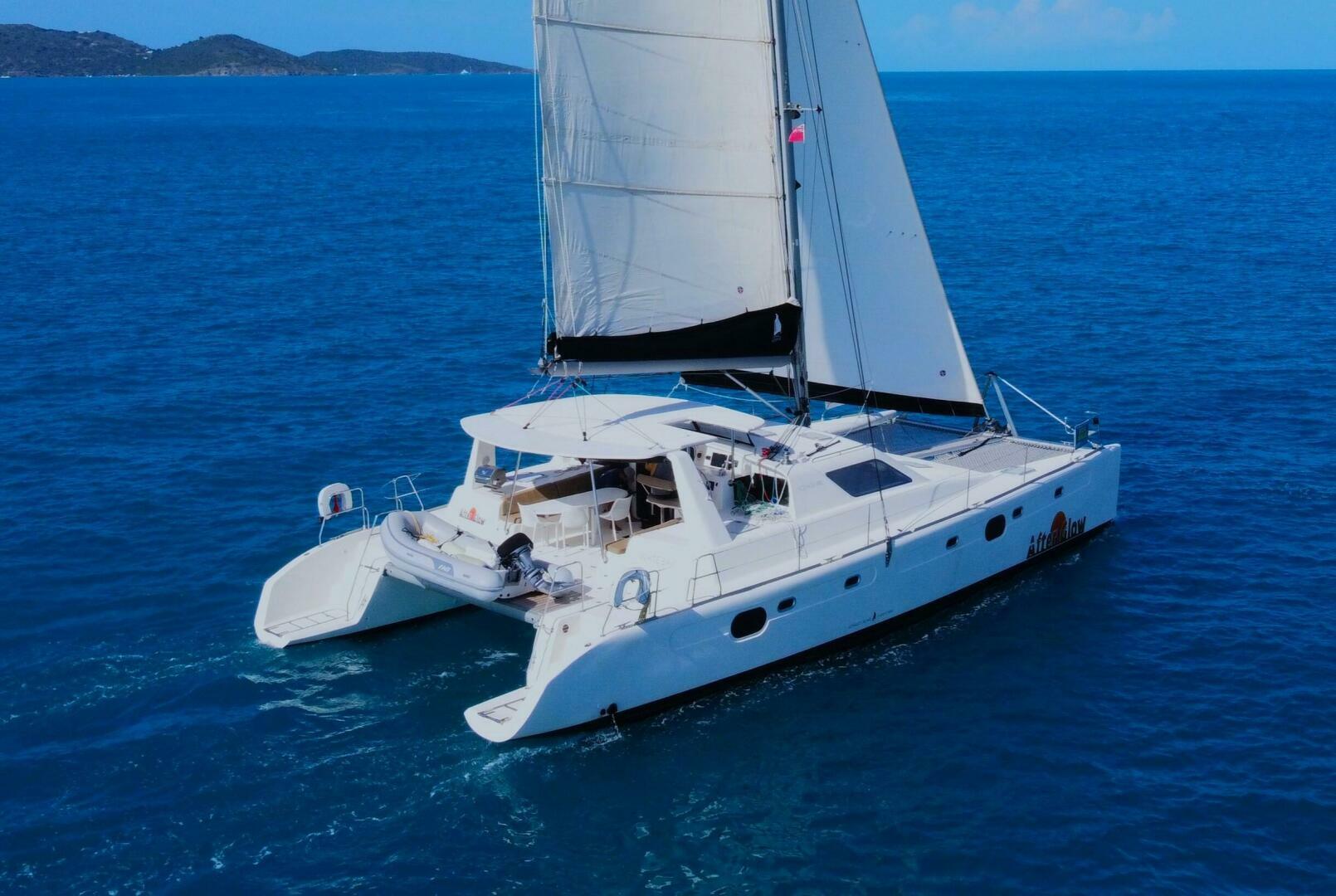
$349,000
$125,000
$1,724,571
$149,500
$109,900
$395,000

$652,000
$105,000

$115,000
$950,000
$149,000
$135,000
$349,000