
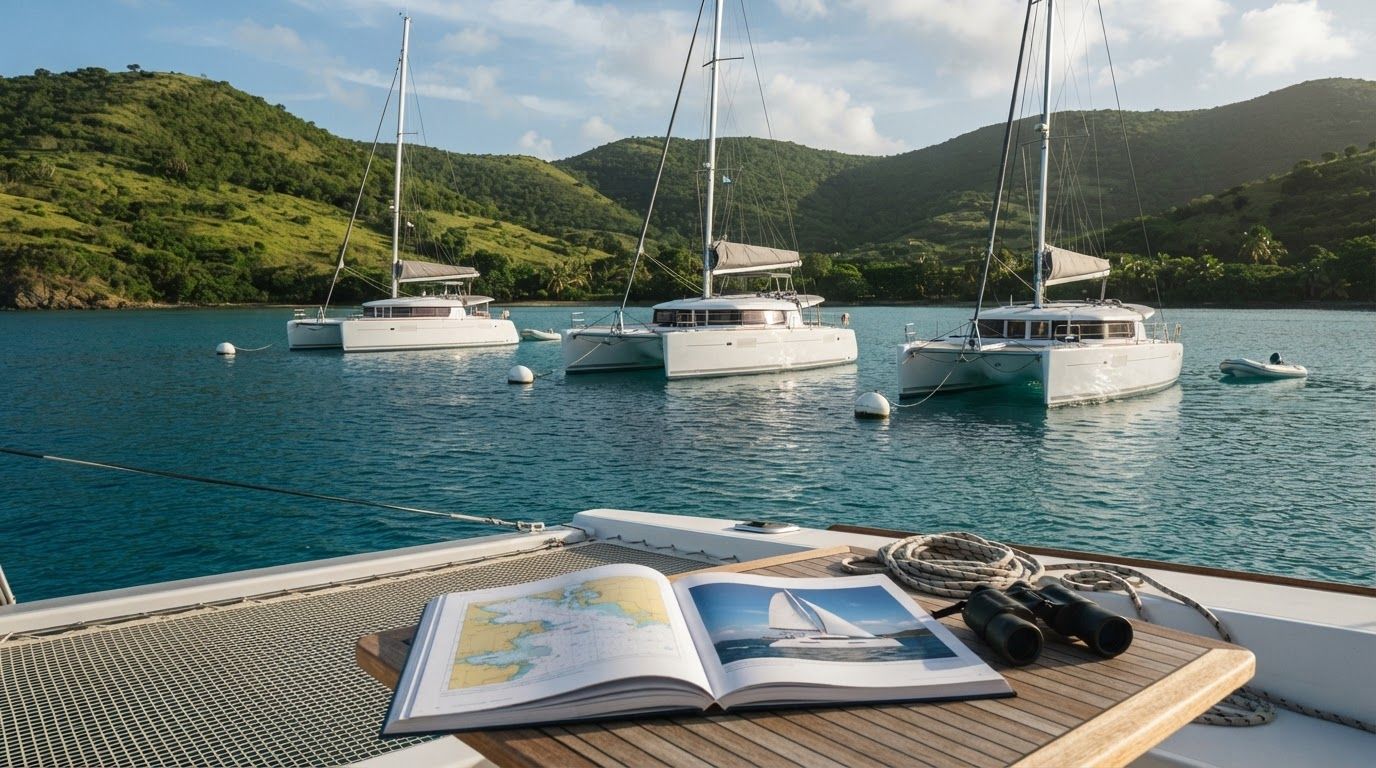
Ownership & Lifestyle
Almost everything written about fractional ownership is written by someone selling a programme. This is not. We broker boats — we do not run a syndicate — so what follows is the neutral version: how a share is structured, what the number on the brochure leaves out, how usage weeks are really divided, and the question most operators would rather you did not ask, which is what happens when you want out.
Where it works
- You want 4-8 weeks a year on a bigger boat than you would buy alone
- You do not want to manage maintenance, insurance or hurricane haul-out
- You are comfortable that the asset is a use-right, not an investment
vs
Where it does not
- You want spontaneity — to go sailing next weekend because the weather is good
- You want the boat set up your way and left that way
- You need to be able to exit quickly at a predictable price
The short version
- 01
A share buys time, not flexibility — Most programmes sell 1/4 to 1/10 of a vessel with a matching allocation of usage weeks. The economics work; the calendar is where owners get frustrated.
- 02
The purchase price is the smaller number — The annual management or operating contribution is what determines whether a fraction beats chartering, and it is charged whether you sail or not.
- 03
Peak-season allocation is the failure point — Christmas, New Year and the March-April window are what everybody wants. How the agreement rotates those weeks tells you more about the programme than the brochure does.
- 04
Resale is the risk nobody advertises — There is no liquid market in yacht shares. Exit terms — right of first refusal, valuation method, notice period — belong in your due diligence before you sign, not after.
How Fractional Ownership Works
Definition
Fractional yacht ownership — A structure in which several owners each hold a defined share of one vessel — typically between one-quarter and one-tenth — through a company or co-ownership agreement, and receive a proportional allocation of usage weeks each year. A management company or the owners’ association handles maintenance, insurance, berthing and crew. Each owner pays a share of the purchase price up front and a recurring operating contribution, and holds an equity interest that can, in principle, be sold on.
In practice there are two common legal shapes. In the first, the yacht is owned by a company and each participant owns shares in that company; you are a shareholder, and your right to use the boat comes from the shareholders’ agreement. In the second, the owners hold the vessel directly as tenants in common and set out the arrangement in a co-ownership agreement. The company route is more common in Caribbean programmes because it makes transfers simpler and keeps the vessel’s registration stable when an individual owner changes.
Registration matters more than most buyers expect. If the vessel is US-documented, 46 CFR Part 67, the federal vessel documentation rules require a designated managing owner when there is more than one owner, and every co-owner has to qualify as a US citizen for the documentation to stand. Bring one non-qualifying partner into a syndicate and the whole registration is at risk. Programmes structured around a BVI or other offshore company avoid that constraint, but introduce their own — which is where the local rules come in.
Where the boat is based is a live cost variable rather than a detail. The BVI government’s cruising permit schedule charges per person per day, and the rate applied to foreign-based vessels is several times the home-based rate. A syndicate yacht kept in the USVI but used mostly in the BVI pays that difference on every guest, every day, for as long as the arrangement lasts. Over a season with four owning families it is not a rounding error, and it is precisely the sort of running cost that never appears in a brochure.
What a Share Costs, and What It Does Not Cover
A fraction is priced off the vessel’s value, plus the programme’s margin, plus the cost of putting the boat into service. Expect the entry price for a share of a well-specified 45-50ft cruising catamaran in the Caribbean to sit somewhere in these ranges, with real numbers moving on the boat’s age, brand and equipment. Our breakdown of Caribbean catamaran prices in 2026 is the right cross-check: if a quarter share is priced well above a quarter of what the same hull sells for outright, you are paying for the programme rather than the boat.
Indicative fractional structures, 45-50ft Caribbean cruising catamaran
Indicative Caribbean market ranges, 2026. Programmes vary widely; treat these as a sanity check on a quote, not a price list.
| Share | Usage weeks / year | Typical entry cost | Annual operating contribution |
|---|---|---|---|
| 1/4 | 10-12 | 25-30% of vessel value | $28,000-$45,000 |
| 1/6 | 6-8 | 17-22% of vessel value | $19,000-$30,000 |
| 1/8 | 5-6 | 13-18% of vessel value | $15,000-$24,000 |
| 1/10 | 4-5 | 11-15% of vessel value | $12,000-$19,000 |
Note that the entry cost per share usually exceeds the arithmetic fraction of the hull price. A quarter share at 25-30% of vessel value is normal, not a red flag on its own — the premium covers commissioning, the management structure and the operator’s margin. It becomes a red flag when four quarter shares add up to 130% of what the boat is worth and the agreement gives owners no equity protection on exit.
The operating contribution is the number that decides whether the arrangement makes sense. It typically covers insurance, dockage or mooring, routine maintenance and servicing, bottom cleaning, hurricane-season haul-out or storage, and management. It typically does NOT cover fuel, provisioning, cruising permits and park fees, damage below the insurance deductible, or the capital cost of major replacements — sails, canvas, electronics, engines — which are usually assessed separately when they fall due.
Read before signing
What operating contributions routinely exclude
- hard
Capital replacement of sails, standing rigging, canvas, electronics and engines — usually a separate assessment on all owners
Ask for the reserve schedule and the last three years of assessments before you commit
- hard
Damage below the insurance deductible, which on a Caribbean hull policy can be 2-5% of insured value
Confirm who carries the deductible and whether it is shared or charged to the owner in possession
- soft
Cruising permits, national park fees and mooring charges during your own weeks
Budget these separately; on a full week with guests they add up quickly
- soft
Repositioning if the boat is not where your week starts
Check whether the programme guarantees a home base for handover
- info
Fuel, provisioning and crew if the programme is bareboat rather than crewed
Set that total against the alternative. If a share costs you $22,000 a year in contributions plus the opportunity cost of the capital, and you use six weeks, you are paying meaningfully more per week than a straight bareboat charter would cost — which is the honest arithmetic almost no programme puts in writing. What you are buying with the difference is continuity, a boat set up more or less how you left it, and equity that may retain some value. Whether that is worth the premium is a personal question, but it should be an informed one. The annual cost of owning a yacht outright in this region gives you the third data point you need to make the comparison properly.
Fractional vs Charter Management vs Owning Outright
These three routes get conflated constantly, and they are not variations on one idea — they solve different problems and carry different risks. Fractional splits the cost and the calendar. Charter management keeps you as sole owner but puts the boat to work generating revenue when you are not aboard. Outright ownership gives you everything, including the bills.
01 · Route one
Fractional ownership
Lowest capital entry of the three. You own a defined slice and get a defined allocation. Costs are predictable and shared. You give up spontaneity, personalisation and easy exit. Best for owners who want several weeks a year on a larger boat than they would otherwise buy, and who value not being responsible for it the other 44 weeks.
02 · Route two
Charter management
You buy the whole boat, then place it with an operator who charters it. Revenue offsets ownership cost — sometimes substantially — and you retain full equity and full resale control. In exchange the boat gets hard commercial use, your own access is limited to owner weeks, and the vessel comes back with the wear a charter career puts on it. We set this out in detail in our guide to the charter yacht ownership program structures available in the Caribbean.
03 · Route three
Owning outright
Full cost, full control, full flexibility. The boat is configured your way and available whenever you want it. You carry every bill including the ones that arrive without warning, and you carry the depreciation alone. For owners sailing more than about ten weeks a year, this is usually the cheapest per-week option despite looking like the most expensive.
There is a rough rule of thumb worth applying before you go further. Under about four weeks a year, chartering is almost always cheaper and always simpler. Between four and ten weeks, fractional or charter management genuinely compete on the numbers. Above ten weeks, the shared structures start to constrain you more than they save you, and outright ownership — possibly part-funded, which our page on yacht financing in the Caribbean covers — tends to win.
How Usage Time Is Actually Divided
This is where syndicates succeed or fail, and it has almost nothing to do with the money. Every owner in a Caribbean programme wants the same handful of weeks: the Christmas-New Year fortnight, the February half-term, and the settled trade-wind stretch through March and April. Nobody is fighting over the first week of September.
Method 1
Fixed rotation
Each owner’s weeks shift forward by a set number each year, so the premium periods cycle round the group. Simple, predictable, and the fairest over a five-year horizon — but it means you know years in advance that next Christmas is not yours.
Method 2
Draft or lottery
Owners pick in an order that rotates annually. More flexible than fixed rotation and it lets people prioritise what matters to them, but it depends on everyone acting in good faith and it takes administration.
Method 3
Points or tiered weeks
Peak weeks cost more points than shoulder weeks from a fixed annual allocation. The most flexible system and the most common in larger programmes; also the easiest to structure so that the sponsor keeps the best weeks.
Method 4
First come, first served
Avoid. It works for two friends and fails reliably at four or more owners, because the person who books at midnight on the opening day takes the season.
Whichever method is used, three clauses matter. What happens if an owner cannot use an allocated week — can they let a friend take it, sub-charter it, or trade with another owner? What is the handover standard, and who pays when the boat comes back short of it? And who arbitrates a dispute? An agreement that is silent on all three is not a serious document, however good the boat looks.
The Exit: Selling a Share
Operators talk about acquisition. They rarely talk about disposal, and it is the single biggest asymmetry in the fractional proposition. A whole yacht has a real, if imperfect, market: there are brokers, listing platforms, comparable sales and buyers looking. A quarter share in one particular catamaran, bound by a particular agreement, sitting in a particular programme, has a market of roughly the people already in that syndicate plus whoever the operator can find.
That means the terms of exit are the terms that decide what your equity is worth. Look for four things specifically. Is there a right of first refusal, and does it price the share independently or at whatever the remaining owners feel like offering? How is the share valued — an independent survey, a formula, or the operator’s discretion? What notice period applies before you can market the share externally? And can the operator block a buyer they simply do not like?
The realistic expectation is that a fractional share depreciates faster than the underlying vessel, because you are selling a use-right wrapped in a contract rather than a boat. Buyers of shares are scarcer than buyers of boats, and scarcity in a resale market shows up as a discount. Treat any programme that describes a share as an investment with the scepticism you would apply to anyone selling depreciating equipment as an appreciating asset — and if the programme itself buys shares back at a stated formula, read who funds that obligation.
Who Fractional Ownership Suits
It suits people with a predictable calendar. If you know in March that you will take two weeks in December and two in April, a rotation works for you. It suits people who want more boat than they would sensibly buy alone — a 50-foot catamaran with proper systems instead of a tired 38 — and who are honest that they will use it four to eight weeks a year. It suits people who genuinely do not want to be responsible for a vessel between visits, because in this climate the between-visits work is most of the work.
It suits people badly if they sail spontaneously, if they want the boat kitted out their way, or if their financial position may require them to liquidate quickly. It also suits badly anyone entering into it with people they do not know well. A syndicate is a multi-year financial relationship with shared physical property, and the failure mode is almost never the boat.
If you are somewhere in the middle, the useful next step is usually to price the alternative properly. Look at what a whole hull of the same specification is trading at among the Caribbean yachts currently for sale, add the real annual running cost, and set that against the share plus its contributions over five years. Quite often the comparison surprises people in both directions — and either way, you will be deciding on numbers rather than a brochure.
QHow does fractional yacht ownership work?
Several owners each buy a defined share of one vessel — usually between one-quarter and one-tenth — either as shareholders in a company that owns the boat or as tenants in common under a co-ownership agreement. Each share carries a proportional allocation of usage weeks per year, and a management company handles maintenance, insurance, berthing and storage. Owners pay the share price up front and a recurring operating contribution.
QWhat does a share in a yacht cost?
For a well-specified 45-50ft Caribbean cruising catamaran, expect roughly 25-30% of vessel value for a quarter share down to 11-15% for a tenth, plus an annual operating contribution of roughly $12,000-$45,000 depending on the size of the share. The entry price per share normally exceeds the strict arithmetic fraction because it includes commissioning and the operator’s margin.
QIs fractional ownership cheaper than owning outright?
Per year, yes, substantially. Per week of use, often not. Below about four weeks a year chartering usually beats both. Between four and ten weeks fractional is genuinely competitive. Above ten weeks, outright ownership tends to be cheaper per week as well as far more flexible.
QHow is usage time divided between owners?
Through a fixed rotation, a rotating draft, a points system that prices peak weeks higher, or — in poorly run syndicates — first come, first served. Rotation and points are the two that survive contact with four or more owners. Ask to see the actual allocations from the last three years rather than the policy on paper.
QWhat happens when I want to sell my share?
You are selling a use-right bound by a contract, not a boat, so the buyer pool is much smaller and shares generally depreciate faster than the vessel. Check the agreement for the right of first refusal, how the share is valued, what notice period applies before you can market it externally, and whether the remaining owners can veto a buyer.
QHow does fractional ownership compare with charter management?
Fractional splits capital and calendar between several owners. Charter management leaves you as sole owner, generating revenue from commercial charter when you are not aboard, with full equity and full resale control but harder wear on the boat and limited owner weeks. Fractional lowers entry cost; charter management preserves ownership and exit flexibility.
QDo all co-owners have to be US citizens?
Only if the vessel is US-documented. Federal documentation rules require every owner of a documented vessel to qualify as a US citizen and require a managing owner to be designated when there is more than one owner. Programmes built around a BVI or other offshore company are not bound by that, though they carry their own registration and permit implications.
The Informative Brokers
Talk it through with a broker who is not selling a programme
We can price the whole-boat alternative against any fractional quote you have been given, and read the exit terms with you before you sign. No programme to push, no pressure.
Featured Listings
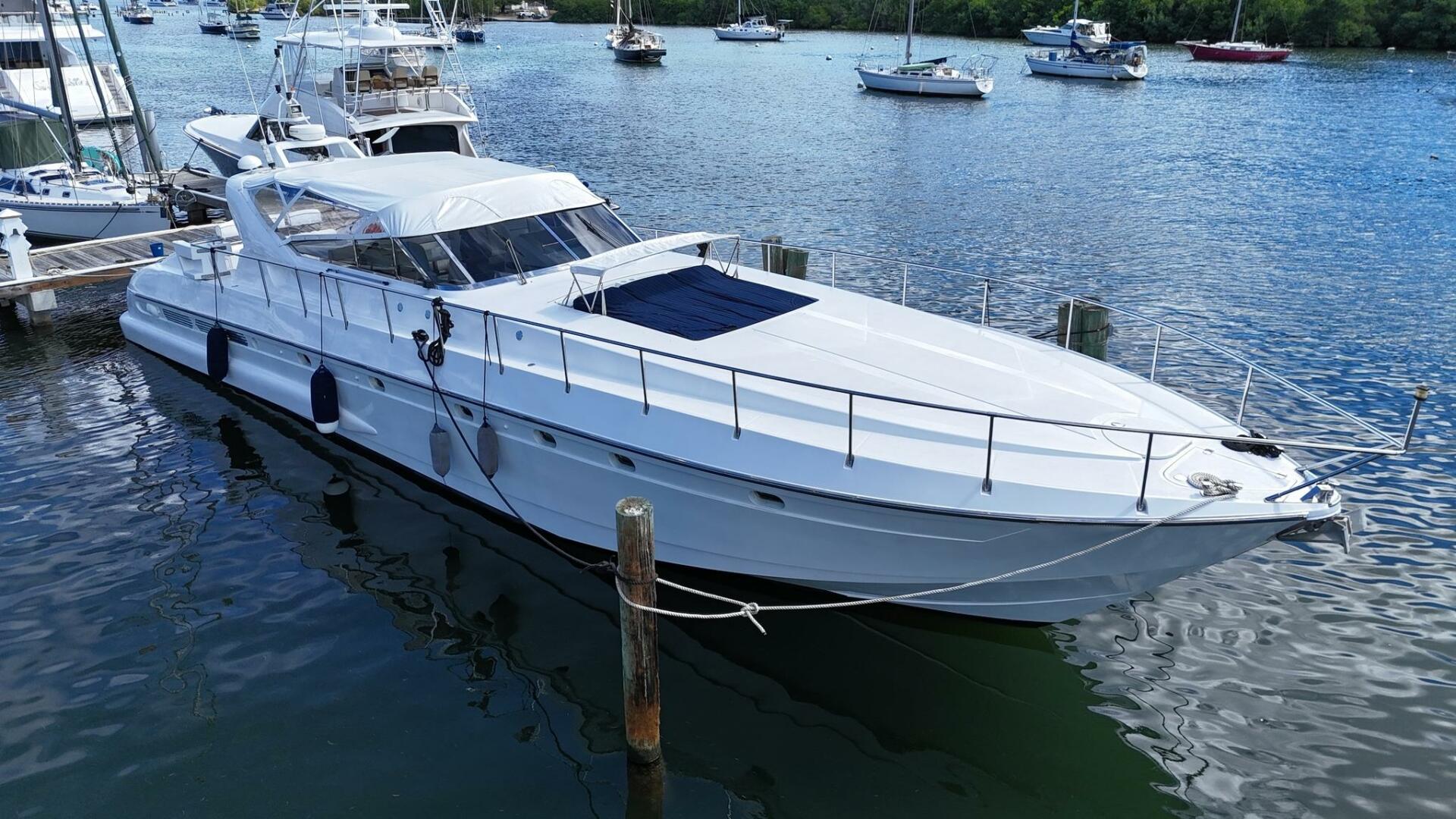
$599,000
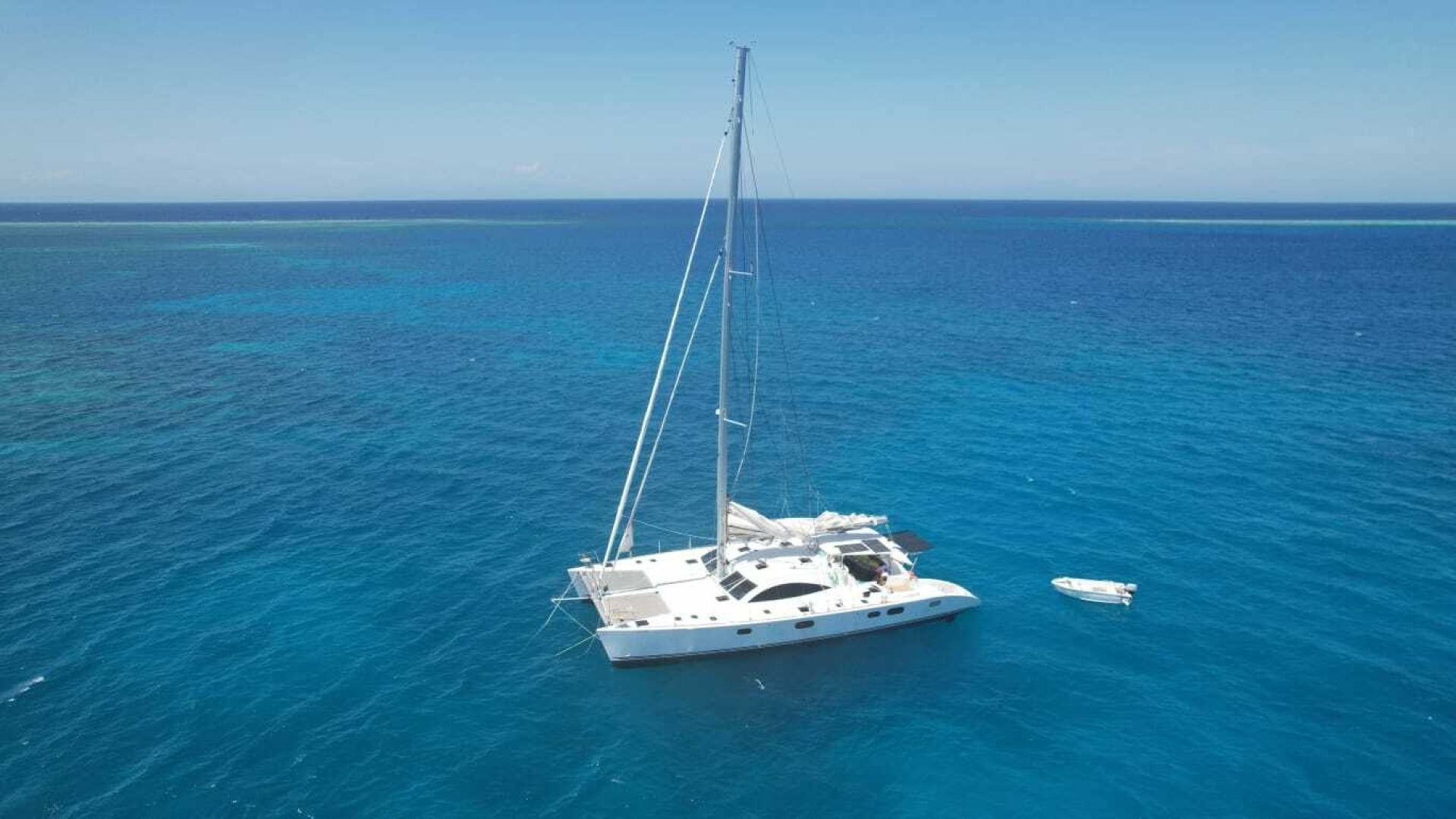
$1,300,000
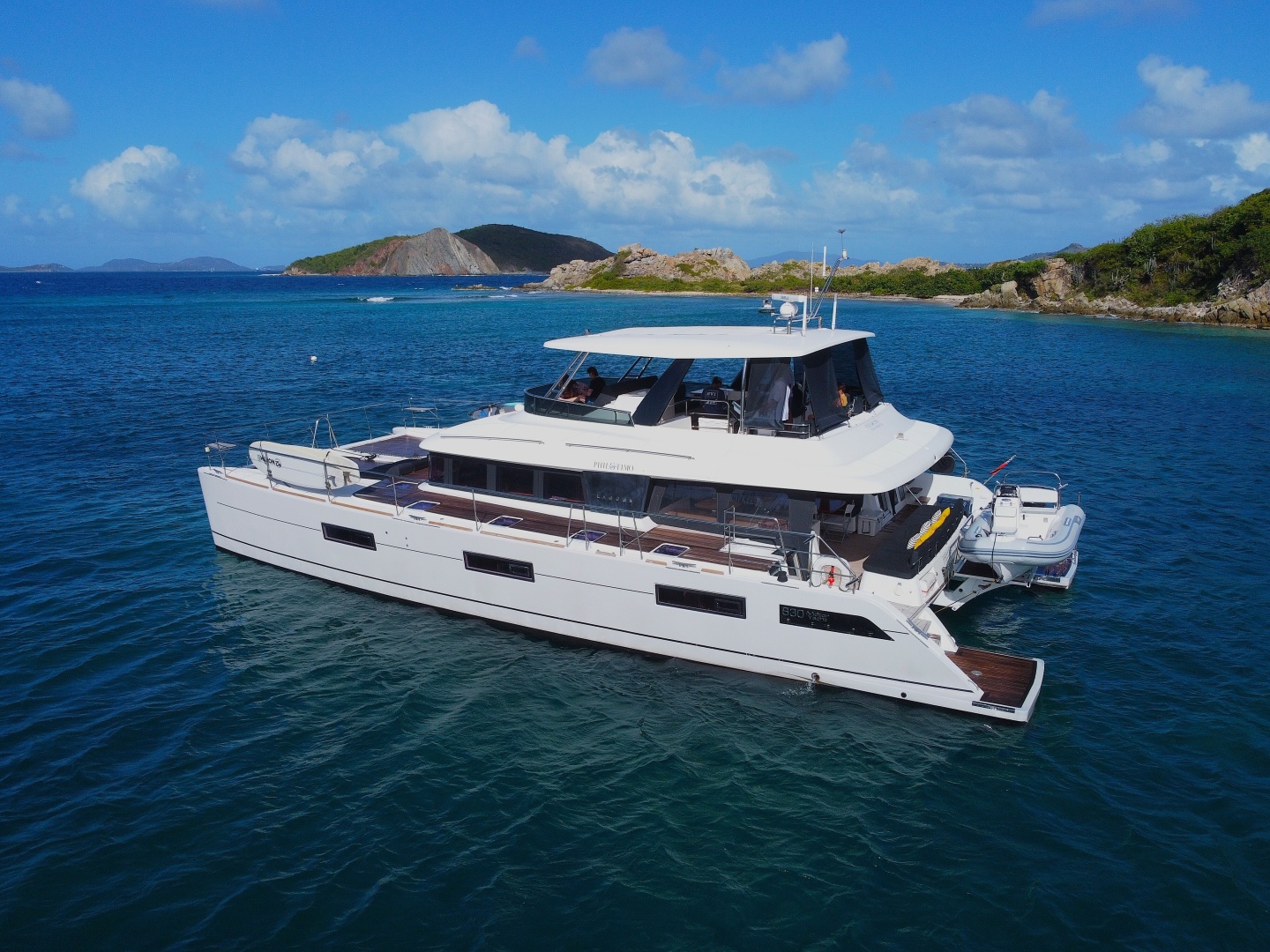
$1,699,000

$299,000

$899,000
$1,795,000

$269,000
$359,000
$499,500
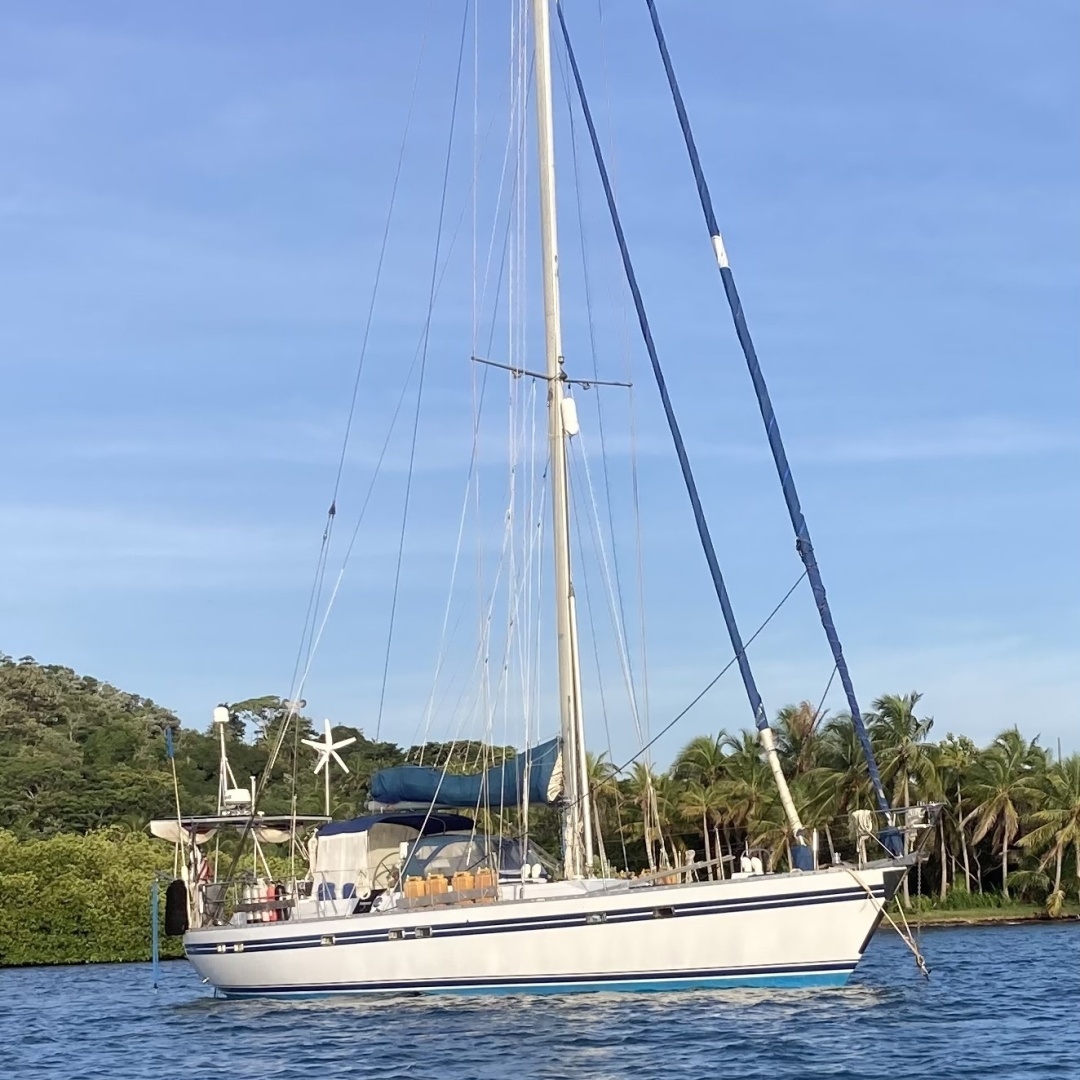
$299,500
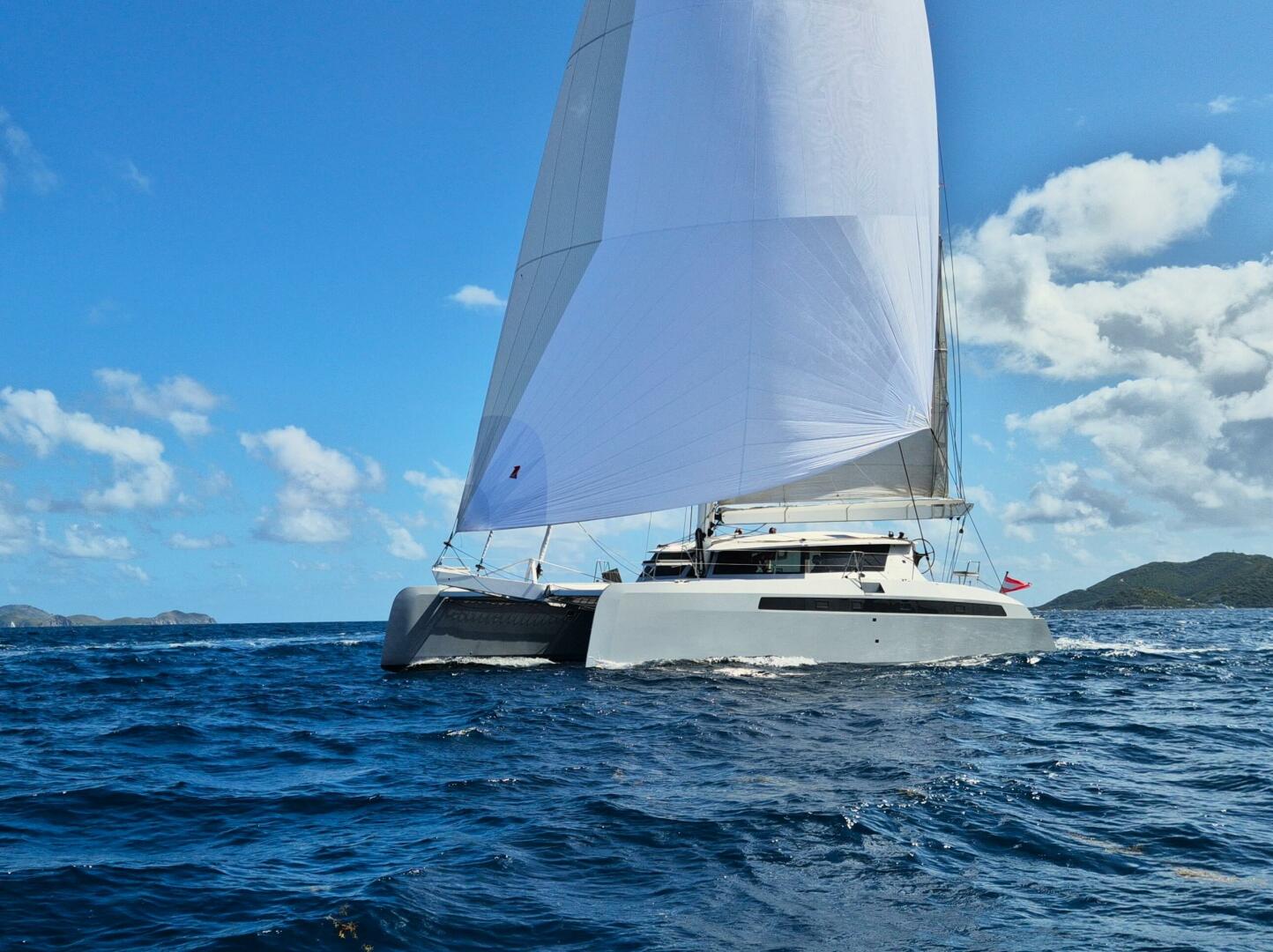
$1,290,000
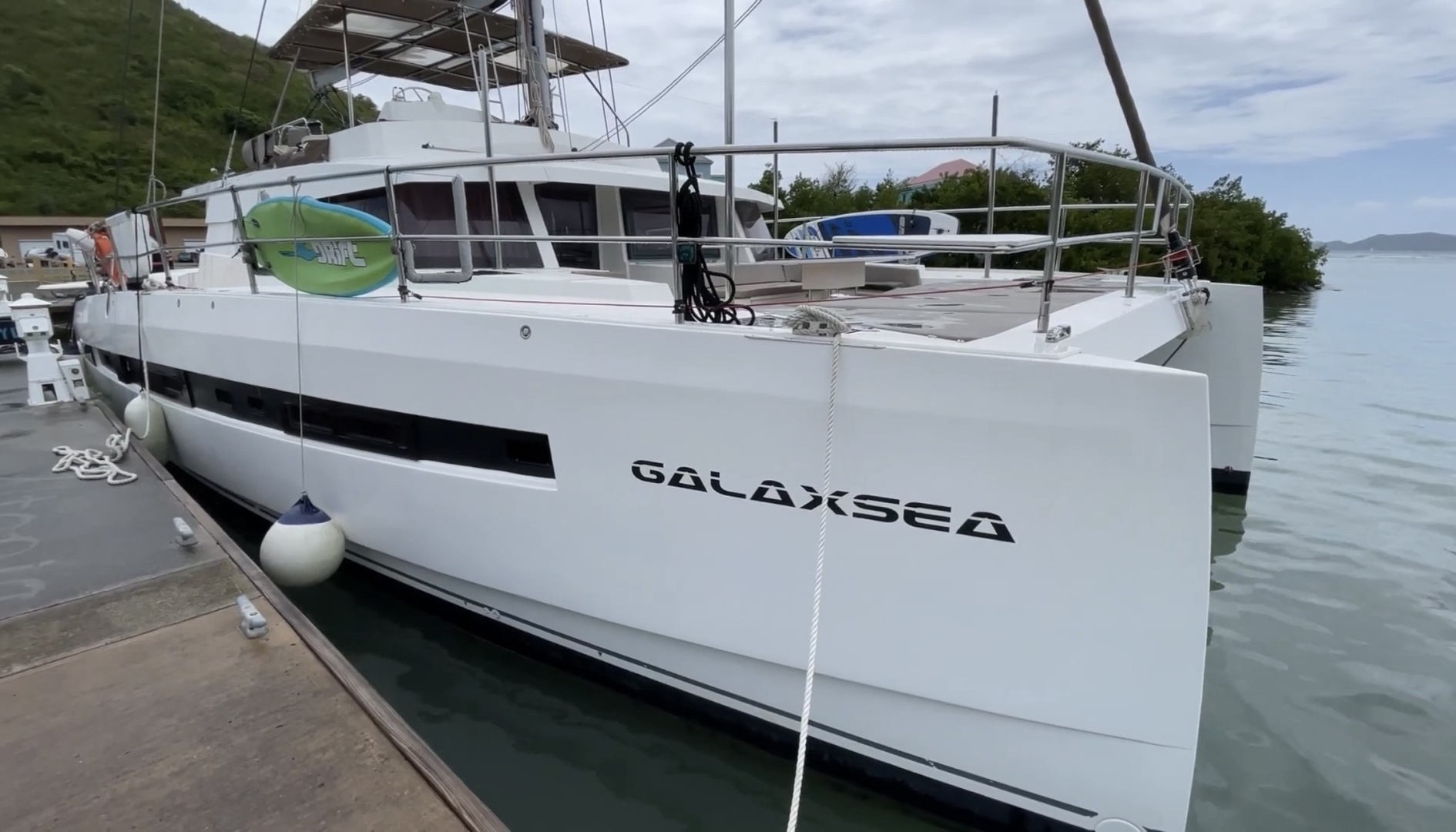
$800,000
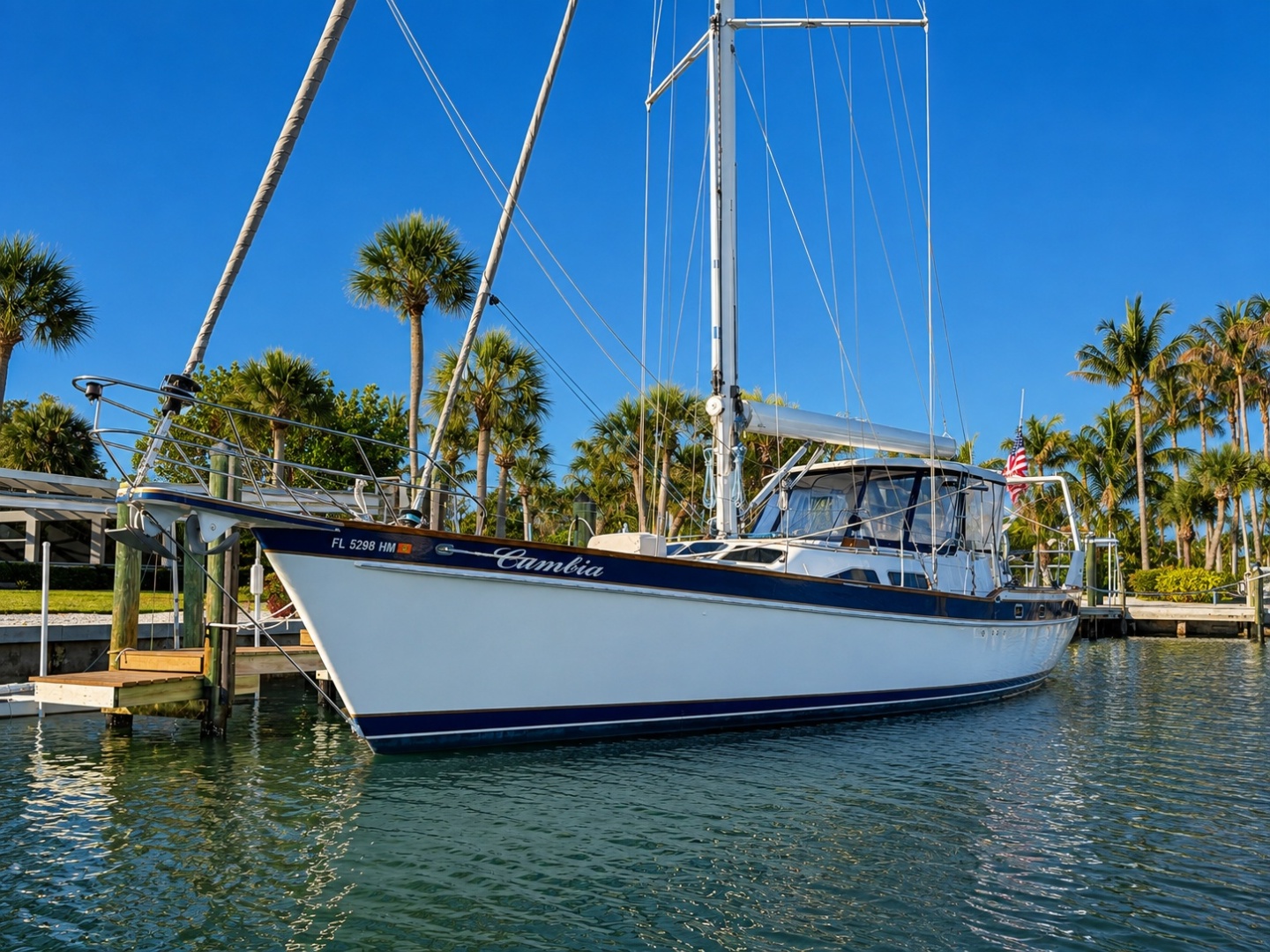
$545,000
$564,900
$1,130,000
$159,000
$499,000
$89,000
$89,000
$135,000
$98,250
$149,850
$369,000
$395,000
$349,000
$125,000
$1,724,571
$149,500
$109,900
$395,000

$652,000
$105,000

$115,000
$950,000
$149,000
$135,000
$349,000