
Last updated
“How much does a catamaran cost” has three legitimate answers depending on which market you are shopping, and the gap between them is enormous. We broker all three routes out of Tortola, so what follows is what boats actually close at in the Caribbean — not asking prices, and not manufacturer list prices with every option unticked.
Key Takeaways
- 01
A new 45-foot production catamaran starts around $500,000 to $800,000 in 2026, before an option list that typically adds 15 to 25 percent.
- 02
A well-kept ten-year-old boat generally trades near half its original price, with condition rather than age driving most of the variation.
- 03
Ex-charter boats come off five- to six-year contracts and commonly sell up to 40 percent below comparable private boats — with sails, rigging and running gear to budget for.
- 04
Commission your own surveyor and let their list drive the phase-out scope; work done in the programme slot is far cheaper than the same work later.
- 05
Budget 8 to 12 percent of the boat’s value per year to run it, and get an insurance quote before your survey contingency expires.
Catamaran Prices at a Glance
Size drives the headline number, but the route you buy through moves it more than most buyers expect. The same 45-foot hull can be a $700,000 new build, a $420,000 five-year-old private boat, or a $340,000 ex-charter needing $60,000 of work — and all three are reasonable purchases for different buyers.
For the new-build baseline, the 2026 catamaran price guide puts a new 45-footer from a major production builder at roughly $500,000 to $800,000, with the main brands spanning about $300,000 for older pre-owned hulls up to well over $1.5 million at the flagship end. Our own closings track that shape closely.
Typical 2026 catamaran prices by size and route
| Length | New build | Private used (8–12 yrs) | Ex-charter (5–6 yrs) | Refit to budget |
|---|---|---|---|---|
| 38–42 ft | $420k–$650k | $220k–$330k | $230k–$310k | $25k–$50k |
| 43–47 ft | $550k–$900k | $300k–$450k | $320k–$430k | $40k–$80k |
| 48–55 ft | $850k–$1.6M | $450k–$800k | $500k–$750k | $60k–$120k |
| 56 ft and up | $1.6M–$3M+ | $800k–$1.6M | Rarely available | Case by case |
New Build Prices by Size
Two things matter about new-build pricing that the brochure figure hides. First, the base boat is not a boat you would cross an ocean on. Sails beyond the standard suite, a watermaker, solar, upgraded ground tackle, air conditioning, a generator and a decent electronics package routinely add 15 to 25 percent to the base price. Budget the option list as part of the purchase, not as an afterthought. If you are still deciding whether the format suits you at all, the case for why owners love catamarans is about liveability rather than the numbers on this page. Two catamarans carrying the same asking price can behave very differently once the wind is up, and the difference usually comes down to hull design and handling rather than to anything on the equipment list.
Second, delivery. If your boat is built in France and you are cruising the Caribbean, someone has to get it there — either by commercial transport or on its own bottom with a delivery crew. Both cost real money and both take time. Buyers who plan to take delivery at a Caribbean dealer generally have the simpler path.
The upside of new is that you choose the layout, you get a warranty, and you know the entire history because you are the entire history. For a buyer intending to keep the boat a decade, that is worth a great deal.
$420k–$650k
new 38–42 ft cruising catamaran, before options
$550k–$900k
new 43–47 ft — the volume segment of the market
15–25%
typical option-list uplift over base price
The Used Market
Production catamarans hold value better than most monohulls, which is both good news and the reason used boats feel expensive. The curve is steepest in the first two or three years and then flattens considerably. By year ten a well-maintained boat is typically trading around half of what it cost new, and from there the decline is slow — condition, not age, starts doing most of the work on price.
What moves a used boat within its band is entirely predictable once you have priced a few hundred of them. Documented sail and rigging replacement, a recent bottom job, working refrigeration and a watermaker that has been serviced rather than sitting all lift a price. A charter-layout interior in a boat being sold to a private cruising buyer lowers it, because the pool of buyers who want six cabins and six heads is much smaller than the pool who want three cabins and a decent owner’s suite.
Age also interacts with insurance in this region. Underwriters in a named-storm zone take a harder look at older hulls, older rigging and older electrical systems, and a boat you cannot insure economically is a boat you cannot really own here. Get an indicative insurance quote before you remove your survey contingency — not after.
Typical value retention curve, production cruising catamaran
| New | 100 |
| Year 3 | 82 |
| Year 5 | 72 |
| Year 8 | 60 |
| Year 10 | 52 |
| Year 15 | 40 |
| Year 20 | 32 |
BVI Yacht Sales, observed Caribbean closings
Ex-Charter Catamarans: The Real Discount and the Real Cost
This is the route most Caribbean buyers actually take, and it is the one the general pricing articles skip entirely. Charter management programmes place new catamarans into a fleet for a fixed term, run them hard on a strict maintenance schedule, and then release them for sale. Because the boats come out of the programme in batches, the Caribbean has a steady supply of five- and six-year-old catamarans available at prices private sellers cannot match.
The mechanics are straightforward. The Moorings’ own brokerage describes standard contracts running five to six years, a structured phase-out process taking roughly two months, and savings of up to 40 percent against comparable privately owned models. Other operators run similar programmes on similar terms.
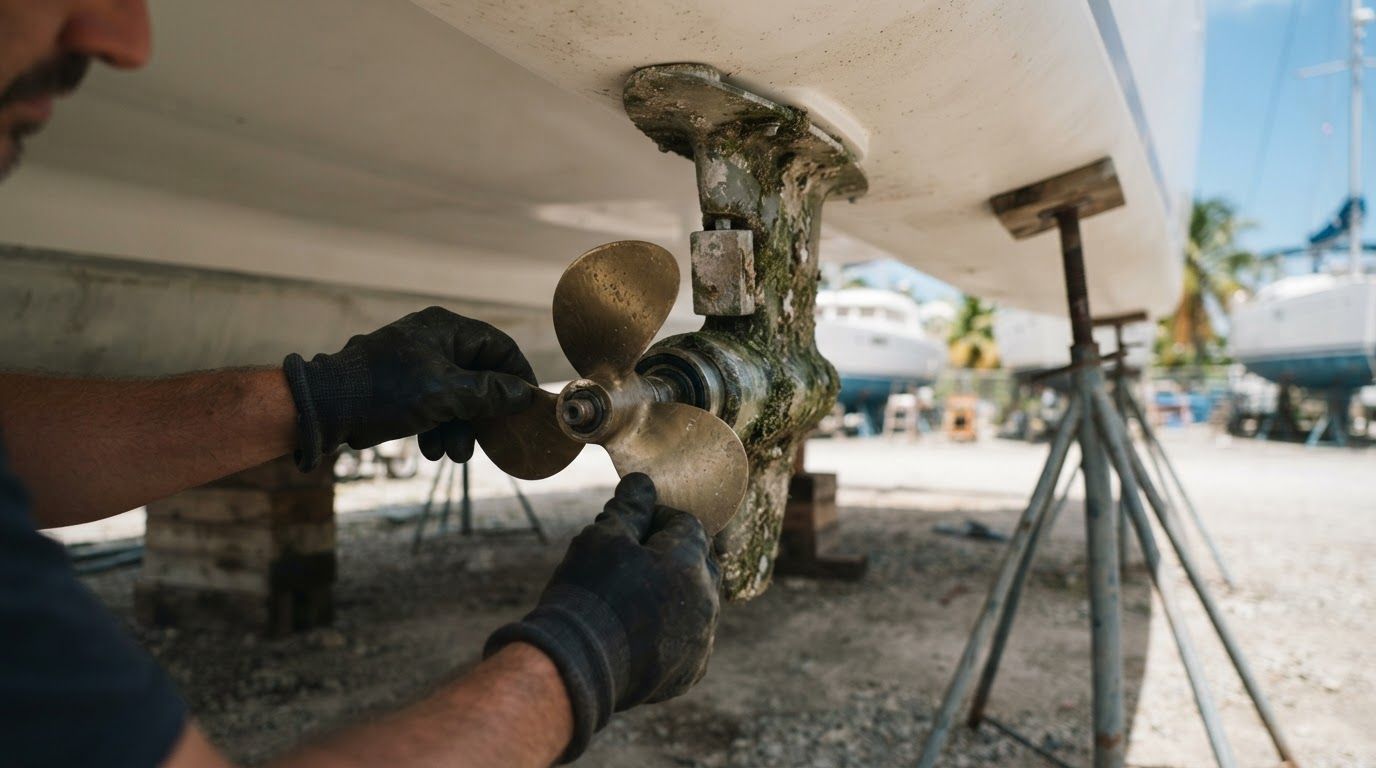
The honest version of the trade-off: you are buying a boat that has done far more hours than a private boat of the same age, been handled by many crews of varying competence, and carried a charter interior layout. In exchange you get a fully documented service history, a boat that has been continuously maintained by professionals rather than sporadically by an owner, and a price that leaves room for the work it needs.
Do not treat the phase-out as a survey
The operator’s phase-out is a defined refit process: inspections, identified repairs and recommended maintenance to bring the boat to private-ownership standard. It is genuine work and it is not cosmetic. But it is scoped by the seller, not by you.
Commission your own independent surveyor and have their deficiency list drive the phase-out scope. Buyers who do this get the work they actually want done during the yard slot, at programme rates, before they own the boat. Buyers who accept the standard scope pay retail for the same items six months later in a yard of their own choosing.
Ex-charter budgeting
The line items to price in before you make the offer
- hard
Sails. Charter mains and headsails have five or six seasons of daily furling behind them and rarely have much left.
Get a sailmaker’s assessment during survey and budget a new main and headsail on any boat past five years.
- hard
Standing rigging age. Underwriters in the hurricane belt ask about it, and replacement on a 45-foot cat is a five-figure job.
Confirm the rigging’s date and get an indicative insurance quote before the contingency comes off.
- soft
Saildrive seals, anodes and running gear — high-hour items on a boat used weekly.
Price a full running-gear service into the phase-out scope while the boat is already hauled.
- soft
Upholstery, cushions and interior soft goods, which take the hardest wear of anything on a charter boat.
Cheap to fix relative to the discount, and the single biggest lift to how the boat feels. Budget it deliberately.
- soft
Charter layout — four to six cabins and heads instead of an owner’s version.
Accept it if you intend to charter or cruise with crew; discount for it if you plan to resell to private buyers later.
- info
Electronics that are five years old and were specified for charter use, not offshore passages.
Budget a chartplotter, radar and AIS refresh if you plan any serious passagemaking.
You are not buying a discounted boat. You are buying a well-documented boat at a price that leaves room for the work it needs — and the buyers who do best are the ones who cost that work honestly before they offer.
BVI Yacht SalesWhat Ownership Costs Each Year
The purchase price is the part buyers research. The annual cost is the part that decides whether they still own the boat in year four. A useful working rule for a cruising catamaran kept in the Caribbean is 8 to 12 percent of the boat’s value per year, all in — higher if you are dockside in a marina full-time, lower if you are mostly on the hook and doing your own work. Price bands shift again once you leave sail behind, so decide whether you want a sailing or power catamaran before you fix a budget — the running costs diverge further than the asking prices do.
Insurance deserves its own line. Hull cover in a named-storm zone is materially more expensive than in a temperate market, and underwriters increasingly attach conditions about where the boat sits during hurricane season. That is not a reason to avoid the region; it is a reason to get a quote early, because it can move your total cost of ownership by more than the difference between two boats you are choosing between.
- Insurance
- Typically 1.5–2.5% of hull value annually in the hurricane belt, with seasonal conditions attached
- Haul-out and bottom paint
- Every 12–18 months in warm water — a significant recurring line, not an occasional one
- Dockage or mooring
- Varies hugely; full-time marina berths for a 45 ft catamaran are among the largest single costs
- Routine maintenance and parts
- Budget continuously — tropical UV and salt are relentless on canvas, seals and electronics
- Engines and running gear
- Annual service on two engines plus saildrive maintenance intervals
- Working rule of thumb
- 8–12% of the boat’s value per year, all-in
Buying in the Caribbean vs Shipping One In
If the boat is going to live and cruise here, buying here is almost always the simpler path — but it is worth understanding both routes before you commit, because occasionally the right boat is somewhere else.
The deepest supply of ex-charter multihulls in the world sits in this region, and the boats have already proven themselves in exactly the conditions you will use them in. Surveyors, riggers and yards who know these hulls are all local, and there is no delivery leg between closing and cruising.
- Supply
- Best available for 5–10 year old production catamarans
- Delivery cost
- None — you cruise away from the closing
- Surveyors and yards
- Local specialists who know these exact models
- Watch for
- Hurricane-history disclosure and prior insurance claims
A boat bought in the US or the Mediterranean may be cheaper on paper or better specified for private use, but the delivery leg is a substantial cost and it happens before you have any experience of the boat. Commercial transport removes the passage risk and adds significant expense; a delivery crew costs less and puts unfamiliar miles on a new purchase.
- Typical additional cost
- Commercial transport or a crewed delivery — budget it fully, not optimistically
- Timing
- Adds weeks to months, and is season-dependent
- Import and registration
- Duty and registration treatment vary by flag and territory — get advice before you offer
- When it makes sense
- When the specific boat, layout or specification genuinely is not available here
We work co-brokerage on both sides of that decision, which means we have no interest in steering you toward a boat simply because it happens to be on our own list. If the right catamaran for you is another broker’s listing, that is the boat we will help you buy.
Frequently Asked Questions
QHow much does a new cruising catamaran cost?
A new 45-foot cruising catamaran from a major production builder typically starts between $500,000 and $800,000 in 2026, with smaller 38 to 42 foot boats from around $420,000 and 50-foot-plus models running well past $1 million. Those are base prices — sails beyond the standard suite, solar, a watermaker, a generator, air conditioning and decent electronics commonly add another 15 to 25 percent.
QWhat does a good used catamaran cost?
A well-maintained 43 to 47 foot production catamaran of eight to twelve years old generally trades between $300,000 and $450,000 in the Caribbean market. Production multihulls hold value comparatively well, so used boats can feel expensive relative to monohulls of similar age. By year ten a boat is usually near half its original price, and the curve flattens considerably after that.
QAre ex-charter catamarans cheaper, and what is the catch?
Yes — commonly up to 40 percent below a comparable privately owned boat of the same age. The catch is honest and quantifiable: far more hours, many different crews, a charter interior layout, and high-wear items like sails, upholstery and running gear that will need attention. The boats are professionally maintained on a strict schedule and fully documented, which is a genuine advantage over a private boat with patchy records.
QHow much does a 45-foot catamaran cost?
New, roughly $550,000 to $900,000 depending on builder and specification. Privately owned and eight to twelve years old, roughly $300,000 to $450,000. Ex-charter at five or six years old, roughly $320,000 to $430,000 with a refit budget of $40,000 to $80,000 on top. Which of those is cheapest for you depends entirely on how much of the refit work you want to own.
QWhy are catamarans more expensive than monohulls?
You are building two hulls, two engines, two saildrives and a bridgedeck structure joining them, with far more deck area and interior volume than a monohull of the same length. Material and labour costs scale accordingly. Running costs follow the same logic — two of most things to service, and haul-out and dockage charged on a beam that is roughly half the boat’s length.
QWhat does it cost to keep a catamaran each year?
A workable rule for a cruising catamaran in the Caribbean is 8 to 12 percent of the boat’s value per year, covering insurance, haul-out and bottom paint every 12 to 18 months, dockage or mooring, engine and running-gear service, and continuous maintenance against tropical UV and salt. Insurance alone typically runs 1.5 to 2.5 percent of hull value in a named-storm zone, often with conditions on where the boat sits during hurricane season.
Caribbean catamaran buying
Tell us your budget and we will tell you which route buys the most boat
New, private used, or ex-charter — the right answer depends on how much refit work you want to take on and how you plan to use the boat. We broker all three across the BVI, USVI and the wider Caribbean, and we work co-brokerage on every listing.
Cite this article
BVI Yacht Sales (2026). How Much Does a Catamaran Cost? New, Used and Ex-Charter Prices. BVI Yacht Sales. Retrieved from https://bviyachtsales.com/how-much-does-a-catamaran-cost/
Featured Listings
$599,000
$1,300,000
$1,699,000

$299,000

$899,000
$1,795,000

$269,000
$359,000
$499,500
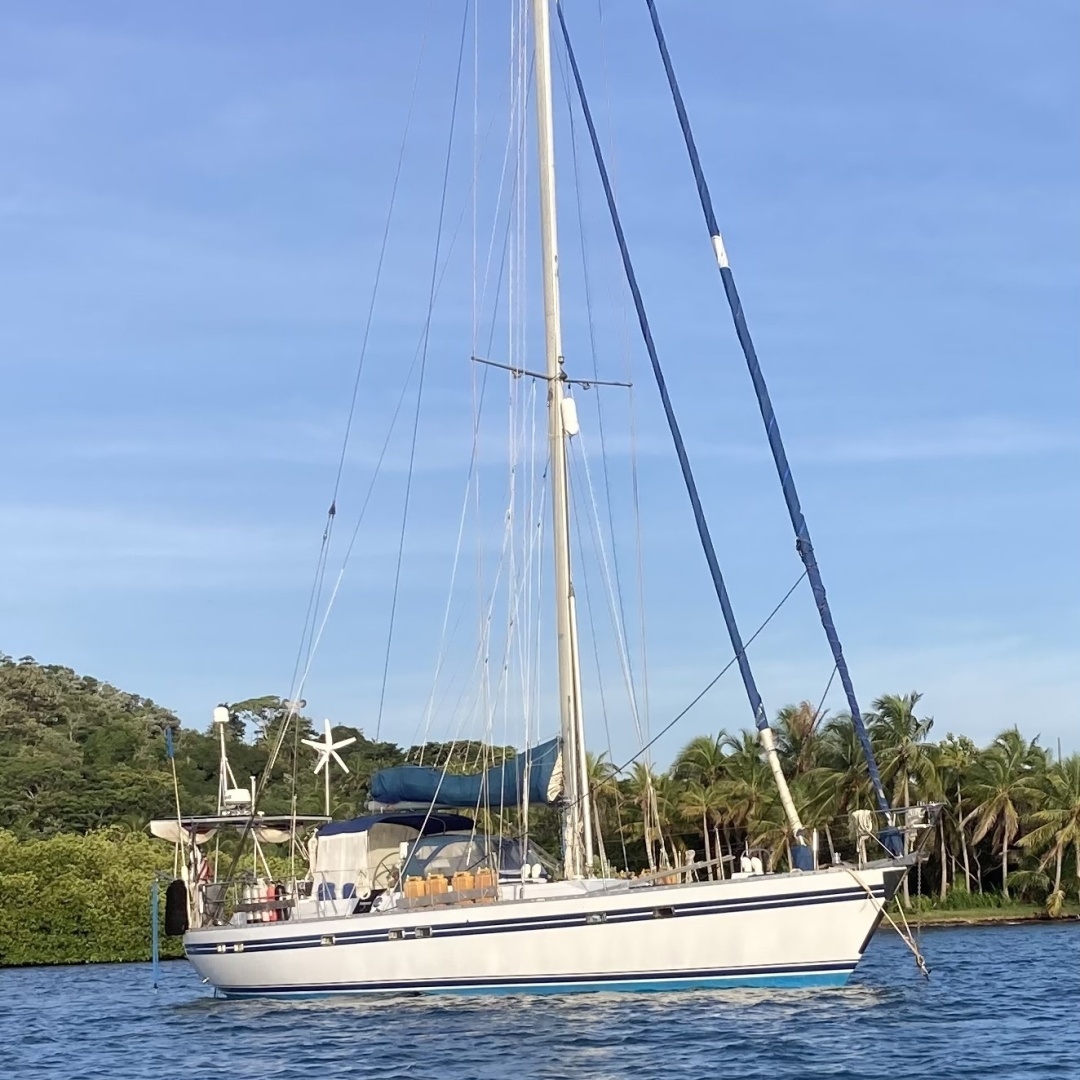
$299,500
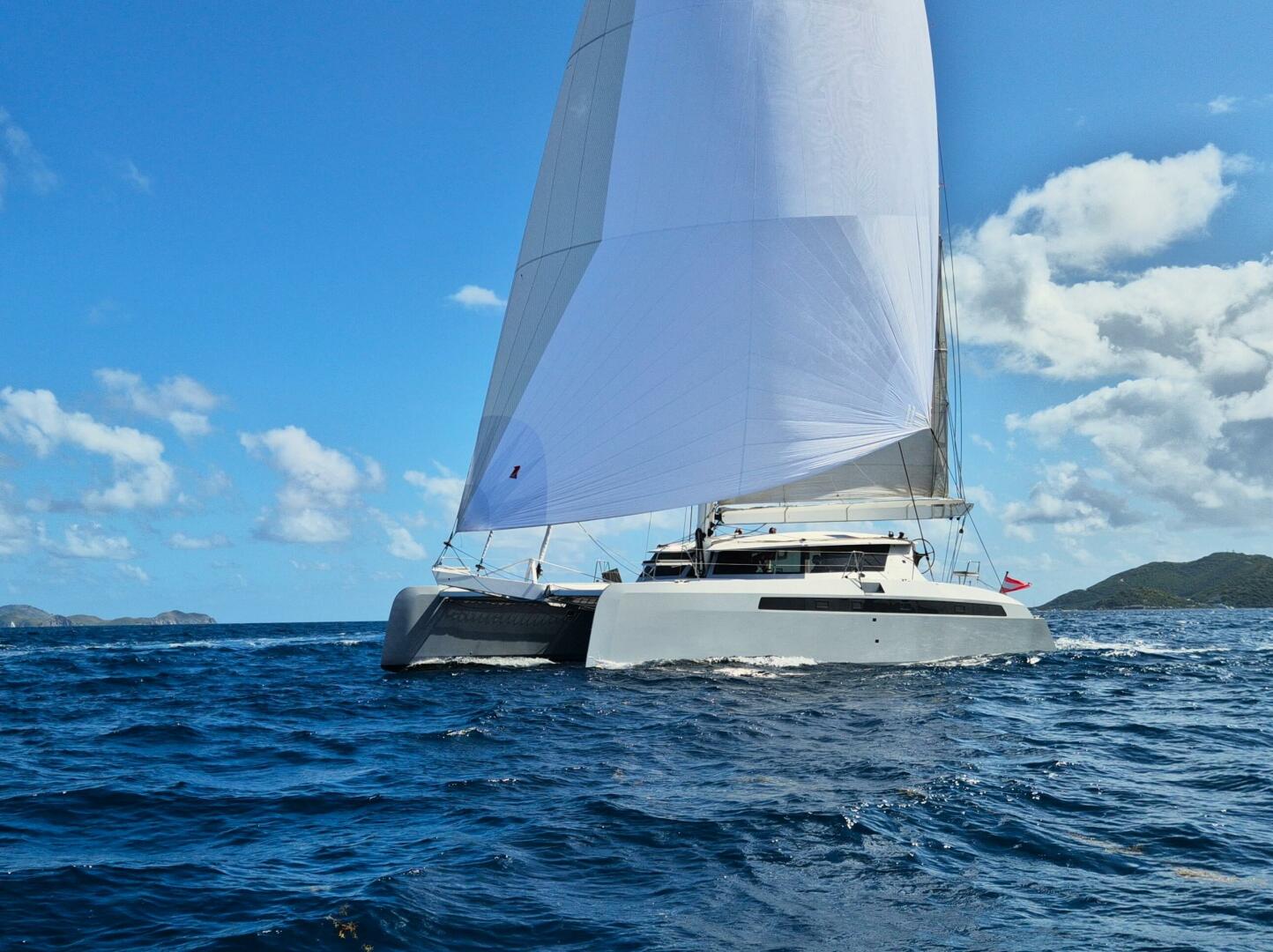
$1,290,000
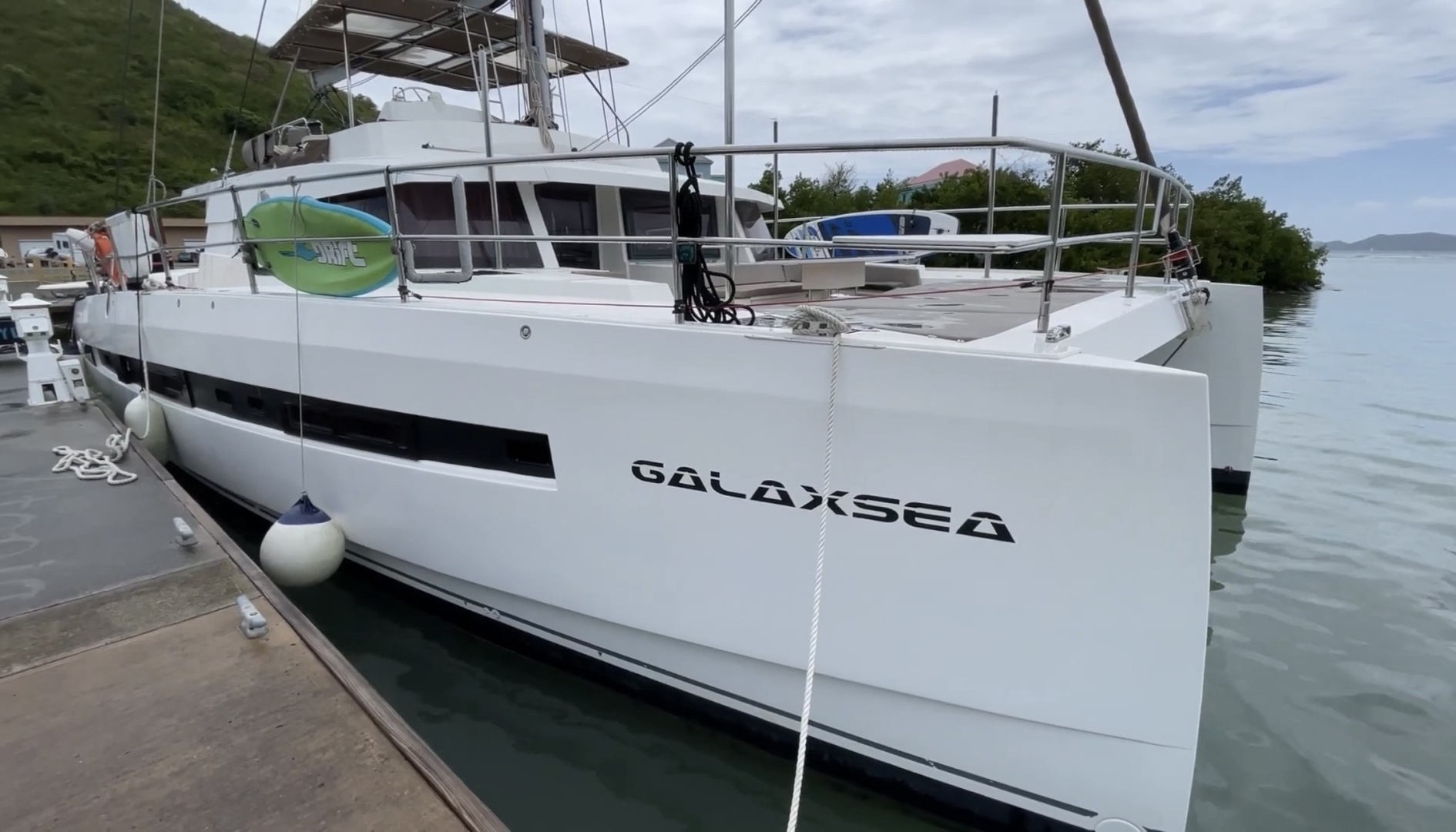
$800,000
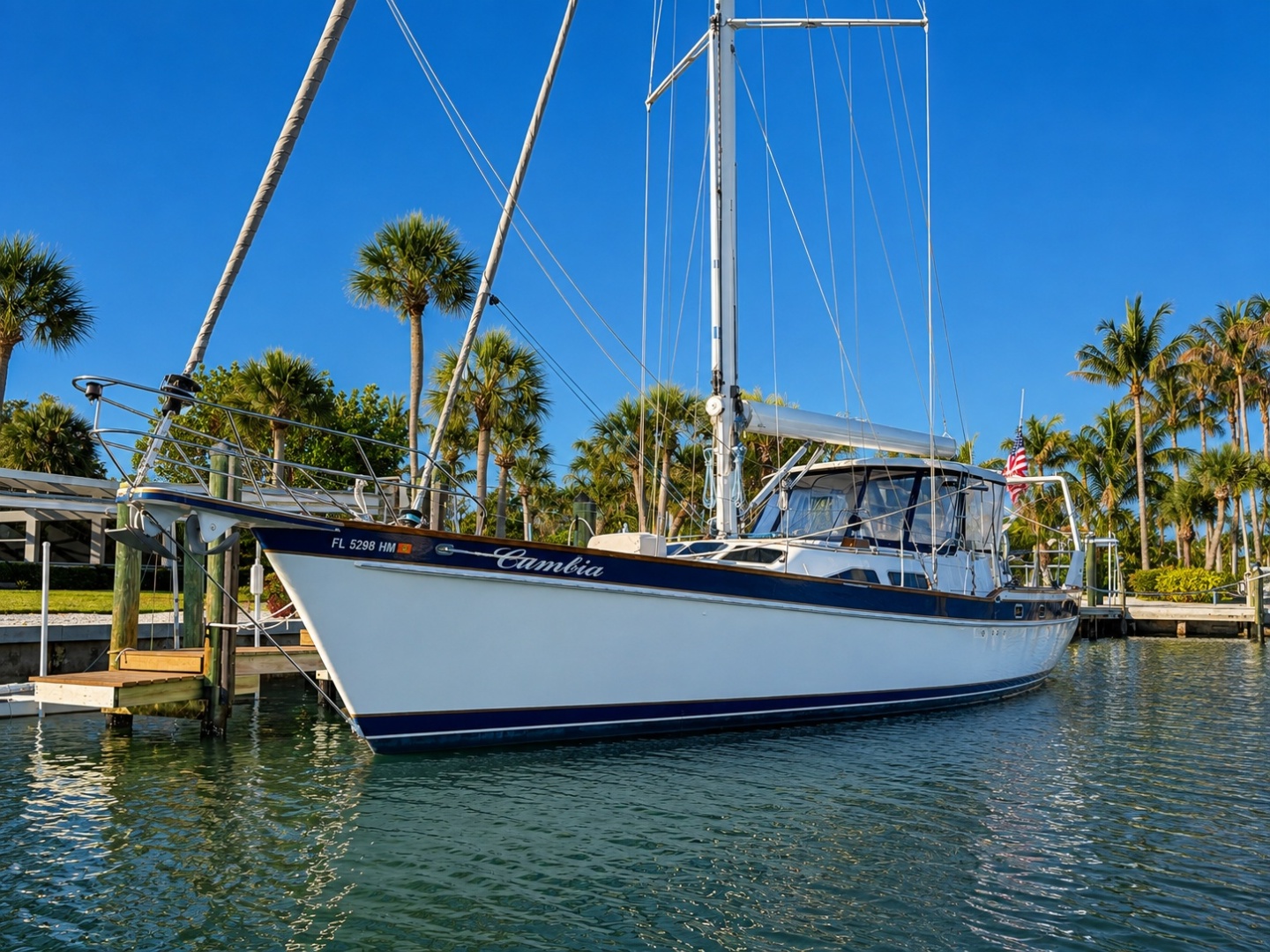
$545,000
$564,900
$1,130,000
$159,000
$499,000
$89,000
$89,000
$135,000
$98,250
$149,850
$369,000
$395,000
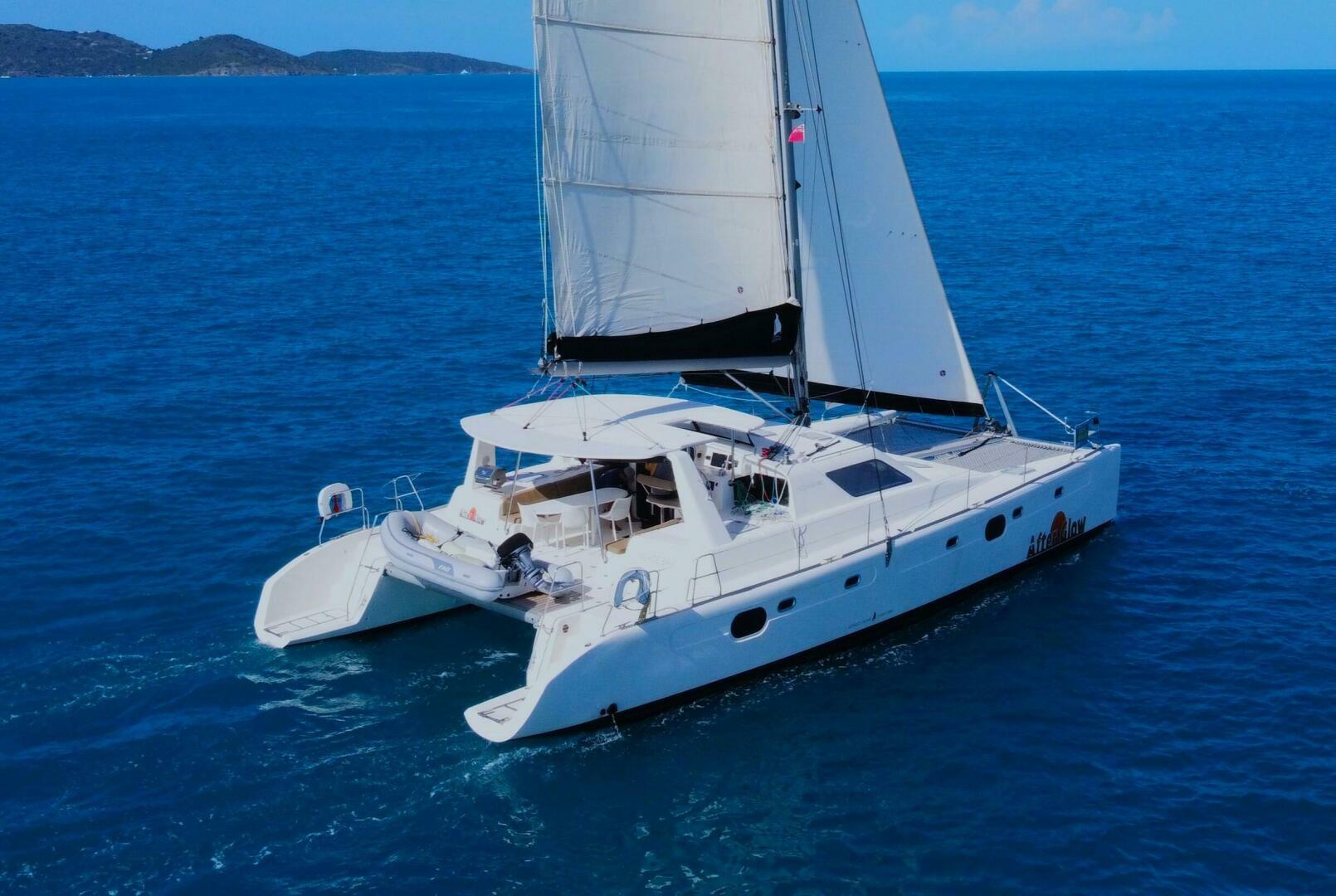
$349,000
$125,000
$1,724,571
$149,500
$109,900
$395,000

$652,000
$105,000

$115,000
$950,000
$149,000
$135,000
$349,000