

Where to put your boat from June to November — haul-out, hurricane holes, and the prep that actually holds.
- 01The storage decision
- 02BVI hurricane holes
- 03Storm-prep timeline
- 04What insurers require
Hurricane season yacht storage in the Caribbean comes down to one early decision: haul your boat out onto the hard, or secure it in the water in a protected hurricane hole. Make that call in May, not when a named storm is three days out. The Atlantic season runs June 1 through November 30, and the boats that come through it intact are the ones with a written plan made months in advance.
Definition
Hurricane hole — A natural or man-made harbor sheltered from hurricane-force wind and surge — typically a land-locked bay with a narrow, dog-legged entrance, surrounded by mangroves or hills, with a sticky-mud bottom for strong holding. Boats nose into the mangroves and fan out a spiderweb of anchors and lines.
We have brokered boats across the British Virgin Islands, the USVI, and down-island for decades, and the same truth holds every year: the storm doesn’t punish bad luck so much as bad preparation. A 40-foot cruiser blocked properly on the hard in a well-run yard will usually fare better than the same boat left on a marina finger pier with tired lines. The goal of this guide is to help you choose the right option for your vessel, your cruising plans, and your insurance policy — then prepare it the way a seasoned local sailor would.
The storage decision
Key Takeaways
- 01
Decide haul-out vs in-water by May — the best yards and hurricane holes fill before the season starts.
- 02
Hauling out ashore is usually safest, but only in a yard that cradles, ties down, and ground-straps the boat.
- 03
Paraquita Bay is the BVI’s strongest hurricane hole, but no hole is a guarantee — 2017 proved that.
- 04
Inspect and oversize your lines, add chafe gear everywhere, and never ride out a storm aboard.
- 05
Read your policy’s hurricane-box terms and file a written storm plan with your underwriter before June.
Haul-Out vs In-Water: Which Is Safer?
For most owners, hauling out ashore is the safer bet — and the marine authorities agree. According to BoatUS storm-prep guidance, removing a boat from the water and storing it ashore is the single best way to survive a storm. But the word “properly” carries all the weight. A boat hauled and left standing on travel-lift stands without straps or tie-downs can topple like a domino into the boat beside it. Quality of the yard matters as much as the decision to haul.
On the hard vs in a hurricane hole
Hauled out (on the hard)
- ✓No surge, no chafe, no dragging — the boat can’t sink at the dock
- ✓Most insurers favor it inside the box; some require it
- ✗Only as safe as the yard: needs stands welded into a rigid cradle, tie-downs, and ground straps
- ✗Vulnerable to other boats toppling nearby in a crowded yard
In-water hurricane hole
- ✓Keeps the boat ready to move and avoids haul-out scheduling crunches
- ✓Mangrove-lined holes absorb surge and dampen wave action
- ✗Holds fill fast; the best spots are claimed days before a storm
- ✗Lines and ground tackle must be flawless — one chafed rode loses the boat
There is no universal right answer. A bluewater catamaran with a charter season ahead may live in the water year-round in a protected hole; a privately owned sloop with a flexible calendar is often better hauled in Grenada or Trinidad, south of the traditional hurricane belt. The point is to decide deliberately. If you are weighing the full picture of ownership in this region, our guide to the cost of owning a yacht in the Caribbean folds storage into the annual budget. Storage is one line in a much longer sum, and the annual cost of owning a yacht here sets hurricane haul-out alongside insurance, dockage and the maintenance you cannot defer.
Sept 10
Climatological peak of the Atlantic hurricane season, with most activity between mid-August and mid-October
NOAA / National Hurricane Center
BVI hurricane holes
The Best Hurricane Holes in the BVI
If you keep your boat in the water, the location is everything. The British Virgin Islands have a handful of genuine hurricane holes, and the most protected ones fill first. Paraquita Bay on Tortola is widely regarded as the best in the territory — nearly land-locked and ringed by mangroves that break both wind and surge. It is also managed: a permanent grid of moorings is allocated to local boats, so a slip there is not something you arrange the week of a storm.
Notable hurricane holes in and around the Virgin Islands
| Location | Island | Notes |
|---|---|---|
| Paraquita Bay | Tortola, BVI | Best protection in the BVI; mangrove-ringed, managed mooring grid, local demand is high |
| Hodge’s Creek / Sea Cow’s Bay | Tortola, BVI | Secondary BVI options with partial shelter |
| Gorda Sound (South Sound, Biras Creek) | Virgin Gorda, BVI | Varying levels of shelter across the sound |
| Hurricane Hole (Coral Bay) | St. John, USVI | NPS storm-mooring system for ~100 vessels, June 1–Nov 30; anchoring prohibited |
Even the best hole is not a guarantee
The storm rarely punishes bad luck. It punishes the boat with tired lines, no chafe gear, and an owner who waited for the cone to point at home.
The Informative Brokers, BVI Yacht SalesStorm-prep timeline
Storing a Boat for Hurricane Season: A Prep Timeline
Storing a boat for hurricane season is a sequence, not a scramble. The work splits across three windows: pre-season setup in May, a watch period through the summer, and the final 72 hours once a system is forecast. Build the plan now so the last-minute list is short.
Pre-season (May)
Book your haul-out slot or hurricane-hole mooring early — yards and holes fill before June. Inspect and replace dock lines and ground tackle, service the bilge pumps, and write a one-page storm plan your insurer will accept.
In-season watch (June–Nov)
Track the tropics. Keep fuel, lines, and chafe gear staged aboard. Know your trigger point — the moment you commit to hauling or moving to the hole rather than hoping a system curves away.
72 hours out
Strip everything not bolted down: sails, canvas, dinghies, cushions, electronics. Double your lines with slack on the second set, attach high on pilings for surge, and rig generous chafe protection at every fairlead and chock.
24 hours out
Final check, then leave. Charge batteries, seal lockers, and get off the boat. The one rule no broker or insurer will bend on: never ride out a hurricane aboard.
What insurers require
Insurance and the Hurricane Box
Most Caribbean policies define a “hurricane box” — a geographic zone and a date range, usually July through October — with specific conditions for coverage to stay in force. Read your policy before the season, not after a claim. Insurers commonly require the boat to be hauled and tied down, or moved south of the box, or secured in a named, approved hurricane hole. The non-negotiable starting point is a written storm plan from the owner.
- Named storage requirement
- Hauled and cradled, moved out of the box, or in an approved hurricane hole
- Written storm plan
- A dated, owner-signed plan is usually mandatory for coverage to hold
- Box dates
- Often July 1–Oct 31 — confirm the exact window in your policy
- Deductible
- Named-storm deductibles are frequently higher than standard — check the percentage
Get your plan in writing early
If you are newer to ownership in this region, the practical rhythm of storms, haul-outs, and insurance windows is part of the learning curve we walk every client through. Owners planning their season often pair this with our look at the best months for boating in the BVI, which frames when the cruising is good and when the boat should be buttoned up. Owners who resent paying storage on a boat they use six weeks a year sometimes look at fractional ownership, where the off-season bill is shared rather than carried alone.
Planning a purchase or sale around hurricane season?
Our brokers in Tortola, St. Croix, and Annapolis can advise on storage, surveys, and timing for your vessel.
QWhat is a hurricane hole?
A hurricane hole is a natural or man-made harbor sheltered from hurricane-force wind and surge. The best ones are nearly land-locked with a narrow, dog-legged entrance, surrounded by mangroves or hills, with a sticky-mud bottom for strong holding. Boats nose into the mangroves and set a fan of anchors and lines so the vessel cannot swing into danger.
QIs it safer to haul out or store a yacht in the water during hurricane season?
For most owners, hauling out ashore is safer — marine authorities agree that removing a boat from the water is the best way to survive a storm. But this only holds if the yard cradles the boat on welded stands, ties it down, and straps it to the ground. A poorly blocked boat ashore can topple, while a flawlessly secured boat in a true hurricane hole can ride out moderate storms well.
QWhere is the best hurricane hole in the BVI?
Paraquita Bay on Tortola is widely considered the best hurricane hole in the British Virgin Islands. It is nearly land-locked and ringed by mangroves that break wind and surge, and it uses a managed mooring grid allocated mostly to local boats. Demand is high, so a spot must be arranged well before any storm threatens.
QWhen is Caribbean hurricane season and when should I store my boat?
The Atlantic hurricane season runs June 1 through November 30, with peak activity around September 10 and most storms between mid-August and mid-October. Make your storage decision and book your haul-out or mooring in May, before the season opens, rather than scrambling when a system is already forecast.
QWhat do insurance companies require for hurricane season storage?
Most Caribbean policies define a hurricane box — a zone and a date range, often July through October — with conditions for coverage to stay in force. Insurers commonly require the boat to be hauled and tied down, moved out of the box, or secured in an approved hurricane hole, and nearly all require a dated, owner-signed storm plan on file before the season.
QHow do you tie up a boat in a hurricane hole?
The traditional method is to nose the bow into the mangroves, set two or more anchors off the stern on long rodes, and run a spiderweb of lines into strong branches and trees. Use oversized two- or three-strand nylon — 3/4-inch minimum for boats over 34 feet — with heavy chafe protection at every contact point, since chafe, not strength, is what usually fails.
QCan you stay on your boat during a hurricane?
No. The golden rule echoed by experts and government agencies alike is to never ride out a hurricane aboard your boat. Secure the vessel, then get off it and shelter ashore. Hurricane preparedness is about avoiding the storm’s path and protecting the boat, never about defending it in person while it is in danger.
Featured Listings
$599,000
$1,300,000
$1,699,000

$299,000

$899,000
$1,795,000

$269,000
$359,000
$499,500
$299,500
$1,290,000
$800,000
$545,000
$564,900
$1,130,000
$159,000
$499,000
$89,000
$89,000
$135,000
$98,250
$149,850
$369,000
$395,000
$349,000
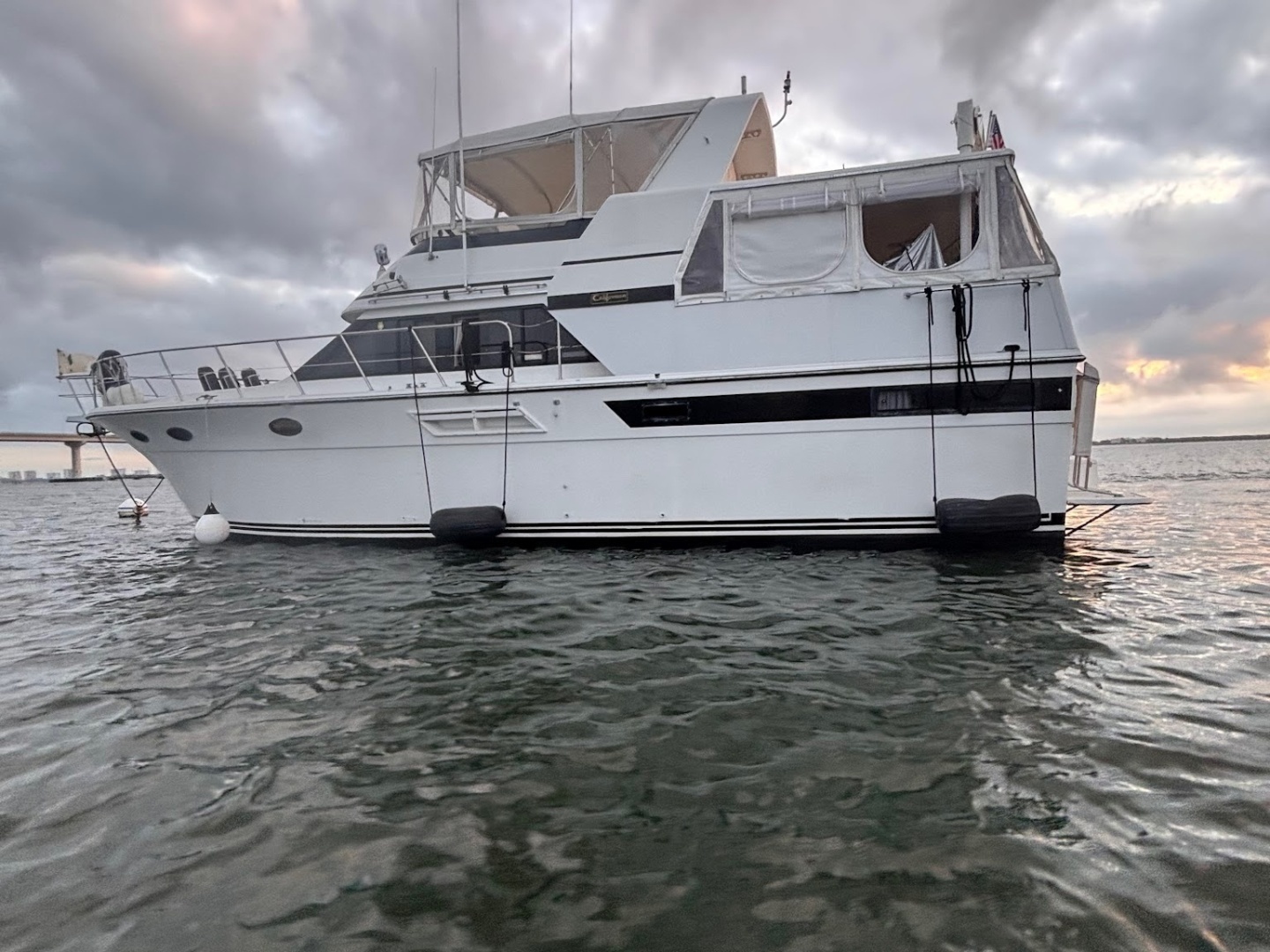
$125,000
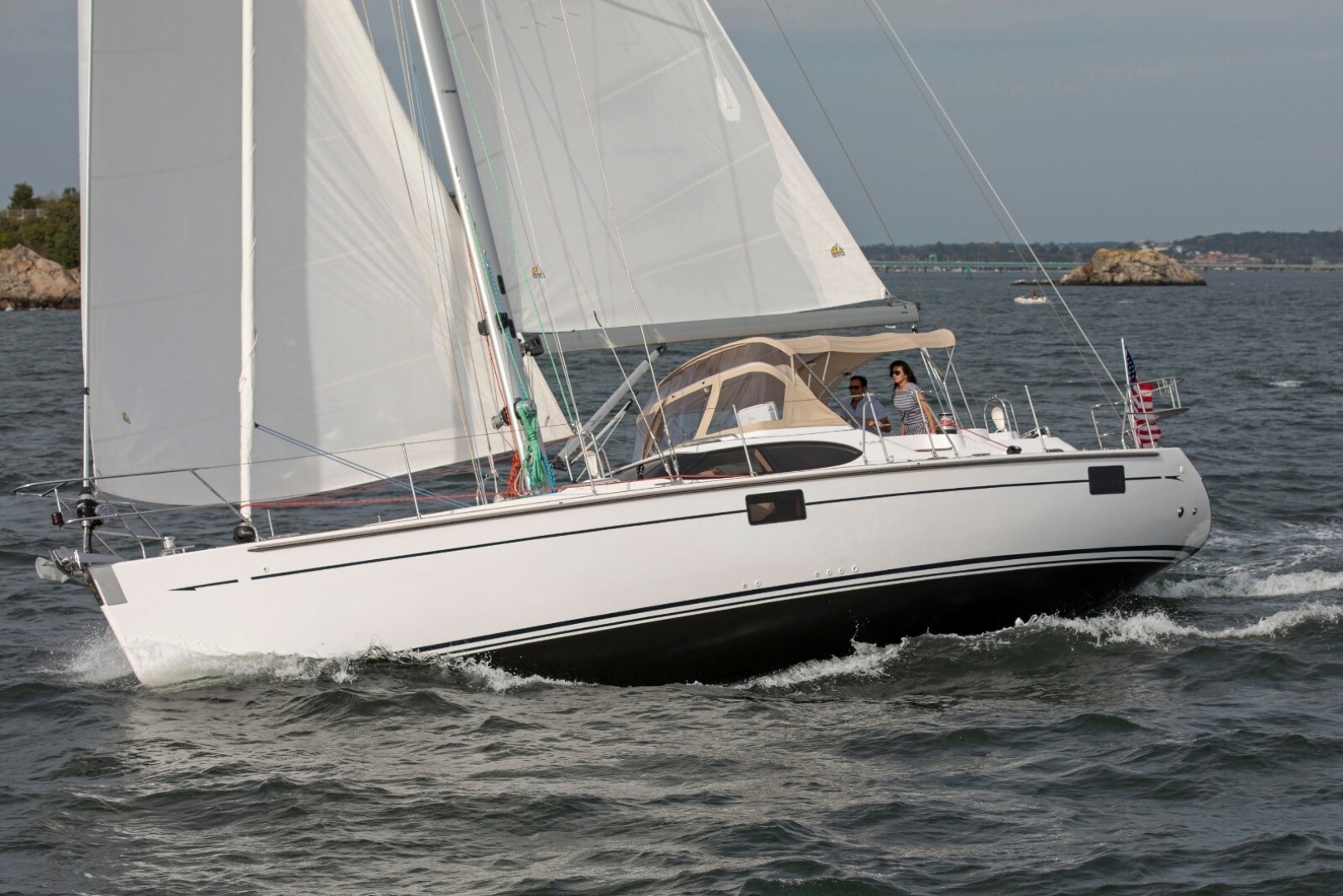
$1,724,571
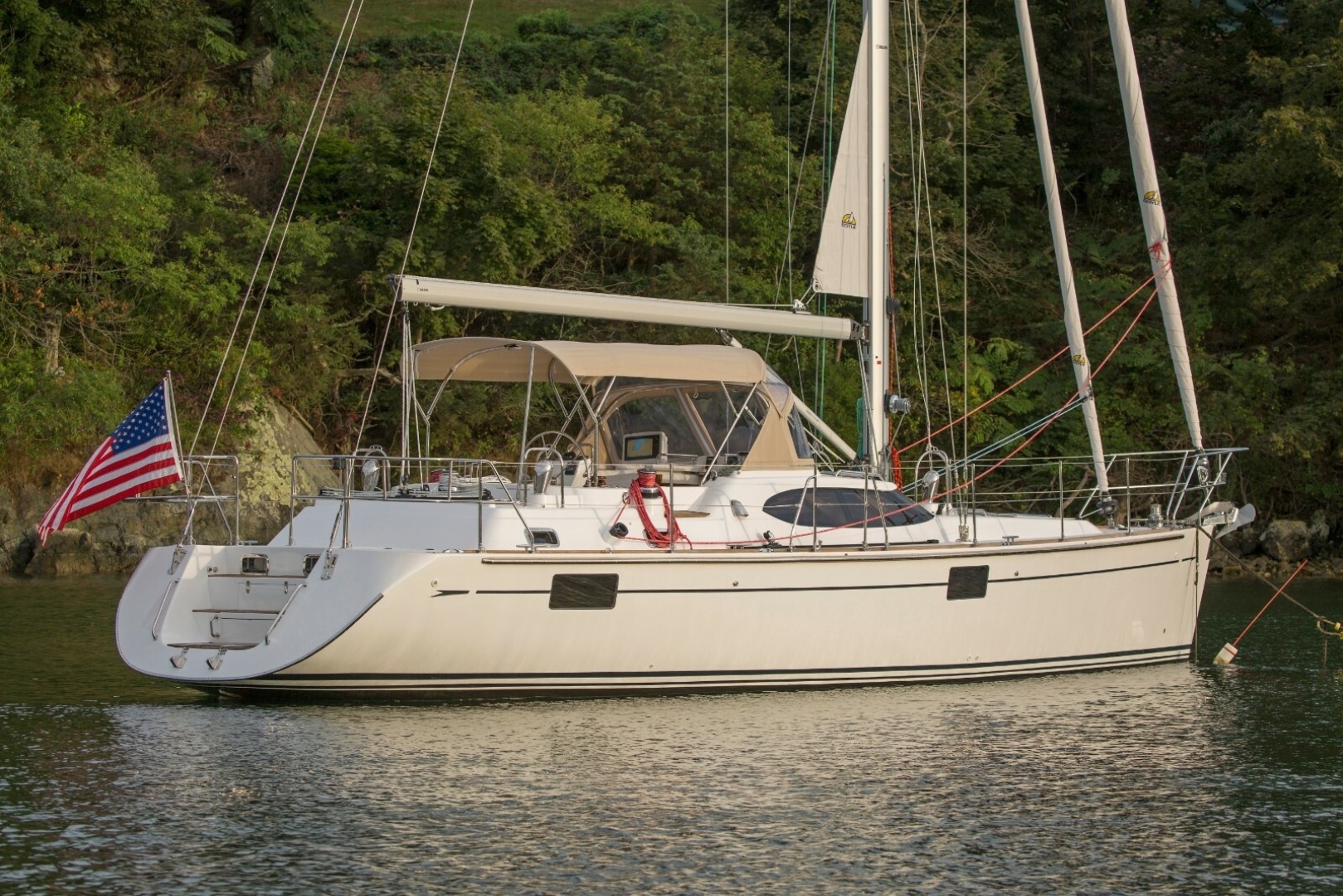
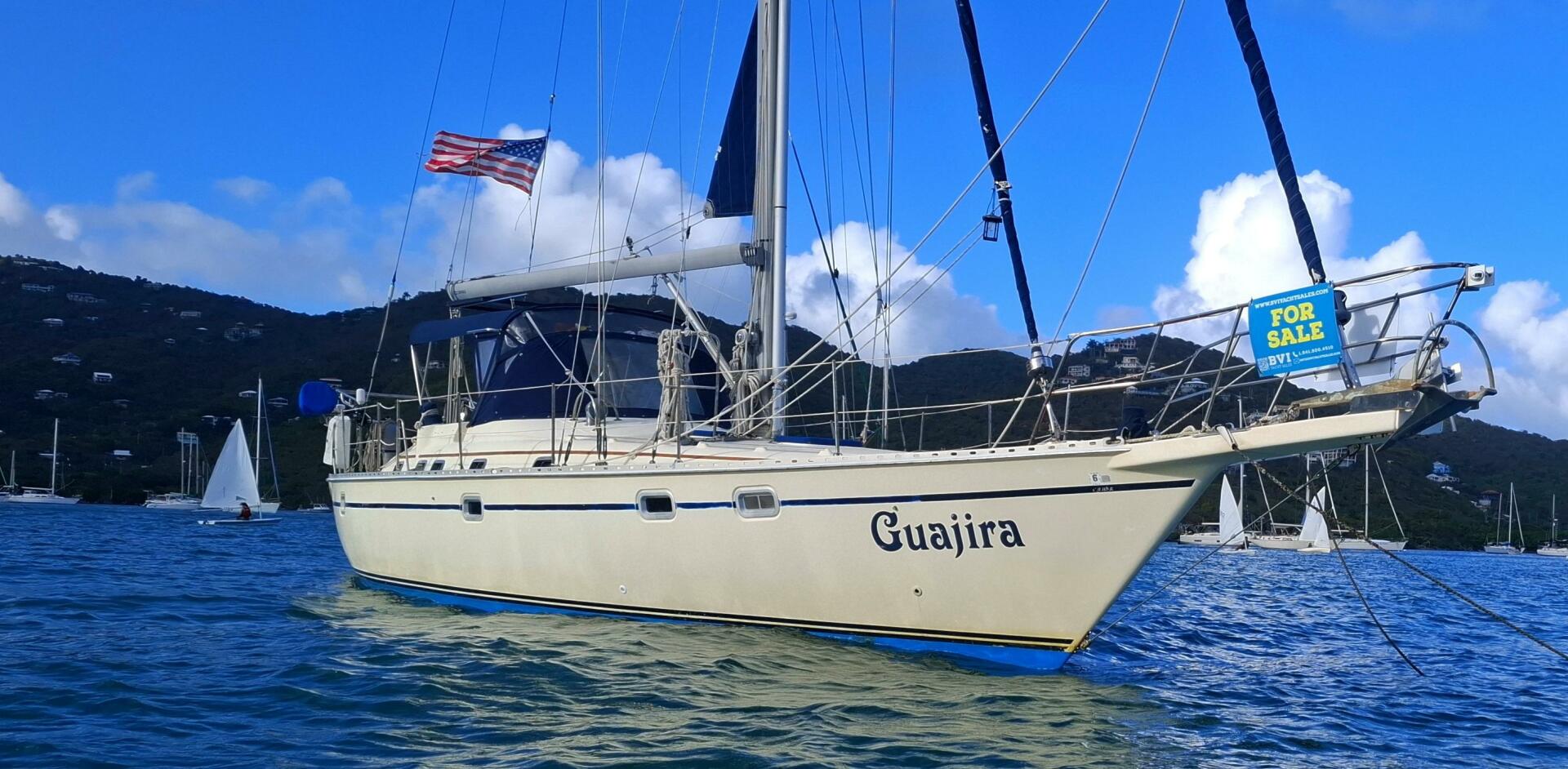
$149,500
$109,900
$395,000

$652,000
$105,000

$115,000
$950,000
$149,000
$135,000
$349,000