

The best liveaboard sailboats for the Caribbean are moderate to heavy cruising monohulls, roughly 38 to 46 feet long, with a protected cockpit, good ventilation, deep storage and simple, well-kept systems. That is the short answer. The longer answer depends on how you will live, how far you plan to sail and how much maintenance you want to do yourself.
Most people shopping for a liveaboard boat picture long passages under sail. In practice, a Caribbean liveaboard spends most days at anchor or on a mooring, with short hops between islands. The boat has to be a good home in hot, humid, windy weather before it needs to be a fast passage-maker. That changes which features matter, and it explains why some popular racing-bred designs make poor homes.
This guide walks through the choices in the order a buyer should make them: size, hull and keel, cockpit layout, comfort numbers, tropical systems and the checks to run before you move aboard. Along the way, it names the families of monohulls that tend to work well as island homes.
Definition
Liveaboard sailboat — A sailboat that serves as its owner’s full-time home. It needs enough tankage, storage, ventilation, shade and berth comfort to support daily life at anchor or in a marina, not just weekend sailing.
Key Takeaways
- 01
Choose a liveaboard sailboat for life at anchor first: shade, airflow, storage and steady motion.
- 02
Most couples do best between about 38 and 46 feet; go smaller solo and bigger with children.
- 03
Center cockpits give a private aft cabin; aft cockpits make swimming and boarding easier.
- 04
Use the comfort ratio and capsize screening formula as rough filters, not safety ratings.
- 05
Condition beats brand: judge every boat on its survey, engine history and rigging age.
- 06
Build a hurricane season plan into your budget before you buy.
Why a Monohull Instead of a Catamaran?
Catamarans dominate the Caribbean charter fleet, and many liveaboards choose them for the space and flat ride at anchor. A monohull still makes sense for a lot of buyers. It usually costs less to buy at a given length, and marinas and boatyards charge less because it is narrower. It sails closer to the wind, which matters on the upwind legs that island-hopping always includes. Many sailors also simply prefer how a good monohull feels under way.
The trade-off is living space and motion. A monohull heels under sail and can roll in an anchorage when swell wraps around a headland. Its living space sits below the waterline, so it can feel darker and warmer than a catamaran saloon. If you are still deciding between the two hull types, read the full catamaran vs monohull comparison for Caribbean cruising before narrowing your search. Buyers who lean toward two hulls can compare the best catamarans for Caribbean liveaboard life side by side with the monohulls below.
How Big Should a Liveaboard Sailboat Be?
Length drives almost every cost you will pay: purchase price, slip fees, haul-outs, bottom paint, sails and insurance. It also drives comfort. The goal is the smallest boat that lets you live well, not the largest boat you can afford.
For a couple living aboard full time, the sweet spot usually falls between about 38 and 46 feet. Below that range, storage and tankage get tight, and there is rarely space for a separate guest cabin. Above it, sails and ground tackle get heavy enough that a couple may need powered winches and a strong windlass to handle the boat safely. Solo sailors often do well a few feet shorter, while families with children usually need the upper end of the range.
Liveaboard sailboat length bands
| Length | Who it suits | Living space | Main trade-off |
|---|---|---|---|
| 32 to 37 ft | Solo sailors, frugal couples | One cabin, small galley, limited tankage | Tight storage; little room for guests or a workspace |
| 38 to 42 ft | Most couples | Two cabins, real galley, separate shower in many designs | The best balance of cost, comfort and easy handling |
| 43 to 47 ft | Couples who host guests, small families | Three cabins possible, larger tanks, more systems | Higher yard bills and heavier sails to manage |
| 48 ft and up | Families, long-range cruisers | Generous cabins and storage | Costs rise fast; often needs powered winches or crew |
Hull and Keel: What Holds Up to Island Life
Keel shape decides how a boat tracks, how it behaves aground and how deep it draws. That last point matters more in the islands than many buyers expect. Shallow anchorages, reef passes and some marinas limit draft, so a boat that draws less water reaches more places.
A fin keel with a skeg-hung or spade rudder is the most common modern layout. It sails well, turns easily and points high. A full keel tracks steadily and protects the rudder, but it backs up poorly under power and can feel slow in light air. A modified full keel, with a cutaway forefoot and a rudder hung on a skeg, sits between the two and is common on older bluewater cruisers. Shoal-draft and wing-keel versions trade some upwind ability for easier access to shallow bays.
Center cockpit vs aft cockpit for living aboard
Center cockpit
- Large aft owner’s cabin with an island berth
- Helm sits higher and drier in a seaway
- Engine room access is often better
- Taller topsides can catch more wind at anchor
- Harder to step ashore from a stern-to dock
Aft cockpit
- Lower cost at the same length
- Easy boarding from the stern and the dinghy
- Cockpit sits closer to the water for swimming
- Aft cabins are often quarter berths with less headroom
- Helmsman more exposed to spray going upwind
Neither cockpit layout is right for everyone. Couples who value a private, roomy cabin often choose a center cockpit. People who swim, snorkel and run the dinghy every day often prefer an aft cockpit with a wide transom. Spend a night aboard both types if you can, because the difference shows up in daily routine more than on a spec sheet.
Comfort Ratio and Capsize Screening, Explained Simply
Two quick numbers help you compare designs before you visit a boat. Both appear in listing databases and use only length, beam and displacement, so they are rough guides, not safety ratings.
The comfort ratio, created by designer Ted Brewer, estimates how gently a boat moves in waves. Heavier boats with less beam score higher and roll more slowly. According to Sailboatdata’s calculation notes, a score under 20 suggests a light racing boat, 20 to 30 a coastal cruiser, and over 50 an extremely heavy bluewater boat. The same notes describe the capsize screening formula, where a result of 2.0 or less suggests a boat better suited to ocean passages.
For a Caribbean liveaboard, a comfort ratio in the high 20s to the 30s is usually a sensible middle ground. It means a boat that rolls less at anchor than a light racer but still sails well in the steady trade winds. A very heavy boat with a high score can feel sluggish on short island hops and costs more to haul and store. Before you shortlist a liveaboard, check what boats of that length really trade for in our sailboat price guide.
Monohull Types That Work as a Caribbean Home
01
Heavy bluewater cruisers
Designs from builders such as Hallberg-Rassy, Amel, Valiant, Pacific Seacraft and Tayana were built to cross oceans with a small crew. Expect solid hulls, deep storage, protected cockpits and steady motion. They hold value well, so used examples are rarely bargains.
02
Modern production cruisers
Beneteau Oceanis, Jeanneau Sun Odyssey, Bavaria and Hanse models offer bright, roomy interiors and wide transoms for swimming. Many come out of charter fleets, which makes them easy to find in the islands. Check how hard the boat was used and how well it was maintained.
03
Coastal liveaboard classics
Island Packet, Catalina and the older Morgan Out Island models were built for comfort and shallow water. Their interiors feel like small apartments, and shoal drafts open up skinny anchorages. They suit island-hopping more than long ocean passages.
04
Deck-saloon and pilothouse boats
Deck-saloon designs and pilothouse boats raise the saloon so you can see out while sitting below. That means more light, better airflow and a view of the anchorage from the table. The taller cabin adds windage, so check how the boat sails before you commit.
Within each family, condition matters far more than the brand name. A well-kept production cruiser can be a better home than a neglected bluewater classic. Treat brand reputations as a starting filter, then judge each boat on its own survey.
The Tropics Test: Systems That Make a Boat Livable
In the islands, heat and humidity shape daily life. A sailboat that felt cozy in a northern marina can feel like an oven at anchor in July. Before you fall for a hull, look hard at how the boat handles sun, air, water and power. These systems decide whether you enjoy living aboard or spend every afternoon ashore looking for shade.
- Shade
- A full bimini and dodger, plus side curtains. A cockpit in direct sun is unusable for much of the day.
- Ventilation
- Plenty of opening hatches and ports, a forward hatch that faces the breeze at anchor, and room for wind scoops and fans.
- Refrigeration
- Well-insulated boxes and an efficient fridge. Poor insulation is the biggest drain on batteries in the tropics.
- Water
- Large tanks or a watermaker, so you are not tied to dock water every few days.
- Power
- A healthy battery bank charged by solar panels, with a generator or alternator as backup.
- Ground tackle
- A heavy anchor, plenty of chain and a reliable windlass. You will anchor far more than you dock.
- Dinghy
- A stable dinghy and a way to lift it at night, such as davits or a halyard, to protect it from theft.
Keep in mind
What a monohull will not do for you
- Caution
It will heel under sail, so everything below must be stowed before every passage.
Fit good fiddles, locker latches and lee cloths before you move aboard.
- Caution
It can roll at anchor when swell curls around a point.
Choose sheltered anchorages, or use a bridle or flopper stopper to cut the roll.
- Note
Living space sits partly below the waterline and gets less natural light than a catamaran.
Look at deck-saloon designs or add LED lighting and extra opening ports.
What It Costs to Live on a Sailboat
Your monthly budget depends far more on your habits than on your boat. People who anchor out, cook aboard and do their own maintenance spend a fraction of what marina-based liveaboards spend. The fixed costs that follow the boat are insurance, haul-outs, bottom paint, engine service, sails and rigging.
The same budget lines apply to monohulls and catamarans, so the breakdown of the cost of living on a catamaran is a useful template. A monohull of the same length will usually come in lower on slip fees and haul-outs, because it takes up less space in a marina or yard.
Hurricane Season and Your Liveaboard Plan
Any plan to live aboard in the Caribbean needs a hurricane plan. The National Hurricane Center climatology puts the Atlantic season from June 1 to November 30, with a peak around September 10 and most activity from mid-August to mid-October. Insurers write their policies around those dates, and many require a named-storm plan before they will cover a boat in the hurricane box.
Liveaboards usually choose one of three options. Some sail south toward Grenada or Trinidad for the season. Others haul the boat and tie it down ashore in a hurricane-rated yard. A few stay in a recognized hurricane hole and accept the risk and the insurance terms that come with it. The guide to hurricane season yacht storage options compares those choices in more detail.
Buying a Liveaboard Sailboat: Checks Before You Move Aboard
Step 1Spend a night aboard
Sleep, cook and shower on the boat if the seller allows it. You will learn more in one night than in three viewings.
Step 2Commission a full survey
A hull, systems and rigging survey protects you from expensive surprises. The guide to pre-purchase survey cost in the Caribbean explains what it covers.
Step 3Check the engine history
On a liveaboard, the engine charges batteries and moves you in and out of tight anchorages almost daily. Read the advice on engine hours on a used yacht before you judge the number on the meter.
Step 4Ask about the rigging
Find out when the standing rigging and chainplates were last replaced. Insurers often ask, and old rigging is costly to renew.
Step 5Sea trial in real wind
Sail the boat in typical trade-wind conditions, not on a calm morning. Check how it heels, how the helm feels and how easily you can reef.
Step 6Budget for the first year
Set aside money for new canvas, batteries, safety gear and the small fixes every new owner finds.
Ex-charter monohulls deserve a special note. They are common in the islands, often well maintained by fleet staff, and usually priced fairly. They also have high engine hours and worn interiors from years of rotating guests. A careful survey sorts the good ones from the tired ones.
QWhat is the best size sailboat to live on?
For most couples, a monohull between about 38 and 46 feet gives the best balance of space, cost and easy handling. Solo sailors can live well on a smaller boat, while families usually need the upper end of that range or more.
QCan you live on a sailboat full time in the Caribbean?
Yes. Many people live aboard in the Caribbean year round. They move between islands in the winter season and either sail south, haul out or stay in a hurricane hole during the summer and autumn storm months.
QIs a monohull or a catamaran better for living aboard?
A catamaran offers more space, more light and a flatter ride at anchor. A monohull usually costs less to buy and keep, sails closer to the wind and fits more marina slips. The right choice depends on your budget and how you like to sail.
QAre older bluewater sailboats good liveaboards?
Often, yes. Older bluewater cruisers tend to have strong hulls, good storage and steady motion. The risk is aging systems, so a full survey and a close look at the engine, wiring and rigging are essential.
QIs a center cockpit better for a liveaboard sailboat?
A center cockpit gives you a large, private aft cabin and a dry helm, which many liveaboard couples value. An aft cockpit is simpler, cheaper and better for swimming and dinghy use. Try both layouts before deciding.
QDo ex-charter sailboats make good liveaboards?
They can. Charter boats are usually maintained on a schedule and are easy to find in the islands. Expect higher engine hours and interior wear, and budget for some refitting after purchase.
Looking for a sailboat you can live on?
Talk to a BVI Yacht Sales broker about the monohulls on the market in the islands and what each one will take to become a comfortable home.
Featured Listings
$499,000
$1,300,000
$1,699,000

$299,000
$589,000

$899,000
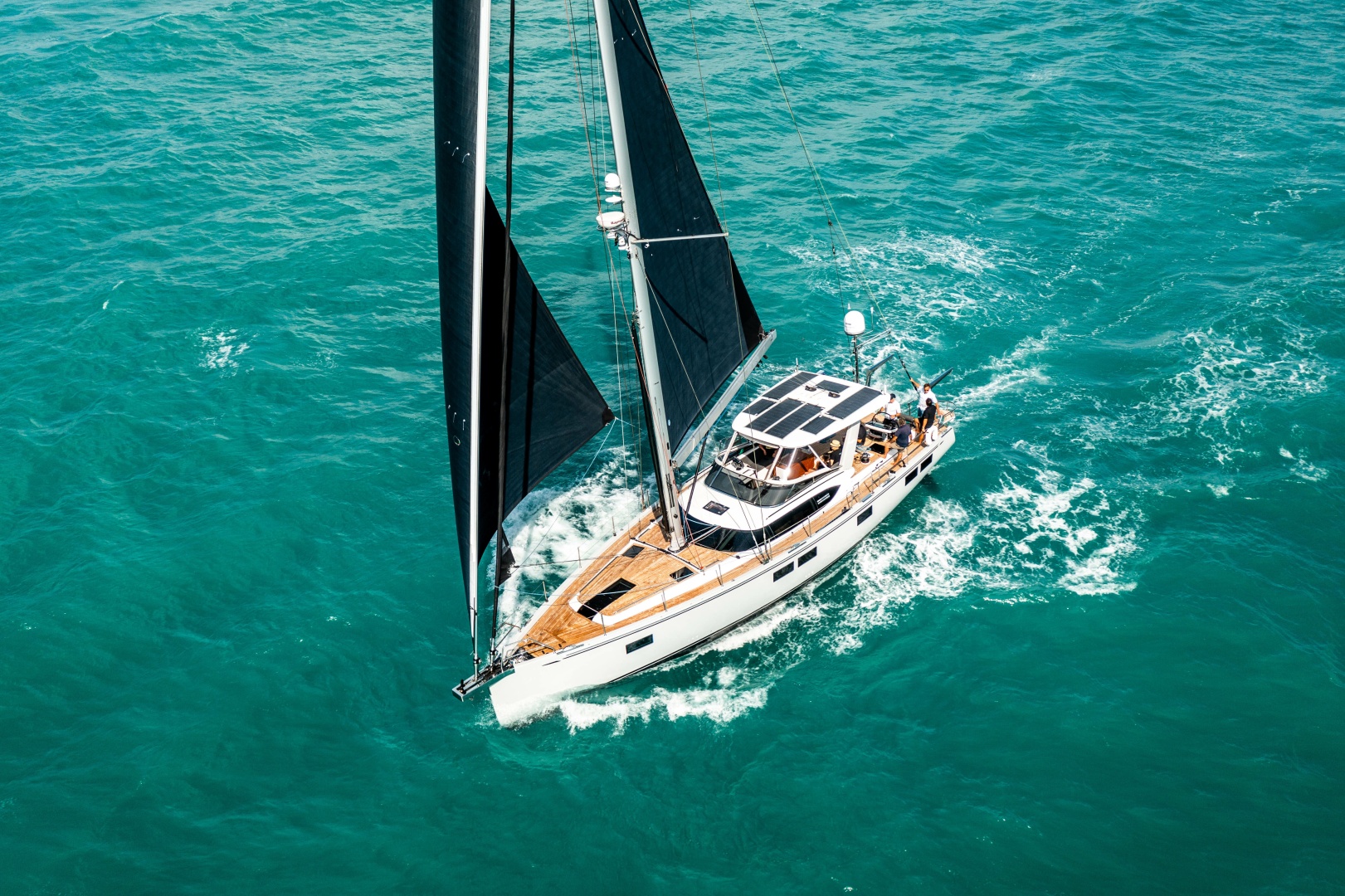
$1,795,000

$269,000
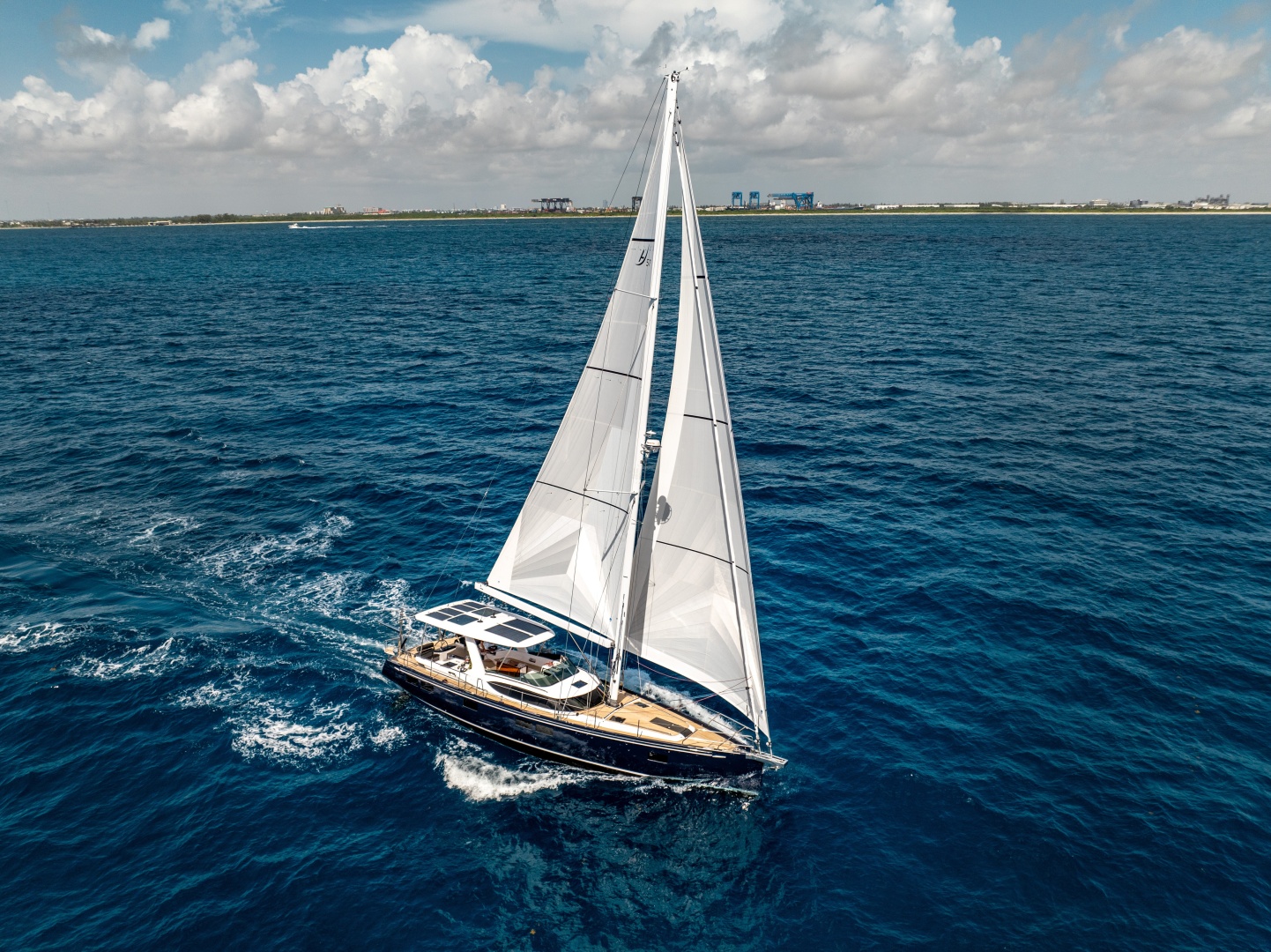
$2,780,000
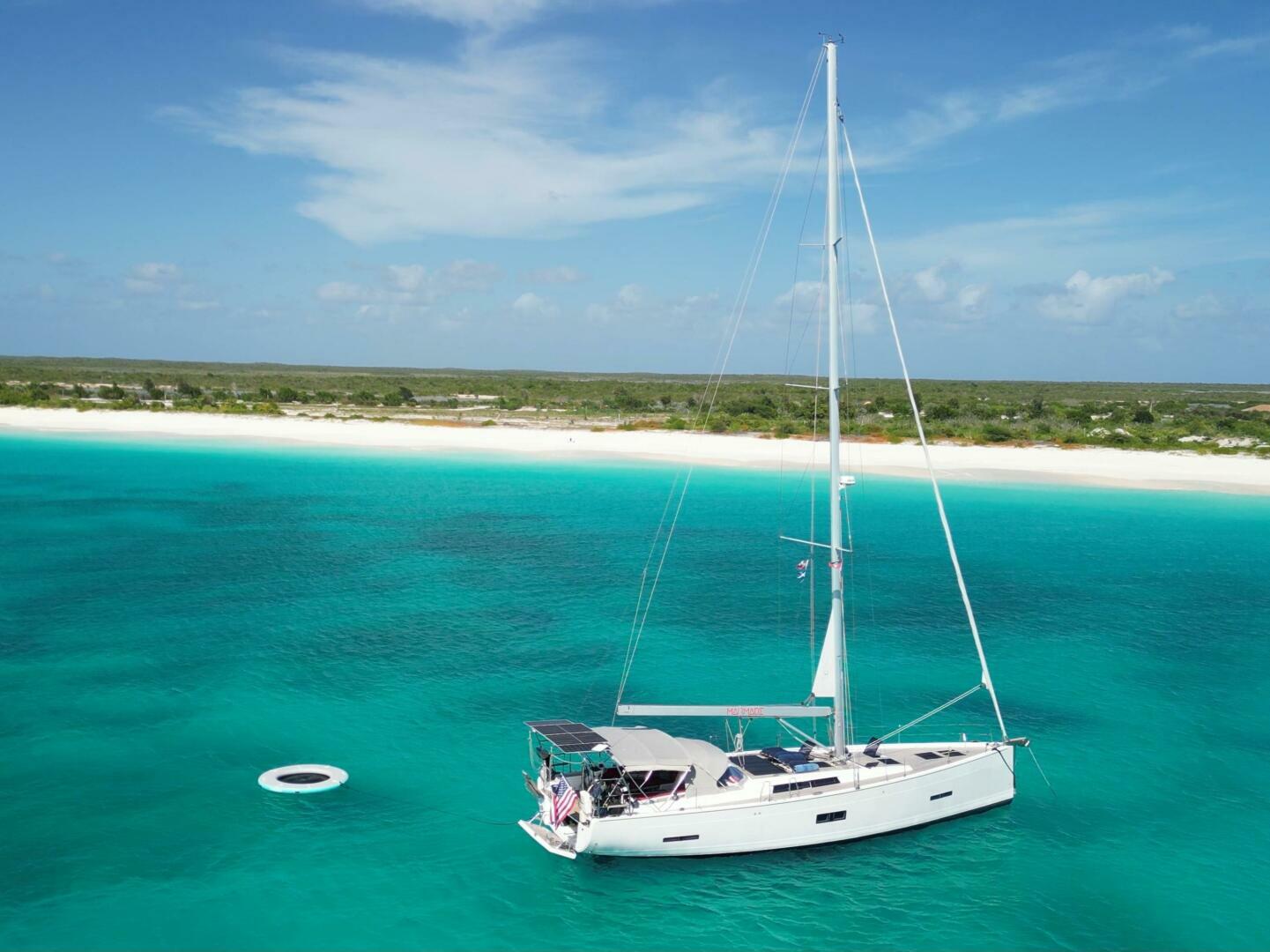
$359,000
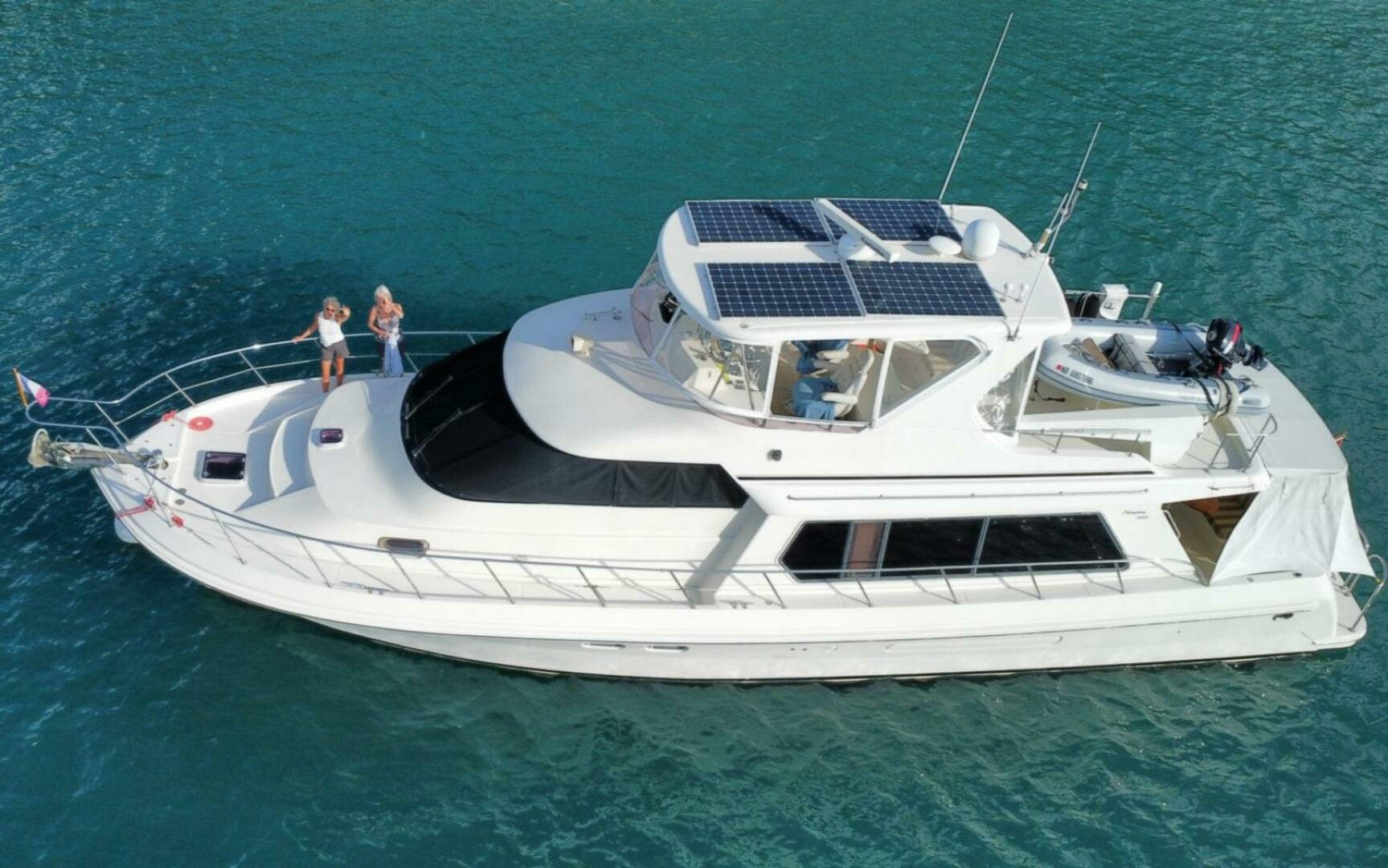
$499,500
$299,500
$1,290,000
$790,000
$545,000
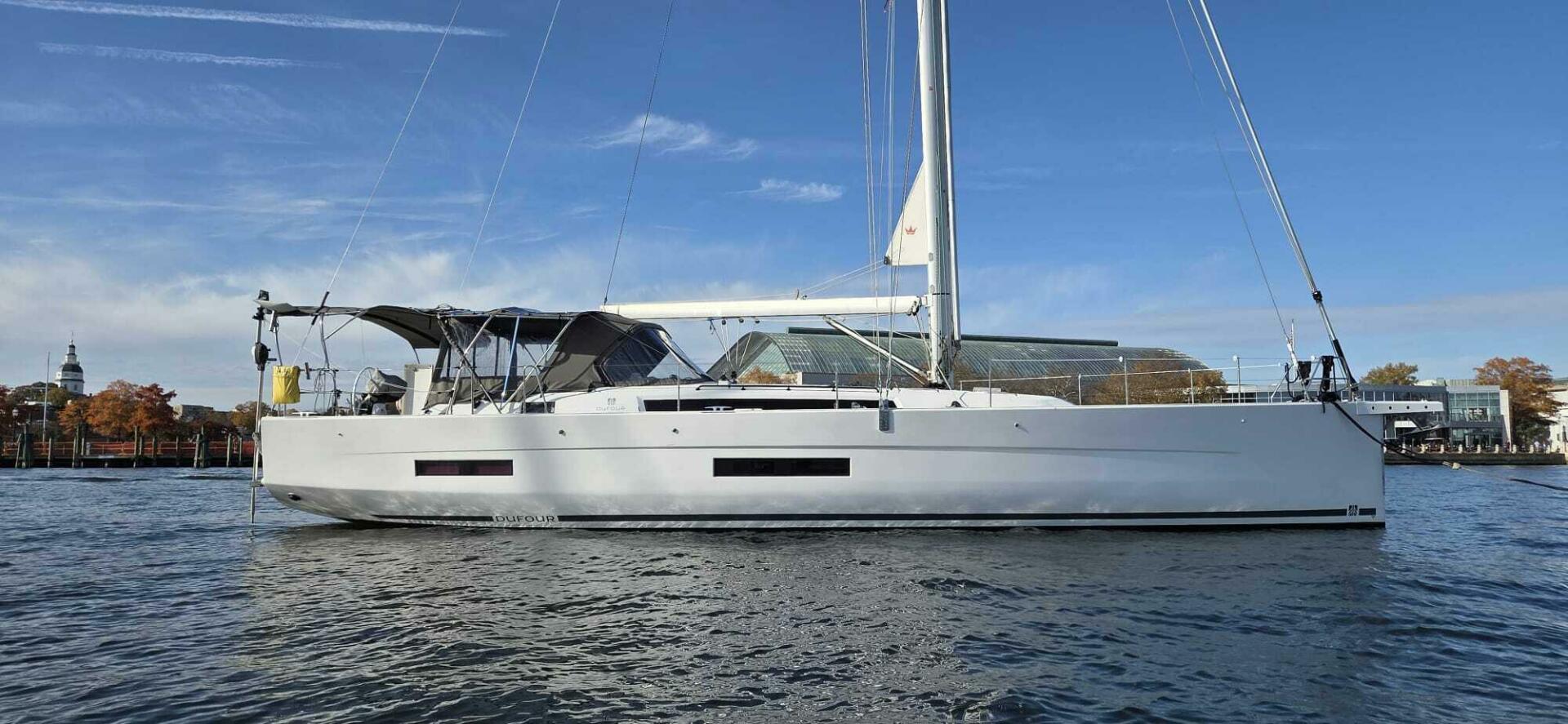
$564,900
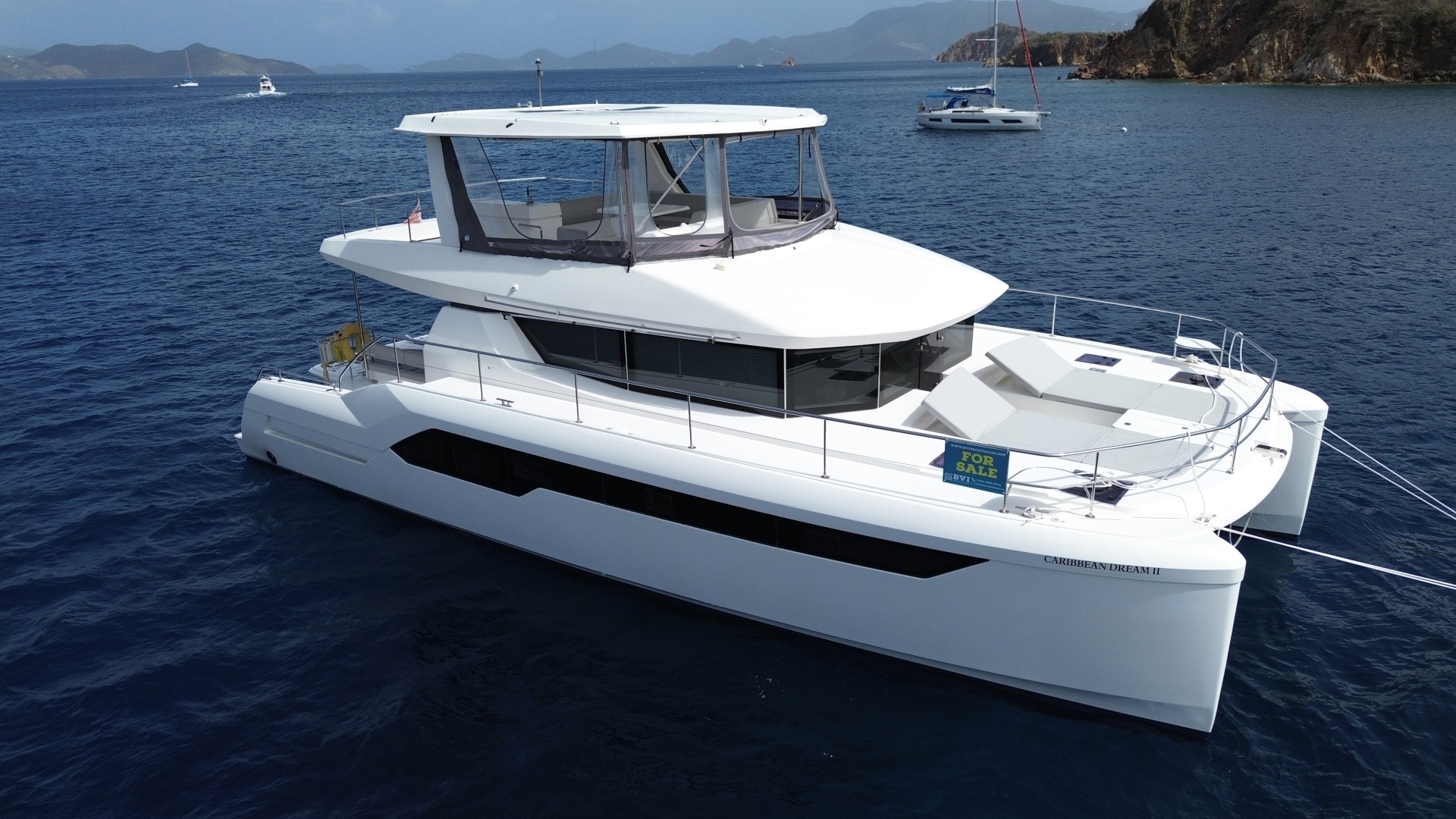
$1,130,000
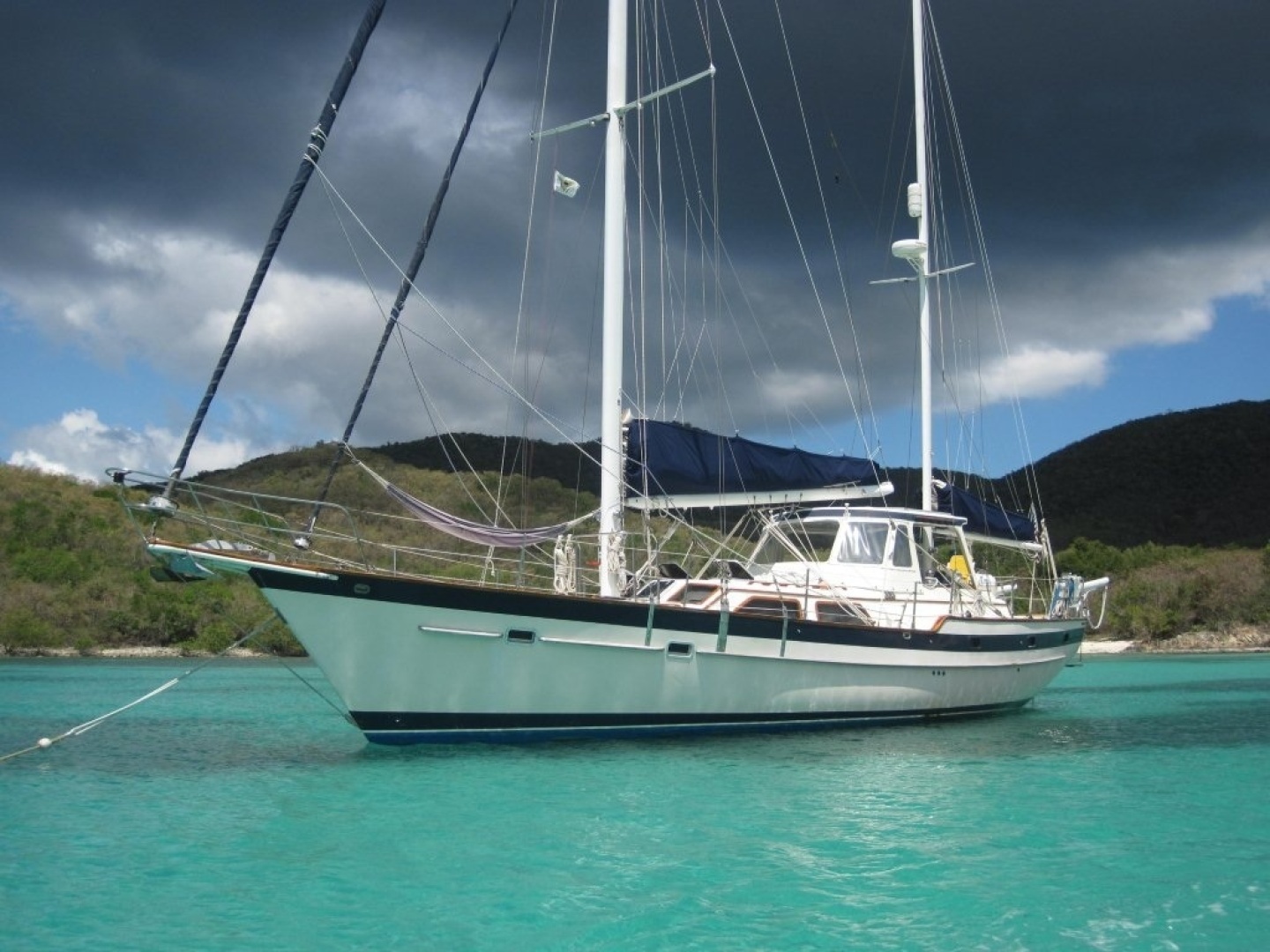
$145,000
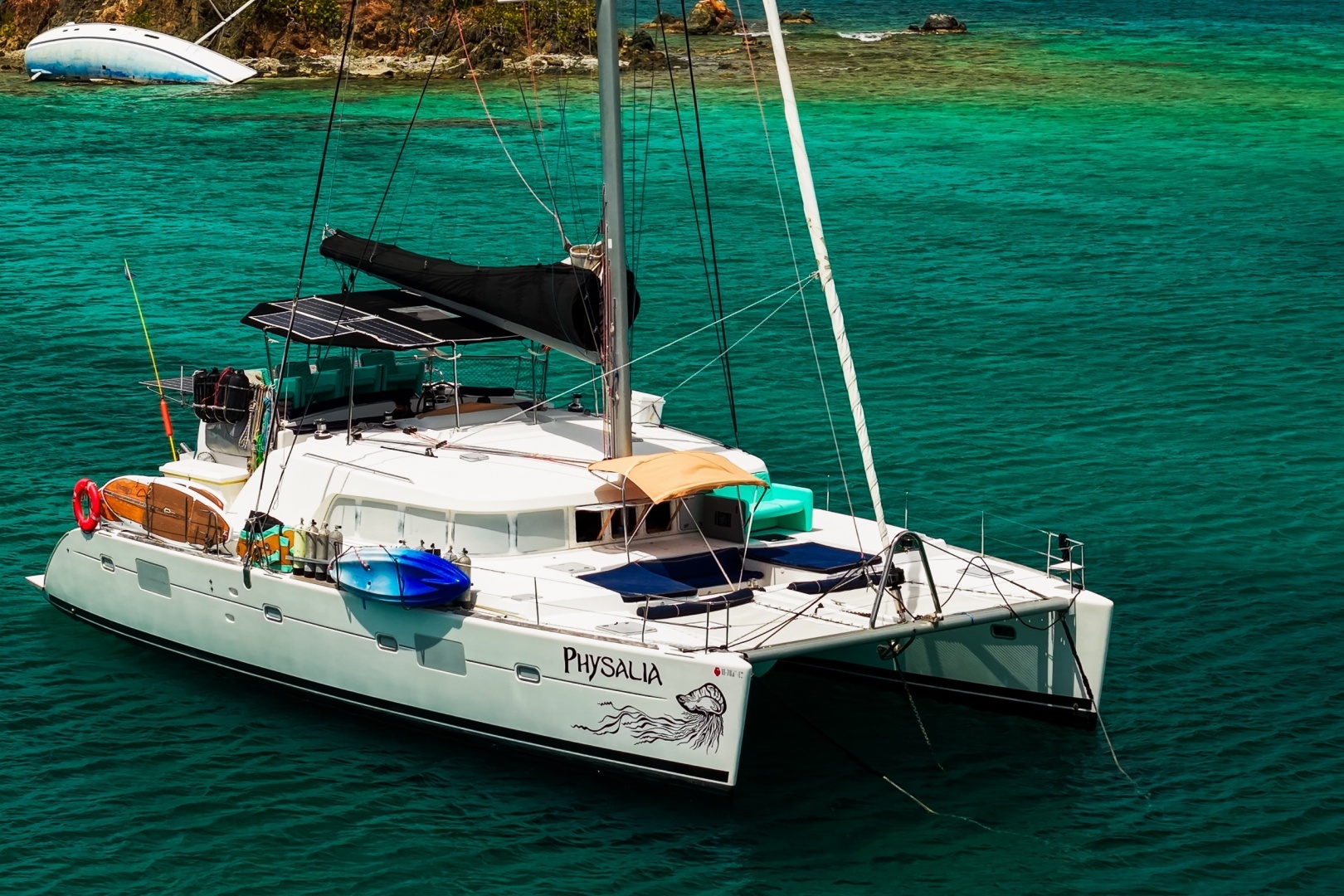
$499,000
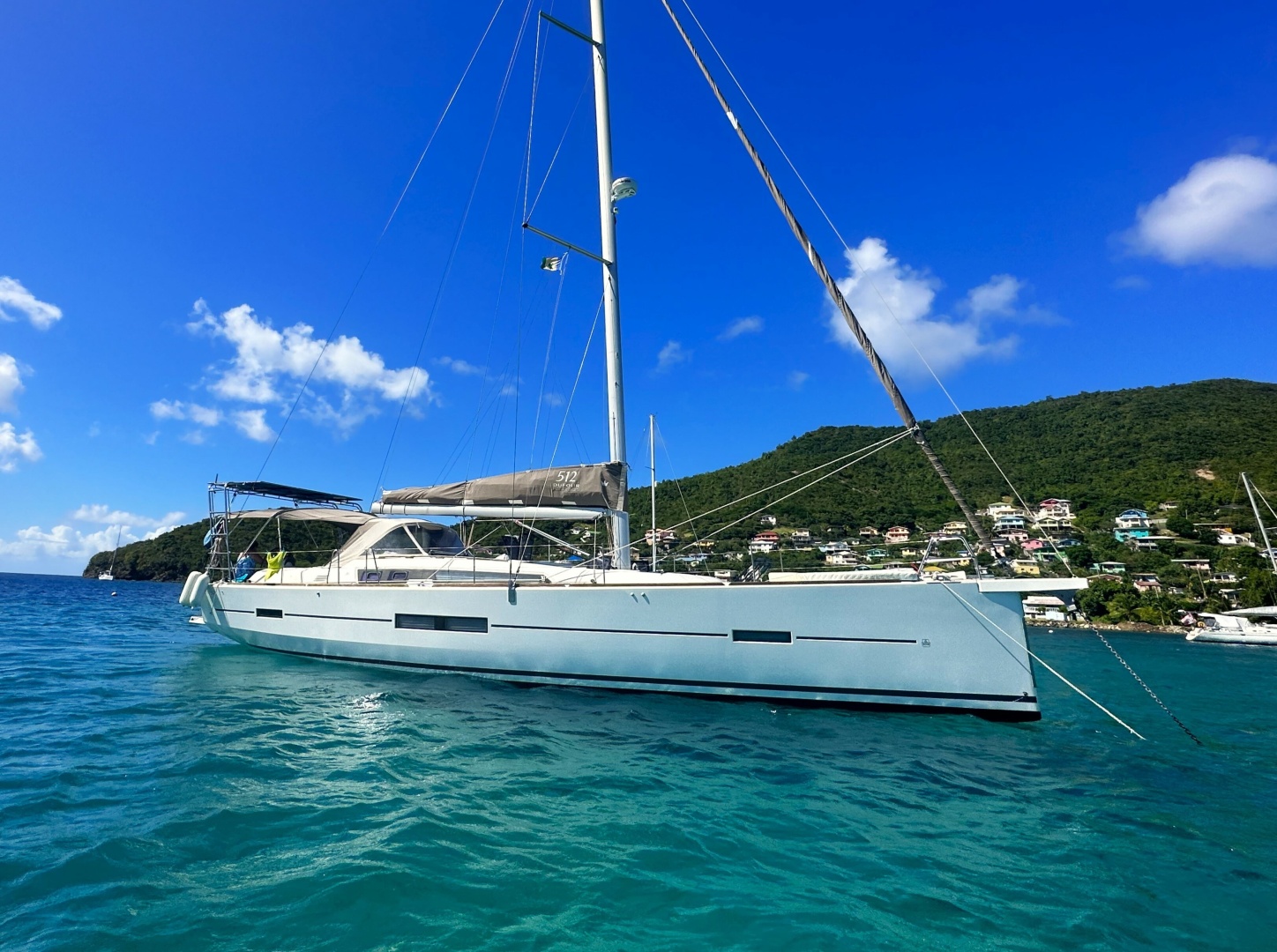
$350,000
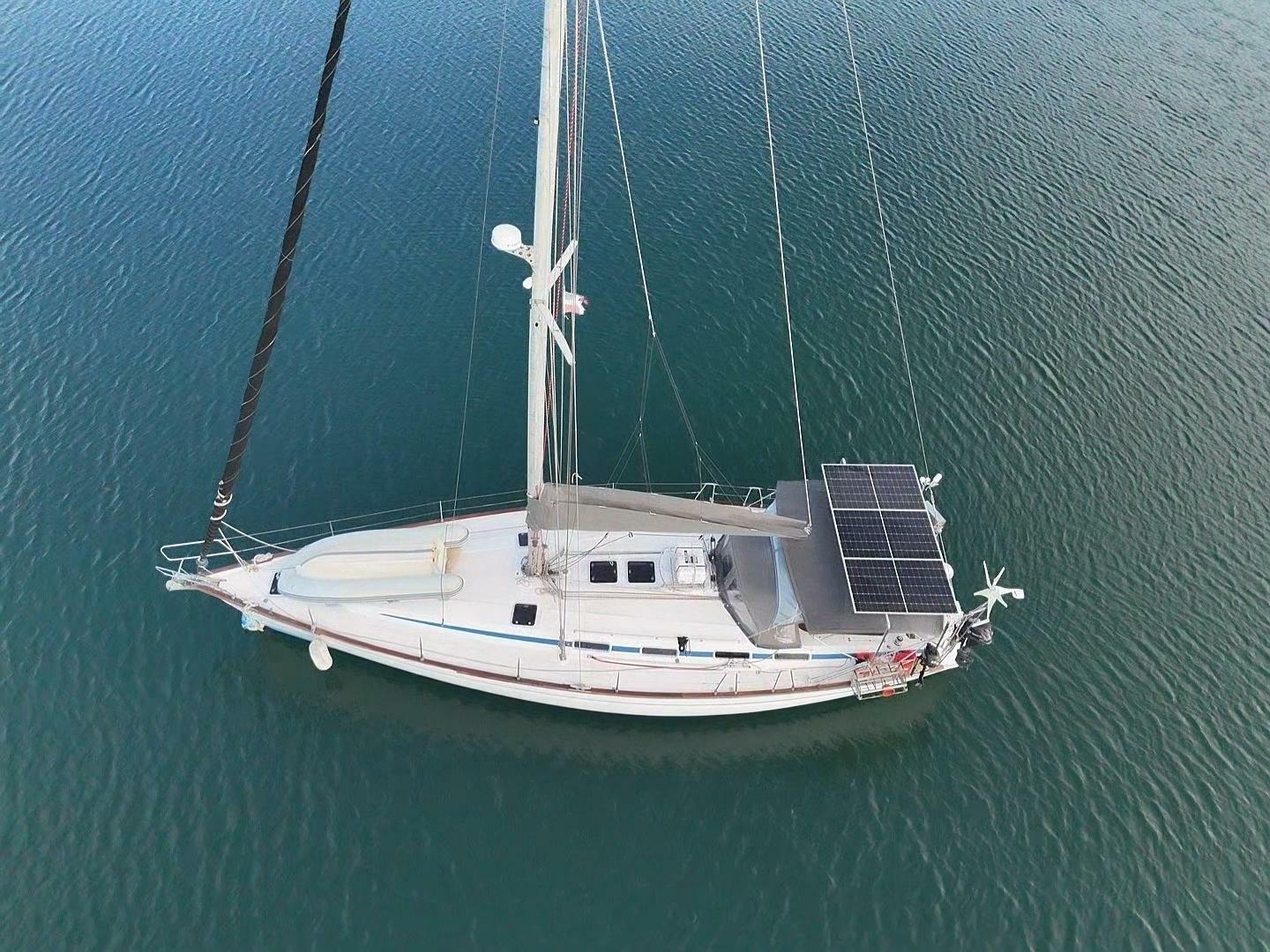
$80,000
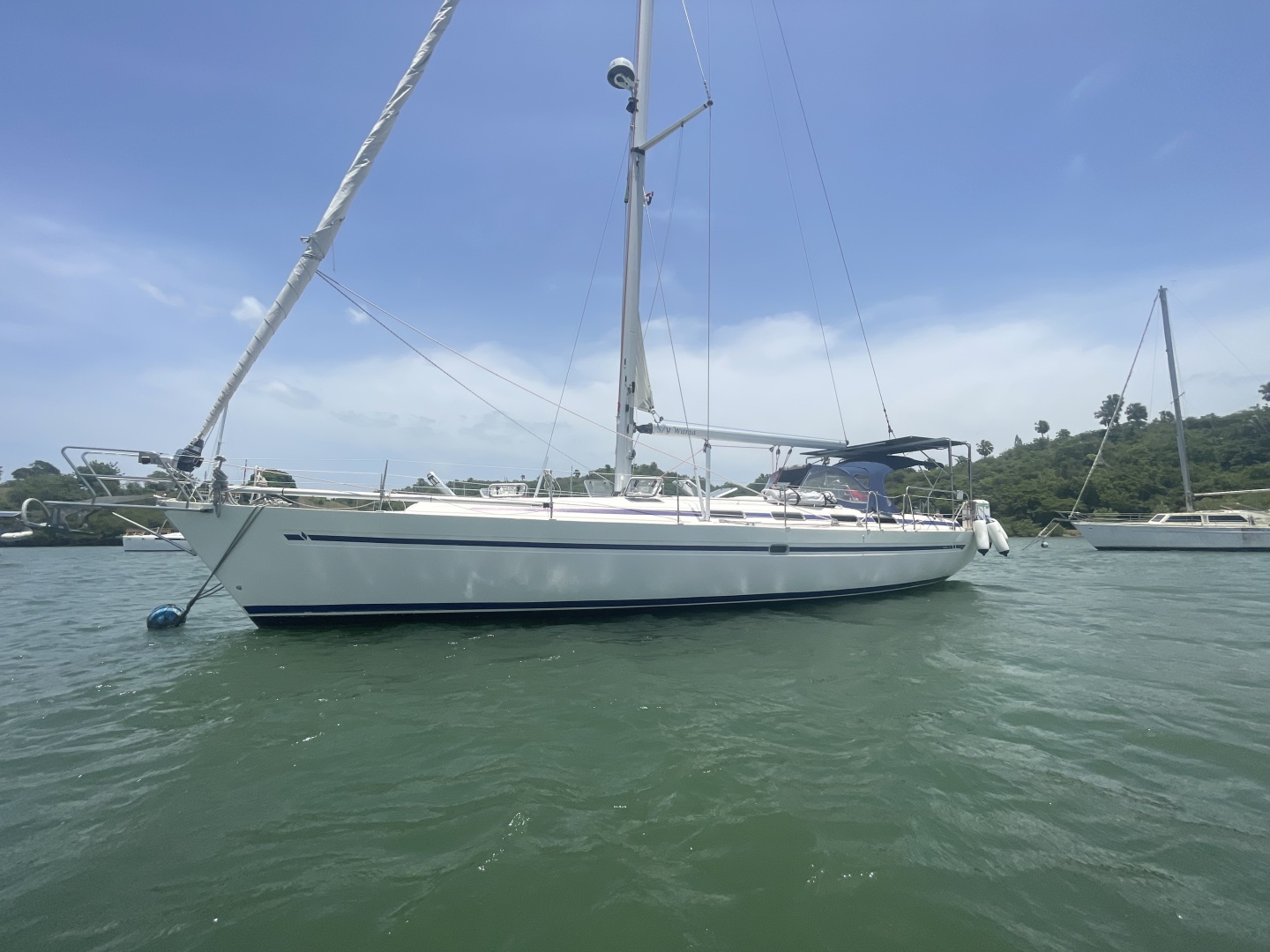
$80,000
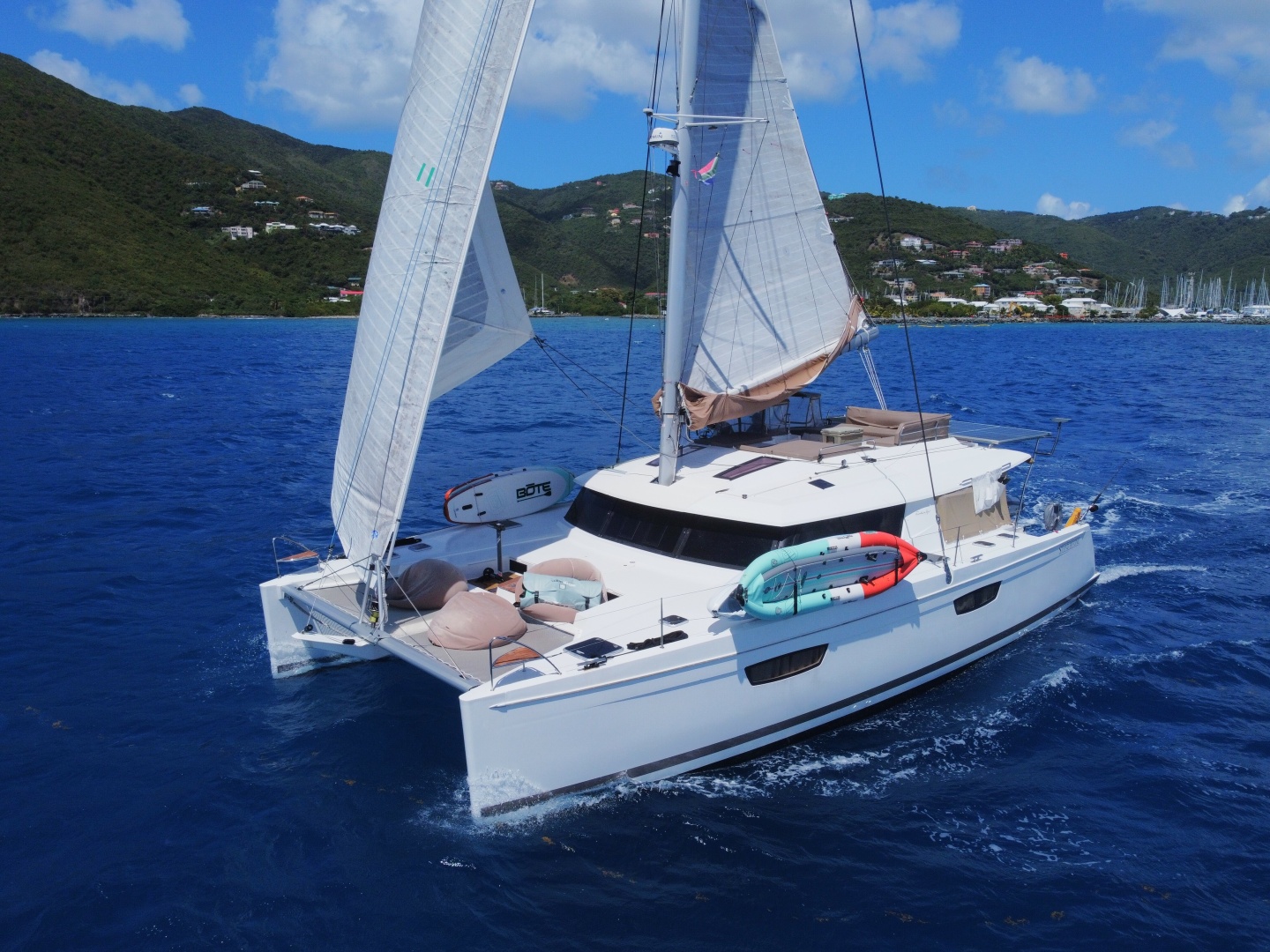
$599,000
$119,000

$98,250
$149,850
$339,000
$395,000
$349,000
$125,000
$1,730,000
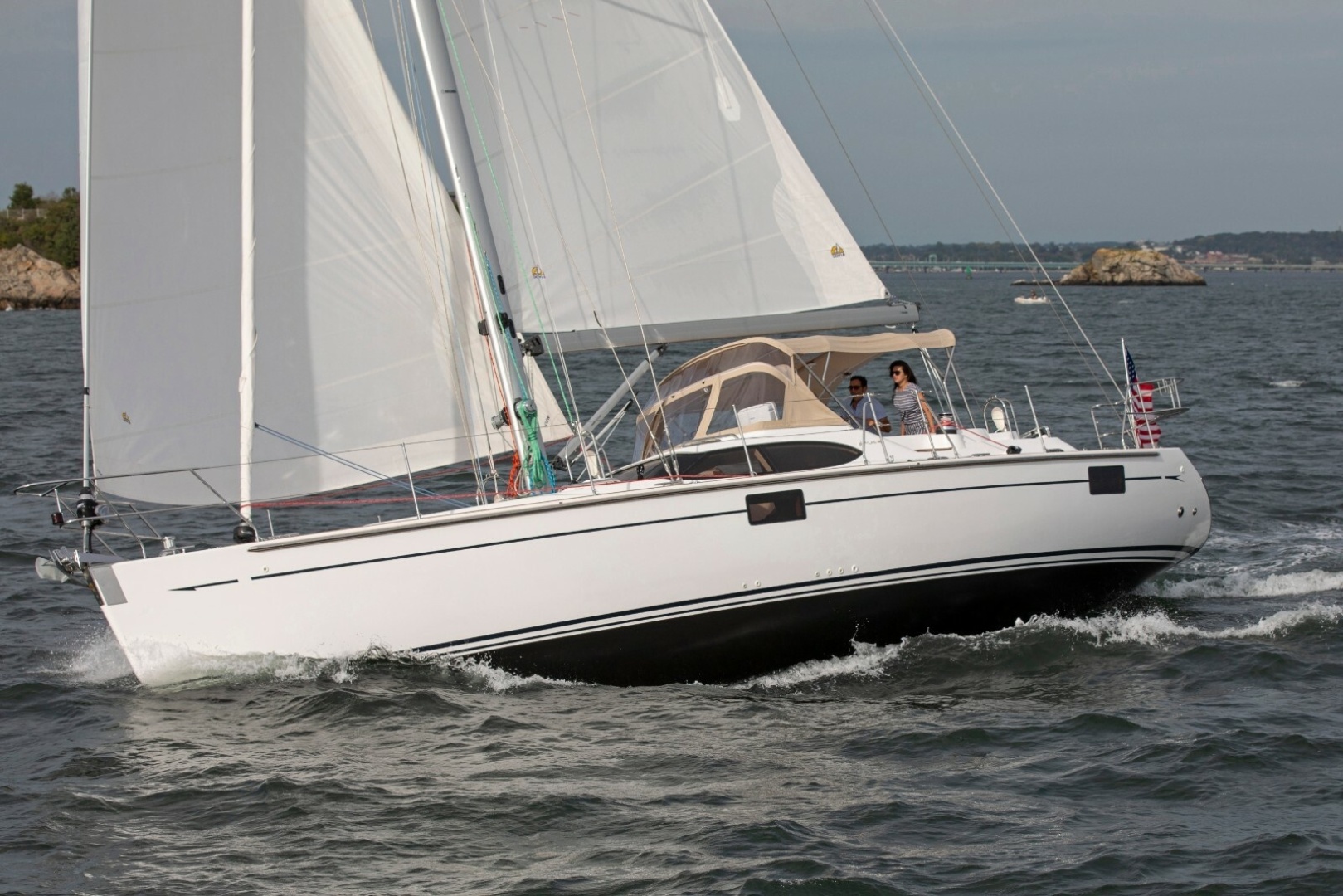
$1,730,000
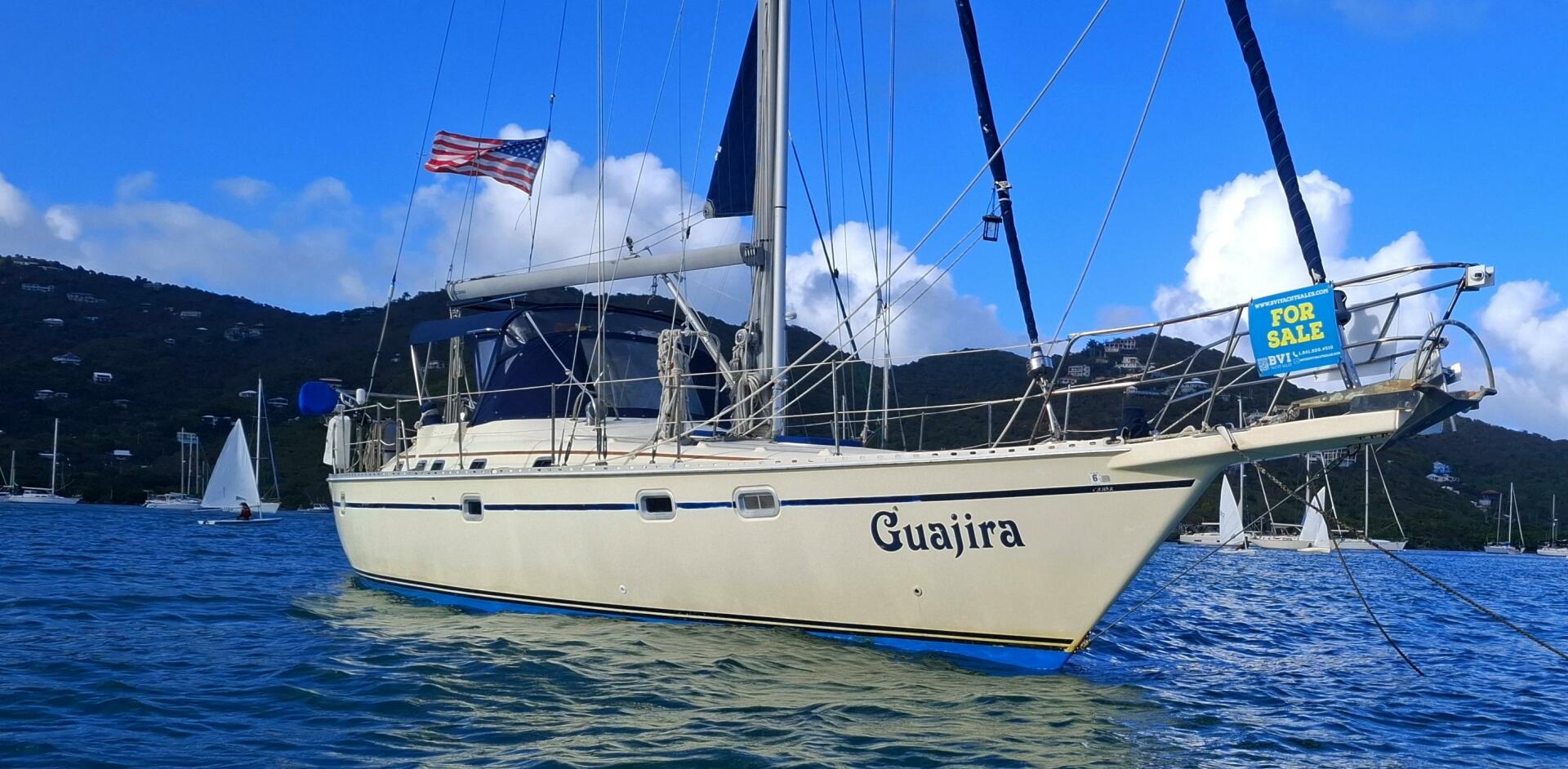
$149,500
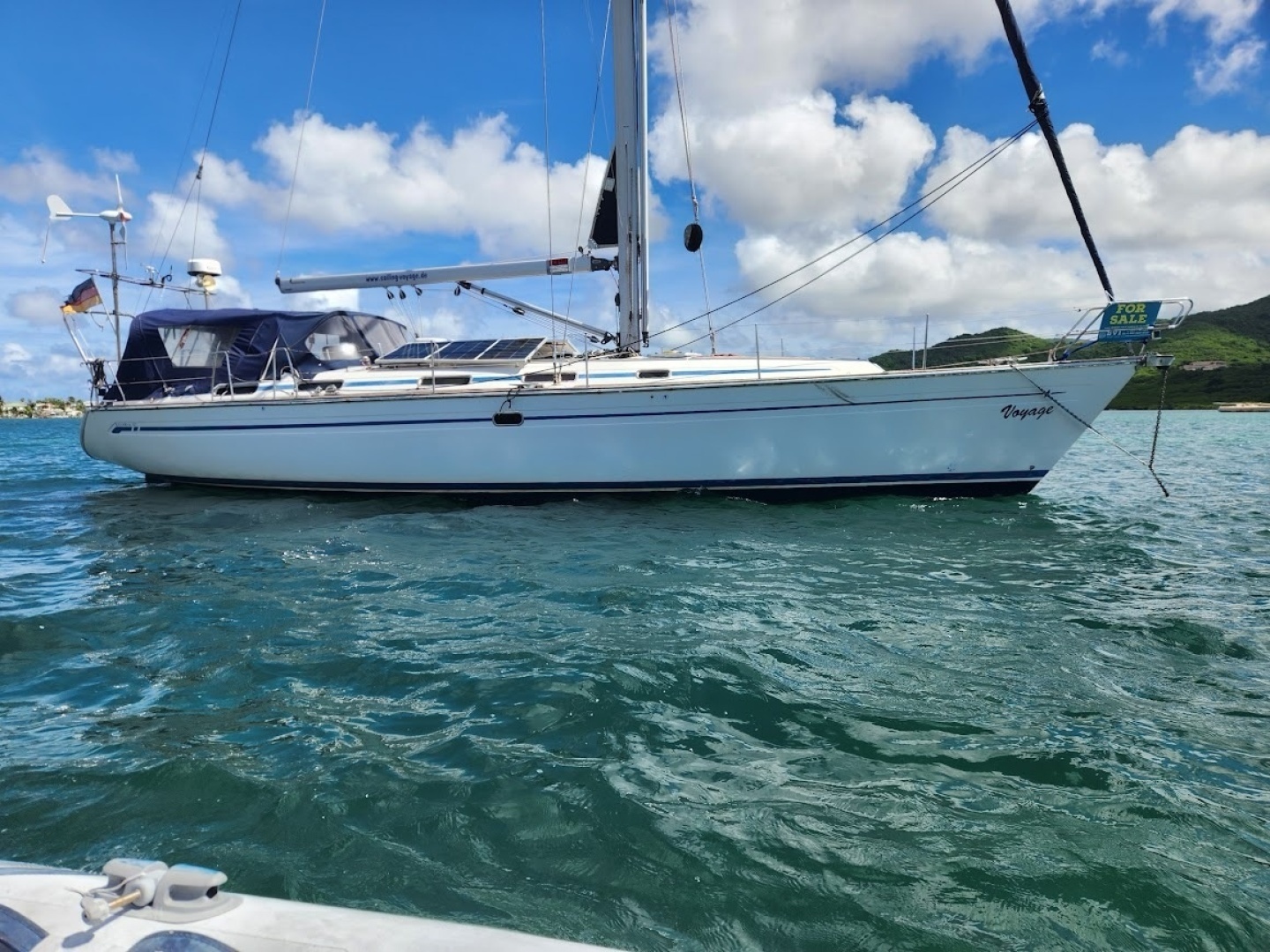
$94,999

$652,000
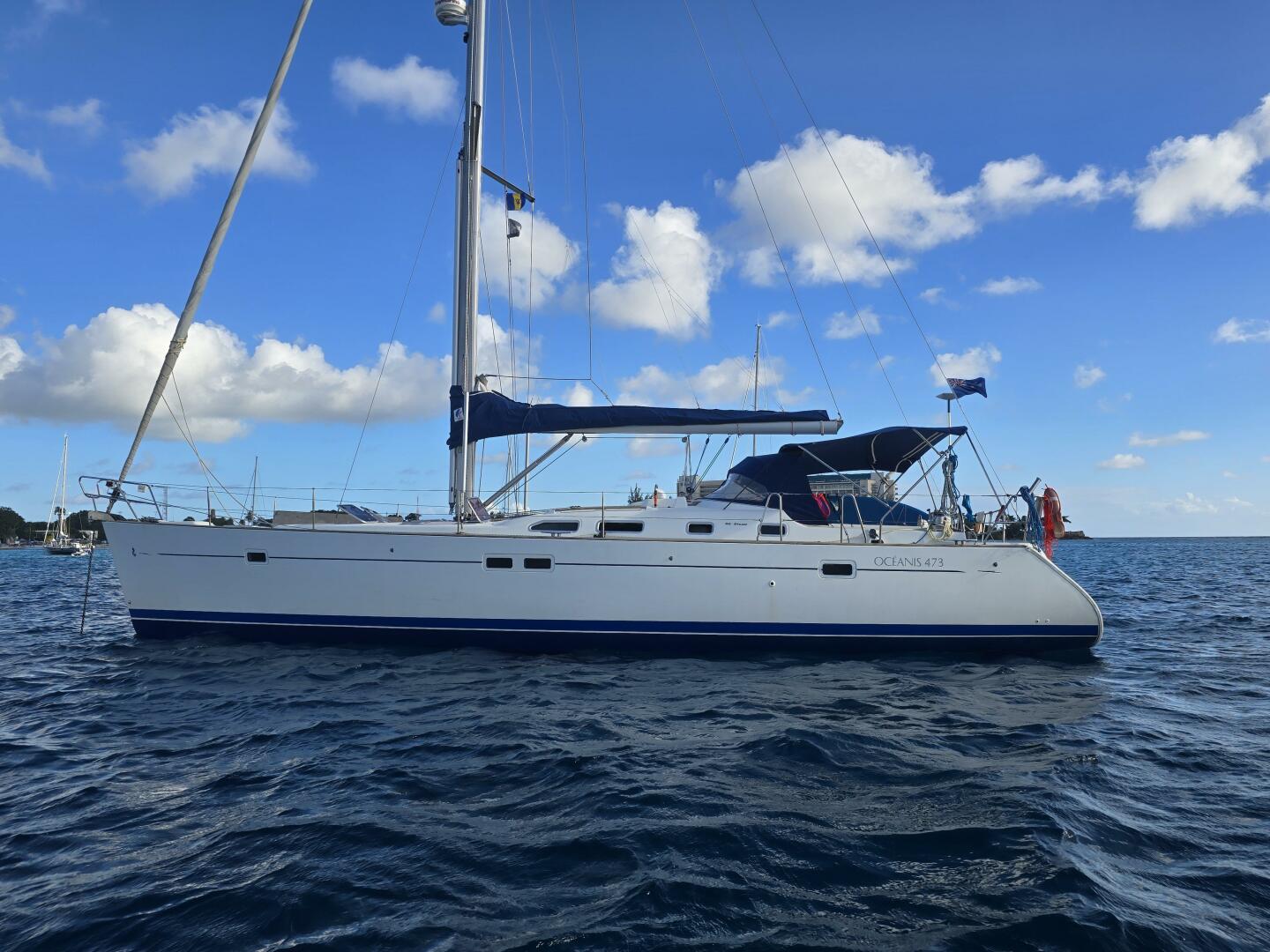
$105,000

$115,000
$950,000
$149,000