

Catamarans & Multihulls · Buyer's Guide
For most Caribbean buyers the choice comes down to one trade: a sailing catamaran rewards patience with near-zero fuel costs, while a power catamaran trades fuel and range for speed, simplicity, and effortless deck space.
A power catamaran vs sailing catamaran decision rests on a single question: do owners want to move by wind or by engine? A sailing catamaran uses sails as its primary power, with small auxiliary engines around 45hp per hull, so fuel use can fall to zero on a good passage. A power catamaran runs entirely on engines, sometimes up to 480hp per side, buying speed and range at a real fuel cost.
Definition
Catamaran — A multihull vessel built on two parallel hulls joined by a deck and bridgedeck. The wide beam delivers level, stable motion and generous living space whether the boat is driven by sails or by engines, which is why catamarans dominate Caribbean liveaboard and charter fleets.
55%
of catamaran demand in 2024 was cruising/liveaboard use, the fastest-growing segment
Mordor Intelligence 2025
5.5%
projected catamaran market CAGR, 2025-2030
Mordor Intelligence 2025
480hp
engines per hull on a large power catamaran, vs ~45hp auxiliaries on a sailing cat
The Moorings
Key Takeaways
- 01
Sailing catamarans win on running costs, with fuel use approaching zero on a good trade-wind passage; power catamarans win on speed and predictable arrival times.
- 02
Power-cat range is a throttle choice: roughly 450 nautical miles at 18 knots stretches to about 1,300 at 8 knots on a Lagoon Power 44.
- 03
Budget 5-15% of the boat’s value annually for maintenance on either design, before fuel and major upgrades.
- 04
Power cats shift cost toward engines and fuel; sailing cats shift it toward rig, sails, and standing rigging.
- 05
In the BVI both designs cruise well, so let helm experience, fuel tolerance, and journey-vs-destination preference decide.
What Is the Real Difference Between a Power and Sailing Catamaran?
Both boats share the same wide-beam, twin-hull platform, so the deck plan, stability, and shallow draft feel familiar across both. The split is in propulsion and everything that flows from it: how fast the boat moves, how far it goes on a tank, how much it costs to run, and how much skill it asks of the owner.
A sailing catamaran is quieter and slower, putting the crew in tune with wind and water, and it carries a mast and rig that demand sail-handling skill. A power catamaran removes the rig entirely, which frees interior and deck volume and makes the boat far simpler to operate for a newer captain, as The Moorings notes in its own charter comparison. Once the power-versus-sail question is settled, buying a catamaran in the BVI covers the survey, the import position and how the charter fleets shape what is actually available.
Sailing Catamaran
- ✓Fuel cost drops to near zero under sail on a good passage
- ✓Quieter, more immersive cruising in tune with wind and water
- ✓Lower auxiliary engine hours mean cheaper long-term servicing
- ✗Mast and rig demand real sail-handling skill and crew
- ✗Slower passage times; you arrive when the wind allows
- ✗Rig and standing rigging add their own inspection and replacement costs
Power Catamaran
- ✓Faster passages and reliable arrival times regardless of wind
- ✓No mast frees significant interior and deck living space
- ✓Simpler to operate for newer or short-handed captains
- ✗Meaningful fuel bills on every mile run under power
- ✗Two large engines raise overhaul and servicing exposure
- ◦Range is tied to tank size, not the wind
How Do Fuel, Range, and Speed Compare?
This is where the two designs diverge most sharply. A sailing catamaran consumes fuel only when motoring on its small auxiliaries, so a passage with steady trade winds can cost almost nothing in diesel. A power catamaran always burns fuel, but modern hulls are surprisingly efficient for the speed they deliver.
Speed is the headline. A power catamaran can hold cruising speeds a sailing cat simply cannot match under sail, and it does so with predictable arrival times that matter for charter schedules and weather windows between BVI anchorages.
Power Catamaran Range vs Speed (Lagoon Power 44)
| 18 kn | 450 |
| 15 kn | 520 |
| 10 kn | 650 |
| 8 kn | 1300 |
Nautilus / Lagoon Power 44 published figures
The chart shows the central trade of power-cat ownership: range is a choice you make with the throttle. At 18 knots a Lagoon Power 44 burns about 46 litres per hour for a 450-plus nautical mile range, but easing back to 8 knots stretches that to roughly 1,300 nautical miles. A sailing catamaran inverts the math entirely, trading the throttle for patience and a near-empty fuel log.
Range on a power catamaran is set by the throttle: roughly 450 nautical miles at 18 knots stretches to about 1,300 at 8 knots. A sailing cat trades the throttle for patience and a near-empty fuel log.
Which Costs More to Own in the Caribbean?
Annual maintenance on either catamaran typically runs 5 to 15 percent of the boat’s value, so a $300,000 cat can cost $15,000 to $30,000 a year before major upgrades. The cost split between the two designs is less about purchase price and more about what each platform asks of you over a season.
Power catamarans carry larger, harder-working engines, so overhaul and servicing exposure is higher and fuel is a constant line item. Sailing catamarans shift that spending toward rig inspection, sails, and standing rigging, while keeping engine hours and fuel bills low. In the Caribbean hurricane zone, insurance runs about 1.5 to 1.7 percent of hull value on either boat.
The number that frames the decision
5-15%
of a catamaran's value spent on maintenance each year, before fuel and major upgrades
Windward Yachts / Multihull Company 2025
Which Catamaran Suits Your Cruising Style?
Match the boat to how you actually cruise. Owners who love the act of sailing, plan to spend seasons aboard, and want the lowest running costs gravitate to sailing catamarans. Owners who prize speed, simplicity, and predictable arrival times, or who are newer to the helm, often find a power catamaran the easier fit. Buyers still weighing two hulls against three can start with our catamaran vs trimaran comparison for Caribbean cruising.
In the British Virgin Islands the short, sheltered hops between islands suit both designs well, which is why the local fleet carries plenty of each. The decision usually comes down to fuel tolerance, helm experience, and whether the journey or the destination matters more.
You enjoy sail-handling, want fuel costs that approach zero on a good passage, and are happy to arrive when the wind allows. Sailing cats reward crews who treat the journey as part of the experience and who want the lowest possible running costs over years of ownership.
Best fit
Long-term liveaboards and trade-wind cruisers
If you plan multi-week passages and value low fuel bills over speed, a sailing catamaran’s economics compound in your favour every season.
You want speed, predictable arrival times, and a simpler helm. Power cats remove the rig and its learning curve, free up living space, and let you outrun weather windows, at the cost of a real fuel budget on every mile.
Best fit
Newer captains and time-pressed owners
If your cruising weeks are limited and you would rather spend them at anchor than waiting on wind, a power catamaran buys back time.
Before you commit
Survey the engines and rig before either purchase
On a power catamaran, budget for engine-hour history and overhaul timelines on both motors. On a sailing catamaran, have a rigger inspect the mast, standing rigging, and sails. These are the items that quietly decide your true first-year cost on each design.
Talk to a BVI Broker
Find the Catamaran That Fits Your Cruising
Whether you lean toward sail or power, our brokerage team can match your budget, experience, and Caribbean cruising plans to the right multihull on the market.
QIs a power catamaran or sailing catamaran better for the Caribbean?
Both suit the Caribbean well because the islands offer short, sheltered hops. A sailing catamaran is better for owners who want low fuel costs and enjoy sailing, while a power catamaran is better for those who prioritise speed, predictable arrival times, and a simpler helm. In the BVI, local fleets carry plenty of both.
QDo power catamarans use a lot of fuel?
Power catamarans always burn fuel since they run entirely on engines, but they are efficient for their speed. A Lagoon Power 44 burns about 46 litres per hour at 18 knots and far less at slower speeds. A sailing catamaran, by contrast, can use almost no fuel when wind conditions allow it to sail.
QWhat is the range of a power catamaran?
Range depends heavily on cruising speed. A Lagoon Power 44 covers roughly 450 nautical miles at 18 knots, around 650 at 10 knots, and about 1,300 nautical miles at 8 knots. Slowing down dramatically extends range, which is why long-range power cruisers run at economical speeds on passage.
QAre sailing catamarans cheaper to own than power catamarans?
Sailing catamarans usually cost less to run because fuel use is low and auxiliary engines work less. However, they add rig, sail, and standing-rigging costs. Both designs typically cost 5 to 15 percent of the boat’s value per year in maintenance, so the difference lies in where that money goes rather than the headline total.
QIs a power catamaran easier to operate than a sailing catamaran?
Yes, for most owners. A power catamaran has no mast or sails to manage, so there is no sail-handling learning curve, making it a strong choice for newer or short-handed captains. A sailing catamaran demands more skill but rewards it with the experience of sailing and far lower fuel costs.
QWhy do power catamarans have more living space?
Power catamarans carry no mast, boom, or standing rigging, which frees both deck and interior volume that a sailing catamaran must devote to its rig. Combined with the wide twin-hull beam shared by both designs, this gives power cats noticeably more usable living and entertaining space at a given length.
Featured Listings
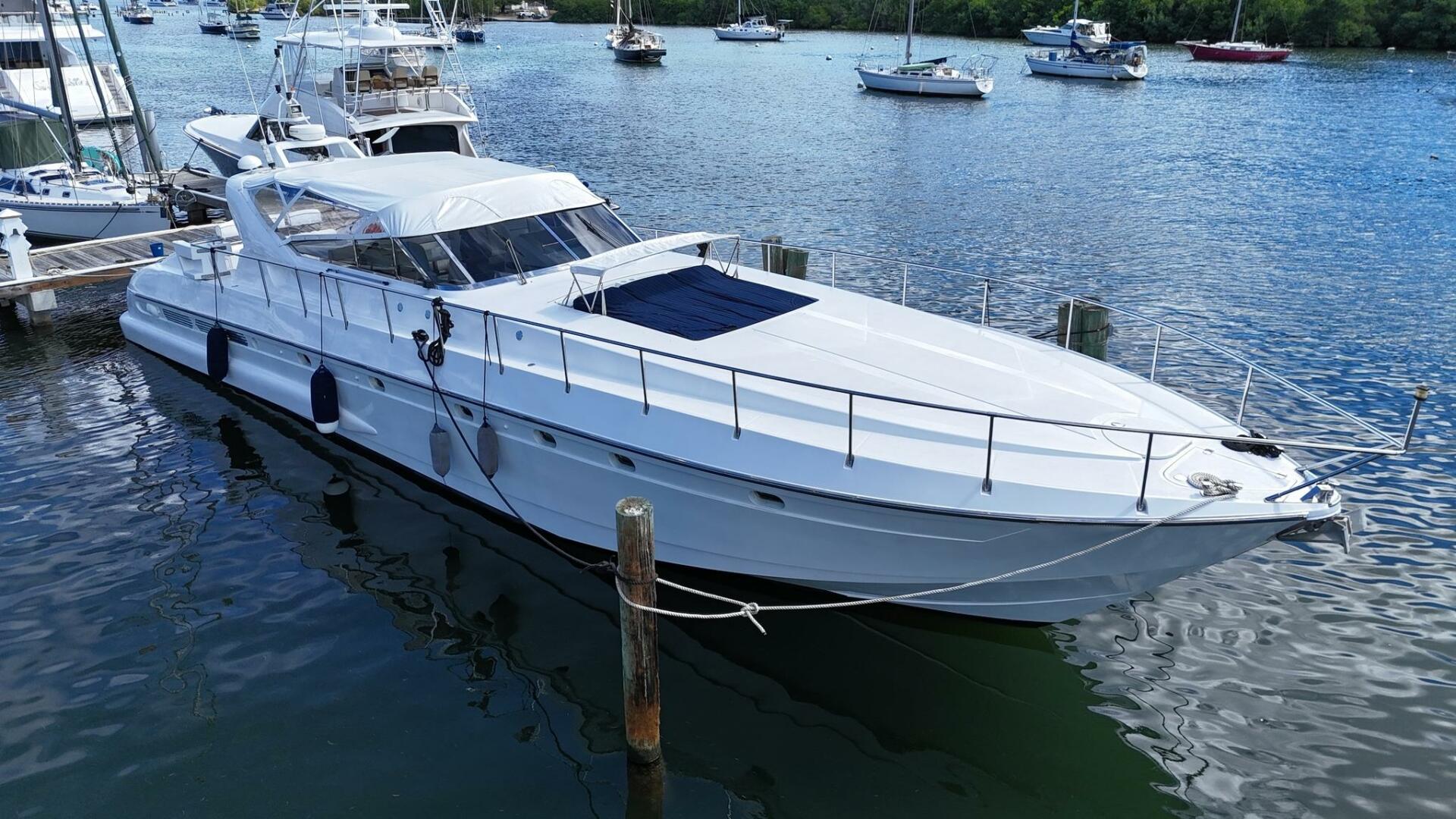
$599,000
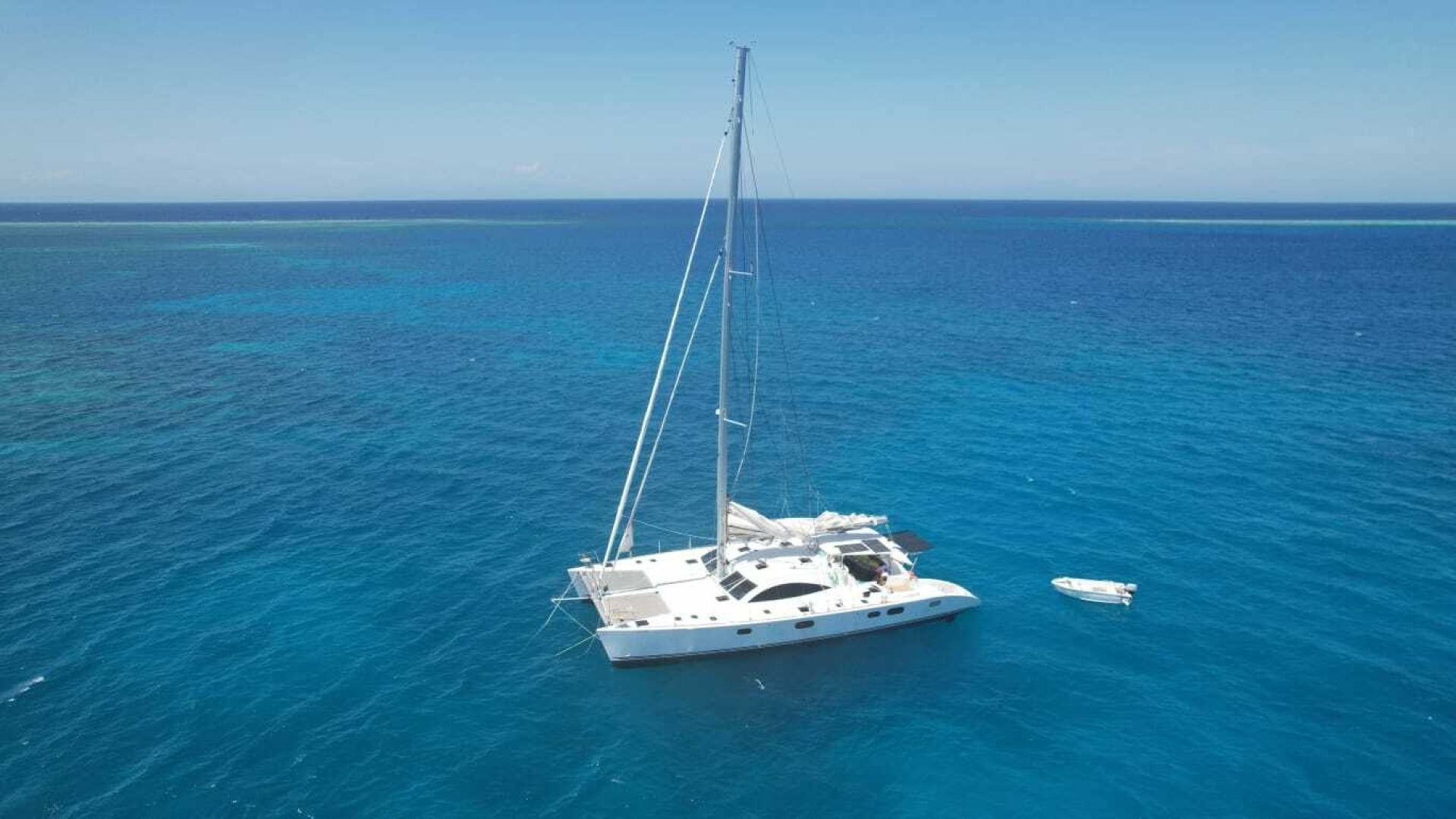
$1,300,000
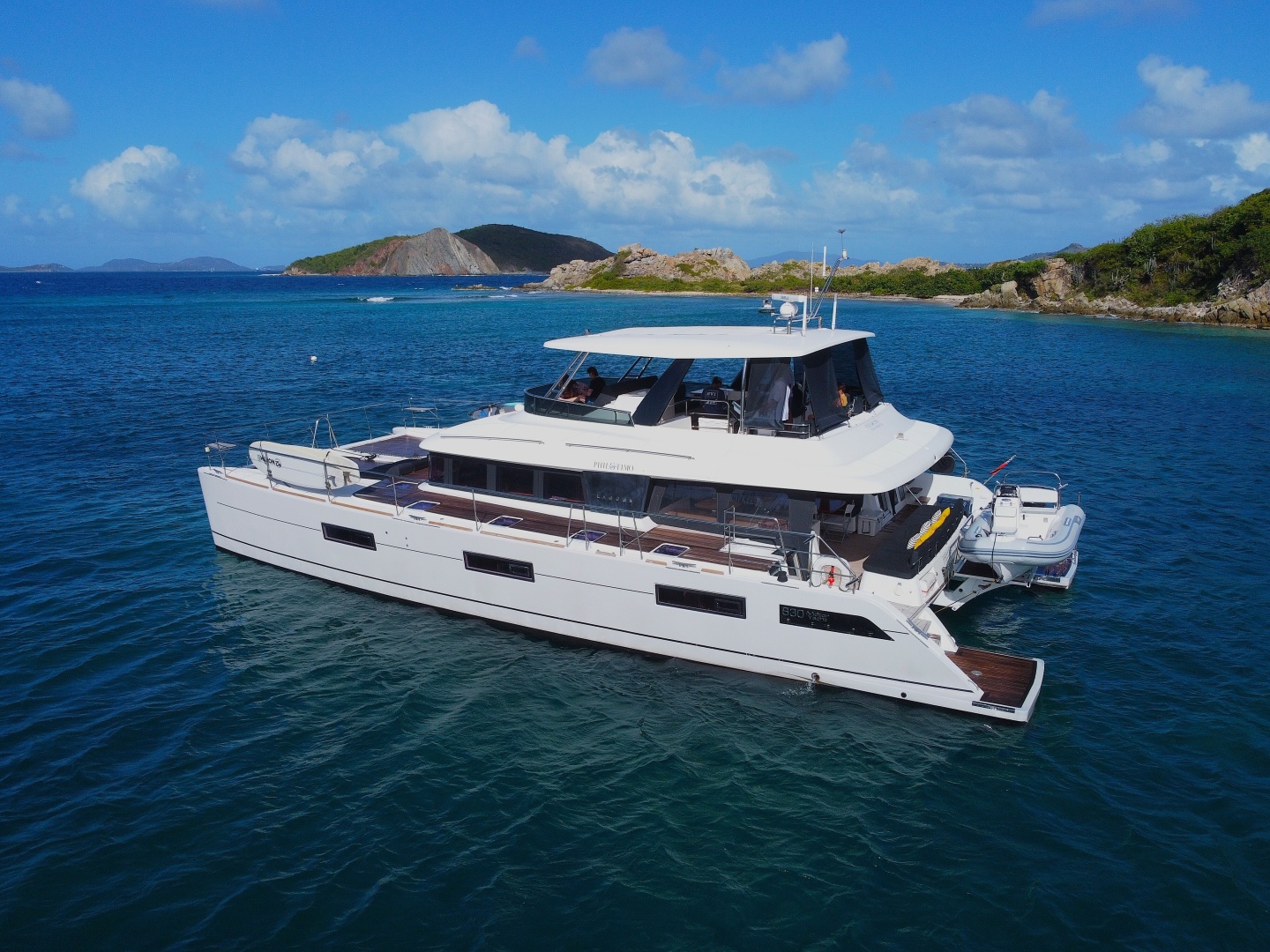
$1,699,000

$299,000

$899,000
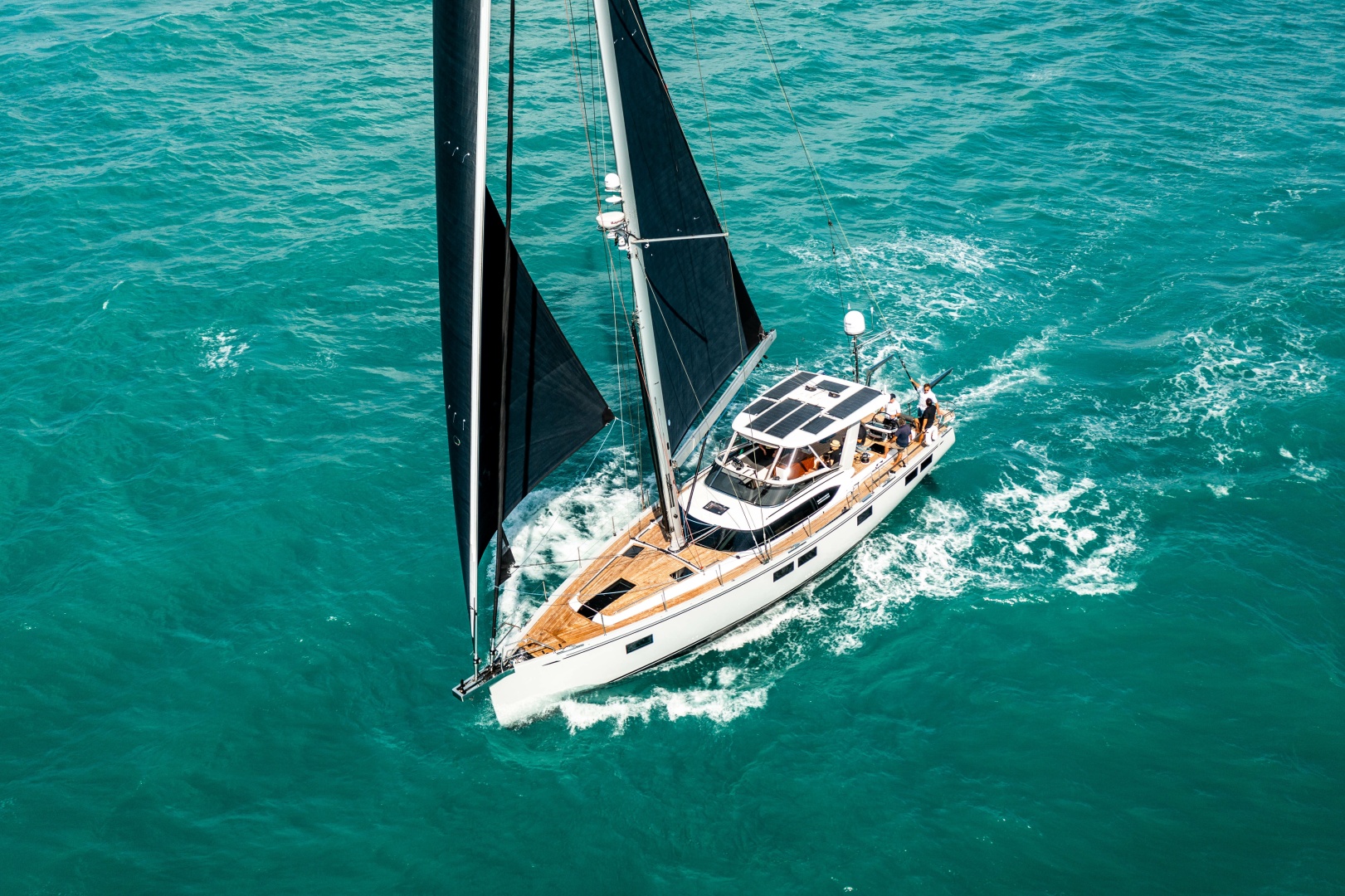
$1,795,000

$269,000
$359,000
$499,500
$299,500
$1,290,000
$800,000
$545,000
$564,900
$1,130,000
$159,000
$499,000
$89,000
$89,000
$135,000
$98,250
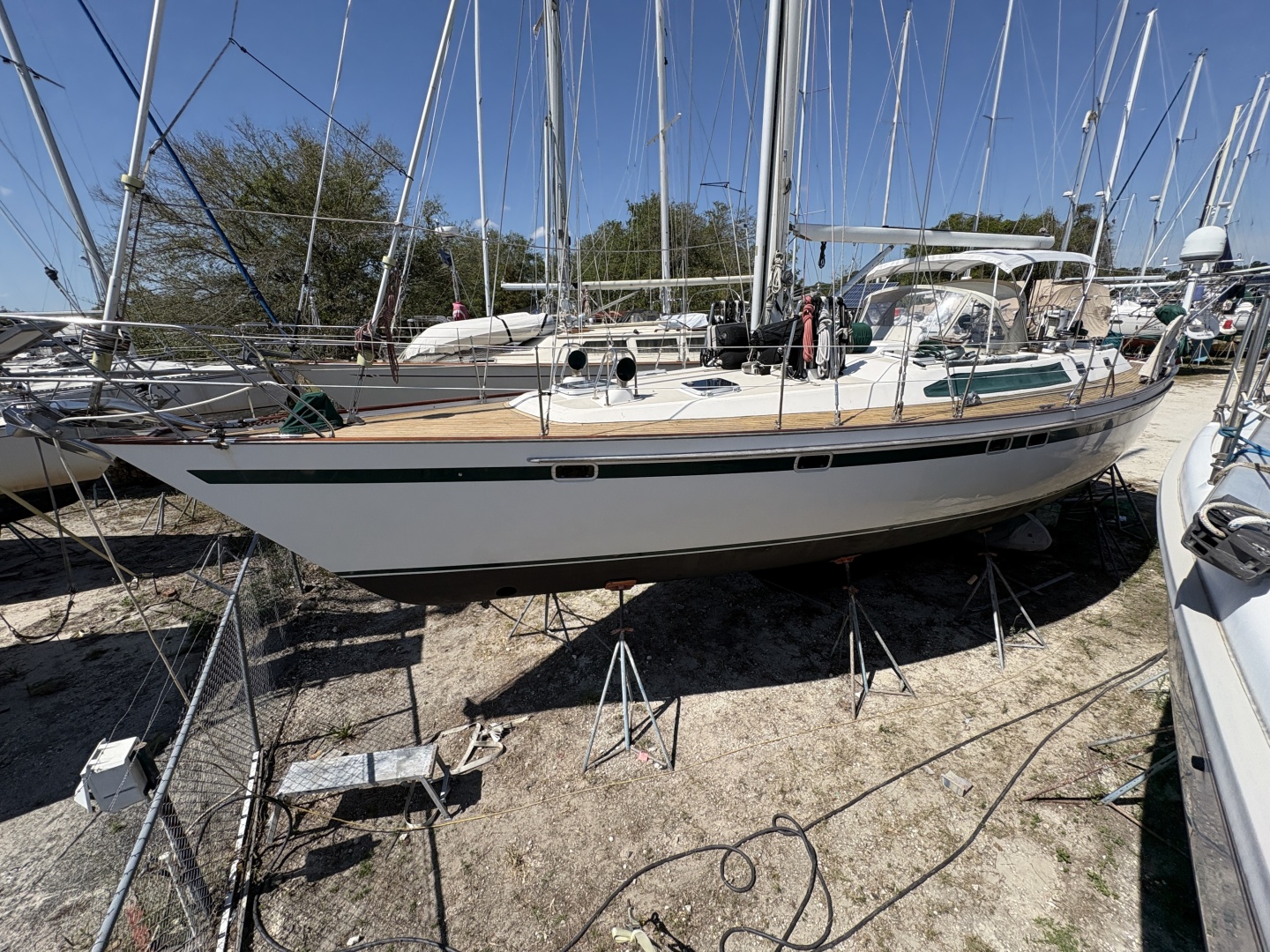
$149,850
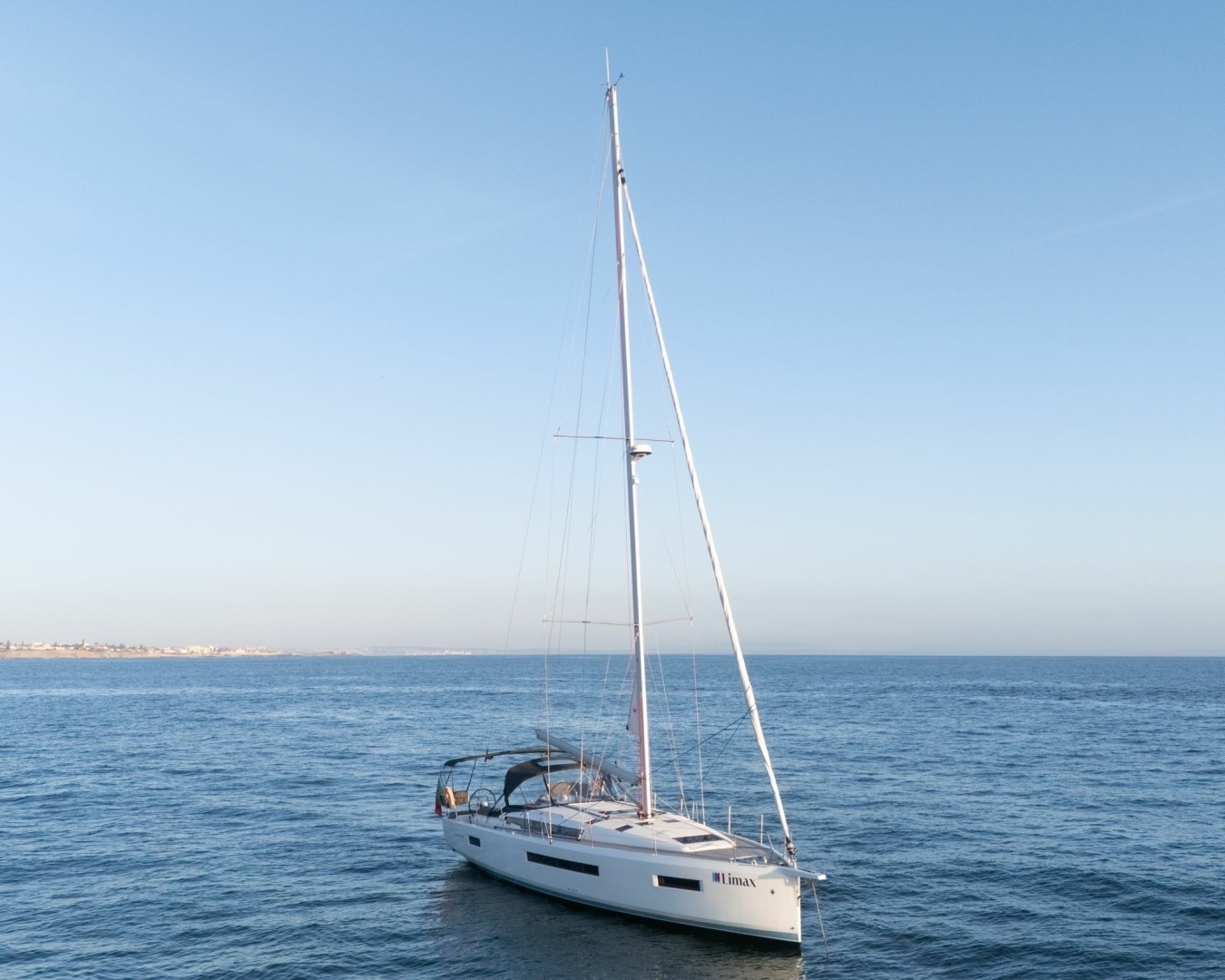
$369,000
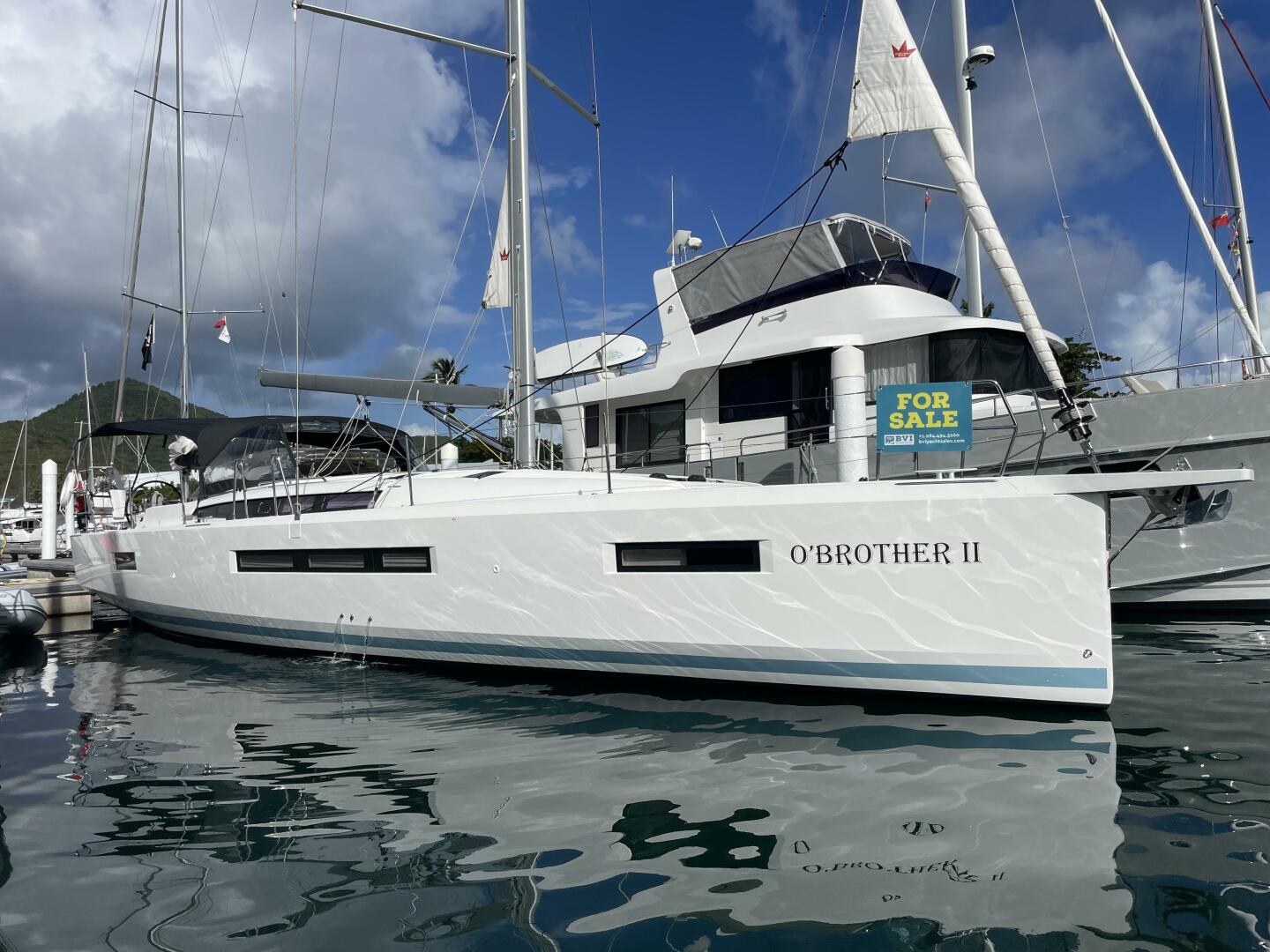
$395,000
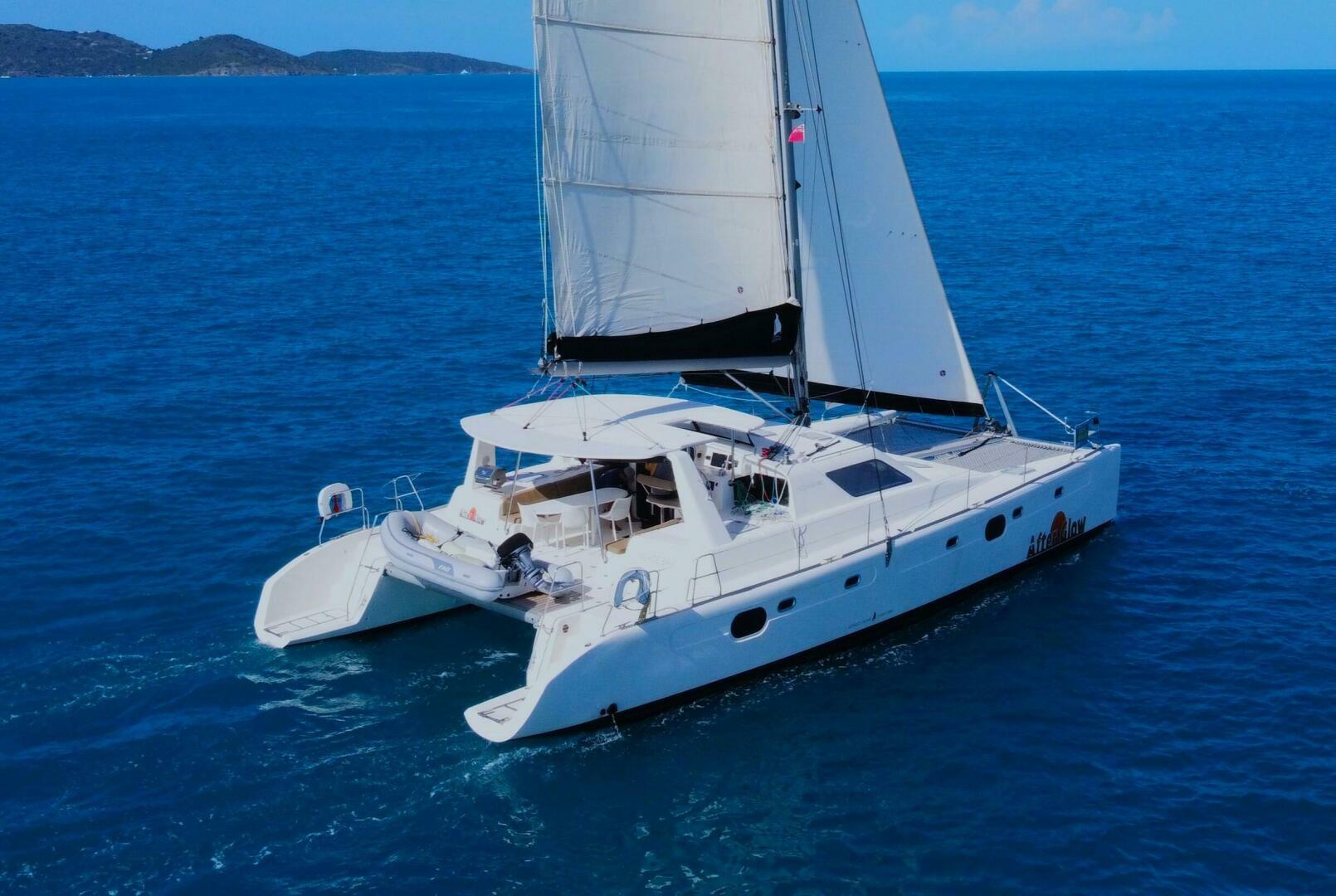
$349,000
$125,000
$1,724,571
$149,500
$109,900
$395,000

$652,000
$105,000

$115,000
$950,000
$149,000
$135,000
$349,000