

Sailboats & Monohulls
A plain guide to what cruising sailboats sell for at each length, why two boats of the same size can be $100,000 apart, and how to tell a fair asking price from a hopeful one.
Last updated
Sailboat price follows length more than anything else, but length only sets the starting band. Age, builder, rig, engine, and the state of the boat move the number far more than most first-time buyers expect. This guide gives you realistic ranges for new and used cruising sailboats from about 25 to 60 feet, then shows you how to read an asking price.
Key Takeaways
- 01
Length sets the band — Price climbs faster than length. A 40-footer often costs two to three times a 30-footer.
- 02
Condition sets the price — Age, engine, rigging, sails, and electronics can put two same-length boats $100,000 apart.
- 03
New boats cost more than the base price — Options, shipping, and commissioning can add tens of thousands of dollars.
- 04
Budget past the offer — Plan for survey, tax, insurance, catch-up repairs, and yearly upkeep before you buy.
The Short Answer: Sailboat Price by Length
A small used sailboat can cost less than a used car. A new 50-foot bluewater cruiser can cost more than a house. Most cruising buyers land somewhere in the middle, shopping used boats between 32 and 45 feet.
The best public snapshot of used prices by length comes from YachtWorld listing averages reported by Improve Sailing for the second quarter of 2022. Those averages are a few years old and the sample mixes many kinds of boats. Treat them as a sense of scale, not a valuation for any one boat.
The table below pairs those reported averages with wider ranges you will commonly see on the market. The ranges are rough guides, not quotes. Prices move with the season, the region, and the condition of each boat.
Used and new cruising sailboat prices by length (rough ranges)
Used averages: YachtWorld listings, second quarter 2022, as reported by Improve Sailing. Ranges are broad market guides, not quotes. Check current listings and builder price lists before you budget.
| Length | Typical used range | Reported used average (2022) | Typical new range, before options |
|---|---|---|---|
| Under 25 feet | $3,000 to $25,000 | About $8,000 (15 to 19 feet); about $19,000 (20 to 24 feet) | $30,000 to $80,000 |
| 25 to 29 feet | $10,000 to $50,000 | About $30,000 | $90,000 to $160,000 |
| 30 to 34 feet | $25,000 to $110,000 | About $66,000 | $150,000 to $275,000 |
| 35 to 39 feet | $50,000 to $200,000 | About $111,000 | $250,000 to $400,000 |
| 40 to 44 feet | $90,000 to $350,000 | About $150,000 | $350,000 to $600,000 |
| 45 to 49 feet | $130,000 to $500,000 | About $162,000 | $500,000 to $900,000 |
| 50 to 60 feet | $200,000 to $1 million or more | About $281,000 | $800,000 to several million |
Two patterns stand out. First, price climbs much faster than length. A 40-footer is not a third more boat than a 30-footer. It has more volume, a bigger engine, more systems, and heavier gear, so it often costs two to three times as much.
Second, the used ranges are very wide. A tired 1980s 36-footer and a five-year-old 36-footer from a premium builder share a length and almost nothing else. That is why the rest of this guide matters more than the table.
New Sailboat Prices: What You Pay Before You Leave the Dock
New sailboats are sold off a base price, and the base price is rarely what a buyer pays. Builders publish a starting figure for the boat as built. Sails, electronics, a dodger, a bimini, an anchor package, and a larger battery bank are often extras.
Then come the costs of getting the boat ready. Shipping from the factory, commissioning, rigging, and a first haul-out to check the bottom all add to the bill. On a cruising-size boat, options and setup can add tens of thousands of dollars to the base price. Ask the dealer for a full sail-away figure in writing before you compare boats.
The new market is also small. The National Marine Manufacturers Association (NMMA) sailboat sales report put 2020 retail sales at about 4,000 new sailboats worth about $237 million. That is an average near $59,000 per boat, which tells you most new sailboats sold are small daysailers and trainers, not 40-foot cruisers.
About 4,000
New sailboats sold at retail in the United States in 2020, worth about $237 million in total
National Marine Manufacturers Association, 2020 Sailboat Sales Trends report
For a buyer, a small new-boat market means two things. Wait times for popular cruising models can be long. And a well-kept boat a few years old often gives you most of the same boat for far less money.
Used Sailboat Prices: Why Same-Length Boats Differ So Much
Most cruising sailors buy used. Depreciation is steep in the first few years and then flattens out. The guide to used versus new yacht tradeoffs covers the decision in more depth. Here are the factors that move a used sailboat’s price the most.
Age and build era
Boats from the 1970s and 1980s are often heavy, simple, and cheap to buy. Many were built with thick fiberglass and are still sailing. They usually need newer sails, rigging, wiring, and plumbing, and that work costs real money.
Boats from the late 1990s onward tend to have more interior volume, wider sterns, and modern systems. They hold their value better, so the purchase price is higher but the catch-up list is often shorter.
Builder and reputation
Brand matters. Production builders sell in high numbers, so parts are easy to find and resale is steady. Semi-custom and premium builders charge more new and tend to hold a higher share of that price on the used market.
A boat with a strong offshore reputation can also command a premium. Buyers who plan long passages pay more for proven hulls, solid deck hardware, and well-planned layouts at sea.
Engine hours and condition
The engine is one of the most expensive single items on a cruising sailboat. A tired engine can mean a five-figure repower. Before you trust a low price, read up on how many engine hours is too many and ask for service records.
Hours alone do not tell the whole story. A diesel run often and serviced well can outlast one that sat for years with old fuel in the tank.
Sails, rigging, and electronics
Sails and standing rigging wear out on a schedule, not on a whim. Many insurers and surveyors flag standing rigging older than about 10 to 15 years. A full new sail set and rig on a 40-footer can easily reach tens of thousands of dollars.
Electronics age even faster. A boat with a recent chartplotter, autopilot, and radar is worth more to most buyers than one with older units that may not talk to each other.
Location and market
Where the boat sits changes what it sells for. Boats in busy markets with many buyers tend to sell faster and closer to asking. Boats in remote places may be priced lower because fewer buyers can view them in person.
Moving a boat also costs money. Delivery, insurance for the trip, and crew all add to the true price of a cheap boat far from home.
Two used 38-foot sailboats at very different prices
Lower asking price
- Built in the late 1980s
- Original or older standing rigging
- Engine with high hours and patchy records
- Older sails and electronics
- Interior shows its age
Higher asking price
- Built in the last 10 to 15 years
- Rigging replaced within the last decade
- Engine with clear service records
- Newer sails, autopilot, and chartplotter
- Clean, dry, well-kept interior
The cheaper boat is not always the worse deal. If the hull and deck are sound and you price the upgrades honestly, an older boat can still be the better value. The point is to compare the full cost of each boat once it is ready to cruise, not just the two asking prices.
What a Cruising Sailboat Costs by Size Band
Length bands line up with how people use their boats. Here is what each band usually buys, and what to expect on price.
Under 30 feet: weekend and coastal boats
This is the cheapest way into cruising. Used boats here often sell for under $30,000, and many good ones sell for far less. They suit couples on short trips and sailors learning the ropes.
Space is the limit. Headroom is low, tanks are small, and there is little room for the gear a long cruise needs. Many owners move up after a season or two.
30 to 34 feet: the first real cruiser
Boats in this band can handle a long weekend or a coastal season with two people aboard. A used boat in fair shape often sits in the $25,000 to $110,000 range, with the higher end for newer, better-equipped boats.
This is often the best value band for a first cruising boat. Running costs stay moderate, and many models have a strong owner community and good parts supply.
35 to 39 feet: the popular middle
This band is the heart of the used cruising market. Boats here offer a proper galley, a separate head, and room for guests. Used prices span roughly $50,000 to $200,000 depending on age and kit.
Many couples find this size easy to handle with two people. It is big enough for island hopping and small enough that marina bills stay within reach.
40 to 44 feet: comfort for longer cruising
At 40 feet and above, boats start to feel like a home. Water and fuel tanks grow, and there is room for solar, a watermaker, and serious ground tackle. Used prices often run from $90,000 to $350,000. Couples who plan to live aboard should look at monohulls that work as a liveaboard home before they settle on a length.
Running costs rise here too. Slip fees, haul-outs, and insurance are often billed by the foot, so every extra foot adds to the yearly bill.
45 feet and up: bluewater and family boats
Large monohulls carry more sail, more systems, and more weight. Used boats from 45 to 50 feet often run $130,000 to $500,000, and above 50 feet the range can pass $1 million.
These boats are fast and comfortable at sea, but they ask more of the crew and the budget. Winches, sails, and rigging are bigger and cost more to replace. Many owners of boats this size pay for help with maintenance.
Monohull vs Catamaran Prices
Catamarans cost more than monohulls of the same length. A cruising catamaran has two hulls, often two engines, and far more deck and living space. Expect a used catamaran to cost a good deal more than a monohull of similar age and length. For figures on multihulls, see this breakdown of new, used and ex-charter catamaran prices.
Monohulls still win on price per foot, upwind sailing, and cheaper marina rates in many places. If your budget is fixed, a monohull usually gets you more length and a newer boat for the same money.
The Real Price: What You Spend After the Offer
The purchase price is only the first line in the budget. Smart buyers plan for the costs that come with the sale and the first year aboard.
Costs to plan for on top of the purchase price
| Cost | When it comes up | Why it matters |
|---|---|---|
| Pre-purchase survey | Before closing | Finds hidden problems and is often required by lenders and insurers |
| Haul-out for the survey | Before closing | The hull must come out of the water to be checked |
| Sales tax or import duty | At or after closing | Rules depend on where the boat is bought and kept |
| Insurance | Before you take the boat away | Premiums depend on the boat, the cruising area, and your experience |
| Catch-up repairs and upgrades | First year | Older boats often need rigging, sails, or systems work |
| Dockage or mooring | Every month or year | Usually priced by the foot of boat length |
Start with the survey. The guide to pre-purchase survey cost explains what surveyors charge and what they check. A good survey often pays for itself by giving you grounds to renegotiate.
Taxes can be a bigger number than buyers expect. The rules depend on where you buy and where you keep the boat, so read about boat sales tax on offshore purchases before you make an offer.
Then build the yearly picture. The annual Caribbean ownership budget walks through insurance, maintenance, and dockage line by line. A common rule of thumb is to set aside around 10 percent of the boat’s value each year for upkeep, though older boats can need more.
The 10 percent rule is a starting point
The yearly upkeep figure is a rough guide, not a law. A cheap old boat can cost far more than 10 percent of its value each year, because the repairs do not shrink with the price. A newer, well-kept boat may cost less. Plan from the boat’s actual condition.
How to Tell if a Sailboat Is Fairly Priced
Asking prices are where talks begin, not where they end. Here is how to judge whether a price makes sense.
Compare like with like. Look at sold prices, not just asking prices, for the same model and a similar year. A broker can often pull recent sale data that is not public.
Price the gap to ready. List what the boat needs before you would cruise it, then put a dollar figure on each item. Add that to the asking price and compare the total against better-kept boats.
Check how long it has been listed. A boat that has sat on the market for a year or more is often priced too high for its condition. That can be room to negotiate.
Read the paperwork. Clear title, service records, and a history of surveys all add value. Gaps in the paper trail are a reason to dig deeper, and sometimes a reason to offer less.
Definition
Sail-away price — The total cost of a boat ready to use, including the base price, options, shipping, commissioning, and setup. It is the number to compare between new boats, since base prices leave out much of what you need.
Buying a Sailboat in the Caribbean
Buying in the Caribbean has its own price factors. Boats here live in sun, salt, and heat all year, so deck gear, canvas, and electronics can wear faster than in cooler waters. A careful survey matters even more.
On the other hand, many Caribbean boats are already set up for warm-water cruising. Solar panels, watermakers, good shade, and strong ground tackle are often aboard. Those items add value if you plan to cruise the islands.
BVI Yacht Sales brokers sailboats and other yachts across the British Virgin Islands (BVI), the US Virgin Islands, and the wider Caribbean, with broker offices in Tortola, St. Croix, and Annapolis. You can browse current yachts for sale to see how asking prices line up with the ranges above.
QHow much does a decent used sailboat cost?
A sound used cruising sailboat in the 30 to 34 foot range often sells for $25,000 to $110,000. Smaller boats can cost much less, and larger or newer boats cost more. Condition matters as much as size.
QWhat is the average price of a 40-foot sailboat?
YachtWorld listings reported by Improve Sailing put the average used price for 40 to 44 foot sailboats at about $150,000 in 2022. Real boats range from under $100,000 for older models to well over $300,000 for newer ones.
QIs it cheaper to buy a sailboat or a catamaran?
A monohull sailboat is usually cheaper than a catamaran of the same length and age. Catamarans have two hulls, often two engines, and more living space, which all raise the price.
QDo sailboats lose value quickly?
New sailboats lose value fastest in their first few years. After that, a well-kept boat tends to hold its price fairly steadily. Boats that are poorly maintained keep losing value.
QHow much should I budget each year to own a sailboat?
A common rule of thumb is about 10 percent of the boat’s value each year for upkeep. Add dockage, insurance, and any catch-up repairs. Older boats often cost more than the rule suggests.
QWhy is a cheap old sailboat sometimes a bad deal?
A cheap boat can need new rigging, sails, an engine, and wiring. Those jobs cost the same on an old boat as on a newer one. Once you add them up, a pricier but better-kept boat can cost less overall.
QShould I pay asking price for a used sailboat?
Not always. Compare recent sold prices for the same model, price out the work the boat needs, and use the survey findings. Many sales close below the asking price.
Talk to a broker about sailboat prices
Get a candid view of what the boat you want should cost, and what to check before you make an offer.
Featured Listings
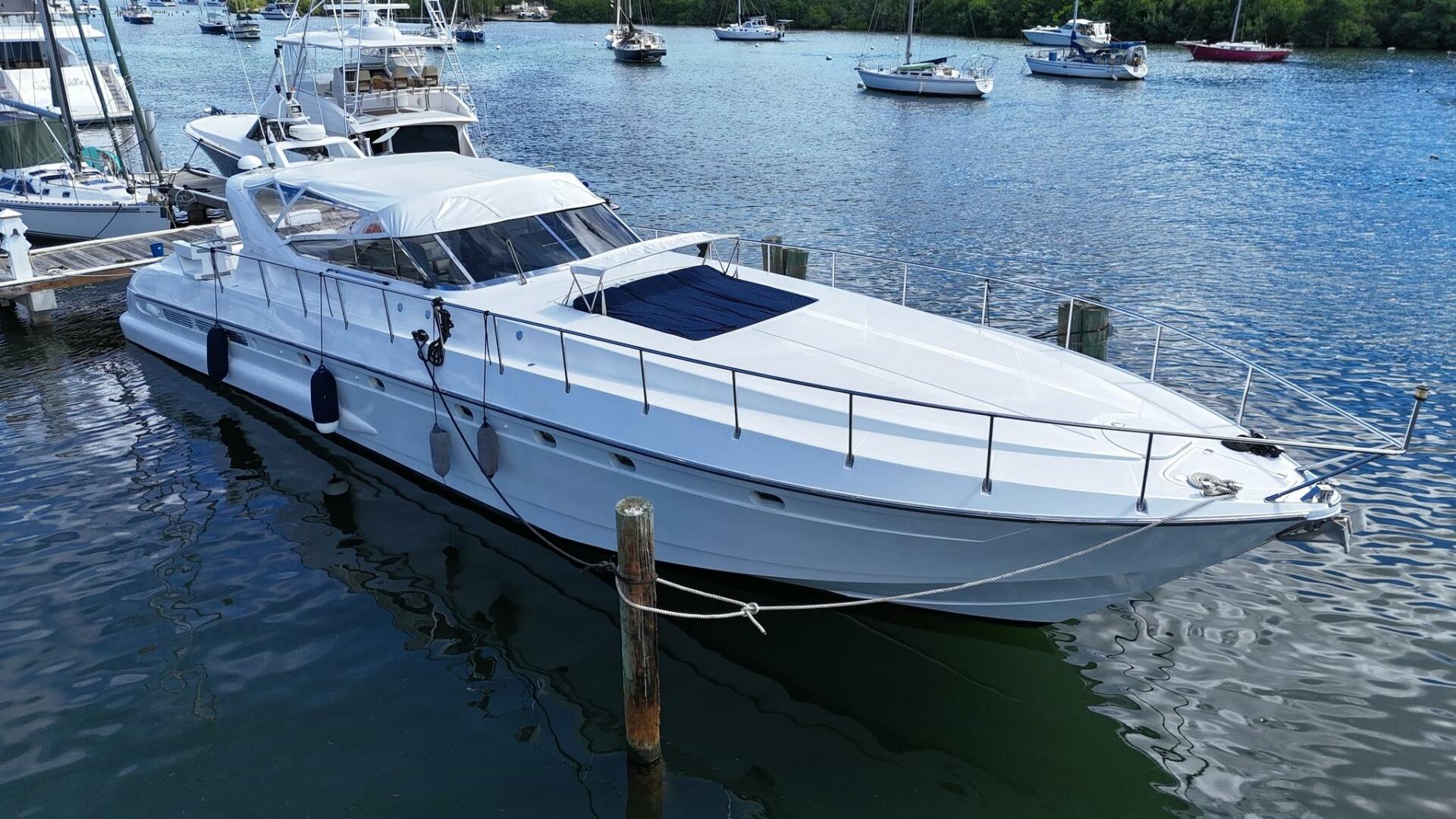
$499,000
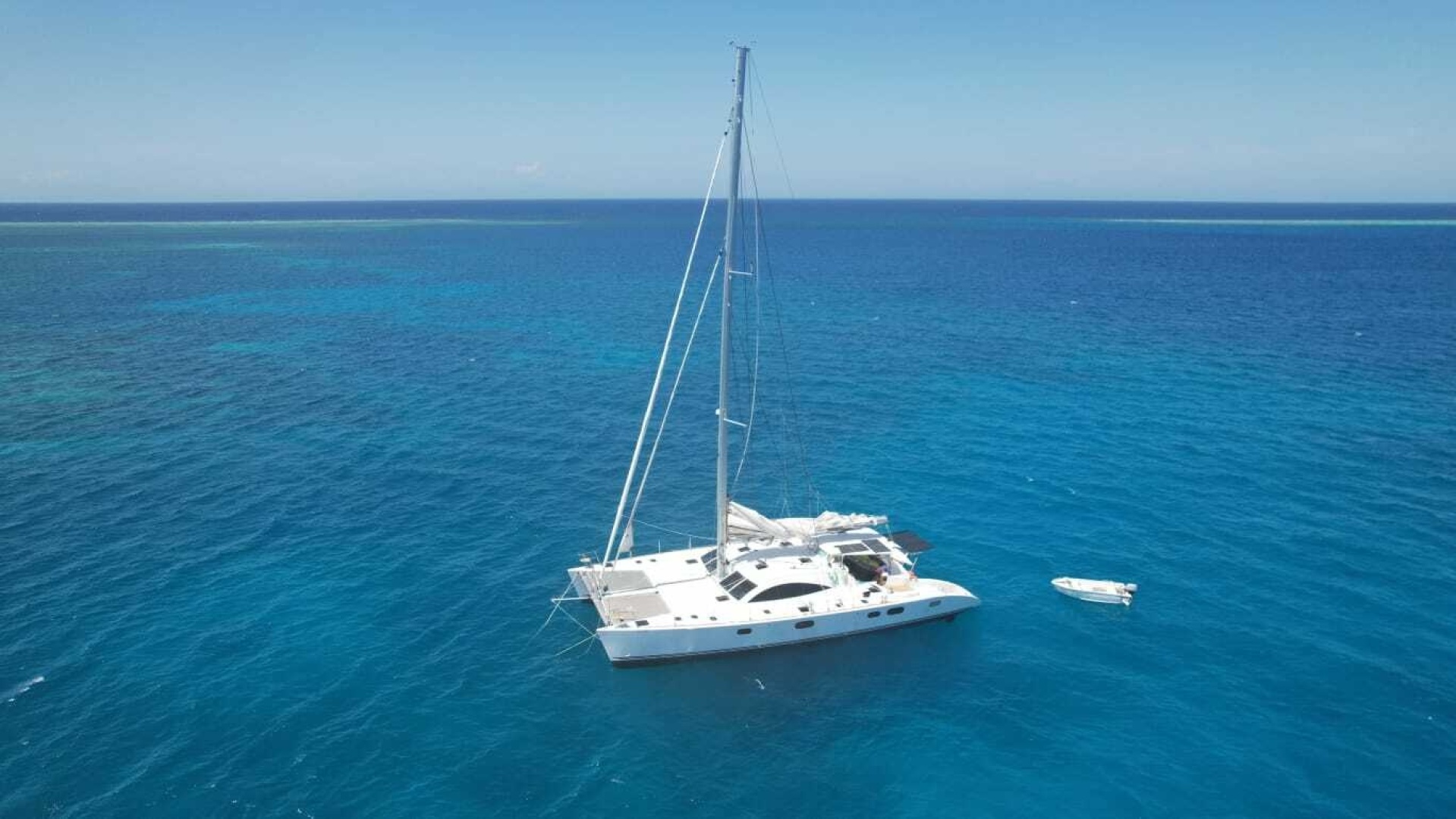
$1,300,000
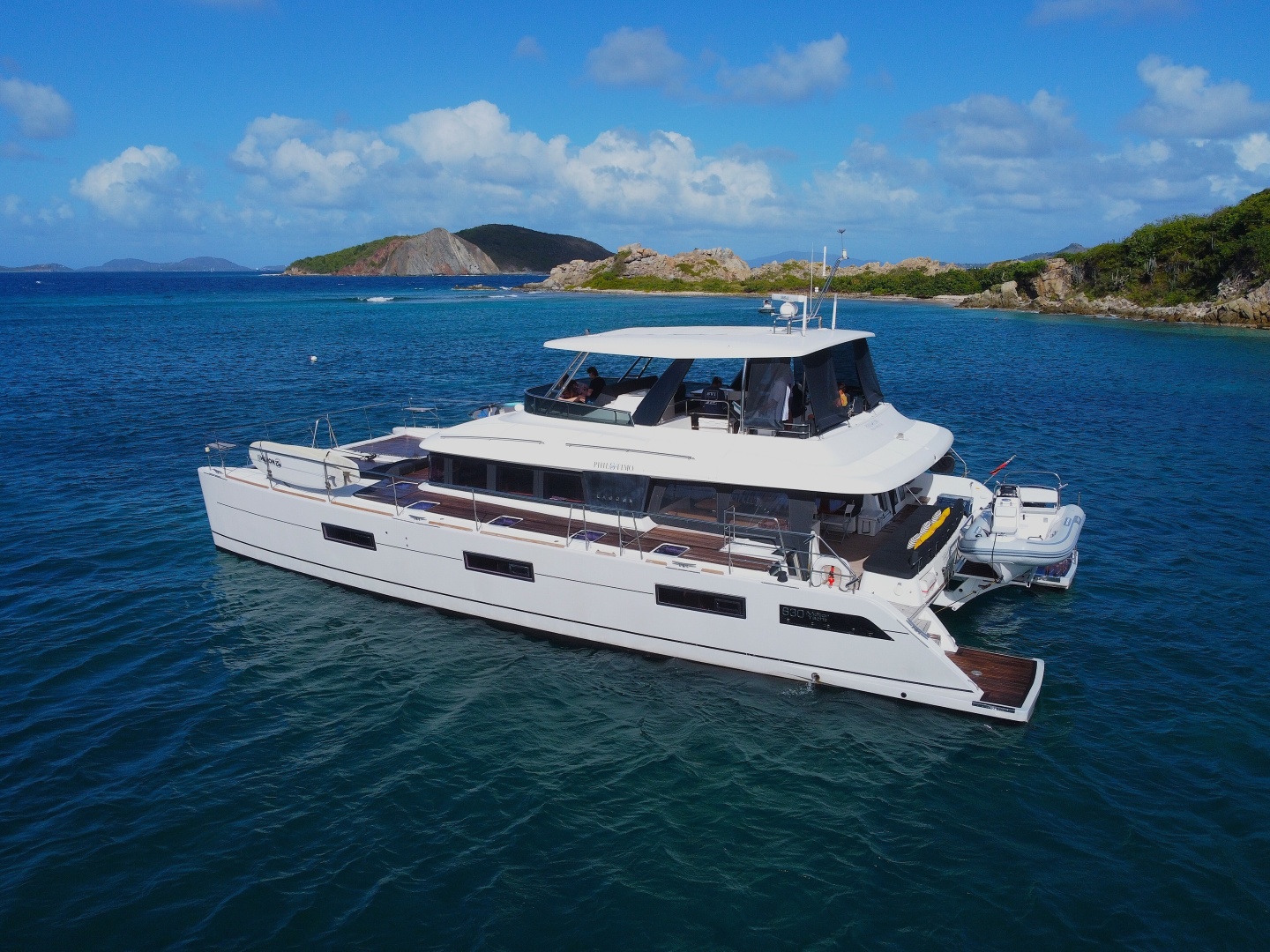
$1,699,000

$299,000
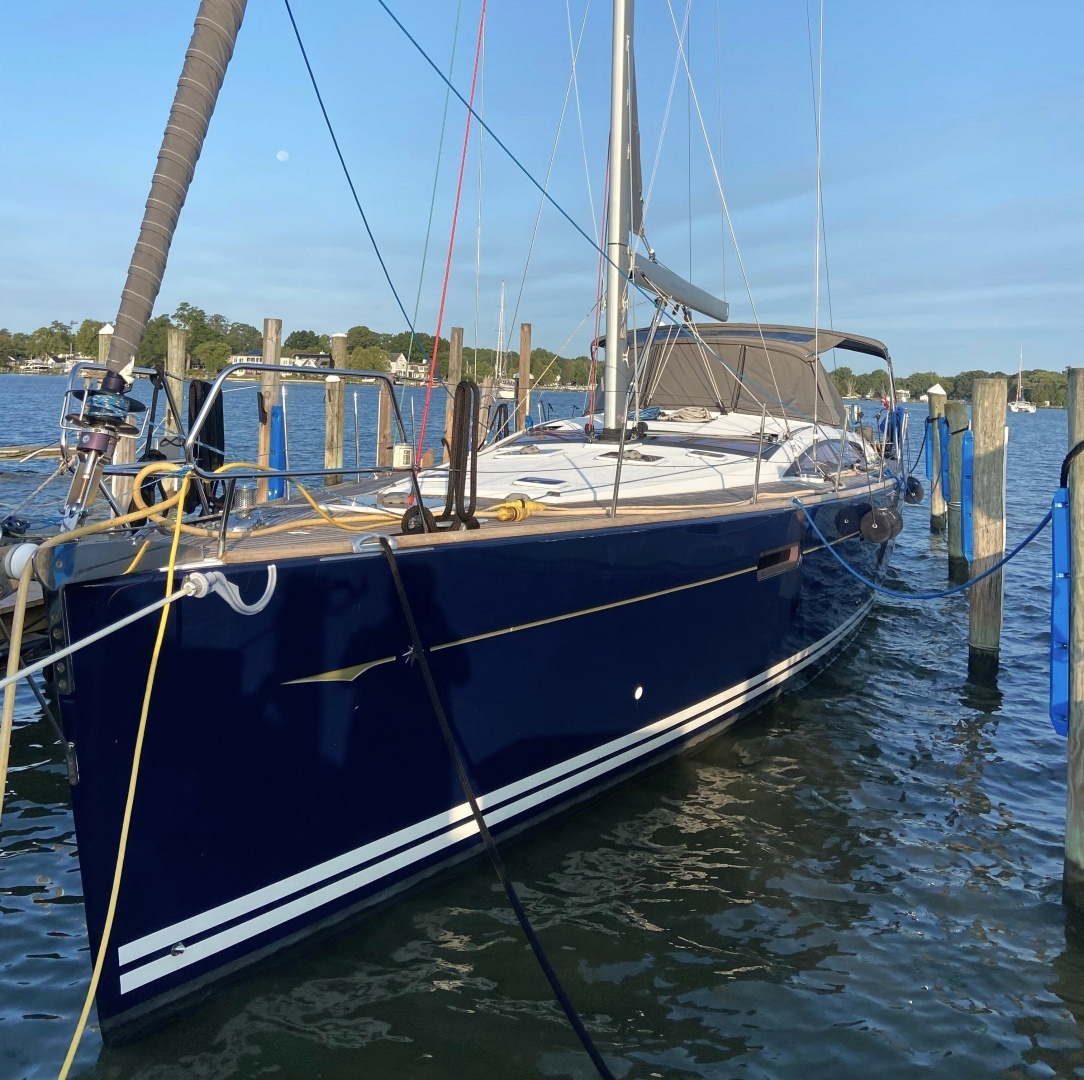
$589,000

$899,000
$1,795,000

$269,000
$2,780,000
$359,000
$499,500
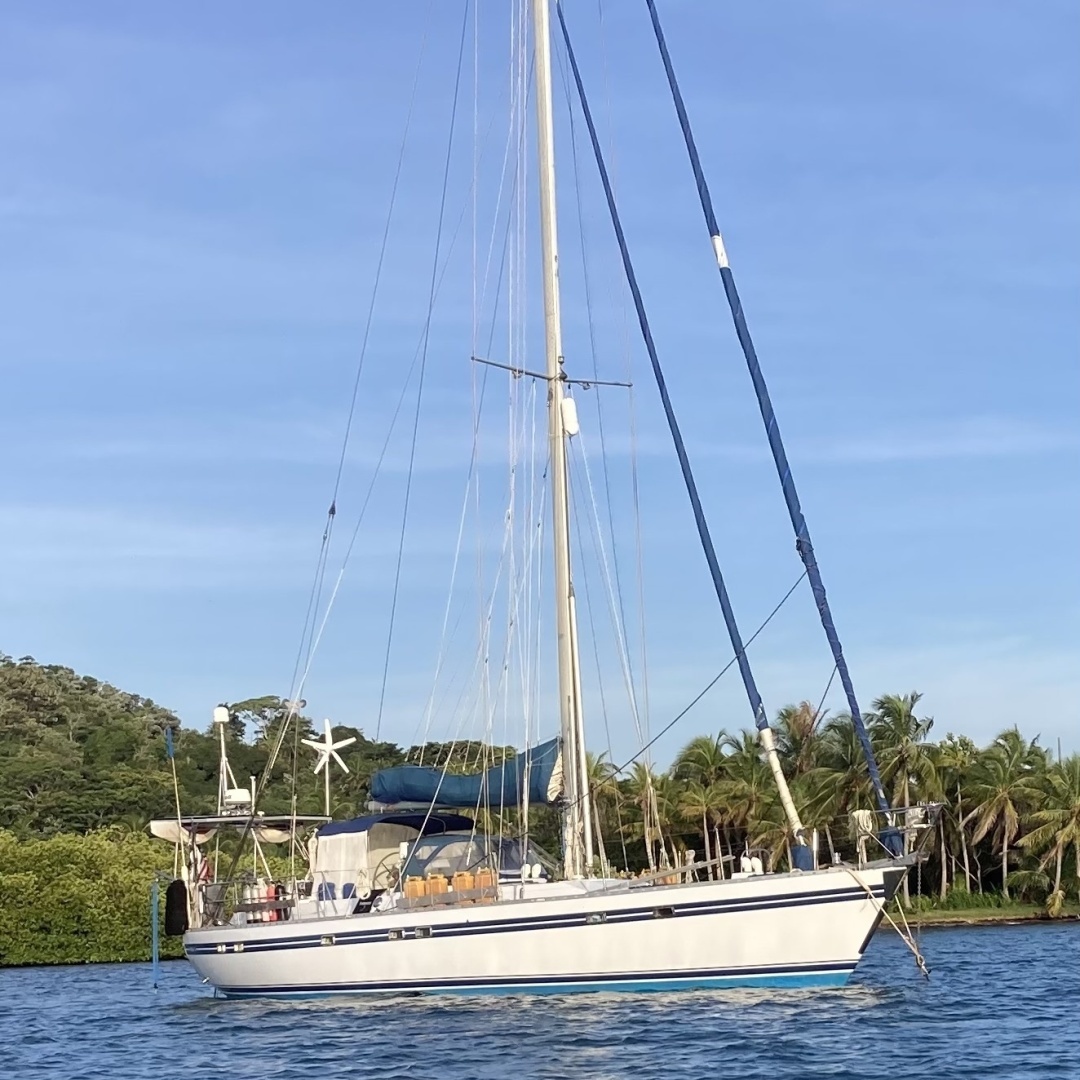
$299,500
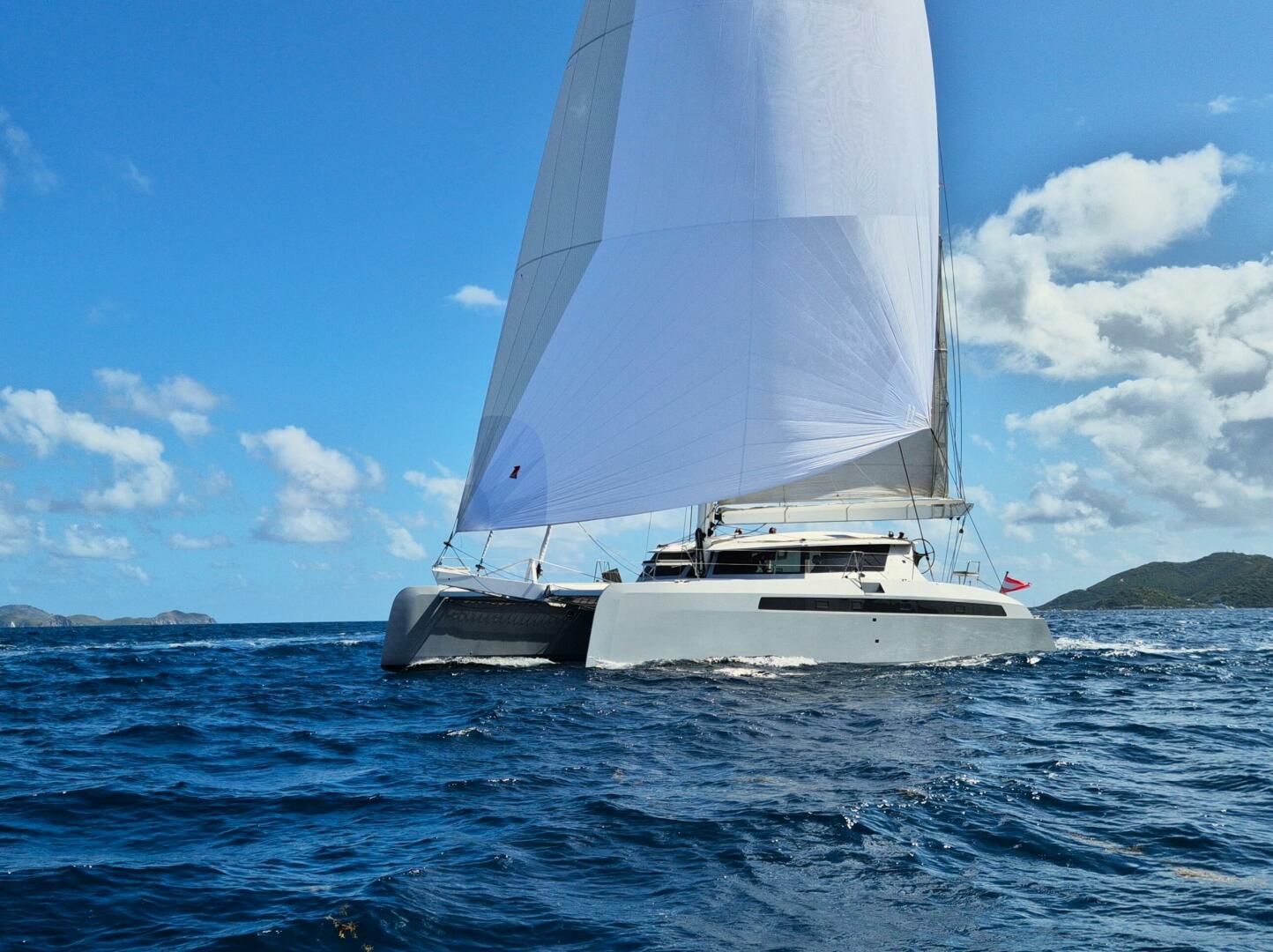
$1,290,000
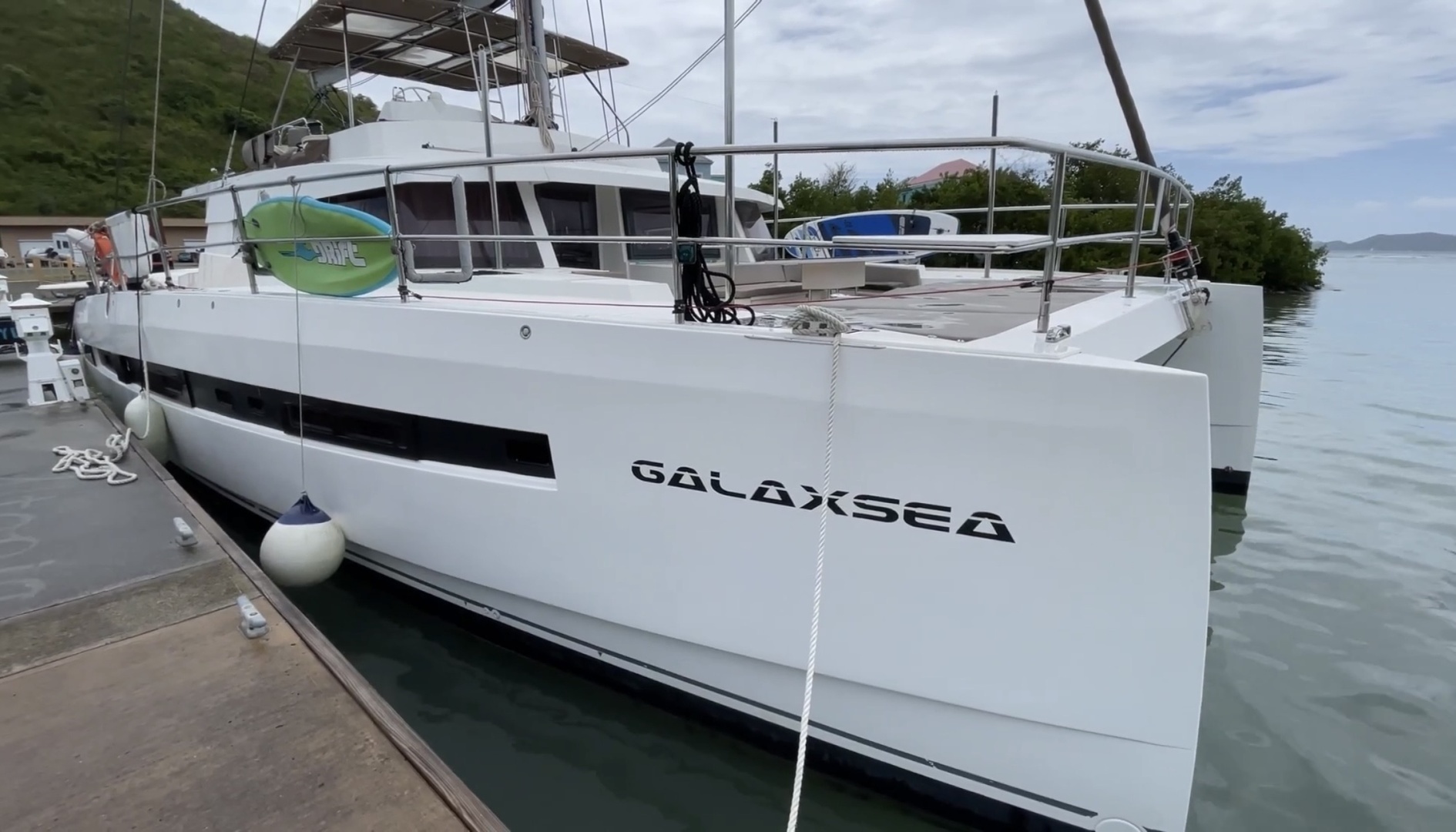
$790,000
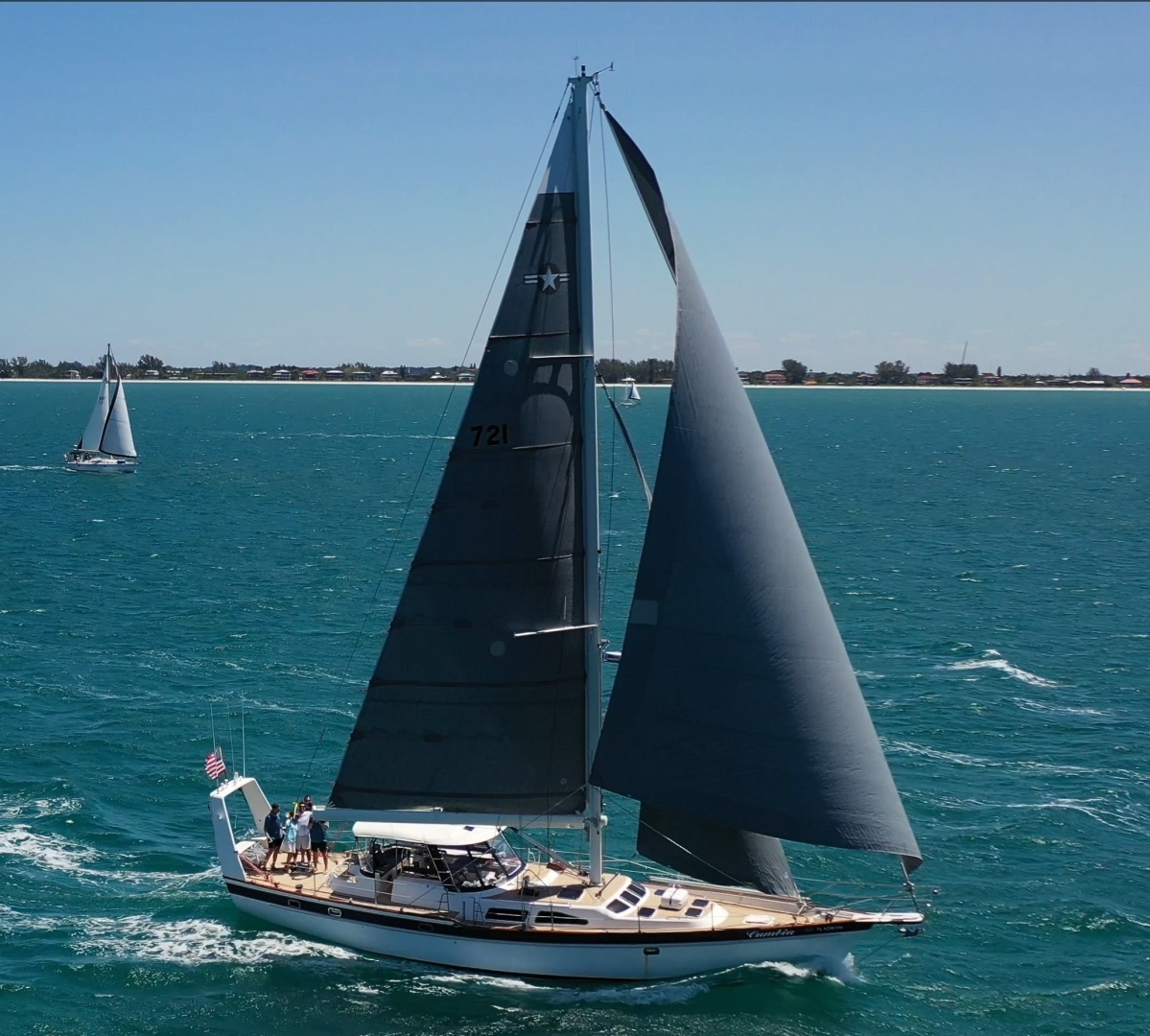
$545,000
$564,900
$1,130,000
$145,000
$499,000
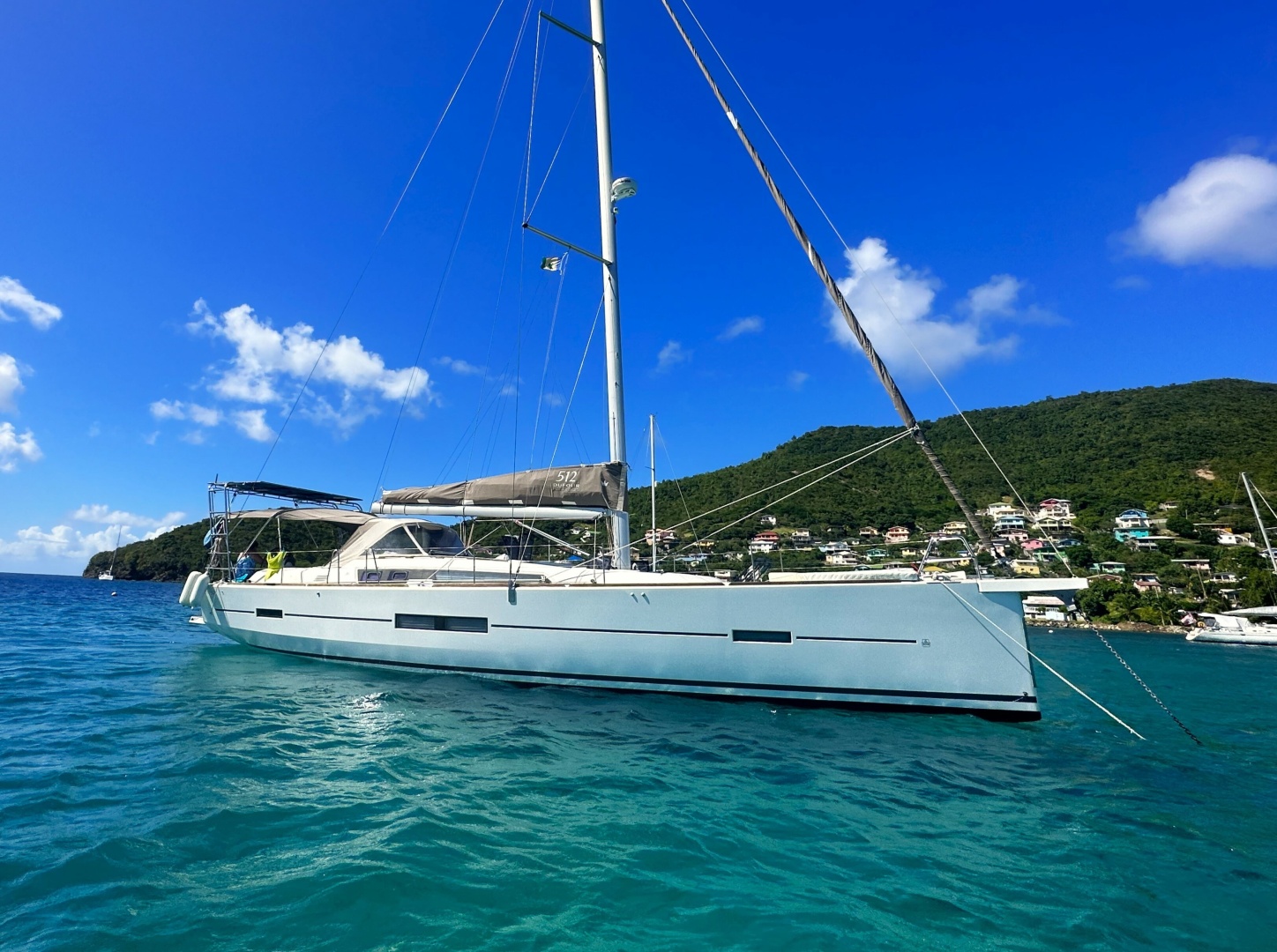
$350,000
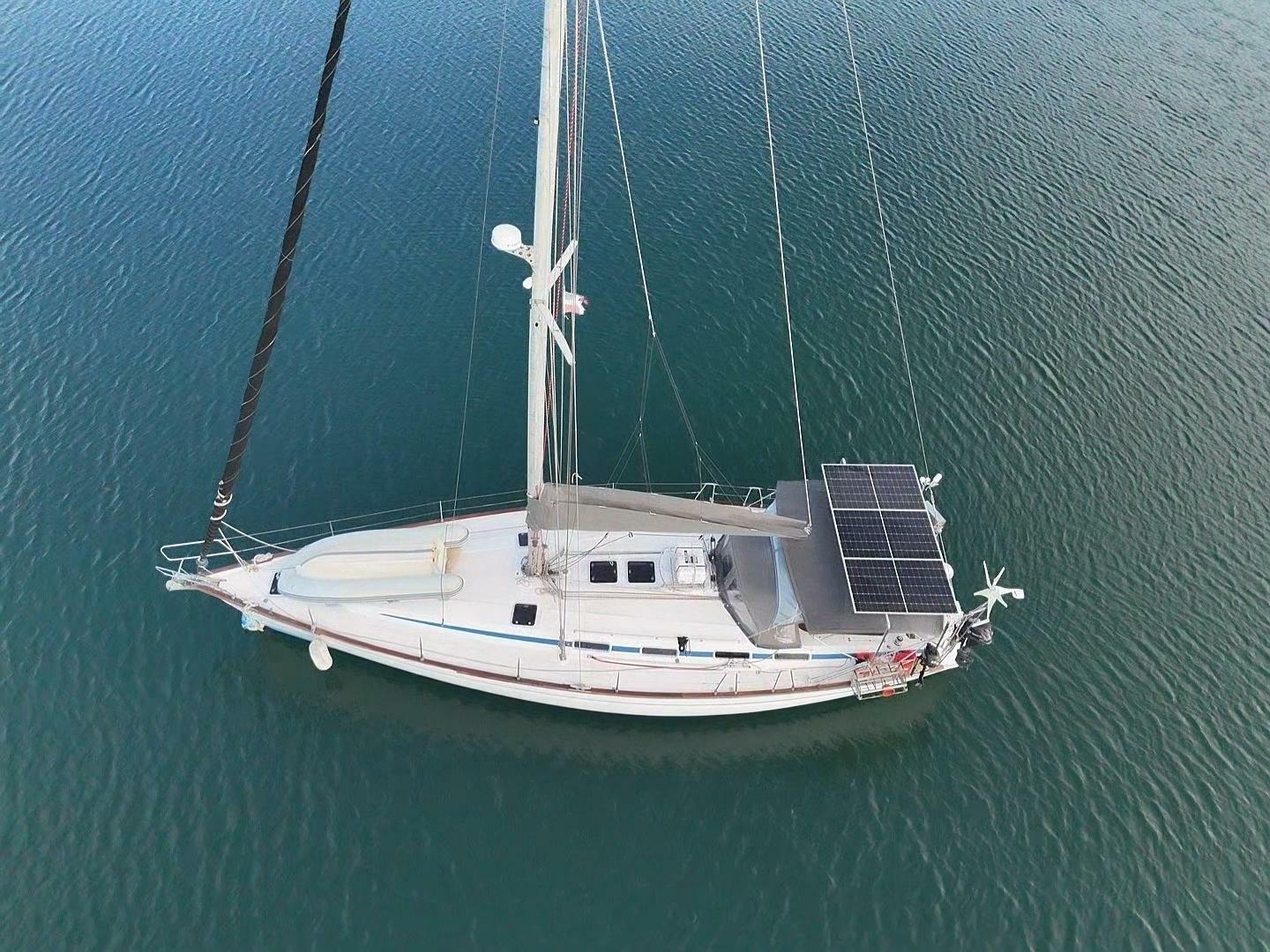
$80,000
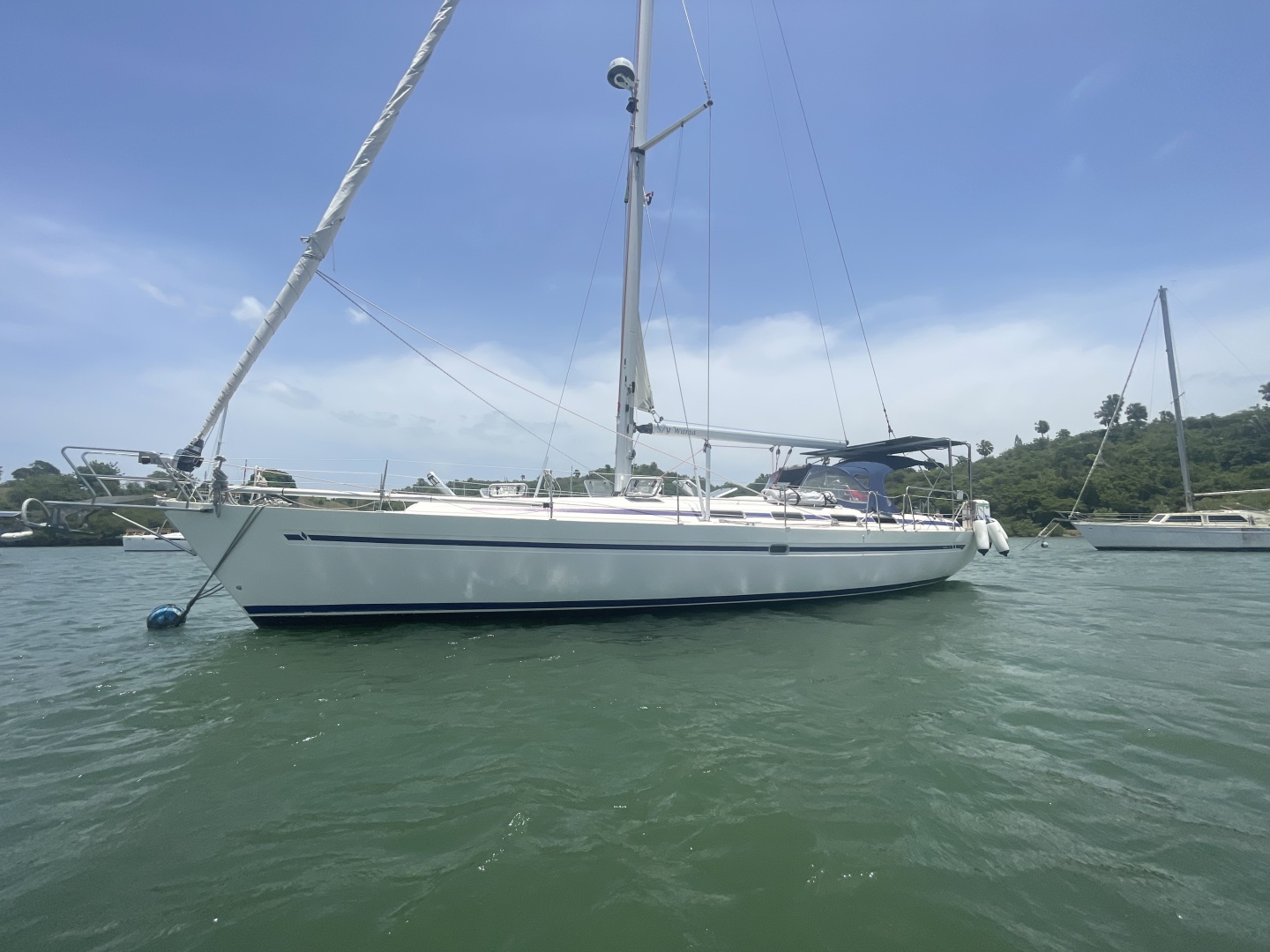
$80,000
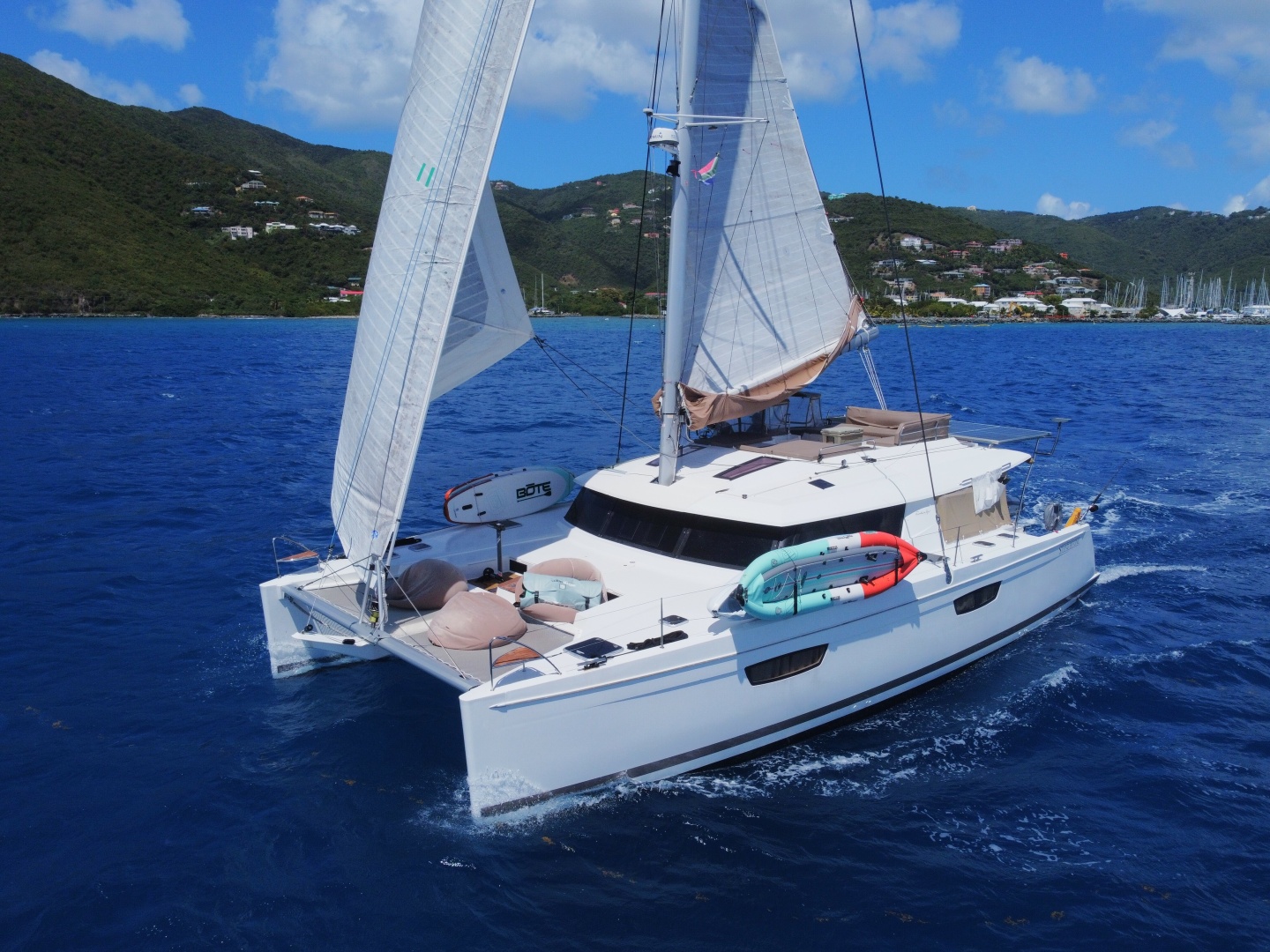
$599,000
$119,000

$98,250
$149,850
$339,000
$395,000
$349,000
$125,000
$1,730,000
$1,730,000
$149,500
$94,999

$652,000
$105,000

$115,000
$950,000
$149,000