
Planning the perfect yacht itinerary can feel overwhelming – even for seasoned sailors. Don’t worry, we’ve got you covered. In this travel guide, we’ll chart a 7-day BVI yacht adventure that hits all the must-see spots (and a few hidden gems), complete with local tips, insider hacks, and a healthy dose of paradise dreaming. Whether you’re a yacht owner ready to embark on your first Caribbean odyssey or a broker seeking inspiration for clients, this ultimate BVI itinerary will ensure you make the most of your time in “the Sailing Capital of the World” .
What’s in store? We’ll start with quick takeaways and planning essentials (so you know when to go and what to expect). Then we’ll dive into a day-by-day itinerary, from volcanic islands and pirate caves to white-sand beaches and legendary beach bars. You’ll find FAQs, pro tips, and even a few personal anecdotes along the way – because every great journey comes with great stories. So grab a Painkiller cocktail (more on that later) and let’s set sail for the ultimate British Virgin Islands yacht trip!
Key Takeaways (TL;DR)
- Trip Duration: 7 days (with options to extend to 10+ if you want a more leisurely pace).
- Route Highlights: Tortola – Cooper Island – Virgin Gorda (The Baths & North Sound) – Anegada – Jost Van Dyke – Norman Island. Expect short island hops with line-of-sight navigation and steady trade winds .
- Best Time to Sail: December to April for ideal weather (peak season), or April to June for fewer crowds and still-great conditions . Avoid peak hurricane months (Aug–Oct) for safety.
- Why BVI: Over 60 islands and cays (only 6 inhabited) await exploration . The BVI offers easy sailing, plenty of mooring balls, and sheltered anchorages – perfect for yacht owners who want a mix of adventure and relaxation.
- Must-Do Experiences: Climb through The Baths’ giant boulders, feast on fresh Anegada lobster, sip Painkillers at Jost Van Dyke’s Soggy Dollar Bar (where the drink was invented ), and snorkel the colorful reefs at Norman Island’s Caves.
- Pro Tip: Popular mooring fields fill up fast in high season. Plan to arrive by early afternoon or use the BoatyBall app to reserve select moorings in advance . Always have a backup anchorage in mind in case your first choice is full – flexibility is key in paradise!
Why the BVI is a Yacht Owner’s Paradise
The British Virgin Islands didn’t earn the nickname “Nature’s Little Secrets” for nothing. This tropical archipelago boasts an enchanting mix of adventure and tranquility for those traveling by sea. One of the biggest perks? Island-hopping here is a breeze. The islands are all within sight of each other, meaning you can usually sail by line-of-sight and be at your next destination in an hour or two . Steady trade winds (typically 10–20 knots) bless your sails, and the seas are generally calm inside the Sir Francis Drake Channel, which runs like a sheltered highway through the BVI .
Short distances, infinite possibilities: With so many islands so close together, you have the freedom to craft your own adventure. Feel like snorkeling before breakfast and sipping rum on a beach by noon? Easy. Want to hit a new island every day? You can – without feeling rushed. The compact geography means more play, less passage-making. And if you do crave a longer open-water sail, a trip to Anegada (the farthest island) will scratch that itch (more on Anegada later).
Perhaps the best part for yacht owners: the BVI is incredibly boater-friendly. Mooring balls are available at most popular stops, so you rarely need to drop anchor if you don’t want to . Navigation is straightforward with well-charted waters and plenty of fellow sailors around if you need a friendly radio call. The region’s boating infrastructure – marinas, fuel docks, dinghy docks, and even floating bars – is built to cater to yachts of all shapes and sizes . It’s no surprise the yacht charter industry dominates BVI tourism (large resorts are few; it’s the boats that bring in the fun) . For private yacht owners, that means you’ll find no shortage of services and amenities geared toward your needs.
And let’s not forget the sheer beauty and vibe of the place. The BVI are famed for pristine turquoise waters, vibrant coral reefs, and secluded palm-fringed beaches. Each island has its own personality: from the bustling yachtie haven of Tortola, to the luxurious hideaways of Virgin Gorda, to the funky beach bar scene on Jost Van Dyke. The cruising community here is tight-knit and welcoming – by the end of your trip you’ll likely have made new friends, swapping stories over sundowners on deck.
“The BVI, comprised of 60 islands and cays (with only six inhabited), truly lives up to its reputation as the ‘sailing capital of the world.’ Steady winds, calm waters, and countless sheltered bays make it a paradise for sailors – whether it’s your first voyage or your fiftieth.”
In short, the BVI offers the perfect blend of easy sailing and exciting exploring. It’s forgiving enough for relatively new captains (gentle conditions, lots of safe harbors) and yet still enchanting for veteran sailors (there’s always another hidden cove or reef to discover). No wonder many yacht owners choose to base their boats here or return season after season. It’s time to see what the buzz is about!
Planning Your BVI Yacht Adventure
Before we jump into the day-by-day itinerary, let’s cover a few planning essentials to ensure your BVI trip is smooth sailing from start to finish. After all, even paradise requires a little prep work!
Best Time to Sail the BVI
You’ve probably heard that the Caribbean is lovely year-round – and it’s true, there really isn’t a bad time to visit the BVI. But there are some differences season to season that yachties should consider:
- December to April: This is the peak sailing season. The weather is sunny and dry (low humidity, very little rain), with reliably pleasant trade winds. Temperatures hover around 25–28°C (77–82°F). It’s prime time for northern hemisphere travelers escaping winter, so the islands are busiest. You’ll find lively anchorages and a social scene at every beach bar. The flip side is crowds and competition for moorings – expect popular bays to fill up by mid-afternoon. Prices for services (and charters, if you were chartering) are highest. If you don’t mind the buzz of peak season, you’ll enjoy fantastic conditions. Insider tip: late November and early December can be slightly quieter while still offering that perfect weather window.
- April to June: Often considered the “sweet spot” by experienced BVI sailors . The weather remains generally great – still warm and mostly dry, with gradually increasing humidity and a stray shower here and there. Crowds thin out after Easter, meaning you can snag that prime mooring ball or have a cove to yourself. Many say late spring is the best time to sail the BVI : you get the tail end of the high-season weather but with fewer boats and sometimes off-peak rates. (It’s also a popular time for yacht owners’ rendezvous and regattas, like the BVI Spring Regatta in late March/early April.)
- July to October: This is the off-season (summer into autumn) and also the hurricane season in the Caribbean. It’s hot and humid, and the chance of tropical storms is highest in August and September. Many charter companies actually close operations in September for storm season. That said, if you’re an owner and watching the weather, you can still enjoy summer sailing – the seas are warm, and you’ll practically have some anchorages to yourself. Just have a solid hurricane plan for your yacht (a safe harbor or haul-out arrangement) and keep an eye on the forecasts. Note that some restaurants and businesses may close in off-season for maintenance or holidays. If you go in summer, aim for July or early August, and avoid late August through mid-October which is peak storm period.
- November: A shoulder month that can be a mixed bag – early November might still see lingering hurricane-season effects, but late November usually kicks off the new season. By Thanksgiving, charter boats are back in the water and the vibe picks up. Weather is generally improving, though you might get the occasional squall. If you want to be an early bird before the big rush, November can be decent (just purchase trip insurance or have flexibility, just in case).
In summary, December–April is foolproof for great sailing (just be ready for company), while April–June might be the optimal balance of good weather and fewer crowds. Whenever you go, the BVI’s tropical climate means the water is warm enough to swim year-round and the sunrises and sunsets will be spectacular. As always, avoid active storm periods and plan around any major holidays if you prefer it quieter (Christmas/New Year’s in the BVI is one big floating party – fun but very busy).
Entry, Customs & Cruising Permits
Since you’re using your own yacht, you’ll be responsible for handling customs & immigration formalities when arriving in the BVI. Plan your first landfall at an official Port of Entry – common ones for sailors are Road Harbour (Road Town, Tortola), Soper’s Hole (West End, Tortola), Great Harbour (Jost Van Dyke), or Gun Creek (Virgin Gorda). There you’ll clear in with BVI Customs and Immigration. Bring your ship’s documentation, passports for all crew, and be ready to list things like firearms or pets if any (there are restrictions). The process is usually straightforward: fill out entry forms, pay some fees, and you’re on your way. As of this writing, cruising permit fees for private yachts (foreign-based) are around $16 per person per day year-round (the rate was standardized a few years back). These fees go to the BVI government and are required for cruising the islands – you’ll pay upon entry for the number of days you plan to stay. There’s also a nominal environmental levy (currently $10 per person) and a departure tax when you leave. Be sure to have some cash (USD) on hand for these fees, as smaller ports might not take credit.
In addition to the cruising permit, if you plan to enjoy the BVI’s wonderful marine parks (like The Baths, The Caves, The Indians, etc.), you’ll need a National Parks Trust permit. This allows you to tie onto the orange day-mooring balls at dive and snorkel sites. Many charter companies pre-arrange this for their boats, but as a private yacht you’ll need to obtain one yourself. You can do this at the same time as customs or at a National Parks office; fees depend on boat size and number of passengers (roughly $50–$150 per boat for a month, or there are daily options). It’s worth it if you’ll be snorkeling those iconic spots. Bottom line: don’t skip the permits – the last thing you want is a hefty fine or being told to vacate that perfect mooring because you’re not properly documented.
If you’re sailing over from the US Virgin Islands (USVI), remember to also check out of the USVI (at a US customs office like Charlotte Amalie or Cruz Bay) and then check in to BVI – and vice versa when you return. The USVI and BVI are separate jurisdictions, so you must clear in/out each time you cross the border. Many sailors do a USVI/BVI combo trip, but for this itinerary we’re focusing just on BVI waters.
Lastly, stay up to date on any health or entry requirements (for example, COVID-related rules if applicable). As of 2025, things are normal again with no special requirements, but always double-check before you go.
Provisioning and Prep
One joy of having your own yacht is the ability to be self-sufficient – you’ve got your floating home, kitchen, and bar with you! Proper provisioning will ensure you’re well-fed and hydrated (gotta keep that Painkiller cocktail supply going) throughout the trip. Tortola, the largest island, is provisioning central. If you’re starting from Tortola (likely, since most marinas are here), take advantage of the big grocery stores like RiteWay or Bobby’s Supermarket in Road Town or OneMart and Ebeneezer’s in Sea Cows Bay. These have a wide selection of food, snacks, beer, wine, and spirits. Stock up on fresh produce, meats, breakfast items, grilling supplies, and plenty of drinking water if you don’t have a watermaker. Don’t forget reef-safe sunscreen, bug spray (no-see-ums can appear near mangroves or on still nights), and any personal medications. Bonus tip: Bring along some Ziploc bags or Tupperware – they’re great for keeping food dry and leftovers storaged on a boat.
While you can certainly dine ashore often (the islands have fantastic restaurants and beach bars), it’s wise to have at least a few easy onboard meals planned. Some nights you might be in a quiet bay without any development – and nothing beats grilling fresh fish on the stern BBQ under the stars. Pack snacks for happy hour (cheese, crackers, tropical fruits) because sunset hour on a yacht is pure magic.
During your cruise, opportunities to re-provision are somewhat limited but possible. Popular re-stock stops include Spanish Town on Virgin Gorda (there’s a decent market near the marina) or Cane Garden Bay on Tortola, which even has a dinghy dock near a well-stocked Bobby’s Market for groceries . If you swing by Leverick Bay in Virgin Gorda’s North Sound, they have a small store for basics (and ice!). Fuel and water can be taken on at marinas like Leverick Bay, Virgin Gorda Yacht Harbour, or Nanny Cay on Tortola. That said, a one-week trip means you likely won’t need to refuel if you start with full tanks (unless you motor a lot). Water usage depends on your crew’s habits – many cruisers top up water mid-trip at a marina or by using portable jerry jugs if needed. Plan a stop at a fuel dock on Day 7 or 8 if your home port doesn’t have after-hours service upon return.
What to pack? If you’re sailing your own yacht, you probably have your preferred gear onboard. But do double-check you have these essentials: snorkeling gear for everyone (the underwater life is half the fun – consider underwater camera or GoPro too), good anchor and mooring lines, a dinghy and oars/paddle (plus outboard fuel) for beach landings, charts (paper or electronic updated charts – the BVIs are well charted, Imray or Navionics are great), and safety equipment (PFDs, flares, first aid kit, etc.). Bring cash in small bills for tipping and small purchases; many beach bars take credit cards, but it’s island life – sometimes the wifi or machine is down.
Oh, and please pack light in terms of clothing – you’ll live in swimsuits, shorts, and t-shirts mostly. Barefoot on board is the norm (save the deck by only wearing soft boat shoes or going barefoot). A light rain jacket can be useful for the odd squall. And a UV-protection rash guard for snorkeling is highly recommended (sunburn can sneak up when you’re face-down in those crystal-clear waters).
Mooring Balls, Anchoring & Crowds
The BVI is famous for its mooring ball system – and if you’ve chartered here before, you know the drill. For the uninitiated: most popular bays have fields of big white mooring buoys you can tie your boat to, usually for a nightly fee around $30. They’re maintained either by the park (in some cases) or by local businesses. As a yacht owner, you’ll find this super convenient: no need to drop anchor every night, and it helps protect the coral and seagrass from anchor damage. In fact, some spots prohibit anchoring entirely to preserve marine life – for example, Cooper Island restricts anchoring to protect sea grass , and you can only use moorings at The Baths or The Indians (no anchoring allowed).
Key point: During peak season, moorings fill up fast. It’s not uncommon for popular bays to be full by 2pm or earlier. (We’re looking at you, White Bay and Great Harbour on Jost Van Dyke, and Cooper Island…) The early bird gets the ball! If you really want a guaranteed mooring in high season, consider using BoatyBall, a reservation system available in the BVI for certain moorings. Each day at 7am, a handful of mooring balls in select locations can be reserved via the BoatyBall app on your phone . It’s a bit competitive (they get snatched in seconds), but if you succeed, you can sail more leisurely knowing your spot is saved. However, the majority of moorings remain first-come, first-served.
What if you arrive and moorings are all taken? This is where your anchoring skills come in. Anchoring is allowed in many areas just outside mooring fields, and often you’ll find space slightly further from the crowded center of an anchorage. Make sure you have adequate ground tackle and know the depth – some bays are deep until close to shore, so you’ll need sufficient rode. Some less-visited anchorages (which we’ll mention) have no moorings at all, so you’ll anchor by default – often in blissful solitude. One thing to monitor is swell: north swells (from Atlantic weather systems) occasionally affect north-facing anchorages, making them rolly. For instance, Cane Garden Bay or Anegada can become uncomfortable in a northerly swell . During those times, you might opt for a south-side anchorage or a more protected spot. Your itinerary can be tweaked if a big swell is forecast – that’s part of the flexibility of having your own yacht.
Let’s talk crowds. The BVI are incredibly popular, so you will encounter other boats (except maybe at Anegada where things spread out). If you’re seeking peace and quiet, it’s still attainable – just avoid the “hot spots” on weekends or hit them at off-peak hours. For example, The Baths get crowded midday when day-trip boats arrive; go early morning or late afternoon for a more tranquil experience. At night, the anchorages tend to calm down as folks spread out to different islands. If solitude is a priority, consider visiting some “secret” anchorages off the beaten path. As one sailor noted, “BVI lays claim to the tagline ‘Nature’s Little Secrets,’ but each visit it seems to get more crowded – that is, unless you know where to look.” . Some lesser-known gems include places like Benures Bay (a quiet spot on Norman Island away from the party), Eustatia Sound (near Virgin Gorda’s North Sound, away from the main hub – just watch for any reef/rock hazards and charter company restrictions ), or Little Harbour on Jost Van Dyke (often emptier than Great Harbour). In this itinerary, we mix the famous must-sees with a few quieter options, so you get the best of both worlds.
One more note on safety and etiquette: The BVI is generally very safe for cruisers. Petty theft is extremely rare but basic precautions (lock your dinghy at the dock, don’t leave valuables in plain sight) are wise. When anchoring or mooring, give your neighbors space – boats will swing with wind/tide. If you’re unsure of your set, dive your anchor to check it, especially in coral/sand mix seabeds. And at mooring fields, observe the one-boat-per-ball rule (yes, we’ve seen cost-cutters try to double up – not cool). Also, many mooring fields are “No Generators” after dark to preserve the quiet – enjoy the natural soundtrack of lapping waves and tree frogs instead of a rumbling engine.
Alright! With planning sorted – season picked, permits in hand, pantry stocked, and a game plan for moorings – it’s time for the fun part: the itinerary. Below is a 7-day BVI sailing itinerary crafted for yacht owners seeking the ultimate highlights. It assumes you start and end in Tortola (since that’s the main hub). Feel free to adjust based on your preferences (the beauty of having your own yacht is freedom!). Let’s hoist the mainsail and get cruising.
7-Day BVI Itinerary: Island-Hopping in Paradise
(Note: Distances between daily destinations are short – usually under 10 nautical miles – unless noted. This itinerary is designed for a relaxed pace, allowing time to snorkel, explore on shore, and savor those gorgeous Caribbean sunsets.)
To give a quick overview, here’s a summary of the route and highlights in table form:
| Day | Destination (Overnight) | Highlights & Activities | Mooring/Anchorage |
|---|---|---|---|
| Day 1 | Tortola to Cooper Island | Easy first sail (≈6nm); snorkel Cistern Point; sundowners at Cooper Island Beach Club’s rum bar. | Mooring field (~40 balls, fills up) ; no anchoring (protected seagrass). |
| Day 2 | Virgin Gorda (Baths & North Sound) | Morning at The Baths – explore giant boulders & pools ; Afternoon sail to North Sound; visit Saba Rock & Bitter End Yacht Club; sunset in a calm harbor. | Day moorings at Baths (~20, no anchoring) ; North Sound moorings at BEYC/Saba/Leverick. |
| Day 3 | Anegada (Setting Point) | Open-water sail (≈2-3h); relax on endless white beaches; lobster dinner on shore ; stargazing at night. | Mooring field at Setting Point (plenty available); anchoring possible in settled weather. |
| Day 4 | Cane Garden Bay, Tortola | Downwind sail (≈20nm) with optional lunch stop at Guana Island; afternoon swim in Cane Garden’s blue waters; live music at Quito’s bar in the evening. | Moorings (~20) & anchoring; can be rolly in north swell (have backup). Grocery & fuel available. |
| Day 5 | Jost Van Dyke (Diamond Cay) | Short hop to Sandy Spit (tiny deserted island) for lunch; snorkel & picnic; grab mooring at Diamond Cay; hike to the Bubbly Pool (natural wave-fed jacuzzi) ; drinks at Foxy’s Taboo or B-Line bar. | Moorings at Diamond Cay (limited, some on BoatyBall) ; alternative anchorage at nearby Little Harbour or moor at Great Harbour. |
| Day 6 | Jost Van Dyke (Great Harbour) | Beach day at White Bay – bar-hop between Soggy Dollar (origin of the Painkiller) , Hendo’s, etc.; afternoon relaxation on the beach; evening at Foxy’s in Great Harbour for legendary BBQ & reggae. | Moorings in Great Harbour (reserve via BoatyBall or arrive early); White Bay anchoring possible (challenging – caution advised ). |
| Day 7 | Norman Island (The Bight) | Sail past Tortola’s West End; snorkel The Indians (vibrant reef pinnacles) midday ; grab mooring in The Bight; snorkel The Caves (Treasure Island lore); party at Willy T’s floating bar or dinner at Pirate’s Bight restaurant; celebratory final sunset. | Mooring field (large, >40 balls); anchoring outside mooring field allowed. Can be noisy near Willy T (moor farther for quiet) . |
| Day 8 | Return to Tortola (Road Town or West End) | Short morning sail (1-2h) back to base; refuel and check-out. | N/A (Trip end). |
Now, let’s break down each day in detail, with a taste of what you’ll see and do, plus insider tips to make it extra special.
Day 1: Tortola to Cooper Island –
“Welcome to Paradise!”
Your adventure begins! Most likely, you’ll start on Tortola, the BVI’s main island, where your yacht has been berthed or delivered. If you’ve just cleared in at Road Town or Soper’s Hole, or perhaps picked up your boat from a marina, Day 1 is all about easing into vacation mode. The goal: a short, sweet sail to shake off the land dust and anchor (or rather, moor) in a tranquil bay for the night.
Morning/Afternoon: Finish up any last-minute prep in Tortola. Once you cast off, point your bow southeast toward Cooper Island, just a quick hop across the Sir Francis Drake Channel. It’s roughly 6 nautical miles from Road Town to Cooper – you’ll likely be there in about an hour, which is perfect because everyone’s excited to get in the water. Why Cooper Island? It’s an ideal first-night stop: close by, scenic, and relaxing. As one cruiser put it, “You’ll be lucky to get off the dock by noon, so you want an easy, short sail for the crew.” Exactly! No long hauls today – save that for later in the week.
On approach to Cooper Island’s Manchioneel Bay, you’ll see a field of white mooring balls. Snag one promptly – Cooper has about 40 moorings and they can fill up by mid-afternoon in high season . In fact, Cooper is one of those places where people race to grab a ball early. If you arrive and it’s busy, don’t fret; you might have luck finding a spot as some day-trip boats leave in late afternoon. (Anchoring here is not allowed due to reef protection, so a mooring is your only option.)
Once secured, celebrate – you’ve officially arrived in paradise! Pour the crew a round of rum punches or crack open a cold Carib beer. Take a moment to soak in the scene: crystal-clear water gently rocking the boat, lush green hills of Cooper Island around you, and maybe the bobbing dinghies of other happy sailors heading to shore. Jump in for a swim right off the boat – the water’s warm and welcoming.
If you’re up for a short snorkeling session, dinghy over to Cistern Point at the south end of the bay. This rocky point has a pretty coral reef with lots of fish (great for a quick snorkel to start your trip). Another optional excursion (for the ambitious): If you arrived very early and snagged a mooring, you could hop back on the boat and motor 10 minutes across to nearby Salt Island to snorkel the famous RMS Rhone shipwreck. This is one of the Caribbean’s most famous dive sites – a royal mail ship that sank in 1867. You can see a lot of it snorkeling if the visibility is good (divers get an even closer look). It’s a thrill to free-dive down to the wreck and peek at the coral-encrusted hull, home to schools of fish. Keep in mind you’ll need a National Parks permit to pick up the day mooring there. After exploring, you can head back and still be at Cooper by cocktail hour. (If that sounds like too much for Day 1, no worries – you can visit the Rhone site on a later day or skip it if diving isn’t your thing.)
Evening: Time to enjoy Cooper Island Beach Club, a delightful eco-resort right on the beach that welcomes yachties. Head ashore (there’s a dinghy dock) to enjoy their amenities. They have a famous rum bar featuring a wall of 200+ rums, a microbrewery (yes, they brew beer on this tiny island!), and a fantastic restaurant . Insider tip: Make a dinner reservation by VHF radio or phone as soon as you arrive (or even the day before) – it’s a popular spot and tables fill up. There’s nothing like enjoying a fresh seafood dinner under the palms after your first day at sea. Try their homemade ice cream or a flight of beers from the microbrewery. If you prefer a low-key evening on board, you can also cook up dinner in your galley and then dinghy ashore just for after-dinner drinks.
Cooper’s beach club also has a small boutique and coffee shop (if you need your latte fix in the morning). The vibe here is laid-back and convivial – you’ll meet other sailors from all over the world exchanging stories. Sunset is gorgeous in Manchioneel Bay. Perhaps take your dinghy for a little putter around the bay as the sky turns gold and pink. When darkness falls, step out on deck and look up – the stars will likely be incredible, especially if the moon is dim. With minimal light pollution, the Milky Way often streaks across the sky. Breathe in that warm night air and let the gentle rocking of the boat remind you that you’re finally here living the dream.
Rest well, because tomorrow you’ll start hitting some of the BVI’s headline attractions!
Day 2: Virgin Gorda – Exploring
The Baths
and North Sound
Wake up to the sound of seabirds and the soft glow of dawn at Cooper. How about a morning swim? One of the best parts of yacht life is that you can literally roll out of bed and into the sea. Have a quick breakfast on board – perhaps some fresh tropical fruit and coffee from the Cooper Island cafe – then it’s anchors aweigh (or rather, lines off the mooring) for today’s great adventure to Virgin Gorda.
Virgin Gorda is the BVI’s third-largest island and home to one of Mother Nature’s most stunning creations: The Baths National Park. This will be your first stop today, and it’s a must-see. Sail north from Cooper Island up the channel – you’ll pass Beef Island and the Dog Islands on your starboard as you head toward the distinctive granite coastline of Virgin Gorda. It’s about 10 nautical miles to The Baths, likely 1.5–2 hours of sailing. Along the way, you’ll have a nice view of the channel and other boats cruising along. Keep an eye out for playful dolphins which sometimes escort boats in these waters!
Mid-Morning: The Baths, Virgin Gorda – As you approach The Baths on Virgin Gorda’s southwest shore, you’ll notice giant gray boulders scattered along a powdery white beach, with gin-clear water lapping around them. It looks like a playground for giants. Pick up one of the day mooring balls just offshore (they’re usually marked with a blue stripe, indicating daytime use only). There are about 20 National Park moorings here and they can fill up fast , so arriving before late morning is wise. No anchoring is allowed at The Baths – the area is protected and anchoring would damage the seabed and coral . If moorings are full when you arrive, you can hover and wait for one to free up (many people only stay an hour or two), or as an alternative, take a mooring in nearby Spanish Town harbor and taxi to The Baths from land. But ideally, grab a buoy at The Baths and enjoy the experience as intended.
Once secured, time to go ashore and explore The Baths. There’s a bit of logistics: you cannot take your dinghy all the way to the beach here (to protect swimmers). Instead, there are dinghy moorings closer in – tie up your dinghy there, and then you and your crew will swim the last stretch to the beach . (Put phones in dry bags!) It’s part of the adventure. Tip: wear water shoes or sandals you can get wet, as you’ll be scrambling over rocks once ashore.
Now, enter a real-life Narnia of boulders. The Baths are essentially a collection of enormous granite rocks, some as big as houses, piled up along the beach forming sort of tunnels, grottos, and pools of seawater. There’s a marked trail that leads you through the boulders from the entrance (Devil’s Bay) through to the other end (known as The Baths beach) – or vice versa. Actually, currently the national park has a one-way system: you start at the Devil’s Bay end, make your way through the caves and boulders, and come out at The Baths main beach . Then you can hike a short trail back overland. Pay the small entry fee (about $3-$5 per person) at the park booth if a ranger is present – it helps maintain this beautiful site .
Inside The Baths, prepare to be amazed. You’ll wade through turquoise pools enclosed by boulders, duck under rock arches, climb wooden ladders, and squeeze through narrow passages with names like “The Cathedral” – where light beams down into a pool in an almost holy glow. It’s otherworldly and unlike any place you’ve ever been . The sunlight filters in to illuminate the water, turning it surreal shades of blue. Take your time, take photos (a waterproof camera is great here), and enjoy the natural beauty. It’s a short “hike” in distance, but you could easily spend an hour or more exploring, swimming in hidden rock pools, and marveling at how these boulders got here (geology buffs will know they’re remnants of volcanic activity eons ago). Kids and adults alike turn into excited explorers in this natural playground.
At the far end, you’ll emerge onto another gorgeous beach. From there, you can hike a trail up (about 15 minutes) to a restaurant/bar called Top of The Baths. If it’s lunchtime or you’re thirsty, this is a great pit stop – they have a pool, views, and tasty conch fritters and cocktails. Or, if you prefer, you can snorkel around the boulders in the sea; there are lots of fish and even some coral tunnels just offshore.
By early afternoon, it’s time to continue onward – you’ve got more of Virgin Gorda to see. Return to your yacht (yes, you have to swim back, which can be refreshing after the hike). If the mooring field was very rolly due to any north swell (this area can be rough in certain conditions ), you’ll probably be relieved to get moving again. Next stop: North Sound, Virgin Gorda.
Afternoon: Sail to North Sound (Virgin Gorda’s iconic harbor). Head up the coast (approx 8 nm from The Baths, maybe 1 to 1.5 hours). As you approach Virgin Gorda’s north shore, you’ll see scattered islands and a clearly marked channel between Virgin Gorda and Mosquito Island – that’s your entry to the famous North Sound (also called Gorda Sound). Sail in through the channel markers; wave to the sandbox isle of Prickly Pear on your port. Suddenly, the water calms to lake-like smoothness – you’ve entered one of the finest protected harbors in the world . North Sound is a broad bay enclosed by Virgin Gorda and a fringe of smaller islands, creating a paradise for boaters.
This place is storied – many a sailing tale and party have happened here. Mooring options abound: you have marinas and mooring fields at Bitter End Yacht Club, Saba Rock, Leverick Bay, and more . After being devastated by Hurricane Irma in 2017, Bitter End Yacht Club (BEYC) and Saba Rock resort have impressively rebuilt and recently reopened . They’re shiny and new, yet still carrying that classic sailor charm. I’d recommend aiming for the mooring field on the eastern side, near Bitter End and Saba Rock – it keeps you close to the action. Alternatively, you can grab a ball or slip at Leverick Bay on the western side of the sound, which has a different vibe (more low-key, with a beach, pool, and the famous Michael Bean’s pirate show on some nights).
This afternoon is your chance to chill or explore as you like. You could stay on the boat and just admire the 360° of beauty – lush hills, elegant yachts at anchor, maybe even mega yachts further out. Or hop in the dinghy and cruise around. Saba Rock (a tiny islet with a hotel/bar) often has a tarpon feeding around 5pm each day – huge tarpon fish come to the dock to snatch snacks, which is fun to watch. Bitter End has a brand-new marina village – you might stroll their docks and check out the boutique or get a drink. Leverick Bay might have a live band or a BBQ buffet night depending on the day of week.
If you’re craving activity, North Sound is also a hub for watersports – rent a paddleboard or kayak from BEYC’s water sports center, or try windsurfing if you’re adventurous. But it’s equally fine to just kick back on your yacht with a book and let the afternoon lazily drift by. Local tip: North Sound is one area where you might want to spend two nights if you have extra time, because there’s so much to do (hiking trails, a visit to posh Oil Nut Bay resort on the east side, or exploring hidden anchorages like Eustatia Sound). But on a one-week itinerary, we’ll soak up what we can in one evening.
Evening: Dinghy ashore for happy hour. Perhaps start at Saba Rock – they’ve got a trendy bar and seating right by the water. You’ll often meet other sailors swapping stories here. For dinner, options include: the restaurant at Bitter End (fresh seafood, upscale casual dining – reservations suggested), Leverick Bay Restaurant (try their Anegada lobster if you didn’t plan to go to Anegada), or even a casual meal on Saba Rock. If you’re lucky, there might be live music at one of these spots – the North Sound knows how to entertain its seafarers.
As night falls, North Sound becomes this serene, star-lit amphitheater. It’s very protected, so you won’t have much rocking. It’s a good spot to get a restful night’s sleep. If you’re a night owl, you could dinghy back to shore for a drink or dance (Bitter End’s bar might still be open later). Otherwise, enjoy the quiet of the bay. The only sounds might be distant laughter from a cockpit party or the gentle hum of a generator from a superyacht far away. It’s hard not to feel utterly content here.
Before you turn in, gaze up at the stars again – Virgin Gorda has areas with minimal lights, and you might even see the Milky Way if the conditions are right. Breathe that salted air deeply. Tomorrow, you venture out to the only island in this itinerary you can’t see from here… the low-lying mystery of Anegada!
Day 3: Off to
Anegada
– The Distant Desert Island
Today you trade the tall green peaks of the main islands for the flat coral atoll of Anegada. This unique island is unlike any other in the BVI – it’s often called the “drowned island” or “sunken island” because its highest point is only 28 feet above sea level! From North Sound, you can’t even see Anegada on the horizon (except maybe a faint line of palm trees if visibility is super clear). For many yachties, sailing to Anegada feels a bit like a rite of passage – a mini blue-water voyage to a sailor’s paradise of endless beaches, rare wildlife, and world-famous lobster.
Morning: Rise early in North Sound, as this will be one of your longer sails (and you’ll want ample time on Anegada later). It’s about 15 nautical miles from Virgin Gorda to Anegada. In good conditions, that’s roughly a 2 to 3-hour sail. Aim to depart by 8 or 9 AM. Before leaving, double-check the weather – you want decent visibility (to spot Anegada’s reef outlines) and moderate winds. Thankfully, the channel to Anegada is well-marked these days and most charter companies allow the trip , but you still need to be a bit more vigilant navigating here, as Anegada is surrounded by shallow reefs (which are what make it spectacular, but potentially hazardous if you stray off course).
Plot a course to Setting Point, the main anchorage on Anegada’s west end. As you leave Virgin Gorda behind, you’ll have open ocean around you – a wonderful sense of freedom. With winds typically blowing east, your trip to Anegada should be a lovely beam reach or close reach. Keep an eye out for flying fish skittering away from your bow, or maybe a turtle or dolphin. On a clear day, you’ll start to see Anegada’s outline (well, more like a smudge) when you’re 5-6 miles out – mostly a fringe of coconut palms and a low white haze that is the island’s blindingly bright sand.
Approaching Anegada, you will line up with the buoyed channel that guides boats through the reef. Follow the channel markers carefully (red-right-returning since you’re entering) – they’ll snake you through into Setting Point anchorage. Once inside, the depth comes up to a comfortable 8-12 feet and you’ll see the mooring field. There are plenty of moorings available at Anegada (they added many in recent years), so pick any open ball. Anchoring is also possible here if moorings were full, since the seabed is sand – good holding – but given the choice, grab a mooring for convenience. Congratulations, you made it to the BVI’s frontier!
As you settle in, you’ll notice Anegada’s vibe is totally different. It’s quiet, laid-back, and wild. The water has a milky turquoise quality over the sand flats. You might spot turtles popping up for air and stingrays cruising under your boat. On shore, there’s a scattering of rustic buildings and beach bars at Setting Point – nothing taller than a palm tree.
Midday/Afternoon: Anegada is all about exploring ashore. Since the island is large (11 miles long) and mostly roadless, a fun way to see it is to rent a Jeep or “moke” (dune buggy) for the day . Call or dinghy in to Scooter Rental or Dean’s jeeps – often they’ll meet you right at the dock with a vehicle. Alternatively, hire a taxi – there are open-air pickup truck taxis that for a flat rate will take you around to the beaches. If you prefer, you could even rent scooters, but the sandy roads can be a bit challenging on two wheels. Cars/jeeps are easiest. We love the little open-sided mokes – they just scream “island adventure.”
Once you have wheels, head to Loblolly Bay on the north shore. The drive will take you up a flat, straight-ish road flanked by salt ponds (look out for pink flamingos wading in the distance – Anegada has a colony of flamingos that were reintroduced and they love the salt ponds). Loblolly Bay is often cited as one of the best beaches in the world, and when you arrive, you’ll see why: an expanse of soft white sand, water in fifty shades of blue, and barely a soul around. There’s excellent snorkeling here too – grab your gear and swim out to see vibrant coral heads teeming with parrotfish, wrasse, maybe a nurse shark snoozing on the bottom. If you snorkel at Flash of Beauty (a spot/restaurant on Loblolly Bay), you’ll find it’s known for having some of the best coral gardens around . Take your time – float above neon fan corals, watch a spotted eagle ray glide by… pure bliss.
Hungry? Flash of Beauty bar (if open) serves a great grilled fish and drinks with an unbeatable view. Or wander down the beach to Big Bamboo restaurant for a delicious seafood lunch – conch fritters or a fish sandwich perhaps. Don’t expect fast service; expect island time and a cold beer while you wait, feet in the sand.
After Loblolly, you might drive westward along the coast to see Cow Wreck Beach – another legendary spot, named after (yes) a ship carrying cow bones wrecked there years ago. Cow Wreck Beach bar is a must-stop for their signature cocktail (the Cow Killer – potent stuff) and to take in the scene: hammocks, quirky driftwood decor, and not a care in the world. If you’re a beachcomber, the shells here are beautiful.
By mid-afternoon, you’ll likely be feeling the Anegada chill vibe to your core. Perhaps take a quick dip in the calm lagoon-like shallows on the north shore – the water is so clear and shallow, it’s like a giant swimming pool. When you’re ready, head back to Setting Point. Return your vehicle or arrange for pickup later if you plan to use it into evening (some folks drive to dinner spots, but many restaurants offer taxi pick-ups from the dock if you ask).
Back at the anchorage, it’s siesta time. Relax on your yacht for a bit, maybe with a refreshing Bushwacker or Painkiller in hand. Anegada afternoons can be warm and still – perfect for a nap on the trampoline if you have a catamaran, or reading in the shade of the bimini with the gentle sound of water lapping the hull.
As sunset approaches, all eyes tend to turn west where the sun will dramatically dip below the sea. Anegada’s sunsets are stunning, often with a green flash if conditions are right. The sky streaks orange and purple, and the silhouette of your boat (and your neighbors) against the fiery sky makes a postcard-worthy scene. This is a good time to reflect on the fact that you’re literally at the edge of the Caribbean here – nothing but open ocean beyond.
Evening: Lobster Heaven. If there’s one thing you absolutely must do on Anegada, it’s eat the local Anegada lobster. The spiny lobsters here are large, freshly caught, and world-renowned. Pretty much every beachside restaurant at Setting Point will be grilling them up tonight. We recommend making a reservation in the afternoon (before you went exploring, hopefully you called or told the restaurant how many lobsters you’ll want) because they will actually go out and catch or allocate lobsters for you. Popular dinner spots include The Wonky Dog, Potter’s by the Sea, Anegada Reef Hotel restaurant, and Lobster Trap. You really can’t go wrong – they’re all good. The typical style is grilling the lobster over open flames, served with garlic butter, veggies, rice, etc. It’s a feast you’ll remember. Imagine dining under the stars, toes in the sand, with the sound of gentle waves and the aroma of lobster sizzling on the grill. This is paradise.
Pair your lobster with the island’s famous drink, perhaps a Rum Smoothie or the ever-present Painkiller. The atmosphere is convivial – you might have a casual chat with the chef or the family that runs the place. Often after dinner, the staff might light a bonfire or play some reggae tunes. On certain nights, Potter’s has been known for its party vibe – they might get a little dancing going or fire up a limbo stick. But generally, Anegada evenings are more low-key than Jost Van Dyke’s for example.
With happy bellies and happy hearts, you’ll dinghy back to your boat. The water will be glittering with starlight. There is minimal light pollution on Anegada (no big towns at all), so the night sky is jaw-dropping. If you’re a stargazer, this is your moment. Identify constellations, watch for shooting stars – you’re likely to spot a few. The Milky Way may splash across the sky like a white brushstroke.
Tonight, the gentle roll of distant waves on the reef might lull you to sleep. Anegada’s tranquility is something special – a different kind of lullaby compared to the other islands. As you drift off, you might already be dreaming of tomorrow’s downwind sail and new adventures. Goodnight from the quiet shores of Anegada.
Day 4: Downwind to Tortola –
Cane Garden Bay
and Island Flavor
After the flat horizons of Anegada, today you’ll be reintroduced to the lush mountain silhouettes of the rest of the BVIs. It’s time to sail back south – but fear not, it’s (literally) all downhill from here. You’re going to enjoy an easy downwind ride with the trade winds pushing you gently along. Destination: the north side of Tortola, to experience a slice of local life and a picture-perfect harbor: Cane Garden Bay.
Morning: Rise with the Anegada sun (perhaps even catch the sunrise if you’re an early bird – it’s glorious out of the sea). Enjoy breakfast – maybe some fresh coconut or mango you picked up, or just a hearty eggs-and-bacon on the grill. You have a longer sail ahead (approx 20 nautical miles from Anegada to Tortola’s north coast). It’s best to depart fairly early to make the most of the day at Cane Garden Bay.
As you depart Anegada, give a wave to the flamingos (or they might honk at you, who knows) and point your bow southwest. The wind is likely coming from the east, so that puts you on a nice broad reach or wing-on-wing going back towards Tortola. This is typically a pleasant sail with following seas – perhaps one of those moments where you cut the engines, set the sails wing-on-wing (jib out one side, main on the other) and just glide. You might set a fishing line out behind the boat; many sailors try their luck trawling for mahi-mahi or tuna on this leg (some have even caught wahoo near the infamous Chromis wreck area en route). If you’re into fishing, now’s a good time – as one guide noted, “today might be your best day to get lines in the water” due to the route .
Midway, you’ll pass by (or near) the dogs and Scrub/Great Camanoe islands depending on your line. You have options here if you want a break: you could stop at the Dogs for a snorkel (there are great sites like Coral Gardens or Great Dog’s “airplane” site), or maybe detour via Guana Island. In fact, if time permits, a popular lunch stop is Monkey Point on Guana Island – renowned for fantastic snorkeling with tarpon, turtles, and a zillion tiny silversides. Or, for the more adventurous, try anchoring at Muskmelon Bay (also on Guana) which is secluded and gorgeous . Yachts can anchor there in calm conditions (it’s a bit of a challenge due to depth and coral heads, but it’s mentioned in secret anchorages lists). If you want something simpler, you could also aim for Trellis Bay on Beef Island (just off Tortola’s East End) to grab a mooring for lunch and perhaps check out the quirky artistic vibe there (it’s known for full-moon parties with fire sculptures). However, Trellis might be slightly off direct route. Let’s assume you went for a snorkel stop at Monkey Point – you won’t be disappointed by the underwater show.
By early afternoon, continue along Tortola’s northern shore heading west until you reach Cane Garden Bay. As you approach Cane Garden from the east, you’ll see the long arc of golden beach lined with palm trees and colorful little buildings. It’s postcard Caribbean. The bay itself is quite large and open to the west, with green hills backing it (including Tortola’s tallest mountain, Sage Mountain, looming behind). This is one of Tortola’s most famous beaches and has a fun local scene.
Sail in and pick up a mooring ball towards the back (shore side) of the mooring field if possible – the tip from regulars is that the moorings furthest in have the best sunset views unobstructed by other boats . Cane Garden has about two dozen moorings, plus anchoring space further out. If a northerly swell is predicted, you’ll notice it here first – the bay can get rolly, which is why many moorings here are seasonal. But assuming normal conditions, it’s typically calm in summer and moderate in winter unless a big swell is running. Have a Plan B (like nearby Little Harbour, Jost Van Dyke or heading to Sopers Hole) if the swell is bad, but most times you’ll be fine.
Afternoon: Time for a dose of beach life! Cane Garden Bay offers a great mix of tourist-friendly spots and authentic local flair. Dinghy ashore to the south end of the beach where there’s a dinghy dock near the big concrete pier (if the dinghy dock is under repair, you might pull the dinghy up on the sand carefully).
Step onto the soft sand and take it in: a long gentle curve of beach, typically calm water that’s perfect for swimming or floatie lounging, and a row of beach bars, restaurants, and small guesthouses along the shore. You’ll likely see locals and visitors alike, families playing in the water, maybe a couple of pelicans dive-bombing for fish.
Find a nice spot to swim – the water here is crystal clear and shallow quite far out, great for simply lazing around. If you fancy some watersports, there are usually vendors renting kayaks, SUPs, or even offering banana boat rides.
Feeling thirsty? You’re spoiled for choice. Cane Garden Bay is home to the famous Quito’s Gazebo (owned by local musician Quito Rymer). By day it’s a lovely restaurant/bar (with upstairs rooms too), by night it often has live music. Grab one of their frozen cocktails or a Painkiller, and sip it with your toes in the sand. Next door is Myett’s (Paradise Club) – another iconic spot known for BBQ and sometimes live bands, and there’s Tony’s Welcome Bar at the far end, plus others like Rhymers, Elm, and more. You can actually do a mini “beach bar crawl” just walking a few hundred meters. Each has its own vibe, but all equally chill.
For a bit of local culture: Cane Garden Bay is also known historically for rum-making. Right across the road (toward the northern part of the bay) you can visit the Callwood Rum Distillery, a 200+ year-old rustic distillery still making rum the old-fashioned way. If it’s open, it’s worth a quick tour/tasting. It’s basically a stone building with ancient copper and oak equipment – and a very quirky atmosphere. They’ll let you sample their cane rum which is quite…shall we say, authentic (strong!). A bottle of their rum makes for a cool souvenir.
As the sun starts to lower, you’ll see why Cane Garden is famed for its sunsets. The sun will set right over the ocean horizon to the west, often painting the sky in oranges and pinks. Many boats (including yours hopefully) will face west on moorings – perfect for cockpit happy hour viewing. Back on board or at a beach bar, enjoy this sunset with perhaps a live reggae tune drifting through the air from shore. Truly, moments like this feed the soul.
Evening: Tonight, treat yourself to some local West Indian flavor. Cane Garden has a handful of restaurants that serve great island-style dinner – think fresh fish seasoned with local spices, roti (curried meat or veg wrapped in a thin dough), or perhaps a good steak or lobster. Quito’s Gazebo often has a live band in the evenings (especially on Wednesdays and weekends) – Quito himself is a reggae musician and if you’re lucky he’ll be performing with his band. Dancing in the sand to reggae under the stars? Yes please. Myett’s also sometimes has music or a buffet. Check around what’s happening; you really can’t go wrong whichever you choose.
If you’re craving a quieter night, you could dine aboard under the stars and just listen to the distant music from the boat. But part of Cane Garden’s charm is its nightlife – it’s lively but not over-the-top. Many sailors call this their favorite night out because it’s a mix of locals and yacht folks mingling in a safe, fun environment.
One more tip: If you happen to be here on a Full Moon, some bars (like Bomba’s back in the day on Cappoons Bay, or occasionally Myett’s) host Full Moon parties. These are legendary in Tortola – involving music, fire, maybe even the infamous “mushroom tea” that Bomba’s Shack was known for (if you know, you know). However, Bomba’s Shack (once at nearby Apple Bay) was destroyed in storms and hasn’t been rebuilt, so now the full moon scene might be quieter. Still, ask around – you never know if a special event is on.
Finally, when you’ve had your fill of food, music, and maybe a few too many rum punches, it’s back to the boat for the night. Depending on how calm it is, you might hear the gentle surf on the beach or the laughter from a distant bar. Cane Garden Bay can get a rep for being noisy if a band is rockin’, but generally by late night it quiets down. If you need absolute silence, you could always tuck behind little Sandy Cay or somewhere for the night, but honestly, most people love the Cane Garden experience.
Drift off in your cozy cabin with the sweet sounds of Caribbean nightlife still in your ears. Tomorrow, we head to the smaller, even more laid-back side of the BVIs – the spots around Jost Van Dyke!
Day 5: Little Islands, Big Charm –
Sandy Spit
, Diamond Cay & the
Bubbly Pool
It’s Day 5, and the journey continues to one of the most enchanting little specks of sand you’ll ever see, plus a hidden “jacuzzi” and some quiet corners of Jost Van Dyke. After a fun night in Cane Garden Bay, you’ll likely enjoy a slightly slower morning (no need to rush at dawn today – your next stops are very close by).
Morning: Take your time sipping coffee on deck, maybe indulge in some fresh-baked banana bread from a local vendor on the beach if you found any yesterday. When you’re ready, we’ll head out. Today’s sail is a short hop westward (just a few miles) around Tortola’s West End to the Jost Van Dyke area. Plot a course for Green Cay / Sandy Spit, which lies just off the eastern end of Jost Van Dyke.
Leaving Cane Garden, you’ll pass by small islands like Great Thatch and see Tortola’s West End (Soper’s Hole) in the distance to your left. But you’ll be veering right, across the channel toward the emerald profile of Jost Van Dyke. Keep an eye out for shallow areas if you cut close to Little Thatch; otherwise it’s an easy visual navigation.
Soon, you’ll spot Sandy Spit – blink and you might miss it! Sandy Spit is basically a tiny round island of pure white sand with a few tufts of green, surrounded by turquoise water. It’s the kind of island you’d imagine in a castaway dream (or a Corona beer commercial). Before the 2017 hurricanes, it had a few more palm trees, now it’s a bit barer (locals joke it got a “haircut” from Irma ) but it’s still absolutely gorgeous and totally uninhabited .
Late Morning at Sandy Spit: Approach slowly and anchor just off Sandy Spit in the sandy area west or south of it (there are no moorings on the Spit itself). Depths are shallow enough to anchor fairly close, but give space so others can also drop hook – this is a common day stop for many. Once secure, it’s playtime! Dinghy ashore or even swim – it’s that close. You’ll feel like a kid on a playground made of sand. Walk the circumference of the islet in 5 minutes or less. The soft white sand and gentle surf make it a perfect swimming spot. There’s a little reef area off the spit where you can snorkel and see some reef fish. This is a prime picnic spot, so hopefully you packed a nice lunch. Enjoy a beach picnic – perhaps some rotis or sandwiches and fresh pineapple, with your feet in the warm sand and not a care in the world.
Sandy Spit is a great photo-op location: that perfect desert island backdrop with your yacht in the turquoise shallows behind. If you have a drone, this is the time to fly it for epic shots.
After a couple hours of living the deserted island life (and maybe a snooze under the one scraggly tree providing shade), you can mosey on. There’s another mini island right next door called Green Cay – slightly bigger, more vegetation. You can also anchor off Green Cay if by chance Sandy Spit was crowded. Green Cay is also uninhabited and pretty for a stroll or snorkel along its shores.
Mid Afternoon: Diamond Cay & the Bubbly Pool (Jost Van Dyke’s East End). Just a stone’s throw (okay, about 1 nautical mile) away is Diamond Cay, which is a small cay nestled off Jost Van Dyke’s eastern tip. Behind it is a calm bay where you’ll find Foxy’s Taboo restaurant and a path to the Bubbly Pool. Head over there and pick up a mooring ball at Diamond Cay if available. There are a few, but note: many of these must be reserved via BoatyBall or go early in high season . If moorings are full, you can anchor carefully, or alternatively, motor just a bit further to Little Harbour or Great Harbour on Jost (we’ll get to those). Let’s assume you snagged one at Diamond Cay so you’re well positioned for the afternoon.
Secure the boat, then dinghy ashore to the dock near Foxy’s Taboo. Why here? Time for a short adventure to the Bubbly Pool! The Bubbly Pool is a natural rock formation on Jost Van Dyke’s East End that acts like a wave-fed jacuzzi. There’s a narrow opening in the sea rocks where the north Atlantic swells rush in and fill a shallow pool with frothy, bubbling water – like nature’s own hot tub (well, temperature is ocean-cool, but you get the idea). To get there, follow the trail from the dinghy dock (there might be signs). It’s an easy 10-15 minute walk through scrub and seaside paths. When you reach the spot, you’ll see a small pool area encircled by rocks. Jump in and have a blast! When waves break just right (especially if the swell is up a bit), water will whoosh in and fizz around you . It can be calm on low tide or non-swell days – still a pretty, calm pool – but on high tide with some swell, it’s exciting and fun. Caution: If the swell is really big (usually in winter if a nor’easter sends waves), the Bubbly Pool can actually be dangerous with powerful surges. But on a typical day it’s like a gentle bubble bath, maybe a vigorous one if timed at high tide . Everyone ends up giggling like kids here as each wave splashes over. It’s a unique experience, so enjoy it!
After you’ve soaked (and probably tasted a bit of salt water from laughing as waves splash your face), head back to the boat or directly to the bar – your choice. Foxy’s Taboo (named after the famous Foxy’s but this is an outpost at East End) is a chill spot to grab a late afternoon drink or early sundowner. They make a great rum punch and have a dining menu if you want to plan dinner here. There’s also a funky honor-system bar called B-Line Beach Bar on Little Jost (accessible from the same dinghy dock area). B-Line is super low-key: picnic tables, sometimes a ring toss game, cold beers in a cooler – that kind of vibe.
Now, decision time for overnight: You could stay here at Diamond Cay overnight – it’s relatively quiet and you’ve got Taboo/B-Line for a mellow evening option. Or, if you want to be set up for tomorrow’s main Jost Van Dyke attractions, you might want to reposition the boat a short distance west to Great Harbour before nightfall. Great Harbour is where Foxy’s main bar is, and it’s closer to White Bay which you’ll be hitting in the morning. But Great Harbour can be more crowded/noisy at night (depending on if Foxy’s has a party). If you prefer a quieter night, Diamond Cay is nice – plus you then can dinghy back to the boat from an evening at Taboo or B-Line easily. Let’s say you decide to stay at Diamond Cay for the night, to savor the tranquility after Cane Garden’s buzz.
Evening: If you’re at Diamond Cay, you have two dining choices: Foxy’s Taboo (they often have fresh pizzas, fish, etc., with a cool outdoor seating by the water) or B-Line (which might grill something simple if they have it, but it’s more a bar). Taboo generally is a good bet and less wild than the main Foxy’s. If, however, you moved to Great Harbour for the night, then your evening will likely involve Foxy’s (the iconic bar there). For the sake of covering all bases, I’ll describe both scenarios:
- Chill night at Diamond Cay: Enjoy a quiet meal at Foxy’s Taboo, chat with the friendly staff about life on Jost Van Dyke (the population of the whole island is only a couple hundred, mostly living in Great Harbour or the east end, so you really get a small-community feel). The stars come out, and aside from a few anchor lights, there’s not much illumination – just how we like it. You might hear distant laughter or acoustic guitar from B-Line. Your boat will be gently swinging in the calm bay behind the reef. This is a spot many overlook, so relish the serenity. Early to bed is fine because tomorrow will have some day drinking likely!
- Lively night at Great Harbour: If you went to Great Harbour (10 min motor from Diamond Cay), you’ll find a larger mooring field in front of the long beach. Get there early because moorings are popular and they do go fast (also many are BoatyBall now, so if you reserved one at 7am, kudos). You can also anchor outside if needed. Dinghy to the town dock. Great Harbour has a sleepy village feel by day, but at night, Foxy’s is the place to be. This legendary bar, founded by Foxy Callwood back in 1968, put Jost Van Dyke on the map. It’s famous for its New Year’s Eve blowout and generally for fun times. The bar/restaurant is open-air, with sand floors, lots of funky decor (license plates on the walls, flags, t-shirts hanging, etc.). Foxy himself (a character with endless jokes and calypso songs) might be around singing with his guitar if you’re lucky. Enjoy a BBQ buffet or order jerk chicken and ribs off the menu – simple, hearty fare. Sip the infamous Dread Fox or a Foxy’s Firewater rum drink. And strike up conversation with whomever’s next to you – you’ll meet sailors, vacationers, maybe crew from a megayacht, who knows. If it’s a weekend or full moon, there might be a jumping party with live band and dancing that goes into the wee hours. If it’s a quieter weeknight, maybe just recorded music and chill vibes. Either way, it’s a must-do BVI experience. Don’t be surprised if you end up dancing under the palms or taking goofy photos by the Foxy’s sign. Note: Great Harbour has several other bars too, like Corsairs (rock ‘n roll pirate vibe) or Ali Baba’s – but Foxy’s is the king.
When you’ve had your fill of fun (or if you turn into a pumpkin at 10pm, that’s okay too), you’ll retire to the boat. Great Harbour vs Diamond Cay: atmosphere trade-off. At Great Harbour, you might hear music until late (if you moored far out or on the edges, it will be muted). At Diamond Cay, you’ll hear perhaps just crickets and gentle waves. Choose your paradise.
Either location, give a toast to the day: you’ve experienced quintessential BVI contrasts – a deserted postcard islet, a natural wonder pool, and either a super chill or super festive island night. Tomorrow, get ready for arguably the most famous beach in the BVIs (and its liquid pleasures).
Day 6:
Jost Van Dyke
– Beach Day at White Bay & Legendary Beach Bars
If there’s one place that encapsulates the laid-back, “no shirt, no shoes, no problem” ethos of Caribbean boating, it’s White Bay on Jost Van Dyke. Today is all about liming on the beach (that’s Caribbean slang for chilling out), sipping tropical cocktails where they were invented, and maybe a bit of indulgence in the party scene. Think of Day 6 as your “holiday from your holiday” – a day to just be.
Morning: Assuming you spent the night at Great Harbour or nearby, you’re perfectly positioned. White Bay is just around the western point of Jost Van Dyke from Great Harbour – literally a 5-10 minute motor over, but there’s a catch: White Bay has a tricky reef-lined entrance and is quite shallow. Many charter companies forbid boats from overnighting in White Bay (some even disallow going there at all) because if a squall comes through, boats have dragged anchor onto the beach before . Plus, there are no moorings, only anchoring in sand with patchy reef, and it gets crowded/tight. So here are two main options:
- Option 1 (recommended for less experienced or larger yachts): Stay moored in Great Harbour for the day. Dinghy or take a short taxi to White Bay. Great Harbour to White Bay by land is a 5-minute taxi or a 20-30 minute walk over a hill (scenic, but who wants to sweat before a beach day? Up to you!). By dinghy, you could also carefully go around the point into White Bay – but be mindful of the reef and swimmers in White Bay, so only do this if you’re confident and go slow to find a safe line to the beach.
- Option 2 (if you’re confident anchoring and conditions are calm): Relocate your yacht to White Bay early in the morning. Arrive by 9 or 10 AM, before the day-tripper crowd anchors all over. There are two sections to White Bay (east and west) divided by a reef and a small island/point. The deeper area for boats is typically the eastern side (right off the reef cut entrance and in front of Ivan’s Stress Free Bar). Carefully follow another boat in or use a chart to navigate the reef gap. Once inside, anchor in the sand, ideally in 8-12 feet depth. Make sure your hook is well-set (dive it if possible). Be prepared to drop a stern anchor or reset if the wind shifts, as White Bay’s winds can swirl and cause boats to swing near each other or toward shore. It’s doable, just requires vigilance. And do not attempt if the swell is significant or if there are whitecaps – in that case, Plan B back to Great Harbour.
Let’s say you play it safe and remain in Great Harbour and take a taxi/dinghy. That way your boat is secure and you can fully cut loose without worrying.
Head over to White Bay in the morning. As you crest the hill or round the point and White Bay comes into view, you might actually gasp – it’s that beautiful. A long stretch of powdery white sand, translucent turquoise water that seems illuminated from within, and a sprinkling of charming beach bars with colorful signs. Palms sway, music plays softly, people float on pool noodles with a drink in hand – it’s like a yachtie utopia.
Find a spot on the beach to drop your towel or claim a picnic table at one of the bars. Frankly, today’s agenda: swim, sunbathe, sip, repeat.
By late morning, you’ll want to pay a pilgrimage to the Soggy Dollar Bar. This is the world-famous beach bar where the Painkiller cocktail was born in the 1970s . Its name comes from the fact you have to swim ashore (no dock), so your money got wet – hence soggy dollars (though nowadays they take credit cards and have merch shops – how times change). Soggy Dollar around noon is a happy mix of sun-kissed people, reggae tunes, and the sweet aroma of coconut rum wafting through the air. Order a Painkiller – the real deal made with Pusser’s Rum, pineapple, orange, cream of coconut, and a generous dusting of fresh nutmeg on top. There’s something special about drinking it on the very beach it originated. Many claim it tastes best here (could be the proportions, could be the vibe). Be careful – they go down easy and pack a punch! The bar usually has fun music (sometimes live guitarist in afternoons), ring toss games, and lots of polaroids on the walls. There’s even a webcam – wave to your envious friends back home!
Now, float in White Bay’s clear water – perhaps with your drink in a plastic cup, bobbing on a noodle that Soggy Dollar provides. This is pretty much a rite of passage in the BVI. The anchorage will have many boats by midday – catamarans stern-to the beach, dinghies buzzing around – it’s lively and social. You’ll meet folks easily – maybe play some beach games or join a group for volleyball if the net is up.
There are several bars along White Bay so you can bar-hop along the beach: Hendo’s Hideout is right next to Soggy, a newer upscale-ish beach bar with great food (their fish tacos and poke bowls are excellent). Gertrude’s is a quirky bar where you might mix your own drink (she famously lets you pour your own and charges based on cup size, though I’m not sure if that still holds true). Coco Loco is small and chill, and Ivan’s Stress Free Bar down the eastern end is super low-key (worth a walk down the beach for a quieter scene and to see the honor bar setup they have). Each place has its own character – feel free to wander and sample a Painkiller here, a Rum Punch there. Just remember to hydrate (with water, that is) and maybe grab lunch to keep you going – perhaps a juicy burger or roti from Hendo’s or Soggy’s kitchen.
White Bay essentially turns into one big floating party in the afternoon. But it’s a friendly one, and you can always retreat to a calm corner of the beach if you prefer.
Afternoon: If you need a little break from the sun or a change of scenery, consider walking up the hill to the Soggy Dollar boutique or even up the road to see some island views. But most likely, you’ll stay beachfront, basking in what many describe as “the happiest place on Earth for sailors.”
By mid-to-late afternoon, many of the day boats and charter crowds will start to leave to get to their evening anchorages. If you’re staying put on Jost overnight (which you are), you’ll find White Bay suddenly becomes much more tranquil around 4-5 PM. The sun’s angle gets golden, and it’s actually my favorite time there. The bars might start to wind down or close early evening (Soggy usually wraps up by sunset except on special nights). So enjoy the relative calm – perhaps one last dip in that ethereal water, which now you may have almost to yourself except for a few other lucky souls.
Evening: Now, plan your evening. Since White Bay doesn’t have much in terms of dinner spots (Hendo’s might serve dinner, but many places close earlier), the go-to move is to head back to Great Harbour for the night. If your boat is still in Great Harbour, perfect – dinghy back as the sun sets. If you had moved the boat to White Bay, strongly consider relocating it to Great Harbour before dark for a safer overnight.
Tonight, you can either take it easy on the boat (perhaps you’ve had enough socializing for one day!) or experience Foxy’s (if you didn’t last night) or another spot in Great Harbour. A recommended treat: check if Corsair’s Beach Bar & Restaurant is open for dinner – it’s run by a colorful character nicknamed Vinnie who’s an excellent chef (their lionfish, when available, is delicious, and they do great pizzas too). Corsair’s has a cool pirate-ship vibe. Or hit Foxy’s again if there’s live music – sometimes Saturday nights see a reggae band.
For those with energy left, Jost Van Dyke often has something going on. If it’s around the full moon, Garner’s bar in White Bay (or other venues) might have a full moon party and fireballs on the beach. New Year’s? Then Great Harbour would be rocking. If it’s just a regular night, it might actually be fairly calm. Many charter folks do Jost as their last night and might turn in early to sail back to base next day.
As you return to your boat for your final night on the water, it might hit you that the trip is nearing its end – but don’t get the blues yet, you still have one more day of adventure! Maybe mix a low-key nightcap. Sit on the deck, listen to the gentle lap of water, and perhaps the distant strains of music or laughter from shore. Jost Van Dyke has shown you how to live in the moment and relish the simple joys: sun, sea, and good company.
Day 7: Final Sail –
Norman Island
and the Last Hurrah
It’s your last full day aboard in the BVI, and we’re going to make it count. Day 7 combines a bit of snorkeling adventure with a dash of pirate lore and a fitting grand finale party to cap off the week. Destination: Norman Island, down in the southeastern corner of the BVI. Norman is famously the inspiration for Treasure Island and known for its hidden coves and lively floating bar.
Morning: If you’re waking up in Great Harbour, JVD, you’ll likely want to get an earlyish start to have ample time at Norman. It’s roughly a 2-3 hour sail from Jost to Norman Island (depending on winds). Plot a course eastward, skirting along the southern side of Tortola. You’ll pass by Soper’s Hole/West End (the picturesque marina with colorful buildings – wave as you go by). Then navigate through the Thatch Island Cut or Sir Francis Drake Channel toward Norman. Essentially, you’re re-entering the main channel that you started in, completing a big loop around the BVIs.
On your port side will be the lush island of St. John, USVI (if you didn’t know, that landmass south of Jost/West End is actually the US Virgin Islands). Give a nod to the USVI – maybe it’s next on your list. As you sail east, you might have the wind on your beam or slightly forward (since trades are easterly, you’re heading into them a bit now). But don’t worry, it’s not too far. Enjoy these last hours of open water sailing: the sun sparkling on the channel, the boat cutting through gentle waves, and a sense of accomplishment of how far you’ve journeyed.
Approaching Norman Island area, you’ll see a cluster of small islands off Pelican Point. These include The Indians – four sharp pinnacles of rock jutting out of the water, one of the best snorkeling spots in the BVI. And just beyond, the bigger Norman Island itself, with The Bight (the main bay) on its northwest side.
Midday: Snorkel at The Indians. Before heading into Norman’s harbor, make a stop at The Indians for a snorkel lunch break. There are a few day mooring balls here (orange-colored) on the side of the Indians; grab one if available. The Indians rising from the blue sea are quite a sight – like the spires of a submerged cathedral. Jump in with mask and fins and prepare to be wowed: the coral here is vibrant and healthy, and the marine life abundant. Swim around the rocks (you can actually circumnavigate all four pinnacles if you’re comfortable – it’s not far and you’ll stay in reef-protected areas). You’ll see bright parrotfish, perhaps a shy octopus tucked in a crevice, violet sea fans waving in the current, maybe a friendly grouper trailing you. The water is so clear it’s like being in an aquarium. If you dive down a bit, you can peer under ledges where schools of tiny silversides dart, sometimes being hunted by larger jacks – a dynamic scene. It’s often regarded as the top snorkeling site in the BVIs, and you’ll quickly see why . Budget at least 30-45 minutes to snorkel and explore.
Back on the boat, rinse off and have lunch. (By now you might be trying to use up remaining provisions – perhaps it’s a creative wrap or salad day to clear out the fridge, or one last PB&J, depending on how well you provisioned!). Eat up – you’ll want energy for the rest of the day’s fun.
Early Afternoon: Into The Bight, Norman Island. Continue just a short hop around the corner into The Bight, Norman’s main anchorage. The Bight is a large bay with plenty of moorings (over 40) and room to anchor outside as well. It’s usually very protected from swell and wind except strong southerlies. Pick a mooring – maybe not too close to a certain ship-like structure we’ll mention soon, if you want to avoid nighttime noise. If you want a peaceful night’s sleep later, grab a ball at the far end of the bay or closer to the beach rather than near the floating bar .
Norman Island is uninhabited (no village), but it has a couple of businesses for boaters: Pirate’s Bight (a restaurant/bar on the beach) and the infamous Willy T floating bar, which currently is a large black double-decker vessel moored in the Bight. You likely already have heard tales of the Willy T (more on that soon). First, though, more snorkeling! After mooring, you still have time to explore The Caves – another great snorkel spot. The Caves are located at the base of cliffs just outside The Bight (on the west side of the bay’s entrance, at Treasure Point). They are said to have inspired scenes in Treasure Island. You can dinghy from your mooring over to The Caves (there are a couple of dinghy moorings or you can tie to a mooring ball briefly if one’s open).
Snorkel The Caves: Don your snorkel gear again and venture into the semi-dark caves. It’s a slightly spooky, very cool experience. Fish like to hide in the shadows, and you might see colorful orange cup corals on the cave walls. One cave goes pretty deep – if you have a flashlight, bring it to look further inside. (No treasure chests found yet, but you never know – local legend says pirates did stash booty here long ago.) Outside the caves, the reef is also nice with lots of yellowtail snappers and sergeant majors. It’s an easy snorkel but do watch for any boat traffic and ideally have a dinghy tender nearby.
After The Caves, you’ve ticked off another BVI must-do. Now back to the boat to dry off and get ready to celebrate your final night.
Evening: The Last Hurrah at Willy T & Pirate’s Bight. Norman Island’s nightlife basically consists of two options: the William Thornton Floating Bar (aka Willy T) for a wild time, and Pirate’s Bight for a more tame dinner/drinks on shore. You can do both!
First up, you might head to Pirate’s Bight on the beach for a sunset cocktail and perhaps dinner. It’s a lovely setting – they have a nice open-air restaurant, tasty menu (perhaps you feel like a grilled steak or fresh mahi mahi tonight), and you can dig your toes in the sand one last time. If you have kids or just want a calm evening, Pirate’s Bight is the way to go. But if you’re up for some raucous fun, you’ll probably hear the music pumping from the Willy T already…
The Willy T is a floating bar/restaurant infamous for its party atmosphere. It’s kind of a rite of passage in the BVI to jump off the Willy T (top deck) naked, or so the legend goes – they even used to give out free t-shirts for taking the plunge (not sure if they still do post-rebuild, but the tradition lives on) . Now, participation in such shenanigans is purely optional! You can absolutely visit Willy T and not disrobe or do anything crazy. Many folks just come for the experience: have a drink, watch the show (there’s often some entertainment from your fellow sailors showing off dives or body shots), and soak up the lively atmosphere. It’s all in good fun and tends to get rowdier as the night goes on. Expect loud music (mix of rock, reggae, dance), lots of laughter, and maybe a bit of debauchery. They also serve pretty decent food – bar fare like burgers, wings, etc., if you’re hungry.
If you’re game, climb up to the top deck and take the plunge into The Bight’s warm water below. It’s about a 15-foot jump – thrilling but not too extreme. Tradition has it to do so in your birthday suit, but plenty jump in swim trunks/bikinis and still have a blast. (Just, um, mind your belongings – secure those phones and wallets somewhere dry!) The water at night feels fantastic and there’s a ladder to climb back up. It’s definitely a memorable way to end the trip, if it appeals to you.
One caution: If you do partake heavily at Willy T, dinghying back to your boat in the dark requires a level head. So designate a sober dinghy driver or limit yourself accordingly. Safety first – there have been occasional mishaps with over-enthusiastic party-goers on dinghies at night. The distance is small but make sure you have a flashlight and lifejackets.
For those not keen on Willy T madness, enjoy the stars one last time from your yacht’s deck. Norman Island, like many spots, has beautiful night skies. You might also see a lovely phenomenon: phosphorescent plankton in the water. Sometimes if you agitate the water at night (like kick your feet or dinghy through), little sparkles light up – nature’s glitter.
As the night deepens, reflect on the journey: in one week, you’ve looped around the best of the BVIs. From the bustling anchorages of the Sir Francis Drake Channel to the quietude of Anegada’s reefs; from the social beach bar scene of Jost to the historical caves of Norman. You’ve experienced the full spectrum – and hopefully checked off every item on your BVI bucket list (and then some).
Conclusion: Anchors Aweigh – Until Next Time
In the morning, Day 8, you’ll likely sail a short distance back to your starting base (whether that’s Road Town, Tortola or perhaps westward to Soper’s Hole if you arranged drop-off there). It’s a quick trip – Norman to Tortola is only a few miles. As you cruise that final leg, you might already miss the freedom of the past week. Seven days of sun-soaked exploration, and it still feels like it flew by, right?
Each island left you with its own memory: Cooper’s sunset rum, Virgin Gorda’s towering boulders, Anegada’s endless horizon, Jost Van Dyke’s smiling faces and rum punches, Norman’s underwater treasures. You encountered friendly locals and sailors at every turn who made you feel at home in these waters. Any initial worries – about planning, crowds, or where to find the best Painkiller – melted away as you found your rhythm island-hopping through the BVIs.
Before you fully return to reality, take a moment to recap the journey with your crew (even if it’s just you and a partner). What was everyone’s favorite spot? The most thrilling sail? The funniest mishap? (There’s always at least one – like that dinghy engine that didn’t want to start, or the time you almost left someone behind because they were busy petting a random dock dog.) These stories become the legends of your trip – the ones you’ll excitedly tell friends back home, or reminisce about at future dockside evenings.
One of the beautiful things about the BVI is that it’s so easy to fall in love and plan to come back. Maybe next time you’ll stay longer, explore those “off the beaten path” anchorages you heard about (hey, you didn’t get to Norman’s sister island Peter Island this time, or the quiet charm of Little Harbour on Jost – there’s always more to discover). Or maybe after this guide, some of you reading are convinced to finally get your own yacht so you can enjoy trips like this regularly (if that’s you, go for it – the freedom is unbeatable!).
Before you disembark, remember to clear out any trash (BVI has bins at marinas), and maybe grab one last souvenir – a bottle of Pusser’s Rum or some island spices to bring those flavors home. And definitely one last plunge off the boat at the dock if allowed – nothing beats that last swim in paradise.
Finally, as you step off the boat and onto the dock, don’t say “Goodbye,” say “See you soon, BVI.” Because if there’s one thing I’m sure of, it’s that the siren song of these islands will call you back. Perhaps it’s the calm of an Anegada dusk or the laughter of a shared Painkiller toast – these experiences etch themselves into your soul.
Until next time, fair winds and following seas. I hope this ultimate BVI yacht trip guide has not only given you a route to follow, but also sparked the excitement and confidence to embark on your own adventure. The British Virgin Islands are ready when you are – your personal treasure island voyage awaits.
Now, I’ll leave you with a fitting island quote: “Not all treasure is silver and gold, mate.” On this journey, you’ve found treasure in unforgettable moments and new friendships. Happy sailing, and thank you for coming along on this voyage!
Featured Listings
$599,000
$1,300,000
$1,699,000

$299,000

$899,000
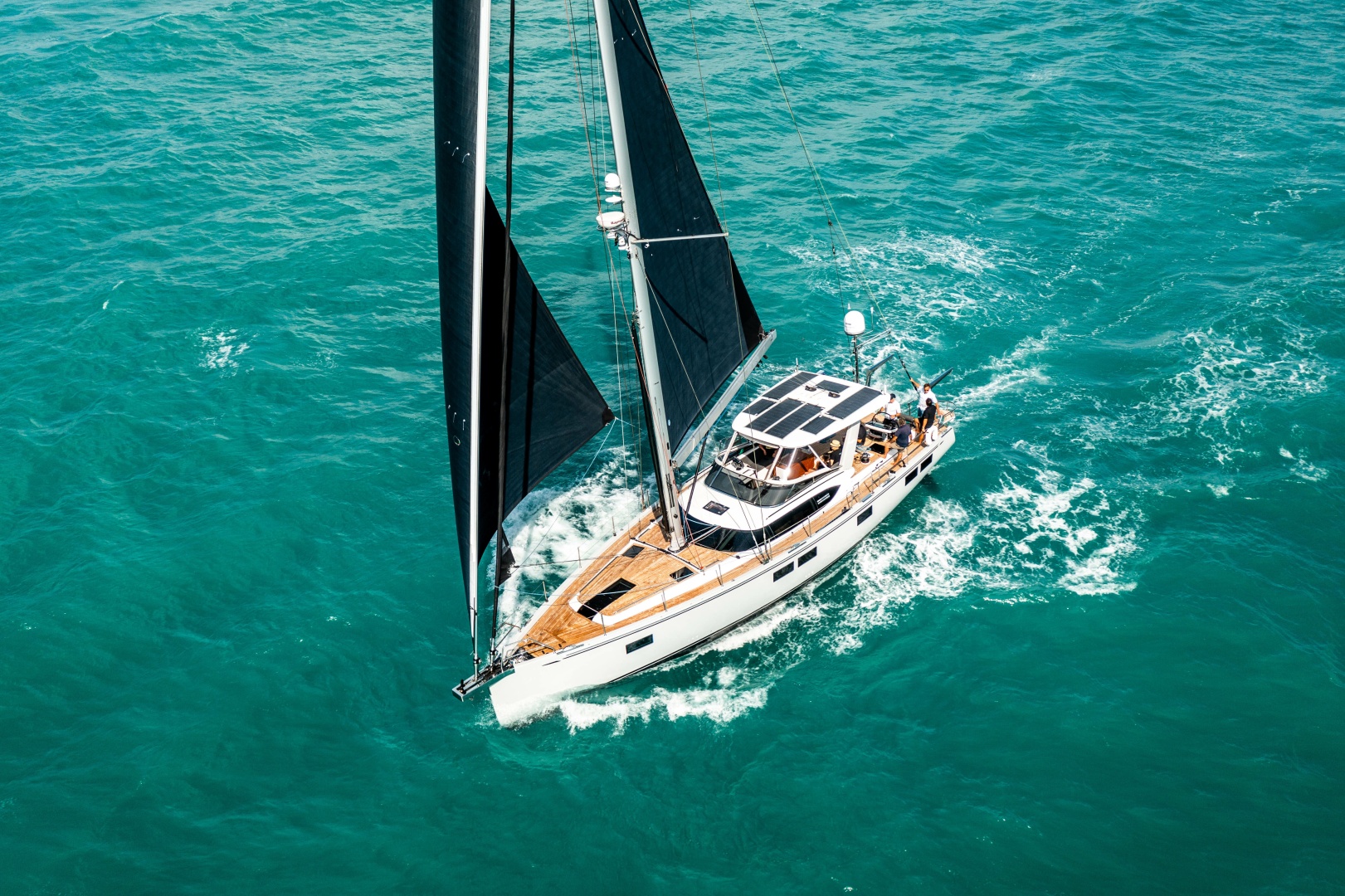
$1,795,000

$269,000
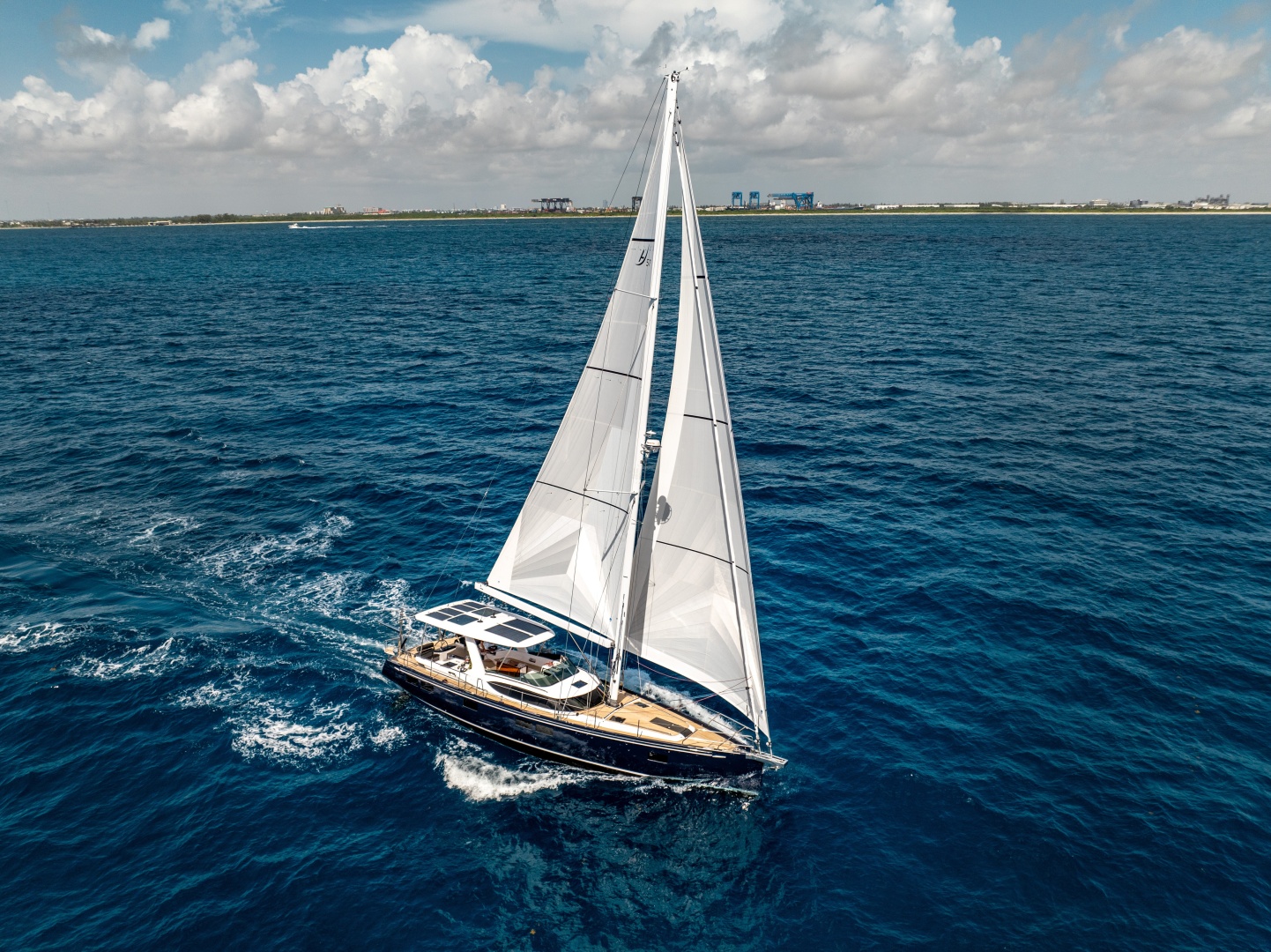
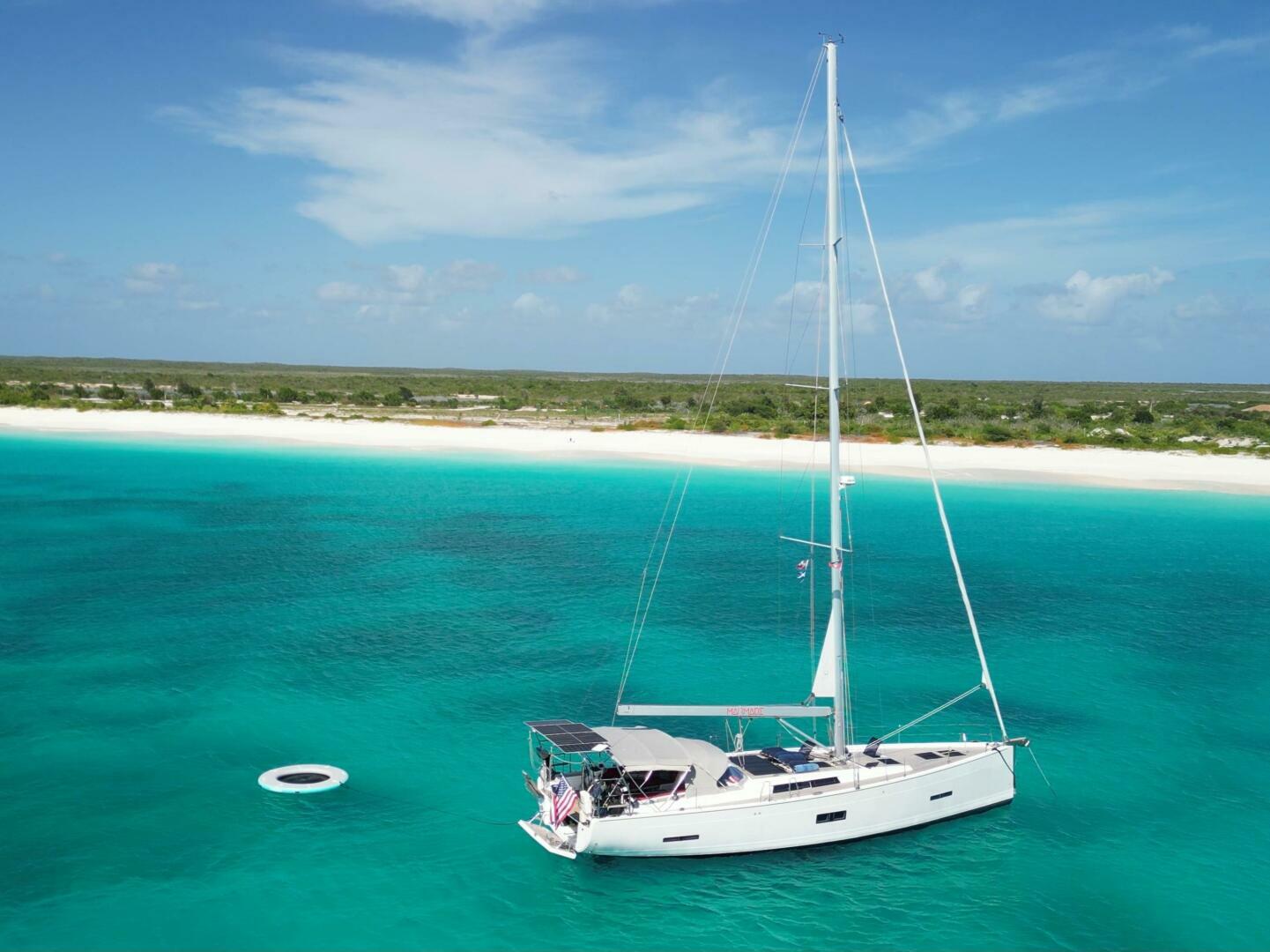
$359,000
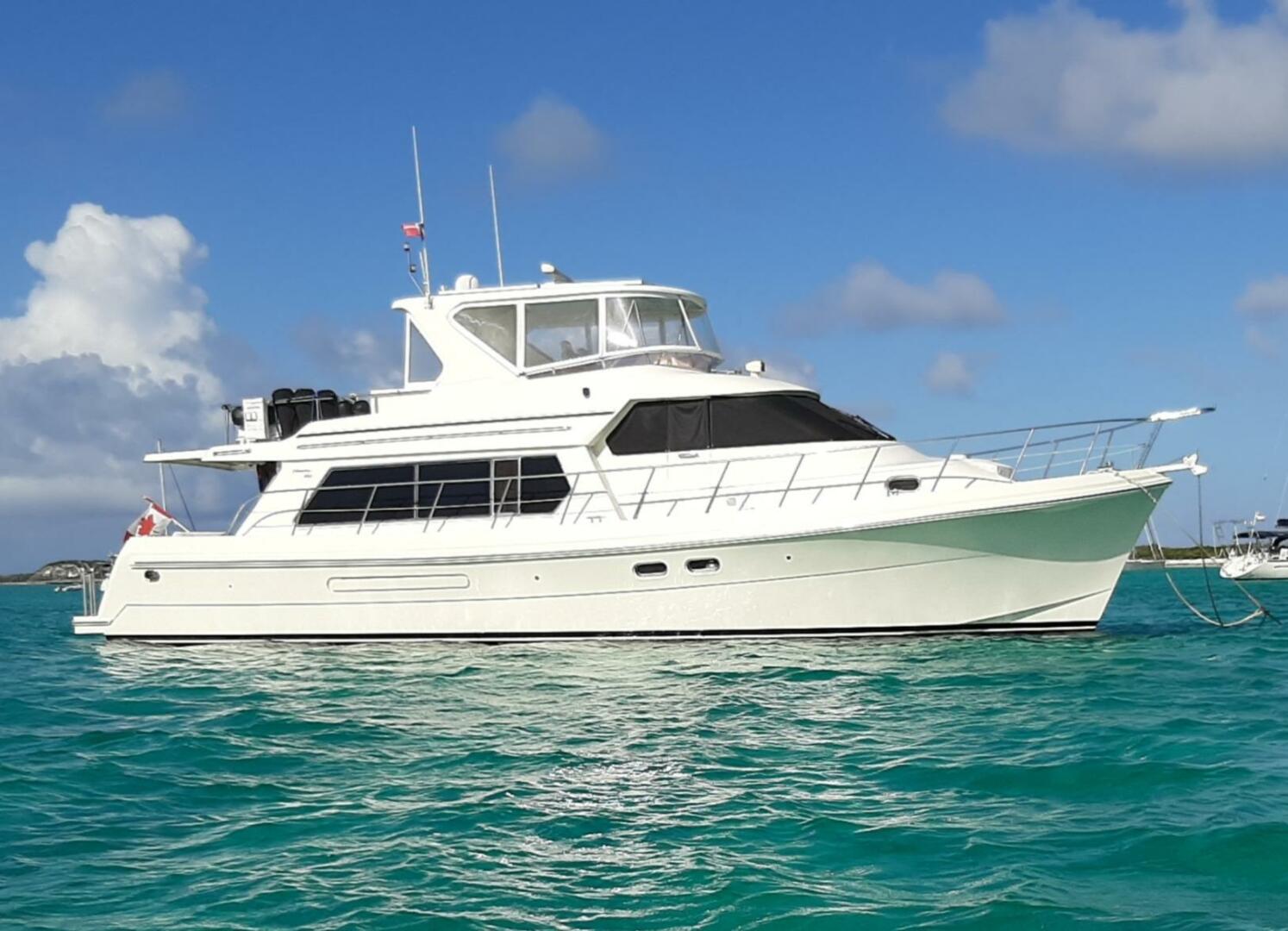
$499,500
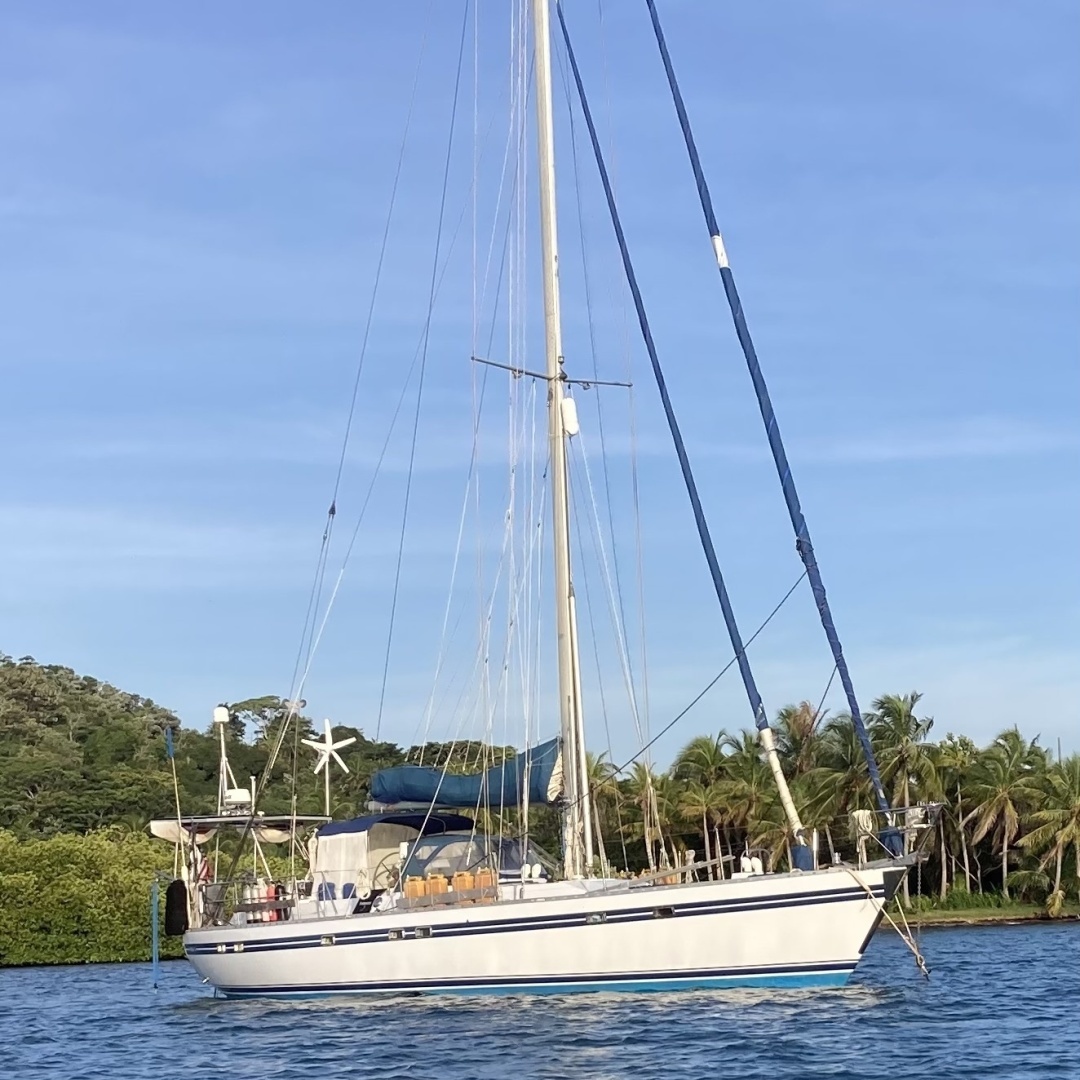
$299,500
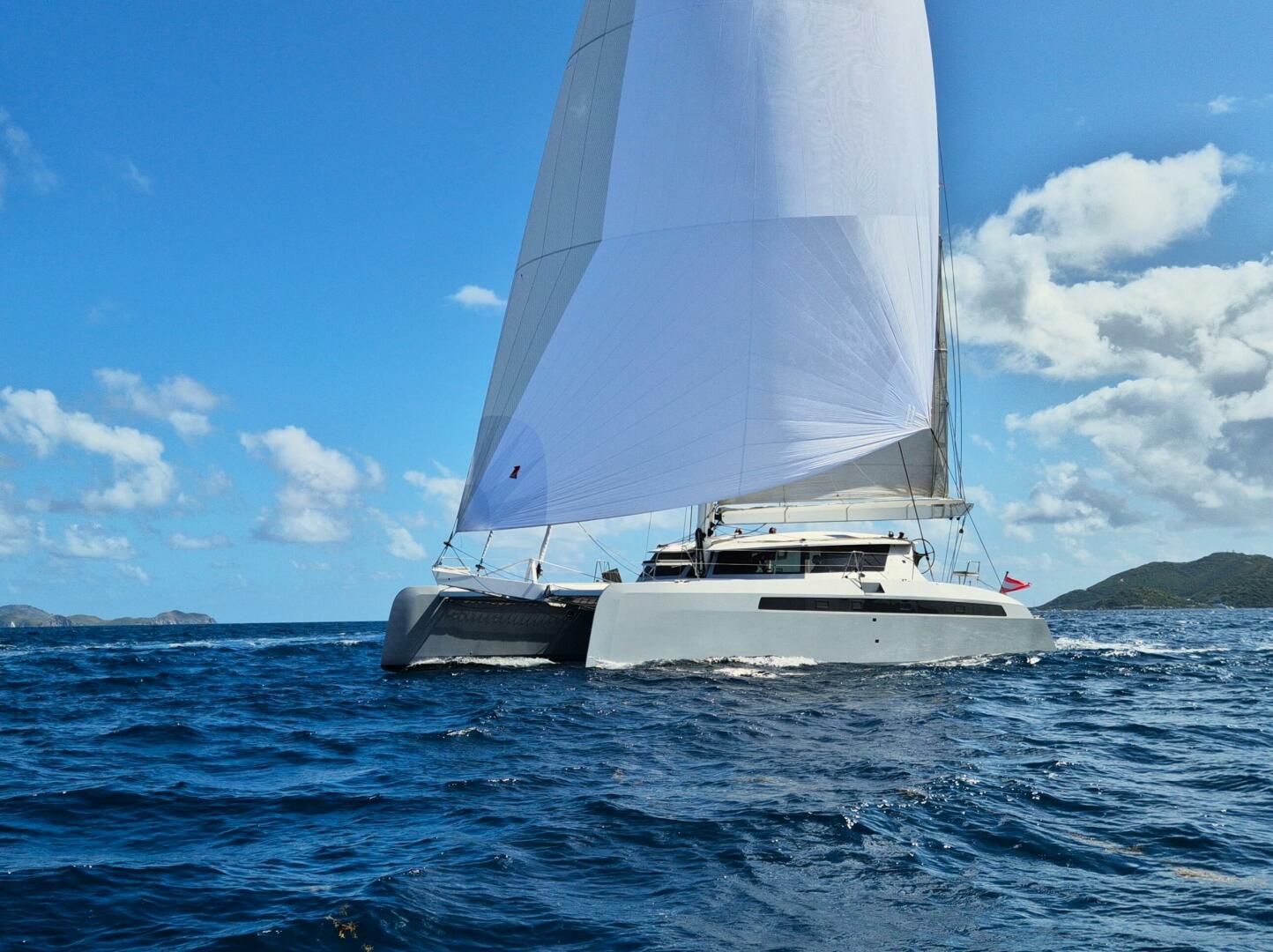
$1,290,000
$800,000
$545,000
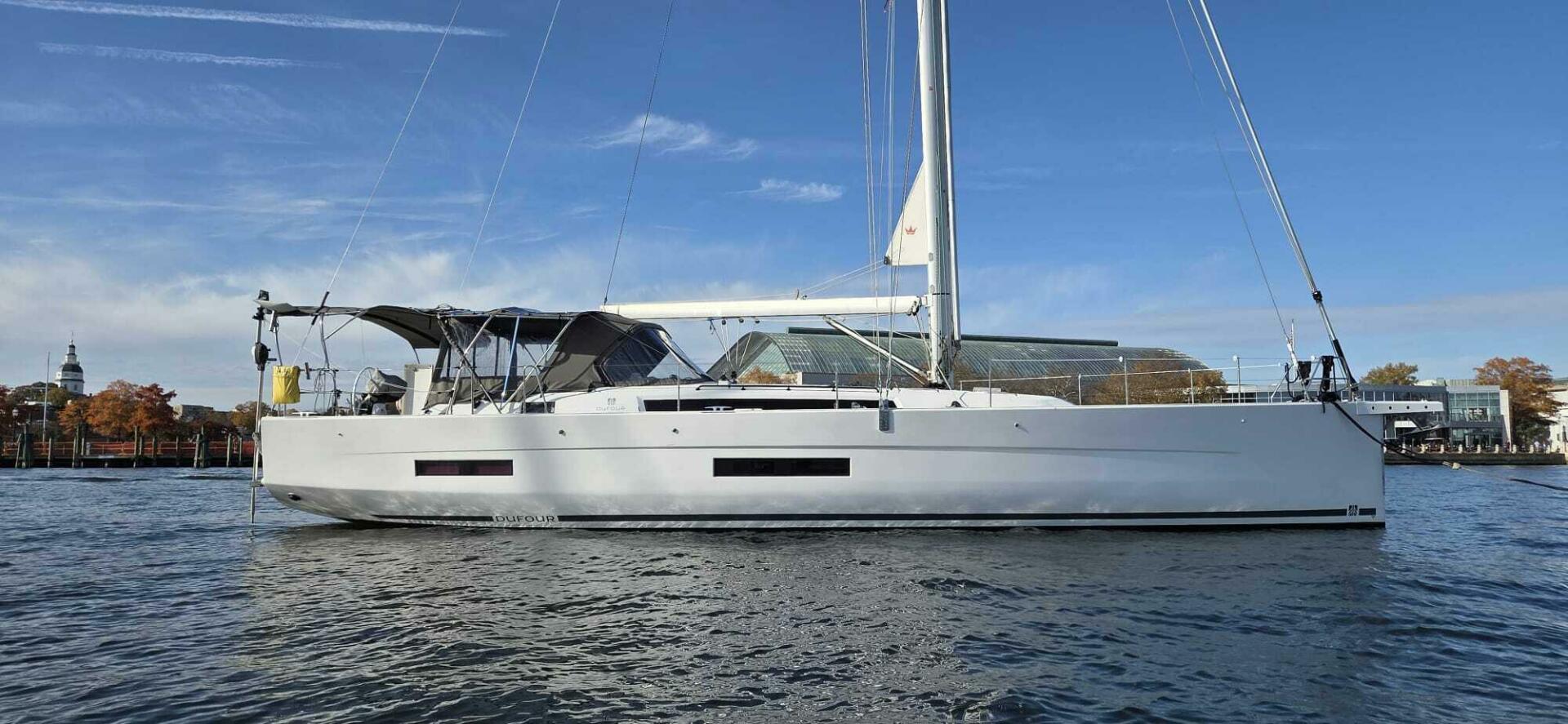
$564,900
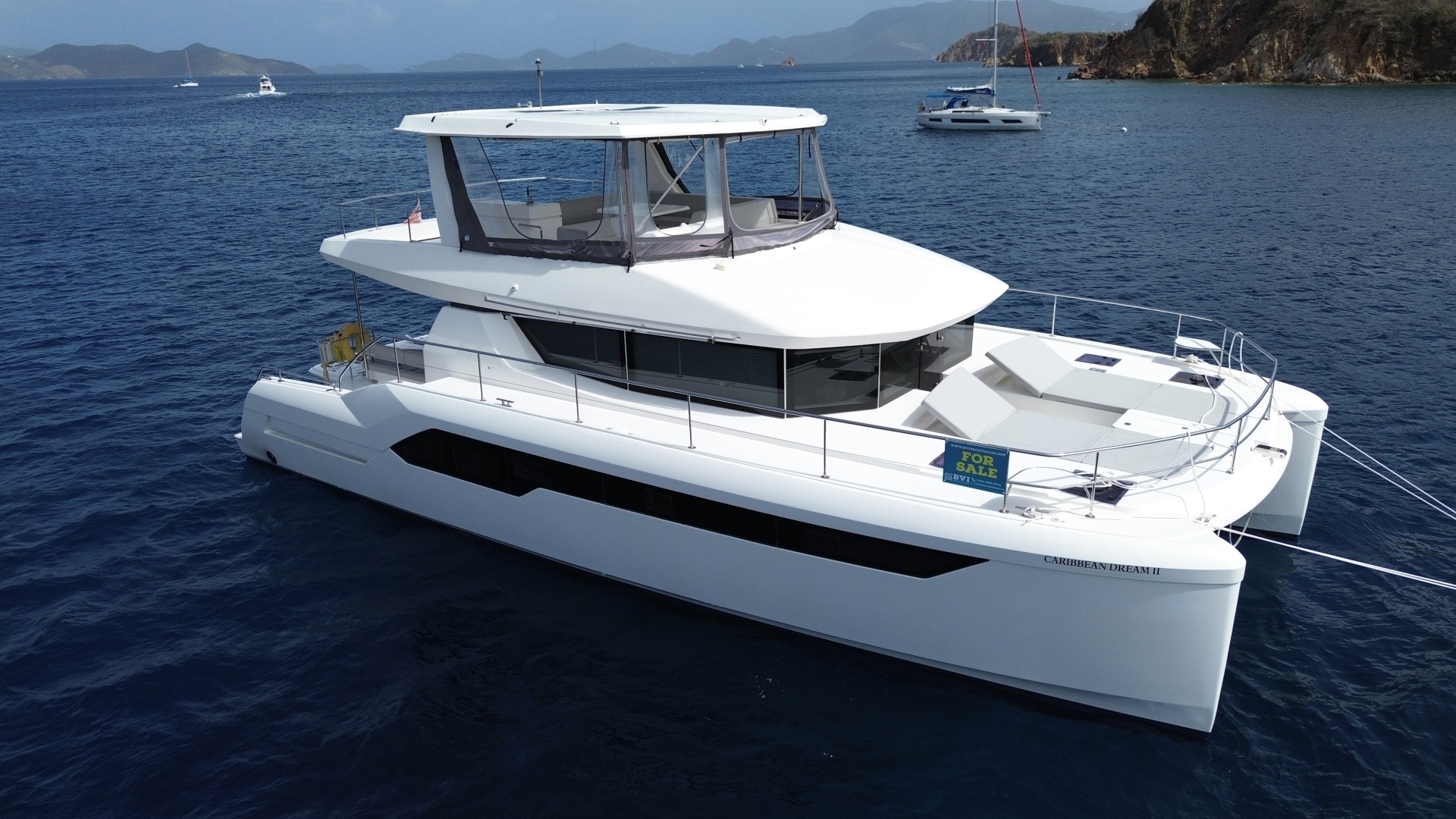
$1,130,000
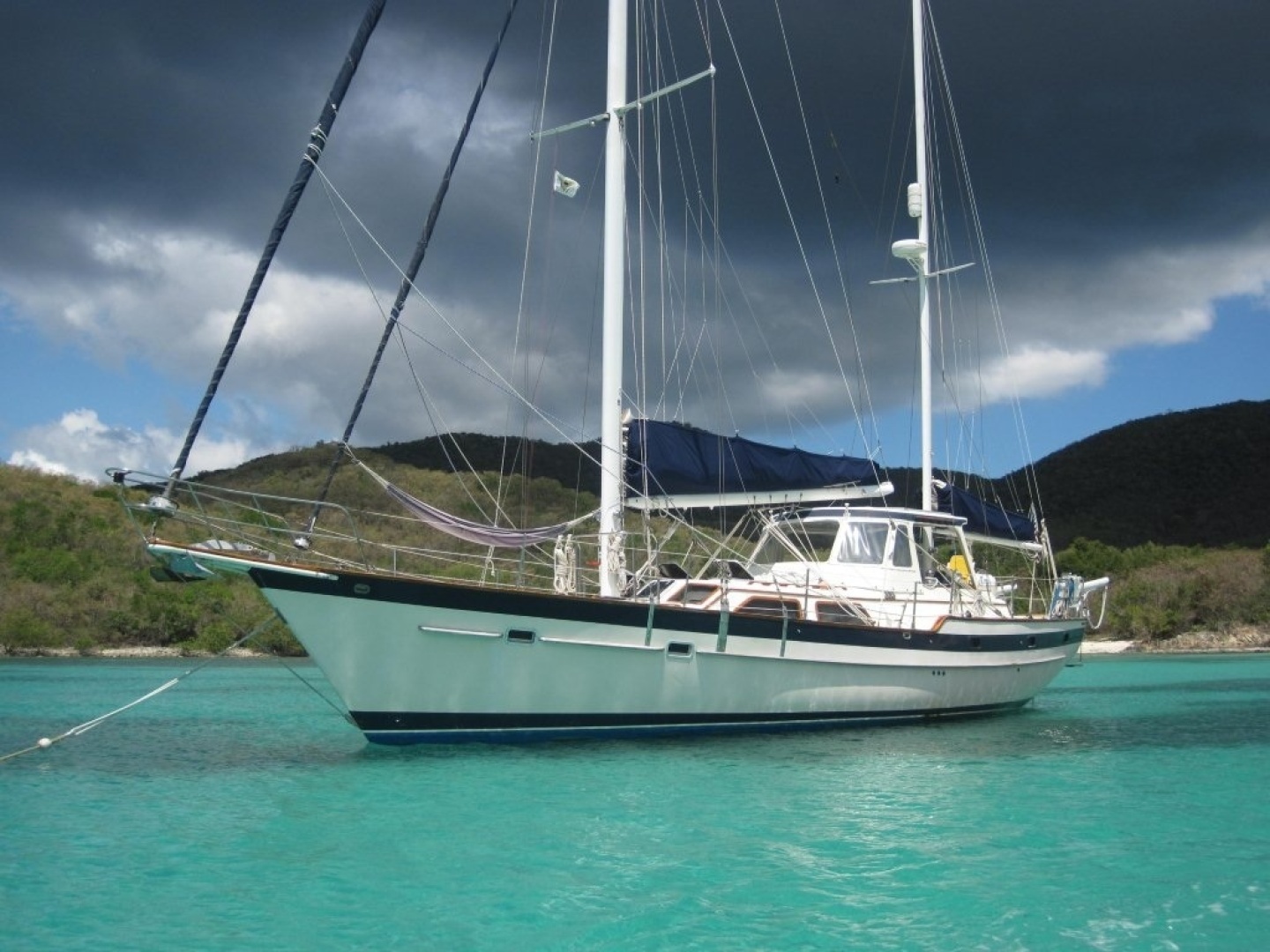
$159,000
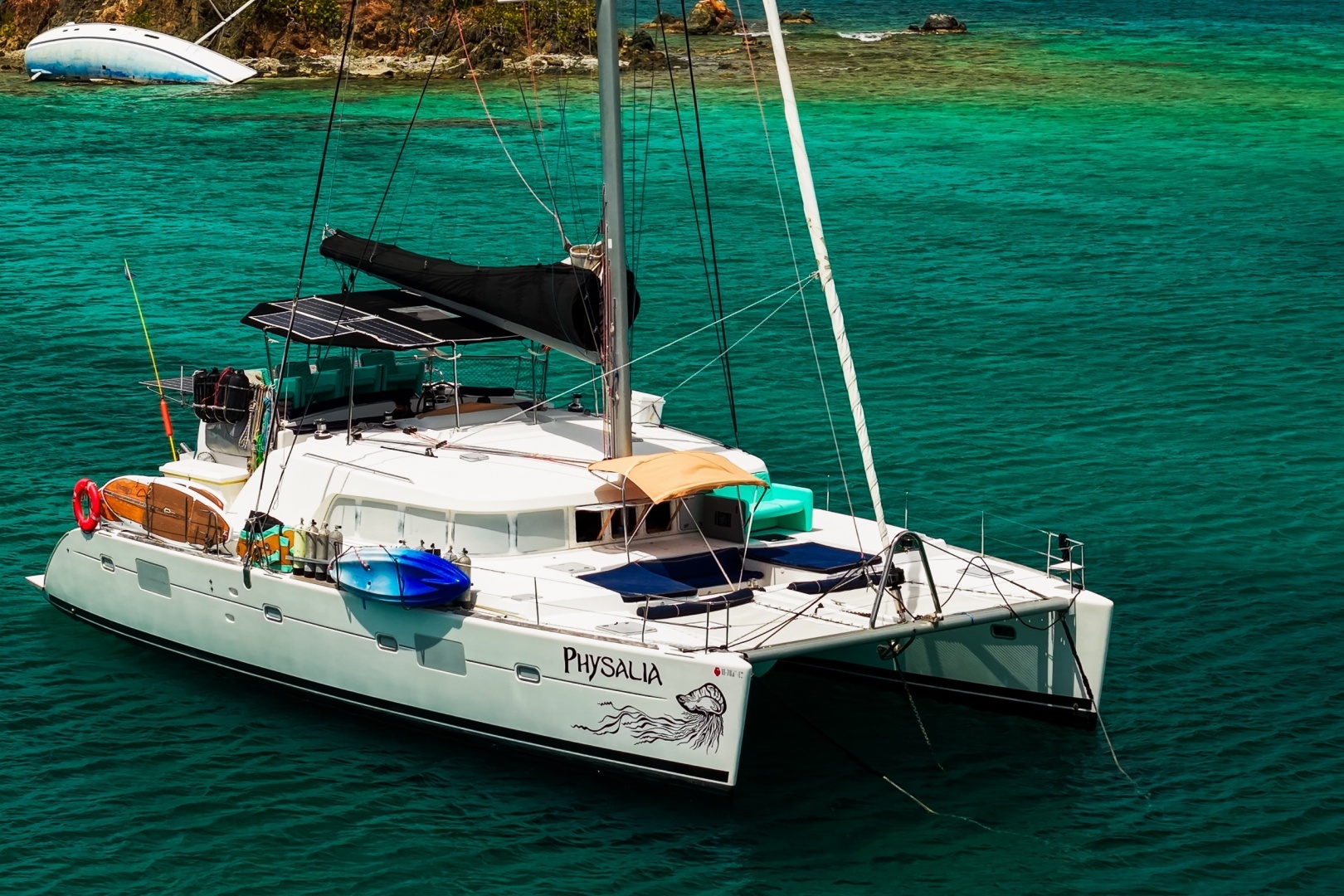
$499,000
$89,000
$89,000
$135,000
$98,250
$149,850
$369,000
$395,000
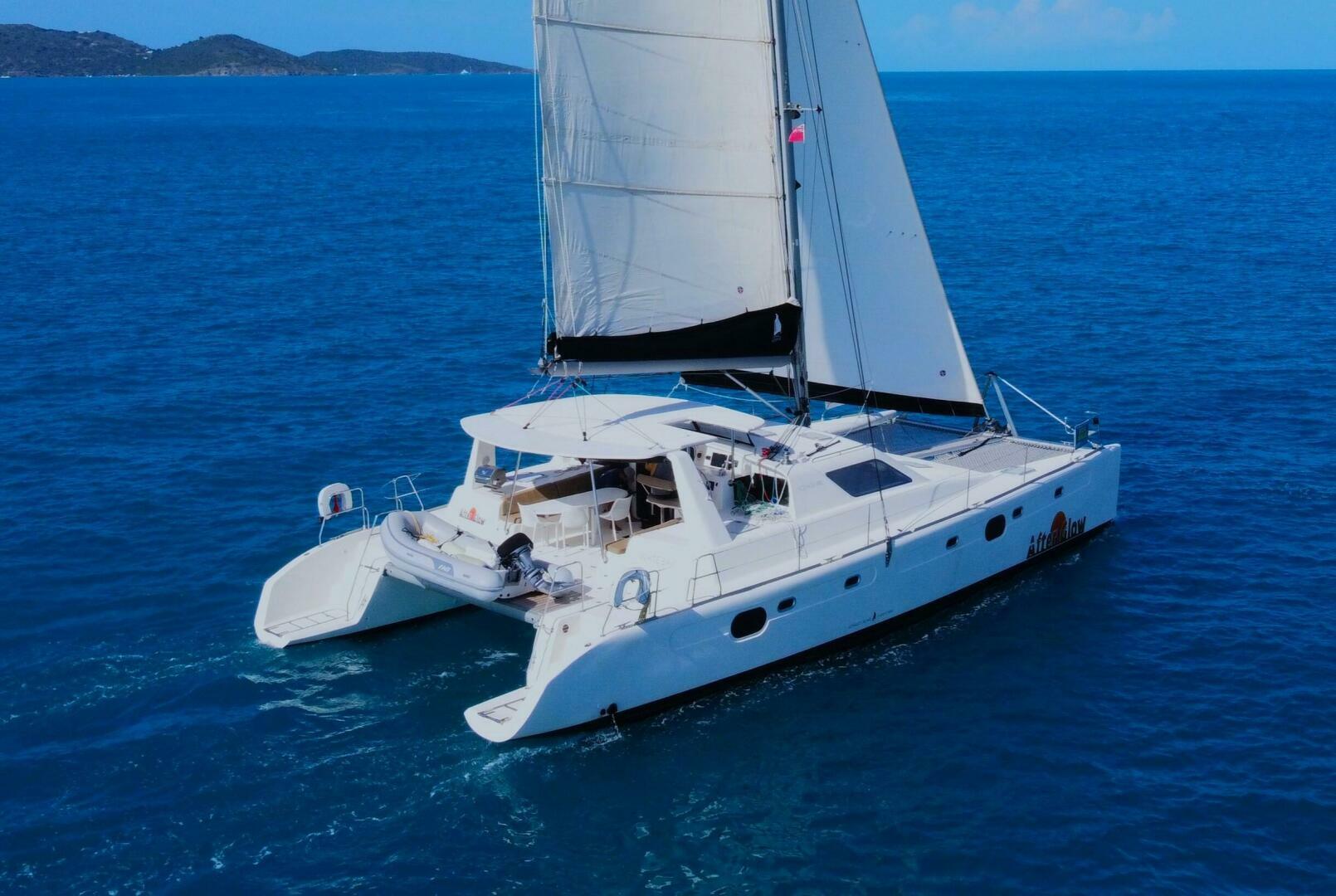
$349,000
$125,000
$1,724,571
$149,500
$109,900
$395,000

$652,000
$105,000

$115,000
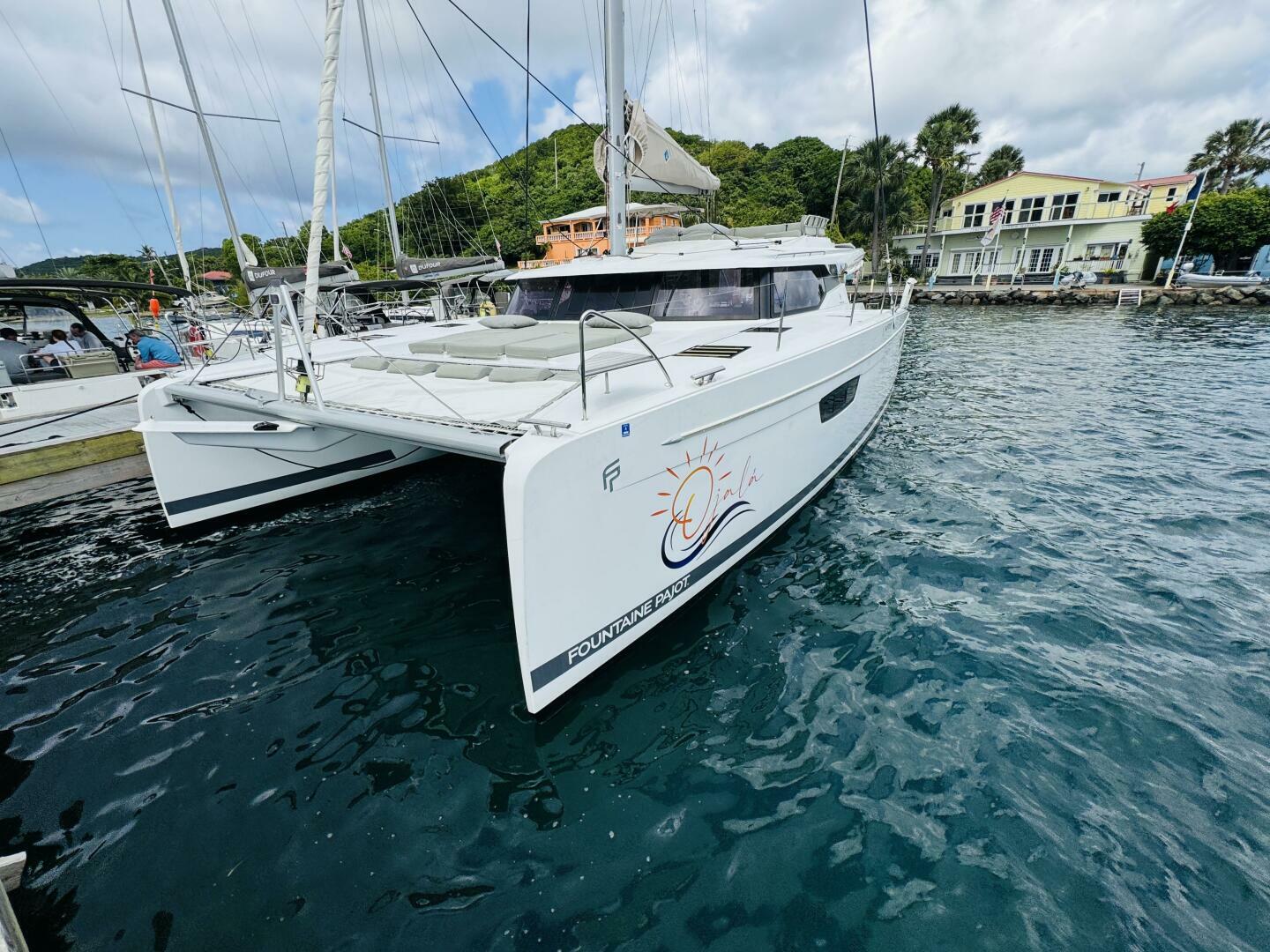
$950,000
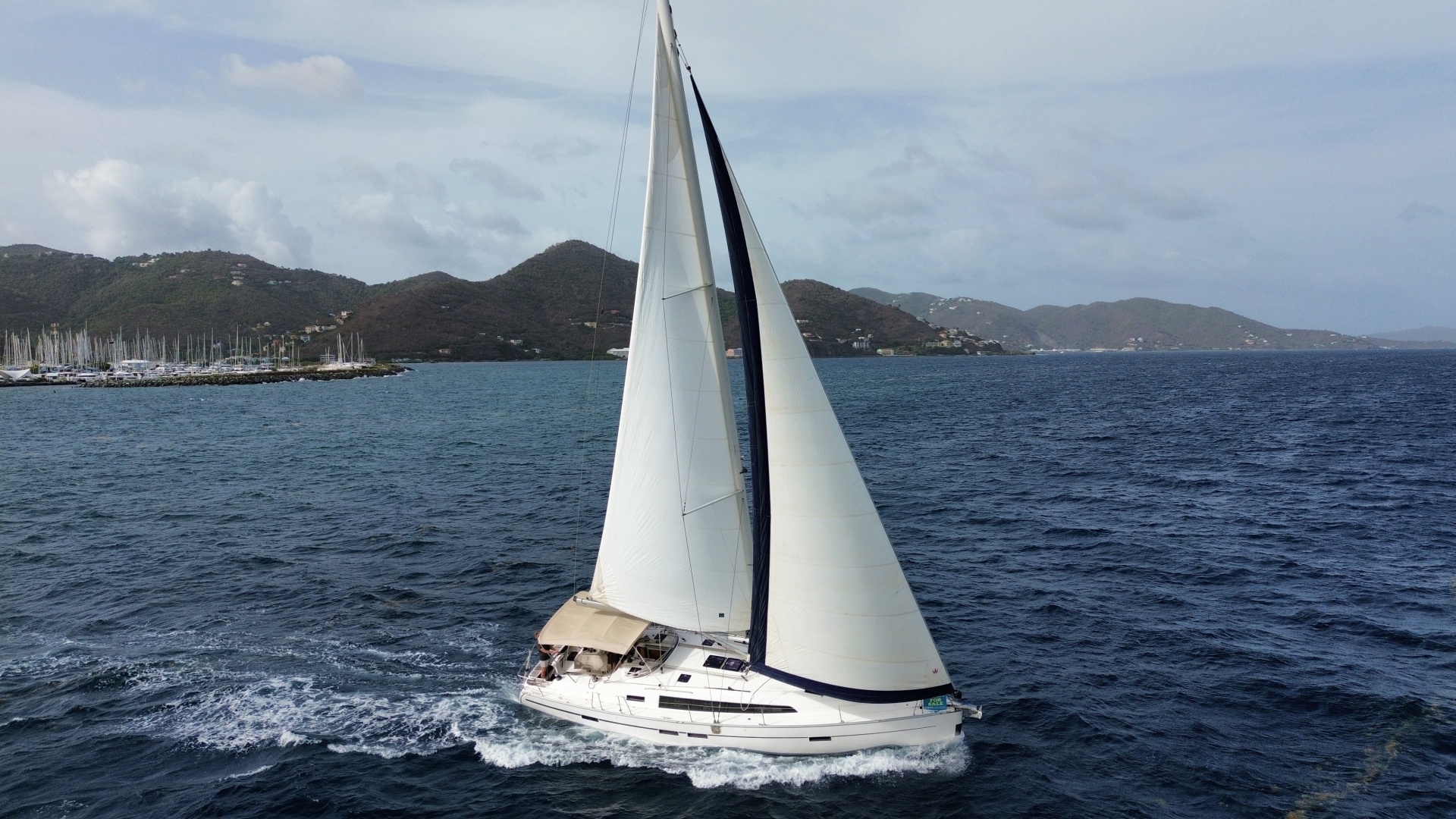
$149,000
$135,000
$349,000