
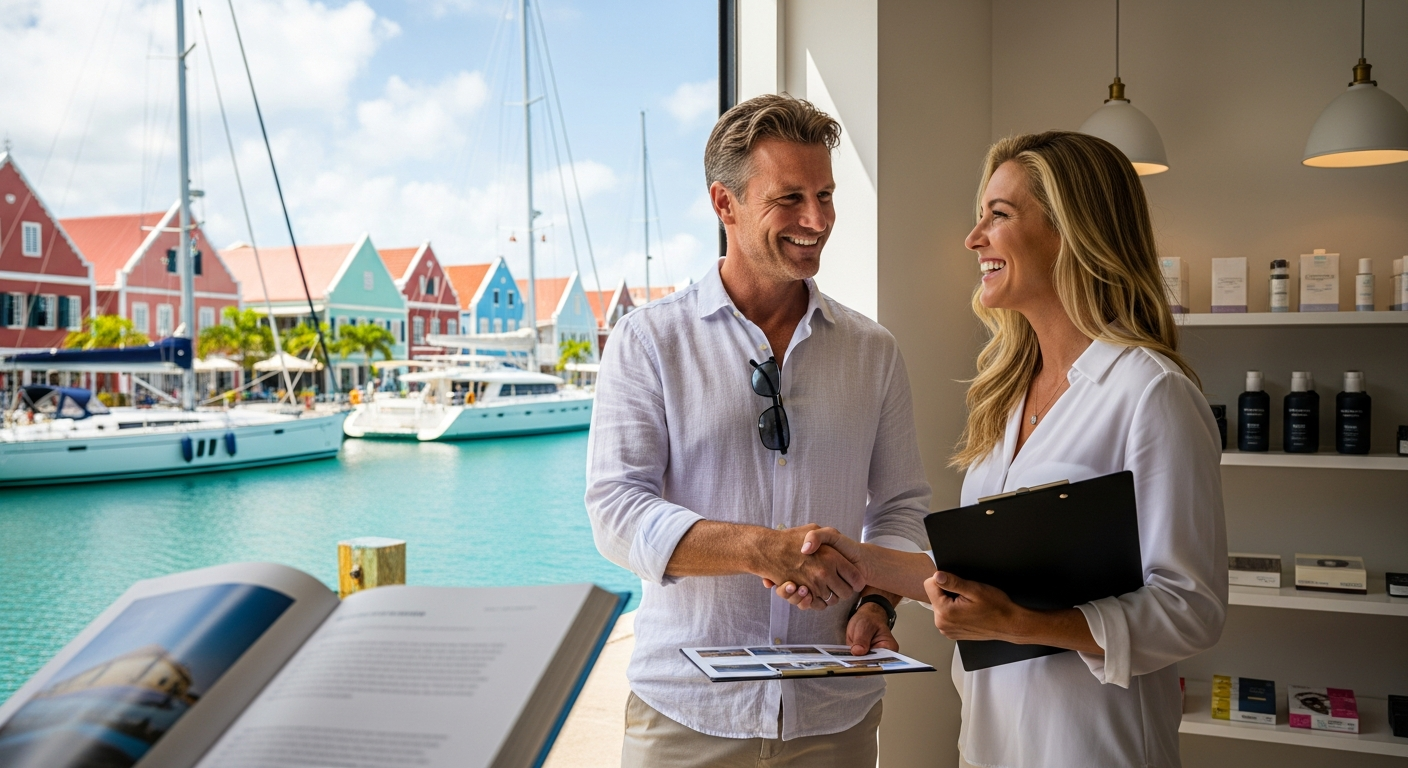
USVI yacht sales run on US rules, not British ones, and that single fact changes how you buy or sell a boat in the US Virgin Islands. From a broker’s desk in St. Croix, the practical differences from the neighboring BVI come down to three things: jurisdiction, duty, and who your buyer actually is. Get those straight and the rest of the deal follows.
Definition
USVI yacht sale — A yacht transaction that closes under United States law in the US Virgin Islands — St. Thomas, St. John, or St. Croix — rather than under British Virgin Islands jurisdiction a few miles east. The territory follows US customs and Coast Guard documentation rules while keeping its own local duty schedule.
- Jurisdiction
- United States — US customs and US Coast Guard documentation
- Currency
- US dollar, the same as the mainland
- Local duty ceiling
- Up to 6% of value on imported goods (USVI Code § 525)
- Broker offices
- Tortola (BVI), St. Croix (USVI), Annapolis (MD)
- Vessels brokered
- Sailboats, catamarans, and motor yachts, roughly 24–105 ft
Key Takeaways
- 01
USVI yacht sales close under US law: US Coast Guard documentation, US dollars, and a US-resident buyer pool — not the BVI’s international one.
- 02
The US Virgin Islands caps local import duty at six percent of value, and foreign-built yachts can be sold or chartered to US residents there without full mainland importation.
- 03
A foreign-built boat still cannot earn a US coastwise endorsement, so plan any charter operation around USVI waters.
- 04
BVI Yacht Sales works both territories from its St. Croix and Tortola offices, so a cross-island deal runs on one co-brokered timeline.
How USVI Yacht Sales Differ From the BVI
Geographically the US and British Virgin Islands are a short sail apart, but legally they are two different countries with two different rulebooks. A yacht sold in the USVI is a US transaction: documented with the US Coast Guard, paid for in dollars, and checked for liens under US law. A yacht sold in the BVI runs through the British Shipping Registry and the Red Ensign system.
That distinction shapes who your buyer is. BVI listings tend to attract international cruisers and charter-fleet investors shopping the global market. USVI listings sit in front of US residents who want an American-documented boat close to home. The right listing strategy follows the flag.
Closing a sale: BVI vs USVI
British Virgin Islands
- Vessel typically BVI- or foreign-flagged
- Buyer often an international cruiser or charter operator
- Closing structured around a BVI Shipping Registry transfer
- BVI customs and immigration cleared on entry
US Virgin Islands
- Vessel documented with the US Coast Guard
- Buyer pool skews to US residents paying in dollars
- Closing follows US documentation and lien checks
- US customs rules and the local 6% duty schedule apply
Is There Duty on Yachts in the US Virgin Islands?
Duty is the question every buyer asks, and the honest answer is that the US Virgin Islands runs its own schedule. Under the US Virgin Islands Code, Title 33 § 525, duty on goods imported into the territory is structured so the total lands at six percent of the item’s value — a territory rate distinct from anything on the mainland.
For a boat that is truly being imported and kept, that local rate is the number to budget against. But ‘imported’ is doing a lot of work in that sentence, and for many foreign-built yachts the smarter path avoids a full import entirely.
The territory duty ceiling
6%
Cap on local duty for goods imported into the US Virgin Islands, by value
USVI Code, Title 33 § 525
The Foreign-Built Vessel Advantage
Here is the mechanism brokers actually use. US federal vessel documentation rules reserve coastwise endorsements — the right to trade commercially between US ports — for vessels built in the United States. A foreign-built yacht cannot get one.
The US Virgin Islands sits outside those mainland cabotage restrictions. That means a foreign-built boat can be sold or chartered to US residents in the USVI without first importing it into the mainland US or paying full federal duty. For the European-built catamarans and motor yachts that make up a large share of the Caribbean fleet, that is a genuine saving in both time and money. Buyers shopping St. Croix from the mainland usually start with 3D boat tours, which save a flight before the shortlist is even settled.
Why brokers route foreign-built boats through the USVI
Because coastwise endorsements are reserved for US-built vessels, owners can sell or charter a foreign-built yacht to US residents from the US Virgin Islands without importing it into the mainland US or paying full federal duty first — the core reason the USVI is such a practical marketplace for European-built boats.
The flag over the marina decides your rulebook. A few miles east in the BVI you sell to the world; in the USVI you sell to America, in dollars, under US documentation.
The Informative Brokers, BVI Yacht SalesSelling a Yacht From St. Croix
Selling from St. Croix means presenting your boat to the US market on home turf. The listing goes out under US documentation, priced in dollars, to buyers who do not have to navigate a foreign registry to close. For the right vessel, that shortens the buyer’s due diligence and widens the pool of people who can comfortably say yes.
Co-brokerage is where a St. Croix desk earns its keep. Putting a listing on the brokerage MLS invites every other broker to bring their buyers, and a standard fifty-fifty split means brokers are paid to cooperate rather than hoard a listing. More eyes on your boat is the entire point.
3
Broker offices — Tortola, St. Croix, and Annapolis
BVI Yacht Sales
24–105 ft
Range of sail and power yachts brokered
BVI Yacht Sales
50/50
Standard co-brokerage commission split
Yacht brokerage MLS convention
USVI vs BVI Yacht Sales at a Glance
USVI Code § 525; territory customs guidance
| Factor | US Virgin Islands | British Virgin Islands |
|---|---|---|
| Sovereignty | US territory | British Overseas Territory |
| Currency | US dollar | US dollar |
| Vessel documentation | US Coast Guard | BVI Shipping Registry / Red Ensign |
| Local import duty | Up to 6% of value | Duty-exempt for BVI-registered yachts |
| Primary buyer pool | US residents | International cruisers & charter buyers |
| Arriving by sea | Clear US customs & immigration | Clear BVI customs & immigration |
Can BVI Yacht Sales Help You Buy or Sell in St. Croix?
Yes, and working both territories from one brokerage is the practical advantage. From the St. Croix office we handle USVI listings and US buyers directly, while the Tortola desk covers the BVI side of any cross-channel deal. One team, one timeline, whichever flag the boat flies today. Buyers working across more than one island are usually handed to Chesnee Cogswell, Sales Director, who coordinates the brokers covering each territory.
That matters because Caribbean deals rarely respect the border. A seller in St. Croix may find their buyer cruising the BVI; a buyer eyeing a Tortola catamaran may want it re-documented in the US. Brokers who operate on both sides move those deals without handing you off to a stranger halfway through.
What our St. Croix desk handles
Local listing and marketing for boats lying in St. Croix, St. Thomas, and the wider USVI, syndicated to the brokerage MLS and the major sales portals.
Buyer representation for US clients who want a boat under US documentation without the cost and delay of a full mainland import.
Survey coordination, sea-trial logistics, and closing paperwork run between our USVI and BVI offices so a cross-island deal stays on a single timeline.
Honest limits
What a USVI berth can't do for a foreign-built yacht
- hard
A foreign-built yacht can be sold or chartered to US residents in the USVI, but it still cannot earn a US coastwise endorsement to trade in Puerto Rico or the US mainland.
Keep charter operations inside USVI waters, or budget for full US importation if mainland trade is the goal.
- soft
US documentation with a recreational endorsement carries no such build restriction — only commercial coastwise work does.
Match the endorsement to how you will actually use the boat before you buy.
- info
Local duty is assessed on value, so a high-value import still carries real cost even at the capped rate.
Thinking of buying or selling in the USVI?
Talk to a broker who works both sides of the channel from our St. Croix and Tortola desks — no hard sell, just straight guidance.
QDo you need a different process to buy a yacht in the USVI vs the BVI?
Yes. A US Virgin Islands purchase closes under US law — the boat is documented with the US Coast Guard, paid for in US dollars, and lien-checked under US rules. A BVI purchase runs through the BVI Shipping Registry and its Red Ensign framework. The vessel and buyer pool often differ too, which is why the marketing and closing steps are not interchangeable.
QIs there duty on yachts imported to the US Virgin Islands?
The USVI has its own duty schedule separate from the mainland. Under the territory’s customs code, duty on imported goods is capped so the total reaches six percent of the item’s value. For a yacht genuinely being imported, that local rate applies — but many foreign-built boats are sold or chartered to US residents in the USVI without a full mainland import at all.
QCan a foreign-built yacht be sold to a US resident in the US Virgin Islands?
Yes, and it is a major reason brokers route these deals through the USVI. Because US coastwise endorsements are reserved for US-built vessels, owners can sell or charter a foreign-built yacht to US residents from the US Virgin Islands without importing it into the mainland US first, saving both time and federal duty.
QDo you have to clear customs sailing between the USVI and BVI?
Yes. Despite being neighbors in the same cruising ground, the US and British Virgin Islands are separate jurisdictions. You clear customs and immigration on each entry, in both directions. Build a clearance stop into any cross-island showing, sea trial, or delivery.
QWhat currency and documentation apply when buying a boat in the USVI?
The US dollar is the currency, exactly as on the mainland, and vessels are documented through the US Coast Guard rather than a foreign registry. That US framework is the core practical difference from a BVI sale and shapes financing, lien checks, and closing paperwork.
QCan BVI Yacht Sales help buy or sell in St. Croix?
Yes. BVI Yacht Sales works the US Virgin Islands from a St. Croix office alongside its Tortola and Annapolis desks. We list and market USVI boats, represent US buyers, and coordinate survey and closing across islands — and as active co-brokers, we will work another broker’s listing or bring our buyers to yours.
Cite this article
Legislature of the Virgin Islands (2019). Virgin Islands Code, Title 33 § 525 — Rate of duty on articles shipped from within the US Customs Zone. Justia US Law. Retrieved from https://law.justia.com/codes/virgin-islands/2019/title-33/subtitle-1/part-i/chapter-12/525/
Last updated
Featured Listings
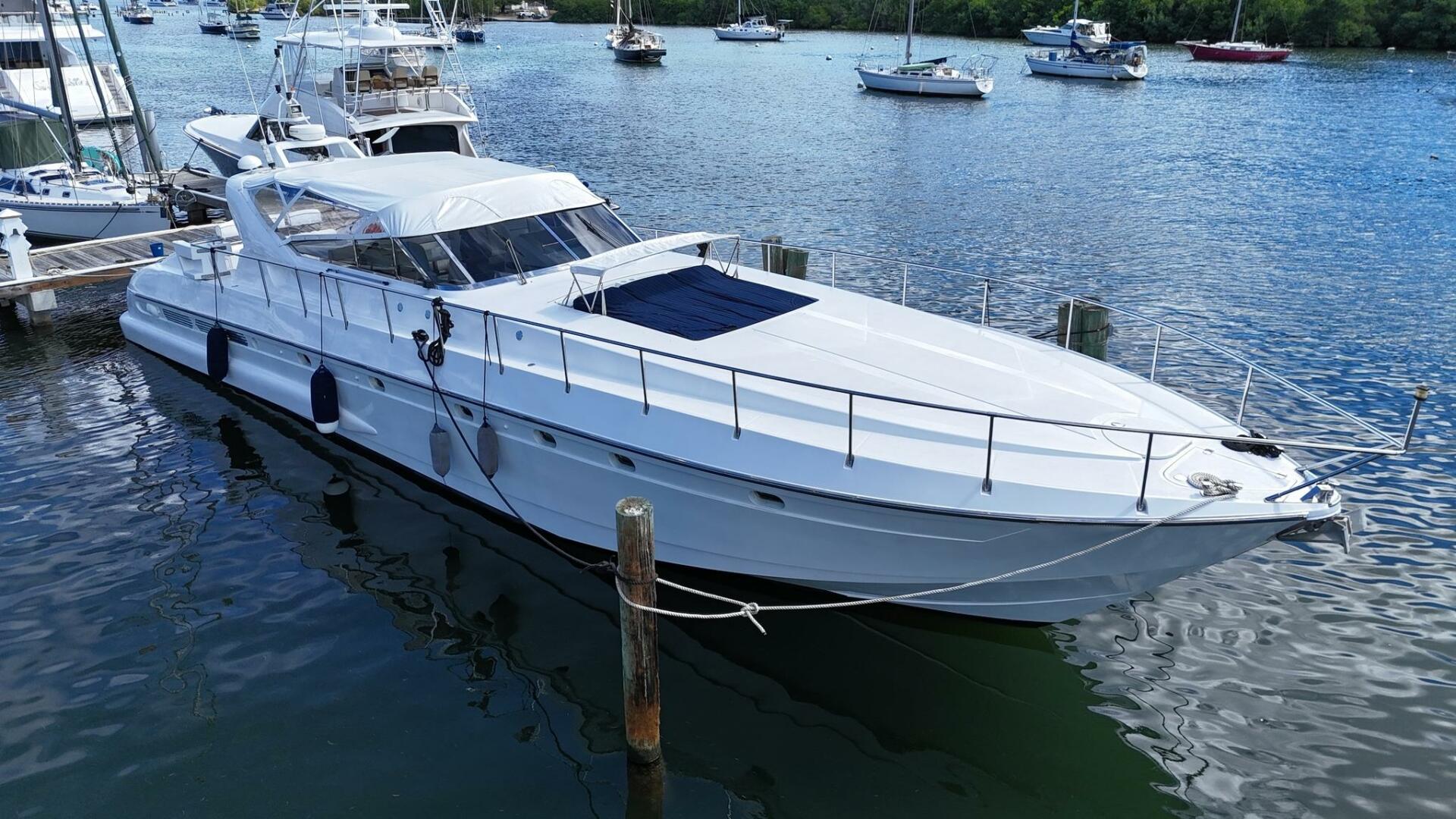
$599,000
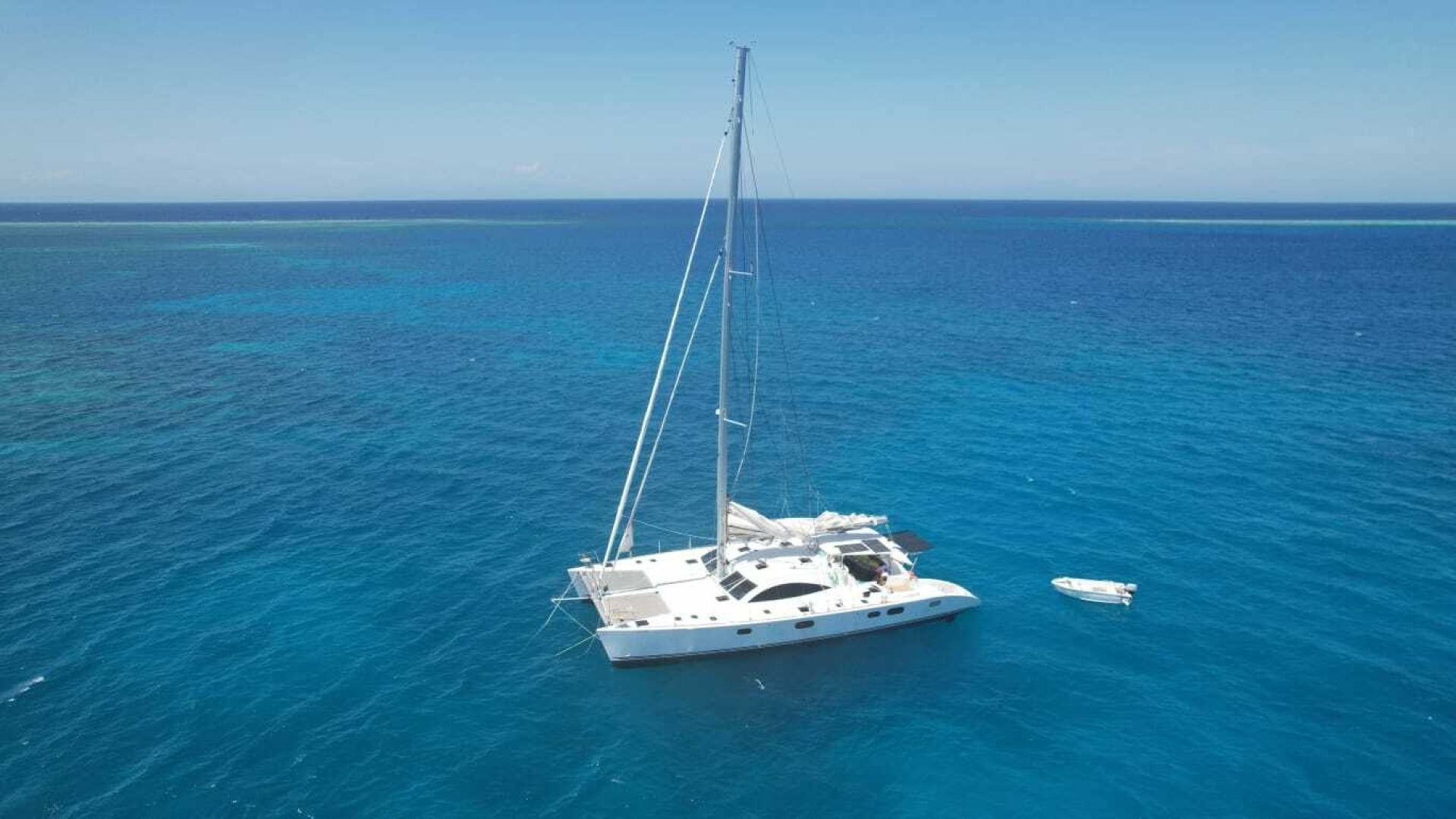
$1,300,000
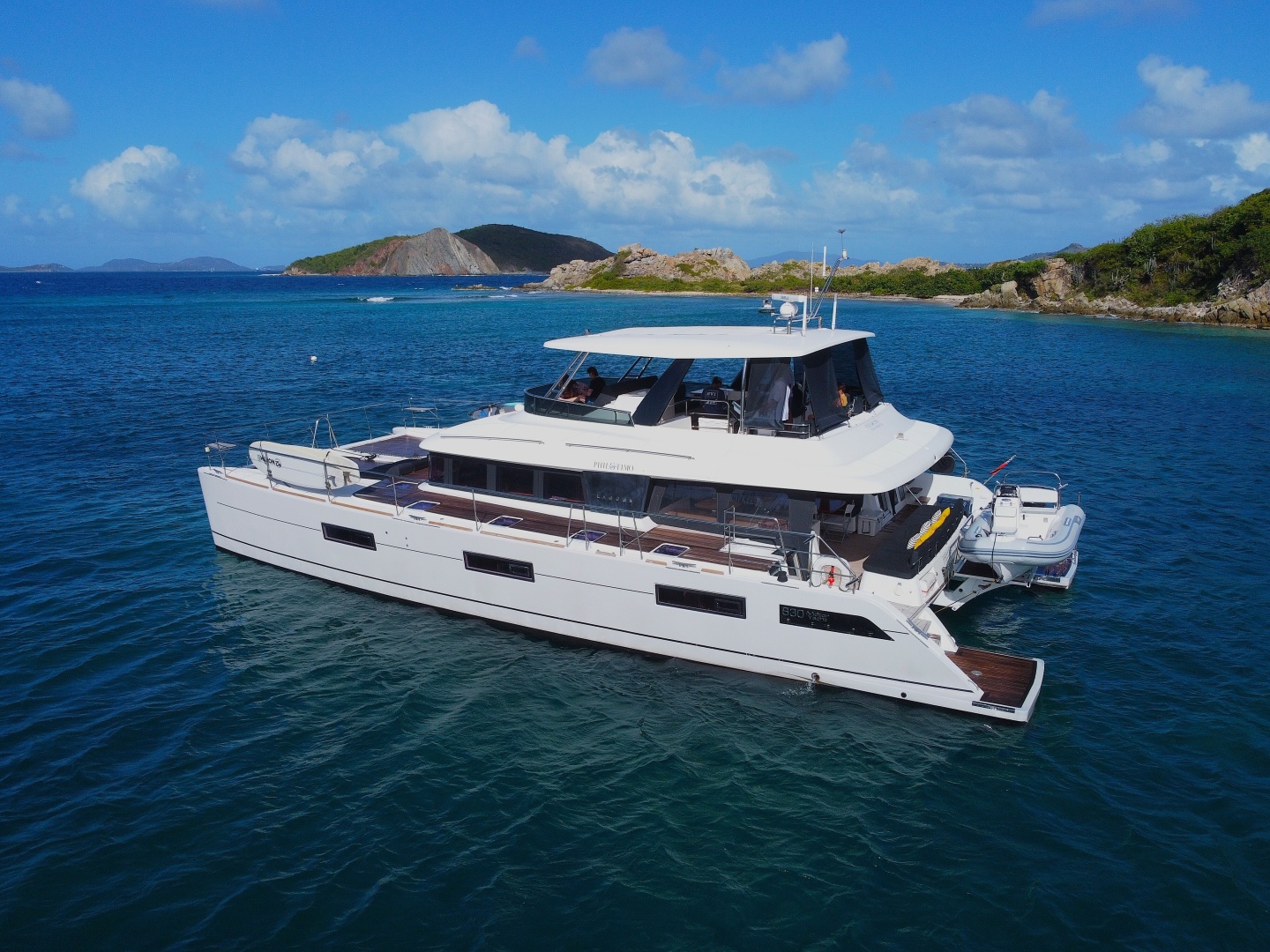
$1,699,000

$299,000

$899,000
$1,795,000

$269,000
$359,000
$499,500
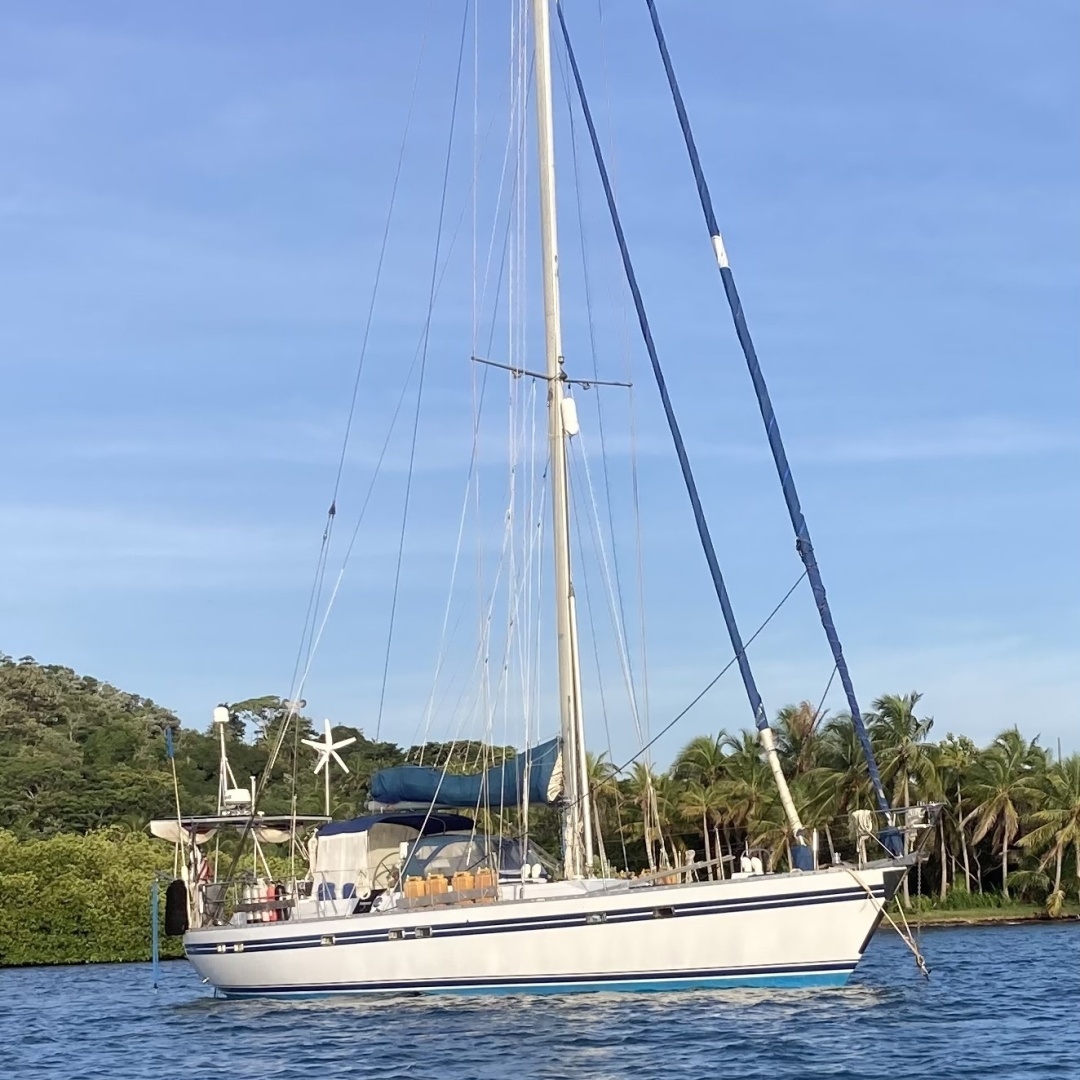
$299,500
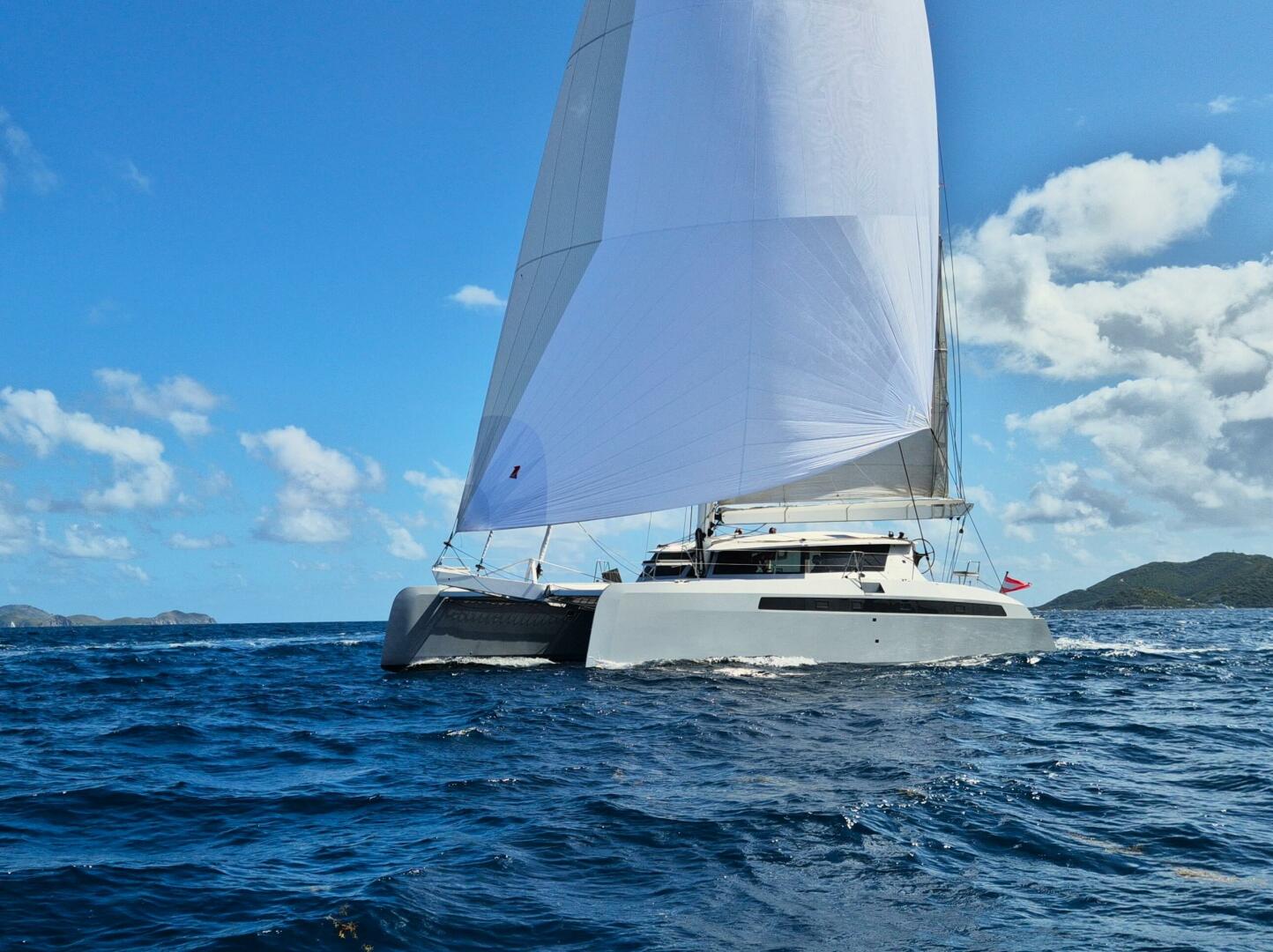
$1,290,000
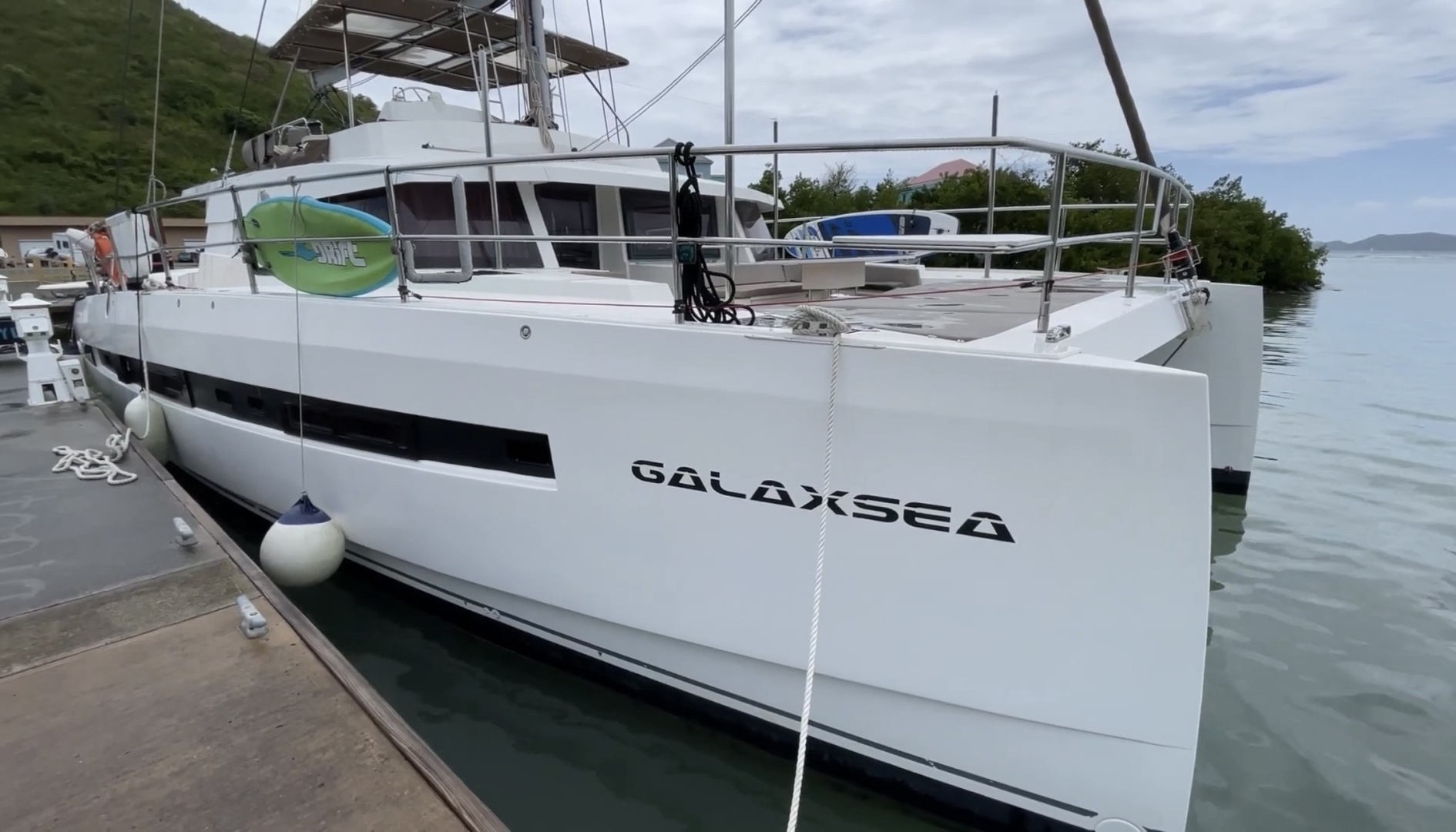
$800,000
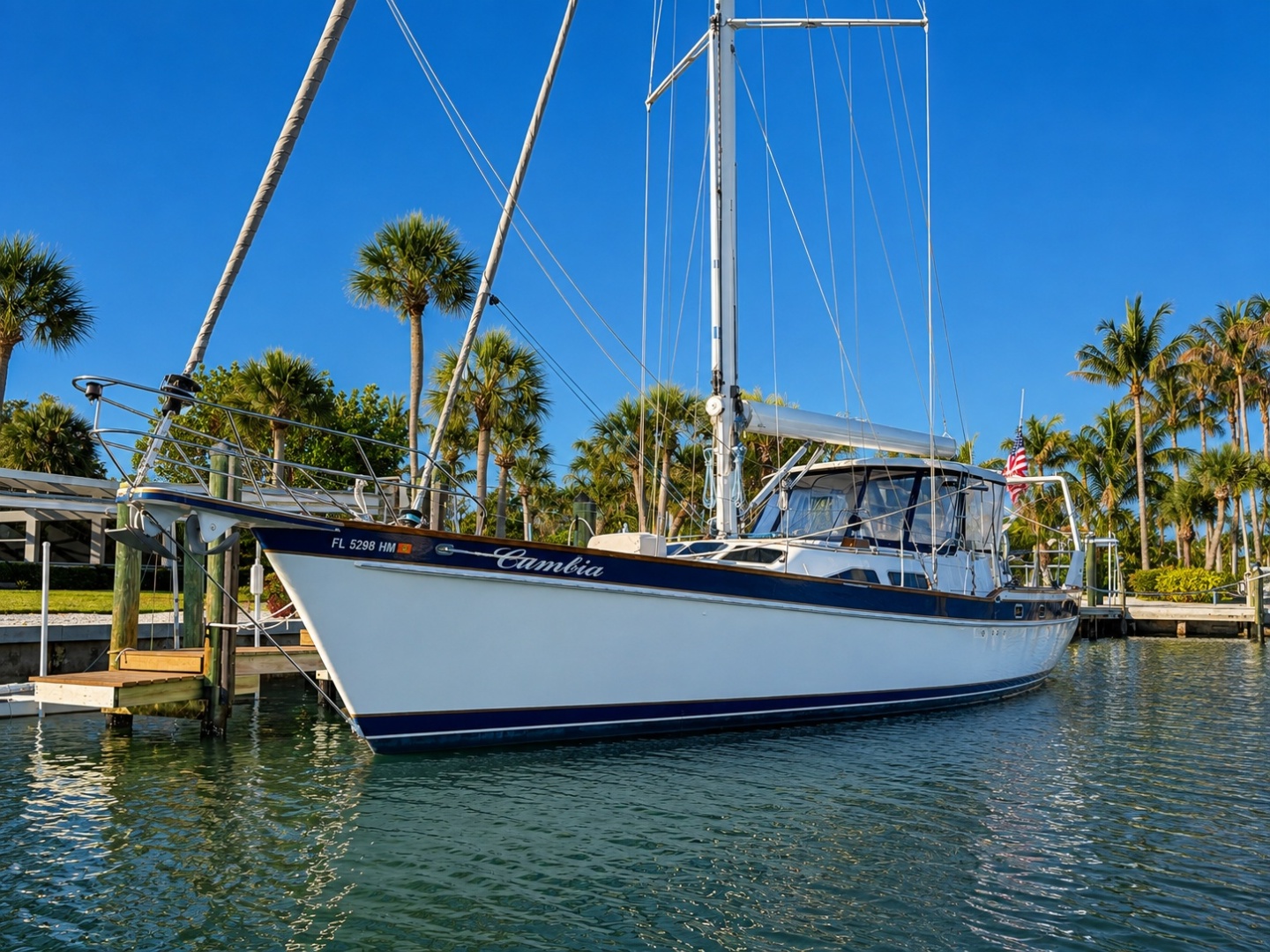
$545,000
$564,900
$1,130,000
$159,000
$499,000
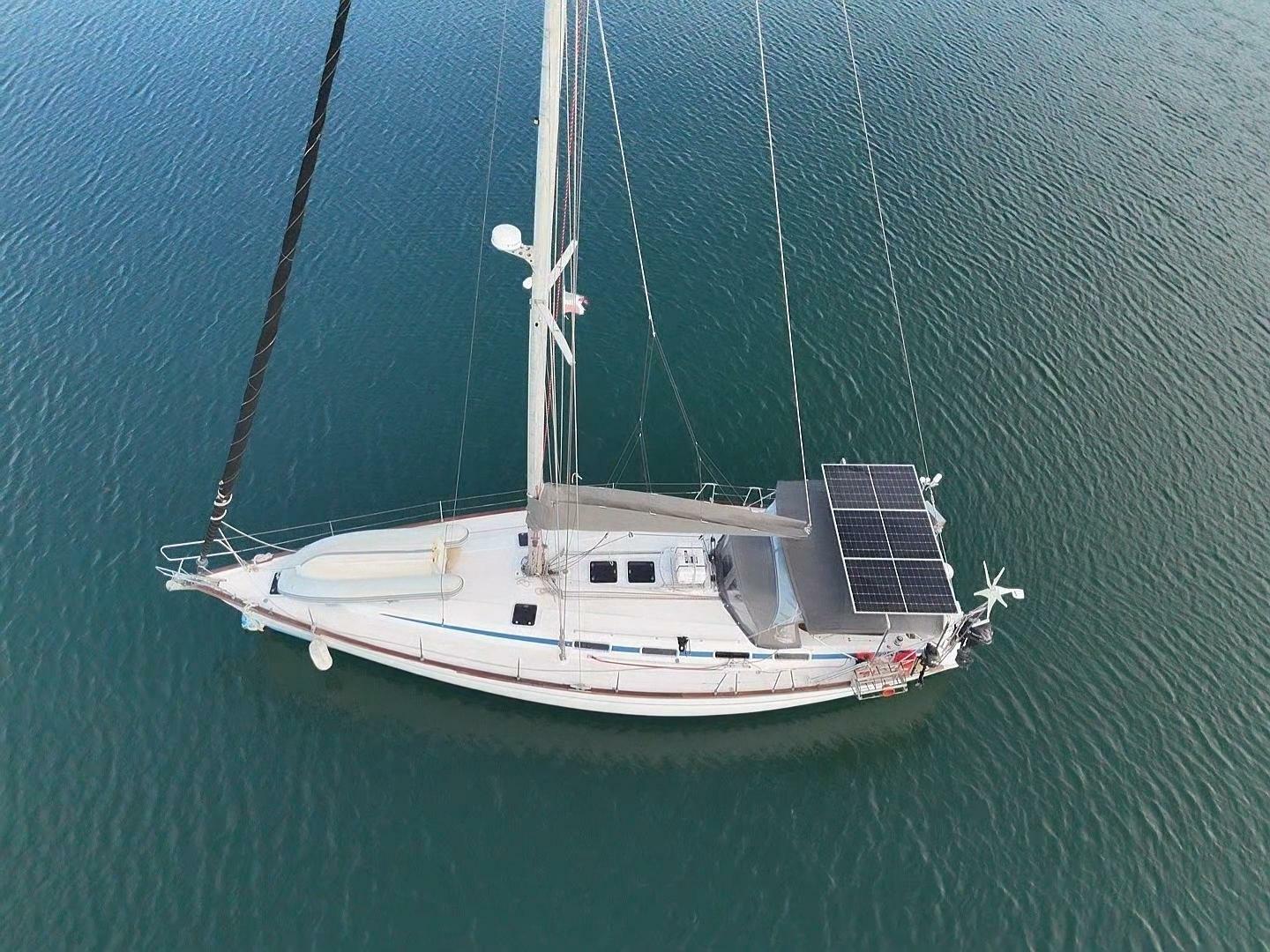
$89,000
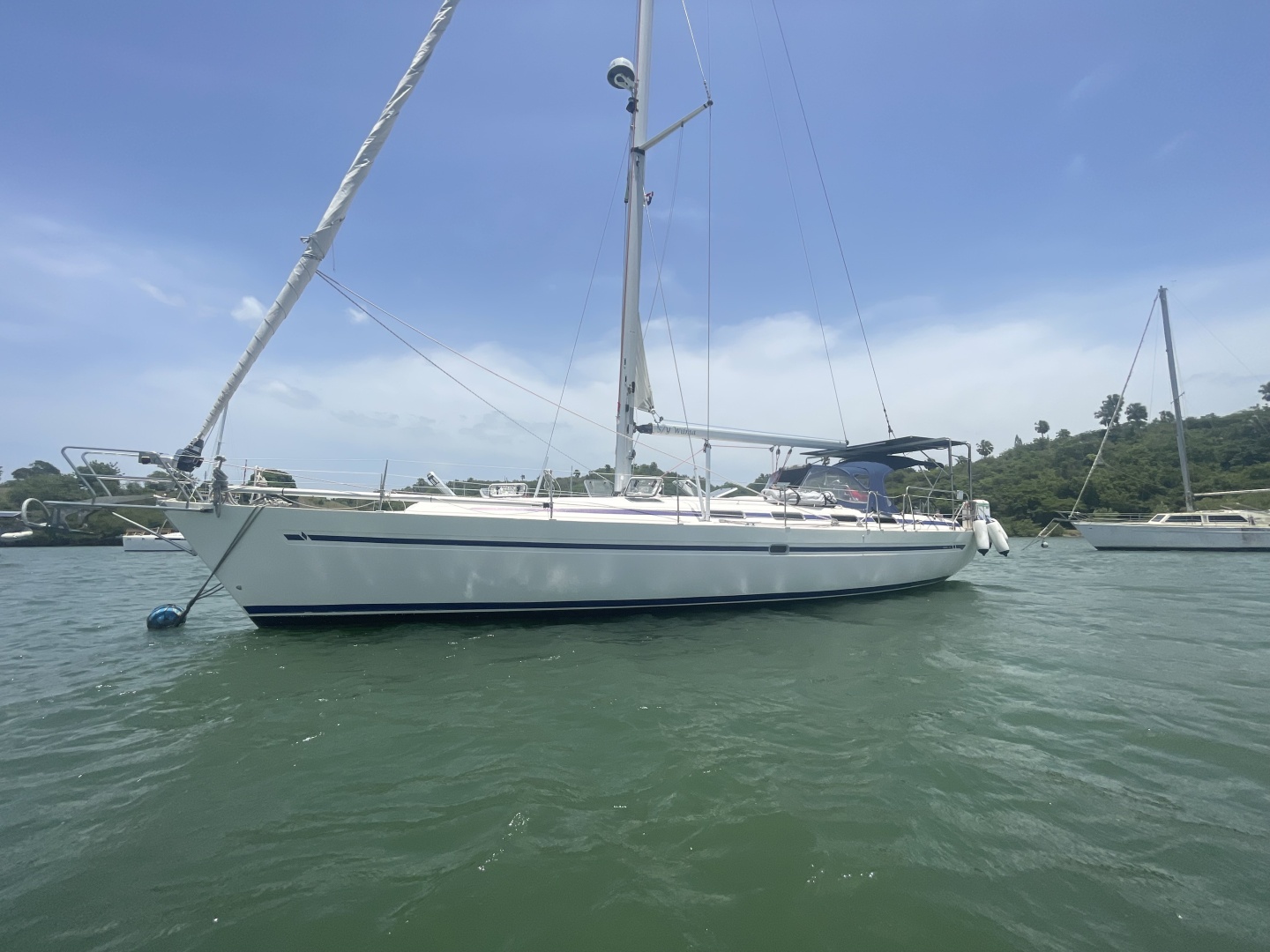
$89,000
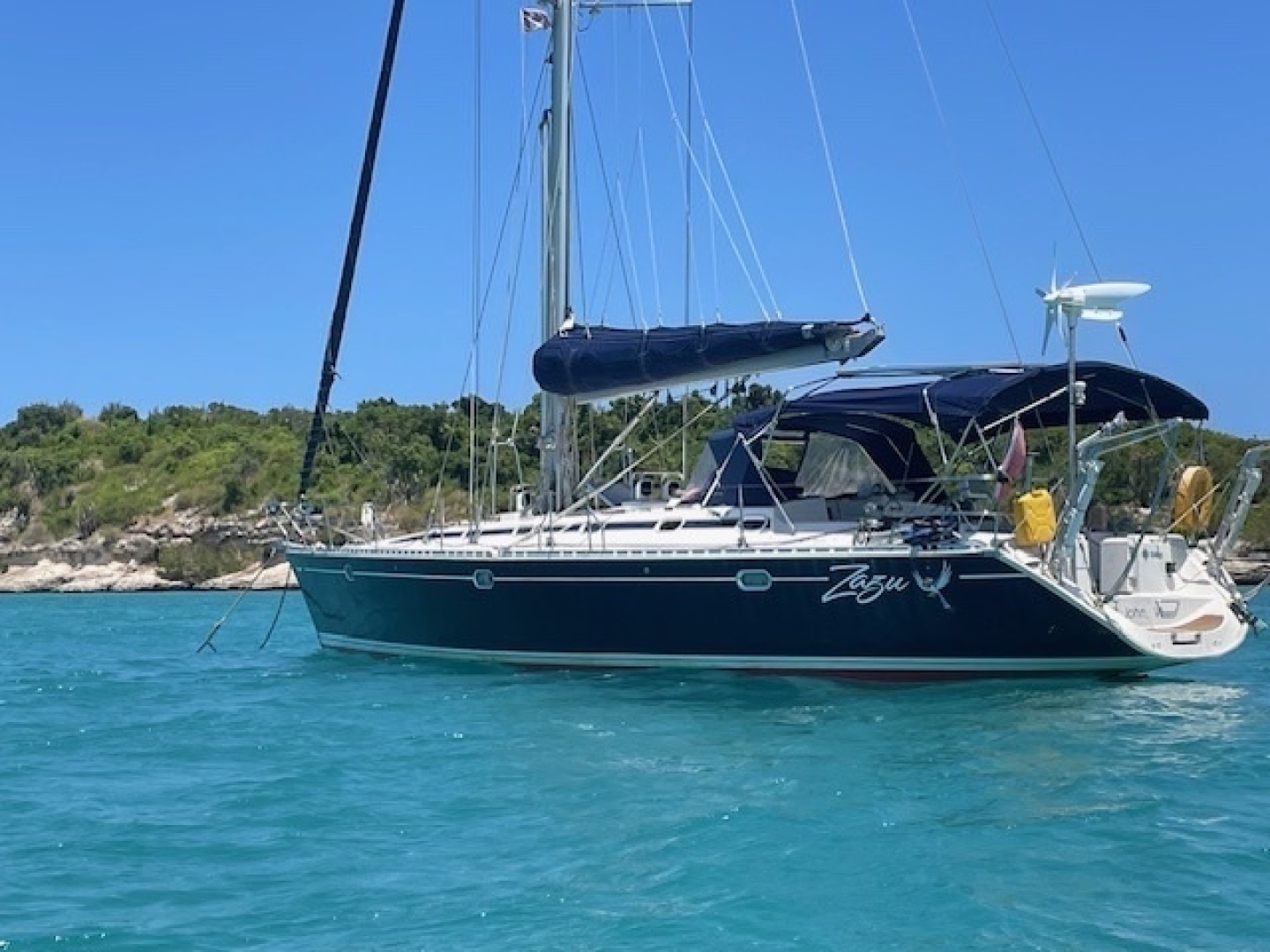
$135,000
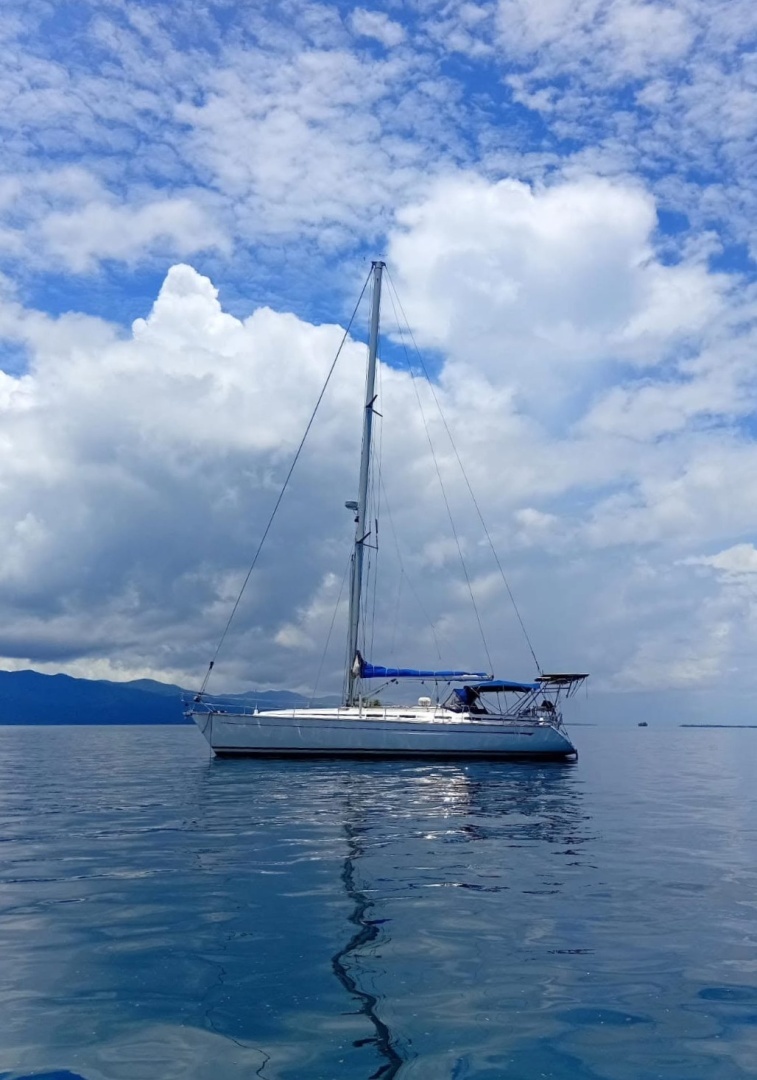
$98,250
$149,850
$369,000
$395,000
$349,000
$125,000
$1,724,571
$149,500
$109,900
$395,000

$652,000
$105,000

$115,000
$950,000
$149,000
$135,000
$349,000