

Ownership & Lifestyle · Charter Basics
A bareboat charter is a boat rental with no crew: you take the helm, plan the route and look after the yacht for a set number of days. Behind every bareboat in the Caribbean sits an owner, and that side of the deal matters if you plan to buy.
Definition
Bareboat charter — An agreement where a charter company or private owner hands a yacht to a skipper and crew of the renter’s own choosing. The renter controls the boat for the whole charter, buys the fuel and food, and returns it in the same condition. Nobody from the company sails with them.
Most people meet the term on a booking page. They see two choices, bareboat or crewed, and the price gap between them is large. A crewed yacht comes with a captain and often a cook. A bareboat comes with a full fuel tank, a checklist and a handshake at the dock.
The rest of this guide covers both halves of that handshake. First, what the renter is actually signing up for. Then the part most guides skip: who owns these boats, why they put them in a charter fleet, and what happens to the yachts when their charter years end.
01The renter's side
Key Takeaways
- 01
A bareboat charter is a crewless rental: you skipper the yacht and stay in control for the whole trip.
- 02
Charter companies decide who qualifies, usually from a sailing resume, so ask what they accept before booking.
- 03
Fuel, food, moorings and per-person government cruising fees come on top of the rental rate.
- 04
Many fleet boats are owned privately and placed in a management programme for income and owner weeks.
- 05
Ex-charter boats often sell for less than private boats of the same age, but they need a careful survey.
What a bareboat charter includes, and what it leaves to you
The word “bare” refers to the crew, not the boat. A typical charter yacht arrives with sails, safety gear, a dinghy, galley kit, linens and a full set of charts. What it lacks is anyone paid to run it. You are the captain, the navigator and the engineer for the week.
That control has a legal meaning too. In United States waters, the Coast Guard treats a true bareboat charter as recreational use because the renter takes temporary control of the vessel. In a May 2026 release on an illegal charter stopped near Anna Maria Island, officials said a legitimate bareboat charter requires the renter to keep full control. That means operating the boat yourself or hiring an independent skipper of your own choice.
If the owner forces a captain on the renter, the deal stops being a bareboat charter. It becomes a commercial passenger trip, and the boat then needs the licences and inspections that come with carrying paying guests. Caribbean jurisdictions write their own rules, but the core idea travels well: the person renting the boat is in charge of it.
- Usually included
- The yacht, sails and rigging, dinghy and outboard, safety equipment, bedding, galley gear, a briefing and a boat checkout
- Usually extra
- Fuel, water top-ups, food and drink, mooring balls, marina nights, damage waiver or deposit, government cruising fees
- Optional add-ons
- A hired skipper for the first day, a cook, provisioning packages, paddleboards, snorkel gear
- You are responsible for
- Navigation, anchoring, safety of everyone aboard, and returning the boat on time in the condition you received it
Who can rent a bareboat
Charter companies decide who gets the keys, and most ask for a sailing resume before they confirm a booking. They want to see time in command of a boat of similar size, recent experience, and comfort with anchoring and docking. Someone who has only crewed for friends may be asked to take a skipper for a day or two.
Formal courses help. In the United States, the American Sailing Association (ASA) runs a bareboat cruising course built for exactly this step. In Europe, many skippers carry the International Certificate of Competence (ICC). Neither is a universal licence, so ask the charter base what it accepts before you pay a deposit.
Catamarans add their own learning curve. Two engines make docking easier once you know how to use them, but the boat catches more wind and turns differently. If you are weighing hull types for a future purchase, the trade-offs in catamaran vs monohull for Caribbean cruising apply to charter boats as well.
Weeks before
Sailing resume and booking
The charter base reviews your experience, confirms the boat and takes a deposit or damage waiver.
Day one, morning
Paperwork and briefing
You sign the contract, clear any cruising fees, and sit through a chart briefing on reefs, no-go areas and good anchorages.
Day one, midday
Boat checkout
A base technician walks you through engines, systems, sails and safety gear, and notes any existing scratches or faults.
During the week
You run the boat
You plan each passage, pick up moorings, manage water and power, and call the base if something breaks.
Final morning
Return and inspection
Staff check the hull, dinghy, fuel and inventory. Damage beyond normal wear comes out of the deposit or waiver.
What a bareboat week costs beyond the rental
The headline rate is only part of the bill. Fuel, food, moorings and fees add up quickly, and they change by season. Christmas and Easter weeks cost the most, while late spring often brings calmer prices and quieter anchorages.
Government fees are easy to overlook. In the British Virgin Islands (BVI), charter guests pay a cruising permit charged per person, per day. A BVI government notice on cruising permit fees set the rate at $6 for boats based in the territory and $16 for boats based elsewhere, from August 1, 2017. The law has been updated since, so check the current figure with BVI Customs before you budget.
That fee gap is not trivia for owners. It is one reason charter companies keep fleets based in Tortola rather than sailing in from other islands. Where a boat is based shapes both what renters pay and what an owner’s yacht earns.
Change of view
The renter's week aboardThe owner's years in the fleet
Every bareboat on the dock belongs to someone. Most charter companies do not own all of their boats outright.
02The owner's side
Who owns the boats in a Caribbean charter fleet
Many yachts in a large charter fleet are owned by private buyers. The owner purchases a new boat and signs a management agreement with the charter company. The company then rents the boat to bareboat guests, maintains it, insures it under its programme, and keeps it at its base.
In return, the owner gets some mix of income, reduced running costs and personal weeks aboard. When the agreement ends, the owner takes the boat back, sells it, or trades it toward a newer model. The details of that deal decide whether the arrangement is a smart purchase or an expensive lesson.
If you are considering this route, start with the mechanics of buying a charter-managed yacht. It explains how buyers enter these programmes and what they own on day one.
Guaranteed income programme
- ✓The charter company pays a fixed monthly amount, whatever the bookings
- ✓Maintenance and insurance are usually handled by the company
- ✗Owner weeks are limited and often restricted in peak season
- ✗No upside if the boat books heavily
Revenue share programme
- ✓The owner takes a share of each charter’s earnings
- ✓A popular model in a busy base can earn more than a fixed payment
- ✗Income drops in slow seasons and after storms
- ✗Repairs and running costs may be split with the owner
Neither model is a money machine. The honest question is whether the income and owner weeks justify the wear that comes with dozens of different skippers each year. A close look at whether the yacht charter business case holds up runs the numbers on that trade.
Some buyers want the owner weeks without the full purchase. For them, fractional yacht ownership offers a different split: several owners share one boat and its costs, with no charter guests involved.
Keep in mind
What a charter contract can limit for the owner
- Caution
Owner weeks may be blocked during holidays and peak months, when the boat earns the most.
Read the booking rules for owner use before signing, not after.
- Caution
The company chooses equipment, layout and upkeep standards to suit renters.
Ask which upgrades you may add, and who pays to remove them at the end.
- Important
Leaving the programme early can bring penalties or the loss of promised payments.
Find out what an early exit costs, and whether a sale during the term is allowed.
- Note
Hurricane plans, haul-outs and storm damage are handled under the company’s rules.
Ask where the fleet goes in storm season and how repairs are scheduled.
Why the owner's side matters even if you only rent
A renter benefits from understanding the owner’s position. The checkout notes, the damage deposit and the strict return time all exist because someone’s asset is out on the water with a stranger at the helm. Treating the boat as if you owned it is the best way to get your full deposit back.
It also explains why fleets look the way they do. Charter companies favour models that sleep many guests, have simple systems and resale demand. That is why big catamarans with four cabins dominate the docks in Tortola and why so many of them later appear on the resale market.
03After the fleet
What happens to bareboats when they leave charter
When a management agreement ends, the boat becomes an ex-charter yacht. Some owners keep cruising it themselves. Many sell, because the boat has served its purpose and a newer model is waiting. That steady flow is a big part of the Caribbean resale market for catamarans.
Ex-charter boats tend to sell for less than privately owned boats of the same age. Buyers expect heavier use, more engine hours and a fit-out designed for rentals. The gap can be a bargain for a buyer who knows what to check. You can see where they sit in the market in this breakdown of new, used and ex-charter catamaran prices.
The catch is wear you cannot see on a sunny dock walk. Dozens of skippers each season means rudders that have touched reefs, winches worked hard, and engines run to charge batteries every day. A professional survey is not optional here. The guide to pre-purchase survey costs in the Caribbean explains what an inspection covers and what it costs.
Ex-charter boat vs private-owner boat of the same age
Typical ex-charter yacht
- Four or more cabins with extra heads, set up for groups
- High engine hours from daily battery charging
- Repairs logged by a base maintenance team
- Basic electronics and few personal upgrades
- Lower asking price for its age
Typical private-owner yacht
- Often an owner’s layout with a larger master cabin
- Fewer engine hours and lighter use
- Records depend on how careful the owner was
- Upgrades such as solar, watermakers or extra batteries
- Higher asking price for its age
Questions to ask about any ex-charter yacht
Which base did it sail from, and for how many seasons? Ask for the maintenance log from the charter company, any record of groundings, and when the rigging and sails were last replaced.
Find out where the boat spent storm seasons and whether it was ever damaged by a hurricane. Owners who plan to keep the boat in the islands should also plan for hurricane season yacht storage from the first year.
Is a bareboat charter a good way to test a boat before buying?
Yes, and it may be the best test you can buy. A week aboard shows you how a model handles in real trade winds, how the cabins feel with guests aboard, and whether the galley and heads work for your crew. That is far more than a short sea trial can reveal.
Try to charter the same model, or a close sister, to the boat you are considering. Note what you liked and what annoyed you, from the helm position to where the dinghy lives. Those notes become a sharp shopping list when you start viewing boats for sale.
If the week convinces you, a broker can help you compare ex-charter and private boats side by side. BVI Yacht Sales works with buyers and sellers across the Caribbean from broker offices in Tortola, St. Croix and Annapolis.
QWhat is the difference between a bareboat and a crewed charter?
A bareboat charter gives you the yacht with no crew, so you sail it yourself. A crewed charter includes a captain and often a cook or host, who run the boat while you relax. Crewed charters cost more but need no sailing experience from the guests.
QDo you need a licence to rent a bareboat?
Most Caribbean charter companies do not require one single licence. Instead, they ask for a sailing resume showing time in command of a similar boat. Courses such as the American Sailing Association’s bareboat cruising course or an International Certificate of Competence help, but each company sets its own rules.
QCan you hire a skipper on a bareboat charter?
Yes. You can hire an independent skipper for a day or the whole week, as long as you choose them and stay in control of the trip. If the owner insists on a captain, the arrangement stops being a bareboat charter under United States Coast Guard guidance.
QWhy do owners put their yachts in a charter fleet?
Owners usually want income or lower running costs while they are not using the boat, plus some personal weeks aboard. The charter company maintains and rents out the yacht. When the agreement ends, the owner keeps, sells or trades the boat.
QAre ex-charter boats a good buy?
They can be. Ex-charter yachts often sell for less than privately owned boats of the same age, and they usually come with maintenance records. They also carry heavier wear, so a full professional survey and sea trial are essential before you commit.
QWhat happens if you damage a bareboat charter yacht?
Damage beyond normal wear is usually covered by your security deposit or a damage waiver you buy at booking. Staff inspect the boat at check-in and return, so report any problem as soon as it happens and note existing marks during the checkout.
Thinking about the owner's side?
Talk to a Caribbean yacht broker
Whether you want an ex-charter catamaran or a private-owner boat, a broker can help you compare listings, history and survey results before you make an offer.
Featured Listings
$499,000
$1,300,000
$1,699,000

$299,000
$589,000

$899,000
$1,795,000

$269,000
$2,780,000
$359,000
$499,500
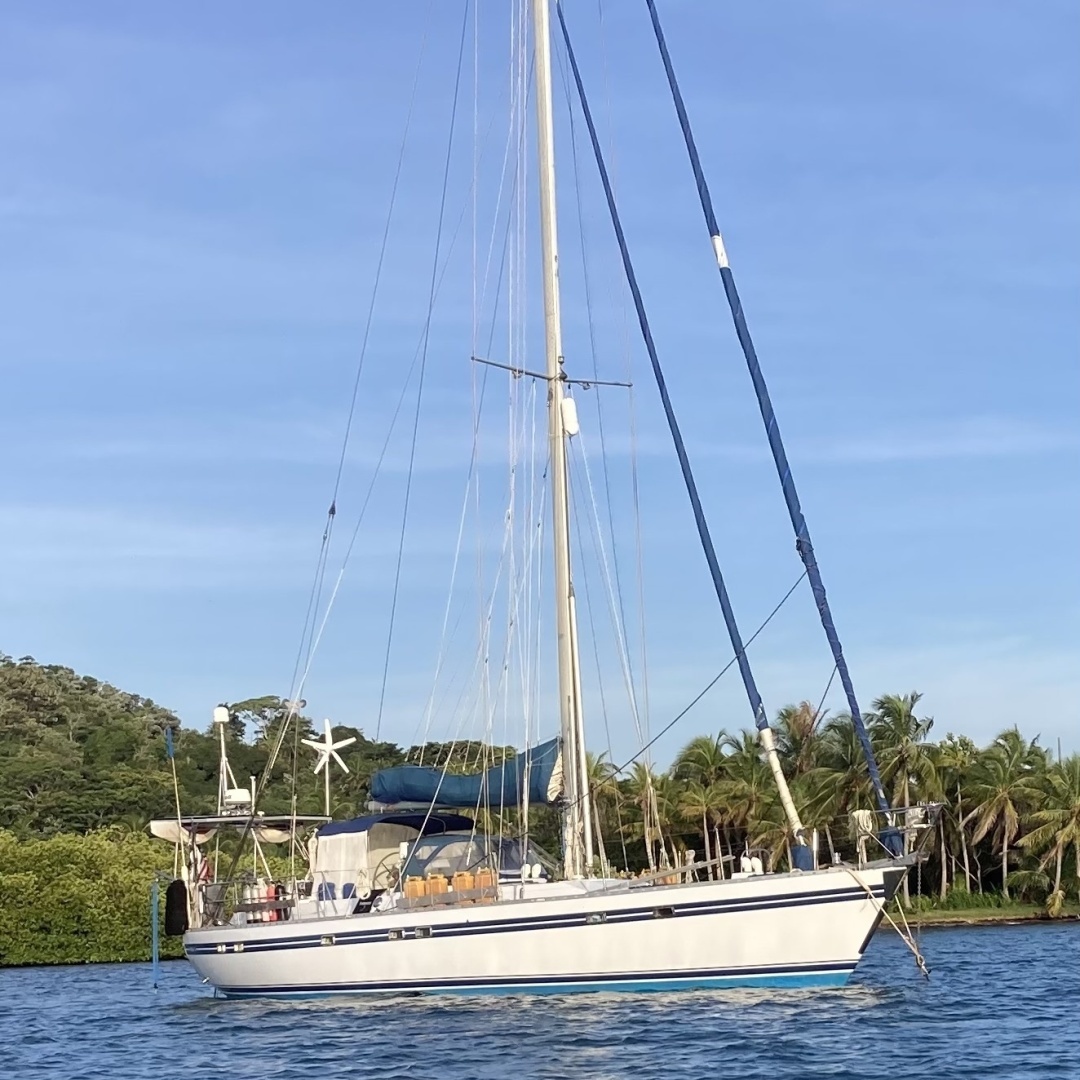
$299,500
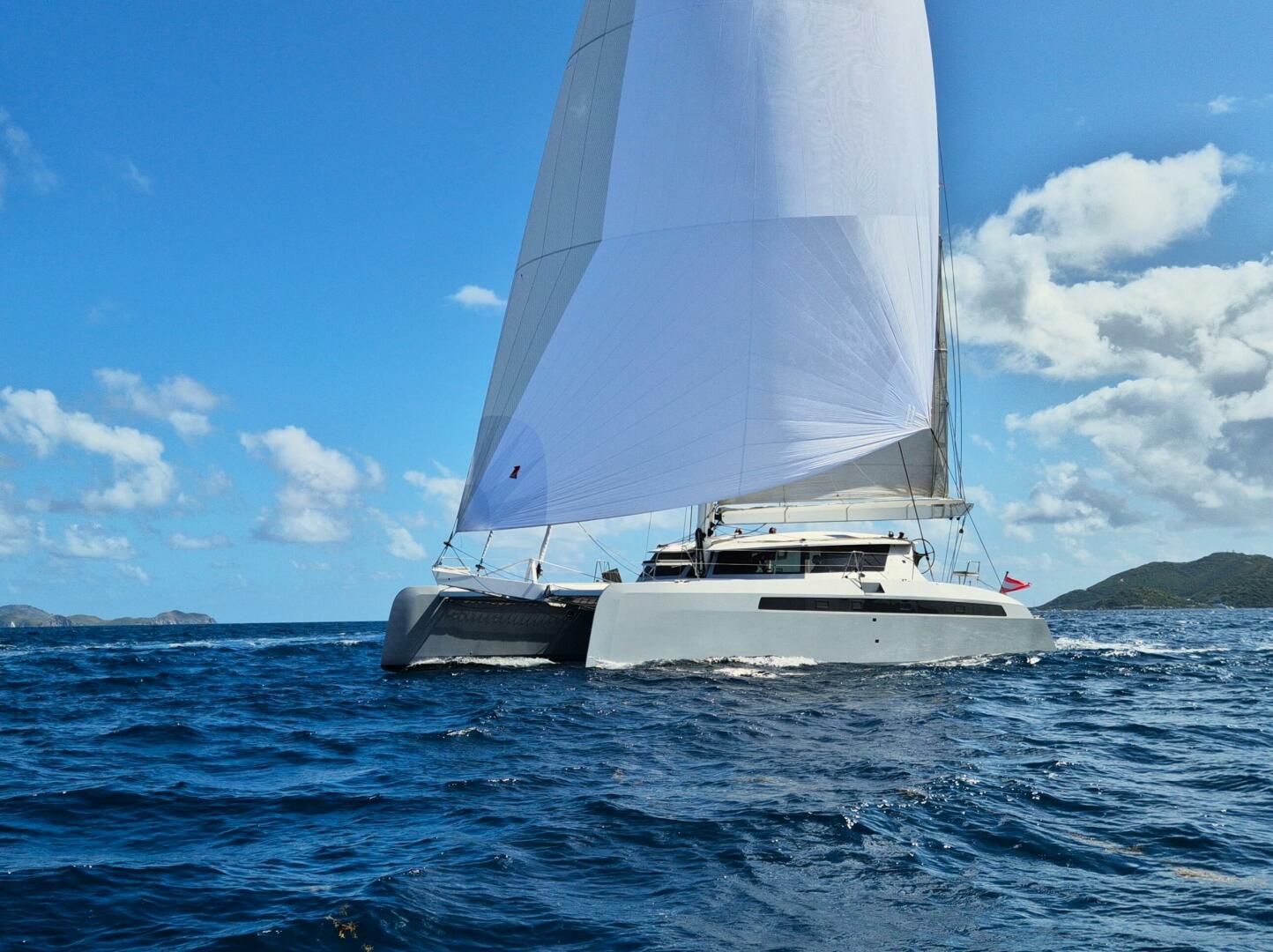
$1,290,000
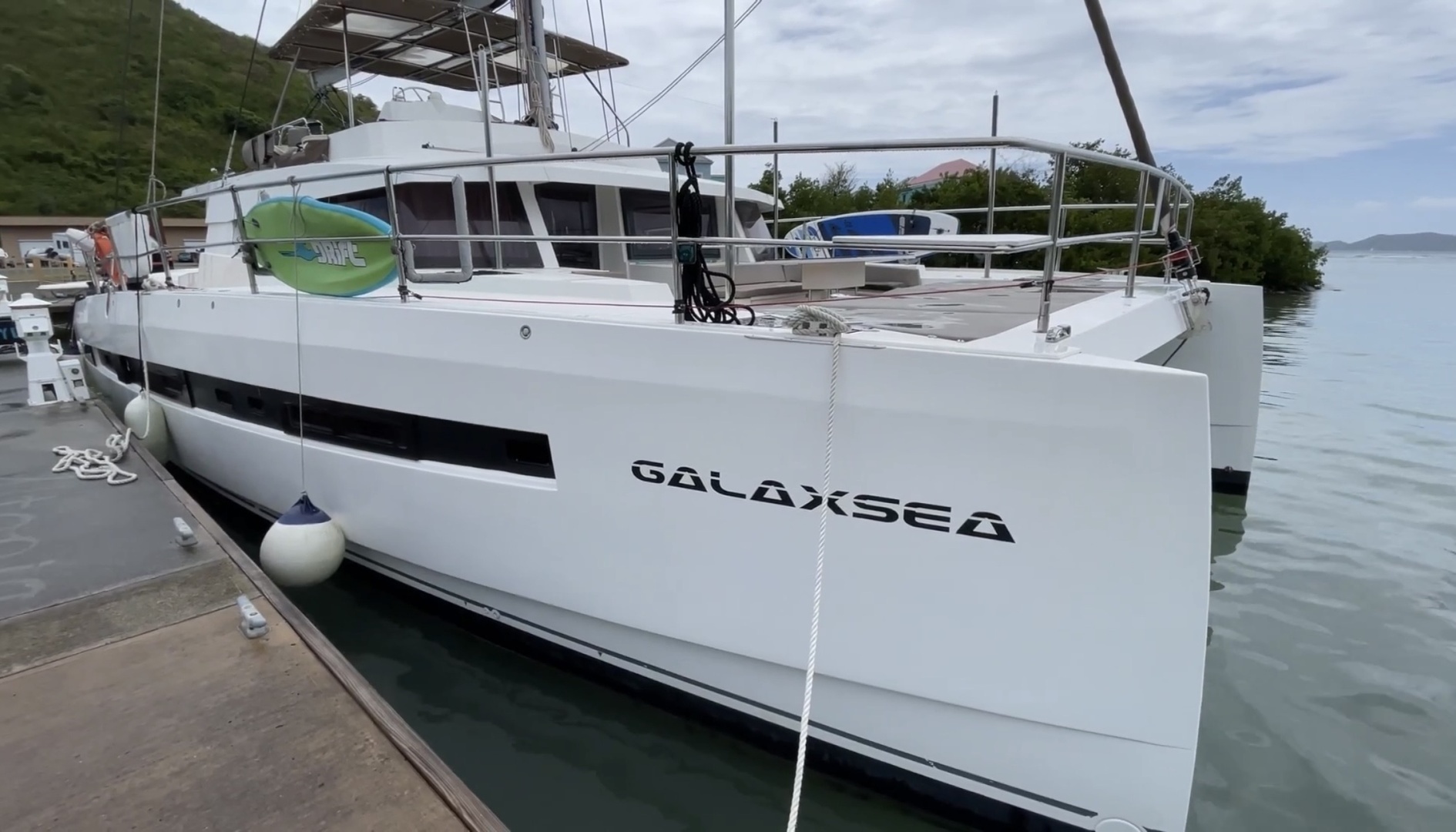
$790,000
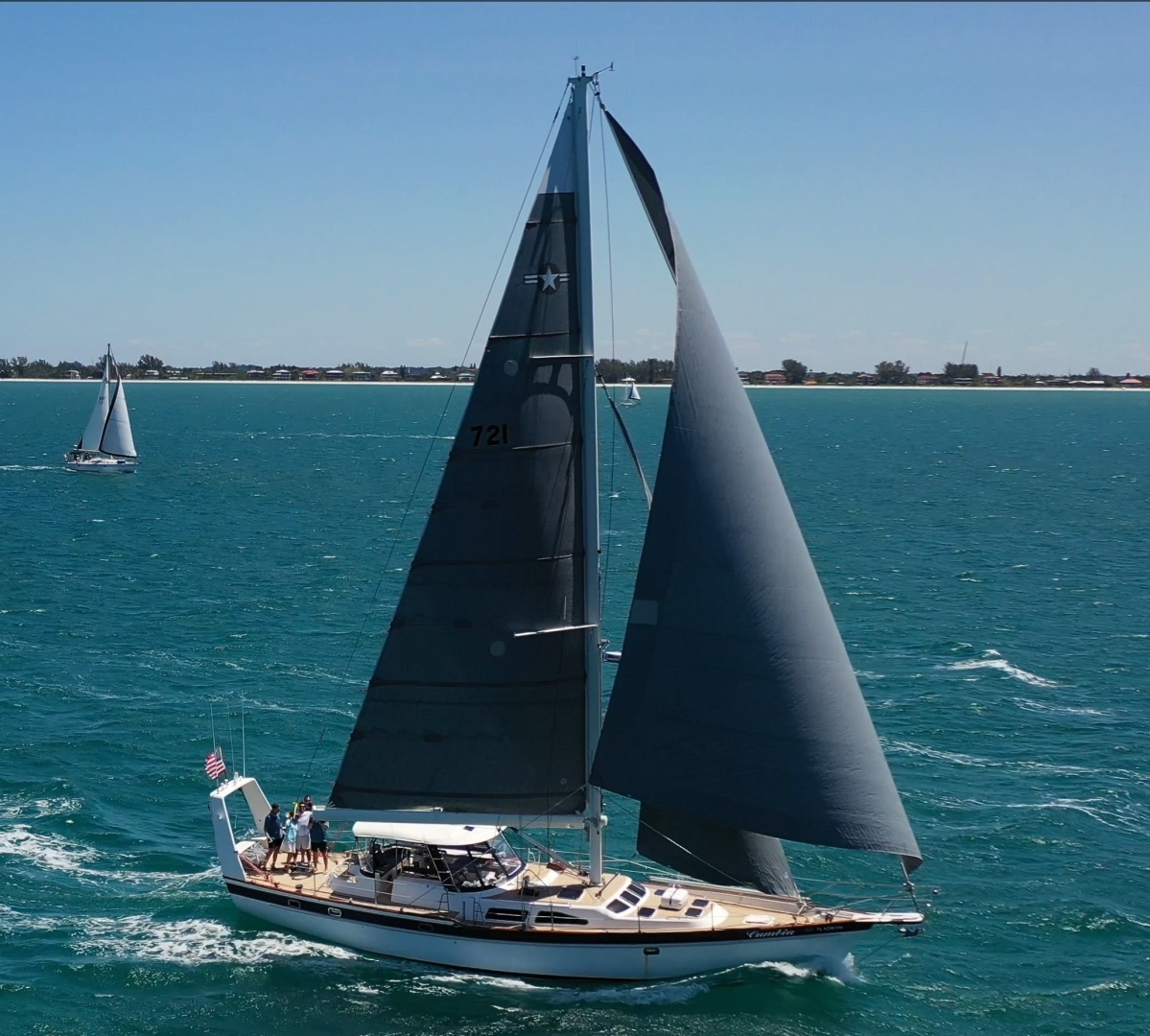
$545,000
$564,900
$1,130,000
$145,000
$499,000
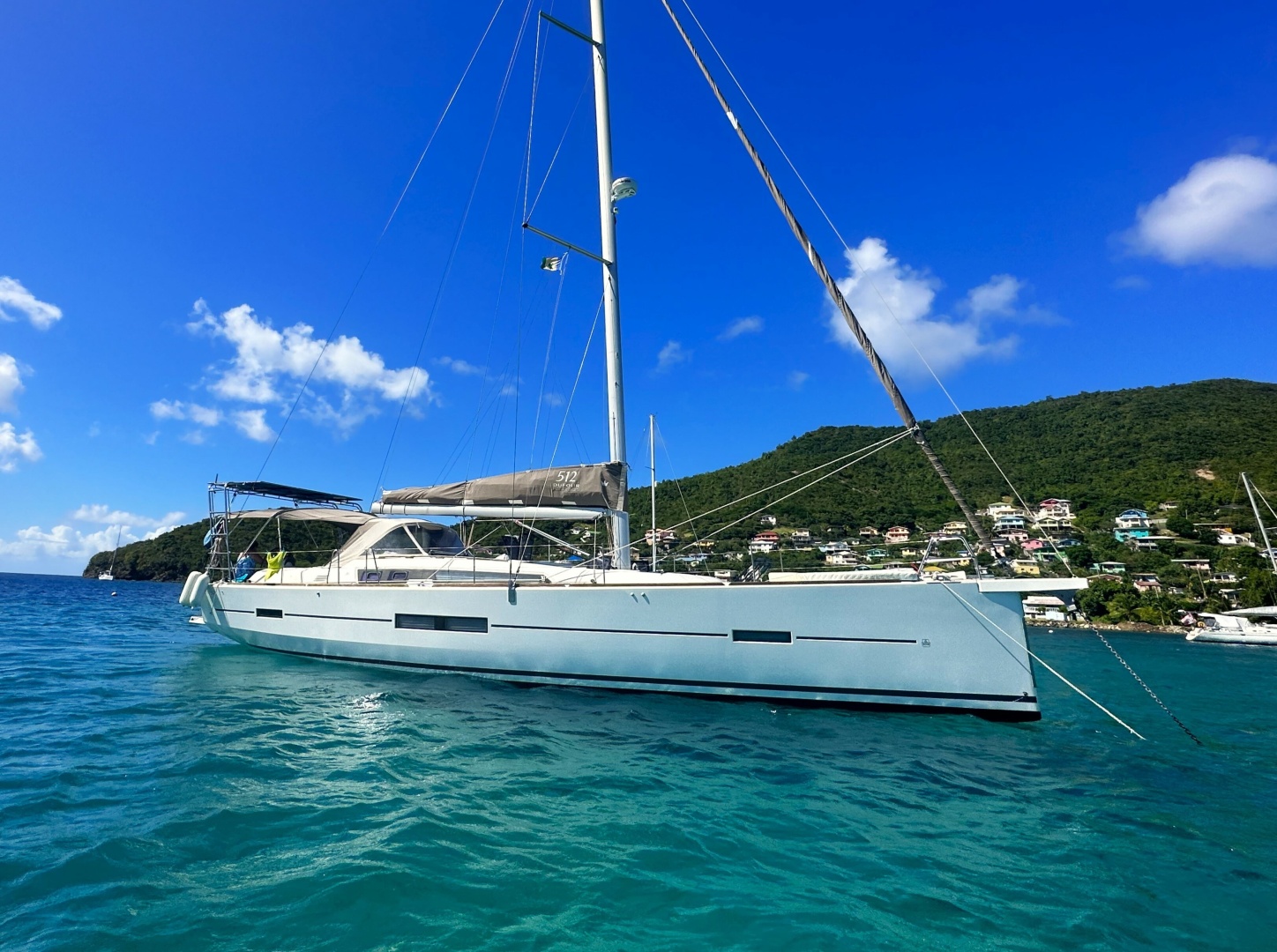
$350,000
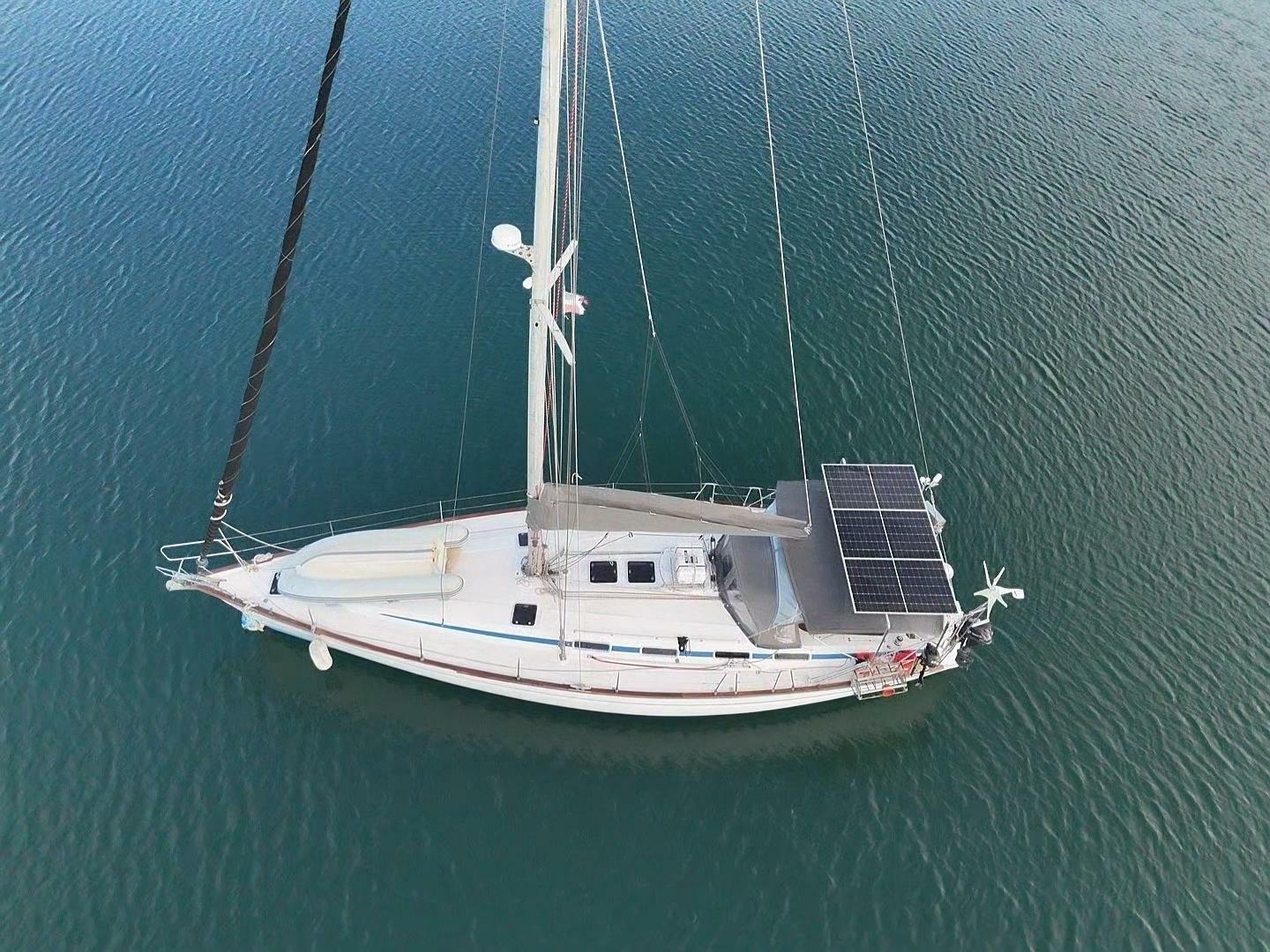
$80,000
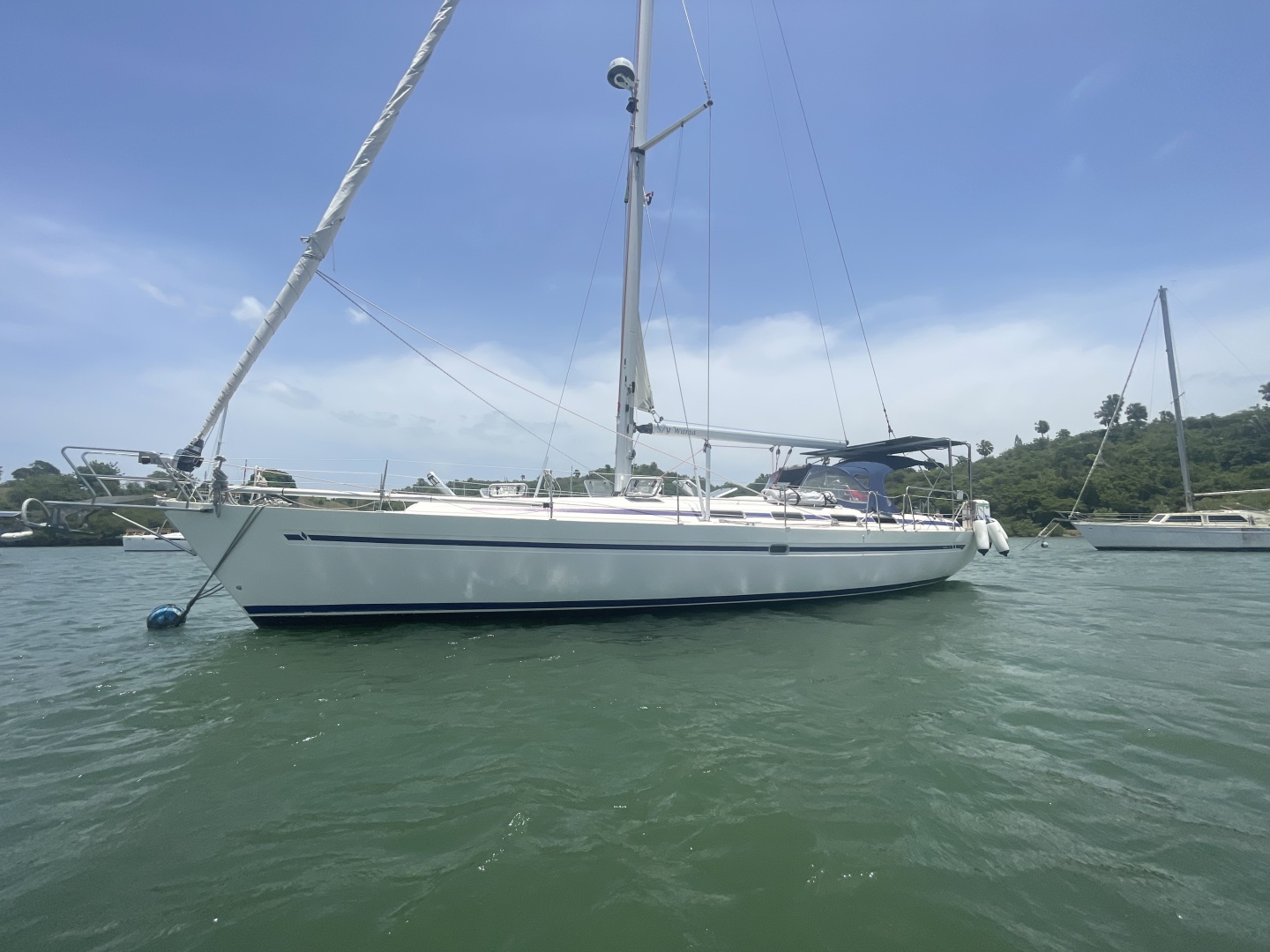
$80,000
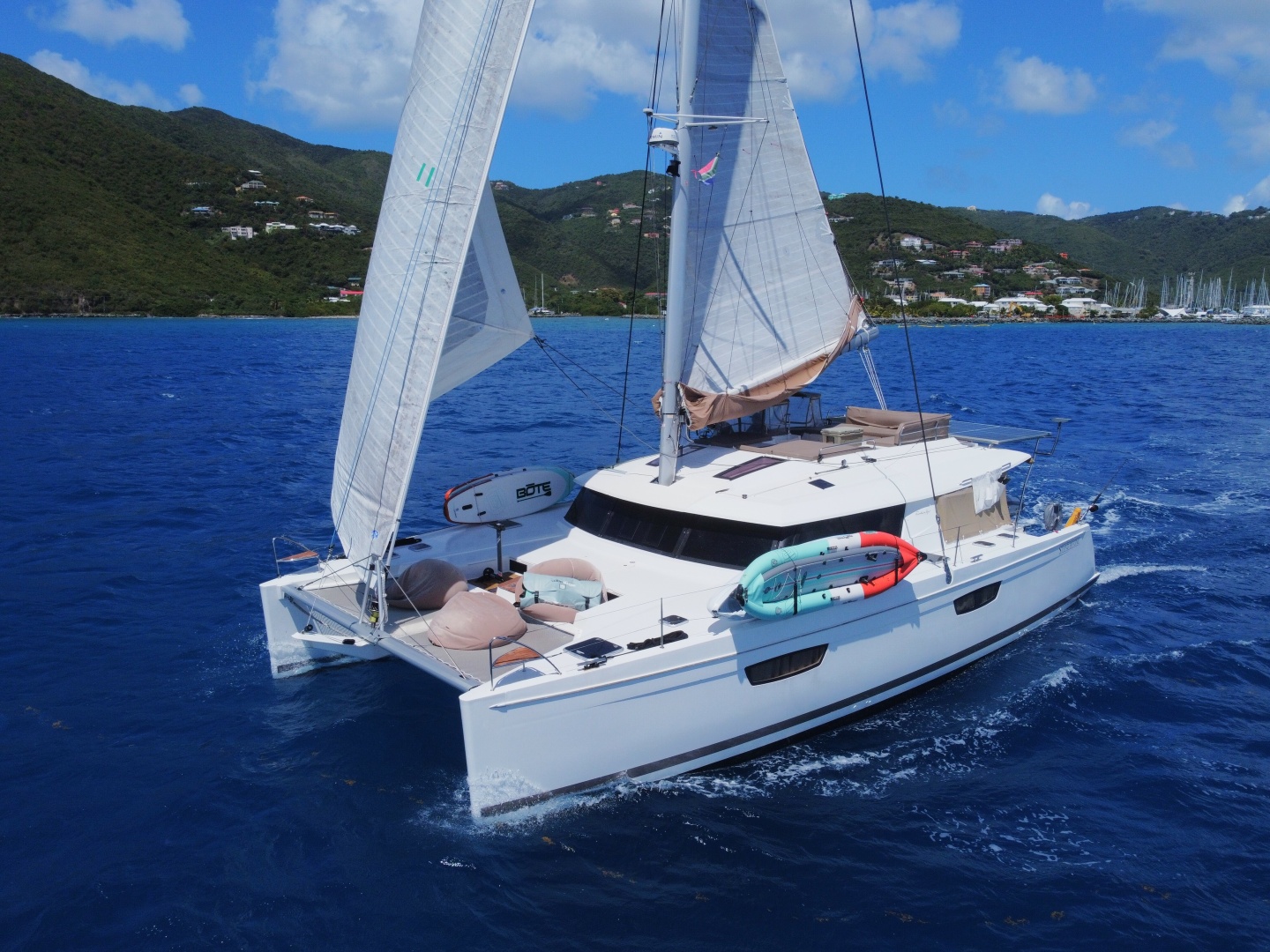
$599,000
$119,000
$98,250
$149,850
$339,000
$395,000
$349,000
$125,000
$1,730,000
$1,730,000
$149,500
$94,999

$652,000
$105,000

$115,000
$950,000
$149,000