

Starting April 9, 2025, significant tariff increases are set to impact yacht importation into the United States. Under new adjustments to the Trump-era tariff structure, boats imported from a range of countries—including France, South Africa, Taiwan, and China—may now face duties of 20%, 25%, or even 30%, depending on origin and vessel classification. These changes are poised to add tens or even hundreds of thousands of dollars to the cost of owning a boat in the U.S.—unless owners and buyers take strategic action.
At BVI Yacht Sales, we’ve spent 44 years helping clients buy and sell boats throughout the Caribbean, and we’ve seen policy shifts like this before. While we are first and foremost brokers of used boats, we also consult with and help organize services for our clients around the buying or selling process. That includes import logistics, registration strategies, delivery coordination, company formation, storage, and more. With a dozen brokers covering the region, we offer our clients access to a deep well of experience and trusted connections. We are The Informative Brokers.
What Were the Tariff Rates Before?
For some time now, yachts imported to the U.S. for sale or private use from key manufacturing nations faced tariffs ranging from 1.5% to 6%, depending on country of origin and specific trade agreements. Under Section 301 of the Trade Act, new retaliatory tariffs introduced during the Trump administration affected a wide range of goods from China and were later expanded to include products from other nations, including recreational boats.
Buyers previously found ways to work around these extra costs, but with the upcoming increases—tariffs as high as 30% in some cases—those strategies will be more important than ever.
What’s Changing on April 9, 2025?
Unless reversed or delayed, the new tariff brackets will apply as follows:
- China: Boats may face up to 30% tariffs
- Taiwan and South Africa: Likely subject to 25% tariffs
- France and EU countries: Boats potentially subject to 20–25% tariffs
- Other foreign builds: Could be affected as broad trade measures evolve
These increases will apply to boats being imported into the U.S. after April 9, not those already legally imported.
Are Boats Really Leaving the U.S. to Avoid Tariffs?
Yes. Some foreign-built boats currently in the U.S. under temporary status (such as those on cruising permits or not yet formally imported) are being moved out of U.S. waters to avoid being caught in the tariff net.
We’re currently working with several clients to arrange delivery south to the Caribbean, where the boats can be offered for sale or continue cruising without incurring U.S. import duties.
For boats already formally imported and duty-paid, this tariff increase does not apply retroactively. If your boat has been fully imported and is U.S. documented or state registered with the duty paid, there’s nothing to worry about from a tariff standpoint. However, resale values could be affected, especially for similar boats still overseas that suddenly become more expensive to bring into the U.S. market.
Workarounds: Registering Outside the U.S.
For buyers considering foreign-built boats, one of the best ways to legally avoid these tariffs is to register the yacht offshore and bring it into the U.S. under a cruising permit, rather than as a full import.
We regularly assist clients—particularly those buying French, South African, Taiwanese, or Chinese boats—in organizing foreign registration with:
- BVI
- Marshall Islands
- Cayman Islands
Each flag state has its advantages depending on how and where the yacht will be used. These strategies are especially useful for those who cruise seasonally and don’t plan to leave their boat in the U.S. year-round.
Boats entering under a cruising permit can remain in U.S. waters for up to 12 months, after which they must leave for at least 15 consecutive days before reapplying. That’s a natural fit for owners who plan to head to the Caribbean annually.
Important Note: The Lacey Act
Alongside tariffs, owners must also consider the Lacey Act, which governs the import of certain plant and wood materials into the U.S. Even if a boat isn’t being formally imported—say, it’s on a cruising permit—its construction materials still fall under U.S. environmental and customs law.
For example, if your yacht has teak decking, teak cabinetry, or other exotic hardwood interiors, you may be required to prove that those materials were harvested and exported legally from their country of origin. Documentation isn’t always readily available, especially for older vessels, which can cause delays or even denial of entry at U.S. ports.
While enforcement varies, it’s an important factor to discuss with a broker or compliance specialist—especially when buying a boat overseas with plans to cruise U.S. waters.
Who Should Still Consider Importing?
If you plan to base your yacht full-time in the U.S., and don’t intend to leave seasonally or charter elsewhere, then importing the boat and paying the duty may be the most straightforward option. This gives you a clean paper trail, eligibility for U.S. documentation, and the freedom to use the boat however you like without worrying about departure windows or permit renewals.
That said, the numbers are steep: A $500,000 boat with a 25% tariff comes with a $125,000 tax bill. And if a similar vessel is already in the U.S. with duties paid, its resale appeal just improved relative to a brand-new import under the new rates.
Final Thoughts: Make a Move While You Can
We’ve said it before, but it’s worth repeating: This isn’t the first time policy changes have caught yacht owners off guard—and it won’t be the last. But with the right strategy, you can avoid unnecessary taxes, preserve flexibility, and even increase your resale value.
If you’re:
- Planning to buy a boat overseas and use it in the U.S.
- Currently holding a foreign-flagged boat in the U.S. under temporary status
- Considering selling and wondering if now is the time
…then reach out to our team at BVI Yacht Sales. We’ll help you evaluate your options, connect you with trusted partners, and coordinate the steps you need to protect your investment—from registration to delivery to positioning your boat in the right market.
We’re not just here to sell boats. We’re here to help owners make the best decisions in a shifting world. And we’ve been doing it for over four decades, selling the most boats every year means we have the most experience and most knowledge to put to work for you.
Featured Listings
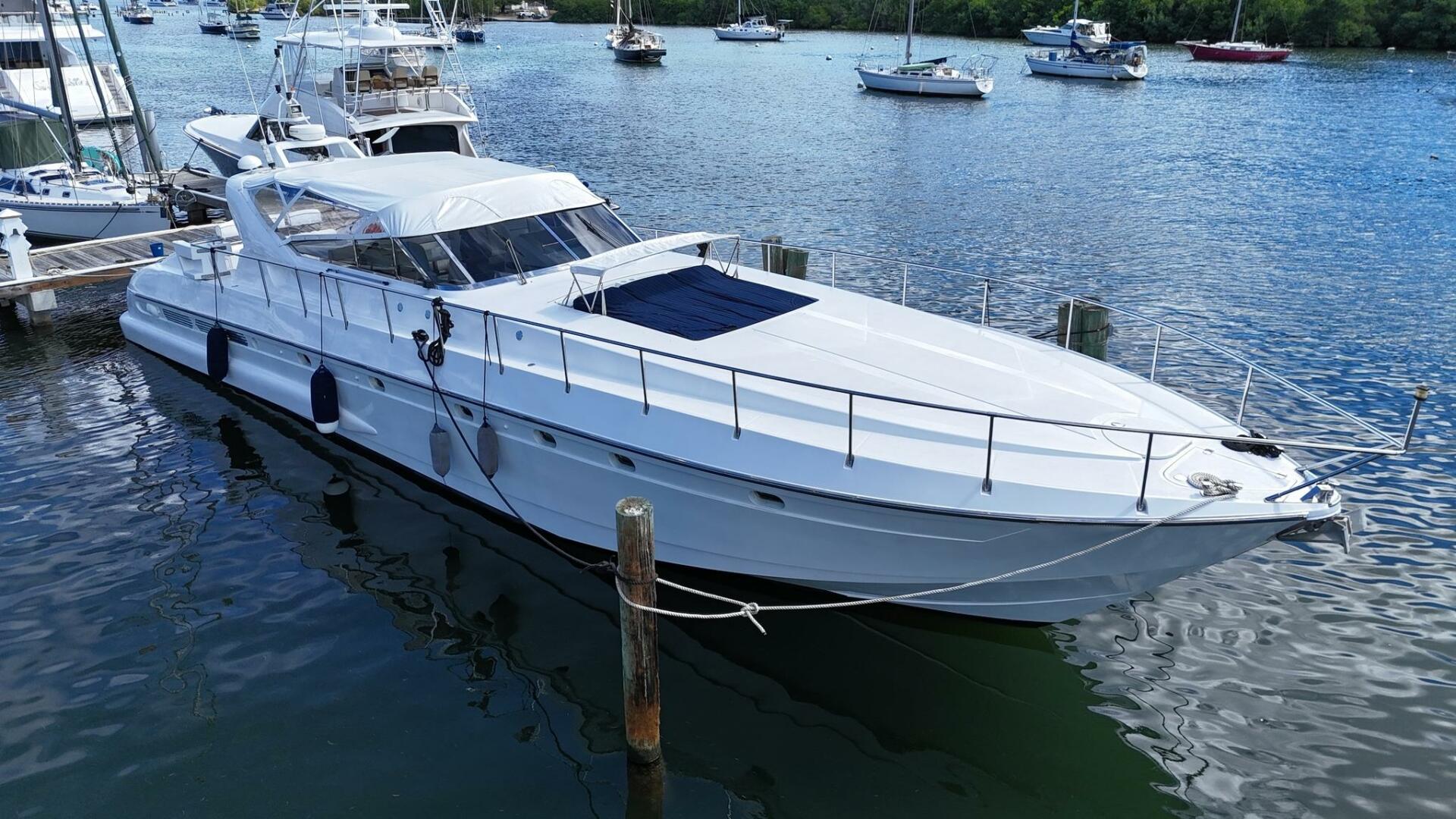
$599,000
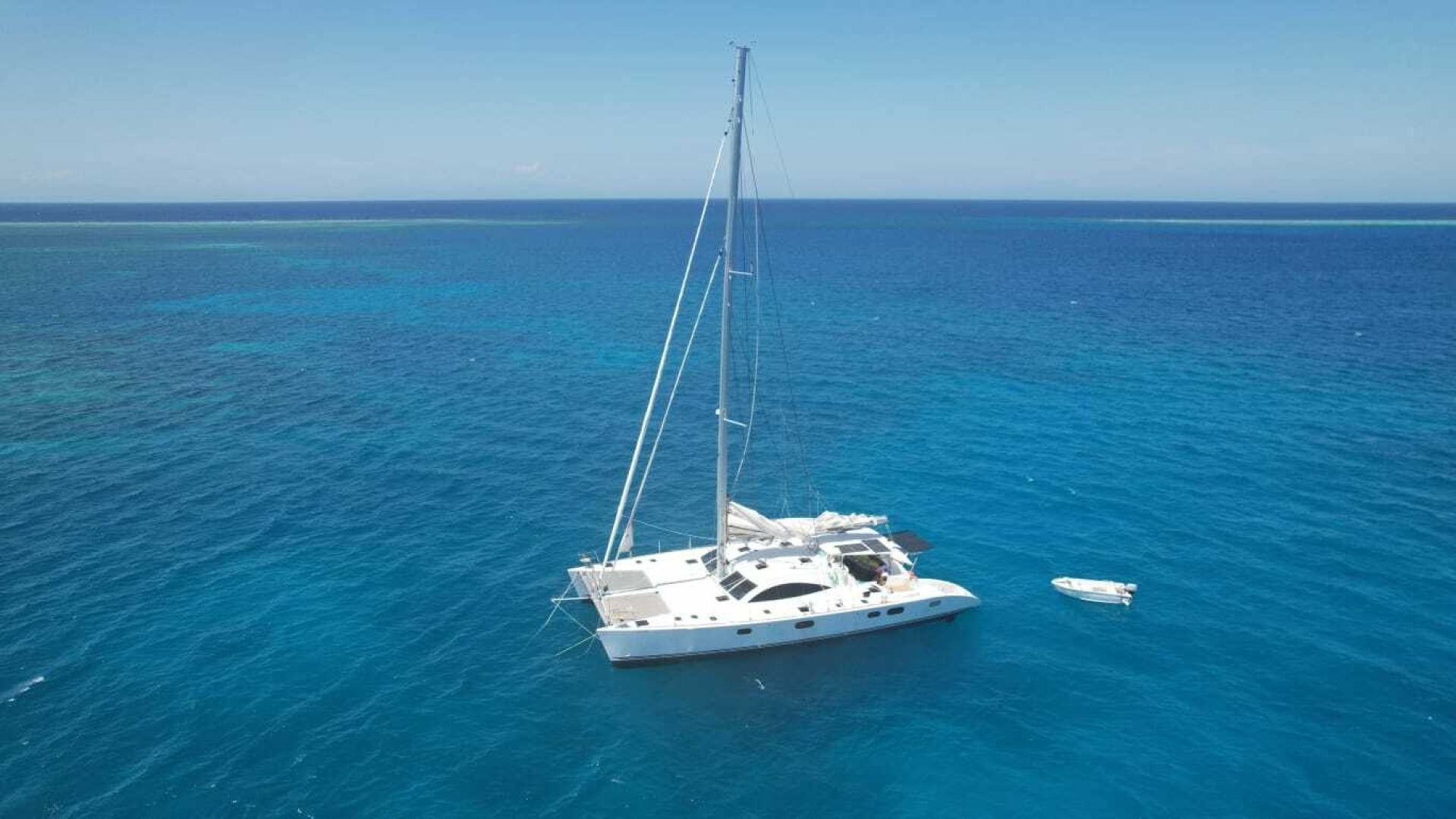
$1,300,000
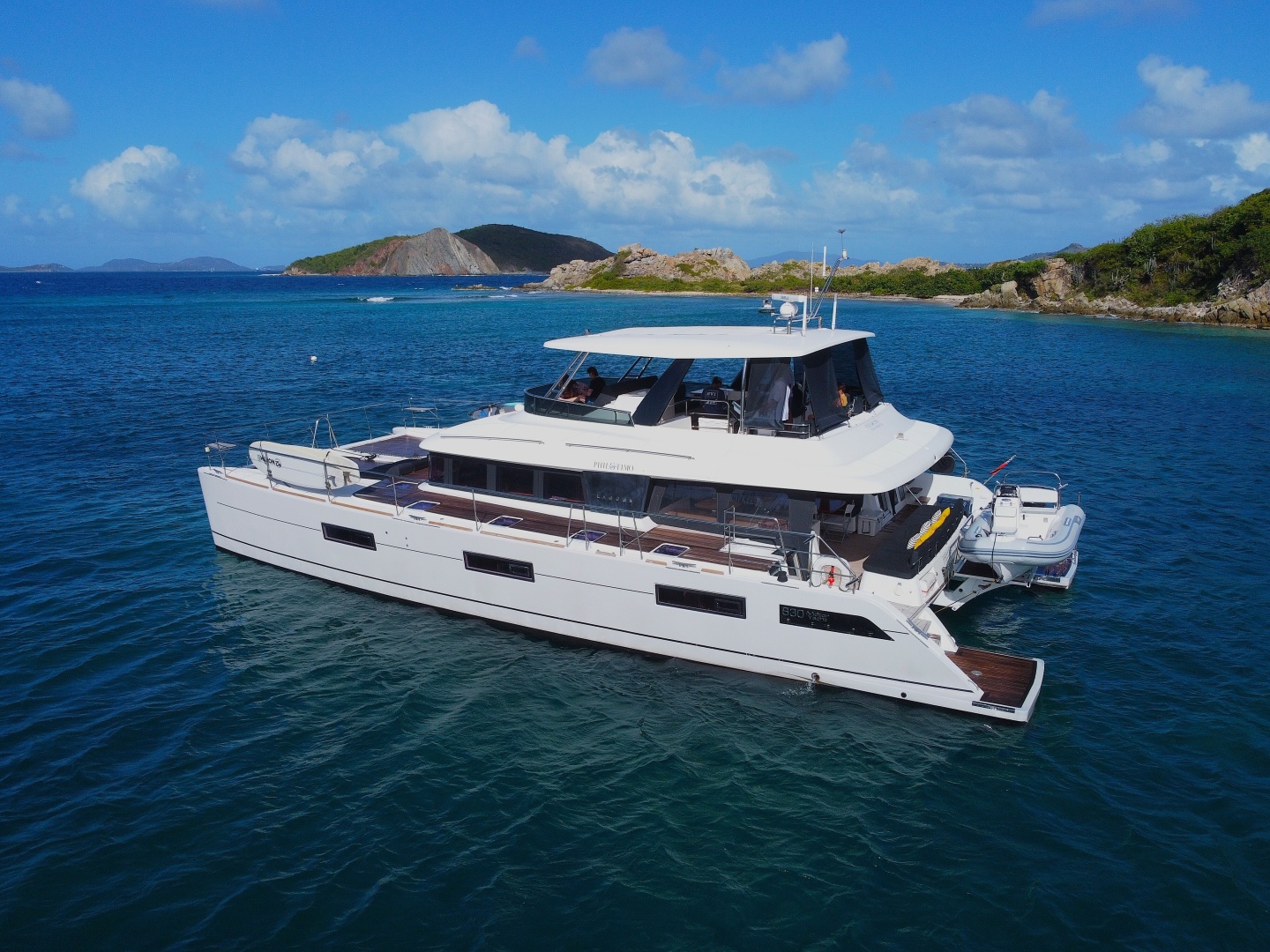
$1,699,000

$299,000

$899,000
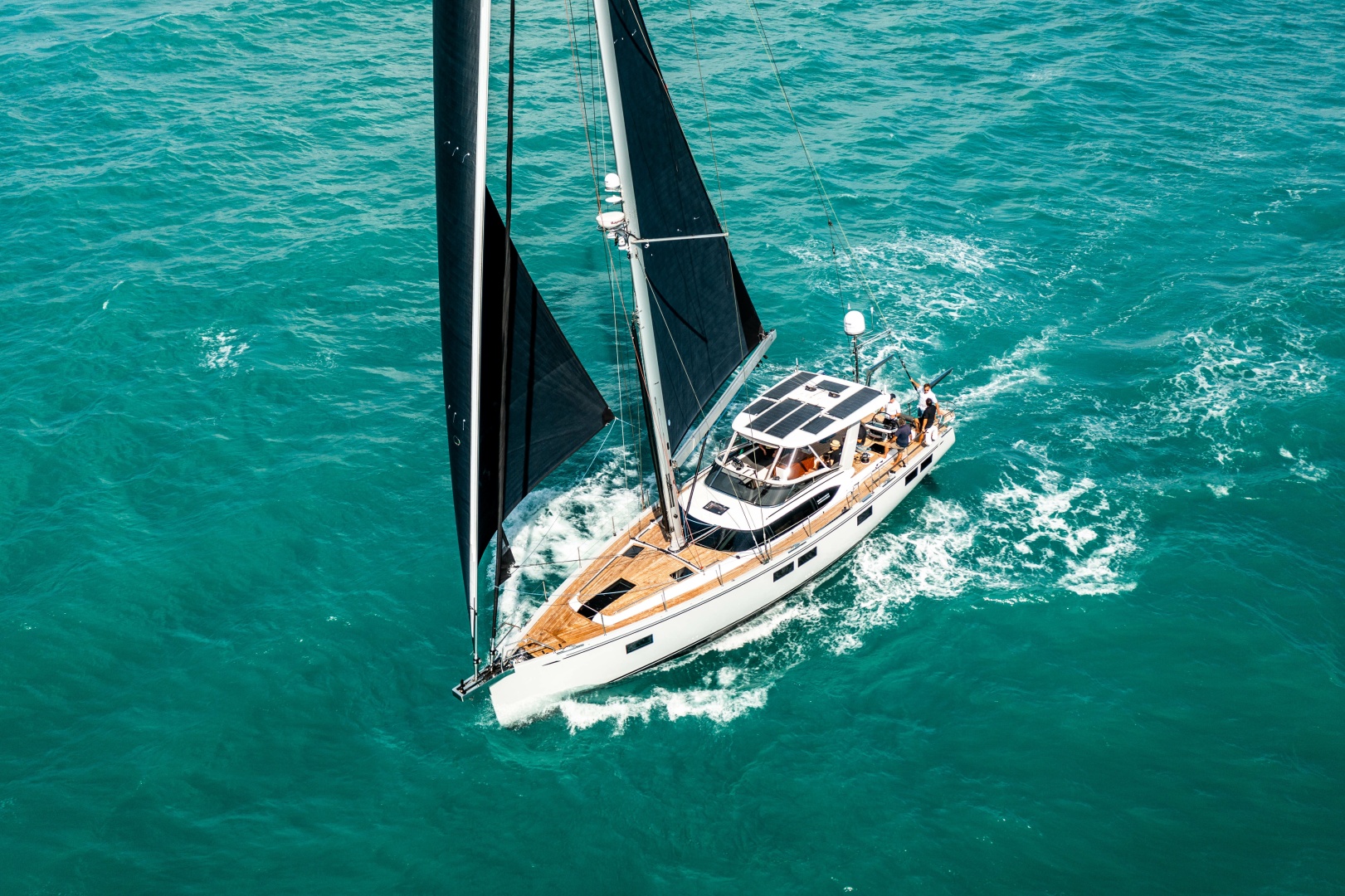
$1,795,000

$269,000
$359,000
$499,500
$299,500
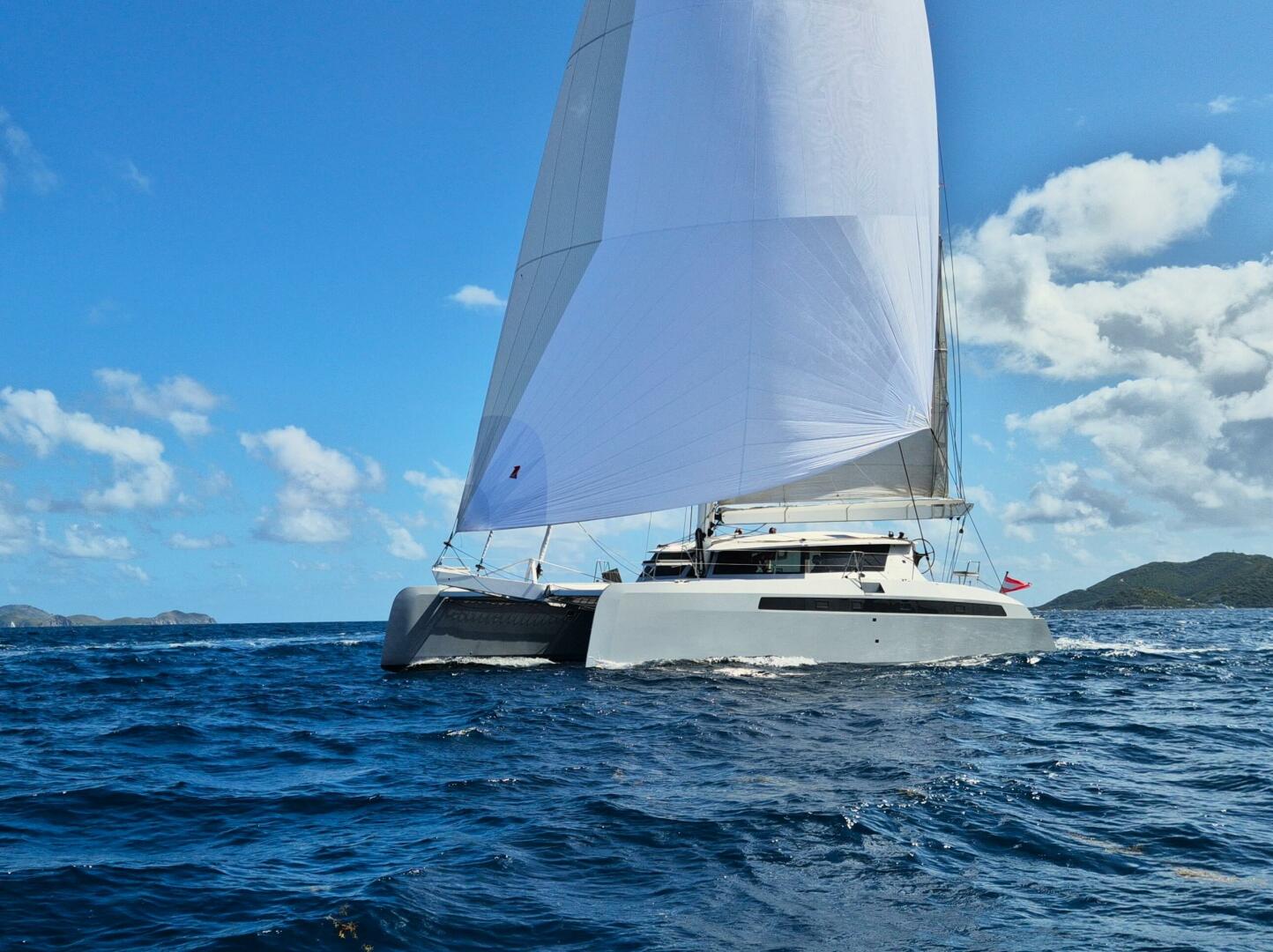
$1,290,000
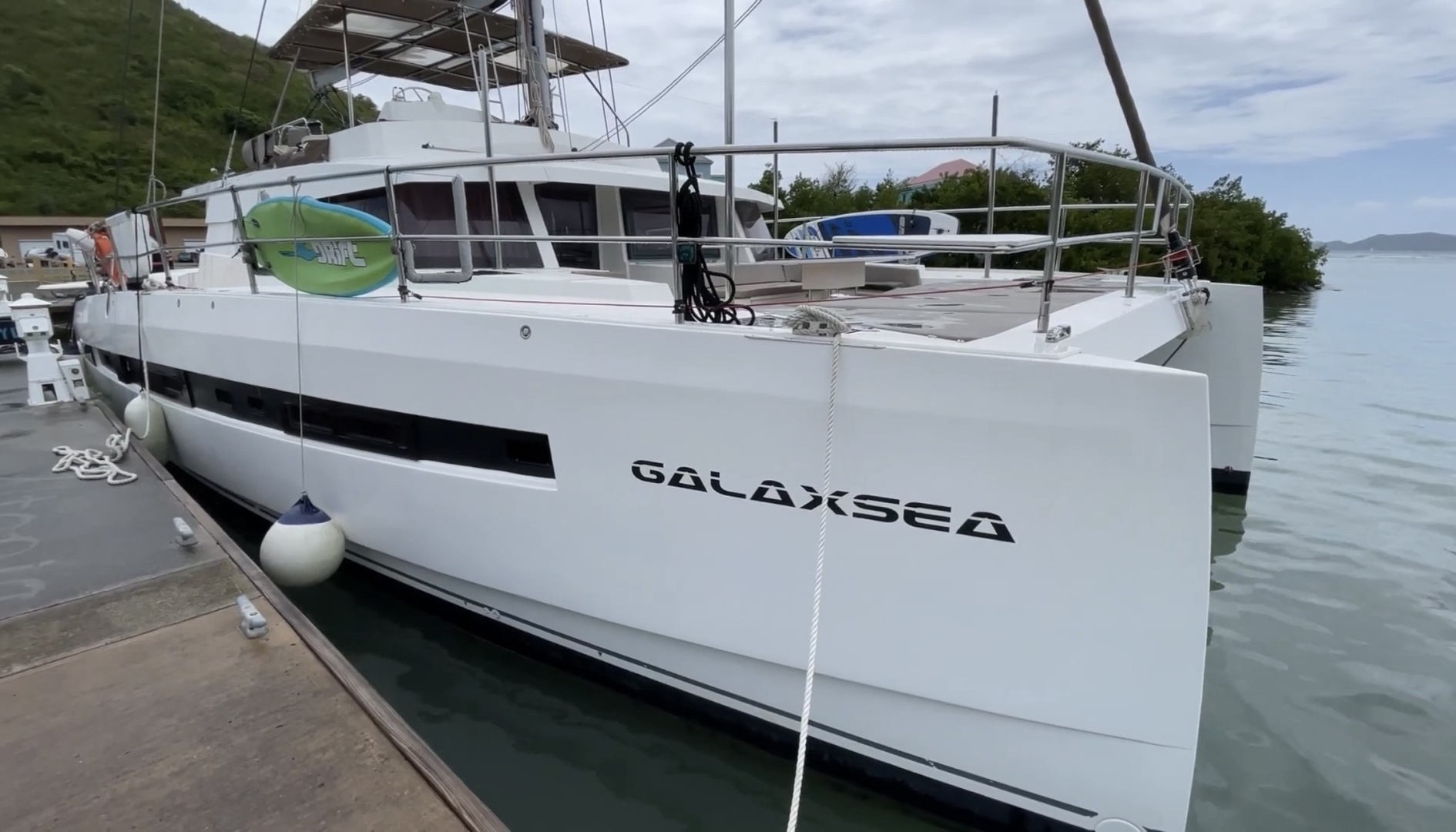
$800,000
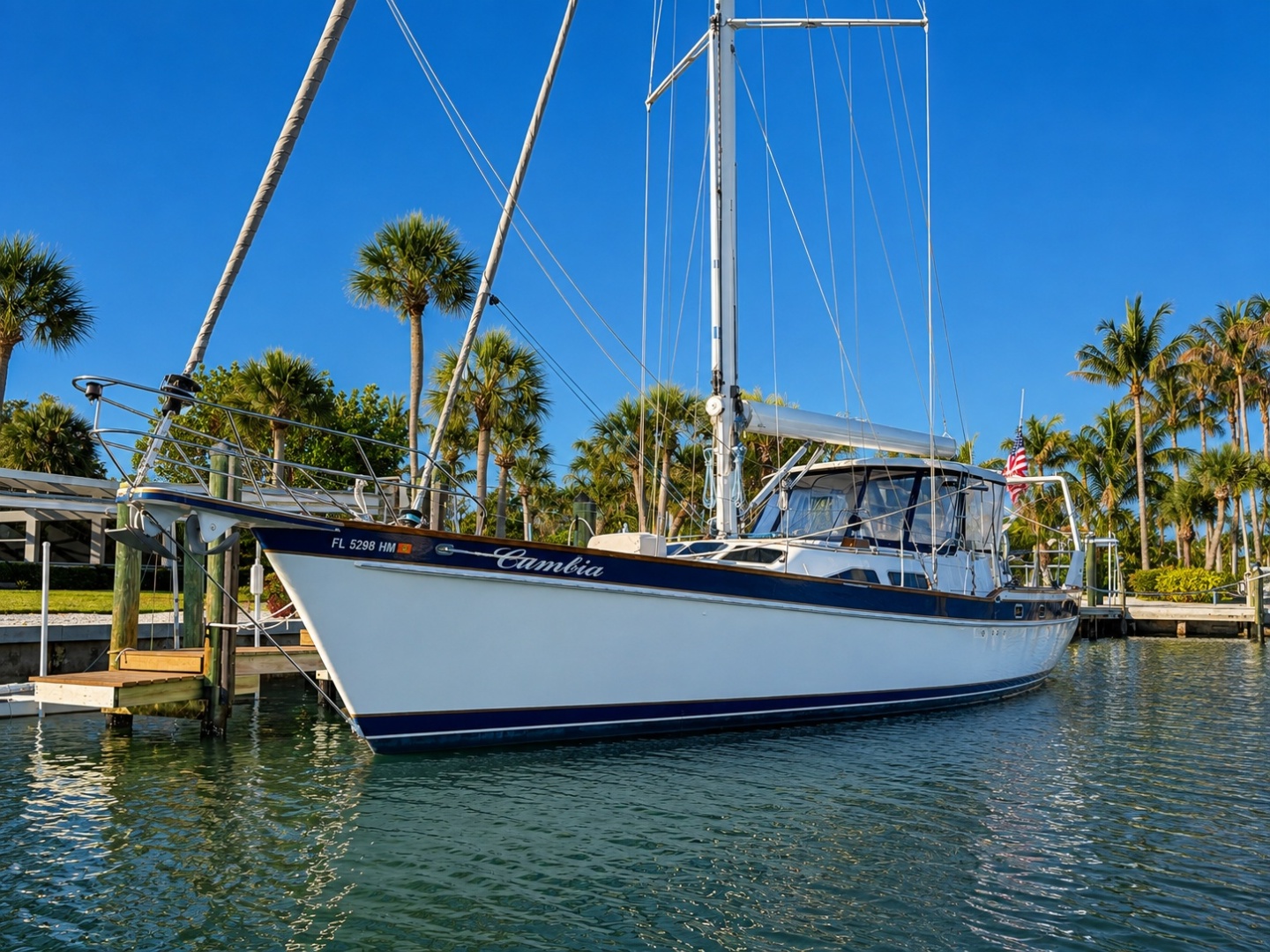
$545,000
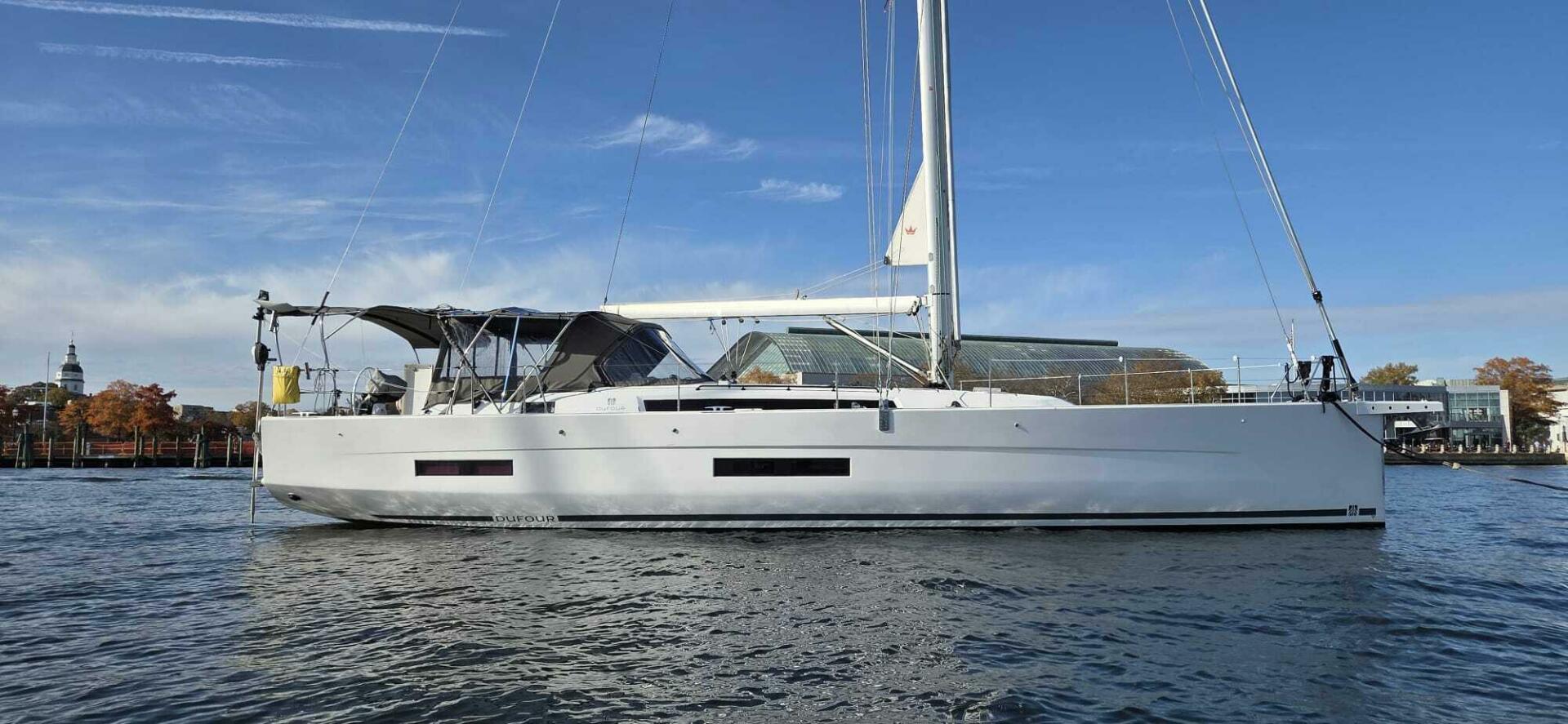
$564,900
$1,130,000
$159,000
$499,000
$89,000
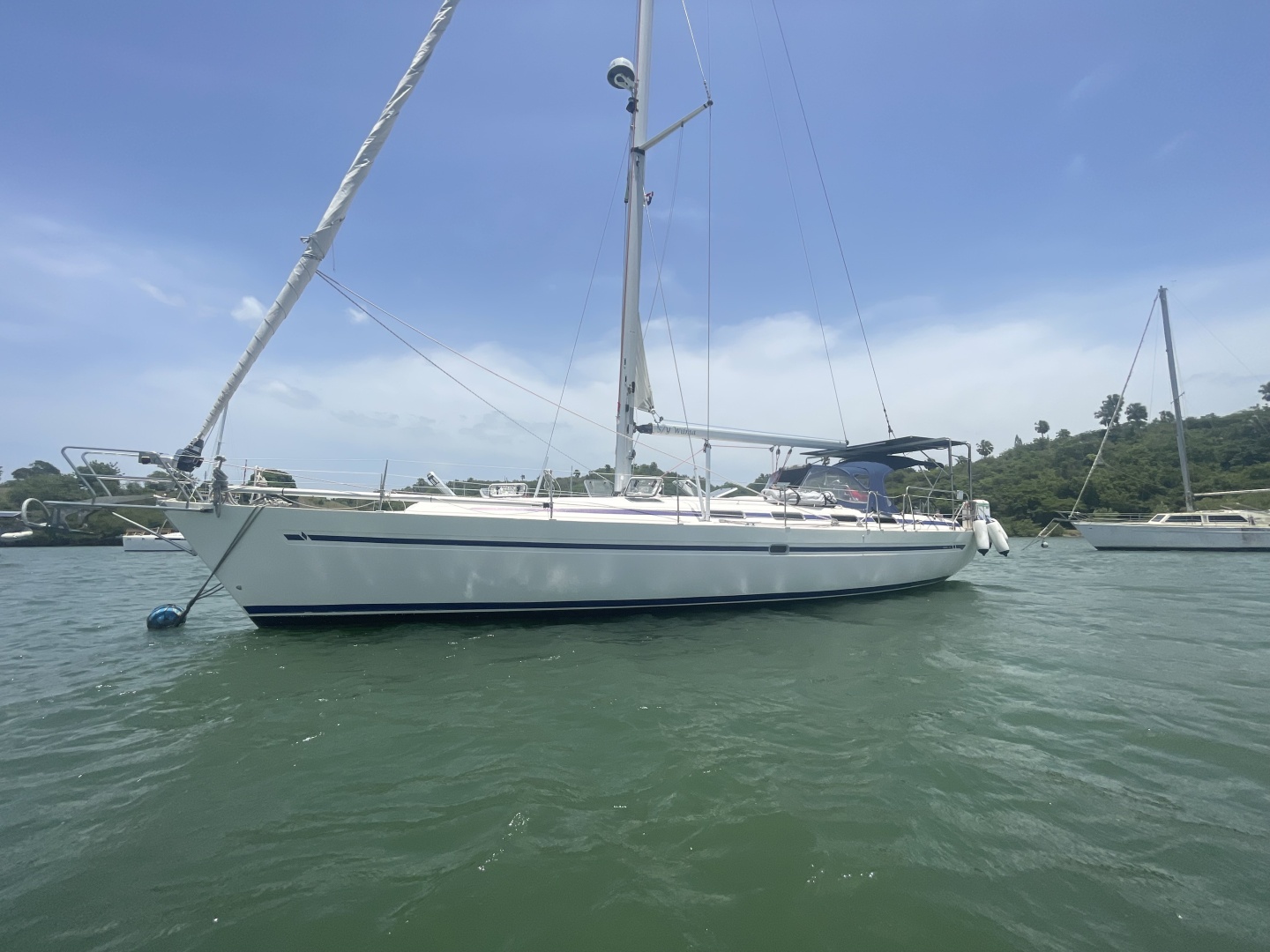
$89,000
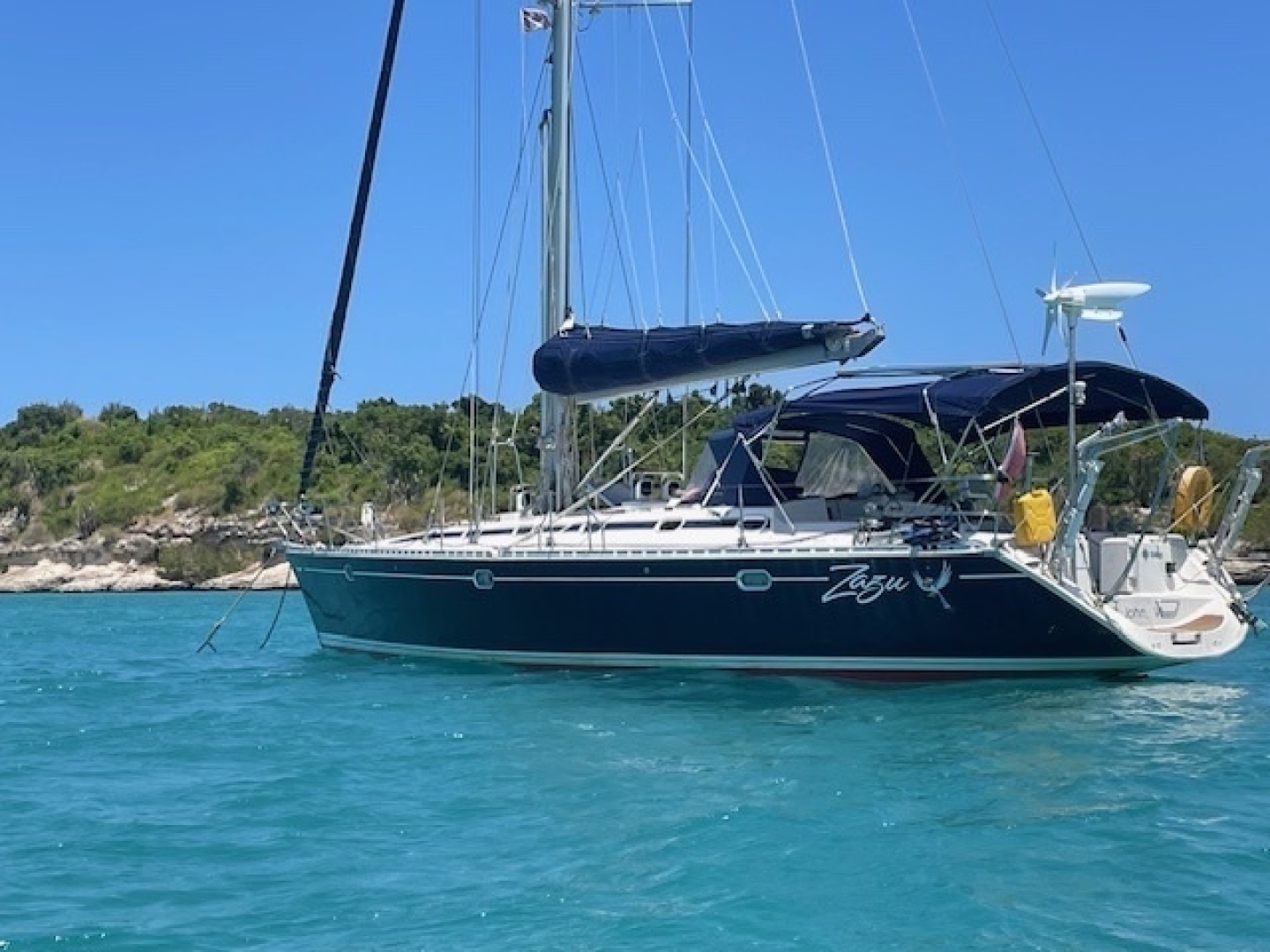
$135,000
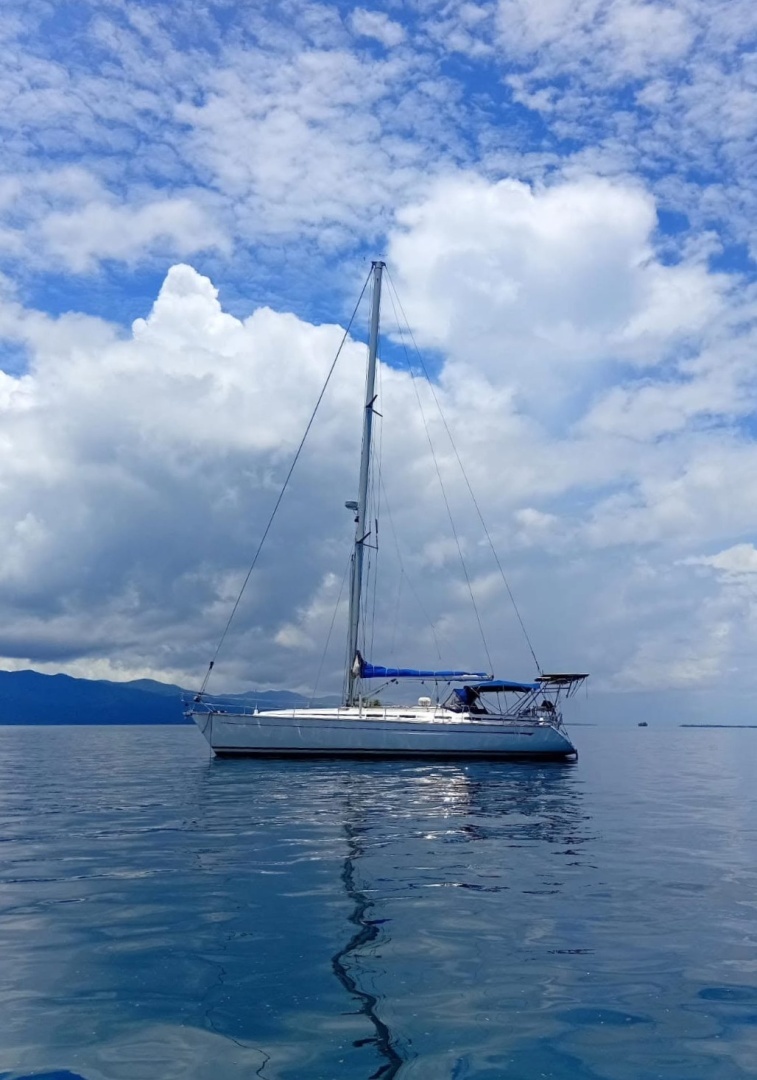
$98,250
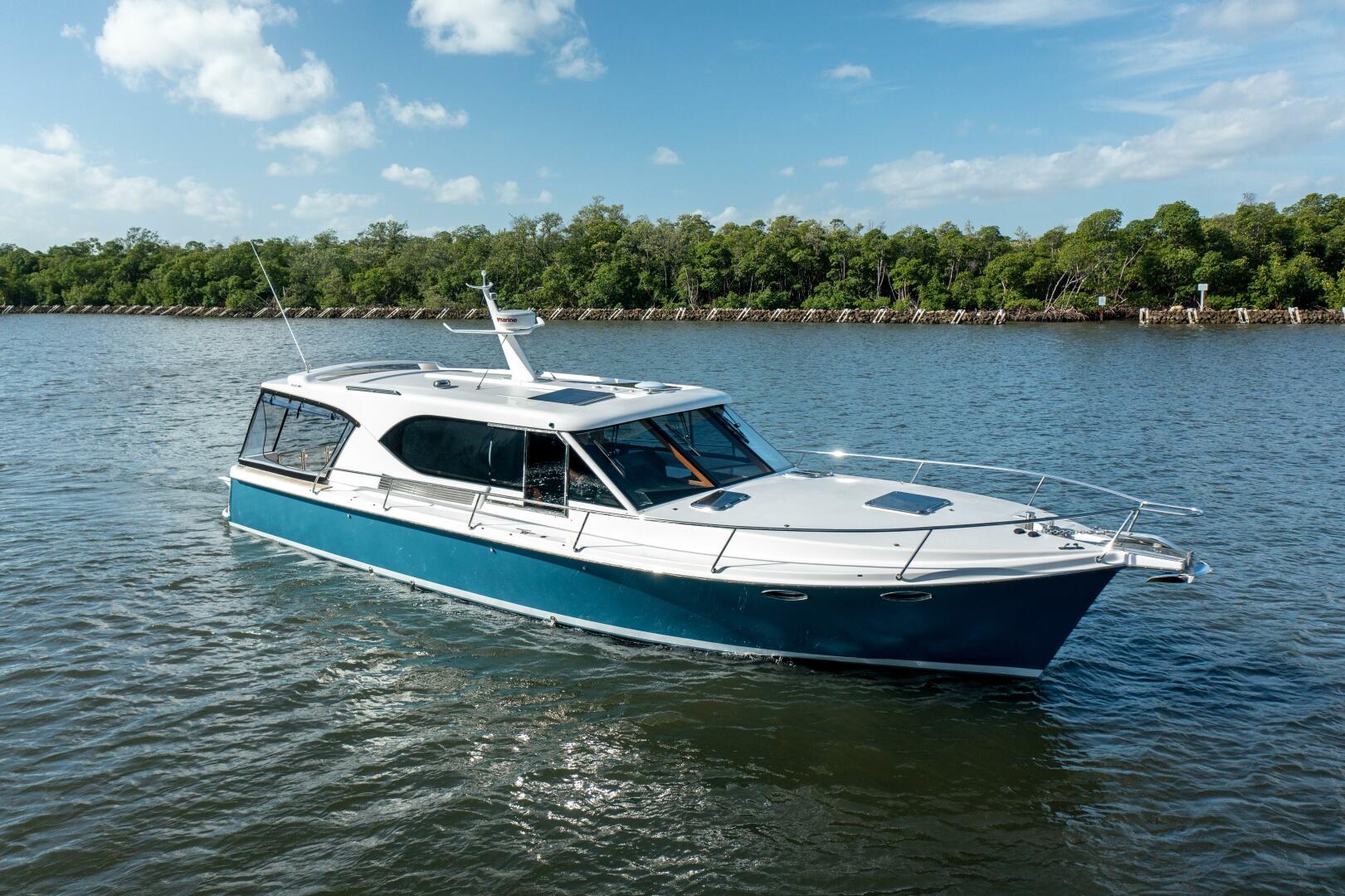
$149,850
$369,000
$395,000
$349,000
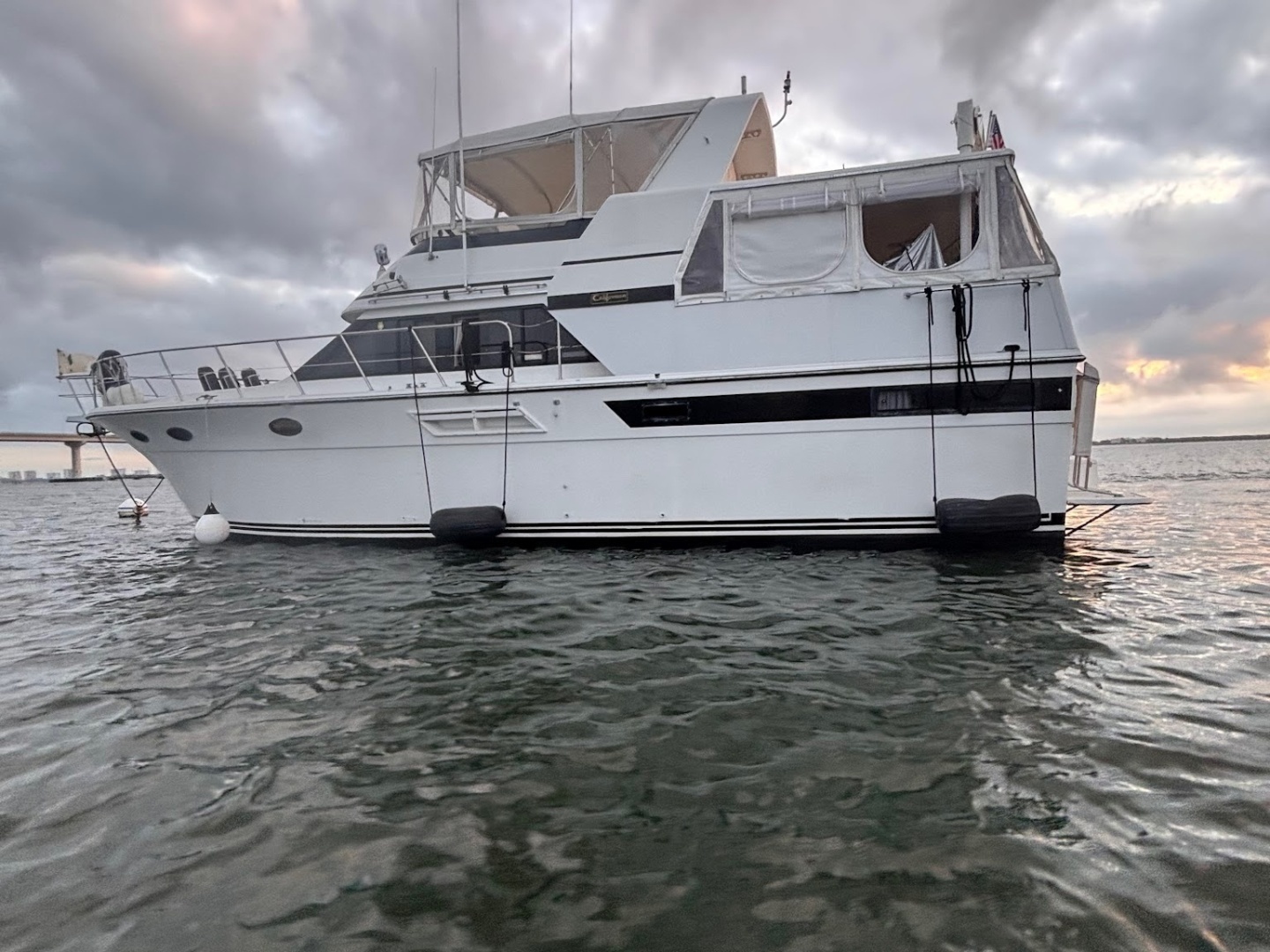
$125,000
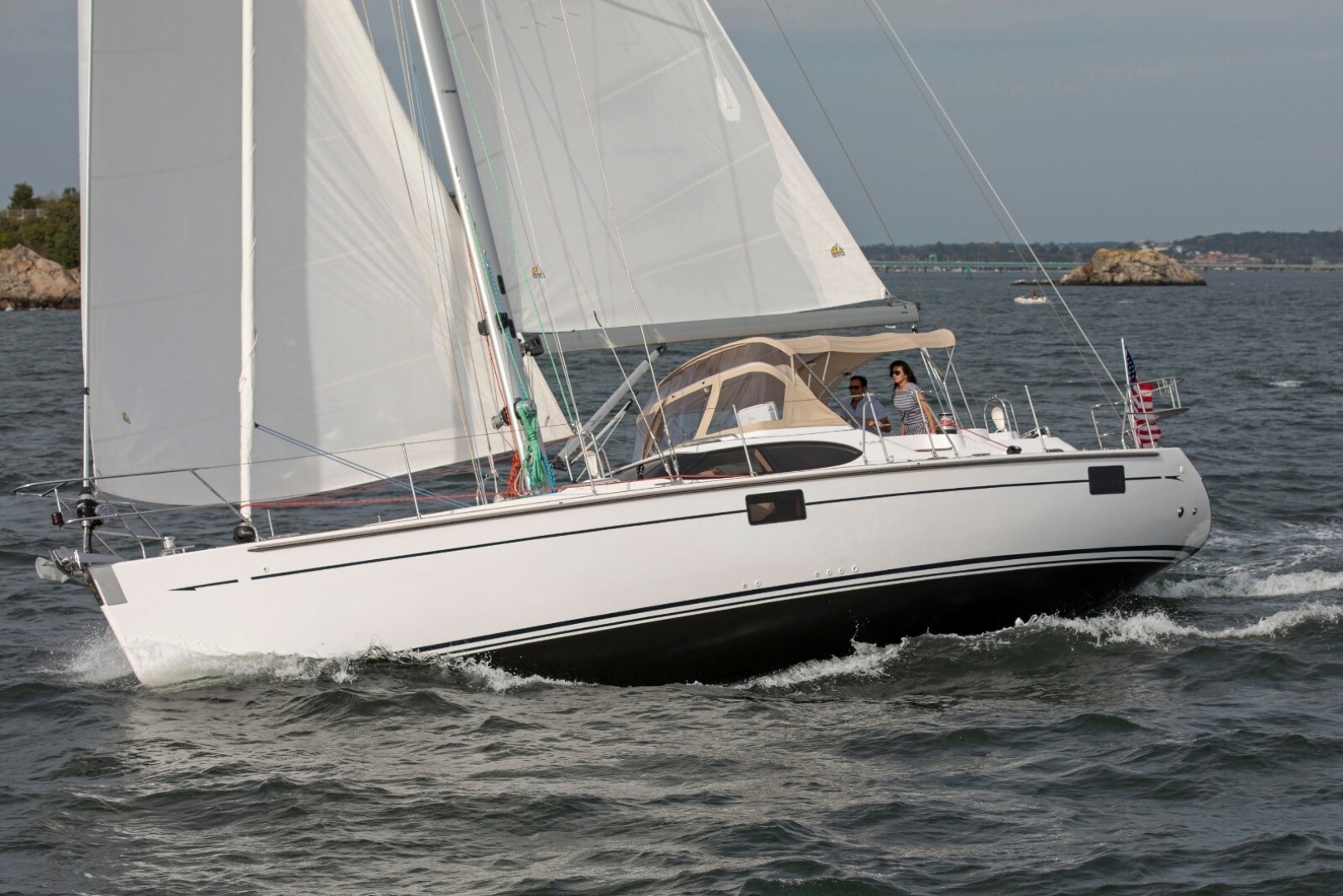
$1,724,571
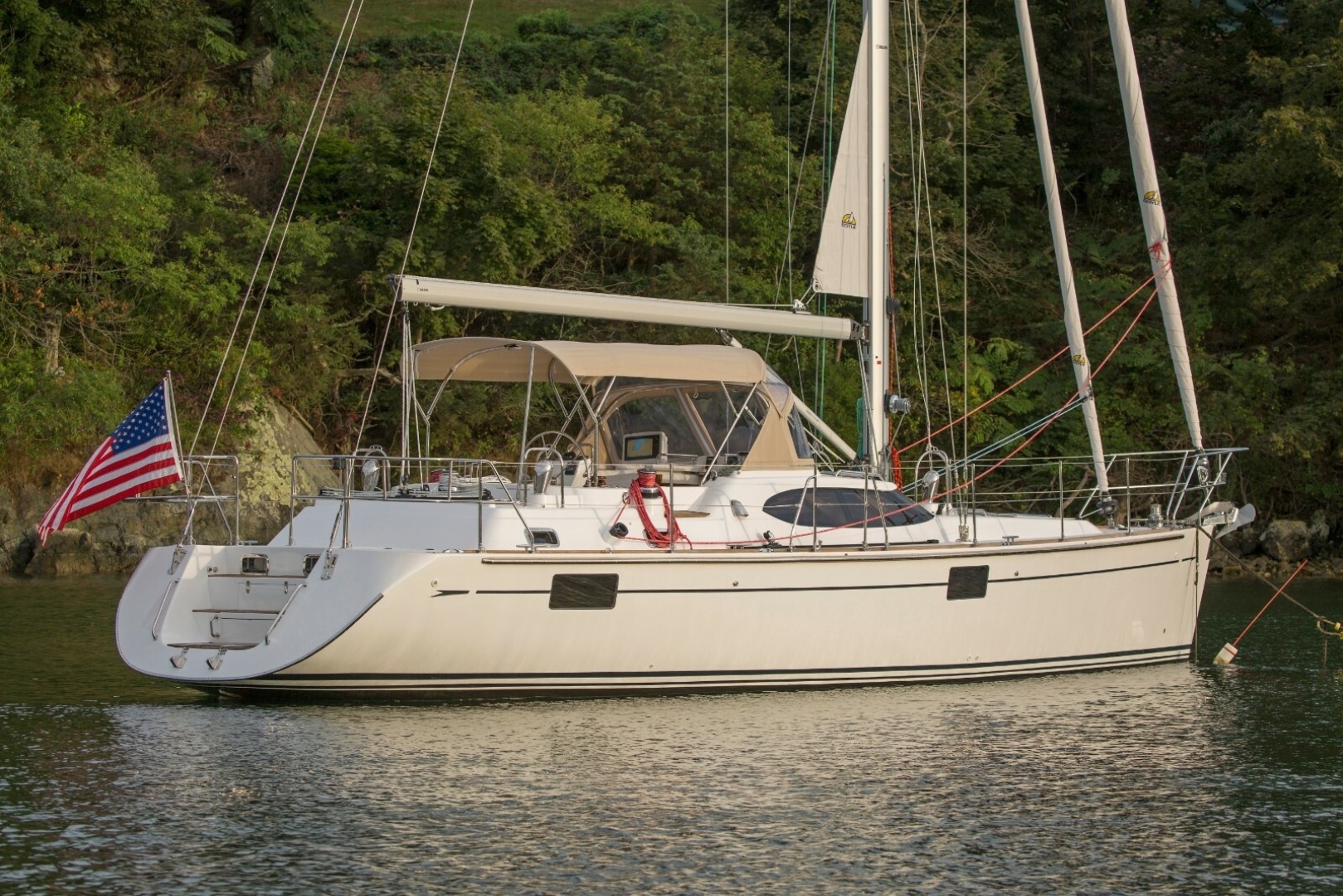
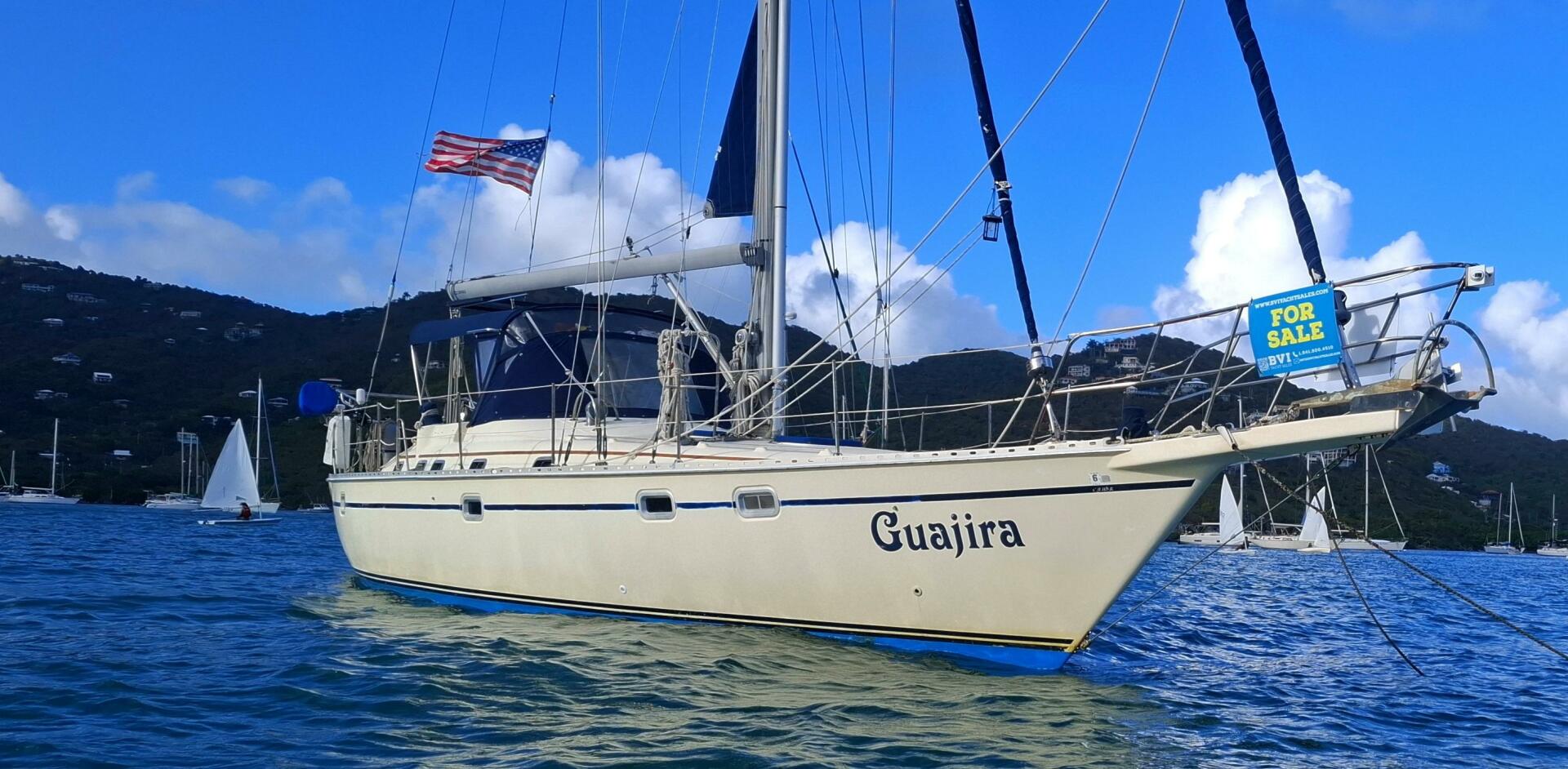
$149,500
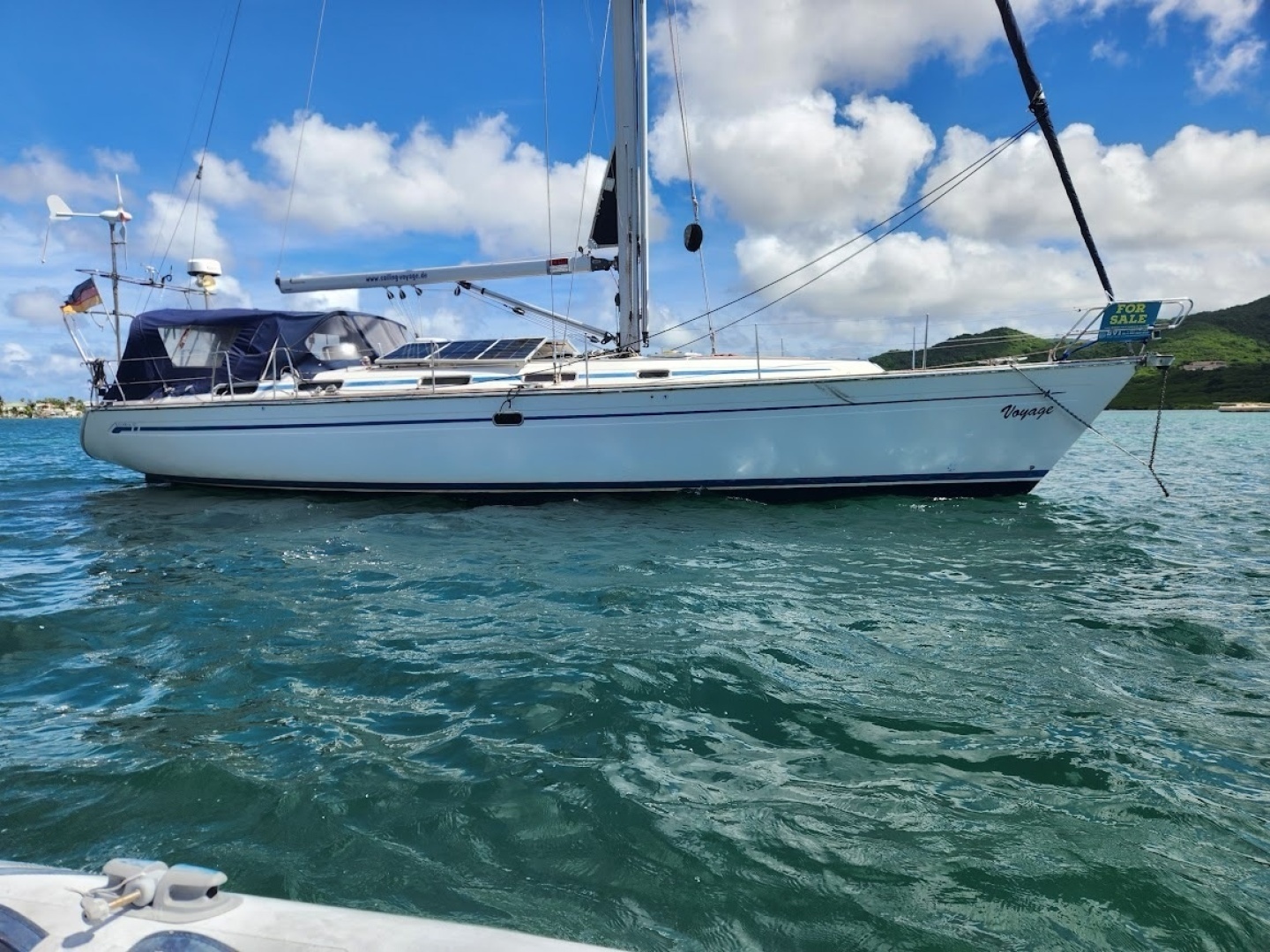
$109,900
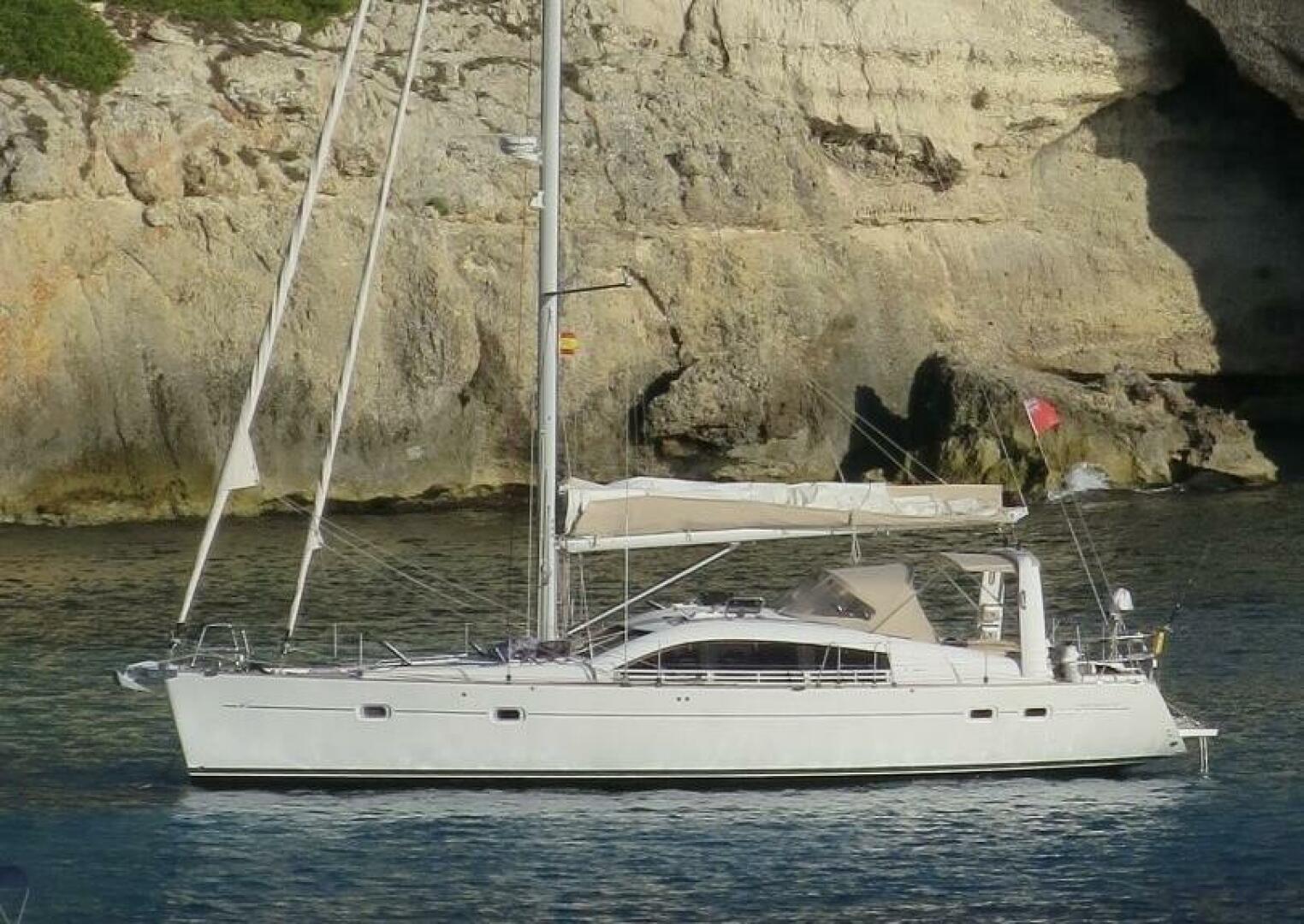
$395,000

$652,000
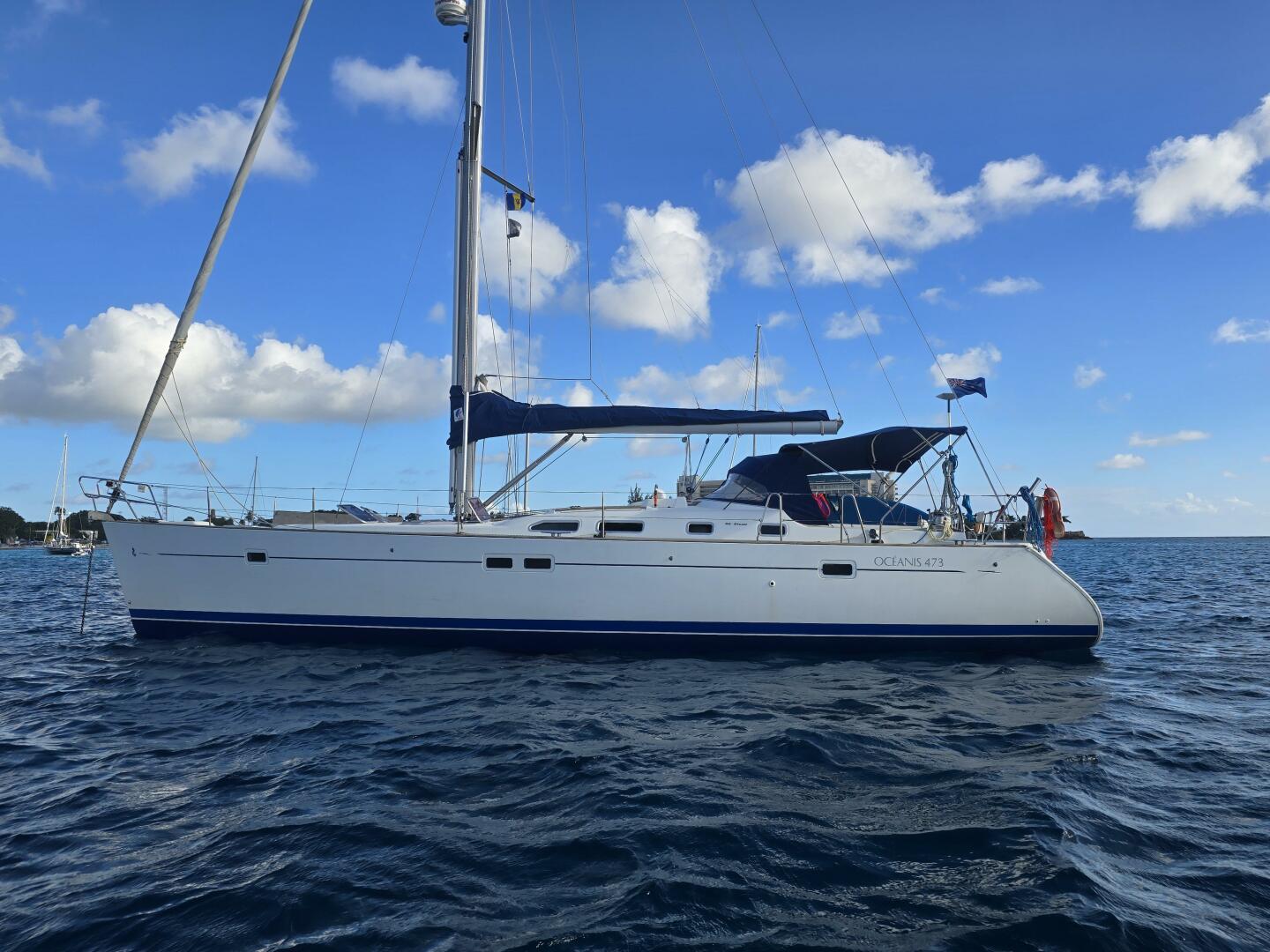
$105,000

$115,000
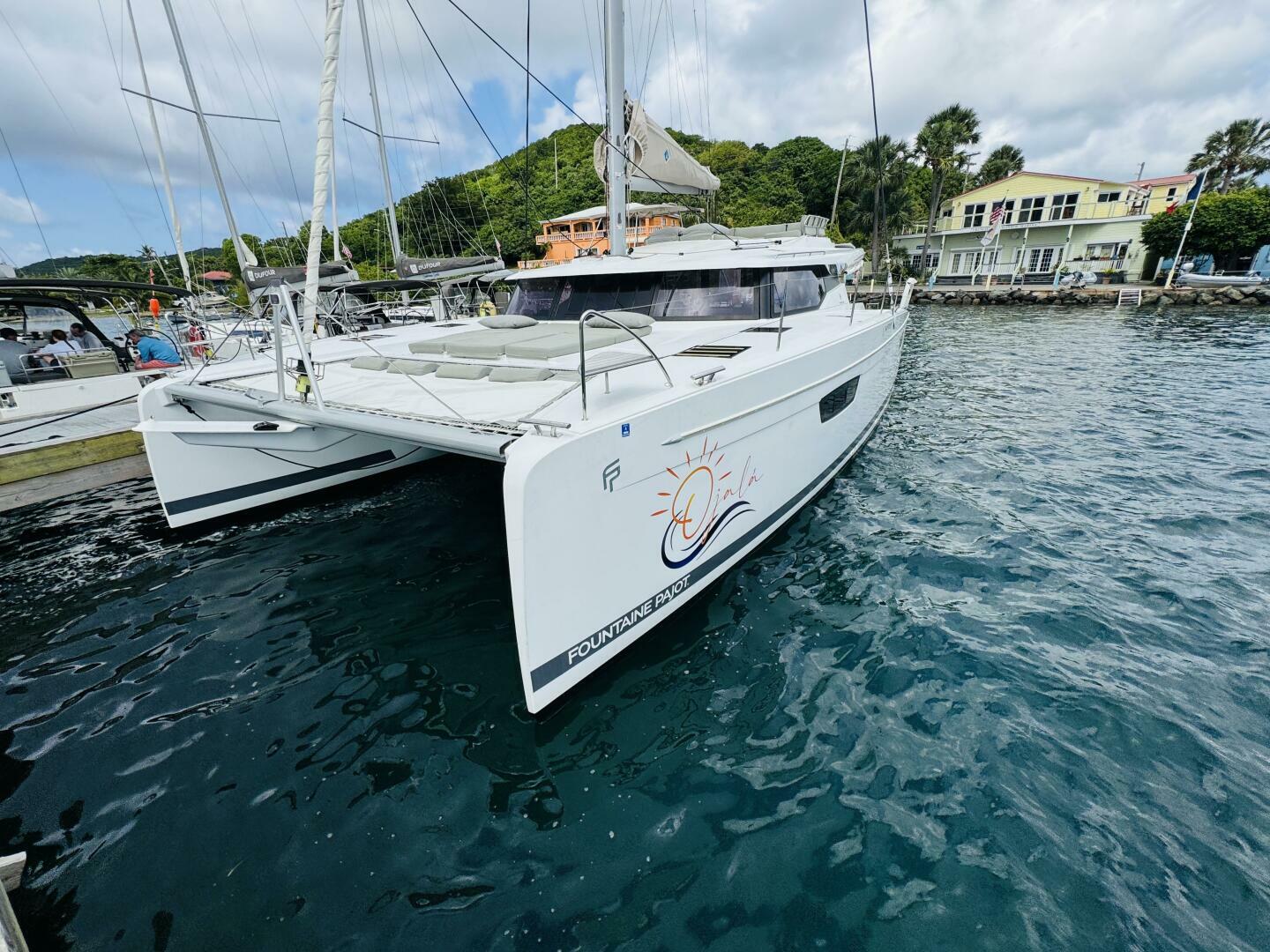
$950,000
$149,000
$135,000
$349,000