
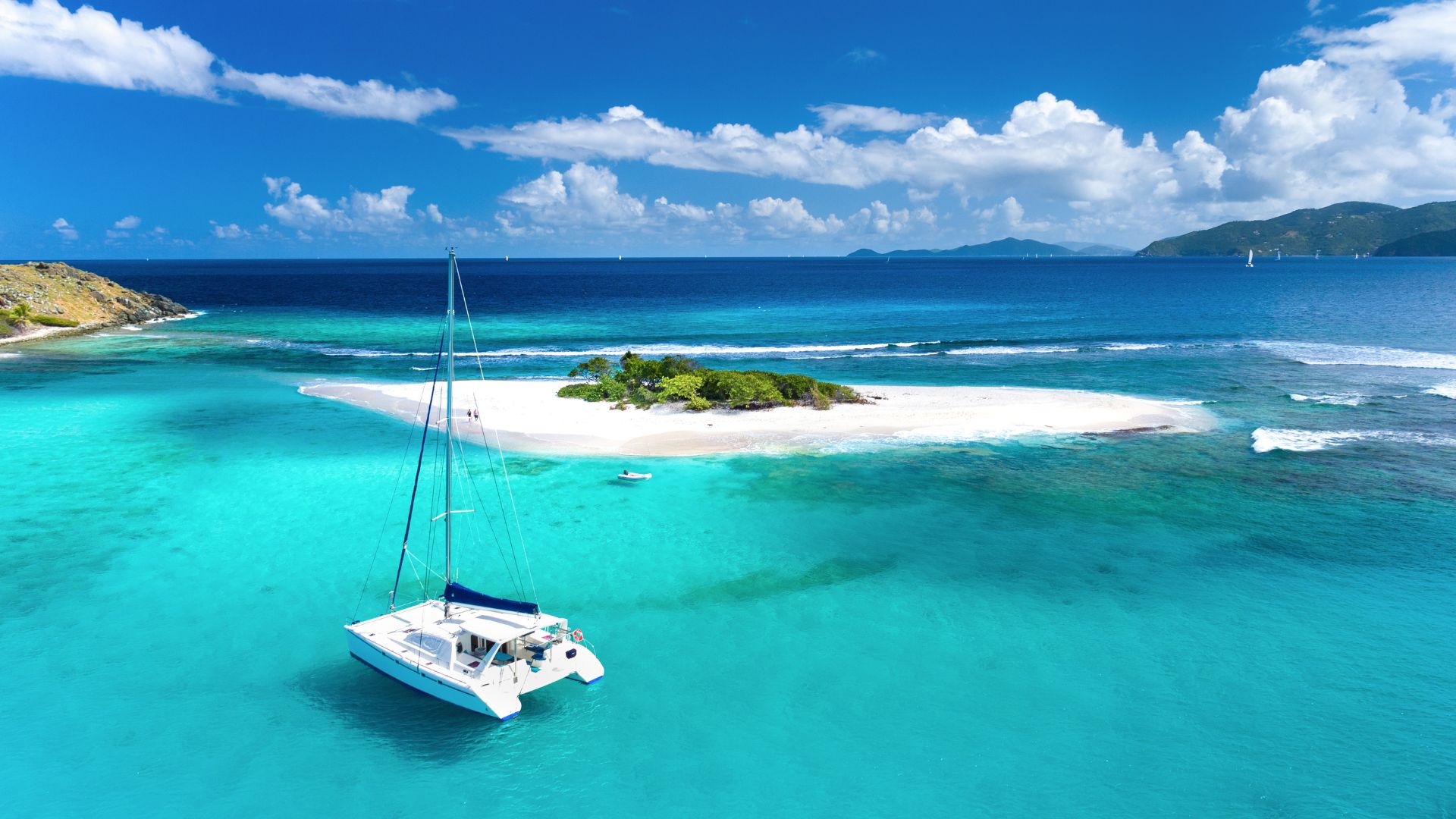
Ever wondered why catamarans seem to be everywhere in the Caribbean these days? Let’s set the scene: turquoise waters in the British Virgin Islands (BVI), and the anchorages are filled with twin-hulled yachts bobbing gently. There’s a reason two-thirds of the 300-strong Moorings charter fleet in Tortola are catamarans – these boats offer something unique. In this post, we’ll dive into what makes catamarans so special, especially for cruising and liveaboard life in places like the BVI. Prepare for a fun, insightful ride (with a human touch) into the world of catamarans and why sailors are smitten with them.
Key Takeaways (TL;DR)
- Stability & Comfort: Catamarans sail flat with minimal heeling, so you’re not constantly tilted – meaning no more spilled drinks or flying dishes! This level sailing reduces fatigue and seasickness and makes life onboard way more comfortable.
- Ample Living Space: With their wide beam, cats feel like floating apartments. You get spacious salons, big cockpits, and multiple cabins (often in separate hulls for privacy) – perfect for families and liveaboards .
- Shallow Draft = More Exploring: Cats don’t need deep water – they can anchor in shallow coves and closer to beach paradises that monohulls must avoid . In the BVI, that means snagging those hidden turquoise bays all to yourself.
- Stability at Anchor: Two hulls = no nasty side-to-side rolling at anchor. Catamarans stay stable in swell, so you sleep like a baby instead of rocking like a cradle .
- Easy Maneuvering & Safety: Twin engines let you pivot a catamaran on a dime, making docking easier. Plus, you have built-in redundancy – if one engine fails, you’ve got another . Cats won’t sink thanks to buoyant hulls , and their stability means you’re less likely to fall overboard in the first place .
- Good Speed (in the Right Conditions): Many cruising catamarans can out-sail monohulls off the wind. It’s common to see 8–10 knots on a reach, leaving similar-sized monohulls in the dust . You’ll arrive at happy hour earlier – or outrun bad weather if needed .
- Family-Friendly & Fun: With tons of deck space, trampolines to lounge on, and a level ride, catamarans are made for group fun. It’s like having a floating patio – no wonder charter guests and families love them.
Now, let’s break these points down in a conversational way – sharing some stories, answering your burning questions, and showing why catamarans have stolen sailors’ hearts.
Setting Sail on Two Hulls: A Quick Intro to Catamarans (and Why People Switch)
I remember the first time I stepped aboard a cruising catamaran in the BVI. I was bracing myself for the usual sailboat routine – you know, that hold-onto-your-drink-or-it’s-going-over tilt. But as we sailed out, something felt… oddly easy. The deck stayed almost level, the coffee mug on the table barely moved. It was like someone hit the “easy mode” button on sailing. My monohull-loving friend turned to me, grinning, “Why isn’t this boat leaning?!”
What exactly is a catamaran? Simply put, it’s a boat with two parallel hulls (usually joined by a bridge deck). This twin-hull design gives it a wide footprint on the water, translating to super stability. (Fun fact: The idea comes from Polynesian double-canoe designs that enabled epic ocean voyages – those islanders knew a thing or two about boat stability!). In modern times, catamarans come in all flavors: sailing cats with mast and sails, and power catamarans (no sails, just engines). But our focus here is on sailing catamarans, the darlings of tropical cruising.
So why are so many sailors – including die-hard former monohull captains – making the switch to multihulls? In a word: comfort. As one cruiser put it when comparing options: “So the options are a boat that, if it springs a leak, will sink like a stone, or a vessel that cannot self-right in a capsize but will not sink no matter what.” Granted, that’s tongue-in-cheek, but it highlights a practical mindset. The sailing experience is different on a cat, in ways both subtle and significant. Let’s explore those differences through some key themes.
1. Stability & Comfort: No More Sailing at 30°
One of the first things you notice on a catamaran is the lack of dramatic heeling. On a traditional monohull sailboat, it’s normal to heel over (tilt) 20–30° or more under sail – some sailors love that feeling, but others (and many guests) find it tiring or disconcerting. On a catamaran, you’ll typically heel less than 5–10° even in a brisk wind . In moderate conditions, you’re basically sailing flat.
Why is that a big deal? Imagine trying to cook dinner or carry a tray of sundowners on a boat heeled over like a ski slope. On a mono, you’d have cabinet doors flying open and drinks sliding off tables. On a cat? The boat stays level enough that you can cook, eat, or walk around without clinging on for dear life . I’ve literally sat down to a full dinner in the salon of a catamaran while blasting along at 8 knots, plates and wine glasses steady on the table – a scenario that would be unthinkable on a heeled-over monohull in similar winds.
“We had 20-30 knots off the Portuguese coast and we were able to sit down to a meal of roast lamb and red wine in our T-shirts, where in a monohull we’d have had foul weather gear on,” recalls one cruising couple about testing a catamaran – the level ride sold them on switching .
That stability isn’t just about keeping dinner intact; it directly translates to less crew fatigue and seasickness. When the boat is not constantly rolling side-to-side, your body doesn’t have to work overtime to balance. You finish a day’s sail on a cat feeling far less exhausted. A friend of mine (a veteran monohull sailor) was astonished after his first 20-mile catamaran passage – “I’m not even tired!” he exclaimed, noting that on his old monohull he’d be worn out from fighting gravity all day. He wasn’t exaggerating: studies and sailor anecdotes alike note that reduced motion on cats means reduced fatigue and fewer errors in judgment . And yes, less chance of getting seasick, since a cat’s motion is gentler and mostly fore-and-aft pitching, not the corkscrew rolling that turns greenshorns green .
For anyone who’s ever had to wedge themselves into a bunk at an angle to avoid rolling out while sleeping, a cat offers the promise of a peaceful night’s sleep underway. No more middle-of-the-night acrobatics to use the head (bathroom) as you try to balance on a tilted floor. Everything is more…civilized. It’s sailing without the perpetual feeling of being on a tilt-a-whirl. As sailor Mike Broughton quipped when stepping aboard a large catamaran, it’s like a proper “sailing superyacht experience in a sub-24m package,” with space and comfort akin to a much larger vessel .
And it’s not just comfort under sail – comfort at anchor is another huge perk (ask any cruiser). Monohulls, with their rounded bottoms, tend to roll side-to-side at anchor when there’s any swell or wake. It can get so bad in rolly anchorages that monohull sailors sometimes leave for open sea rather than endure a night of clanging and swinging (I’ve been there – it’s miserable!). Catamarans, on the other hand, are incredibly stable platforms at anchor. The wide stance (often 20+ feet across) means they resist that gunwale-to-gunwale rolling . In many spots where a monohull neighbor might be yawing and rocking, a cat will sit calmly. The phrase “sails flat” applies even when the sails are down; one cruising writer noted that on their catamaran “the gunwale-to-gunwale rolling experienced by monohulls in many anchorages is not felt” on their boat . The result? You sleep better, spill less coffee, and generally forget you’re on a floating object – it feels more like a stable dock or a condo on the water.
This stability also makes catamarans ideal for families, older sailors, or anyone with mobility concerns. If you have small kids or less-able crew, not having the deck at a crazy angle is a godsend. Families appreciate that kids can move around or play without as much risk of taking a tumble. One skipper pointed out that multihulls are particularly ideal for families with small children, friends not at ease on boats, or anyone with a mobility issue, precisely because you’re “living life at less of an angle” . I’ve seen toddlers happily crawling around on a catamaran’s trampoline and deck underway – something you’d never attempt on a heeled monohull where one hand for the boat is a must.
Bottom line: a catamaran’s special stability is a game-changer for comfort. It’s like comparing an RV that’s jostling on a mountain road (monohull) to a luxury coach gliding on a highway (catamaran). You arrive at your destination less beat up and more refreshed – and you had more fun along the way doing normal-life things (making a sandwich, reading a book) that might be a circus trick on a monohull underway.
2. Space Galore: Your Floating Condo in Paradise
If you step aboard a catamaran expecting the cramped quarters of a typical sailboat, you’re in for a pleasant surprise. Catamarans are huge in terms of living space, especially relative to their length. With two hulls and a broad beam, designers can create expansive salons, big galleys, and multiple cabins that feel like real bedrooms – not tiny V-berths. Many cat owners describe their boats as akin to apartments or villas on water . In fact, a modern 45-foot catamaran might boast as much usable living area as a 55 or 60-foot monohull yacht , thanks to the full-beam salon and cockpit.
Picture a bright, airy salon with a 360° view of the anchorage, a full-sized dining table, and maybe even a proper fridge and coffee maker. On most cats, the main living area (salon and galley) is on the bridge deck between the hulls, often surrounded by big windows. So you’re cooking or relaxing with panoramic vistas of the sea – no more feeling like you’re “down in a cave” as often happens in a monohull where portholes are small and usually at eye level only when standing . One experienced sailor recounted touring a traditional 29-foot monohull and feeling like they were “trapped in a dungeon” below deck – then they built a catamaran instead, and loved having a full view of the anchorage while inside eating dinner or reading . That sums it up: cats let you stay connected to the beautiful surroundings even when you’re indoors.
Step outside and the advantages continue. The cockpit (outdoor seating area) on a cat is typically as wide as the boat – which can be 25+ feet on larger models – and often covered by a hardtop or flybridge. This becomes your outdoor living room. There’s room for a large dining table, couches, maybe even deck chairs or a hammock. I’ve had sunset cocktail hours on a catamaran cockpit that fit 8-10 people comfortably, all enjoying the breeze without stepping on each other. Try throwing that party on a 40-foot monohull and you’ll have folks perching wherever they can, ducking boom swings and squeezing along narrow side decks. On a cat, you feel like you have your own floating patio.
And we haven’t even mentioned the trampolines – those springy nets at the bow between the hulls. These are the ultimate lounge spots for sunbathing, stargazing, or just feeling the spray as you sail. Kids (and let’s be honest, adults too) love riding on the tramps as the cat glides through the waves. At anchor, they’re like extra deck space: throw some cushions and you’ve got a sunbed over the water. On a starry night in the BVI, there’s nothing like laying on the trampoline, the water gently lapping below, looking up at the Milky Way. Try that on a monohull… oh wait, you can’t, it doesn’t have one!
Privacy is another huge plus. Most cruising catamarans have their cabins separated in the two hulls – often with two cabins in the port hull and two in the starboard on a 40-something-foot cat. This means your guest (or kids) have their own wing of the boat. The cabins are usually roomy with space to walk around the beds (no more crawling into a V-berth). And because of the distance and dual-hull separation, it’s almost like everyone has their own little apartment. It’s much easier to find a quiet corner to read or nap even when others are aboard. On our friend’s cat, they jokingly say they have “his and hers” hulls – each hull with a bedroom and bathroom (heads) – giving a couple personal space even on a long voyage. Privacy on a monohull? Unless you’re on a 60-footer, good luck; everything is basically one hallway.
In summary, catamarans are special because they redefine the notion of “living space” on a yacht. This extra space is especially appreciated by liveaboards and cruisers on long journeys. As one journalist observed, a well-designed catamaran is as spacious and comfortable as a small apartment – “one with a permanent view of the harbor, the sea or a tropical anchorage”, so much so that the question of “why a multihull?” quickly answers itself once you step aboard .
Catamarans at anchor in a tranquil BVI bay (Norman Island). Notice the ample deck space and the stable, level stance – like floating condos ready for fun in the sun .
And it’s not just about lounging around. That space makes practical living easier: more storage for long voyages, bigger water and fuel tank capacity for extended cruising, and room for all the toys (kayaks, paddleboards, scuba gear) that adventure-seekers in the BVI crave. If you plan to cruise with family or entertain guests, a catamaran’s roominess is a game-changer. There’s a reason crewed charter cats in the Caribbean (the ones with a captain and chef catering to guests) are often booked solid – people love that they can sunbathe on the deck, dine al fresco on a large table, or retreat to a quiet cabin, all on the same boat. It’s like a floating resort.
Key Space Perks of Cats: Multiple social areas (cockpit, salon, trampolines, even a flybridge on some models), each hull as a separate suite, full panoramic views from the salon, and a general feeling of freedom to move. You don’t realize how liberating that is until you experience it. We once had two families – 4 adults and 4 kids – on a 44ft cat for a week. I braced for chaos, but honestly, it was easier than a Thanksgiving dinner at home. The kids claimed one hull (binge-watching movies in their cabin during the heat of day), the adults gathered in the salon or cockpit, and nobody felt cramped. Try that on a single-hull boat without someone getting involuntarily acquainted with the bilge!
3. Shallow Draft: Access Hidden Coves & Beachfront Anchors
Have you ever gazed at a picturesque shallow lagoon or thought, “It’d be amazing to anchor right up by that beach”… only to check the chart and see it’s too shallow for your deep-keeled boat? Catamaran owners get to say “Hold my drink” in those situations. A typical cruising catamaran might draw only 3 to 4 feet of water (some even less), compared to 5–7+ feet on similar-length monohulls . This shallow draft is a special superpower of catamarans, especially in places like the Bahamas or the BVI where coral reefs and sandbanks abound.
In practical terms, shallow draft means more anchoring options and getting closer to shore. You can sneak into coves and anchorages that others wouldn’t dare. In the BVI, this might mean getting that primo spot behind a protective reef or closer to a secluded beach. For example, Anegada (the flat coral island in the BVI) has notoriously tricky shallows – many deeper boats approach cautiously or stay farther out. Catamarans, with their shoal draft, can navigate into spots monohulls avoid, opening up hidden paradise locations. One catamaran cruiser put it simply: “Because catamarans have a shallow draft… you can cruise and anchor in areas that monohulls can’t get into. You just have more options.”
I’ve enjoyed this benefit firsthand: anchoring my friend’s cat in barely 6 feet of crystal-clear water off a quiet patch of beach while monohulls had to stay hundreds of yards further out. We could swim to shore in a minute, and the fish life around the untouched coral heads right under our boat was spectacular. Meanwhile, the deeper-draft boats couldn’t experience that little cove at all. It feels like cheating (in the best way).
Shallow draft also means if you misjudge and run aground (hey, it happens to the best), you’re likely able to get free without drama. No deep keel to dig into sand – cats can often be backed off or even wait for a slight tide bump to float free. And some catamarans are built to “dry out” upright, meaning if the tide goes out completely, they can sit on their hulls without falling over – allowing access to tidal harbors or maintenance on the beach. While drying out isn’t a typical need in the Caribbean (tidal range is small), it’s a neat capability if you cruise areas like the UK or parts of Australia.
Finally, shallow draft can be a safety boon. If a storm is coming or seas are rough, being able to tuck very close behind a reef or well inside a protected bay can be critical. It’s like having a smaller turning radius in a car – you can get into the best parking spots. In the context of a boat, the “parking spot” could be a snug hurricane hole or a mooring that’s in shallower water where the big guys can’t steal it. The confidence of knowing your boat only needs a few feet of water is huge. I’ve seen monohull skippers sweating bullets as they navigate through a shallow channel, depth alarm blaring at 7 feet, whereas a catamaran ahead of them breezes through with no concern (and probably a smug smile).
In short, catamarans are special for where they can take you. They unlock parts of cruising grounds that remain off-limits to deeper boats. Think closer reef access for snorkeling, anchoring right behind that sandbar, or entering shallow lagoons. For adventure seekers, that’s gold. As one catamaran charter company advertises: “Shallow draft: access hidden paradises” – it’s not just marketing, it’s true.
And for the BVI specifically, shallow draft means you won’t be the guy who accidentally bumps coral heads (always embarrassing and environmentally bad) or who has to skip anchoring at Sandy Spit or inside Anegada’s anchorage. You can confidently explore knowing your boat’s belly isn’t likely to scrape bottom. Just remember, shallow draft isn’t a license to ignore charts – you can still find ways to hit the bottom if you try! But it definitely tilts odds in your favor for carefree gunkholing.
4. Easy Handling & Maneuverability (Two Engines, No Keel)
When it comes to maneuvering in tight marina slips or bustling anchorages, catamarans have a not-so-secret weapon: twin engines. Almost all cruising cats have one diesel engine in each hull (plus twin rudders), and they’re spaced far apart (maybe 15–25 feet apart depending on beam). This setup lets you do magical things when docking. You can put one engine in forward and the other in reverse and effectively pivot the boat in place. It’s like having tank steering on water. Monohulls with a single engine can’t do that – they need momentum and often bow thrusters to maneuver, and they certainly can’t spin around within their own length easily.
The first time I took a catamaran into a slip, I was astonished at how responsive it was. With a little practice, you can slide sideways, back into spots, and avoid the dreaded prop walk that single-screw boats suffer. One trick cat skippers use in the BVI mooring fields: if a mooring ball’s pennant is hard to reach from the bow due to high freeboard, they’ll briefly maneuver the stern to the mooring (engines counter-rotating to hold position), pick it up from the rear steps where it’s easier, then walk it forward – try that with anything but a cat! As Sail Magazine noted, the “extraordinary maneuverability” of widely spaced twin engines can make even challenging tasks like picking up moorings or spinning in a dead-end creek much simpler .
Besides maneuverability, two engines also equal redundancy. If you lose one engine, you’re not dead in the water – you still have another to limp home or position for sailing. Cat owners often mention this as a safety net: “We have redundancy of engines and rudders,” one catamaran owner emphasized, pointing out that servicing two engines is a trivial price for that peace of mind . On a monohull, an engine failure in a tight spot can be a hair-raising emergency. On a cat, you can typically manage with the remaining engine (the boat will still steer, just not as sharply).
No heavy keel also means less momentum when turning (and of course, no risk of keel hitting the bottom as discussed). The flip side is cats have more windage – the boat sits higher and can be blown around a bit – but the twin engines largely compensate for that when docking. In open water, catamarans accelerate quickly under power because they’re usually lighter than equivalent monohulls (no ballast weight). So zipping from one snorkel spot to another with engines is efficient and fast.
Sailing-wise, handling a catamaran is different but straightforward. There’s no massive heeling force to wrestle with, so sail trim is more about balancing power to avoid digging a hull in, rather than controlling heel. Reefing (reducing sail) is done to keep the ride comfortable and safe, but many modern catamarans have simple systems for this. In fact, reefing earlier is part of catamaran life – you don’t wait until you’re over-canvassed and heeling like on a mono; you take in a reef when whitecaps show up, and the cat keeps on trucking smoothly. Because of the stable platform, tasks like putting in a reef or handling sails can actually be easier and safer (you’re not on a wildly tilting deck). One multihull sailor explained that “walking around on the deck of a catamaran while underway is far easier since the boat is much more stable, and it doesn’t heel… this makes sail changes and reefing much safer for the crew” .
Another handling quirk: catamarans tack differently. With less weight and no deep keel, they can sometimes “stick” in a tack (losing momentum through the eye of the wind). Skippers learn to use a “chicken jibe” or add a few degrees more turn to ensure the jib catches the wind on the new side. But modern designs have improved this; many cats tack just fine if you time the turn with a bit of added throttle or technique. And when jibing (wind from behind), you don’t get that dramatic heeling or rolling – it’s far more sedate, albeit you have to mind not to accidentally jibe the big boom.
In summary, catamarans are surprisingly easy to handle once you adjust to their ways. Docking fears diminish with those twin screws at your command. Sailing requires a slightly different finesse (reef early, watch the apparent wind angles), but the stable platform actually builds confidence. I’ve taken novice sailors out on a cat and they found it less intimidating than a monohull – “it feels stable and in control” was a common sentiment.
And if you do hire a captain or take a crewed charter, guess what – the crew is happier too. Imagine being a professional skipper and not having to constantly reassure seasick guests or clean up spilled rosé from a sudden roll. No wonder the charter industry embraced catamarans so wholeheartedly; it makes the entire experience more relaxed and enjoyable for everyone on board.
FAQ: Maneuvering a Catamaran
Q: Is it hard to dock a catamaran with that wide beam?
A: It’s easier in many ways. Yes, cats are wider, so you need a bigger slip or more space when med-mooring. But having two engines spaced apart is like having thrusters – you can turn or crab the boat with precision . Many cat skippers actually find docking less stressful than on a single-engine mono. The only catch is wind can push that big side profile around, but a quick bump of the throttles corrects your line. You’ll get the hang of it in no time, and trust me, parking a cat earns you style points at the dock!
Q: What if one engine dies?
A: Not to worry – you have a spare! You can steer and manage with one engine (though slowly). This redundancy is a big safety advantage in cats . It’s like having a twin-engine airplane; one can bring you home if the other quits. Just remember to actually maintain both engines well (they’ll thank you).
5. Safety at Sea: A Different Kind of Security
Let’s talk about safety – because every sailor’s mind (and every spouse back home) thinks about this. Are catamarans safer than monohulls? The answer is nuanced: they are safer in some ways, different in others. But they are certainly very safe for their intended use (tropical cruising, island hopping, even ocean passages with planning). Here’s what stands out:
- Inherent Stability: As we discussed, cats are extremely stable. They resist heeling, so the chance of a knockdown (being blown sideways or mast in water) is practically nil under normal cruising. This stability also means it takes a lot to tip a catamaran over. A monohull in a violent storm might get knocked down or even rolled 360°, then pop back up (if it doesn’t sink). A catamaran’s strategy is different: it prefers to stay upright in the first place. Capsize can happen, but generally only if you drive a cat beyond its design limits (like carrying way too much sail in a storm or a freak wave hits). For cruising cats, capsize is exceedingly rare – the vast majority of cruising cat sailors will never come close to that scenario in a lifetime of sailing. As one safety analysis bluntly put it: “Catamarans are way more stable than monohulls, which is good because it means that it will take a lot of wind to capsize one.” In other words, you’re not flipping these boats unless a horrible set of circumstances occur (or you make very poor decisions).
- Unsinkable (or nearly so): One chilling fact about monohulls is that if a leak or hole isn’t controlled, the boat can and will sink – heavy keel and all – to the bottom. Catamarans, built of fiberglass with lots of flotation (sometimes foam or compartments), often have positive buoyancy. Meaning even if you flood a hull, the boat will likely stay afloat (maybe low in the water, maybe upside down if capsized, but still floating) . Many cats advertise that they’re “unsinkable” – not in the absolute sense, but practically, it’s very hard to send them to Davy Jones’ locker. No ballast means no anchor pulling you under. I find comfort in that; worst case, the boat becomes a big life raft. In fact, safety experts point out this trade-off: a monohull might self-right in a capsize but can sink if holed, whereas a catamaran won’t sink but if it did ever capsize, it will not right itself . Fortunately, cruising cats are engineered to make capsize extremely unlikely (wide beams, manageable sail plans, etc.), so I’ll take the “float no matter what” benefit any day.
- Reduced Man-Overboard Risk: A flat, stable deck and less sudden movement means crew are less likely to stumble or be tossed overboard unexpectedly. On a monohull in rough seas, moving around is like tightrope walking; one misstep and splash. Cats let you walk around more normally – you can even carry a drink without instantly baptizing the deck with it. As a result, the chance of accidents is lower. One seasoned sailor with experience on both noted that without the rolling and extreme heeling, “the danger of falling overboard on a catamaran is considerably less than on a monohull.” . Plus, the open layout (and often lower stern transoms) means if someone does go for an unplanned swim, getting them back aboard might be easier.
- Better Visibility & Awareness: The raised salon and often an elevated helm (or even a flybridge on some cats) give skippers a commanding view around the boat. It’s easier to see obstacles, other boats, or crab pots in the water. On night passages, I’ve found I can see the horizon and even stars from inside the salon – so maintaining a watch or navigating feels less cloistered. Being able to see and react is a safety feature in itself.
- Redundancy and Systems: Two hulls often mean duplicate systems or at least separated ones – e.g., fuel and water tanks in each hull, two engines, maybe two battery banks. A failure in one hull doesn’t knock out the whole boat. Even the rig: many cruising cats now have a cutter rig or a forward working sail, and they often carry a screacher or gennaker – giving options if something breaks.
Now, to be fair, there are some safety trade-offs. In extremely heavy weather (think survival storm conditions), some old-school sailors feel more secure in a monohull that can heave-to (park in place) or roll and recover. Catamarans don’t heave-to as well – they tend to drift faster due to windage and don’t have a deep keel to resist. The strategy for heavy weather in a cat is usually to keep moving, maybe deploy a drogue, and ride things out. The good news is, because cats are fast, you can often avoid bad weather in the first place by outrunning or detouring around it (a point cat sailors often make: “a faster boat is a safer boat as it can avoid bad weather” ). And indeed, with modern weather forecasting, prudent catamaran cruisers plan routes to dodge major storms or rough seas whenever possible.
Another consideration: the capsize scenario, as unlikely as it is, means you’d have to be rescued off an upside-down boat (unless you carry special equipment to right it, which is not typical). However, testimonies from many cruising cat sailors and even round-the-world rally participants have essentially put to rest the old myth that cats are not safe offshore . Dozens of families and circumnavigators (like the famous Sailing La Vagabonde couple on YouTube and many others) have crossed oceans on catamarans without incident . In the 2024 ARC (Atlantic Rally Crossing), over a third of the boats were multihulls, reflecting how mainstream and trusted they’ve become for bluewater sailing .
The proof is in the pudding: catamarans are now regularly crossing oceans, exploring remote corners, and serving as expedition platforms – all while keeping their crews safe and comfortable. As one professional skipper summarized: “If you want comfort and safety and a boat for different ages on board, get a multihull.” The design and construction of modern cats, especially from reputable builders, emphasize structural integrity, buoyancy, and stability. They’re built to handle the typical conditions their owners will face (which usually do not include Cape Horn or a Category 5 cyclone, both things most cruisers also wisely avoid).
FAQ: Safety and Stability
Q: Can a catamaran handle rough seas?
A: Yes, a well-built cruising cat can handle the kind of rough weather prudent sailors venture into. They cross oceans and survive squalls regularly. Their strategy is to avoid truly extreme conditions (they’re fast enough to help with that) . In strong winds, you’ll reduce sail early and keep the boat moving without overstressing it. Unlike a monohull, you won’t be knocked down, but you also can’t rely on self-righting – so you sail smart to avoid situations that could flip the boat (which are very rare outside of extreme storms). Loads of people have safely circumnavigated on catamarans. The key is not pushing the boat too hard – reef in time, and a cat will take good care of you.
Q: What about hitting something – will a catamaran sink?
A: Cat hulls are often segmented into watertight compartments and made of foam-cored materials, so they tend to stay afloat even if holed . There are dramatic stories of cats that collided with containers or reefs; they might get damaged, but they usually don’t vanish under the waves. You might end up with a very wet floor or even need to be rescued, but you’ll likely be on the boat, not in a liferaft. Think of it as the boat turning into a giant liferaft itself. So in that sense, cats offer an extra margin of survival. (Of course, no boat is truly unsinkable – but cats come close).
Q: Are catamarans safe for kids and older sailors?
A: Absolutely – in fact, they’re often safer for those groups. The flat sailing means fewer falls and slips. There are plenty of handholds, and decks are usually clear and wide. No climbing up and down a companionway ladder at a steep angle all the time – the transition from cockpit to salon is often just a step. Many families choose cats for exactly this reason: peace of mind that grandma can walk to her cabin without turning into a gymnast, and Junior isn’t going to roll off a heeled deck while napping. You still practice normal safety (lifejackets, jacklines, etc.), but the overall environment is more stable.
6. Performance: Speed (and Fun) Without the Heel
Time to bust a myth: “Catamarans are slow and don’t sail well to windward.” Okay, it’s partly true that some older or heavy cruising cats were not stellar upwind and could hobby-horse in waves. But modern cats, especially performance-oriented designs, can be impressively quick – even some of the comfy charter cats will surprise you on a reach. And all without the drama of heeling.
Downwind and reaching, a catamaran can really shine. With less weight (no ballast) and usually a generous sail plan, they can surf waves and maintain high average speeds. It’s not unusual for a 40-something-foot cat to log 180-200 nautical miles a day on passage, where a same-size monohull might do 140-150. One cat owner noted their modest 28-ft cat routinely cruises at 6–10 knots, and with the right sails they can out-sail most monohulls under 40 feet (unless those monos turn on the engine!) . The feeling of doing 8 knots in a 12-knot breeze is pretty awesome – you’re practically matching wind speed, silently slicing along. And when a puff hits, the boat accelerates instead of leaning. It feels… like cheating (in a delightful way).
Now, upwind (sailing towards the wind) is typically not a catamaran’s favorite point of sail. Many production cruising cats point maybe 50-60° off the wind at best and may make some leeway (sliding sideways). A good performance cat with daggerboards can point higher, near monohull angles , but average cats just tack a bit wider. However, here’s the catch: because the cat can go faster, even if you sail a slightly longer distance upwind, you often arrive sooner. One multihull sailor estimated a typical cruising cat is about 20% faster than a monohull of similar length . So even if you have to take a wider angle, you still beat the mono to the destination (and your sundowner is poured first). As he put it, you might not point quite as high, but you’ll “arrive at your upwind destination long before a monohull” .
Another fun fact: because cats don’t rely on a deep keel for stability, some are equipped with daggerboards (lifting foils) to improve upwind performance. With boards down, their upwind ability approaches that of monohulls. With boards up, they reduce drag offwind. Best of both worlds, though boards add complexity. Many cruisers are happy to give up a few degrees pointing for the simplicity of fixed keels and the myriad other benefits.
In light winds, big charter cats can be a bit sluggish unless they fly a Code 0 or spinnaker. They often have high windage and weight from all the amenities (AC units, gensets, etc.), so you might need ~8 knots of breeze to really get going under sail. But hey, that’s what engines are for on calm days – you’ve got two, remember? Performance-oriented cats (think Outremer, Catana, etc.) can sail in the lightest puff due to lighter build and better sail area.
One area cats truly excel: downwind in trades. Running downwind in a monohull, the boat can roll uncomfortably as the waves pick up – catamarans just track straight with less roll. I’ve done tradewind passages where the catamaran felt like it was on rails, surfing gently, while monohulls were rocking rail-to-rail behind us. Also, because you can fly big offwind sails without worrying about excessive heel, cats can maintain good speed deep downwind (though very deep angles might require jibing since many cats prefer not to run dead-downwind for stability).
For the adrenaline junkies, there are few thrills like a catamaran in a good breeze – the windward hull just kissing the waves, spray flying, and double-digit speeds on the GPS. All while the crew’s not perched on the rail but rather maybe lounging in the cockpit. I vividly recall a delivery where we hit 15 knots on a broad reach in a 50’ cat – the boat was humming, yet our coffee cups in the galley didn’t budge. It’s a unique combo of speed plus comfort. A crew member joked, “This is like sailing a magic carpet.”
To keep it real: not every cat is a speed daemon. Many prioritize comfort over speed, so they might not out-sail a sporty monohull. And in very choppy headseas, cats can hobby-horse (that bridge deck can slap waves if it’s low clearance). But overall, for passage-making, cats often have an edge in average speed and definitely in comfort. On an ocean crossing, faster passage means less exposure to weather and an earlier arrival to safe harbor – that’s a safety benefit too.
Catamaran vs. Monohull: A Quick Comparison
We’ve talked a lot about the differences; here’s a snapshot of how catamarans stack up against traditional monohulls on key aspects:
| Aspect | Catamaran | Monohull |
|---|---|---|
| Stability & Heel | Minimal heeling (5–10° typical) – sails flat and steady . More stable both under sail and at anchor (no rolly anchorages) . Crew stays comfortable, less chance of seasickness . | Heels significantly (20–45°) under sail – can be exhilarating but tiring. At anchor, tends to roll in swell without a stabilizer, which can be uncomfortable . |
| Space & Comfort | Huge living space: wide salon with panoramic views, large cockpit, often a flybridge. Multiple cabins spread out in two hulls for privacy . Feels like a floating apartment/condo. | Narrow beam limits interior space. Smaller salon below decks with limited view. Fewer, closely-packed cabins (often sharing walls). Feels cozy but can be cramped on similar length boat. Privacy is limited since everything is in one hull. |
| Draft (Depth) | Shallow draft (often ~3–4 ft) lets you anchor in shallows and get closer to beaches . Great for exploring reefs and skinny water spots. Less risk if you run aground (usually easier to get off). | Deeper draft (5–7+ ft on cruising boats) – must anchor further out in many areas . Some coves and marinas off-limits due to depth. Running aground can be serious (keel damage, hard to refloat). |
| Maneuverability | Twin engines spaced wide = exceptional maneuvering. Can pivot in place, dock with precision, and has redundancy if one engine fails . Easy to handle in tight spots after some practice. | Single engine (except ketch or yawl with a bow thruster). Maneuvering requires more skill and often a bit of prop walk. Can’t spin in own length without bow thruster. If engine fails, you’re sailing (or kedging) into the slip! |
| Speed & Sailing | Fast offwind; can often achieve higher average speeds on passages . Can “outrun” weather or arrive before slower boats . No ballast = good performance in moderate winds. Points okay (modern designs ~50° off wind, daggerboard cats even better) but a bit more leeway. Level sailing = easier to maintain speed with crew comfort. | Points higher upwind (monos excel at sailing closer to the wind). Decent reaching and downwind, but usually slower than a cat of same size offwind . Heavy keel means more inertia and often slower acceleration in light air. Will heel more to sail effectively, which can slow you down if you reduce sail early for comfort. |
| Comfort & Motion | Stable platform: you can cook, eat, move around underway without gymnastics. At anchor, very comfortable (no rail-to-rail rolling) . Great for kids, new sailors, and anyone who likes their wine in the glass not on the floor. | Dynamic motion: rolling and pitching can make simple tasks challenging underway. Many find it “classic” sailing fun; others get queasy. At anchor, can roll unless in perfectly calm spot, potentially uncomfortable . |
| Safety | Unsinkable design (no heavy keel dragging it down) – stays afloat even if holed . Highly stable (hard to capsize in normal conditions) so unlikely to ever be knocked down . Twin engines and rudders give redundancy . Easier MOB recovery (lower transoms, stable deck). Downsides: if capsized (extremely rare in cruising use), won’t self-right – you’d await rescue on the overturned hull (which fortunately floats). | Self-righting if knocked down or rolled; a mono will usually come back up if flipped in a storm . However, if the hull is breached significantly, it can sink (lead keel will take it down) . One engine, one rudder – less redundancy (an engine failure at sea or a lost rudder can be more dire). Higher chance of crew slips and falls due to constant motion (safety harnesses important in rough weather). |
| Cost & Maintenance | Generally more expensive to purchase for the same length (two hulls = more materials). Docking fees can be higher (charged by length and often beam) and finding marina space can be harder due to width . Two engines to maintain (though each smaller than a mono’s single engine). More surface area to clean (two hulls to paint). That said, systems are duplicated so loads are split. Resale value often high due to demand. | Usually cheaper upfront for equivalent length. Easier to find slips (standard width). Maintenance of one engine and simpler systems (one hull’s worth of plumbing, etc.). Less deck hardware (one mast, fewer winches typically). Operating costs a bit lower (less fuel if lighter, etc.). However, monohulls can incur costs in heavy weather (e.g., replacing knocked-down equipment). Resale depends on market but generally less frenzy than cat market in popular cruising areas. |
(Above is a generalized comparison; individual designs will vary. Performance “cats” can out-sail anything, and heavy cruising monos can be pricier than simple cats – but these are the common trends.)
Reading that, it’s clear why catamarans have surged in popularity for certain uses. It’s not that one is universally better – it’s that cats offer comfort, space, and stability that align perfectly with leisure cruising and charter in places like the BVI. Monohulls still have their charms (many purists relish the heel and direct feedback of a mono, and for racing or very high-latitude extreme sailing, monohulls or trimarans have niches). But for cruising paradise islands or living aboard, the catamaran often wins hearts.
7. The Liveaboard & Charter Lifestyle: Why the BVI Loves Cats
It’s no coincidence that if you wander the docks of Road Town or look at boats moored off The Baths in Virgin Gorda, catamarans dominate the scene. The BVI is catamaran central. Charter companies learned long ago that satisfied customers come back, and first-time sailors feel at ease, when on catamarans. Over time, this fed a boom in catamaran offerings. As of recent counts, multihulls (sailing cats and powercats) represent about two-thirds of the charter fleet in the BVI – a complete flip from a few decades ago when monohulls were the majority.
Why such love for cats in the charter and cruising world? We’ve covered the reasons individually, but in a nutshell for the BVI:
- Short Island Hops: The BVI’s beauty is in closely spaced islands, often just 5-15 miles apart, usually reached on a beam reach or downwind leg. Catamarans excel on these points of sail, making quick work of the hops without drama. You can have breakfast in Tortola, sail a couple of hours, and be sipping painkillers at Jost Van Dyke by lunch – with minimal fuss. Your crew stays happy (and dry).
- Lots of Anchorages, Many Shallow or Reef-Fringed: The best spots (like Anegada’s lagoon, White Bay’s sandy shelf, or Great Harbour on Jost) are easier to enjoy on a shallow-draft cat. You pick up a mooring or anchor close in, where monohulls might worry about depth or swing room. Plus, cats can utilize moorings in shallower spots – and with their maneuverability, picking up a mooring in a crowded field is less nerve-wracking.
- Entertaining & Relaxation: Charter trips are about fun, sun, and socializing. Cats provide the perfect platform – ample deck space for everyone to lounge, big coolers/fridges for all the drinks, and room to serve sunset BBQ dinner to a group. Guests who might not know port from starboard can still appreciate the stable, roomy “floating villa” vibe. Many a charter guest has turned into a catamaran buyer after experiencing a week on one.
- Professional Crew Preference: For crewed charters (where a hired captain and chef run the boat for you), catamarans offer crew their own quarters (often a bow cabin or separate area), plus ease of operation. Less heeling means it’s easier for a chef to prepare gourmet meals underway – a big advantage (nobody wants their soufflé on the floor). The wide stern steps on cats make getting in and out of the water for snorkeling much easier too – ideal for charter guests of all ages.
- Liveaboard Cruisers’ Choice: The Caribbean liveaboard crowd (people who sail their own boats and cruise for extended periods) have increasingly gravitated to cats because it’s simply a nicer way to live afloat. Imagine spending months or years on a boat – you’d probably appreciate a bit more space and stability! You can carry more toys (dive compressors, solar panels, even motorbikes – I saw a cat with a small motorcycle strapped to the forward net once, not recommending it, but hey). Couples find they don’t get in each other’s way as much on a cat. And entertaining fellow cruisers for sundowners is easy when you have essentially a rooftop deck and a spacious “living room.”
One could argue cats have revolutionized the charter industry. They’ve opened sailing up to a broader audience – people who might be intimidated by a heeling sailboat or crammed quarters find that on a catamaran, it feels more like a floating Airbnb with sails. You enjoy the sunsets and turquoise waters without “roughing it.” That’s special because it lowers the barrier to entry for newcomers to sailing. Many folks learn the ropes on a catamaran charter in the BVI and then become sailing enthusiasts for life.
To highlight how mainstream this is: yacht rallies and events now regularly see high multihull participation. For instance, the ARC rally (a transatlantic cruise) had over 30% multihulls in recent years . And in many marinas around the world, there’s a waitlist for wide slips because so many cruising cats are out there now .
FAQ: Cruising & Charter Life
Q: Why are catamarans so popular for charter vacations?
A: Because they’re like floating resorts. Charters are about relaxation and exploration – catamarans deliver both. Guests get spacious cabins (no more saying “I’ll take the top bunk” – most cat cabins have real beds), a stable ride (nobody wants to be seasick on vacation), and great social spaces (cockpit parties, sunbathing on the tramps, etc.). The crew can sail the boat efficiently while guests lounge; the boat’s performance doesn’t demand constant sail trimming to stay upright, so it’s a low-stress environment. In places like the BVI with consistent trade winds and line-of-sight sailing, a catamaran basically guarantees a good time. There’s a saying: “Once you charter a cat, you never go back (to a mono).” That might be hyperbole, but it rings true for many holiday sailors.
Q: Are catamarans good for liveaboard and long-term cruising?
A: They’re fantastic for it, provided you choose a design that fits your needs. The comfort factors – space, stability, storage – all make daily life more pleasant. Think about it: if your boat is your home, you might enjoy having a proper fridge/freezer, maybe a washing machine, a big bed, and room to invite friends over. Catamarans can accommodate those luxuries more easily. Plus, you’ll be at anchor a lot, and a cat is a lovely home at anchor (flat and spacious). Many liveaboard couples report that they argue less and relax more on a cat because they’re not constantly in each other’s way or dealing with physical strain. The trade-off is maintenance (two hulls to clean, etc.) and sometimes paying double for marinas – but guess what, liveaboards often avoid marinas anyway, preferring to anchor out (which cats excel at). So yes, cats are great liveaboard platforms – it’s why you see so many flying the flags of far-flung nations, with solar panels and dinghies hanging off the stern, crisscrossing the Caribbean and beyond.
Q: Any downsides or adjustments if I switch from a monohull to a catamaran?
A: A few, mostly manageable. You’ll need to get used to a different motion (some miss the “feedback” of heeling that tells you how hard the wind is blowing – on a cat you must watch the wind gauge or telltales more). Docking requires a wider berth (so sometimes higher fees or limited spots). Upwind sailing might require patience or motor-sailing if you’re on a heavy cruising cat – if you love pointing at 35° apparent, ultra-modern or performance cats can do that, but charter-style cats not so much. You also have to be mindful of weight; loading a cat down with tons of gear can slow it and increase wave slamming. But these downsides are often trivial compared to the huge lifestyle upsides for most cruisers. Also, your initial costs might be higher – cats tend to cost more to buy and hold value well (supply and demand) – so budget accordingly. Maintenance of two engines is slightly more work, but each engine has less work to do (and as one cat owner joked, doing the second engine’s oil change is “trivial” right after the first ). I often tell monohull sailors: give a cat a try for a week or two. The first day you might find it weird (no heel, so you think “are we even going fast?”), but by day four when you realize you haven’t had to use one hand for yourself and one for the ship constantly, you’ll be hooked.
Conclusion: Why Catamarans Are Worth It
To wrap it all up, catamarans bring a combination of comfort, space, stability, and performance that transforms the sailing experience – especially for cruising, chartering, and liveaboard life. They’re special because they let you have your cake and eat it too: you get the adventure, freedom, and beauty of sailing without a lot of the discomforts or compromises traditionally associated with it.
On a catamaran, you can sail hard during the day and still serve up a gourmet meal in a level galley by evening . You can explore shallow reefs and anchor in postcard-perfect spots where others can’t reach . You can entertain friends on deck with room to spare, or find a quiet nook for yourself on the same boat. Your morning coffee stays in the mug, your sleep isn’t interrupted by wild motion, and your non-sailor spouse or kids might just fall in love with the cruising lifestyle because it feels welcoming and fun rather than like an extreme sport.
The proof is in the popularity: from the charter fleets of the BVI to the around-the-world rallies, catamarans have proven their mettle and appeal. Sailors who’ve made the switch often say they’d never go back. It’s not because monohulls are “bad” – it’s because catamarans opened a new world of what sailing can be: comfortable, communal, and carefree.
If you’re considering buying a yacht for cruising or island-hopping (especially in a place like the British Virgin Islands), you owe it to yourself to seriously look at catamarans. The initial investment might be higher, but what price do you put on feeling like every day on board is a day at the beach? For many, the benefits far outweigh the costs – and the grin on your face the first time you sail a cat on a beam reach, making great speed with your drink safely on the table, will say it all.
So, what is so special about a catamaran? It’s the way it makes sailing easy and enjoyable without losing the thrill. It’s turning the journey into the destination because life aboard is just that good. As one might say in our conversational tone: The good news? This is easier than you think! Once you go cat, you may not go back – and you’ll likely join the chorus of happy sailors who wonder why they didn’t get one sooner.
Happy sailing (on two hulls)! And if you see us anchored off Norman Island with the grill fired up and the trampoline in full use, come say hello – we’ll happily show you around our special catamaran and why we love it. Cheers to smooth seas and level decks!
Featured Listings
$599,000
$1,300,000
$1,699,000

$299,000

$899,000
$1,795,000

$269,000
$359,000
$499,500
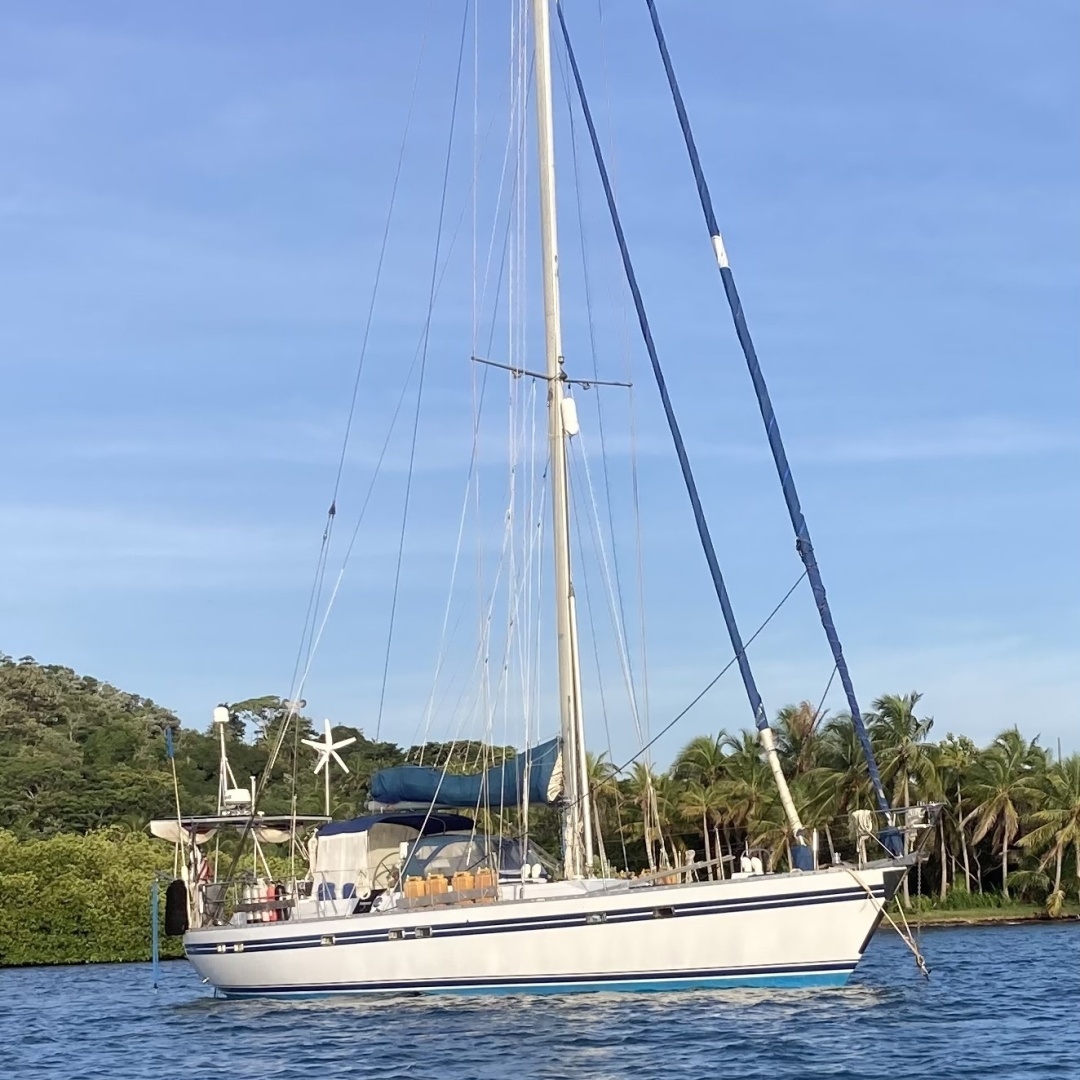
$299,500
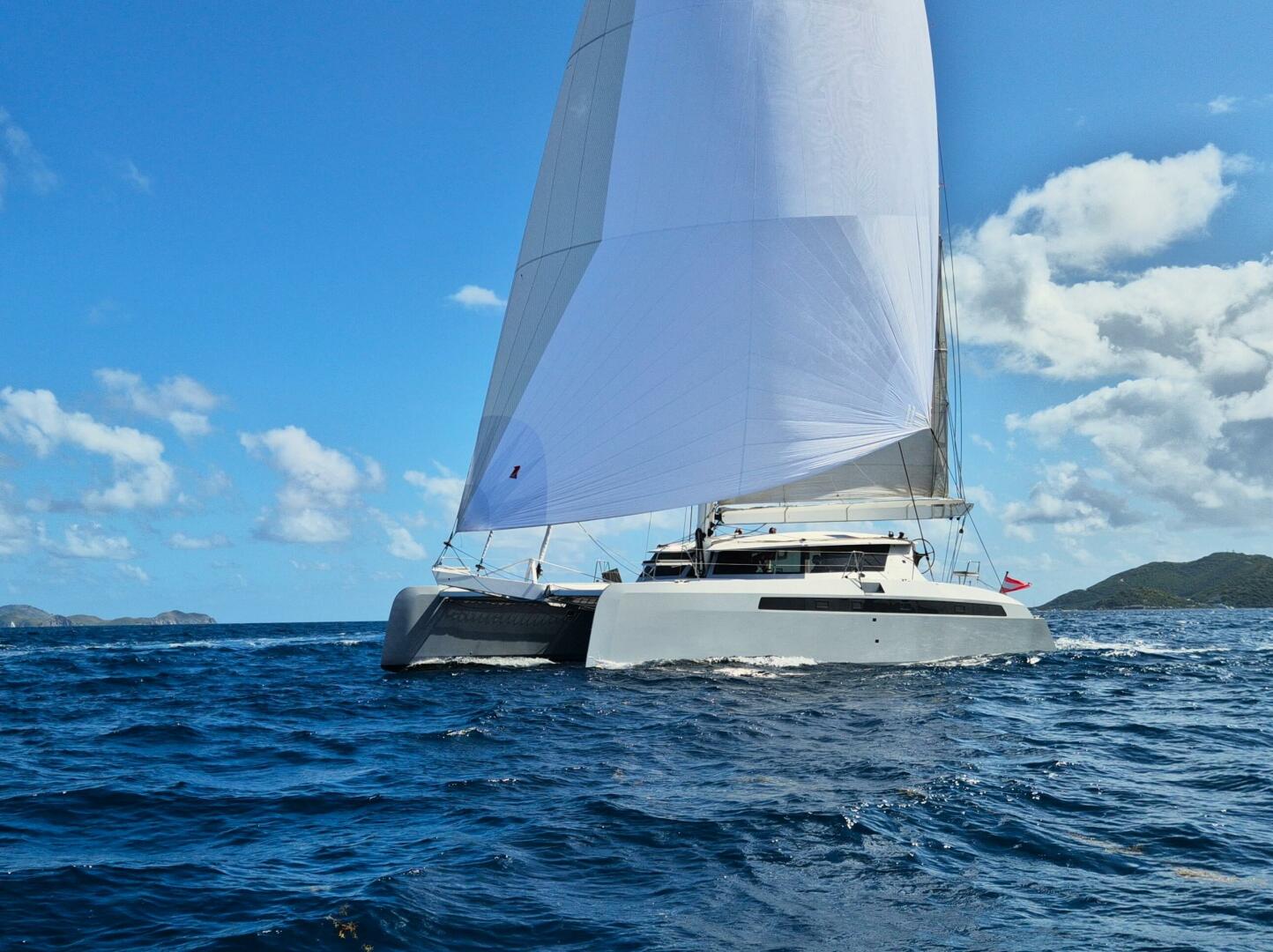
$1,290,000
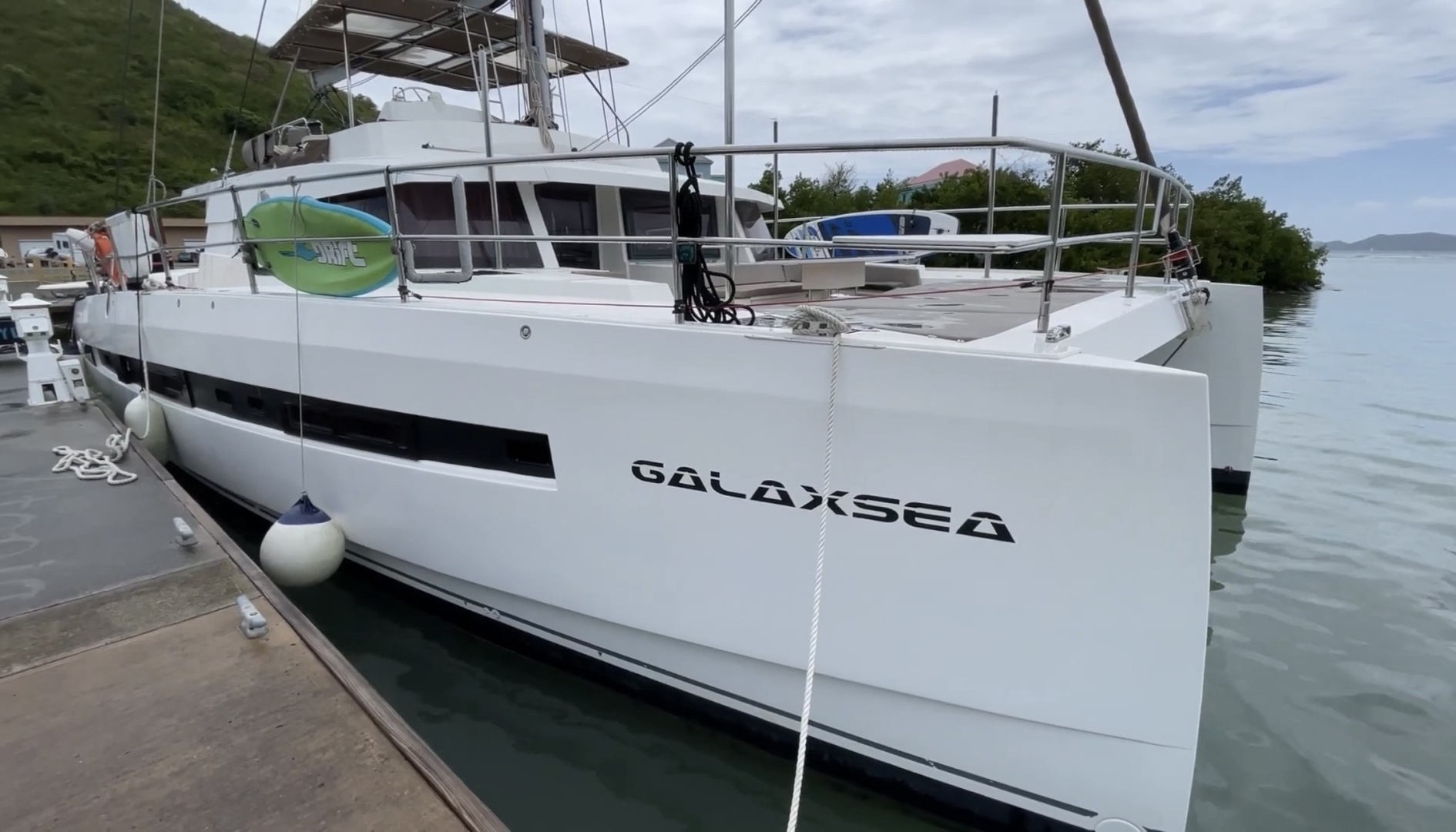
$800,000
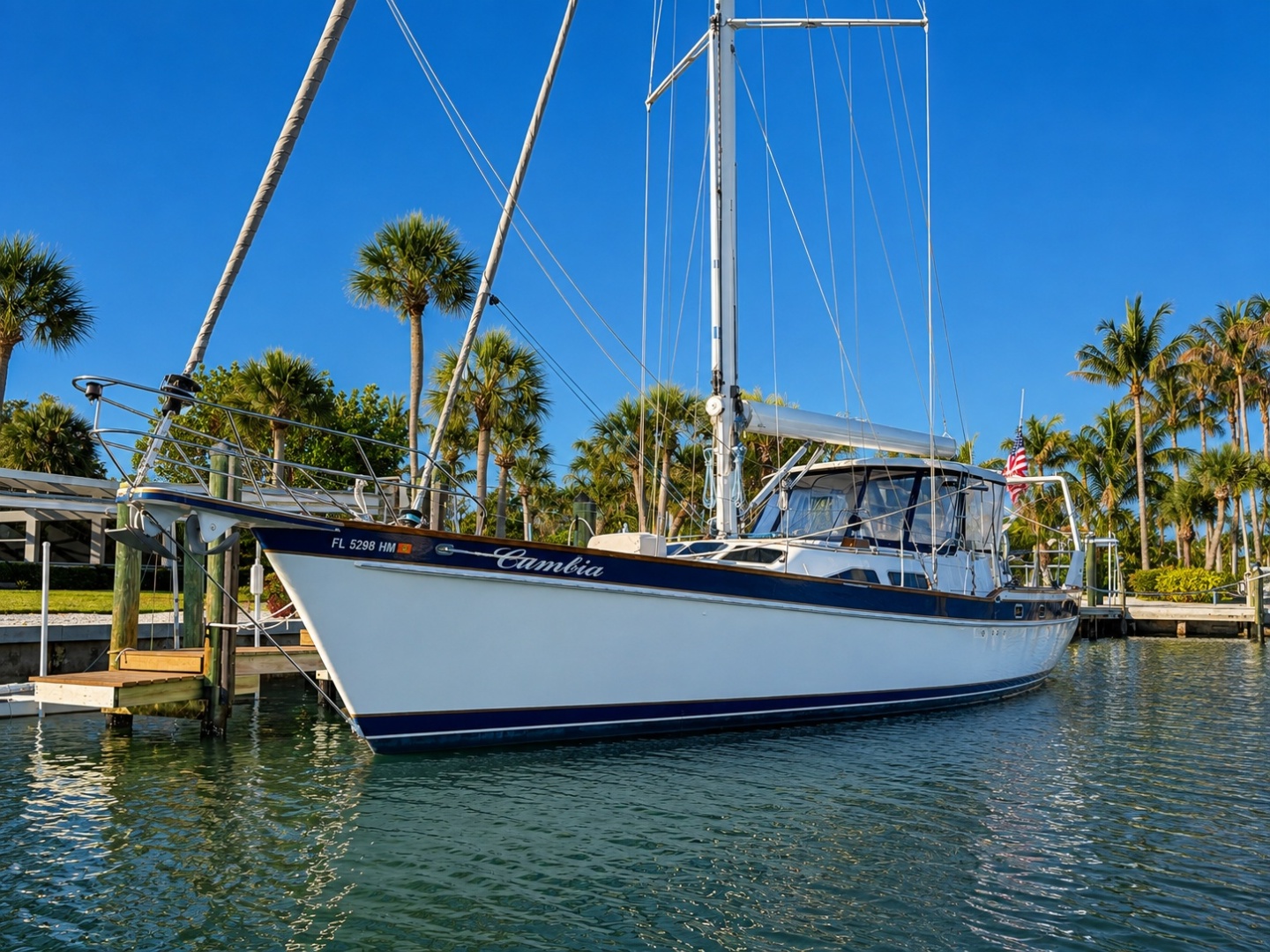
$545,000
$564,900
$1,130,000
$159,000
$499,000
$89,000
$89,000
$135,000
$98,250
$149,850
$369,000
$395,000
$349,000
$125,000
$1,724,571
$149,500
$109,900
$395,000

$652,000
$105,000

$115,000
$950,000
$149,000
$135,000
$349,000