
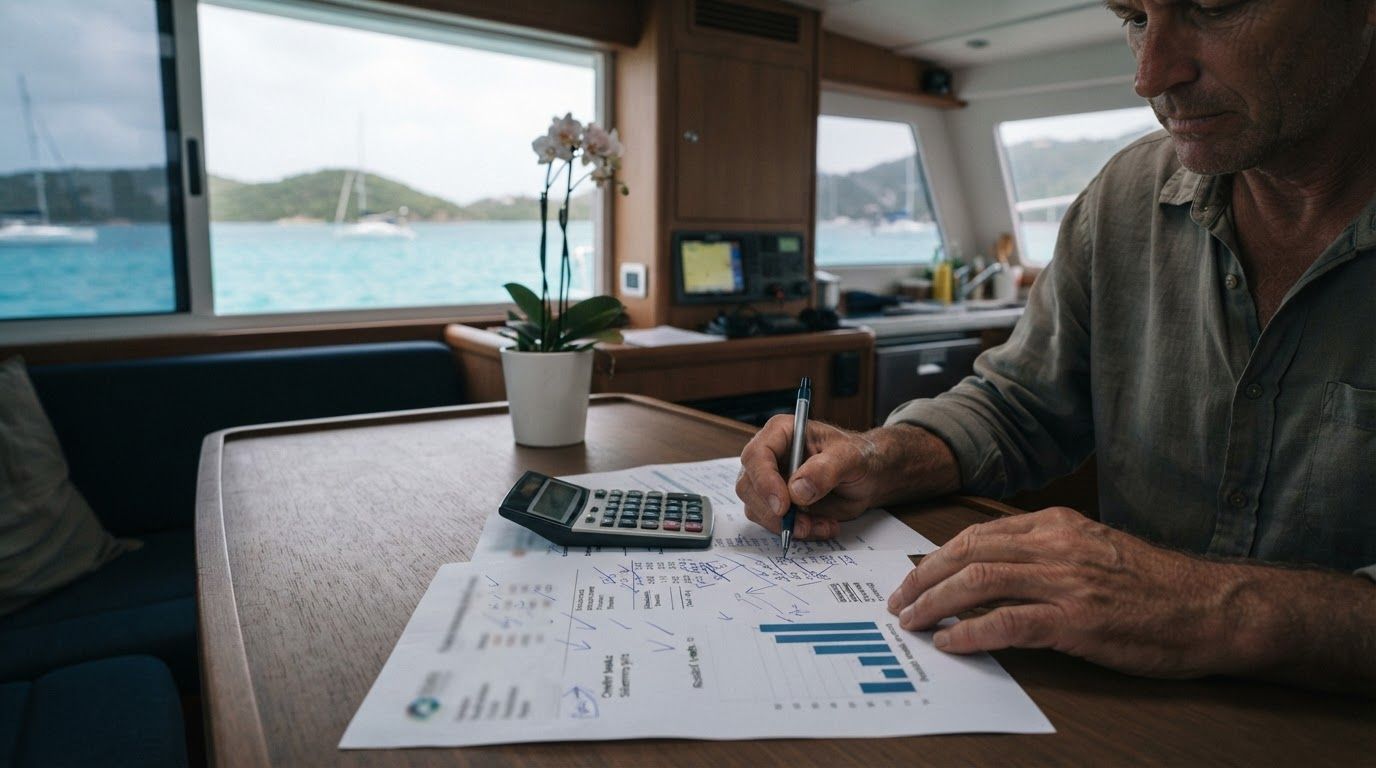
Ownership – Charter Economics
Charter will not pay for your boat. What it will do, on the right hull in the right programme, is convert a large annual expense into a much smaller one – and that is a very different proposition from an investment.
Here is the honest version, before the arithmetic. A well-managed 45-foot catamaran in the Caribbean typically needs somewhere in the region of 14 to 18 booked weeks a year to cover its own operating costs, and rather more than that before it contributes anything to the purchase price. Boats that hit those numbers are the exception, not the average.
That does not make charter a bad idea. It makes it a cost-offset decision rather than a yield play, and the owners who are happy five years in are almost always the ones who went in understanding exactly that.
Key Takeaways
- 01
Charter is a cost-offset decision, not an investment – a well-run 45-foot catamaran needs roughly 14 to 18 weeks a year just to cover its own operating costs.
- 02
The gap between gross charter revenue and the owner’s share is where the business case is decided; ask for realised weeks on comparable boats, not projections.
- 03
Guaranteed income buys certainty and costs you the upside; revenue share pays better in a strong season and puts a bad one entirely on you.
- 04
Ex-charter boats are discounted at resale, but complete maintenance records from a reputable base recover much of that discount.
- 05
Read the phase-out clause before you sign – the refit bill at year five can be a significant fraction of the boat’s remaining value.
Does Charter Ownership Pay? The Honest Answer
Ask a management company and you will hear about gross charter revenue. Ask an owner in year four and you will hear about the difference between gross and net, which is where the entire business case lives.
A boat in a Caribbean programme generates a weekly charter rate. From that rate come the management company’s share, the crew or base costs, consumables, the booking commission paid to charter brokers, and the marketing spend that fills the calendar. What reaches the owner is typically somewhere between 55 and 65 percent of the base rate on a revenue-share programme, and that is before the owner’s own costs begin.
Those owner costs do not stop because the boat is earning. Insurance on a commercially operated hull costs meaningfully more than on a private one. Maintenance runs at charter intensity rather than private intensity. There is haul-out, antifouling, rig inspection and engine servicing on a compressed schedule, plus hurricane season storage, which in the Caribbean is a real line item rather than an afterthought. Anyone weighing this decision should start from a realistic annual ownership budget for the boat as a private vessel and then add the charter-specific costs on top, rather than the other way around.
Then there are the fees that apply because the vessel is commercial. Under the BVI government’s cruising permit fee schedule, cruising permit charges run at 6 dollars per person per day for home-based charter vessels and 16 dollars per person per day for foreign-based vessels, alongside national parks, environmental and rescue-service fees. On a boat carrying eight guests for twenty weeks, those numbers stop being rounding errors.
How the Money Works: Yield, Split and Costs
A worked example is more useful than a percentage. Take a 45-foot cruising catamaran bought into a Caribbean programme, chartering at a base rate in the region of 9,000 dollars a week in season and rather less in the shoulder months.
Twenty booked weeks at a blended average of roughly 7,500 dollars produces about 150,000 dollars of gross charter revenue. After the management split, booking commissions and base operating costs, an owner on a revenue-share programme might see 60,000 to 75,000 dollars of that. Against it sit commercial insurance, maintenance at charter intensity, storage, permits and fees, which on a boat of this size commonly total 45,000 to 60,000 dollars a year.
The result is a boat that roughly washes its own face in a good year, leaves the owner modestly out of pocket in an average one, and still carries the full weight of depreciation and the cost of capital. Set against paying every one of those costs personally while the boat sits unused for fifty weeks, that is a genuinely attractive outcome. Set against the phrase ‘the boat pays for itself’, it is not.
Illustrative annual figures: 45ft catamaran, Caribbean revenue-share programme
| Line | Weak year (12 weeks) | Typical year (18 weeks) | Strong year (24 weeks) |
|---|---|---|---|
| Gross charter revenue | 90,000 | 135,000 | 180,000 |
| Owner share after split and commissions | 36,000 | 56,000 | 76,000 |
| Owner operating costs | 50,000 | 52,000 | 56,000 |
| Net position before depreciation | -14,000 | +4,000 | +20,000 |
Read the contract twice
Occupancy projections are marketing, not forecasts
Every programme will show you a booking projection. Ask instead for the actual realised weeks of three comparable boats in the fleet over the last two seasons, and ask what happened in the year a storm closed the season early. The gap between projected and realised weeks is the whole business case.
Guaranteed Income vs Revenue Share
This single choice decides more about your outcome than the boat does. Both structures exist across the Caribbean, and both are legitimate – they simply allocate risk in opposite directions.
A guaranteed income programme pays a fixed annual sum, usually a percentage of the purchase price, regardless of how many weeks the boat actually charters. You know your number before the season starts. In exchange, you give up the upside of a strong year and you typically accept less owner use, tighter restrictions on when you can take it, and a management company that has every incentive to keep the boat working hard.
A revenue share programme pays you a proportion of what the boat actually earns. A strong season pays materially better than any guarantee would have. A weak one – a hurricane year, a soft booking market, a mechanical problem that takes the boat out for six weeks – lands squarely on you. The mechanics of both structures are covered in more depth in our guide to charter-managed yacht ownership.
The practical filter is straightforward. If the fixed costs of this boat would cause you real difficulty in a bad year, take the guarantee and treat it as insurance. If you can absorb a poor season and you want the return on a good one, take the share.
Guaranteed income
- ✓Fixed, predictable annual payment
- ✓Risk sits with the management company
- ✗No upside in a strong season
- ✗Owner use is usually more restricted
- ◦Often a longer contract term
Revenue share
- ◦Payment tracks actual booked weeks
- ✓Strong seasons pay materially better
- ✓Owner use is usually more generous
- ✗Risk of a weak season sits with you
- ✗Requires appetite for a bad year
One more consideration sits underneath both: how the activity is treated for tax. Where an owner does not materially participate in running the charter operation, the losses are generally passive, and IRS Publication 925 on passive activity rules explains that passive losses can normally only be set against passive income, with anything disallowed carried forward to later years. Material participation means involvement that is regular, continuous and substantial – which is a high bar for someone whose boat is managed by a company two thousand miles away. Take proper advice before the structure of the purchase is fixed, not after.
What Charter Use Does to the Boat and Its Resale
We sell ex-charter boats constantly, which means we see exactly what five years in a programme does to a hull – and the popular assumption is only half right.
Charter boats are not abused so much as heavily used by people who will never own them. Systems take the punishment first: winches, windlasses, heads, hatches, upholstery, saildrives and anything with a handle. Gelcoat picks up dock rash. Sails do a lot of hours in a short life. But the flip side is that charter boats are maintained on a schedule, by a base with a parts inventory and a commercial incentive to keep the fleet earning, which is more than can be said for many privately owned boats of the same age.
The resale effect is real but predictable, and it is already priced in. The market discounts ex-charter hulls against comparable private boats, which is precisely why they represent such consistent value for buyers – the pattern is visible in ex-charter catamaran prices across the Caribbean. What matters at resale is not whether the boat chartered, but whether it chartered under a programme with real maintenance records. A documented service history from a reputable base is worth far more at survey than a low hour count with no paperwork behind it.
01 · Wears first
Soft goods and systems
Upholstery, canvas, sails, heads and hatch seals live a hard life. Budget to replace most of them at phase-out, and price the boat accordingly if you are buying.
02 · Holds up well
Structure and rig
Hulls, bulkheads and standing rigging generally come through a charter career in sound condition, because a base cannot afford a structural failure in the fleet.
03 · Decides resale
The paperwork
Complete, dated maintenance records from a recognised base are the single largest factor in what an ex-charter boat makes at resale.
Which Boats Charter Best in the Caribbean
Charter demand in this part of the world is narrow and predictable, and putting the wrong boat into a programme is the most expensive mistake available.
Cruising catamarans between roughly 42 and 52 feet, with four cabins and four heads, dominate the market. The reason is arithmetic: the charter party splits the cost, so a boat that sleeps eight in genuine comfort commands a rate that a boat sleeping six cannot approach, on broadly similar running costs. Add shallow draft for the Sir Francis Drake Channel, a generator and air conditioning, ample water-making capacity and a cockpit built for eight people to eat in, and you have the specification that fills a calendar.
Monohulls charter, but at lower rates and lower occupancy in this market. Anything unusual, very large, very fast or requiring real skill to handle narrows the pool of qualified charterers and the number of bases willing to take it on. Charter is a volume business, and volume lives in the middle of the market.
The Exit: Phase-Out and Resale
Every charter programme ends, and the end is planned from the beginning. Phase-out typically falls at the five-year mark, and it is the point at which the business case is finally settled.
A boat comes out of the fleet, receives a refit appropriate to its condition, and is sold into the private market. The refit is where owners are most often surprised: sails, canvas, upholstery, electronics and tender frequently need attention at once, and the bill can reach a significant fraction of the boat’s remaining value. Read the phase-out clause in your management agreement before you sign it, because the split of that cost varies enormously between programmes.
Handled well, phase-out is the most satisfying part of the arrangement. The boat has covered most of its own running costs for five years, it emerges refitted and documented, and a large pool of buyers is actively looking for exactly that. Handled badly – no refit budget, thin records, a rushed sale at the end of the season – it removes a good deal of what the previous five years earned.
Year 0
Purchase and placement
Boat specified to fleet standard, commissioned and placed. Guarantee or revenue share fixed for the contract term.
Years 1-2
Peak earning
Highest occupancy and the strongest rates of the boat’s charter life. Systems still new; maintenance costs at their lowest.
Years 3-4
Maturing asset
Rates soften as newer hulls enter the fleet. Maintenance rises. This is where a weak programme starts to show.
Year 5
Phase-out and refit
Boat leaves the fleet. Refit scope and cost split are governed by the clause you signed five years earlier.
After
Private sale
Sold into a market that actively seeks ex-charter boats with complete records.
Last updated
QCan you actually make money chartering a yacht?
Making a genuine profit after depreciation and the cost of capital is rare. What is achievable, on the right boat in a well-run programme, is covering most or all of the annual running costs so that ownership becomes far cheaper than it would otherwise be. Owners who go in expecting cost offset are generally satisfied; owners who go in expecting yield generally are not.
QHow many charter weeks does a boat need to break even?
On a 45-foot catamaran in the Caribbean, somewhere in the region of 14 to 18 booked weeks a year typically covers operating costs, depending on the split, the insurance position and how much maintenance the season demands. Covering the purchase price as well would require occupancy that very few boats in the market sustain.
QWhat does a charter management company take?
On a revenue-share programme the owner commonly receives 55 to 65 percent of the base charter rate after the management share and booking commissions paid to charter brokers. Base operating costs may sit inside or outside that figure depending on the contract, which is the detail worth pinning down before anything else.
QWhat are the tax implications of charter ownership?
Where the owner does not materially participate in the operation, losses are generally treated as passive under the IRS rules, meaning they can usually only offset passive income and are otherwise carried forward. Material participation requires regular, continuous and substantial involvement, which is difficult to establish with a fully managed boat. This is genuinely specialist territory – take advice before the purchase structure is settled.
QDoes charter use hurt resale value?
Yes, and the market has already priced it in. Ex-charter hulls sell at a discount to comparable private boats. The variable that matters is documentation: a boat with complete, dated maintenance records from a recognised base sells materially better than one without, sometimes closing most of the gap.
QWhich boats charter best in the BVI?
Cruising catamarans of roughly 42 to 52 feet in a four-cabin, four-head layout, with shallow draft, generator, air conditioning, good water-making capacity and a cockpit that seats eight comfortably. The charter party splits the cost, so a boat that genuinely sleeps eight earns far more than one sleeping six on very similar running costs.
Charter and Phase-Out Boats
Talk to a broker who sells these boats every week
Whether you are weighing a programme for a boat you are buying, or looking at a phase-out catamaran coming out of a fleet, we can tell you what the records actually say and what the boat is worth. Co-brokerage welcome.
Featured Listings
$599,000
$1,300,000
$1,699,000

$299,000

$899,000
$1,795,000

$269,000
$359,000
$499,500
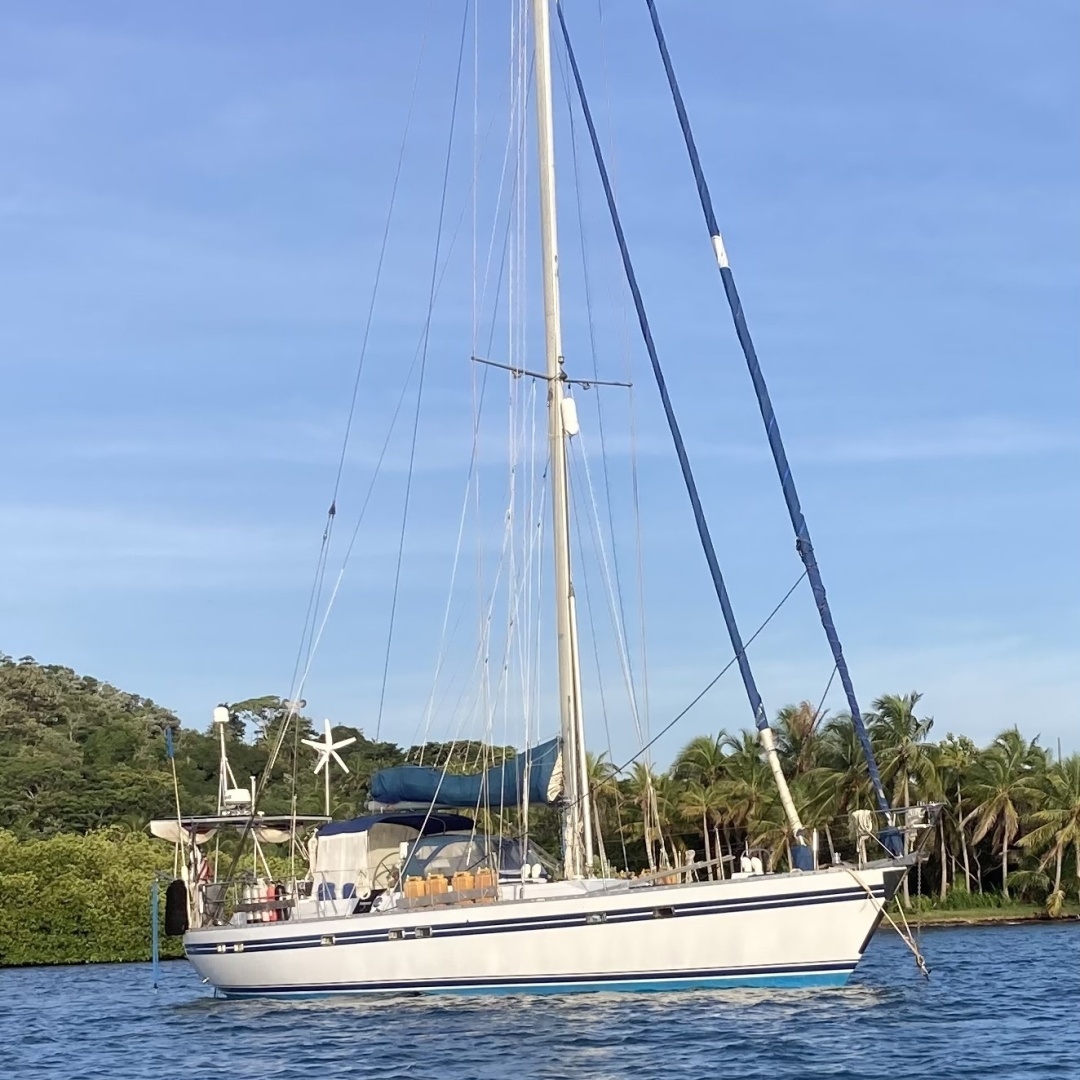
$299,500
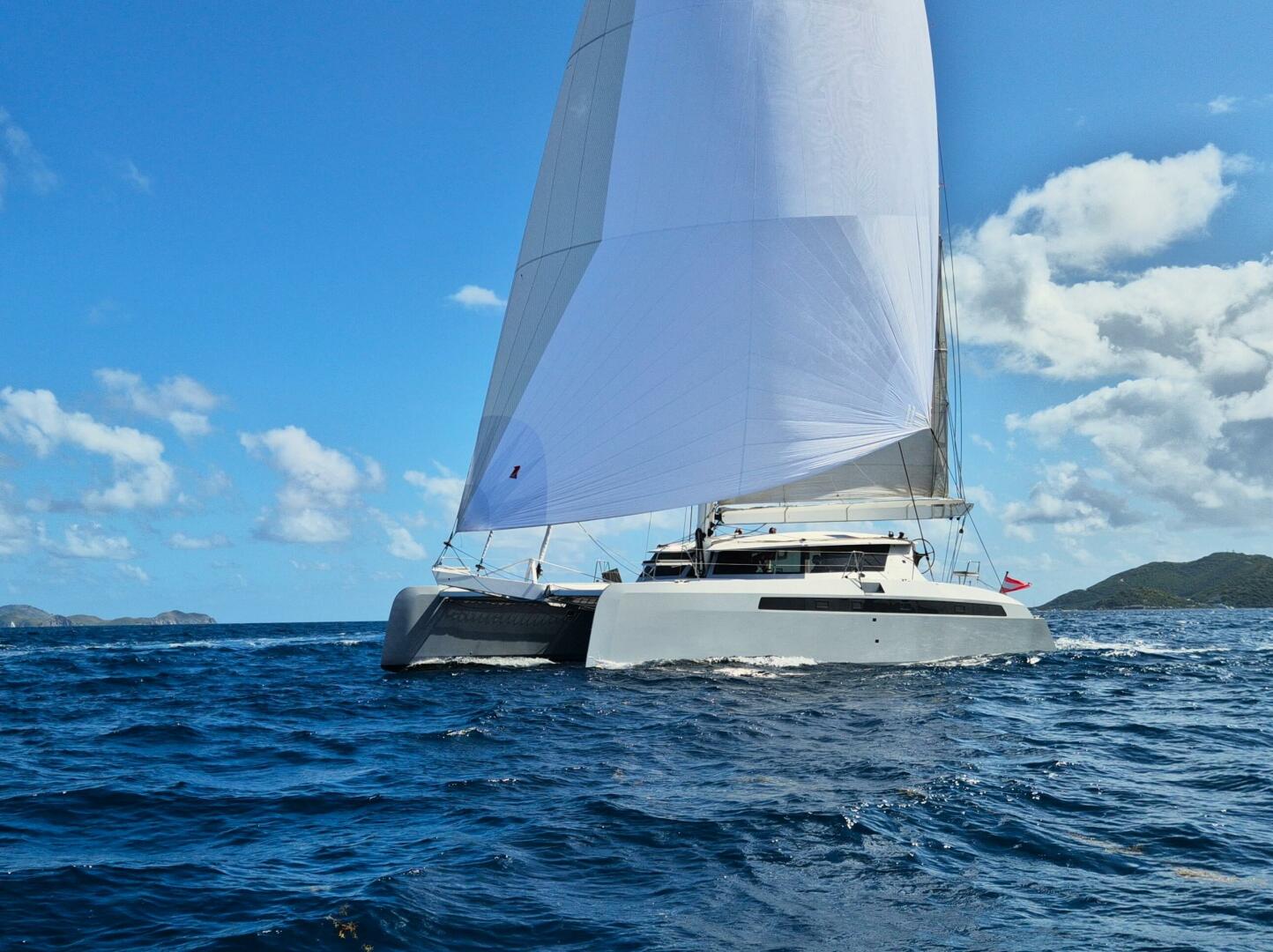
$1,290,000
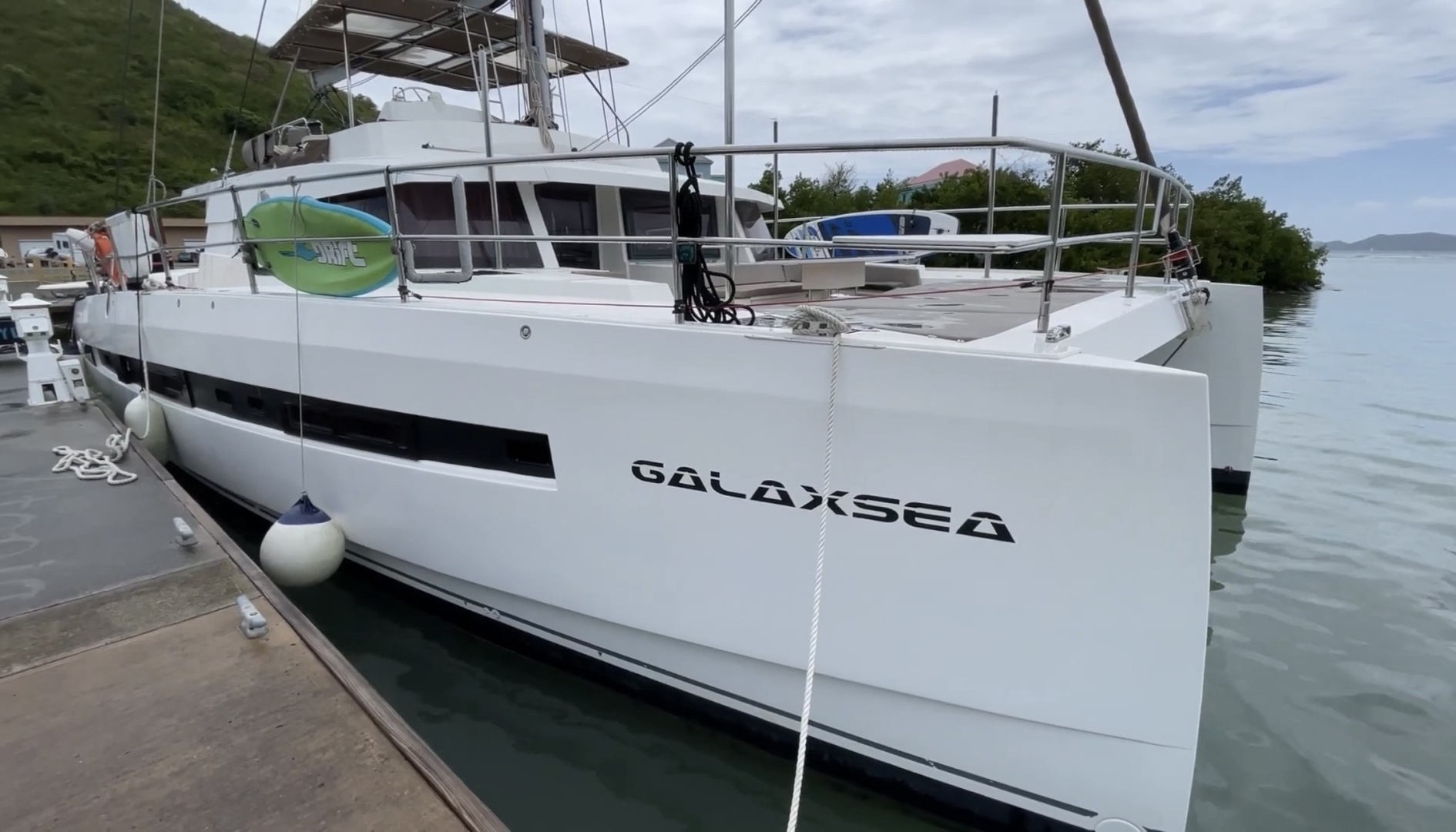
$800,000
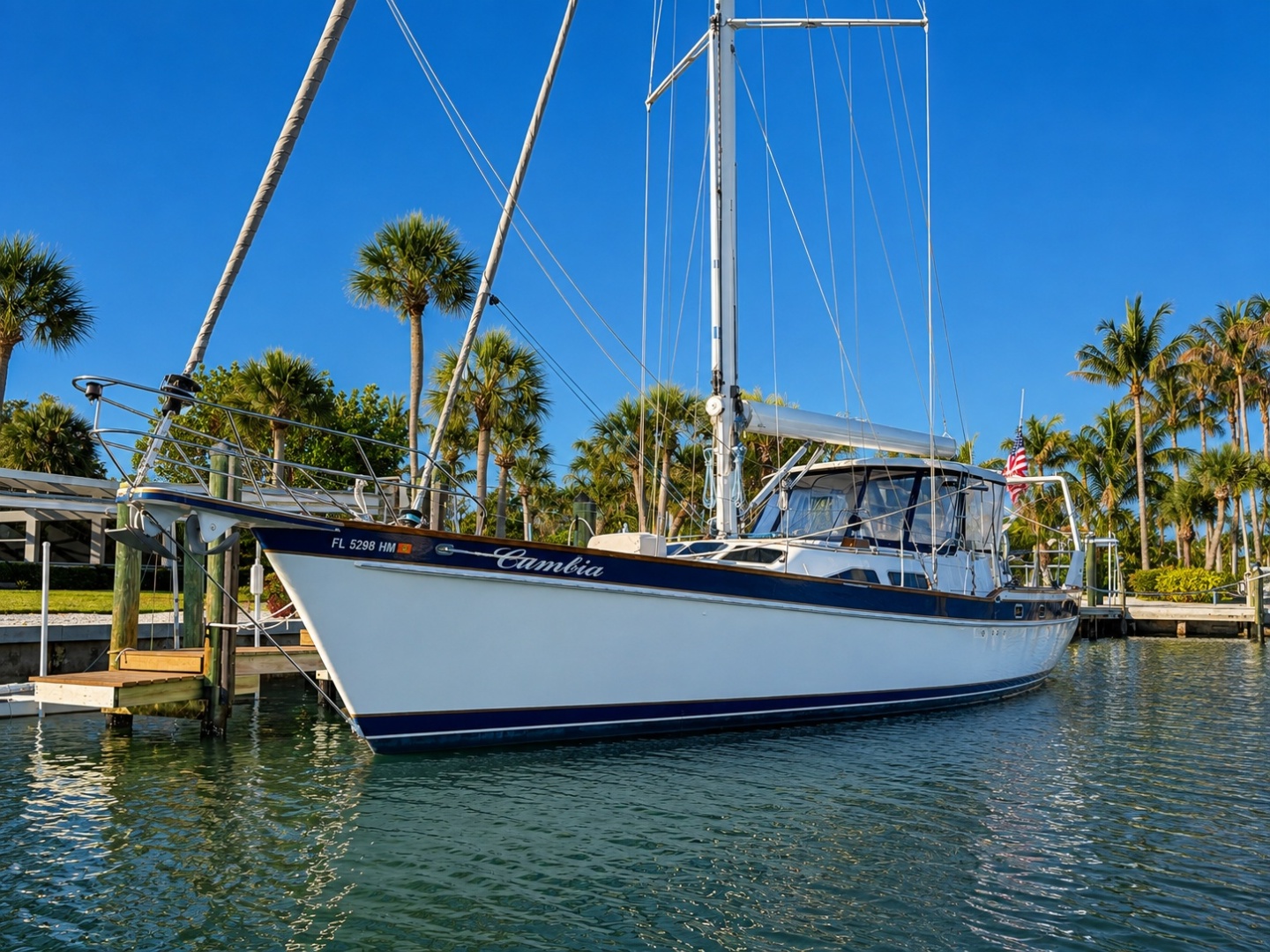
$545,000
$564,900
$1,130,000
$159,000
$499,000
$89,000
$89,000
$135,000
$98,250
$149,850
$369,000
$395,000
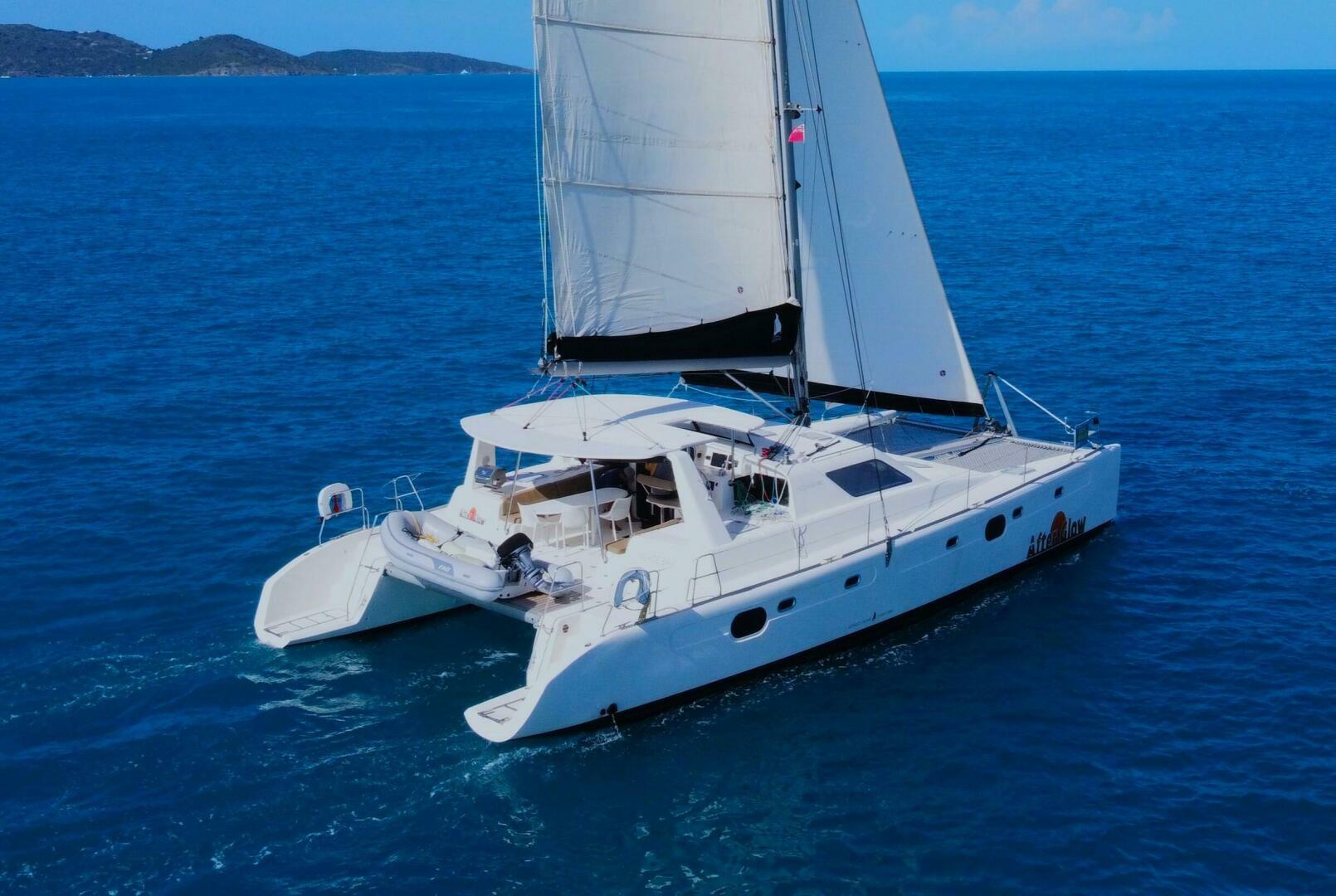
$349,000
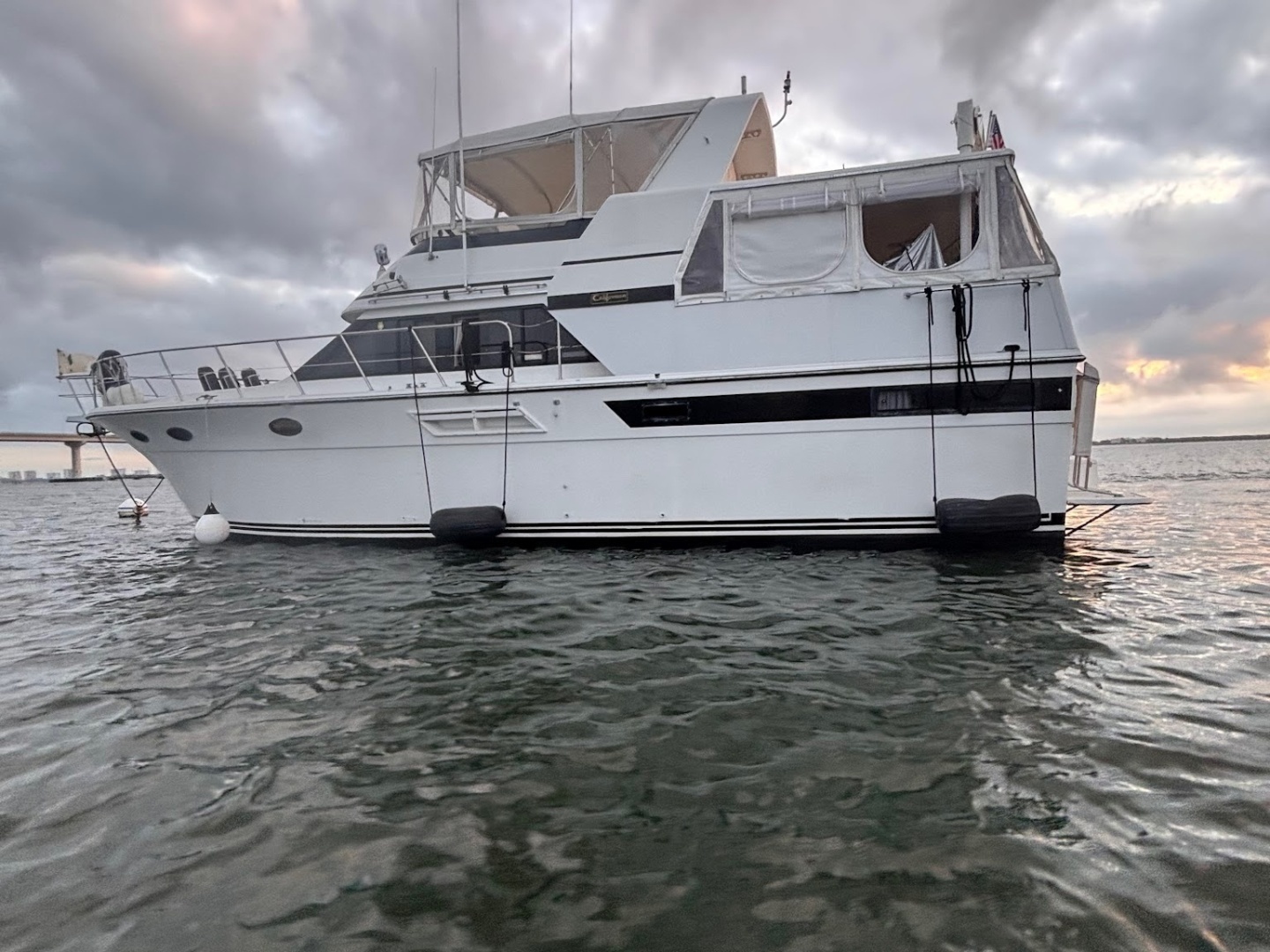
$125,000
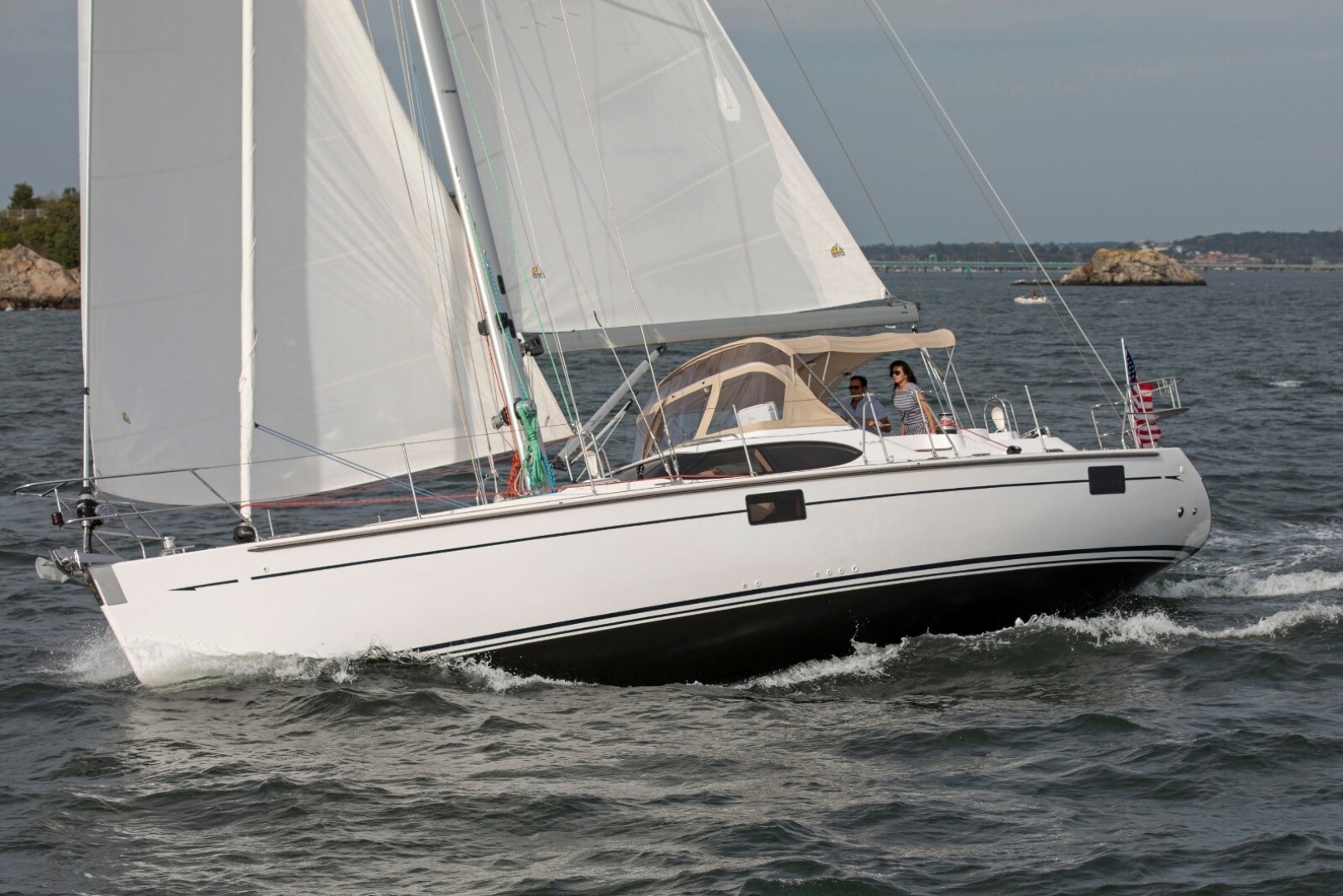
$1,724,571
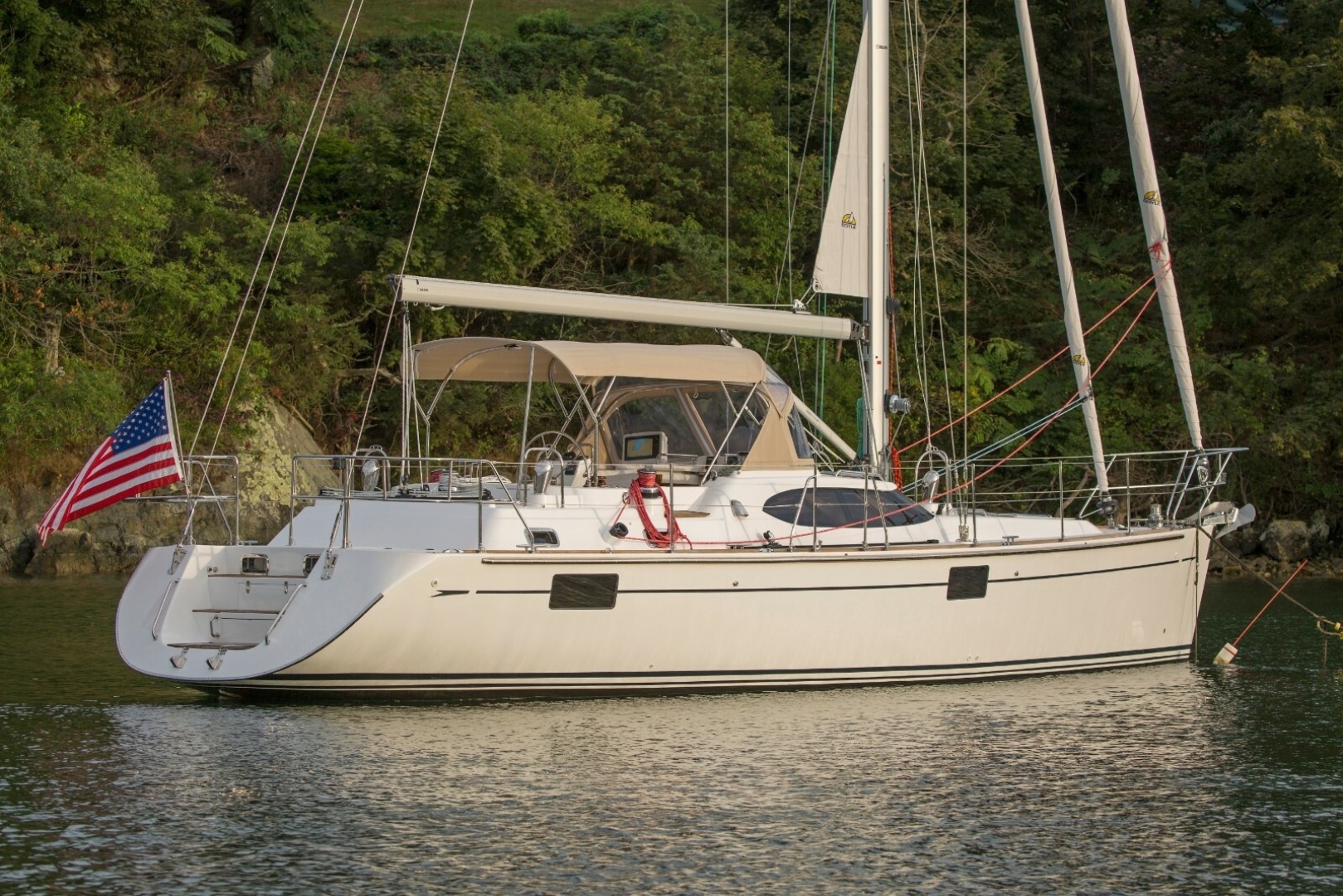
$149,500
$109,900
$395,000

$652,000
$105,000

$115,000
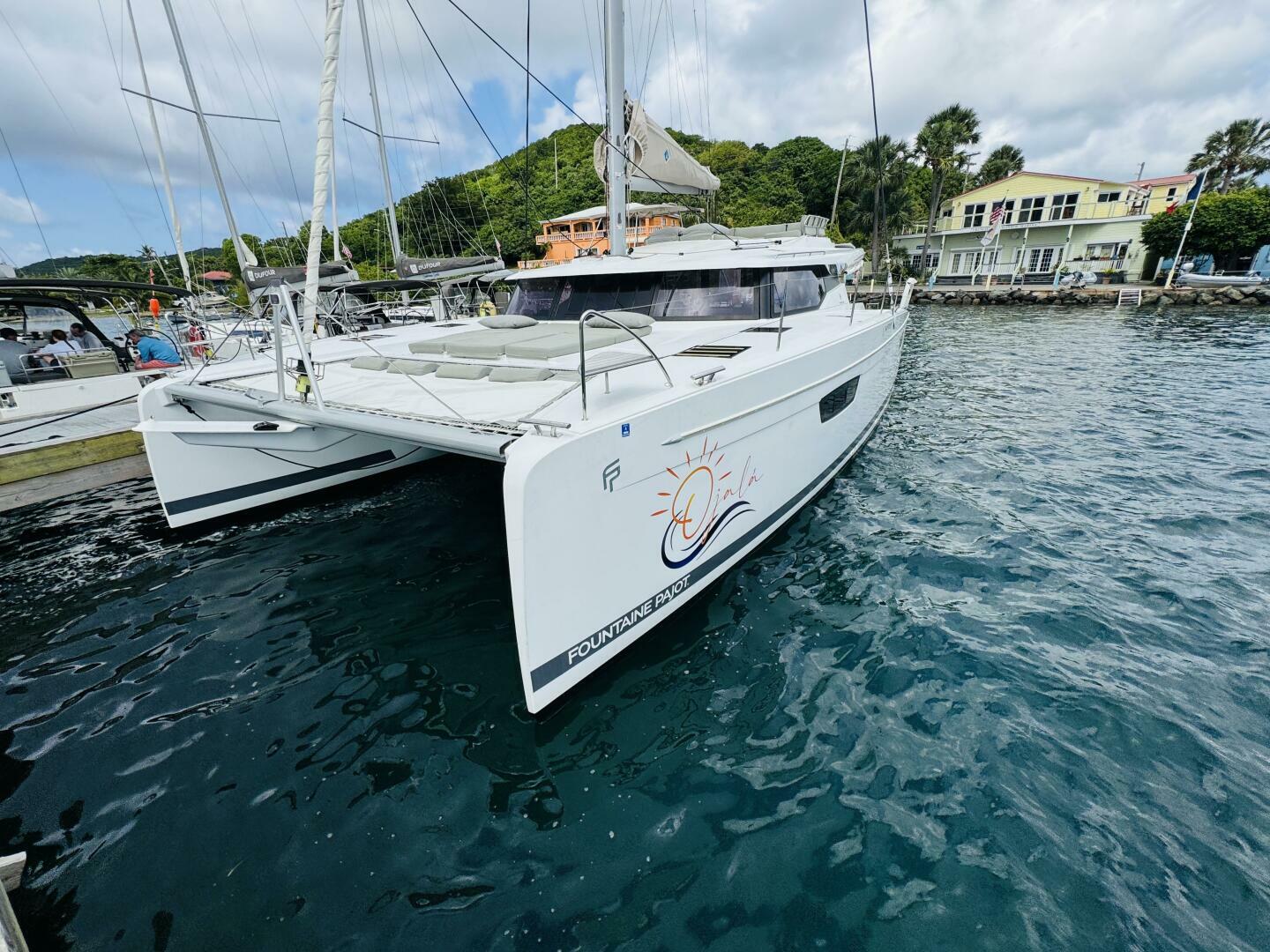
$950,000
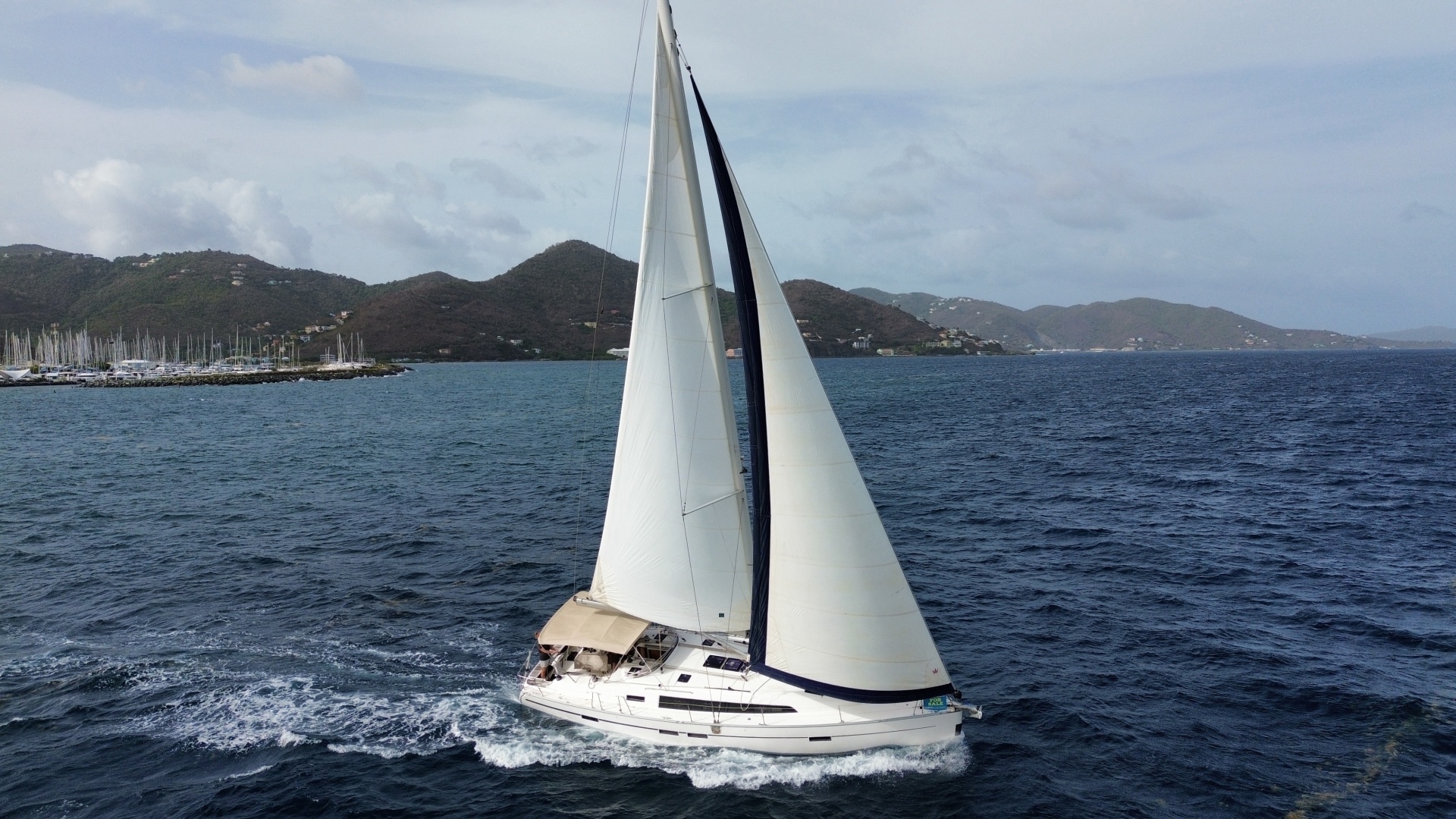
$149,000
$135,000
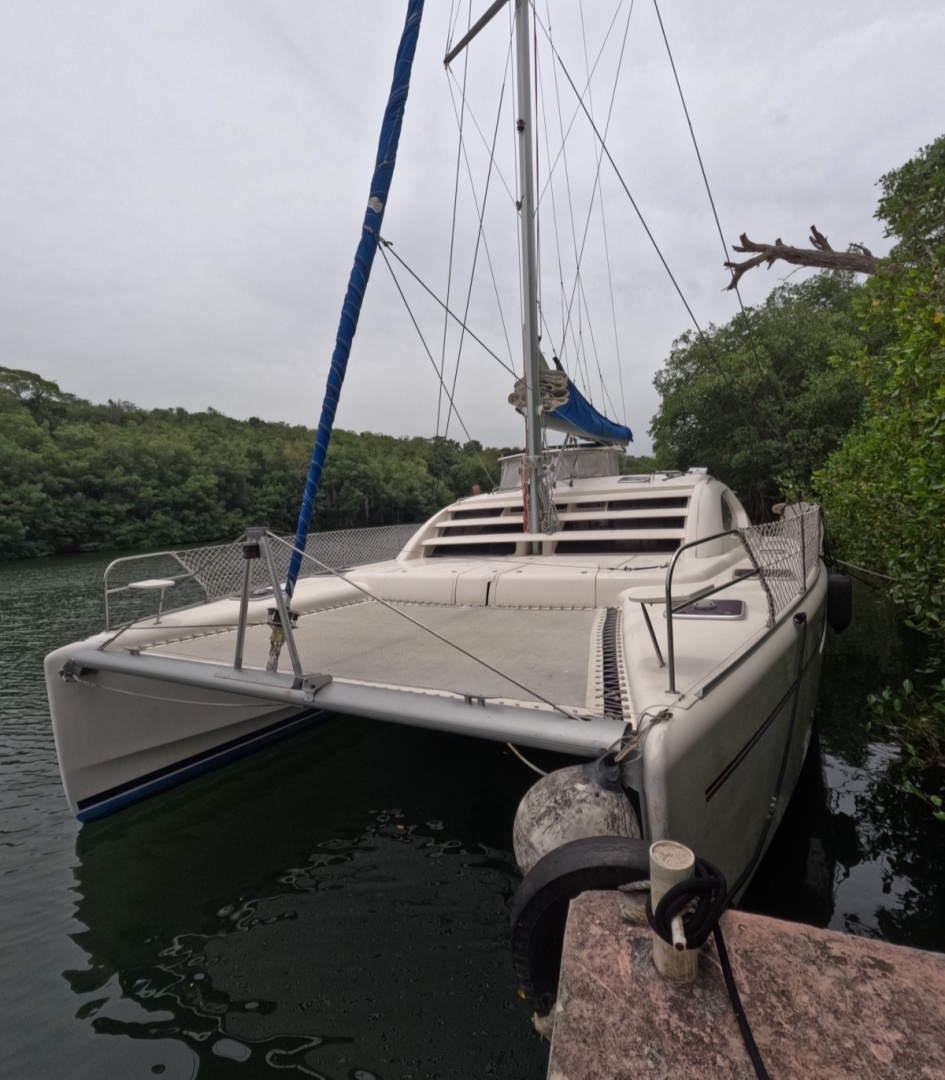
$349,000