

Ownership & Lifestyle
Definition
Yacht charter management company
A firm that runs your yacht as part of its charter fleet. It markets and books the boat, crews or briefs it, maintains it, keeps it legal to charter, and sends you statements. In return it takes a fee or a share of the income, and it writes the rules on when you can sail.
The brochure sells the income. The contract decides what you actually keep, when you can use the boat, and what shape it is in when you get it back. Here is how to read it before you buy.
How to use this guideComparing programmes? Start with the income models and the table.Already holding a contract? Jump to the charge-backs, the phase-out terms and the eleven questions.Not sure charter suits you? Read the last section first.
What a yacht charter management company actually does
A yacht charter management company takes a privately owned boat and puts it to work in its charter fleet. It handles four jobs: marketing and bookings, crew or guest briefings, maintenance and compliance, and financial reporting back to you. You own the asset and carry most of its risk. The company runs the business around it. Charter use changes what an underwriter will cover, so check how insurance premiums for island-based yachts shift before you sign a management agreement.
That split of roles is the heart of every contract. The company controls the calendar, the base, the maintenance standard and the price charged to guests. You control very little after signing, so the paperwork is where you protect yourself. If you are still deciding whether to own this way at all, start with the overview of buying a charter-managed yacht in the Caribbean.
Most programmes fall into two families. Bareboat fleets rent the boat to guests who sail it themselves, usually for a week. Crewed programmes put a captain and often a cook aboard, and larger yachts are booked through a central agent or broker network. The contract terms below apply to both, though crewed boats add crew salaries and crew liability to the list.
The three income models, and what each one really pays
Every charter management program pays you in one of three ways. The labels differ from company to company, so read the payment clause rather than the brochure heading. Ask one plain question of each model: who carries the cost of a bad season?
Charter income models compared
| Model | How you are paid | Who pays running costs | Who carries a slow season |
|---|---|---|---|
| Guaranteed income | A fixed monthly or yearly payment, set in the contract | Usually the company, within the limits the contract lists | The company |
| Performance split | A share of charter revenue, such as 60/40 or 70/30 | Usually you, out of your share | You |
| Offset or hybrid | A smaller fixed payment plus a share above a threshold, or costs offset against owner use | Split, as the contract defines | Shared |
Guaranteed income: certainty you pay for
A guaranteed income program pays you a set amount whatever the bookings look like. The company usually covers insurance, berthing and routine upkeep while the boat is in the fleet. In exchange, it keeps all the charter revenue, and it often requires you to buy a new boat through its own sales channel.
These schemes tend to run for a fixed term of several years. Yachting Monthly described one Sunsail scheme as a guaranteed monthly income over five and a half years, with six months’ notice to leave. Terms change over time, so treat any published example as a starting point and read the current contract.
The cost of certainty is hidden in the purchase price. If the company sells you the boat, compare its price with the same new model bought elsewhere. A guarantee funded by an inflated price is your own money paid back to you in monthly slices.
Performance split: the 60/40 and 70/30 structures
A performance split pays you a percentage of what guests pay. The first number in a split is normally the owner’s share, but check, because some contracts write it the other way round. The percentage is only half the story. What matters is what gets deducted before and after the split.
Read the definition of charter revenue line by line. Some contracts split gross booking value. Others split the net figure after agent commissions, card fees, discounts and taxes come off. A 70/30 split of net revenue can pay less than a 60/40 split of gross revenue. The breakdown of the charter business case numbers walks through the maths behind a typical season.
A worked example: same bookings, two contracts
Imagine a season with 100,000 dollars in bookings. These are round numbers for illustration, not a forecast for any boat.
Contract A pays 60 percent of gross bookings. You receive 60,000 dollars, then pay your running costs from that.
Contract B pays 70 percent of net revenue. If agent commissions and fees take 20,000 dollars first, the net is 80,000 dollars. Your 70 percent comes to 56,000 dollars, before the same running costs.
The larger headline share pays less. Ask every company for a sample owner statement from a real past season, with the names removed.
Owner-use weeks: the clause buyers misread most
Almost every programme promises you time aboard. The number of weeks is the easy part to read. The hard part is when those weeks can fall and how much notice you must give.
Look for four things. First, the split between peak and off-peak weeks, since many contracts limit how many owner weeks can fall in high season. Second, blackout dates, often the winter holidays, when owners cannot book at all. Third, the notice period, which can be months ahead. Fourth, carry-over, meaning whether unused weeks roll into next year or simply vanish.
Also check whether you can use another boat at another base, often called owner exchange. Some programmes allow it, some charge for it, and some exclude it entirely. If you picture yourself aboard over Christmas in Tortola, find the clause that says whether you can be.
What the brochure says, and what the contract may add
In the brochure
- Eight weeks of owner use a year
- Fully managed and maintained
- Strong charter income
- Sail the Caribbean when you like
In the contract
- No more than two of those weeks in high season
- Maintenance to the company’s standard, charged to you above a set amount
- Revenue defined after commissions and fees
- Booking notice of several months, with holiday blackout dates
What the programme charges back to you
Charge-backs are the costs the company passes to you on top of, or out of, your share. They are where performance contracts most often disappoint. Ask for a full list in writing, with who pays each item and whether there is a cap.
- Management fee
- A monthly or yearly fee that some companies charge on top of the revenue split. Ask whether it applies in months with no bookings.
- Routine maintenance
- Cleaning, engine servicing and turnaround work between guests. Check the standard promised and how it is recorded.
- Haul-out and antifouling
- Lifting the boat out of the water to clean and repaint the hull. Find out how often it happens and who pays.
- Guest damage
- Damage covered by the guest’s security deposit or damage waiver. Ask what happens when the cost runs higher than the deposit.
- Fuel and consumables
- Usually paid by guests, but check the gap between what guests pay and what the boat actually used.
- Insurance deductible
- The amount paid before insurance covers a claim. Ask who pays it after a charter accident or a storm.
- Hurricane plan
- Moving or hauling the boat before a storm. Check where it goes, who decides, and who pays.
- Replacement equipment
- Sails, canvas, cushions, dinghy and outboard. These wear fast in charter and are often charged at the end of the term.
Then compare the total with what the boat would cost you to run privately. The guide to the annual cost of owning a yacht in the Caribbean gives you a baseline. If the charge-backs eat most of that saving, the programme is mainly selling you a calendar of other people’s holidays.
Phase-out: the condition your boat comes back in
Phase-out is the moment the boat leaves the charter fleet and returns to you. Some owners keep it, some sell it, and some trade it back to the company. The contract should say exactly what state the boat must be in at that point.
Weak phase-out clauses use words like “fair wear and tear” and stop there. Strong clauses name specific items: engine hours, sail and canvas condition, cosmetic gelcoat repairs, working electronics and a full inventory. The best contracts allow an independent survey at the company’s base before handover, with an agreed list of repairs.
After five years of charter, a catamaran has usually seen heavy use. Its value then depends on hours, maintenance records and how well the company kept it. Check current ex-charter catamaran prices before you sign, so you know the exit value you are planning around.
Survey before you take it back
Do not rely on the management company’s own report at phase-out. Hire an independent surveyor while the boat is still under the company’s care, so any repairs are agreed before you sign the handover. A Caribbean pre-purchase survey costs far less than a list of faults found after the company has walked away.
Eleven questions to put to a management company before you sign
Ask these in writing and keep the answers with your contract. A good company will answer each one plainly. Vague replies are an answer too.
Step 1How is charter revenue defined?
Gross or net, and which deductions come off first?
Step 2What did comparable boats earn?
Ask for real owner statements from the last two seasons, same model, same base.
Step 3Who pays for what?
Get a written list of every cost, who pays it, and any caps.
Step 4When can I use the boat?
Peak and off-peak weeks, blackout dates, notice periods and carry-over.
Step 5Can I use other boats or bases?
Is owner exchange included, charged, or not offered?
Step 6What maintenance standard applies?
How is work logged, and can I see the log at least once a year?
Step 7What happens in a hurricane?
Where does the boat go, who decides, and who pays the deductible?
Step 8How long is the term, and how do I leave early?
Notice period, exit fees and what happens if I sell mid-term.
Step 9What condition must the boat be in at phase-out?
Named items, not general wording, plus my right to an independent survey.
Step 10What if the company is sold or fails?
Who holds my money, and what happens to bookings and my boat?
Step 11Who chooses the base and the price?
Can the boat be moved to another base, and who sets guest rates and discounts?
Who the model suits, and who it does not
Charter management works best for an owner who wants a boat in the islands a few weeks a year and does not need it at short notice. It also suits buyers who want help with the cost of ownership and can accept that the boat is a working asset. Owners with a tax position in another country should take their own tax advice first, because the rules depend on where you live and how the boat is held.
Be honest with yourself
Signs the model may not suit you
- Caution
You want the boat in February, the peak of the Caribbean season.
Most programmes limit owner weeks in high season. Private ownership gives you the calendar.
- Caution
You plan to keep the boat for decades and care about its long-term condition.
Consider buying a boat that has already left charter, then refitting it to your own standard.
- Note
You expect charter income to cover the whole cost of the boat.
Plan on the income helping with costs, and treat any profit as a bonus rather than the base case.
If you decide charter is right, the boat you choose still matters. Browse charter-ready catamarans for sale and compare models that guests already book and that hold their value after phase-out.
Frequently asked questions
QWhat is the best yacht charter company?
There is no single best company for every owner. The best one for you has clear contract terms, real owner statements from boats like yours, a strong base in the area you want to sail, and a fair phase-out clause. Compare at least two programmes side by side using the eleven questions above.
QWhat is the 12 person rule on a yacht?
It comes from the international Safety of Life at Sea (SOLAS) convention. A ship carrying more than twelve passengers counts as a passenger ship, which brings much stricter safety and survey rules, as International Maritime Organization guidance sets out. Crew do not count as passengers. That is why most charter yachts take twelve guests or fewer.
QWhat is the 10% rule for yachts?
It is a rough rule of thumb that a yacht costs about 10 percent of its purchase price each year to run. Real costs vary with age, size, use and where the boat is kept. Treat it as a starting point and build a line-by-line budget instead.
QWhat is the average cost to charter a yacht?
There is no reliable single average, because price depends on boat size, season, base and whether crew are included. A bareboat week in low season costs far less than a crewed yacht over the holidays. The rates a company charges guests also drive your income, so ask for its price list by season.
QHow much does a charter management company take?
It depends on the model. In a guaranteed program the company keeps all charter revenue and pays you a fixed sum. In a performance split it keeps a share of revenue, often 30 to 40 percent of the defined figure, and may also charge a management fee. Read how revenue is defined before comparing shares.
QCan I use my own boat whenever I want in a charter programme?
Usually not. Most contracts give you a set number of owner weeks, limit how many fall in high season, set blackout dates and require advance notice. Check whether unused weeks carry over and whether you can use other boats or bases.
QWhat condition is a yacht in after charter phase-out?
It has normally seen heavy use, so expect worn sails, canvas and cushions, high engine hours and cosmetic marks. The contract should name what must be repaired or replaced before handover. Get an independent survey before you accept the boat.
Talk it through
Have a broker read the programme with you
Before you commit to a charter-managed purchase, talk to BVI Yacht Sales about the boat, the programme and the exit.
Featured Listings
$499,000
$1,300,000
$1,699,000

$299,000
$589,000

$899,000

$1,795,000

$269,000

$2,780,000
$359,000
$499,500
$299,500

$1,290,000
$790,000
$545,000
$564,900

$1,130,000
$145,000
$499,000
$350,000

$80,000
$80,000
$599,000
$119,000
$98,250
$149,850
$339,000
$395,000
$349,000
$125,000
$1,730,000
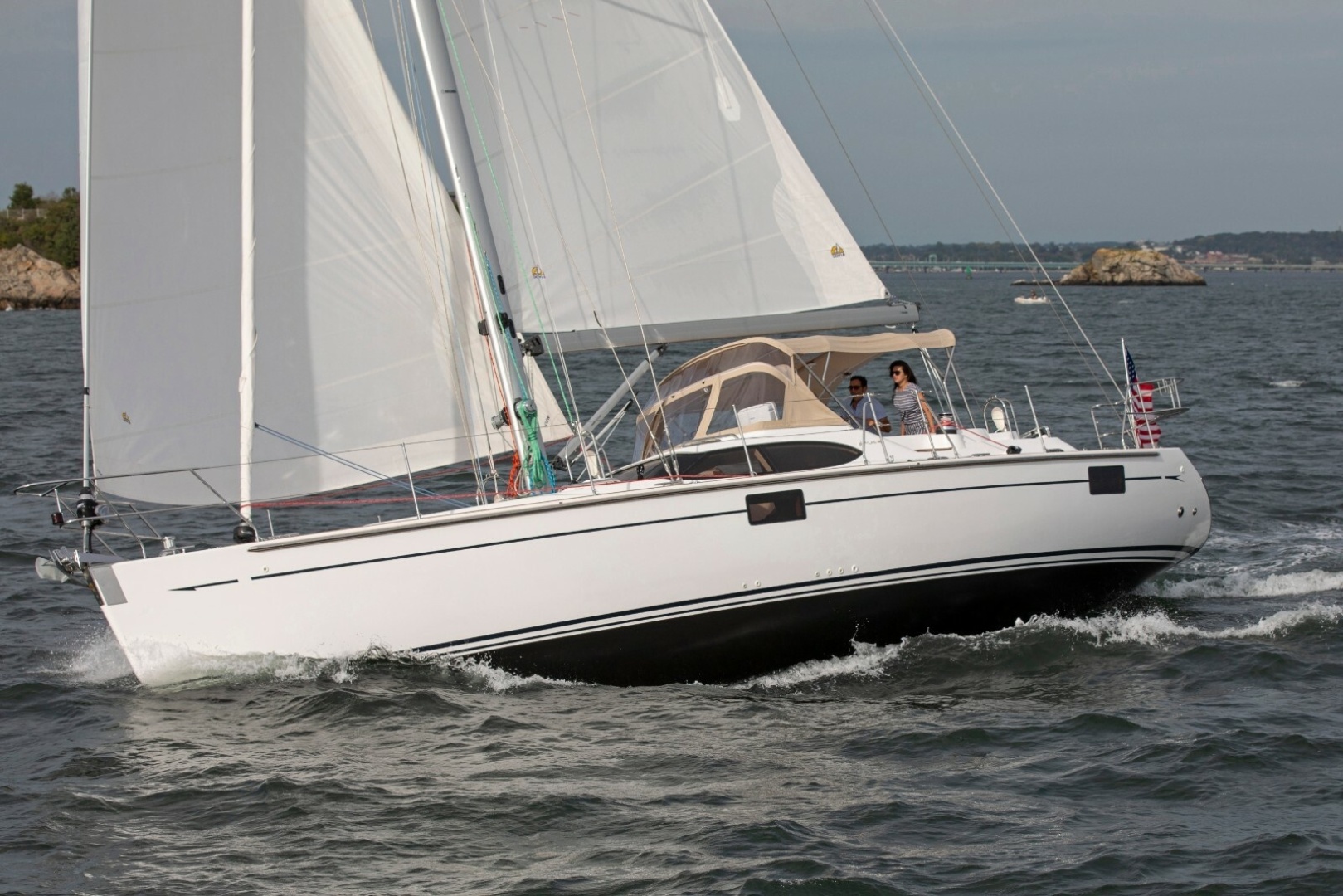
$1,730,000
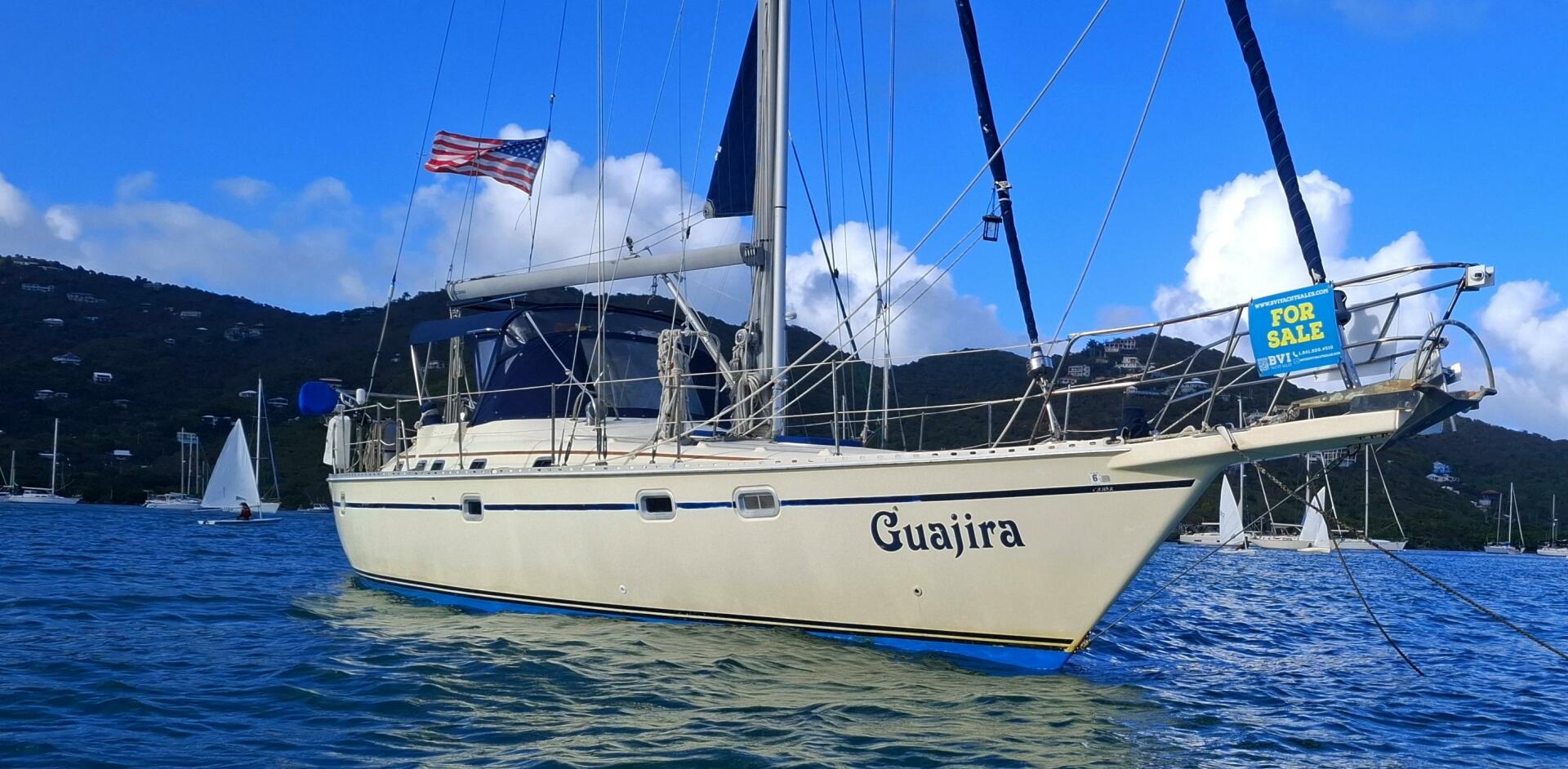
$149,500
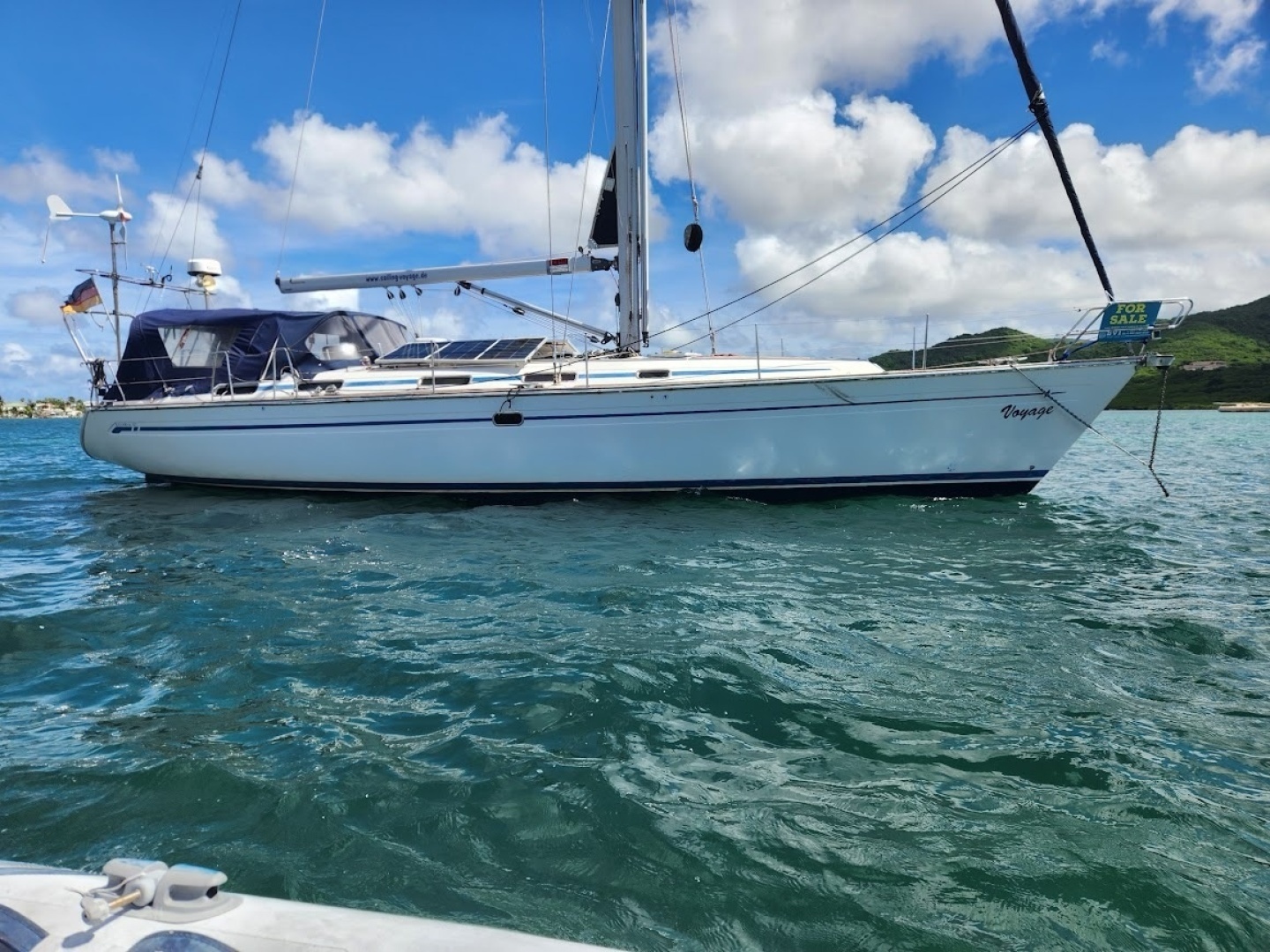
$94,999

$652,000
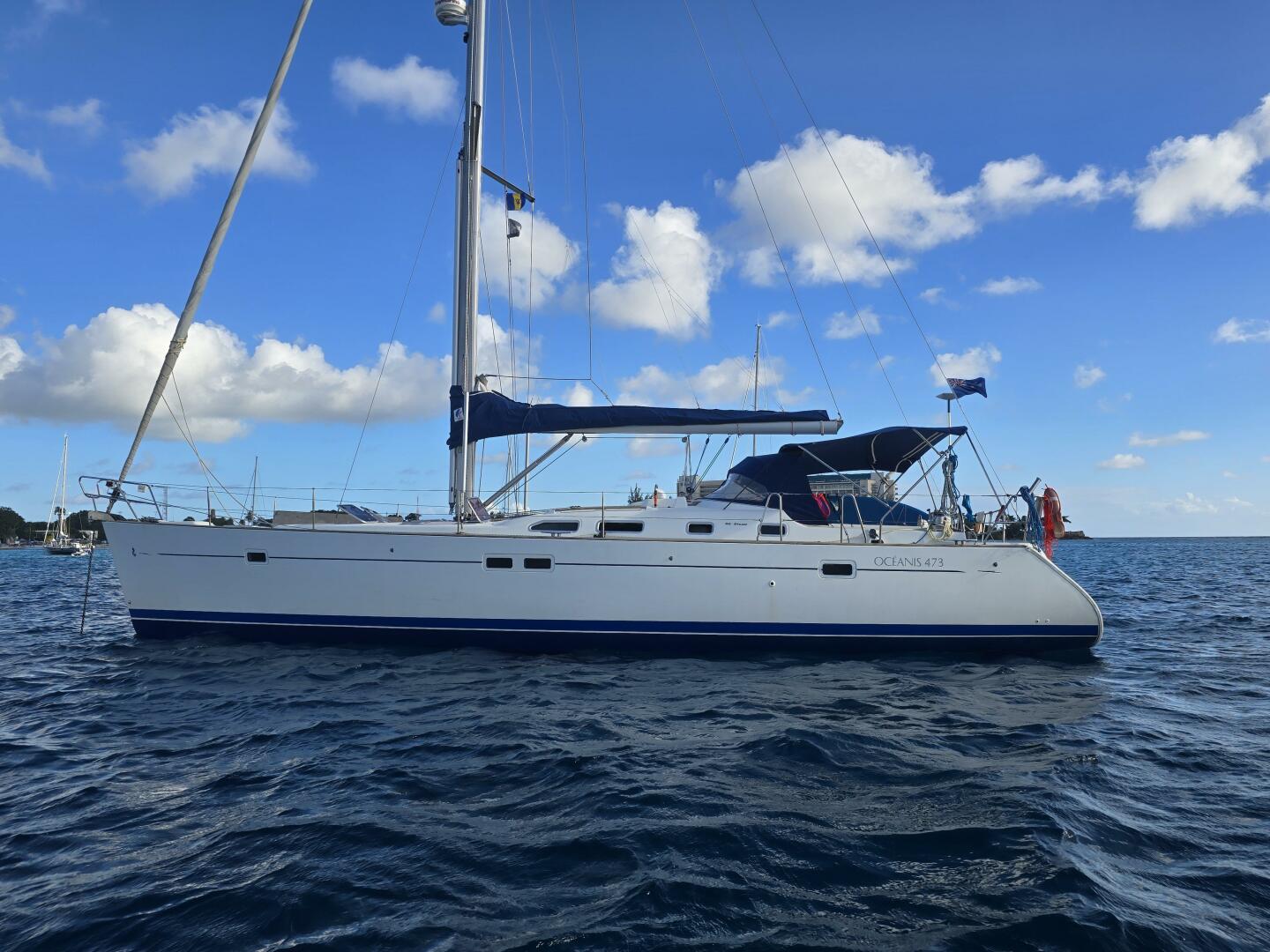
$105,000

$115,000
$950,000
$149,000