

Selling Guide · Documentation
Unlike a car, a yacht has no single ‘title.’ Ownership is proven by a chain of bills of sale and a registration with a flag authority — and transferring it cleanly is what protects both sides at closing. Here’s exactly what changes hands, and in what order.
When you sell a yacht, the boat is the easy part. The paperwork is what turns a handshake into a legally clean transfer of ownership — and it’s where deals stall when a seller isn’t prepared. A missing lien release, an incomplete chain of prior bills of sale, or an unfamiliar flag-registry step can push a closing back by weeks.
This guide breaks down how yacht title transfer really works: why boats don’t have a ‘pink slip,’ the documents you’ll need, how US-flagged and offshore-flagged vessels differ, and the step-by-step closing process from accepted offer to handing over the keys.
Definition
Title transfer (yacht) — The legal process of moving registered ownership of a vessel from seller to buyer. It’s completed with a signed bill of sale and, for registered vessels, an update or re-registration with the flag authority — not a single title document as with a car.
Key Takeaways
- 01
Yachts have no single title — ownership is proven by an unbroken chain of bills of sale plus a flag-registry record.
- 02
Assemble your documents (bill of sale, registration, chain of title, lien releases) before the boat goes under contract.
- 03
US-documented vessels use a notarized CG-1340 bill of sale filed with the NVDC; offshore flags require a deletion certificate to re-register.
- 04
Deposits belong in escrow, and funds release only after closing documents are signed and title is confirmed clean.
- 05
A title search before listing is the cheapest insurance against a deal-killing lien surprise.
Yachts don't have a 'pink slip' — they have documentation
With a car, one title document proves ownership. Yachts work differently. Ownership is established by a chain of title — an unbroken sequence of bills of sale tracing the vessel from the builder to each successive owner — plus a registration with a flag authority that records who currently owns the boat and where it’s flagged. Paperwork is the last stage of a much longer sequence, and our walkthrough of how to sell a boat sets out everything that happens before a title is ready to sign over.
For US-flagged vessels, that authority is the Coast Guard’s National Vessel Documentation Center. For yachts flagged offshore — common in the Caribbean — it’s a registry such as the British Virgin Islands Shipping Registry or another Red Ensign registry. The buyer’s job at closing is to confirm the seller can hand over a clean, unbroken chain of title. The seller’s job is to make sure they can.
The documents you'll need to transfer ownership
Every sale is a little different, but a well-prepared seller assembles the same core set of documents. Gathering these before the boat goes under contract is the single best thing you can do to keep a closing on schedule.
Core documents for a yacht sale
| Document | What it does | Who provides it |
|---|---|---|
| Bill of Sale | Legally transfers ownership from seller to buyer | Seller (signed at closing) |
| Certificate of Documentation / Registration | Proves current registered ownership and flag | Seller |
| Chain of title (prior bills of sale / builder’s certificate) | Shows an unbroken ownership history back to the builder | Seller |
| Lien / mortgage release (satisfaction) | Confirms any finance on the vessel is cleared | Seller’s lender |
| Deletion certificate | Removes the yacht from its prior registry so it can be re-flagged | Prior flag registry |
| Proof of VAT / duty status | Documents the tax status of the vessel | Seller |
| Equipment / inventory list | Defines exactly what’s included in the sale | Seller / broker |
US-documented vessels
The specific Coast Guard forms
For a US-documented yacht, ownership transfers with a notarized bill of sale (form CG-1340) that lists every seller on the Certificate of Documentation, filed with the transfer application (CG-1258). The NVDC typically takes about two to four weeks to process the transfer once complete paperwork is submitted.
US-flagged vs. offshore-flagged: two paths
How the transfer is registered depends on where the yacht is flagged. Many Caribbean yachts are flagged offshore for tax and cruising reasons, which changes the mechanics — though the underlying principle (a clean bill of sale plus a registry update) is the same.
US Coast Guard documented
- ◦Ownership recorded federally through the NVDC
- ◦Notarized CG-1340 bill of sale required
- ✓Abstract of title available to confirm liens
- ◦Processing generally two to four weeks
Offshore / Red Ensign flagged
- ◦Ownership recorded by the flag registry (e.g., BVI)
- ✗Deletion certificate needed to re-flag or re-register
- ◦Often paired with an owning company transfer
- ✗VAT / import status must be documented
The transfer process, step by step
STEP 01Accepted offer and purchase agreement
The deal starts with a written purchase and sale agreement that sets the price, deposit, contingencies (survey, sea trial, finance), and a closing date. This contract governs everything that follows.
STEP 02Deposit into escrow
The buyer’s deposit — commonly 10% — goes into a broker’s or attorney’s escrow account, not directly to the seller. Escrow protects both parties until the conditions of sale are met.
STEP 03Survey, sea trial, and acceptance
The buyer surveys the vessel and completes a sea trial. Based on the findings, they accept the boat, renegotiate, or walk away under the survey contingency. Acceptance in writing moves the deal toward closing.
STEP 04Clear liens and confirm clean title
The seller obtains payoff and lien-release documentation for any outstanding finance. For US-documented vessels, an abstract of title confirms no undisclosed liens remain. Title must be clean before ownership can transfer.
STEP 05Sign closing documents
At closing the seller signs the bill of sale (notarized where required) and hands over the certificate of documentation or registration, the chain of title, and any deletion certificate needed for re-flagging.
STEP 06Funds released and registration transferred
Once documents are executed, escrow releases funds to the seller. The buyer files the transfer with the flag authority — the NVDC or the relevant registry — to record the new ownership and, if changing flags, re-register the vessel.
STEP 07Delivery and possession
With funds released and paperwork filed, the buyer takes possession. Delivery terms — location, timing, and who covers transport — should already be spelled out in the purchase agreement.
Don't skip this
Run a title search before you list
Undisclosed liens are the most common reason a yacht closing collapses. A finance company, a boatyard with an unpaid bill, or a prior owner can all have a claim on the vessel. Confirming clear title — via an abstract of title or registry search — before you go under contract prevents a nasty surprise at the closing table.
The boat sells itself at the dock. The sale closes on the strength of the paperwork — and clean title is the whole game.
BVI Yacht SalesWhere a broker fits in
A yacht broker’s real value shows up in exactly this part of the deal. A good broker assembles your documentation early, coordinates escrow, manages the survey and sea-trial contingencies, and works co-brokerage to keep the transaction moving — so you’re not chasing a lien release the day before closing.
If you’re getting ready to sell, our guidance on preparing your yacht for sale pairs naturally with this documentation checklist, and understanding how brokerage commission works helps you weigh the value of professional representation through the closing.
Selling in the Caribbean?
Get your documentation right the first time
BVI Yacht Sales guides sellers through every step of the transfer — from assembling a clean chain of title to closing and re-flagging. Talk to our brokers before you list.
QDo yachts have a title like a car?
No. Instead of a single title document, a yacht’s ownership is proven by a chain of bills of sale tracing back to the builder, combined with a registration or documentation record held by a flag authority such as the US Coast Guard’s NVDC or an offshore registry.
QWhat paperwork do I need to sell my yacht?
At minimum: a bill of sale, the current certificate of documentation or registration, the chain of prior bills of sale, releases for any liens or mortgages, and — for offshore-flagged boats — a deletion certificate and proof of VAT or duty status. An equipment inventory defines what’s included.
QHow long does a yacht ownership transfer take?
For a US-documented vessel, the NVDC typically processes a complete transfer in about two to four weeks. Offshore registries vary. The paperwork is signed at closing, but the official registry record updates afterward, which is why complete documentation matters.
QWhat is a chain of title on a boat?
It’s the documented history of ownership — an unbroken sequence of bills of sale from the original builder through every subsequent owner. A gap in the chain can cast doubt on who legally owns the vessel and can hold up or sink a sale.
QDo I need to clear a boat loan before selling?
Yes. Any outstanding mortgage or lien must be paid off and formally released before clean title can transfer. This is usually handled through escrow at closing, where the lender’s payoff comes out of the sale proceeds and a release is issued.
QCan a broker handle the title transfer for me?
A broker coordinates the documentation, escrow, and registry filings and keeps the transaction on track, though notarization and the actual registry filing follow each authority’s rules. For higher-value or offshore-flagged yachts, many sellers also involve a maritime attorney.
Cite this article
BVI Yacht Sales (2026). Yacht Title Transfer and Documentation When Selling. BVI Yacht Sales. Retrieved from https://bviyachtsales.com/yacht-title-transfer/
Featured Listings
$599,000
$1,300,000
$1,699,000

$299,000

$899,000

$1,795,000

$269,000

$359,000
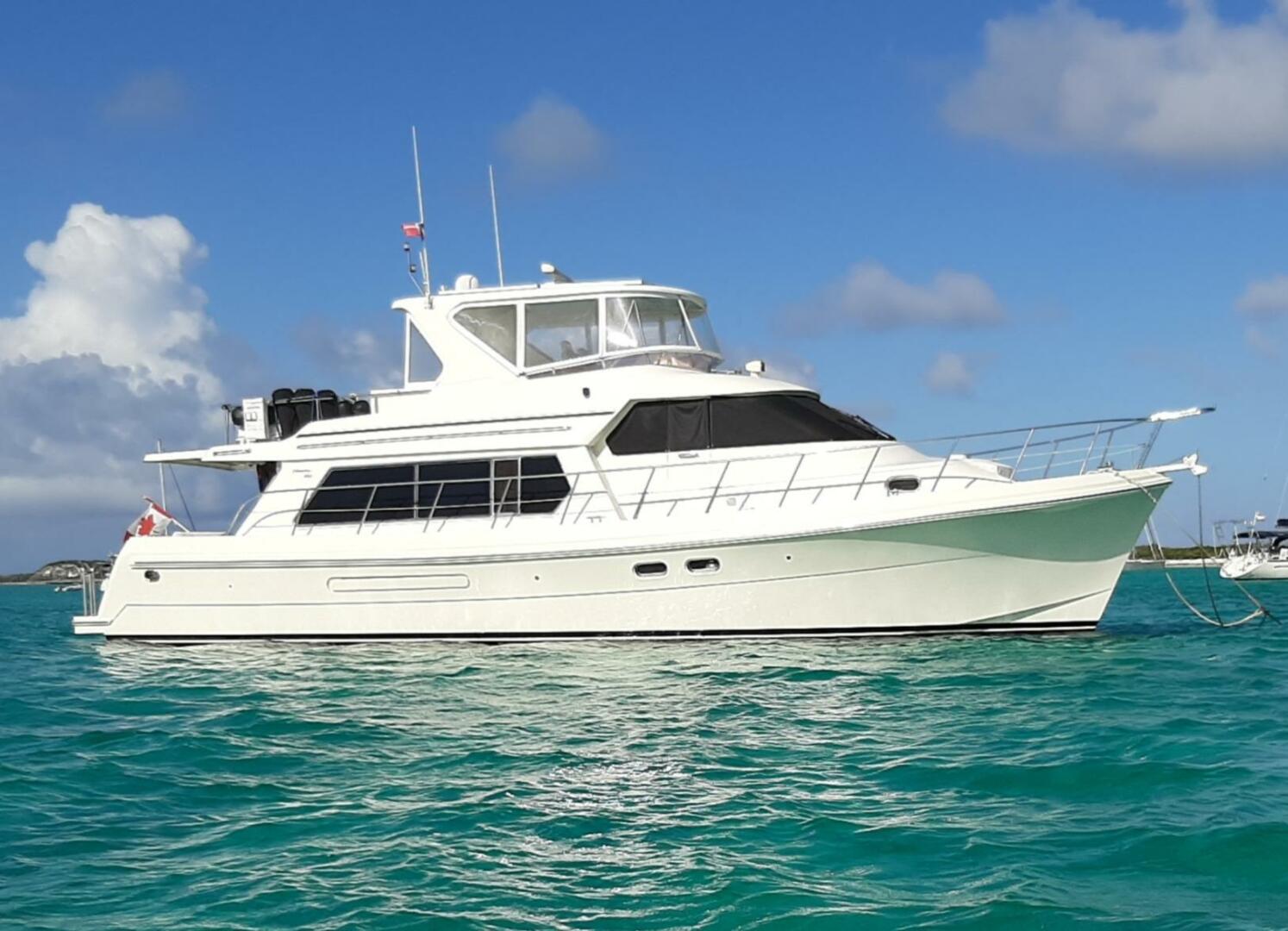
$499,500
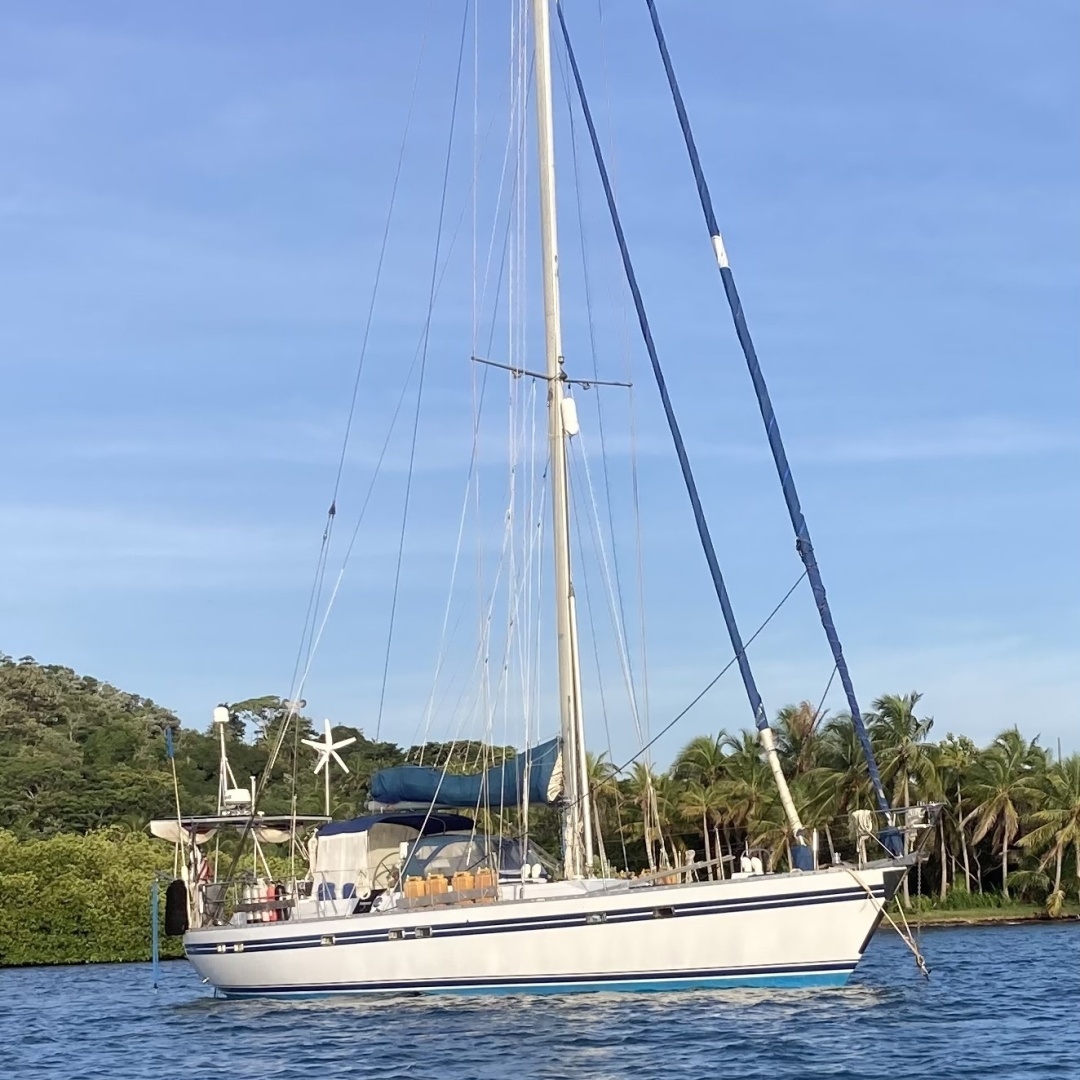
$299,500
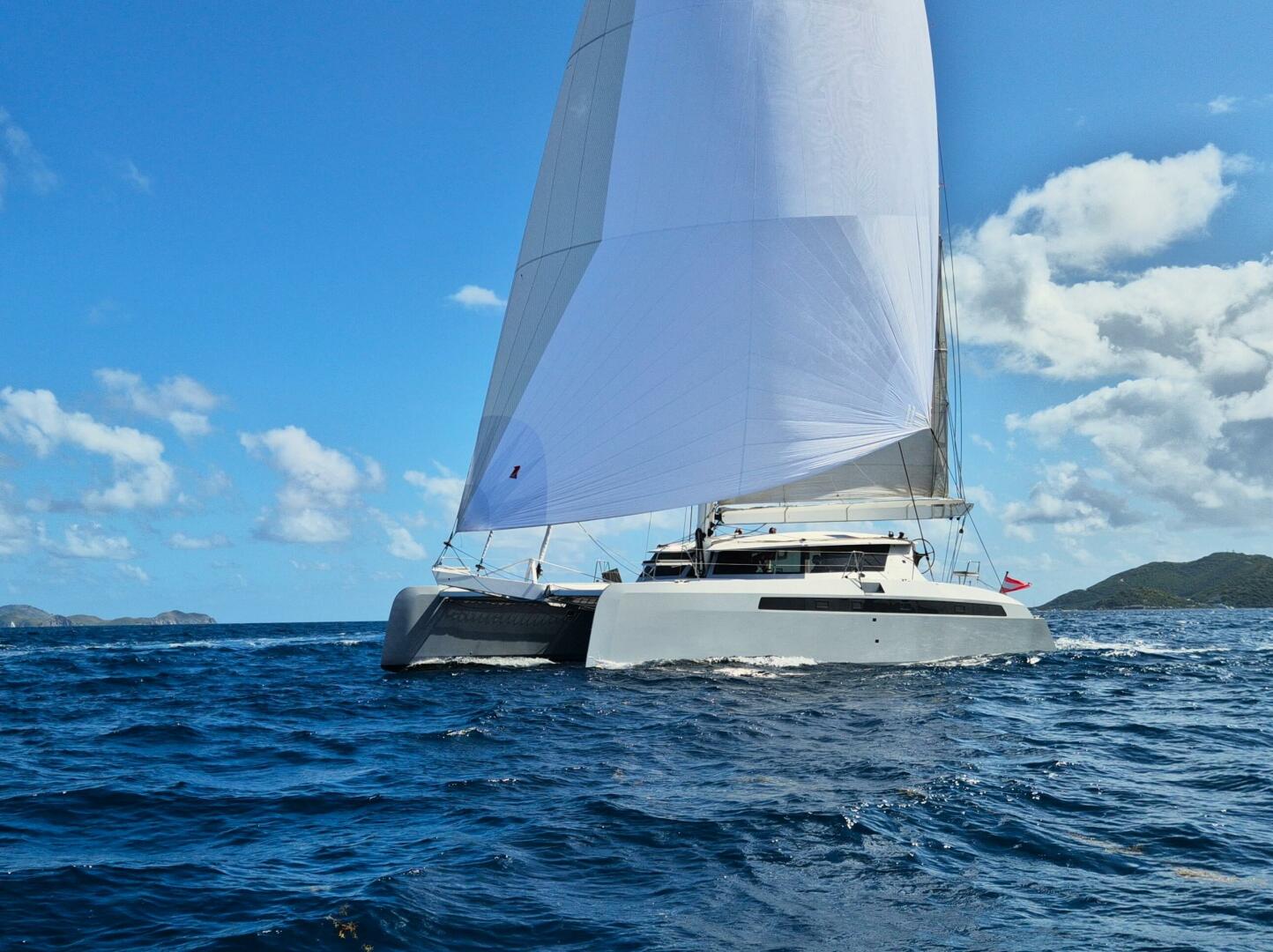
$1,290,000
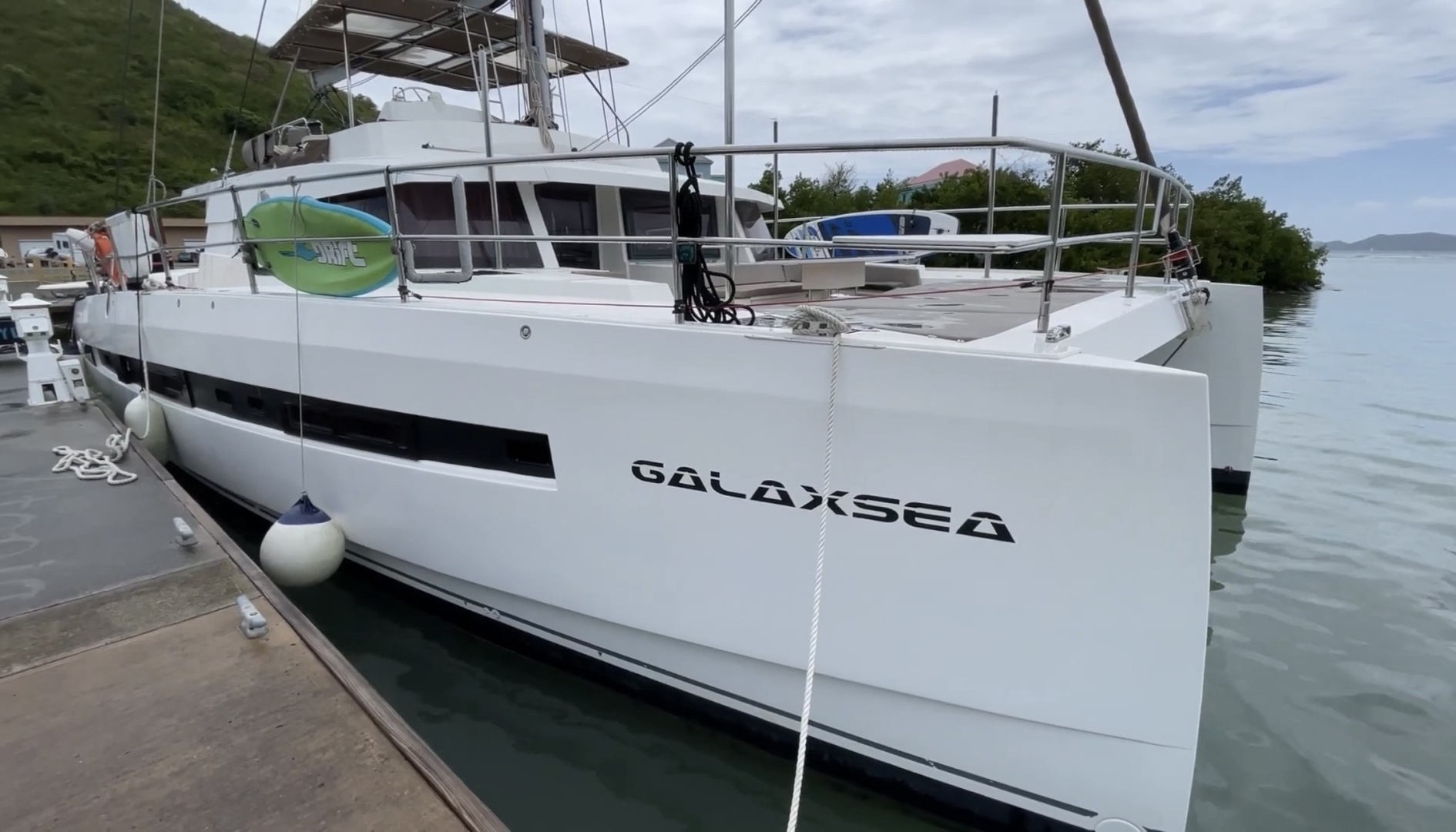
$800,000
$545,000
$564,900
$1,130,000
$159,000
$499,000
$89,000
$89,000
$135,000
$98,250
$149,850
$369,000
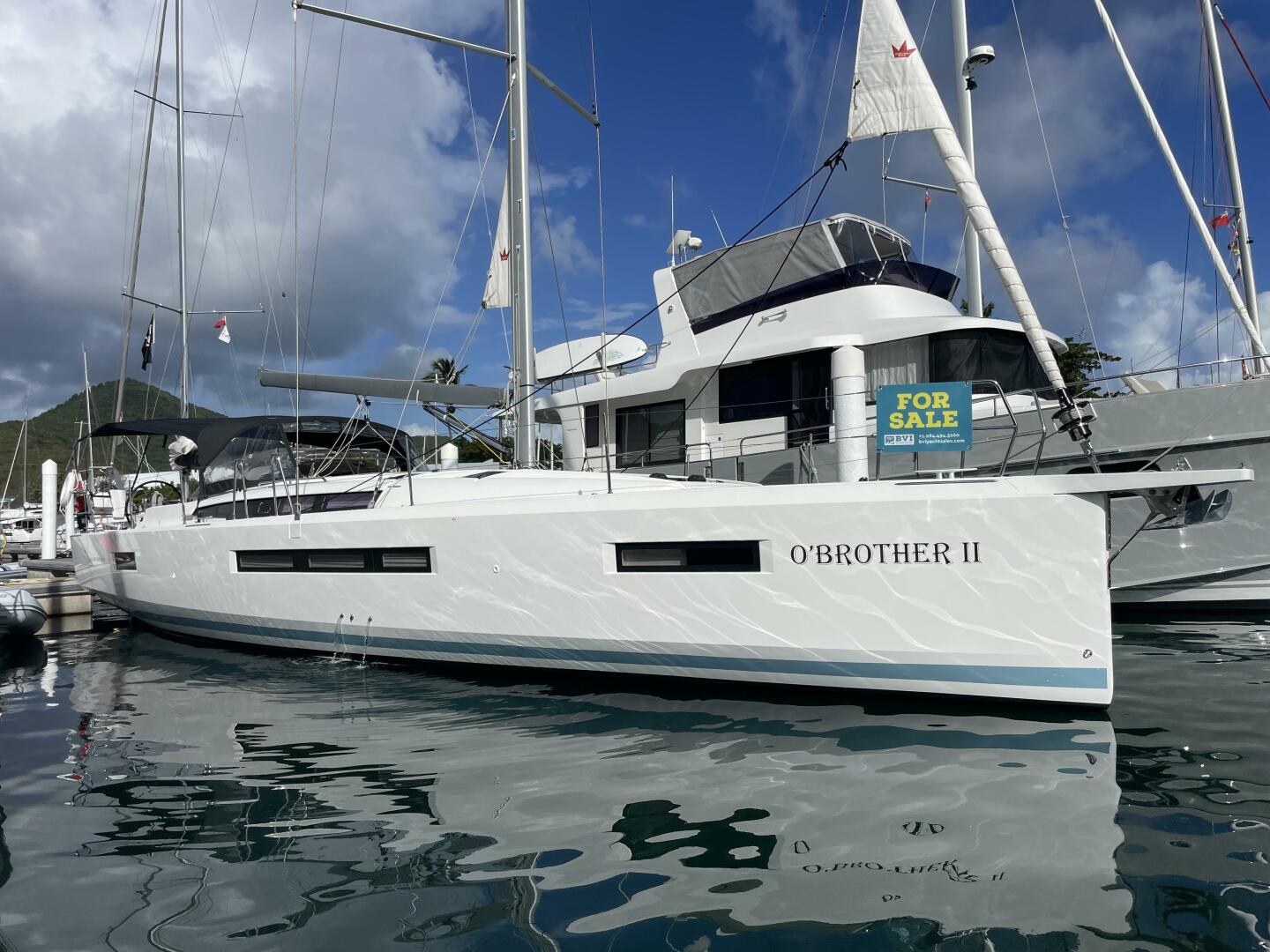
$395,000
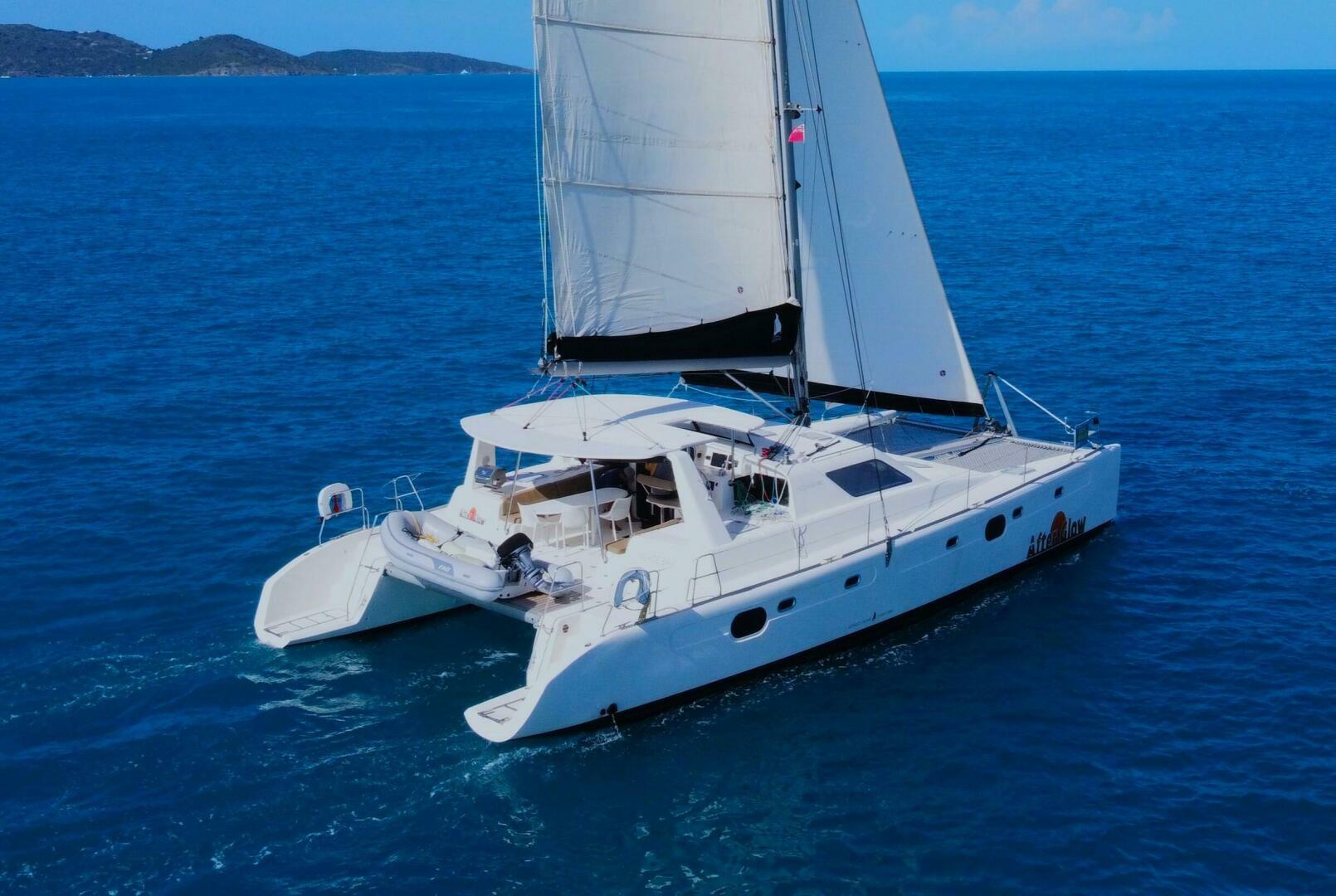
$349,000
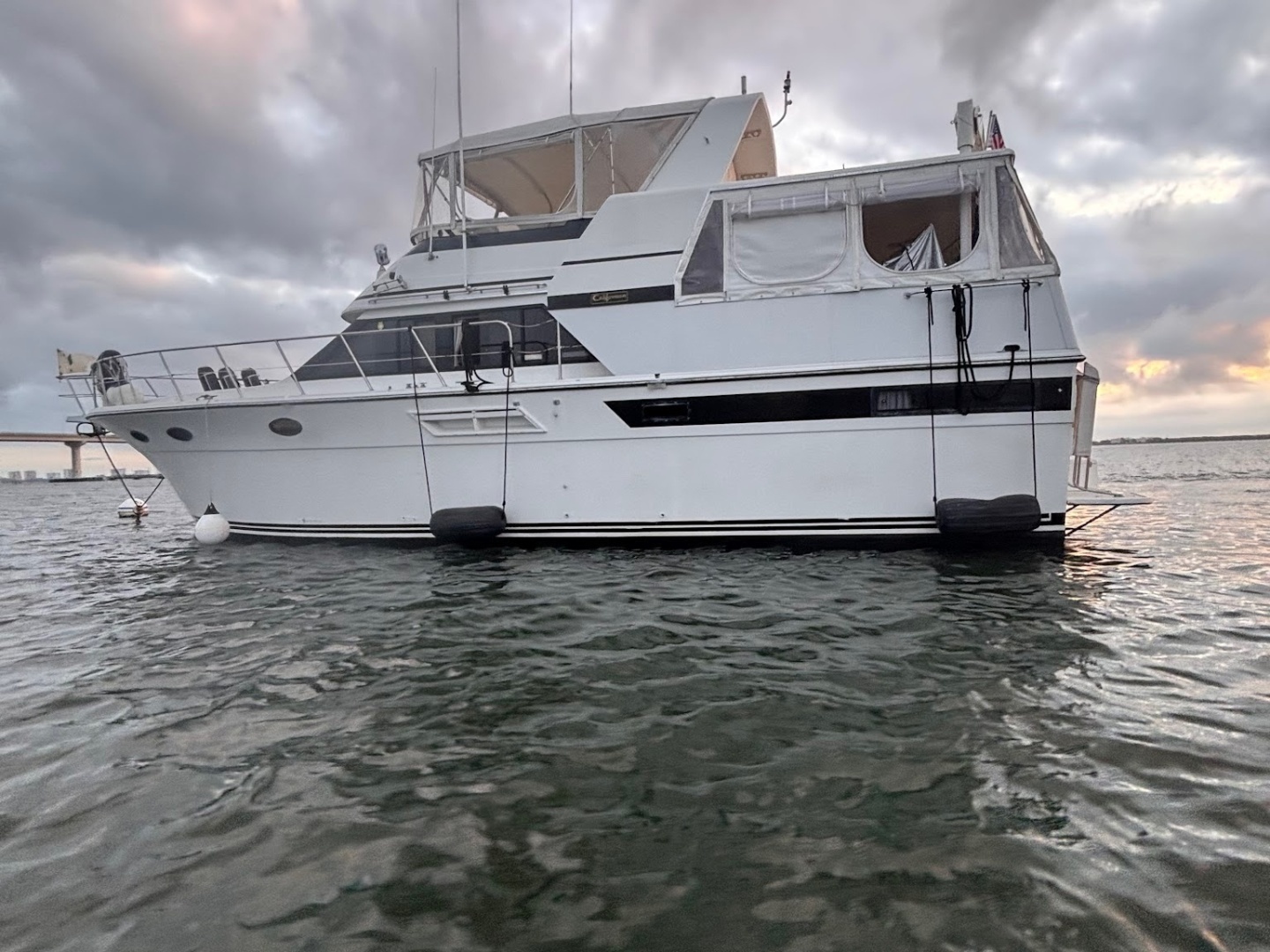
$125,000
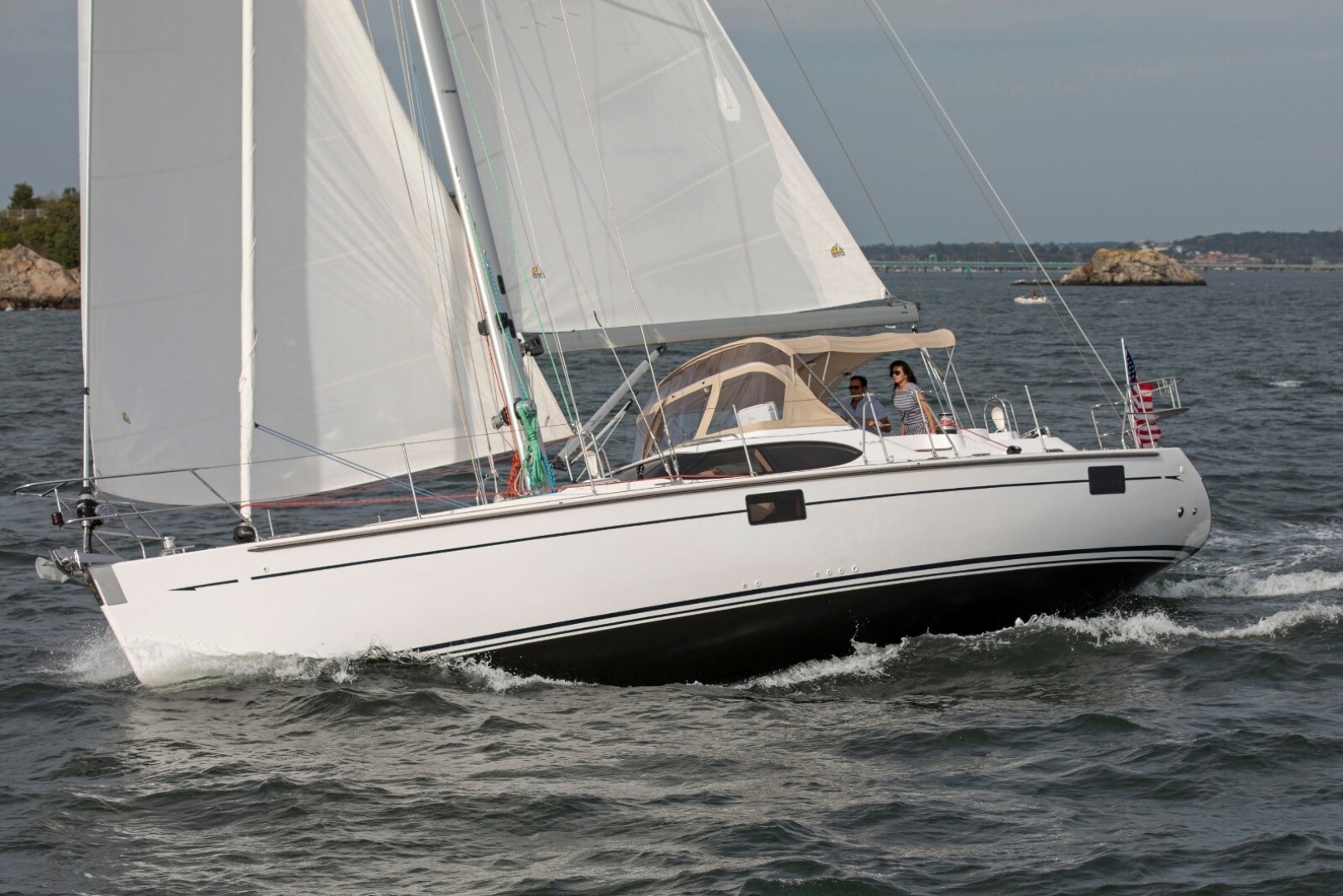
$1,724,571
$149,500
$109,900
$395,000

$652,000
$105,000

$115,000
$950,000
$149,000
$135,000
$349,000