
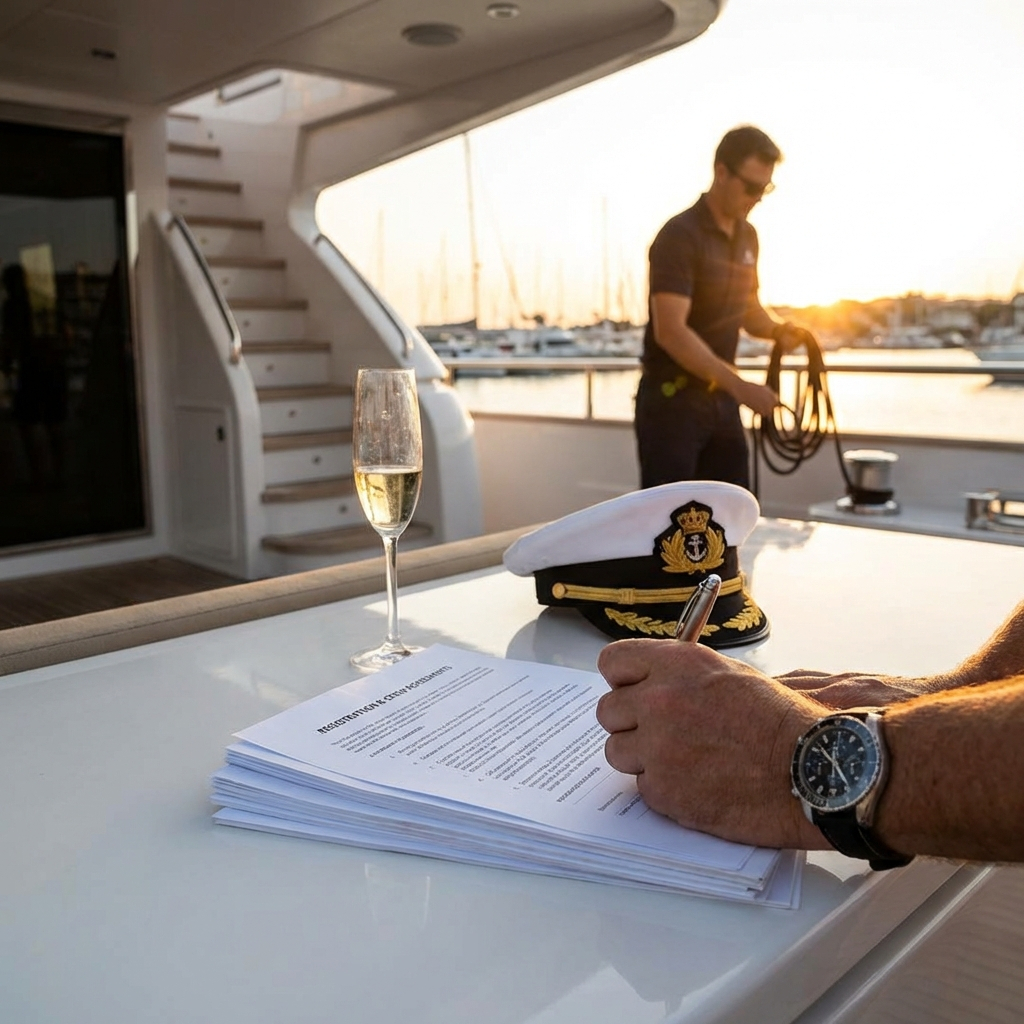
The champagne is empty. The papers are signed. The yacht is yours.
You’d think the hard part is over. You’d be wrong.
The first 30 days of yacht ownership have a rhythm most new owners don’t expect. There’s paperwork you’ve never heard of. Decisions that need answers by Tuesday. Crew dynamics that determine whether you’ll love or regret this purchase.
Here’s exactly what happens after closing, and how to make those first weeks feel exciting instead of overwhelming.
Week One: The Documentation Marathon You Didn’t Budget Time For
You own the yacht, but you can’t actually take it anywhere yet.
The first week is about paperwork. Not the fun kind. The kind that determines whether your yacht can legally leave the marina.
You need to handle registration documents immediately. This includes obtaining your yacht’s Certificate of Registry, which acts as its official passport. Without it, you’re stuck at the dock.
Title transfers come next. You’ll need to complete surveys or inspections to verify the yacht’s condition and compliance. Most registries require appointing a local representative or agent. This isn’t optional.
You’ll also assemble proof of ownership and builder’s certificates. If you’re registering in a flag state different from where you bought the yacht, add another layer of complexity.
💡 Pro tip: Hire a yacht registration specialist before closing. They can start the paperwork process while you’re still negotiating, cutting your dock time in half.
The Insurance Conversation You Need to Have Immediately
Your lender probably required insurance before closing. But now you need to understand what you actually bought.
Insurance premiums range from $300 to $3,000 annually based on your yacht’s value. That’s just the baseline. You’ll also need to confirm coverage for crew, guests, environmental damage, and salvage operations.
Call your insurance broker in the first three days. Ask about exclusions. Most policies don’t cover racing, commercial use, or operation in certain high-risk zones. Find out now, not when you’re planning your first trip to the Caribbean.
Week Two: Meeting Your Crew and Learning Who Really Runs Your Yacht
The captain makes or breaks your ownership experience.
This isn’t marketing speak. Industry expert Heap puts it plainly: “Happy crew, happy yacht.” If you have trouble with your crew, you’ll have trouble with your yacht. The captain, above all, determines whether you’ll love or dread every trip.
Your first meeting with the captain sets the tone for everything.
Ask about their preferred communication style. Some captains want daily check-ins. Others prefer autonomy unless there’s a problem. Neither approach is wrong, but mismatched expectations create friction fast.
Discuss the maintenance schedule. What needs attention in the next 30 days? What can wait until the off-season? Your captain should have a prioritized list ready.
The Crew Contract Reality Check
Senior crew staff often request rotational contracts. Two months on, two months off.
This doubles your costs. You’re paying for two captains to have one captain available. New owners often miss this in their first-year budget.
If your captain is requesting rotation, ask about backup crew arrangements now. Who covers during their off-rotation? How do you ensure continuity of vessel knowledge?
Week Three: The Million-Dollar Operating Budget Conversation
You knew yachts were expensive to run. You probably didn’t know how expensive.
Annual operating costs typically range from 10-15% of your yacht’s purchase price. Every year. For superyachts, that climbs to 15-20%.
Yacht owner Steve Sidwell describes a 34-meter yacht with “a million-dollar-a-year operating budget.” That includes crew salaries, maintenance, insurance, dockage, and fuel.
For larger yachts, the numbers get more sobering.
Maintenance and repairs alone can exceed $1 million annually. Fuel, insurance, and dockage each cost between $300,000 and $450,000 per year.
Many new owners face financial strain not because they bought the wrong boat. They underestimated the true cost of ownership.
The First-Year Cost Breakdown
The purchase price represents only 40-60% of first-year ownership costs. Here’s what new owners commonly overlook:
-
Marina fees: Premium slips in popular locations book months in advance
-
Equipment upgrades: The previous owner’s systems might not match your usage plans
-
Survey fees: Post-purchase inspections often reveal deferred maintenance
-
Winter storage: If you’re in a seasonal climate, this isn’t optional
-
Registration and documentation: Flag state fees vary wildly
⚠️ Warning: The initial purchase price is just the entry fee. Budget for at least 50% more in year-one costs beyond the purchase.
Week Four: Deciding How You’ll Actually Use This Yacht
First-time yacht buyers often overestimate how much they’ll use their vessel.
Industry experts note that usage peaks in the first and second year. After year two, usage drops off. The average first-time buyer owns a yacht for only three years before trading up or getting out altogether.
By week four, you need to make an honest assessment. How many weeks per year will you actually use this yacht?
This isn’t about judging your commitment. It’s about making smart financial decisions while you still have options.
The Charter Management Option
More first-time buyers are exploring charter management programs in 2025.
Even limited charter use (10-15 weeks per year) can offset 20-40% of operating costs. You’ll also gain significant tax advantages through LLC ownership structures.
Charter income doesn’t fully cover ownership costs in most cases. But it can transform a financial burden into a manageable expense.
If you’re considering this route, start conversations now. Charter management companies need lead time to market your yacht, train crew on charter operations, and ensure compliance with commercial vessel requirements.
The Decisions That Define Your First Month
Three decisions shape your entire ownership experience. You’ll face all of them in your first 30 days.
Decision one: How hands-on will you be?
Some owners want to approve every maintenance decision. Others give their captain a budget and full autonomy. Neither approach is wrong, but you need to communicate your preference clearly.
Decision two: How will you handle the financial reality?
You can’t change the operating costs. But you can decide whether to absorb them entirely, offset them through charter, or adjust your usage expectations.
Decision three: Who’s on your shore team?
You need a yacht manager, insurance broker, flag state representative, and tax advisor. These relationships take time to build. Start now.
What Success Looks Like at Day 30
You’ve completed registration. Your yacht has its Certificate of Registry and can travel freely.
You’ve established a working relationship with your captain. You understand their communication style and have aligned on maintenance priorities.
You’ve reviewed your operating budget with a yacht management professional. You know what costs are coming and how you’ll handle them.
You’ve made an honest assessment of your usage plans. If charter makes sense, you’ve started that conversation.
Most importantly, you’ve moved from overwhelmed to informed.
The first 30 days aren’t about having everything perfect. They’re about building the systems and relationships that make ownership sustainable.
You’ll still face surprises. Equipment will fail at inconvenient times. Weather will disrupt your plans. Crew situations will require quick decisions.
But if you’ve used these first weeks to build a strong foundation, those surprises become manageable challenges instead of ownership-threatening crises.
The Question You Should Ask Yourself at Day 30
Do you have the team and systems in place to make this sustainable?
If the answer is yes, you’re positioned for years of rewarding ownership.
If the answer is no, you still have time to course-correct. But you need to act now, while you’re still in the honeymoon phase and motivated to get things right.
The keys are in your hand. The yacht is yours. What happens next depends entirely on how you use these first 30 days.
Featured Listings
$599,000
$1,300,000
$1,699,000

$299,000

$899,000

$1,795,000

$269,000

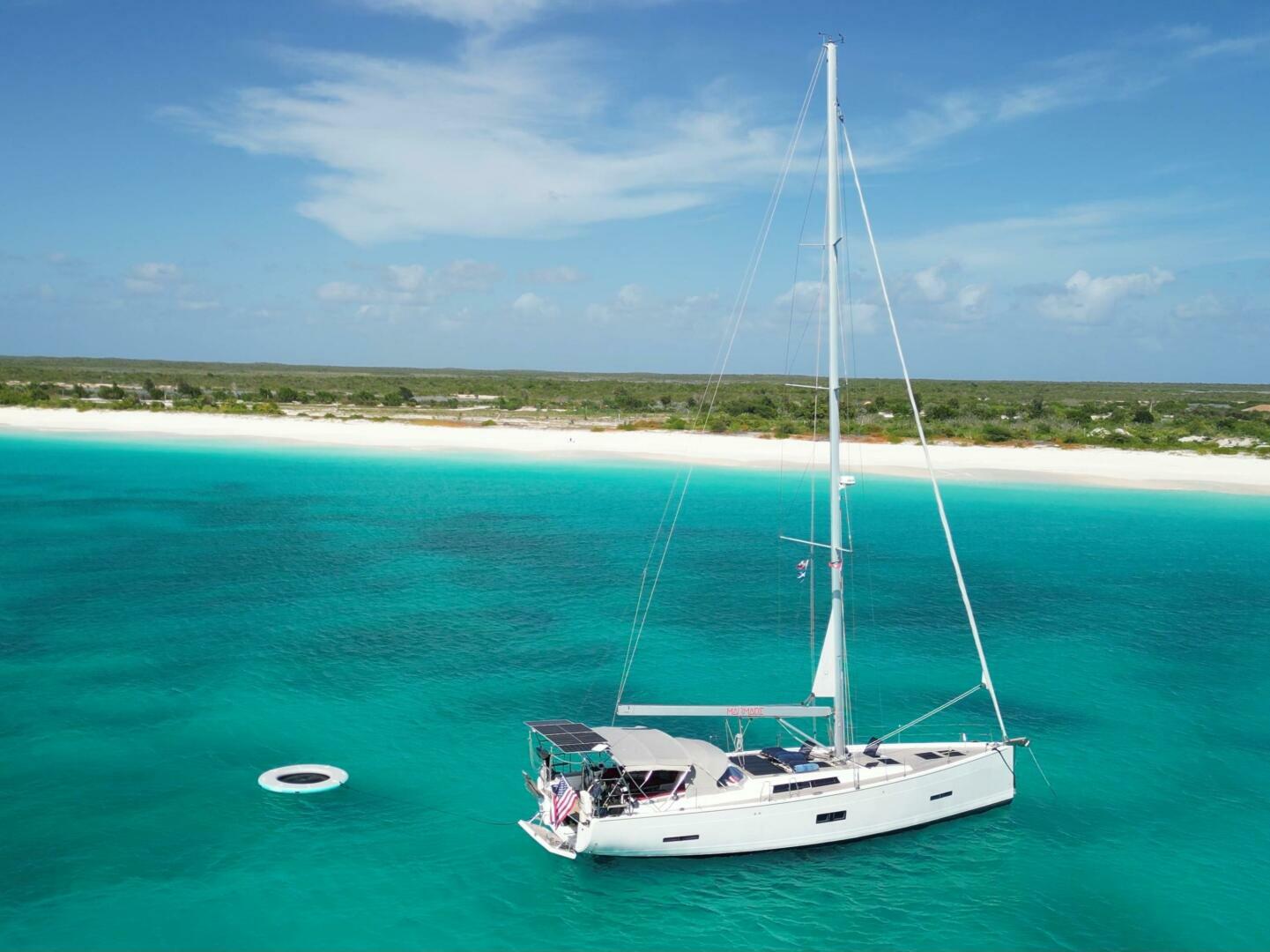
$359,000
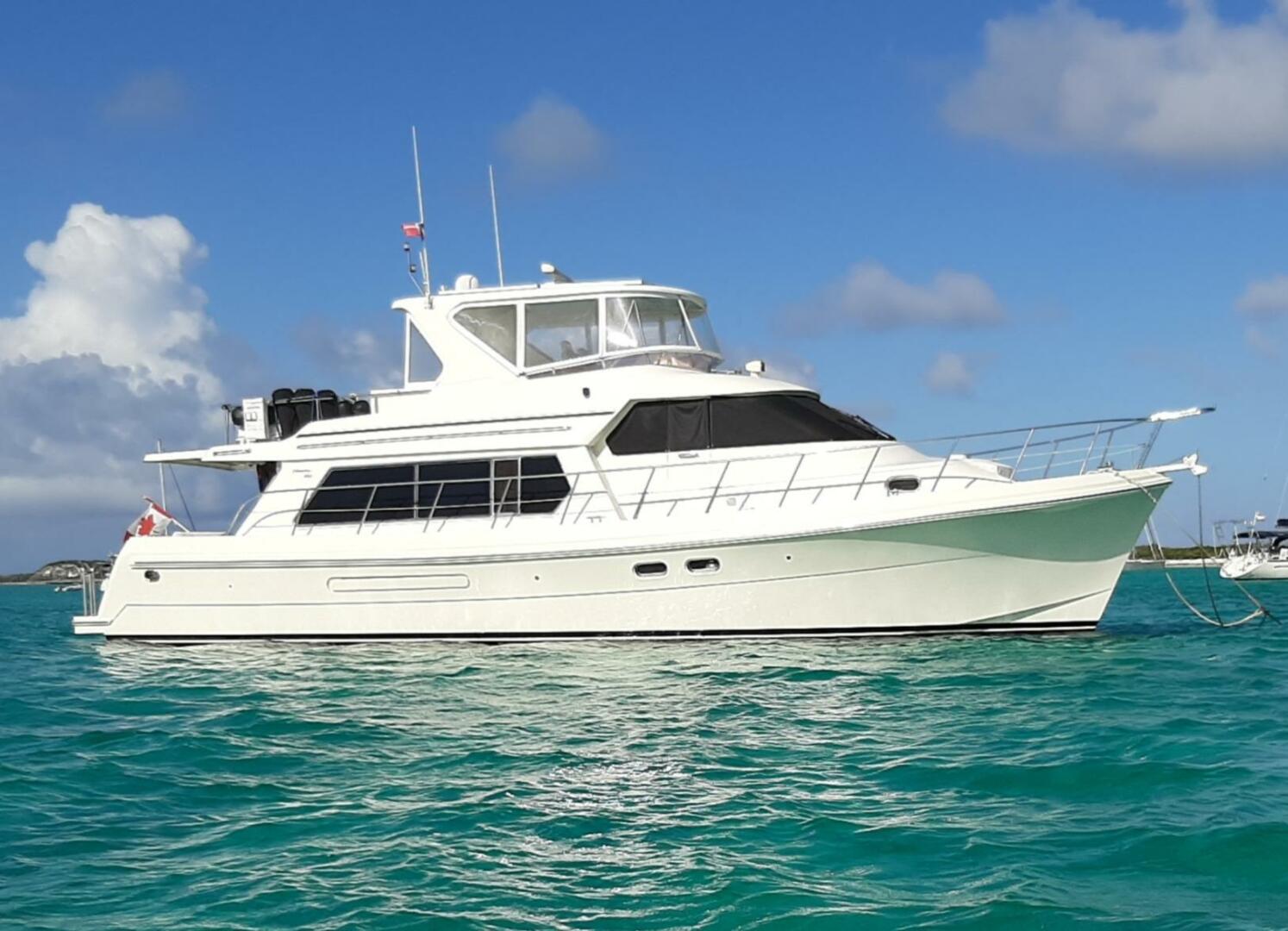
$499,500
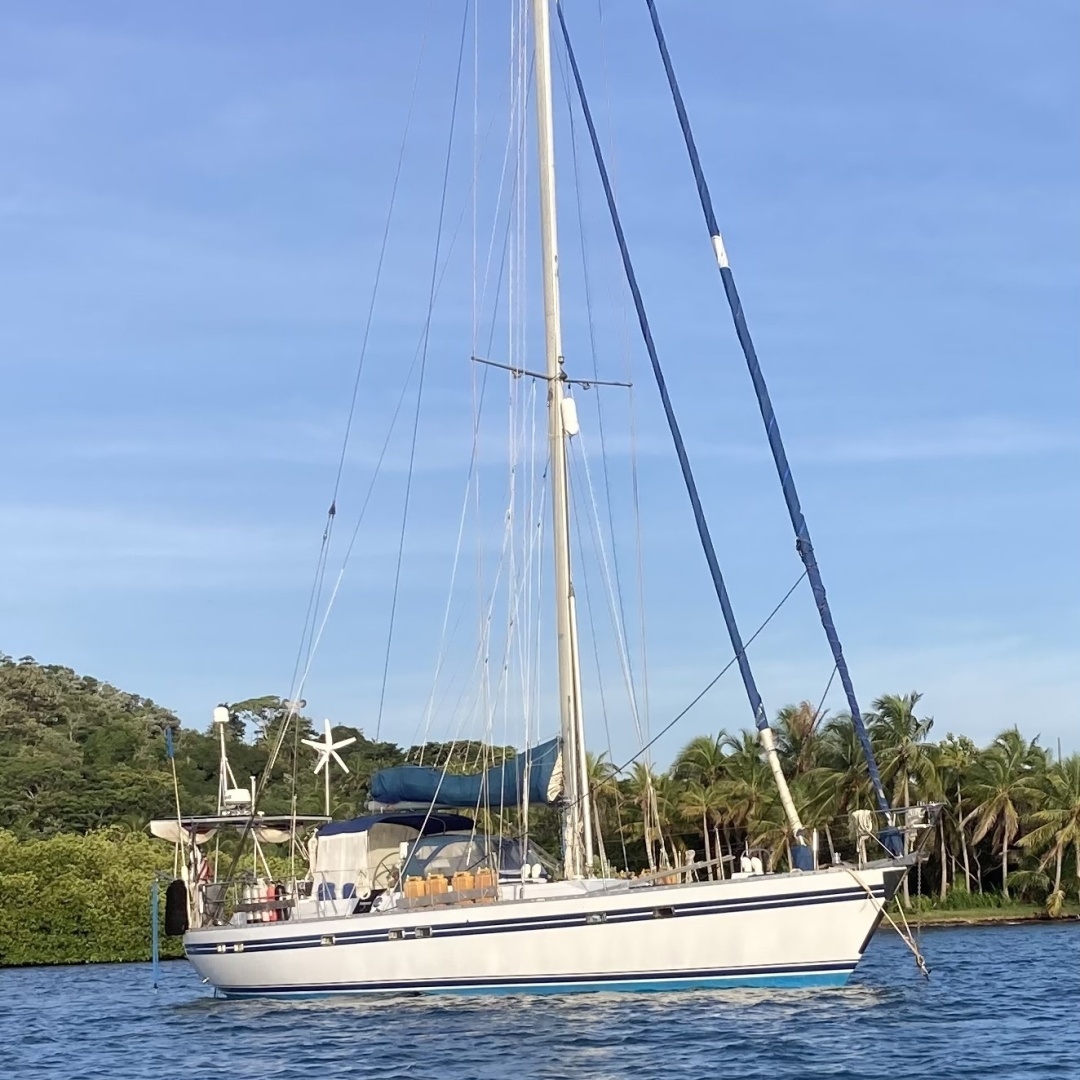
$299,500
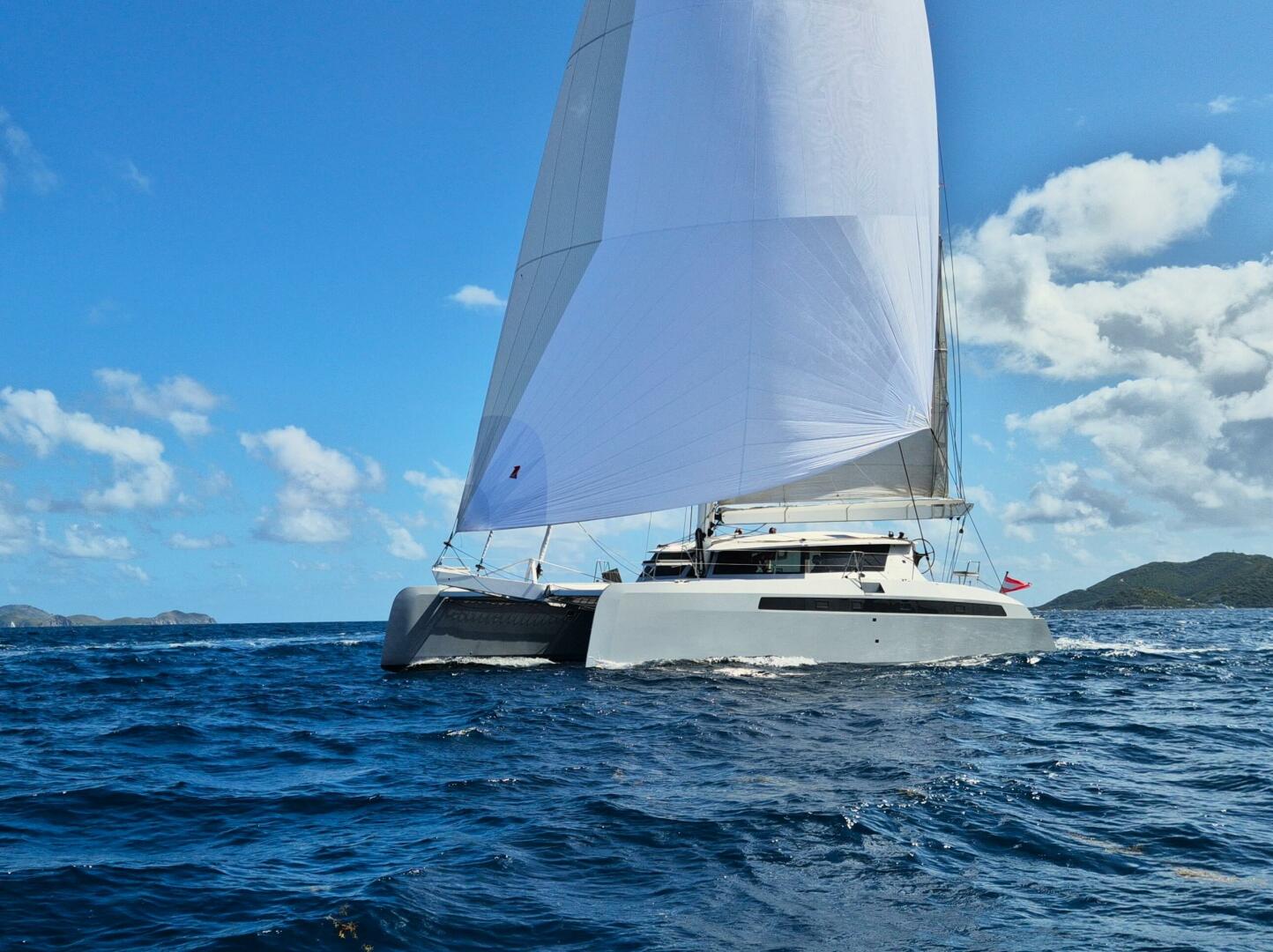
$1,290,000
$800,000
$545,000
$564,900
$1,130,000
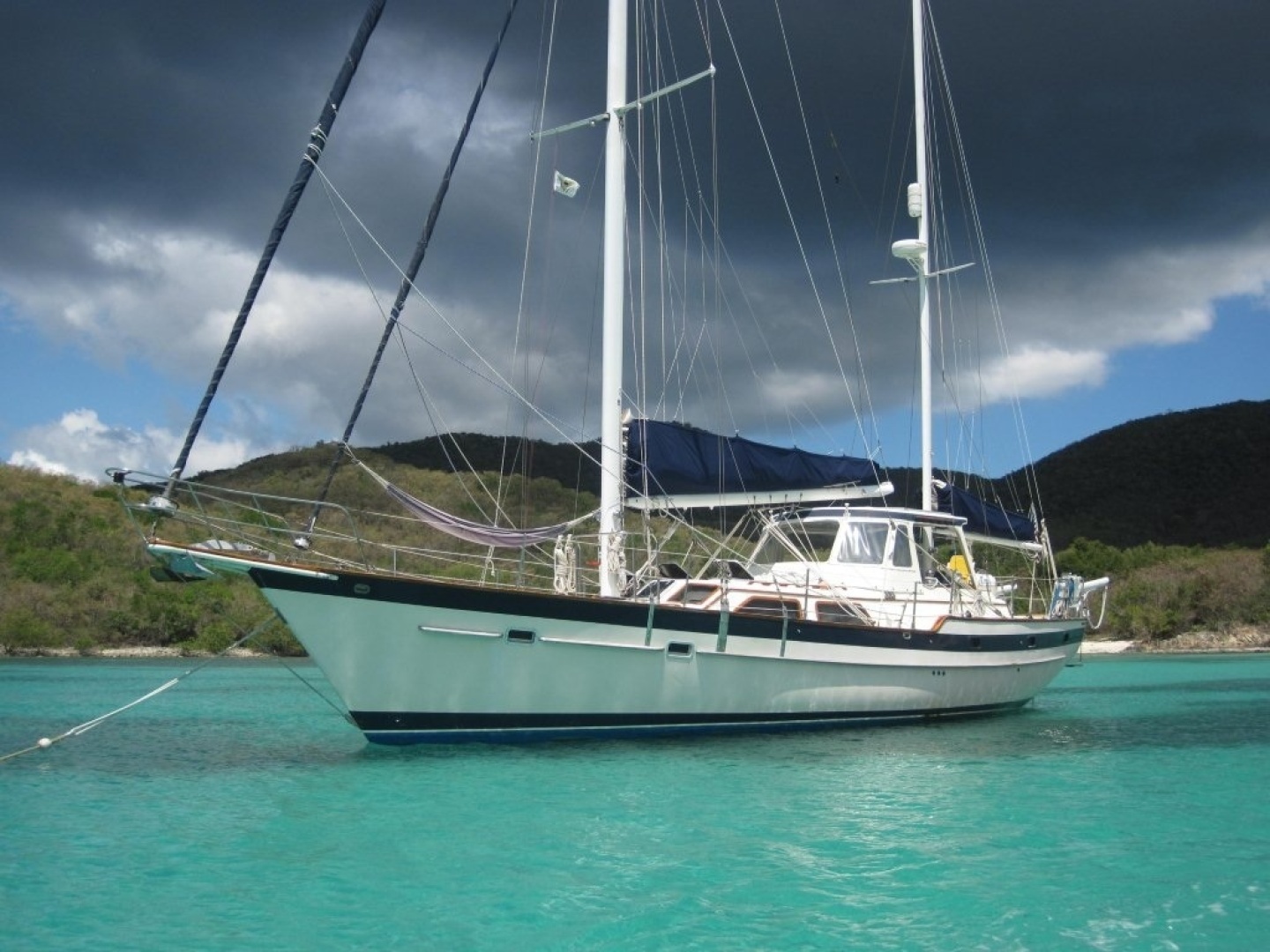
$159,000
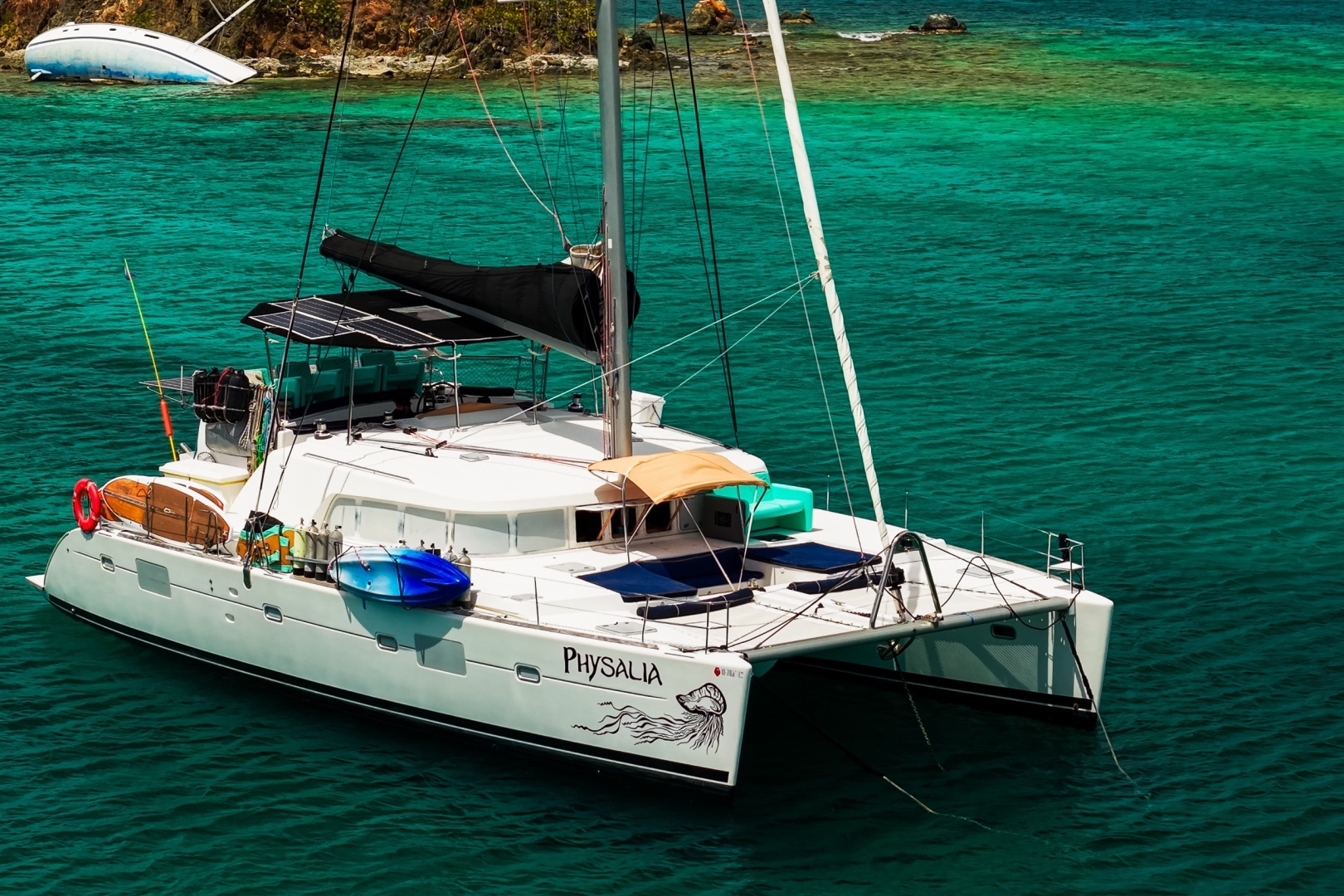
$499,000
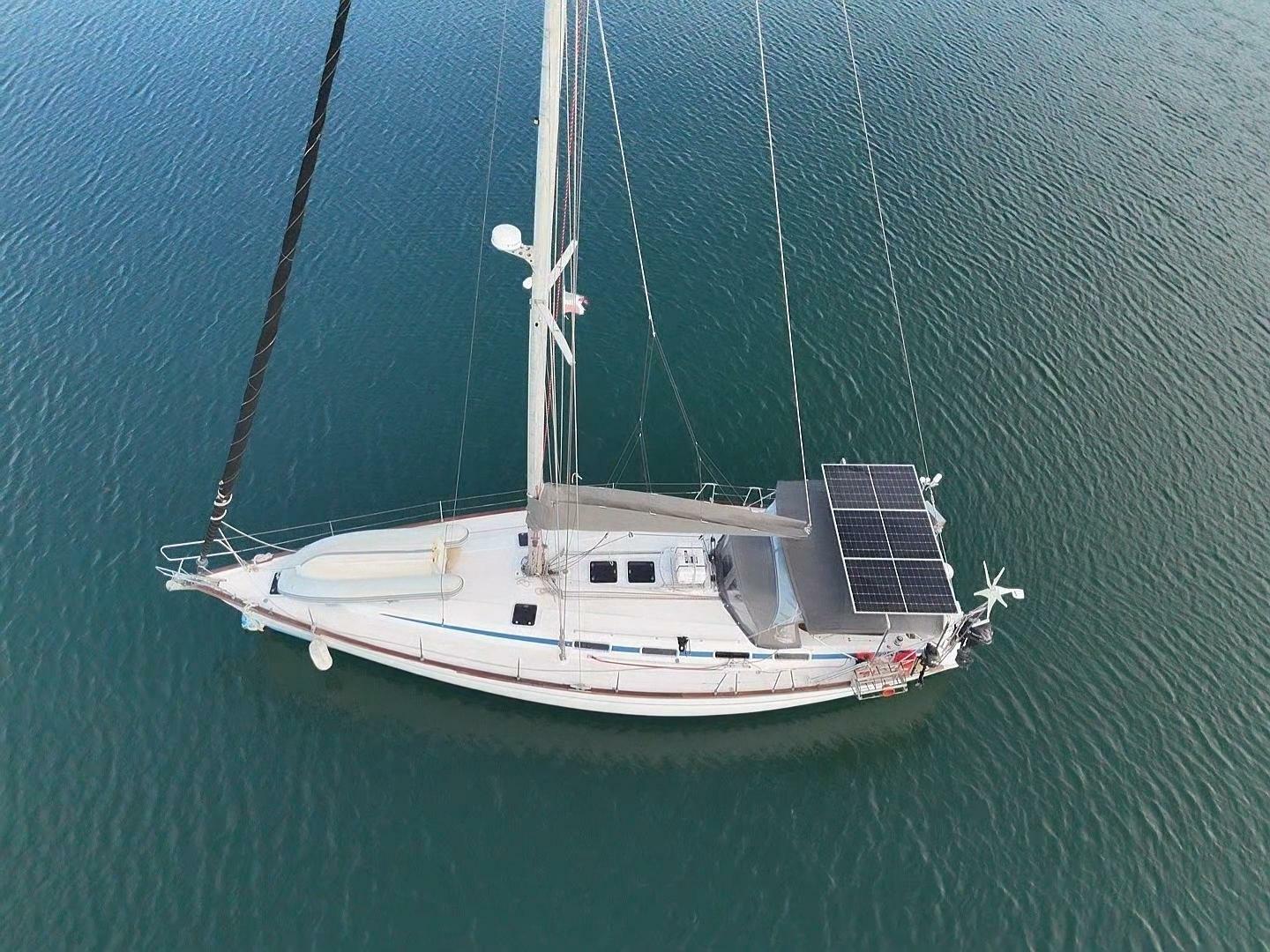
$89,000
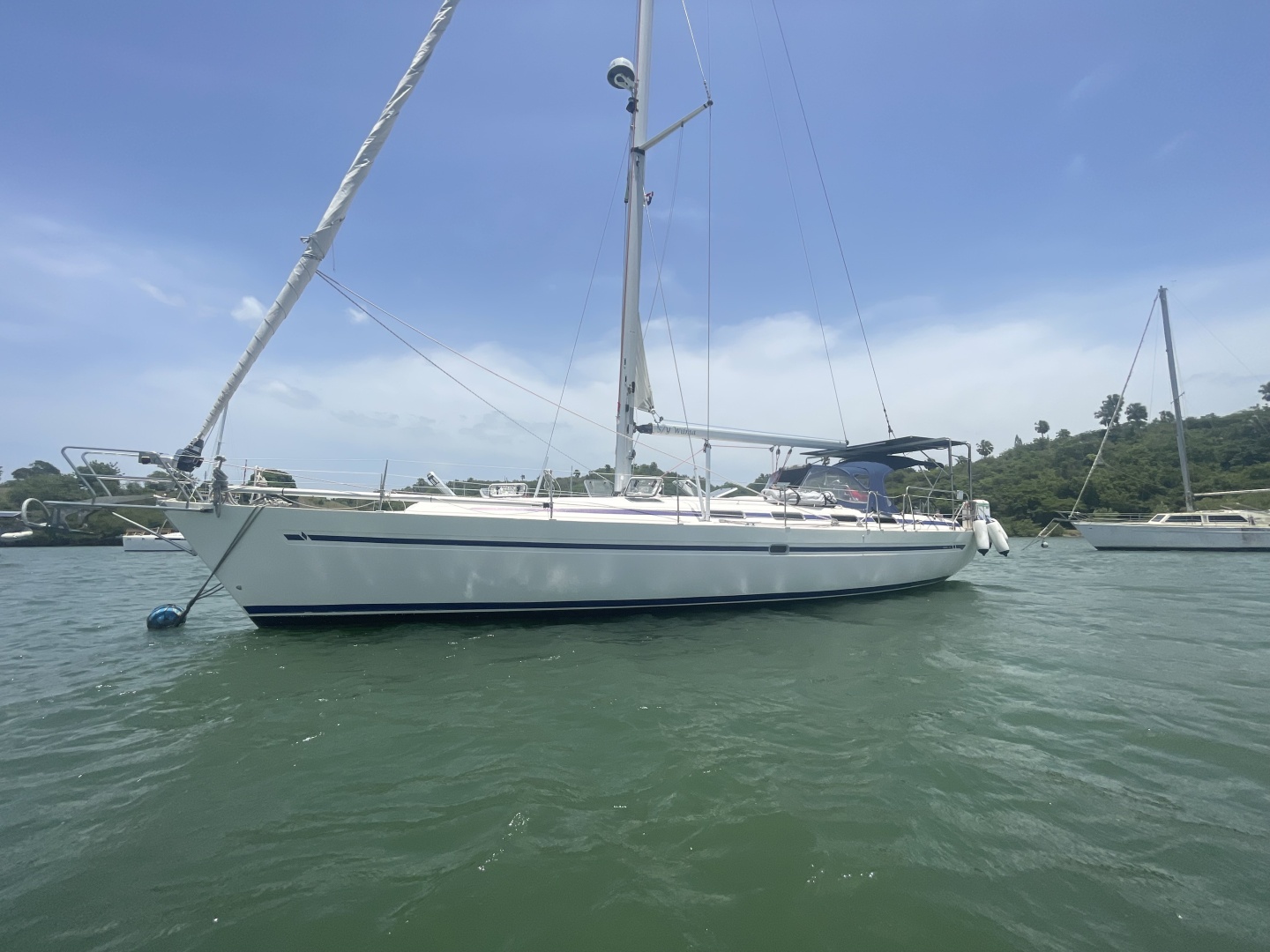
$89,000
$135,000
$98,250
$149,850
$369,000
$395,000
$349,000
$125,000
$1,724,571
$149,500
$109,900
$395,000

$652,000
$105,000

$115,000
$950,000
$149,000
$135,000
$349,000