

Caribbean Buyer's Guide
The broker-led process, the real costs, and the tax rules that catch mainland buyers off guard — from first viewing to clean title and flag registration.
The Caribbean is one of the best places on earth to buy a cruising yacht — but the purchase only goes smoothly when you understand the process before you fall in love with a boat.
Buying a yacht in the Caribbean means working through a broker-led process built around a written offer, an escrowed deposit, a professional survey and sea trial, and a closing that transfers clean title and flag registration. Done in the right order, it protects both your money and your cruising plans. This guide walks through every stage, the costs beyond the sticker price, and the tax rules that surprise first-time buyers.
Definition
Yacht brokerage — The professional service of representing a buyer or seller in the sale of a vessel. A broker markets and vets listings, negotiates price, coordinates the survey and sea trial, and manages escrow and closing paperwork. In nearly all Caribbean sales the broker’s commission is paid by the seller, not the buyer.
Part 1Before You Make an Offer
Key Takeaways
- 01
Use a buyer’s broker — co-brokerage means professional representation on your side, usually at no extra cost to you.
- 02
Budget ten to fifteen percent above the purchase price for survey, haul-out, insurance, and closing.
- 03
Never skip the independent survey and sea trial; the report is your leverage to renegotiate or walk away.
- 04
Confirm flag, import, and VAT-paid status in writing before closing to protect the Caribbean’s tax advantage.
Why You Need a Buyer's Broker in the Caribbean
Caribbean yacht deals span multiple flag states, currencies, and island jurisdictions, and the best boats often sell quietly before they are ever advertised. A buyer’s broker gives you a representative whose only job is your interest — finding the right vessel, reading survey findings honestly, and steering you clear of the registration and tax traps that snare out-of-region buyers.
The structure that makes this work is co-brokerage. The listing broker represents the seller and the buyer’s broker represents you, and the two split a commission that the seller pays. In practice that means professional representation on your side usually costs you nothing extra. If a broker resists co-brokerage, treat it as a warning sign rather than a saving.
Two brokers, two very different jobs
Buyer's Broker (yours)
- ✓Represents only your interests through offer, survey, and closing.
- ✓Knows local market values and which listings are realistically priced.
- ✓Usually paid from the seller-funded commission split — no extra cost to you.
Listing (Seller's) Broker
- ✗Has a contractual duty to the seller, not to you.
- ◦Markets the vessel and fields offers from all buyers.
- ✗Cannot advocate for the lowest defensible price on your behalf.
Setting a Realistic Budget
The purchase price is the start of your budget, not the end of it. Plan to set aside roughly ten to fifteen percent of the price for the costs of buying and commissioning: survey, sea trial, haul-out, insurance binding, any negotiated repairs, and the paperwork of registration.
The single most important line item is the inspection. Budget for a pre-purchase survey, which in the Caribbean typically runs $20 to $45 per foot depending on the size and type of vessel, plus the cost of a short haul-out so the surveyor can see the hull, keel, and running gear out of the water.
Plan for it
$20–$45 / ft
Typical Caribbean pre-purchase survey cost, before haul-out
YachtWorld, 2026
Sort your money before you shop
Arrange financing or confirm cleared funds before you start viewing boats. Strong listings move fast, and a seller will almost always favor a buyer who can fund a deposit into escrow within days over one still arranging a loan.
Part 2The Buying Process, Step by Step
The Caribbean Yacht Purchase Process
Almost every brokerage sale follows the same sequence. Knowing it in advance keeps you from making an emotional offer, skipping the survey, or wiring funds before the title is clean.
STEP 01Shortlist and view
Compare models, layouts, and condition against your sailing plans and budget. Your broker arranges viewings and pulls the boat’s history, ownership, and any outstanding liens before you invest in a survey.
STEP 02Make a written offer
Offers are made on a purchase-and-sale agreement that names the price, the closing date, and the conditions — typically ‘subject to survey and sea trial.’ The seller accepts or counters, and negotiation continues until both sides agree.
STEP 03Deposit into escrow
On an accepted offer you place a deposit, usually around ten percent, into an escrow or client account — not directly to the seller. If the deal collapses through no fault of yours, the deposit is returned.
STEP 04Survey and sea trial
You appoint an independent, accredited marine surveyor. The boat is hauled out for a hull inspection and taken out under power and sail for a sea trial. The survey report lists every finding, from cosmetic to critical.
STEP 05Renegotiate or accept
Armed with the survey, you accept the boat as-is, negotiate a price reduction for defects, ask the seller to complete repairs, or walk away and reclaim your deposit. This is where a buyer’s broker earns their fee.
STEP 06Close and transfer title
At closing the balance of funds and signed paperwork change hands, liens are discharged, and ownership transfers. Only then do you take possession — and you cannot clear in or out of any country until your flag registration is in order.
A signed offer is not a purchase. The survey and sea trial are where a careful buyer either saves real money or avoids a very expensive mistake.
1
Week 1
Offer accepted
Purchase agreement signed and deposit placed into escrow.
2
Weeks 2–3
Survey & sea trial
Haul-out, hull inspection, systems check, and trial under power and sail.
3
Weeks 3–5
Negotiate
Resolve survey findings — price adjustment, repairs, or acceptance.
4
Weeks 5–8
Close
Funds transfer, title and registration, hand-over of the vessel.
Part 3Costs, Tax & Taking Ownership
Import Duty, VAT, and Tax-Free Caribbean Buying
One of the Caribbean’s real advantages is that many brokerage and new-yacht purchases in the islands are completed free of import duty and VAT, provided the vessel stays foreign-flagged and is not formally imported into a duty regime. That can represent a significant saving over buying the same boat in the EU or bringing it into US waters, where duty becomes due.
The flip side is documentation. If a yacht has ever been in the EU, you must be able to show proof of VAT-paid status, and that paperwork should travel with the boat. Sales have collapsed and owners have been fined simply because this evidence could not be produced.
Confirm the tax history before you close
Never assume a boat’s duty or VAT status from the listing. Have your broker confirm the vessel’s flag, import history, and VAT-paid evidence in writing before closing. Future buyers — and customs officers — will ask for it, and a gap in the paper trail can wipe out the saving that made the Caribbean attractive in the first place.
What Caribbean Yacht Ownership Really Costs
Beyond the purchase, plan for predictable annual running costs. They vary widely with size, age, and whether you keep the boat in charter or private use, but the categories are consistent and worth modeling before you buy.
Typical annual ownership cost categories
| Cost category | What it covers | Notes |
|---|---|---|
| Insurance | Hull and liability cover | Caribbean and named-storm cover costs more than temperate-zone policies |
| Dockage / mooring | Marina berth or mooring ball | Varies sharply by island and season |
| Haul-out & storage | Annual lift, bottom work, hurricane storage | Budget for storage ashore during storm season |
| Maintenance & systems | Engine, rigging, sails, electronics | Older boats and complex systems cost more |
| Registration & compliance | Flag fees, cruising permits, clearance | Recurring and easy to overlook |
Registration, Flag State, and Closing Clean
Your flag state is the country under which the yacht is registered, and it governs the documentation you carry, the surveys you must keep current, and how easily you clear customs and immigration between islands. Common choices for Caribbean cruising include the British Virgin Islands, the United States, and offshore registries chosen for their cruising convenience.
Whatever flag you choose, the goal at closing is the same: a clean transfer with all liens discharged, builder and ownership history intact, and registration ready so you can legally move the boat. A buyer’s broker coordinates this with the closing agent so possession and paperwork land together — not weeks apart.
Talk to a Caribbean broker
Ready to find the right yacht in the Caribbean?
Our brokers live and sail where you want to buy. We represent your interests through survey, negotiation, and closing — and the commission is paid by the seller.
QHow long does it take to buy a yacht in the Caribbean?
A straightforward brokerage purchase usually takes four to eight weeks from an accepted offer to closing. The timeline depends on scheduling the survey and sea trial, resolving any findings, and completing the funds transfer and registration. Boats needing finance, repairs, or complex title work can take longer.
QDo I need a marine survey to buy a used yacht?
Yes. An independent pre-purchase survey is the single most important step in buying a used yacht. A qualified surveyor inspects the hull, rig, engine, systems, and safety equipment out of the water and under way, and the report lets you renegotiate the price, request repairs, or withdraw and reclaim your deposit.
QWho pays the yacht broker's commission?
The seller pays the brokerage commission. Under co-brokerage, the listing broker and the buyer’s broker split that seller-funded fee, so a buyer can have dedicated representation through the entire purchase at no additional cost. This is why declining a buyer’s broker rarely saves you money.
QIs buying a yacht in the Caribbean tax-free?
Often, yes. Many brokerage and new-yacht purchases completed in the islands are free of import duty and VAT as long as the vessel remains foreign-flagged and is not imported into a duty regime. Bringing the boat into the EU or US waters can trigger duty or VAT, so the saving depends on where you keep and use it.
QWhat is a sea trial?
A sea trial is a test run of the yacht under power and, for a sailboat, under sail, usually done alongside the survey. It lets the surveyor and buyer confirm the engine, transmission, steering, sails, and systems perform as they should before money changes hands. Most purchase agreements make the sale conditional on a satisfactory sea trial.
QCan a US buyer purchase a yacht in the British Virgin Islands?
Yes. US and other international buyers regularly purchase yachts in the BVI and across the Caribbean. A local buyer’s broker handles the cross-border details — escrow, survey logistics, flag registration, and clearance — so the process is straightforward even when you are buying from outside the region.
Featured Listings
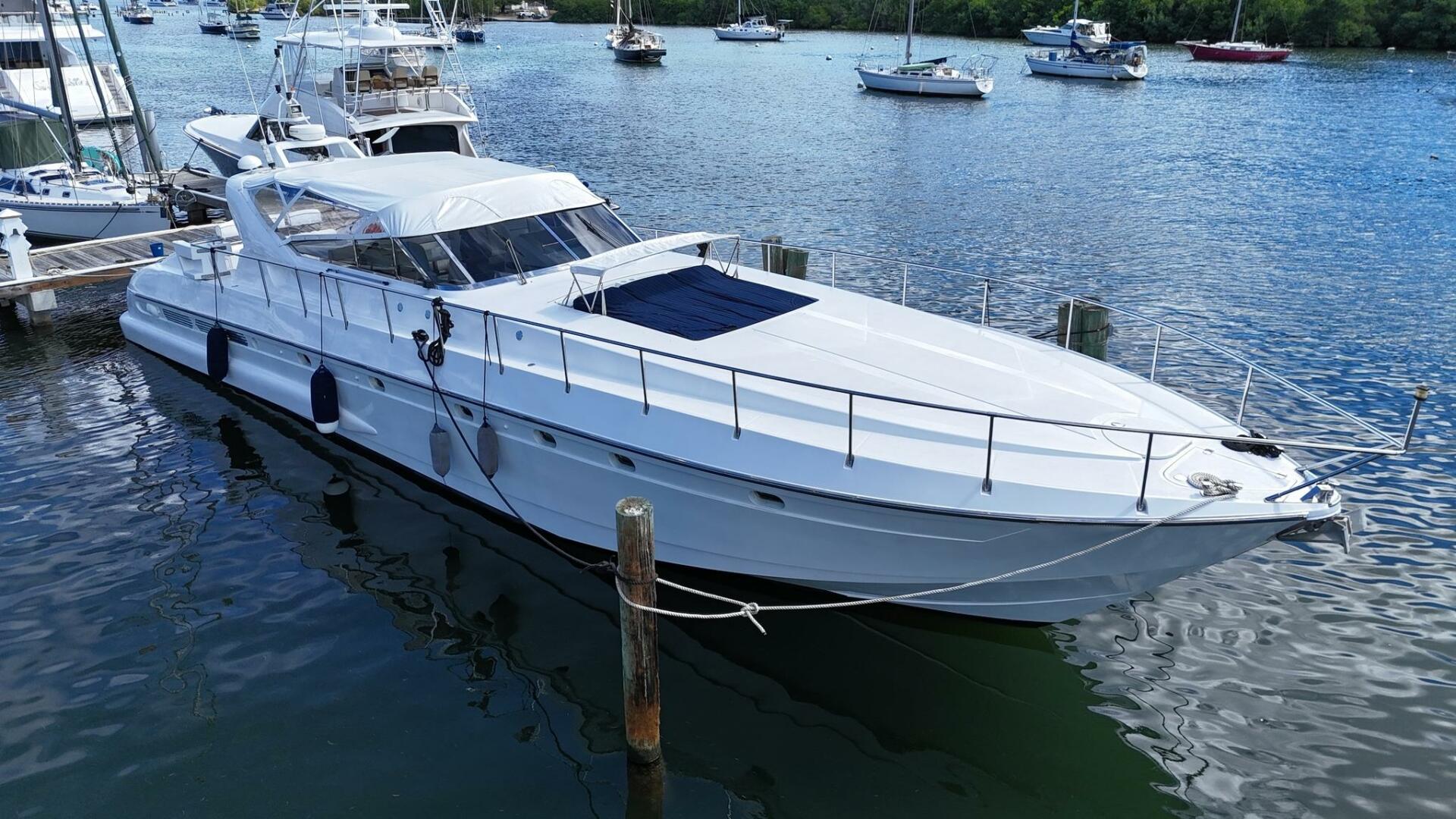
$599,000
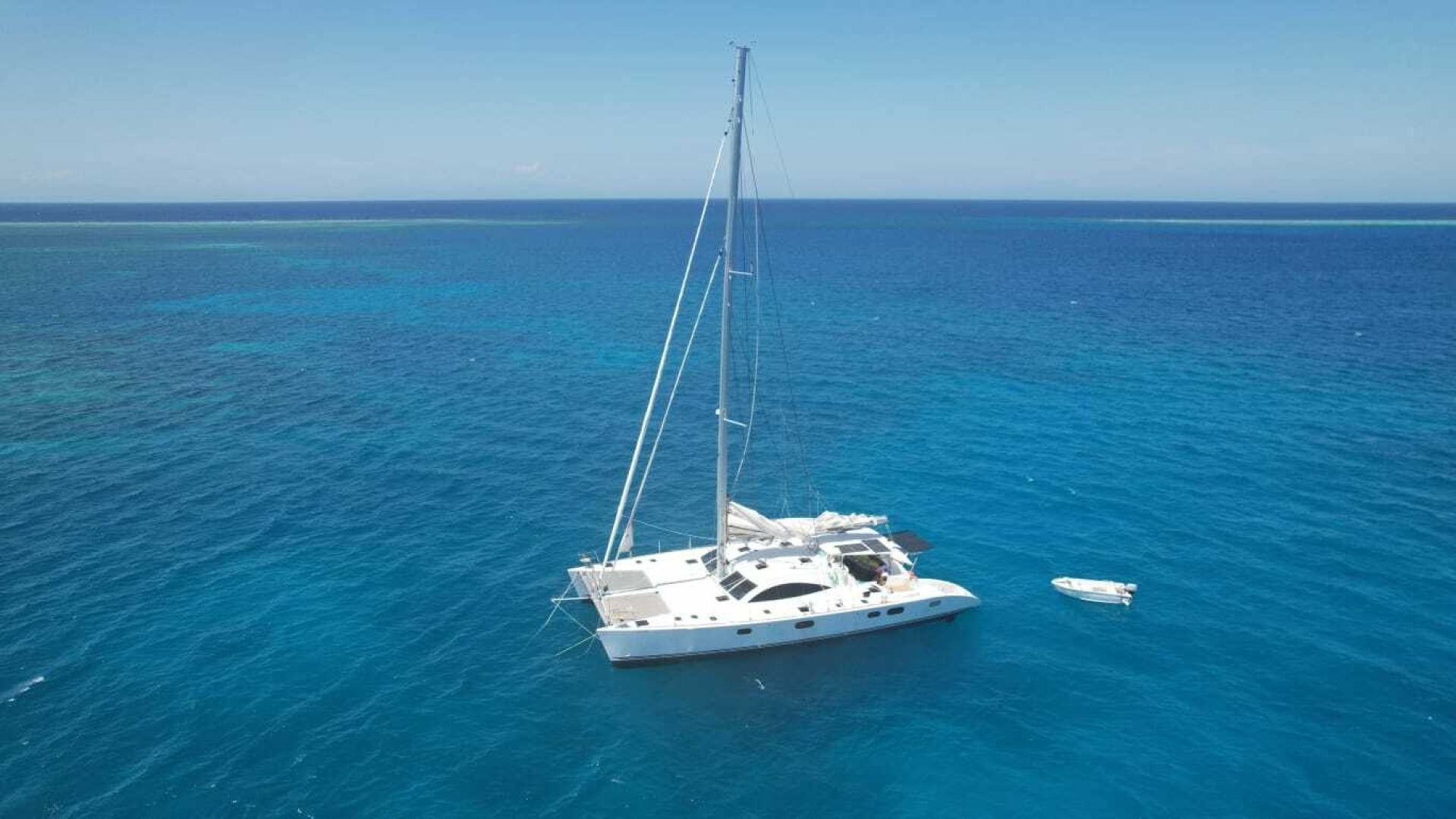
$1,300,000
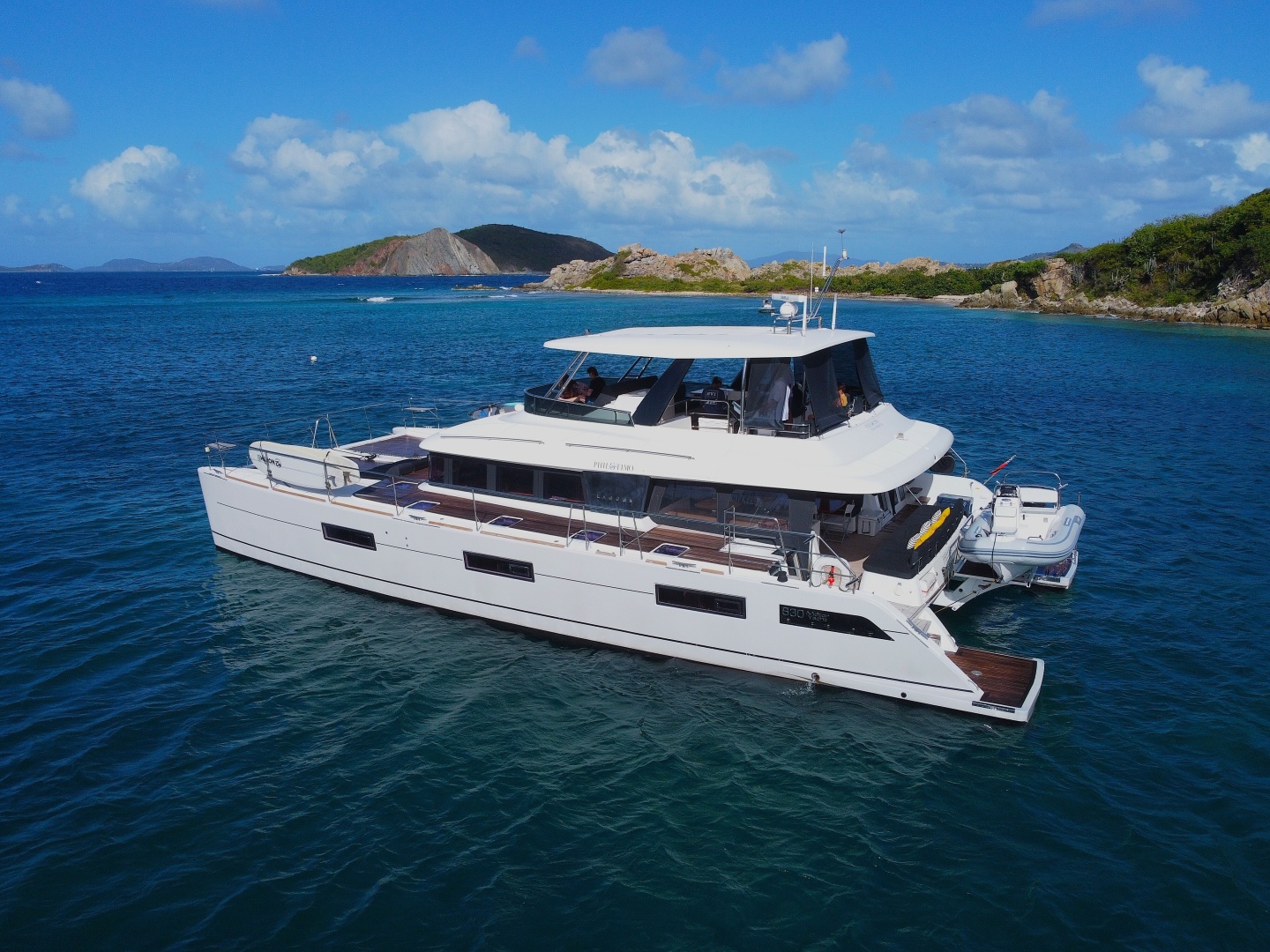
$1,699,000

$299,000

$899,000
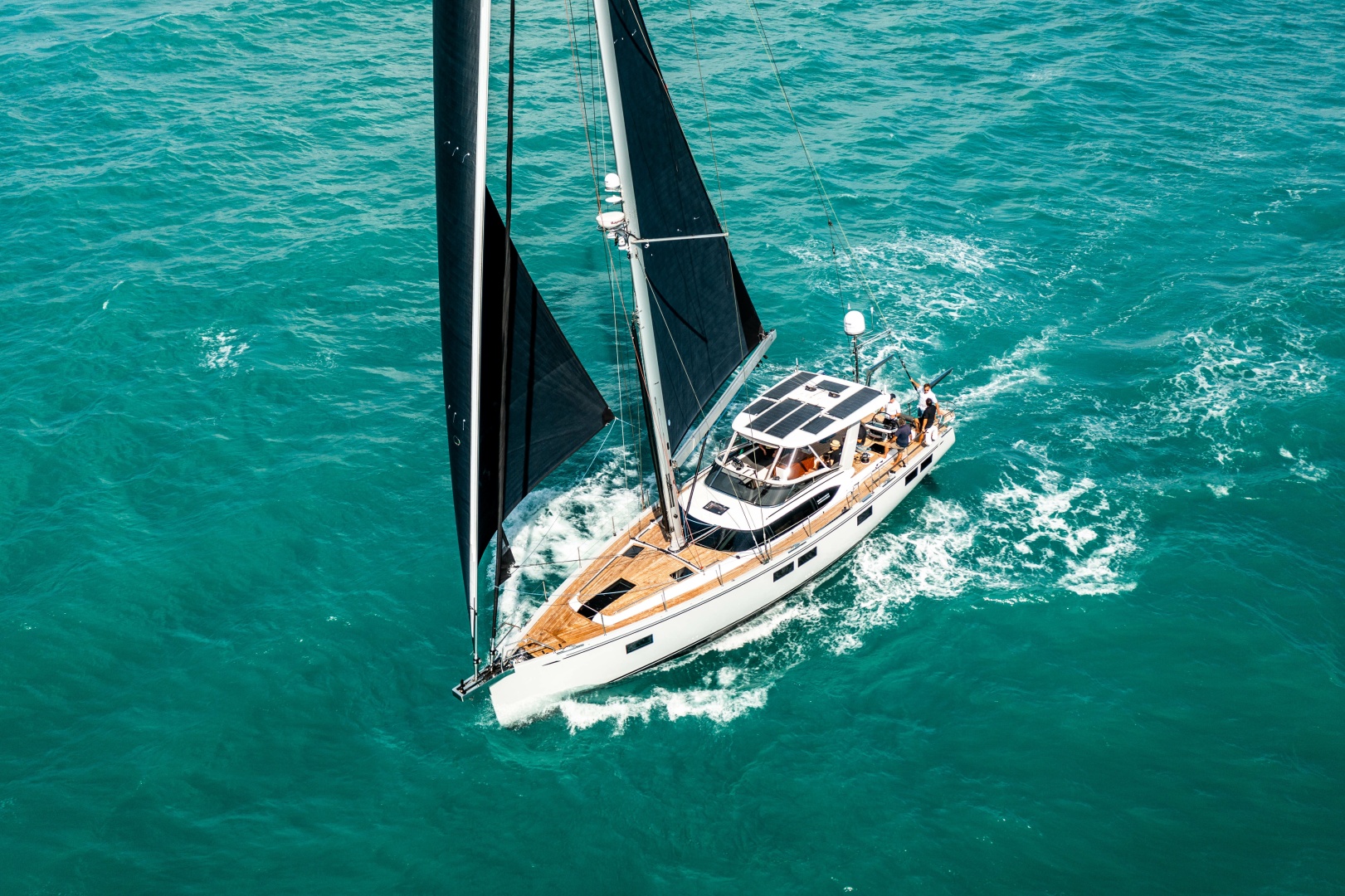
$1,795,000

$269,000
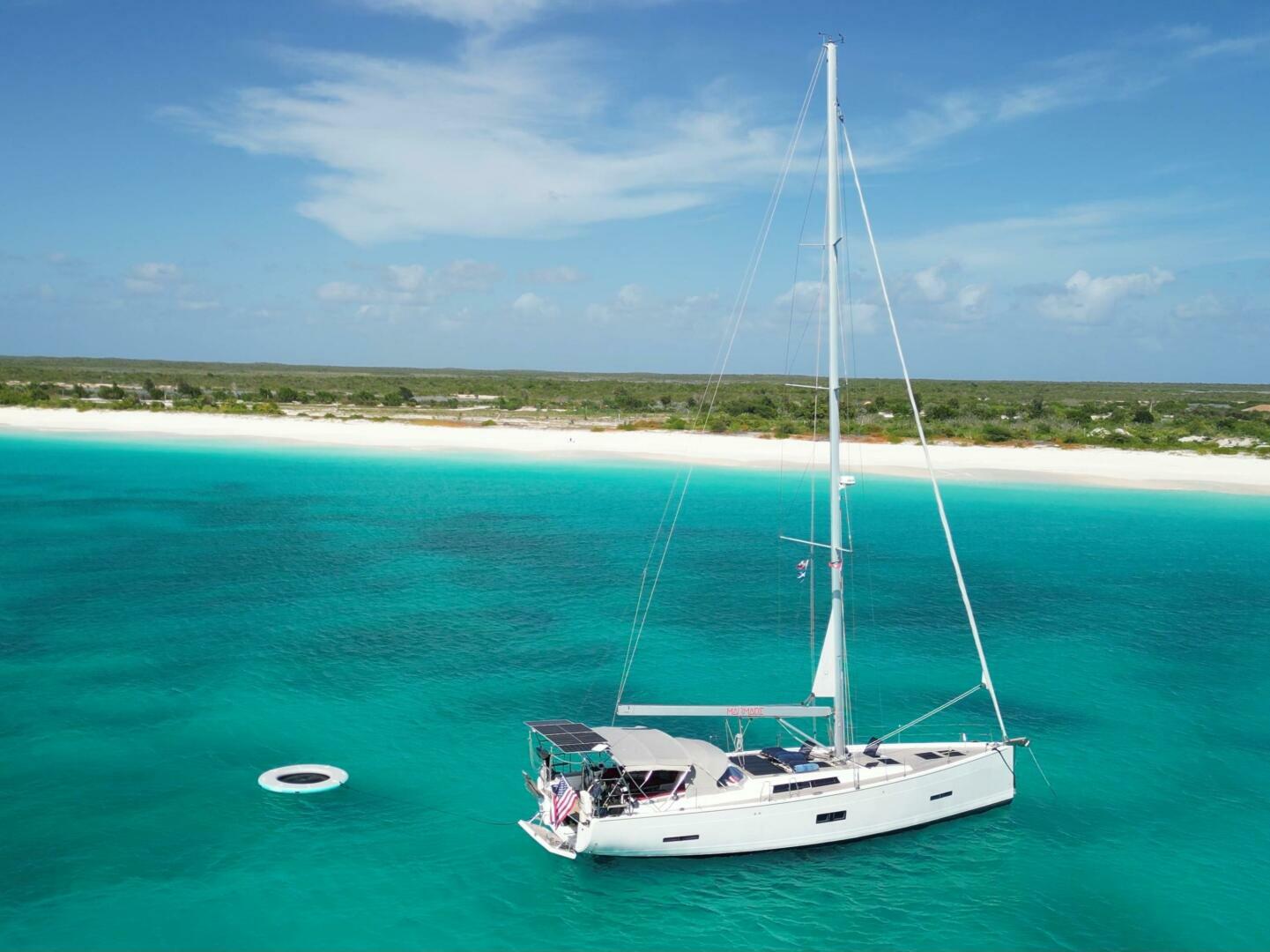
$359,000
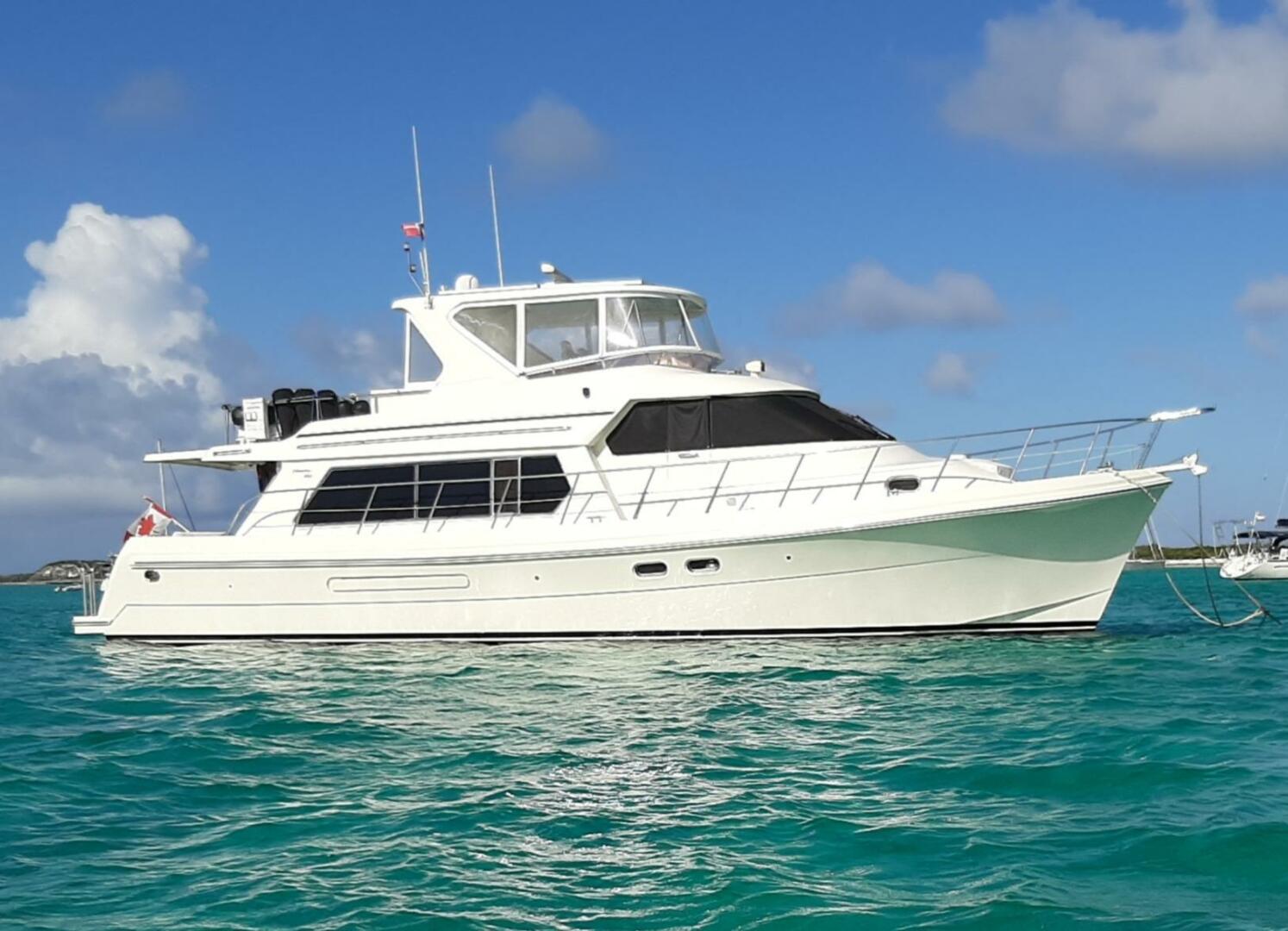
$499,500
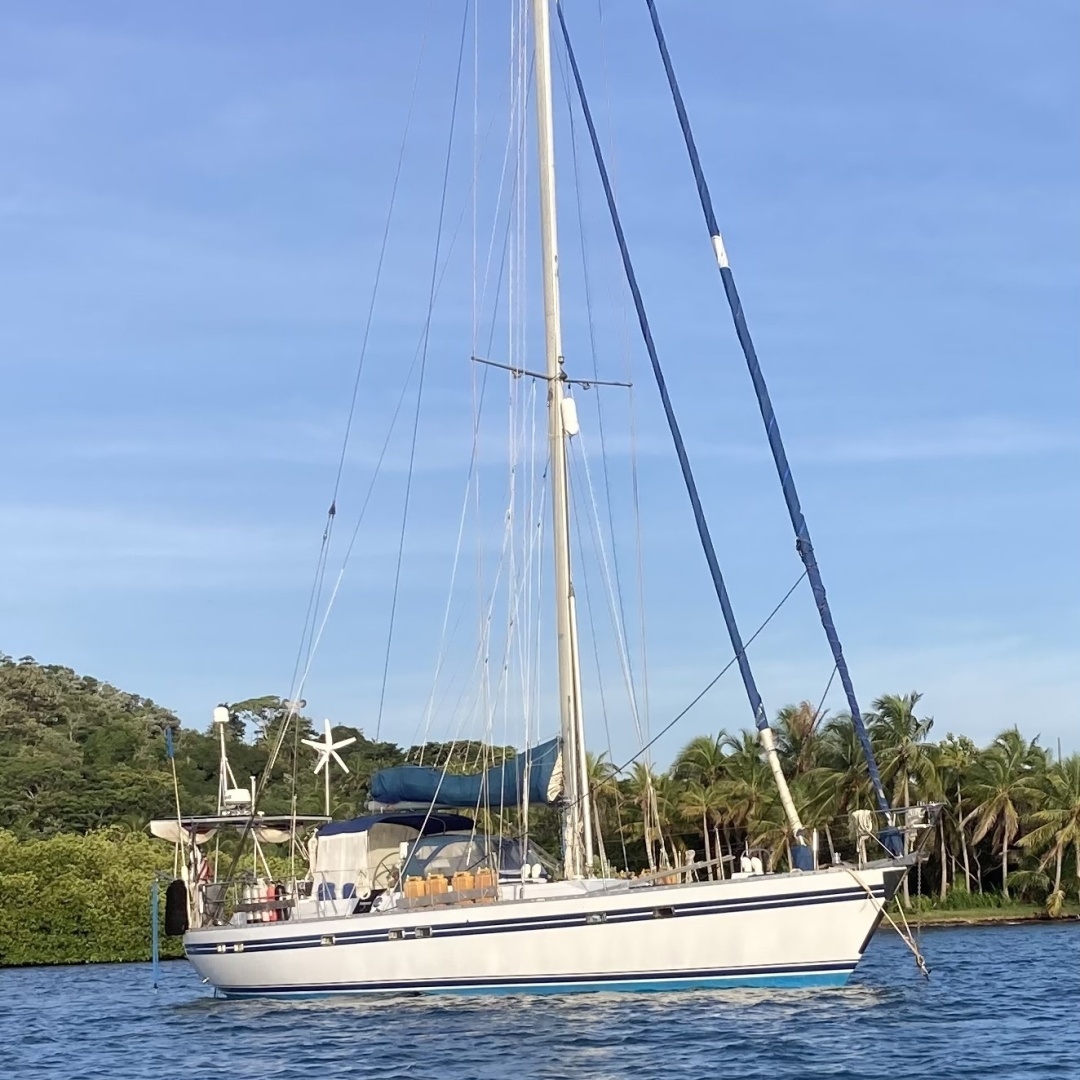
$299,500
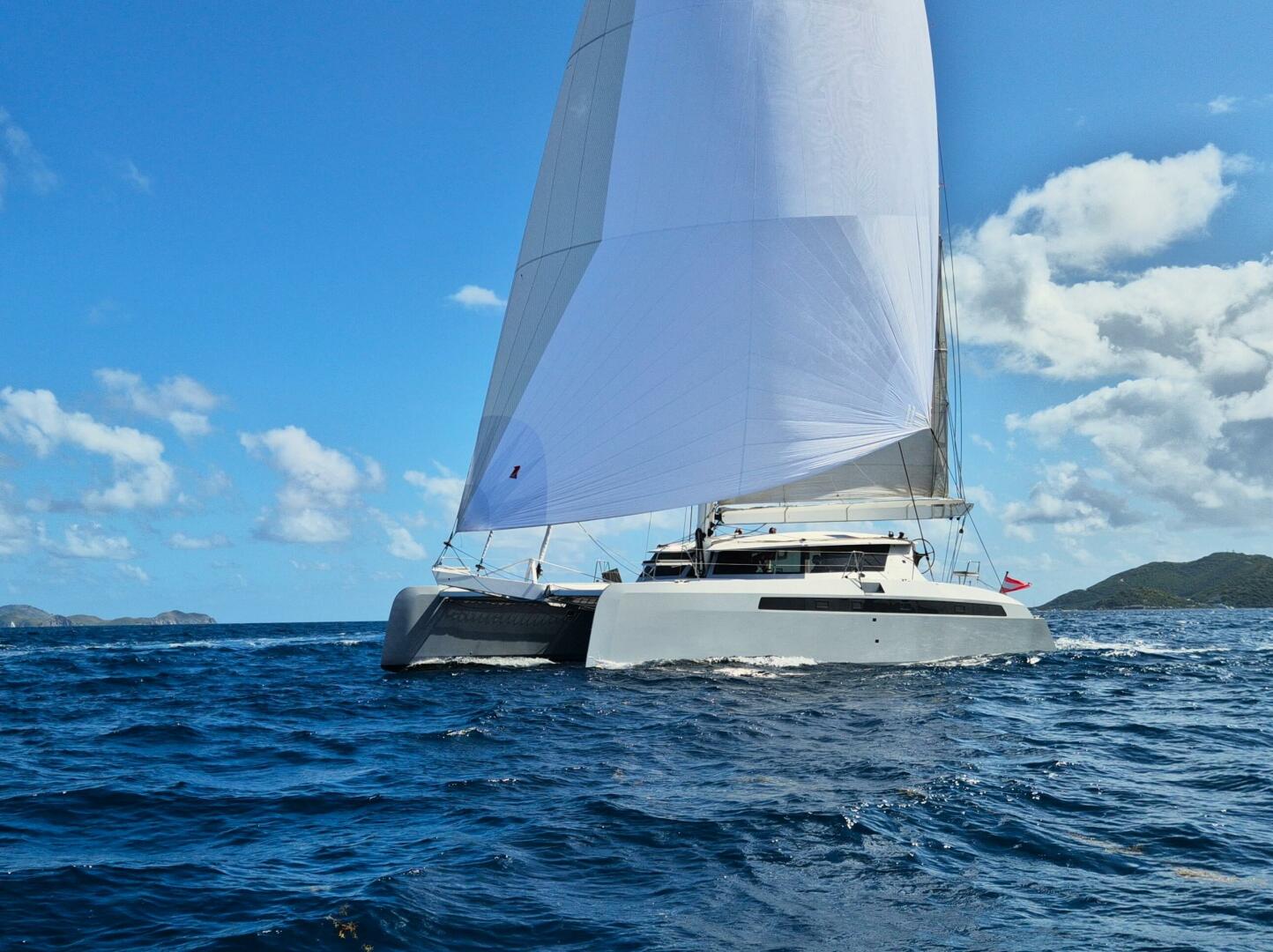
$1,290,000
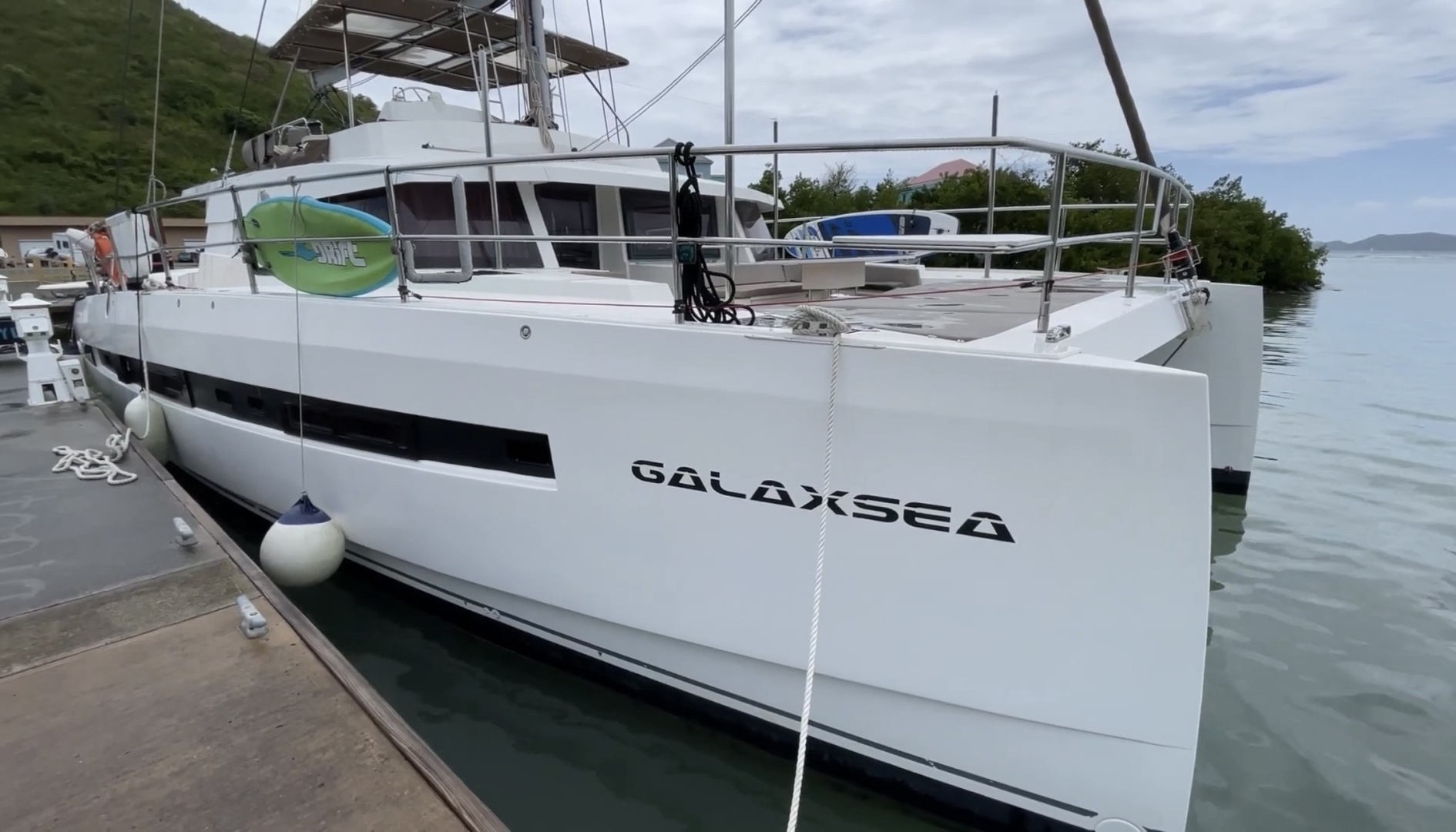
$800,000
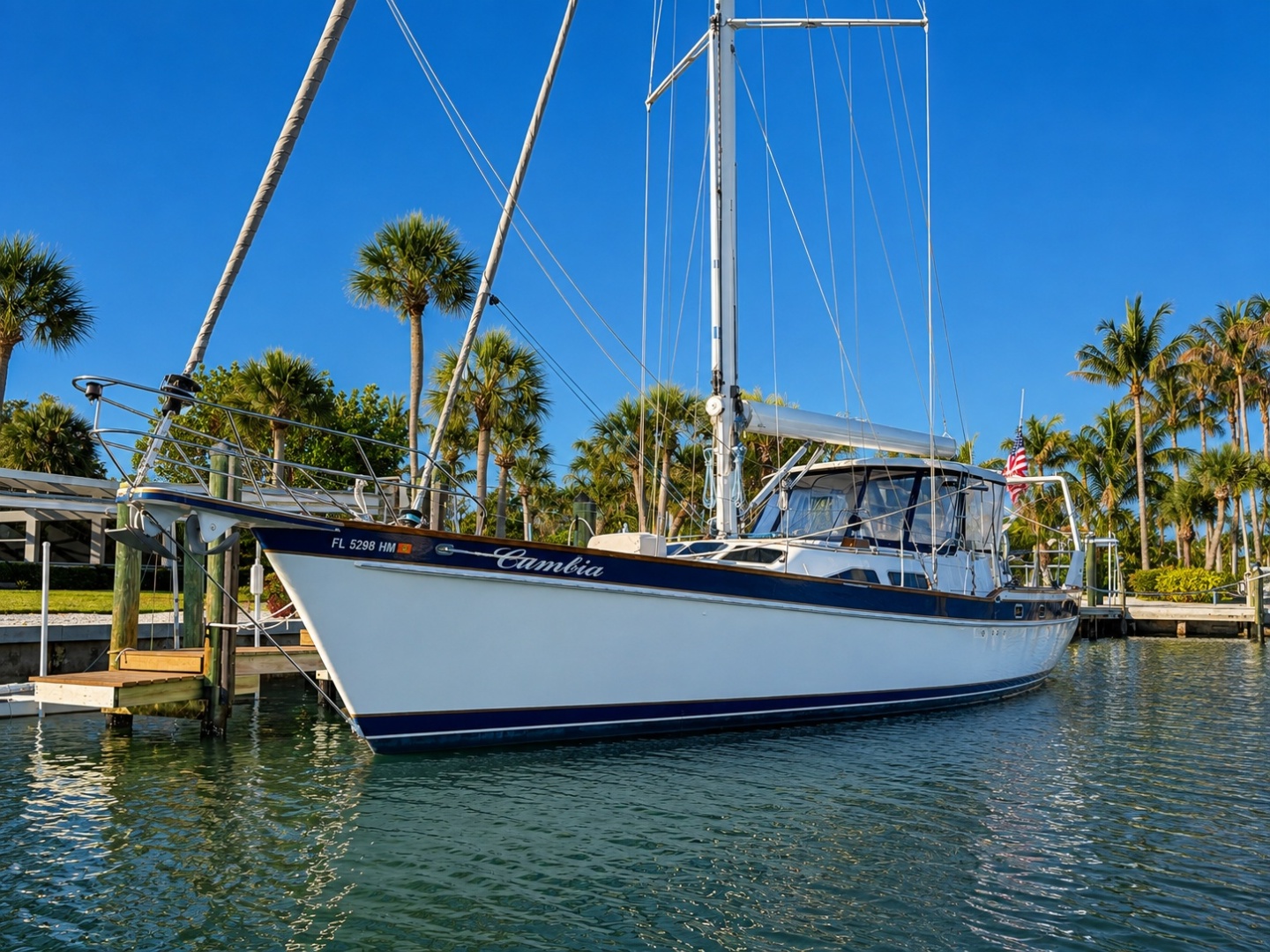
$545,000
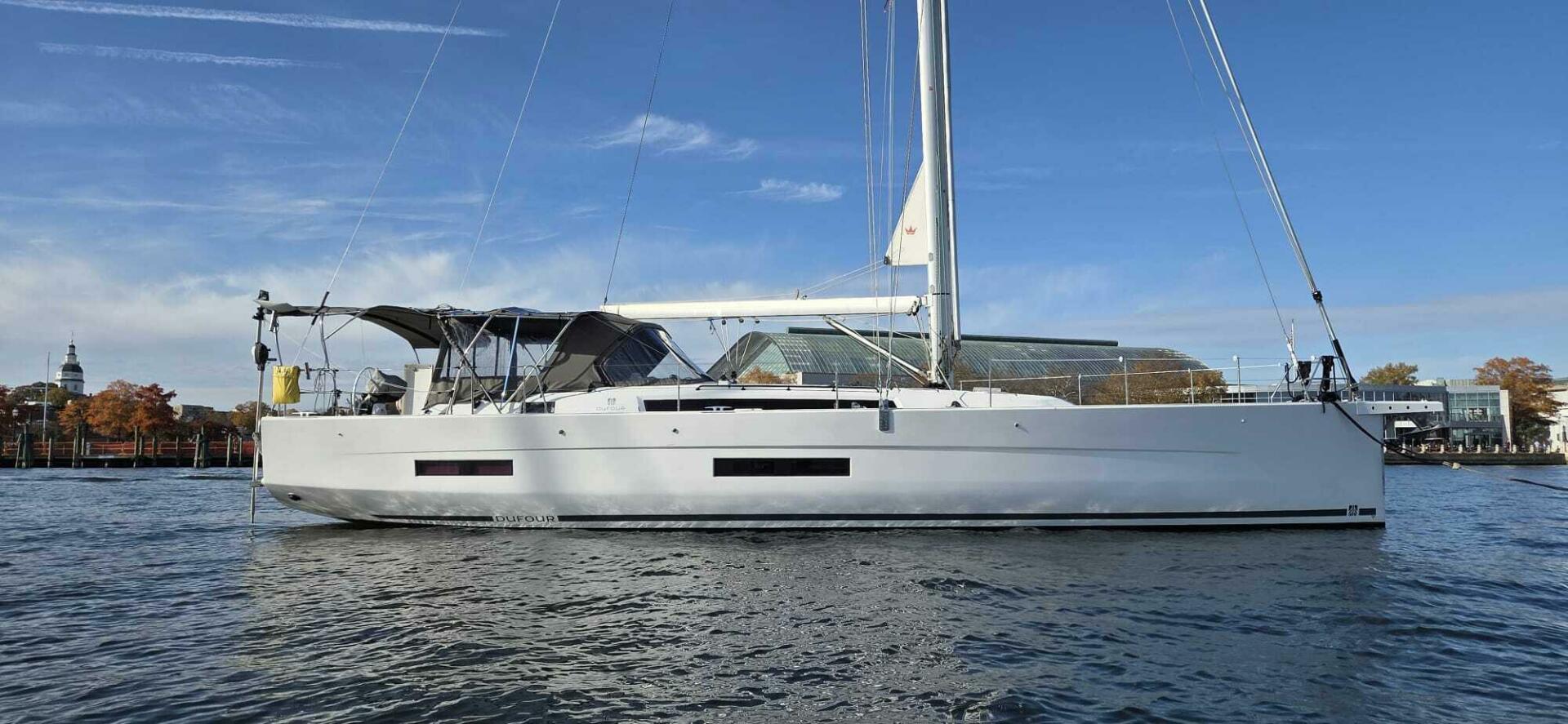
$564,900
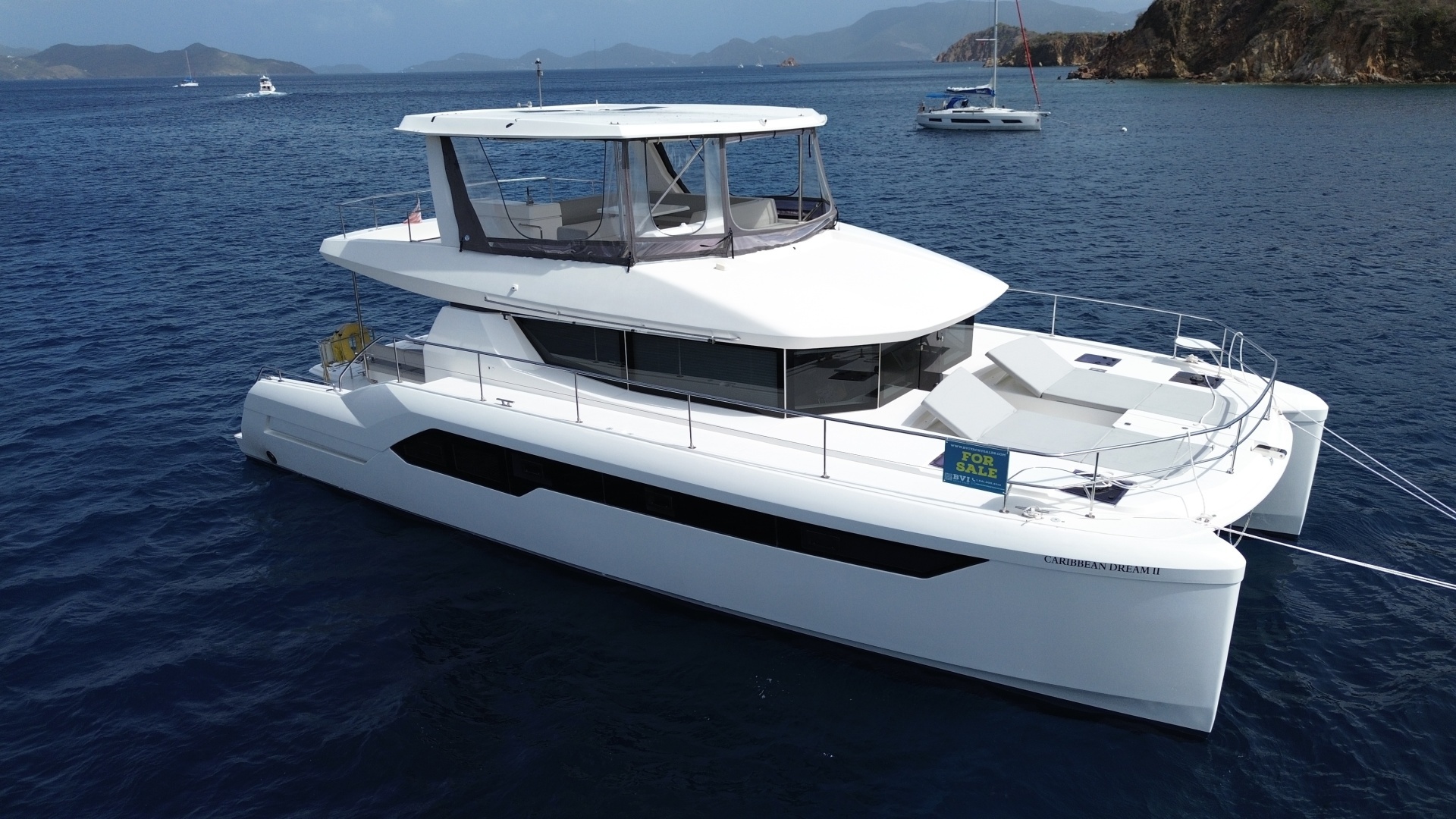
$1,130,000
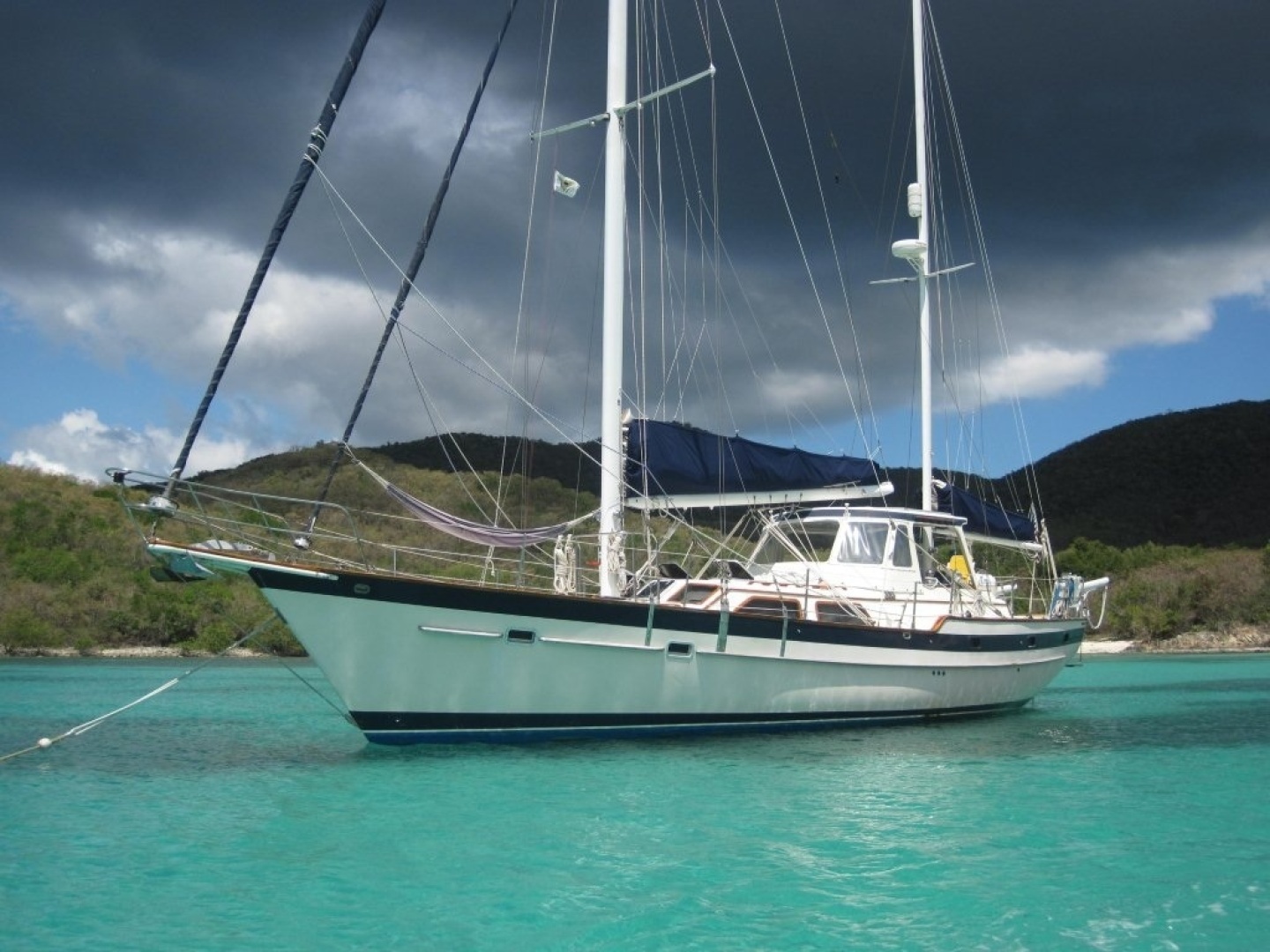
$159,000
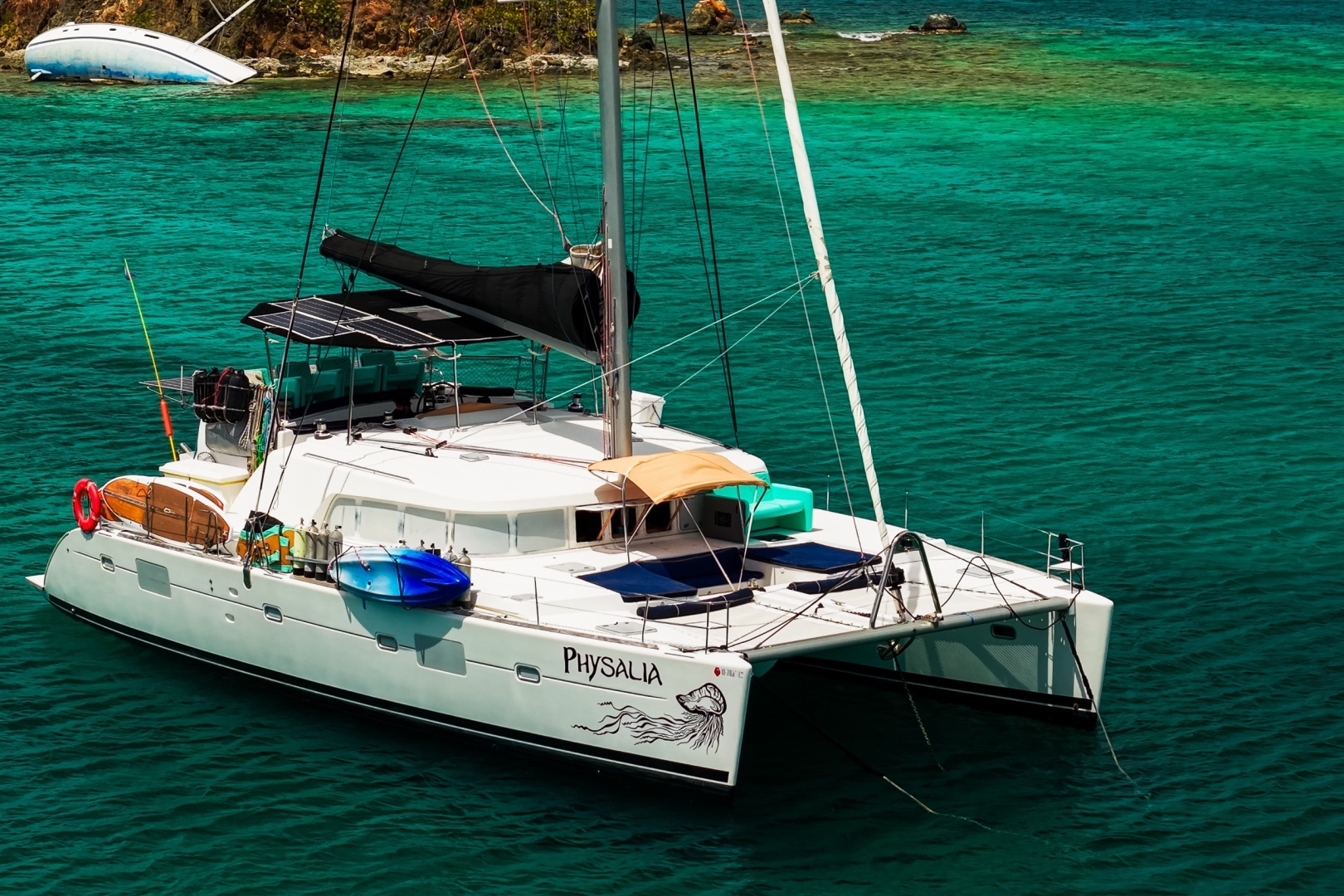
$499,000
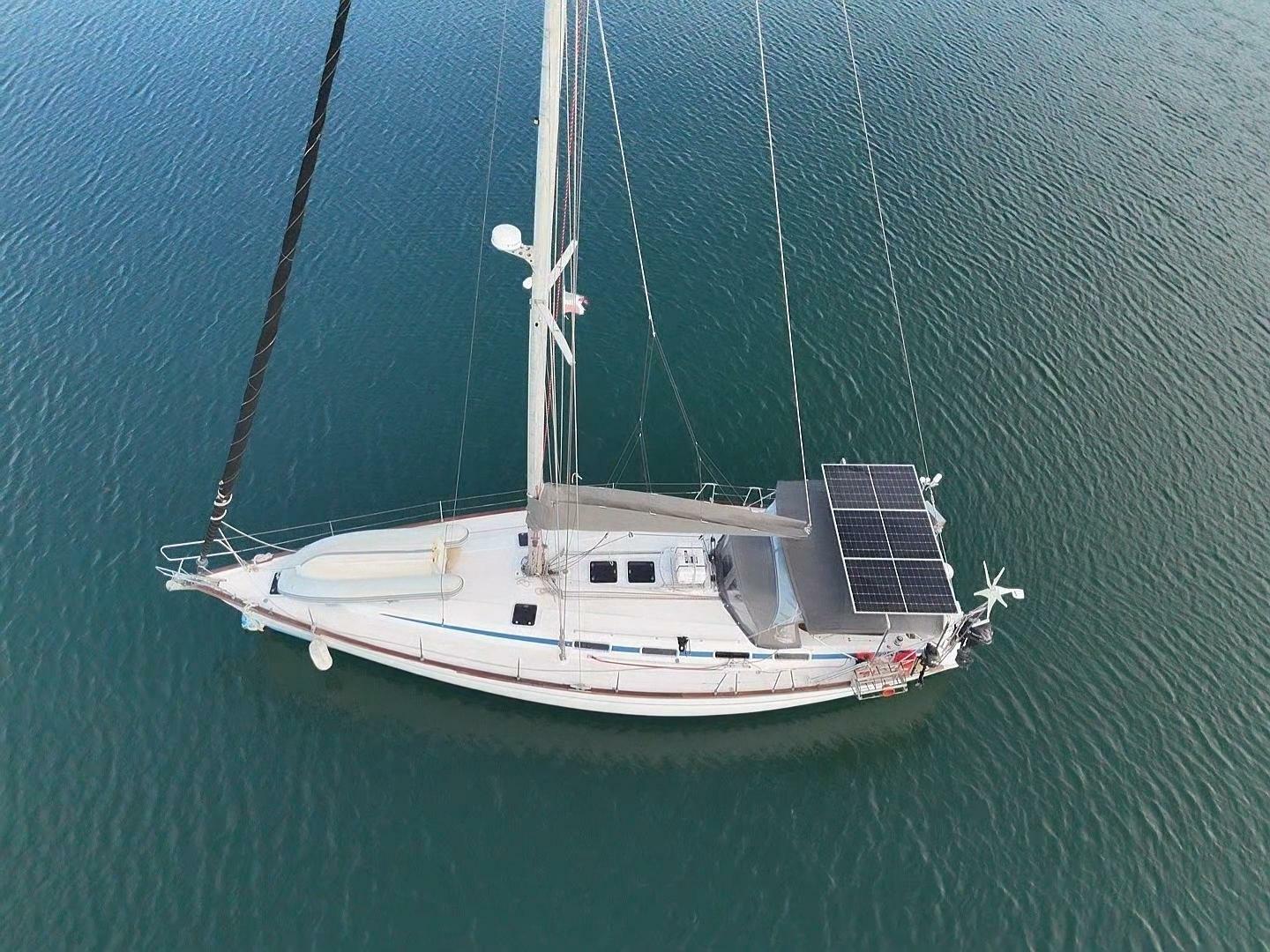
$89,000
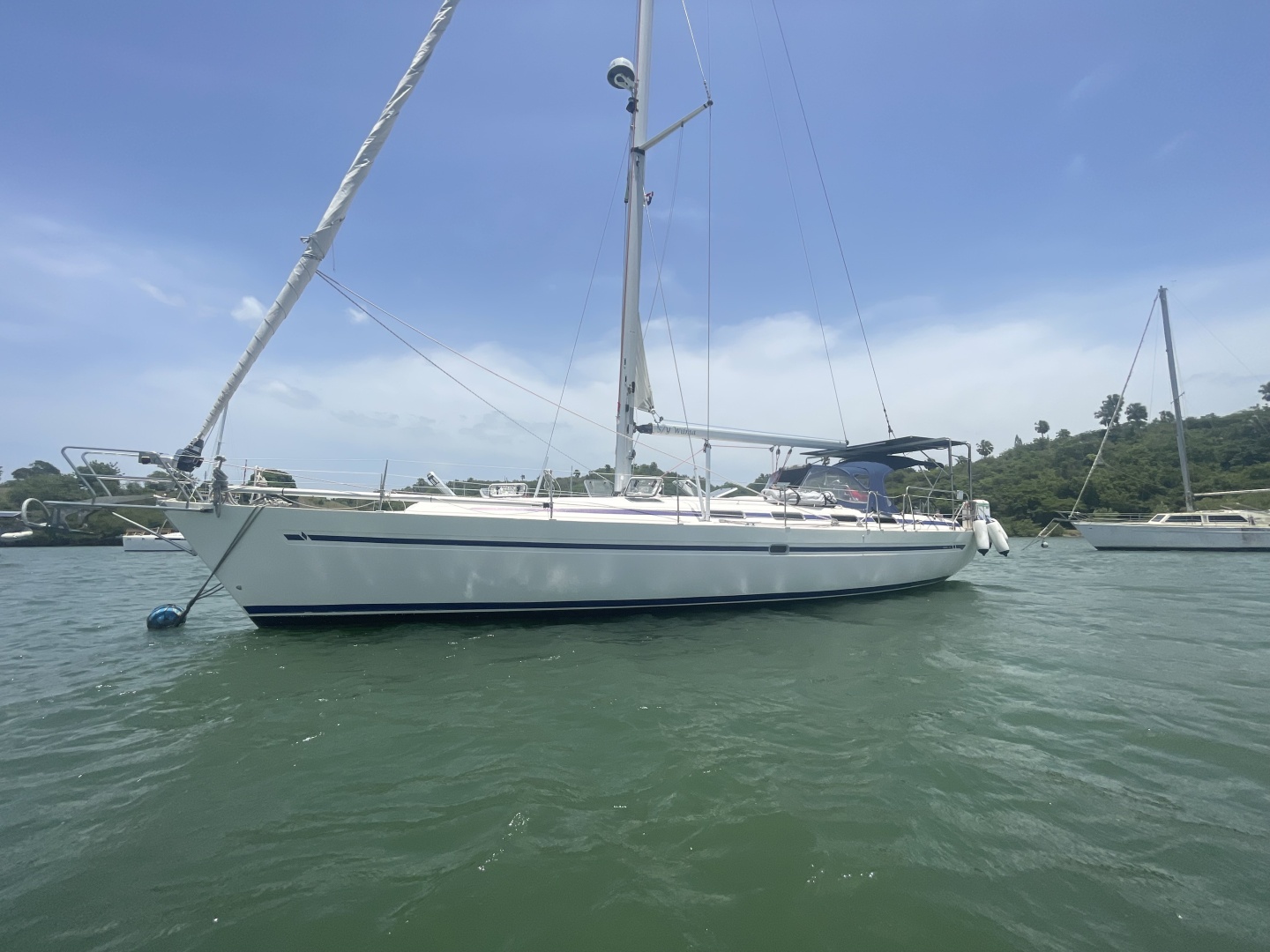
$89,000
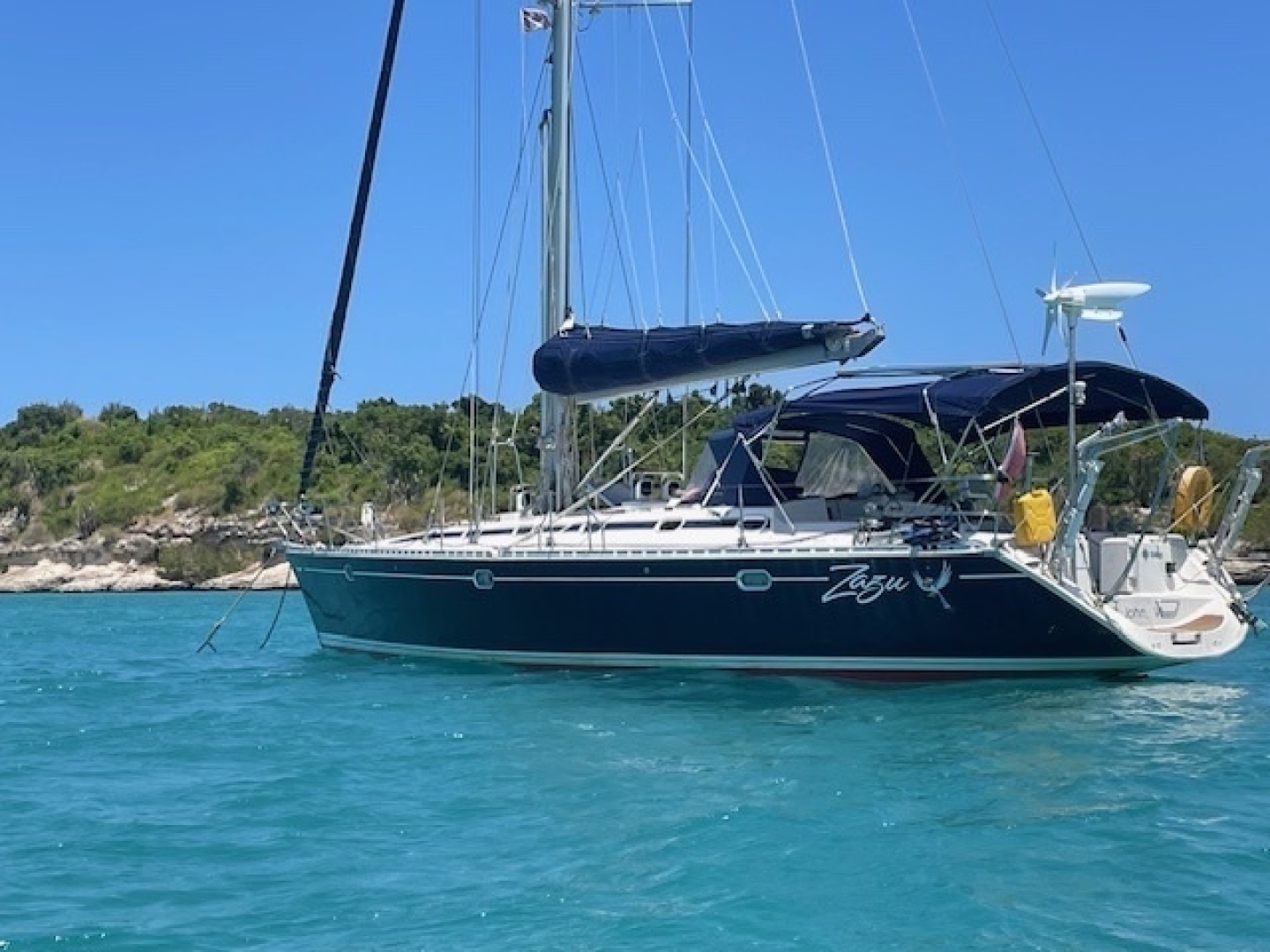
$135,000
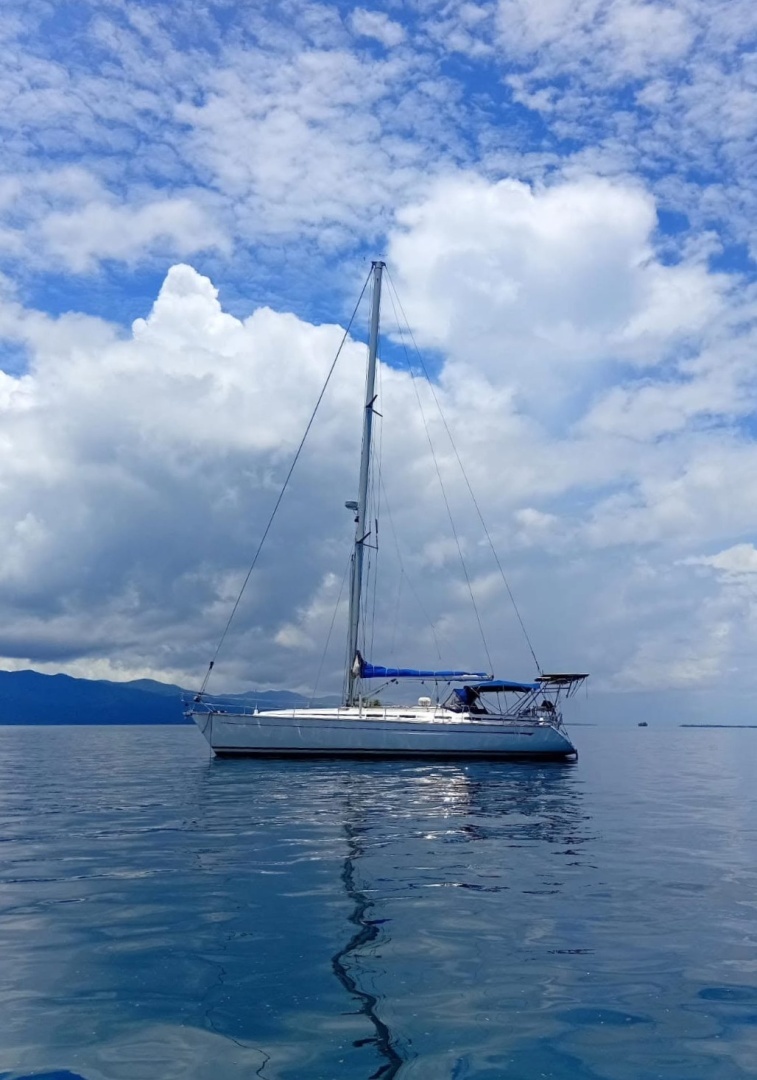
$98,250
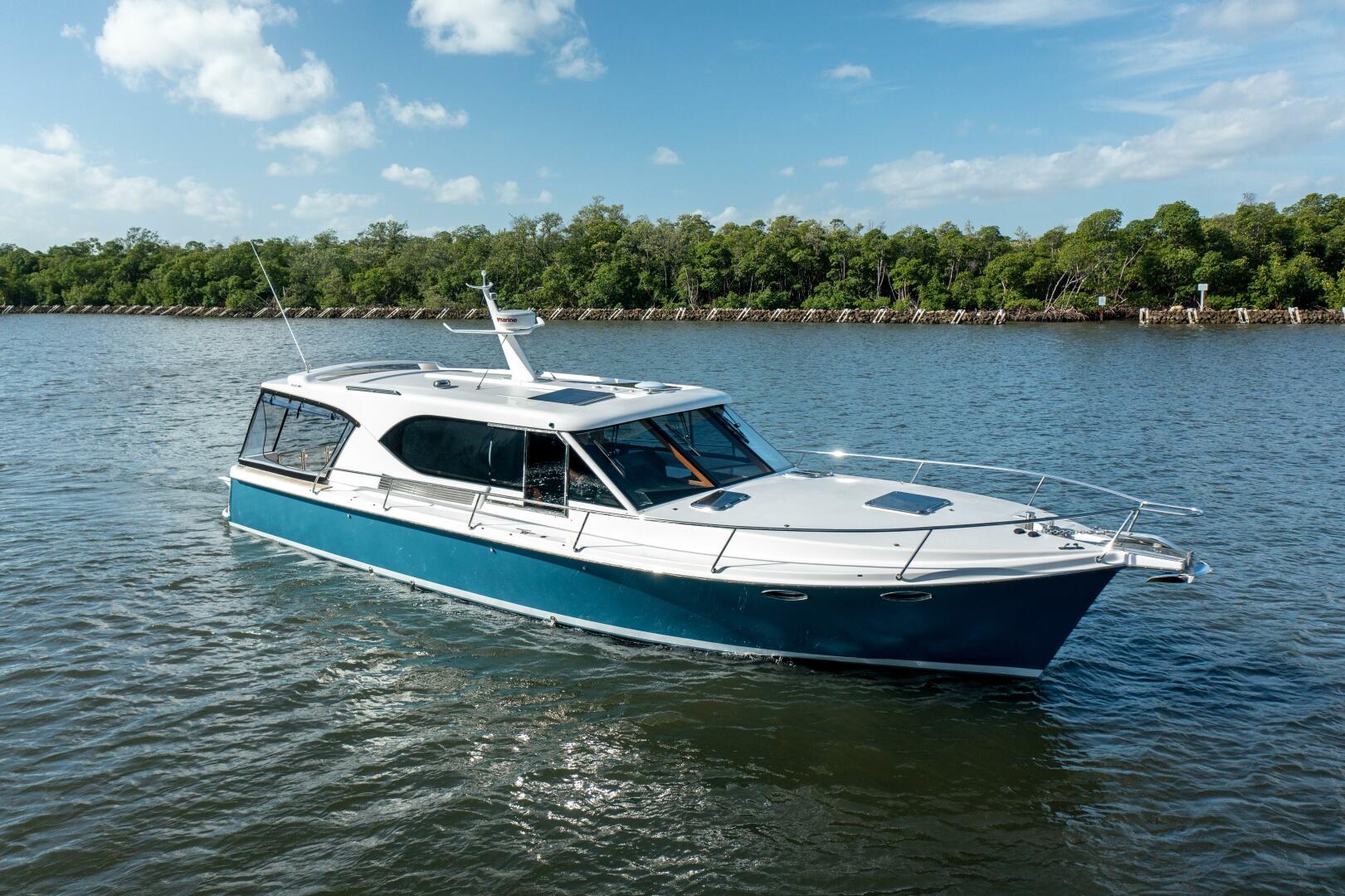
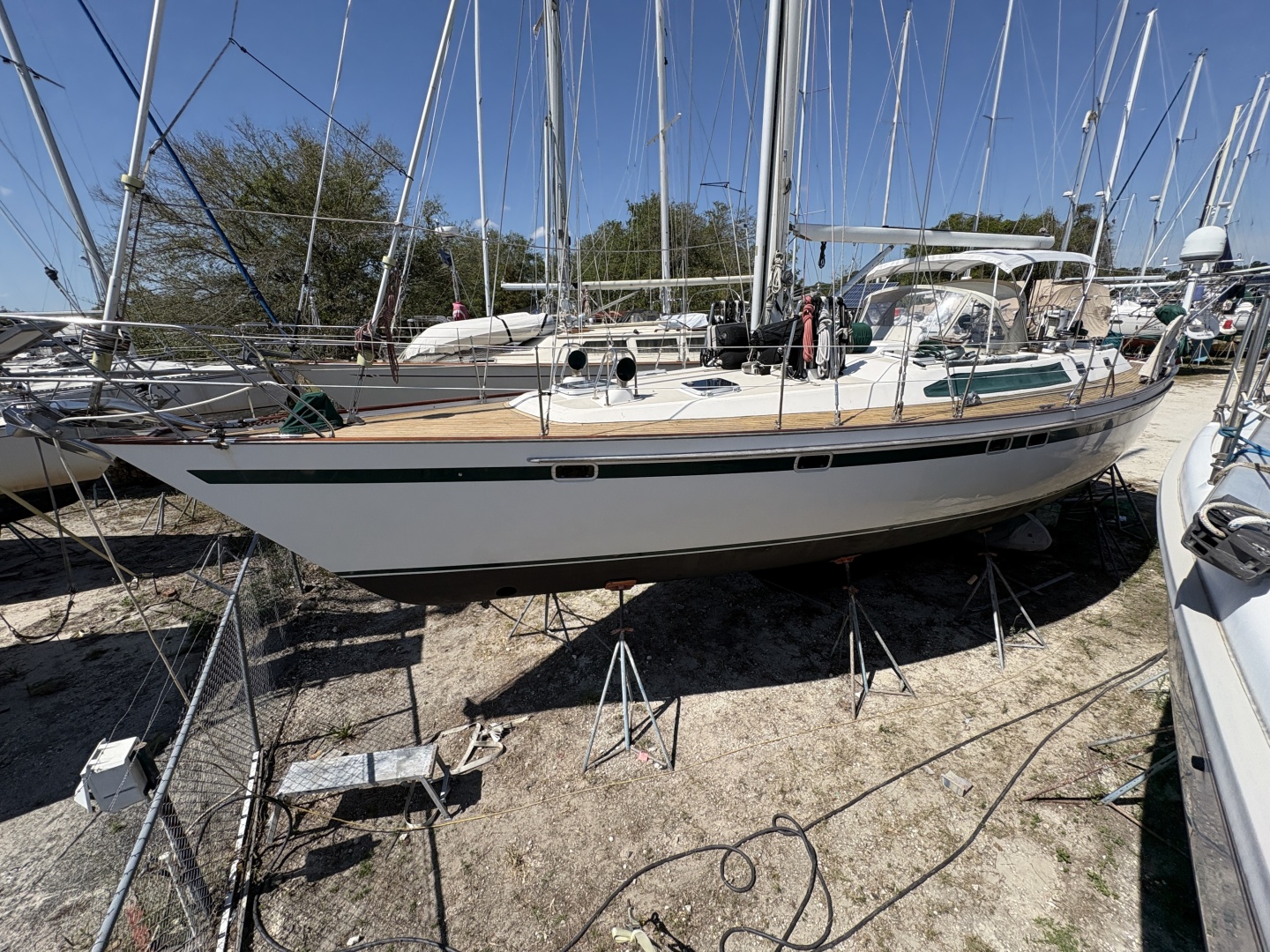
$149,850
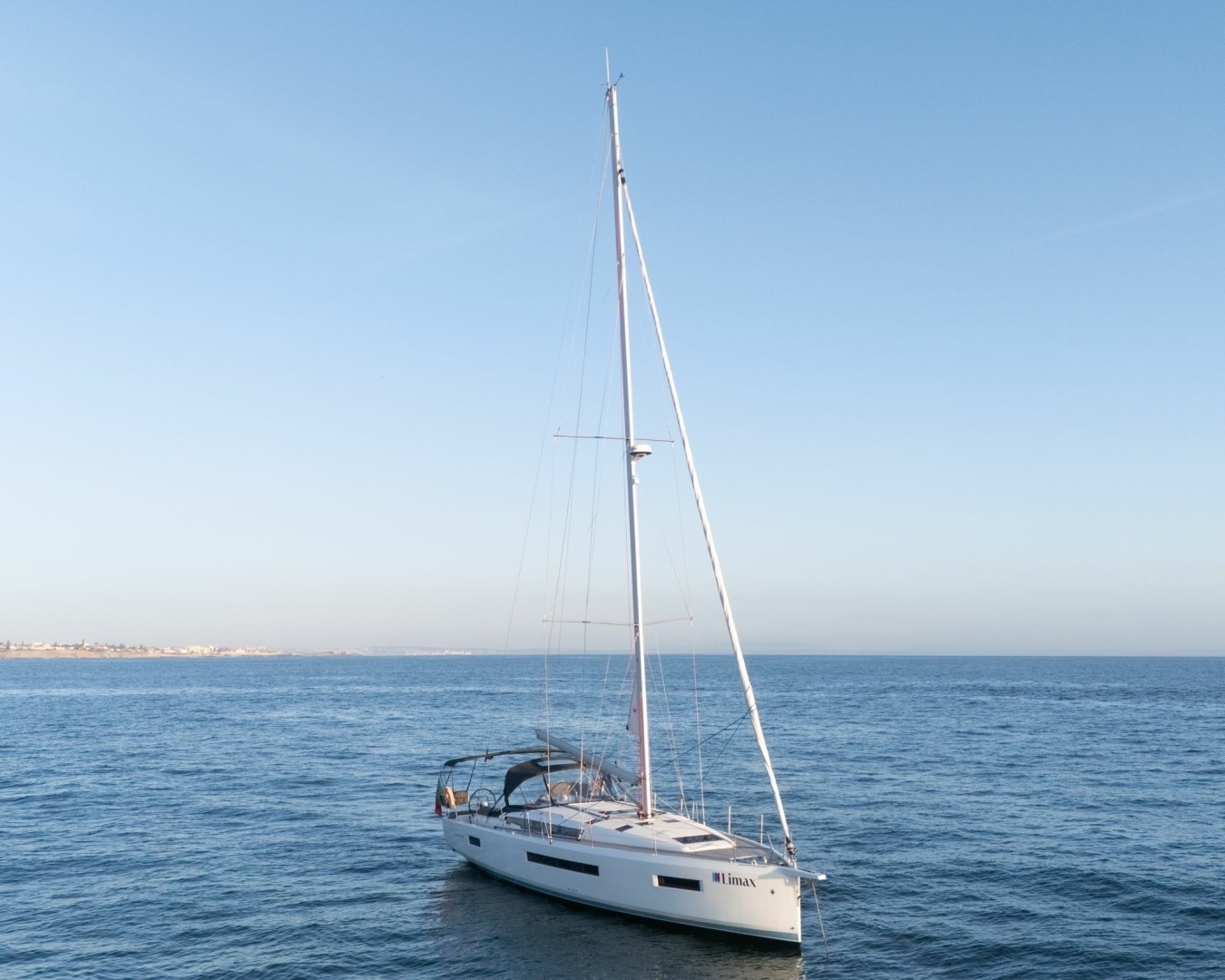
$369,000
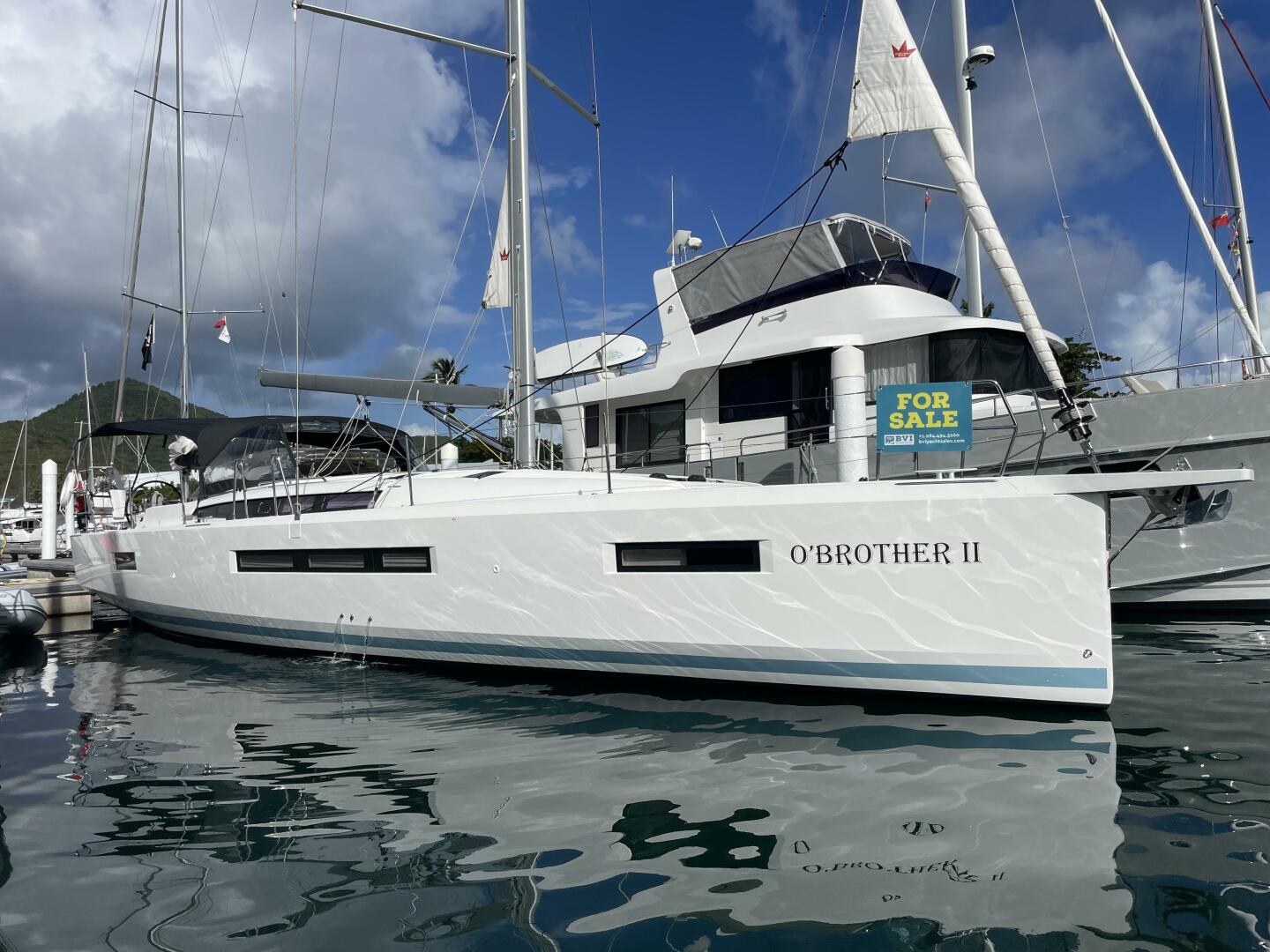
$395,000
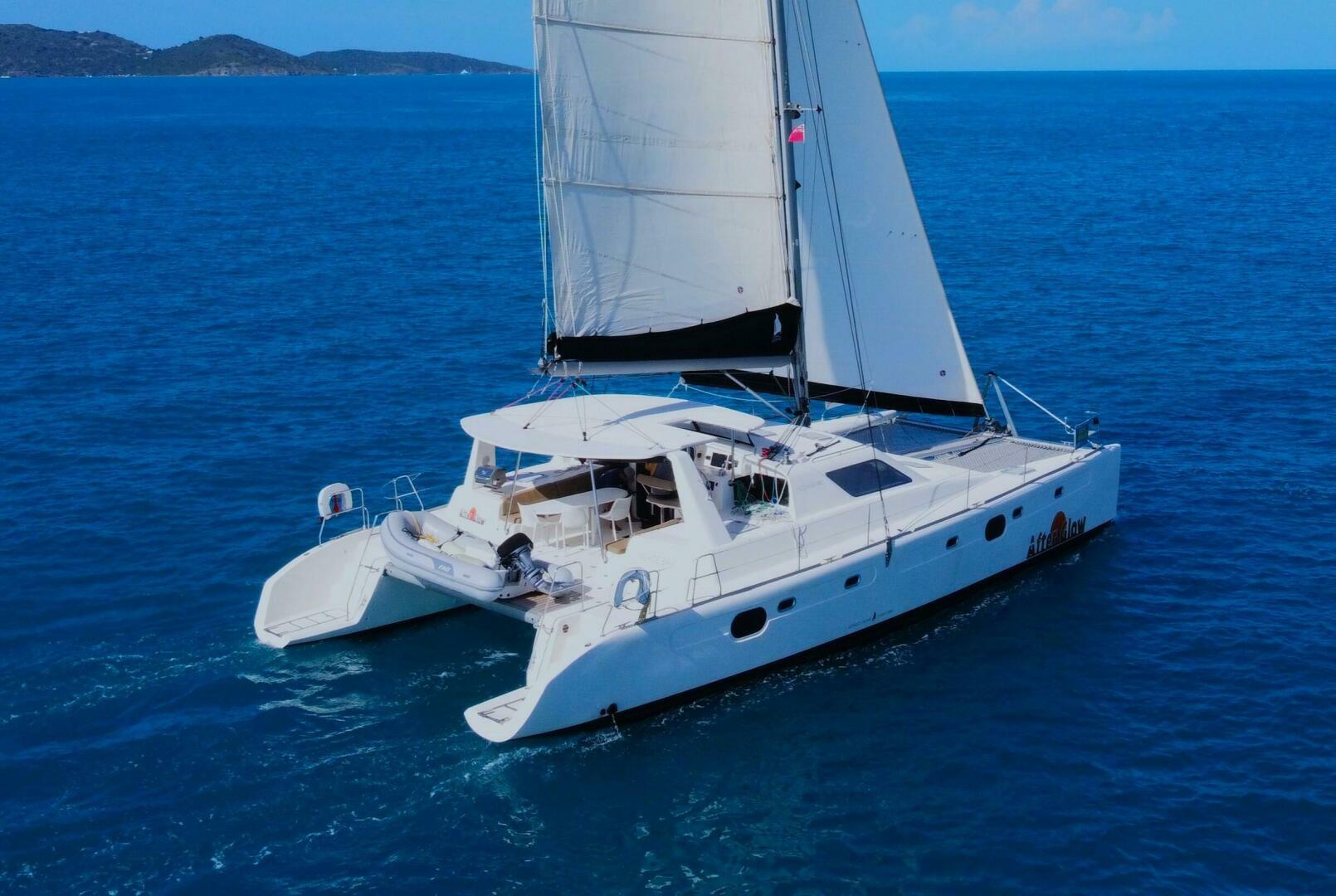
$349,000
$125,000
$1,724,571
$149,500
$109,900
$395,000

$652,000
$105,000

$115,000
$950,000
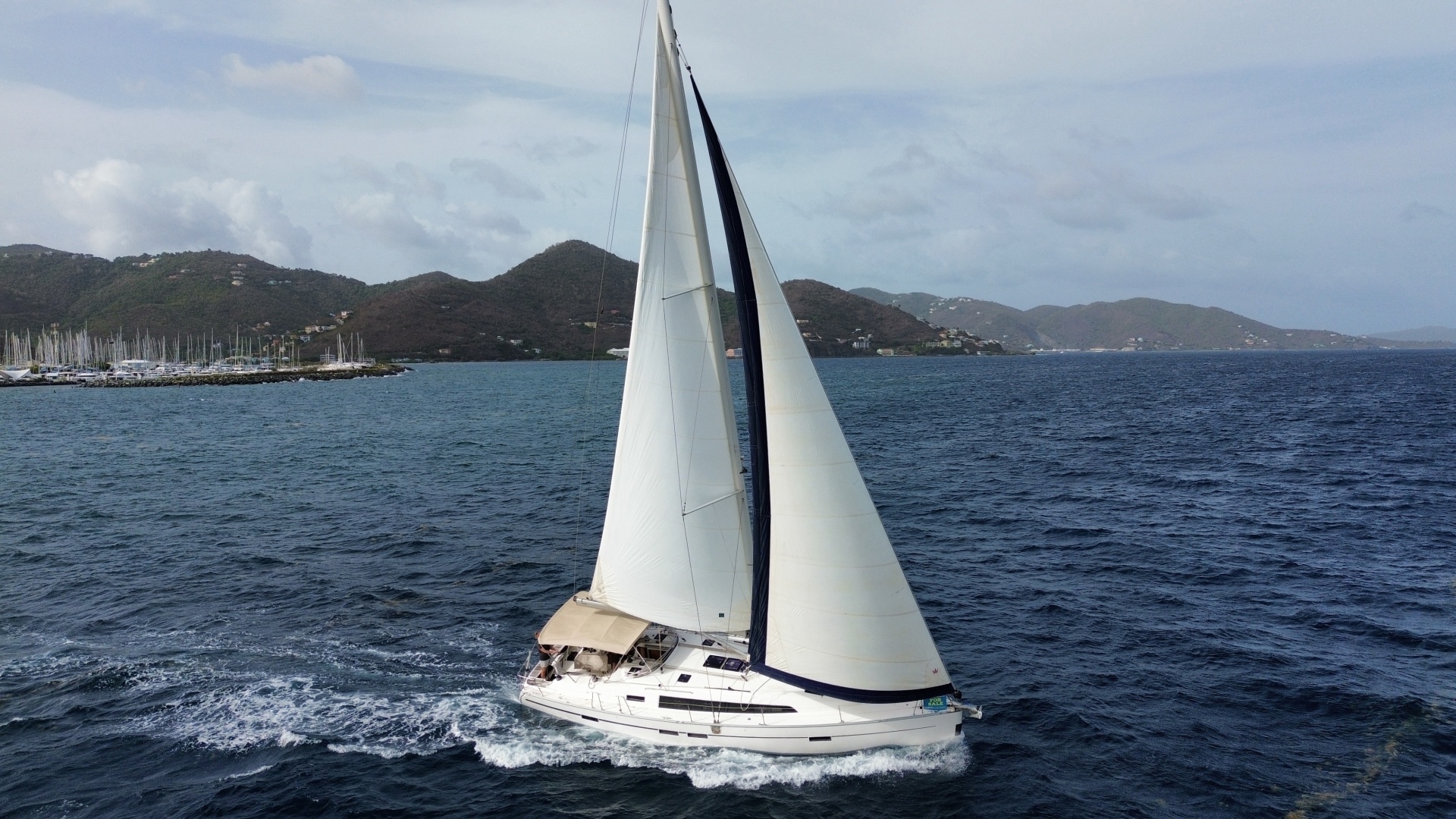
$149,000
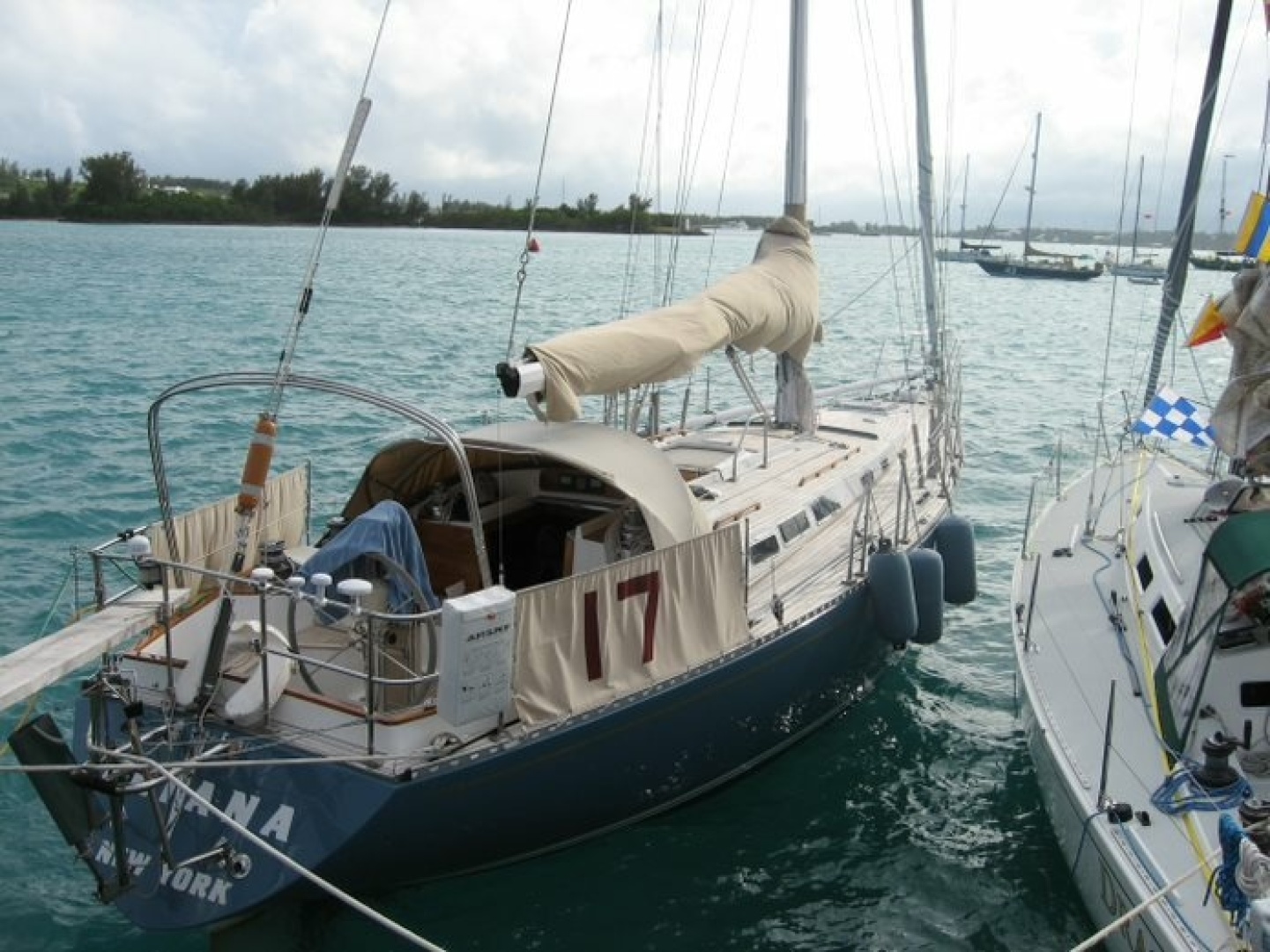
$135,000
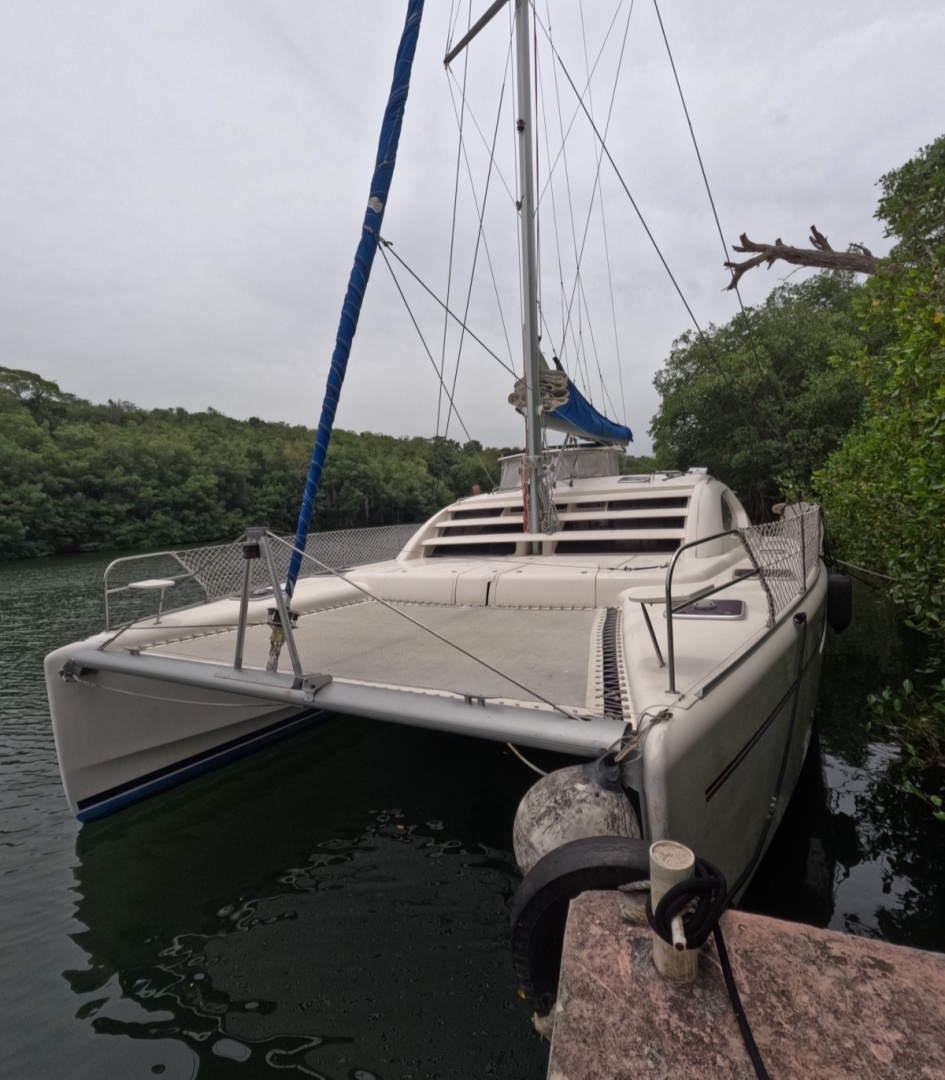
$349,000