

Why your asking price is the most important decision you'll make
When you list a yacht in the Caribbean, the asking price does more than name a number — it decides whether serious buyers ever click through to your listing at all. Buyers shop by price band. Set yours too high and you don’t just lose a few inquiries; you become invisible to the exact people most likely to buy your boat. Price settles only half of a closing; the paperwork settles the rest, and yacht title transfer in this part of the Caribbean rarely follows the pattern US owners expect.
The good news is that pricing a yacht well is a process, not a guess. Work through the steps below in order and you’ll arrive at a defensible number you can stand behind in negotiation — and one that gets your boat in front of the right buyers from day one.
STEP 01Pull real comparable listings
STEP 02Adjust honestly for condition
STEP 03Factor in location and market
STEP 04Weigh equipment and upgrades realistically
STEP 05Set the number with a small, honest buffer
The mistake that costs sellers the most: overpricing
If there is one error to avoid, it is starting high “to leave room.” The single biggest pricing mistake sellers make is pricing a boat too high, and it backfires in a specific, predictable way. Overpriced boats lose momentum in their critical first weeks, develop a stale-listing reputation as the weeks pass, and ultimately sell for less after a series of demoralizing price cuts than they would have at a fair price from the start.
Owners overprice for understandable reasons — years of memories, real money spent on refits, genuine affection for the boat. But the market is indifferent to all of that. You can ask whatever you like; the boat is worth only what a ready buyer will pay. Anchoring to the market from day one is what gets boats sold.
How to value your boat accurately
The most reliable valuation method is also the simplest: study comparable live listings for boats like yours, then adjust for the specific condition, equipment, and location of your vessel. Combine that data with realism about your boat’s true state and you have a number grounded in evidence rather than hope.
This is also where co-brokerage earns its keep. A broker who works the Caribbean and East Coast markets daily sees what is actually selling, at what price, and how long it took — the kind of pricing intelligence that’s hard to assemble on your own from public listings alone.
When to revisit your price
Even a well-set price deserves review. If weeks pass with strong listing views but no inquiries, the price is usually the message the market is sending. If you’re getting inquiries but every offer clusters below your asking, that’s data too — not an insult.
A disciplined seller watches the response in the first 30 to 60 days and adjusts deliberately rather than emotionally. One confident, well-reasoned correction beats a slow trickle of small cuts that signals desperation to every buyer watching.
QHow do I figure out what my yacht is worth?
Start with live comparable listings for the same make, model, and age, ideally in the Caribbean and US East Coast markets. Adjust for your boat’s condition, equipment, and location. A broker who tracks recent sold prices can sharpen the estimate beyond what public asking prices show.
QWhat is the biggest mistake when pricing a boat to sell?
Overpricing. Starting high to “leave room” kills buyer momentum in the critical first weeks, makes the listing go stale, and typically leads to a lower final price after repeated cuts than a fair price would have achieved from the start.
QHow much negotiation room should I build into my asking price?
A small, modest buffer is normal and expected. A large buffer backfires — it pushes your boat out of buyers’ price-band searches and signals that the asking price isn’t serious, inviting lowball offers.
QDoes where my boat is located affect its price?
Yes. Used-boat pricing is regional. A boat lying in the Caribbean charter market may be worth a different amount than the same model elsewhere, and buyers factor in the cost and effort of relocating the vessel after purchase.
QDo upgrades and new electronics increase my asking price?
Somewhat, but rarely dollar-for-dollar. Recent sails, a repower, or a fresh bottom job add real value; electronics depreciate quickly and equipment older than about five years usually has little impact on price.
QHow long should I wait before lowering my price?
Watch the first 30 to 60 days. Strong views with no inquiries usually mean the price is too high; clustered low offers are market feedback, not insults. Make one confident, well-reasoned adjustment rather than a series of small reactive cuts.
Want a pricing number you can defend?
Our brokers price Caribbean yachts against real, current market data and recent sales — then market your boat through full co-brokerage to reach every qualified buyer. Start with an honest valuation conversation.
Featured Listings
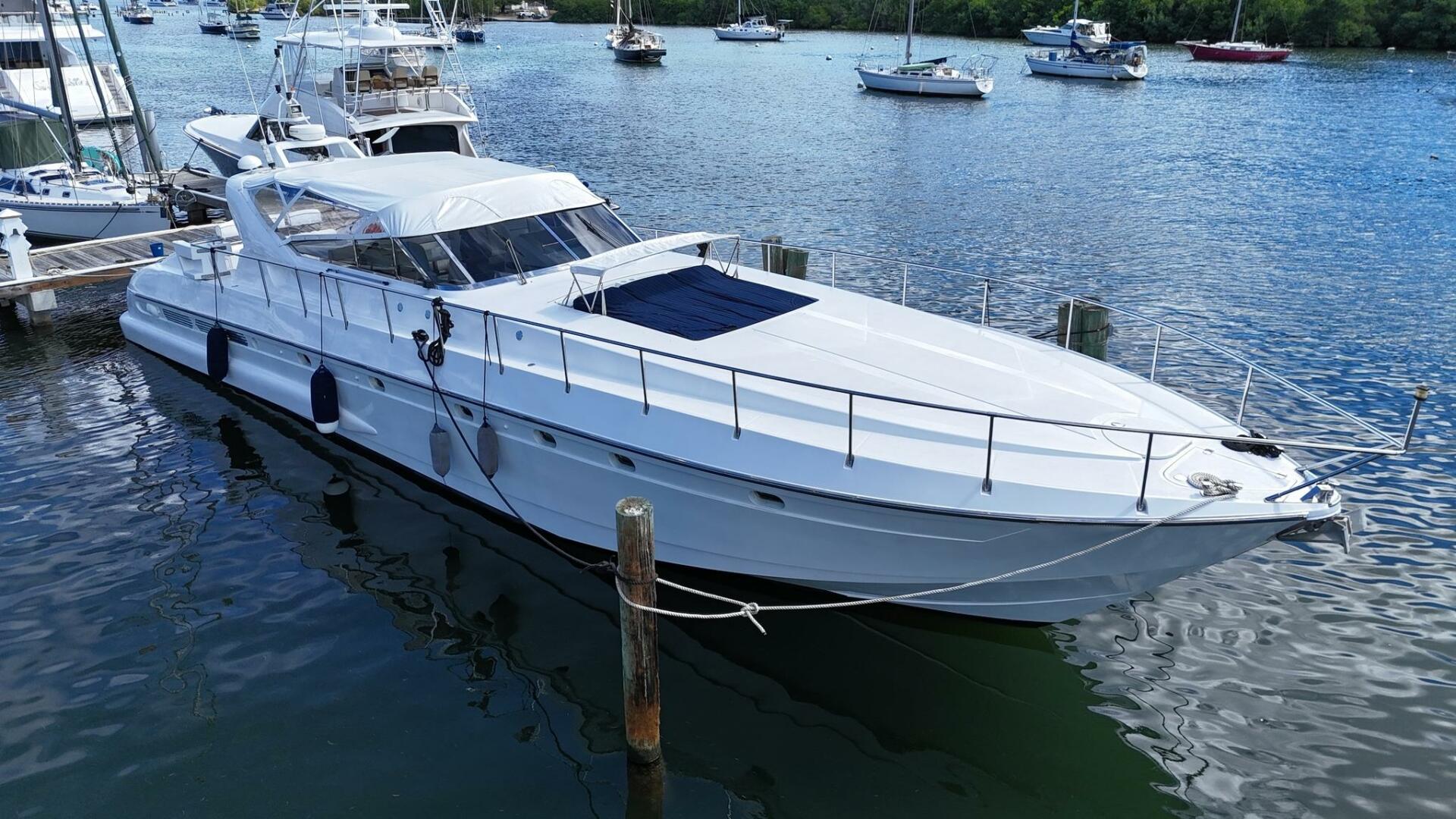
$599,000
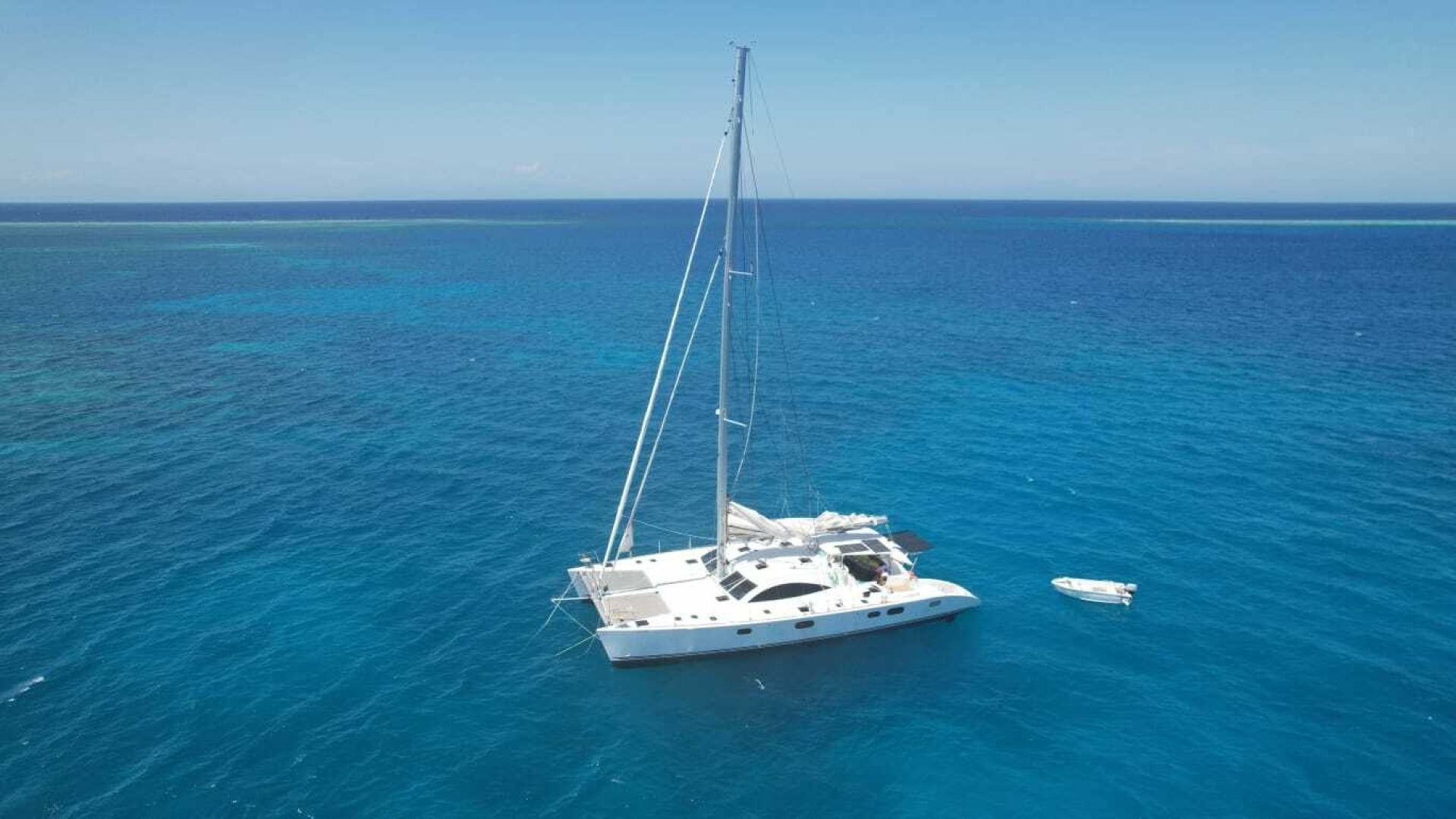
$1,300,000
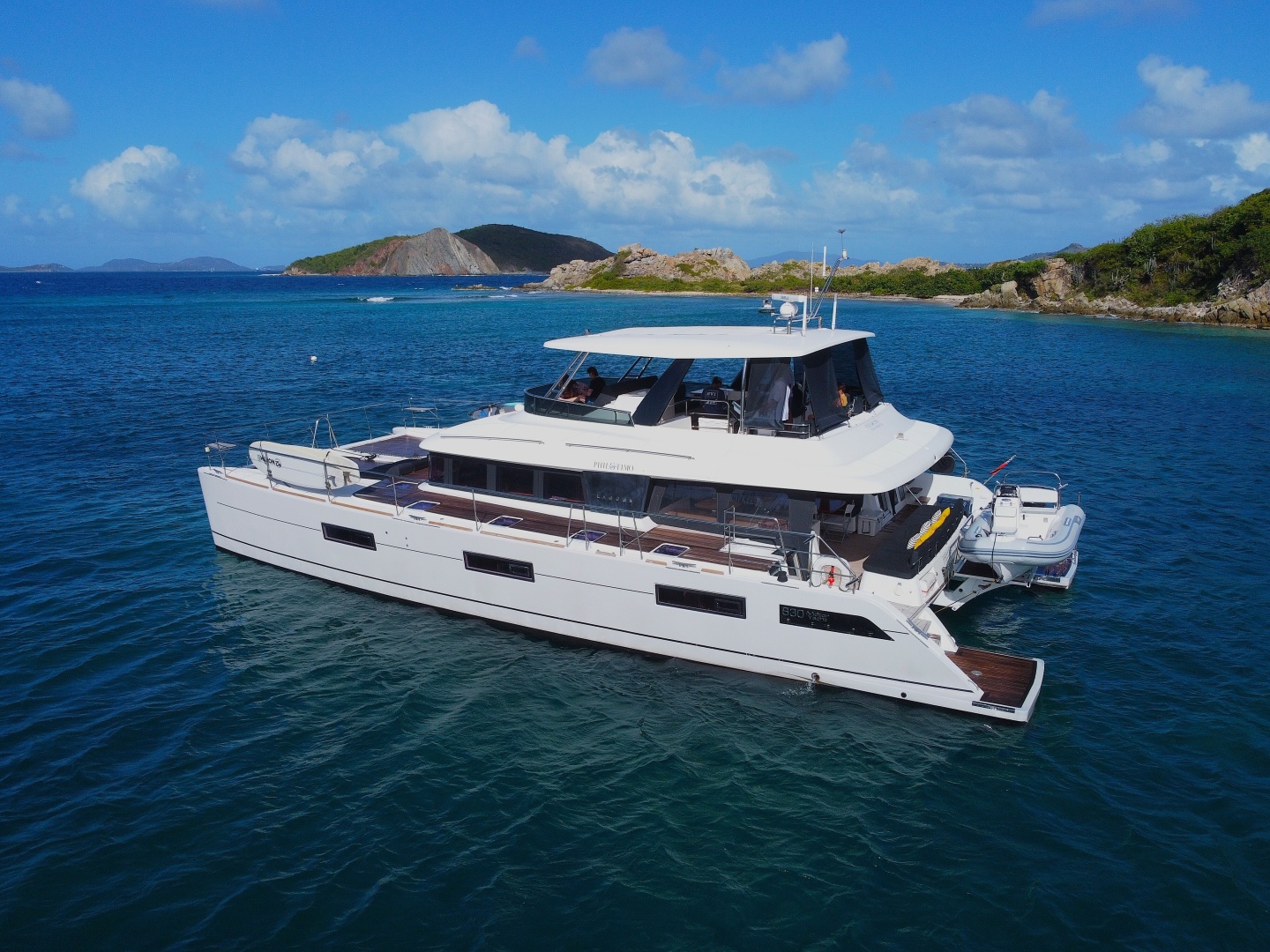
$1,699,000

$299,000

$899,000
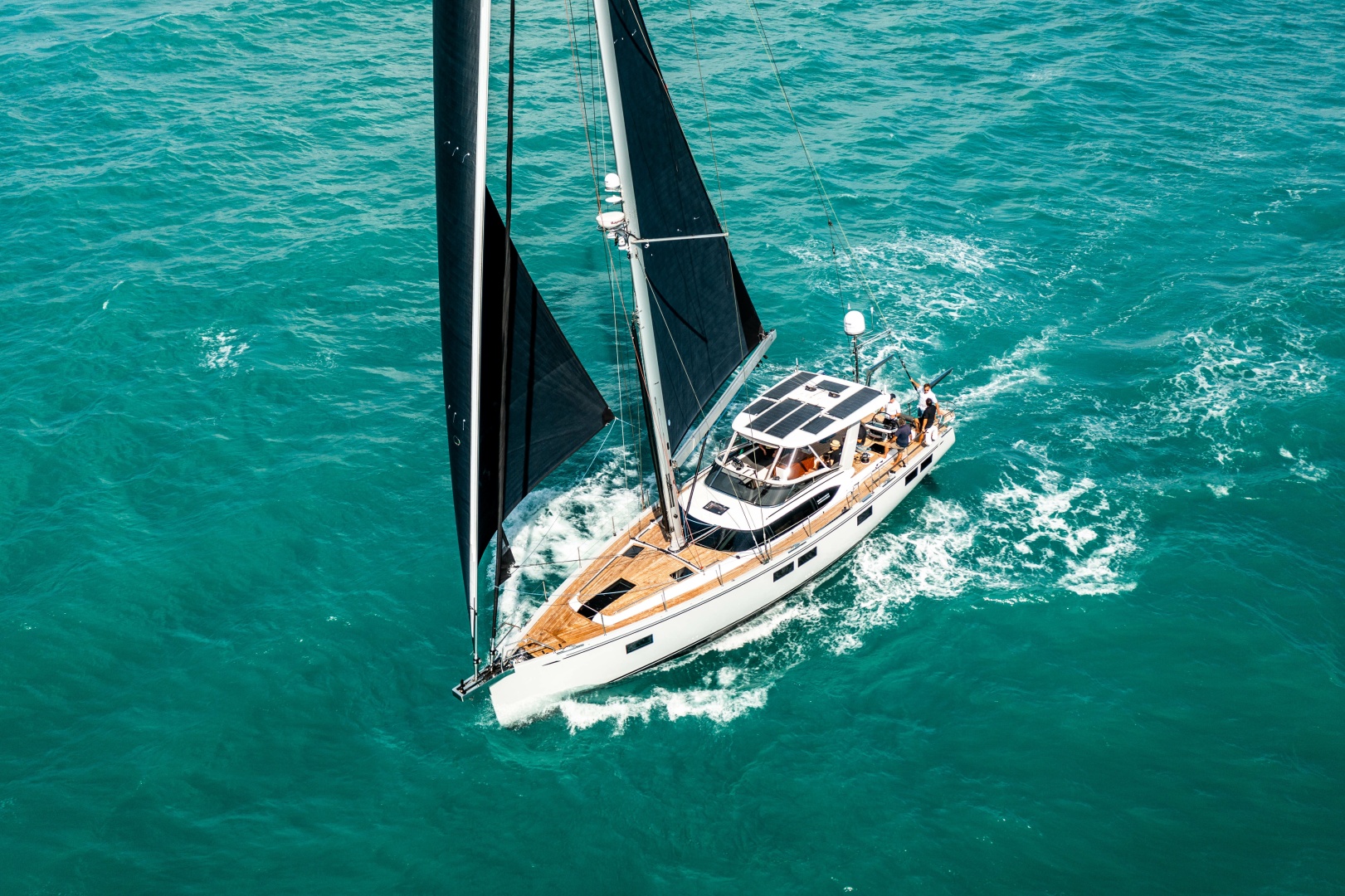
$1,795,000

$269,000
$359,000
$499,500
$299,500
$1,290,000
$800,000
$545,000
$564,900
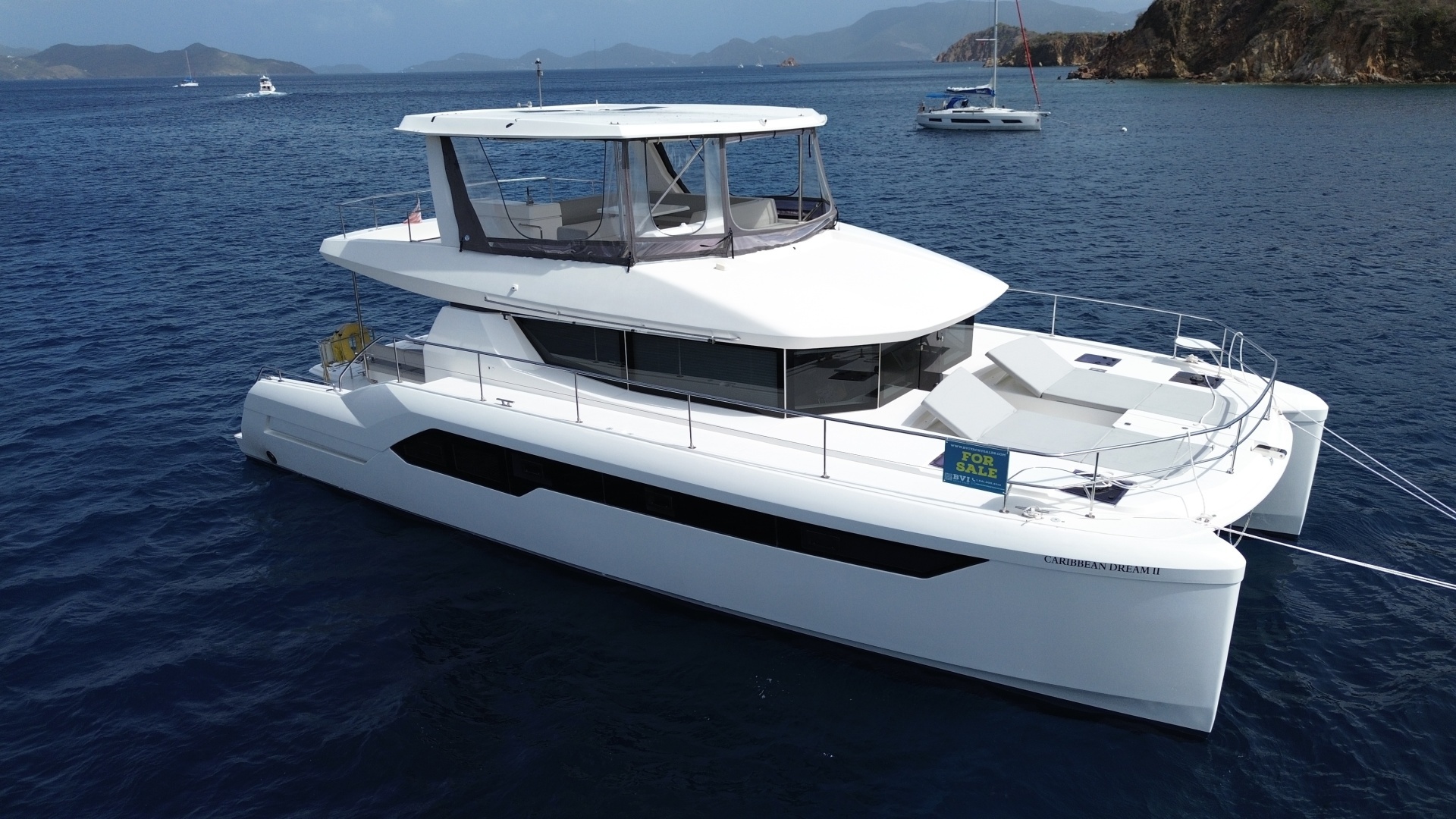
$1,130,000
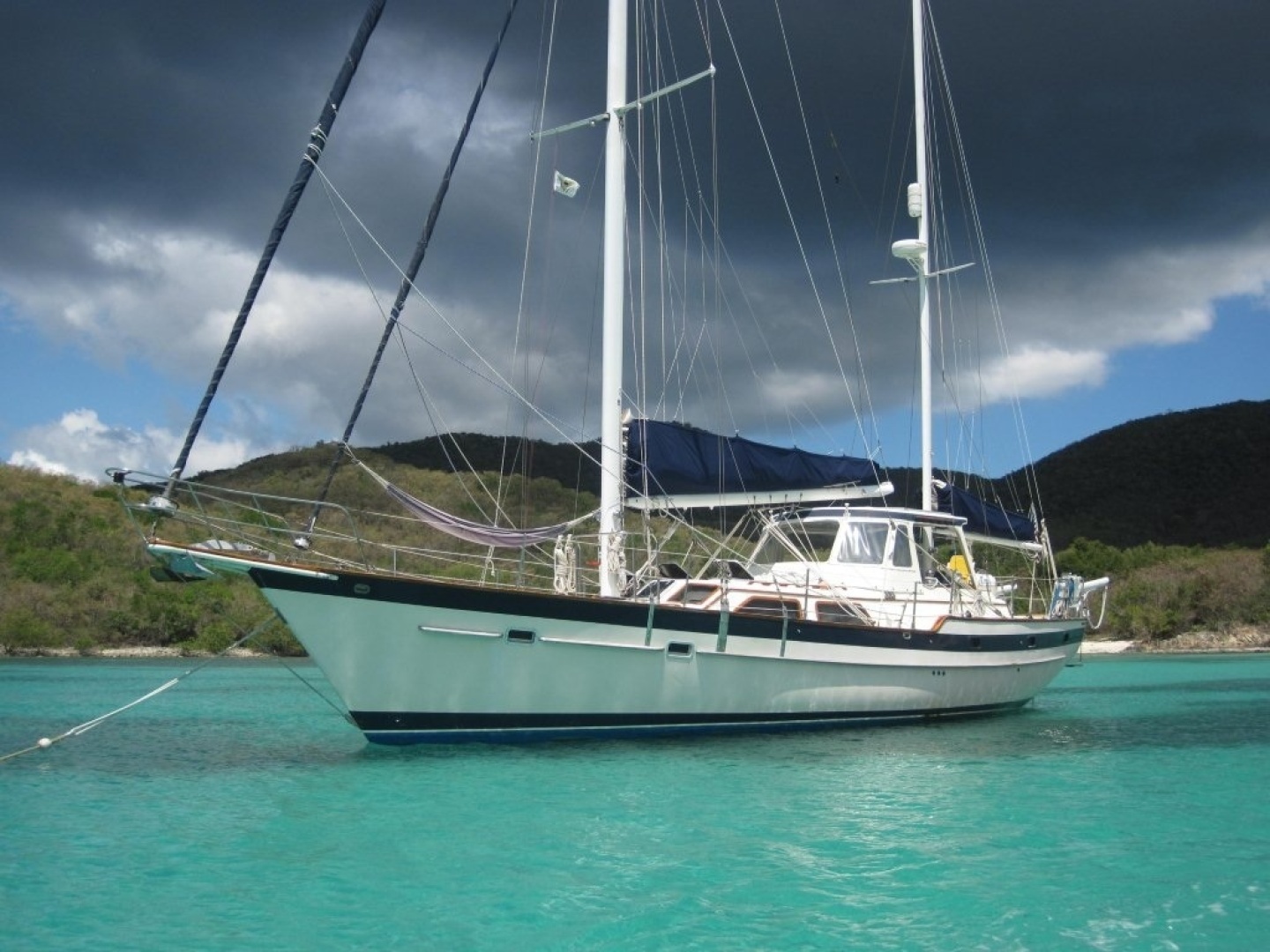
$159,000
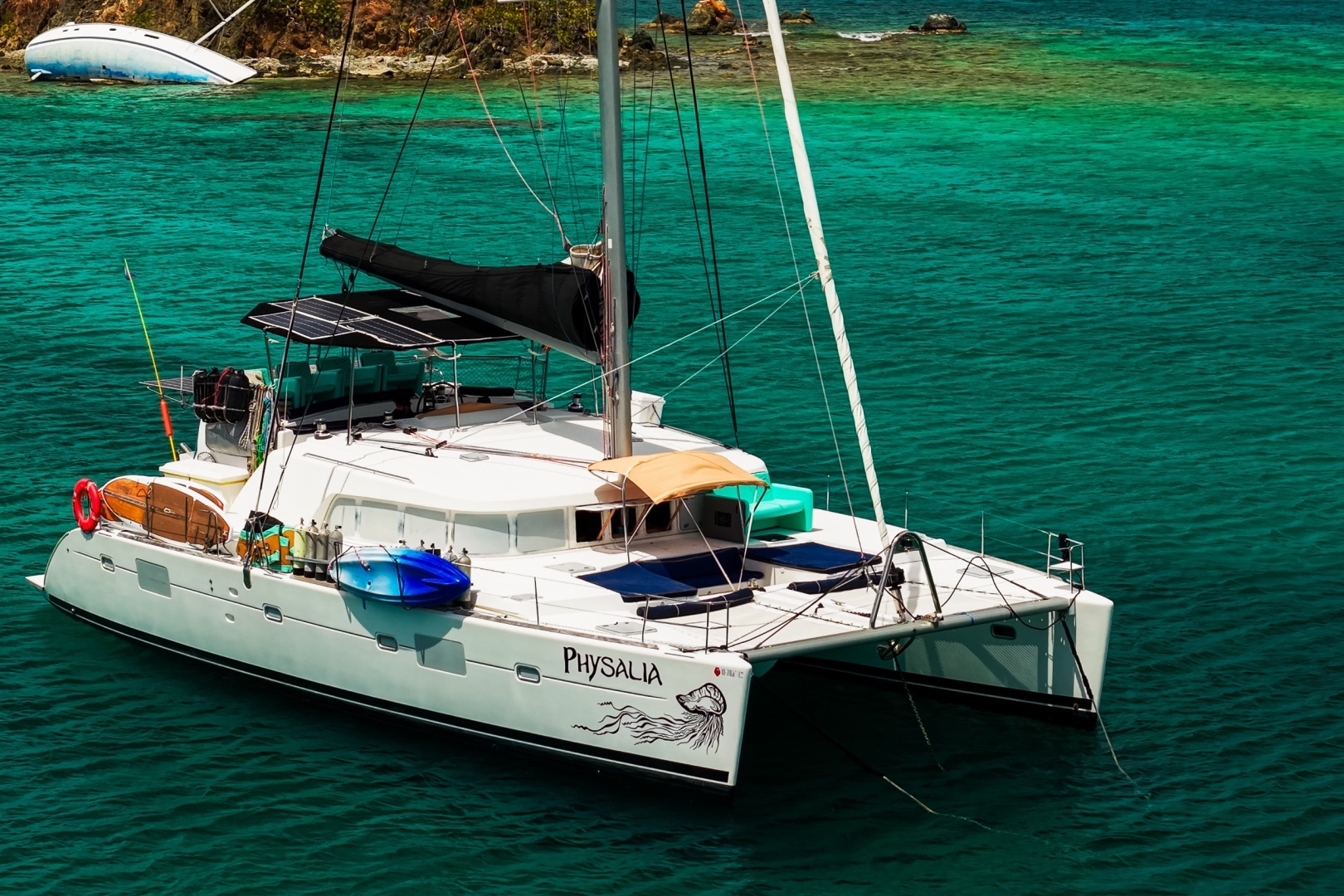
$499,000
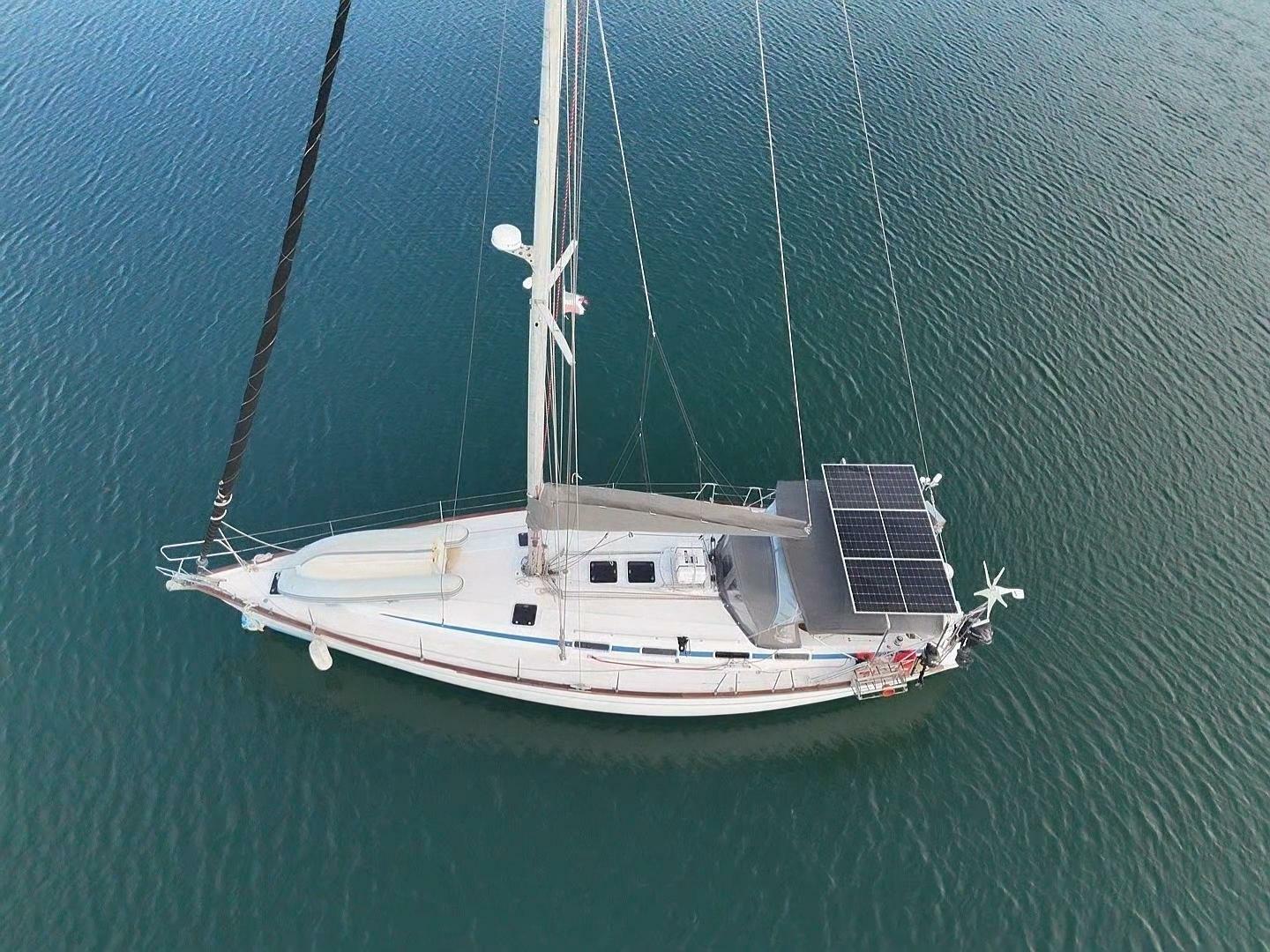
$89,000
$89,000
$135,000

$98,250
$149,850
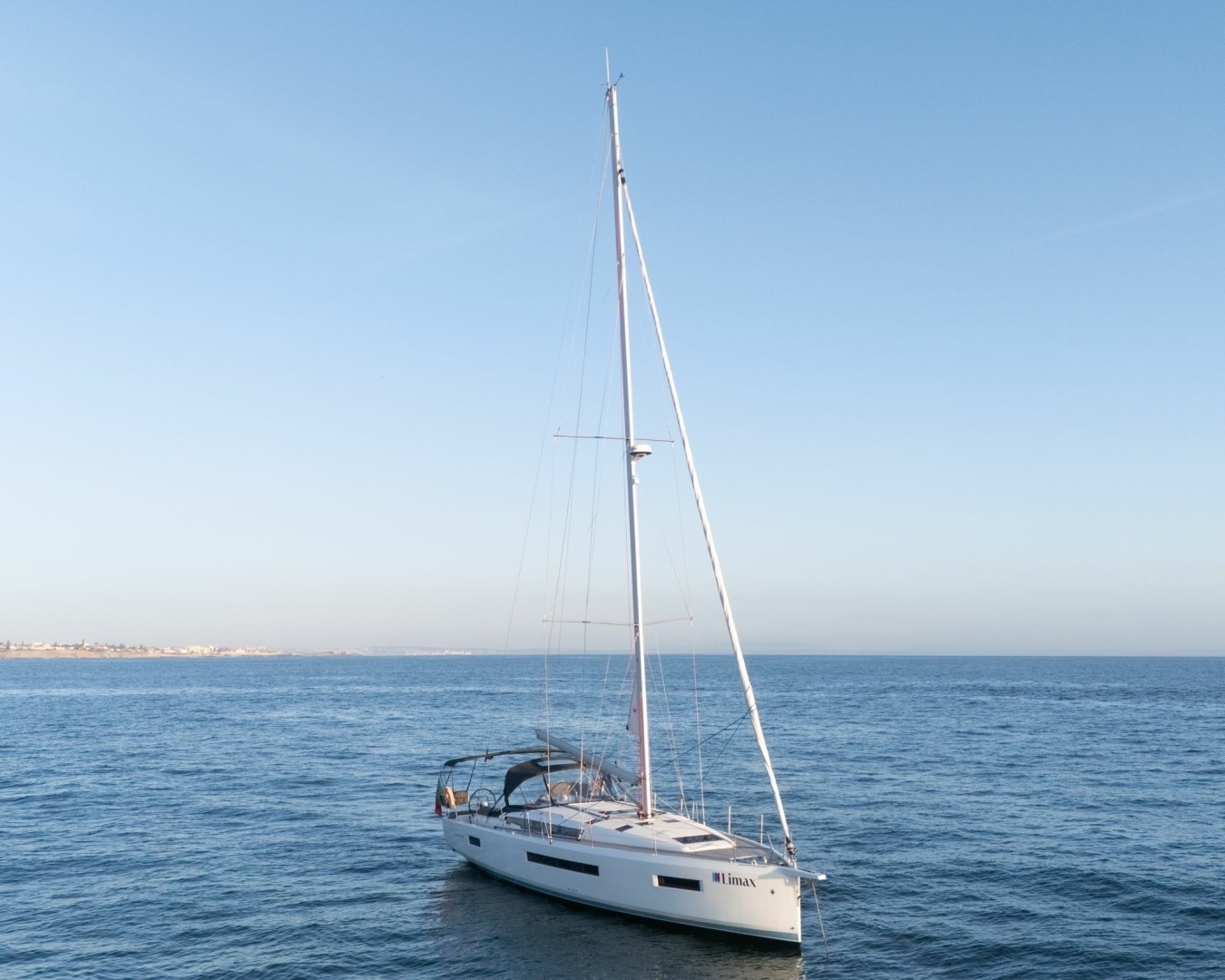
$369,000
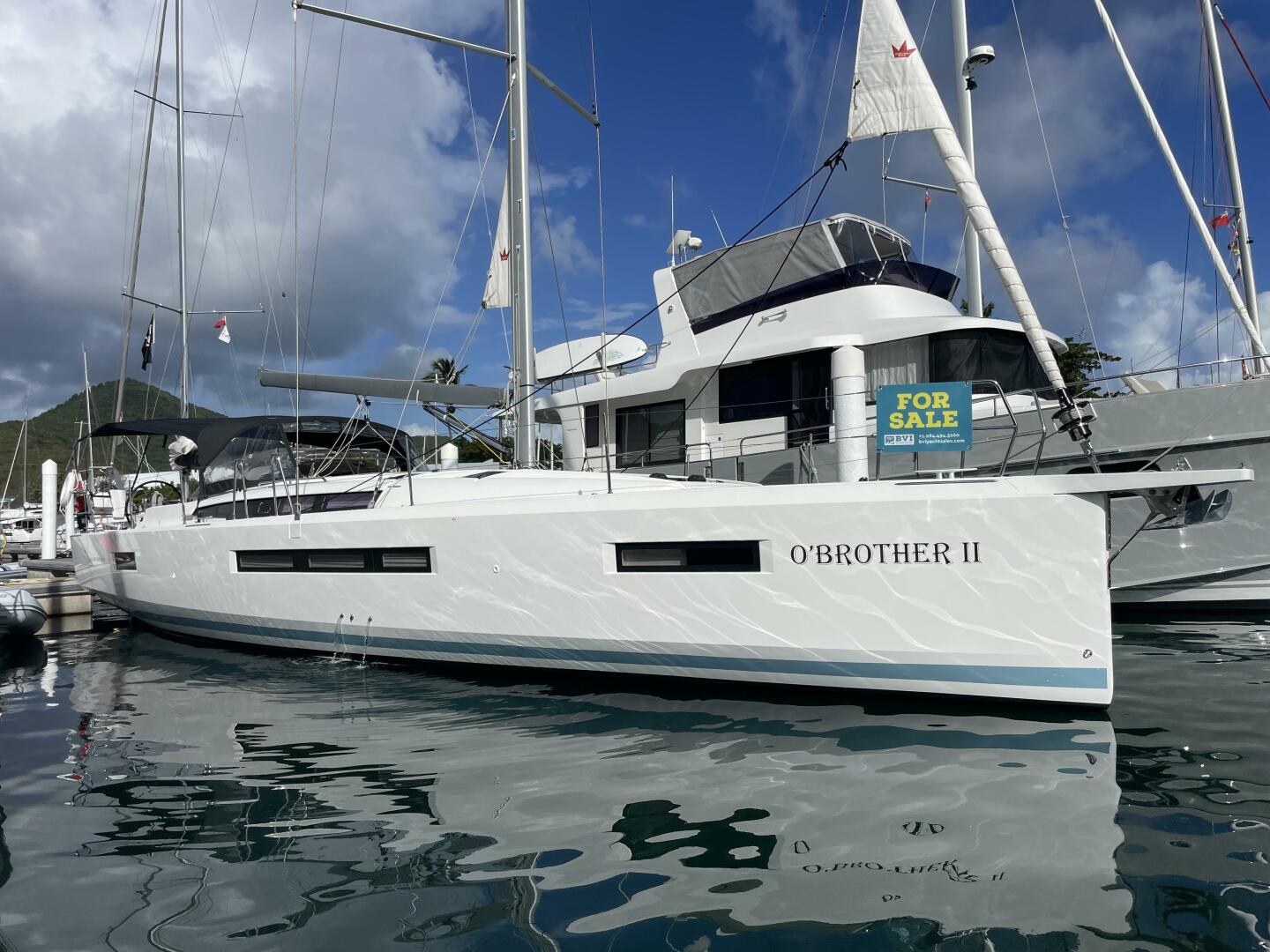
$395,000
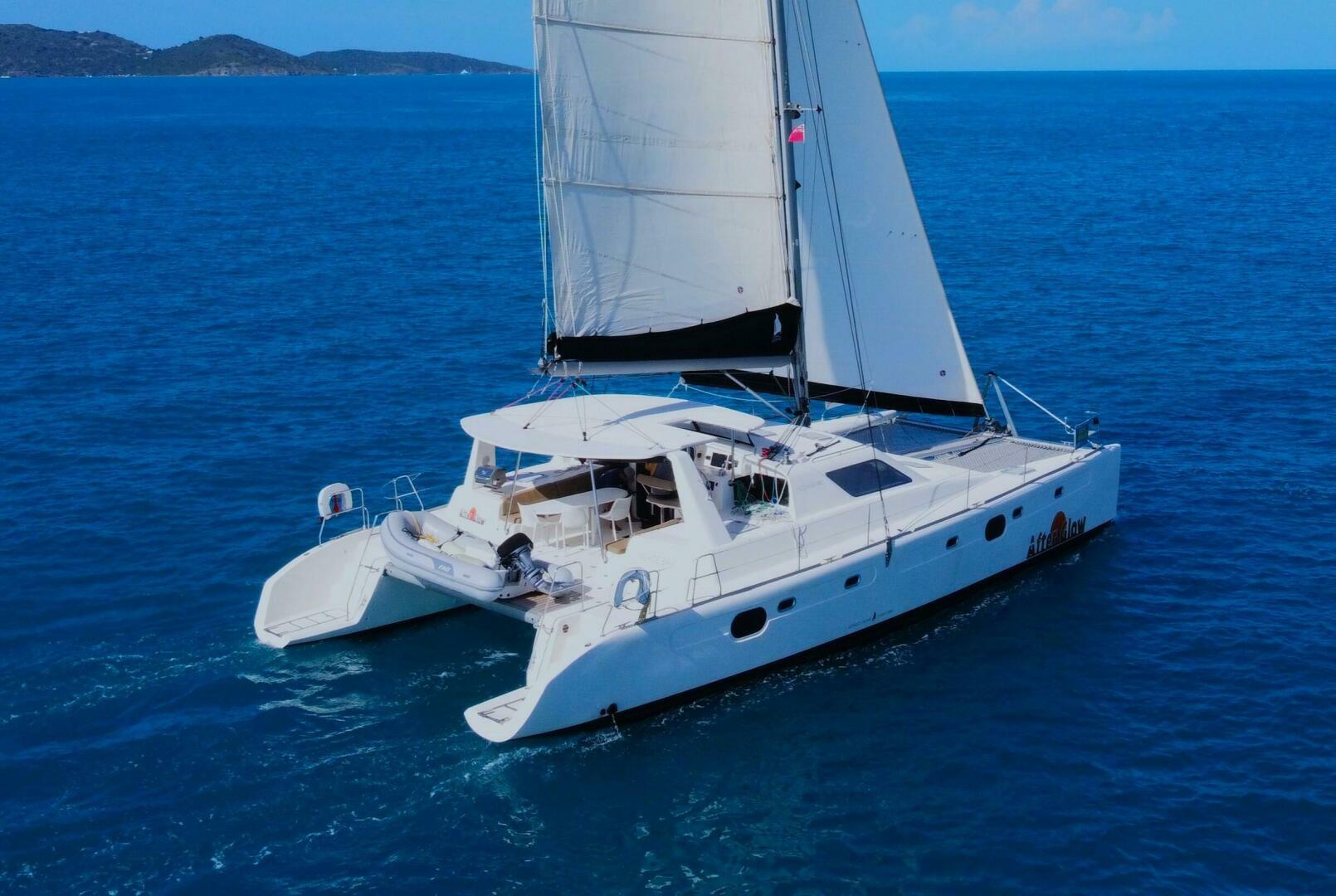
$349,000
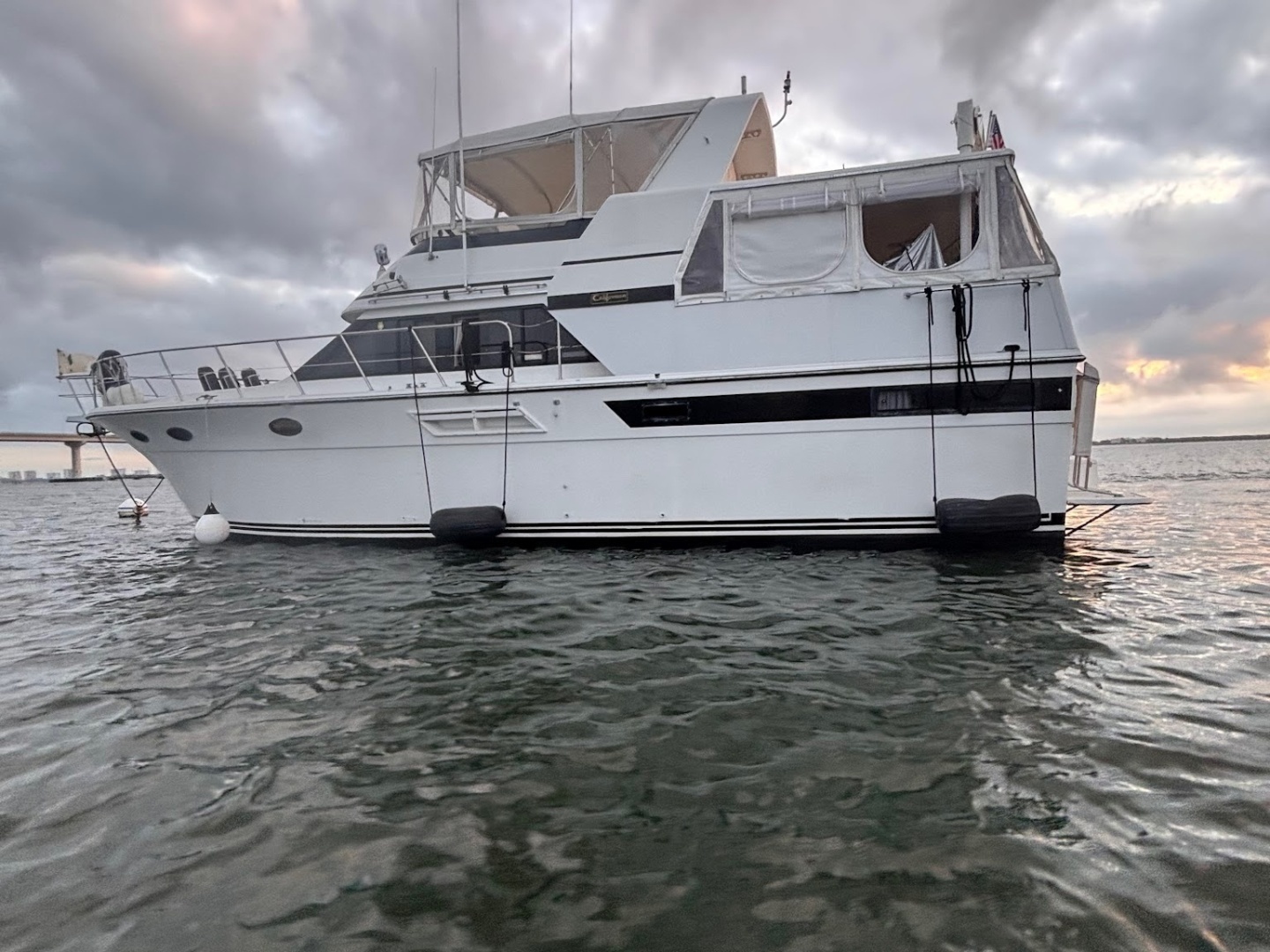
$125,000
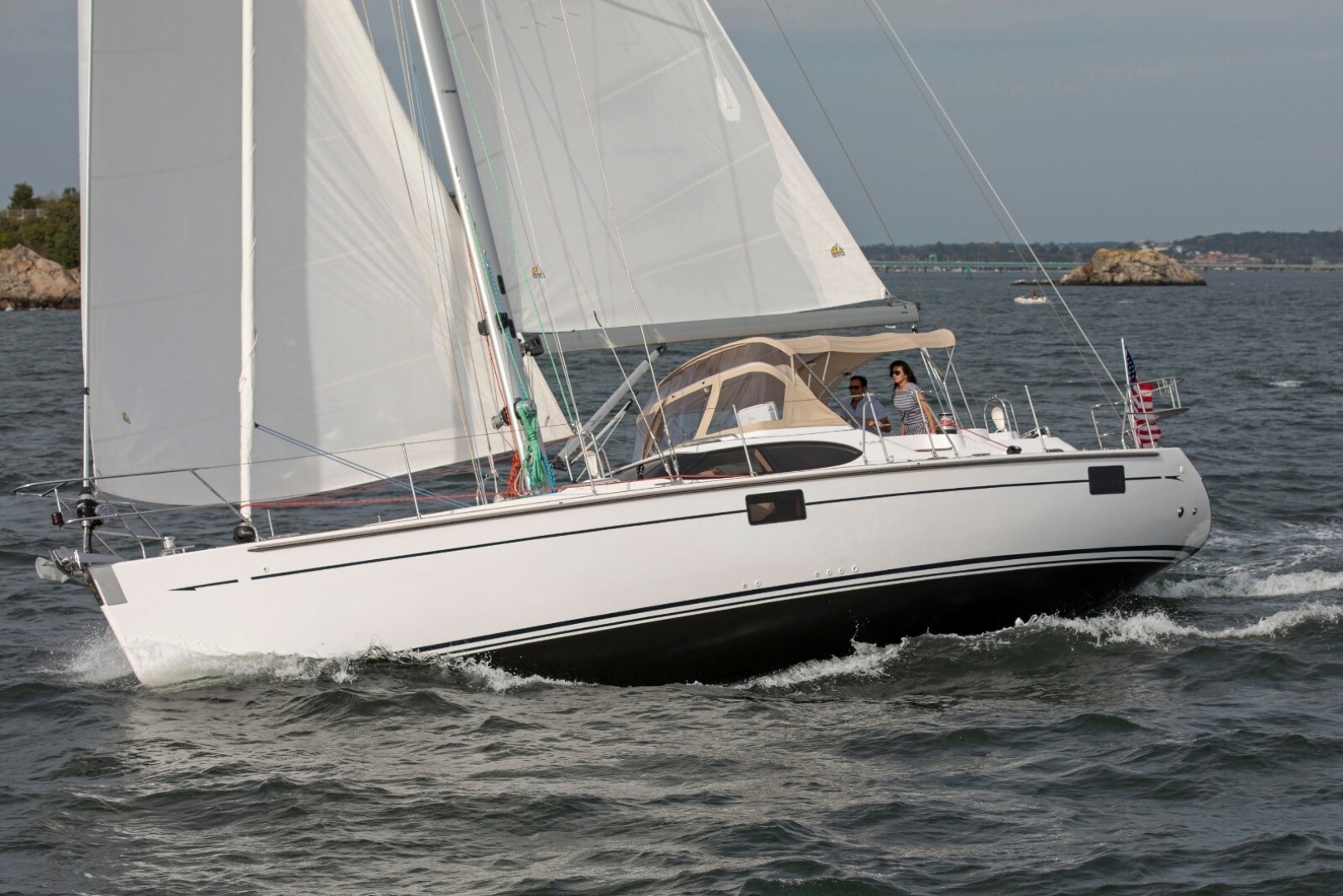
$1,724,571
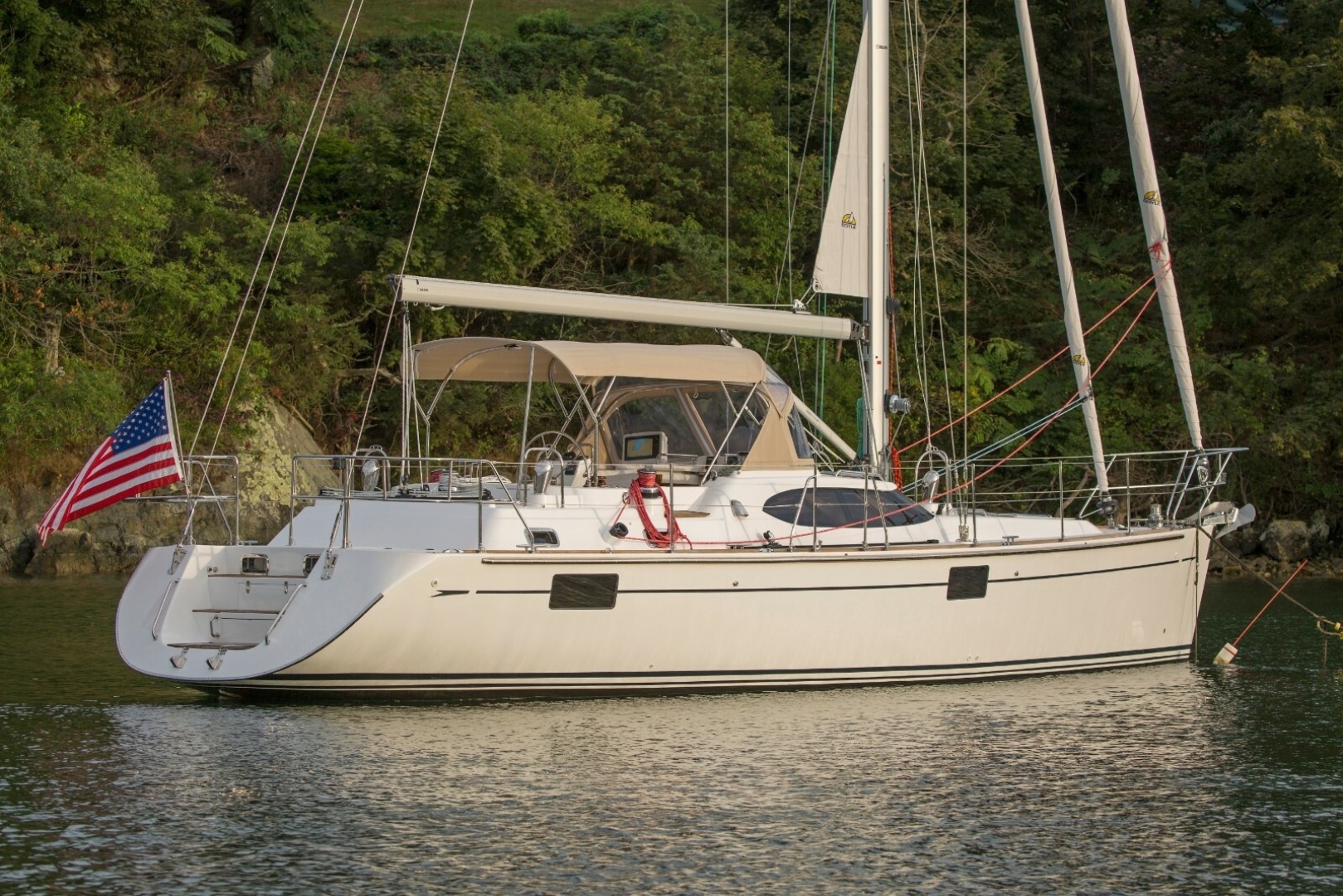
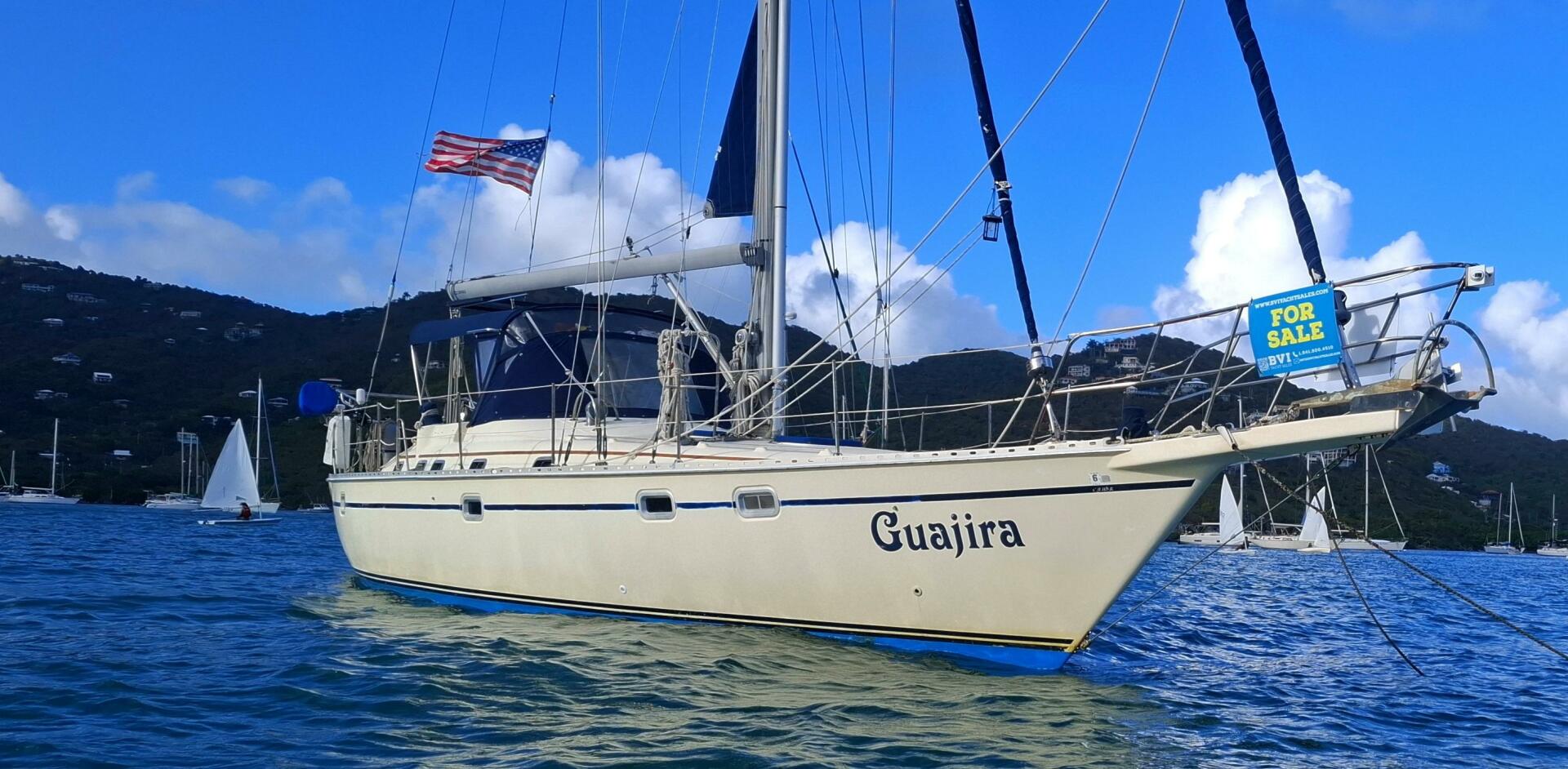
$149,500
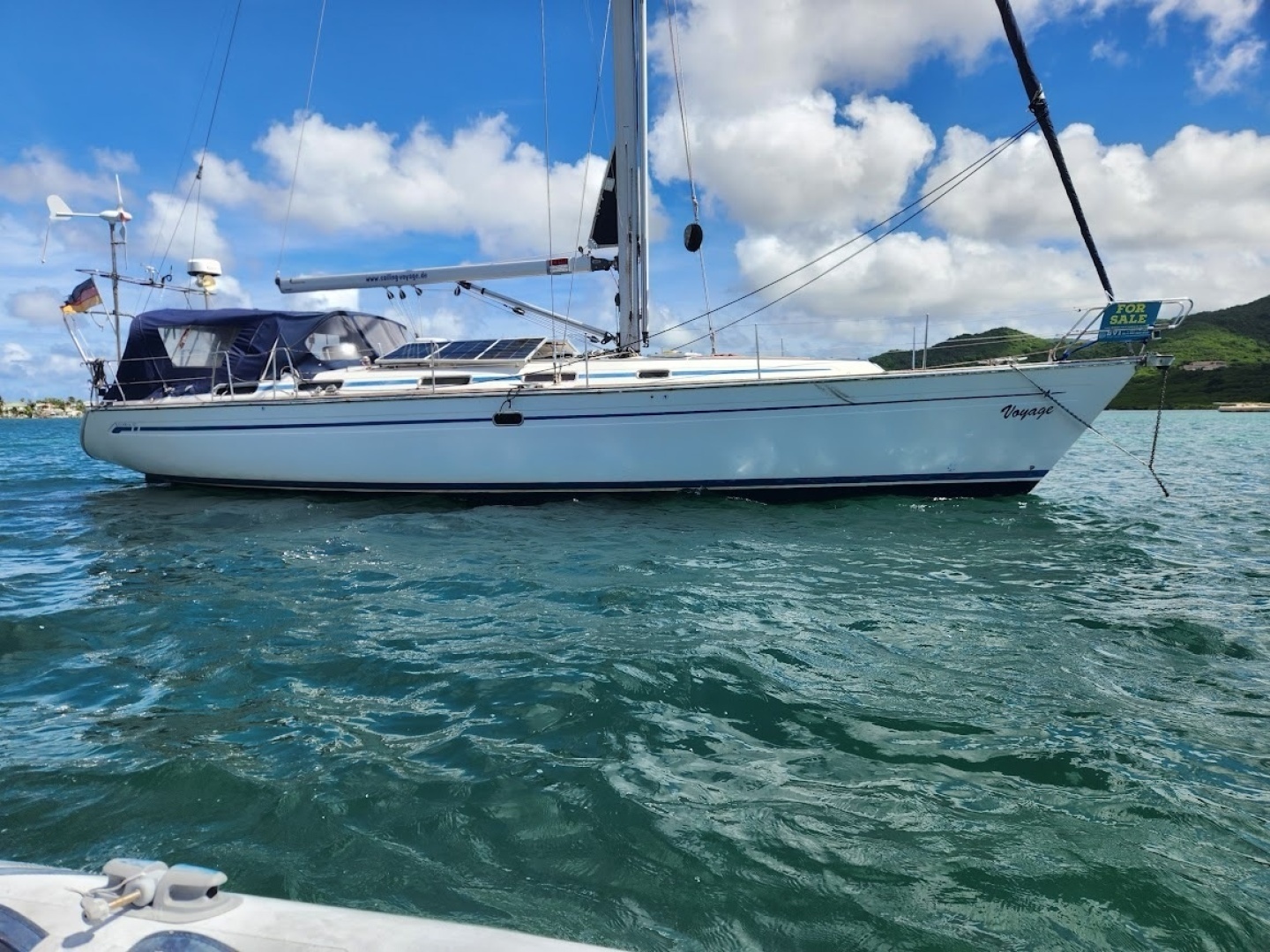
$109,900
$395,000

$652,000
$105,000

$115,000
$950,000
$149,000
$135,000
$349,000