
I tracked a Leopard 48 from the moment the listing went live until the final wire transfer cleared.
The owner expected 90 days. Maybe 120 if the market was slow.
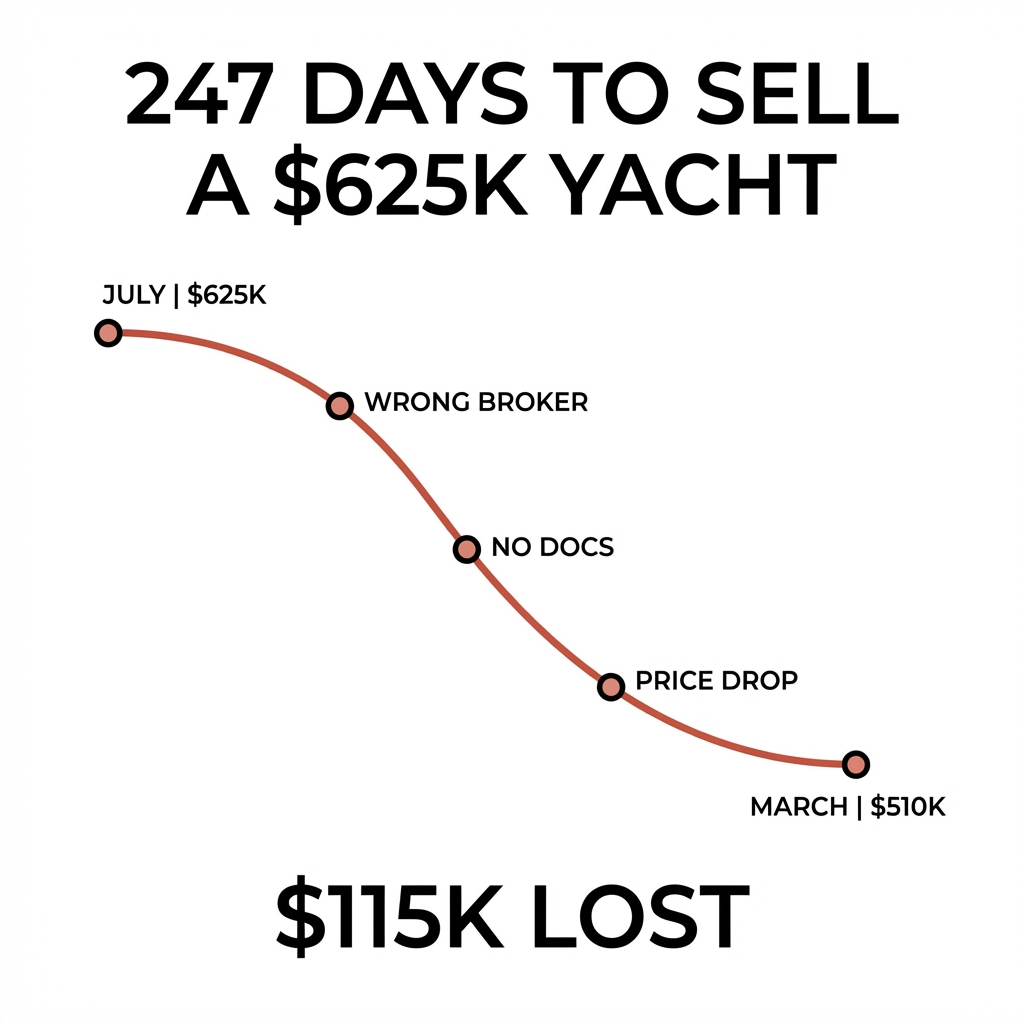
It took 247 days, three price reductions, two broker switches, and a complete repositioning of how the vessel was marketed. The final sale price landed 18% below the original ask. The buyer came from a pool the seller never knew existed.
I want to walk you through what actually happened during those eight months. Not the sanitized version you see in success stories, but the real timeline of decisions, delays, documentation gaps, and market forces that turned a straightforward sale into a case study in what not to do when selling a yacht in the BVI.
Month 1-2: The Confidence Phase
The seller listed in July. Hurricane season. Peak heat. Lowest buyer activity of the entire year.
His broker was based in Fort Lauderdale. The listing photos were taken on an overcast day with the interior lights off. The description mentioned “charter ready” but included no income documentation, no maintenance logs, and no explanation of why a US-based buyer would want a BVI-registered vessel.
The asking price was set at $625,000. Comparable vessels in the BVI were listed between $540,000 and $580,000.
Zero inquiries in the first 30 days.
The seller called me in week six. He wanted to know why nobody was looking at his boat. I asked him three questions:
When did you plan to sell?
“When the price was right.”
Did your broker explain Caribbean charter season timing?
“He said it didn’t matter because the internet is global.”
Do you have your deletion certificate ready?
“My what?”
Month 3-4: The Documentation Scramble
Here’s what most mainland sellers don’t realize about BVI yacht sales.
Caribbean buyers need specific documentation that US buyers don’t. If your vessel was previously registered in another country, you need a deletion certificate proving the yacht has been removed from the former flag state. You need an extract of register showing prior ownership history. Any documents not in English need professional translation and notary certification.
The seller didn’t have any of this ready.
His previous registration was in the Bahamas. Getting the deletion certificate took six weeks. The extract of register took another three weeks because the Bahamian registry office was backlogged. By the time he had clean documentation, it was mid-October.
Still no serious inquiries. The Fort Lauderdale broker suggested dropping the price to $599,000. The seller agreed.
Month 5-6: The Timing Revelation
November hit. Charter season started ramping up.
Suddenly, the boat got three inquiries in two weeks. All from buyers specifically looking for charter-income vessels in the Caribbean. None of them came through the Fort Lauderdale broker’s network. They found the listing through Caribbean-specific search filters.
Two of the three buyers asked the same question: “What’s the charter history?”
The seller had operated the boat privately. No charter income. No booking history. No relationship with a charter management company.
Both buyers walked.
The third buyer submitted an offer at $520,000. The seller rejected it as insulting. The buyer disappeared.
I explained what was happening. The Caribbean charter season runs from mid-November to mid-July, with peak demand from mid-December to April. Listing just before peak season positions your vessel when buyer activity intensifies. But you need to understand which buyers are active.
The USA represents nearly 50% of worldwide buyers, and those buyers no longer purchase outside the US. That shrinks the Caribbean buyer pool significantly. The buyers who are active in the BVI market are looking for charter income, cruising convenience, or tax advantages through BVI registration.
The seller’s listing addressed none of these motivations.
Month 7-8: The Broker Switch
December arrived. Peak charter season. The seller finally made the call I’d been waiting for.
“I need a Caribbean-based broker.”
He switched to a BVI-based firm. They re-shot the photos in good light. They rewrote the listing to emphasize BVI registration benefits: no income tax, no corporate tax, no capital gains tax on vessel income or sale proceeds. They highlighted the vessel’s position in the BVI as a ready-to-charter asset for buyers who wanted immediate income.
They also told him the truth about his price.
The market had shifted. After three years of post-COVID euphoria during which everything sold fast and at high prices, the used-boat market had completely reversed. Supply exploded. Demand contracted. The number of boats for sale now far exceeded the market’s annual absorption capacity.
An estimated 30% of boats will probably not find a buyer, even after several price reductions.
The seller dropped his price to $549,000. Then to $525,000 in February when inquiries slowed again.
Month 9: The Buyer Nobody Expected
March. A European buyer contacted the BVI broker.
He wasn’t looking for charter income. He wanted a vessel already based in the Caribbean for dual-season cruising between the BVI and the Mediterranean. He’d been shopping for eight months and kept losing out on boats because sellers were unprepared or overpriced.
He offered $510,000. Clean offer. No contingencies. Proof of funds attached.
The seller accepted.
The sale closed in 22 days. The BVI broker had all documentation ready. The deletion certificate was already filed. The translation and notary work was complete. The buyer’s surveyor found minor issues, but nothing that derailed the deal.
Final sale price: $510,000. Time on market: 247 days. Total price reduction from original ask: $115,000.
What Actually Mattered
I’ve watched this pattern repeat across dozens of BVI sales. The boats that sell quickly share three characteristics:
They list at the right time. October through November, just before peak charter season, when buyer activity intensifies. Not July. Not August. Not during hurricane season when the buyer pool shrinks to almost nothing.
They have documentation ready. Deletion certificates. Extracts of register. Translated and notarized documents. Bills of sale with clear seller and buyer details. The boats that sit on the market for months are the ones scrambling to gather paperwork after an offer comes in.
They work with Caribbean-based brokers. BVI Yacht Sales reported nearly double last year’s sales volume, an average sale price increase of roughly $50,000, and an average time on market down to little over 100 days. Compare that to vessels sitting on the dock “sometimes for months, sometimes for years” when priced incorrectly or marketed through distant brokers.
The performance gap is real. Caribbean-based brokers understand which buyer pools are active when. They know how to position vessels for charter income buyers versus cruising buyers versus tax advantage buyers. They have the documentation process dialed in.
The Market Reality You’re Facing
The yacht charter industry was valued at $7.74 billion in 2023 and is projected to grow to $15.53 billion by 2032. The BVI is seeing a dramatic rise in the standard of private yachting, with more 80-foot-plus yachts basing themselves locally.
But the sales market tells a different story.
Supply has exploded. Demand has contracted. The number of boats for sale now far exceeds the market’s annual absorption capacity. Sellers who price aggressively, prepare documentation early, and position their vessels for the specific buyers active in the BVI market are closing deals. Everyone else is watching their boats sit.
The Leopard 48 owner learned this the hard way. He listed at the wrong time, with the wrong broker, at the wrong price, without the right documentation. It cost him eight months and $115,000.
You don’t have to repeat his mistakes.
If you’re selling a yacht in the BVI, start with these questions: Do you have your deletion certificate ready? Do you know which buyer pools are active right now? Have you positioned your vessel for charter income, cruising convenience, or tax advantages? Is your broker based in the Caribbean or on the mainland?
The answers determine whether you sell in 100 days or 247.
I work with BVI-based sellers who want to avoid the documentation scramble, pricing missteps, and timing mistakes that turn a straightforward sale into an eight-month ordeal. If you’re ready to list, or if your boat has been sitting on the market longer than you expected, let’s talk about what’s actually happening in your buyer pool right now.
Featured Listings
$599,000
$1,300,000
$1,699,000

$299,000

$899,000
$1,795,000

$269,000
$359,000
$499,500
$299,500
$1,290,000
$800,000
$545,000
$564,900
$1,130,000
$159,000
$499,000
$89,000
$89,000
$135,000
$98,250
$149,850
$369,000
$395,000
$349,000
$125,000
$1,724,571
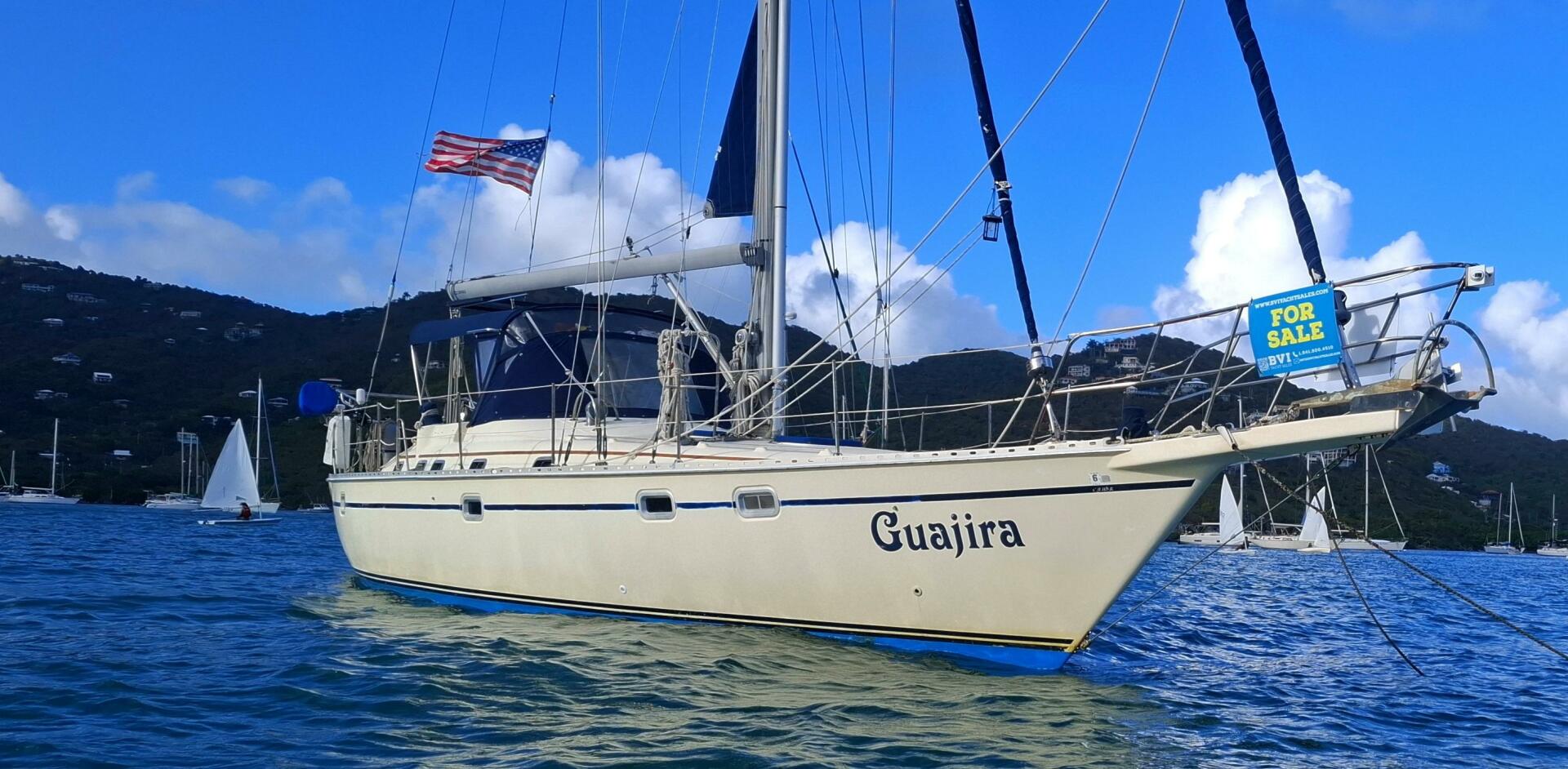
$149,500
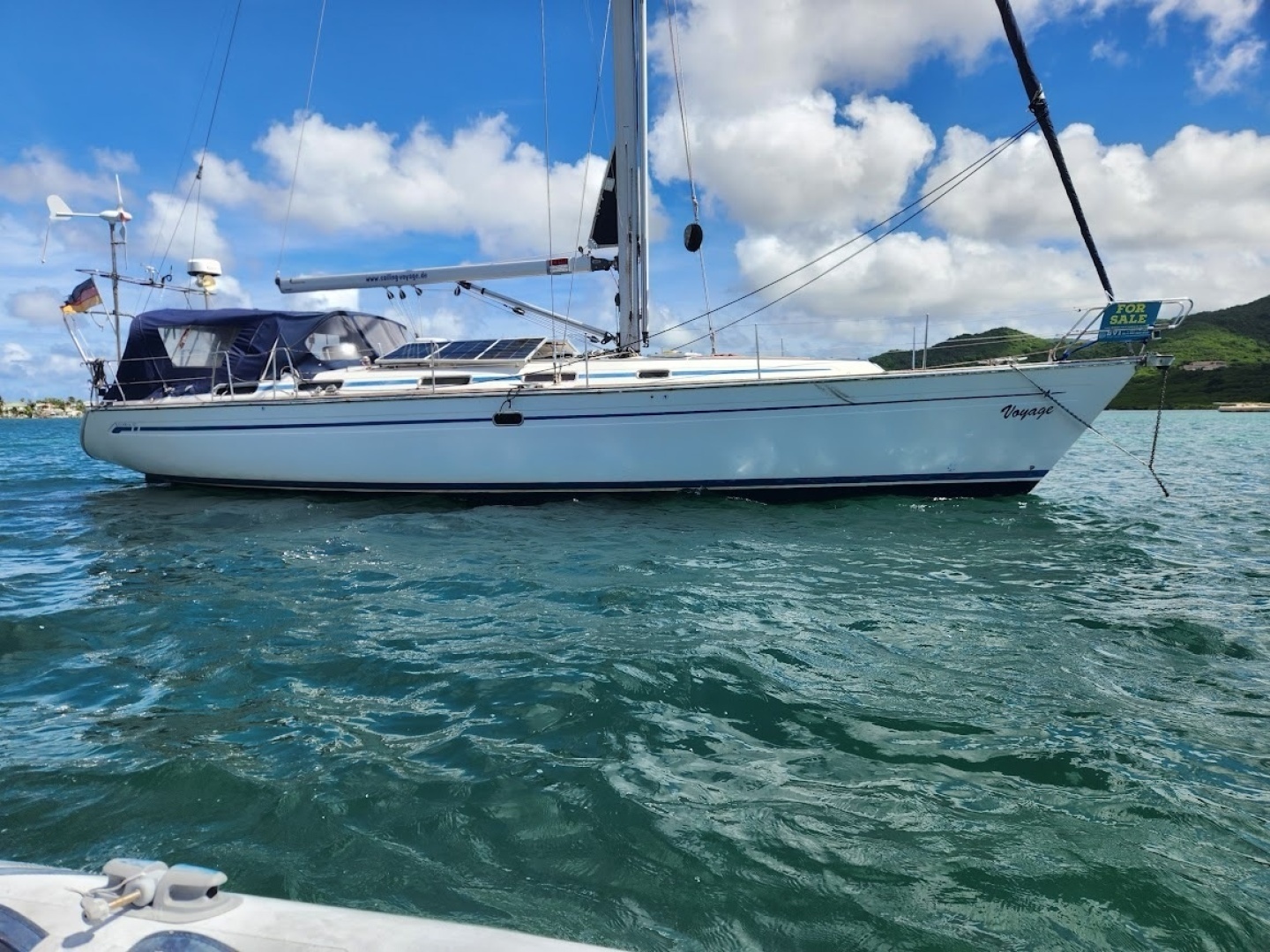
$109,900
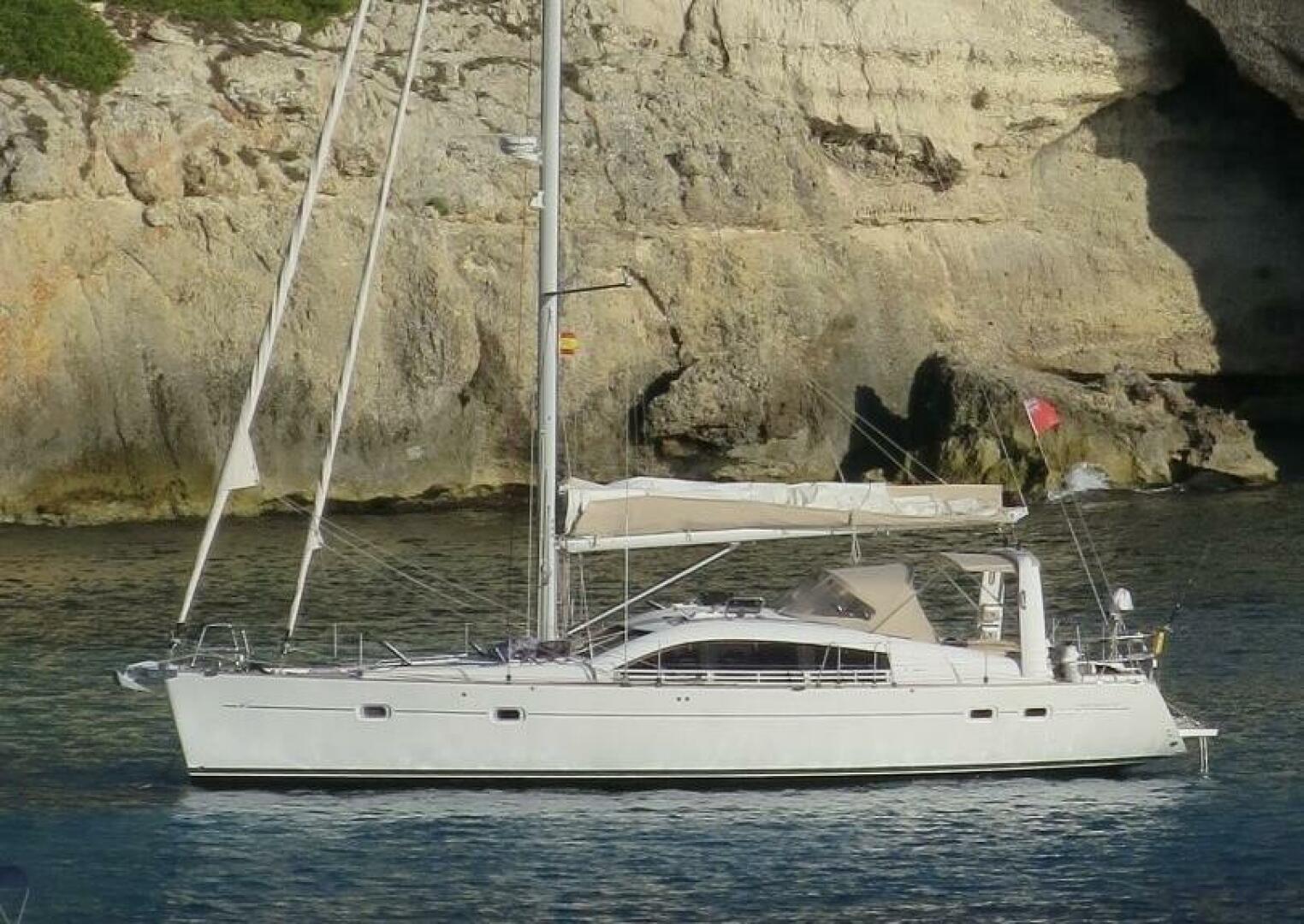
$395,000

$652,000
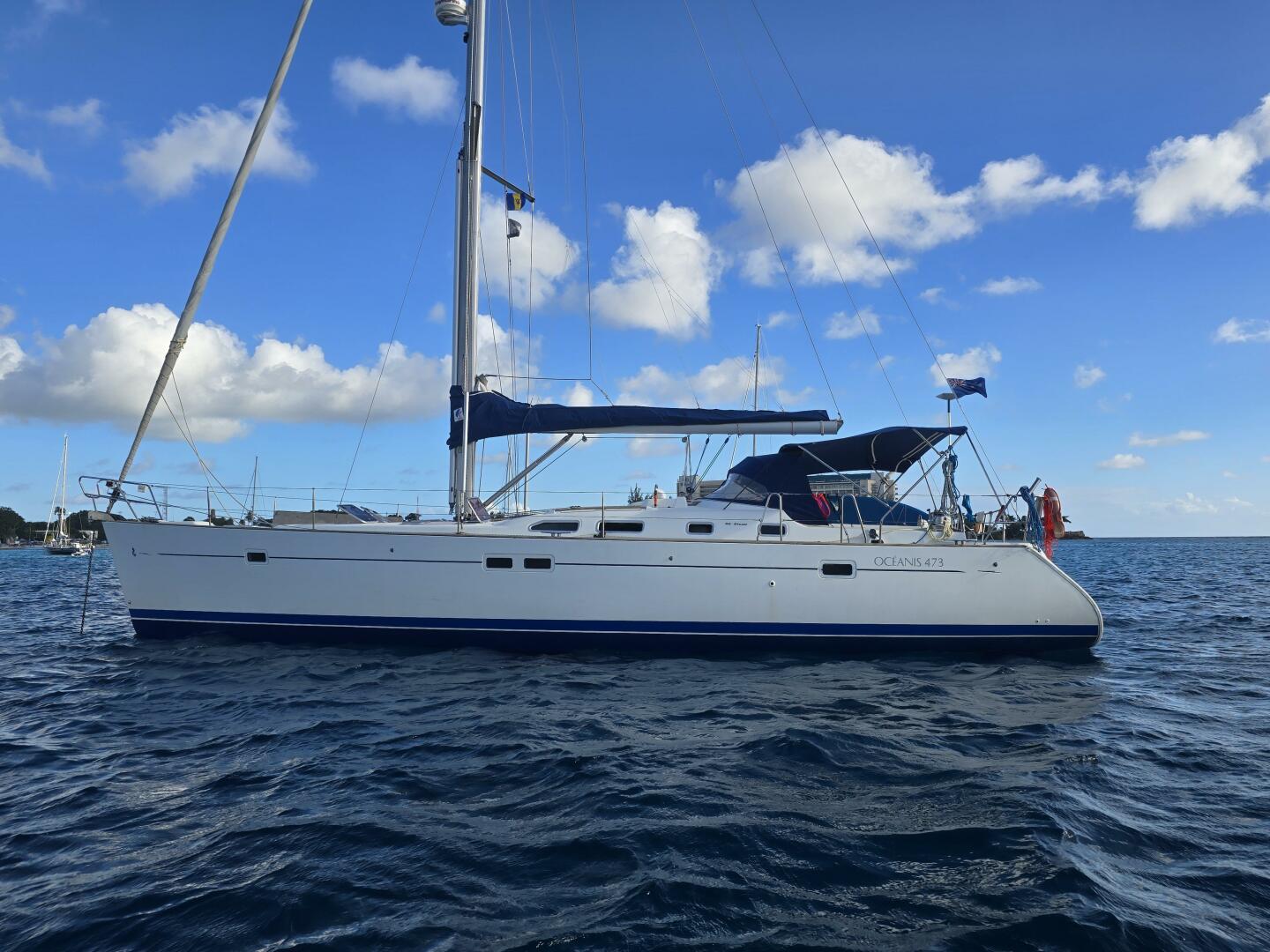
$105,000

$115,000
$950,000
$149,000
$135,000
$349,000