
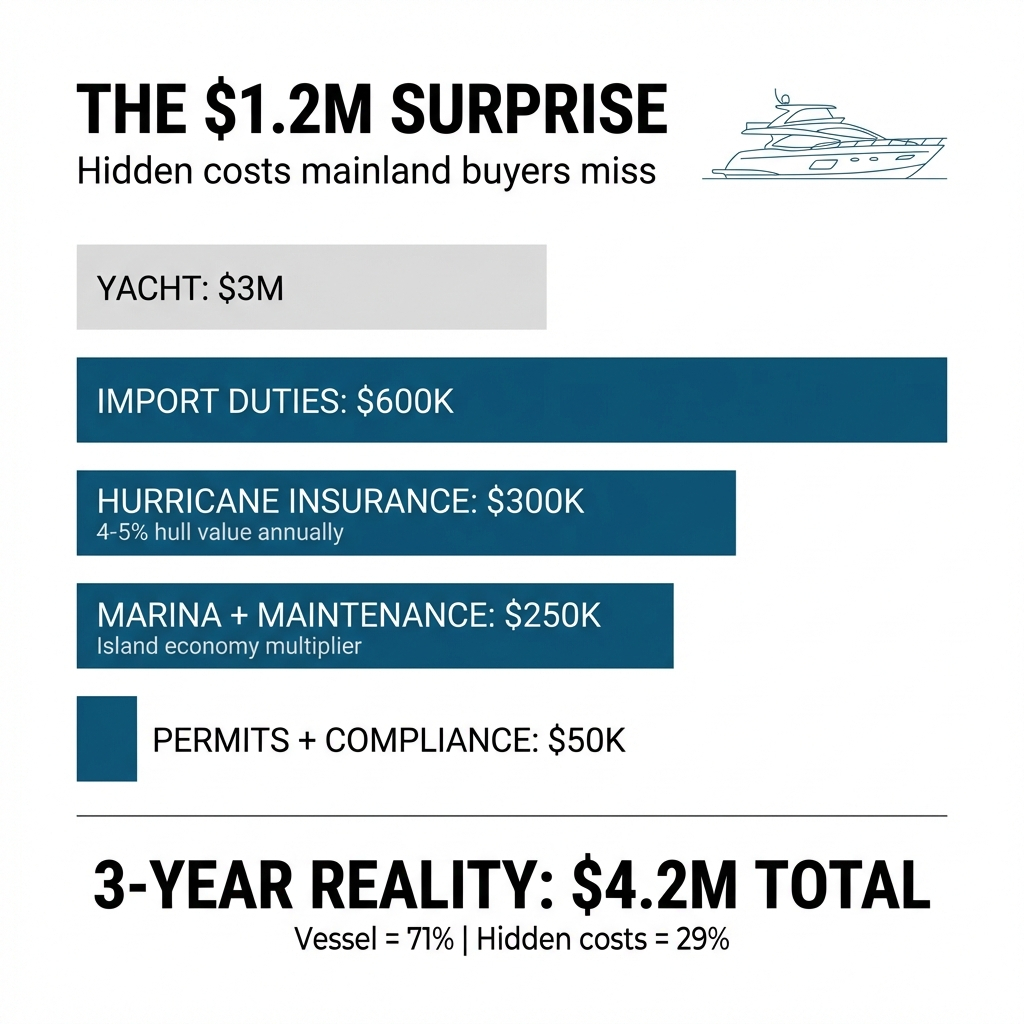
I’ve watched dozens of mainland buyers fall in love with a yacht in the BVI, close the deal, and then get blindsided by costs they never saw coming.
The yacht itself? That’s just the beginning.
The real expense comes from Caribbean-specific factors that don’t show up in the listing price. Import duties that can add hundreds of thousands to your purchase. Hurricane insurance premiums that dwarf what you’d pay stateside. Marina slips that vanish during peak season. Maintenance costs inflated by island economics.
Most buyers focus on the vessel. I focus on the ecosystem around it.
Here’s what catches people off guard, and how local expertise saves you 15-30% over your first three years of ownership.
The Import Duty Reality Nobody Mentions
The BVI government recently reformed its maritime framework, exempting BVI-registered vessels from import duties. Smart move for the territory.
But here’s where mainland buyers get caught.
If you’re bringing a yacht built in France, South Africa, Taiwan, or China into U.S. waters, you’re looking at duties between 20% and 30% depending on origin and vessel classification. The 2025 reciprocal tariffs made this worse. Boats built overseas now face duties of 15% or more.
For a $3 million build, that’s a $600,000 duty liability.
I’ve seen buyers structure deals without considering where the yacht was built or where they plan to cruise. They save $50,000 on the purchase price and lose $400,000 in duties they didn’t know existed.
The strategy? Leverage BVI registration strategically. Understand reciprocal agreements. Know which waters trigger which tax obligations.
This isn’t something you figure out after closing.
Hurricane Insurance: The Caribbean Premium
Your cruising area directly affects your insurance premium calculations.
Insurers charge 30-50% more for vessels operating in hurricane-prone regions during storm season. In Florida and the Gulf Coast, premiums can hit 4-5% of hull value. For a $2 million yacht, that’s $80,000 to $100,000 annually.
The Caribbean adds another layer.
If your yacht stays in “the box” during hurricane season, your named storm deductible jumps to 15-20% of any claim. After Hurricanes Irma and Maria in 2018, many insurance providers stopped offering full coverage anywhere in the Caribbean Sea, no matter how far south you go.
I’ve watched owners discover this restriction after they’ve already committed to keeping their yacht in the BVI year-round.
The financial impact? You’re either paying dramatically higher premiums, accepting massive deductibles, or moving your yacht out of the Caribbean for six months every year.
💡 Pro tip: Keeping your boat south of the Caribbean in the ABC islands during hurricane season can reduce your insurance rates significantly. But you need to plan this into your ownership model from day one.
Marina Slip Availability: The Peak Season Crunch
BVI marina rates seem reasonable on paper.
Soper’s Hole Marina charges $1.25 per foot per day for monohulls, $2.50 for catamarans. Nanny Cay runs $1.10 to $1.50 per foot per night. For comparison, Florida averages $45 per foot per month, while Mediterranean dockage exceeds $120 per foot per month.
The Caribbean sits in the middle.
But here’s what the rate sheets don’t tell you.
During peak season, premium slips vanish. At Bitter End Yacht Club, all slips require advanced bookings up to six months ahead. Show up spontaneously in December or January, and you’re scrambling for whatever’s left.
I’ve seen owners pay double the standard rate because they didn’t understand seasonal availability patterns. They assumed marinas work like hotels where you can always find a spot.
They don’t.
The hidden cost isn’t just higher rates. It’s the operational friction of not having guaranteed dock space when you want to use your yacht. You end up anchoring out more than you planned, which means more dinghy trips, more weather concerns, more complexity.
Local expertise means knowing which marinas to book nine months in advance and which ones keep availability for regular customers.
The Island Economy Maintenance Multiplier
The baseline rule for yacht maintenance is simple: set aside 10% of your vessel’s value annually.
That’s the starting point.
In the Caribbean, almost all parts need to be imported. What costs $500 in Florida costs $750 in the BVI. A routine service that takes two days stateside takes five days in the islands because the technician is waiting for parts to arrive.
Marina costs run $0.50 to $2.00 per foot daily. Add another $150 per month for liveaboard fees covering water and utilities. These expenses are consistent, but the real multiplier comes from labor and parts.
I’ve tracked maintenance costs for clients over three years. Island-based owners consistently spend 20-25% more on routine maintenance than mainland owners with identical vessels.
Why? Logistics, import costs, limited local inventory, and the premium for specialized marine technicians in remote locations.
You can mitigate some of this. Stock critical spare parts before you need them. Build relationships with local service providers. Schedule major work during trips to the mainland.
But you can’t eliminate the island economy multiplier. You can only plan for it.
The Regulatory Maze You Don’t See Coming
All charter boats navigating BVI waters must obtain a Cruising Permit from BVI Customs.
Foreign-based charter boat owners must notify the Commissioner 14 days before entering BVI waters. Non-commercial recreational vessels staying in the BVI longer than 30 days within any 12-month period need temporary importation permits.
Most buyers don’t know these requirements exist until they’re already dealing with them.
The financial impact isn’t massive for any single permit or fee. The impact comes from delays, compliance issues, and the operational friction of navigating regulations you didn’t anticipate.
⚠️ Missing a permit deadline can ground your yacht during the exact week you planned to use it. I’ve seen this happen to experienced boat owners who simply didn’t know the BVI-specific requirements.
Local expertise means knowing which permits you need, when to file them, and how to structure your ownership to minimize regulatory complexity.
What Local Knowledge Actually Saves You
Prime marina berths in the Caribbean can command six-figure annual fees for large yachts. Shore power, water supply, waste disposal, and security services stack on top of basic mooring fees.
I’ve worked with buyers who saved $75,000 in their first year just by understanding which marinas offer the best value for their specific usage patterns.
Another client avoided a $200,000 duty liability by restructuring their purchase before closing.
A third client reduced their insurance premium by 30% by adjusting their cruising plan based on seasonal hurricane patterns.
The pattern is consistent. Buyers who work with local experts before purchasing save 15-30% over their first three years compared to buyers who figure it out themselves.
That’s not a marketing claim. That’s what the numbers show when you track actual ownership costs.
The Real Cost of Caribbean Yacht Ownership
You’re not just buying a yacht.
You’re buying into a specific maritime ecosystem with its own economics, regulations, seasonal patterns, and operational realities.
The purchase price is the smallest part of your total investment. Import duties, insurance premiums, marina costs, maintenance multipliers, and regulatory compliance add up to more than most buyers expect.
I’ve seen buyers spend $3 million on a yacht and another $1.2 million over three years on costs they didn’t anticipate.
I’ve also seen buyers spend $3 million on a yacht and $600,000 over three years because they understood the Caribbean ownership landscape before they committed.
The difference isn’t luck. It’s expertise.
You can learn these lessons yourself over several expensive years, or you can work with someone who already knows them. The choice determines whether you enjoy Caribbean yacht ownership or regret it.
Most buyers focus on the vessel. I focus on everything else.
That’s where the real costs hide.
Featured Listings
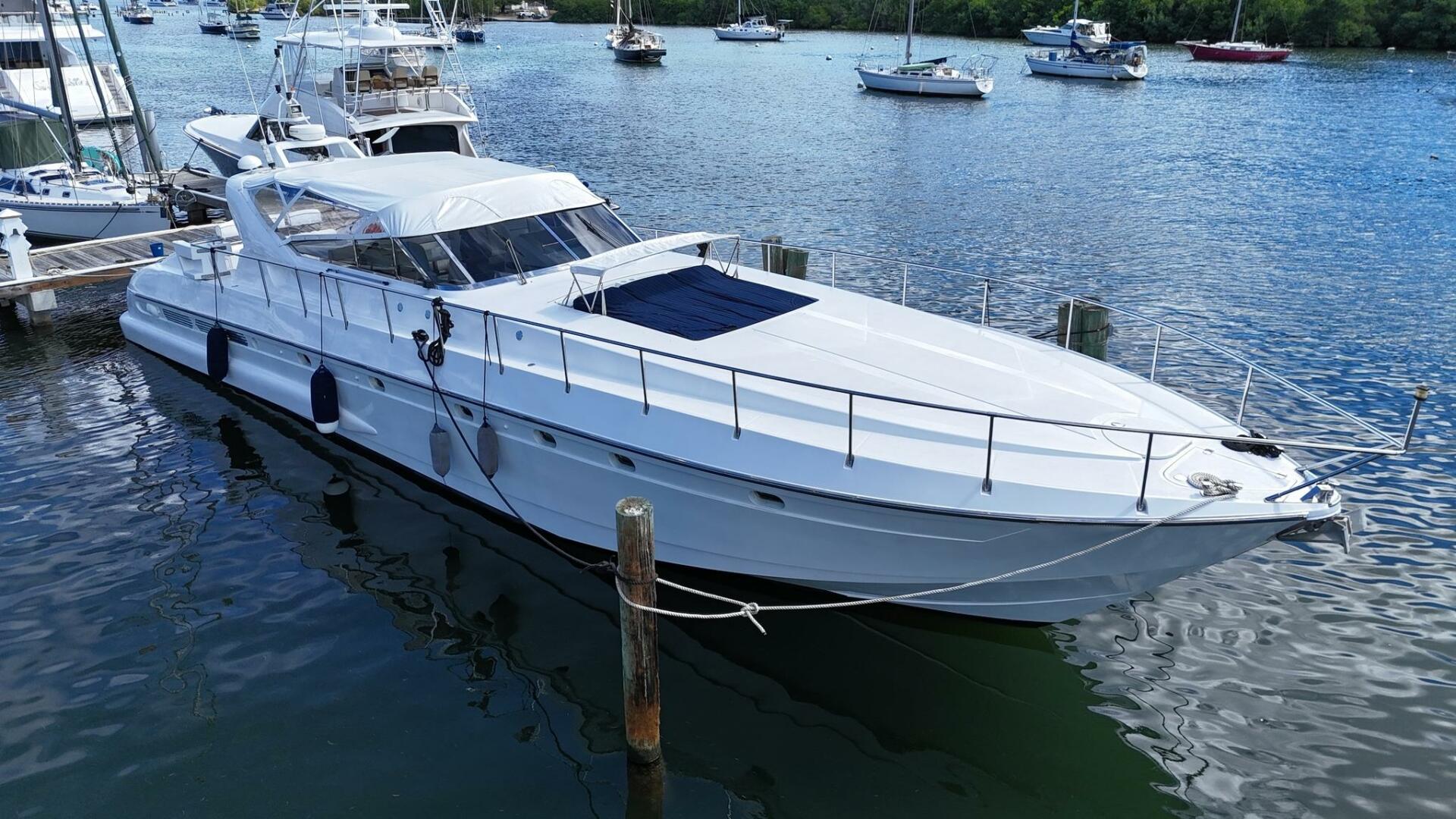
$599,000
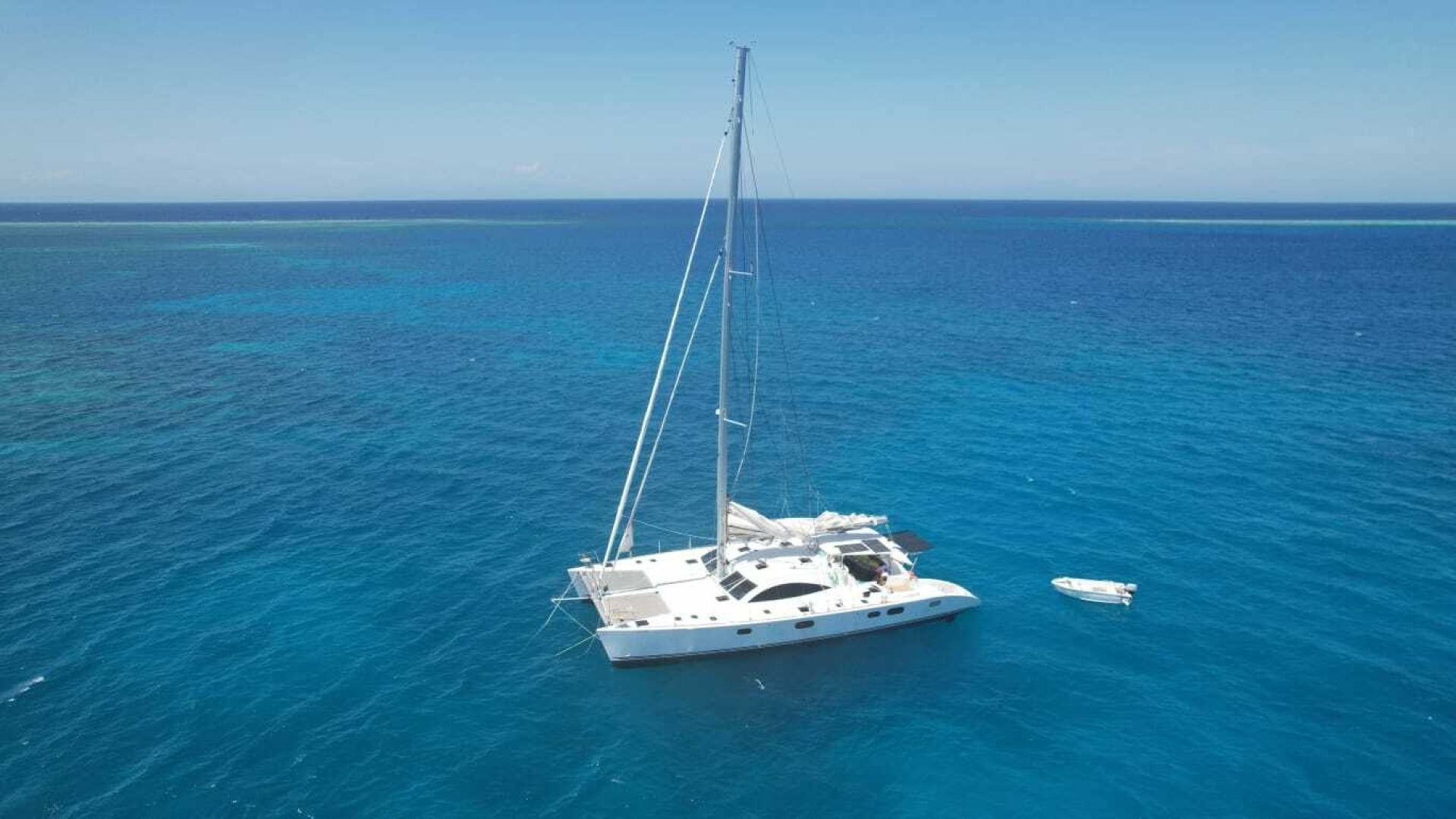
$1,300,000
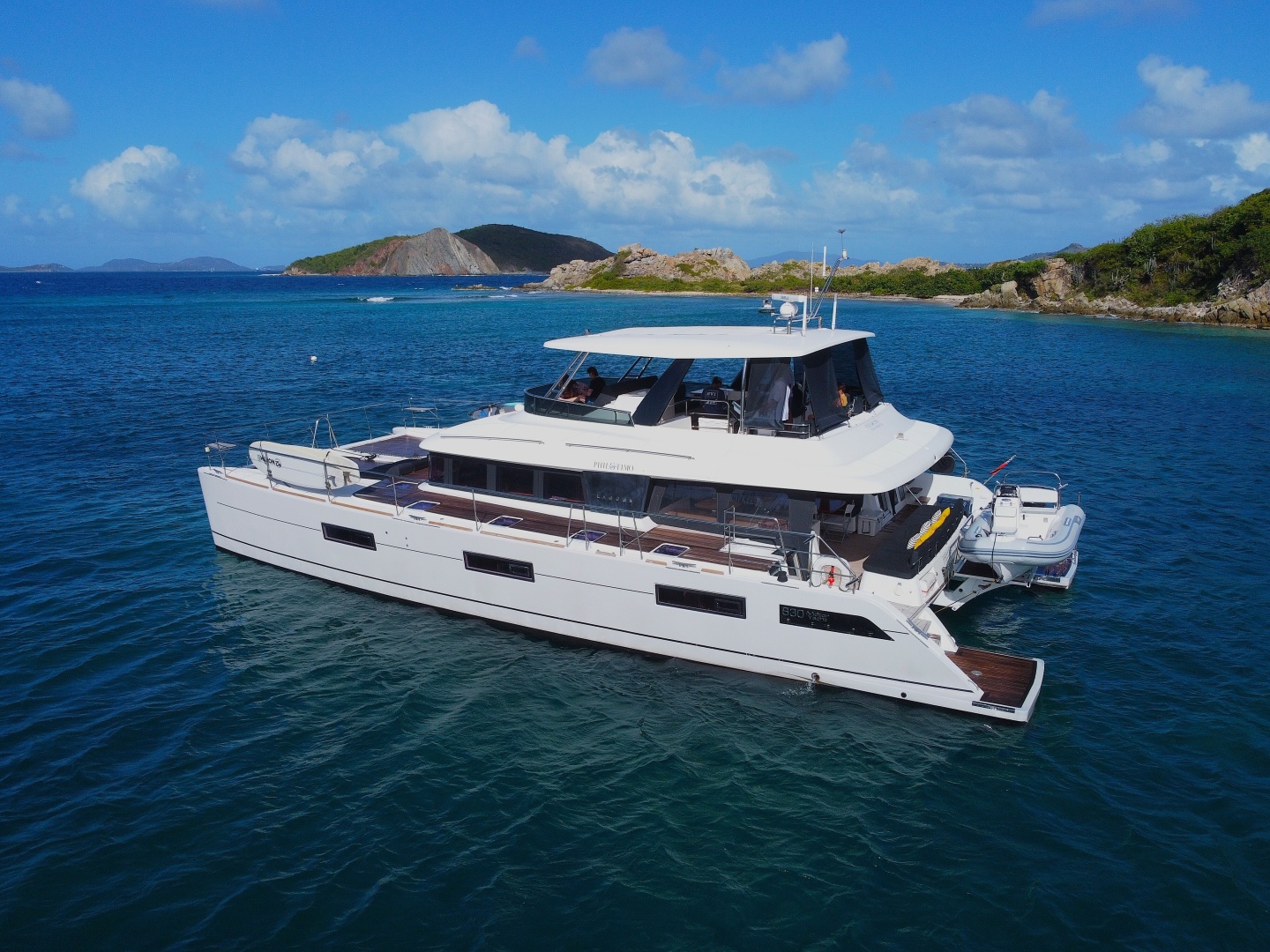
$1,699,000

$299,000

$899,000
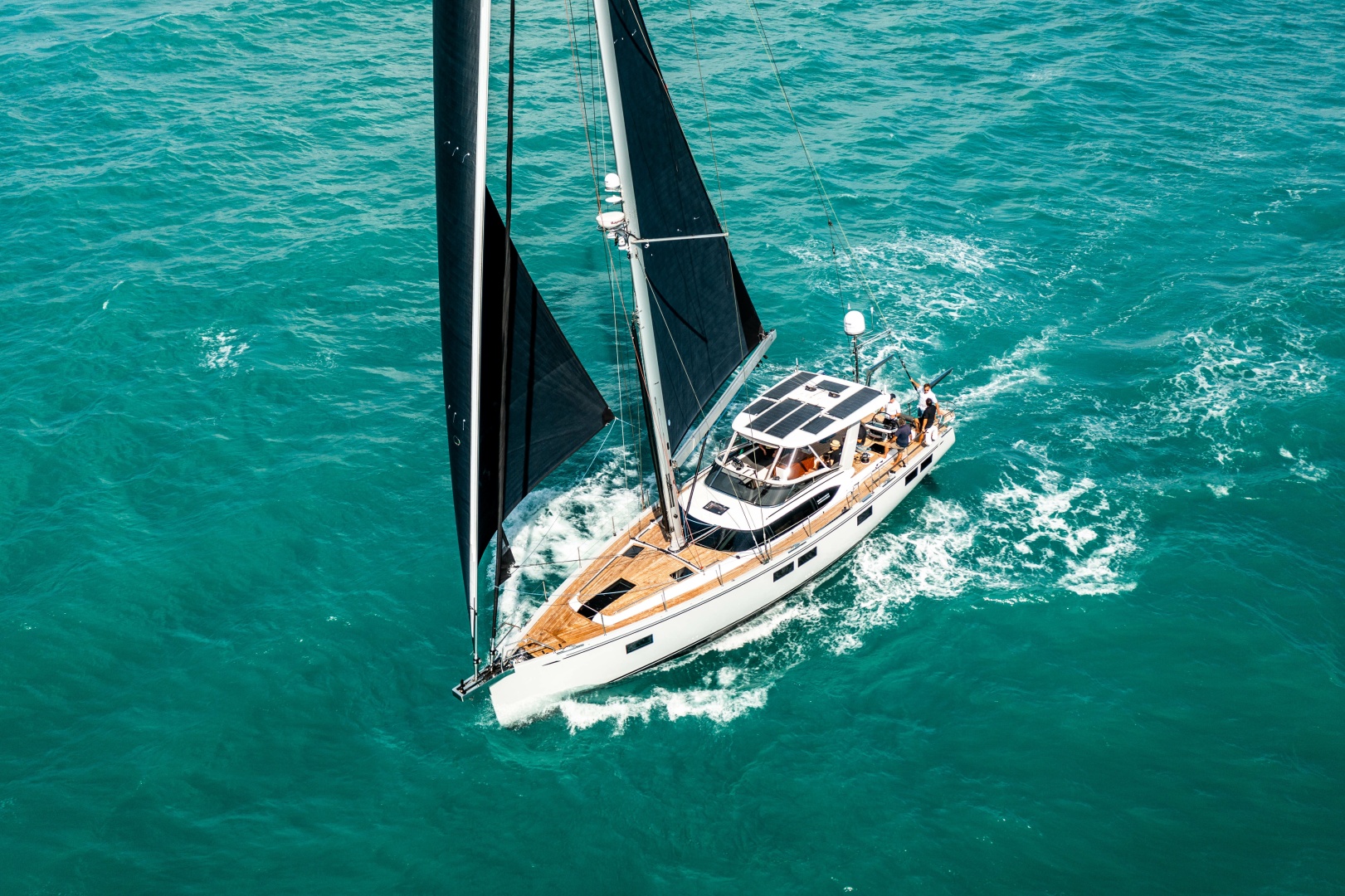
$1,795,000

$269,000
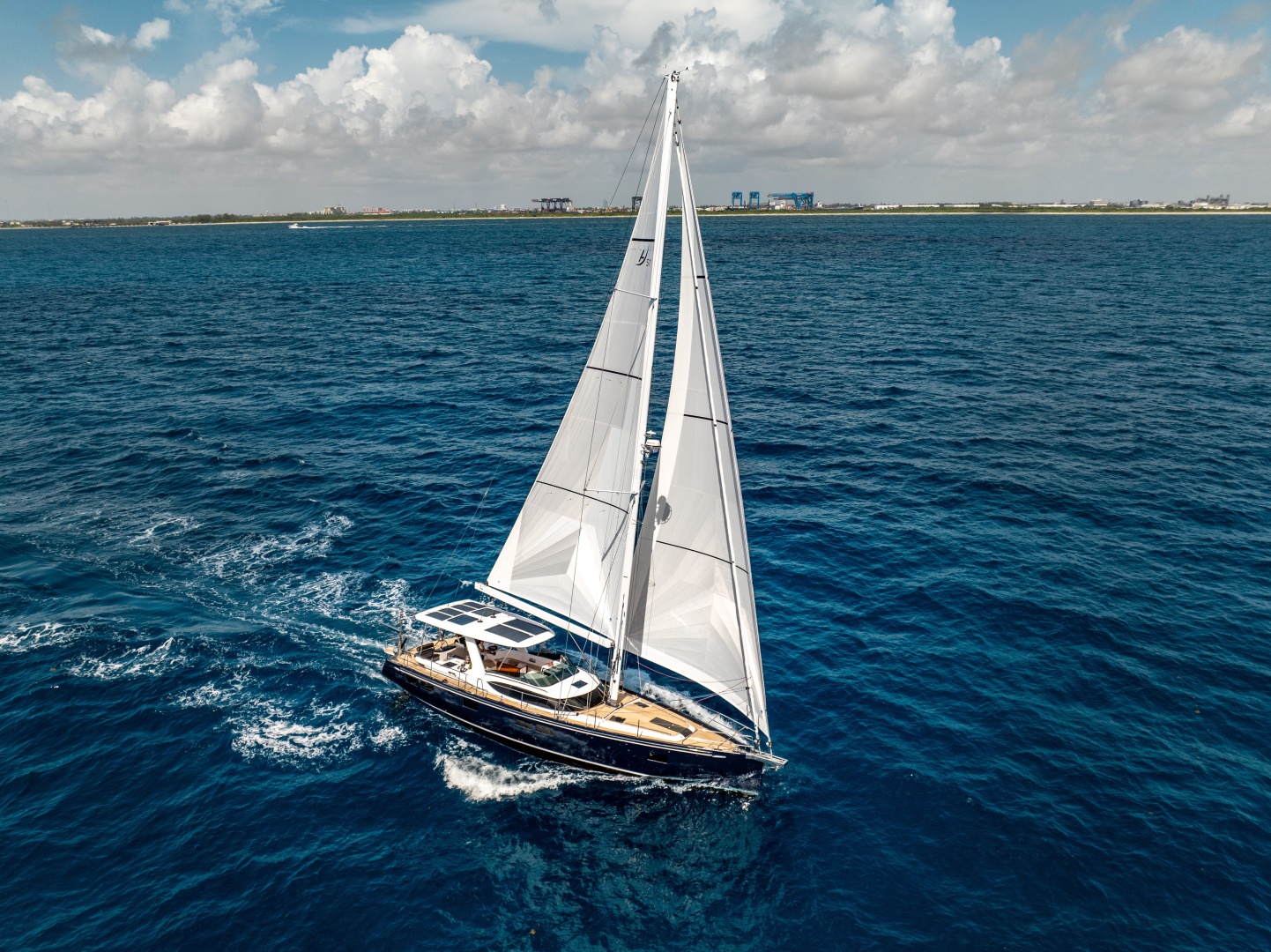
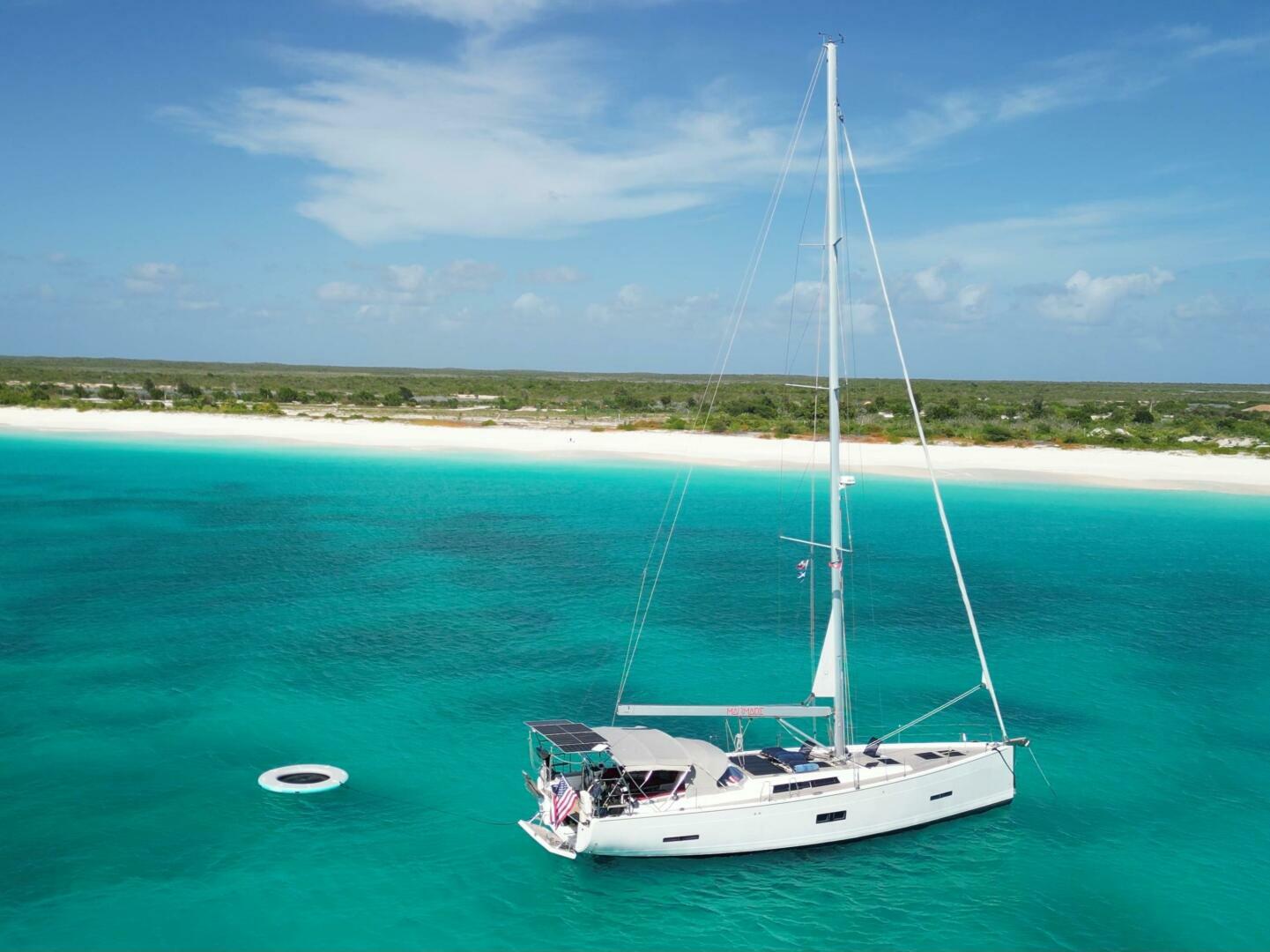
$359,000
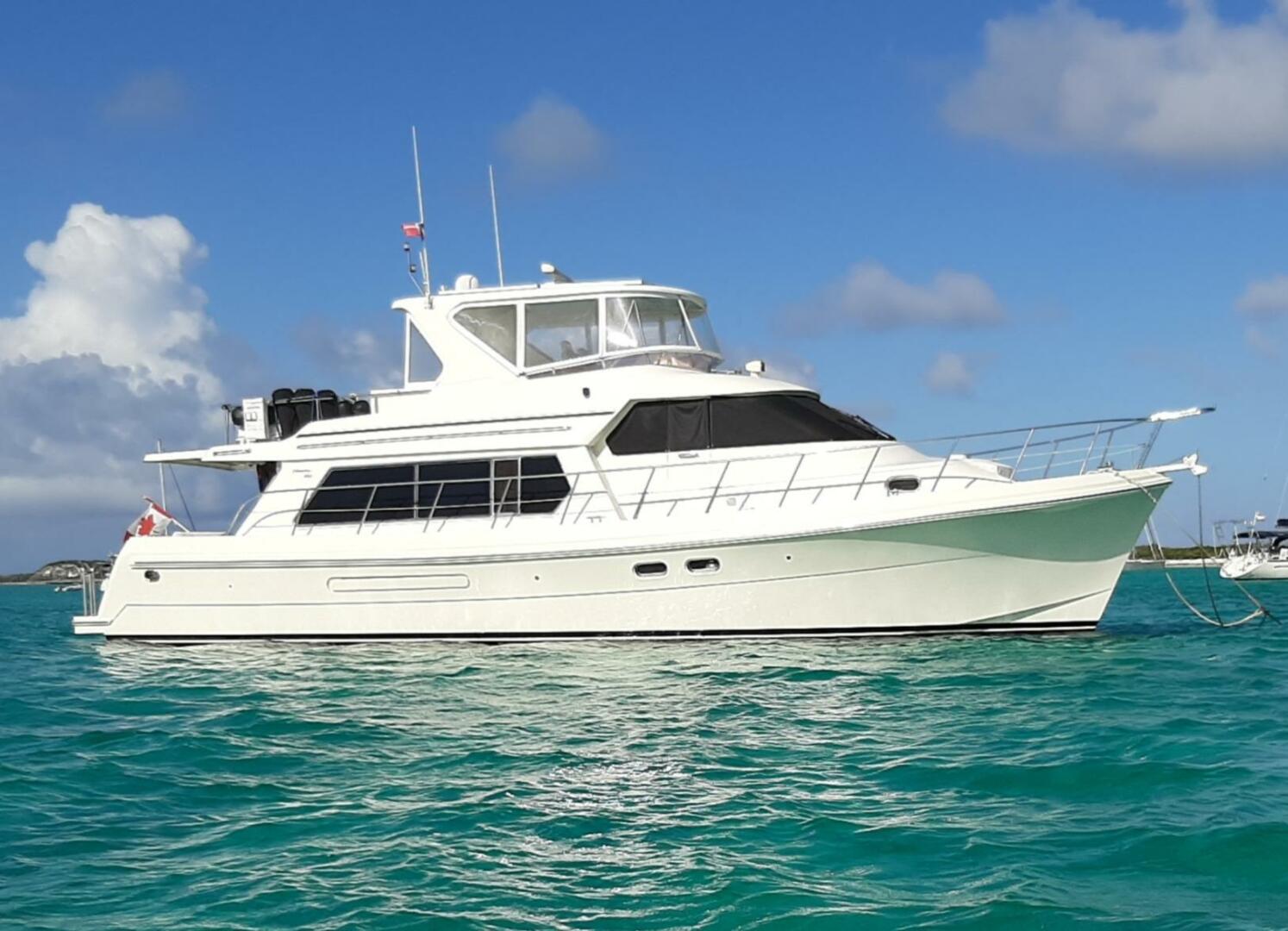
$499,500
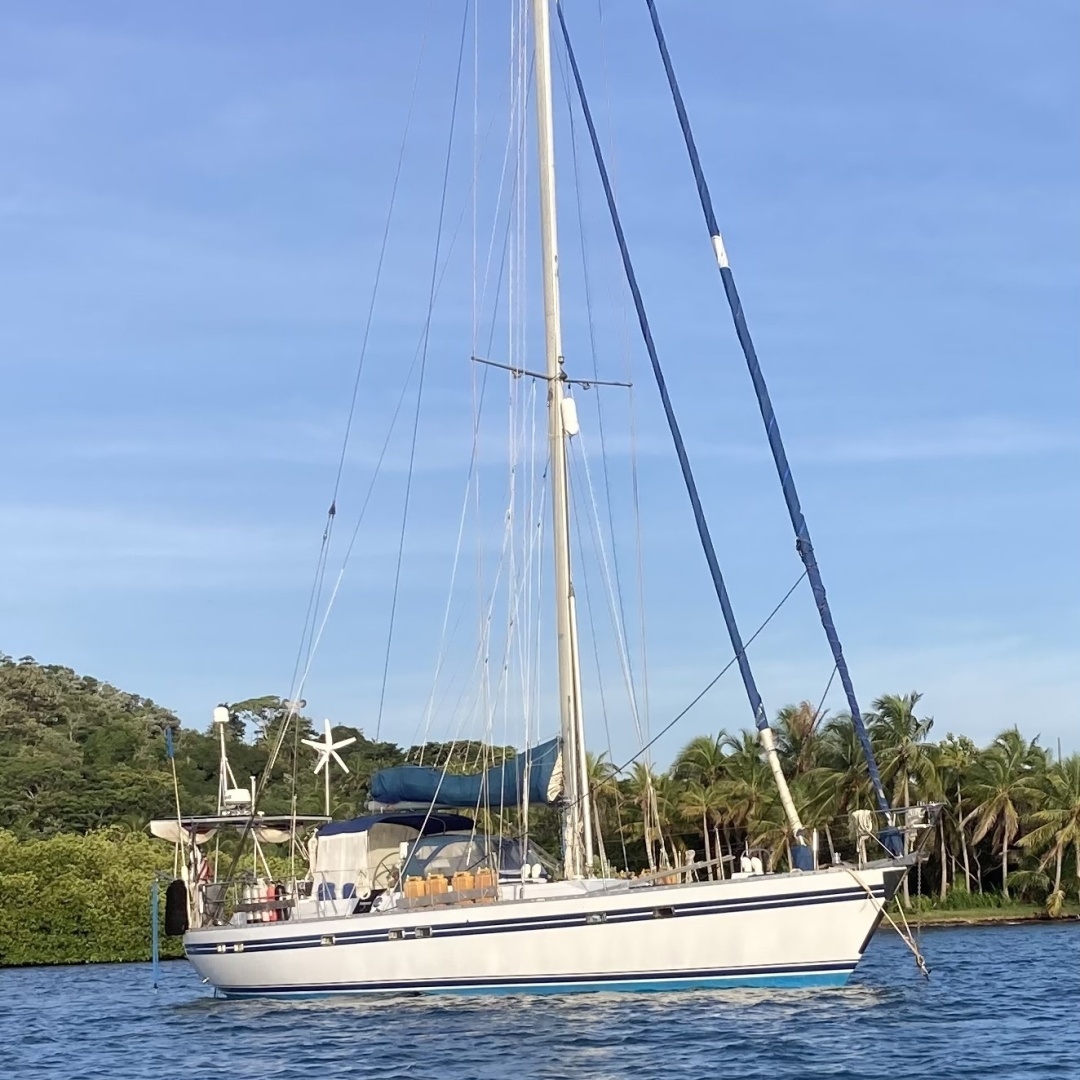
$299,500
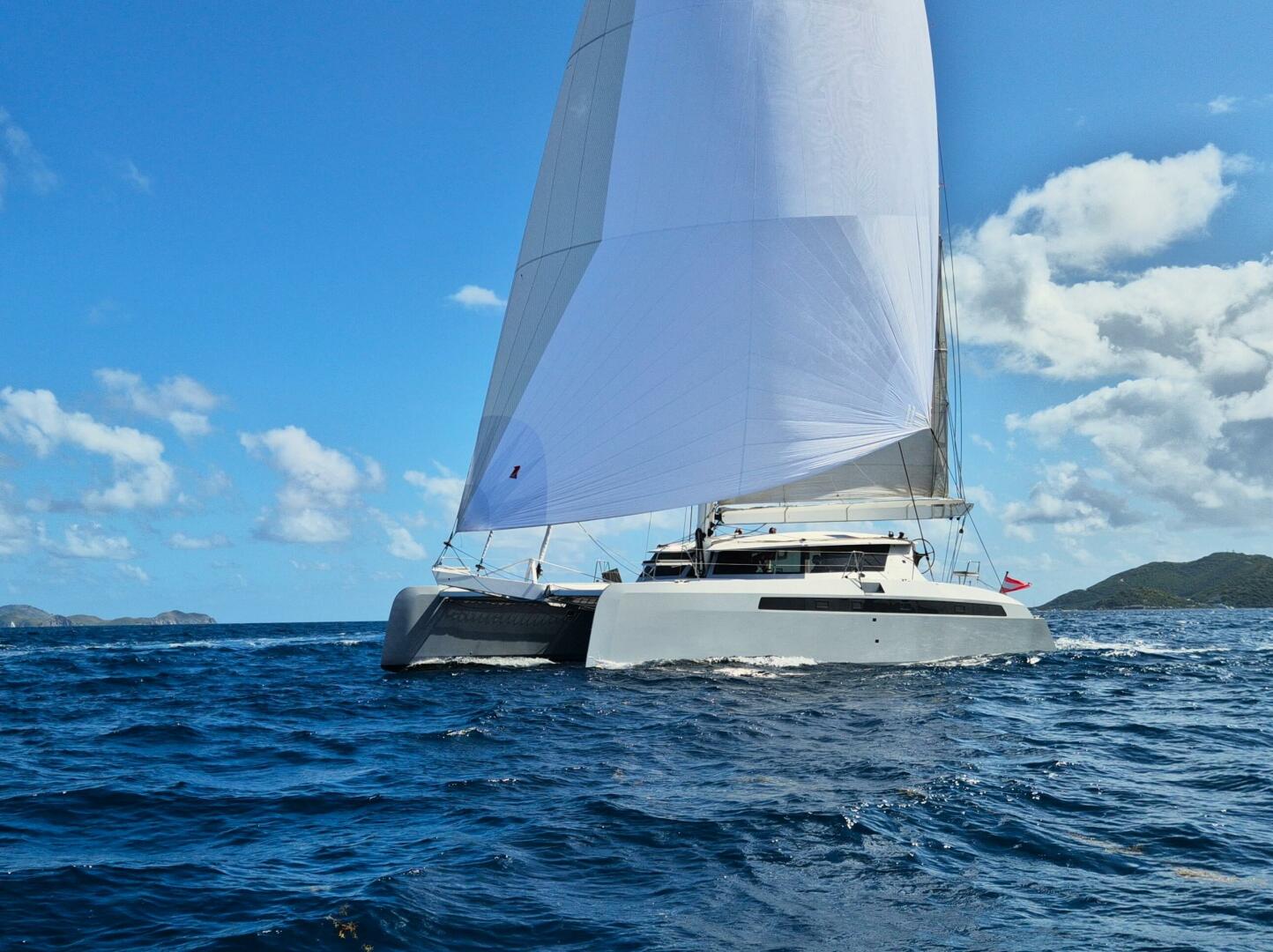
$1,290,000
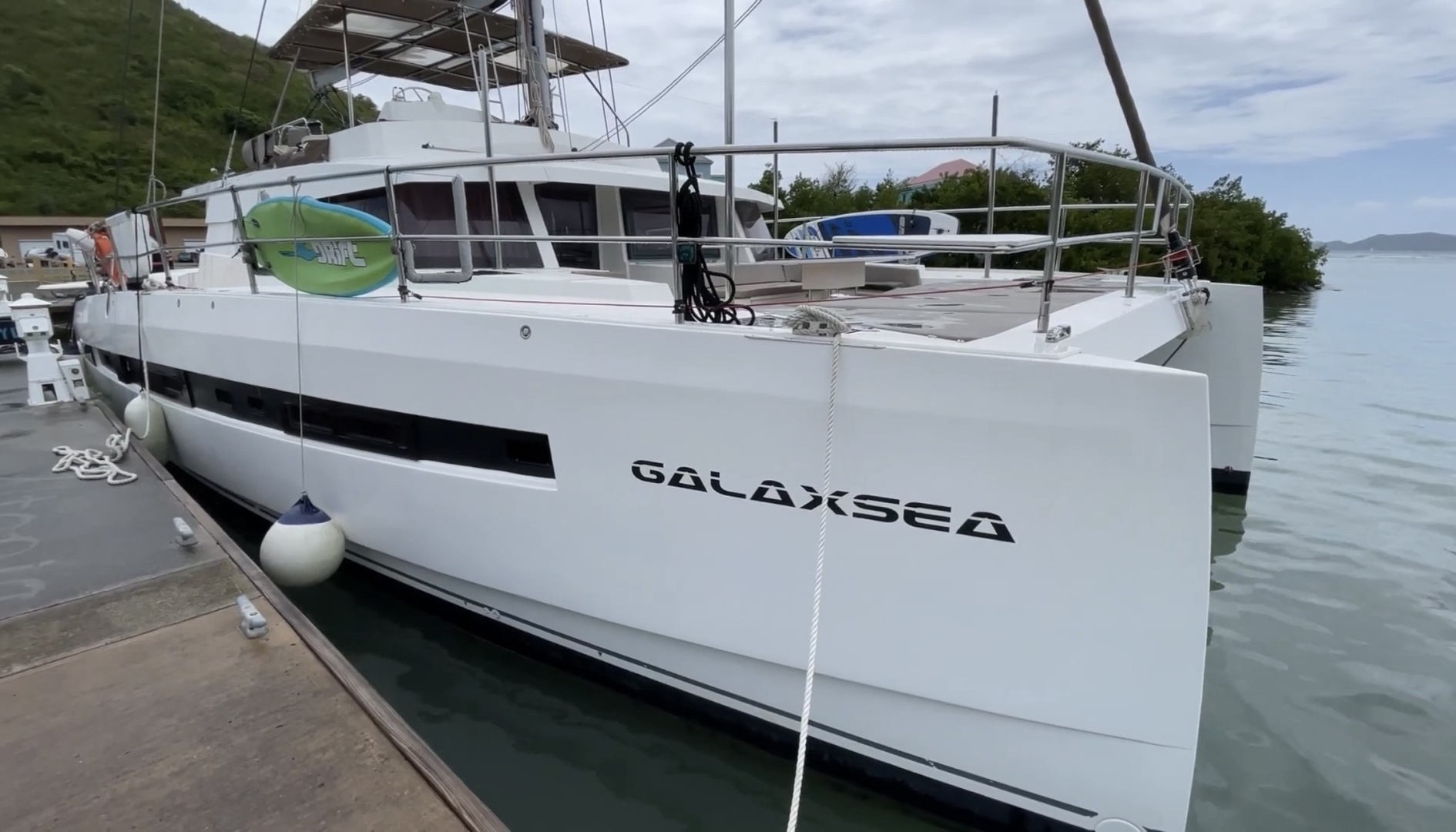
$800,000
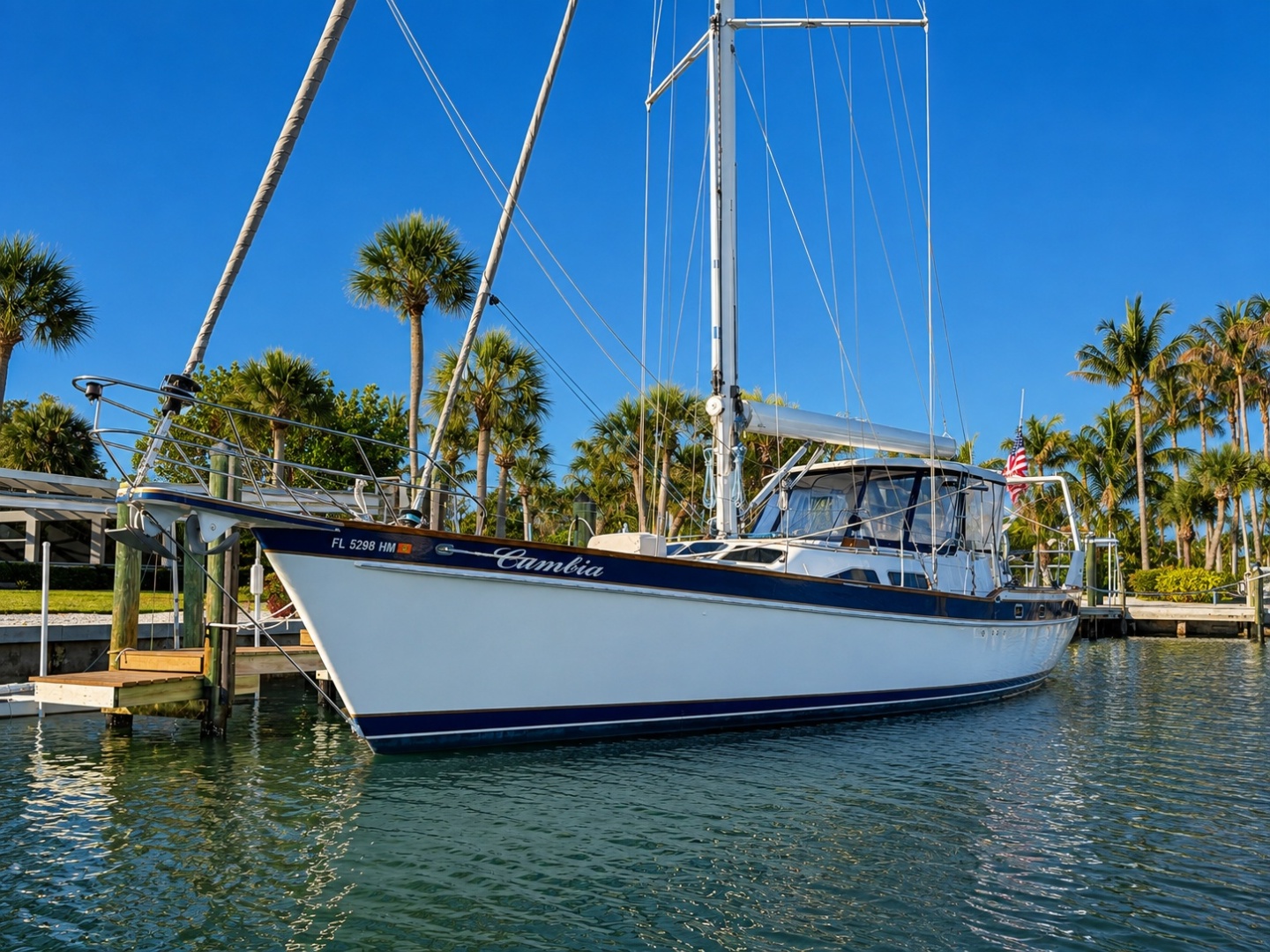
$545,000
$564,900
$1,130,000
$159,000
$499,000
$89,000
$89,000
$135,000
$98,250
$149,850
$369,000
$395,000
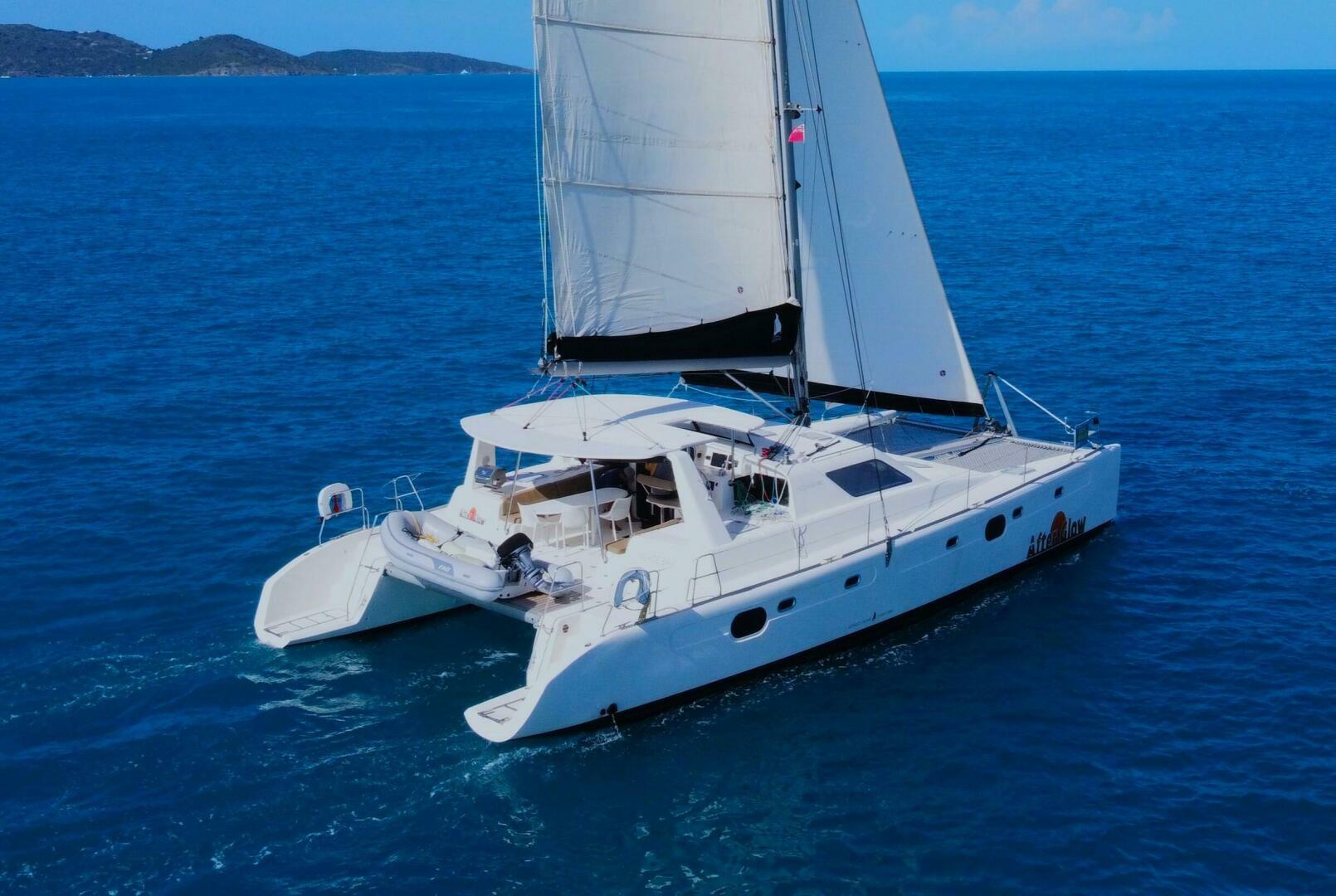
$349,000
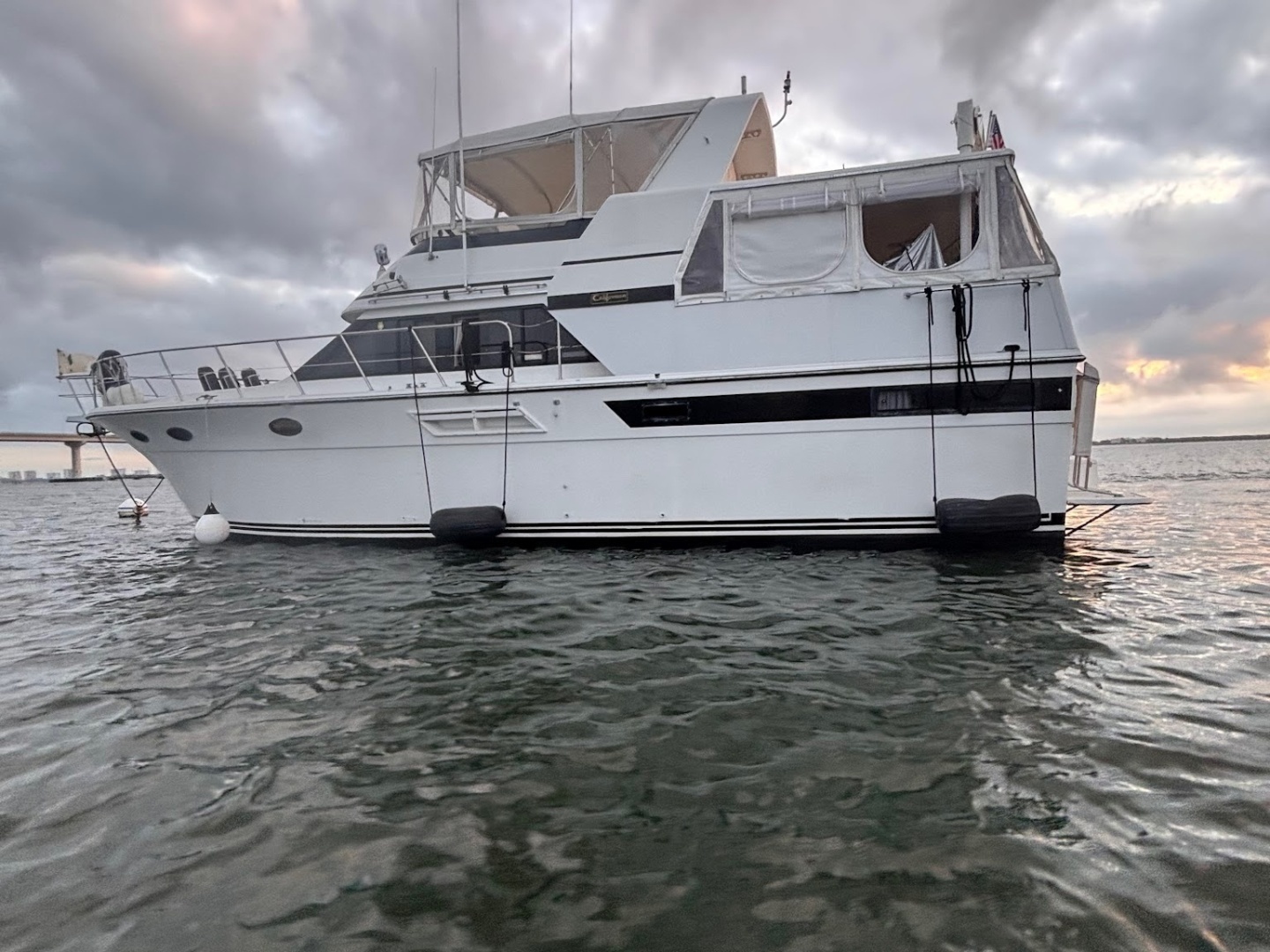
$125,000
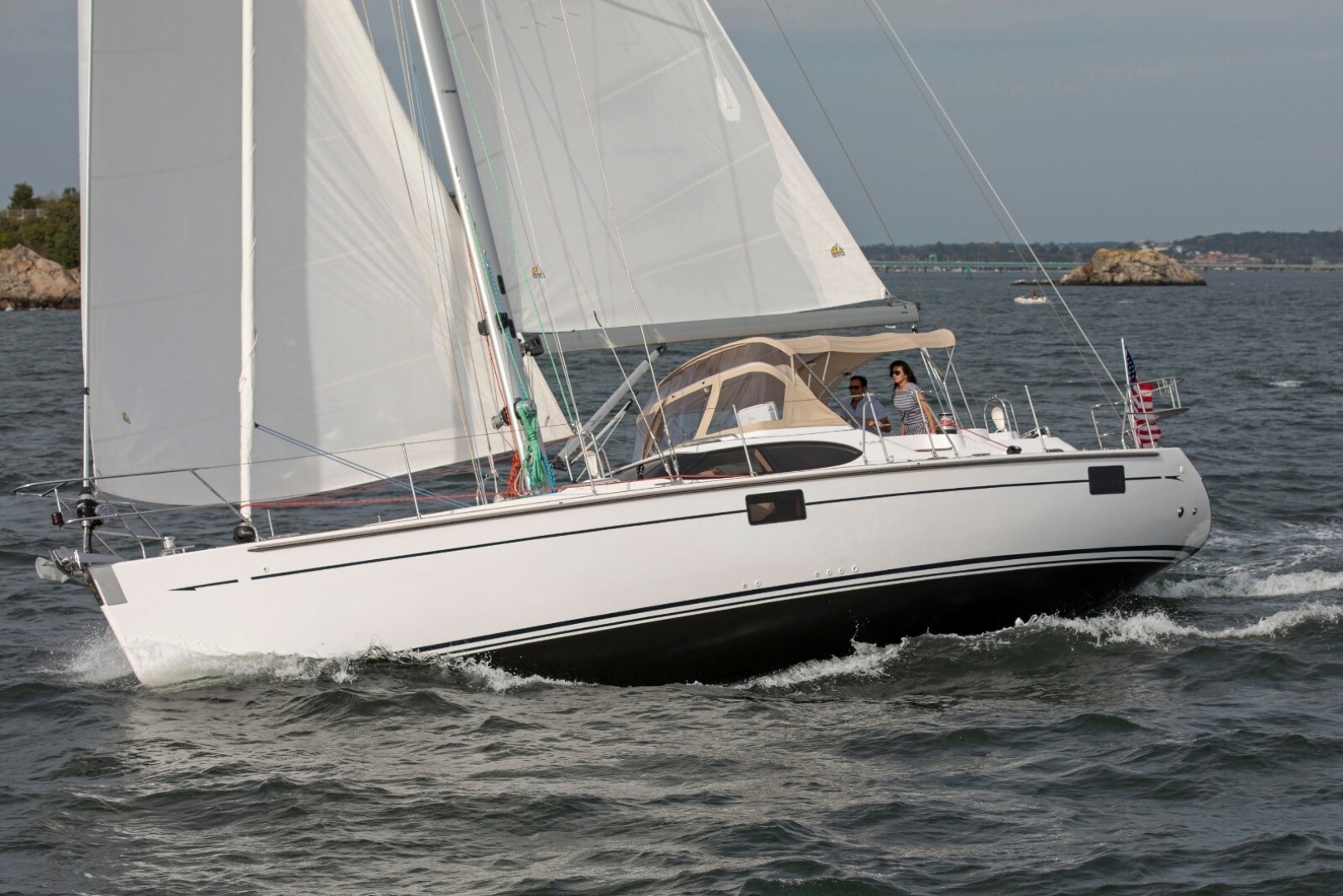
$1,724,571
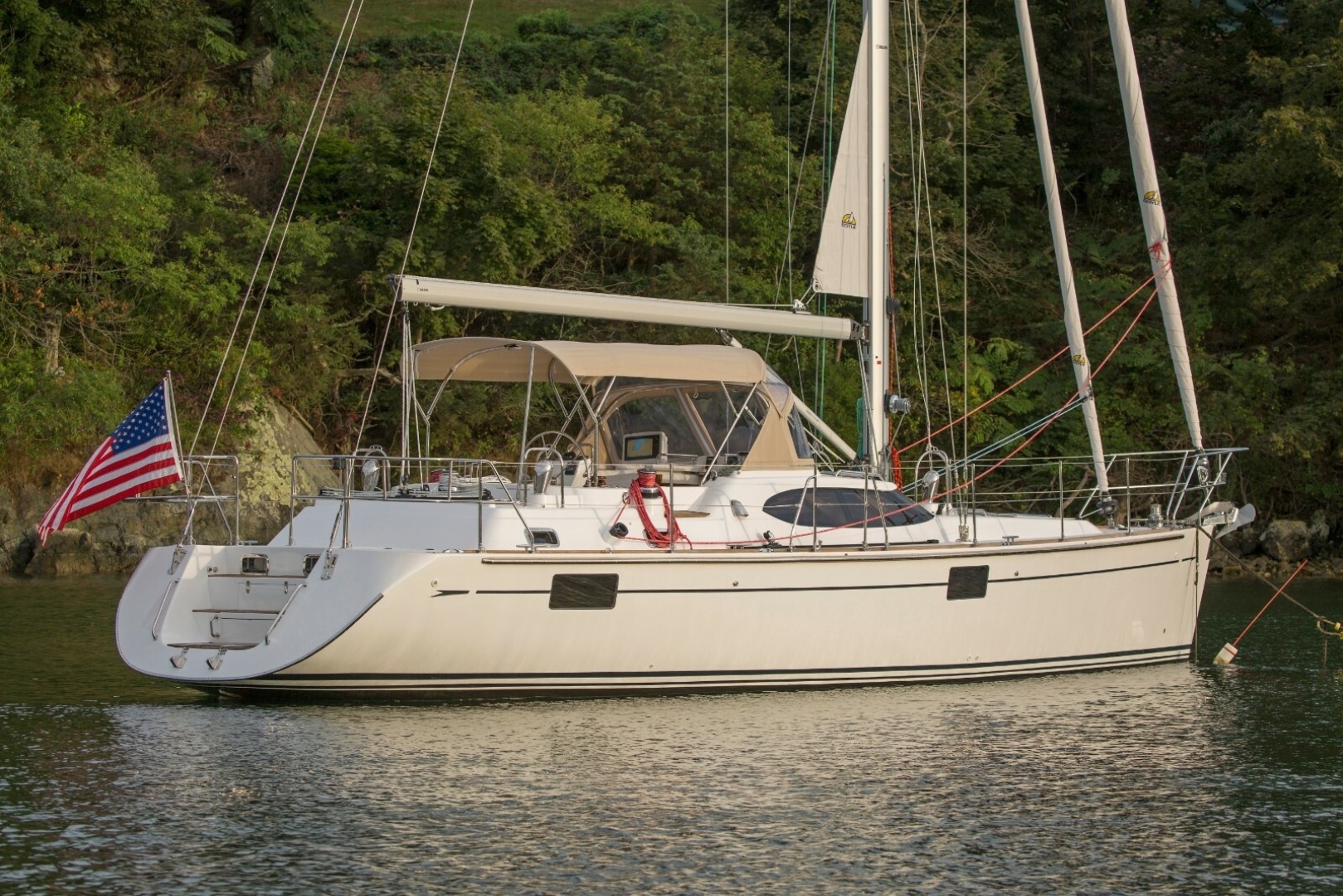
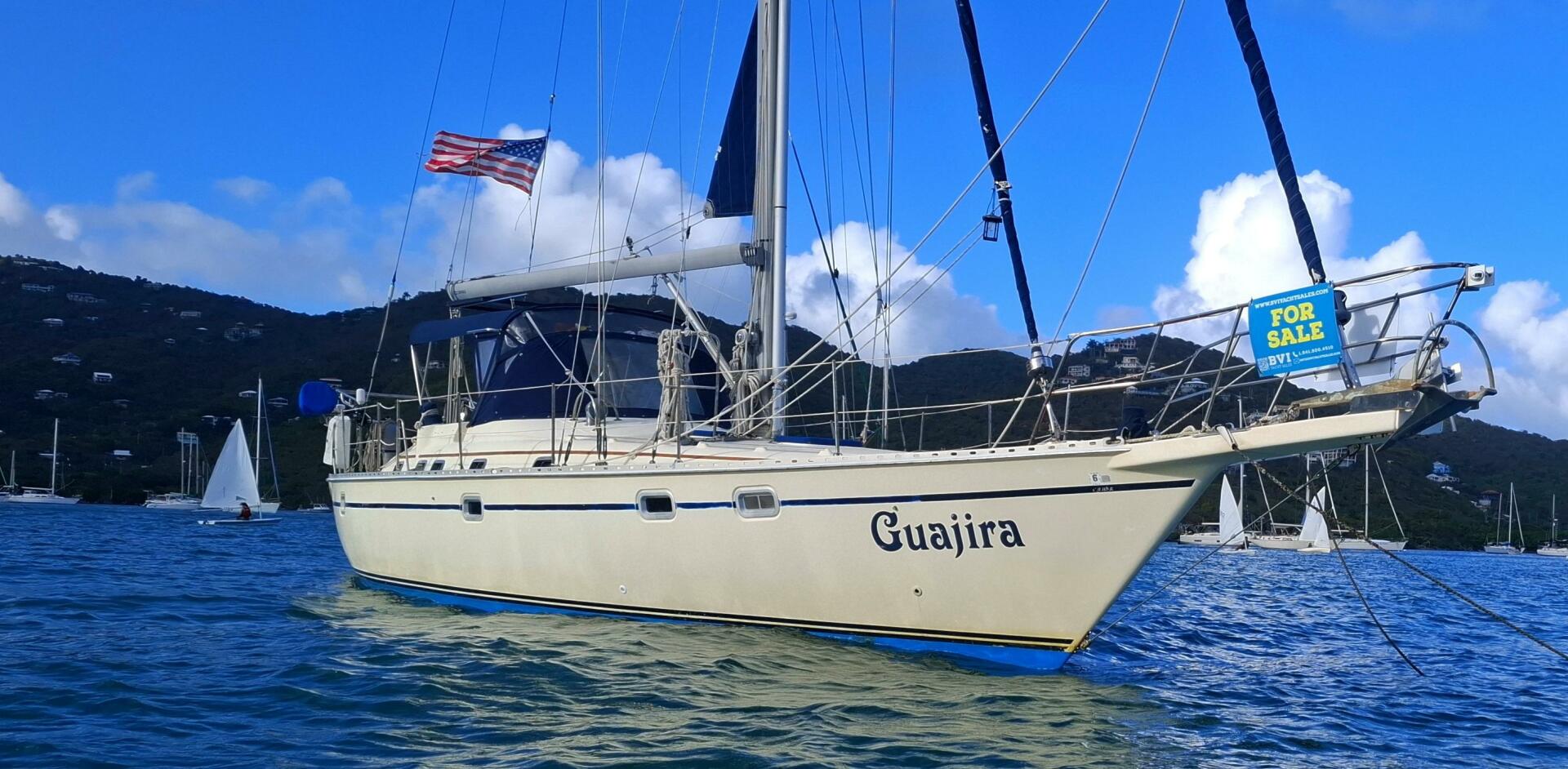
$149,500
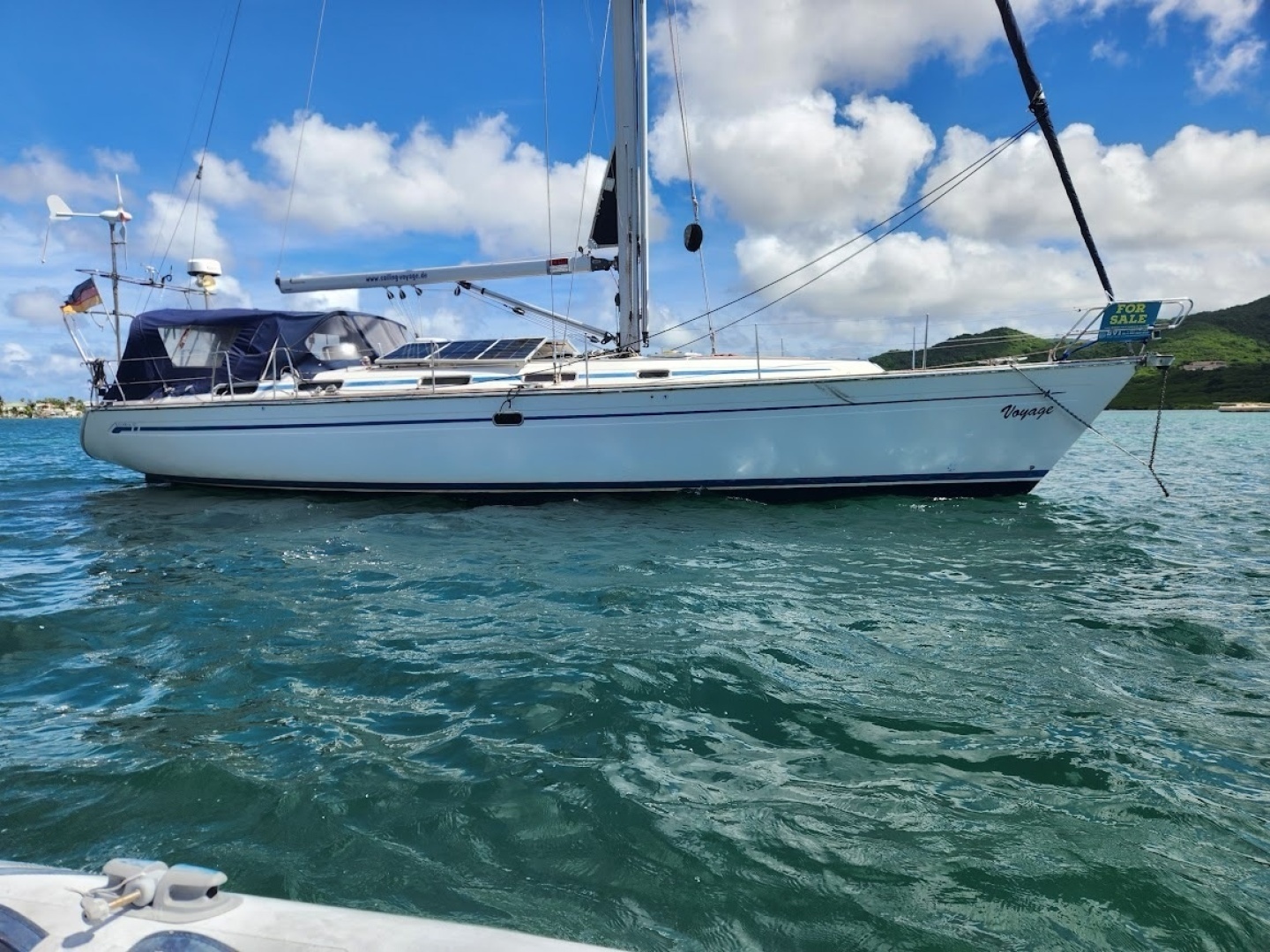
$109,900
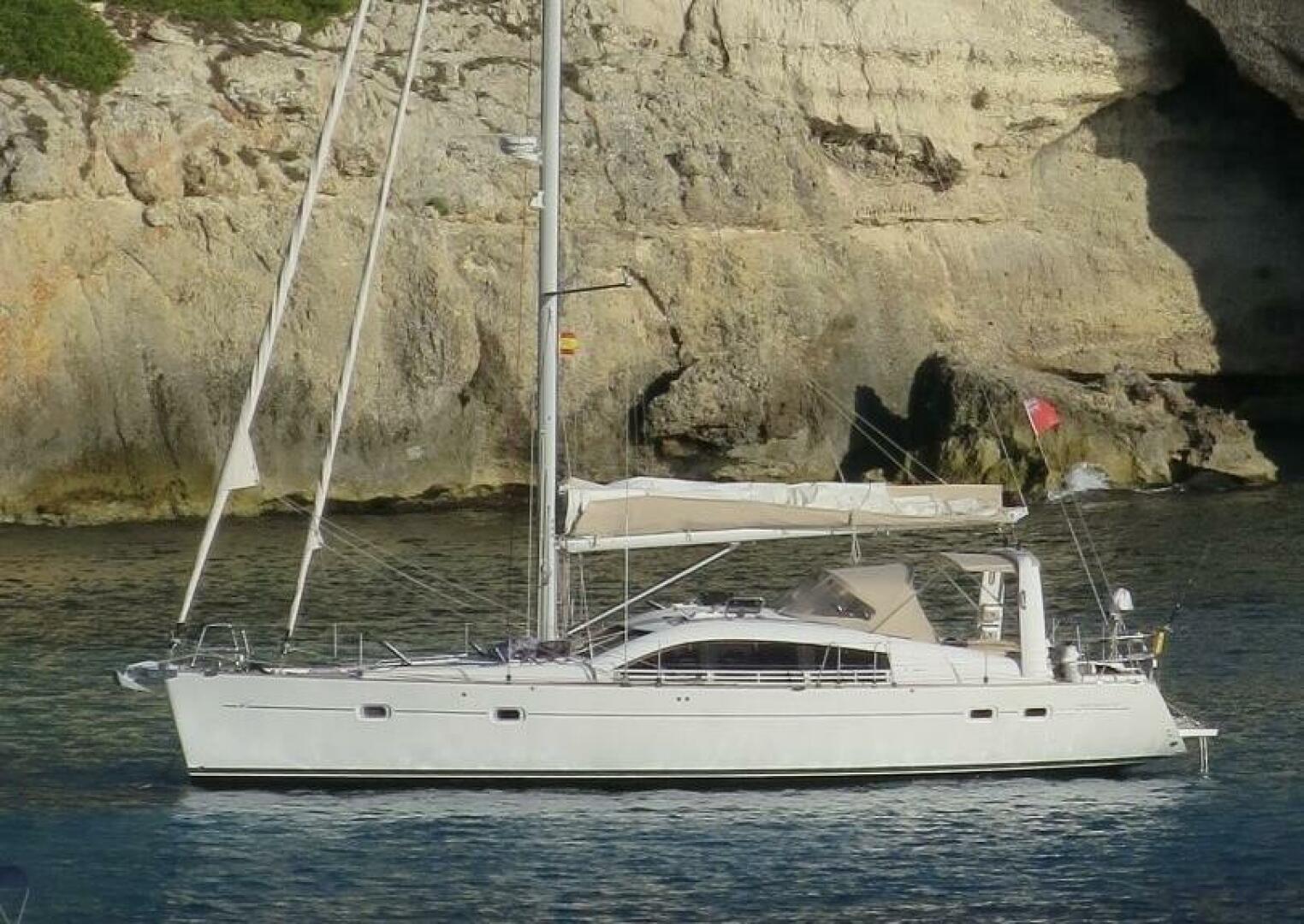
$395,000

$652,000
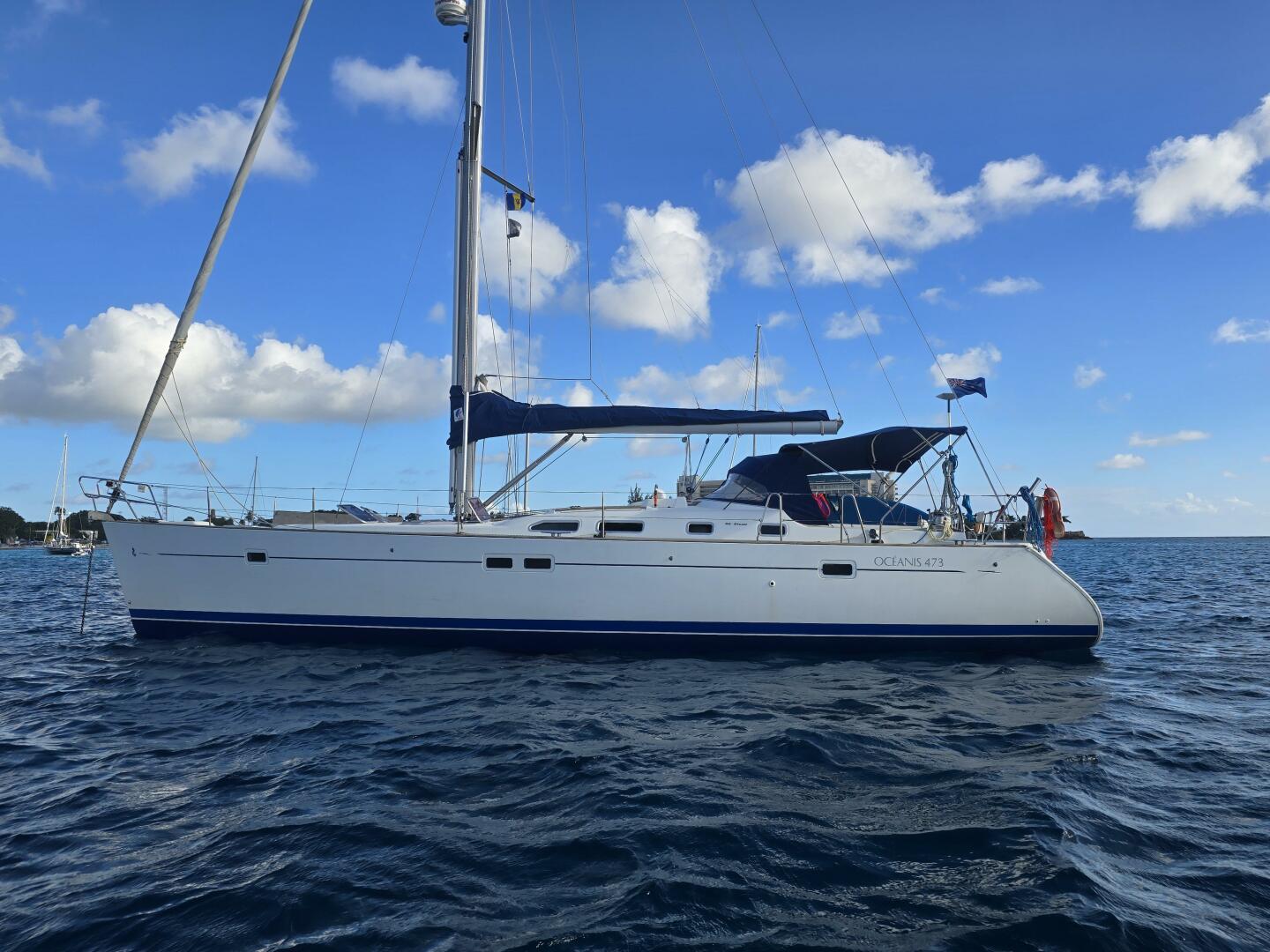
$105,000

$115,000
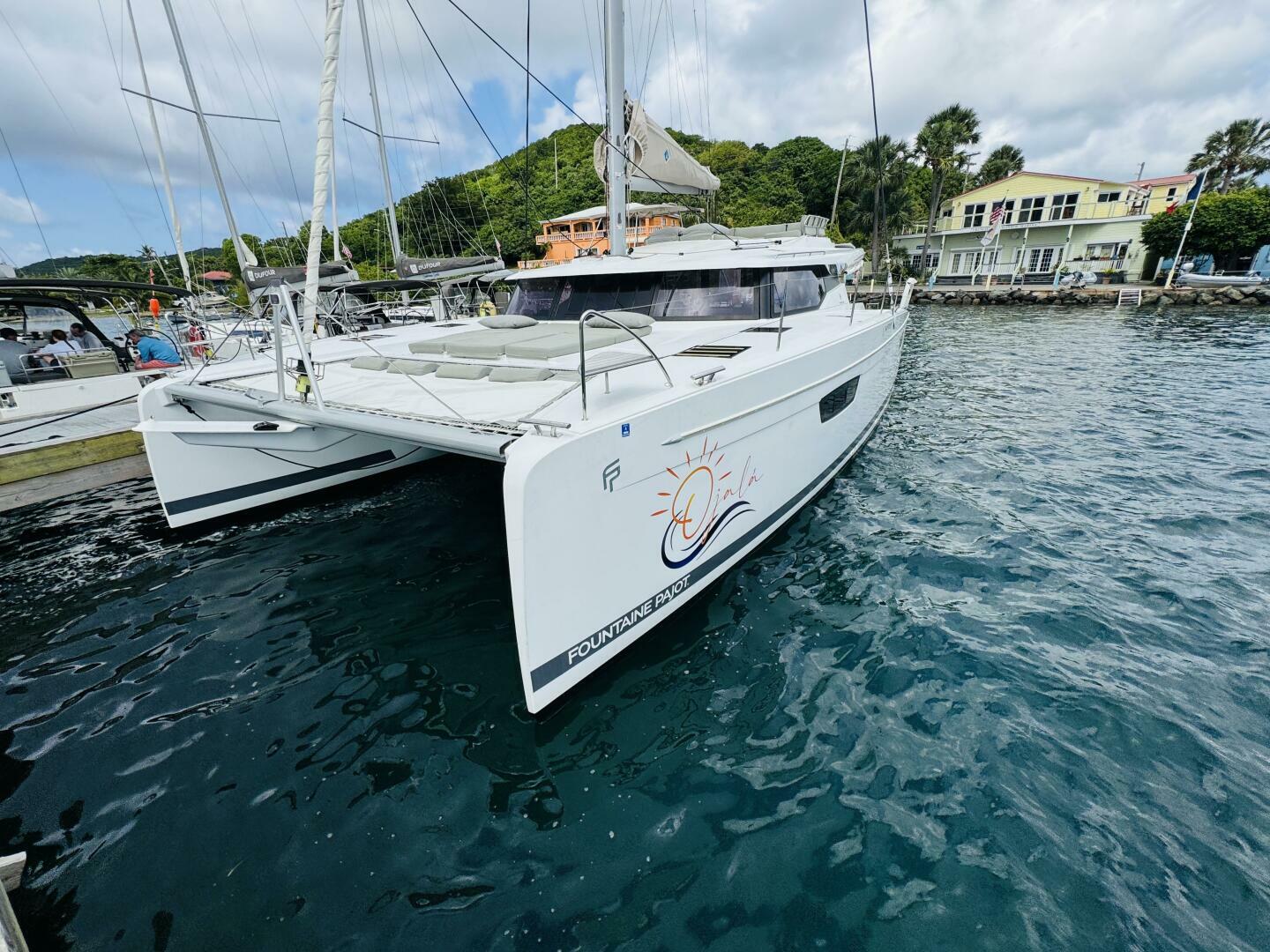
$950,000
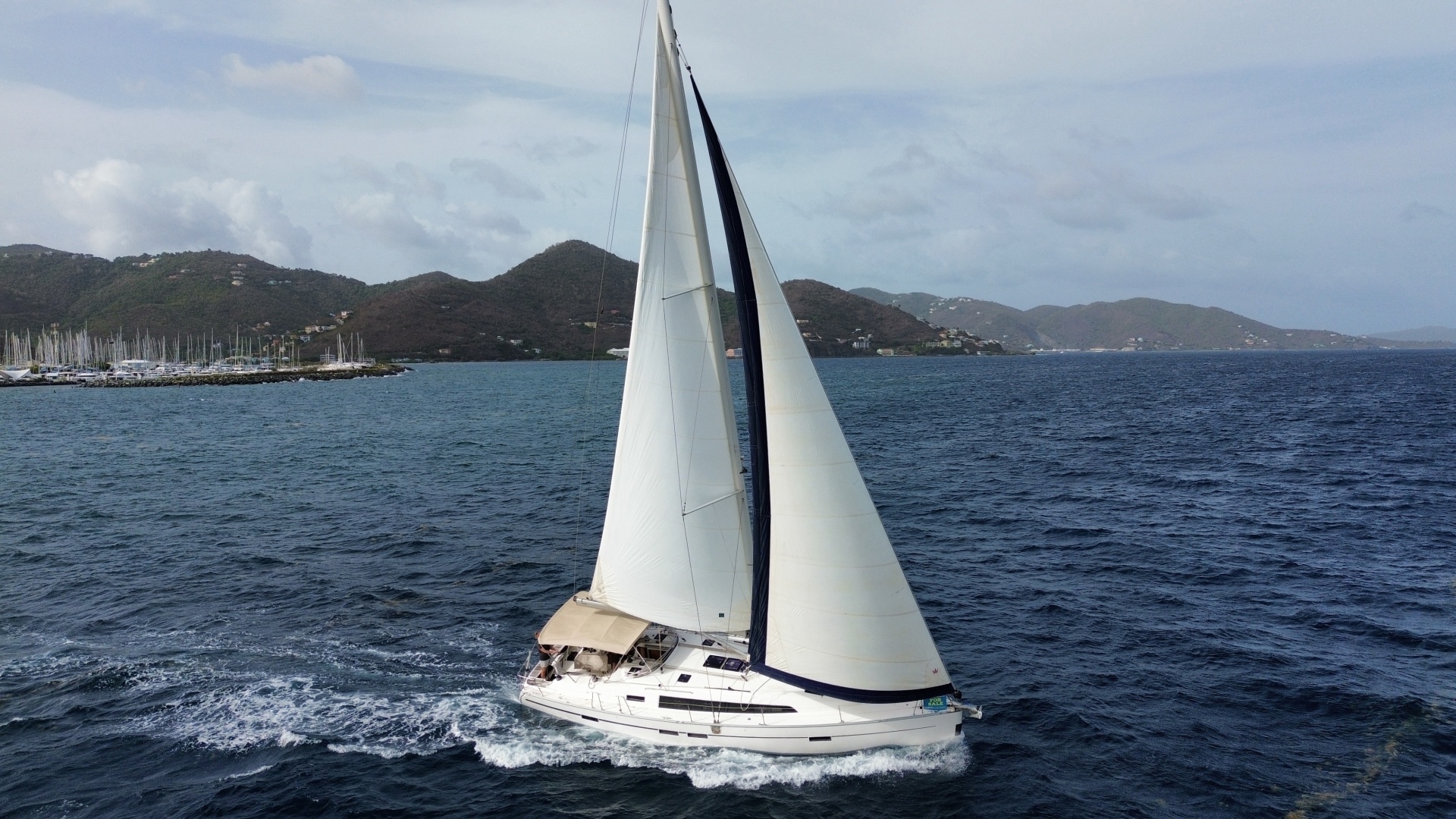
$149,000
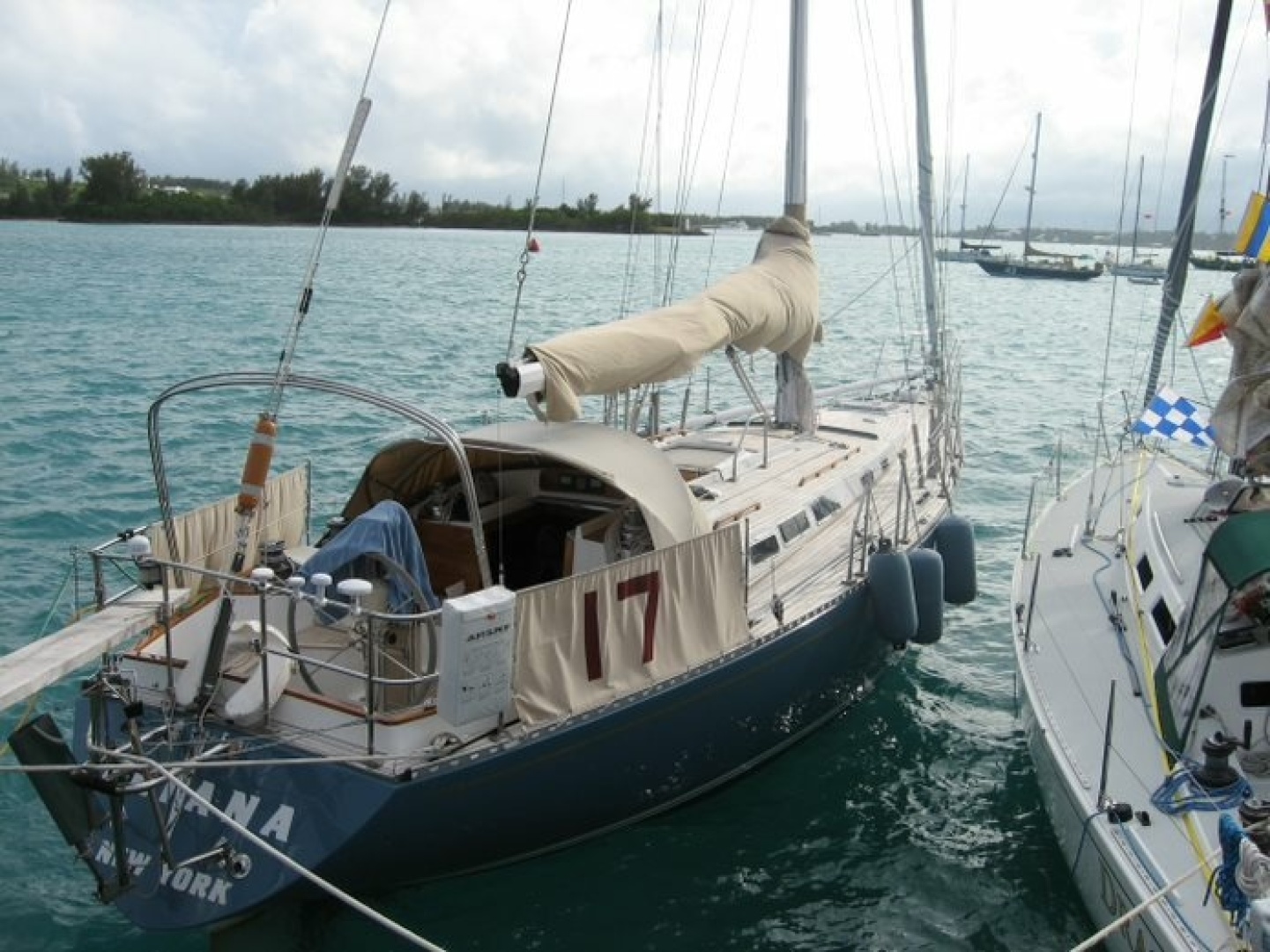
$135,000
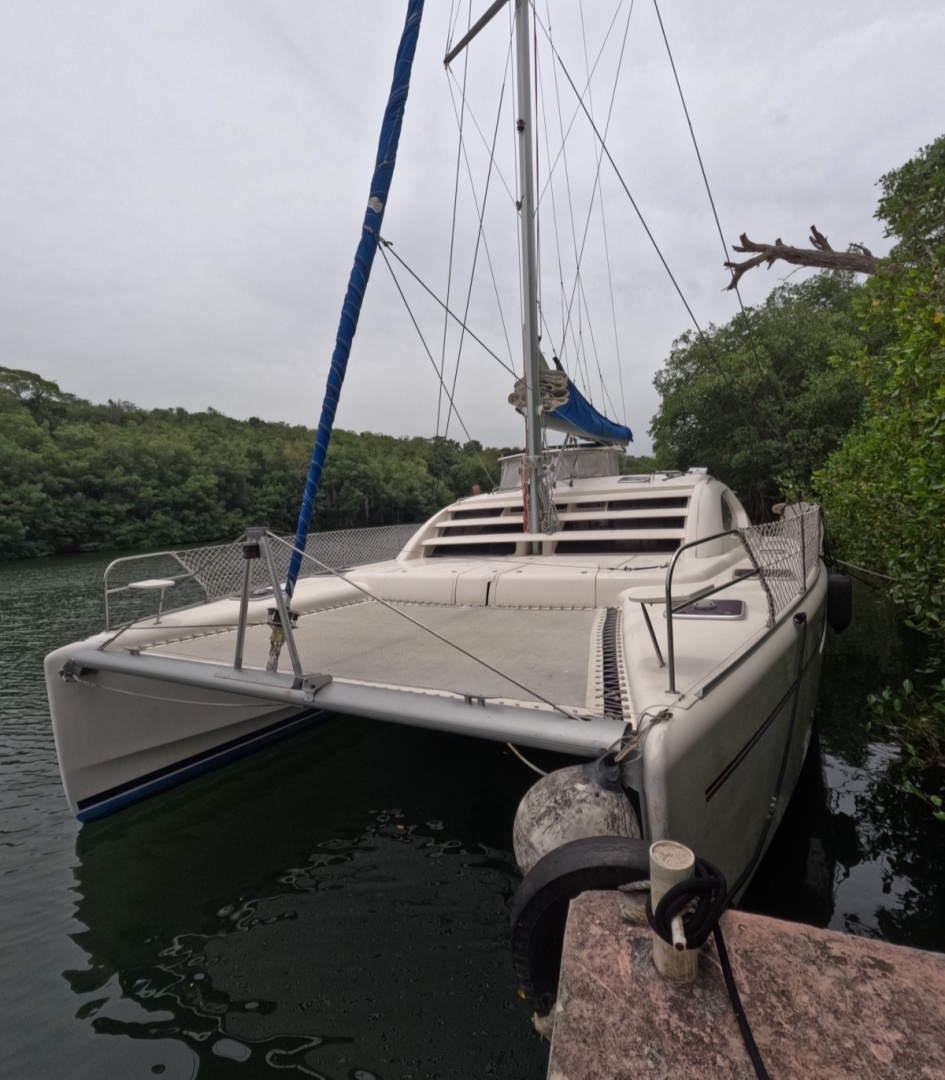
$349,000