

What the Caribbean standard rate covers, who pays it, and how two brokers share one fee.
Yacht brokerage commission in the Caribbean is almost always 10 percent of the final sale price, paid by the seller out of the closing proceeds. That single figure covers marketing, qualified buyer access, negotiation, sea-trial and survey coordination, and the paperwork that moves a vessel from listed to sold. The buyer pays the broker nothing directly.
Definition
Central Agency Agreement — The written contract a seller signs with one listing broker. It sets the commission rate, the listing duration, and the broker’s exclusive authority to market the yacht. Industry central agency agreements set this commission at 10 percent of the selling price.
- Standard rate
- 10% of the final sale price
- Who pays
- The seller, from closing proceeds
- Buyer's cost
- $0 directly — paid from the seller’s fee
- Co-brokerage split
- Commonly 60/40, listing/selling broker
- Set in writing by
- The central agency agreement
- When it is earned
- Only on a completed, funded sale
Key Takeaways
- 01
Caribbean yacht brokerage commission is a standard 10 percent of the sale price, paid by the seller from closing proceeds.
- 02
A buyer’s broker is effectively free — their pay comes from the seller’s single fee through co-brokerage.
- 03
Co-brokerage splits one 10 percent fee, most often 60/40 between listing and selling broker, at no extra cost to the seller.
- 04
Discounting the rate can shrink the co-broker’s incentive; judge a broker on what the fee delivers, not the percentage alone.
What the 10 Percent Actually Is
The Caribbean follows the same convention as the wider US and Mediterranean markets: a flat 10 percent of the gross sale price. As YachtWorld notes that the seller pays the commission, the figure is agreed before the boat ever lists and written into the central agency agreement. It is rare to see a rate above 10 percent, and rates below it usually appear only on very small vessels where a minimum flat fee applies instead. Most of what the commission buys is preparation and reach, and the work that stays on the owner's side is set out in our checklist for preparing a boat for sale.
A useful way to read the number: on a yacht that sells for $300,000, a 10 percent commission is $30,000, and the seller nets $270,000 before other closing costs. The fee is contingent. If the boat does not sell, or a deal collapses before funds transfer, no commission is owed. That structure is what makes a broker’s interests line up with the seller’s — the broker is paid only when the seller is paid. Closing is where a broker earns the back half of the fee, and yacht title transfer and documentation spells out exactly what has to be produced, by whom, and in what order.
The fee is performance-based
Who Pays, and Why Buyers Use a Broker for Free
The seller pays the full commission, and that has a consequence buyers often misread: working with a buyer’s broker costs the buyer nothing. The buyer’s representative is paid from the seller’s 10 percent through a co-brokerage arrangement, so a buyer gets independent advocacy, market data, and survey guidance at no added cost. This is exactly why we advise buyers to bring their own broker rather than deal only with the listing side.
How Co-Brokerage Splits One Fee Between Two Brokers
Most Caribbean sales are co-brokered: one broker holds the listing and a second broker brings the buyer. They do not add a second commission. They divide the single 10 percent already agreed with the seller. According to YATCO, the most common co-brokerage split is 60/40, with the listing broker keeping the larger share for carrying the marketing cost and the selling broker taking the rest for sourcing the buyer.
How a 10% commission divides on a $300,000 sale
| Scenario | Total commission | Listing broker | Buyer's broker |
|---|---|---|---|
| Single broker (both sides) | $30,000 | $30,000 | — |
| Co-brokered 60/40 | $30,000 | $18,000 | $12,000 |
| Co-brokered 50/50 | $30,000 | $15,000 | $15,000 |
The seller’s cost is identical in every row above — still 10 percent. Co-brokerage only changes how that fee is shared on the back end. For a seller this is an advantage, not a tax: opening a listing to the whole co-brokerage network puts the yacht in front of every other broker’s qualified buyers instead of one office’s contacts.
Co-brokerage does not cost the seller a cent more. It splits one 10 percent fee between two brokers and, in exchange, exposes the yacht to every qualified buyer in the network rather than one office’s list.
What Is Negotiable — and What Usually Is Not
Sellers frequently ask whether 10 percent can be trimmed. Sometimes it can, particularly on a long-listed boat, a high-value vessel, or an exclusive arrangement. But cutting the headline rate often backfires. If you reduce the total fee, you also reduce the buyer’s broker’s share, and a thinner split gives other brokers less reason to show your yacht to their clients.
Negotiating the rate: the real trade-off
Where there is room
- Room to discuss on high-value yachts where the dollar fee is large
- Long-listed boats may justify a revised structure to re-energise the sale
- An exclusive listing can be a fair reason to revisit terms
Where it backfires
- A reduced fee shrinks the co-broker’s share and dampens buyer-side interest
- A cut-rate listing can attract less marketing spend, not more
- Always protect the buyer’s-broker share even if you renegotiate the listing side
The mistake that costs more than the commission
Commission vs. Selling the Yacht Yourself
The alternative to paying commission is selling privately, and the 10 percent is the figure owners weigh against doing it alone. Private sellers keep the fee but take on the pricing, the listing exposure, the showings, the negotiation, and the closing paperwork — and they cannot list on the major brokerage platforms that most serious Caribbean buyers search. A mispriced or poorly marketed private listing often sells for less than a brokered one, erasing the saving.
10%
the Caribbean and US standard yacht brokerage commission — the same fee whether one broker or two share it
YachtWorld, 2026
Last updated
Cite this article
Talk to a Caribbean broker before you list
Understand exactly what the 10 percent buys for your vessel and how co-brokerage widens your buyer pool.
QHow much is yacht brokerage commission in the Caribbean?
It is almost always 10 percent of the final sale price. This rate matches the wider US and Mediterranean markets and is set in writing in the central agency agreement before the yacht lists. Rates above 10 percent are rare, and lower rates usually appear only on small boats where a minimum flat fee applies instead.
QWho pays the yacht broker, the buyer or the seller?
The seller pays the commission, drawn from the closing proceeds when the sale funds. The buyer pays the broker nothing directly. Because the seller funds the whole fee, a buyer can work with their own broker for independent advice and survey guidance at no added cost.
QHow is commission split in a co-brokerage deal?
When one broker lists the yacht and another brings the buyer, they divide the single 10 percent rather than adding a second fee. The most common split is 60/40, with the listing broker keeping 60 percent and the buyer’s broker taking 40 percent. The seller’s total cost stays at 10 percent regardless.
QCan you negotiate a lower yacht broker commission?
Sometimes, especially on high-value or long-listed yachts or with an exclusive listing. But cutting the rate also cuts the buyer’s broker’s share, which can reduce how often other brokers show your boat. Protect the co-broker’s portion even if you revise the listing side.
QIs it cheaper to sell my yacht without a broker?
You keep the 10 percent, but you also take on pricing, marketing, showings, negotiation, and closing yourself, and you cannot list on the major brokerage platforms most Caribbean buyers use. Private sales often close for less than brokered ones, which can erase the commission saving.
QWhen is the commission actually earned?
Only on a completed, funded sale. If the yacht does not sell or a deal collapses before money changes hands, no commission is owed, even after months of marketing. That contingency keeps the broker’s incentive aligned with getting the seller paid.
Featured Listings
$599,000
$1,300,000
$1,699,000

$299,000

$899,000
$1,795,000

$269,000
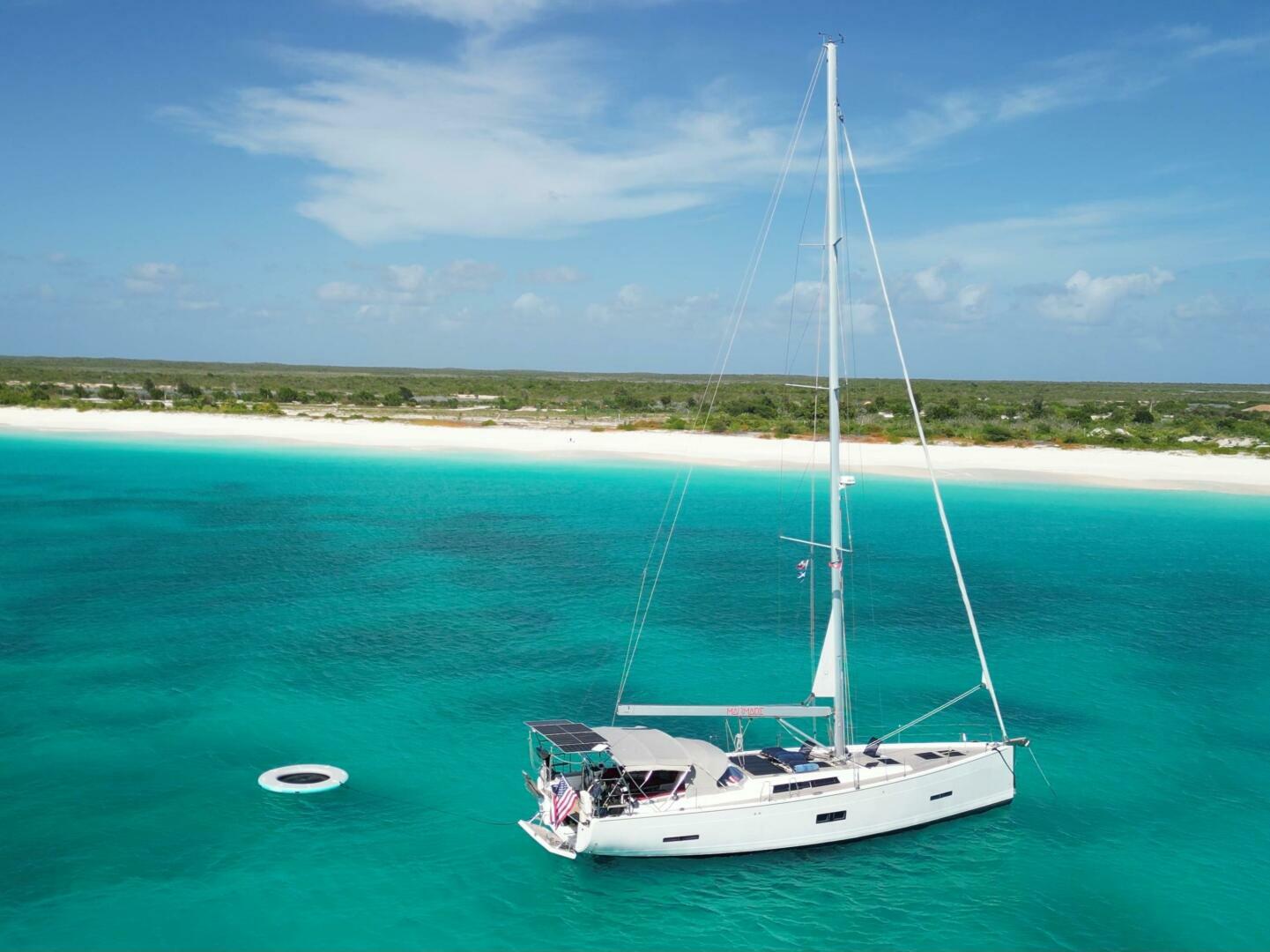
$359,000
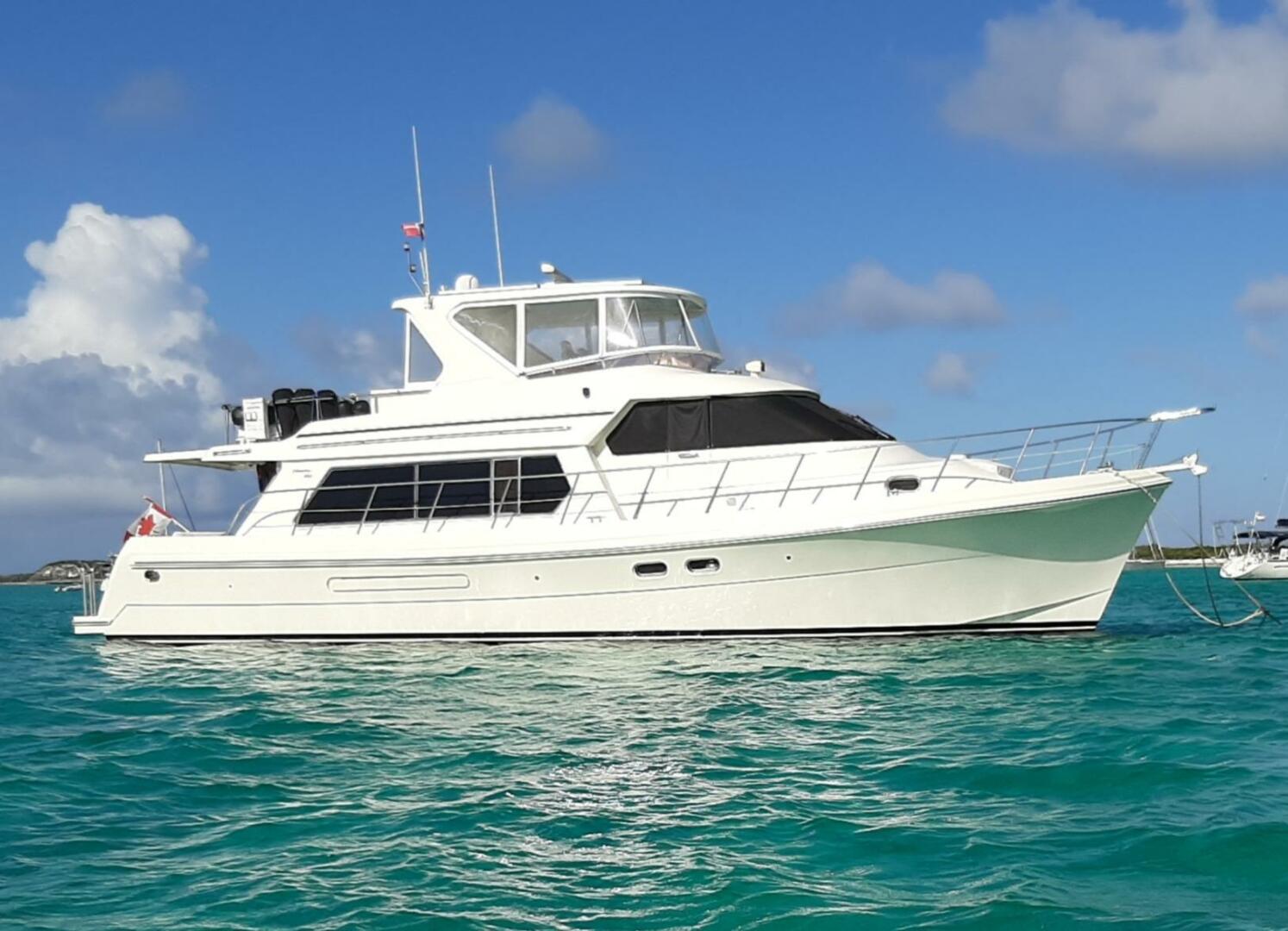
$499,500
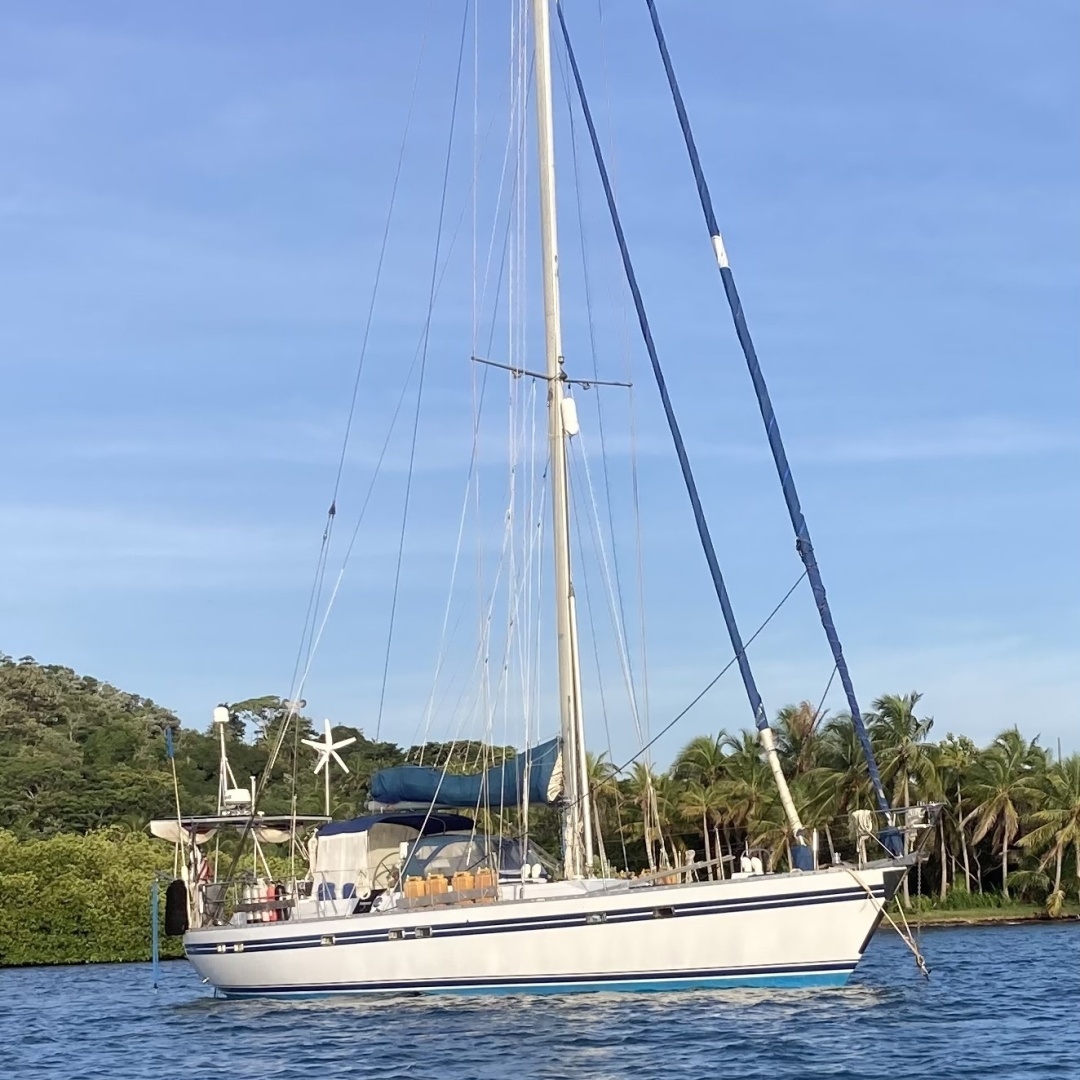
$299,500
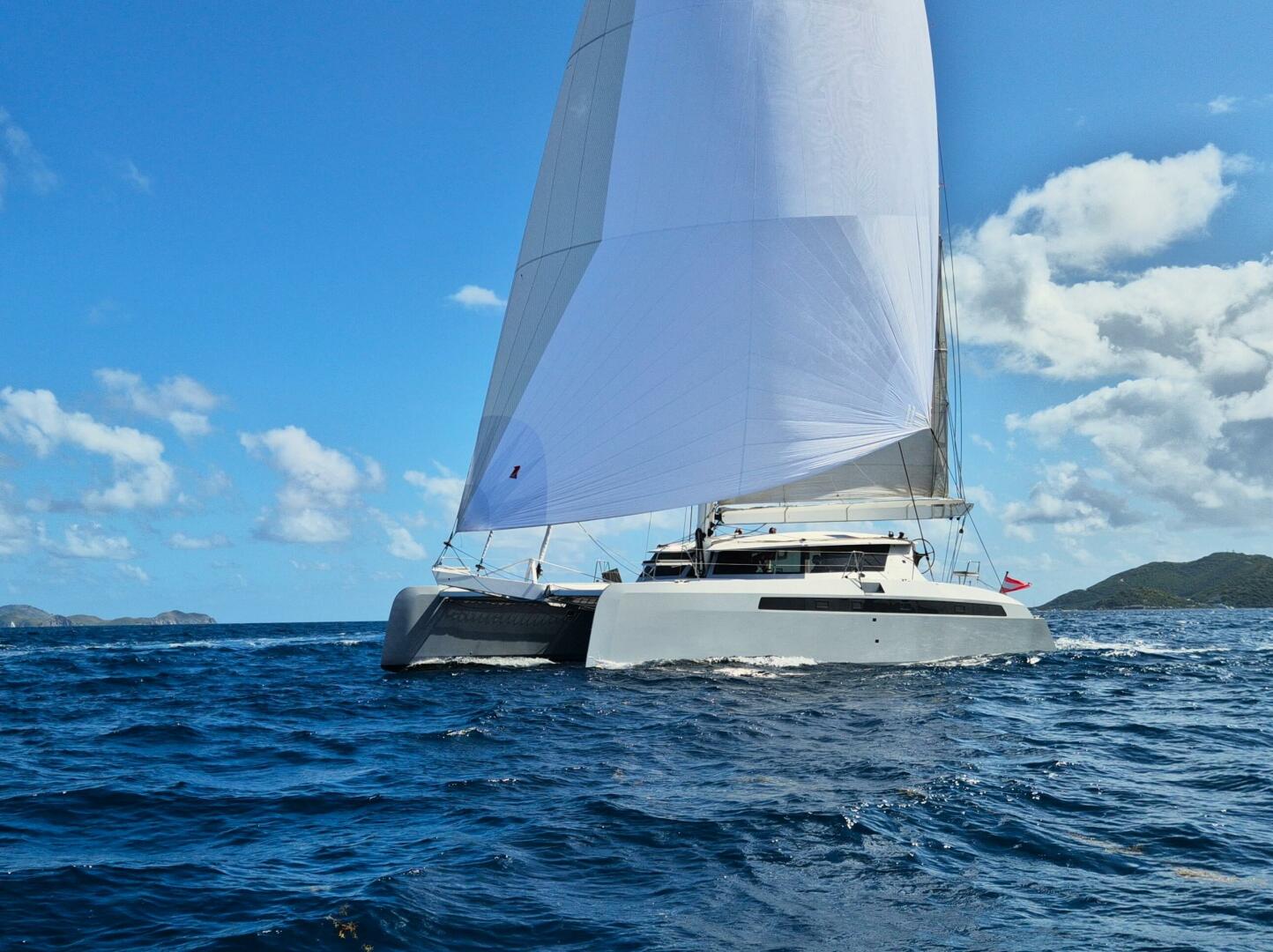
$1,290,000
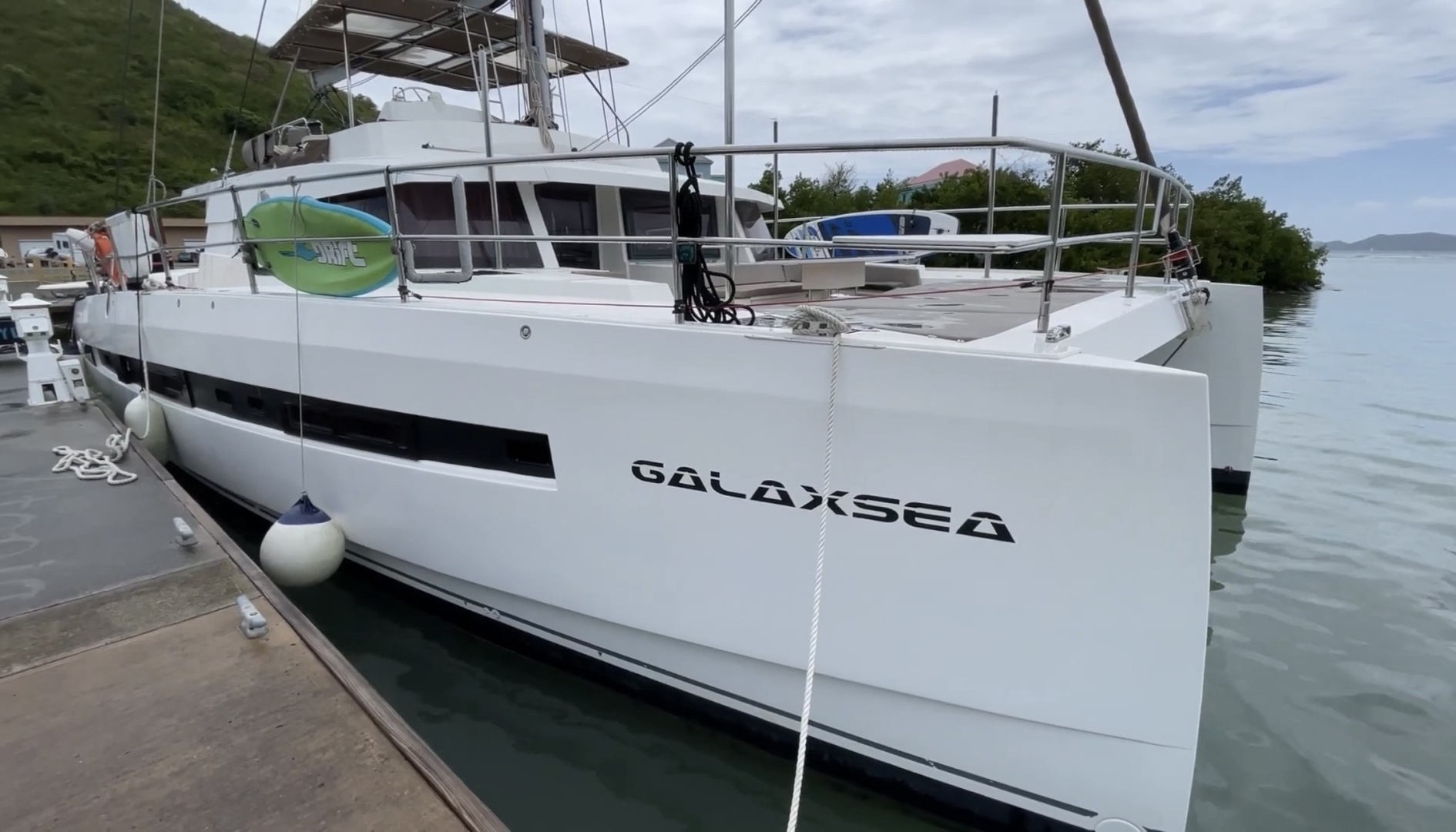
$800,000
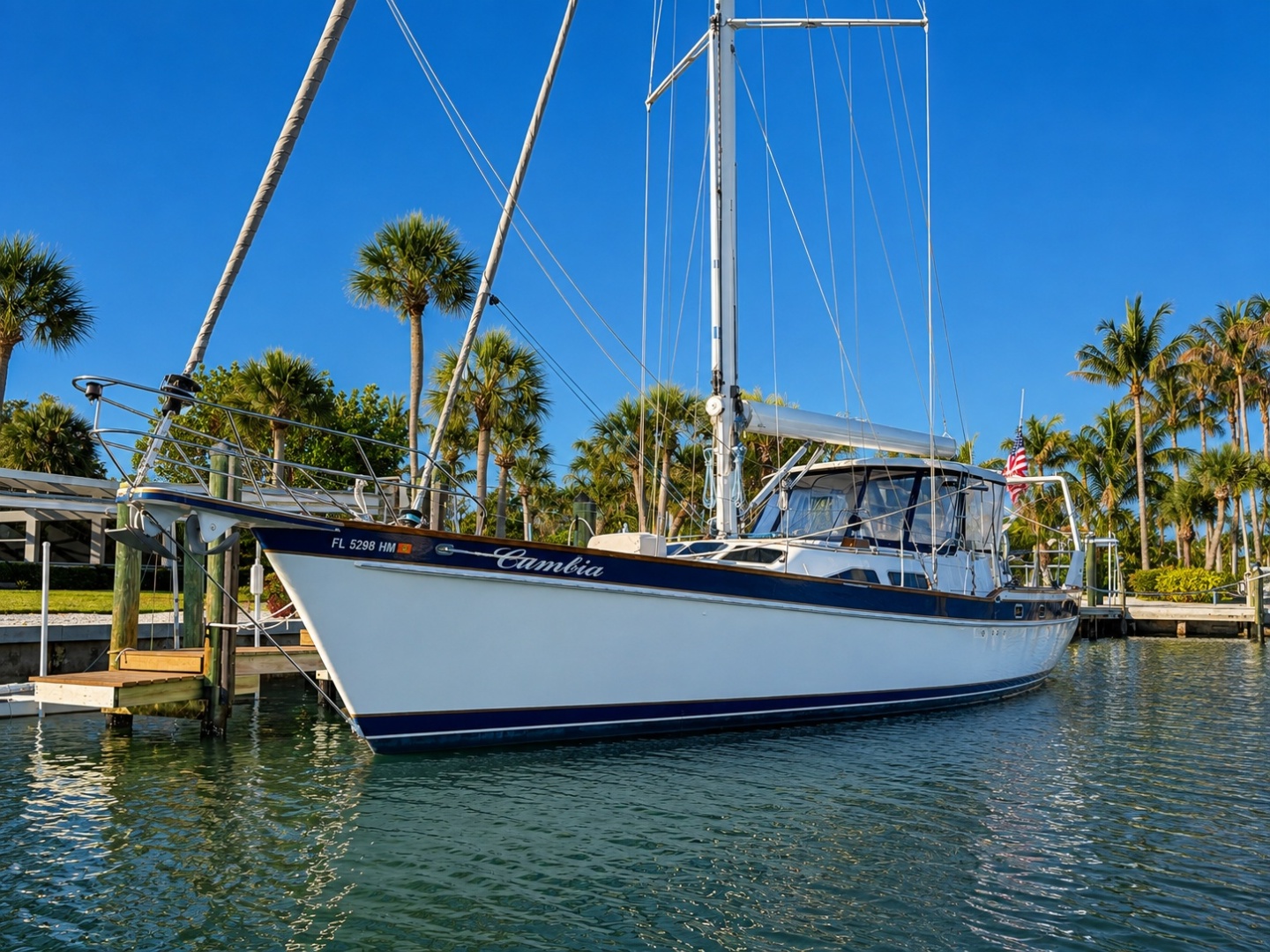
$545,000
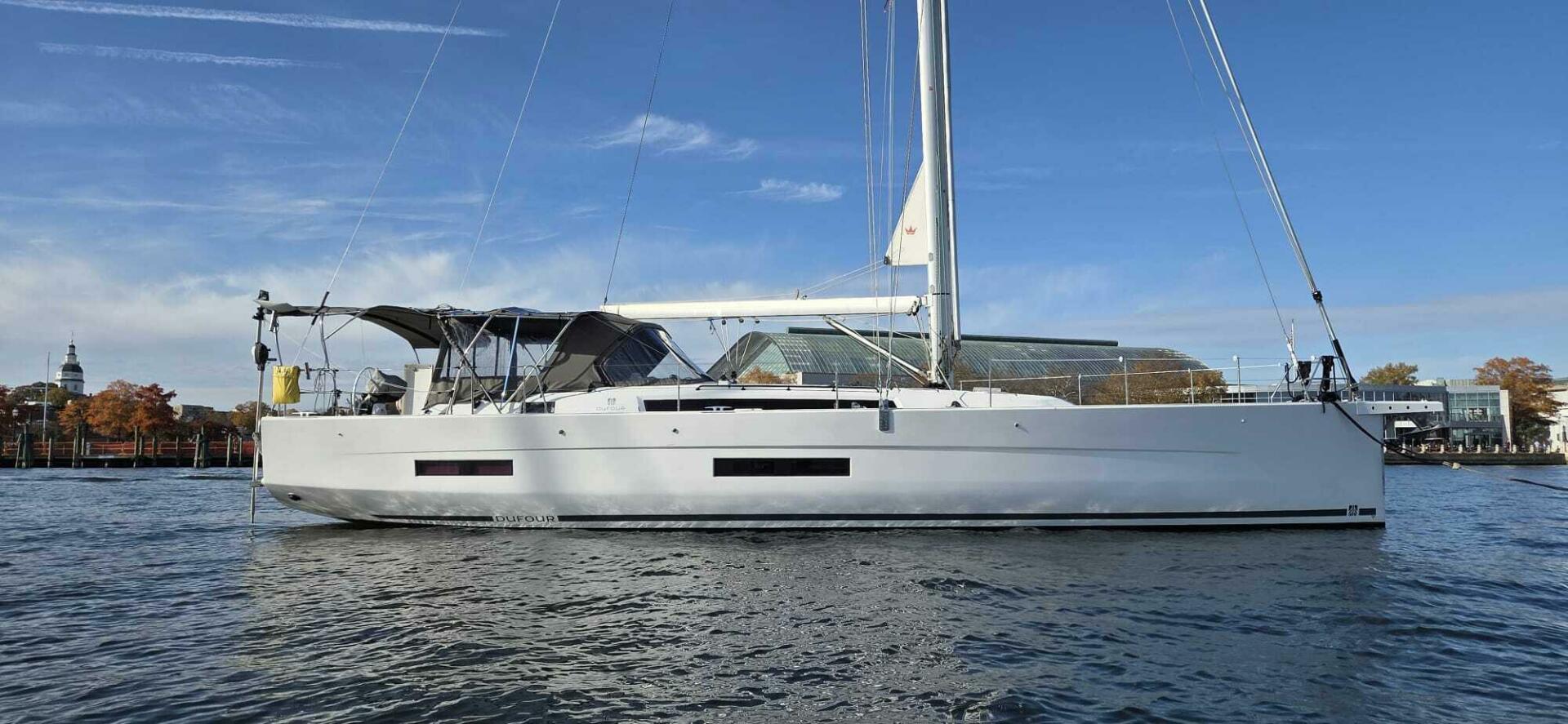
$564,900
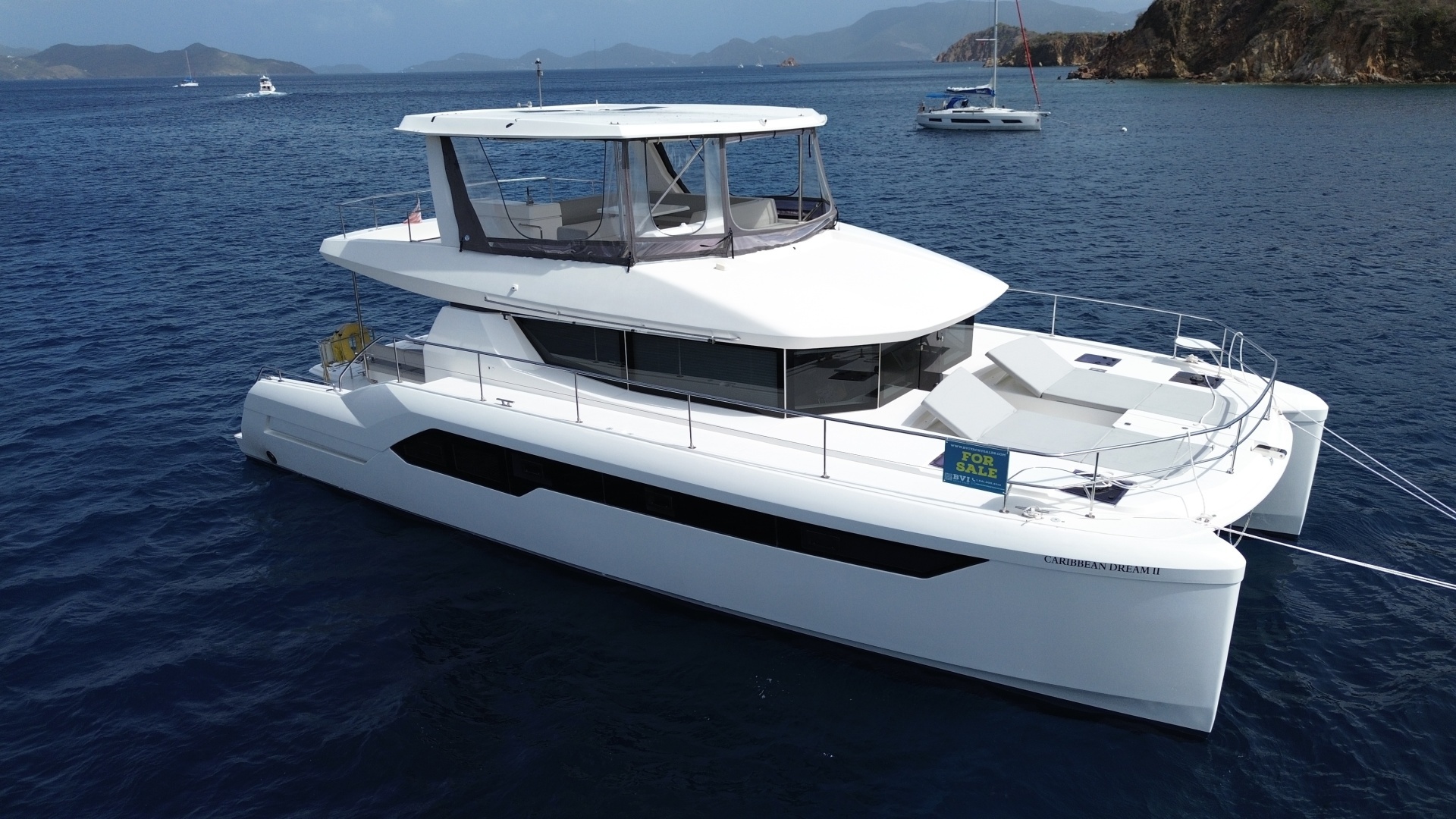
$1,130,000
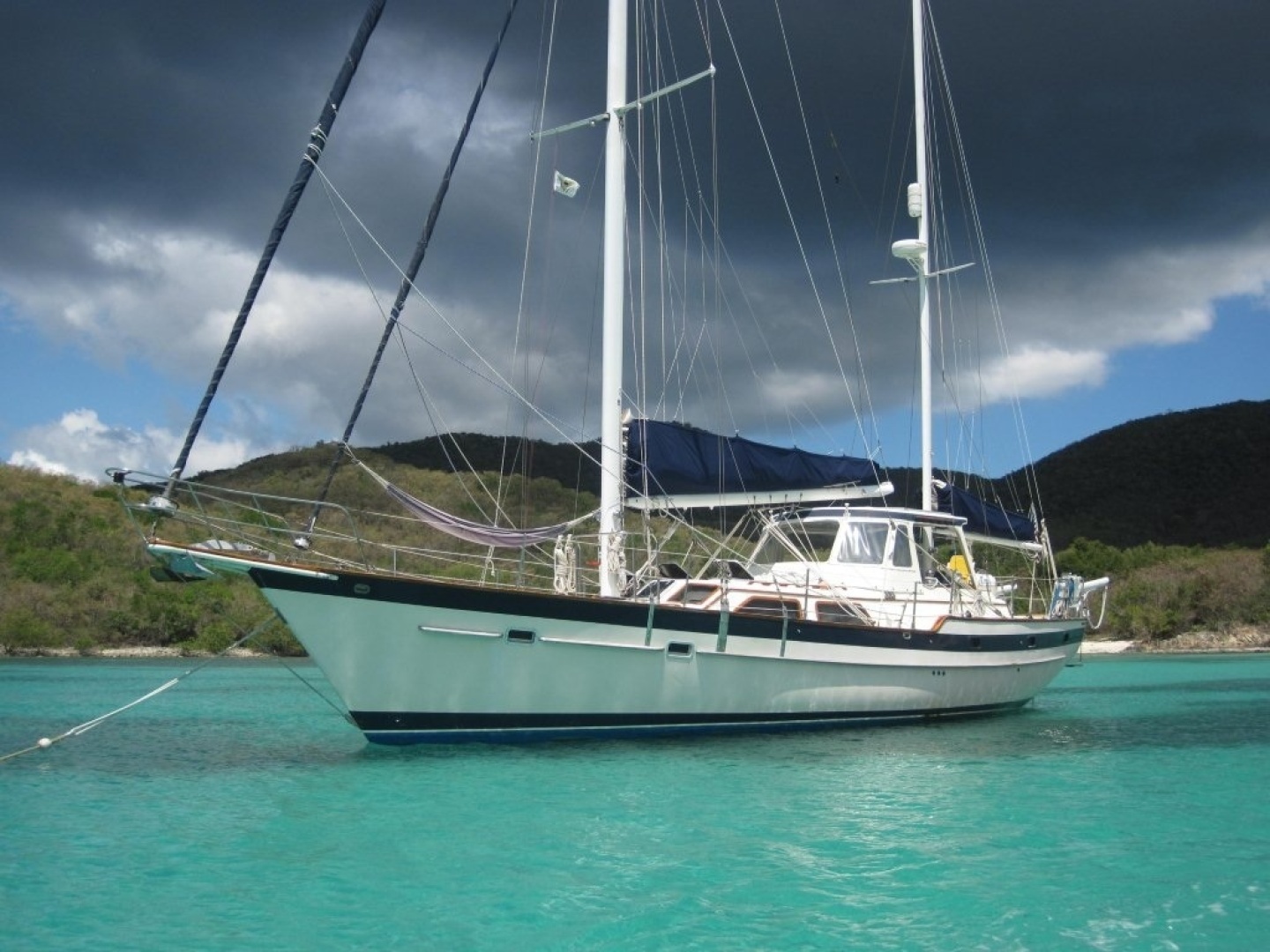
$159,000
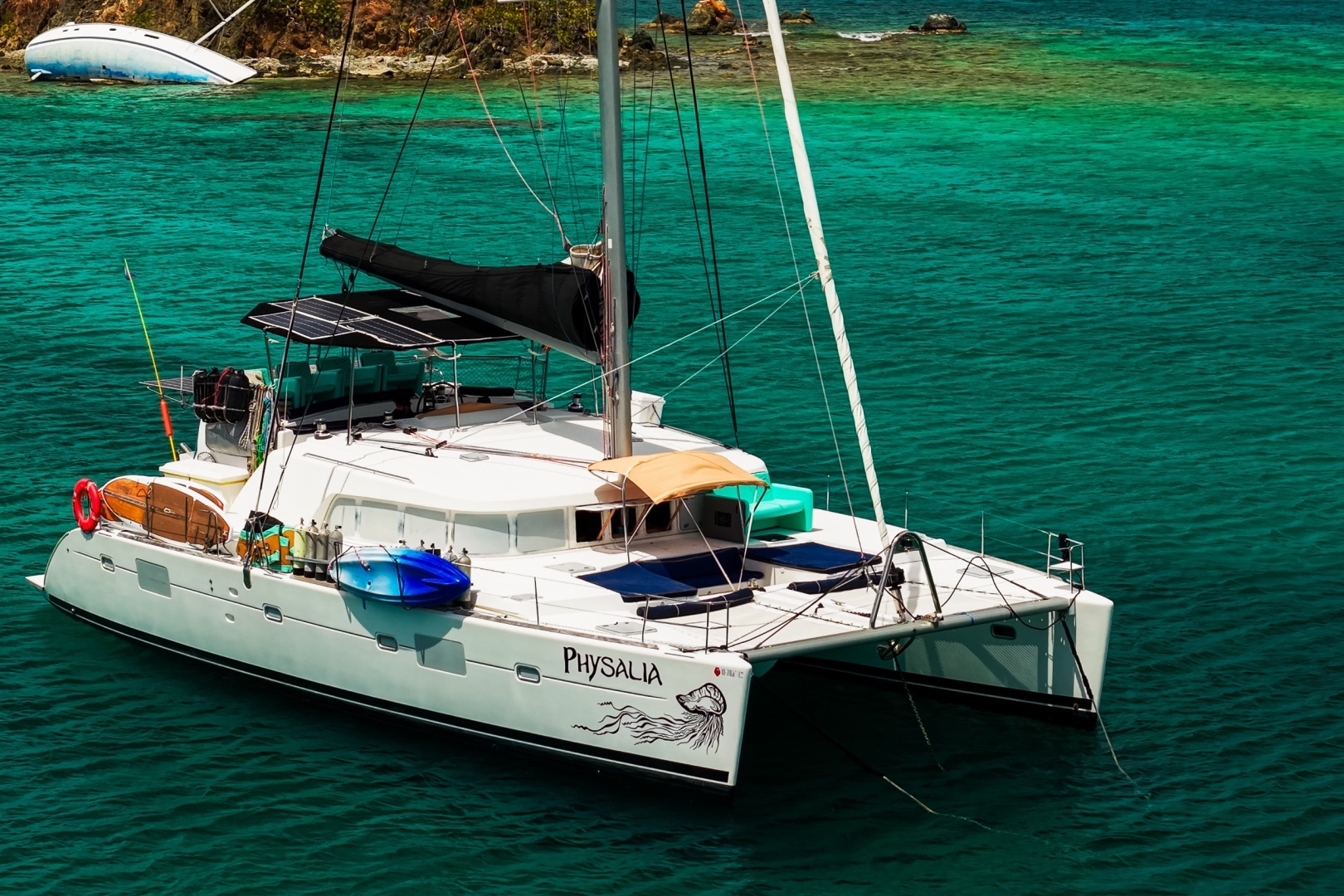
$499,000
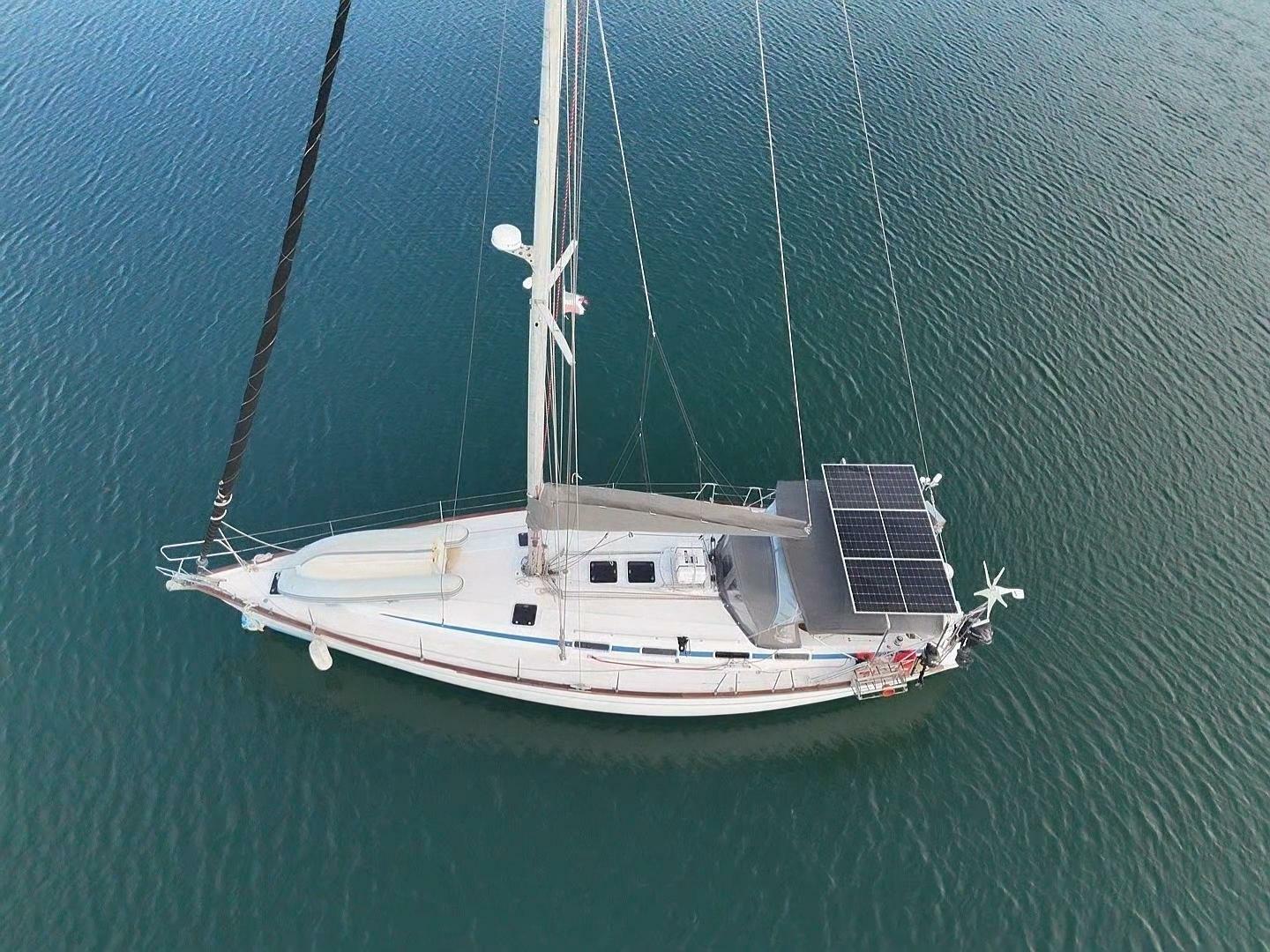
$89,000
$89,000
$135,000
$98,250
$149,850
$369,000
$395,000
$349,000
$125,000
$1,724,571
$149,500
$109,900
$395,000

$652,000
$105,000

$115,000
$950,000
$149,000
$135,000
$349,000