

Selling Guide
The challenge
Most boats that sit unsold for a year are not overpriced by much. They are priced against what the owner paid, marketed with eleven phone photos, and shown to buyers nobody qualified.
The way through
A brokerage sale is a sequence, not an advertisement. Price from comparables, list centrally so the whole co-brokerage network can sell it, present the boat properly, and manage the survey and closing so the deal does not unravel in week six.
Here is the whole sequence, in order, with the places sellers most often lose money marked along the way.
Selling a boat is not one decision. It is about nine of them, and the early ones set the ceiling on everything that follows. Get the price and the presentation right in the first two weeks and the boat sells in a normal season. Get them wrong and you spend a year slowly discounting toward the number you should have started at — while paying dockage, insurance and maintenance the entire time.
How to read this sectionSteps 1 to 3 happen before anyone sees the boat and decide most of the outcome. Steps 4 to 6 are the marketing and negotiation. Steps 7 to 9 are the paperwork — unglamorous, and the stage where deals actually die.
The short version
- 01
Price from sold comparables — Not from what you paid, not from asking prices, and not from what the refit cost.
- 02
List centrally — One broker, one price, one commission — which unlocks the co-brokerage network that sells most boats.
- 03
Prepare before you photograph — The cheapest money you will spend on the sale, and the money that moves the price most.
- 04
Disclose what you know — The survey will find it. Finding it first is worth more than hiding it.
- 05
Protect the closing — Escrow, a complete document pack, and a written list of what stays with the boat.
Step 1: Price it from comparable sales, not from what you paid
The market does not care about your purchase price, your refit invoices, or the loan balance. It cares what comparable boats — same model, similar year, similar hours, similar equipment, sold in the same region — actually closed for. Note the word closed. Asking prices are aspirations; sold prices are data. A broker with access to sold-comparable records can tell you the difference, and that gap is routinely 8 to 15 percent.
In the Caribbean, region matters more than most sellers expect. A boat lying in Tortola is worth a different number to a US buyer than the same boat in Fort Lauderdale, because the buyer is mentally subtracting a delivery, a survey trip, and the import and duty questions. Price into that reality rather than arguing with it.
Pricing traps
Four ways sellers price themselves into a long year
- hard
Anchoring on the purchase price or the outstanding loan.
Set the number from sold comparables first, then decide separately whether that number works for you.
- hard
Adding the full cost of recent work to the asking price.
New sails, a repower or fresh rigging support the price and shorten time on market. They rarely add their invoice value on top of it.
- soft
Starting high ‘to leave negotiating room’.
The first three weeks of a listing draw the most qualified attention. Overpricing spends that window on nobody.
- info
Refusing to reprice after 90 days of steady views and no offers.
Traffic without offers is the market telling you the number, politely. Move once and meaningfully rather than in $5,000 steps.
Step 2: Sign a central listing agreement
A central listing (sometimes called an exclusive) appoints one broker to represent the vessel for a fixed term. Sellers occasionally resist it, reasoning that listing with four brokers means four times the effort. In practice it means the opposite: no broker invests in photography, syndication or advertising for a boat that another office might sell out from under them, and buyers who see the same boat at four different asking prices assume the seller is not serious.
The central listing is also what makes co-brokerage work, and co-brokerage is how most boats actually sell. Under the industry’s roughly 10 percent convention, the seller pays one commission at closing and it is commonly split 50/50 with whichever broker brings the buyer. That split is the point: it turns every other brokerage in the network into a motivated salesforce for your boat instead of a competitor.
- Term
- Typically six to twelve months. Shorter than six months rarely gives a seasonal market time to work, particularly in the Caribbean where the buying season is concentrated.
- Commission
- Conventionally around 10 percent of the sale price, paid by the seller at closing. Negotiable at higher values, and not set by any law.
- What it obliges the broker to do
- Market the vessel, syndicate the listing, qualify buyers, coordinate showings and sea trials, and represent your interests through survey, negotiation and closing.
- What it obliges you to do
- Refer all enquiries to the broker, keep the boat presentable and accessible, and not sell around the agreement during its term.
Step 3: Prepare the boat before the camera comes out
This is the highest-return work in the entire process and it costs a fraction of a price reduction. A deep clean, a polish, the tender and outboard serviced, the bilges dry, the canvas washed, personal effects off the boat, and every fluid and filter current. Buyers do not price condition rationally — they price the impression of care. A boat that smells damp reads as a boat with a leak, whether or not it has one.
01
Fix the small broken things
The non-working cabin light and the seized hatch dog cost almost nothing to repair and cost a great deal in a buyer’s mental tally.
02
Assemble the document pack early
Registration, title or bill of sale chain, service records, engine hours, equipment inventory, and any recent survey. Missing paperwork is the single most common cause of a delayed closing.
03
Deal with known deficiencies honestly
Anything you know about will be found on survey. Disclosing it up front costs you a small discount. Having the surveyor find it costs you the buyer’s trust and usually more money.
04
Photograph properly
Wide, level, clean, in good light, hatches open, on a day the water is behaving. Thirty good photos and a walkthrough video sell a boat to a buyer two thousand miles away. Eleven dark phone snaps do not.
Steps 4 to 6: Marketing, showings, and the offer
Once listed and syndicated, the boat is on the market everywhere buyers look, and the broker’s job shifts to filtering. Qualifying is not gatekeeping for its own sake — it protects your time and the boat from tyre-kickers, and it means the offers that do arrive come from people who can actually close. Per the standard brokerage process, this stage covers valuation, syndication, buyer vetting, showings and sea trials, and offer negotiation as one continuous engagement rather than a series of favours.
An offer arrives as a written purchase agreement with a deposit into escrow and two conditions attached: survey and acceptance, and usually sea trial. Understand what you are accepting — not a sale, but an option. The buyer can walk within the acceptance period. Your leverage in that window comes entirely from how well you prepared in step 3.
Step 1Offer and deposit
Signed purchase agreement, deposit into escrow — never into your own account, and never into the buyer’s broker’s operating account. Escrow protects both sides.
Step 2Survey and sea trial
Buyer’s expense, buyer’s surveyor. You provide access, a working boat and honest answers. Expect a haul-out.
Step 3The deficiency list
The surveyor’s ranked findings become the buyer’s renegotiation position. Structural and safety items are fair game; cosmetic wear on a used boat generally is not.
Step 4Renegotiation or acceptance
Settle it in one round if you can. Deals that go three rounds on small money usually die of exhaustion rather than disagreement.
Step 5Closing and title transfer
Funds through escrow, bill of sale, deletion or transfer of registration, and — in the islands — confirmation that duties, fees and any cruising permits are handled cleanly.
Step 6Delivery
Hand over keys, manuals, spares and the document pack. Agree in writing what is leaving with you and what is staying with the boat, before the day itself.
Selling privately instead
It is entirely possible, and for a small, simple, low-value boat in your own harbour it can be the right call. Understand what you are taking on: pricing without comparable data, marketing without syndication, unvetted strangers on your boat, drafting the purchase agreement, holding a deposit safely, coordinating survey access, and handling title and registration transfer yourself. You save the commission and take on the risk and the work. Above roughly the price of a used car, most sellers find that trade goes the other way — which is why the co-brokerage network exists. Closing is where first-time sellers lose the most time, so read up on yacht title transfer and documentation before you accept an offer rather than after.
Weeks 0–2
Valuation and listing
Comparables reviewed, central listing signed, boat prepared, photographed and syndicated. This fortnight determines most of the outcome.
Weeks 2–8
Peak attention
New listings get the most qualified traffic. Serious enquiries and first showings cluster here.
Weeks 8–16
Steady market
If there is traffic but no offers, the price is the message. If there is no traffic, the presentation or the syndication is.
On offer
Survey and acceptance
Typically 10 to 21 days. In the islands, ask for the longer end — surveyor travel and yard lift slots are the constraint.
Closing
Funds and title
Usually one to three weeks after acceptance, subject to escrow and documentation.
QHow long does it take to sell a boat?
A correctly priced, well-presented boat in a normal market typically goes under contract within two to four months, with closing one to three weeks after survey acceptance. Boats priced above the comparable market routinely sit a year or longer, which usually costs more in dockage, insurance and upkeep than the original overpricing was worth.
QWhat commission does a yacht broker charge?
The industry convention is around 10 percent of the sale price, paid by the seller at closing and commonly split 50/50 with the broker who brings the buyer. It is not fixed by law and is often negotiable on higher-value vessels.
QWhat is a central listing agreement?
An exclusive agreement appointing one broker to represent your vessel for a fixed term. It is what allows the broker to invest in proper marketing and what enables co-brokerage, where any other brokerage can sell your boat and share the commission.
QShould I get a survey before listing?
For an older boat or one you are unsure about, a pre-listing survey is often worth it. You learn what a buyer’s surveyor will find, you can fix or price for it on your own timetable, and you remove the mid-deal surprise that kills sales. On a newer, well-documented boat it is usually unnecessary.
QDo I have to accept the buyer's post-survey price reduction?
No. You can accept, counter, or decline and let the buyer walk with their deposit. Structural and safety findings are legitimate grounds for renegotiation; cosmetic wear on a used boat generally is not, and a broker who knows the difference is worth the commission in that conversation alone.
QCan I sell my boat while it is in the Caribbean to a US buyer?
Regularly done, and the paperwork is the part to plan for rather than fear — title and registration transfer, any local duties and fees, and the buyer’s plan for delivery or shipping. Handle it before closing rather than after.
QWhat if my boat does not sell?
After 90 days of steady views and no offers, the price is the issue. After 90 days of no views, the presentation or the syndication is. Diagnose which before you discount.
The Informative Brokers
Thinking about listing your boat?
We will give you an honest read on comparable sales and what your vessel should realistically bring in this market — including when the honest answer is to wait a season. Offices in Tortola, St. Croix and Annapolis.
Featured Listings
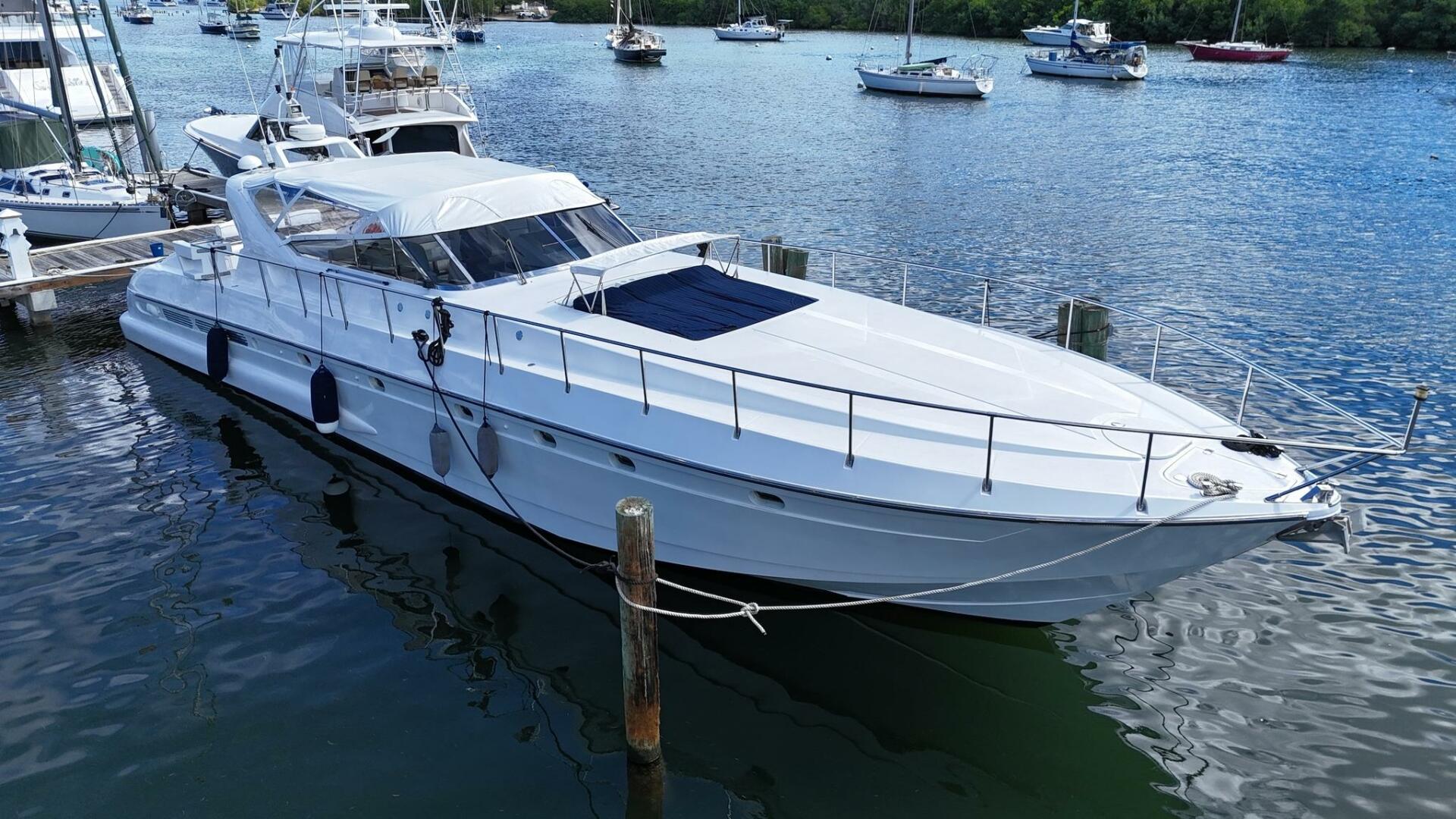
$599,000
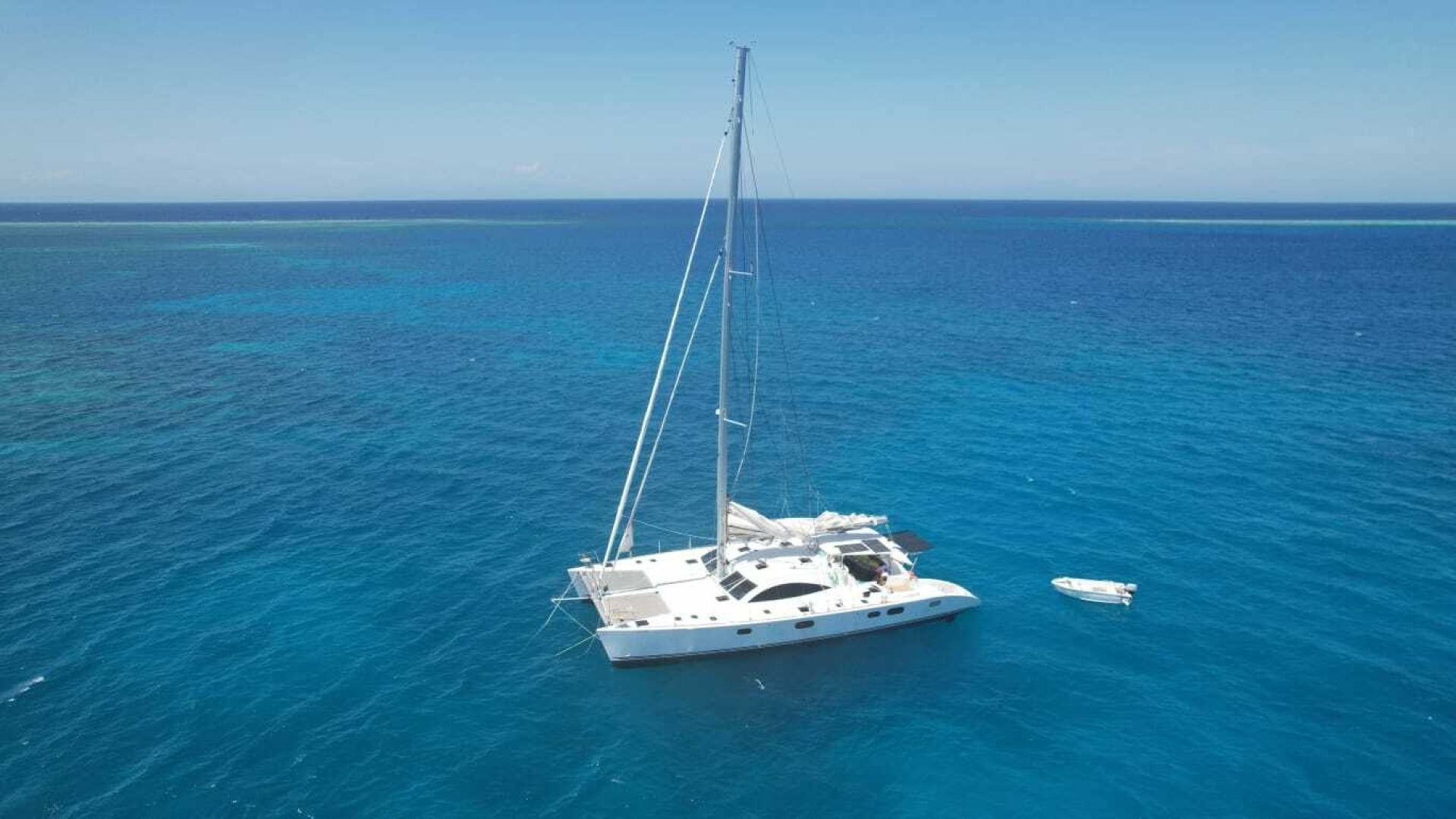
$1,300,000
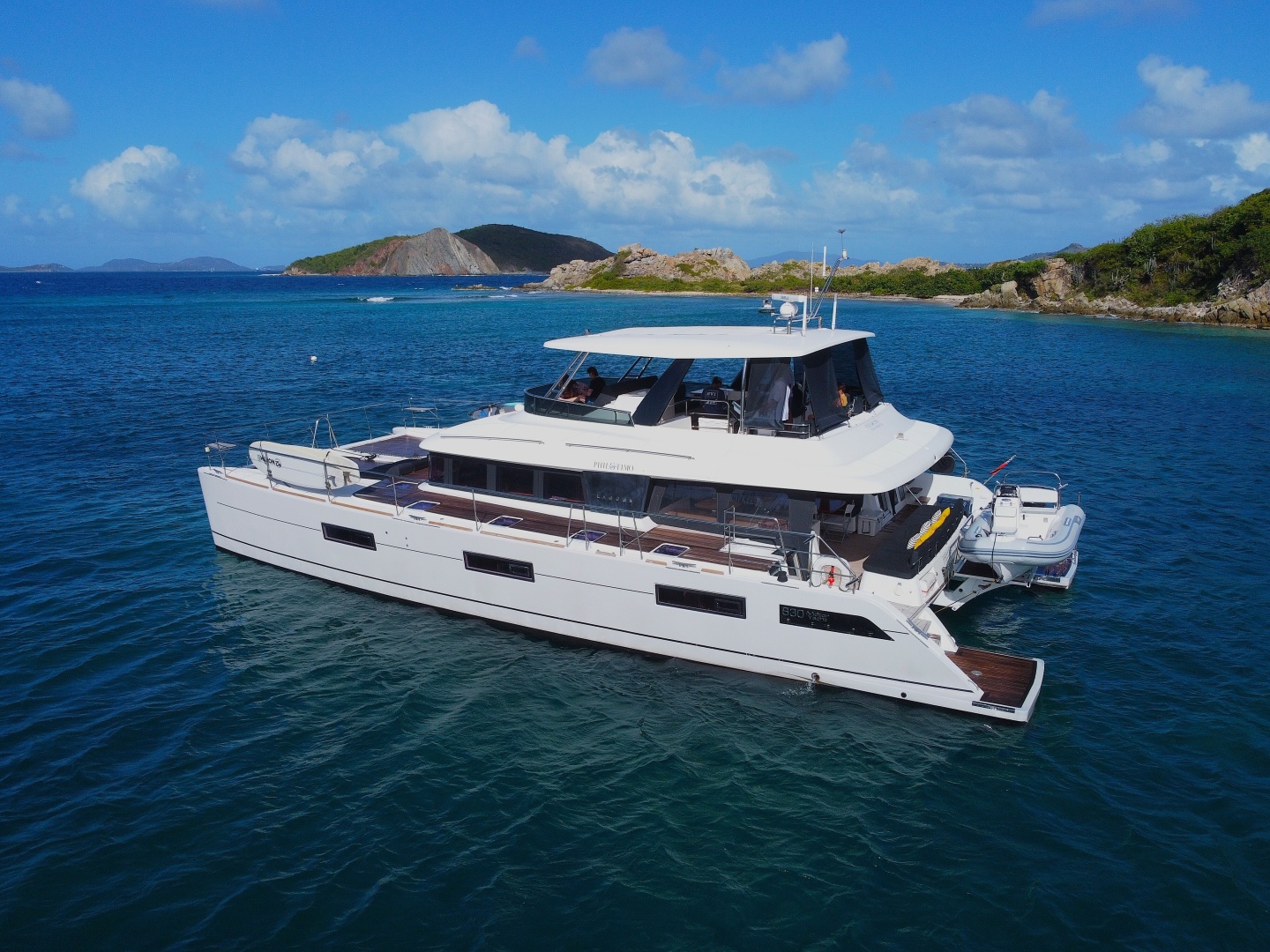
$1,699,000

$299,000

$899,000

$1,795,000

$269,000

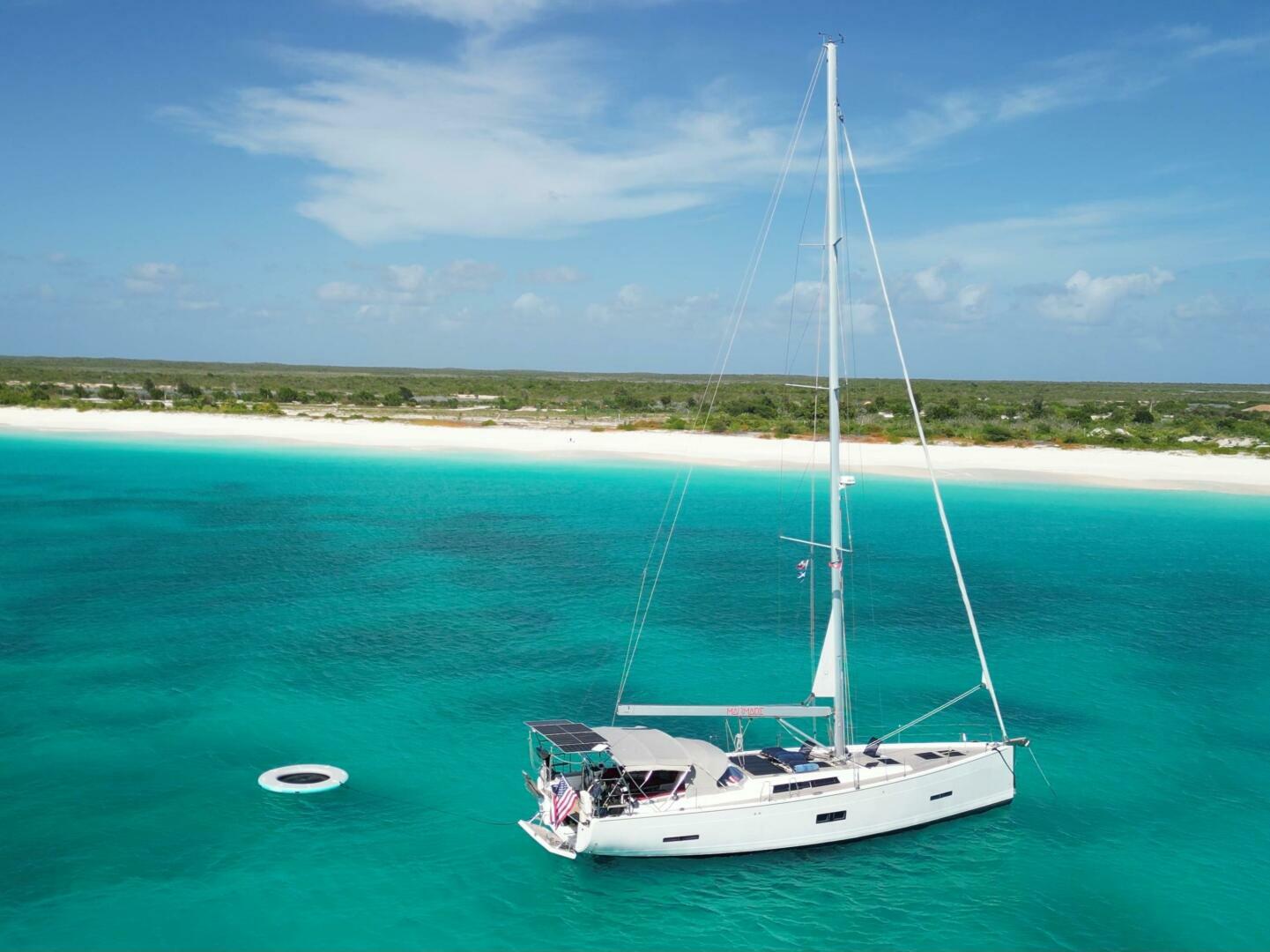
$359,000
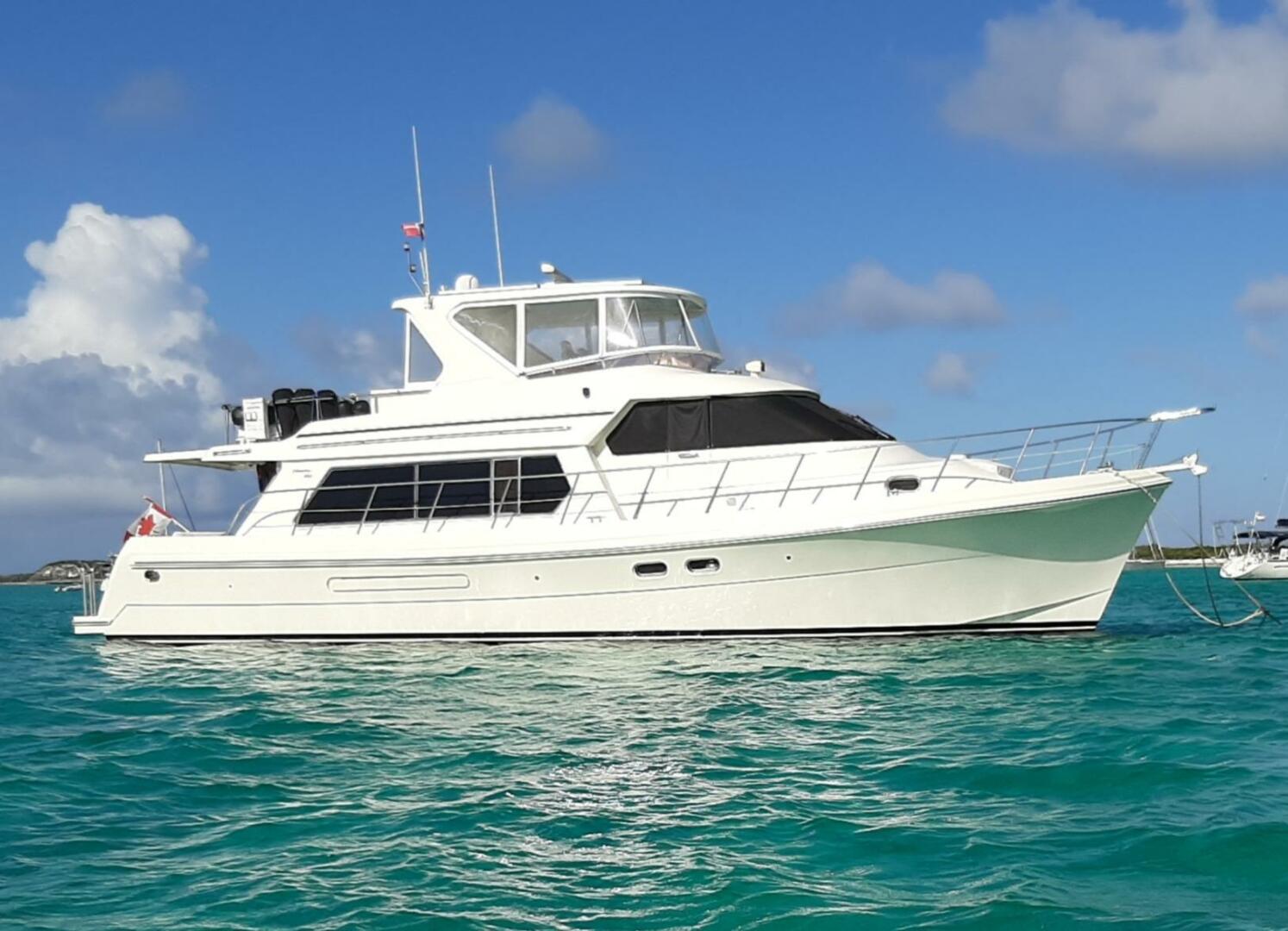
$499,500
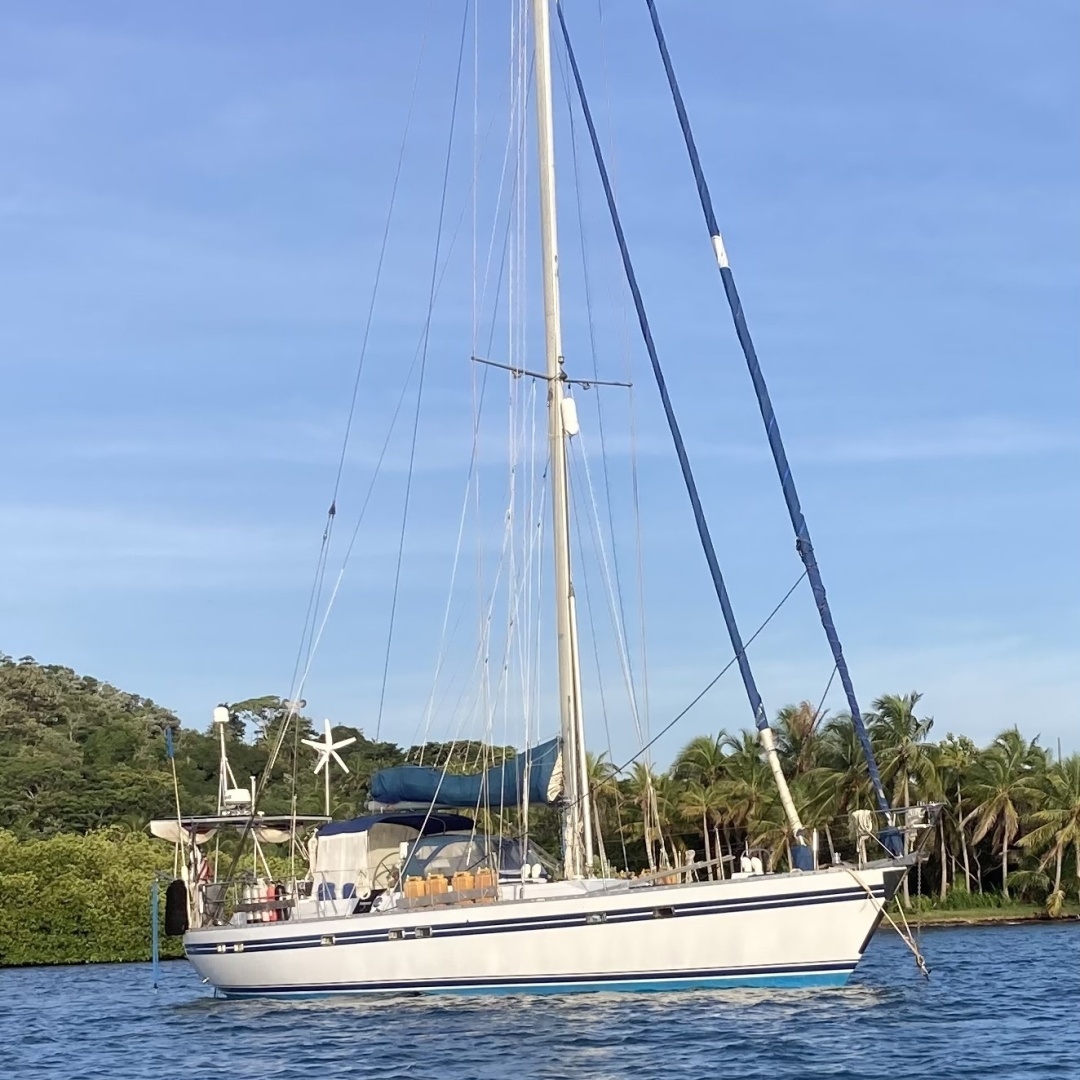
$299,500
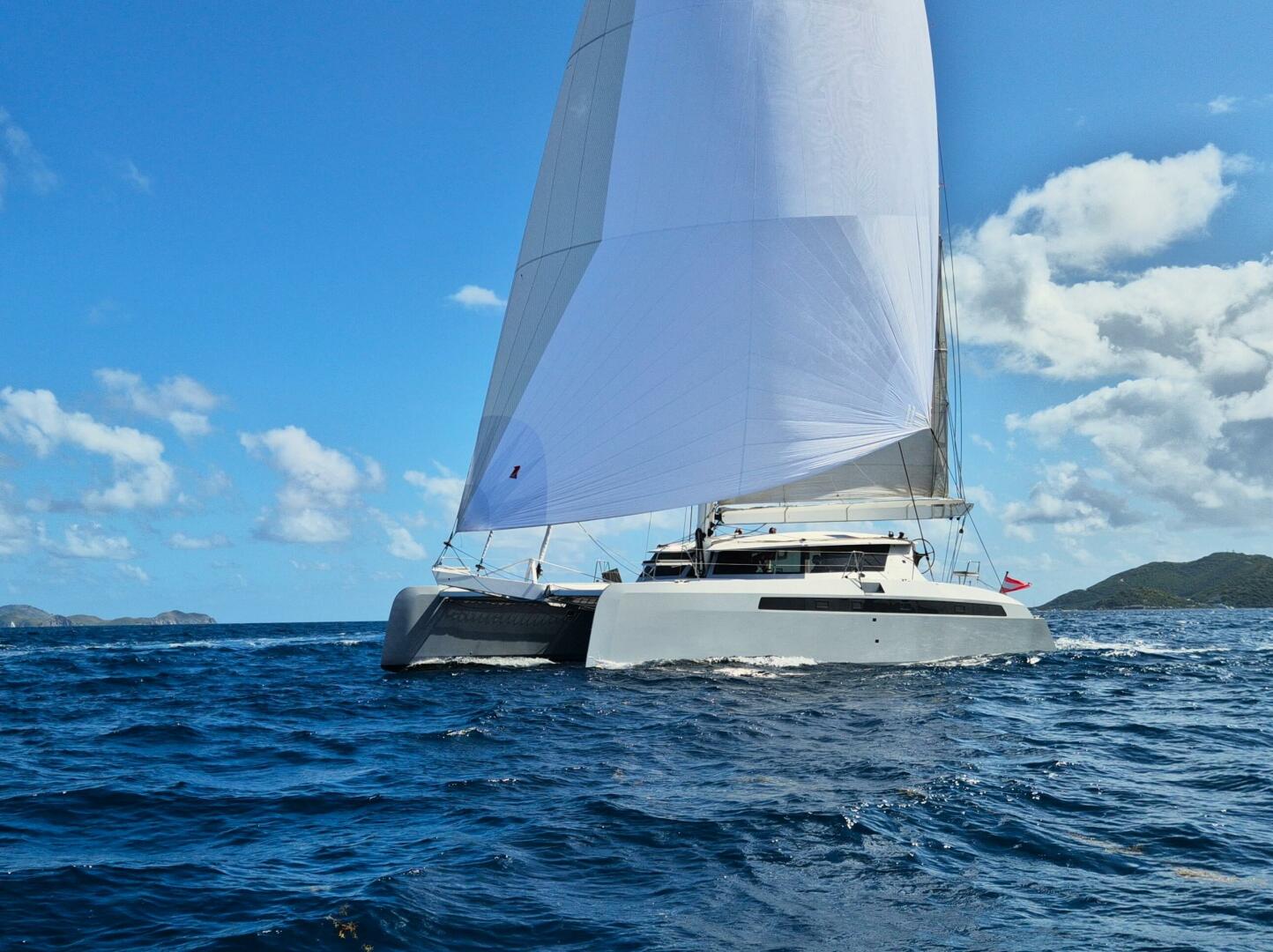
$1,290,000
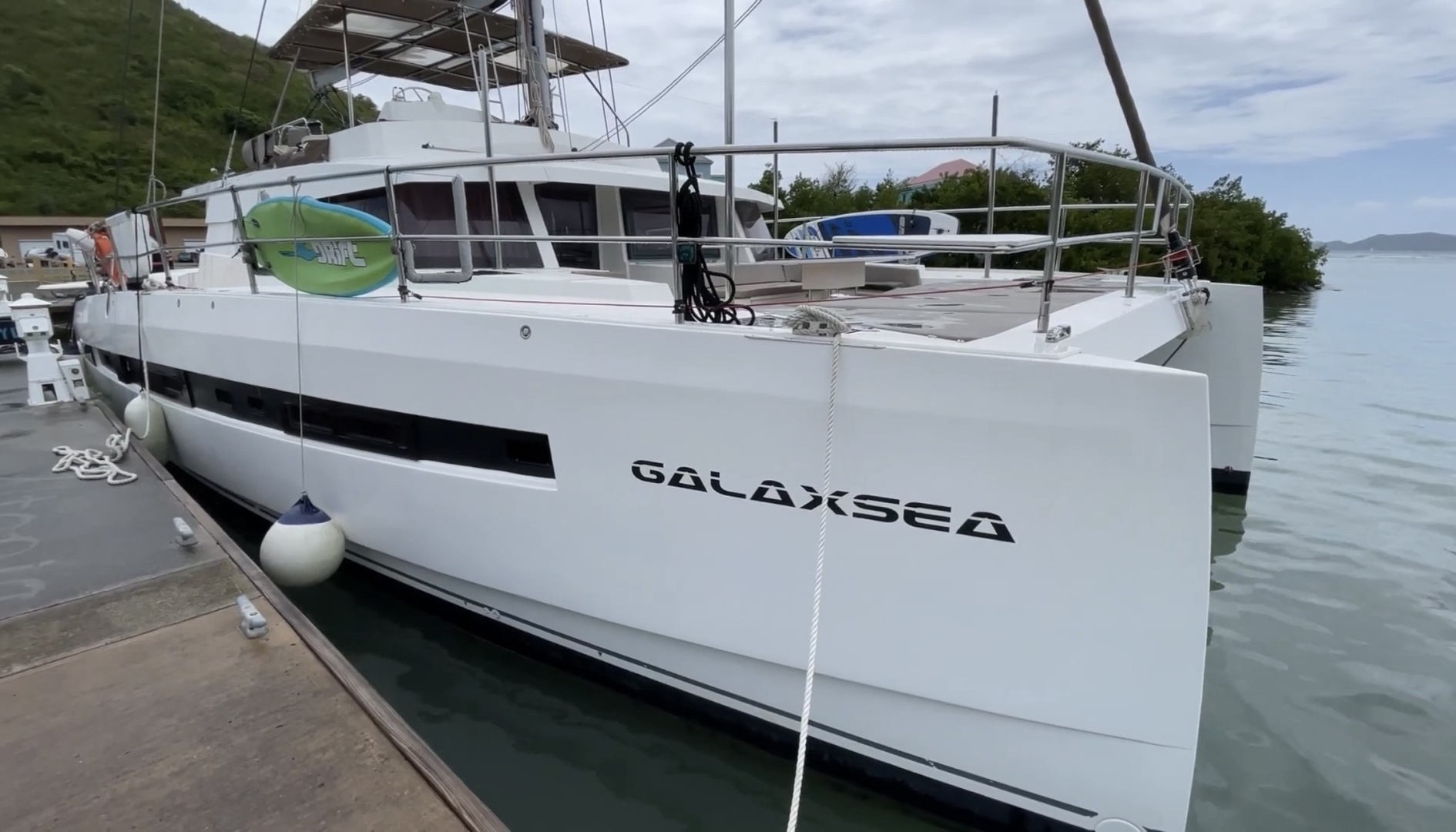
$800,000
$545,000
$564,900

$1,130,000
$159,000
$499,000
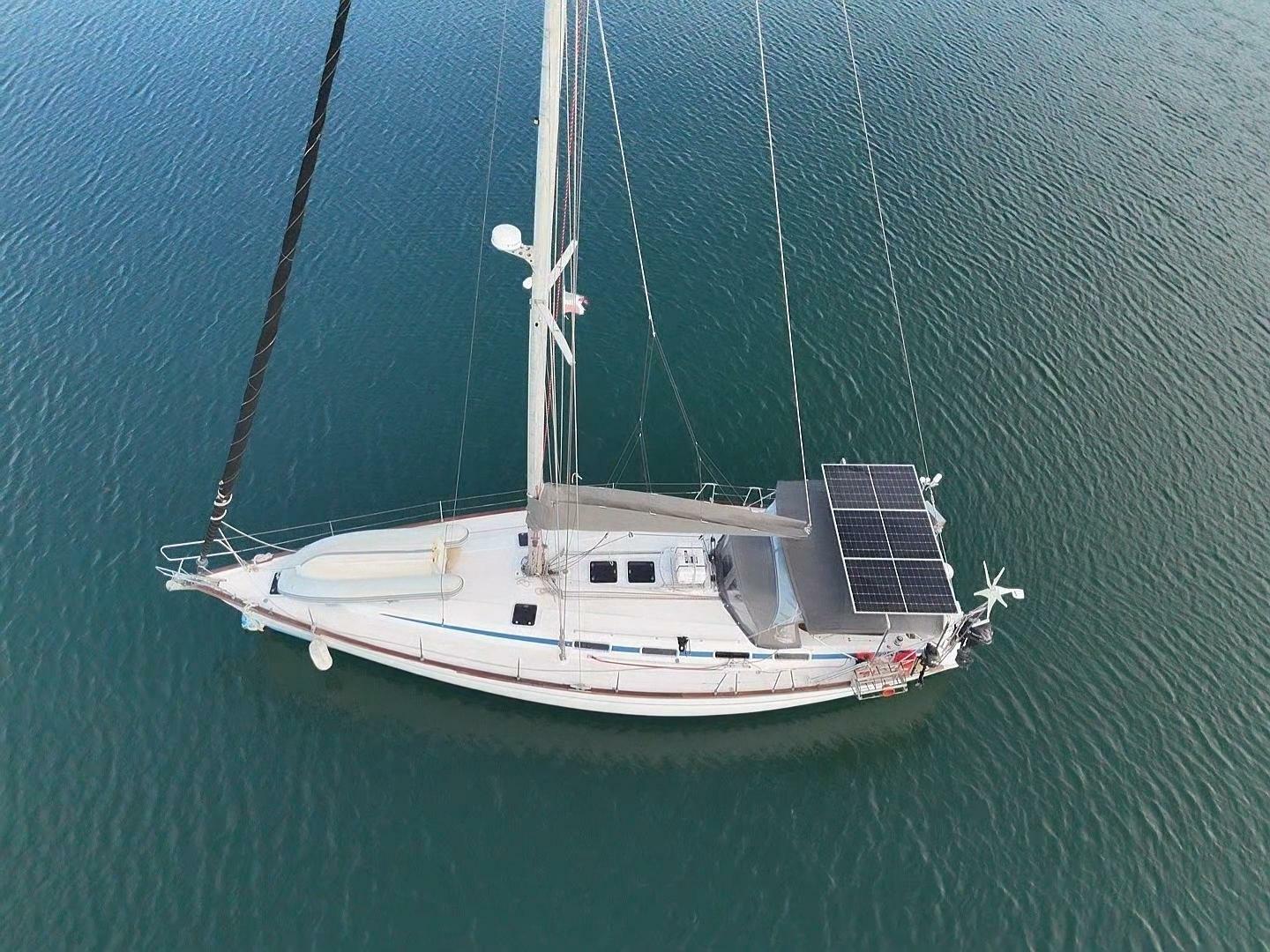
$89,000
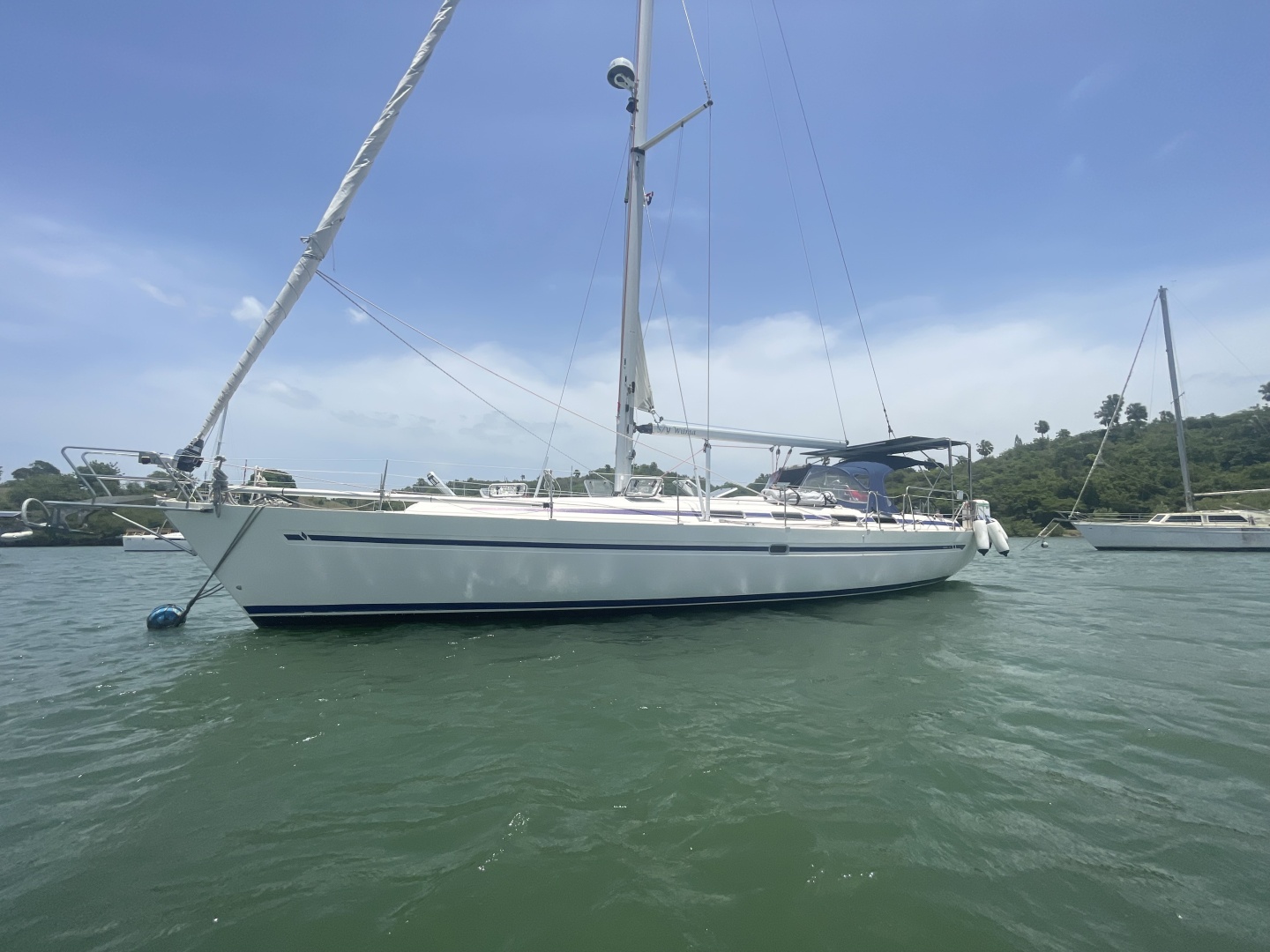
$89,000
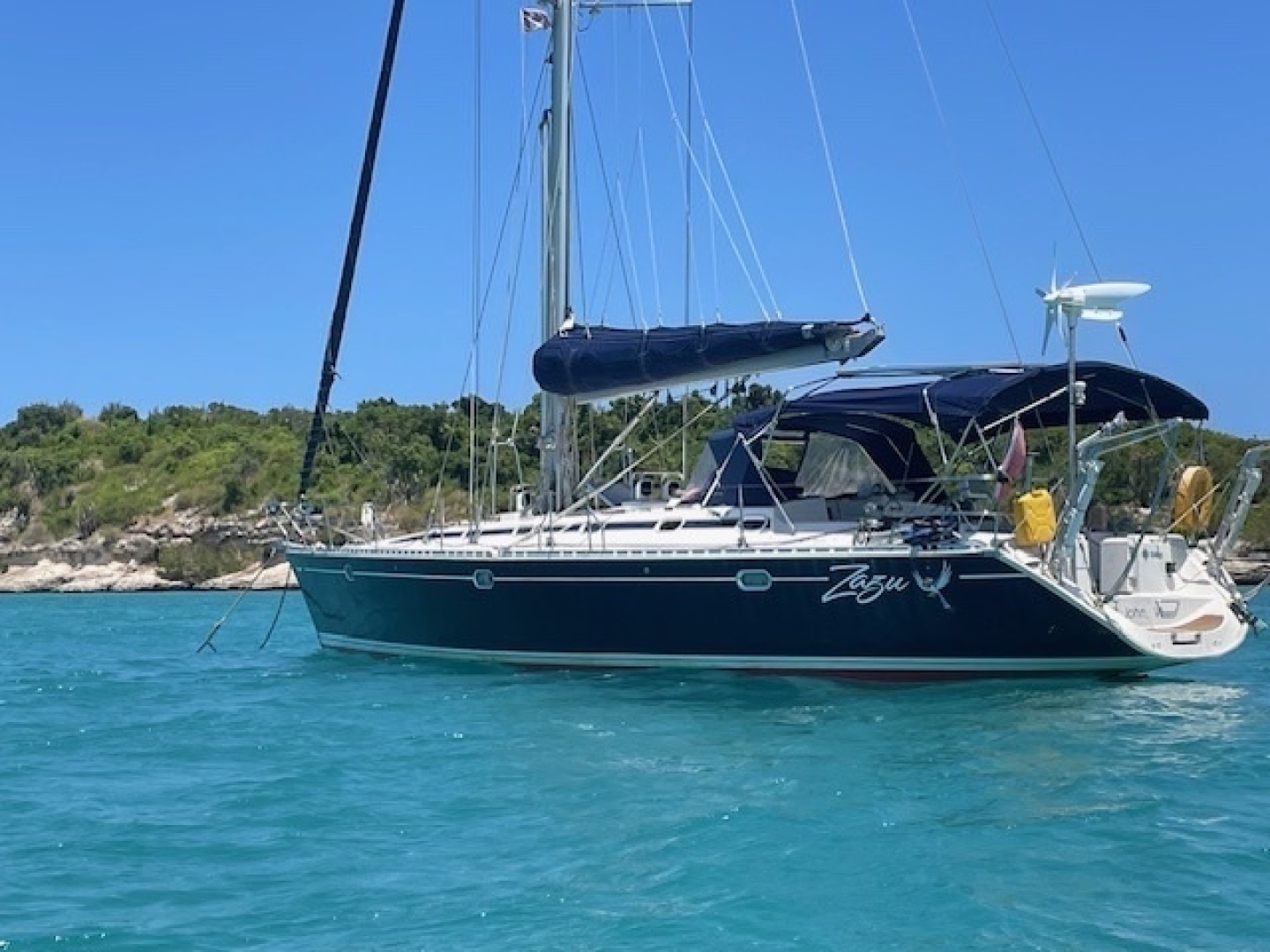
$135,000
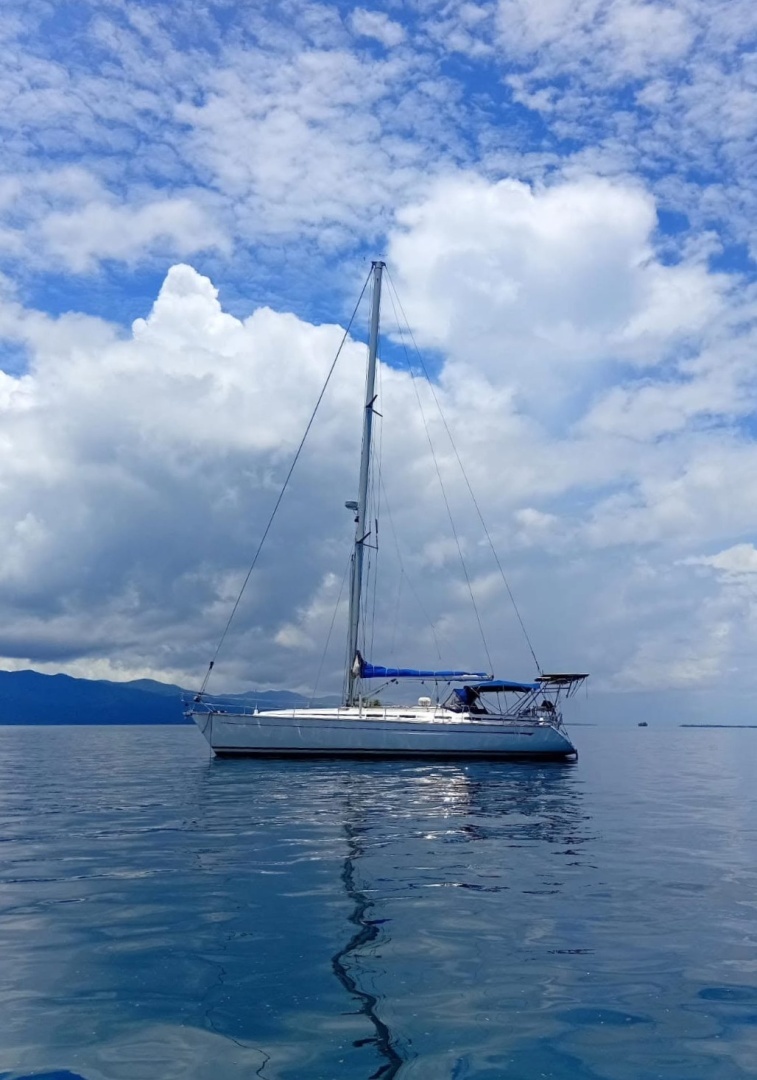
$98,250
$149,850
$369,000
$395,000
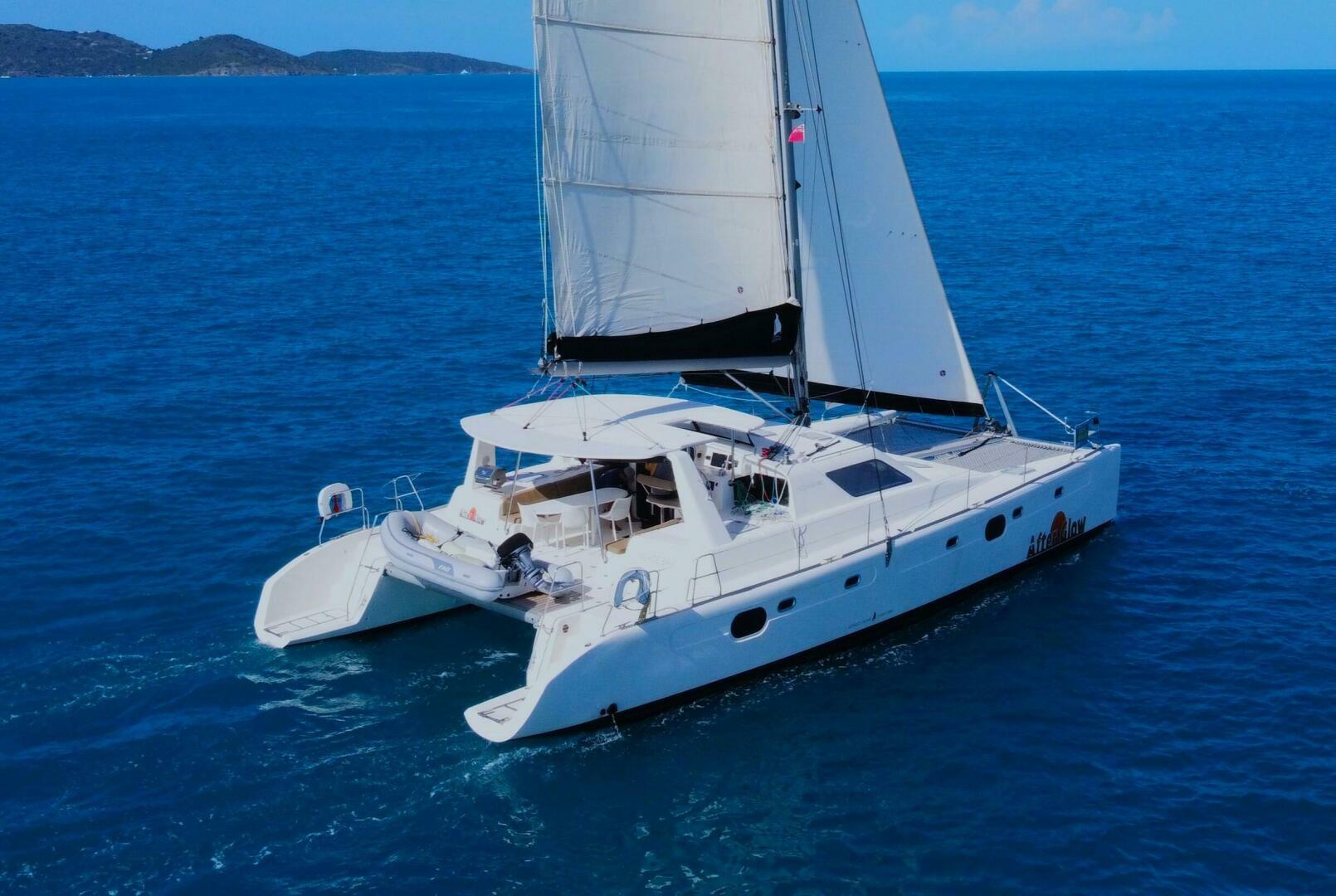
$349,000
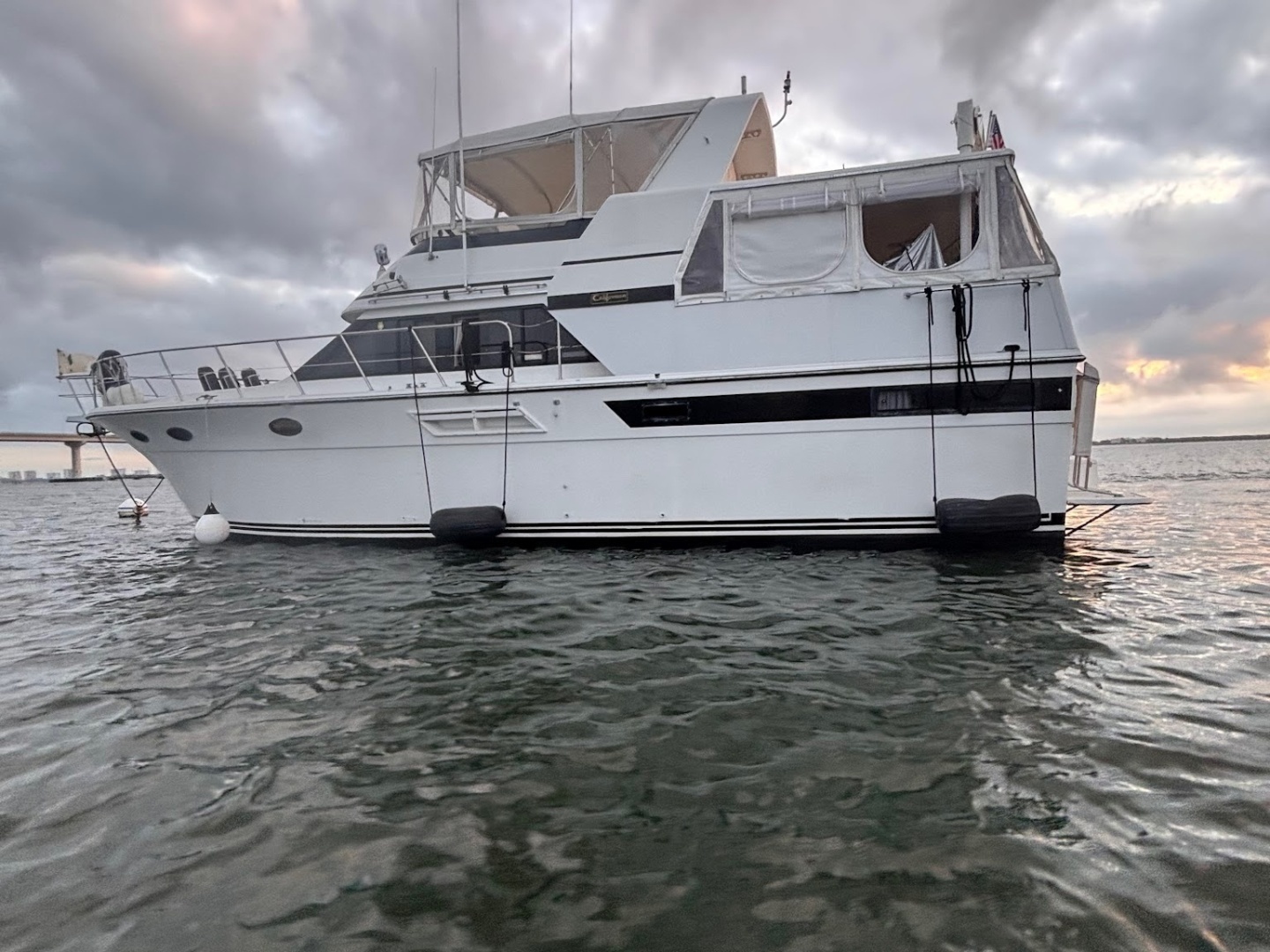
$125,000
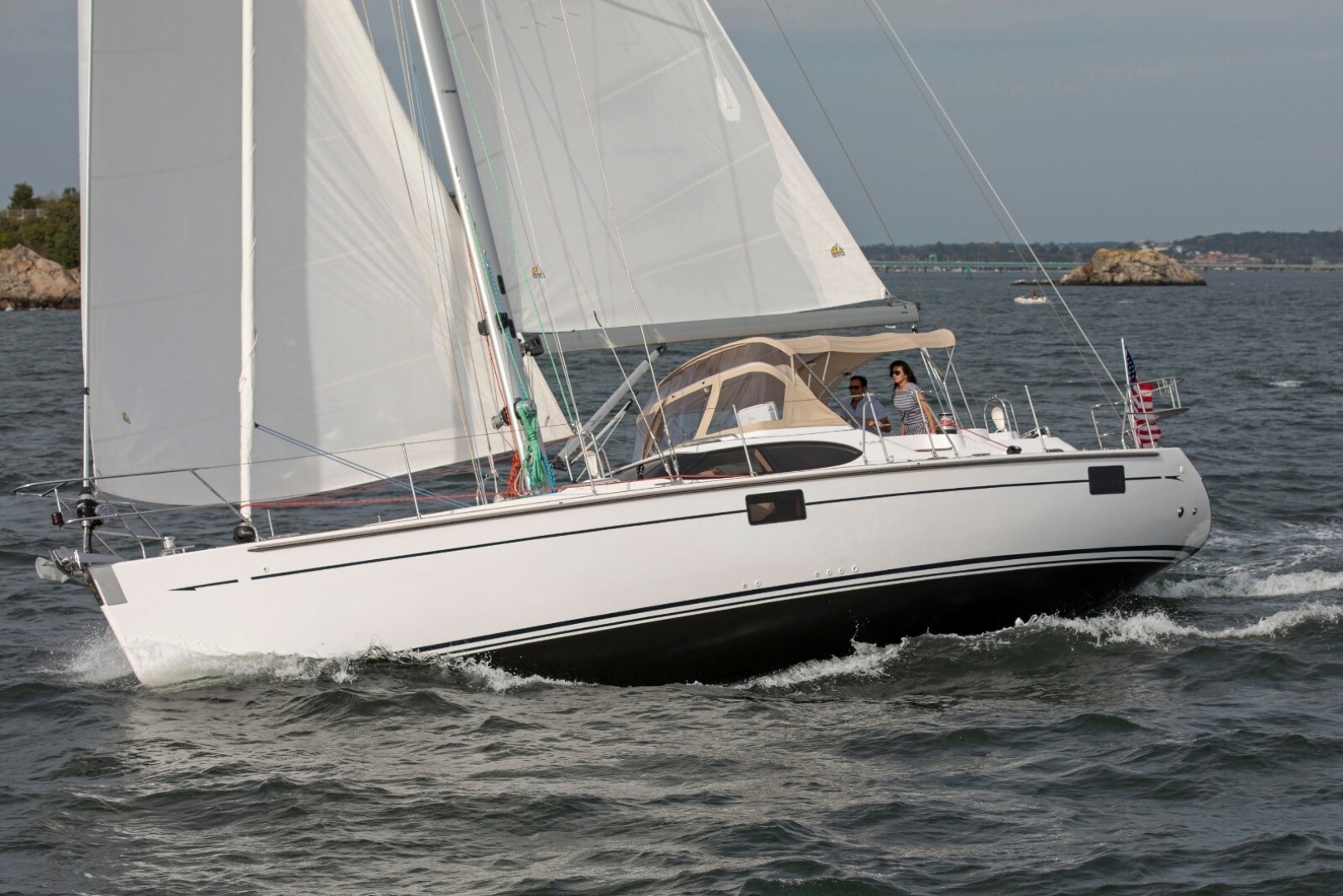
$1,724,571
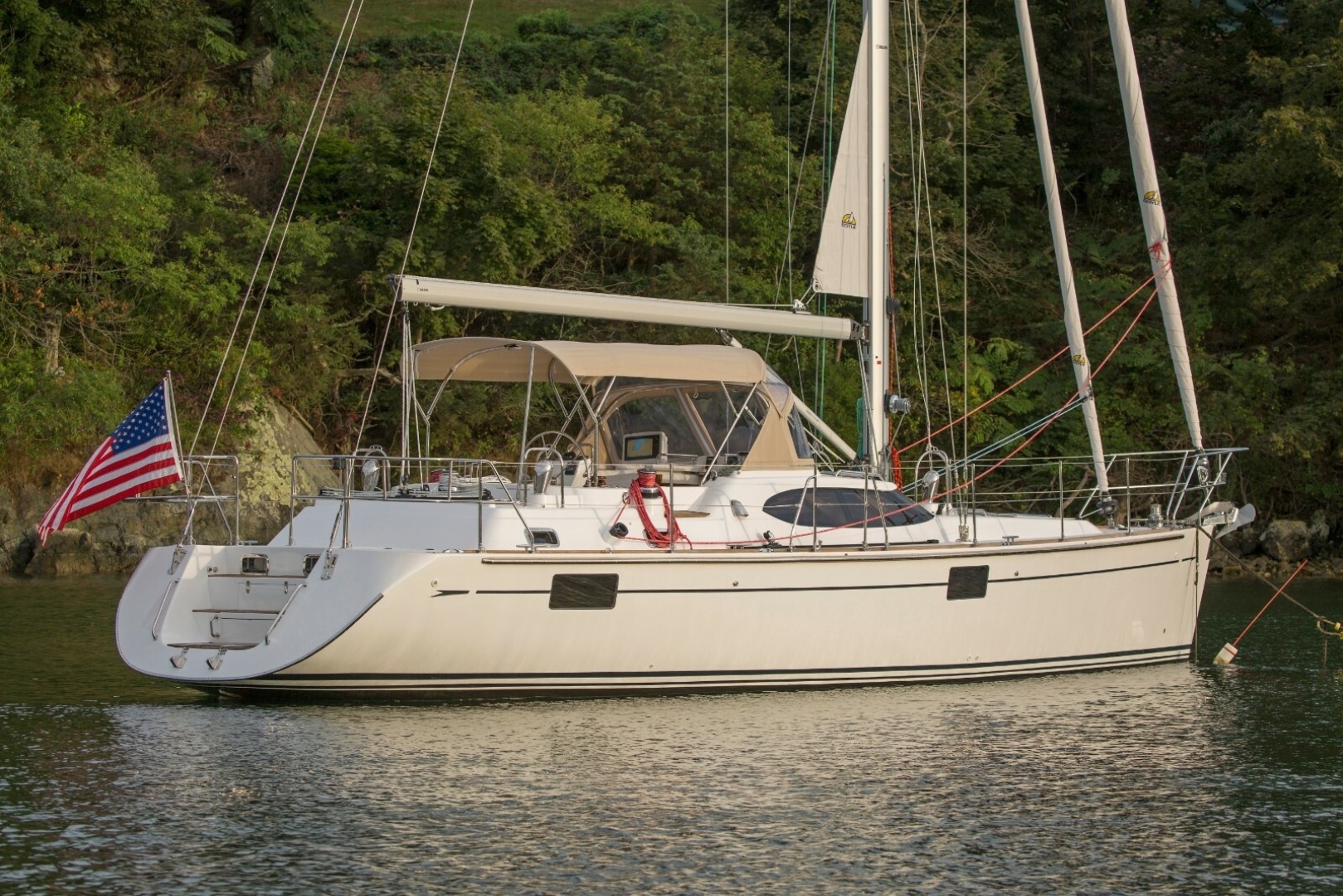
$149,500
$109,900
$395,000

$652,000
$105,000

$115,000
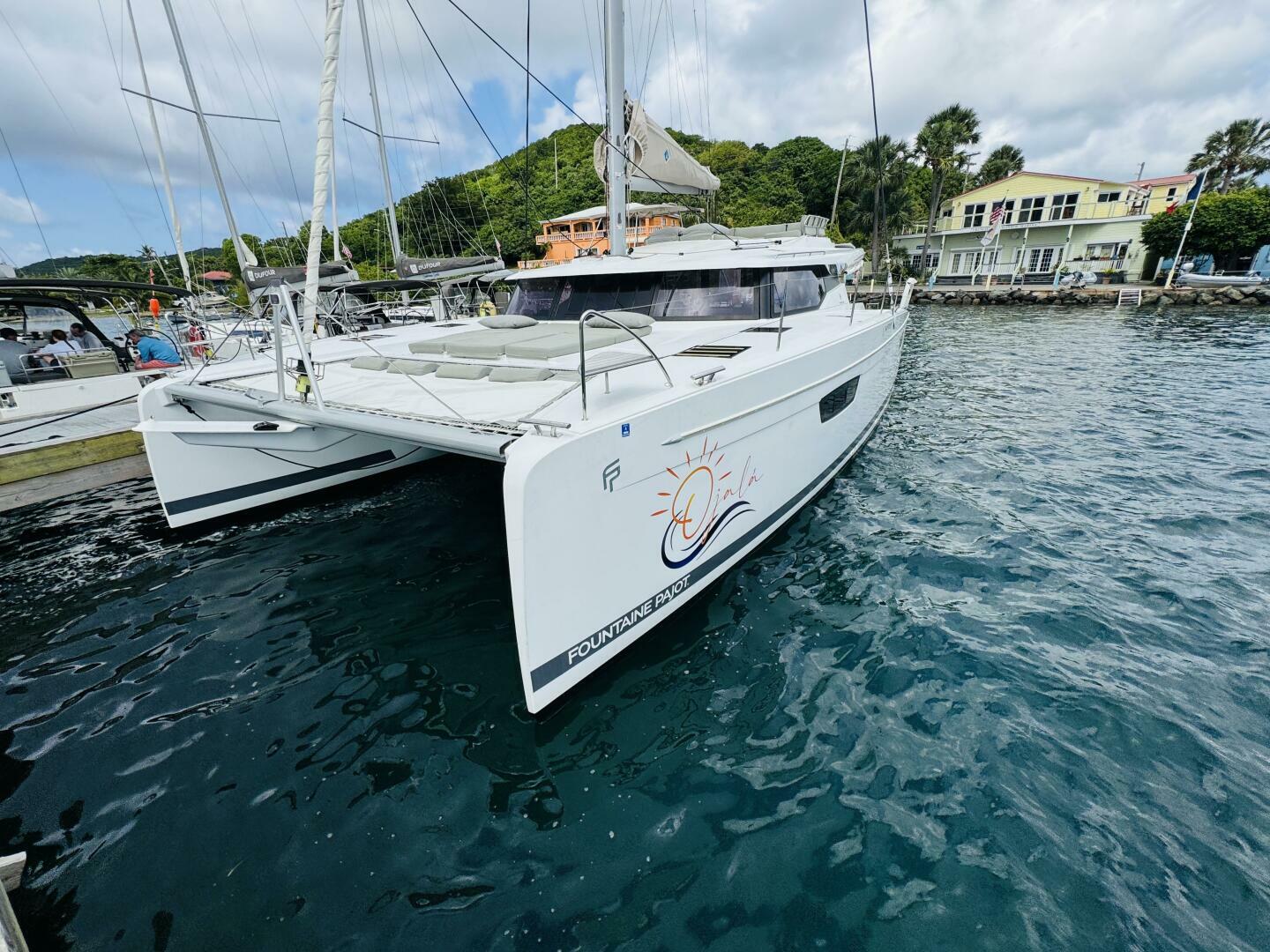
$950,000
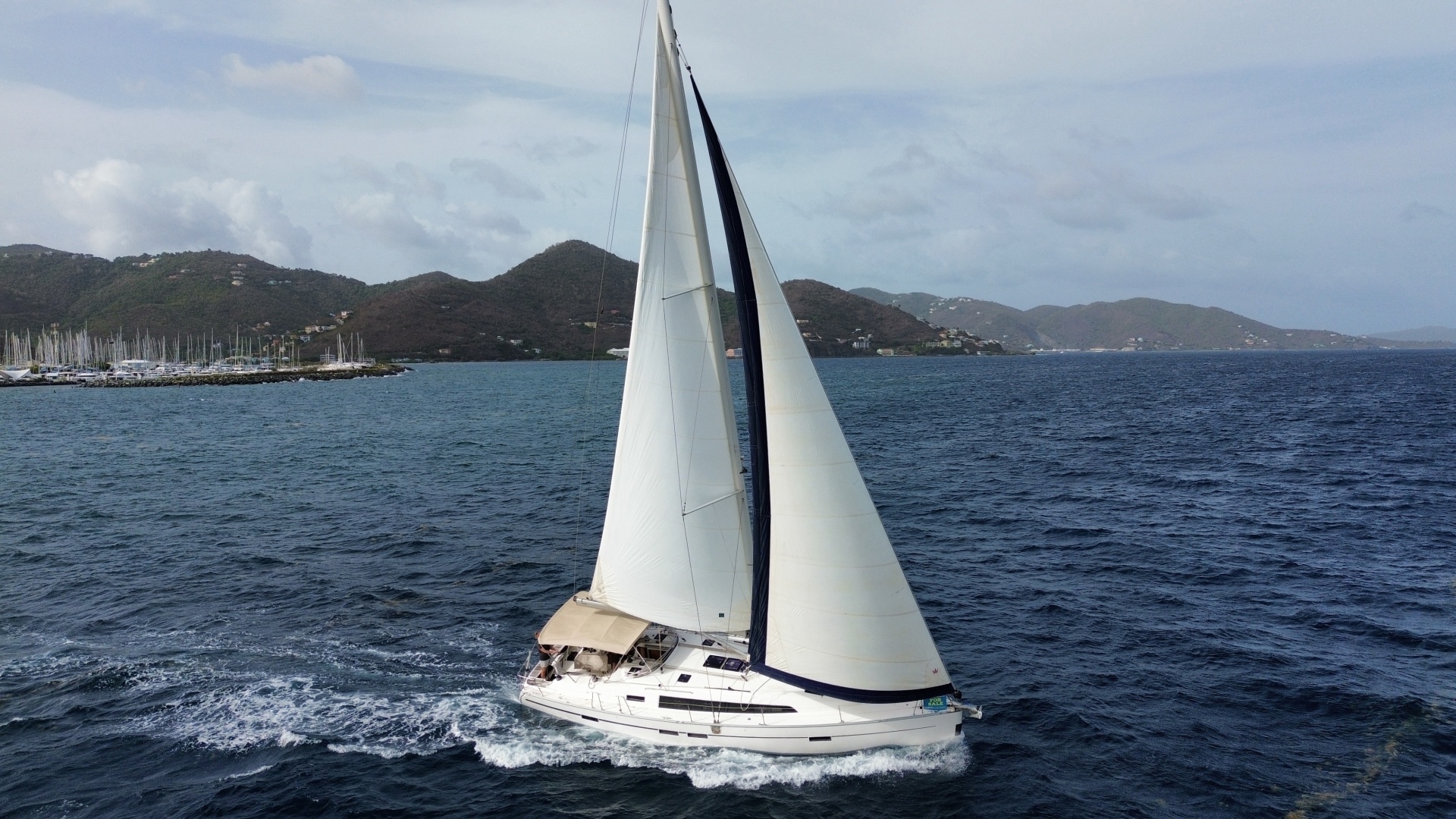
$149,000
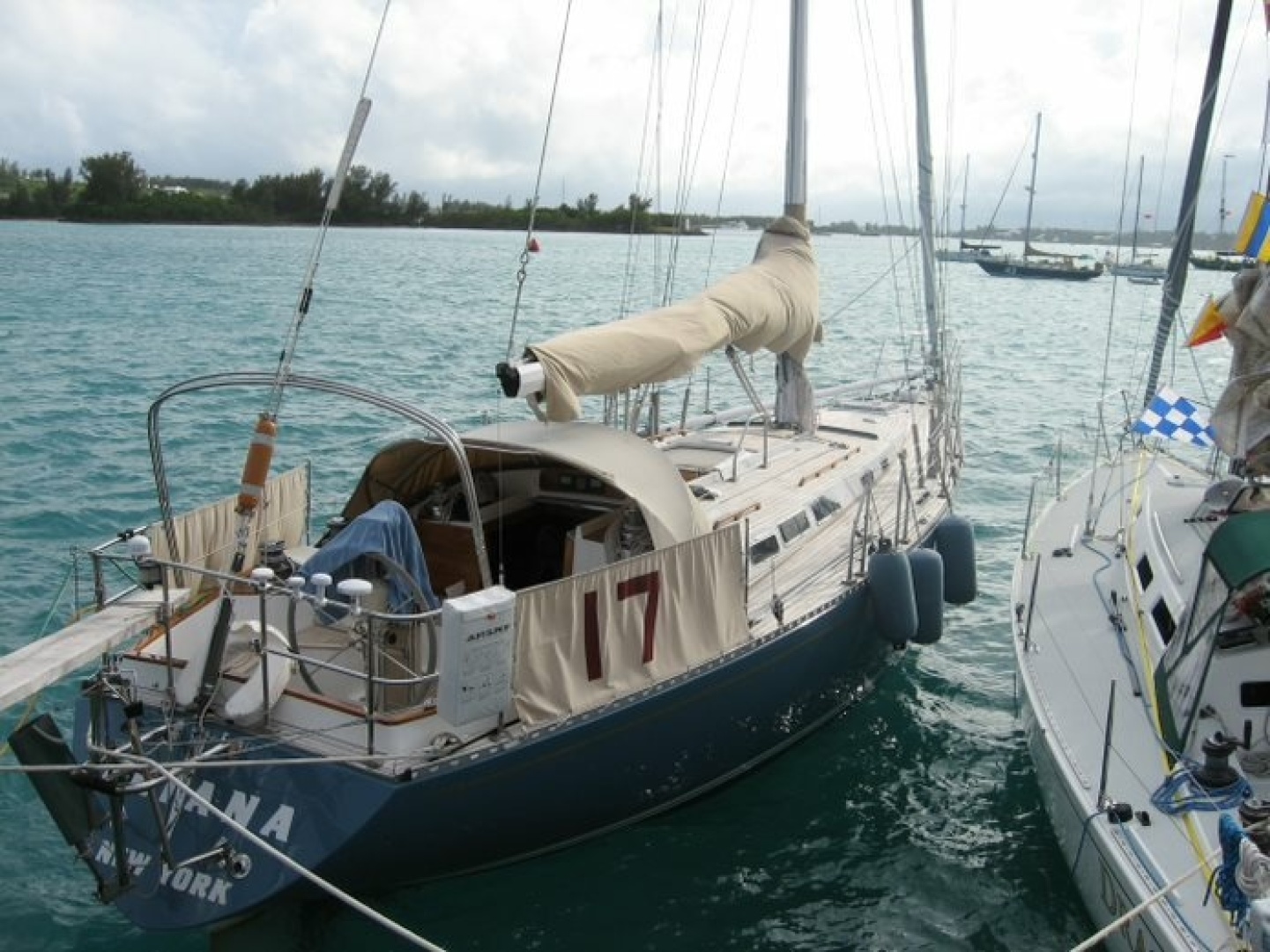
$135,000
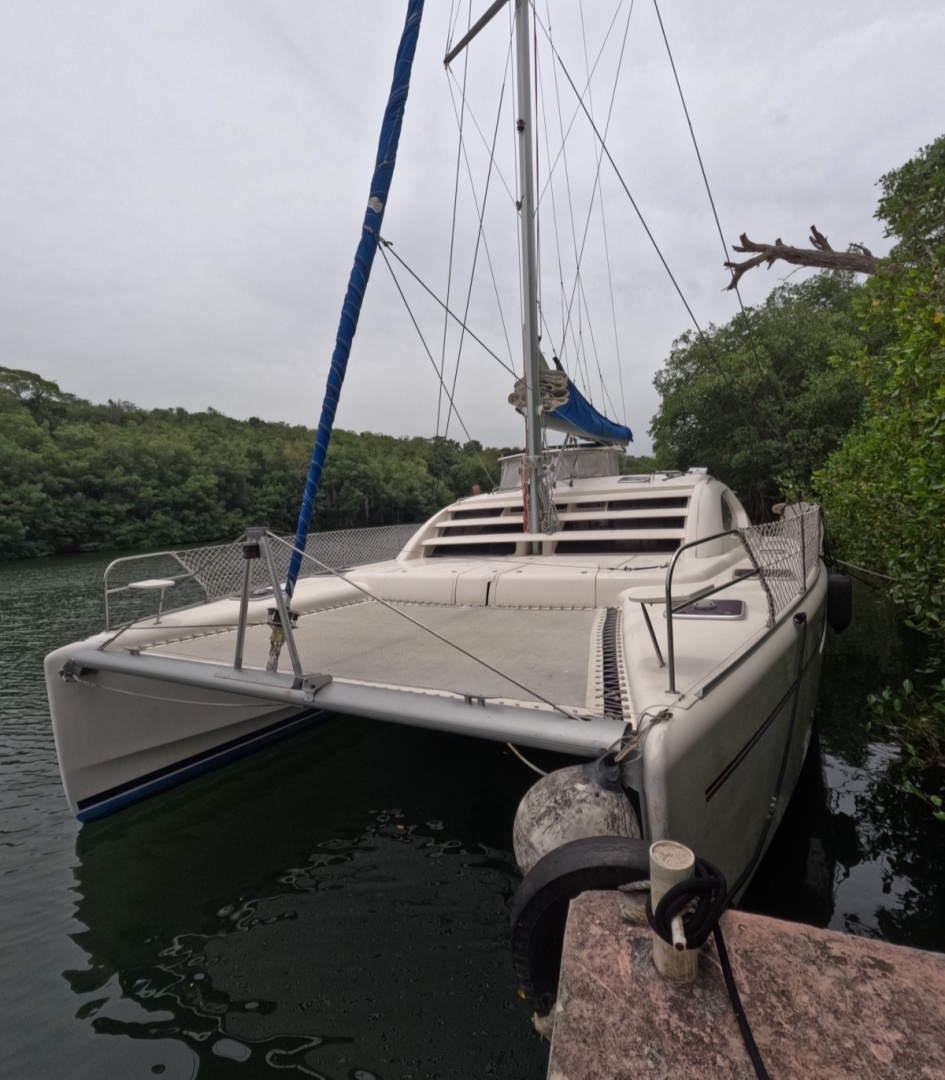
$349,000