

Why the region’s charter calendar, not the weather, decides when you get the best deal.
In the Caribbean, the cheapest month to buy a cruising yacht falls in the middle of hurricane season — not the depths of winter.
Ask a mainland dealer and you will hear “buy in winter.” Ask a Caribbean broker who has watched twenty charter seasons turn over, and you will get a very different answer.
The best time to buy a yacht in the Caribbean is late spring through early fall, when the region’s charter fleets retire their boats and the market fills with well-equipped ex-charter catamarans. That window runs roughly from May to September, and it inverts the advice you will read on most mainland boat-buying sites. Here, the calendar that moves prices is the charter calendar, not the weather.
Definition
Charter phase-out — The point at which a charter company retires a yacht from its rental fleet — usually before the boat turns five — and offers it for sale. In the Caribbean these phase-outs cluster after the high season ends, releasing dozens of similar hulls onto the brokerage market at once.
Two different calendars
Mainland wisdom: prices soften in fall and winter as dealers clear model-year inventoryCaribbean reality: prices bottom in summer as charter fleets phase out and flood the brokerage market
Applying northern off-season logic to a tropical charter economy is the single most common timing mistake buyers make.
Key Takeaways
- 01
In the Caribbean, the best time to buy a yacht is the summer charter phase-out — roughly May through September — not the mainland winter off-season.
- 02
Ex-charter prices typically bottom around July, when near-identical, well-equipped boats flood the brokerage market at once.
- 03
Line up your survey, financing, and buyer’s broker before the boats list; the acceptance-rejection clock is short and unforgiving.
- 04
Weigh the hurricane-season tradeoff deliberately — insurance, haul-out, and delivery timing — rather than chasing price alone.
The Caribbean Runs on a Charter Calendar
The Caribbean high season runs from roughly mid-November through mid-July, with peak demand between December and April, when the northeast trades settle into a steady, forgiving pattern. Charter companies size their fleets for that peak. Once the crowds thin and boats have banked a few seasons of revenue, the big operators — the Moorings, Sunsail, Dream Yacht Charter — begin retiring hulls to make room for new deliveries. Most first-tier companies phase a catamaran out before it turns five, while it still carries current electronics, autopilot, air conditioning, and generator hours that a private owner would pay dearly to add. The result is a predictable annual rhythm: boats work through the winter, earn through the spring, and change hands through the summer. Timing only saves money once you know the baseline, and the cost to buy in the BVI sets out what a 45-footer actually runs after duty, delivery and the first haul-out.
July
The month ex-charter catamaran prices typically hit their yearly low
The Catamaran Guru
Why the Market Floods in Summer
When a season’s phase-outs land together, the brokerage market fills with near-identical boats — same model, same year, same charter specification — all competing for the same buyers. Basic supply and demand takes over. Caribbean specialists point to ex-charter catamaran prices that typically bottom out around July, when the surplus is at its deepest and demand from cruisers is thin. As those hulls clear through late summer and the next season approaches, inventory tightens again and asking values firm up. For a buyer who is genuinely ready to move, that mid-summer surplus is leverage that simply does not exist in December.
The Month-by-Month Buyer's Calendar
Timing the Caribbean market is less about a single magic date and more about reading where you sit in the cycle. The same logic that lets mainland off-season buyers gain the most negotiation leverage applies here, only shifted to a tropical schedule. Position your survey, financing, and broker before the boats you want come available — not after. The phases below show where the pressure sits at each point in the year.
1
Dec–Apr
Peak charter season
Fleets are working and inventory is tight. A good time to research, line up a buyer’s broker, and get pre-approved — not to expect discounts.
2
May–Jun
Phase-outs begin
The first retired boats hit the market. Selection is fresh and strong, but sellers are not desperate yet, so prices hold near ask.
3
Jul
Price bottom
Peak supply meets thin demand. This is where a prepared buyer with survey and funds ready wins the sharpest deals of the year.
4
Aug–Sep
Window closes
The best hulls go under contract and the surplus clears. Deals still exist, but the pick of the fleet is gone by autumn.
A boat maintained by professionals every week for four years, then priced to move in a flooded July market, can be the best value in the Caribbean — if you know what you are inspecting.
The Off-Season Advantage Beyond Price
Price is only the headline. Buying in the quiet months also buys you something harder to quantify: attention. In the slow season a broker can run a genuine, unhurried search on your behalf, and a surveyor can schedule a proper haul-out and sea trial without competing against three other pending sales on the same hull. This is where co-brokerage earns its keep. A buyer’s broker who works the whole market — not just one company’s inventory — can compare phase-out boats across fleets, spot the hulls priced to reflect real condition, and steer you away from the ones that only look like bargains. Representation on your side of the table matters most when the market is moving in your favour and it is tempting to rush.
May–Sep
Caribbean charter phase-out window
The Catamaran Guru
< 5 yrs
Typical age when first-tier fleets retire a catamaran
The Catamaran Guru
Dec–Apr
Peak charter season, when inventory is tightest
Bluewater Yachting
Common Mistakes When Buying an Ex-Charter Yacht
The summer window rewards preparation and punishes improvisation. Ex-charter boats are worked hard and maintained fast, so records are often thin, and the seller’s obligations end the moment the acceptance-rejection date passes. A handful of timing errors cost buyers far more than any seasonal discount saves them, and nearly all of them come down to acting before the paperwork and professionals are in place.
Do not let the survey clock run out
01
Be finance-ready before phase-out
Pre-approval and proof of funds turn you from a browser into a contender the day the right boat lists. In a flooded market, speed and certainty win over the highest tentative offer.
02
Price condition, not stickers
A phase-out boat needing thirty thousand dollars of work at $350,000 can beat a tidier one at $400,000. Read the survey against the asking price, not against the photos.
03
Buy the company's obligation
A formal fleet phase-out usually carries some seller commitment to recommissioning. A private off-fleet sale often carries none — factor that difference into which boat you chase.
The best time to buy a yacht in the Caribbean is the moment the right boat is priced to move and you are ready to act — the summer phase-out simply stacks the odds in your favour.
Find your ex-charter yacht before the fleet clears
Talk to a BVI Yacht Sales broker about positioning for the next Caribbean phase-out season.
QWhat is the best month to buy a yacht in the Caribbean?
July is usually the sharpest month. It is when the charter phase-out surplus peaks and cruiser demand is thin, pushing ex-charter catamaran prices to their yearly low. The wider buyer’s window runs from about May through September, so a prepared buyer can find real value across those months as the fleets retire boats.
QWhen are ex-charter catamarans put up for sale?
Most first-tier Caribbean charter companies phase boats out after the high season ends, with listings clustering from May into September. Companies typically retire a catamaran before it turns five, while it still carries current electronics, air conditioning, and a generator — gear a private owner would otherwise pay a premium to add later.
QIs it risky to buy a yacht during hurricane season?
It carries manageable risk, not automatic danger. The summer price window overlaps the June-to-November Atlantic hurricane season, so plan for insurance requirements, named-storm haul-out clauses, and delivery timing. A boat kept in a recognised hurricane hole or a certified yard changes the equation, and your broker should build storm season into the offer.
QShould I buy or charter a yacht in the Caribbean?
Buy if you will use the boat several months a year and want it configured to your own cruising; charter if you value flexibility, variety, and zero maintenance. Many owners keep a modest boat of their own and charter something larger for distant trips. If ownership is the goal, the summer phase-out is the smartest entry point.
QDo you need a survey when buying an ex-charter yacht?
Always. A professional survey and sea trial are non-negotiable on a boat that has been worked hard and lightly documented. The survey protects your money and gives you genuine negotiating leverage. Contracts set a fixed acceptance-rejection window, often about two weeks, so book your surveyor before you make the offer.
QAre ex-charter boats a good deal?
They can be excellent value. First-tier fleets maintain boats on a professional schedule and equip them well, then price them to move during phase-out. The tradeoff is thin maintenance records and cosmetic wear. Read the survey against the asking price — a boat that needs known work can beat a tidier, pricier hull.
QWhy is the off-season the best time to buy a boat?
Off-season means less competition and more motivated sellers. In the Caribbean the true off-season for buyers is summer, when charter fleets flood the market and brokers and surveyors have the capacity to give your search proper attention. Fewer competing offers on each hull means more room to negotiate on both price and terms.
Last updated
Featured Listings
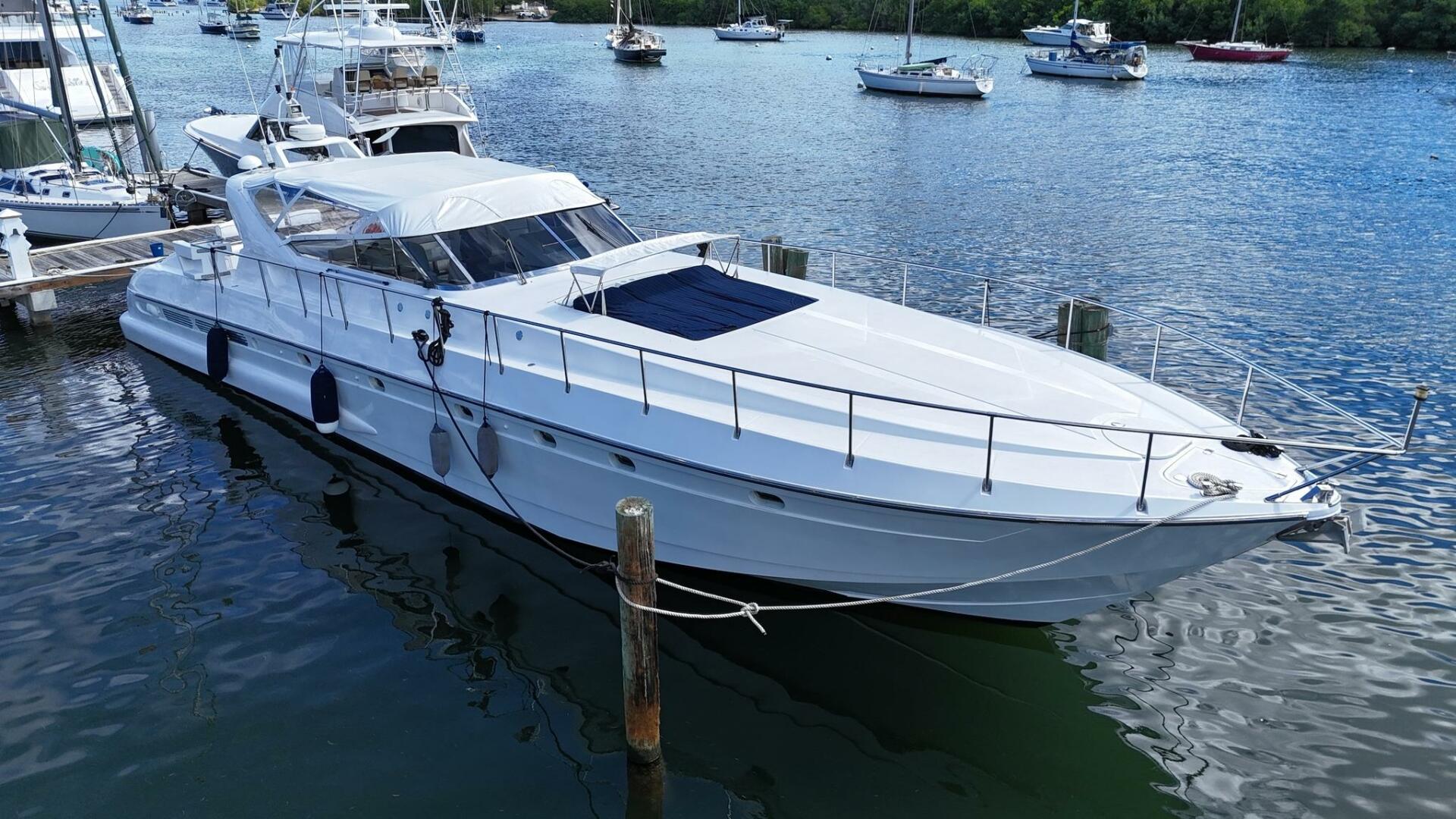
$599,000
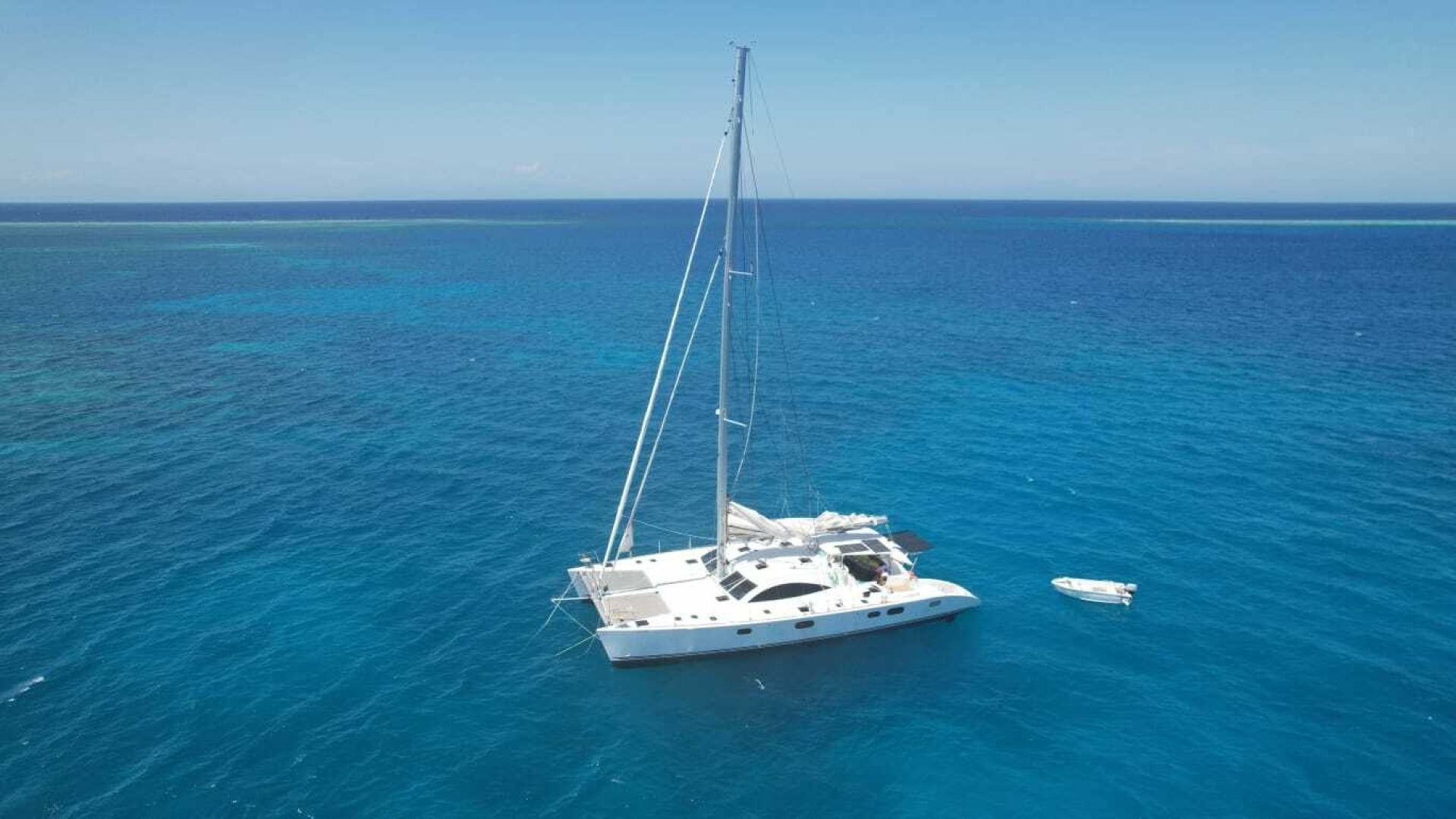
$1,300,000
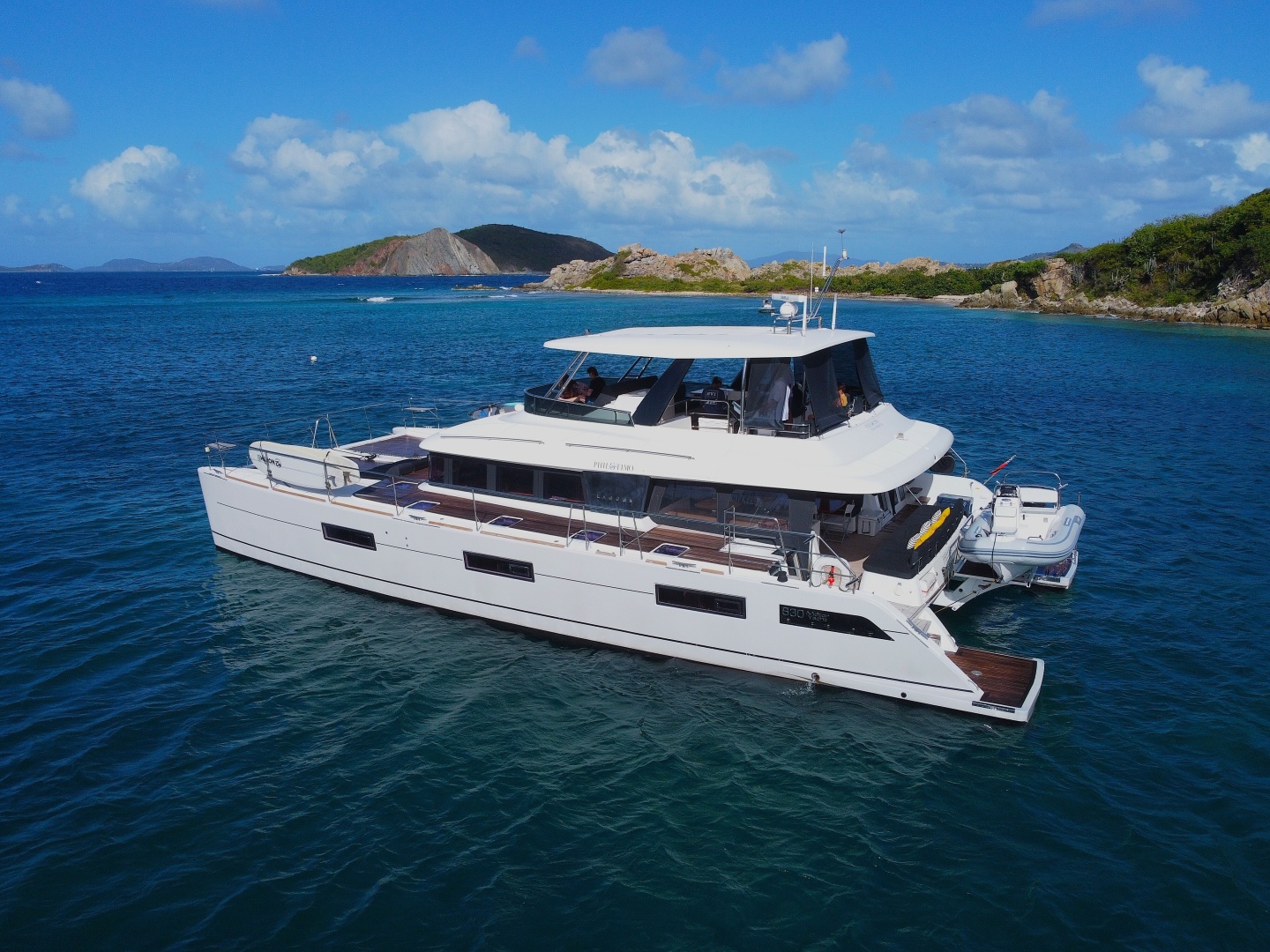
$1,699,000

$299,000

$899,000
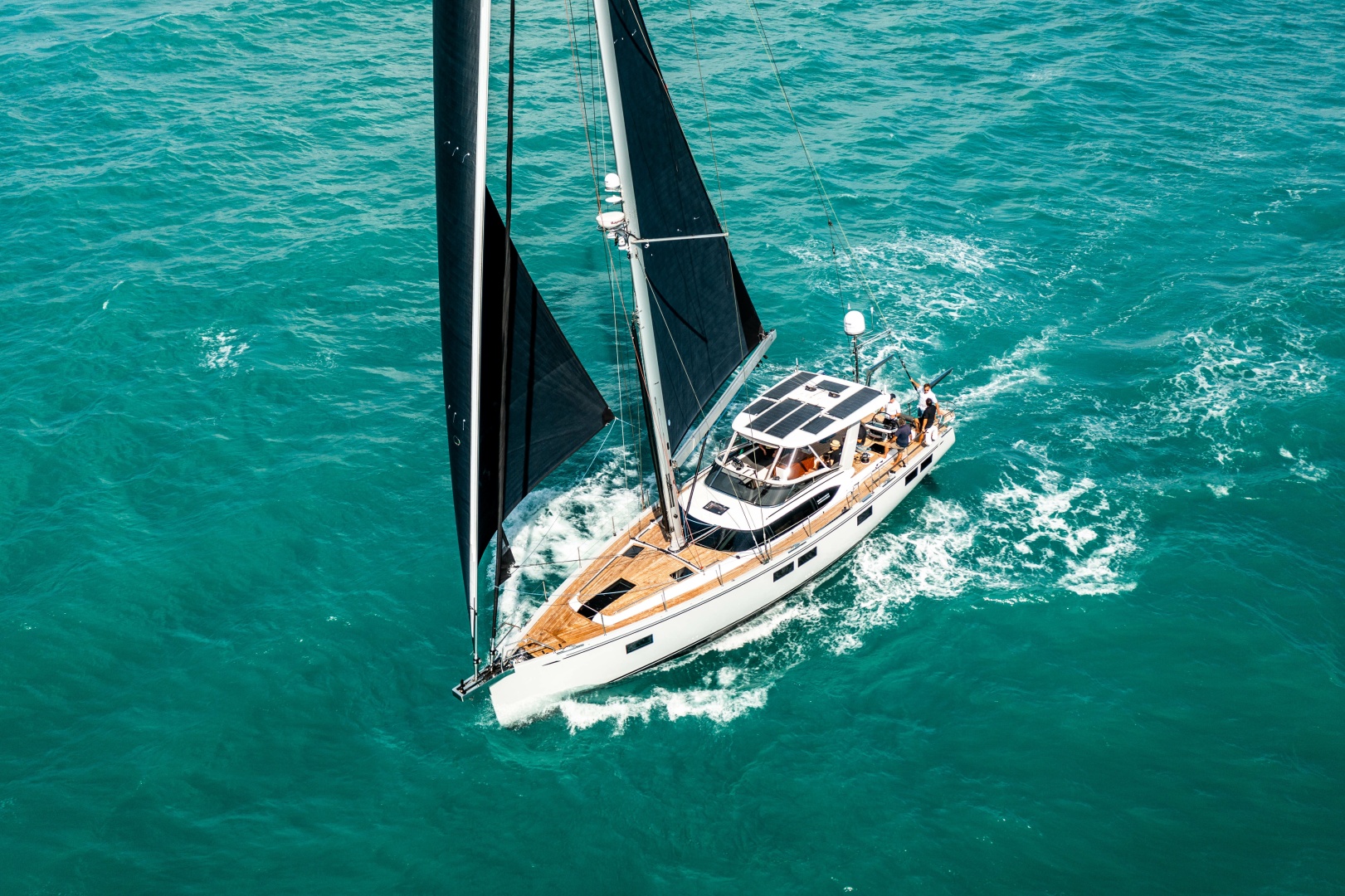
$1,795,000

$269,000
$359,000
$499,500
$299,500
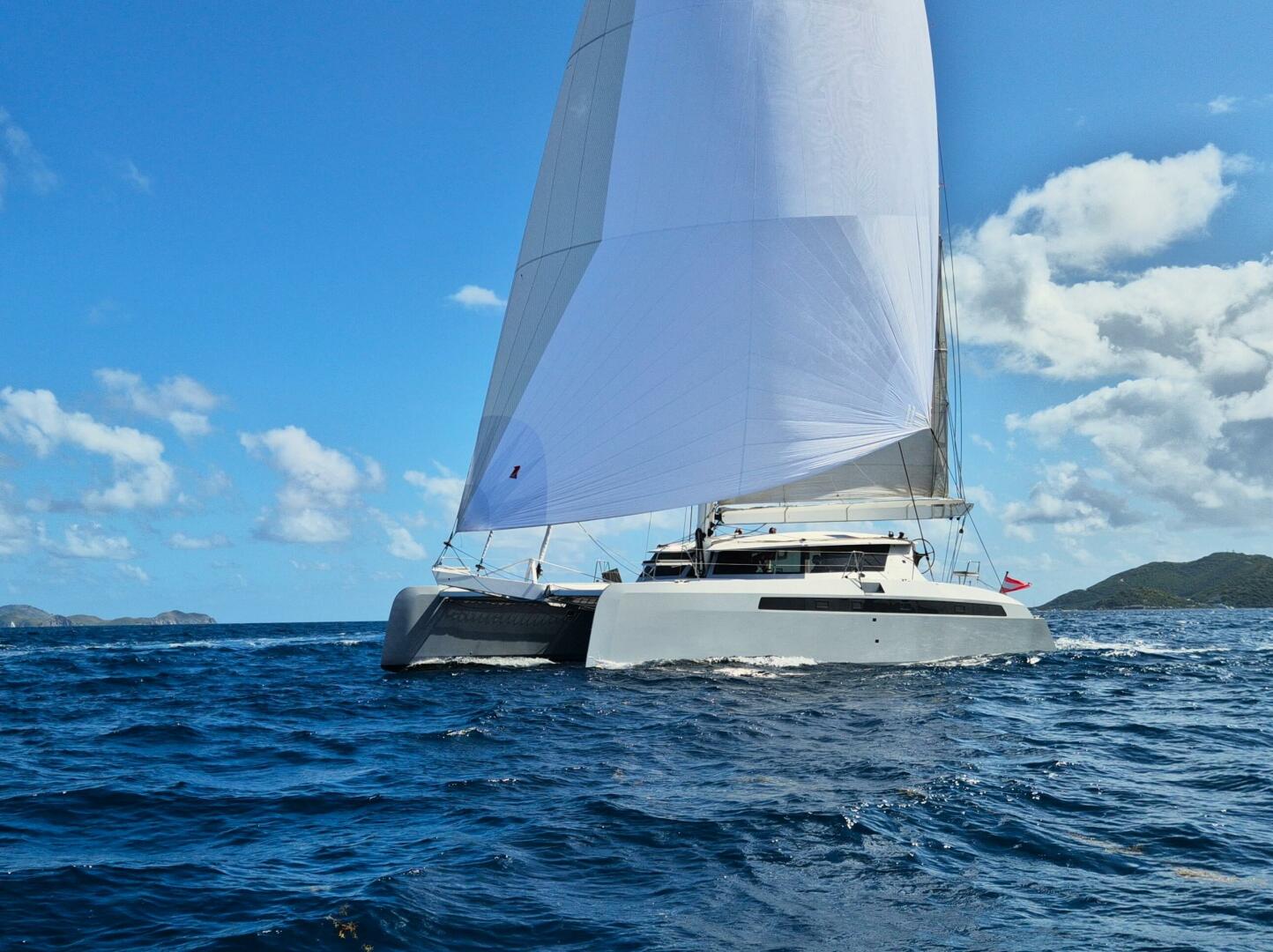
$1,290,000
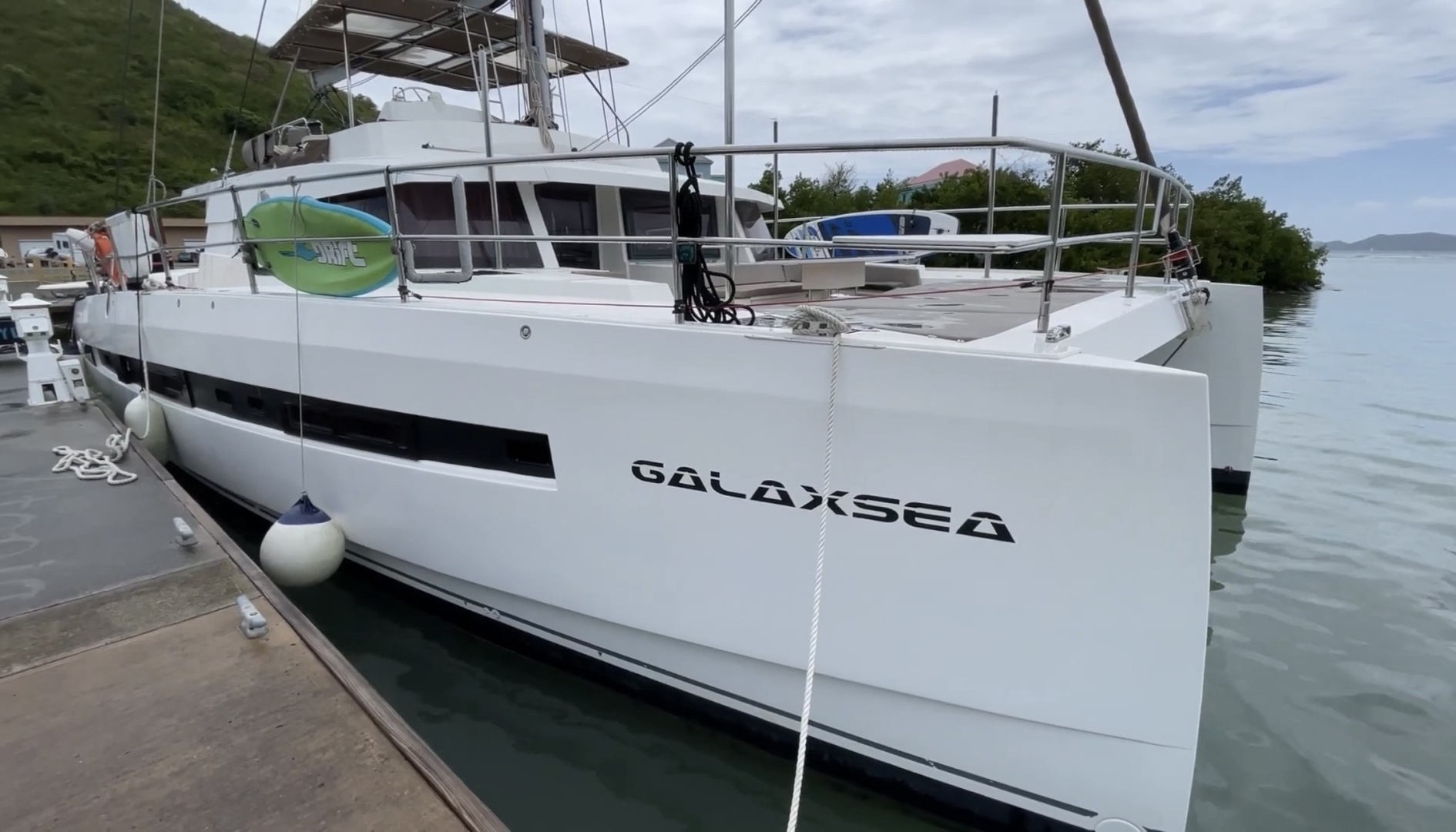
$800,000
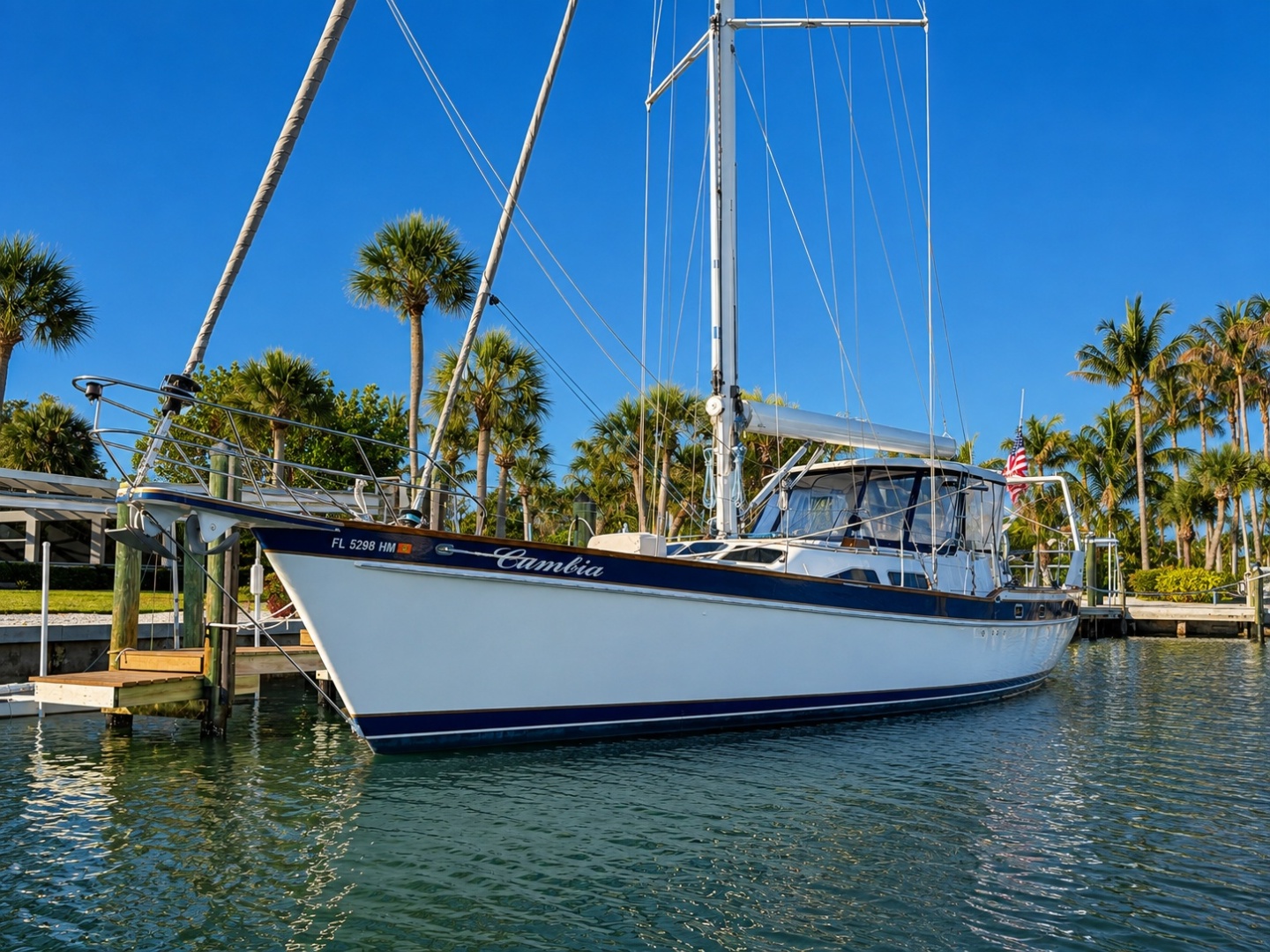
$545,000
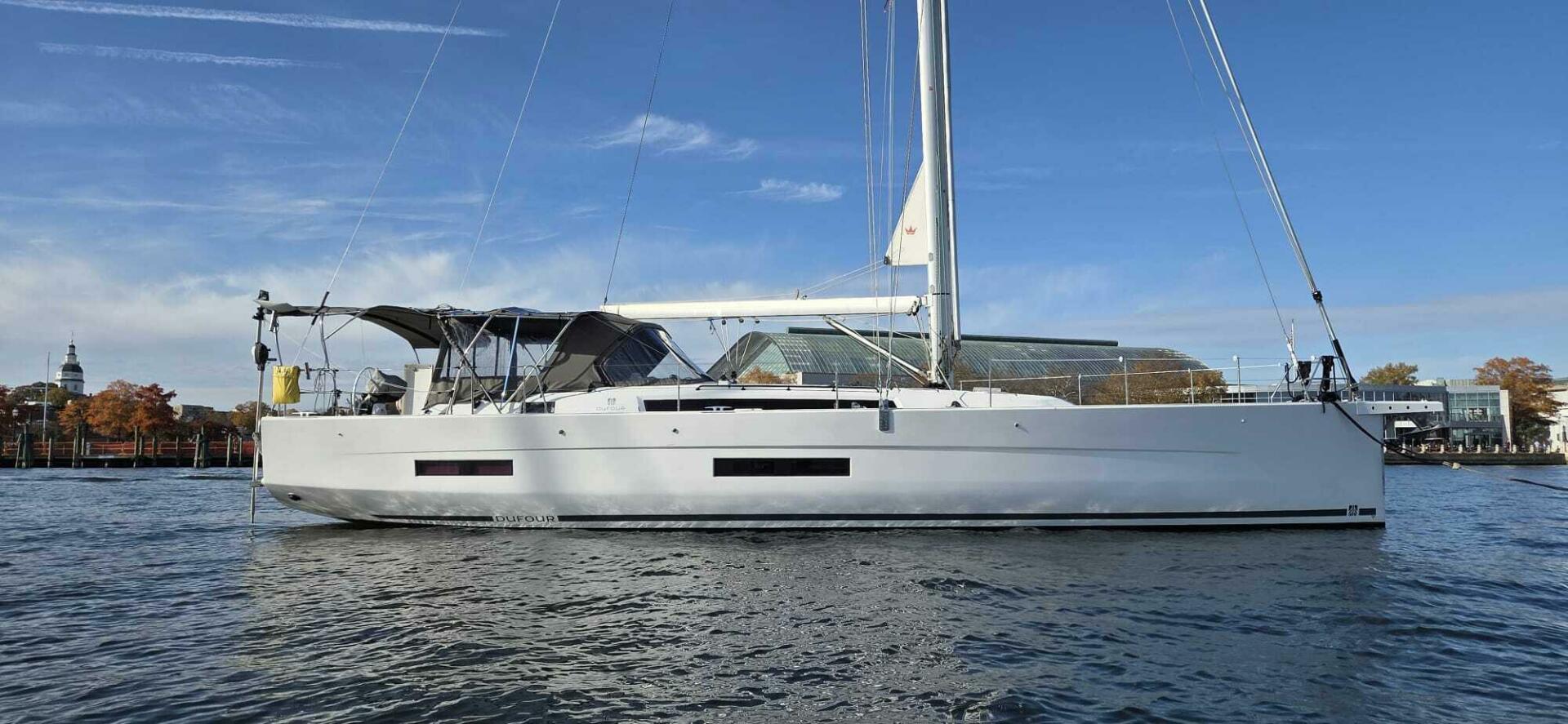
$564,900
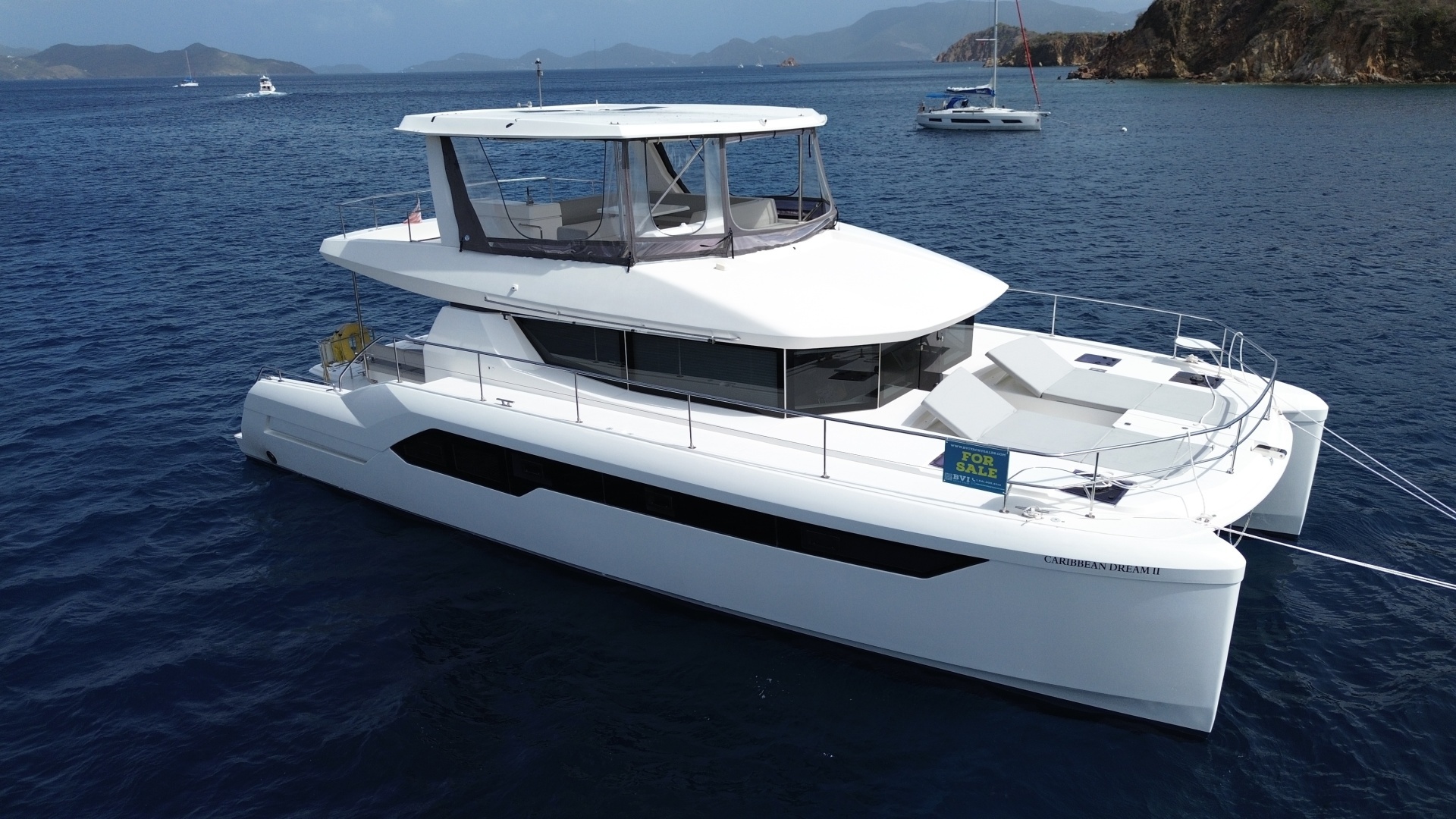
$1,130,000
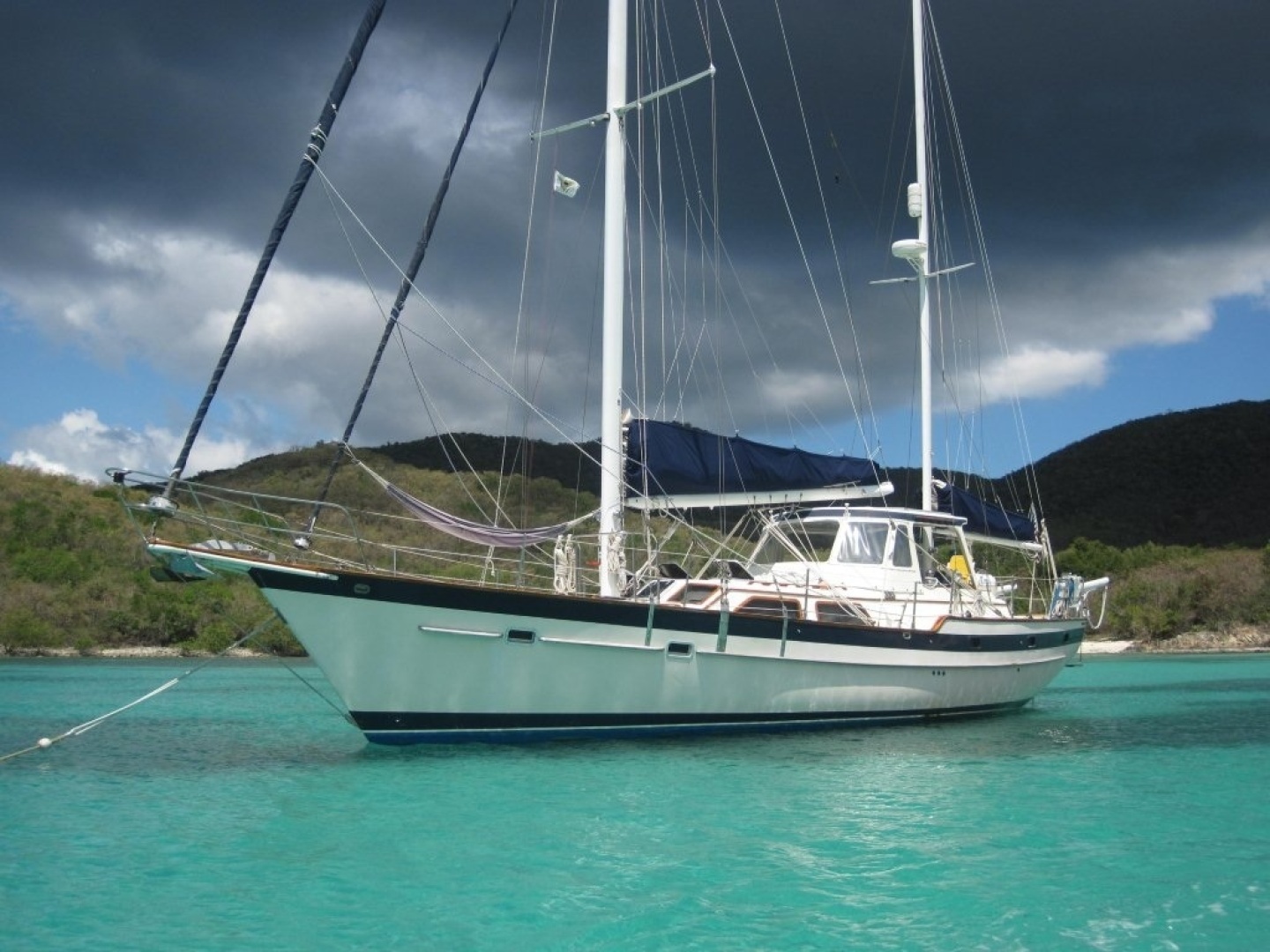
$159,000
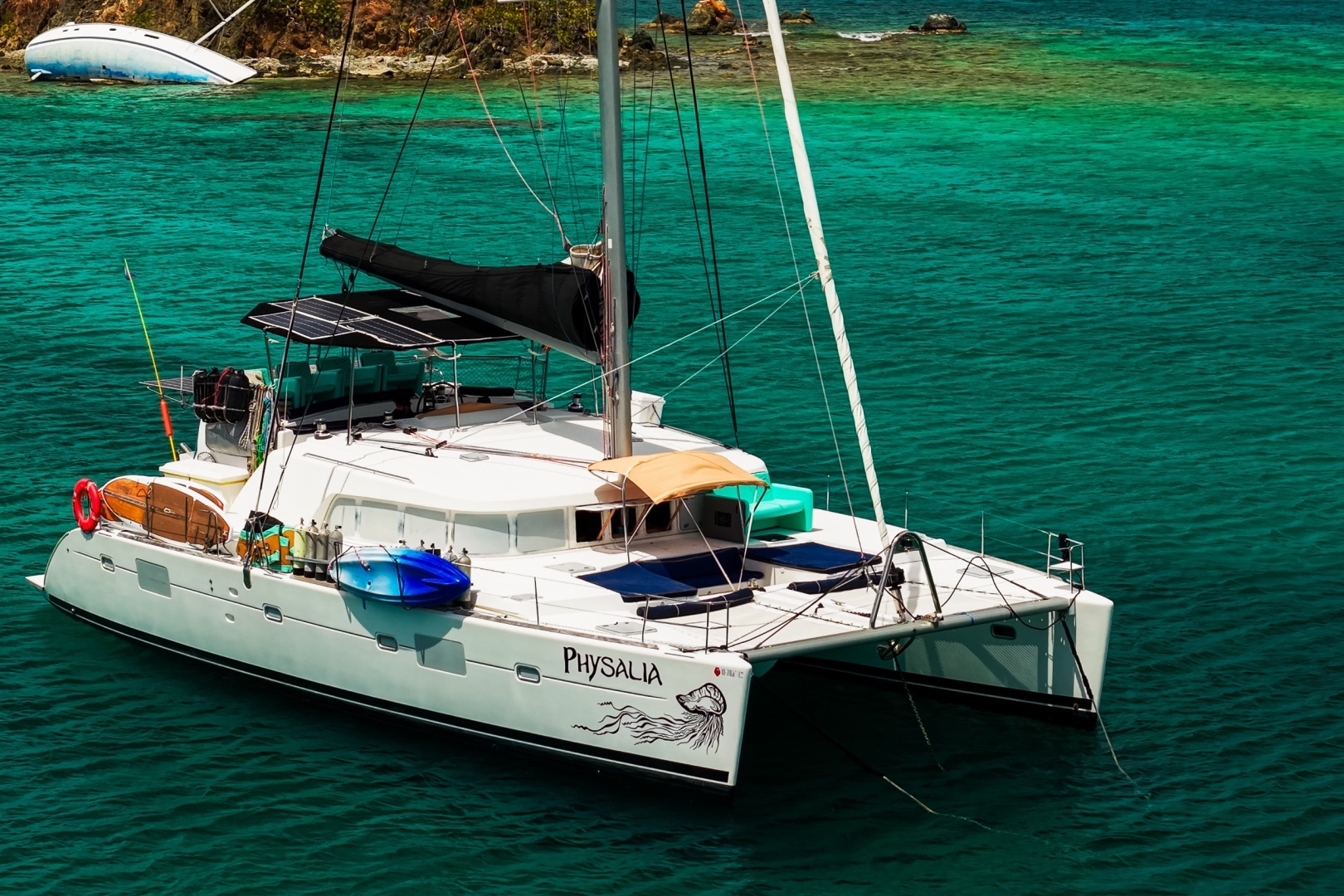
$499,000
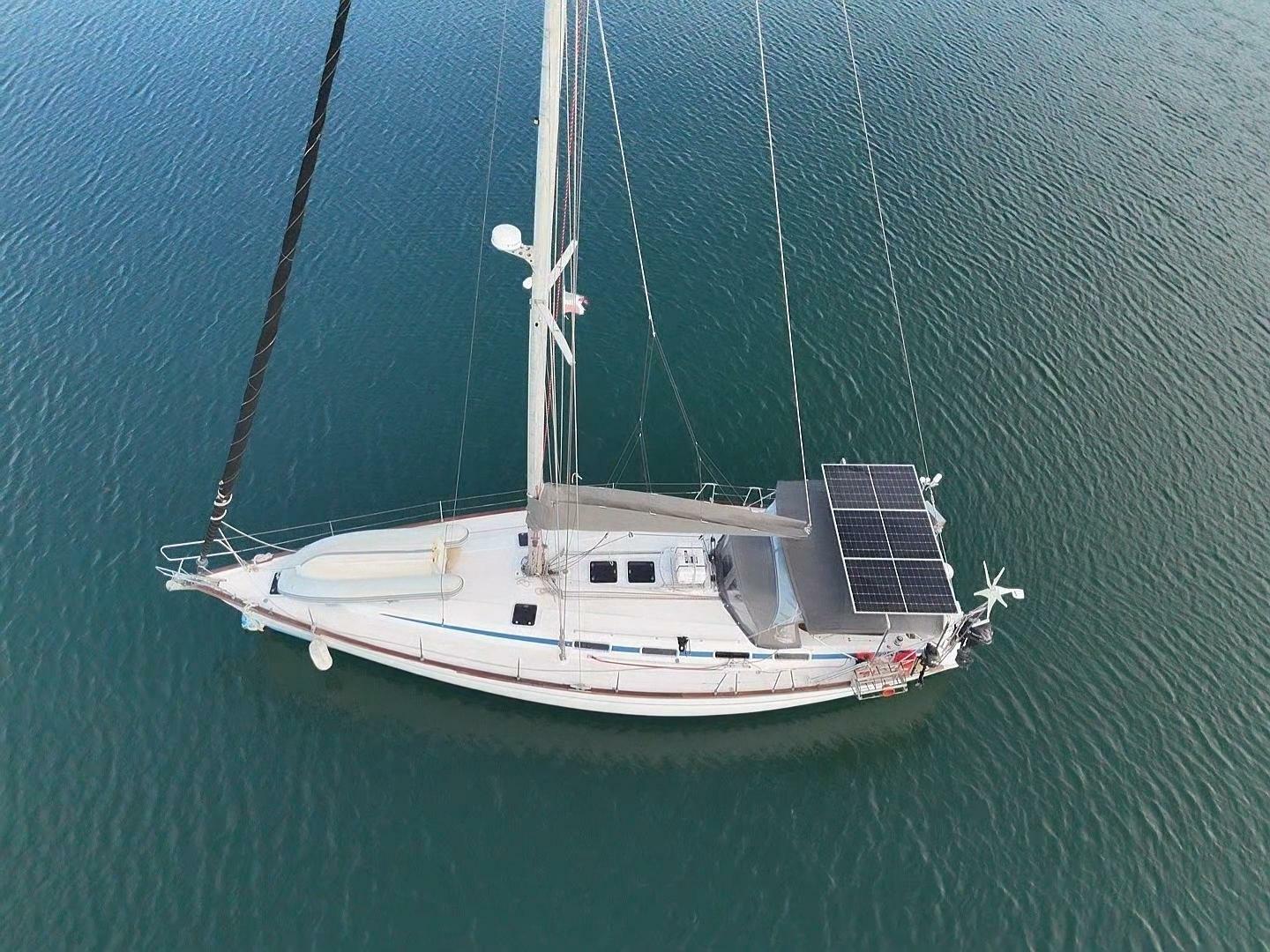
$89,000
$89,000
$135,000
$98,250
$149,850
$369,000
$395,000
$349,000
$125,000
$1,724,571
$149,500
$109,900
$395,000

$652,000
$105,000

$115,000
$950,000
$149,000
$135,000
$349,000