
Buying Guide
The purchase price is only the first number. Here is the full, candid picture of what a Caribbean yacht really costs to acquire.
Ask what a yacht costs in the BVI and you’ll get a price tag. The honest answer is a stack of numbers — and most of them arrive after the handshake.
The cost to buy a yacht in the BVI starts with the purchase price — commonly from the low six figures to well over a million dollars for a well-equipped cruising catamaran — then adds roughly 8 to 15 percent in duty, survey, registration, and closing costs before she is truly yours. Knowing that full stack up front is what separates a smooth purchase from an expensive surprise.
Definition
All-in cost — the total you actually part with to own a yacht: the negotiated purchase price plus import duty, survey and sea-trial fees, registration and flagging, closing costs, and first-year insurance.
Last updated
$0
VAT or general sales tax on a private BVI yacht purchase
BVI tax regime
$25–$35
Per foot for a pre-purchase survey
YachtWorld, 2026
3–5%
Hull value per year for Caribbean insurance
Suncoast Insurance, 2026
3 days
To register under the BVI Red Ensign flag
BVI Shipping Registry
Key Takeaways
- 01
Budget 8–15% above the price — Duty, survey, registration, closing, and first-year insurance stack on top of the purchase price on a typical BVI deal.
- 02
The BVI tax picture is friendly — No VAT and no sales tax; a private yacht carries a flat 5% import duty on its assessed value.
- 03
The survey is non-negotiable — At $25–$35 per foot, a pre-purchase survey and sea trial are the cheapest insurance you will ever buy.
- 04
Flagging is fast — The BVI Red Ensign registry can flag a straightforward yacht in about three business days.
- 05
Decide how you will use her — Outright ownership buys freedom; a charter-management program buys income that offsets running costs.
What You Actually Pay for the Boat
The largest number is always the vessel itself. Among the yachts for sale in the BVI, a solid used cruising monohull in the 40-foot range often trades in the low-to-mid six figures, while late-model sailing and power catamarans climb well past half a million. Condition, age, and equipment move the figure more than length alone, which is why the used-versus-new decision is where most buyers spend their energy.
Set the purchase price, and the rest of the budget follows a predictable pattern. On a typical Caribbean deal, the add-on costs stack to roughly 8 to 15 percent of the boat’s value. The chart below shows how those layers build on an illustrative $400,000 vessel.
The cost stack on top of a $400,000 yacht (illustrative)
| Import duty (5%) | 20000 |
| Survey package | 2500 |
| Registration & radio | 3500 |
| Year-one insurance | 16000 |
| Documentation & closing | 2000 |
BVI Customs Act; YachtWorld; Suncoast Insurance
Duty and Taxes: The BVI Advantage
Here is where the British Virgin Islands rewards buyers. There is no VAT and no general sales tax on a yacht purchase — the sort of levy that adds six percent in Florida and far more in the EU simply does not exist here. The one charge to plan for is a flat 5% duty on a non-commercial recreational vessel, assessed on the vessel’s value under the BVI Customs Act.
For a mainland buyer used to sales tax stacked on registration surcharges, the math is a pleasant surprise. Five percent on a $400,000 catamaran is $20,000 — real money, but a fraction of what the same boat would attract in a high-tax jurisdiction. It is one of the quiet reasons the Caribbean charter fleet is registered where it is.
The number that defines a BVI purchase
5%
Import duty on a private, non-commercial yacht — with no VAT or sales tax on top
BVI Customs Act (CAP. 105)
In the BVI there is no VAT and no sales tax on your boat. The number that surprises mainland buyers is how small the tax bill really is — and how quickly the survey, flag, and insurance add up instead.
The Costs Buyers Forget
The asking price buys the boat, not the transaction. The costs buyers forget are rarely dramatic on their own, but together they are the difference between your working budget and the wire you actually send. Mainland buyers in particular tend to overlook the hidden costs of Caribbean ownership — the survey, the flag, the first insurance premium — because none of them appear on the listing.
Treat the items below as non-negotiable line items, not optional extras. Every one of them is the buyer’s responsibility, and every one lands after you have shaken hands on a price.
Before you sign
What the asking price does not cover
- hard
The 5% import duty is calculated on the vessel’s assessed value, not the discounted price you negotiated.
Confirm the customs valuation basis with your broker before closing.
- soft
A pre-purchase survey, engine survey, and sea trial are the buyer’s cost, not the seller’s.
Budget $2,500 to $3,500 for a thorough multihull survey package.
- soft
Registration, a radio licence, and documentation fees all land after the handshake.
Set aside $1,500 to $4,000 for flagging and closing paperwork.
- info
First-year insurance in a hurricane zone can reach 3 to 5 percent of hull value.
Get a binding quote before you agree a final purchase price.
Survey, Flag, and Closing
No serious purchase closes without a survey and sea trial. A competent pre-purchase survey runs about $25 to $35 per foot, with multihulls and older vessels at the top of the range — so a 45-foot catamaran can reach $1,600 for the hull survey alone before you add the engine survey and oil analysis. It is the single best money a buyer spends, because the survey findings that actually matter give you both peace of mind and negotiating leverage.
After the survey comes the flag. The BVI is a Category 1 Red Ensign registry, which means a British-flagged vessel recognised in every port worldwide, and a straightforward yacht can be registered in about three business days. Add a radio licence, the bill of sale, and escrow or legal review, and the closing paperwork is done. The table below lays out the one-time costs of acquiring a BVI yacht.
| Cost | Typical range | Notes |
|---|---|---|
| Import duty (private vessel) | 5% of value | Non-commercial recreational vessels; non-resident charter vessels may be exempt |
| VAT / sales tax | $0 | The BVI levies no VAT or general sales tax on a yacht purchase |
| Pre-purchase survey | $25–$35 / ft | A 45-footer runs roughly $1,150–$1,600 for the hull survey alone |
| Engine, rigging & sea trial | $500–$1,500 | Usually added to the hull survey for a full pre-purchase package |
| BVI registration & radio licence | $550–$3,500 | Government renewal from $550; agent and documentation fees add to it |
| Documentation & closing | $1,000–$2,500 | Bill of sale, escrow, and legal review |
Buy Outright or Buy Into Charter?
The last cost question is not how much, but how. Buying outright with cash or yacht financing gives you a boat you use on your own schedule; buying a charter-managed yacht turns the same purchase into an income-producing asset that helps pay for itself. Neither is simply cheaper — they carry different costs, and they suit different owners. Multihull buyers face a different set of figures again, which we work through in our guide to buying a catamaran in the BVI.
The comparison below frames the trade-off. If you plan to live aboard or cruise for months at a stretch, ownership wins on freedom. If you will use the boat a few weeks a year, a charter program can offset dockage, insurance, and upkeep that would otherwise sit as pure expense.
Buy and keep her yourself
- ✓Full, unrestricted use of the yacht year-round
- ✓No management company taking a share of charter revenue
- ✗You carry 100 percent of dockage, insurance, and maintenance
- ✗The boat sits idle — and depreciating — when you are not aboard
Buy into a charter-management program
- ✓Charter income offsets dockage, insurance, and upkeep
- ✓The management company handles bookings and maintenance
- ✗Personal use is capped, often around nine weeks a year
- ✗Charter wear-and-tear and program fees reduce the net return
If you budget for one thing beyond the price
Spend on the survey and a broker who represents you, not the boat. A thorough survey and sea trial protect you from six-figure surprises, and buyer representation costs you nothing in a co-brokerage deal — the seller’s side pays the commission. Everything else on this page is arithmetic; these two decisions are where money is genuinely made or lost.
The most expensive mistake buyers make
Talk to a broker
Get a real all-in cost for the yacht you want
Our brokers in Tortola, St. Croix, and Annapolis will walk you through duty, survey, flagging, and closing before you commit — with no hard sell.
QDo you pay import duty when buying a yacht in the BVI?
Yes. A private, non-commercial recreational vessel imported into the BVI carries a 5% duty assessed on its value under the BVI Customs Act. On a $400,000 yacht that is about $20,000. Non-resident owners of commercial charter vessels are generally exempt and instead pay an annual licence fee, so the structure of your purchase matters.
QIs there VAT or sales tax on boats in the British Virgin Islands?
No. The BVI levies no VAT and no general sales tax on a yacht purchase. This is one of the main reasons the Caribbean charter fleet is registered here. The only purchase-related government charge to plan for is the 5% import duty on a private vessel, which is far smaller than the sales-tax and VAT bills buyers face in the US or EU.
QHow much does a pre-purchase yacht survey cost in the Caribbean?
A pre-purchase marine survey typically runs about $25 to $35 per foot, with multihulls, older boats, and complex systems at the top of the range. For a 45-foot catamaran that is roughly $1,150 to $1,600 for the hull survey alone, before the engine survey, rigging check, and oil analysis. Budget $2,500 to $3,500 for a thorough package on a used cruising boat.
QWhat does it cost to register a yacht in the BVI?
Government renewal fees start around $550 for a vessel up to 24 metres, but the all-in cost usually lands between roughly $550 and $3,500 once agent, documentation, and radio-licence fees are included. The BVI is a Category 1 Red Ensign registry, and a straightforward yacht can be flagged in about three business days if the paperwork is in order.
QIs it cheaper to charter or buy a yacht in the BVI?
Chartering is cheaper if you only sail a week or two a year, because you pay only for time aboard. Buying makes sense once you use the boat for months at a stretch or want it as an asset. A middle path is a charter-management program: you own the yacht but charter income offsets dockage, insurance, and maintenance while capping your personal use to around nine weeks a year.
QWhat are the biggest hidden costs of buying a yacht in the BVI?
The costs buyers forget are the survey and sea trial, the 5% import duty, BVI registration and a radio licence, closing and documentation fees, and the first-year insurance premium — which in a hurricane zone can reach 3 to 5 percent of hull value. Together these typically add 8 to 15 percent to the purchase price, so budget for the full all-in cost before you negotiate.
Featured Listings
$599,000
$1,300,000
$1,699,000

$299,000

$899,000
$1,795,000

$269,000
$359,000
$499,500
$299,500
$1,290,000
$800,000
$545,000
$564,900
$1,130,000
$159,000
$499,000
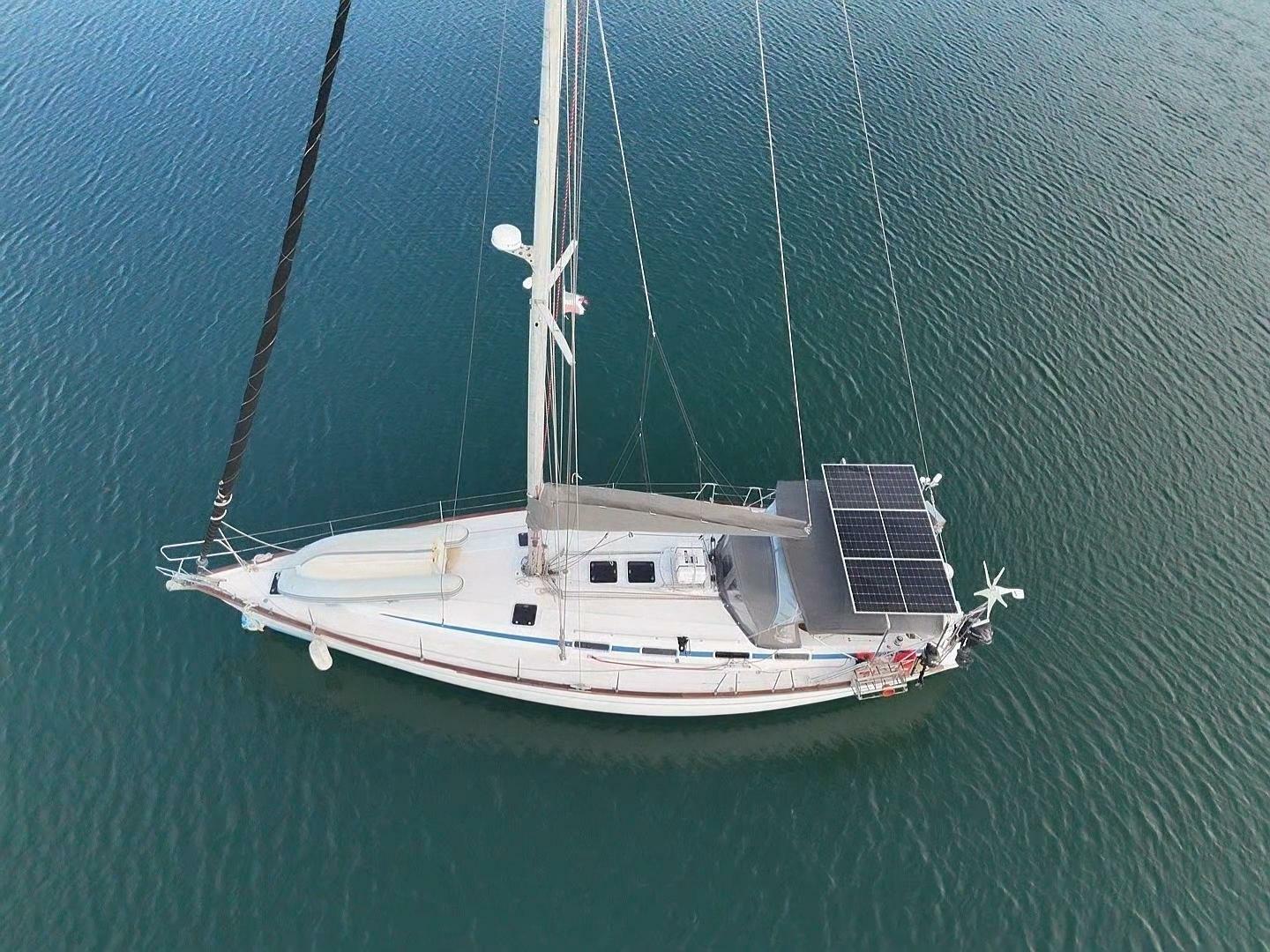
$89,000
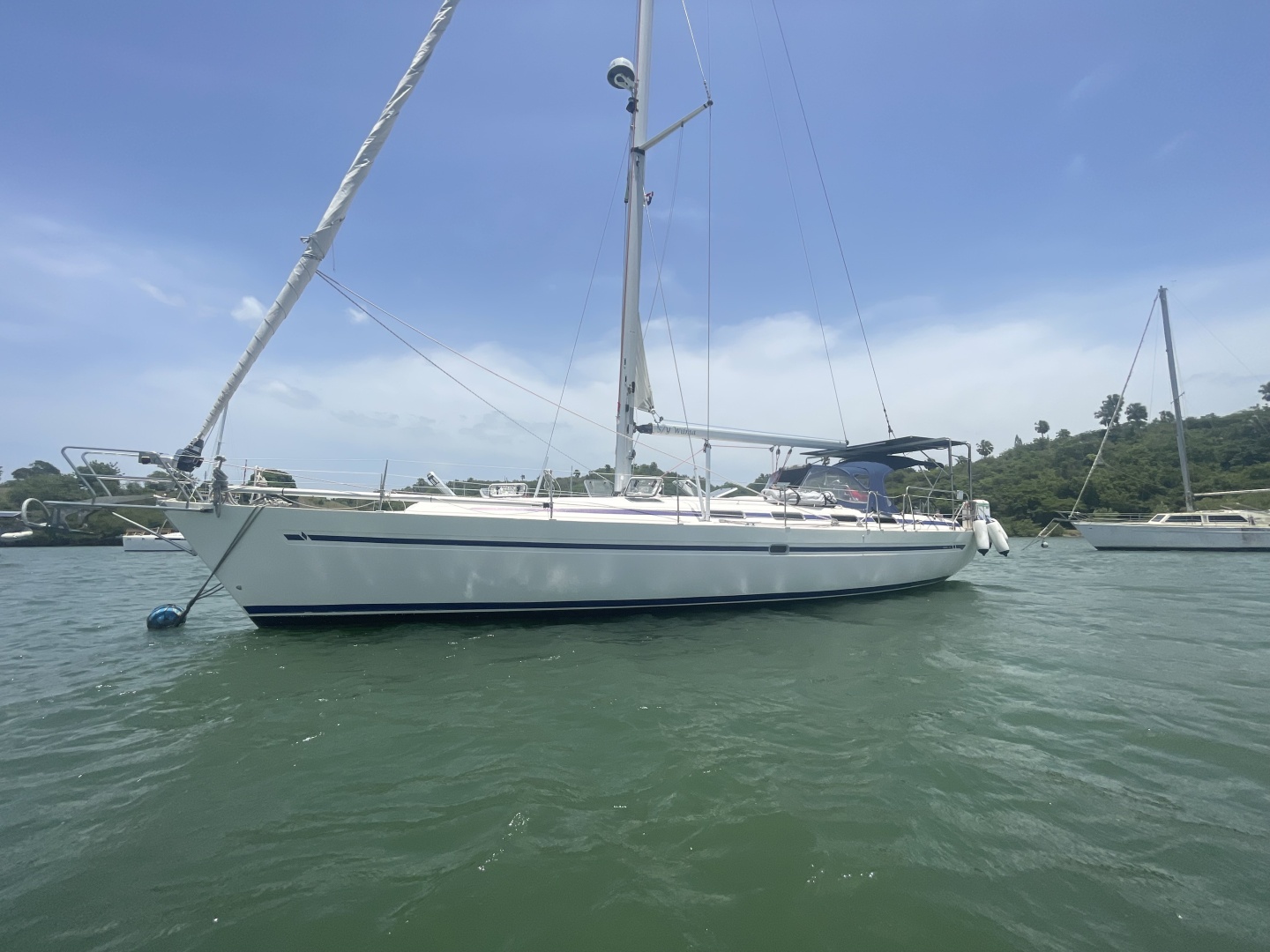
$89,000
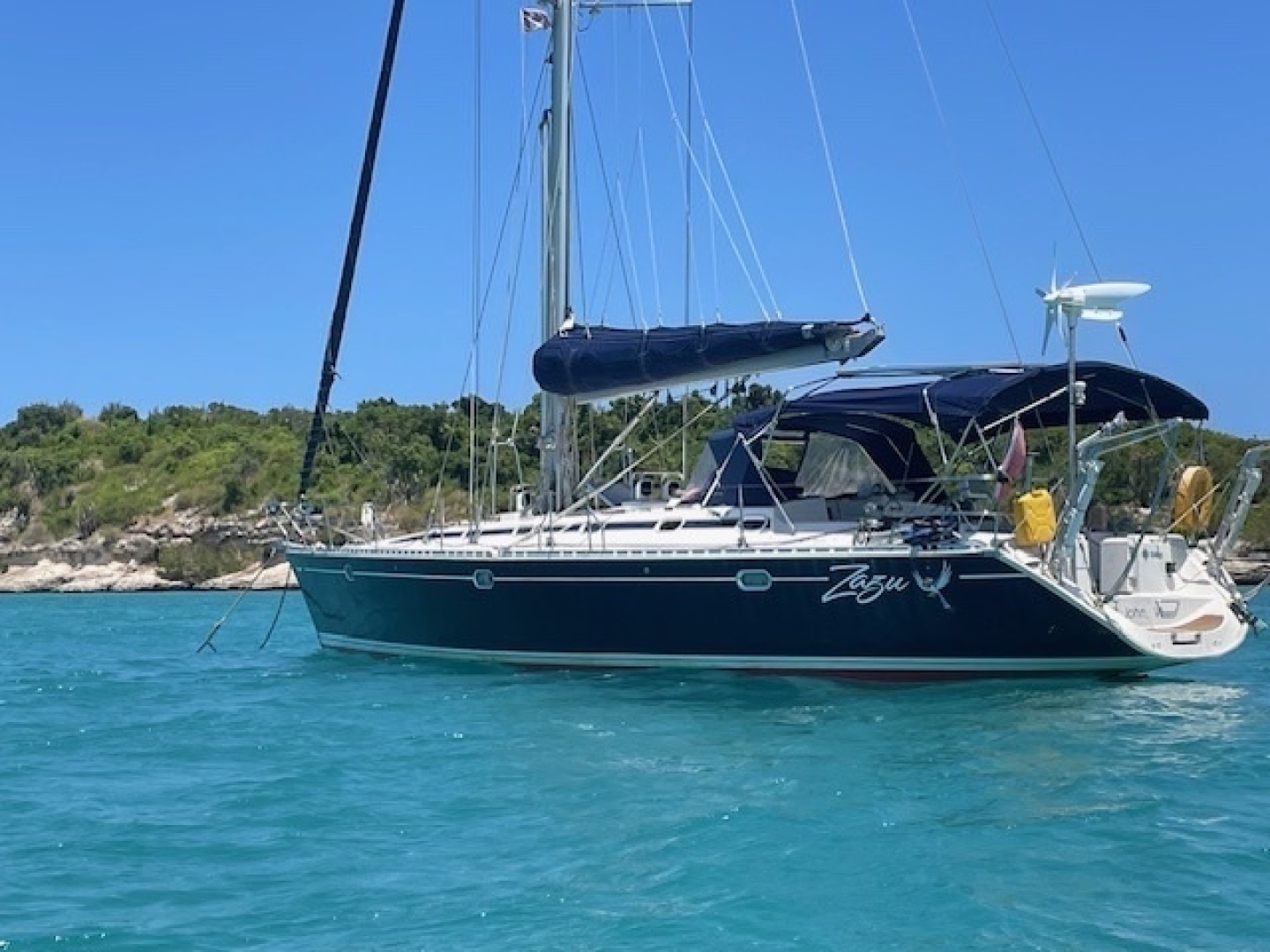
$135,000
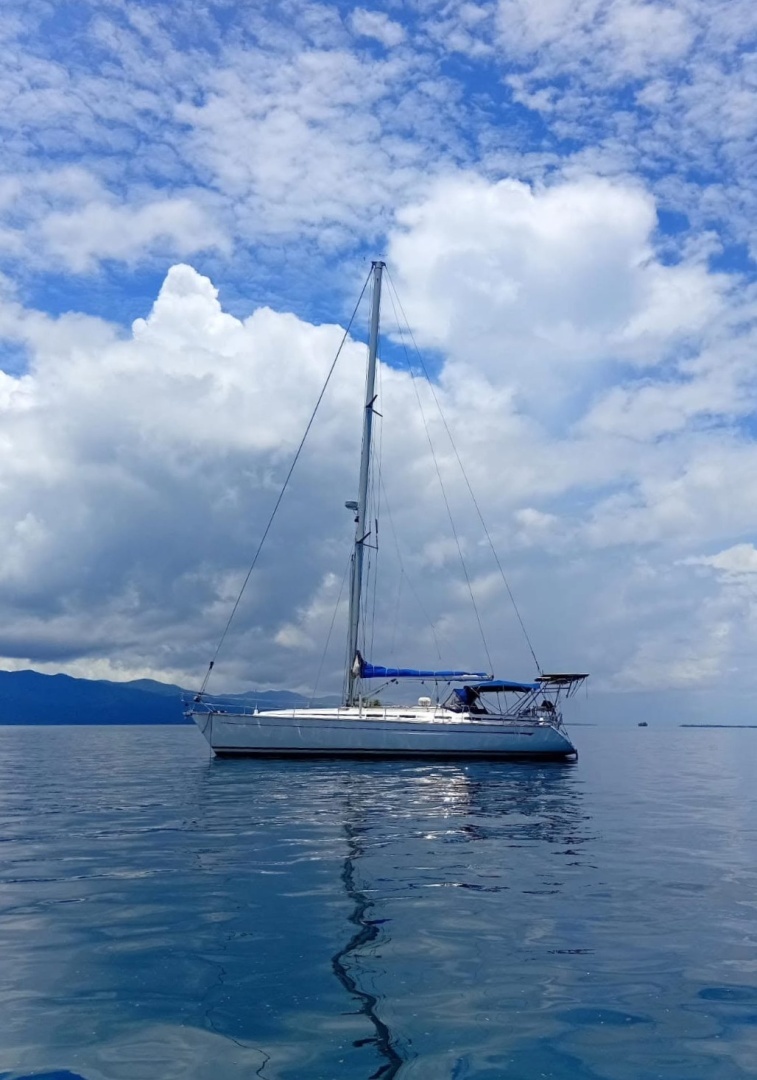
$98,250
$149,850
$369,000
$395,000
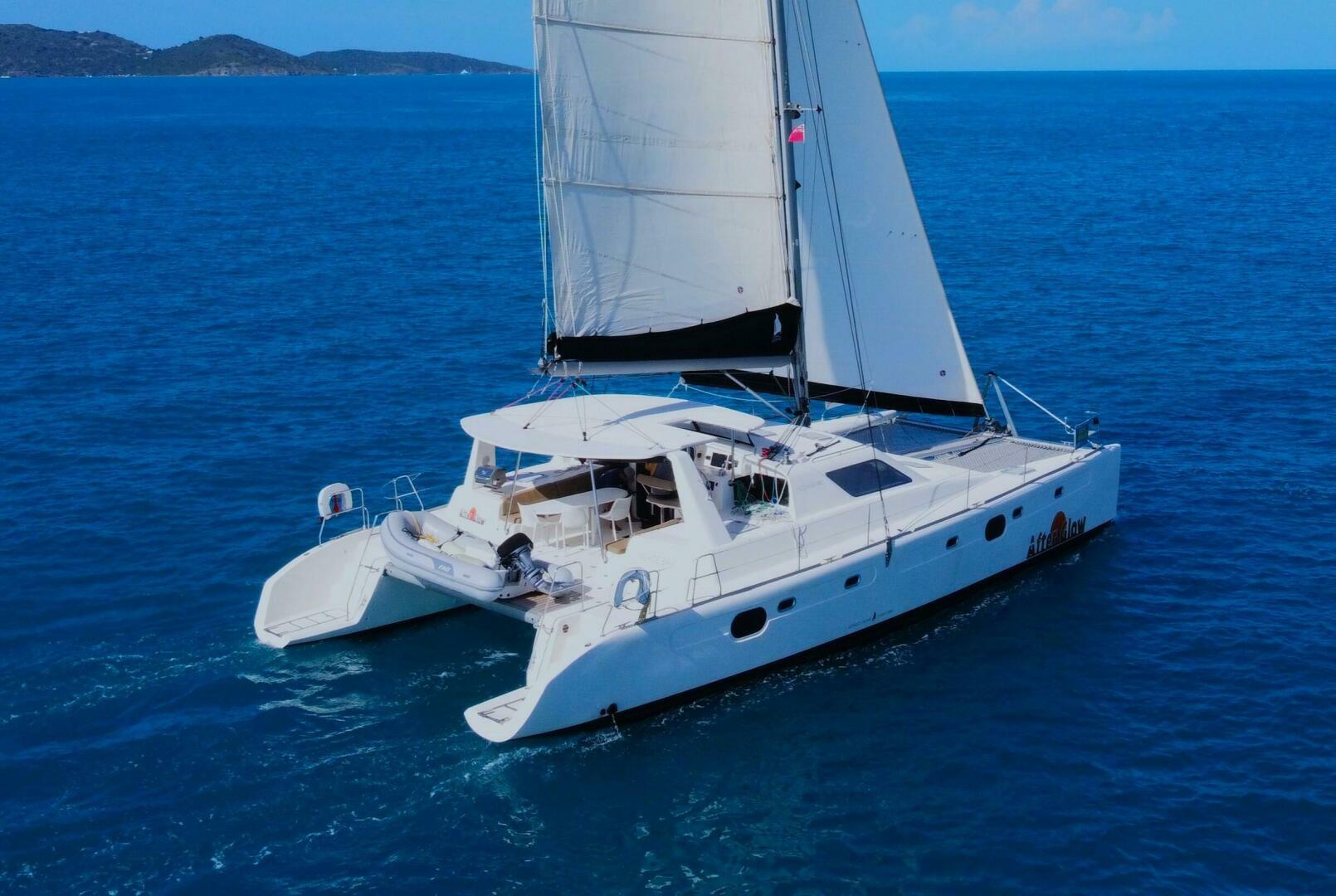
$349,000
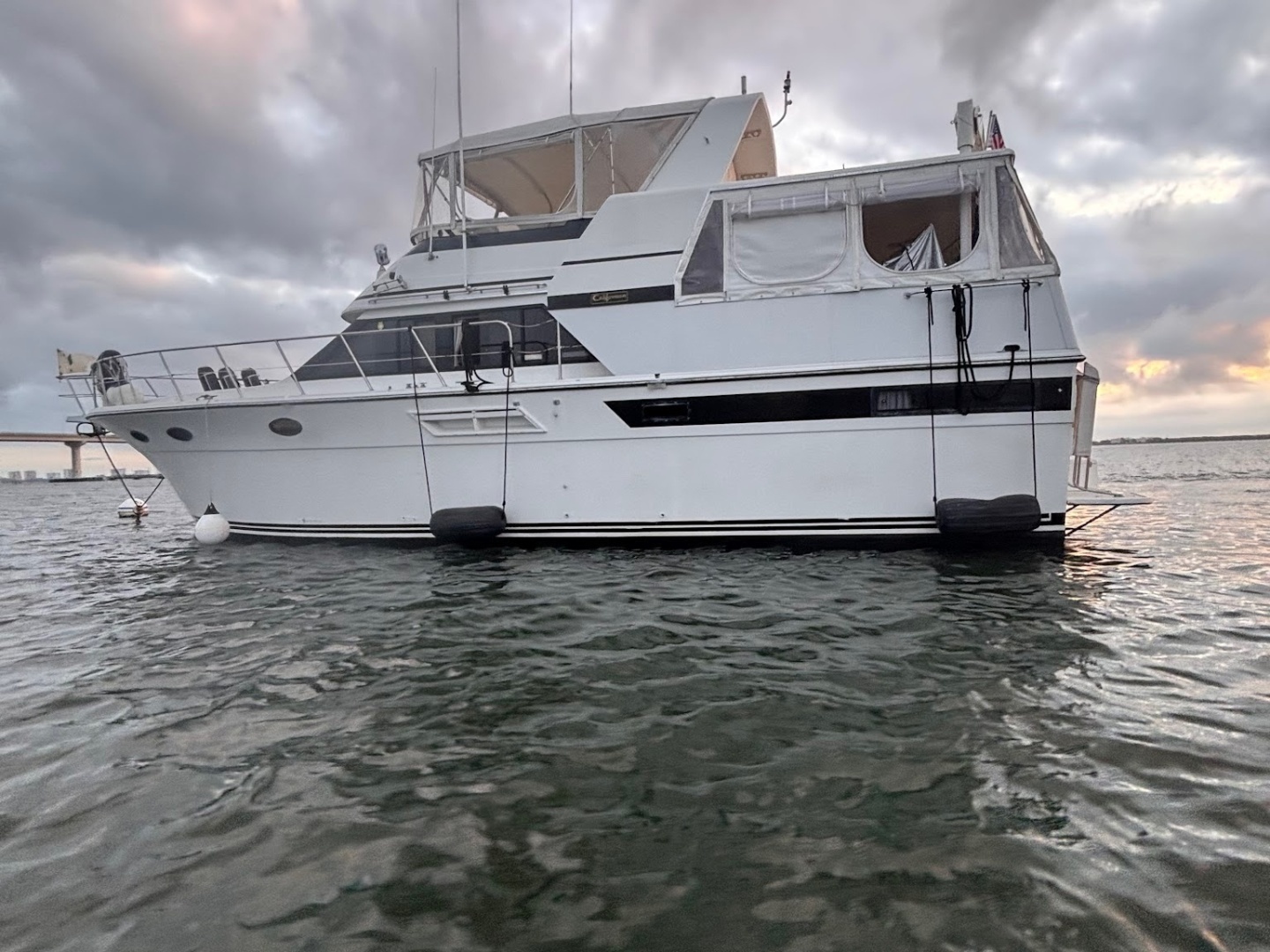
$125,000
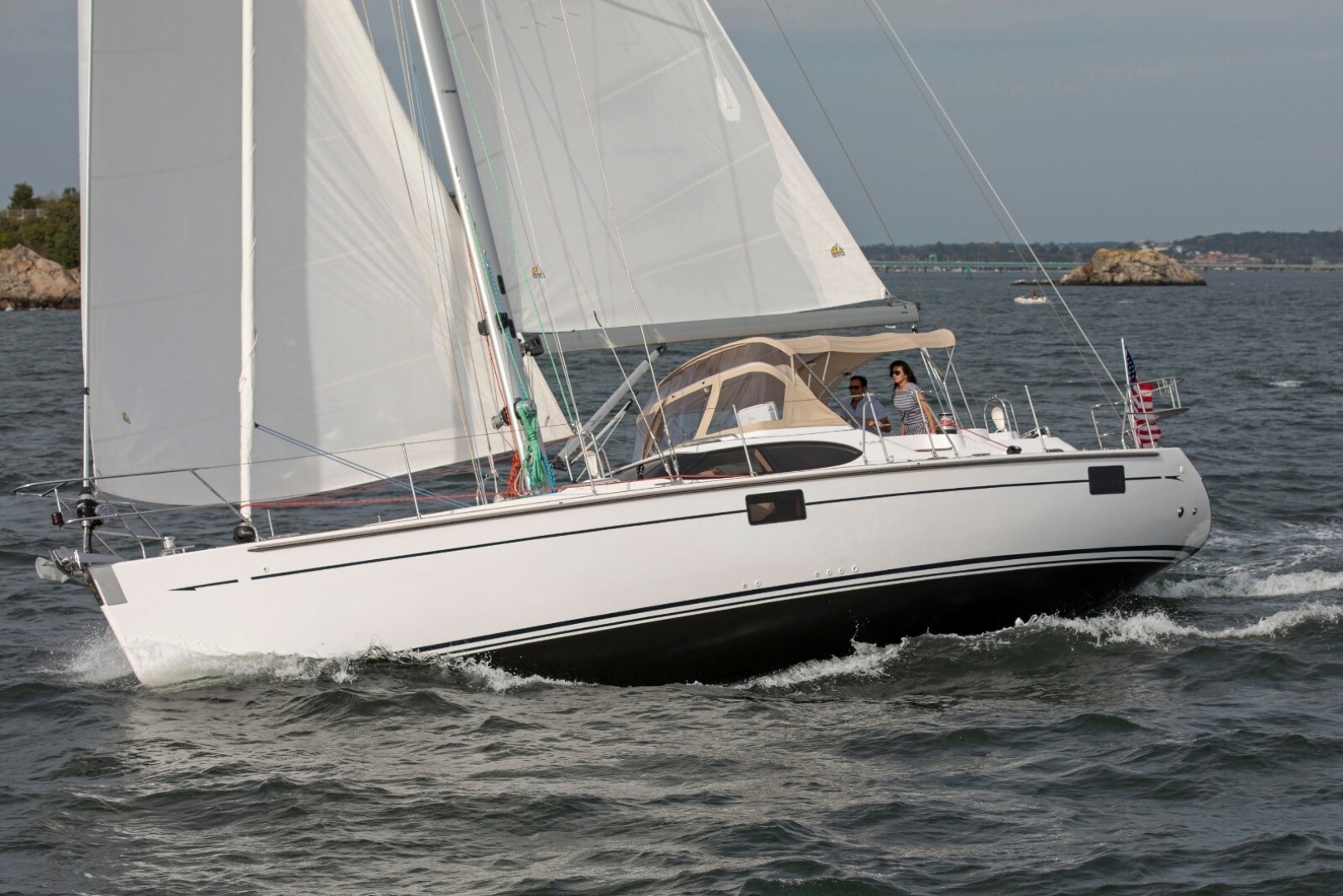
$1,724,571
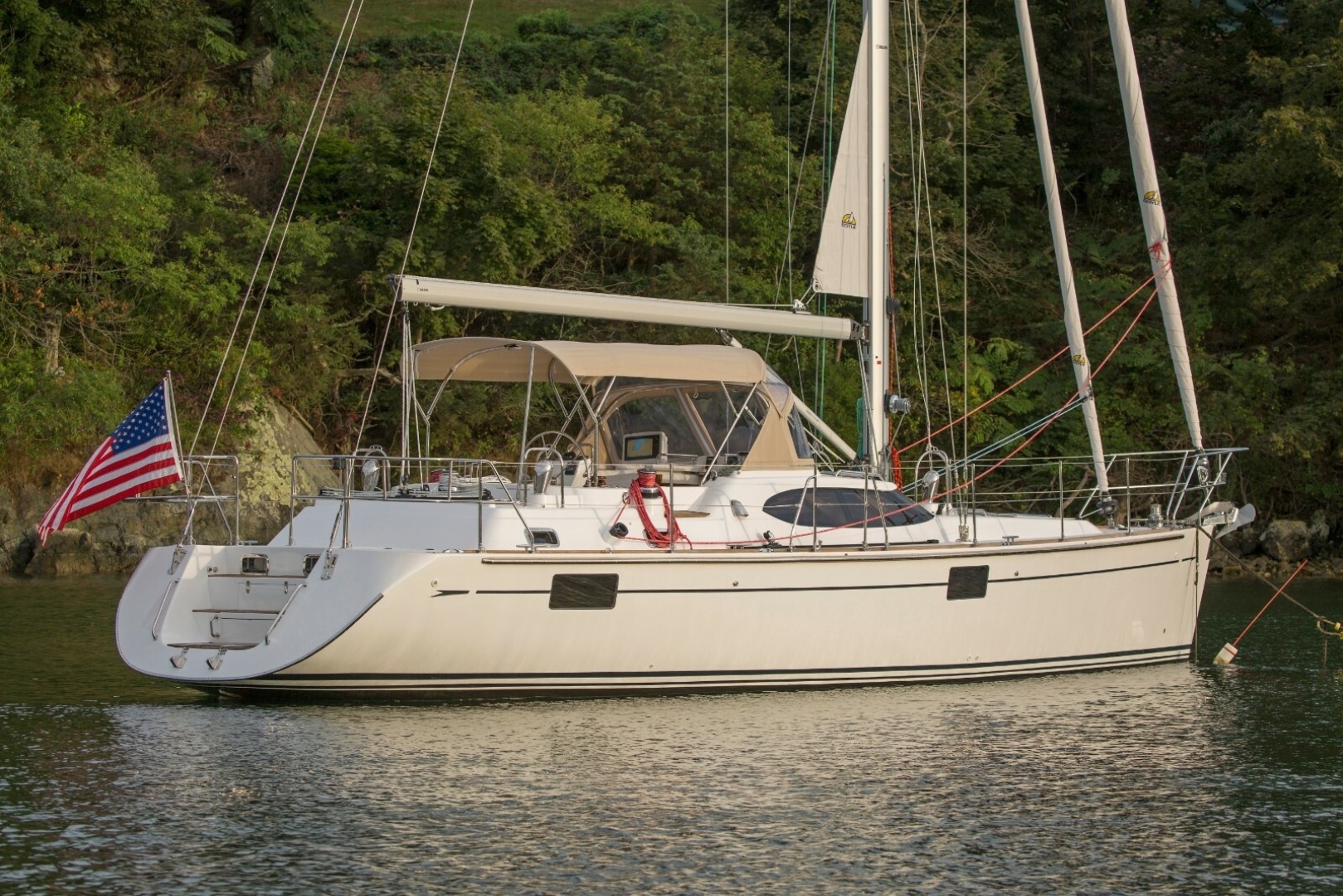
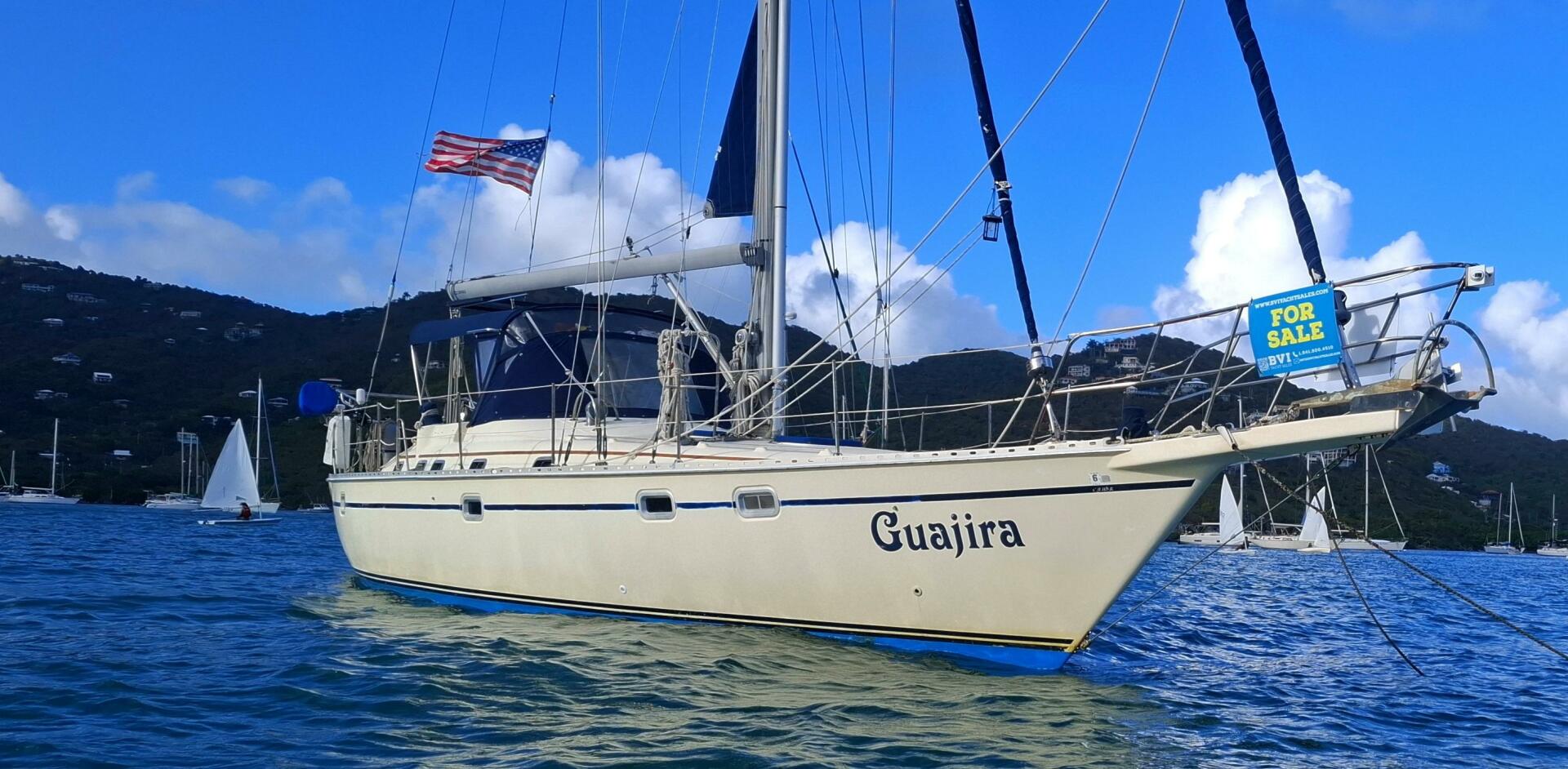
$149,500
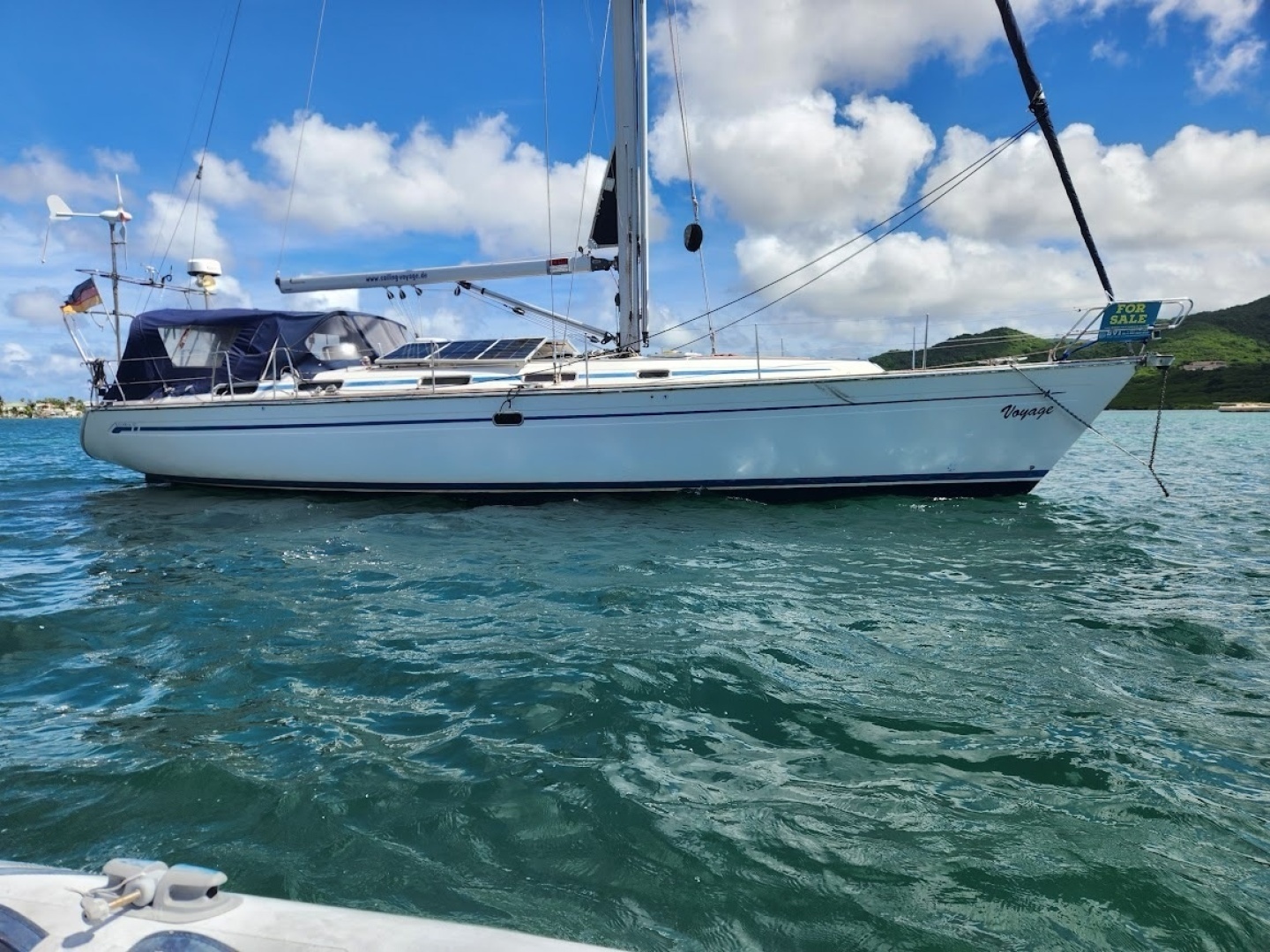
$109,900
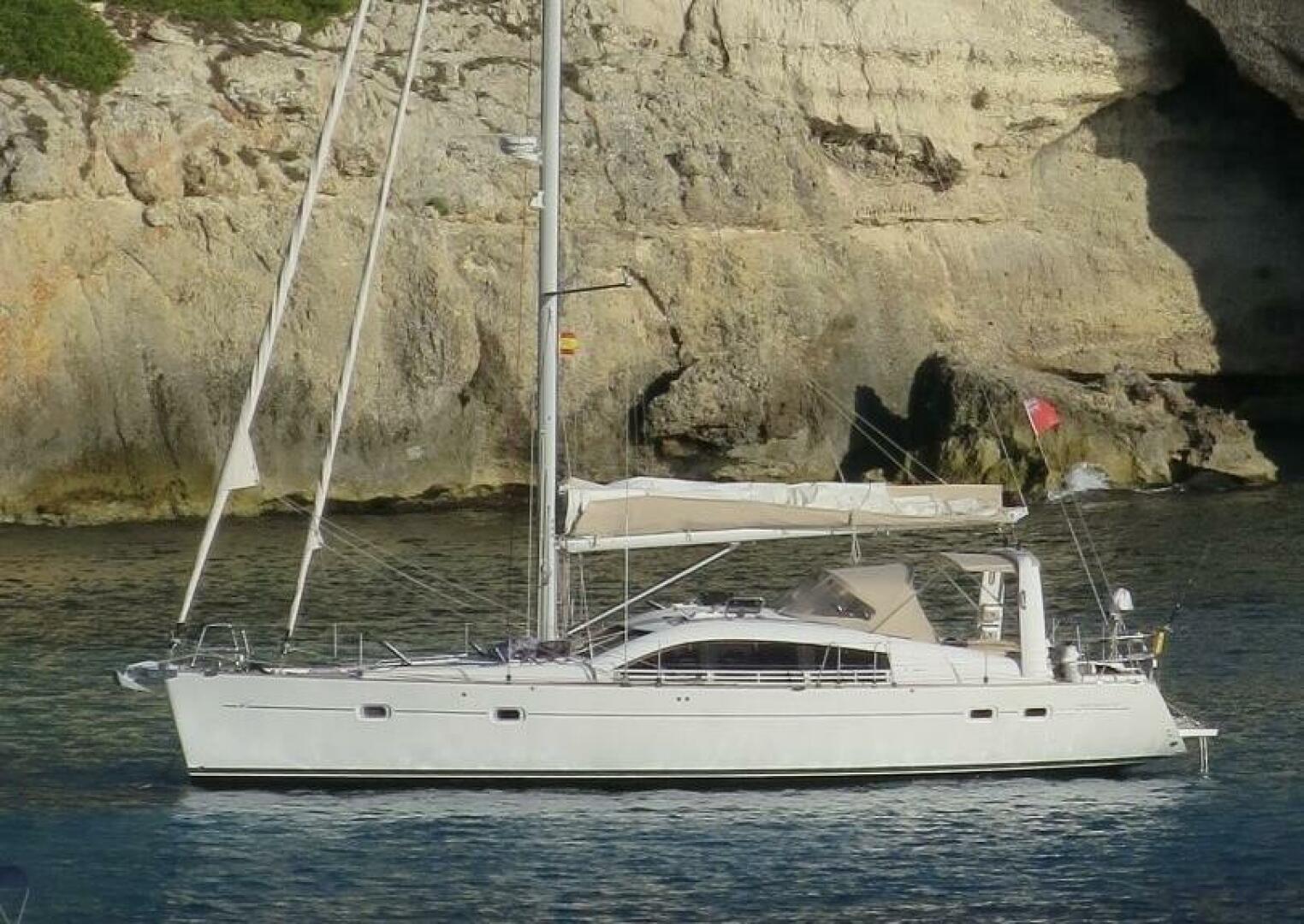
$395,000

$652,000
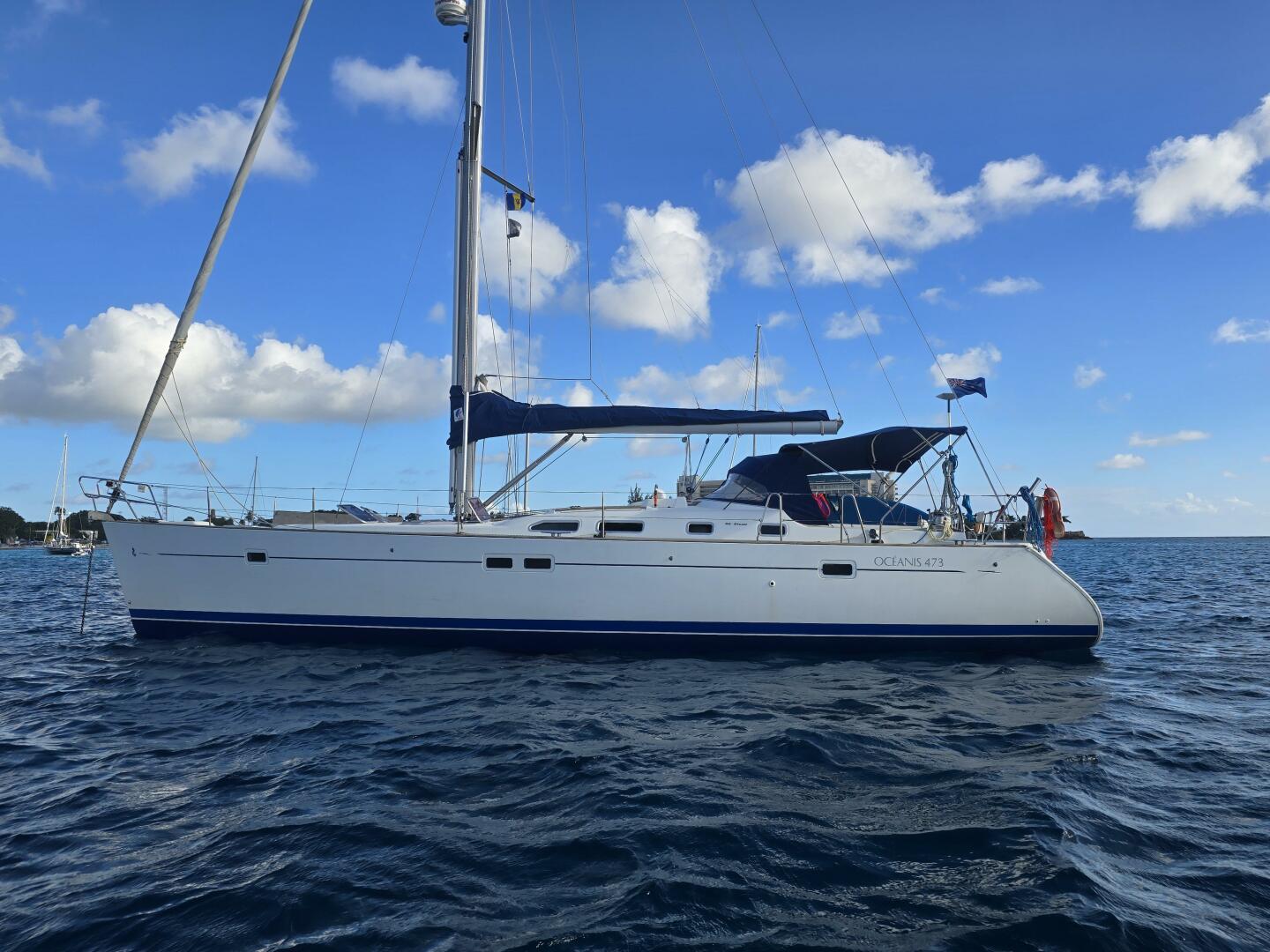
$105,000

$115,000
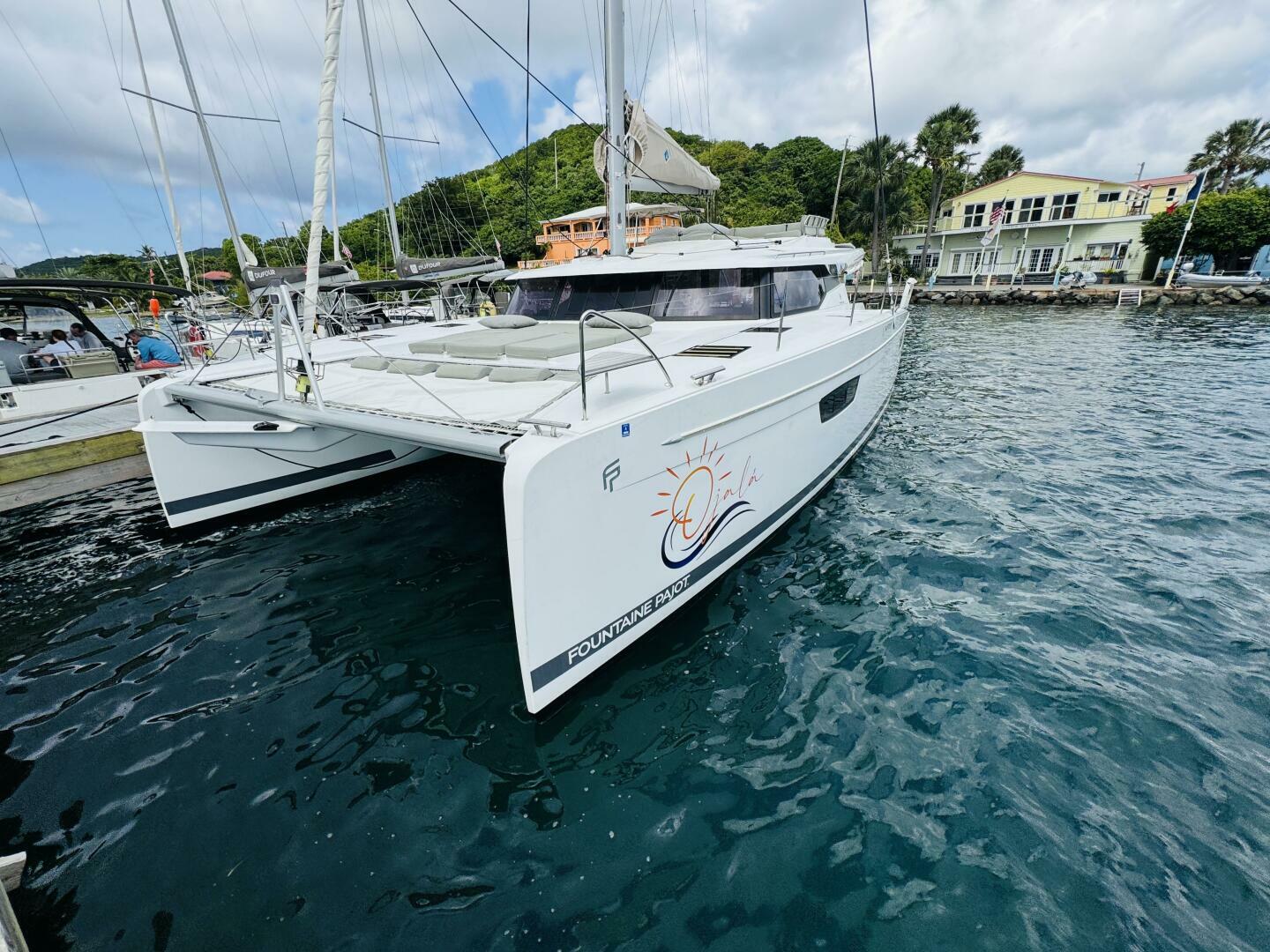
$950,000
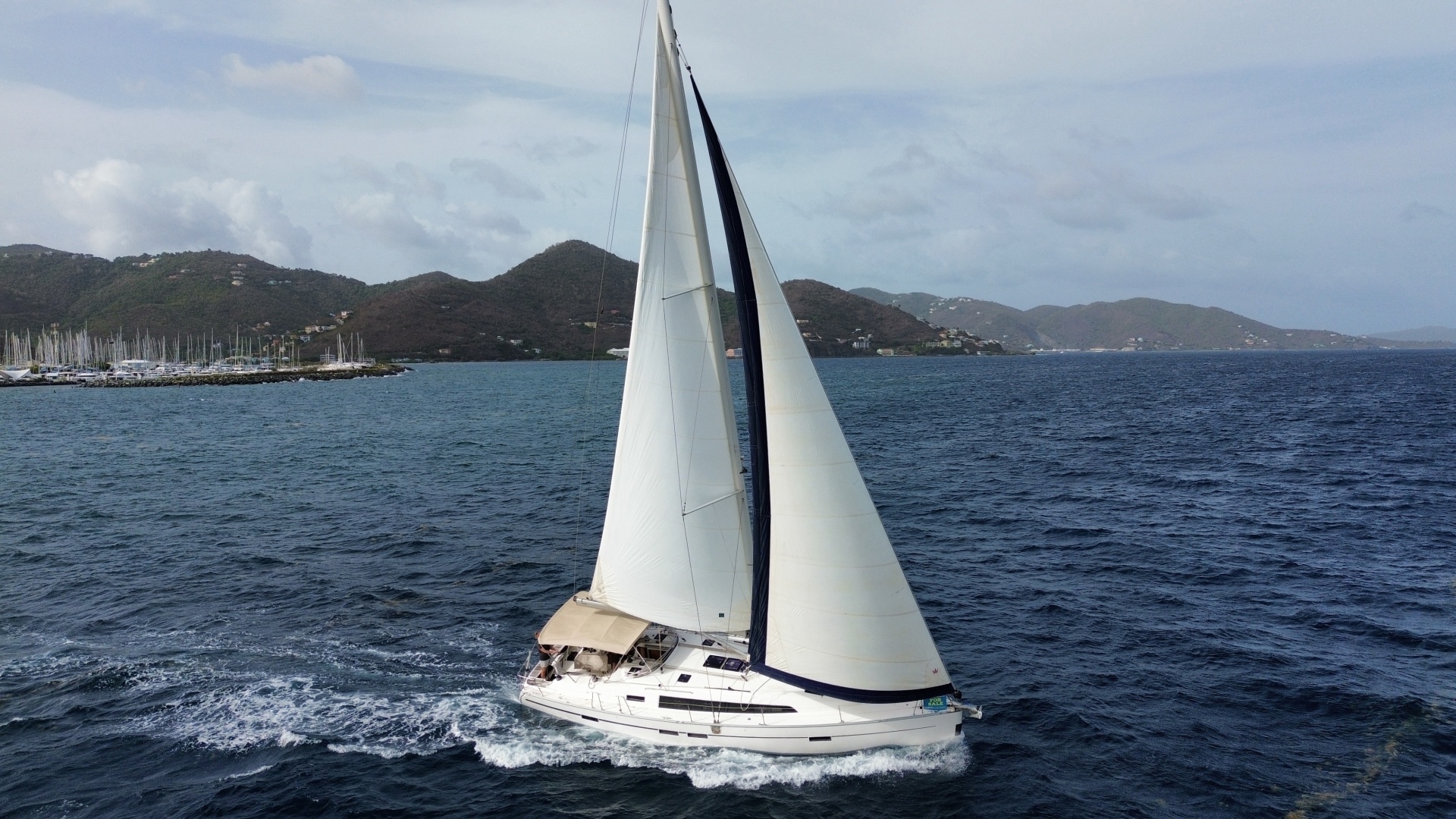
$149,000
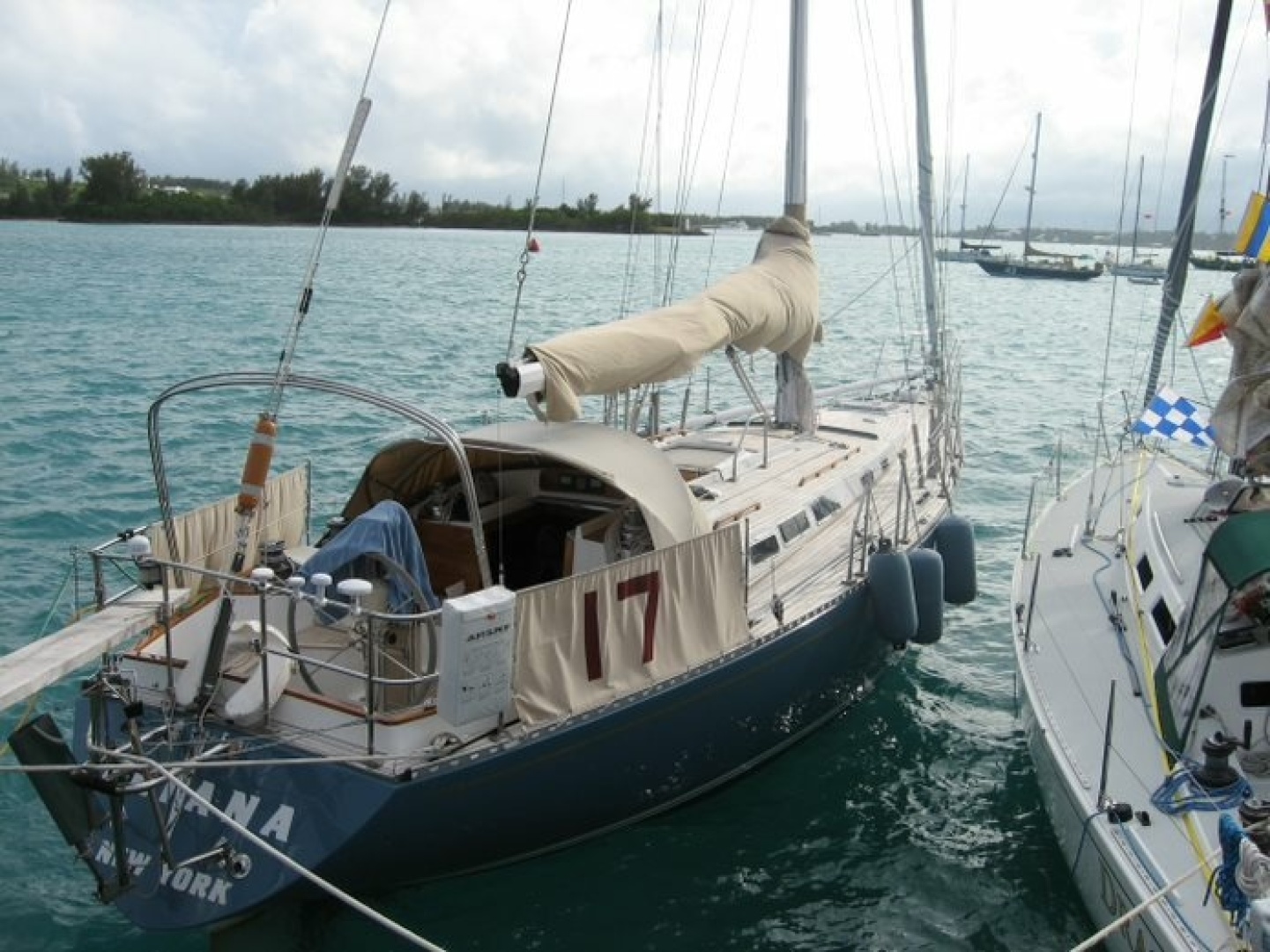
$135,000
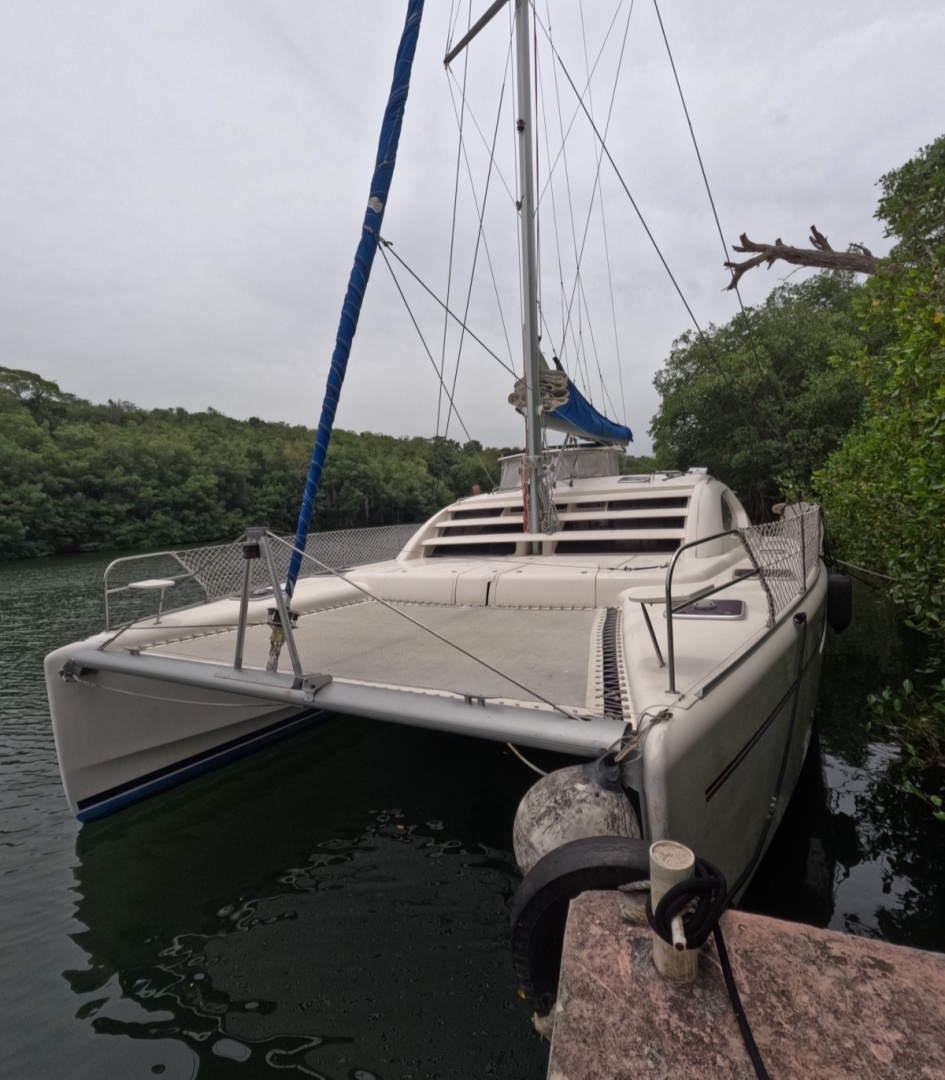
$349,000