

Caribbean Market
~9%
Typical guaranteed-income return paid over a five-year charter term
The Catamaran Gurus
How charter yacht ownership programs turn a catamaran purchase into a managed, cost-offsetting asset, and how to tell whether the numbers work for you.
A charter yacht ownership program lets you buy a new catamaran or monohull, place it in a charter company’s Caribbean fleet, and let that operator run and maintain it while charter income offsets your costs. In exchange you get owner-use weeks, a largely hands-off ownership term of about five years, and a defined exit. It is ownership built around cash flow and predictability, not luxury available on demand.
Definition
Charter yacht ownership program — A structured arrangement in which a buyer purchases a yacht that a charter company operates commercially for a fixed term, usually about five years, while covering or sharing the operating costs and paying the owner either a guaranteed sum or a share of charter revenue.
Reviewed
~9%
Typical guaranteed-income return, paid over the 60-month term
The Catamaran Gurus
65-80%
Owner's share of net charter income under performance programs
The Catamaran Gurus
Up to 12 wks
Annual owner-use time across the fleet's global bases
The Catamaran Gurus / Sunsail
Key takeaways
- 01
A charter yacht ownership program buys a hands-off five-year term where charter income offsets ownership costs, not a profit engine.
- 02
Choose guaranteed income for predictable, cash-neutral ownership; choose a performance program if you want upside and can absorb downside risk.
- 03
Judge a performance plan by the owner’s net bottom line after commissions and costs, not the headline income split.
- 04
Plan your exit before you sign: a pre-phase-out survey and the boat’s hand-back condition drive its resale value.
- 05
Expect ex-charter refit costs if you keep the yacht for personal use after the program ends.
How a Charter Yacht Ownership Program Actually Works
The mechanics are simpler than the brochures make them look. You buy the yacht; a charter company puts it to work in its Caribbean fleet and handles the bookings, guests and upkeep. In return you receive either a fixed payment or a slice of the charter revenue for a term that usually runs five years.
Two structures dominate the market, and both are laid out in industry breakdowns of charter yacht management programs: a guaranteed-income plan that pays you a set return, and a performance plan that shares the actual charter income. The backbone is identical, in that the operator runs the business and you own the asset, so the real decision is how you want to be paid and how much risk you will carry. Programme boats come out of the fleet just as the season turns, which is when hurricane season storage stops being an abstract line in the budget and becomes a booking you need.
Month 0
Purchase & delivery
You buy a new or charter-ready yacht with cash or financing and pay any registration fee, then the operator commissions it into the fleet.
Years 1-5
Charter service
The company books, crews as needed, insures and maintains the boat, paying you a guaranteed sum or a revenue share each period.
Each year
Owner-use weeks
You take up to about 12 weeks aboard your yacht, or an equivalent boat at another base under guaranteed programs.
Before phase-out
Pre-phase-out survey
An independent survey documents condition so hand-back obligations and refit costs are clear before the term ends.
End of term
Phase-out & exit
You sell the ex-charter yacht, keep it for personal use after a refit, or roll into a second-tier program.
Guaranteed Income vs Performance: Which Program Fits
Guaranteed income is the hands-off option. The company pays roughly nine percent of the yacht’s value each year across the term, covers insurance, dockage and maintenance, and carries the risk if bookings are thin. Your return is fixed, which also means you see none of the upside in a strong charter season.
Performance, sometimes called variable or income-sharing, flips that trade. You keep the larger share of net charter income, commonly between 65 and 80 percent, and typically earn more than the guaranteed plan when the boat charters well. The catch is exposure: you pay the operating costs and absorb the downside when the season disappoints.
Guaranteed income
- ✓Fixed roughly 9% return paid over the 60-month term
- ✓Company covers insurance, dockage and maintenance
- ✓No downside if the boat charters little
- ✓Up to 12 owner-use weeks across global bases
- ✗No upside if the boat charters heavily
- ✗No control over how maintenance is done
Performance / variable
- ✓Owner keeps 65-80% of net charter income
- ✓Often earns more than the guaranteed plan when chartered well
- ✓More say in management and maintenance
- ✗Owner pays all operating costs
- ✗No protection if bookings or the economy dip
- ✗Owner use usually limited to the boat’s home base
Charter-management income is engineered to cover your loan and running costs, not to hand you a profit. Read the program as a way to own affordably, not to earn.
What Charter-Management Ownership Really Costs and Earns
Here is the part brokers should say plainly: a charter program is a way to own a yacht affordably, not a way to get rich. As Practical Sailor explains in a simple financial overview of these programs, the income is engineered to offset loan payments and ownership expenses rather than to turn a profit.
That framing changes how you read the numbers. Under a guaranteed plan your out-of-pocket cost during the term can be effectively nothing, because the operator pays the bills and your payment services the loan. Under a performance plan the revenue split matters far less than the net figure left after commissions and billed services, since two identical-looking splits can pay very differently.
Where gross charter revenue goes under a performance program
| Owner's net share | 30 |
| Operating costs, commissions & company share | 70 |
Dream Yacht Charter (Dream Performance)
Guaranteed term
$0
Owner out-of-pocket for insurance, dockage and maintenance during a guaranteed-income term
The Catamaran Gurus
Owners on the Program: What Charter Management Feels Like
Numbers describe the deal; owners describe the experience. Two themes come up again and again from Caribbean charter-management owners: the relief of a genuinely hands-off boat, and the importance of understanding the exit before signing.
Owner perspectives
★★★★★
For five years I never took a maintenance call. The base handled everything, the payment covered the loan, and we still had our weeks in the BVI each winter. That was exactly the trade I wanted.
★★★★★
The performance program paid more than the guaranteed quote would have, but only because I watched the net numbers every quarter. Read the statements, not the split, and it works.
★★★★☆
My one lesson: manage the phase-out yourself. The pre-survey I paid for protected the resale value far more than it cost.
Common Charter-Ownership Mistakes to Avoid
Most charter-ownership regret traces back to a handful of avoidable errors. They cluster around money expectations, program selection and the end of the term, which is exactly where the marketing goes quietest.
1 · Read the bottom line
Chasing the headline split
A 65/35 or 80/20 split says little until you subtract booking commissions and billed services. Compare programs on the owner’s net, not the marketing ratio.
2 · Plan the exit
Ignoring the phase-out
What happens at the end, whether a second-tier fleet, sale, or personal use, shapes your return. Salespeople rarely lead with it, so ask before you sign.
3 · Set expectations
Expecting a profit
These programs are built to offset loan payments and running costs, not to return what you paid. Treat any surplus as a bonus, not the plan.
4 · Get independent advice
Trusting a single sales contact
One point of contact means one point of view. A co-brokerage relationship keeps the advice, and the boat options, honest.
Is a Charter-Managed Yacht Right for You?
A charter-managed yacht fits a specific buyer: someone who wants Caribbean ownership without the year-round operating burden, values predictable costs over speculative upside, and treats owner-use weeks as the real dividend. If your goal is a private yacht available on demand, the charter calendar will frustrate you. Whether a charter programme pays out depends heavily on where the fleet market is heading, so read this alongside the Caribbean yacht market trends we are watching for the season ahead.
The decision also depends on how you plan to own afterward. Buyers who intend to keep the boat should budget for an ex-charter refit and manage the phase-out actively; buyers who plan to sell should model resale against the hand-back condition from day one.
Talk to a broker
Weighing a charter-managed yacht purchase?
Our BVI brokers help buyers compare programs, read the phase-out fine print, and find charter-ready catamarans across the Caribbean.
QIs a charter yacht ownership program right for me?
It fits buyers who want Caribbean yacht ownership without the operating burden and who value predictable costs over speculative profit. If you can accept limited, calendar-based owner time and treat charter income as cost-offset rather than earnings, the model works well. If you want a private yacht available on demand or expect to recoup the purchase price, it is likely the wrong structure.
QCan owning a yacht for charter really be profitable?
Rarely in the way buyers hope. Charter-management income is designed to offset loan payments and running costs, not to return what you paid for the boat. A well-chartered performance yacht can post strong seasons, but after commissions, billed services and eventual refit costs, most owners break even at best. Treat any surplus as a bonus, not the business case.
QWhat's the difference between a guaranteed income and a performance program?
A guaranteed-income program pays a fixed return, commonly around nine percent of the yacht’s value per year, while the company covers insurance, dockage and maintenance and carries the booking risk. A performance program instead shares net charter income, usually 65 to 80 percent to the owner, and can pay more, but you cover operating costs and absorb the downside when bookings fall.
QWhat happens to the yacht at the end of the charter program?
At phase-out, usually after about five years, you choose an exit: sell the ex-charter yacht, keep it for personal use after a refit, or roll into a second-tier fleet. Most operators require the boat back in good working order, fair wear and tear excepted. A pre-phase-out survey documents condition and protects resale value, so plan the exit before you sign.
QHow much can I use the yacht myself?
Most programs offer up to about twelve weeks of owner-use time each year, subject to availability and season. Under guaranteed plans you can often book your own boat or an equivalent yacht at another of the company’s global bases. Peak Caribbean weeks are in high demand, so reserve early and confirm how owner time is allocated before choosing a program.
QDo charter-management owners pay for maintenance and insurance?
It depends on the program. Under a guaranteed-income plan the charter company pays for insurance, dockage and maintenance for the length of the term, so your out-of-pocket operating cost can be effectively zero. Under a performance or variable plan the owner covers those operating costs and is billed for services, which is why the net figure matters more than the headline revenue split.
QWhat condition does the boat need to be in at phase-out?
Operators typically require the yacht returned in good working order, with allowance for fair wear and tear. That clause governs how much refit the boat needs and what it will fetch on resale. Owners who commission an independent pre-phase-out survey and manage repairs themselves usually protect far more value than the survey costs. Clarify the exact hand-back standard in your contract early.
Featured Listings
$599,000
$1,300,000
$1,699,000

$299,000

$899,000

$1,795,000

$269,000
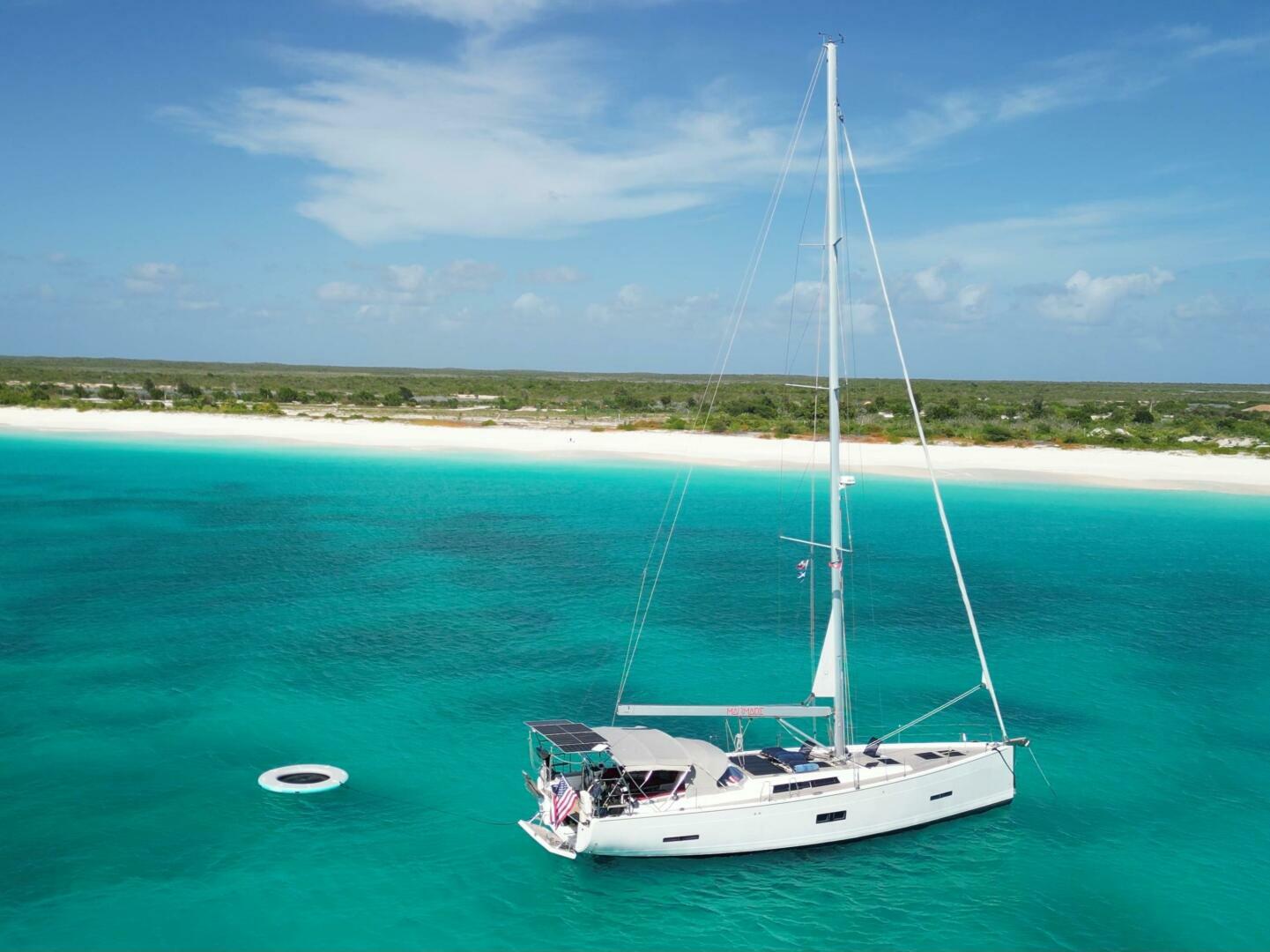
$359,000
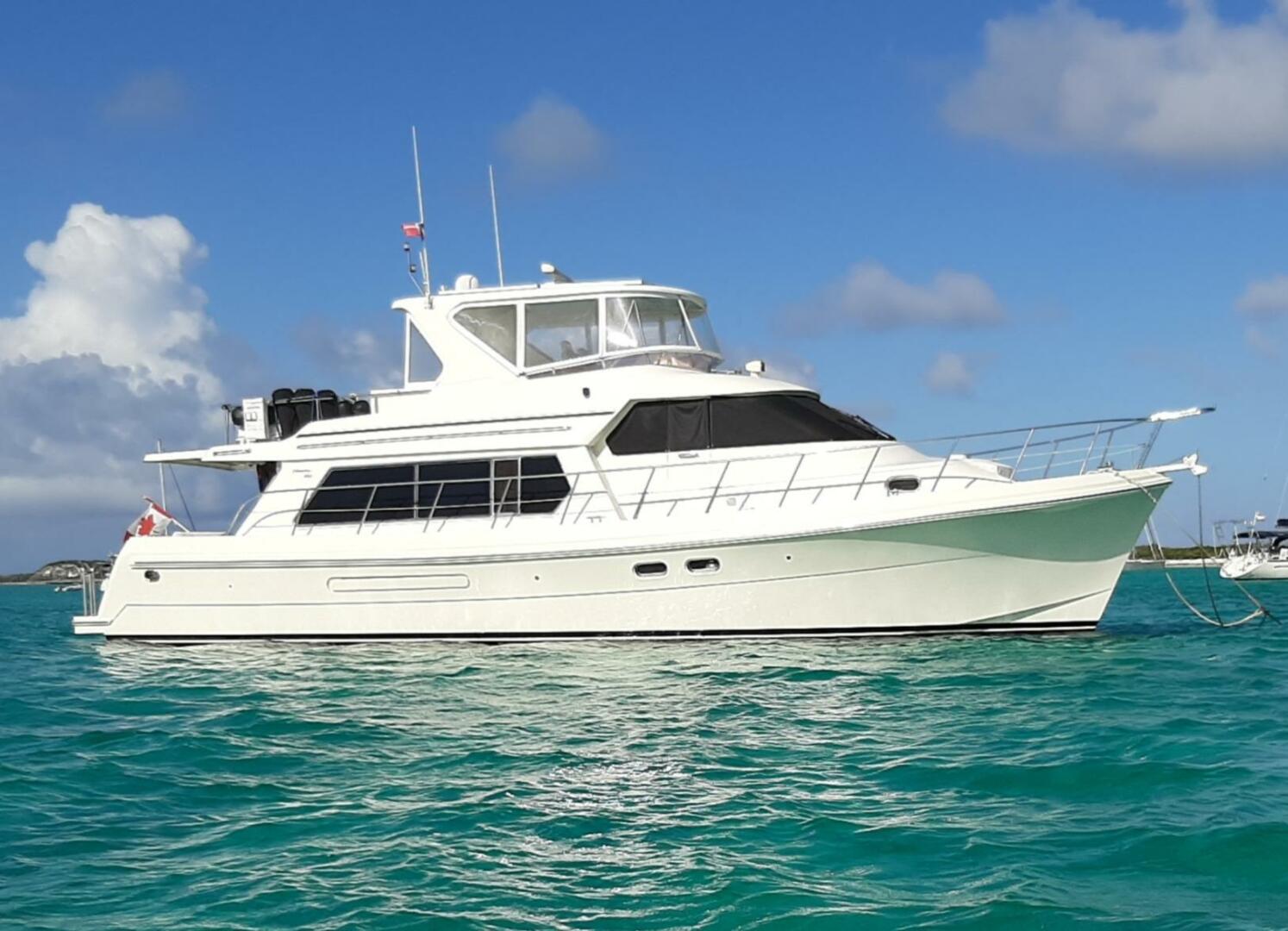
$499,500
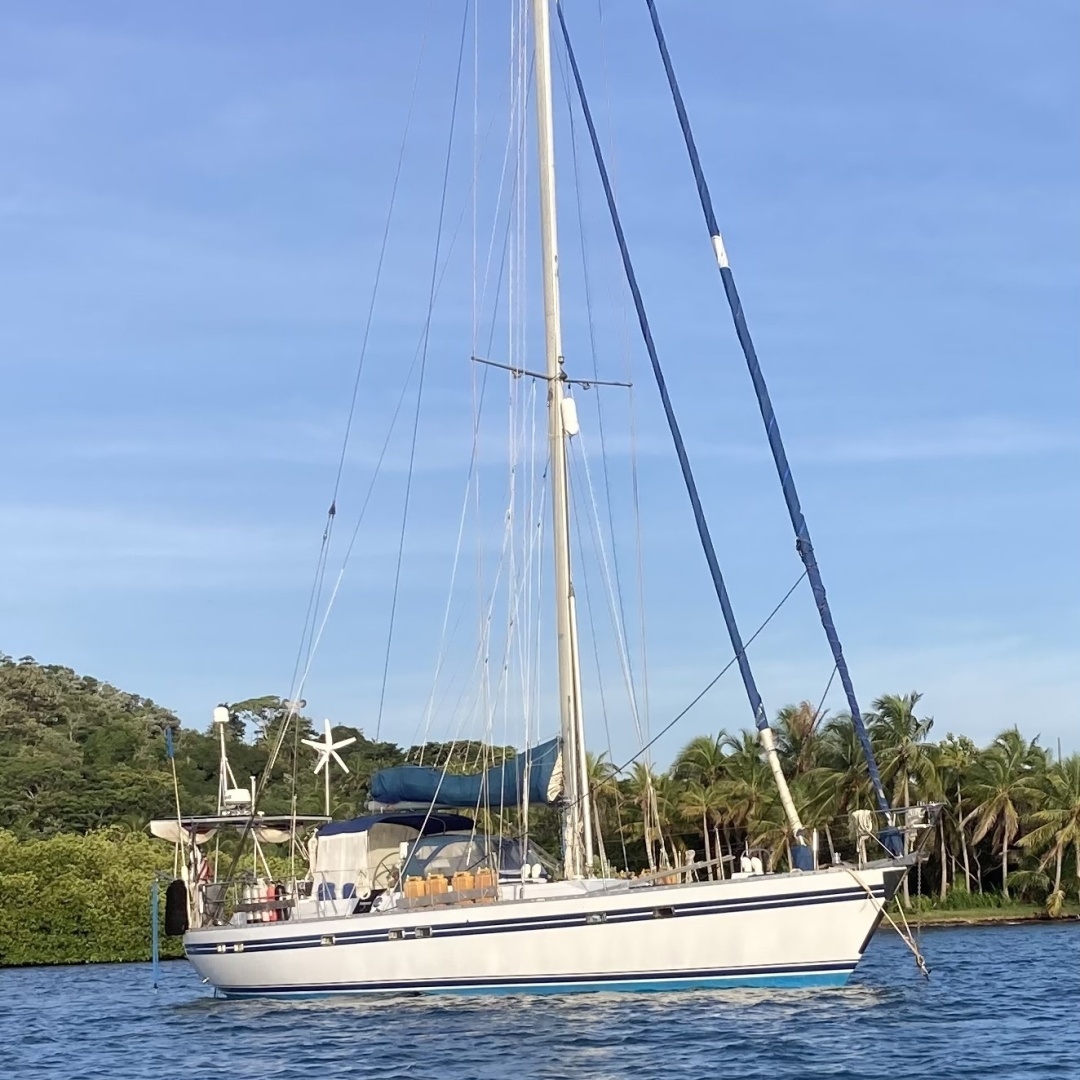
$299,500
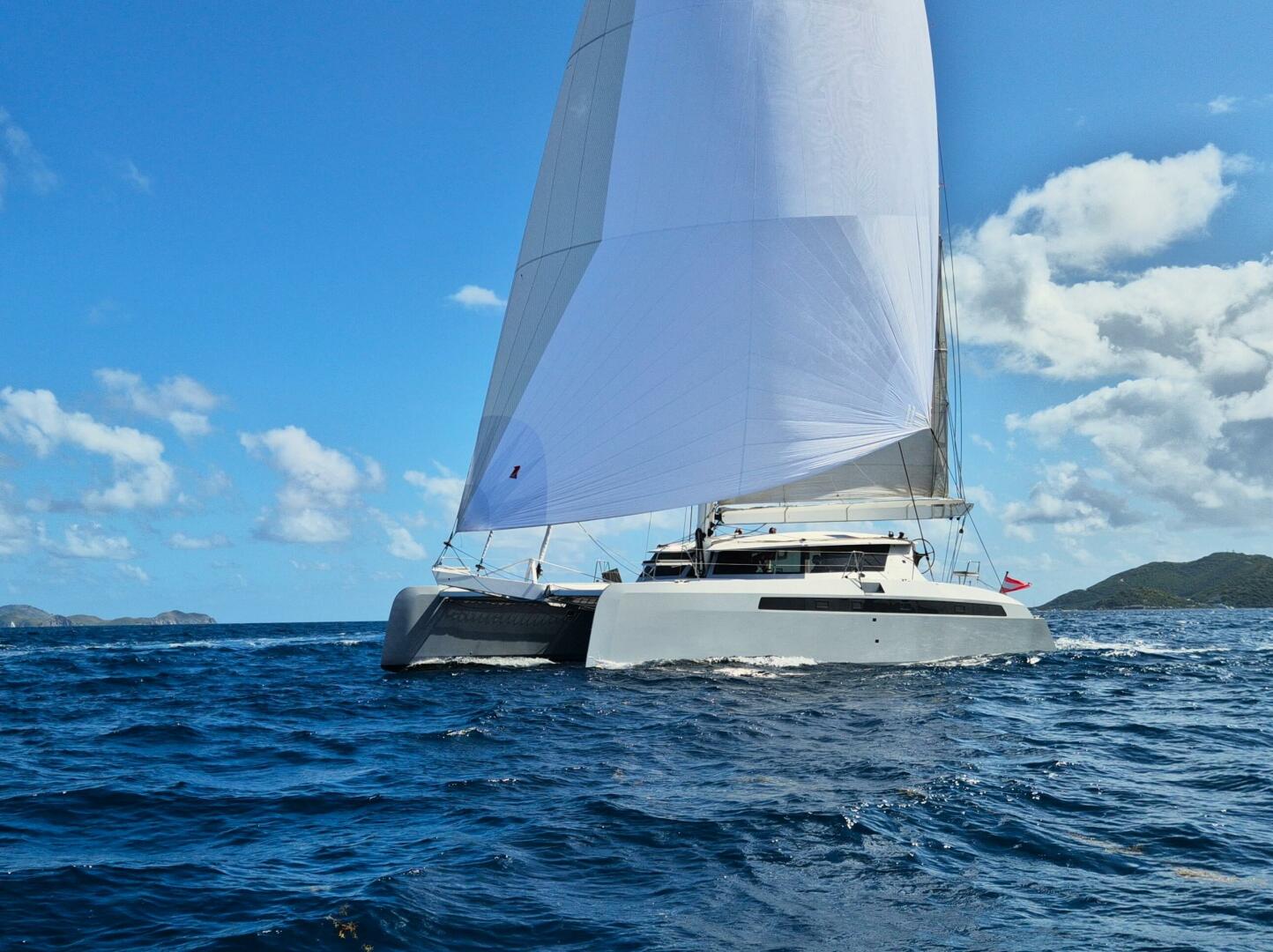
$1,290,000
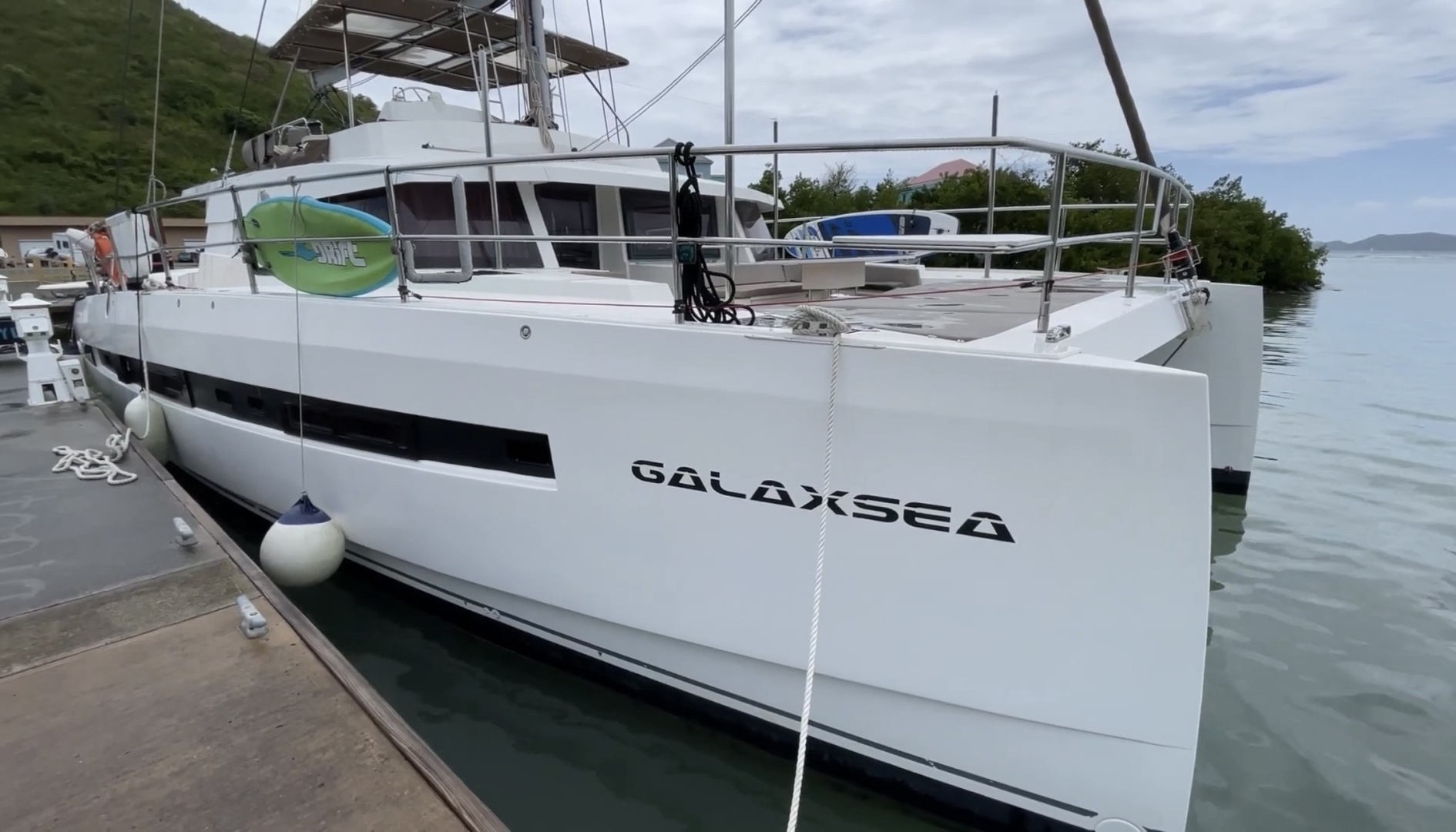
$800,000
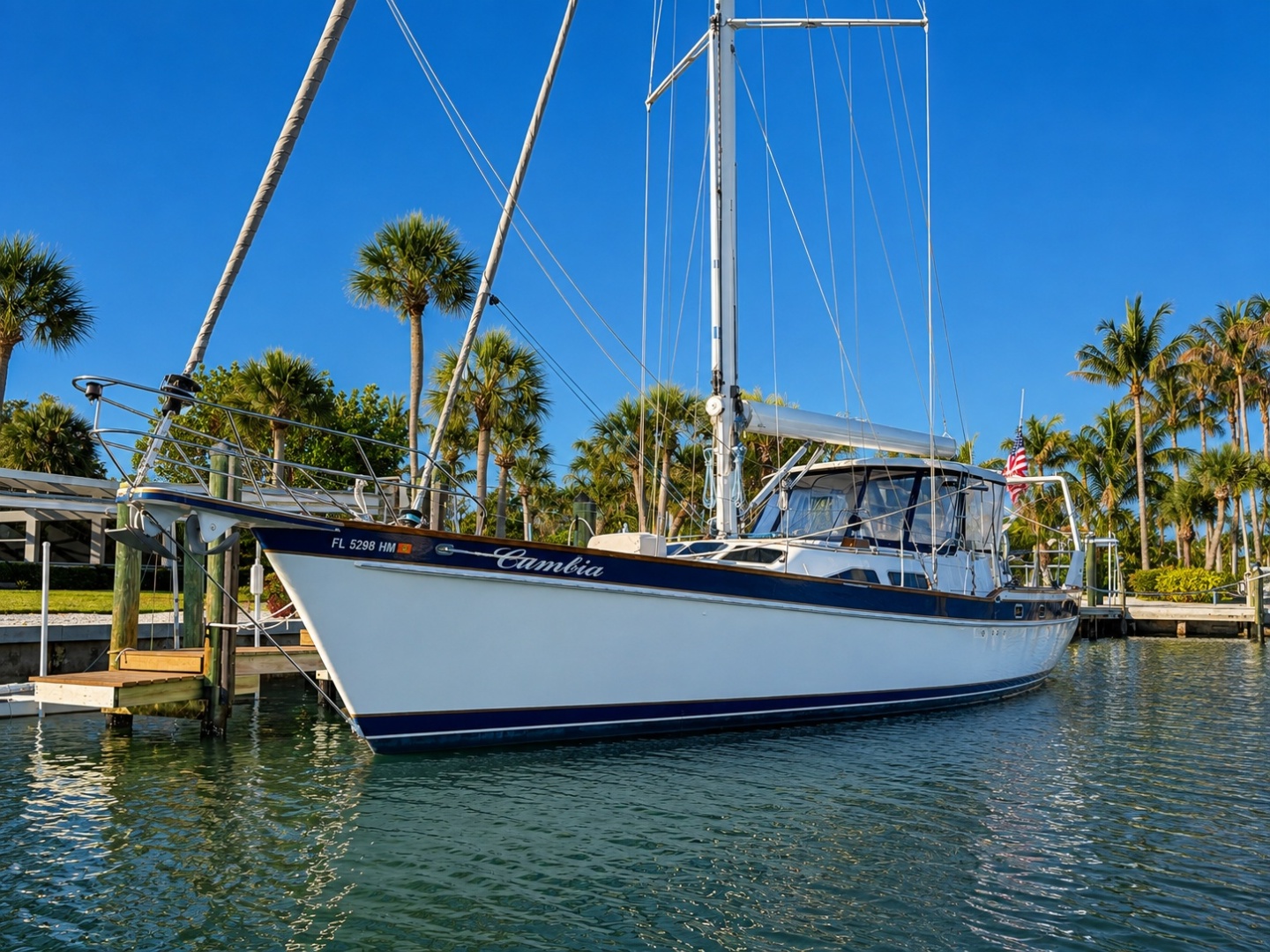
$545,000
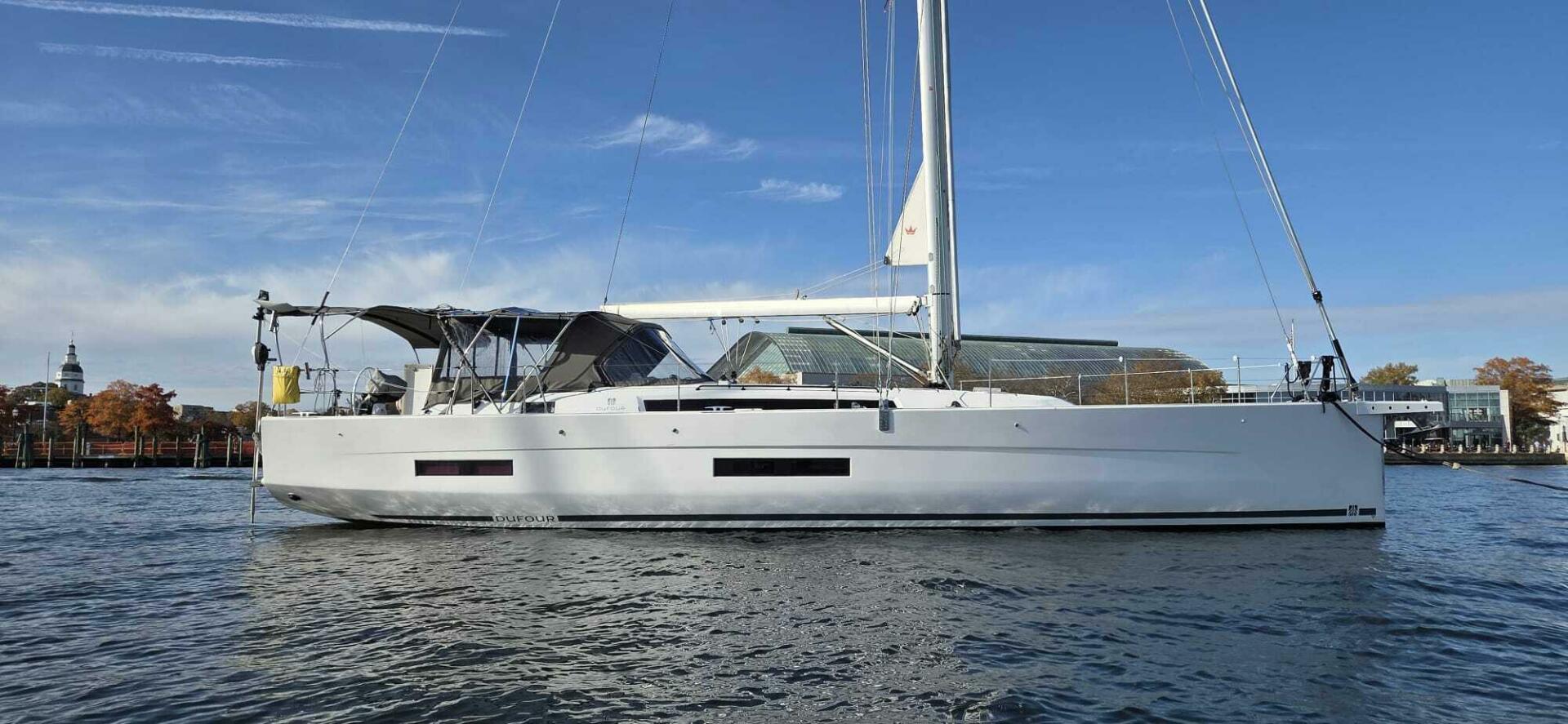
$564,900
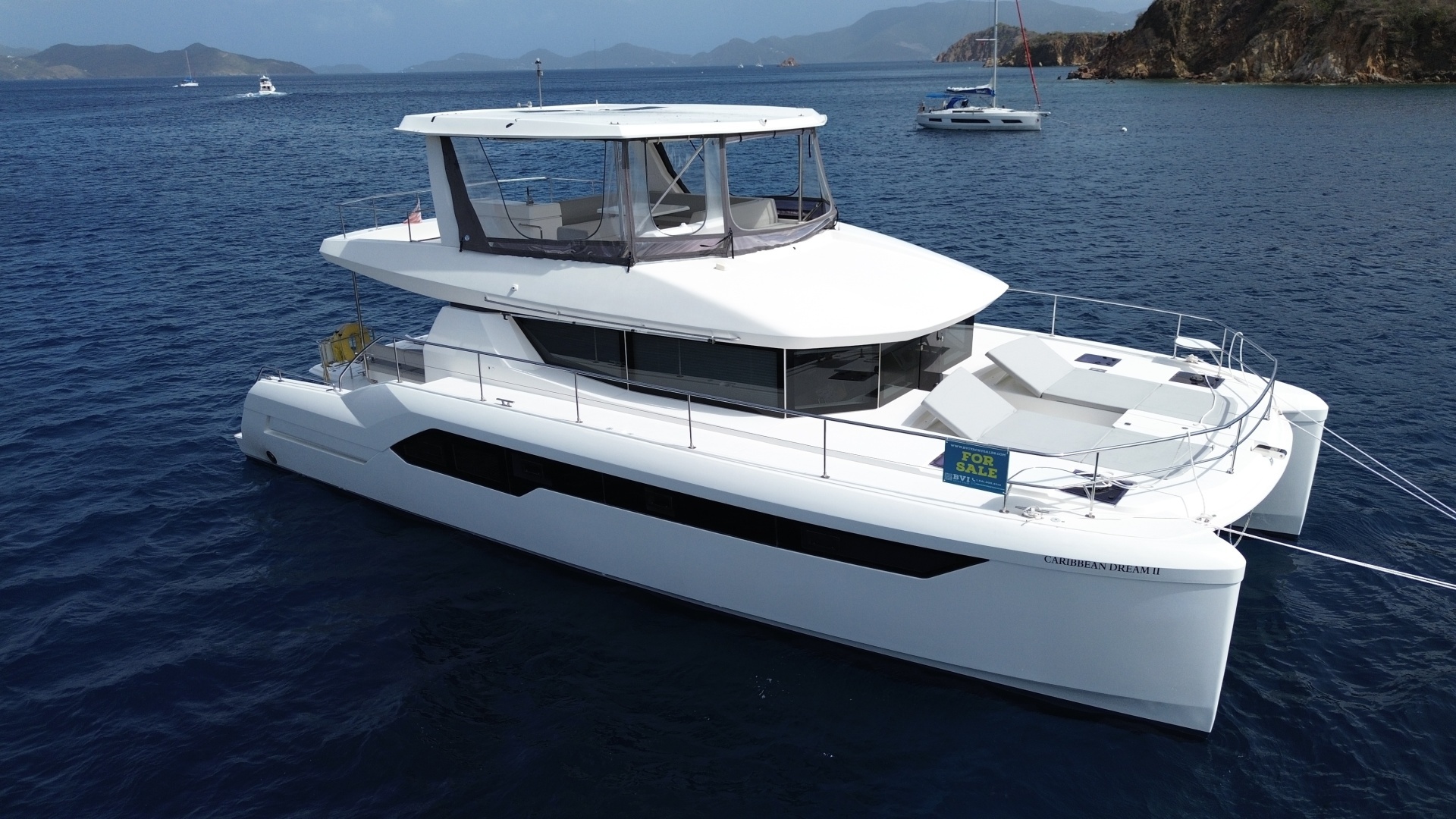
$1,130,000
$159,000
$499,000
$89,000
$89,000
$135,000
$98,250
$149,850
$369,000
$395,000
$349,000
$125,000
$1,724,571
$149,500
$109,900
$395,000

$652,000
$105,000

$115,000
$950,000
$149,000
$135,000
$349,000