
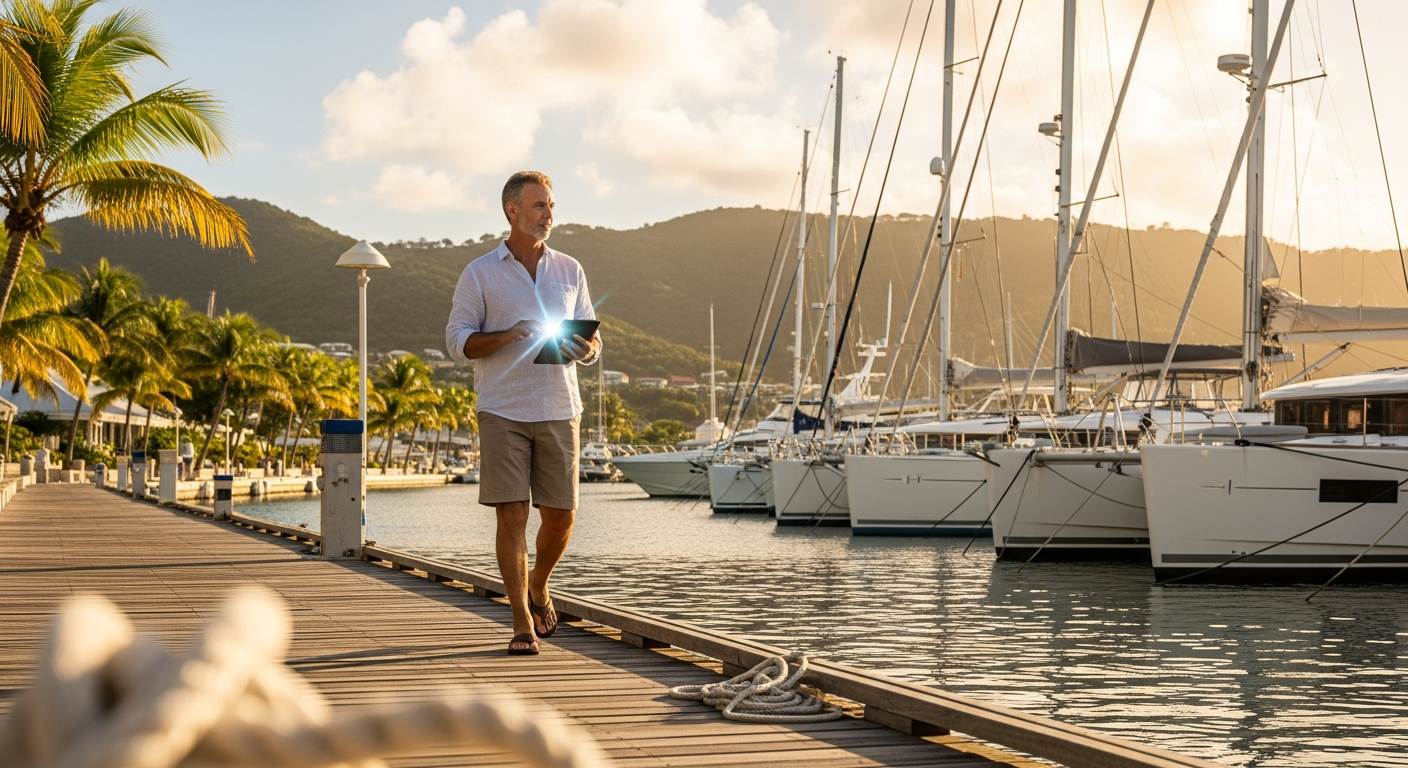
Caribbean Market · 2026 Outlook
Three forces are shaping the Caribbean yacht market this year: catamaran demand keeps climbing, buyers are moving to larger vessels, and berth capacity in the BVI is tightening. Together they are reshaping how boats are bought and sold across the region.
The Caribbean yacht market entered 2026 in a healthy, competitive position. Activity is robust, well-presented boats are selling, and the charter economy that underpins resale values remains strong across the British Virgin Islands and the wider Lesser Antilles.
Whether you are planning to buy a cruising boat, sell the yacht you own, or simply read the room before the next season, these are the trends worth tracking — and what each one means for your decision.
Key Takeaways
- 01
Catamarans are the fastest-growing Caribbean segment, with charter demand up about 15% year on year — good news for multihull sellers.
- 02
Buyers are trading up to 60-, 80-, and even 100-foot vessels, keeping mid-size boats liquid as owners move on.
- 03
The BVI anchors roughly 40% of the region’s charter fleet, but berth shortages now cap how fast it can grow.
- 04
Secured dockage and a management relationship are increasingly valuable assets that support resale value.
- 05
On both sides of a deal, 2026 rewards preparation: clean records, honest pricing, and early logistics.
1. Catamarans keep pulling ahead
Multihulls are the fastest-growing segment in the Caribbean. Catamaran charters climbed roughly 15% year on year, driven by the space, stability, and shallow draft that make them ideal for island hopping among the BVI’s 60-odd islands.
That charter demand flows straight into the resale market. A catamaran with a credible charter history holds its value well, and buyers know it. If you are selling a well-maintained cat, 2026 is a favorable market. If you are buying, expect competition for clean, charter-ready multihulls — and be ready to move when the right one lists. Multihulls are where demand has concentrated hardest, and the 2026 catamaran price bands show what each budget actually buys on the water today. Timing still moves price more than most first-time buyers expect, and the best time of year to buy tracks the charter season and the hurricane calendar rather than the calendar year.
~15%
year-on-year growth in Caribbean catamaran charters
All At Sea
~40%
of the Caribbean's professional charter fleet is based in the BVI
All At Sea
468
boats sold in the Caribbean market in a single recent year
Industry data
2. Buyers are trading up to larger vessels
The center of gravity is moving toward bigger boats. Where 40- to 50-foot cruisers once defined the cruising fleet, 60- and even 80-foot catamarans are now common, and a handful of owners have 100-foot multihulls on order. The biggest charter cats command six figures for a single week.
For sellers in the mid-size range, this is good news: as buyers trade up, they release well-kept smaller boats that first-time owners are eager to buy, keeping the entire market liquid. For buyers, it is a reminder to be honest about the boat you will actually use — bigger means higher dockage, insurance, and maintenance costs in every line of the annual budget.
What it means for you
Size the boat to the sailing, not the showroom
The trend toward larger yachts is real, but ownership costs scale with length-overall faster than most first-time buyers expect. Match the boat to your actual itinerary and crew, and you will spend more seasons on the water and less time writing checks at the yard.
3. Berth capacity is the quiet constraint
Demand is strong, but the docks haven’t grown to match it. The British Virgin Islands hosts roughly 40% of the Caribbean’s professional charter fleet — more than 685 vessels, over half of them under three years old — and berth shortages now cap how fast the fleet can expand.
For owners, scarce moorage makes a secured berth or a reliable management relationship a genuine asset that adds value at resale. For buyers, it is one more reason to line up dockage and management early, ideally before you close, rather than assuming a slip will be waiting after the deal is done.
The Caribbean market in 2026 rewards preparation: clean boats sell, catamarans lead, and the owners who lock in berths and management early hold the advantage.
BVI Yacht SalesHow to use these trends
If you are selling, the window is good — especially for catamarans and well-documented boats. Invest in presentation, gather your maintenance and charter records, and price to the current market rather than to last season’s optimism.
If you are buying, move decisively on quality listings, budget honestly for the larger boat you may be tempted by, and secure dockage and management before you need them. The fundamentals favor active, prepared participants on both sides of the deal.
QIs 2026 a good time to sell a yacht in the Caribbean?
For well-maintained boats — catamarans in particular — yes. The market is active and competitive, charter demand is strong, and buyers reward clean presentation and complete maintenance records. Pricing to the current market rather than last season’s highs is the key to a timely sale.
QWhy are catamarans so popular in the Caribbean?
Catamarans offer space, stability, and a shallow draft that suits island hopping among the BVI’s many anchorages. That makes them the most in-demand charter platform, and strong charter demand supports their resale value, creating a reinforcing cycle of popularity.
QWhat is driving the move toward larger yachts?
Owners are prioritizing space and comfort, and the charter market rewards larger vessels with higher weekly rates. As established owners trade up to 60-foot-plus boats, they release well-kept smaller yachts, which keeps the broader market liquid.
QHow do berth shortages in the BVI affect buyers?
Limited moorage means a secured berth or a management agreement is a real asset. Buyers should arrange dockage and management early — ideally before closing — rather than assuming a slip will be available once the boat is theirs.
QDoes a charter history help when reselling a yacht?
Yes. A documented charter history shows the boat was professionally maintained and generated income, both of which reassure buyers and support a stronger asking price, especially for catamarans.
Talk to a Broker
Thinking of buying or selling in 2026?
BVI Yacht Sales tracks the Caribbean market every day — from catamaran demand to berth availability. Get current, local guidance on timing, pricing, and the right boat for your plans.
Featured Listings
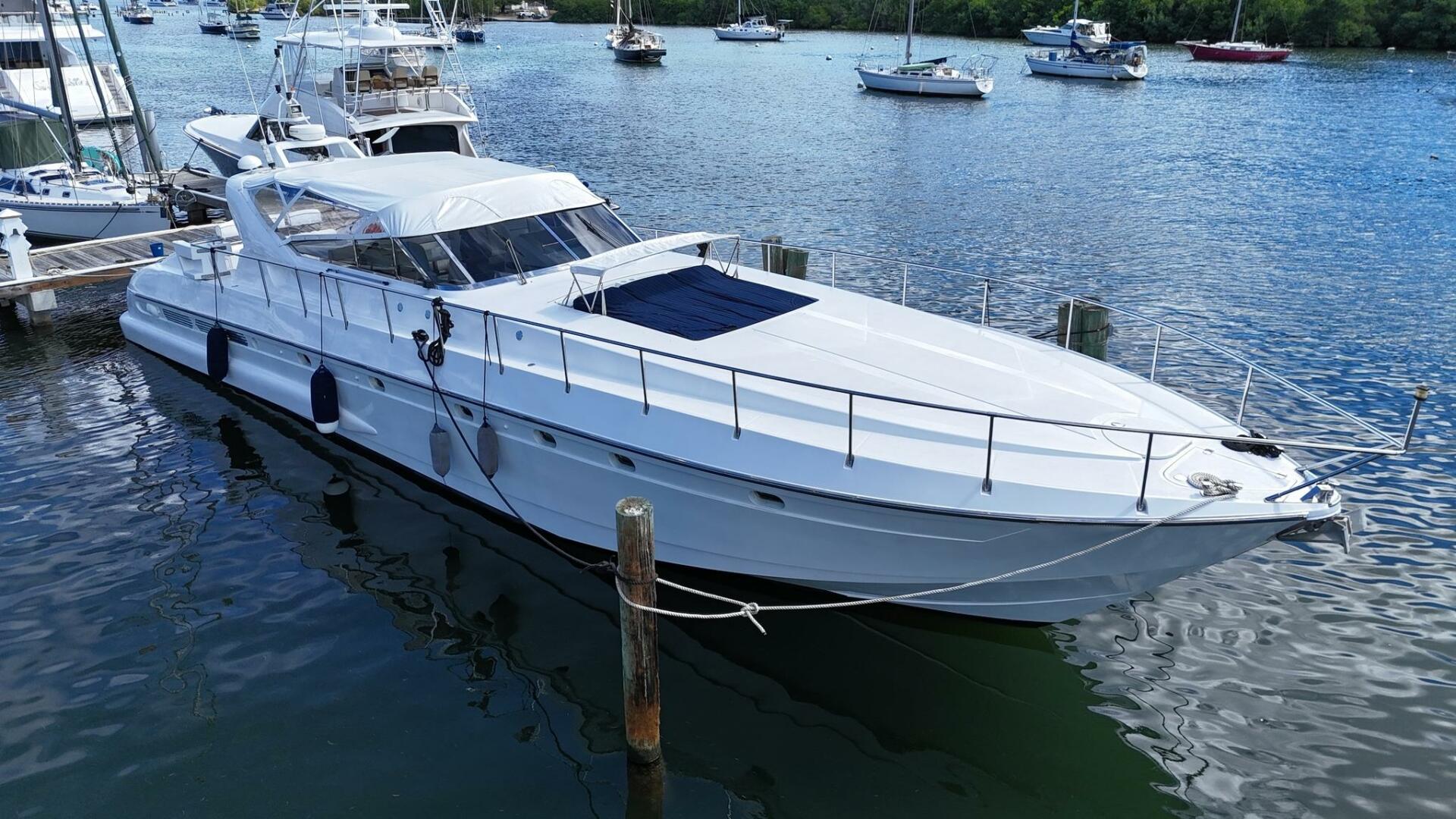
$599,000
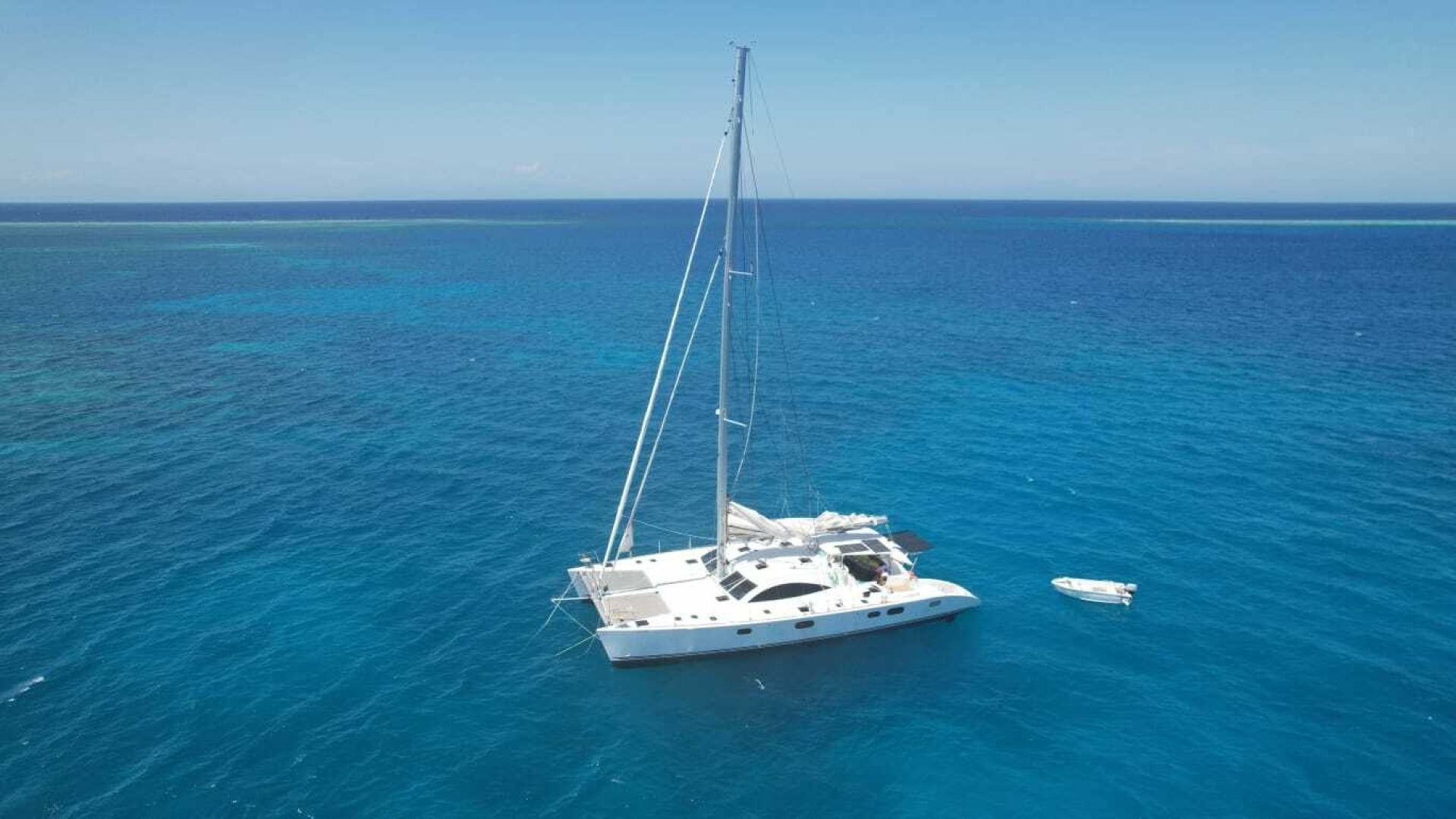
$1,300,000
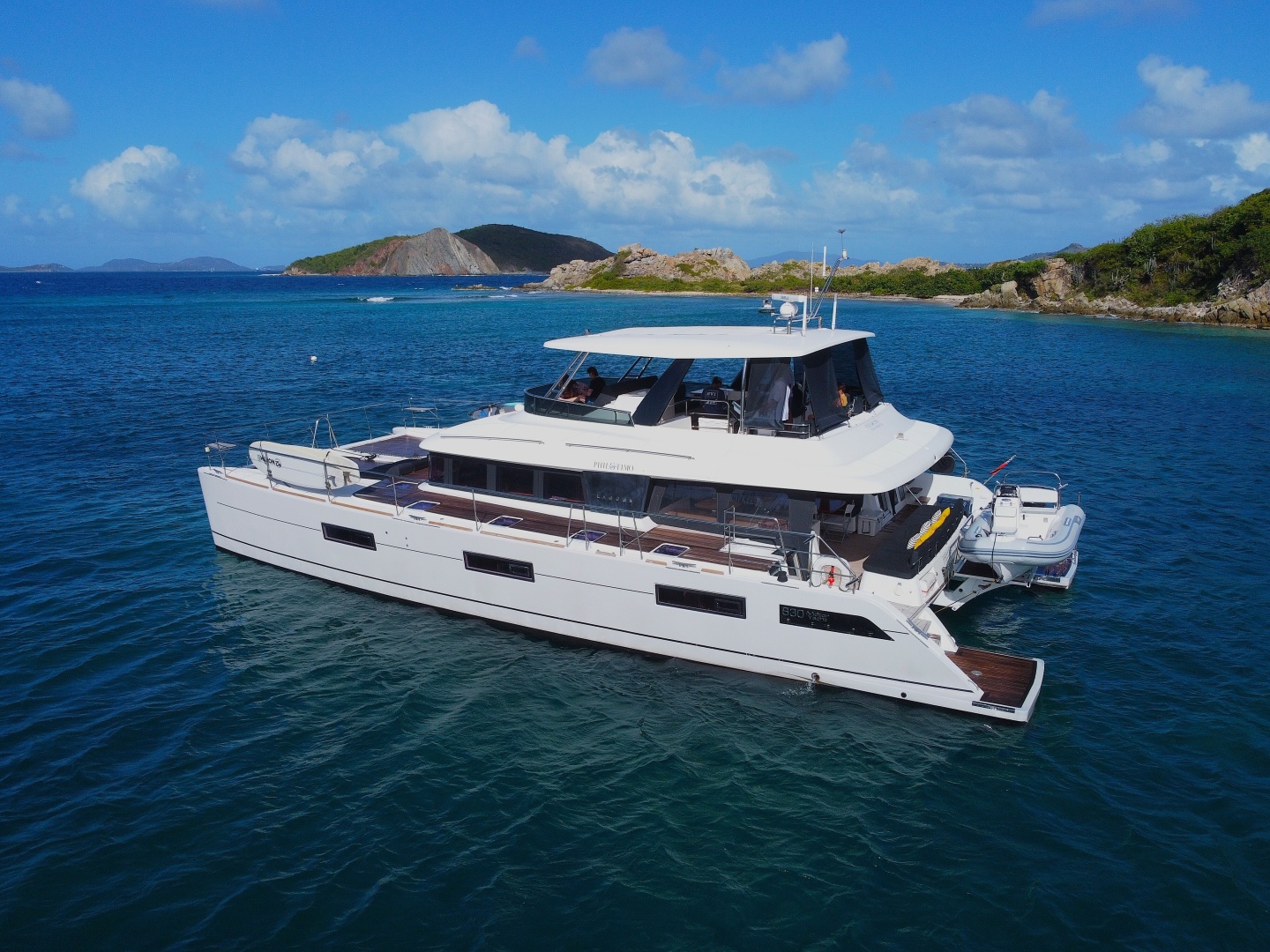
$1,699,000

$299,000

$899,000
$1,795,000

$269,000
$359,000
$499,500
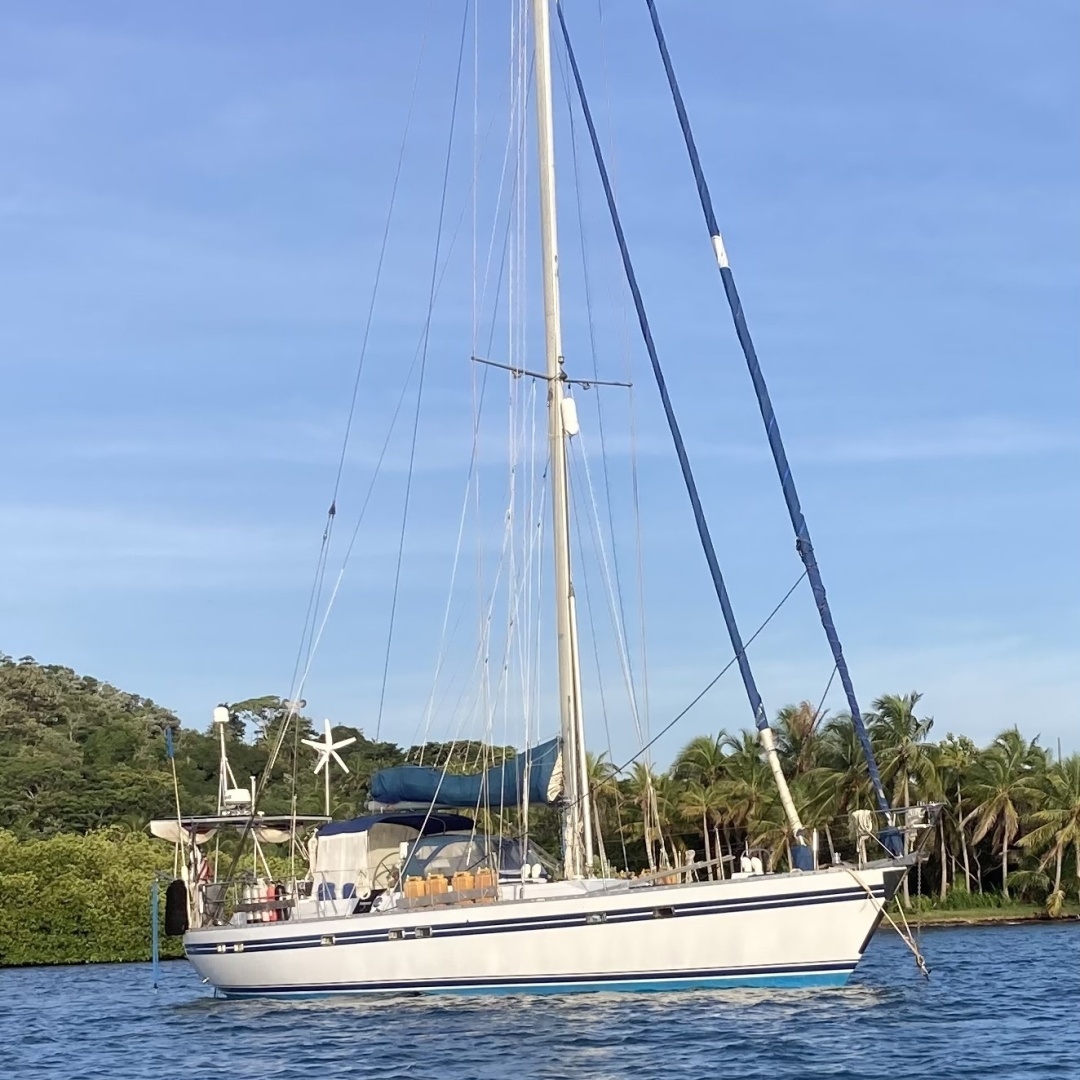
$299,500
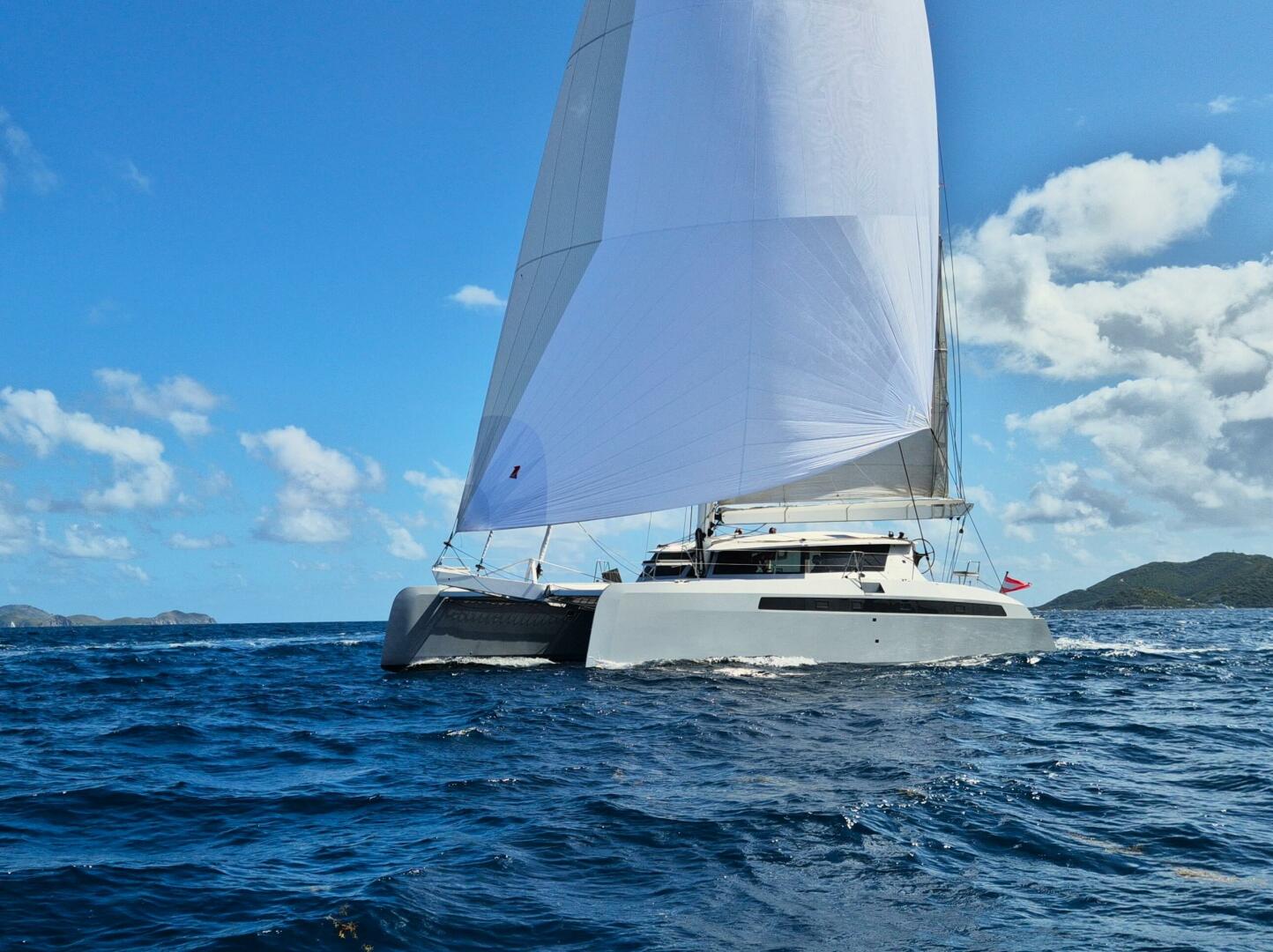
$1,290,000
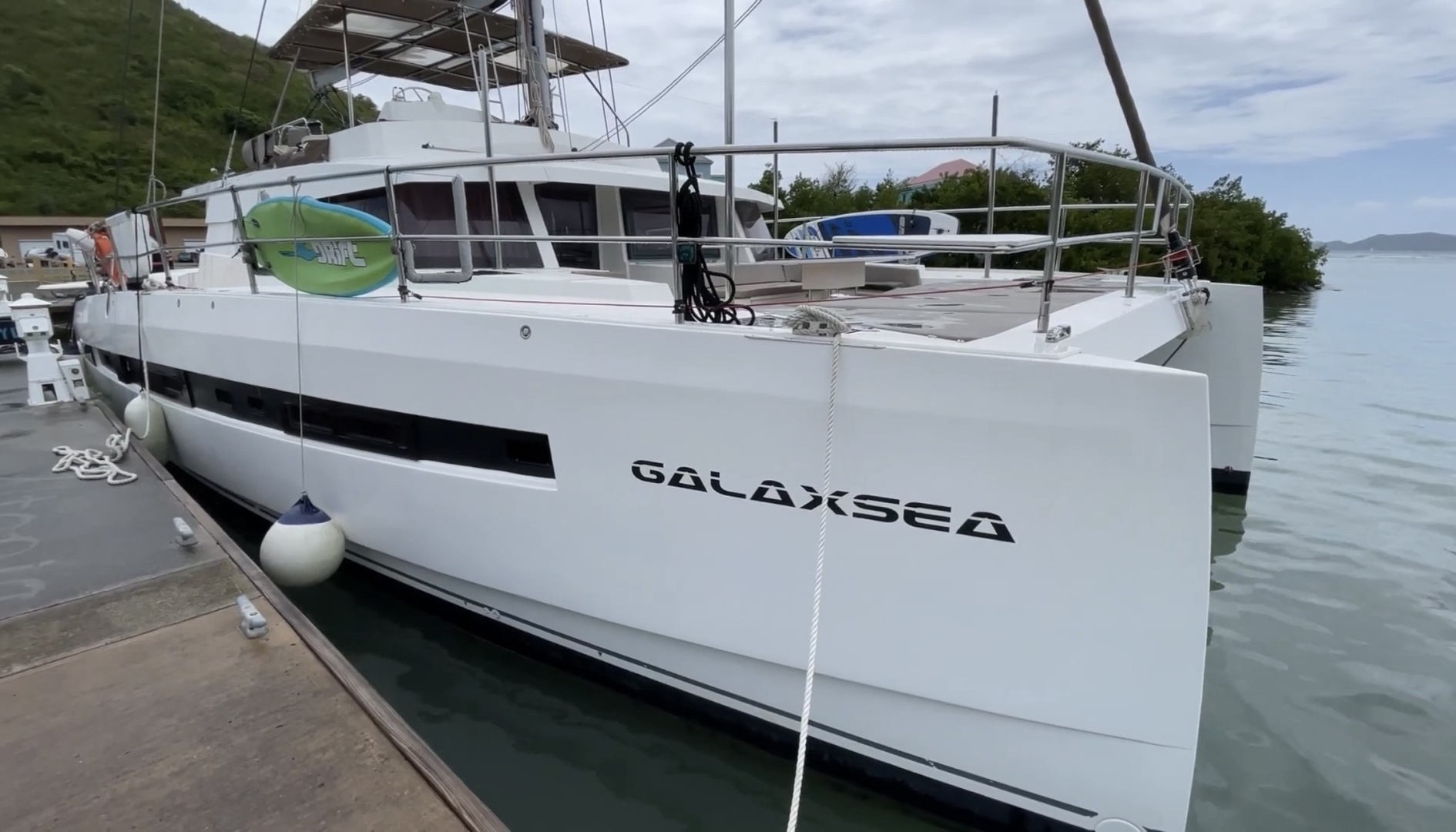
$800,000
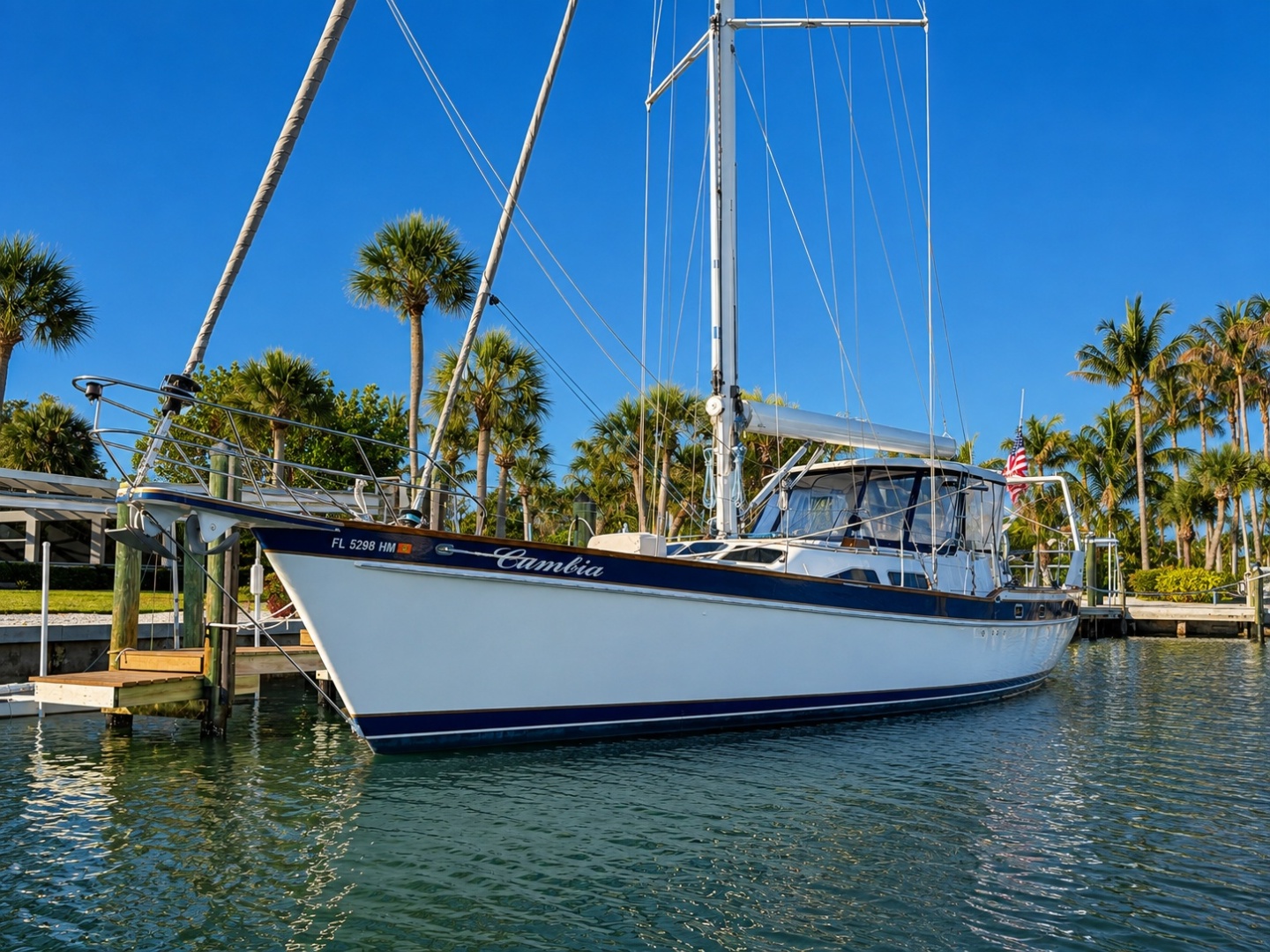
$545,000
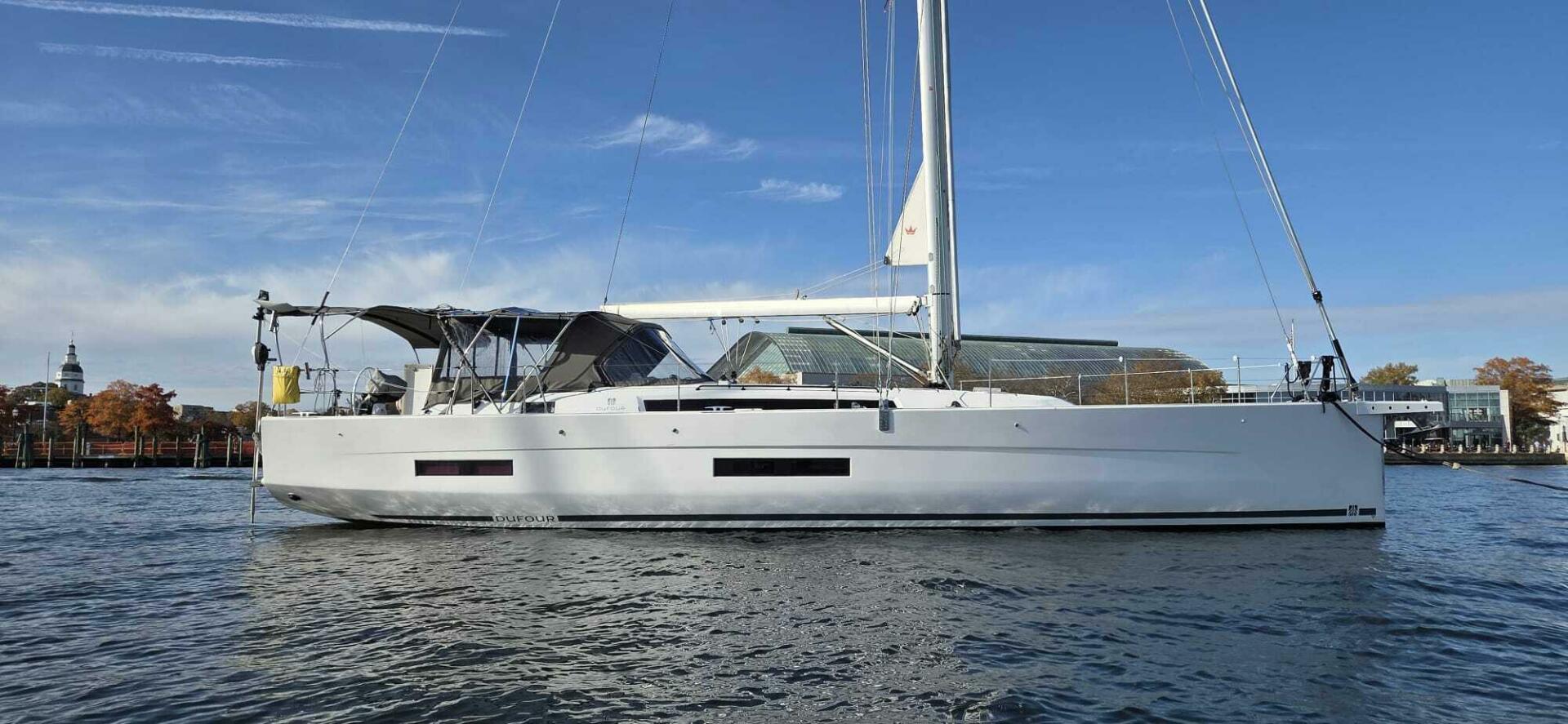
$564,900
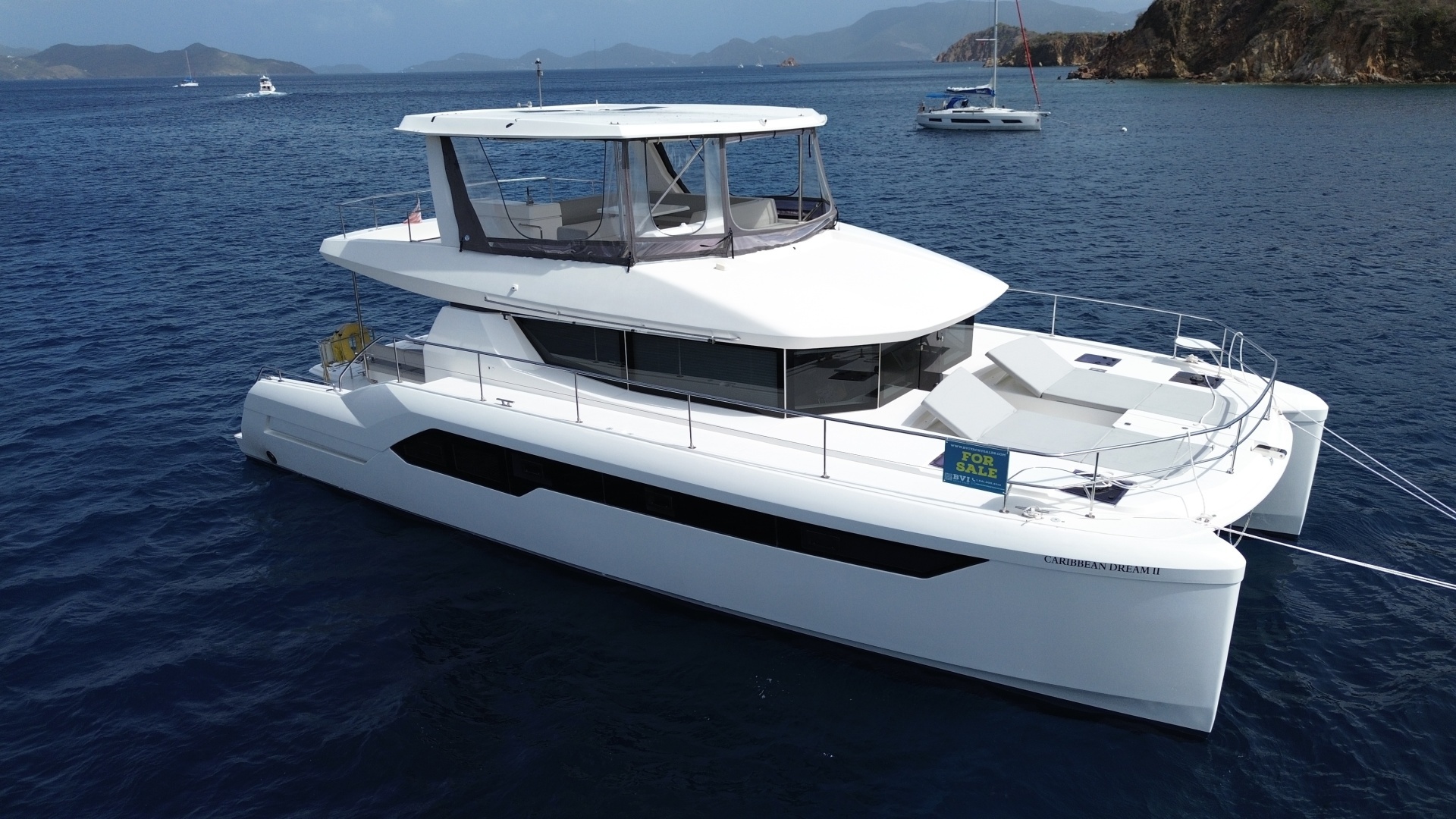
$1,130,000
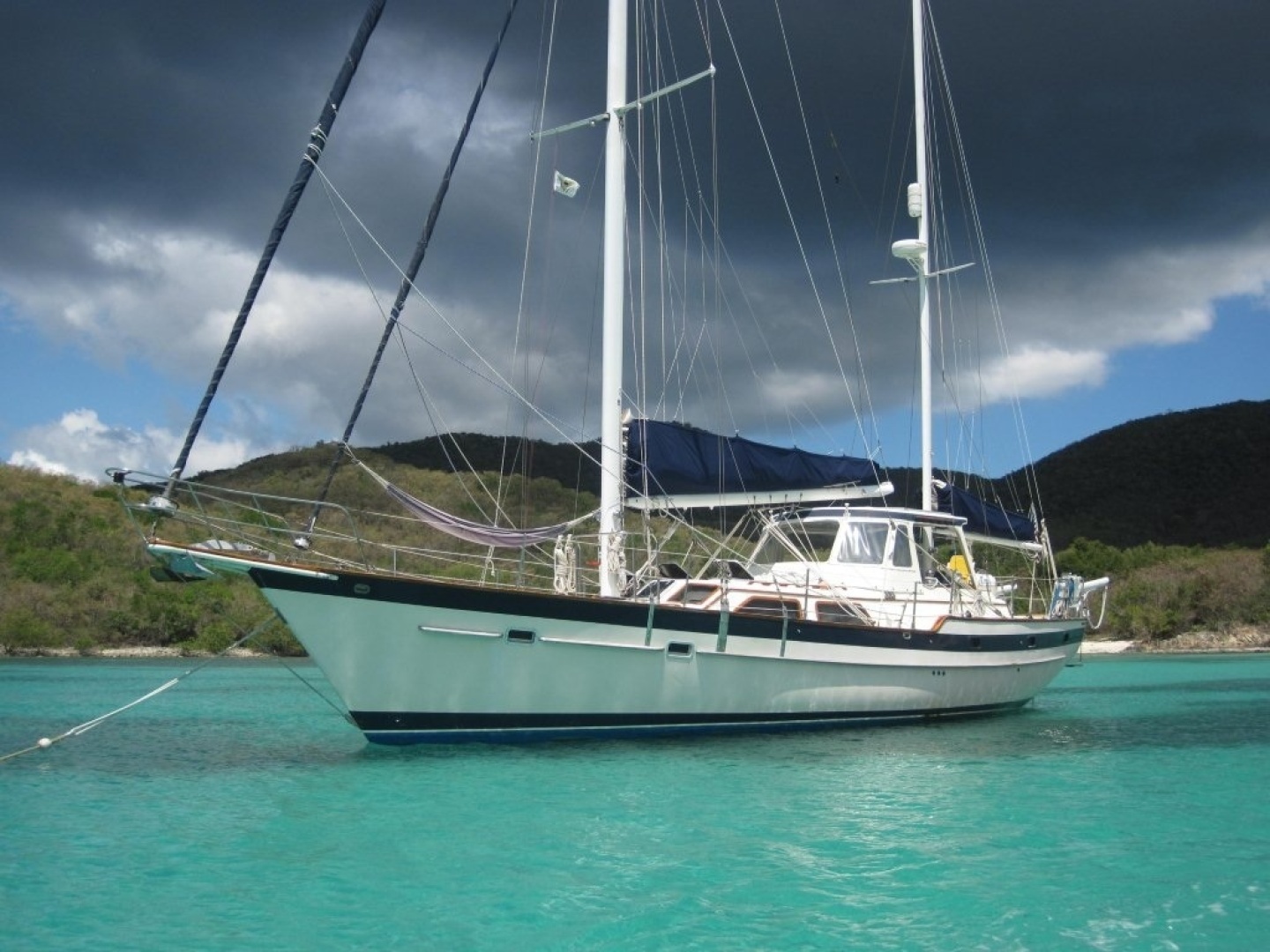
$159,000
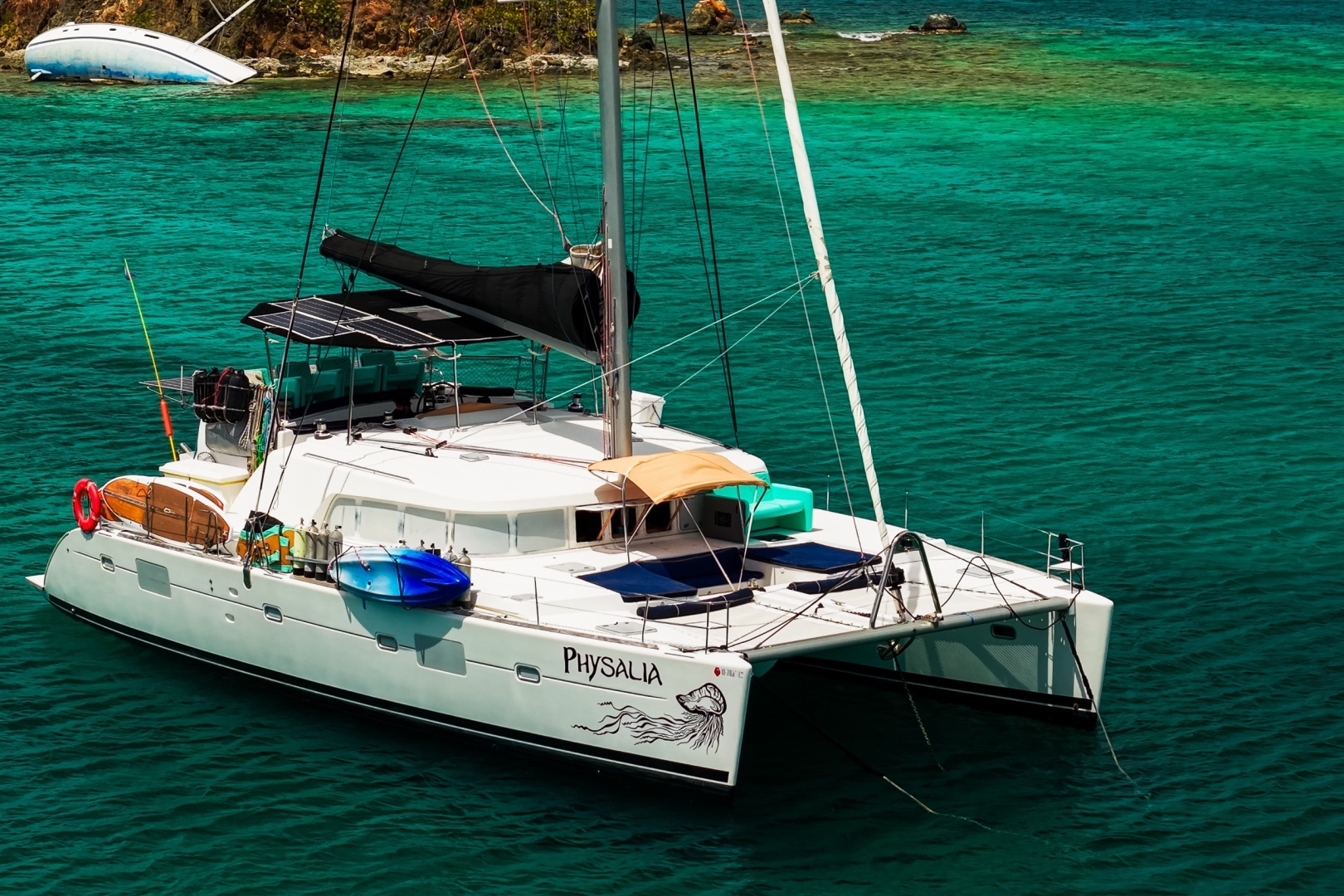
$499,000
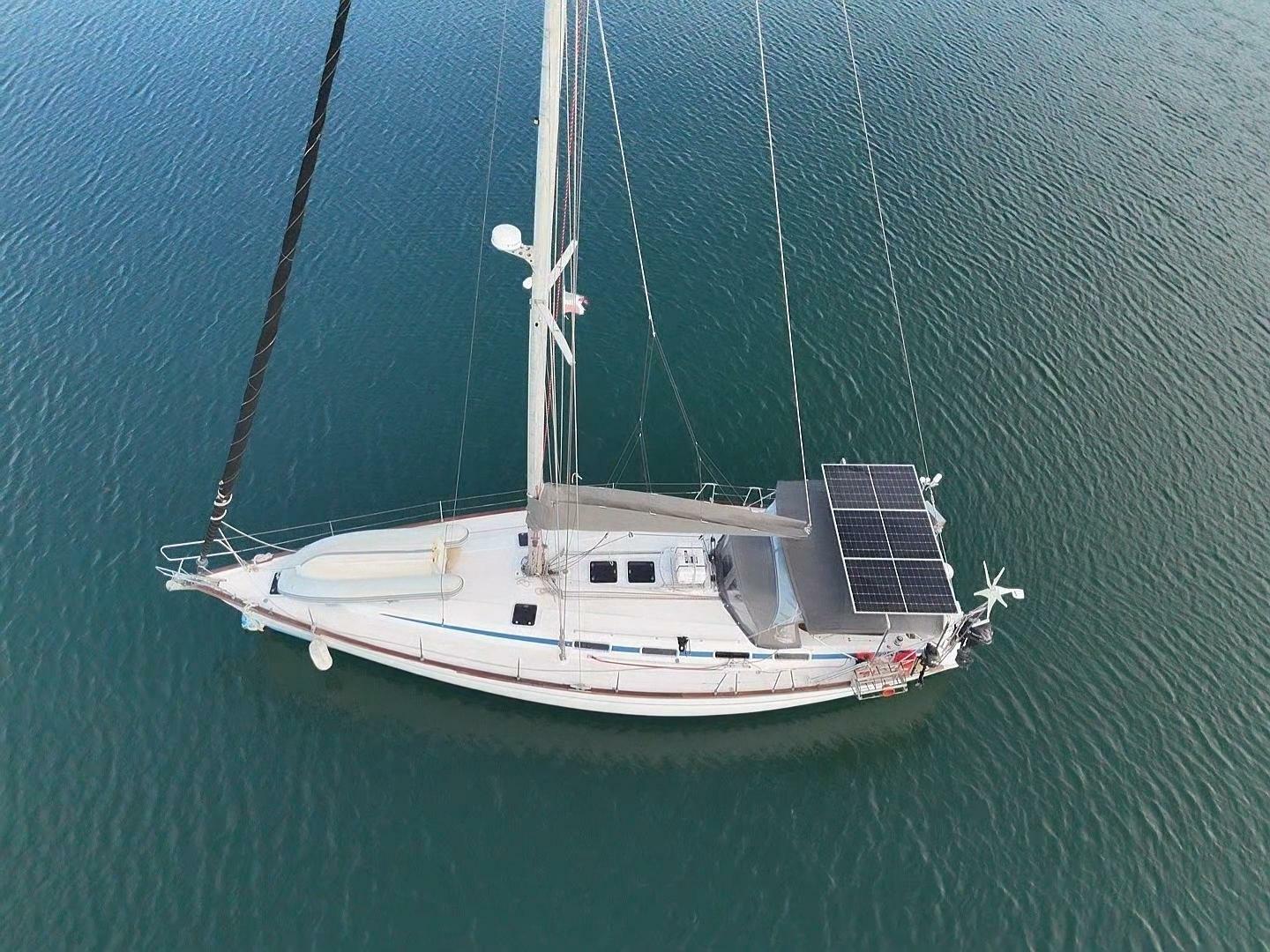
$89,000
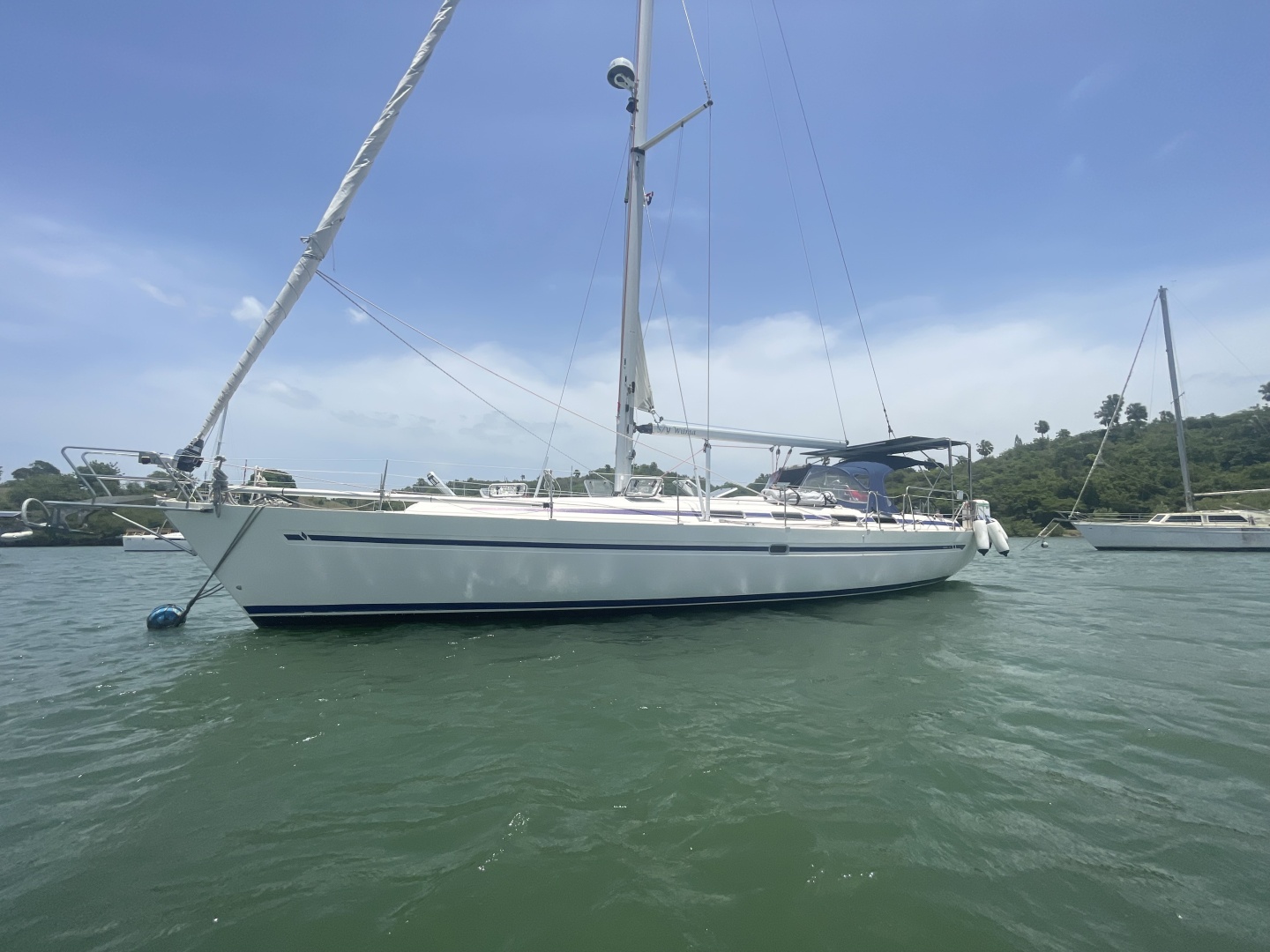
$89,000
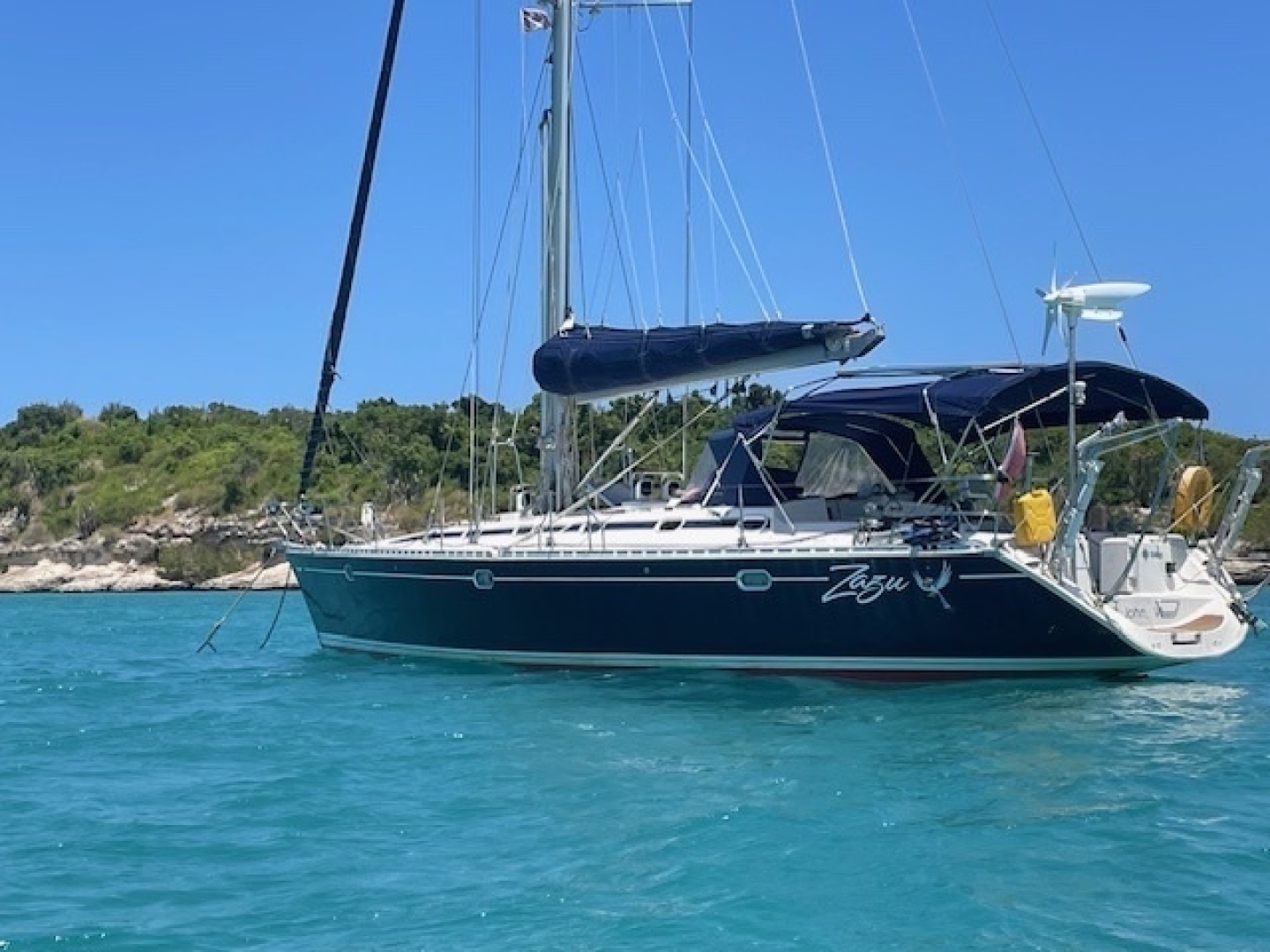
$135,000
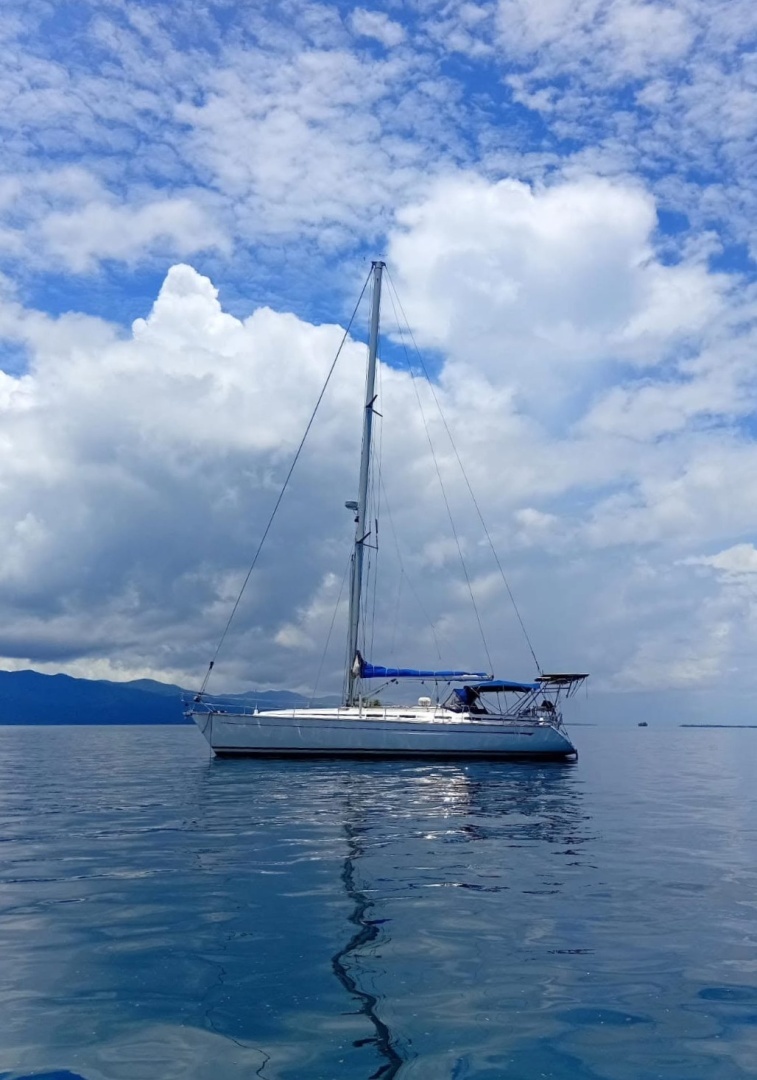
$98,250
$149,850
$369,000
$395,000
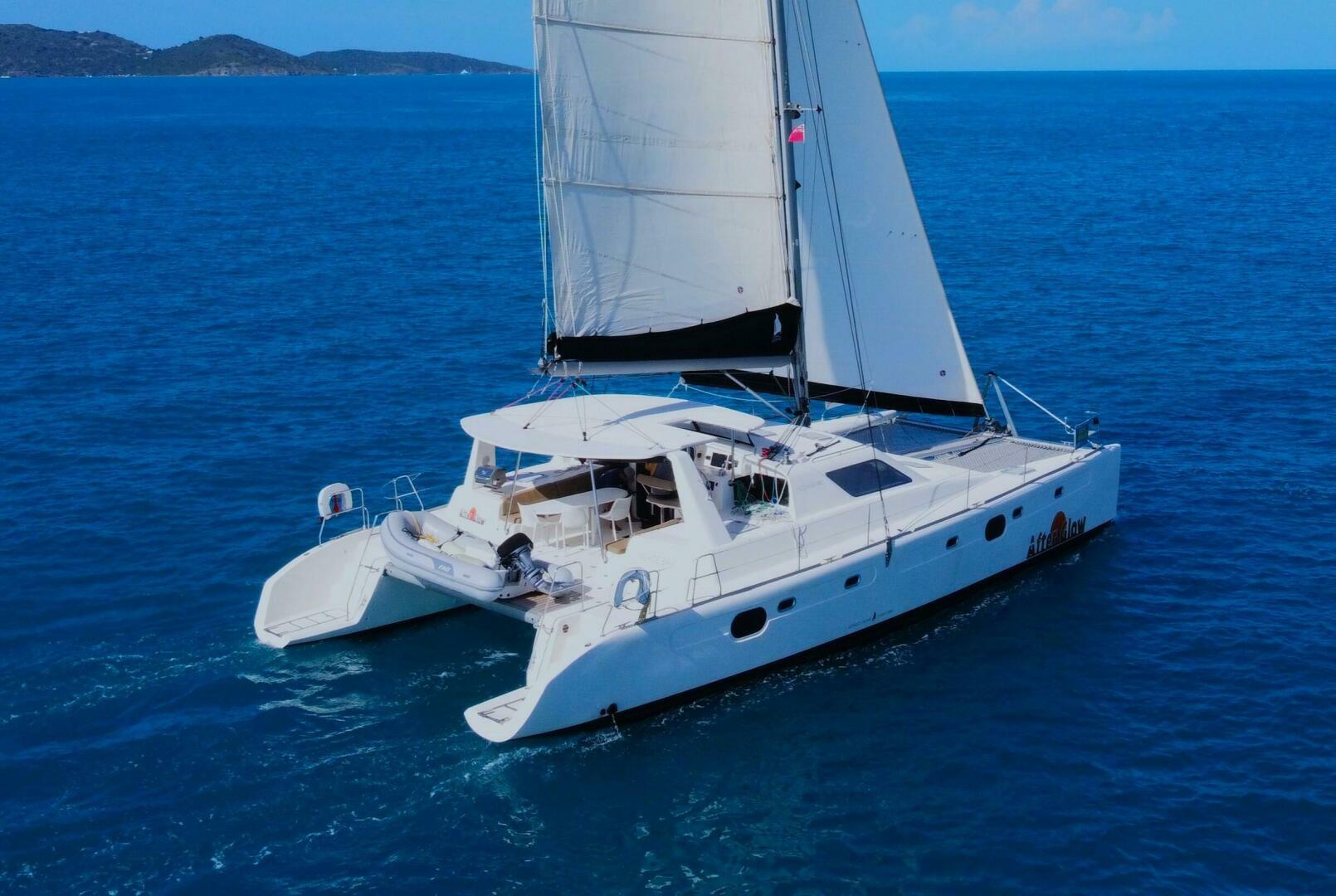
$349,000
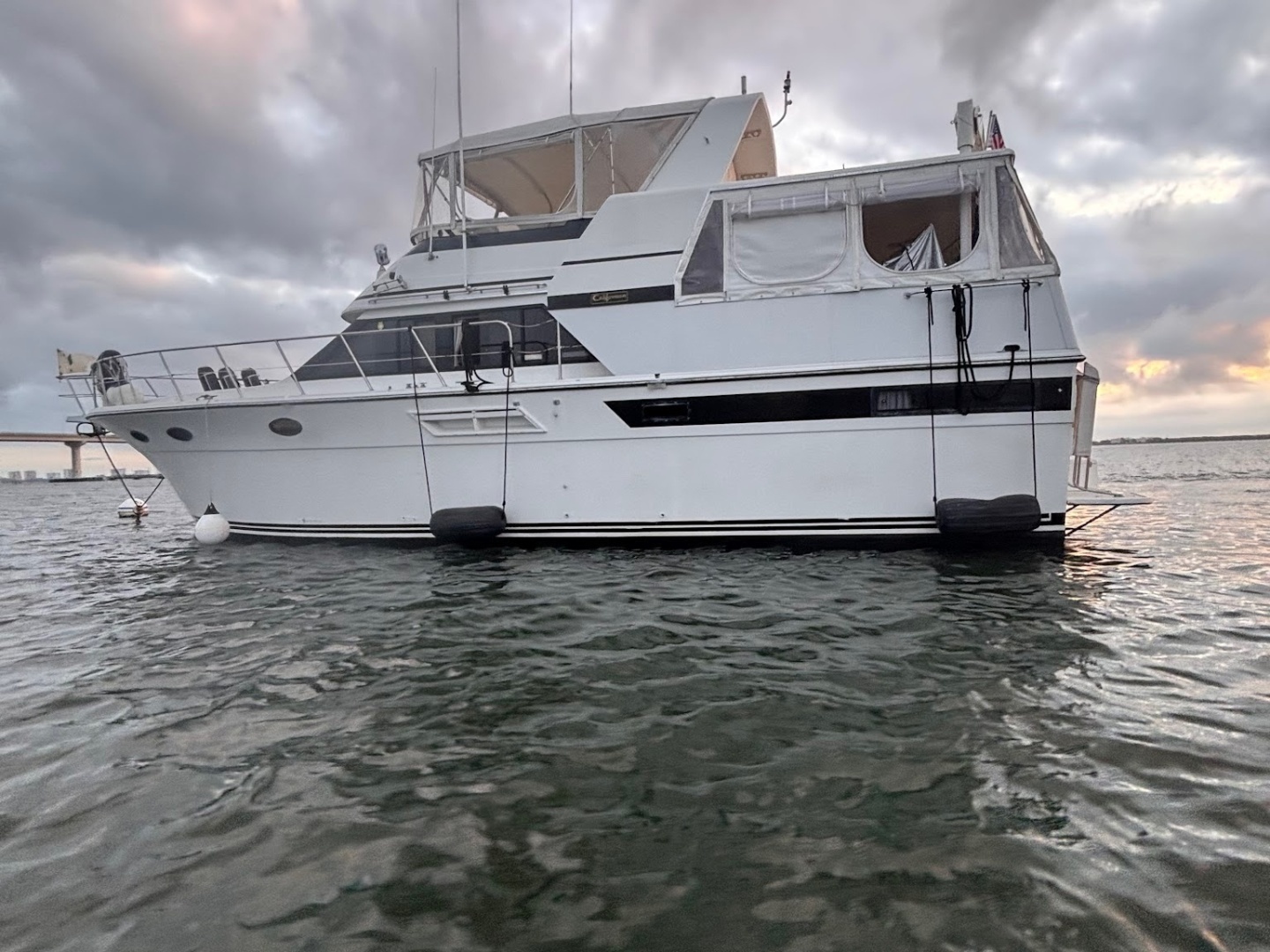
$125,000
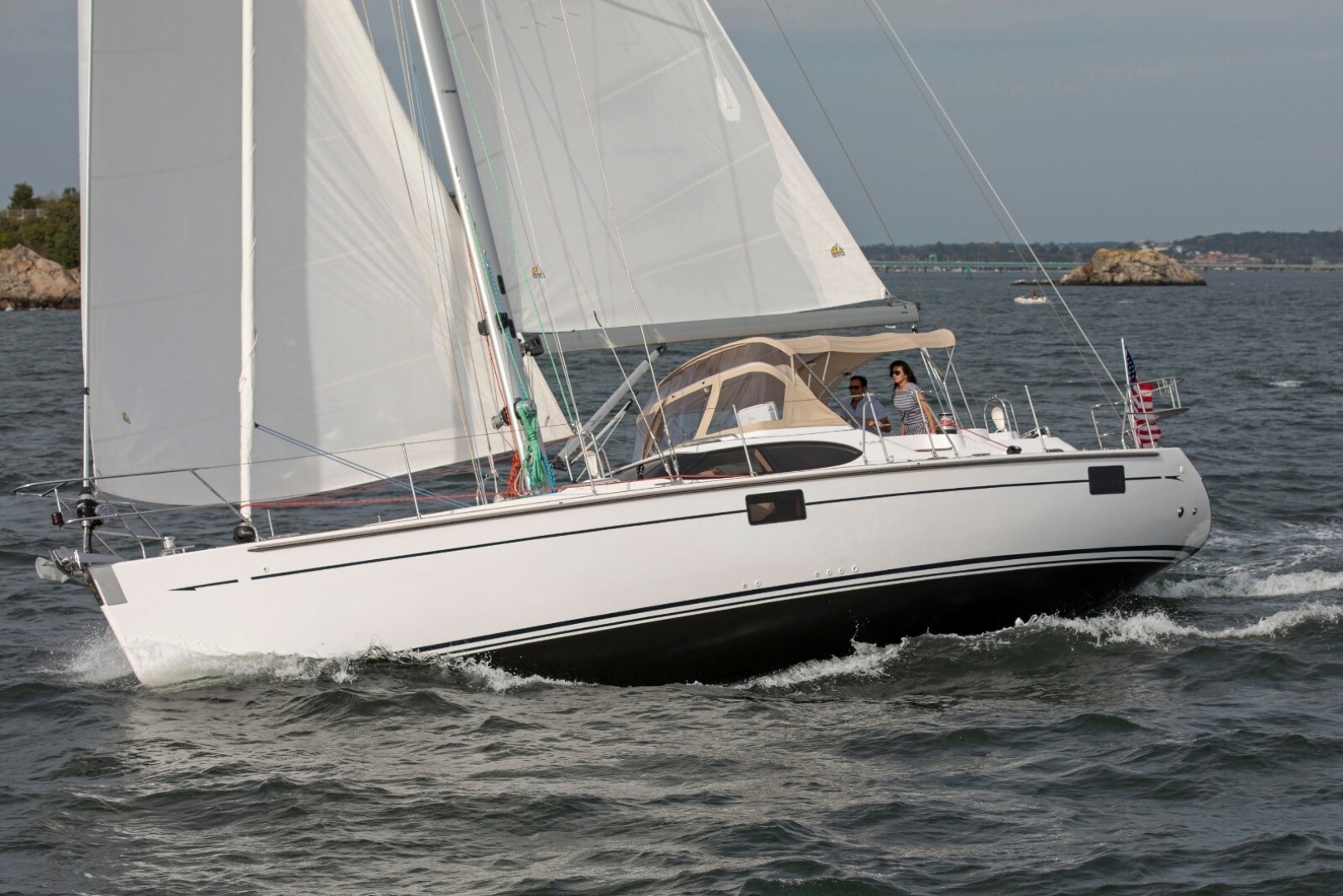
$1,724,571
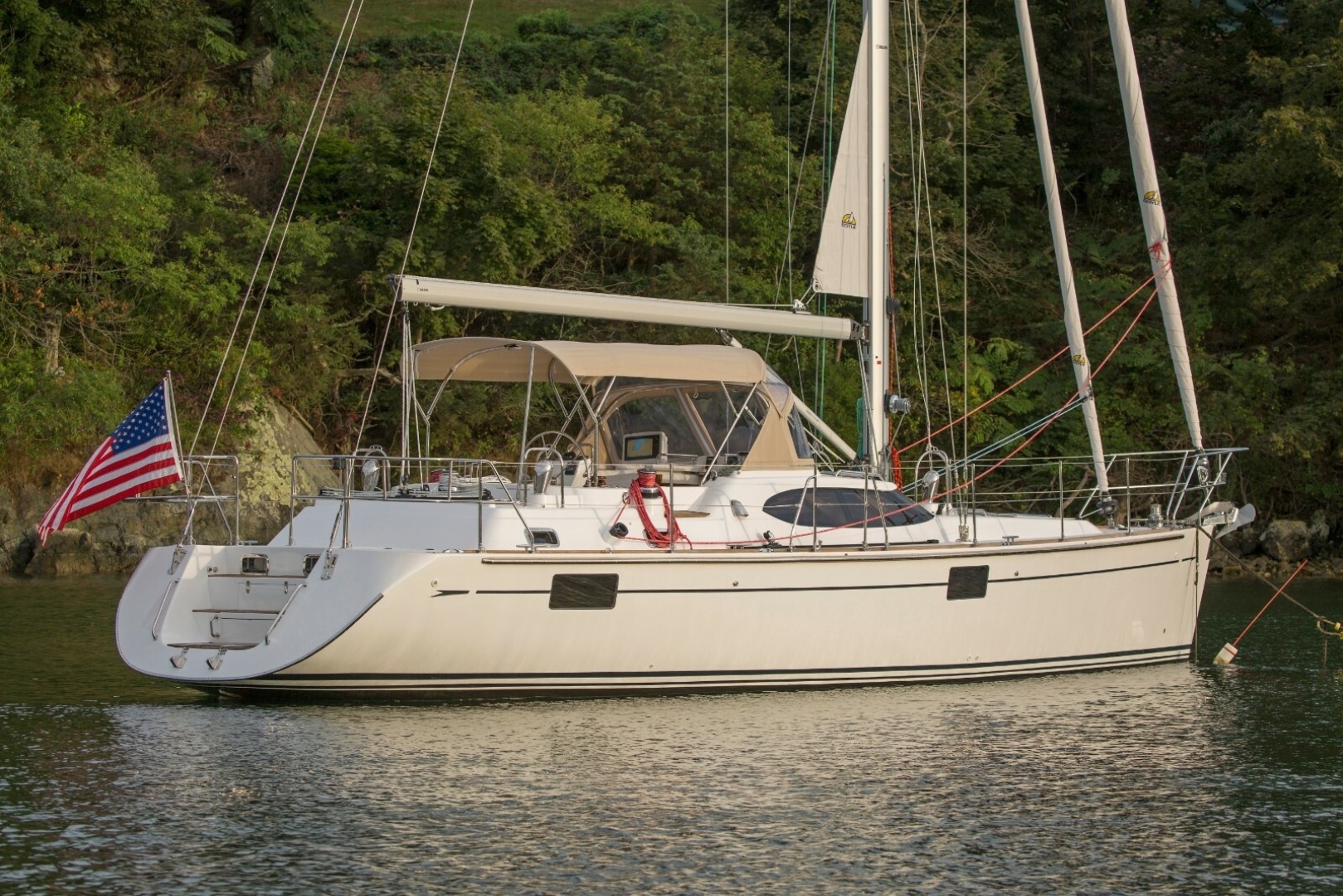
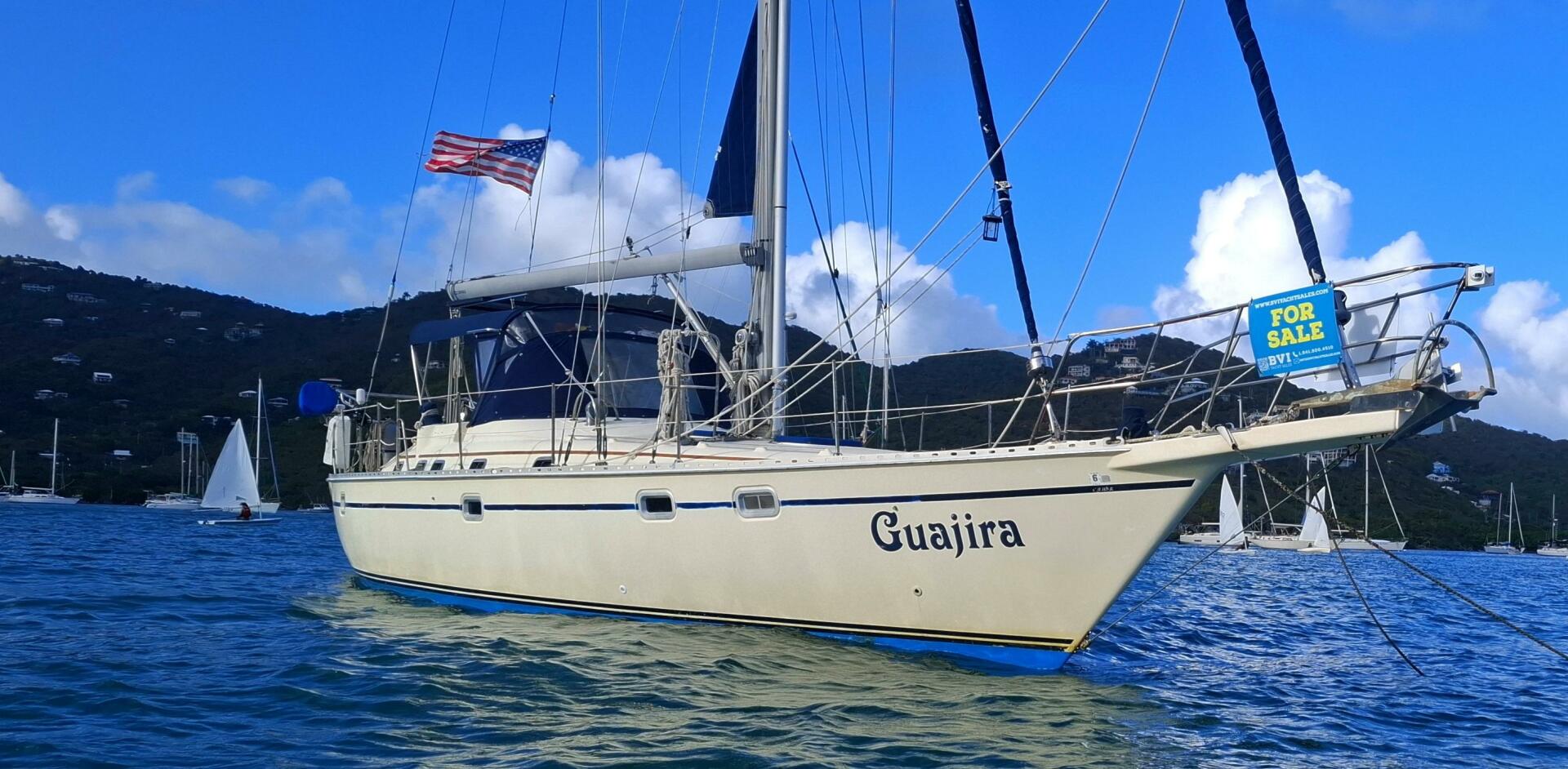
$149,500
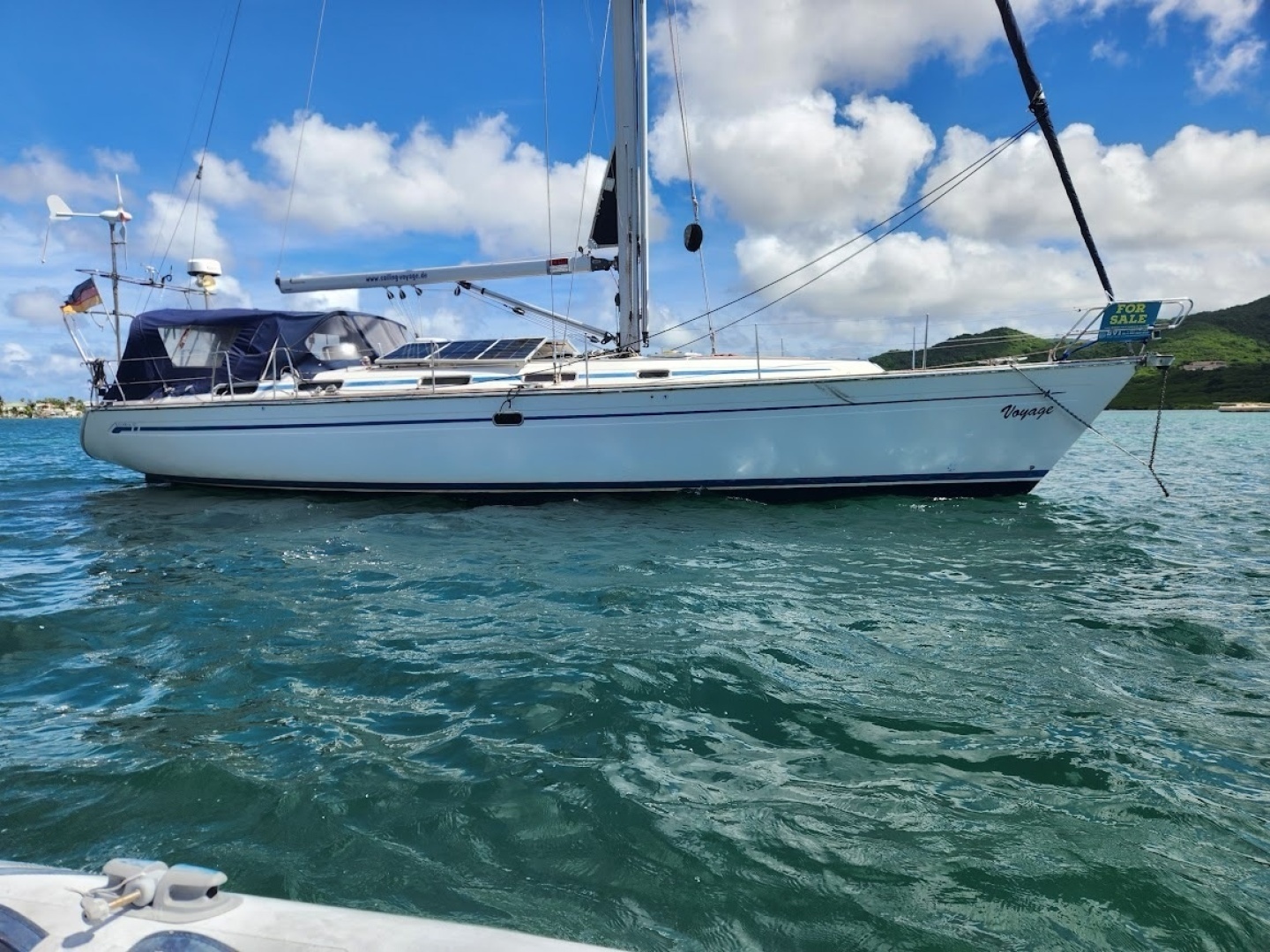
$109,900
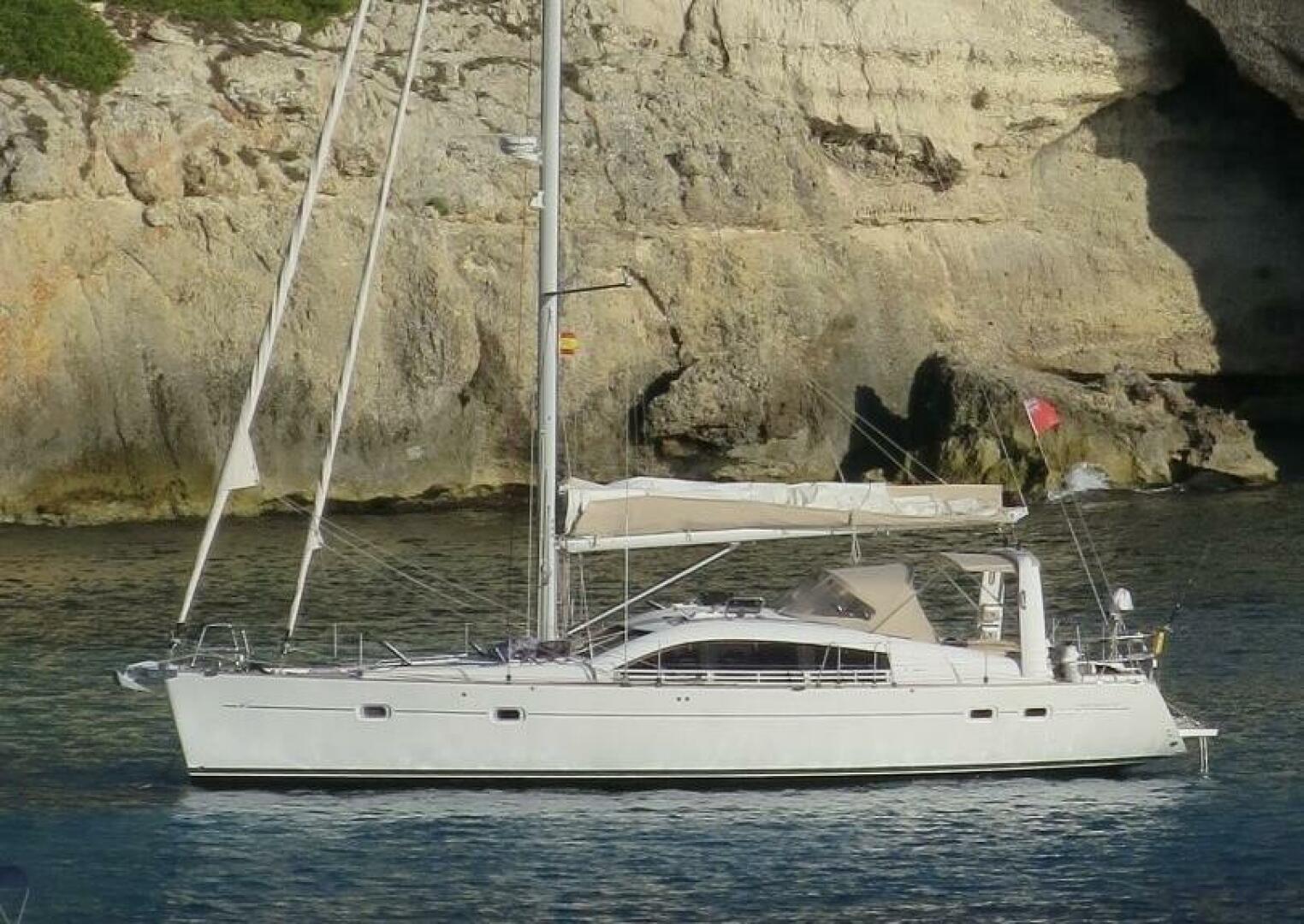
$395,000

$652,000
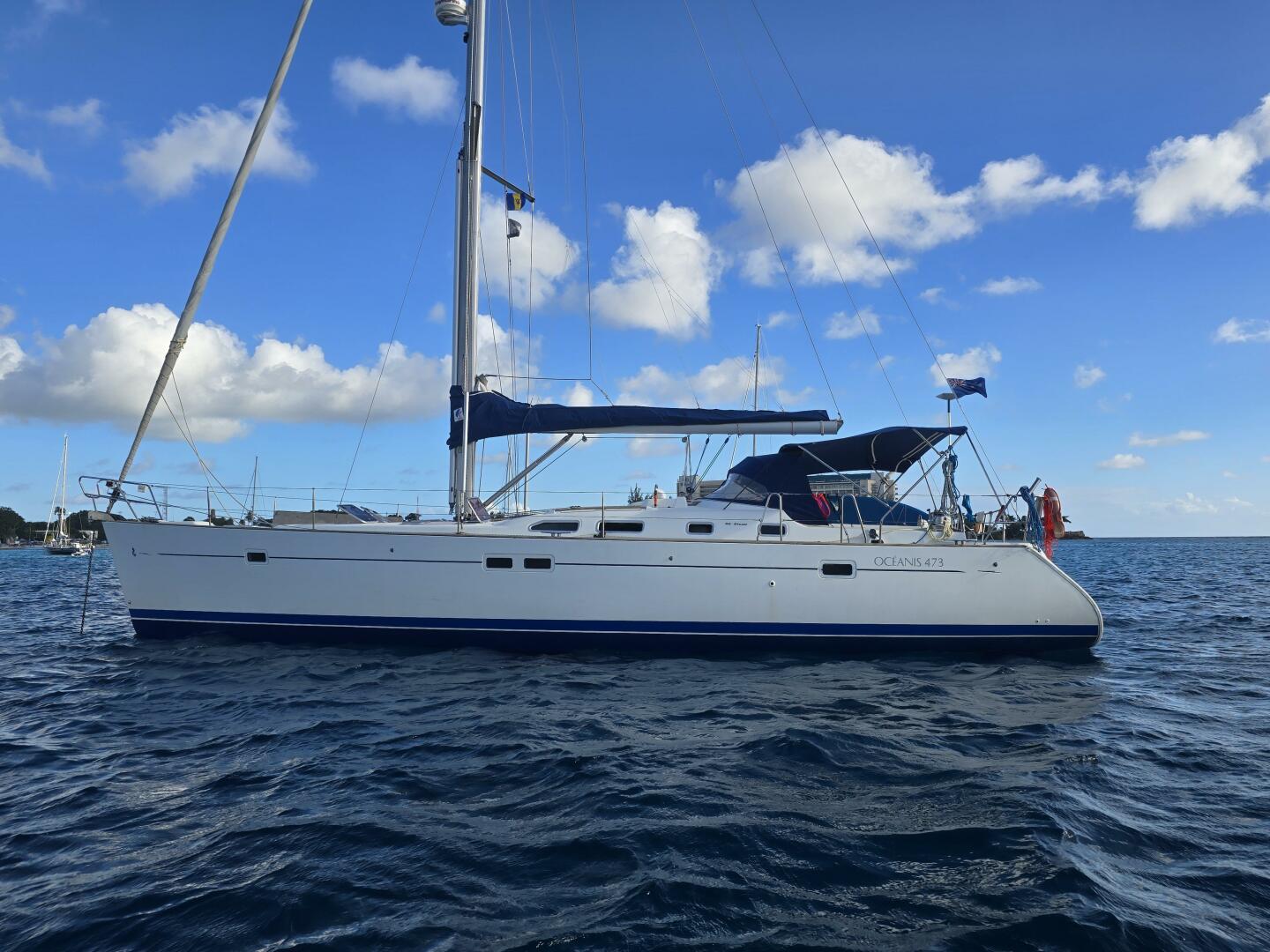
$105,000

$115,000
$950,000
$149,000
$135,000
$349,000