

Ownership & Lifestyle · Insurance
Insuring a yacht in the Caribbean is a different product from a northern boat policy. Named-storm deductibles, navigation limits, survey rules, and haul-out warranties decide whether your biggest claim is paid or refused.
TL;DR
- Named-storm cover carries its own, much larger deductible
- Agreed value pays a fixed sum; actual cash value pays depreciated
- A haul-out warranty is a condition of the whole policy, not fine print
- Cruising south of the hurricane box can lower your premium
Last updated
Yacht insurance in the Caribbean protects your vessel against the risks that define these waters: named storms, offshore passages, and long stretches at anchor far from a haul-out yard. It is not the same product as the boat policy you may have held up north. Coverage, deductibles, and the fine print all shift once your cruising ground becomes the hurricane belt.
Definition
Yacht insurance (Caribbean) — A specialist marine policy covering a vessel’s hull and machinery, third-party liability, and cruising-specific risks such as named storms and offshore passages. It is broader than standard boat insurance, which is usually capped to inland and nearshore waters, and it is written around where and when you actually sail.
Key Takeaways
- 01
Named-storm cover carries its own percentage-based deductible that dwarfs your everyday excess — always confirm the figure before you buy.
- 02
A haul-out or named-storm warranty is a hard condition; missing its 48-to-72-hour window can void the exact claim you most need paid.
- 03
Choose agreed value for newer or financed yachts to lock in the payout; actual cash value suits older boats but leaves the number open to argument.
- 04
Navigation limits, current surveys, and lay-up warranties must be kept live all season — they are the conditions that quietly decide whether a claim pays.
- 05
Your storm-season plan, survey quality, and deductible are the biggest levers you control over the premium.
What Caribbean Yacht Insurance Actually Covers
A yacht policy is really two policies working together. Hull and machinery cover pays for physical loss or damage to the boat itself, from a grounding on a reef to a lightning strike that fries your electronics. Protection and indemnity, the liability side, steps in when you injure someone or damage another vessel or a dock. Policy schedules lean hard on words most owners never meet until survey day, so keep our plain-English yacht terminology guide open beside the paperwork.
Caribbean policies then layer on cruising extras that matter in a remote archipelago: salvage and legally required wreck removal, medical payments for crew and guests, and a sub-limit for personal effects and the tender. One line item is worth reading twice. Because so many vessels in Caribbean anchorages carry no insurance at all, damage caused by an uninsured boat is a leading reason premiums here run higher than owners expect, so confirm your uninsured-boater cover is in force. Underwriters and lenders ask for much the same paperwork, so it saves a round of chasing to read our notes on financing a Caribbean purchase before you start either application.
- Hull & machinery
- Physical loss or damage to the vessel, engines, rigging, and onboard systems
- Protection & indemnity
- Third-party liability for injury, death, and property damage
- Salvage & wreck removal
- Recovery costs and the legally required removal of a sunken vessel
- Medical payments
- Injury cover for you, your crew, and guests aboard
- Personal effects & tender
- Gear, electronics, and the dinghy, usually up to a stated sub-limit
- Uninsured boater
- Damage caused by the many uninsured vessels sharing Caribbean anchorages
Named-Storm Cover: The Part That Trips Owners Up
The single biggest variable in a Caribbean policy is how it treats named storms. Because the Atlantic hurricane season runs from June 1 to November 30 and averages 14 named storms in a typical year, underwriters price and restrict storm exposure heavily. Even in a quieter year, damage is local: NOAA’s 2026 outlook calls for below-normal activity, but a single storm tracking over your island is all it takes.
Watch two mechanisms. First, most policies apply a separate named-storm deductible that is far larger than your everyday deductible, calculated as a percentage of the insured hull value rather than a flat figure. Second, your policy defines a hurricane box, or navigation limits, that dictate where the yacht may be during the season. Sit inside the high-risk zone at the height of the season and both your premium and your deductible climb.
14
named storms in an average Atlantic season
NOAA (1991–2020)
7
of those that strengthen into hurricanes each year
NOAA (1991–2020)
Jun 1 – Nov 30
the official Atlantic hurricane season
NOAA
Read this clause first
The haul-out warranty has a deadline
Most Caribbean policies carry a named-storm or haul-out warranty. It requires you to move the yacht to a nominated safe location, often out of the water, within a set window once a storm is named for your area, commonly 48 to 72 hours. Miss that window and a storm claim can be reduced or refused outright, no matter how much premium you have paid.
A hurricane haul-out warranty is not fine print. It is a condition of the entire policy, and the largest claim you will ever file is the one most likely to be refused when the deadline slips.
Agreed Value vs Actual Cash Value
When you total a yacht, the payout basis you chose at inception decides what lands in your account. An agreed-value policy fixes the figure in advance: you and the insurer settle on a sum when the policy is written, and that is what you receive after a total loss, with no depreciation argued at the worst possible moment. An actual cash value policy behaves more like car insurance, paying the depreciated market value at the time of the loss.
The trade-off is simple. Agreed value costs more in premium but removes uncertainty; actual cash value is cheaper but shifts the risk of a lowball settlement onto you. Insurers increasingly restrict agreed value to newer or well-maintained vessels, and many will only offer actual cash value on boats past roughly 25 years, where a fixed value is harder to justify.
How to read this tableScan the left column for the factor that matters most to you, then compare the two payout bases side by side. If your yacht is financed or newer, weight the top two rows heaviest.
Agreed value vs actual cash value
| Factor | Agreed value | Actual cash value |
|---|---|---|
| Payout after total loss | Full agreed sum, no depreciation | Depreciated market value at time of loss |
| Annual premium | Higher | Lower |
| Best suited to | Newer, financed, or higher-value yachts | Older vessels, often 25+ years |
| Partial-loss depreciation | Usually none on most components | Applied to many components |
| Certainty at claim time | High — the number is fixed in advance | Low — value is negotiated after the loss |
Navigation Limits, Surveys, and Lay-Up Warranties
Three conditions quietly govern whether a claim pays. Navigation limits, sometimes called cruising limits, define the geographic box your cover applies to; sail beyond it without telling your insurer and you can void the policy for the duration. A marine survey is the insurer’s independent check on condition and value, usually required every few years and after any significant incident. A lay-up or laid-up warranty grants a reduced rate in exchange for keeping the boat ashore and out of use during a declared period. Shared boats complicate cover, because the policy has to name every participant — see how a fractional share is structured before you approach an underwriter.
None of these are hostile clauses. They are the levers that make Caribbean cover affordable at all. The mistake owners make is treating them as paperwork rather than as live obligations, then discovering after a loss that a lapsed survey or a broken lay-up date has undone the whole policy.
What can suspend or reduce your cover
The conditions that quietly void claims
- hard
Cruising beyond your navigation limits, even a short hop south, can suspend cover until you return.
Call your broker before any passage outside the stated area; limits can usually be extended for a fee.
- hard
Letting a required survey lapse. Insurers can decline a claim if the vessel was not surveyed on schedule.
Book a condition-and-value survey every three to five years, or whenever your insurer requests one.
- soft
Wear, tear, corrosion, and osmosis are excluded — they count as maintenance, not a sudden loss.
Keep dated maintenance and haul-out records to prove any damage was sudden and accidental.
- soft
Using the yacht during a declared lay-up period breaks the warranty that earned your discount.
Match the policy’s lay-up dates to how you actually use the boat across the season.
What It Costs — and How to Pay Less
Caribbean yacht insurance is priced on the vessel’s value, age, and construction, your experience as an owner, the cruising ground, and above all your storm-season plan. As a rough anchor, comprehensive cover commonly runs a low single-digit percentage of the insured value each year, with a hurricane-zone location during the season pushing that figure up.
You have more control over the number than most owners assume. The plan you file for storm season, the quality of your last survey, and the deductible you are willing to carry all move the premium before a single claim is ever made.
A useful planning anchor
1–2%
of the yacht's insured value is a typical annual premium in the region
Marine insurance market, 2025
01 · Lever
Sail below the box
Cruising south of the hurricane zone toward Grenada, Trinidad, or the ABC islands during peak season can materially lower or remove the named-storm loading on your policy.
02 · Lever
Invest in the survey
A clean, recent survey and documented upgrades to rigging, through-hulls, and electrical systems reassure underwriters and open more markets to you.
03 · Lever
Raise your standard deductible
Accepting a higher everyday deductible lowers the premium, provided you can comfortably fund that excess out of pocket after a loss.
04 · Lever
Insure to the right value
Over-insuring wastes premium and under-insuring risks a shortfall. Agree a value that reflects the real market, and revisit it as the boat ages.
Plan the full picture
See What Owning a Yacht Here Really Costs
Insurance is one line in a larger annual budget. Our breakdown covers berthing, maintenance, crew, and the running costs of Caribbean ownership so you can plan with real numbers.
QWhat does yacht insurance cover in the Caribbean?
A Caribbean yacht policy combines hull and machinery cover for damage to the boat with protection and indemnity cover for third-party liability. It typically adds salvage and wreck removal, medical payments for crew and guests, a sub-limit for personal effects and the tender, and uninsured-boater cover. Named-storm damage is included but sits behind its own larger deductible.
QDoes boat insurance cover hurricane and named-storm damage?
Usually yes, but with a separate named-storm deductible calculated as a percentage of the hull value rather than a flat sum. Cover is also conditional on meeting any haul-out or named-storm warranty in the policy. If you fail to move the yacht to safety within the required window, the storm claim can be reduced or denied even though the peril itself is covered.
QWhat is a named-storm deductible?
It is a special, larger deductible that applies only to damage from a named tropical storm or hurricane. Instead of a fixed dollar excess, it is set as a percentage of your insured hull value, so it scales with the boat. Because Caribbean vessels sit in the hurricane belt, this deductible is often the most expensive number in the policy and worth negotiating carefully.
QDo I need a marine survey to insure my yacht?
For most cruising yachts, yes. Insurers require an independent condition-and-value survey to confirm the vessel is seaworthy and correctly valued, typically every three to five years and after any major incident. Letting a required survey lapse can give an insurer grounds to decline a claim, so treat the survey schedule as part of keeping the policy live, not optional paperwork.
QShould I choose agreed value or actual cash value?
Choose agreed value if you want certainty: after a total loss you receive the sum fixed when the policy was written, with no depreciation argued. Choose actual cash value to pay a lower premium, accepting that a claim pays the depreciated market value instead. Newer and financed yachts favour agreed value; many insurers only offer actual cash value on boats older than about 25 years.
QWhat are navigation limits, and what happens if I cruise beyond them?
Navigation limits, or cruising limits, are the geographic area your policy covers. Sailing outside that box without notifying your insurer can suspend your cover for the duration of the trip, leaving you exposed to a total loss with no payout. Limits can often be extended for a passage if you ask in advance, so always clear any route outside your stated area with your broker first.
QHow can I lower my Caribbean yacht insurance premium?
The biggest lever is your storm-season plan: cruising south of the hurricane zone or hauling out ashore reduces named-storm exposure and the loading that comes with it. A clean recent survey, documented upgrades, a higher standard deductible you can afford, and insuring to an accurate value all bring the premium down further. Work through these with a broker before renewal.
Cite this article
BVI Yacht Sales (2026). Yacht Insurance in the Caribbean: What Owners Need to Know. BVI Yacht Sales. Retrieved from https://bviyachtsales.com/yacht-insurance-caribbean/
Featured Listings
$599,000
$1,300,000
$1,699,000

$299,000

$899,000
$1,795,000

$269,000
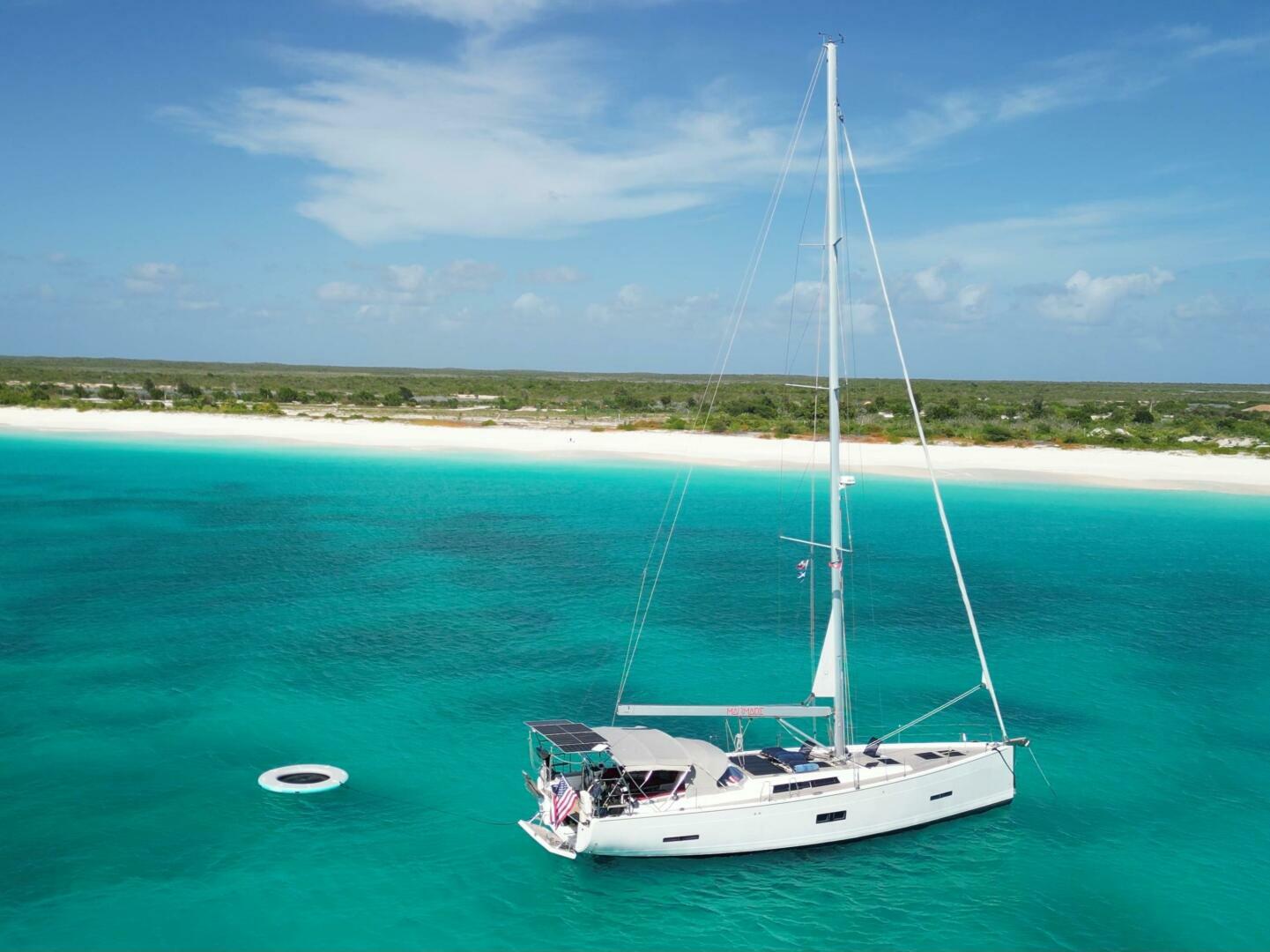
$359,000
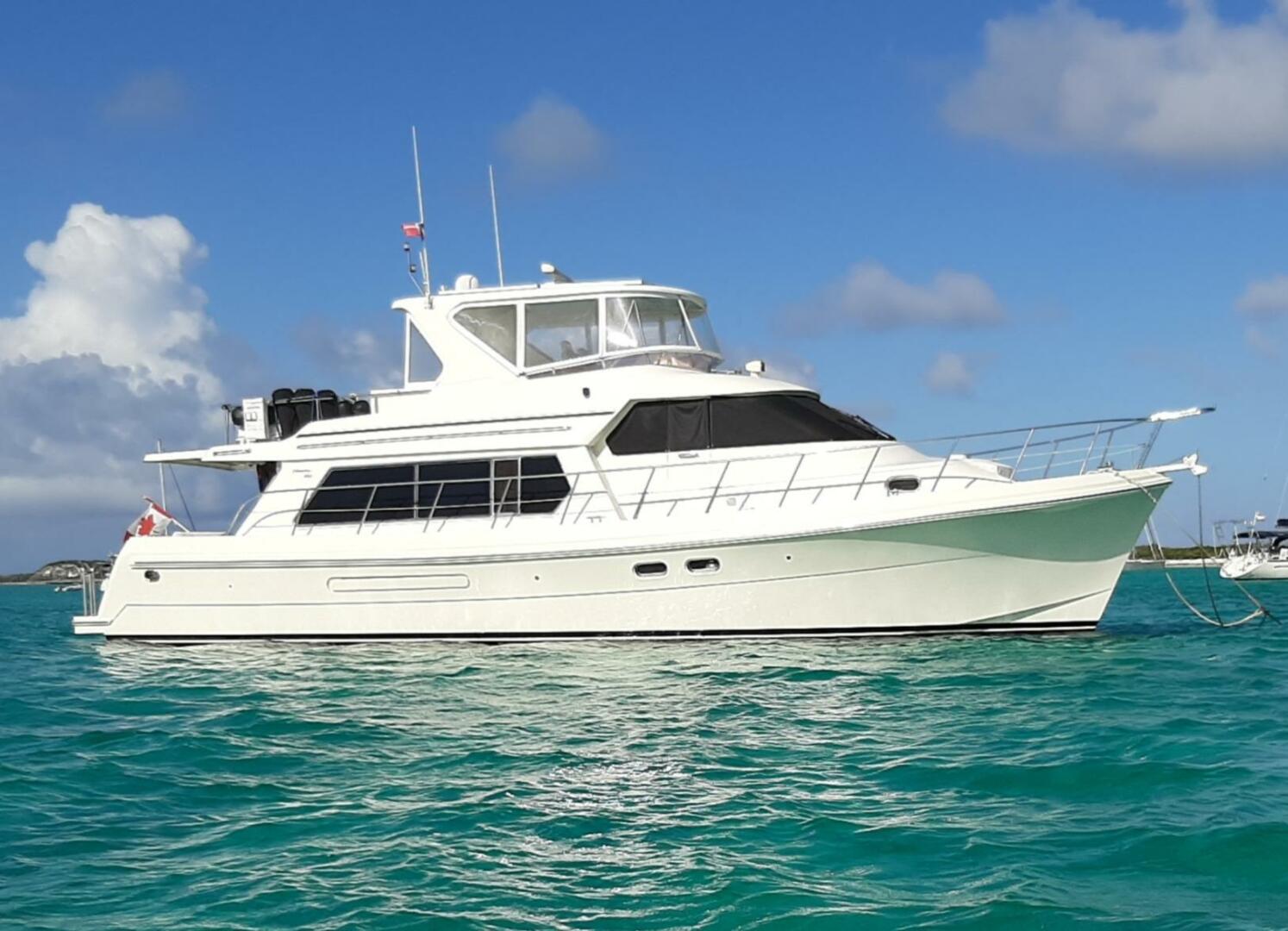
$499,500
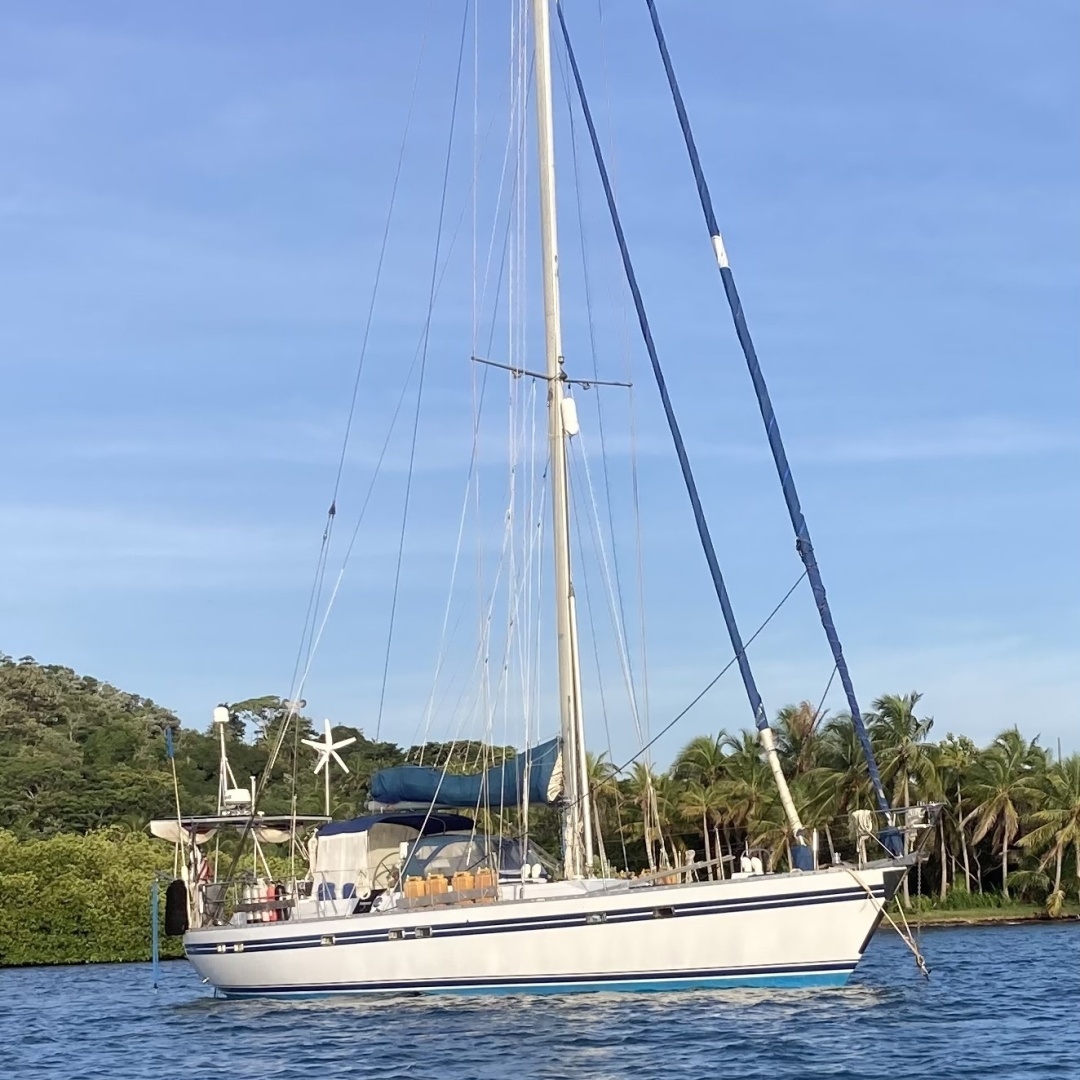
$299,500
$1,290,000
$800,000
$545,000
$564,900
$1,130,000
$159,000
$499,000
$89,000
$89,000
$135,000
$98,250
$149,850
$369,000
$395,000
$349,000
$125,000
$1,724,571
$149,500
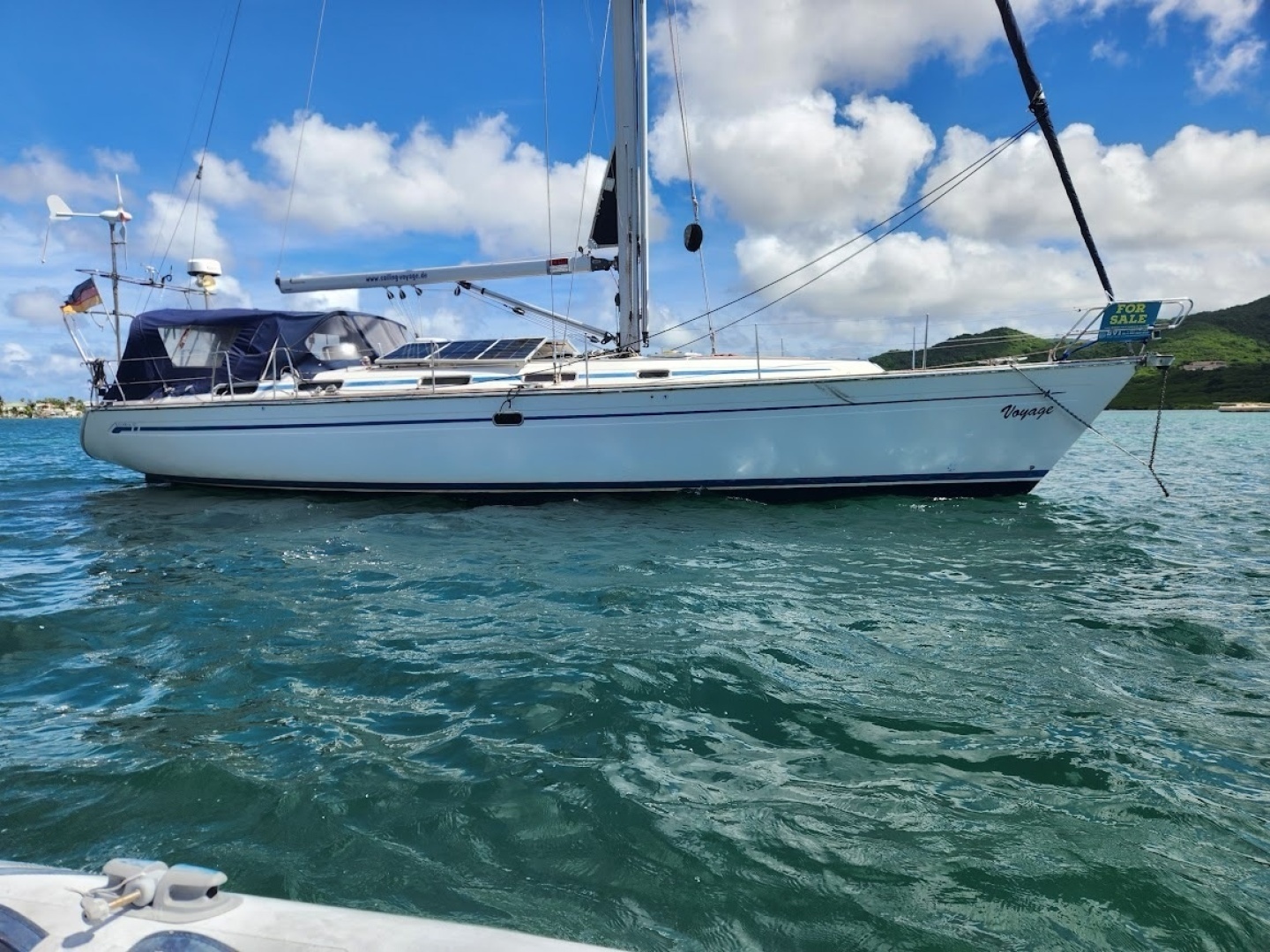
$109,900
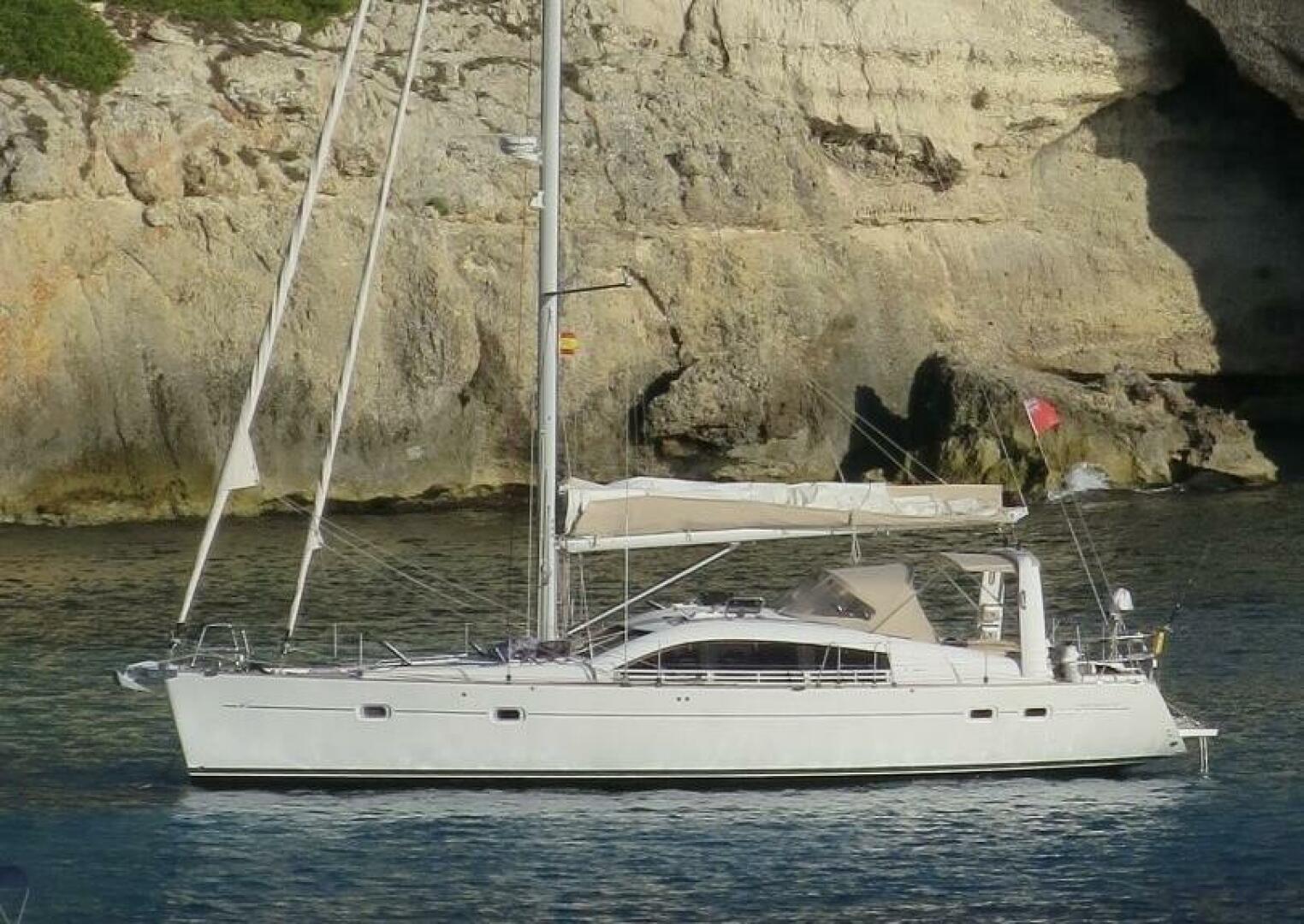
$395,000

$652,000
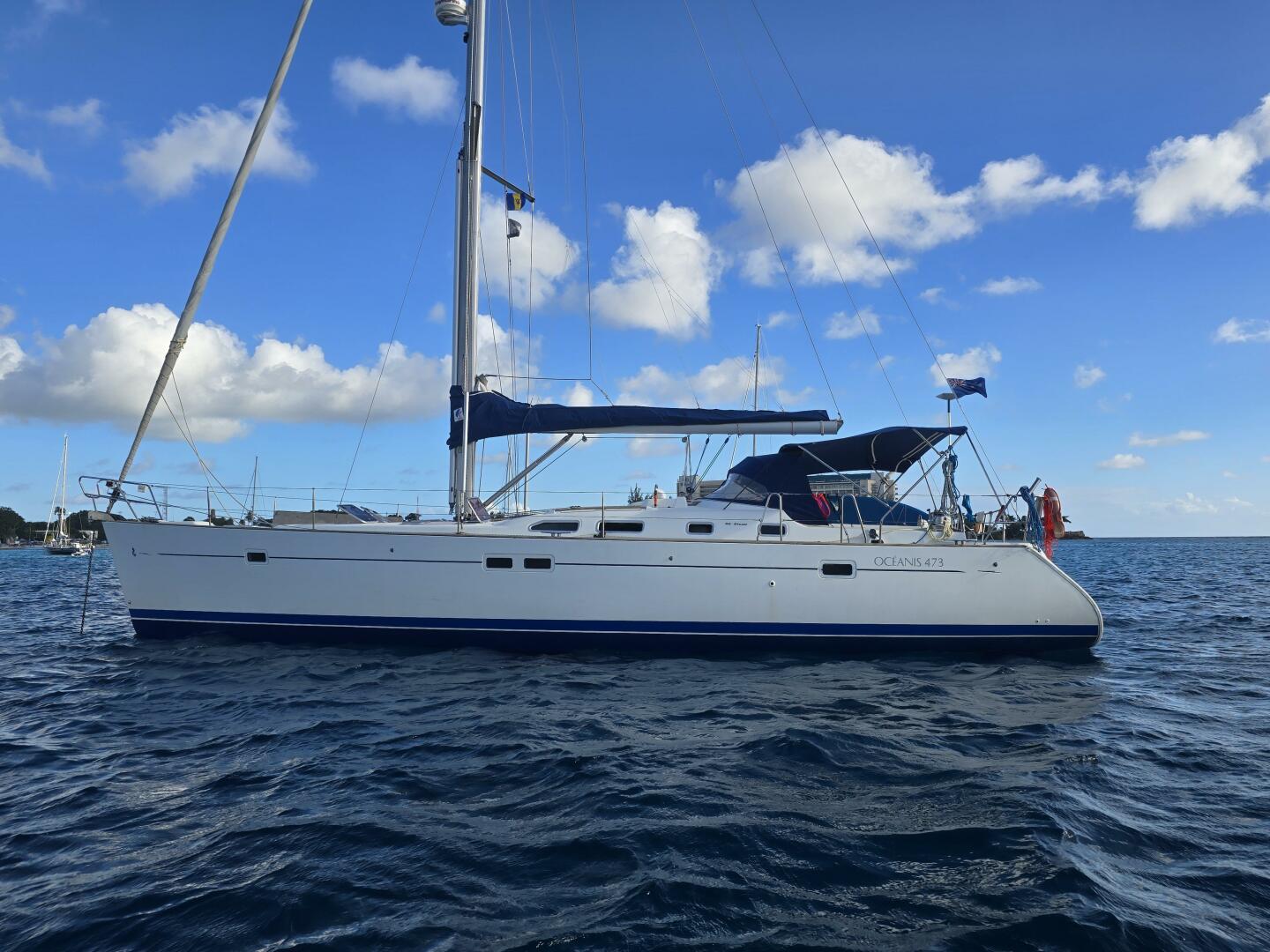
$105,000

$115,000
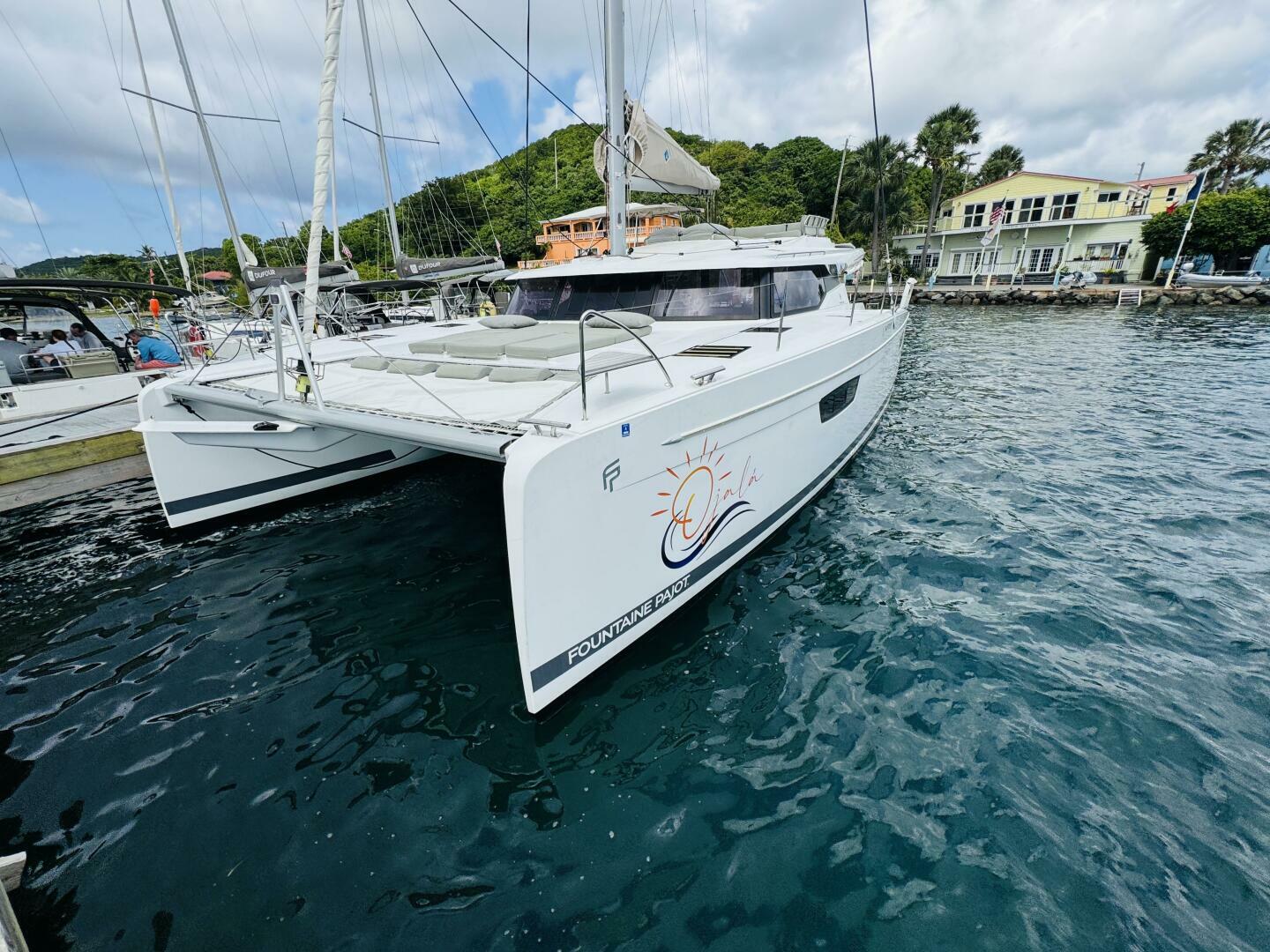
$950,000
$149,000
$135,000
$349,000