
Financing a Caribbean yacht: the honest overview
Buying a yacht in the Caribbean rarely means writing a single check. Most buyers use a marine loan, and understanding how that financing works — before you fall for a particular boat — keeps you from discovering a funding obstacle in the middle of a deal. Financing and tax interact more than buyers expect, because what a lender wants to see at closing is shaped by how sales tax on an offshore purchase has been handled.
The mechanics are similar to financing anywhere, with a few Caribbean-specific wrinkles around flag, registration, and survey. This guide walks through how marine loans are structured, what lenders expect, and where buying in the islands changes the picture.
How marine loans are structured
Almost all yacht loans are secured loans: the boat itself is the collateral. If the borrower defaults, the lender can repossess the vessel to recover the balance. That structure is why the boat’s condition, title, and documentation matter so much to a lender — they’re underwriting the asset as well as the borrower. Almost every lender makes hull cover a condition of funding, and Caribbean yacht insurance cost turns on build year, hurricane-season plans and who is aboard.
On typical yacht loan terms, expect a down payment around 20% for most purchases, with smaller loans under roughly $500,000 sometimes accepted at about 15% down, and larger loans above $2.5 million requiring 25-30%. Terms commonly run 10 to 20 years. A longer term lowers the monthly payment but increases total interest paid; a shorter term costs more each month but less overall. Lenders size a loan against the total purchase figure, so it pays to work out how much a yacht costs in the BVI before you approach a bank.
What you'll pay: rates and down payments
Rates move with the broader market and with your profile. As of mid-2026, current marine loan rates for most buyers sit in roughly the 6-9% APR range, fixed or variable, depending on credit, loan-to-value ratio, the vessel’s age, and the loan amount. Well-qualified borrowers with strong credit and a larger down payment land at the lower end.
Down payment is more than a hurdle — it’s leverage. Buyers who put 20% or more down consistently get better pricing than those at the minimum, because a lower loan-to-value ratio reduces the lender’s risk. If the rate matters to you, the down payment is one of the few levers you fully control.
What lenders look for before they approve
Beyond the down payment, marine lenders weigh your credit profile — many look for a score around 680 or above for competitive rates, though lower scores aren’t automatic disqualifiers; they usually mean a higher rate or a larger required down payment. Lenders also assess income, existing debt, and the boat itself.
The vessel side of underwriting is where Caribbean purchases get specific. A marine survey isn’t just buyer protection — lenders typically require one, because they’re financing the asset. Older boats, project boats, and certain liveaboard arrangements can be harder to finance or carry different terms. Sorting out what’s financeable early prevents a stalled deal later.
The Caribbean wrinkle: flag, registration, and import
Many Caribbean yachts are registered in a foreign jurisdiction — a choice often driven by tax, crewing, and estate-planning considerations. Foreign-flag ownership is common and entirely workable, but it adds documentation steps that a US lender will want to understand, and it interacts with how and whether you intend to bring the boat into US waters.
If you plan to flag the boat in the US or import it to the mainland, build that into your financing conversation from the start. The closing on a Caribbean boat involves the same survey-and-title discipline as any purchase, with an added layer of registration logistics — the kind of thing a broker who closes these deals regularly can help you sequence so financing and paperwork move together.
Planning your purchase around financing
The buyers who close smoothly treat financing as step one, not an afterthought. Get pre-qualified before you shop seriously, so you know your real budget and can move quickly when the right boat appears — in the Caribbean’s active markets, good boats don’t wait. Knowing your down payment, your rate range, and your monthly comfort zone turns a vague dream into a concrete shopping brief.
Then align the rest of the purchase — survey, valuation, and registration — with your lender’s requirements. When financing, survey, and closing are sequenced together rather than discovered one surprise at a time, the whole purchase moves faster and with far less stress.
QHow much down payment do I need to finance a yacht?
Most yacht loans require around 20% down. Smaller loans under roughly $500,000 are sometimes accepted at about 15%, while larger loans above $2.5 million typically require 25-30%. Putting more down usually earns you a better interest rate.
QWhat are yacht loan interest rates right now?
As of mid-2026, most marine loans fall in roughly the 6-9% APR range, fixed or variable. Your exact rate depends on your credit profile, down payment, loan-to-value ratio, the boat’s age, and the loan amount, with the strongest borrowers landing at the lower end.
QHow long are yacht loan terms?
Marine loans commonly run 10 to 20 years. A longer term lowers your monthly payment but increases the total interest you pay over the life of the loan, while a shorter term costs more monthly but less overall.
QCan I finance a foreign-flagged Caribbean yacht?
Often yes, but foreign-flag registration adds documentation that a US lender will want to review, and it interacts with any plans to bring the boat into US waters. Raise flag and import plans with your lender and broker early so the paperwork and financing move together.
QDo lenders require a survey to finance a boat?
Typically yes. Because a yacht loan is secured by the boat, lenders usually require a marine survey to confirm the vessel’s condition and value before approving the loan. The survey protects you as the buyer at the same time.
QWhat credit score do I need for a yacht loan?
Many marine lenders look for a score around 680 or above for competitive rates. A lower score doesn’t automatically disqualify you, but it usually means a higher interest rate or a larger required down payment.
Planning to finance your Caribbean yacht?
Our brokers help buyers sequence financing, survey, and closing so the deal moves cleanly — and connect you with marine lenders who understand Caribbean purchases. Start with a conversation about your budget and the boats it reaches.
Featured Listings
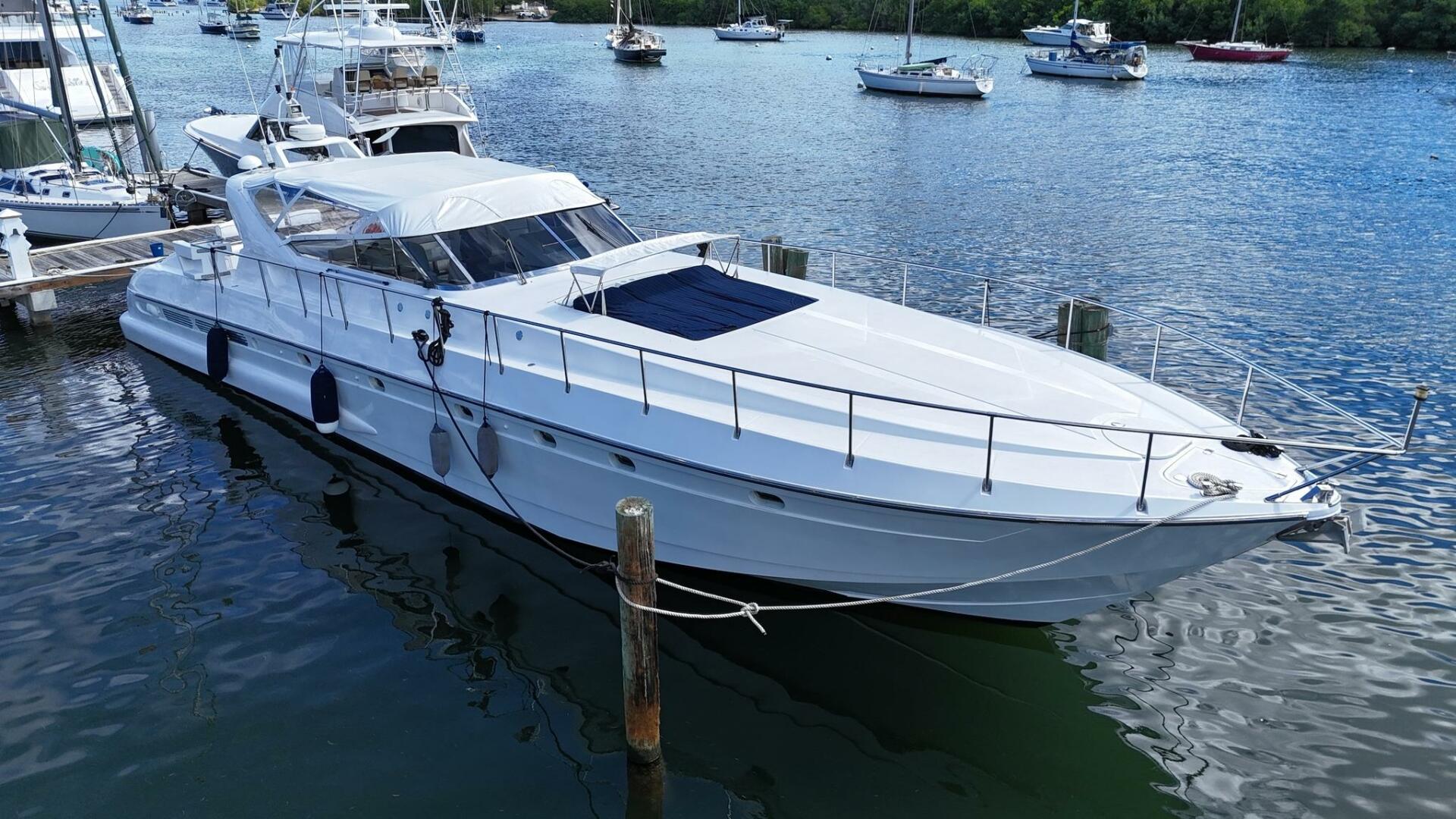
$599,000
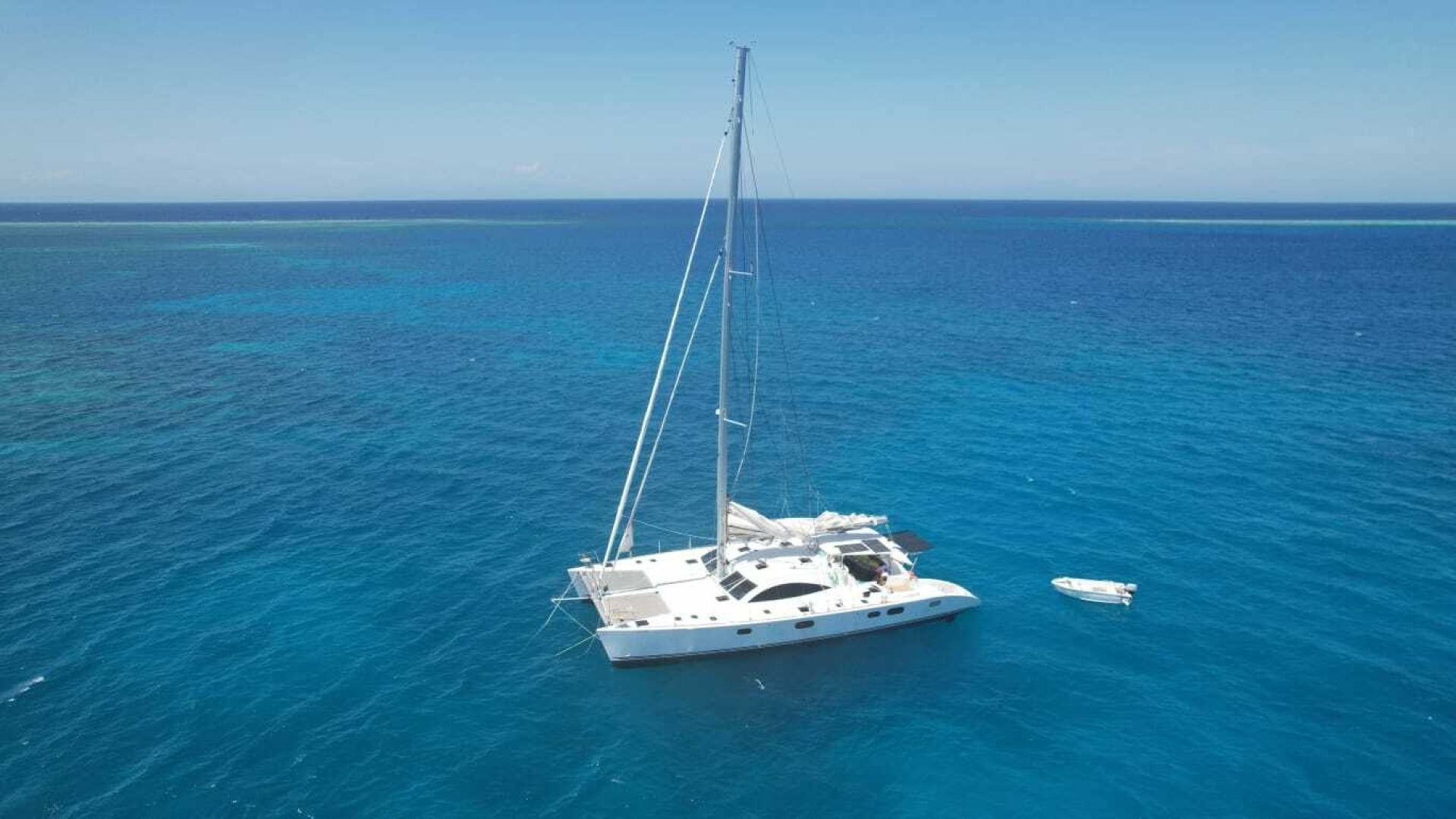
$1,300,000
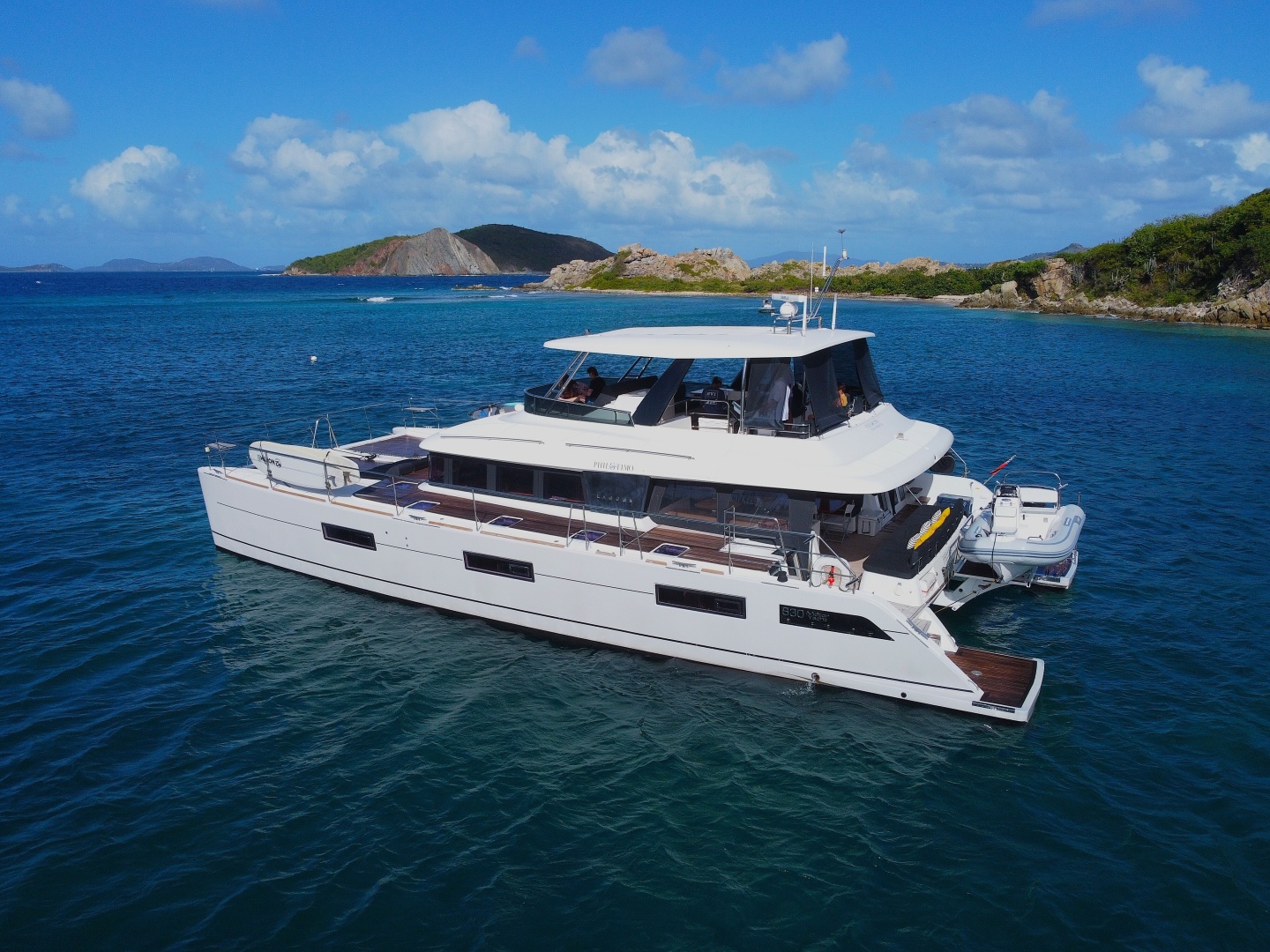
$1,699,000

$299,000

$899,000
$1,795,000

$269,000
$359,000
$499,500
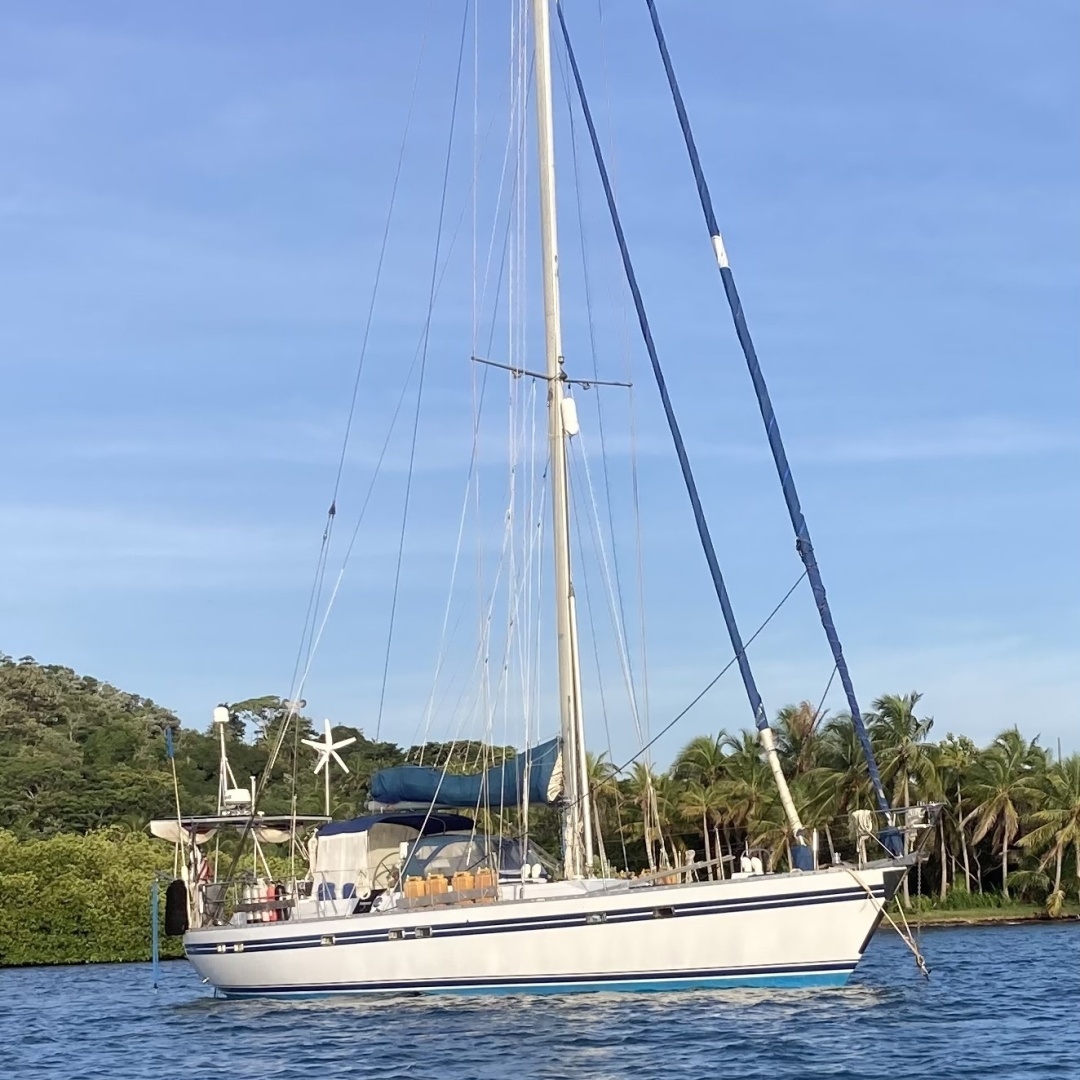
$299,500
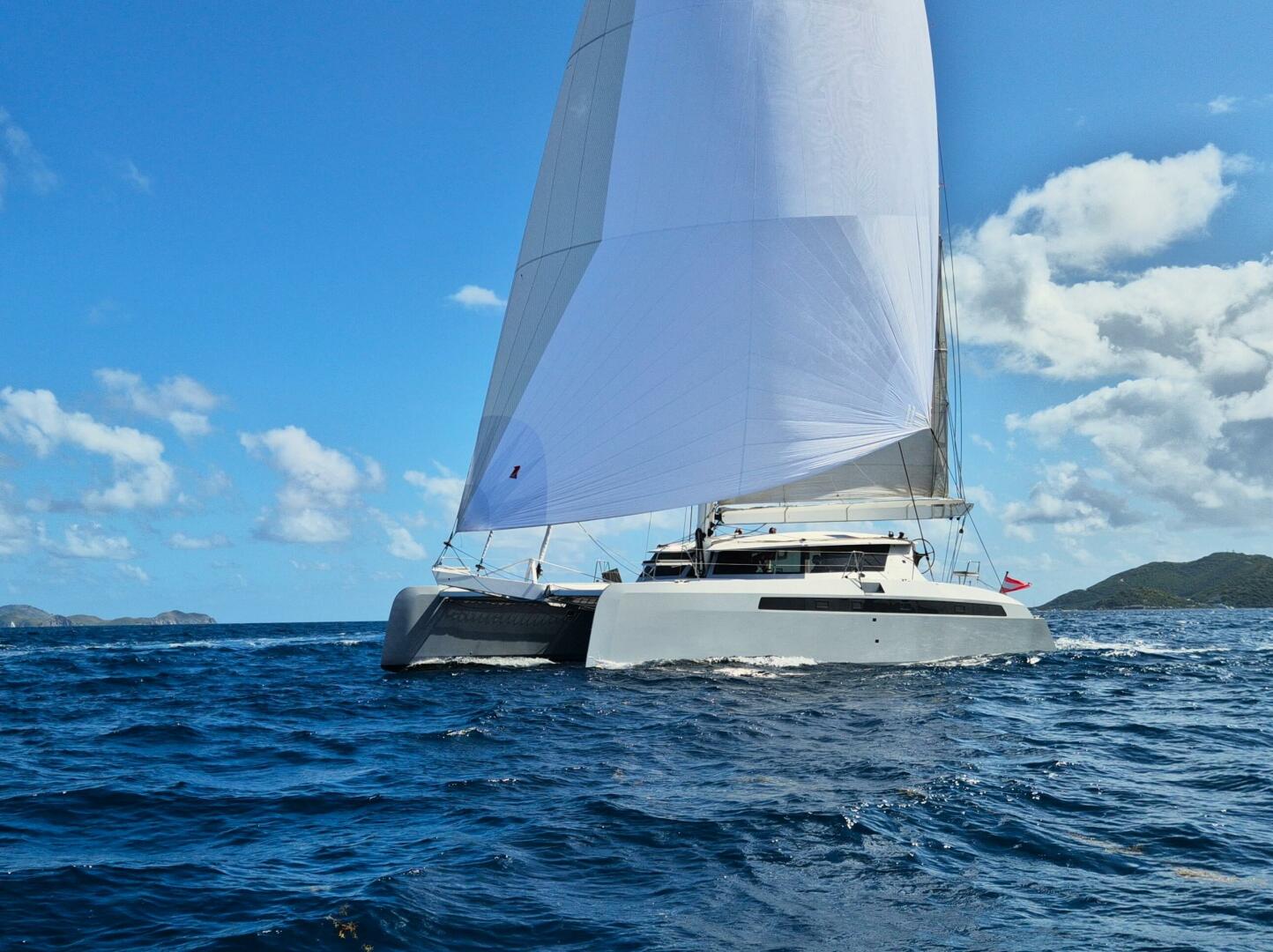
$1,290,000
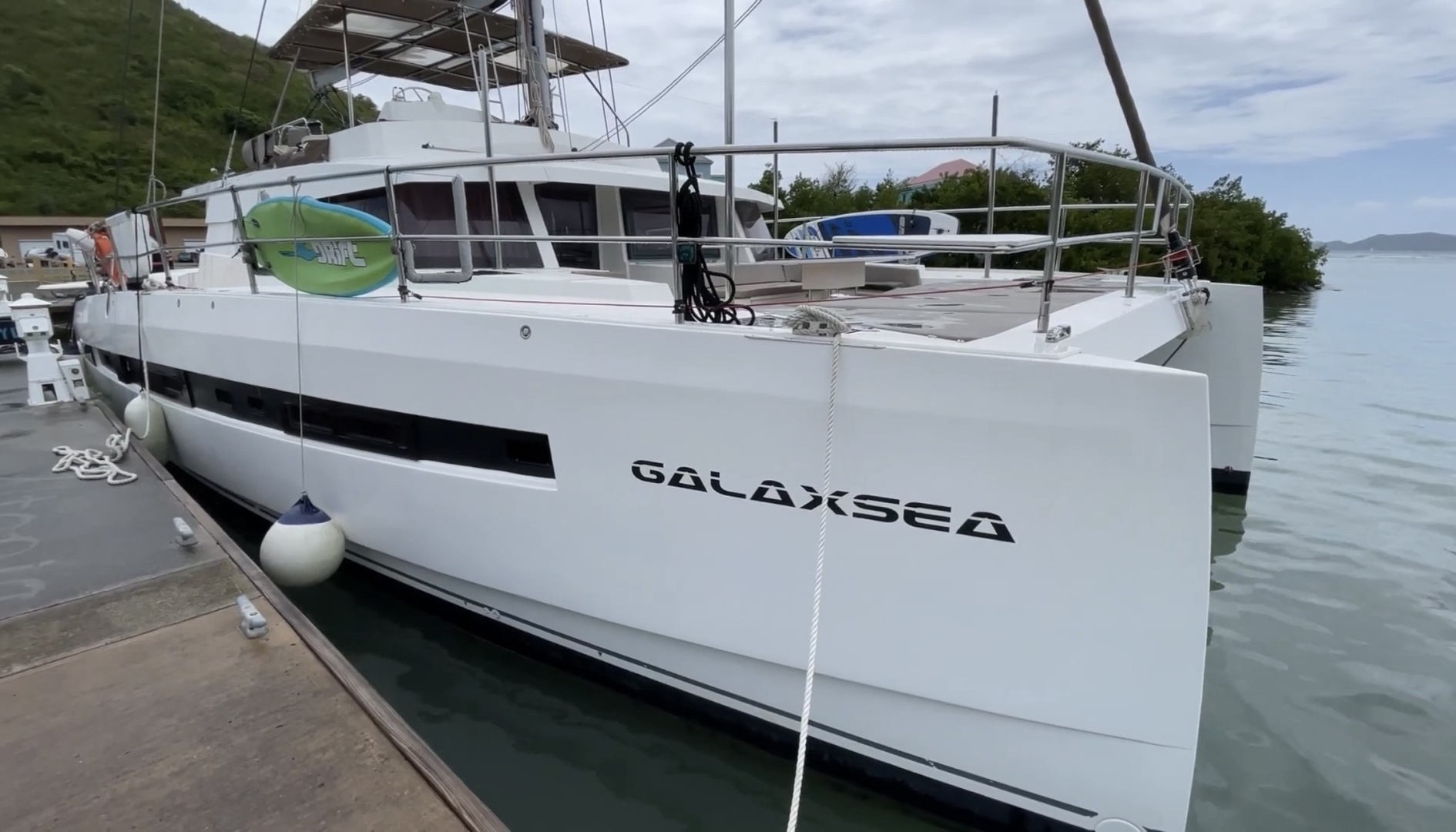
$800,000
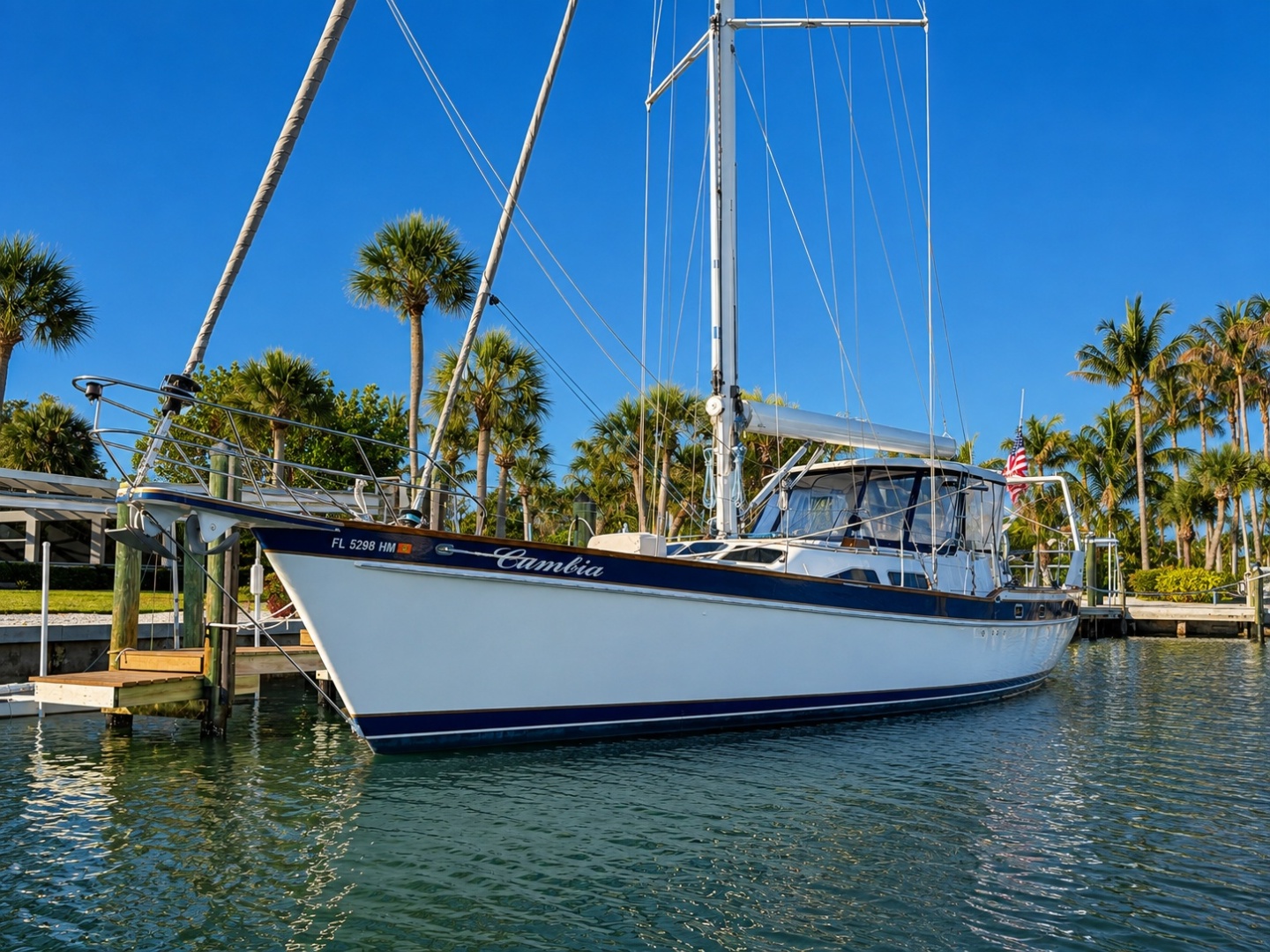
$545,000
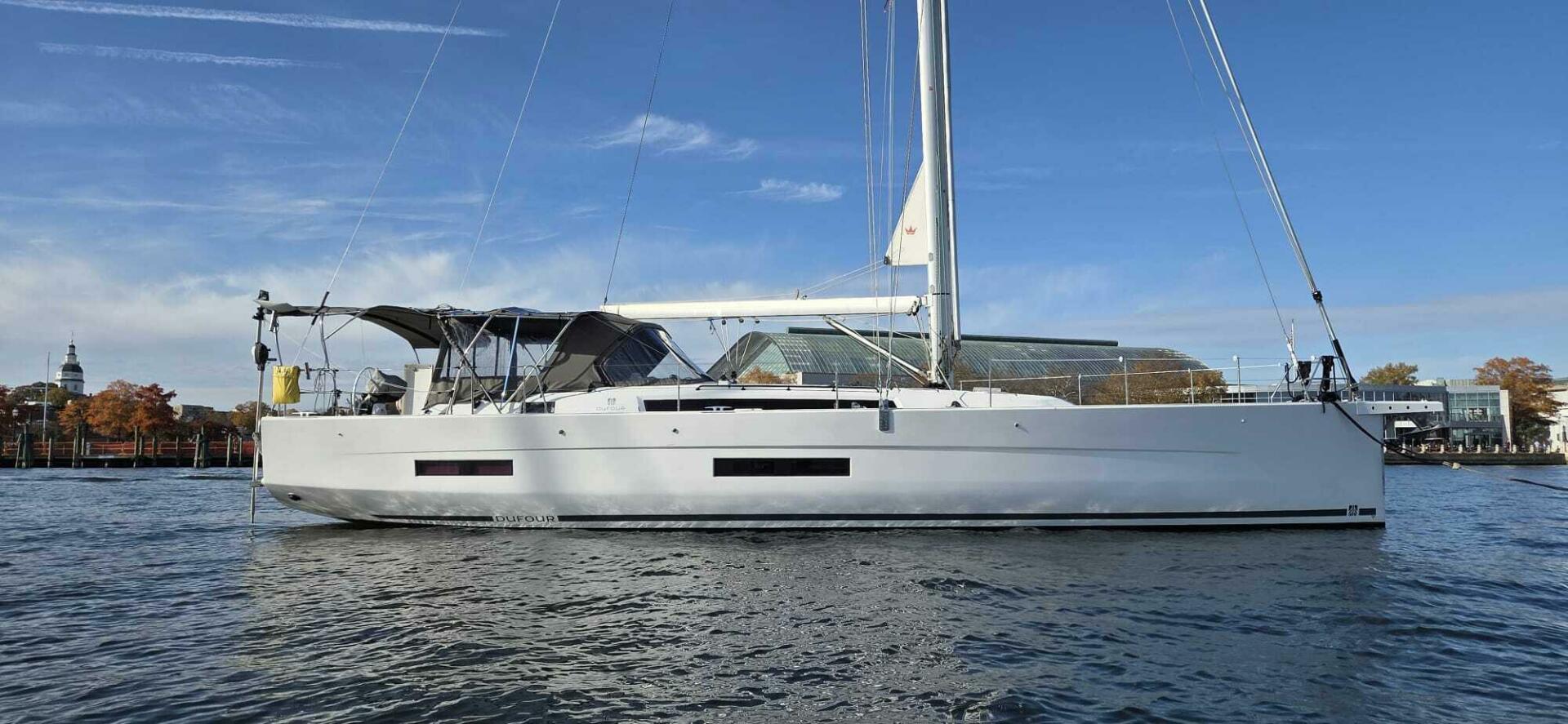
$564,900
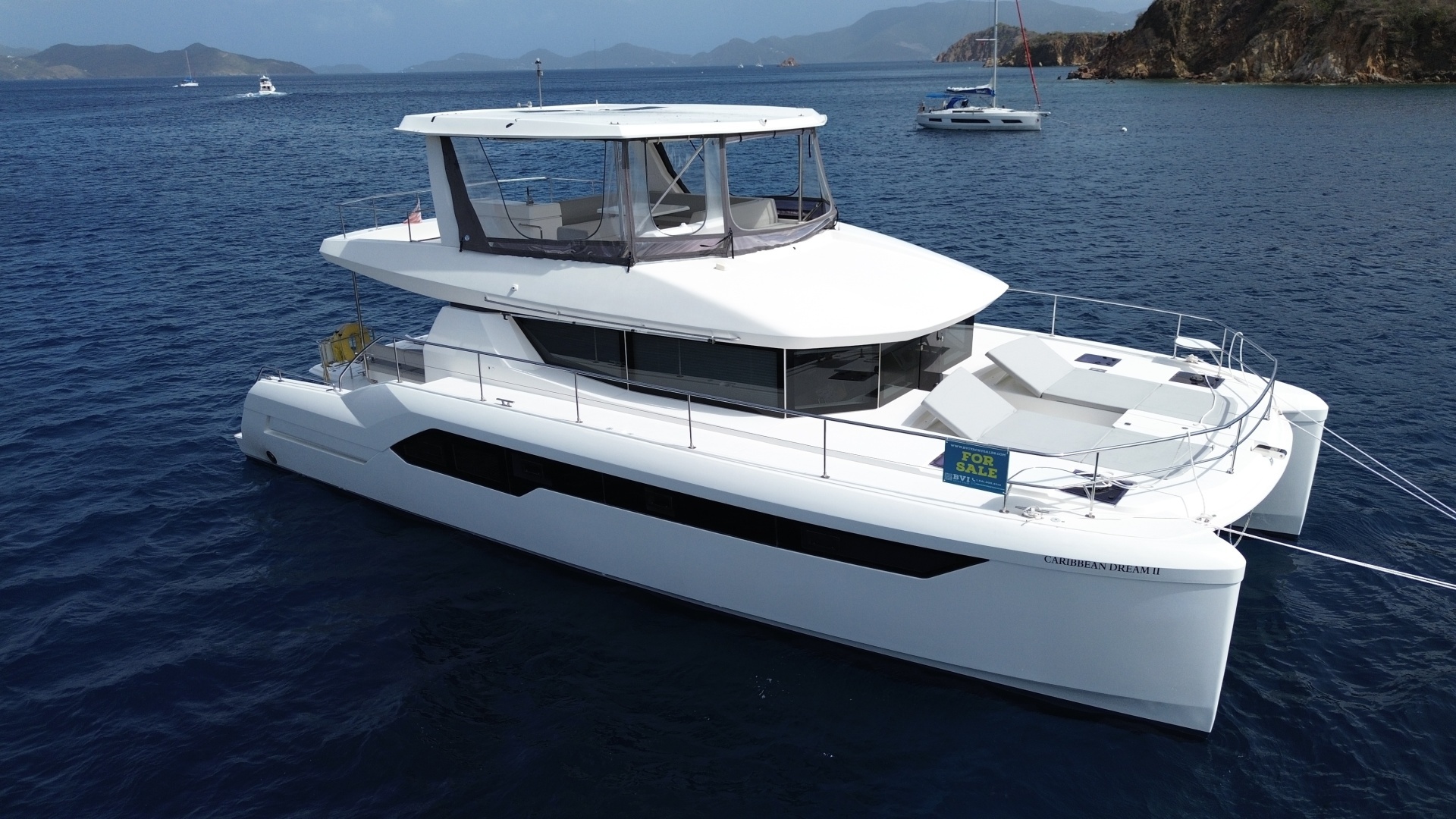
$1,130,000
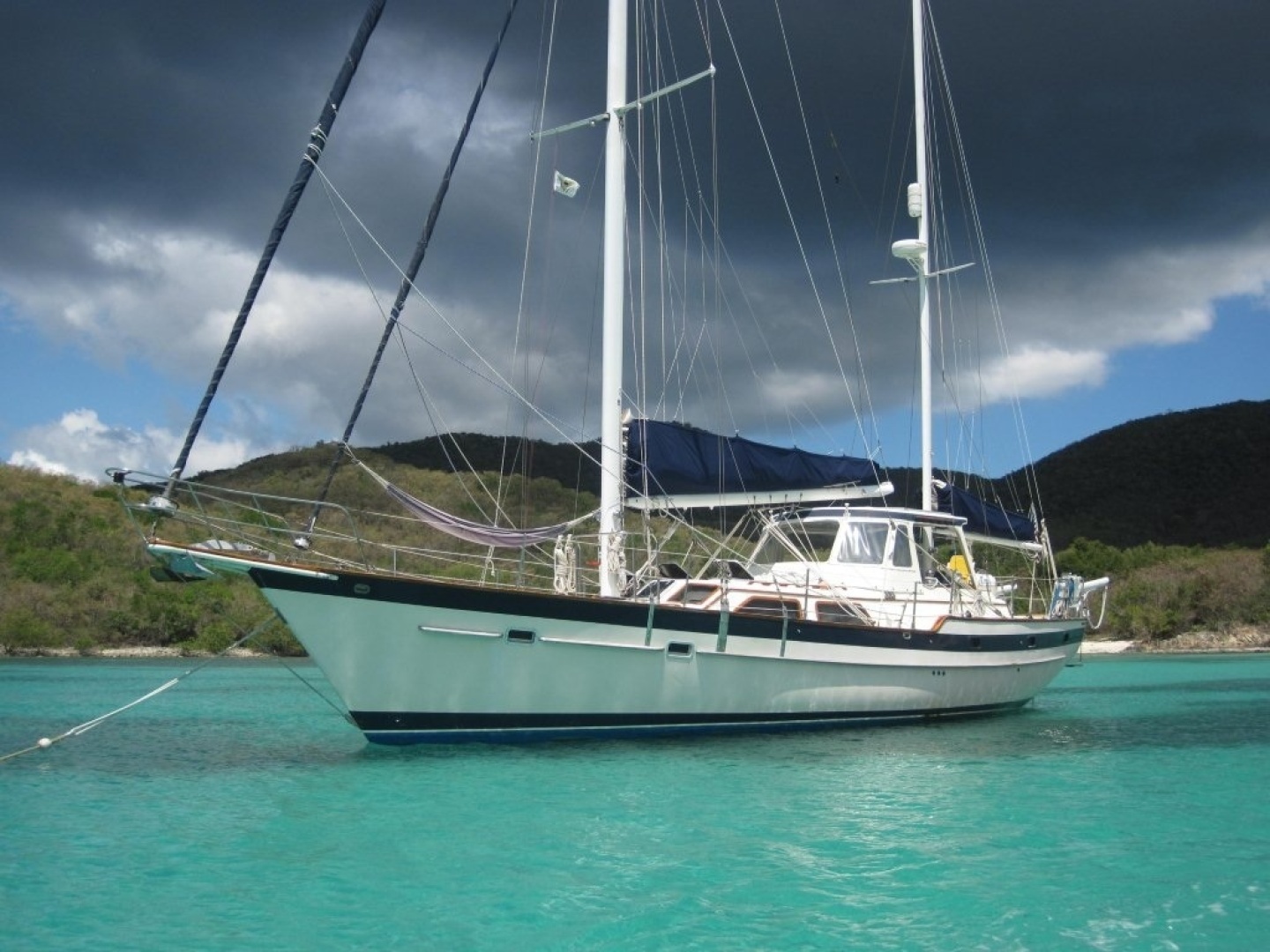
$159,000
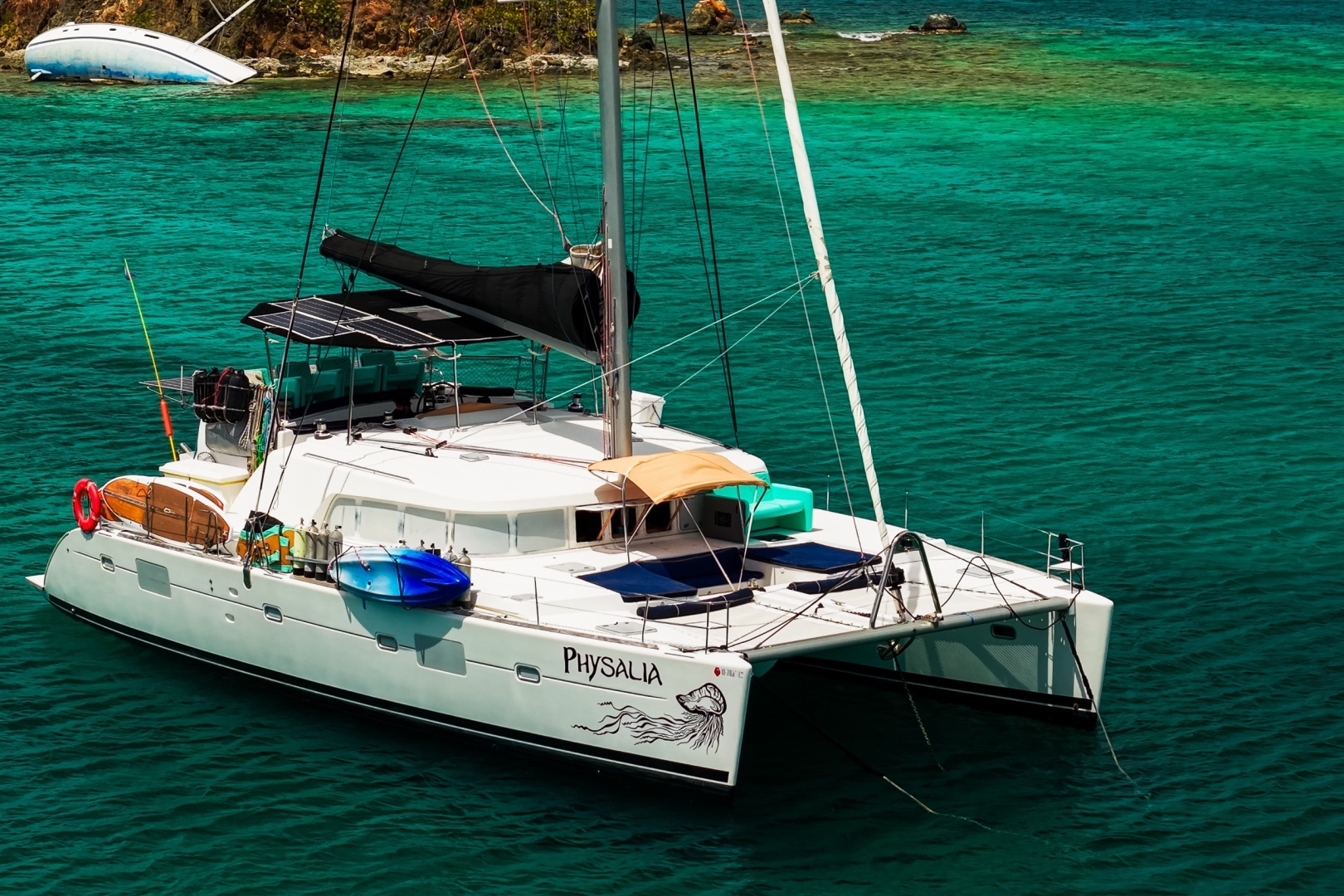
$499,000
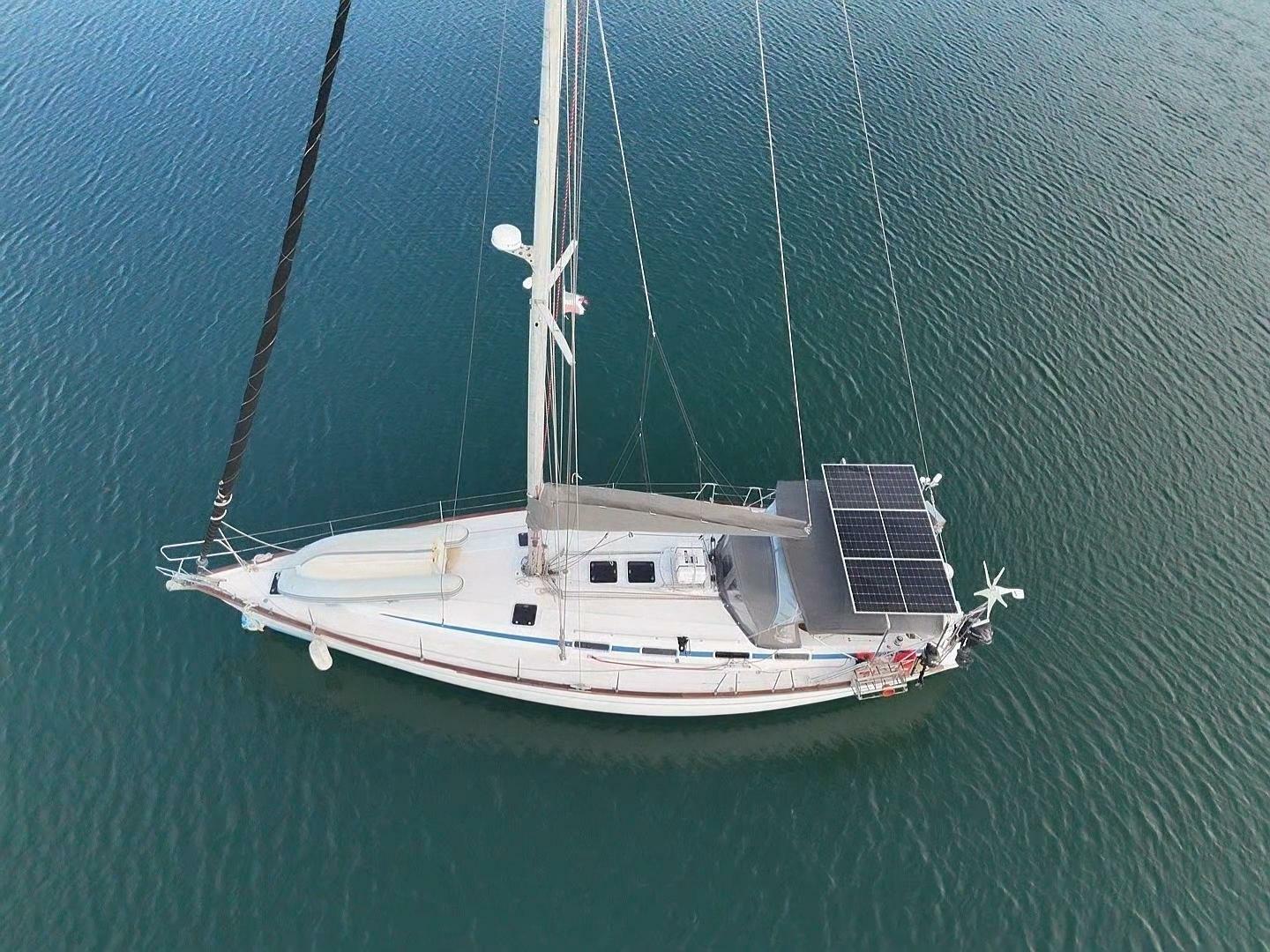
$89,000
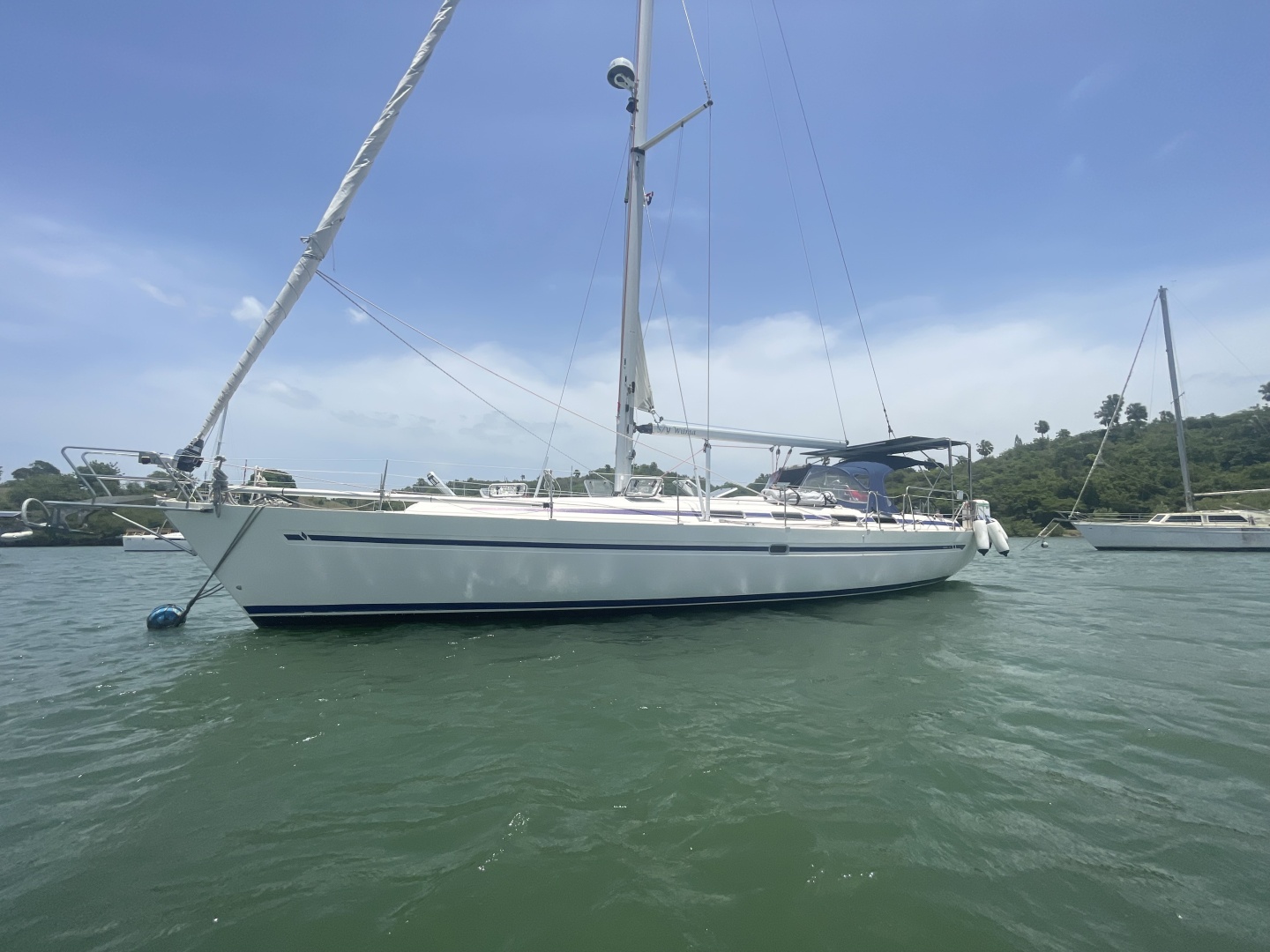
$89,000
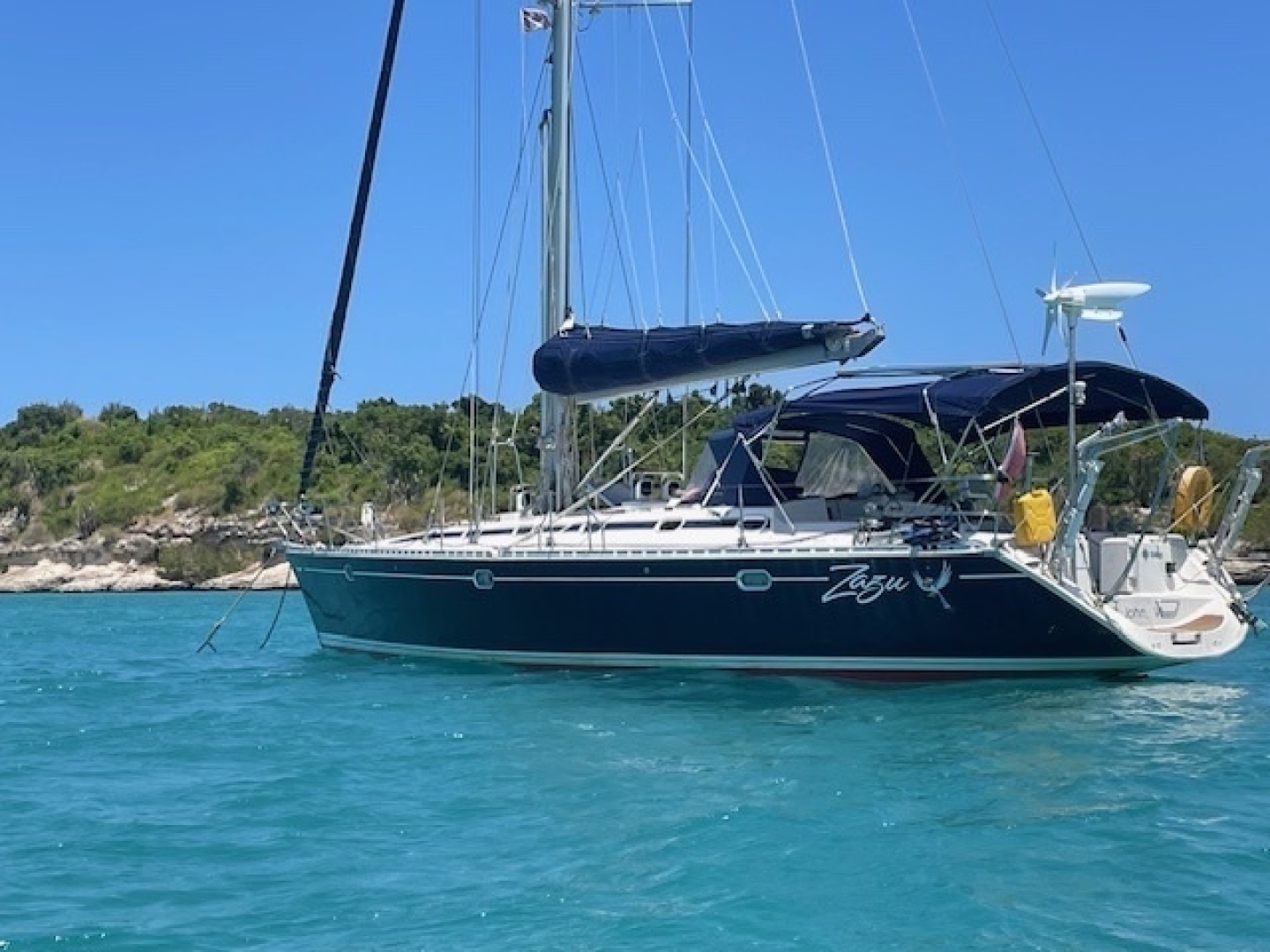
$135,000
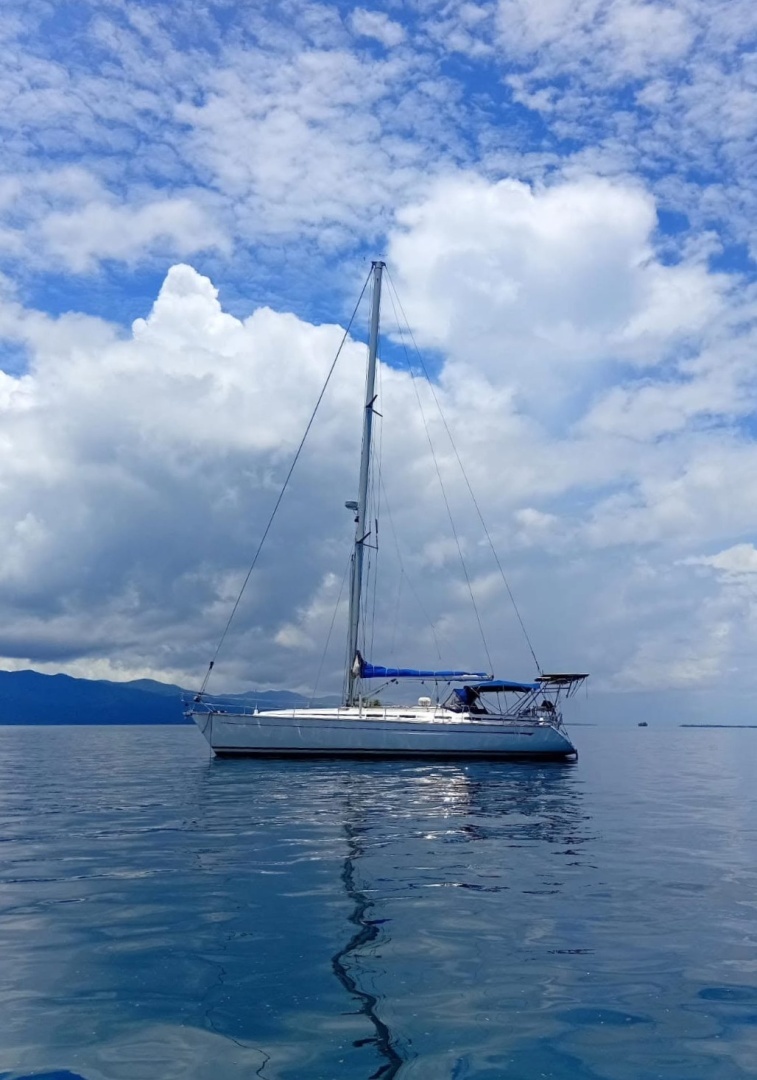
$98,250
$149,850
$369,000
$395,000
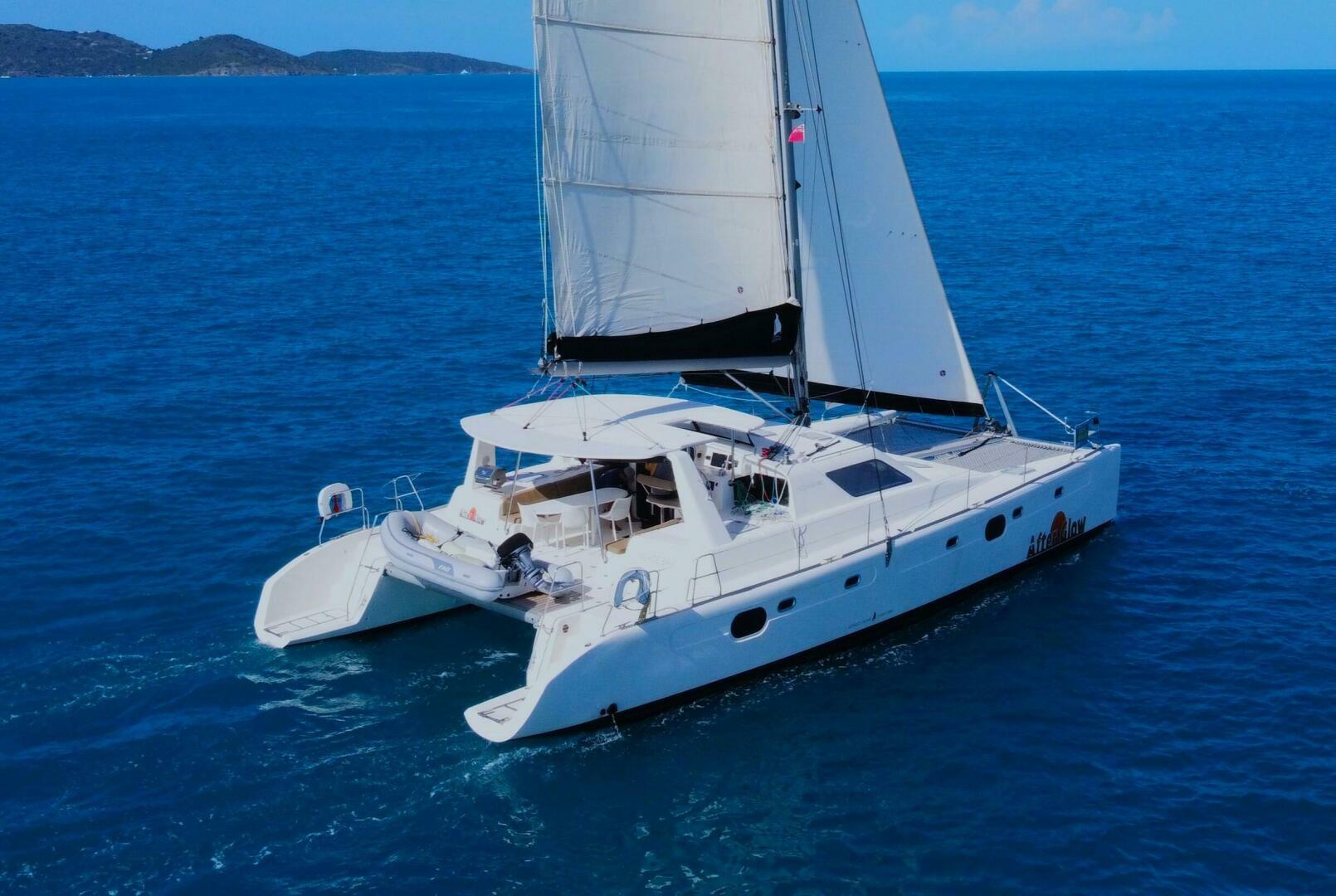
$349,000
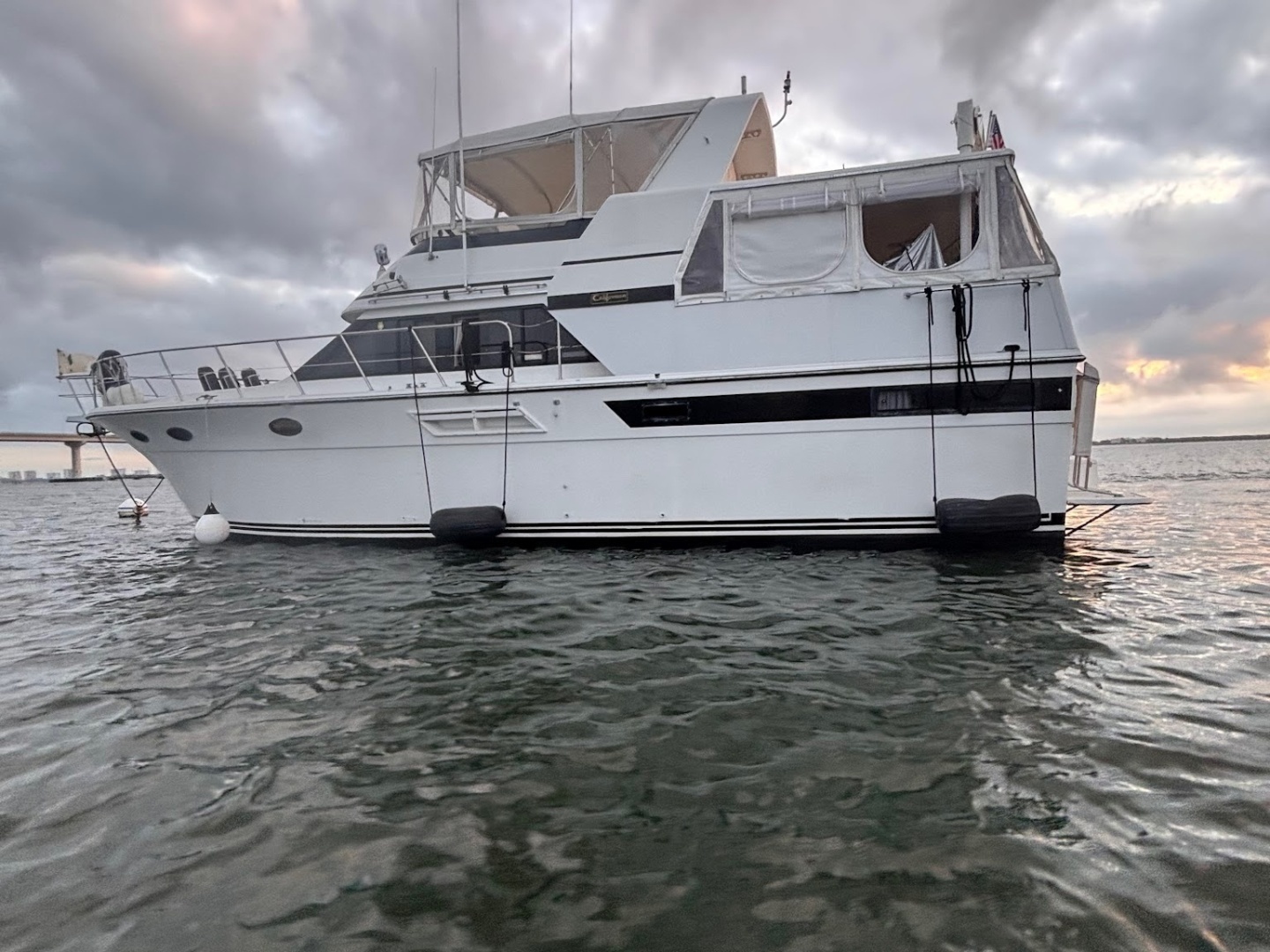
$125,000
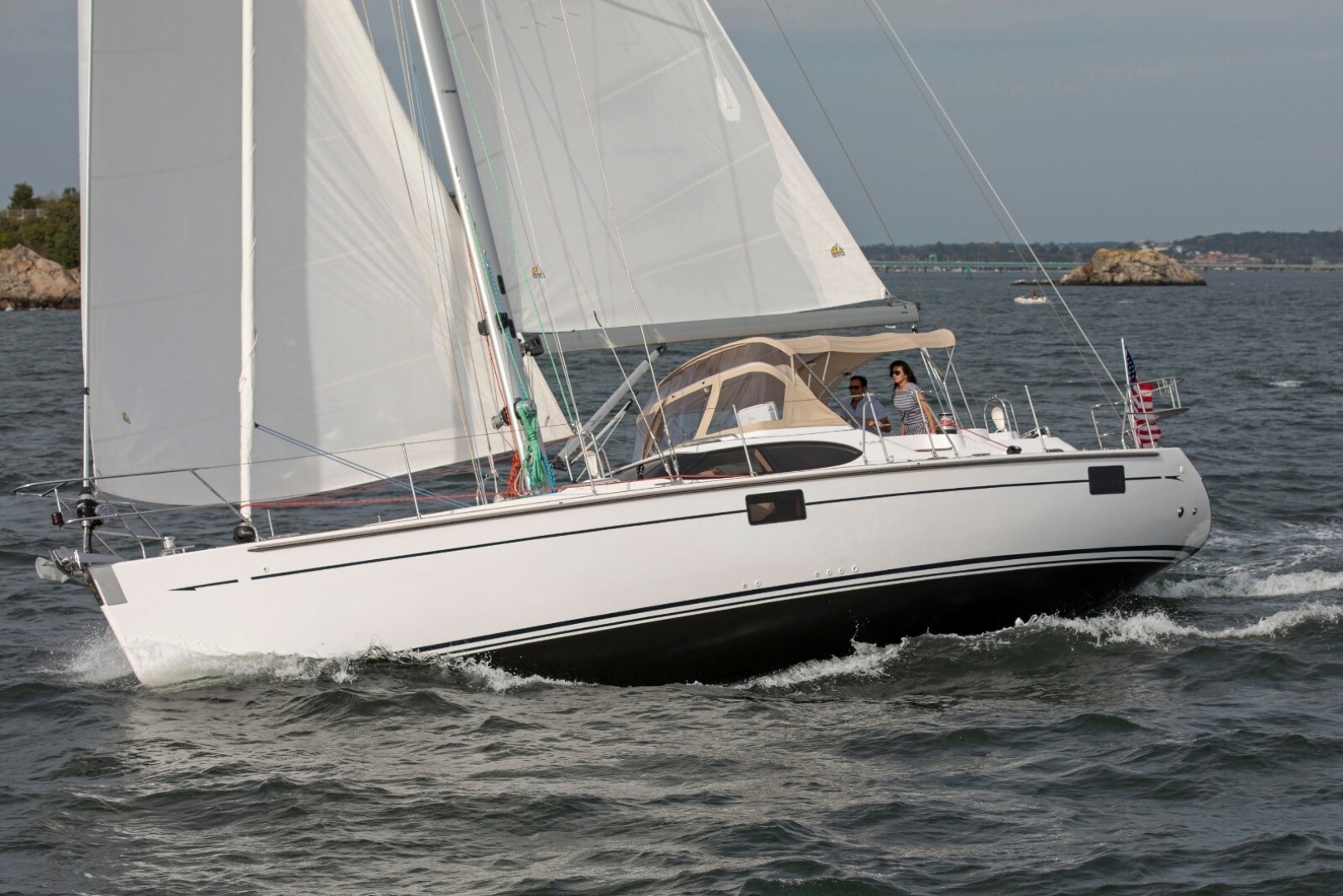
$1,724,571
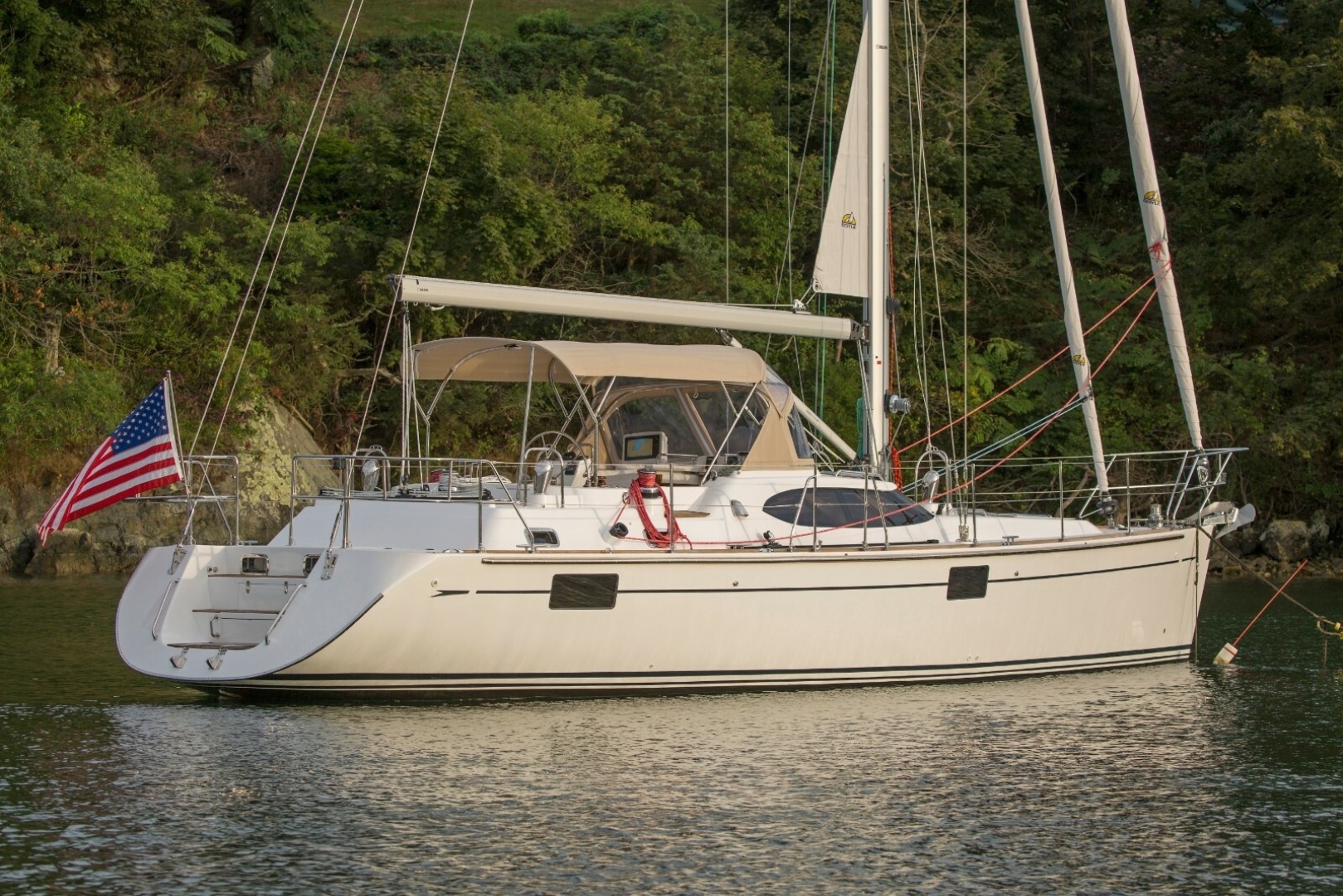
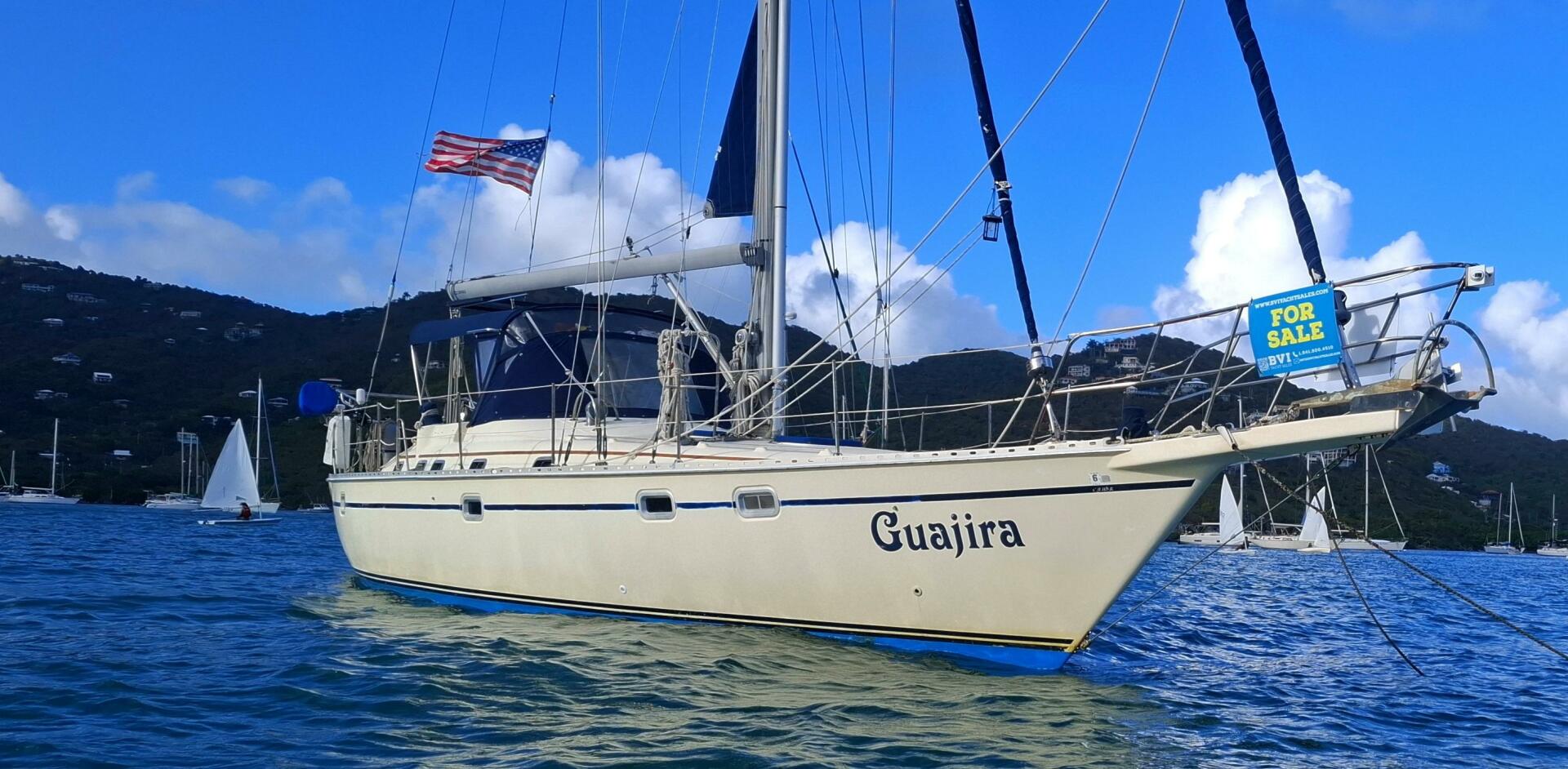
$149,500
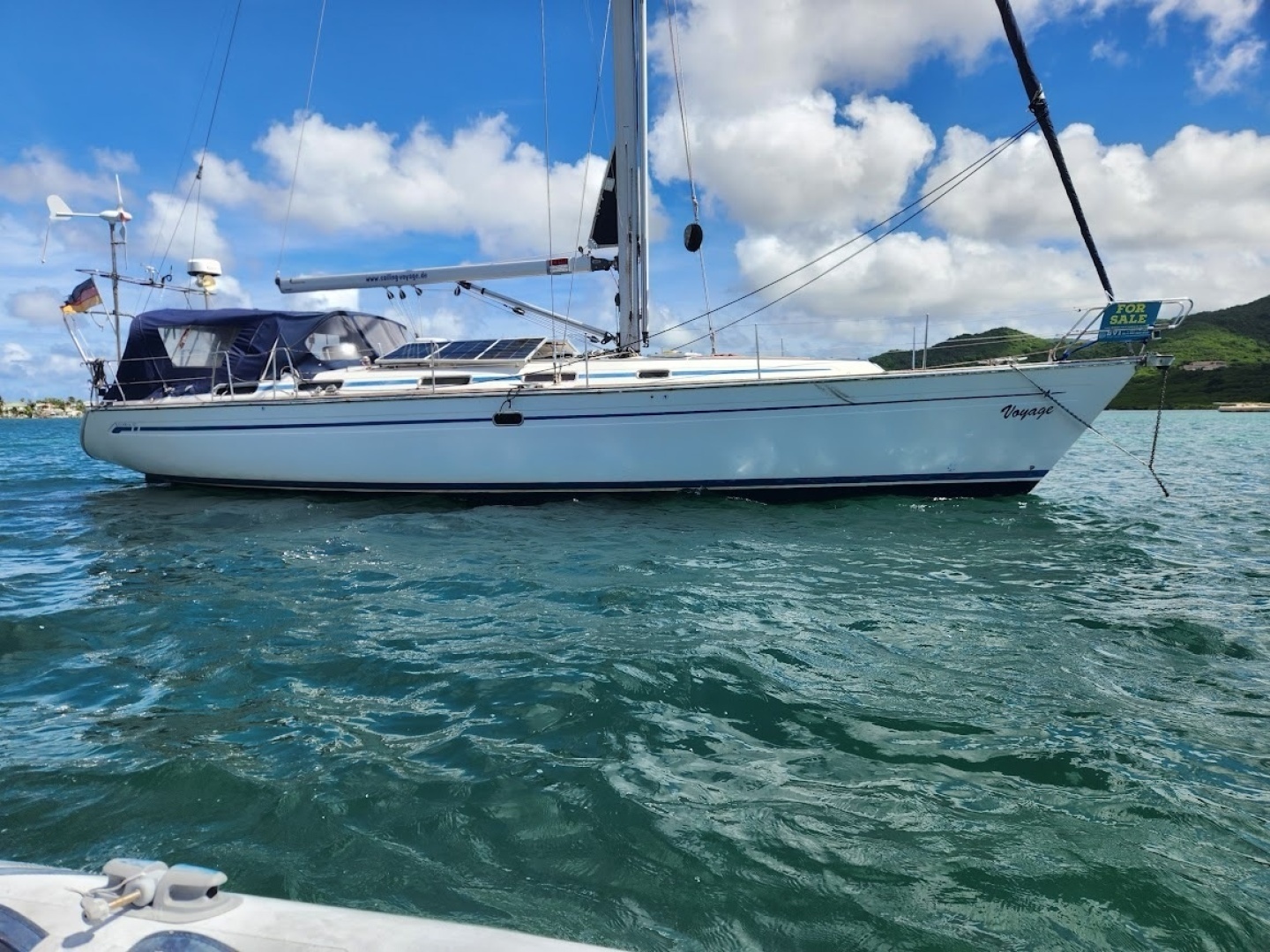
$109,900
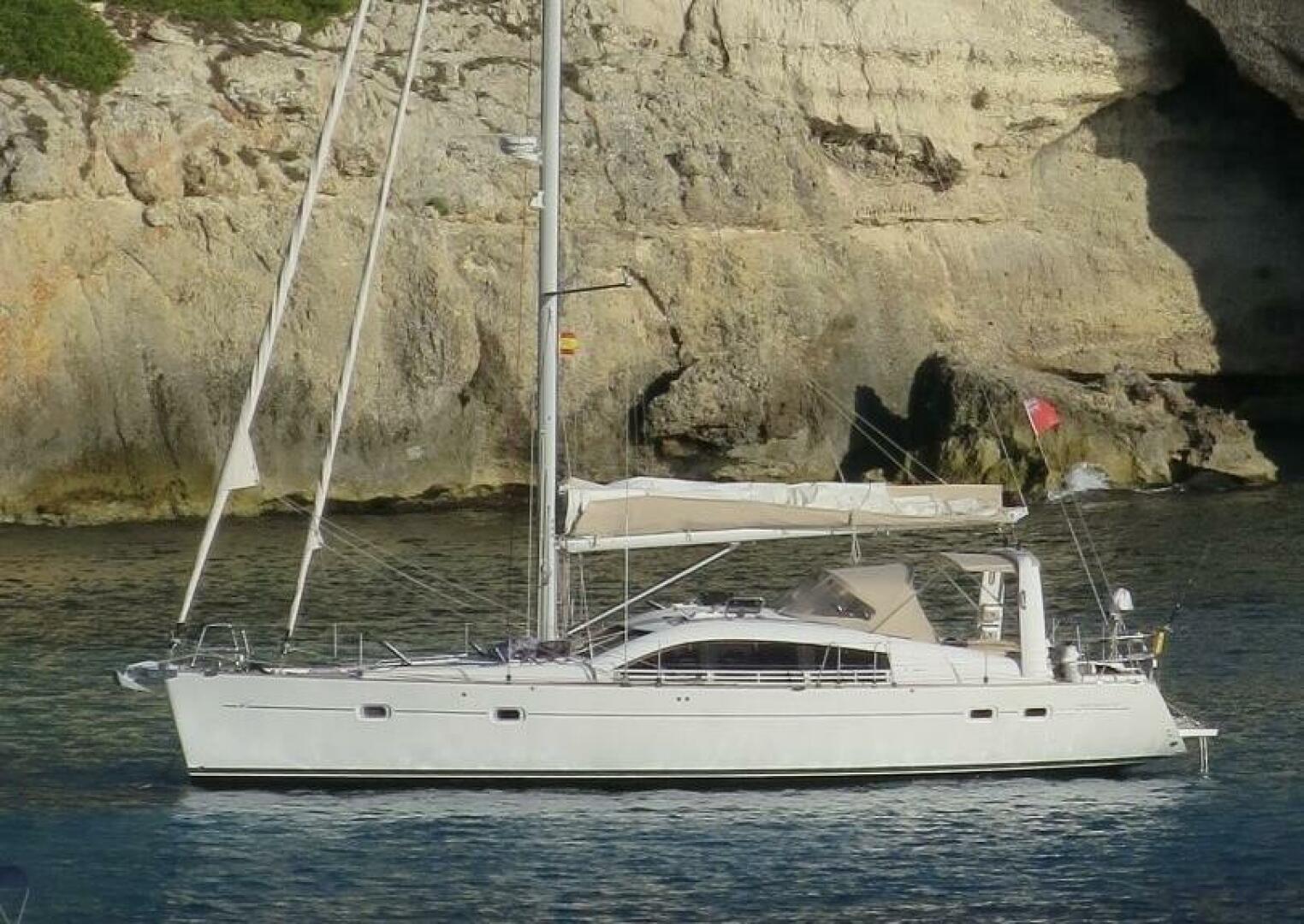
$395,000

$652,000
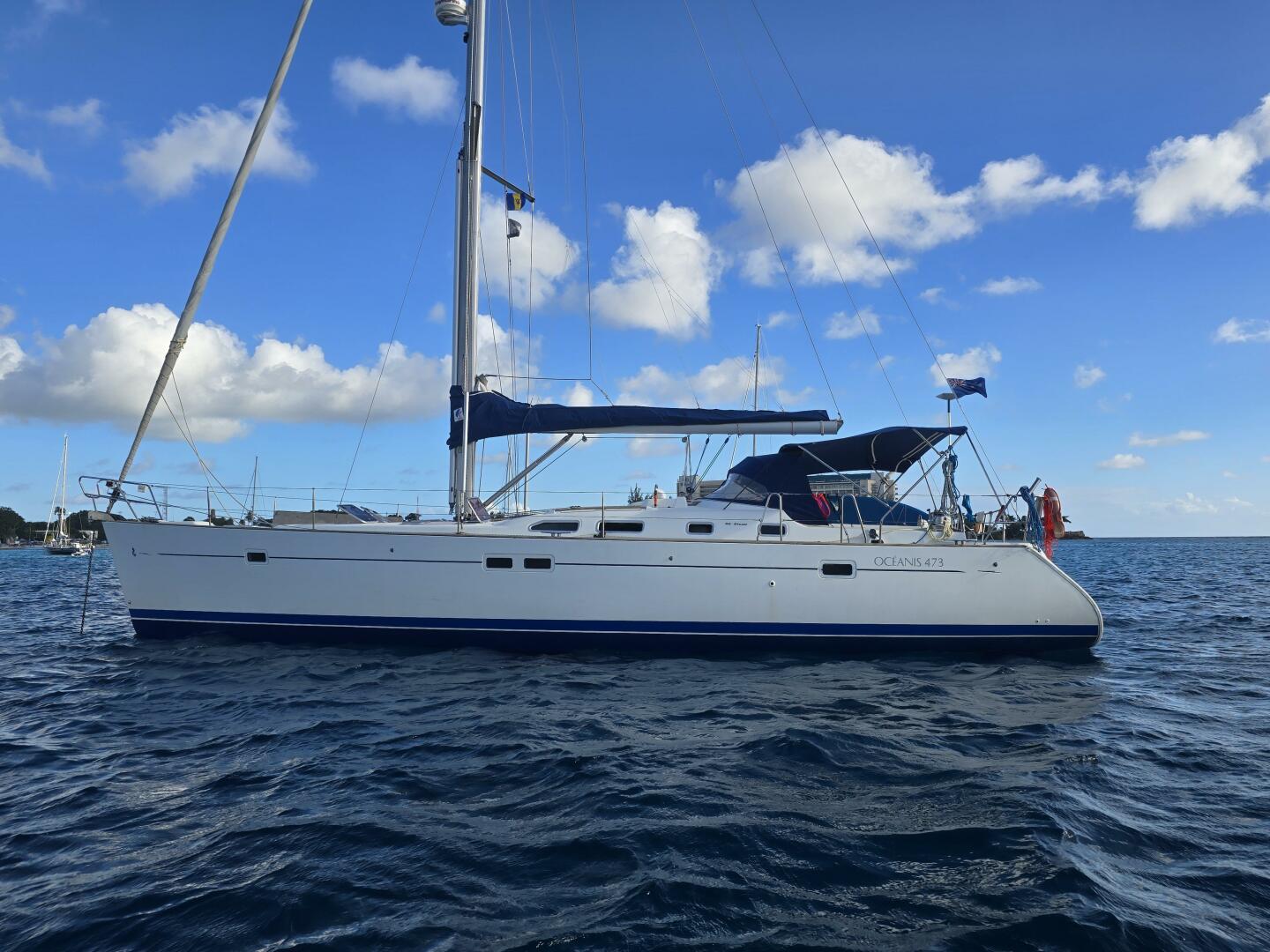
$105,000

$115,000
$950,000
$149,000
$135,000
$349,000