

Buying Guide · new vs Brokerage
A used yacht usually costs 20 to 50 percent less than the same boat new, because the first owner already absorbed the steepest depreciation. New buys you warranty, the latest systems, and a clean history. In the Caribbean, climate and import rules tilt that math further than most buyers expect.
Used / Brokerage
- 20–50% lower entry price
- Available now — no build queue
- Sold “as is”, survey-dependent
vs
New / Factory
- Full manufacturer warranty
- Latest systems and customisation
- Steep first-year depreciation
The used vs new yacht decision comes down to who absorbs the depreciation and who carries the risk. Buy new and you pay a premium for warranty, current technology, and a boat configured exactly to your spec. Buy a brokerage yacht and someone else has already eaten the first-year value drop — but you inherit whatever they did, or didn’t do, to maintain her.
Definition
Brokerage Yacht — A pre-owned vessel listed for sale through a broker on behalf of its current owner. Sold in as-is condition subject to survey, it carries no manufacturer warranty but typically sits past the steepest part of its depreciation curve.
Key Takeaways
- 01
A brokerage yacht 5–10 years old sidesteps the steepest depreciation and usually buys more boat per dollar.
- 02
New yachts trade a 15–20% first-year value drop for warranty, the latest systems, and full customisation.
- 03
On any used boat, a SAMS- or NAMS-accredited pre-purchase survey is your protection and your best negotiating tool.
- 04
In the Caribbean, condition beats age — and import duty plus climate can change which boat is truly cheapest.
The Money: Price, Depreciation, and What You Actually Recover
Here is the number that drives the whole comparison. A new yacht typically sheds 15 to 20 percent of its value in the first year, and 40 to 50 percent across the first five years. By the time a well-built boat is five to ten years old, the curve flattens hard — which is exactly why that age bracket is where experienced buyers shop.
If your budget is fixed, used money simply buys more boat. The same dollars that put you in a new 42-foot catamaran will often put you in a five-year-old 47-footer with the dinghy, the watermaker, and the solar already installed. New buyers pay for that gear at full retail; brokerage buyers inherit it at a discount.
Typical yacht value retention by age (% of original price)
| New | 100 |
| Year 1 | 82 |
| Year 3 | 68 |
| Year 5 | 55 |
| Year 7 | 50 |
| Year 10 | 46 |
Industry depreciation ranges, 2026
The first owner pays for the privilege of newness. The second owner pays for the privilege of knowing what they’re getting — which is why a thorough survey matters more on a used boat than almost anything else in the deal.
BVI Yacht SalesWarranty, Survey, and Who Carries the Risk
A new yacht arrives with a manufacturer warranty — commonly one year on smaller boats, with multi-year structural coverage on larger ones. That warranty is real peace of mind for your first season, especially on complex systems. Most brokerage boats are sold as is, with no warranty on equipment, so the survey becomes your protection instead of the factory’s.
This is where we get blunt with every buyer. BoatUS explains that a pre-purchase survey exists to document the boat’s true condition, establish fair market value, and flag any deficiency that could cause her to sink, burn, or injure someone. On a used yacht, skipping it to save a few thousand dollars is the single most expensive mistake we see. Hire a surveyor credentialed by SAMS or NAMS — most lenders and insurers require that accreditation on the condition-and-value report anyway.
The classic used-boat mistakes
Two ways buyers get hurt
First, focusing only on the sticker price. The survey, haul-out, sea trial, insurance, and first-season fixes are part of the real cost — budget for them before you make an offer, not after.
Second, treating the survey as a formality. A good surveyor’s report is also your strongest negotiating tool: every documented deficiency is a line item you can price back into the deal.
New vs Brokerage, Side by Side
Buying New
- ✓Full manufacturer warranty on hull, engines, systems
- ✓Latest electronics, propulsion, and full customisation
- ✓Known history — you are the first owner
- ✗15–20% value drop in year one alone
- ✗Build queues can run months to a few years
Buying Brokerage
- ✓20–50% lower price for comparable size and gear
- ✓Available now, often cruise-equipped already
- ✓Past the steepest depreciation — better short-term value retention
- ✗Sold as is, no warranty — survey carries the risk
- ✗Maintenance history varies widely between boats
The Caribbean Difference: Climate, Import, and Provisioning
Down here, the used vs new yacht question gets a tropical asterisk. Sun, salt, and humidity age a boat faster than they would in a temperate marina, so a brokerage yacht’s condition depends heavily on whether she was shaded, washed, and serviced or left to bake on a mooring. A boat that spent her life in the islands is also already acclimated — her systems, canvas, and cooling are sized for the heat — whereas a pristine northern import may need upgrades you didn’t budget for.
Then there is the paperwork. The Caribbean is not one tax regime but many: the BVI and Bahamas generally do not charge VAT on a visiting vessel’s hull, leaning on cruising permits instead, but permanently importing a boat can trigger meaningful duty. New boats bought abroad and brought in carry their own valuation and import math. We walk every client through the specific island’s rules before they sign, because the cheapest boat on paper isn’t always the cheapest boat in your slip. Lenders treat hulls over a certain age differently, so financing a Caribbean purchase often decides the new-versus-used question before the boats do.
- Best value age bracket
- 5–10 years old — past the steepest depreciation
- Survey credential to require
- SAMS or NAMS accredited surveyor
- New-yacht year-one drop
- 15–20% of purchase price
- Typical used discount
- 20–50% vs comparable new boat
- Caribbean climate factor
- Sun, salt, humidity — condition over age
Talk it through with a broker
Not Sure Whether to Buy New or Brokerage?
Tell us your budget, your cruising plans, and where you’ll keep her. We’ll walk you through the real numbers — depreciation, survey, and import — with no pressure to choose the pricier boat.
QShould I buy a new or used yacht?
It depends on what you value. Buy new if you want a manufacturer warranty, the latest systems, and a boat built to your exact spec, and you can accept the first-year depreciation. Buy used if you want the most boat for your budget and are willing to commission a thorough pre-purchase survey to manage the risk.
QHow much does a yacht depreciate in the first year?
A new yacht typically loses 15 to 20 percent of its value in the first year alone, and 40 to 50 percent over the first five years. After roughly five to ten years the curve flattens, which is why that age bracket offers the strongest short-to-mid-term value retention for buyers.
QDo used yachts come with a warranty?
Usually not. Most brokerage yachts are sold as is, with no manufacturer warranty on the hull or equipment. That is why a pre-purchase survey matters so much on a used boat — it documents condition and deficiencies that a factory warranty would otherwise cover on a new yacht.
QDo I need a marine survey when buying a used yacht?
Yes. A pre-purchase survey documents the boat’s true condition, establishes fair market value, and flags any safety deficiency before you commit. Most lenders and insurers require a condition-and-value report from a SAMS- or NAMS-accredited surveyor, and the report doubles as a powerful price-negotiation tool.
QIs a used yacht a better investment than a new one?
For value retention, often yes. Because the first owner absorbs the steepest depreciation, a well-maintained brokerage yacht in the five-to-ten-year range typically holds its value better over your ownership period than a new boat purchased at full retail.
QHow much cheaper is a used yacht than a new one?
A comparable used yacht generally costs 20 to 50 percent less than the new equivalent, and sometimes more. The same budget that buys a new boat often buys a larger, better-equipped brokerage yacht with cruising gear like a dinghy, watermaker, and solar already fitted.
QWhat are the most common mistakes when buying a used yacht?
The two biggest are focusing only on the purchase price while ignoring survey, haul-out, insurance, and first-season repair costs, and treating the survey as a formality. Always budget total cost of ownership and always commission an accredited surveyor before you make a firm offer.
Featured Listings
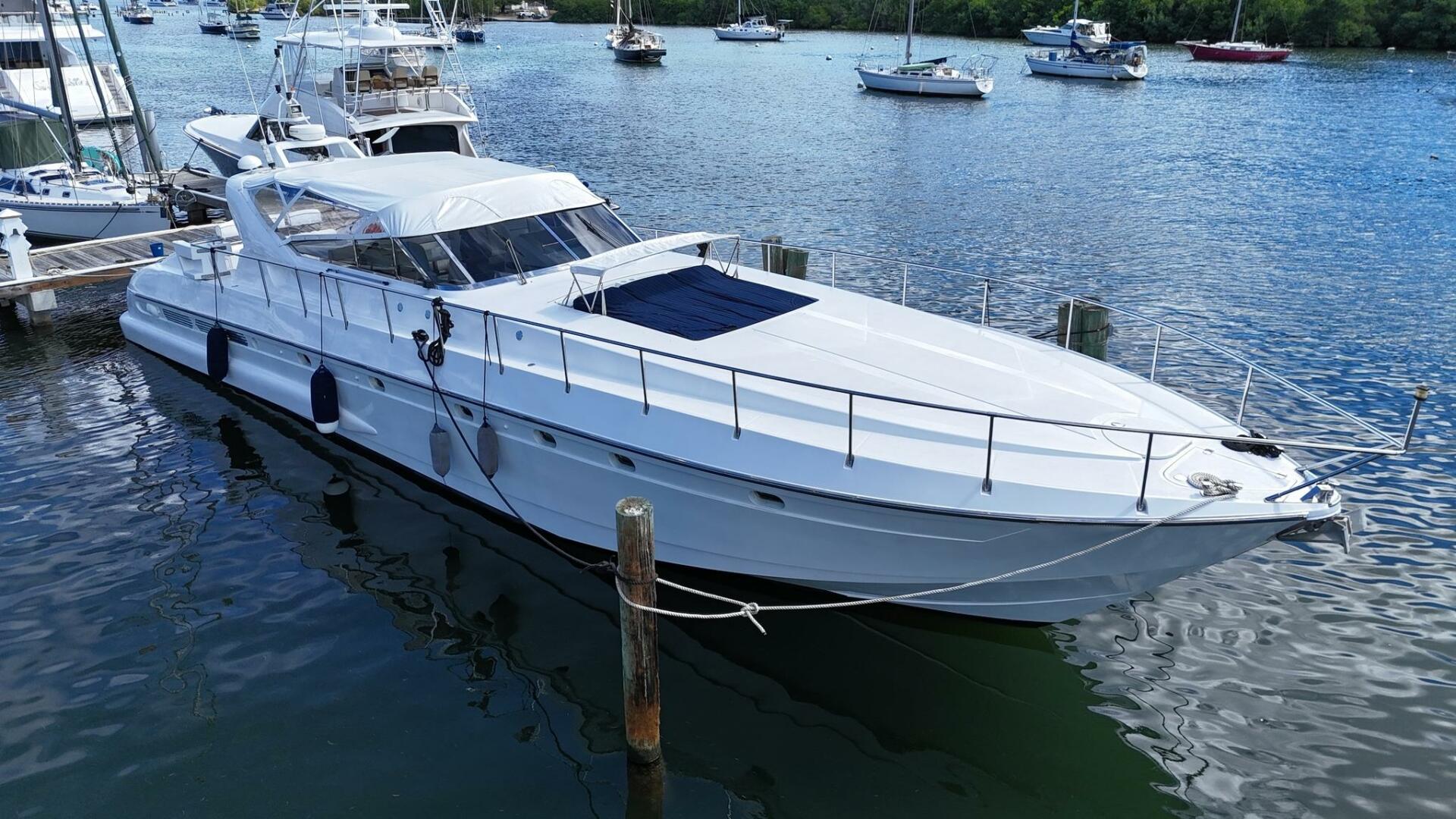
$599,000
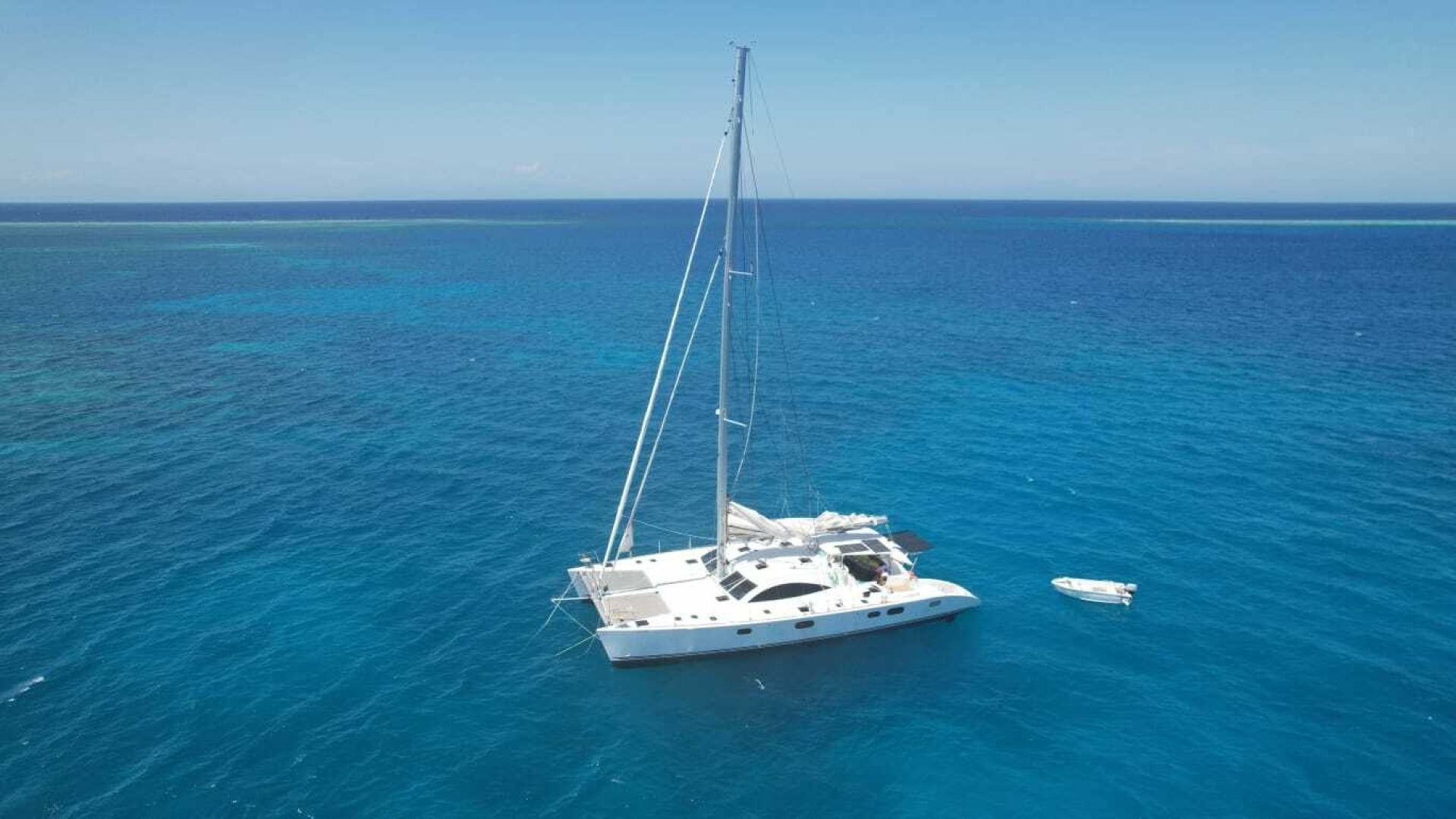
$1,300,000
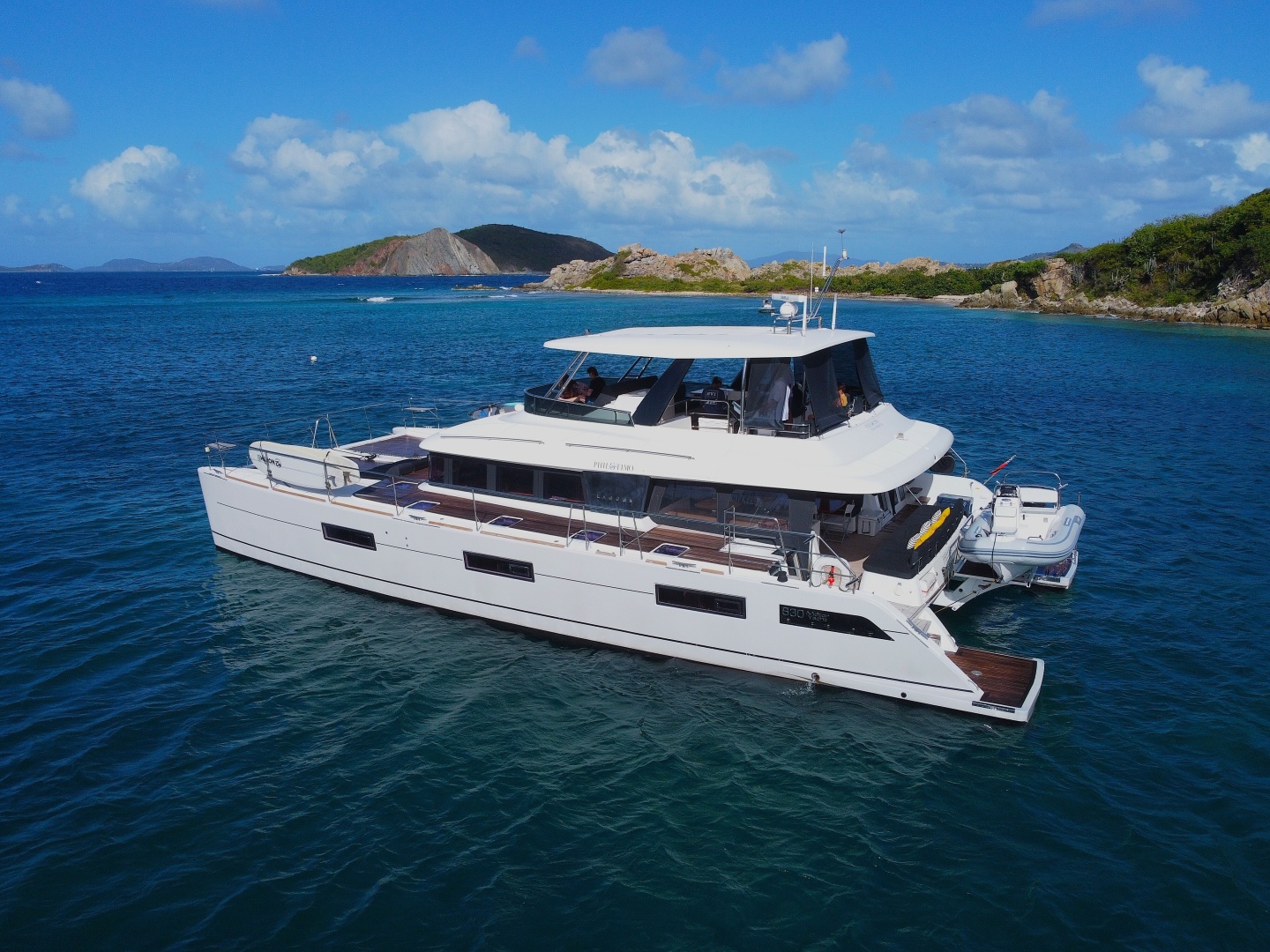
$1,699,000

$299,000

$899,000
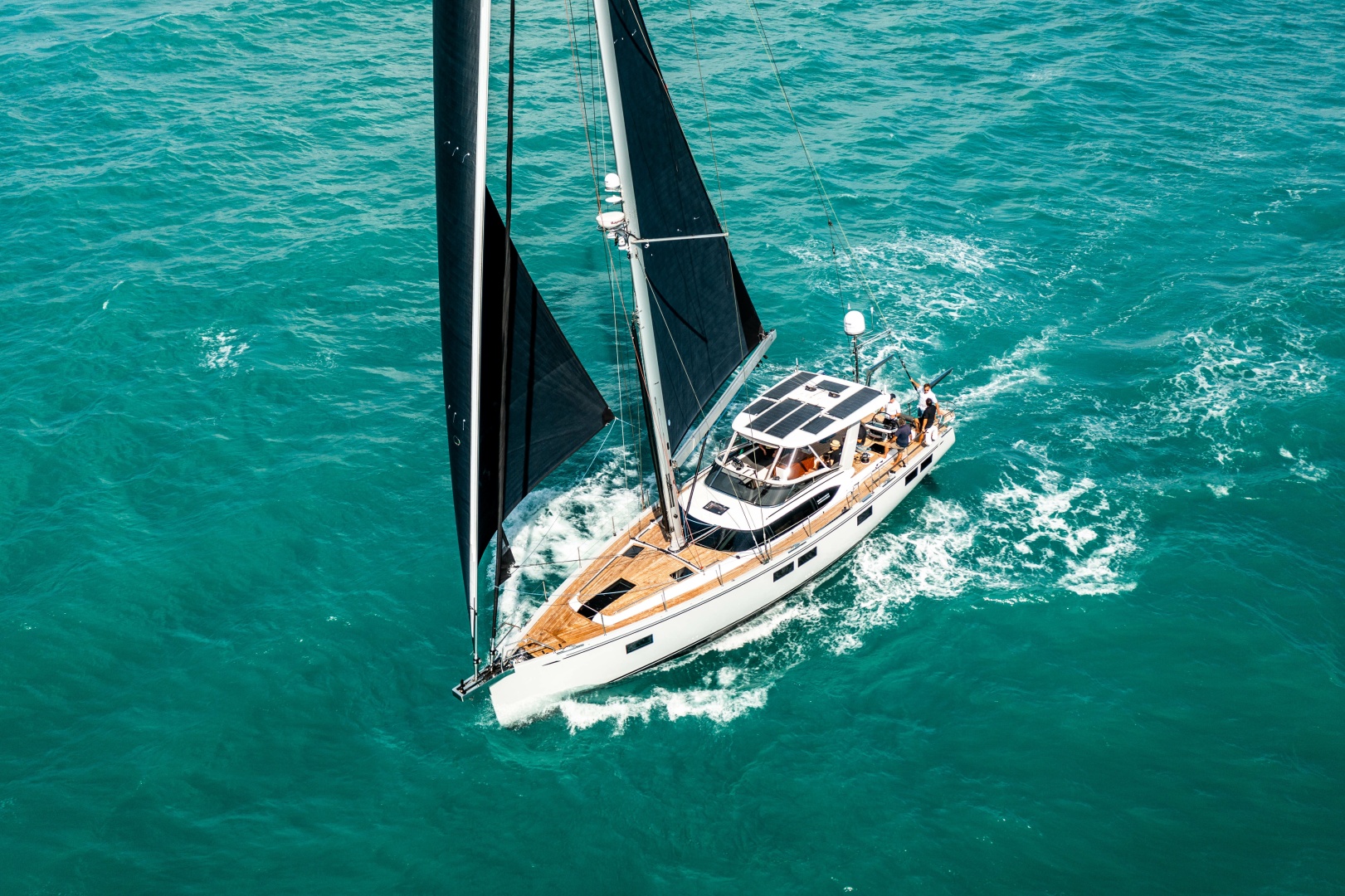
$1,795,000

$269,000
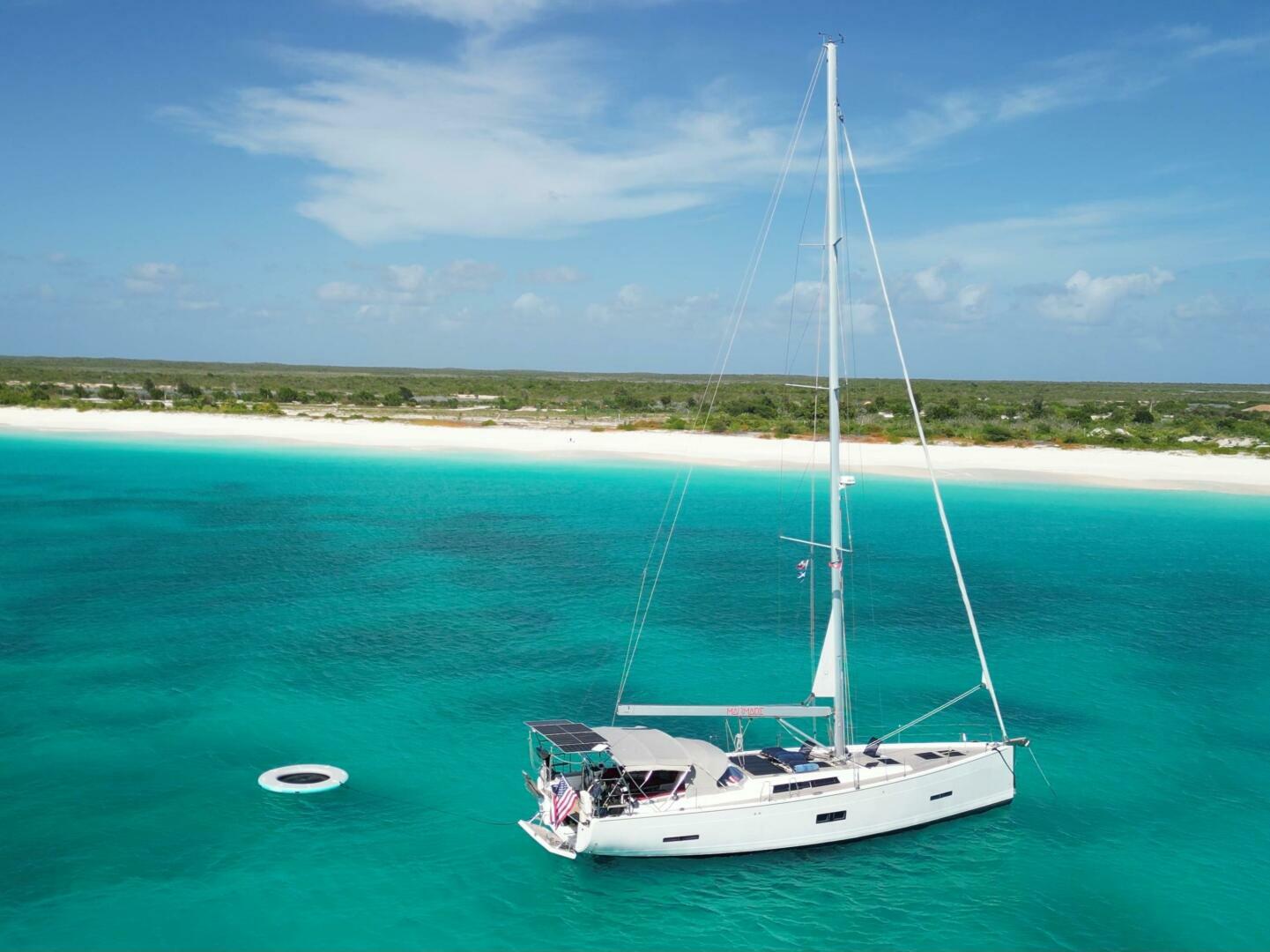
$359,000
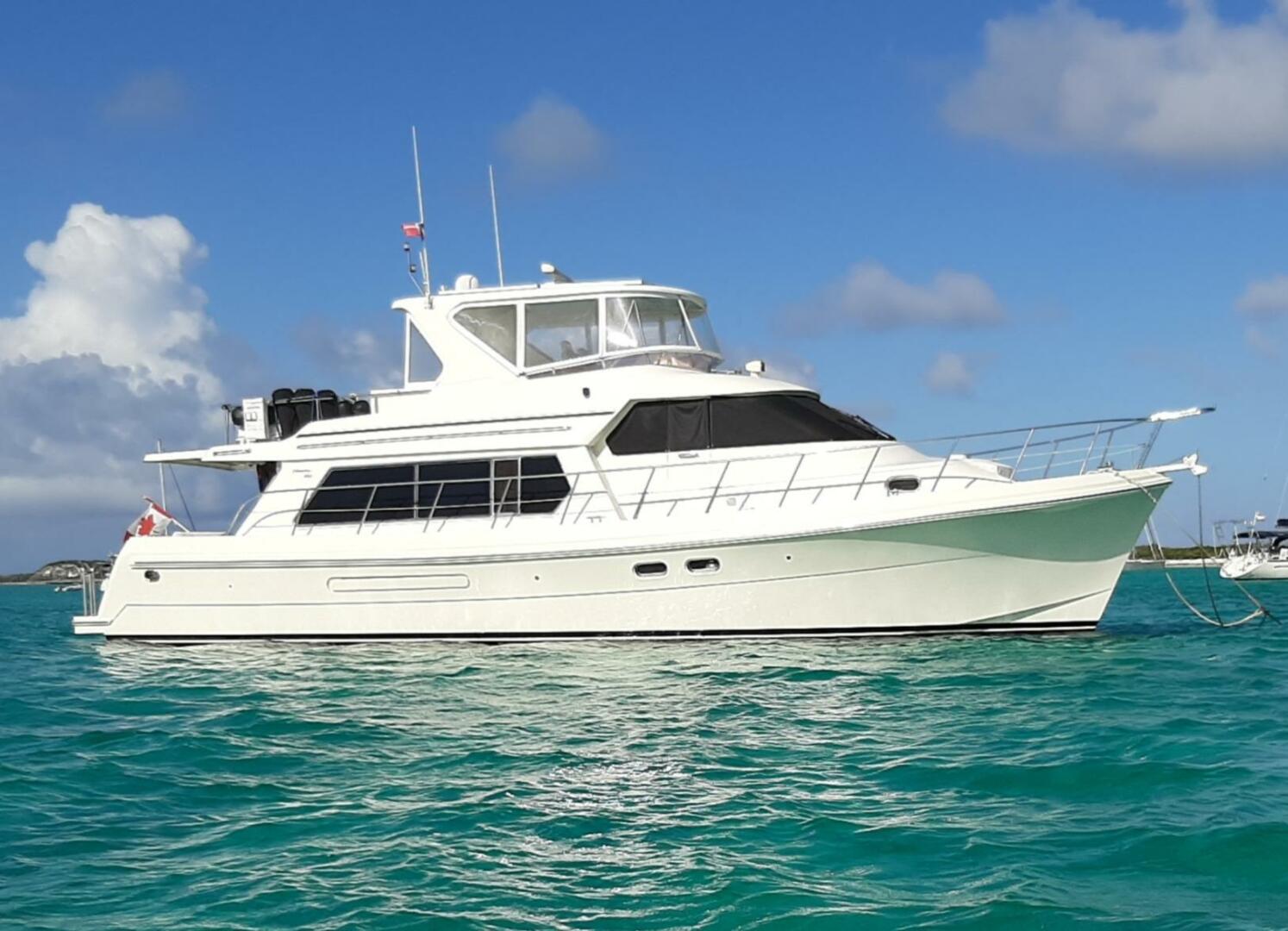
$499,500
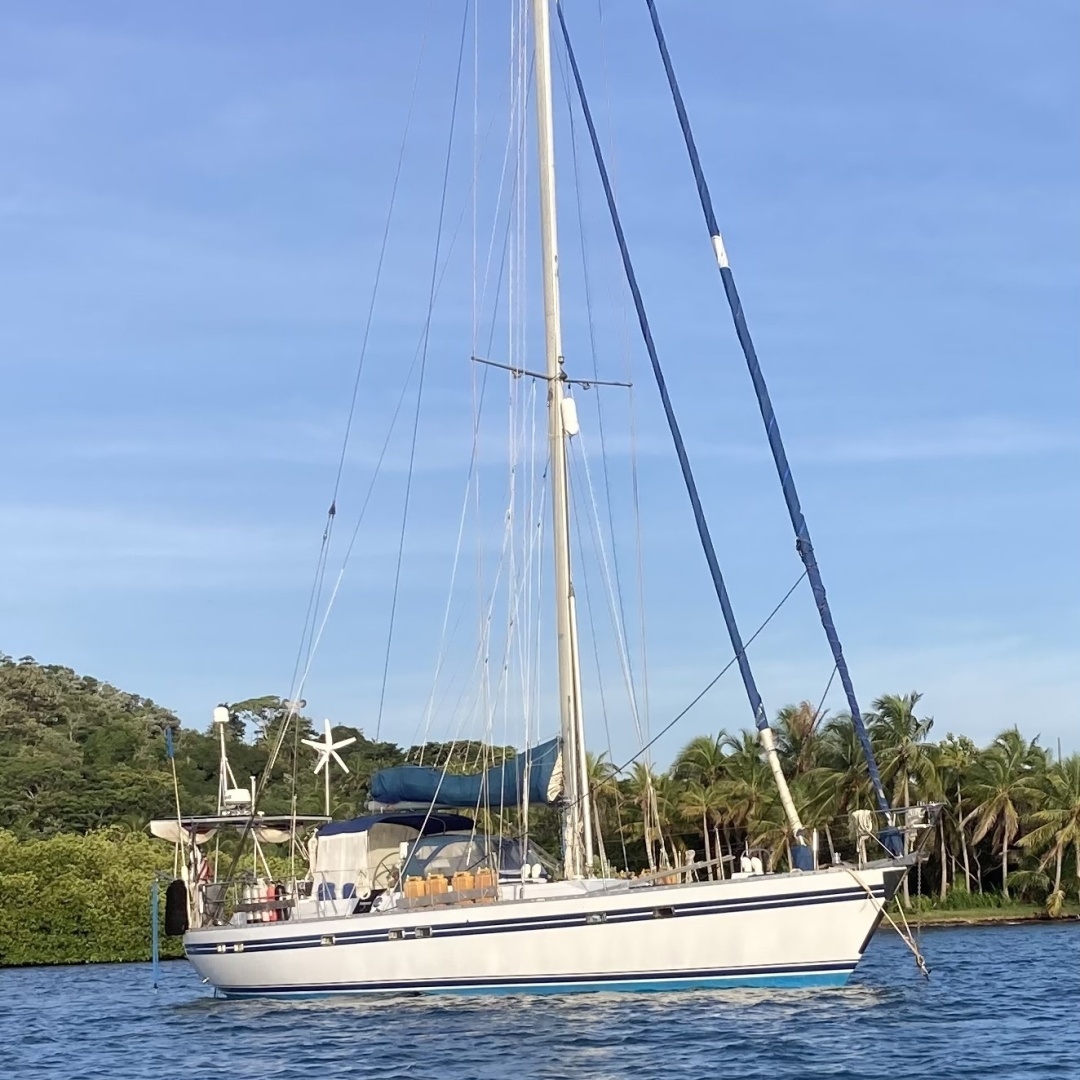
$299,500
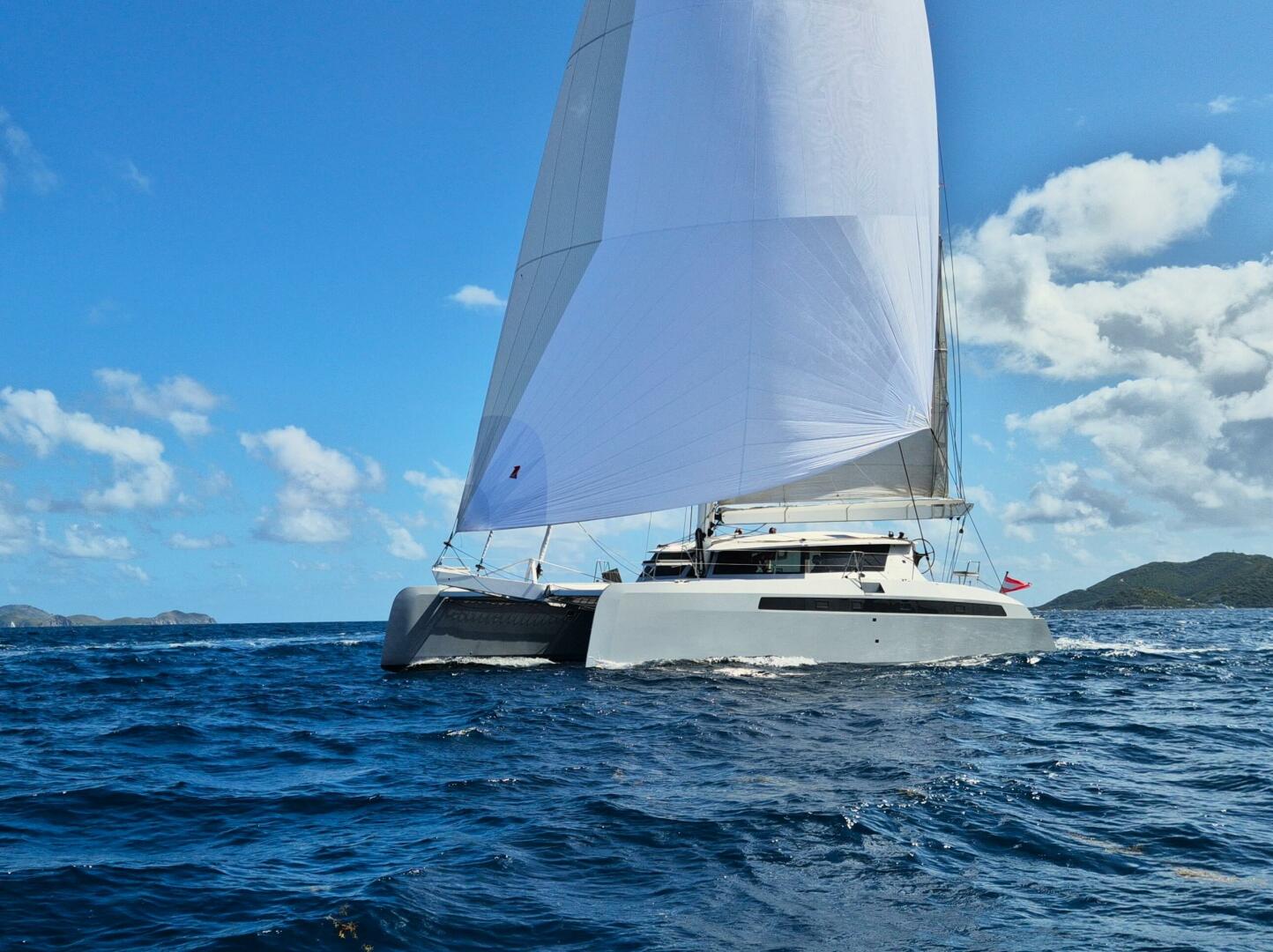
$1,290,000
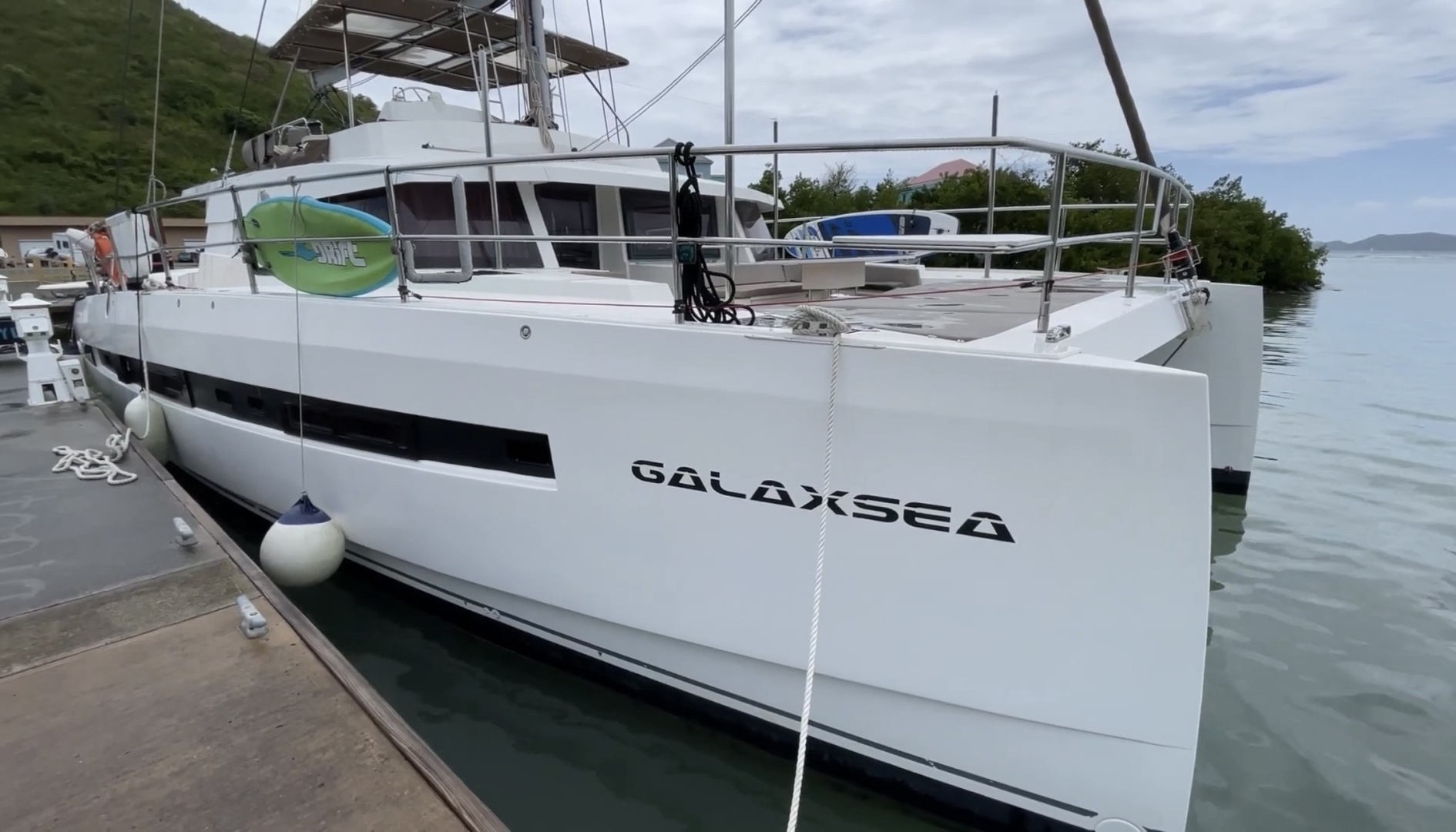
$800,000
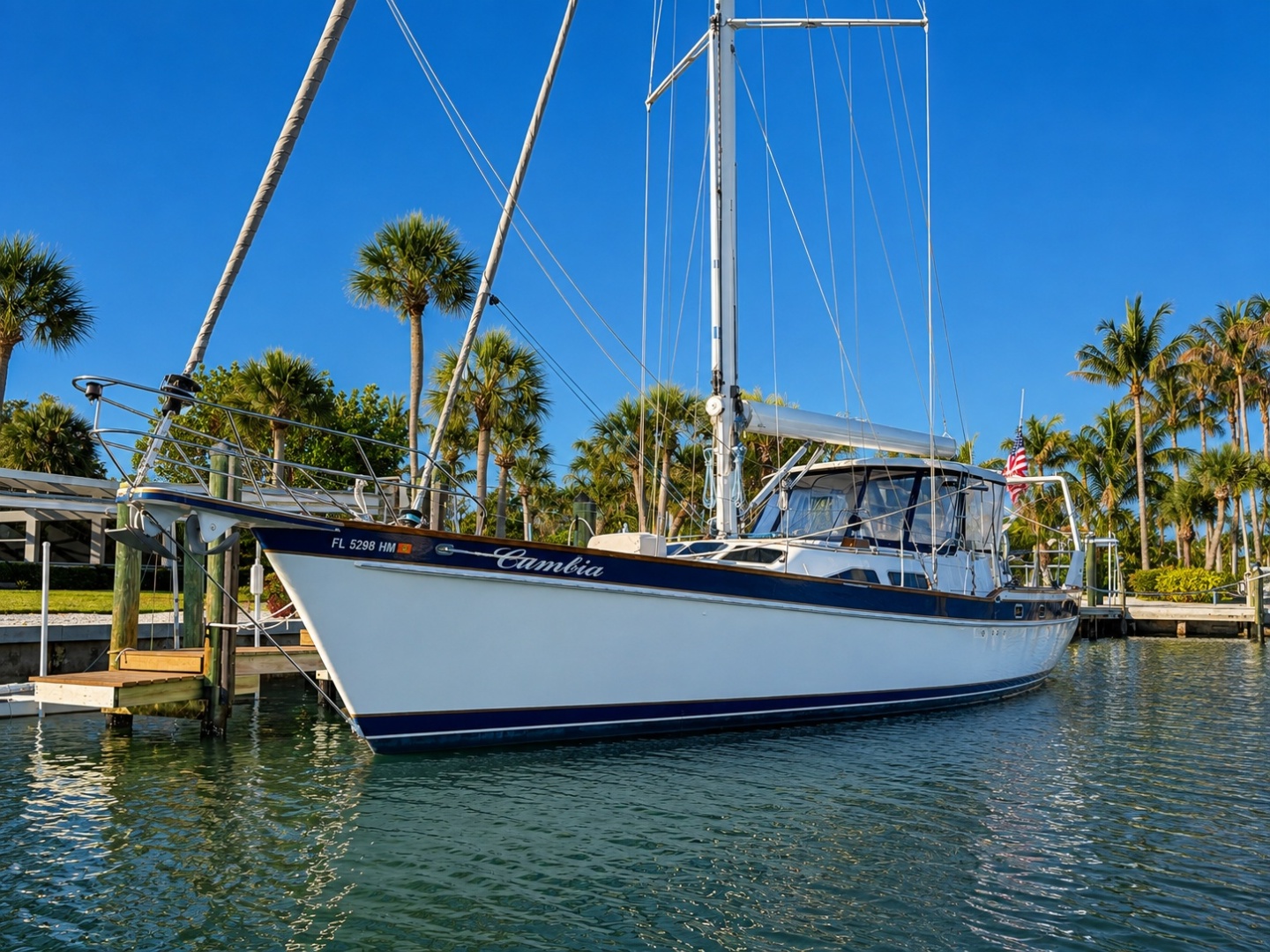
$545,000
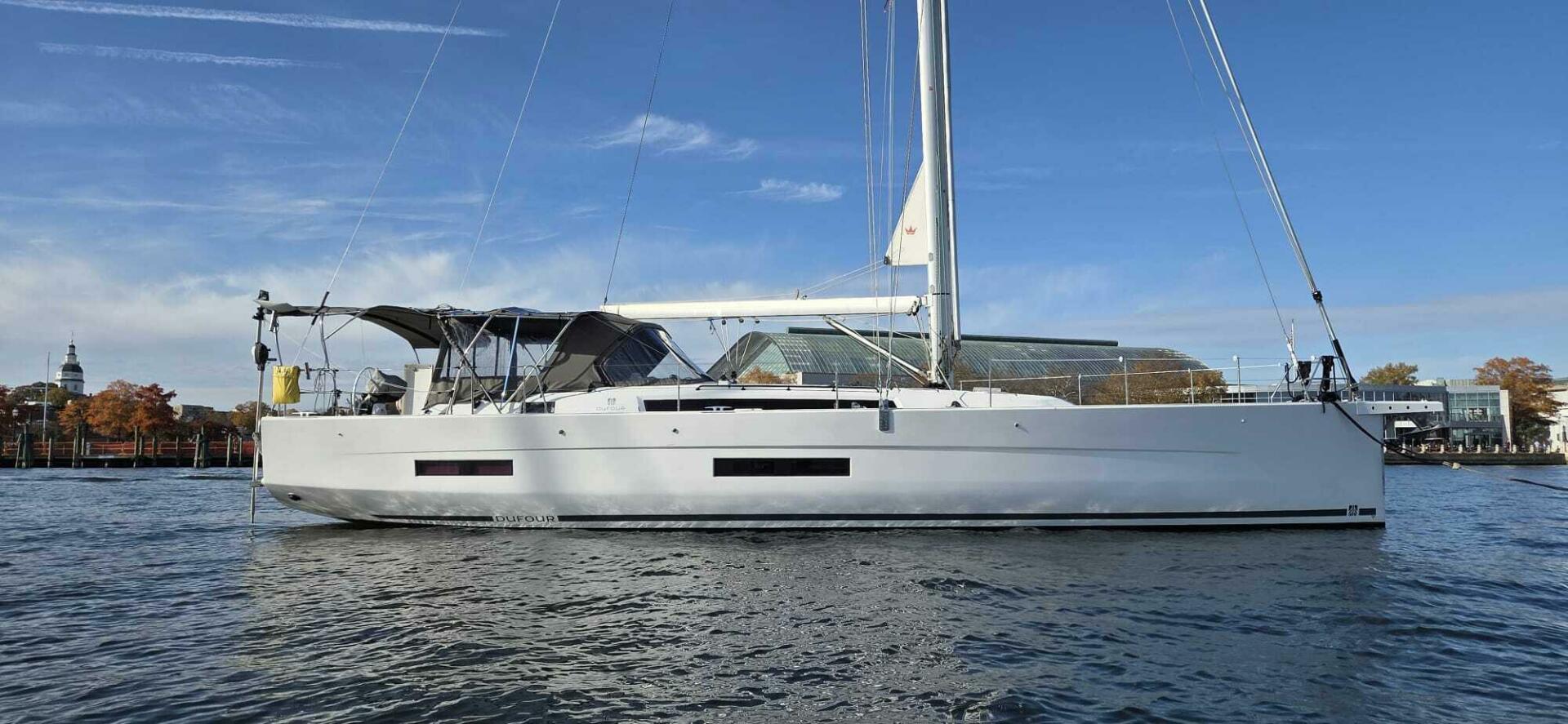
$564,900
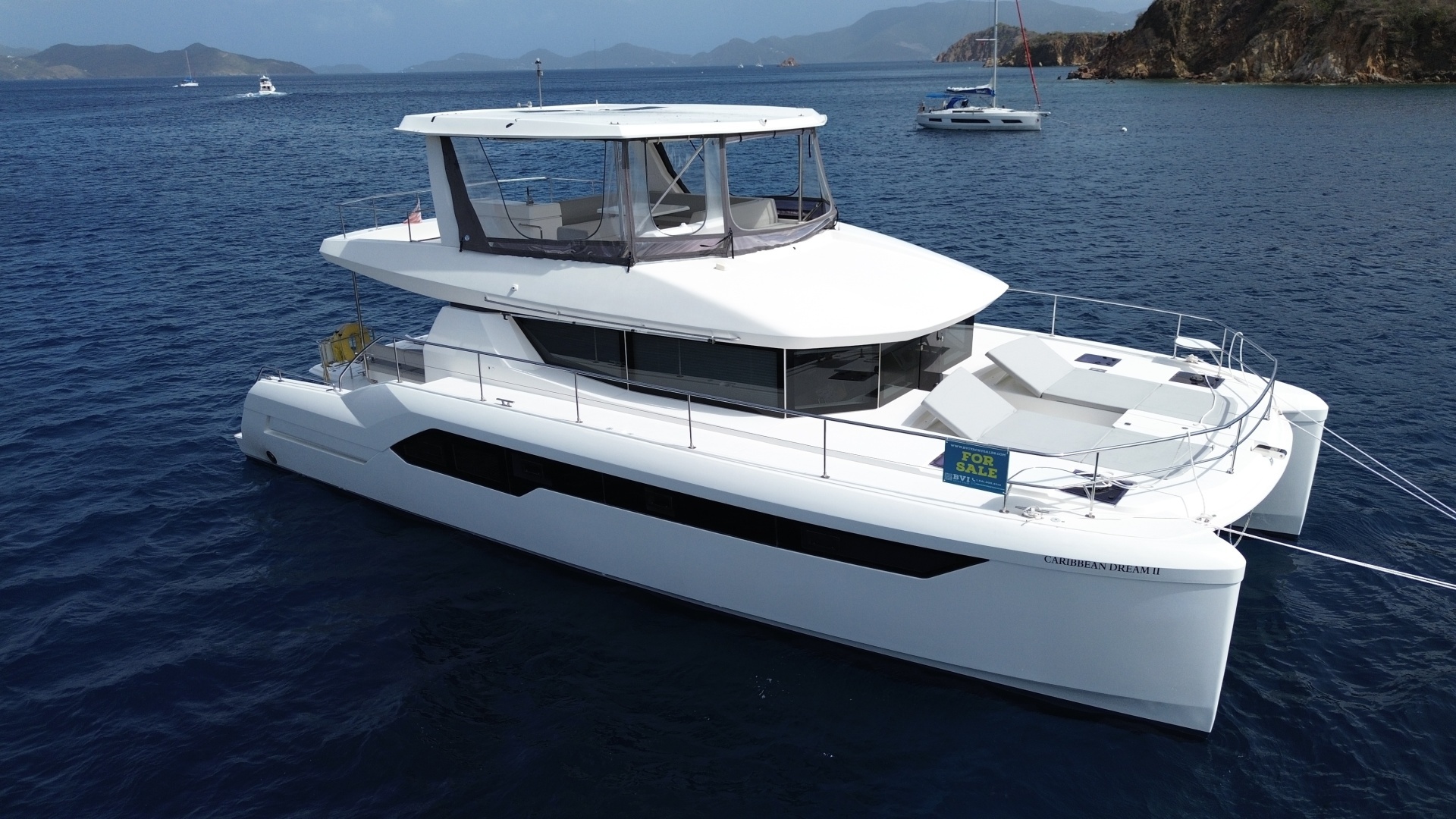
$1,130,000
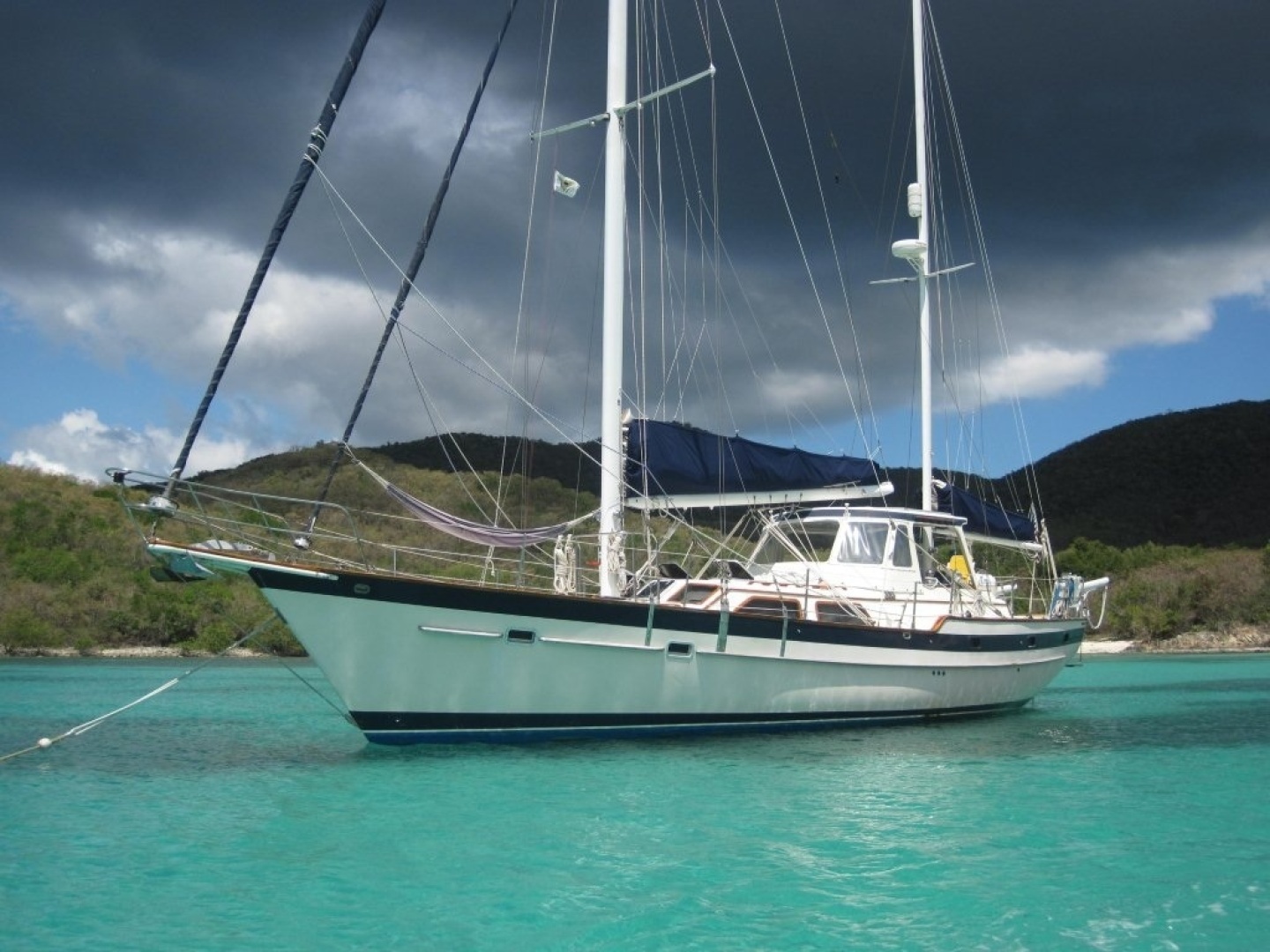
$159,000
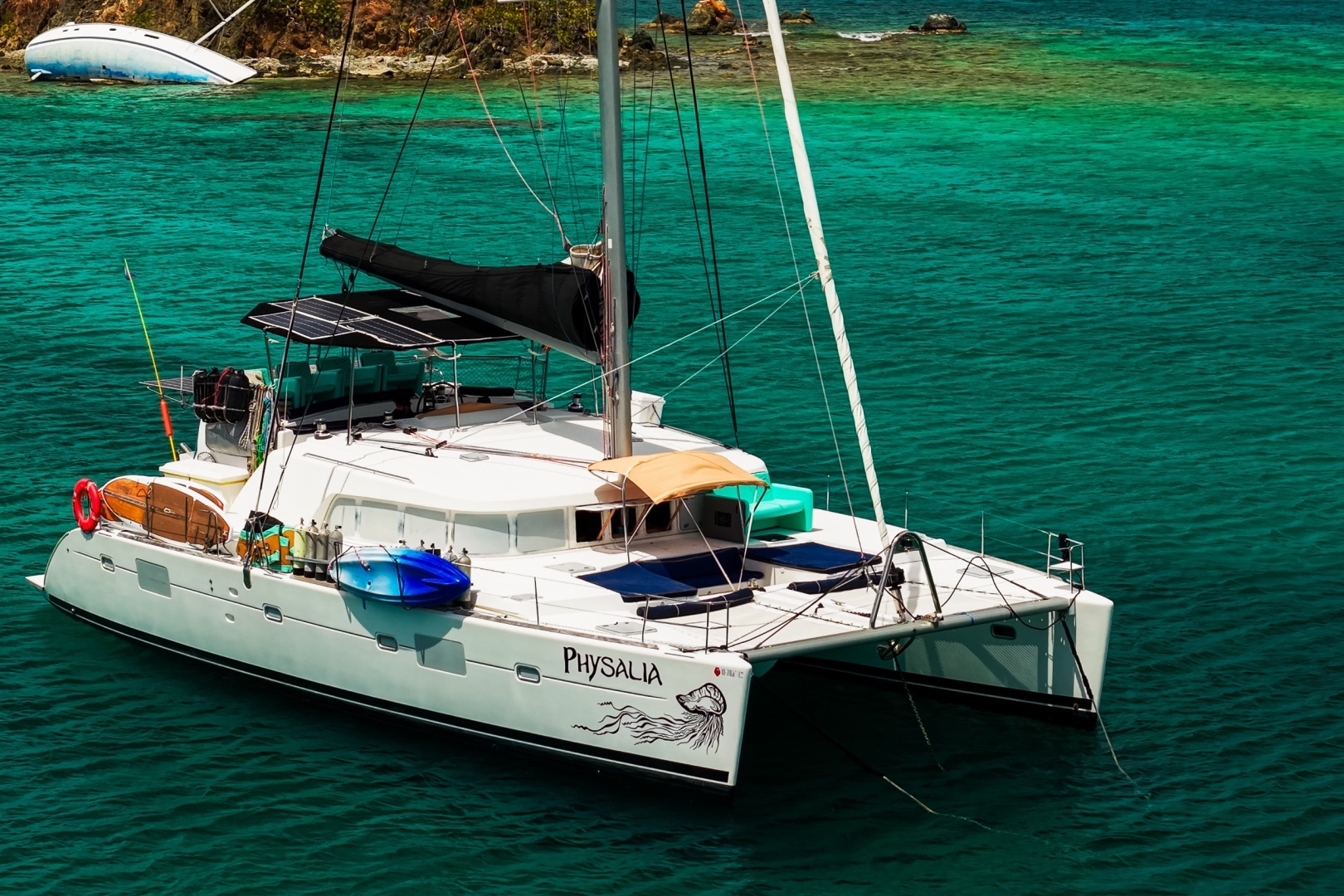
$499,000
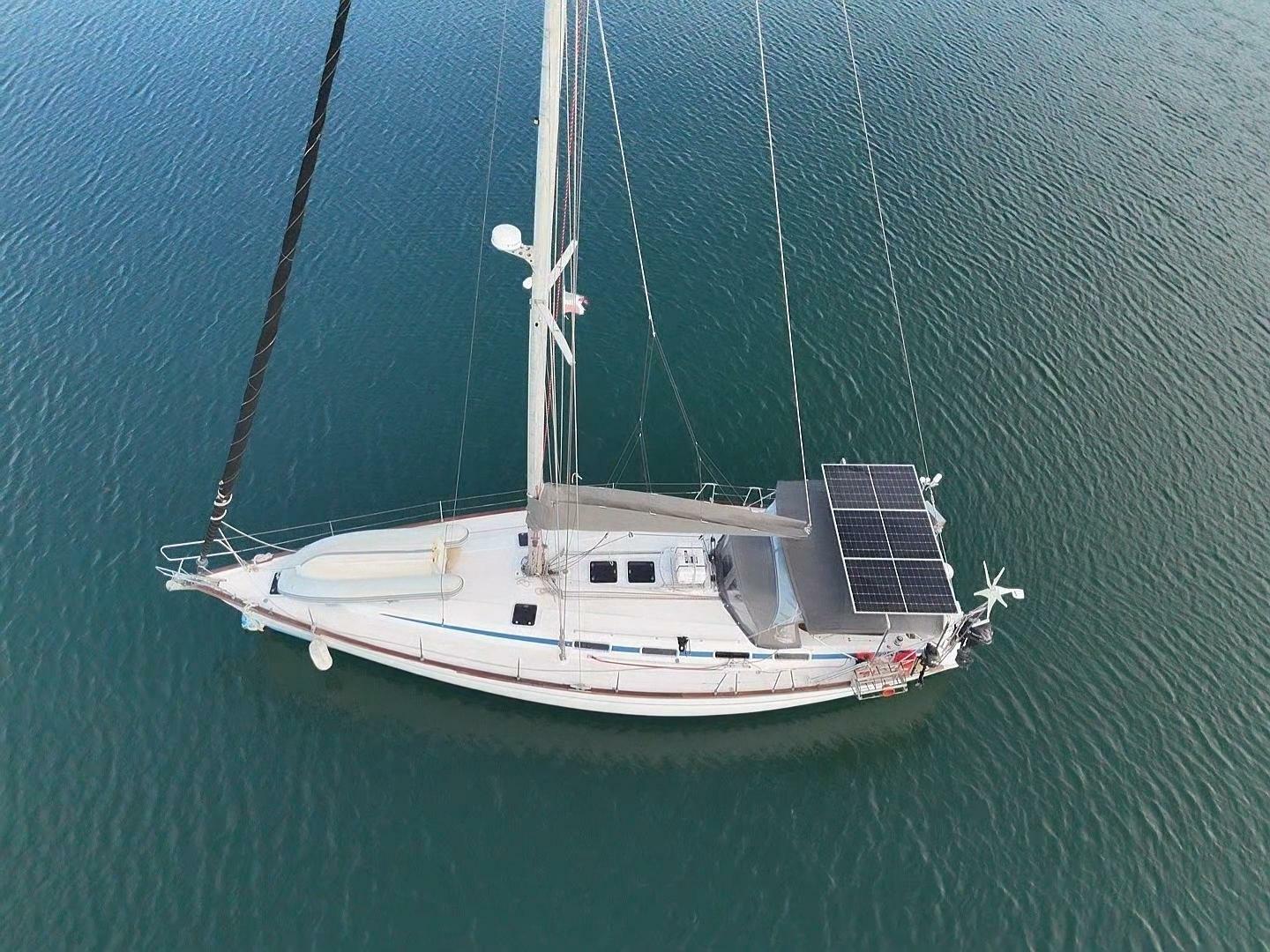
$89,000
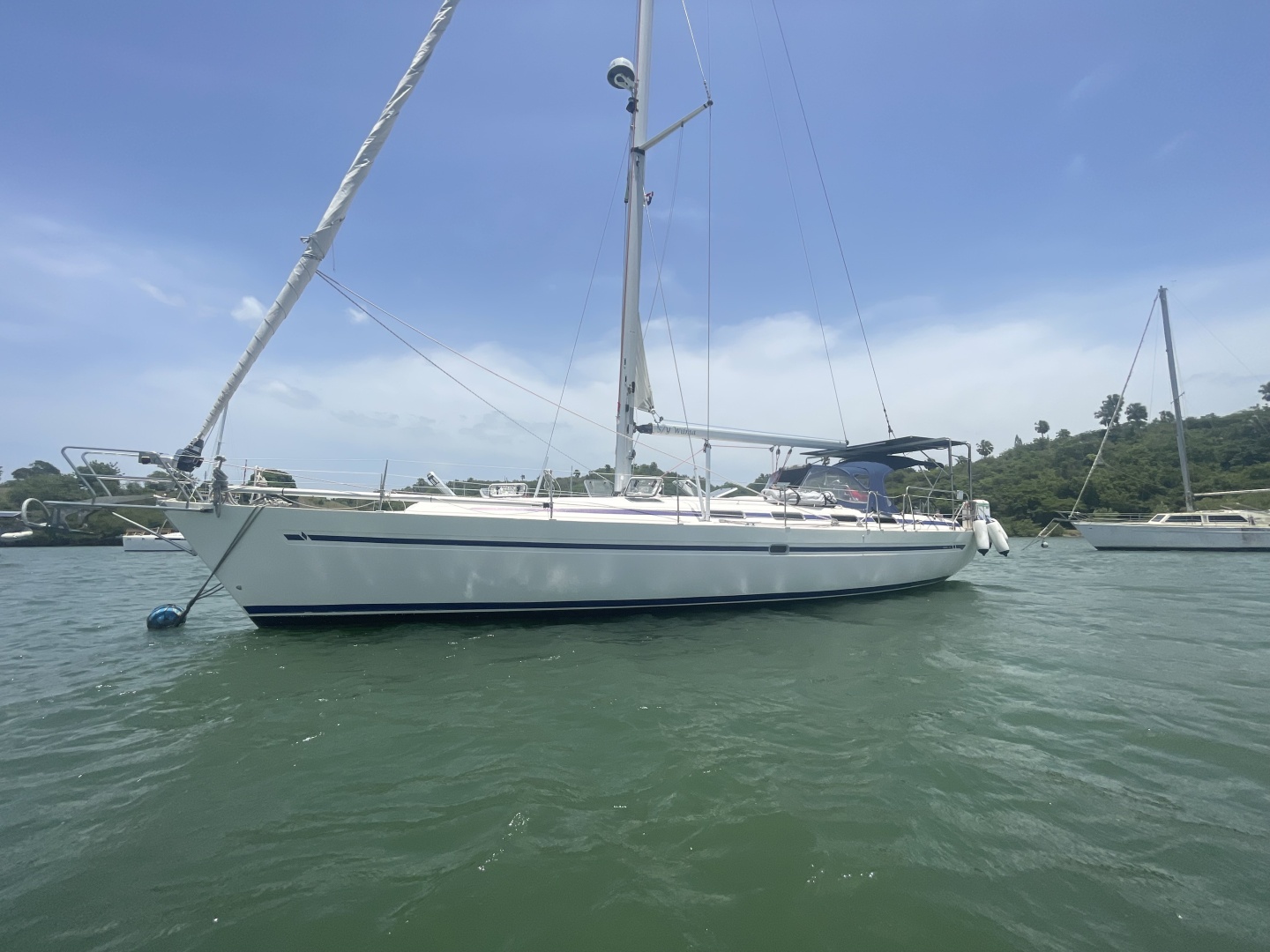
$89,000
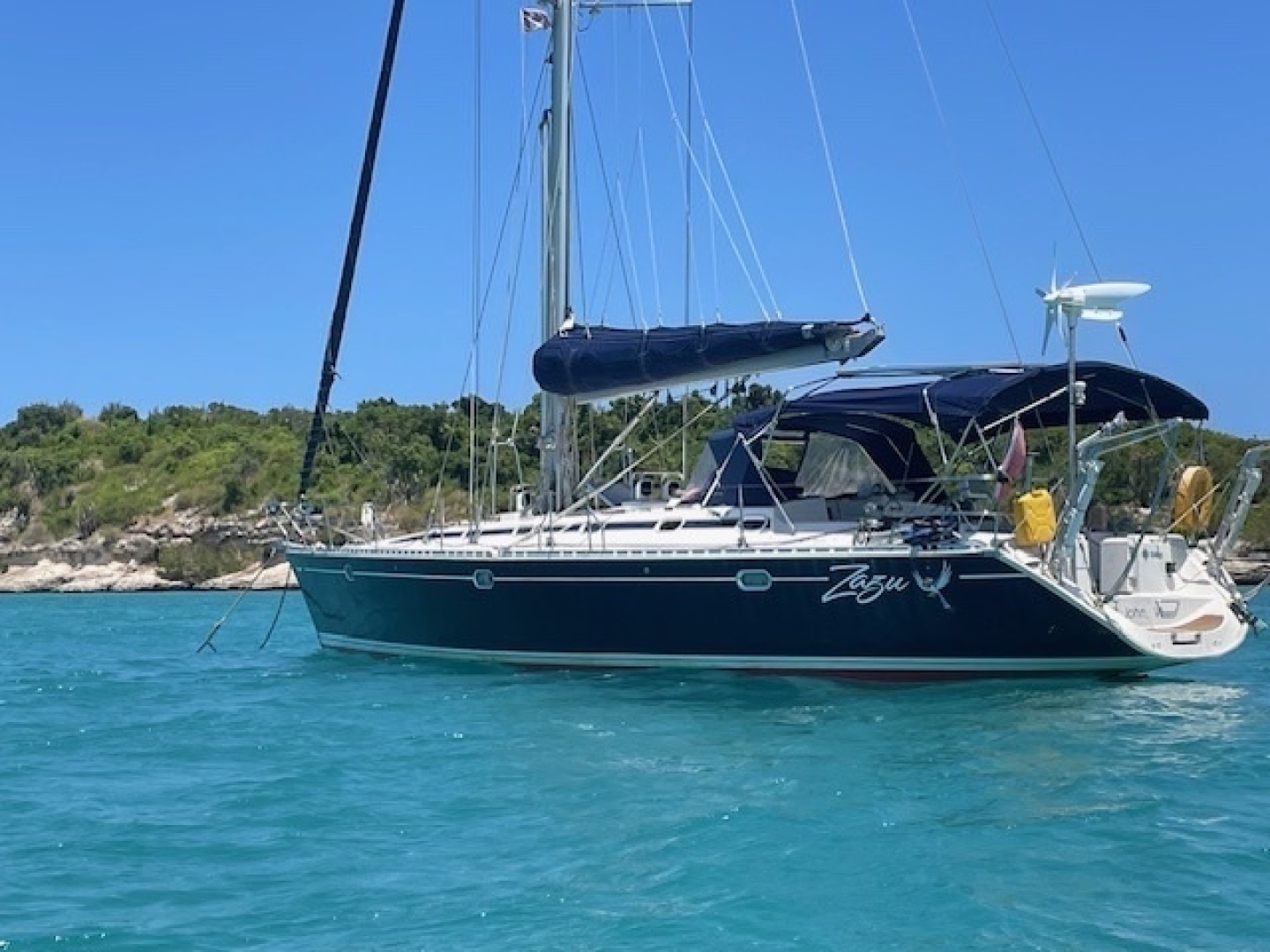
$135,000
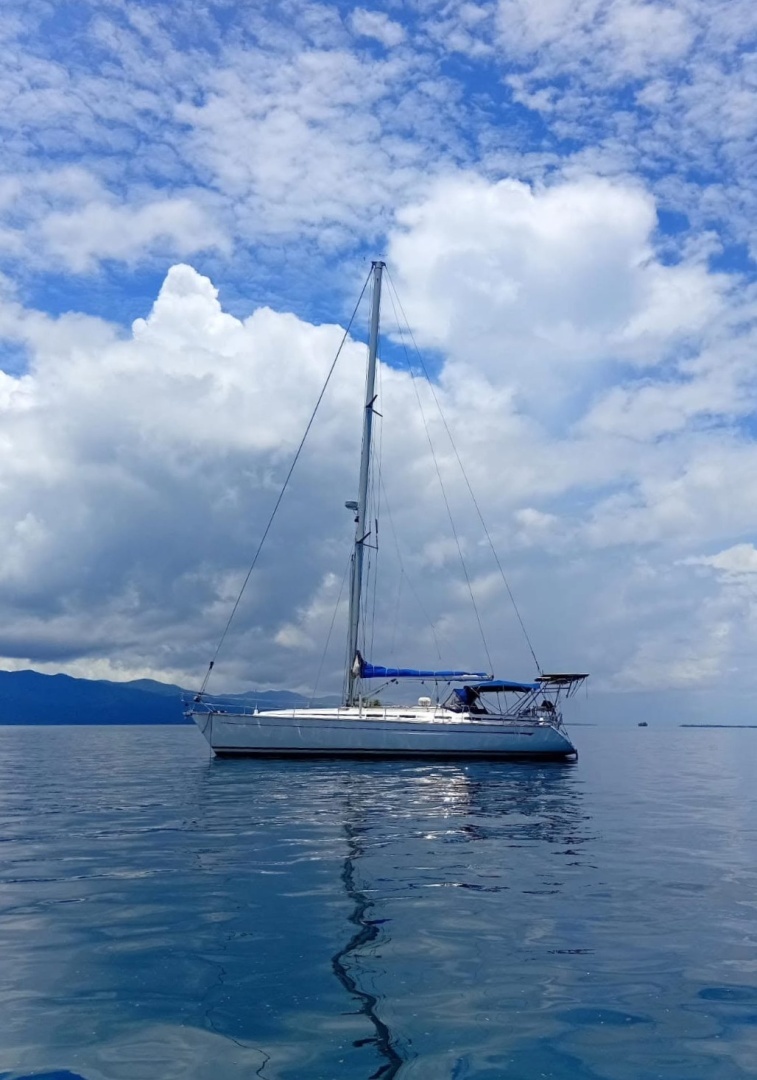
$98,250
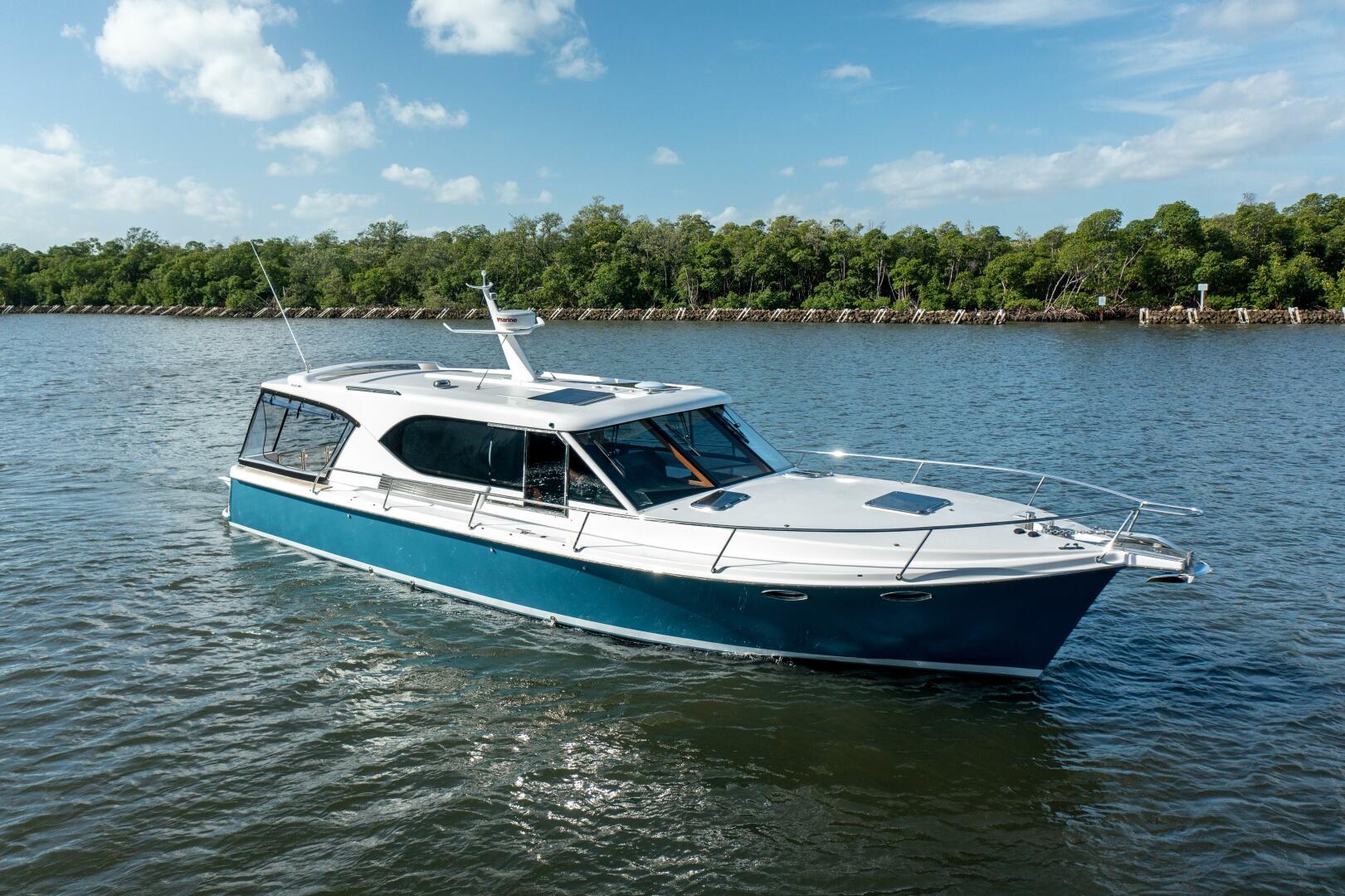
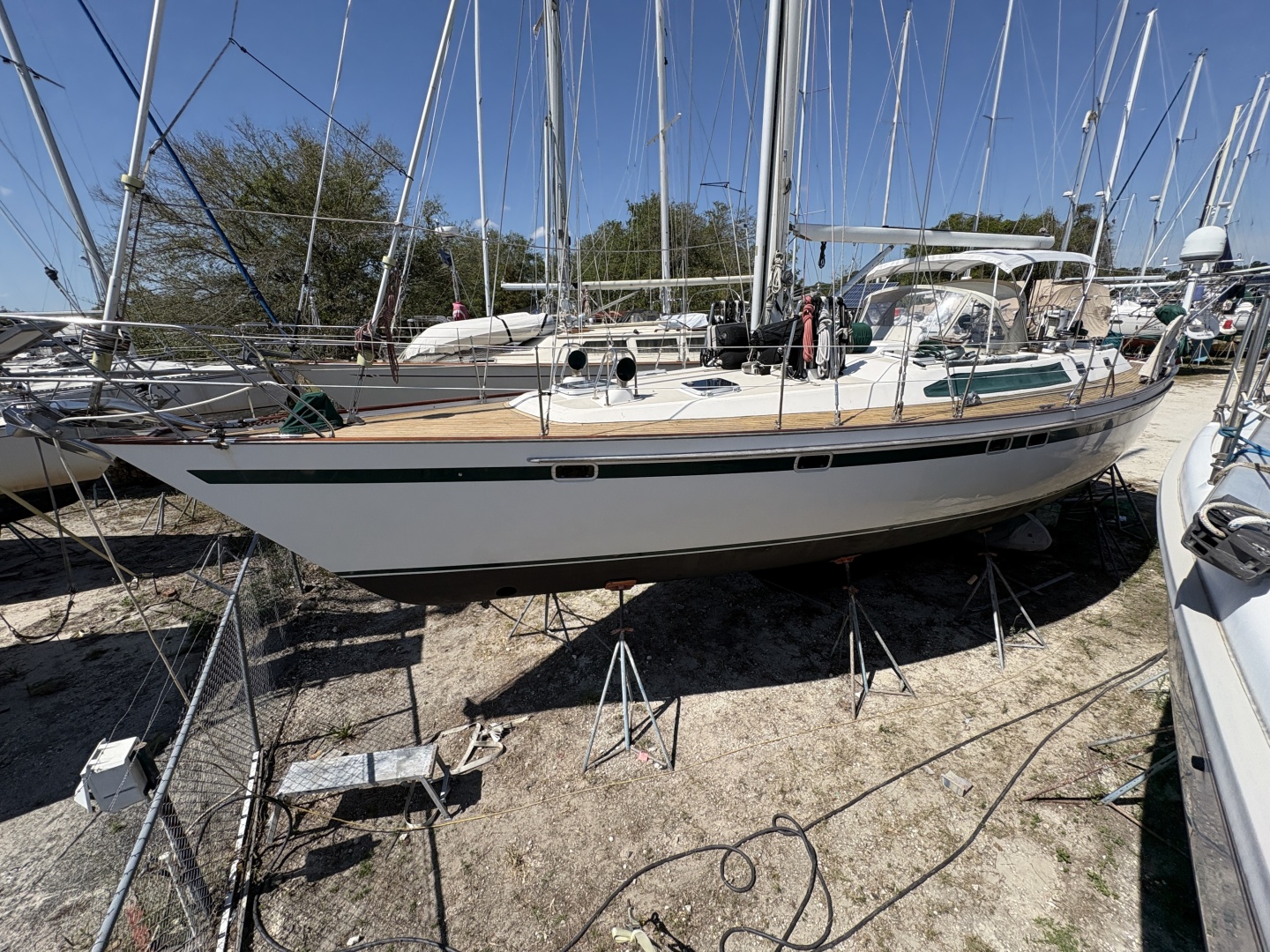
$149,850
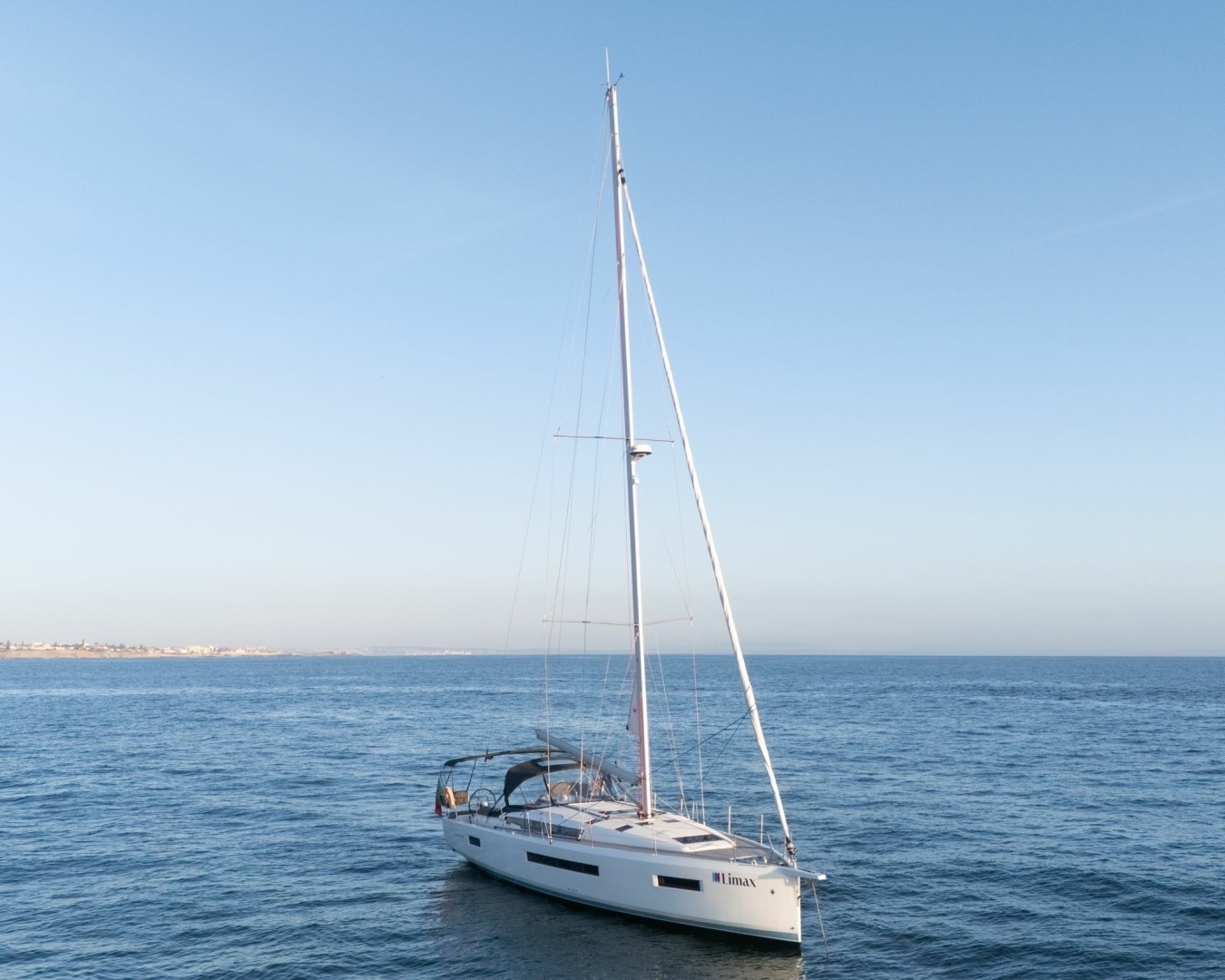
$369,000
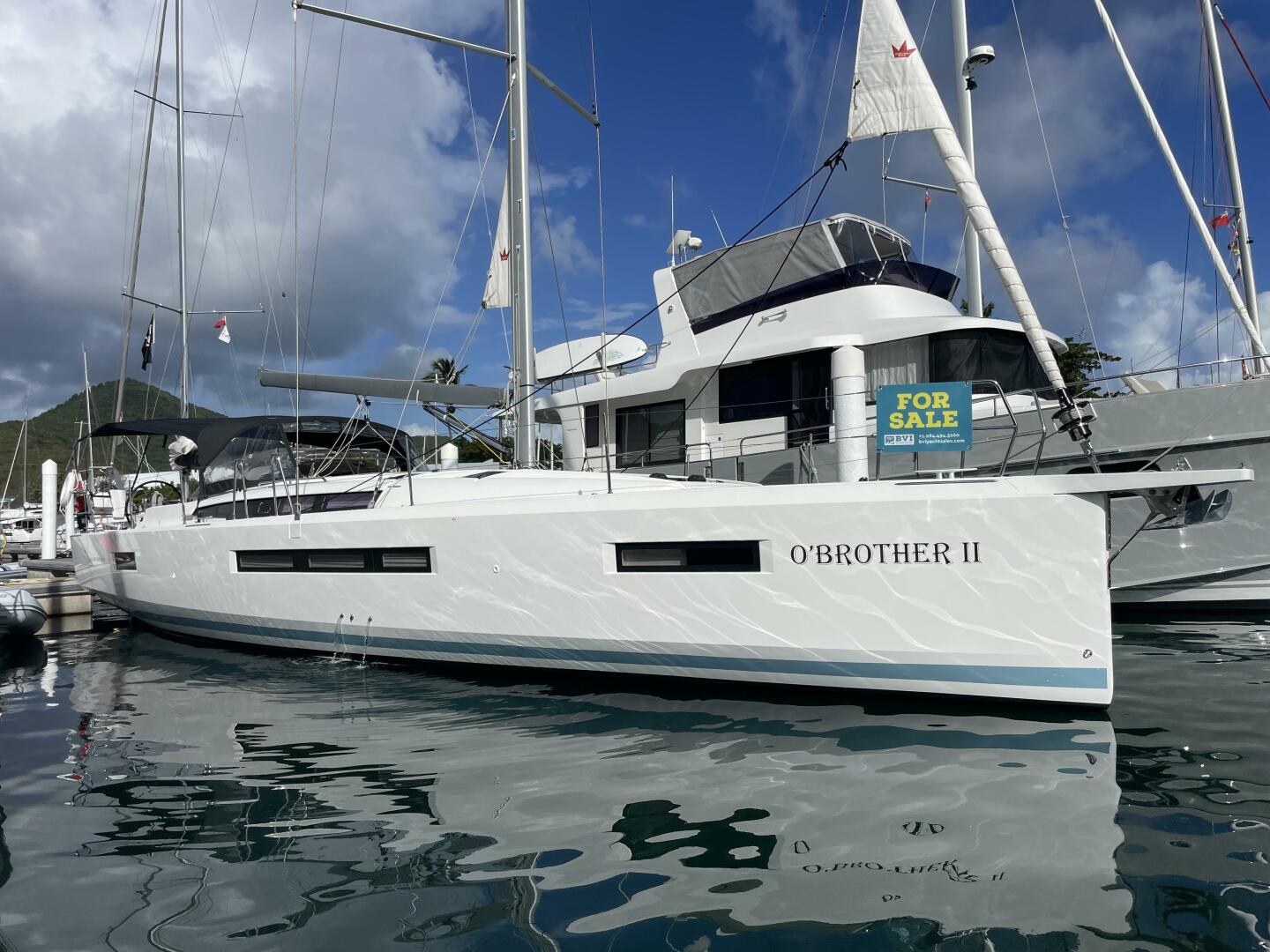
$395,000
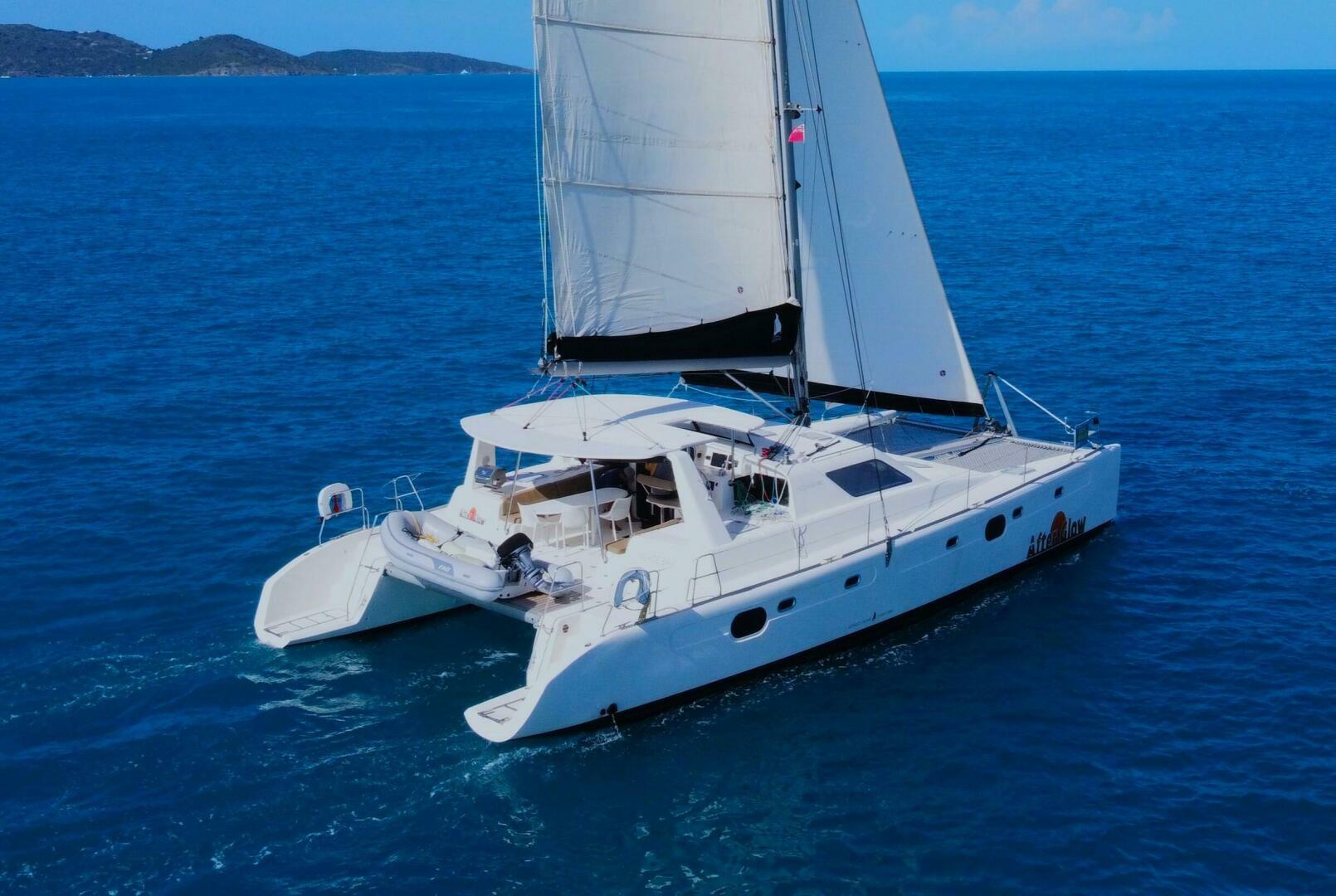
$349,000
$125,000
$1,724,571
$149,500
$109,900
$395,000

$652,000
$105,000

$115,000
$950,000
$149,000
$135,000
$349,000