

Catamarans & Multihulls · Comparison
A trimaran sails better and moves more kindly offshore. A catamaran gives you more usable volume, more berths, easier berthing and a resale market with real depth. In the islands, that last point decides more purchases than the first.
Almost every multihull conversation we have starts as catamaran versus monohull and only later becomes catamaran versus trimaran. By the time a buyer reaches the second question they have usually already decided that two hulls beat one for the way they want to use a boat, and they are asking whether three might be better still.
It is a fair question with an unsatisfying answer: the trimaran is the better sailing boat and the catamaran is usually the better purchase. We sell both, we have delivered both across open water, and this is the comparison as brokers see it rather than as a builder’s brochure presents it.
The short answer
- 01
Trimarans are generally quicker upwind and the motion is gentler — the centre hull carries the weight and the floats damp the roll rather than slamming a bridgedeck.
- 02
Catamarans win decisively on accommodation per foot: two full hulls of cabins and heads against one hull plus two float sections nobody can live in.
- 03
Beam is the practical problem. A cruising trimaran is usually wider than a catamaran of the same length, and island slips and travel lifts are sized around catamarans.
- 04
The cruising trimaran market is a fraction of the catamaran market — fewer boats to choose from, fewer comparable sales to price against, and a longer sale when you come to sell.
- 05
For most Caribbean buyers the catamaran is the correct boat. The trimaran is correct for a specific owner who values how a boat sails over how much it holds.
Catamaran vs Trimaran in One Table
A catamaran has two hulls of equal size joined by a bridgedeck; the accommodation lives in both hulls and in the saloon between them. A trimaran has one main hull — the vaka — carrying almost all the weight and accommodation, with two smaller floats, the amas, outboard on beams for stability. That single structural difference drives every practical difference below.
Cruising catamaran vs cruising trimaran, 45 to 55 feet
BVI Yacht Sales, Caribbean brokerage observations 2026
| Cruising catamaran | Cruising trimaran | |
|---|---|---|
| Hull layout | Two equal hulls plus bridgedeck saloon | One main hull, two outboard floats |
| Typical beam at 50 ft | 24 – 27 ft | 28 – 32 ft |
| Upwind performance | Modest — leeway and windage cost angle | Noticeably better; points higher, less leeway |
| Motion at sea | Quick, jerky; bridgedeck slam in a short chop | Gentler; roll damped by the floats |
| Double cabins at 50 ft | 4 – 6 typically | 3 – 4 typically |
| Berthing in the islands | Standard multihull slip, widely available | Often needs an end tie or a double slip |
| Haul-out | Most Caribbean lifts take one | Beam can exceed lift width at some yards |
| New boats built per year | Hundreds across the major yards | Tens across the whole cruising segment |
| Resale depth | Deep; many comparable sales | Thin; pricing is by argument, not by comps |
Speed and Motion Under Sail
This is where the trimaran earns its reputation, and the reputation is deserved. Because the rig sits over a single slim hull and the weight is concentrated centrally, a trimaran carries less wetted surface for the sail area it flies and puts its righting moment where the leverage is. The practical result is that it points higher and holds speed through a tack better than a cruising catamaran of the same length — Yachting World’s test of the Neel 43 found a boat that sails genuinely well upwind for a liveaboard multihull, which is not a sentence often written about 43-foot cruising catamarans.
Motion is the less obvious advantage and the one owners talk about after a season. A cruising catamaran with a wide, relatively low bridgedeck will slam in a short steep sea — the Anegada Passage on a reinforced trade wind is the classic Caribbean example. The noise and shock come from waves hitting the underside of the bridgedeck. A trimaran has no bridgedeck to hit. The centre hull parts the water and the floats resist the roll rather than being driven into it, so what you feel is a firmer, more damped movement instead of a series of bangs.
Where the catamaran closes the gap is downwind and under power. On a broad reach in 15 to 20 knots, which is most Caribbean sailing most of the time, a well-sailed 48-foot cruising catamaran and a 48-foot cruising trimaran will average within a knot of each other. Both are usually motoring or motorsailing on a dead-calm morning anyway, and the catamaran’s two widely spaced engines make it markedly easier to handle under power in a crowded anchorage.
Living Space: Where the Catamaran Wins
The floats on a trimaran are buoyancy and leverage, not accommodation. They are narrow, wet, and on most designs entirely unusable for living — which means a 50-foot trimaran has roughly one hull’s worth of interior plus whatever the saloon adds, while a 50-foot catamaran has two hulls’ worth plus the saloon between them. That is not a subtle difference and no amount of clever joinery closes it.
Builders have worked hard on the problem. SAIL’s review of the NEEL 51 describes the full-height cockpit-level owner’s suite and the enormous underfloor \”basement\” that the trimaran layout makes possible — a genuine advantage for an owner-operator couple who want one huge cabin, a workshop and serious stowage rather than four guest cabins. The trade is guest berths. A trimaran that sleeps six comfortably is usually a boat that a catamaran of the same length would sleep eight in, with more heads.
That matters most for two kinds of buyer. If you are considering a charter-managed purchase, cabin count is revenue, and programmes are built around four-cabin catamarans. If you cruise with children, grandchildren or regular guests, the extra hull is the whole point. For a couple sailing alone who would rather have one excellent cabin than four adequate ones, the trimaran’s layout is arguably the better boat — there just are not many of them.
Choose the catamaran when
- ✓You need four or more double cabins with their own heads
- ✓Charter income is part of the ownership plan
- ✓You want to berth and haul out anywhere in the islands without calling ahead
- ✓You expect to sell within five years and want a liquid market
- ◦Upwind performance is not what you bought a boat for
Choose the trimaran when
- ✓You sail as a couple and value one large owner’s suite over cabin count
- ✓You make real passages and motion comfort matters more than volume
- ✓You want to sail upwind rather than motor upwind
- ◦You have a berth already arranged that takes the beam
- ◦You are comfortable owning a boat with a thin resale market
Berthing, Haul-Out and Marina Reality in the Islands
This is the section general explainers skip, and in the Caribbean it is often the section that settles the argument. Marina infrastructure in the islands was built around monohulls and retrofitted for catamarans. A 24 to 27 foot beam is now a normal thing to ask for in Tortola, St. Thomas, Antigua or Grenada — multihull slips exist, yards expect them, and travel lifts have been widened to suit. Ask for 30 feet of beam and the conversation changes.
In practice a wide trimaran is usually berthed on an end tie, a T-head or across two slips at a premium. That is workable and it is how most owners manage, but it means fewer options in season, higher cost, and a real possibility of being turned away somewhere you had counted on. Haul-out deserves a phone call before you buy rather than after: confirm the specific yards you would use for annual work and, more importantly, for hurricane-season storage can physically take the boat.
The flip side is draft. Many cruising trimarans draw less than a comparable catamaran with the boards up, which opens up shallow anchorages and makes gunkholing through the BVI easier. If your cruising is mostly anchoring rather than marina-hopping, the beam problem shrinks considerably. If you plan to spend nights alongside, treat it as a hard constraint and price it in. Our guide to Caribbean hurricane storage covers which yards have the width, and the same question is worth putting to any yard before you commit.
- Confirm before you offer
- Which yards in your hurricane plan can lift your actual beam
- Confirm before you offer
- Whether your home marina has an end tie available in high season
- Budget line most buyers miss
- Double-slip or oversize-beam surcharges, typically 25–50% over a standard multihull rate
- Ask the surveyor
- Beam-to-hull attachment structure and any repair history at the beam roots
- Ask the broker
- How many comparable sales exist in the last 24 months — on a trimaran the honest answer is often two or three
Resale and Availability
Here is the part of the comparison that brokerage sees and buyers rarely do. The cruising catamaran market is deep. The major yards deliver hundreds of boats a year between them, ex-charter fleets feed a steady supply of used tonnage into the Caribbean specifically, and at any moment there are dozens of comparable boats on the market. That depth is what makes a catamaran straightforward to value and to sell.
The cruising trimaran market is a niche inside a niche. Even the segment leader builds in the tens per year across its entire range, and individual models run to a few dozen hulls over a production life. When we list a cruising trimaran we are frequently pricing against two or three comparable sales rather than twenty, which means valuation becomes an argument rather than an arithmetic exercise, and the buyer pool is national or international rather than local.
None of that makes a trimaran a bad asset. Scarcity cuts both ways: good examples hold value well precisely because there are few of them, and a motivated buyer who wants that specific boat has nowhere else to go. But it does mean a longer time on market and a narrower band of realistic offers. If you expect to sell inside five years, or you want the flexibility to change your mind cheaply, the catamaran is the lower-friction asset. What a catamaran costs is a question with a published answer; what a trimaran is worth is a question with a negotiation.
What changes when you move from two hulls to three
- Upwind angle, a quieter motion at sea and shallower draft with the boards up
- One genuinely large owner’s suite and workshop-grade stowage below the sole
- Two to three guest double cabins and the heads that go with themwas: the fourth cabin that makes charter management work
- Easy berthing and haul-out anywhere in the islandswas: any standard multihull slip
- Resale becomes a matter of finding the one right buyerwas: a deep market with comparable sales every month
Which One Should You Buy?
For most people reading this, the catamaran is the right boat, and that is not a hedge. If you are cruising the islands with family aboard, if cabin count matters, if charter income forms part of the plan, or if you want to be able to berth and haul without negotiating each time, two hulls is the answer. The best catamarans for liveaboard life in this region are well proven, well supported and easy to service locally — and if you are still weighing the wider question, our comparison of catamaran versus monohull covers the ground before this one.
Buy the trimaran if you are the specific owner it suits: a couple or a pair of sailors making real passages, who value the way a boat moves over how much it holds, who have berthing arranged and who intend to keep the boat long enough that resale friction does not dominate the decision. Owners in that position are, in our experience, among the happiest multihull owners we deal with. They are simply not the majority.
Whichever way you lean, survey harder on a trimaran than on a catamaran. The beam-to-hull attachments are highly loaded structures with no equivalent on a catamaran, and they are the first thing a competent multihull surveyor will look at. Budget for a specialist rather than a generalist — the pre-purchase survey cost is a small fraction of what a missed structural issue costs, and on a boat with a thin resale market you want no surprises in the file.
Caribbean · BVI, USVI and Annapolis
Talk to a broker who sells both
Tell us how you actually intend to use the boat — crew, cruising grounds, berth, holding period — and we will tell you honestly which multihull fits, including when the answer is the one we have less of.
QWhat is the difference between a catamaran and a trimaran?
A catamaran has two hulls of equal size joined by a bridgedeck, with accommodation in both hulls and in the saloon between them. A trimaran has one main hull carrying almost all the weight and accommodation, plus two smaller outboard floats on beams that provide stability. The catamaran therefore has roughly twice the liveable hull volume at the same length; the trimaran has better sailing manners and no bridgedeck to slam.
QIs a trimaran faster than a catamaran?
Upwind, generally yes — a cruising trimaran points higher and makes less leeway because the rig sits over one slim hull with the weight carried centrally. Downwind and reaching in trade wind conditions the difference narrows to well under a knot on comparable cruising boats. The honest summary is that a trimaran sails better rather than that it is dramatically faster.
QWhich is more stable in a seaway?
Both are extremely stiff compared with a monohull, but they behave differently. A catamaran’s motion is quick and can be jerky, and a low bridgedeck will slam in a short steep sea. A trimaran’s motion is gentler because the floats damp roll and there is no bridgedeck for waves to hit. Crews prone to seasickness usually report the trimaran as the easier boat offshore.
QWhy are there so few cruising trimarans for sale?
Because very few are built. The leading cruising-trimaran builder produces boats in the tens each year across its whole range, and individual models run to a few dozen hulls over a full production life, while the major catamaran yards deliver hundreds of boats a year between them. Add the Caribbean’s large ex-charter catamaran fleet feeding the used market, and the supply gap becomes enormous.
QWhich has more liveaboard space?
The catamaran, clearly. The floats on a trimaran are buoyancy, not accommodation, so a 50-foot trimaran has about one hull’s worth of interior against a 50-foot catamaran’s two. Trimarans answer with one exceptional owner’s suite and very large underfloor stowage, which suits a couple. Anyone who needs four doubles and four heads should be looking at catamarans.
QAre trimarans harder to dock and berth?
Under power in open water they handle fine, though most have a single engine against a catamaran’s widely spaced pair, so there is less ability to turn the boat on the spot. The real difficulty is width: a cruising trimaran is typically 28 to 32 feet of beam at 50 feet against 24 to 27 for a catamaran, which often means an end tie or a double slip and a phone call to every yard in your hurricane plan before you buy.
QDoes a trimaran cost more to own than a catamaran?
Running costs are broadly similar — one engine instead of two offsets the higher berthing charges that beam attracts. Where the cost shows up is at the ends of ownership: a narrower supply of boats to buy, fewer comparable sales to price against, and typically a longer marketing period when you sell. Budget for time rather than for a higher annual number.
Featured Listings
$599,000
$1,300,000
$1,699,000

$299,000

$899,000
$1,795,000

$269,000
$359,000
$499,500
$299,500
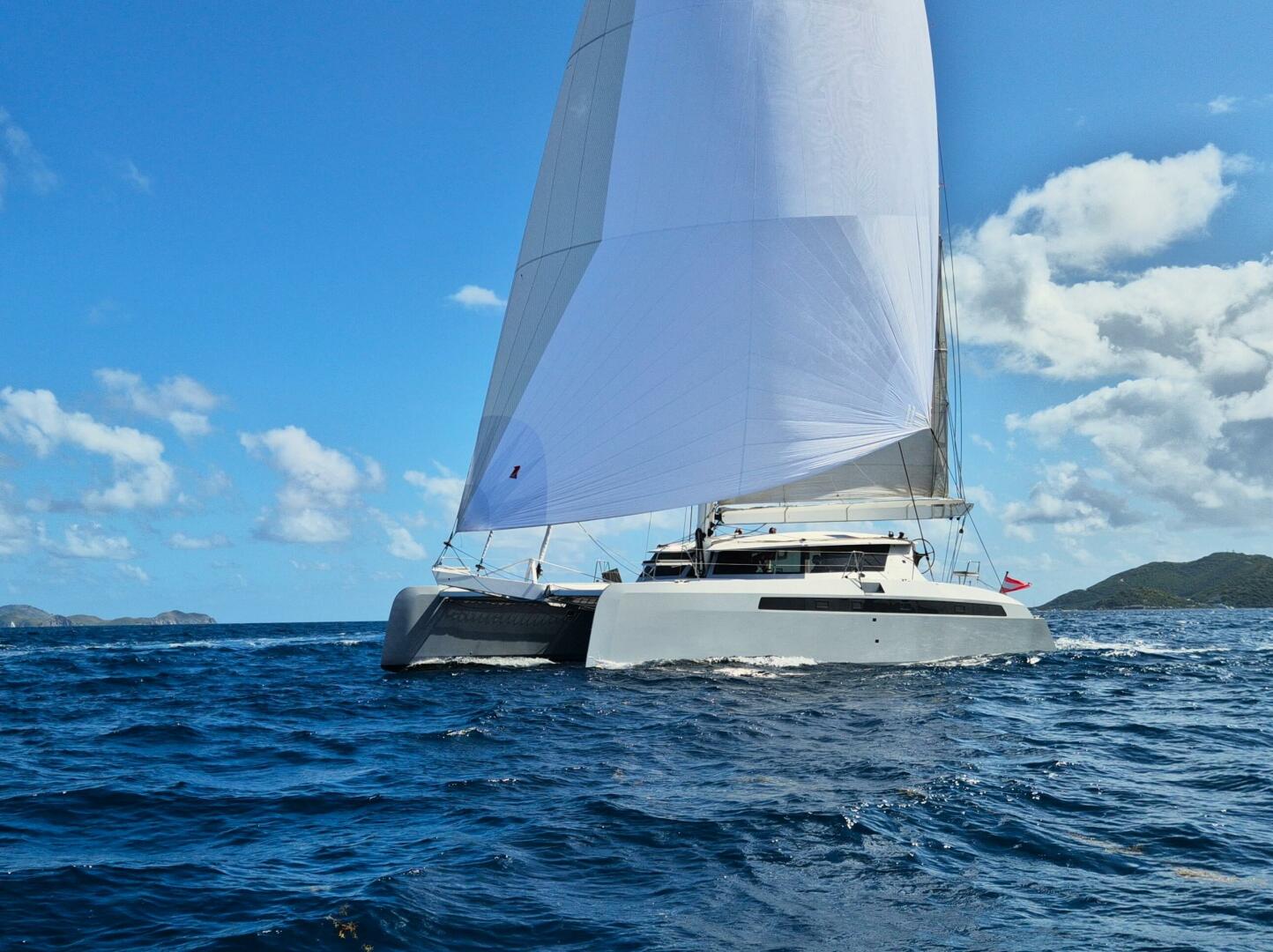
$1,290,000
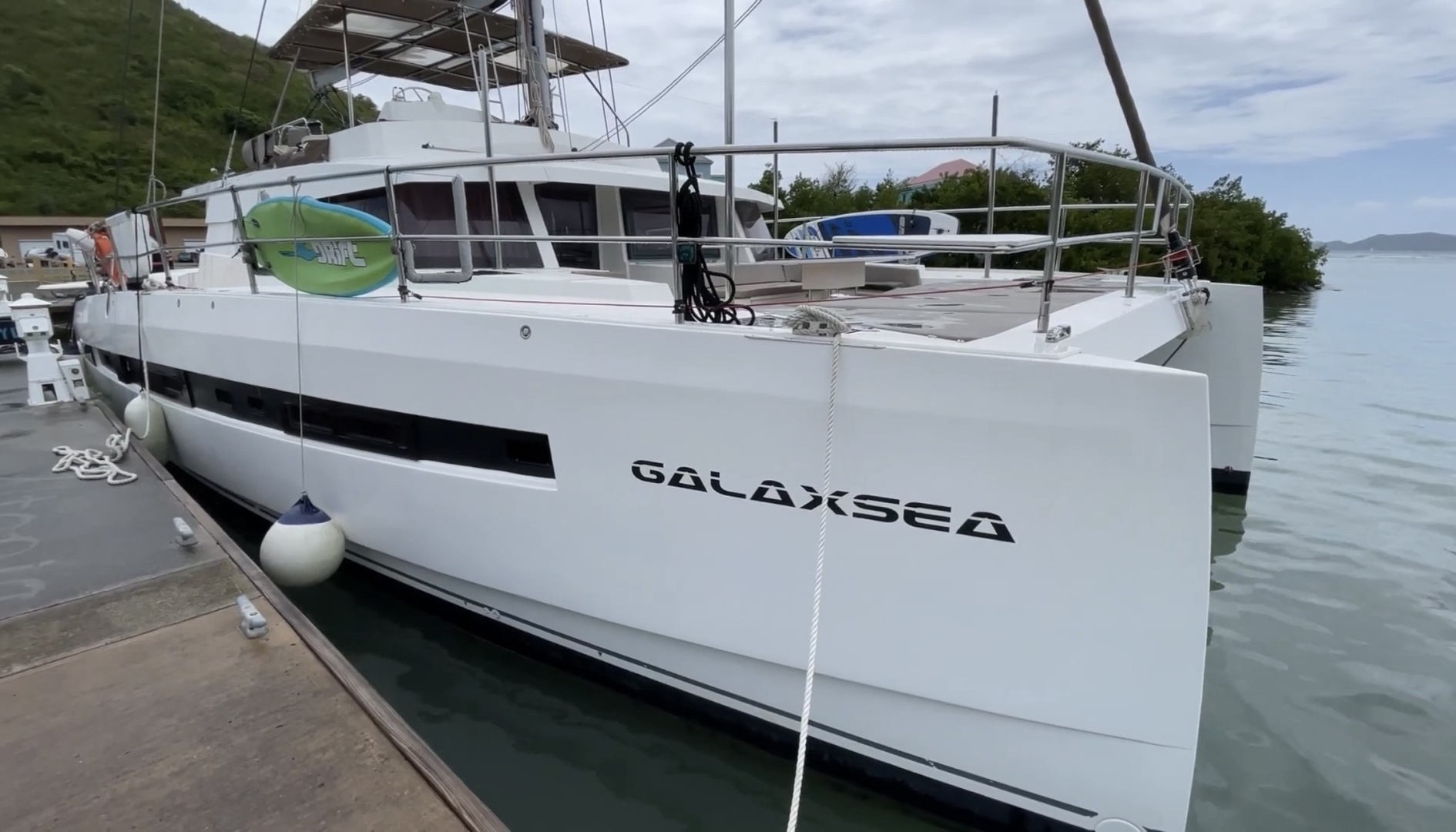
$800,000
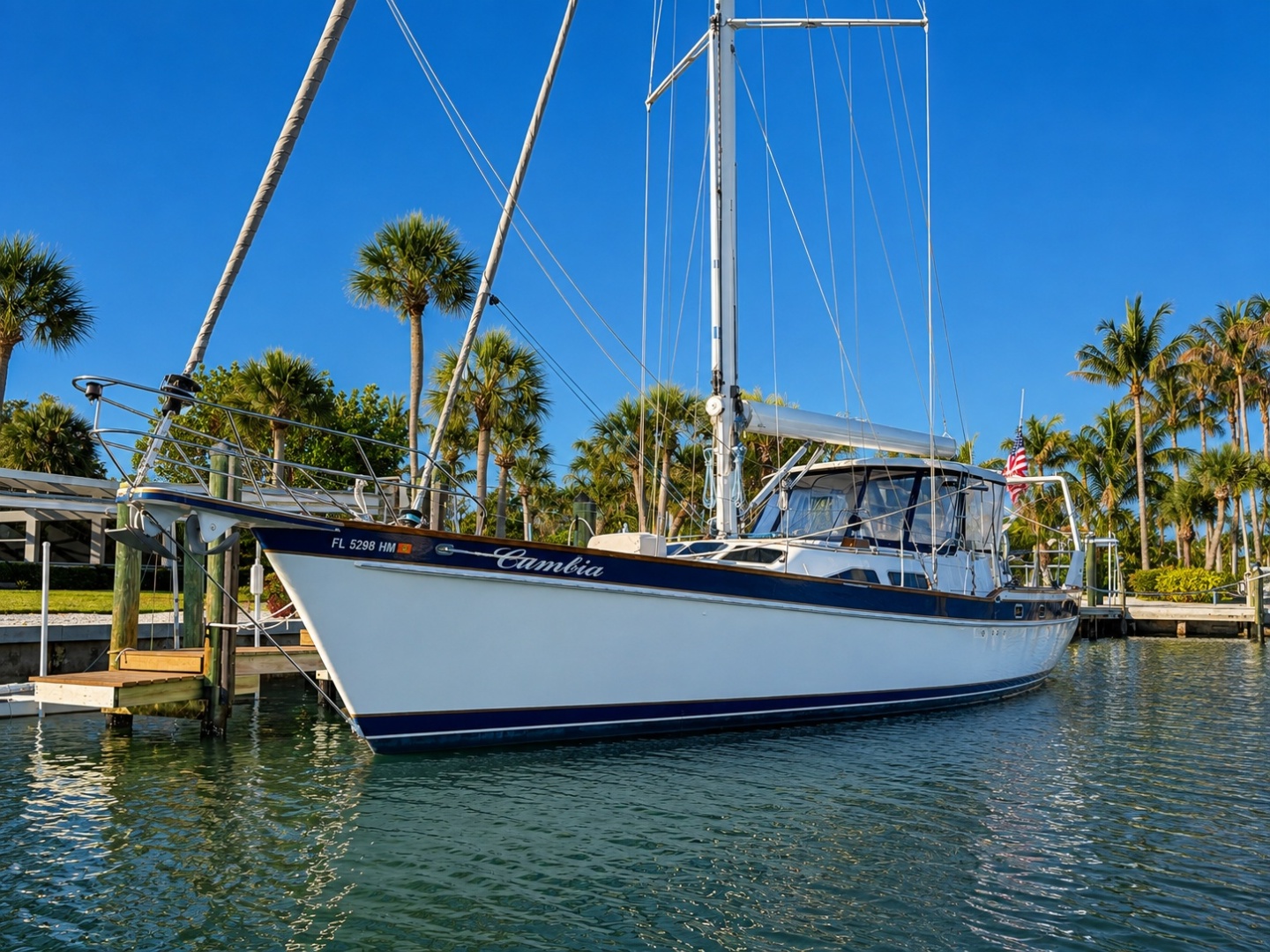
$545,000
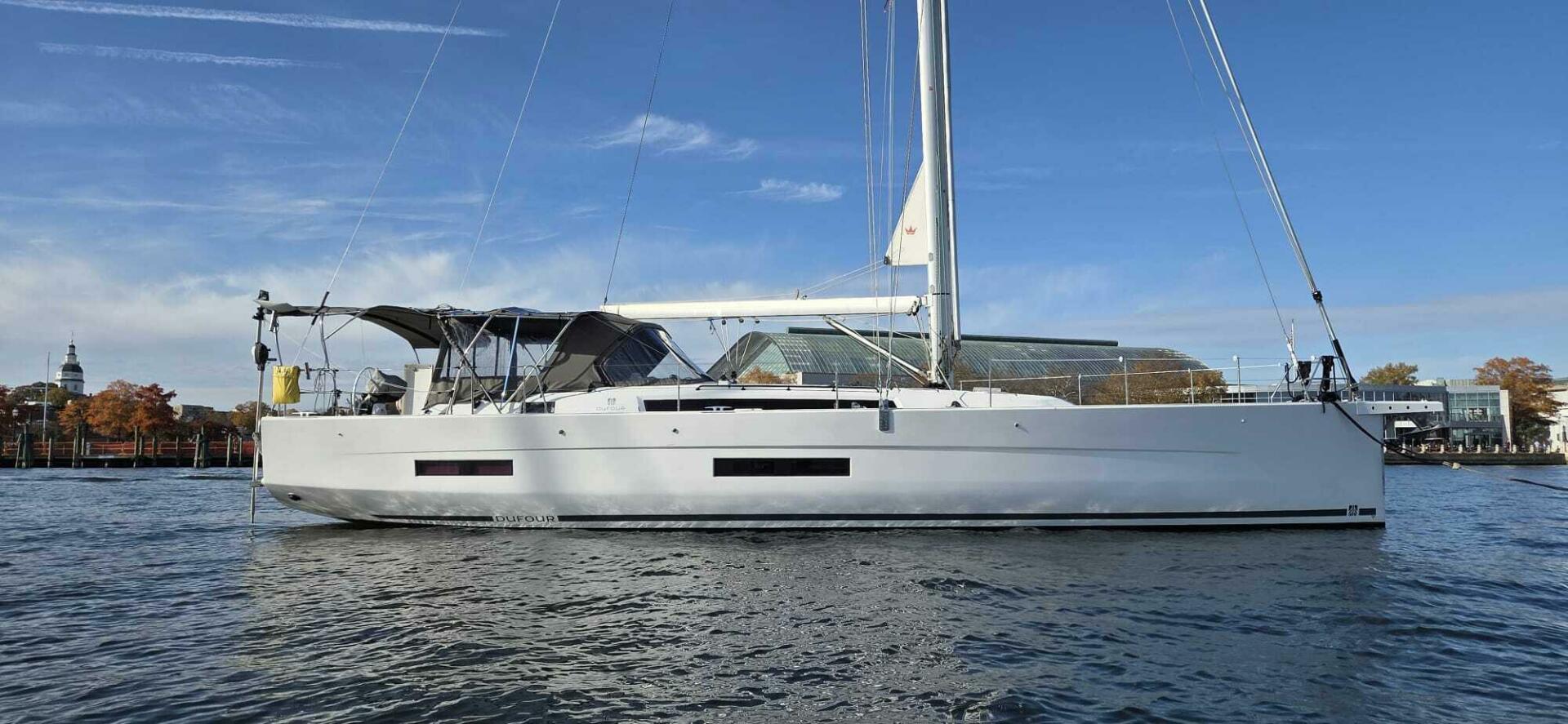
$564,900
$1,130,000
$159,000
$499,000
$89,000
$89,000
$135,000
$98,250
$149,850
$369,000
$395,000
$349,000
$125,000
$1,724,571
$149,500
$109,900
$395,000

$652,000
$105,000

$115,000
$950,000
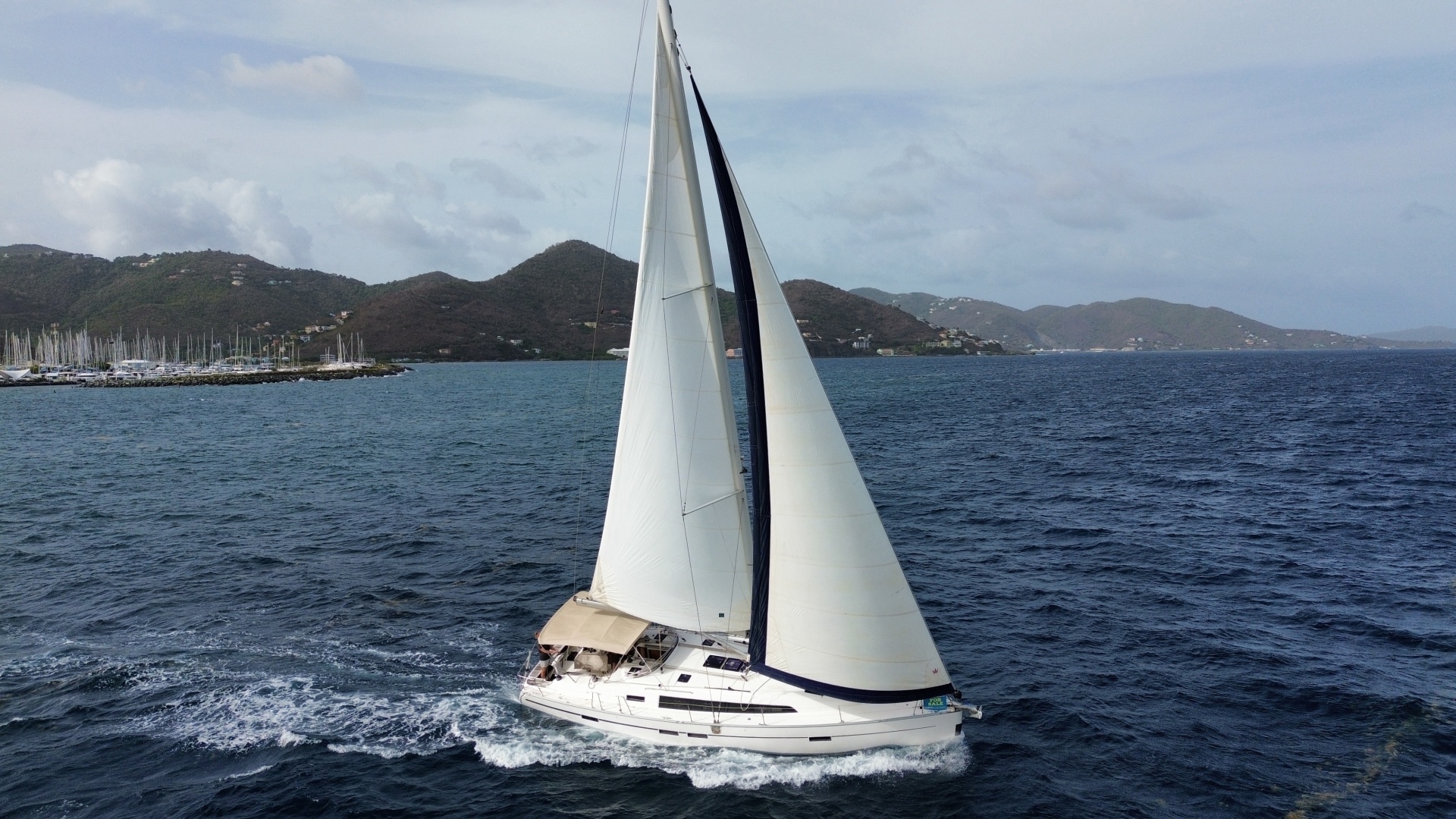
$149,000
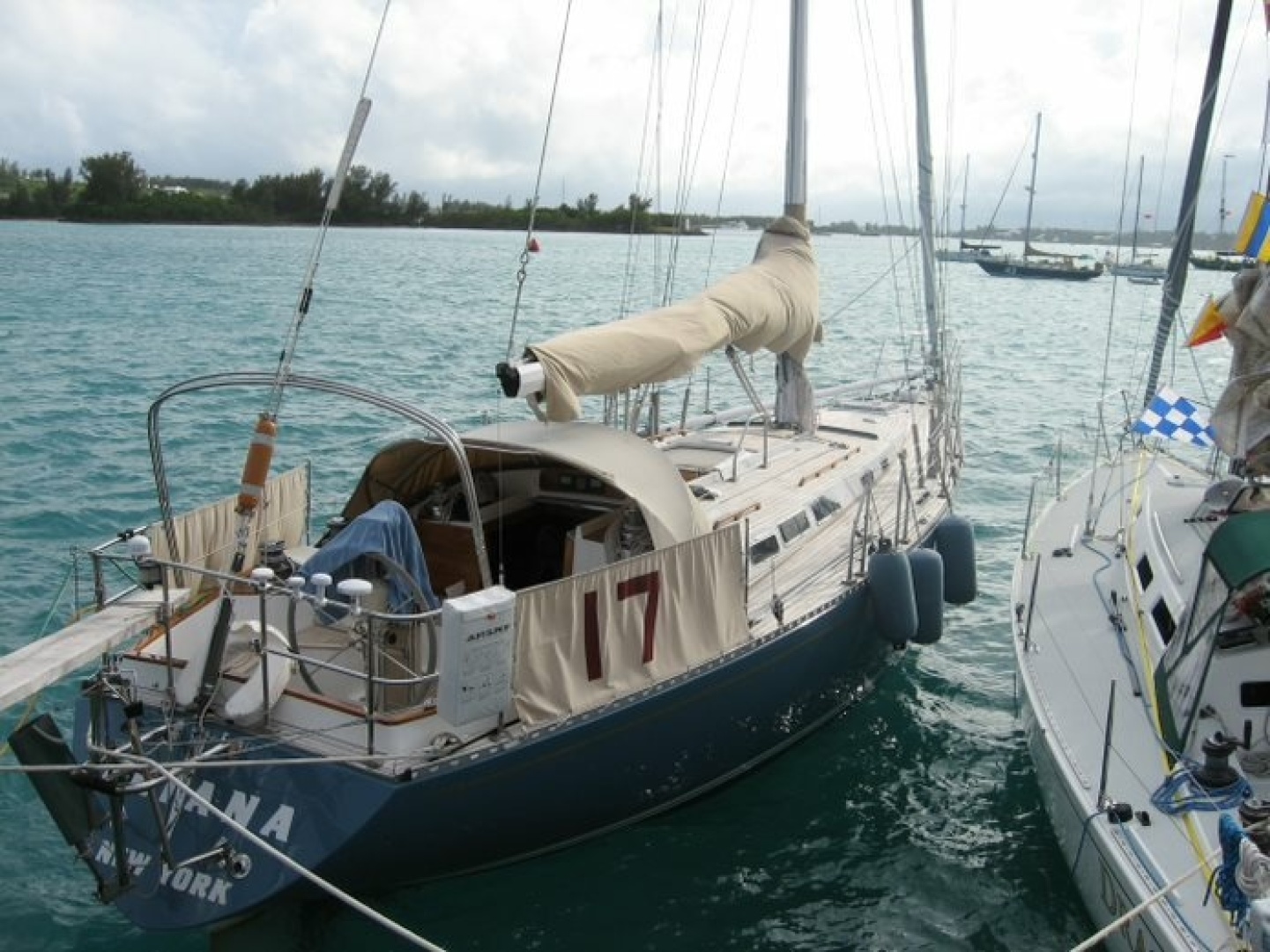
$135,000
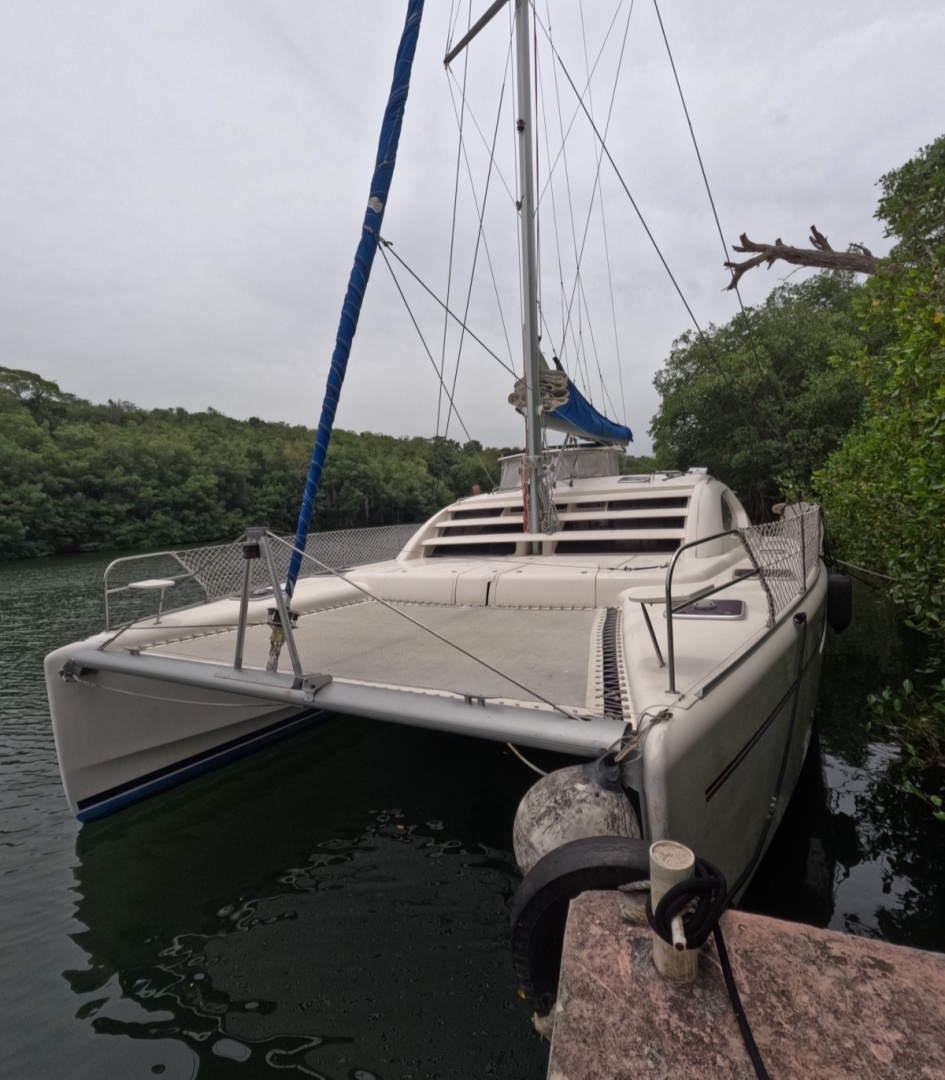
$349,000