
Buying Guide · Used Yachts
The most useful questions to ask when buying a used boat are about history, not features: why it is being sold, whether it has worked in charter, what storms it has sat through, how the machinery has been maintained, and whether the paperwork is clean enough to close.
A listing tells you what a boat has. The answers to a handful of pointed questions tell you what it has been through, and that is what decides whether a used yacht is a good buy or an expensive project. In the Caribbean the stakes are higher than usual, because viewing a boat often means a flight, a hotel and a day on a dock in Tortola, St. Thomas or Grenada before you have seen a single survey note.
This guide sets out the questions to put to a seller or listing broker in the order they matter, grouped so you can screen a boat by email before you travel, test the answers on the dock, and confirm them before you sign an offer. It sits alongside the wider process of buying a yacht in the Caribbean, and it is written for sailboats, catamarans and motor yachts alike.
Key Takeaways
- 01
Screen by email first: reason for sale, charter history, storm history, machinery records and title status decide whether a viewing is worth the trip.
- 02
Charter use and storm history are the Caribbean-specific questions most generic checklists miss.
- 03
Engine hours only mean something alongside service records, oil analysis and how the engines were used.
- 04
Ask about liens, yard bills, flag and duty status before you make an offer, not after.
- 05
A buyer’s broker can get past surveys, yard references and title searches a buyer often cannot.
The Five Questions That Decide Whether to Get on the Plane
Before anyone books travel, five answers separate boats worth viewing from boats worth passing on. Ask them in writing and keep the replies, because a vague or changing answer is information in its own right.
First, why is the owner selling, and how long has the boat been on the market? A boat listed for a year or more usually has a reason: price, condition, location or an owner who is not yet ready to let go. Second, has the boat ever been in a charter fleet or a management program? Third, where did it spend each hurricane season, and has it ever had an insurance claim? Fourth, when were the engines, saildrives or shafts, and the standing rigging last serviced or replaced, and are there records? Fifth, is the title clean, is the vessel free of liens and unpaid yard bills, and what is its flag and duty status?
If a seller cannot answer all five with specifics, that does not rule the boat out, but it does tell you where a surveyor will need to spend the most time and where your offer should leave room.
01 · History
Why is it for sale, and for how long?
Ask the reason for sale and the date it was first listed. A long time on the market or several price drops gives you negotiating context before you ever see the boat.
02 · Use
Has it worked in charter?
Ask for the fleet, the years in service and the date it left. Charter use is not a dealbreaker, but it changes how you read every other answer.
03 · Weather
Where did it spend each storm season?
Ask where the boat was stored, whether it was ashore or afloat, and whether it has ever been the subject of an insurance claim.
04 · Machinery
What has been serviced, and when?
Ask for engine hours, the last major service, saildrive or shaft seal dates and the age of the standing rigging, with invoices where they exist.
05 · Paperwork
Can the title close cleanly?
Ask about registration, flag, liens, outstanding yard or marina bills and whether import duty or VAT has been settled for the boat’s current location.
Ownership and Use History
Start with who has owned the boat and how it was used. Ask how many owners it has had, how long the current owner has had it, and roughly how many days a year it has actually been used. A boat that sailed every winter and was hauled every summer is often in better shape than one that sat on a mooring untouched for three years, because machinery and seals tend to deteriorate from disuse as much as from wear.
Ask whether the owner lived aboard, cruised seasonally or used the boat for day trips. Liveaboard use shows up in galley appliances, upholstery, heads and holding tanks. Long passages show up in rigging, sails and autopilot hours. Neither is bad, but each points the survey at different systems. This is also where the trade-offs between used versus new yachts become concrete, because the value of a used boat depends entirely on how it was treated.
Has This Boat Been in Charter?
In the Virgin Islands a large share of used catamarans and monohulls on the market have spent part of their lives in charter fleets. Ask directly whether the boat was in charter, which company ran it, for how many seasons, and when it was phased out. Charter boats are usually serviced on a schedule, which can mean better maintenance records than a privately owned boat. They also accumulate heavy use: many more engine hours per year, more groundings and dock contact, more wear on heads, winches and upholstery, and cabin layouts chosen for guests rather than owners.
Useful follow-up questions include: What refit, if any, was done when it left the fleet? Were the sails, rigging and engines replaced or only serviced? Does the seller have the fleet maintenance log? If you are weighing a boat that is still earning, the questions change again, and the considerations for buying a charter-managed yacht apply alongside this list.
Hurricane Seasons, Storage and Insurance Claims
For any boat that has lived in the Caribbean, storm history is a first-order question. The National Hurricane Center’s climatology puts the official Atlantic hurricane season at 1 June to 30 November, so every year of a boat’s life includes six months when its storage plan matters. Ask where the boat spent each season, whether it was ashore in a yard or afloat, whether it was tied down in cradles, and whether the storage was part of an insurer-approved named-storm plan.
Then ask plainly whether the boat has ever been damaged in a named storm, sunk, grounded or been the subject of an insurance claim, and who did the repairs. Storm damage is not always visible. Practical Sailor’s warning on post-storm bargains explains how a battered hull can flex enough to break the secondary bonds that hold bulkheads and interior structure to the hull, and how grounding loads travel far from the point of impact. It also notes that used-boat buyers rarely enjoy the consumer protections car buyers take for granted, so an as-is sale really is buyer beware. A well-repaired storm boat can be a sound purchase; an undisclosed one rarely is. For context on how owners in the islands prepare, see the options for hurricane season yacht storage.
Red flag
Signs a storm history has not been disclosed
Look for an interior waterline in lockers, corrosion on every hinge and drawer pull, new cushions and curtains throughout, fresh paint or gelcoat inside the hull or engine room, and electrical connectors that have been replaced in batches. None proves storm damage, but each justifies asking the question again and briefing your surveyor.
Machinery: Engines, Saildrives and Generators
Engine hours are the number everyone asks about and the one that says least on its own. Ask for the hours on every engine and the generator, then ask the more important questions: when was the last major service, what was done, who did it, and are there invoices? Ask whether oil analysis has ever been run and whether the results are available. Ask how the engines were used, because a diesel that ran regularly under load is often healthier than one with fewer hours that idled at anchor charging batteries. The detail on reading those numbers is in the guide to too many engine hours.
On catamarans and many modern monohulls, ask specifically about saildrives: when the seals and diaphragm were last replaced, when the gearbox oil was last changed, and whether there has been any sign of water in the oil. On shaft-drive boats, ask about cutless bearings, shaft seals and alignment. For the generator, watermaker and air conditioning, ask for hours, service dates and whether each unit currently works. A system described as working but not recently used should be treated as unknown until tested.
Machinery questions and what a good answer looks like
| Question | A reassuring answer | A reason to dig deeper |
|---|---|---|
| Hours on each engine and generator? | Exact figures that match the hour meters and the service log | Round numbers, a replaced meter with no record, or mismatched engines |
| Last major engine service? | Dated invoices listing impellers, belts, heat exchanger service and injectors | A service ‘done by the owner’ with no parts list |
| Saildrive seals last replaced? | A date within the manufacturer’s recommended interval | Unknown, or never since the boat was built |
| Any oil analysis on file? | Recent results with normal wear metals | Declined, or results with coolant or water flagged |
| Generator, watermaker, A/C working? | Run during the viewing and on the sea trial | Described as working but not run in months |
Hull, Rig and Sails
For the hull, ask when the boat was last hauled, when the antifouling was applied, and whether there is any history of osmosis blisters, moisture readings or hull repair. If a previous survey took moisture meter readings, ask for the report. Ask whether the topsides or deck have been repainted, and why, because a repaint can be cosmetic or can hide a repair. On catamarans, ask about any repairs to the bridgedeck, crossbeam or rudder area.
For sailboats, the age of the standing rigging matters as much as engine hours. Ask when the shrouds and stays were last replaced, whether the chainplates have ever been pulled and inspected, and when the mast was last unstepped. Many insurers ask about rigging age before offering cover, so a vague answer can cost you later. For sails, ask for a full sail inventory with the age and maker of each sail, and whether a sail loft has inspected them recently. A tired main or a sun-damaged furling genoa is a known cost, and it belongs in the price discussion rather than in the first season’s surprises.
Paperwork Questions People Forget
Paperwork decides whether a boat can be sold to you at all, so ask early. What is the flag and registration, and is the certificate current? Who is the registered owner, an individual or a company, and can that owner sign? Are there any mortgages, liens or claims recorded against the boat? Are there unpaid yard, marina or storage bills, which in some jurisdictions can follow the boat rather than the owner?
For a U.S.-documented vessel, the Coast Guard’s National Vessel Documentation Center issues an Abstract of Title that lists recorded documents such as mortgages and notices of claim of lien. It only shows what was recorded while the boat was documented, so a boat that spent years under another flag or on a state registration may have gaps worth asking about. For boats flagged elsewhere, the equivalent registry search applies. Finally, ask whether import duty or VAT has been paid for the country where the boat now sits, and what would be owed if you kept it there, moved it, or imported it home.
Questions Only a Broker Can Get Answered
Some answers are hard for a buyer to get alone. A broker representing the buyer can request past survey reports from the listing side, ask local yards and service companies about work they have done on the boat, pull title and lien searches through the right registry, and compare the asking price against recent sales of similar boats in the region. On a co-brokered listing, the buyer’s broker and the listing broker share the commission, so working with your own broker does not normally add to what you pay for the boat.
Questions worth putting through a broker include: Has the boat been surveyed in the last few years, and will the seller share that report? Has a previous deal on this boat fallen through, and why? Which yard has maintained it, and will they talk to you? Are there known issues the seller has disclosed to the listing broker? The survey itself will answer many of the questions a seller cannot or will not, and it is worth understanding the pre-purchase survey cost before you make an offer so it is budgeted from the start.
A seller’s answers tell you where to look. The survey and sea trial tell you what is actually there.
Buying GuideThe Printable Question Checklist
Use the list below in three passes. Send the enquiry questions before you travel, work through the viewing questions on board with the listing broker, and settle the pre-offer questions before you sign anything.
Before you travel checklist
| # | Question to ask |
|---|---|
| 1 | Why is the boat for sale, and when was it first listed? |
| 2 | How many owners has it had, and how has it been used? |
| 3 | Has it ever been in charter or a management program? Which fleet, and when did it leave? |
| 4 | Where has it spent each hurricane season, ashore or afloat? |
| 5 | Has it ever had storm damage, a sinking, a grounding or an insurance claim? |
| 6 | Hours on each engine and the generator, and date of the last major service |
| 7 | Age of the standing rigging and the sails |
| 8 | Flag, registration, and any liens or outstanding bills |
| 9 | Is a recent survey report available? |
At the viewing checklist
| # | Question to ask |
|---|---|
| 1 | Can I see the maintenance log and service invoices? |
| 2 | Can every engine, the generator, watermaker and air conditioning be run now? |
| 3 | When was the boat last hauled and antifouled? |
| 4 | Has the hull or deck been repainted or repaired, and where? |
| 5 | When were the saildrive seals or shaft seals last replaced? |
| 6 | Which inventory items are included in the sale? |
| 7 | Which yard or technicians have maintained the boat? |
Before you offer checklist
| # | Question to ask |
|---|---|
| 1 | Will the seller accept a survey and sea trial contingency? |
| 2 | Is the registered owner the person or company signing? |
| 3 | Has a title and lien search been run, and are there recorded claims? |
| 4 | Has duty or VAT been settled for the boat’s current location? |
| 5 | Are there any disclosed defects not yet in the listing? |
| 6 | Where will the closing take place, and who holds the deposit? |
Red Flags That Should Slow You Down
No used yacht is perfect, and most of the issues a survey finds are routine. A few patterns deserve more caution. A seller who will not allow a survey or sea trial is the clearest warning. So is a maintenance history that exists only as recollection, a title held by a company whose signatory is hard to identify, or an owner who is reluctant to say where the boat was during a named storm.
Watch for price as a signal too. A boat priced well below comparable listings usually has a reason, and the questions above are how you find it before you spend money on travel and survey fees. Comparing a candidate against the current Caribbean yacht listings is a quick way to judge whether a price is attractive or simply too good to be true.
QWhat questions should you ask before viewing a used yacht?
Ask why the boat is for sale and how long it has been listed, whether it has been in charter, where it spent each hurricane season, whether it has had any insurance claims, the engine hours and last major service, the age of the rigging and sails, and whether the title is free of liens. Ask in writing so you have the answers on record.
QWhat are the biggest red flags on a used boat?
A seller who refuses a survey or sea trial, maintenance history with no invoices, reluctance to discuss storm history, signs of an interior waterline or widespread corrosion, fresh paint in the bilge or engine room, and unclear ownership or registration. Each one justifies a closer look before you commit money.
QHow many engine hours is too many on a cruising yacht?
There is no single cut-off. A well-maintained marine diesel with regular oil changes and load can run for thousands of hours, while a neglected engine with low hours can be worn out. Judge hours alongside service records, oil analysis, how the engine was used and how it performs on the sea trial.
QHow do you tell whether a boat has been in charter?
Ask the seller directly and ask for the fleet name and dates. Clues include multiple identical cabins and heads, fleet-style equipment, high engine hours for the boat’s age, and a hull number or model version common in charter fleets. A buyer’s broker can often confirm fleet history through industry contacts.
QWhat should you ask about hurricane history and insurance claims?
Ask where the boat was stored each hurricane season, whether it was ashore or afloat, whether it has ever been damaged, sunk or grounded in a storm, whether an insurance claim was made, and who did the repairs. Ask for repair invoices and brief your surveyor on anything disclosed.
QHow do you check for outstanding liens or unpaid yard bills?
Run a title and lien search through the registry that holds the boat’s registration; for a U.S.-documented vessel that is an Abstract of Title from the Coast Guard. Ask the seller in writing about unpaid yard, marina or storage bills, and make a clean title a condition of closing in the purchase agreement.
QWhich questions can only a broker get answered?
A buyer’s broker can often obtain previous survey reports, speak with the yards that maintained the boat, find out whether earlier deals fell through, check recent sale prices of comparable boats and coordinate title searches. On co-brokered listings the commission is shared, so this help normally does not raise the price you pay.
Talk to a broker
Screening a used yacht in the Caribbean?
Send the listing you are considering to BVI Yacht Sales and talk through the questions that matter before you book a flight. Call 941-900-4510 or get in touch online.
Featured Listings
$599,000
$1,300,000
$1,699,000

$299,000

$899,000
$1,795,000

$269,000

$359,000
$499,500
$299,500
$1,290,000
$800,000
$545,000
$564,900
$1,130,000
$159,000
$499,000
$89,000
$89,000
$135,000
$98,250
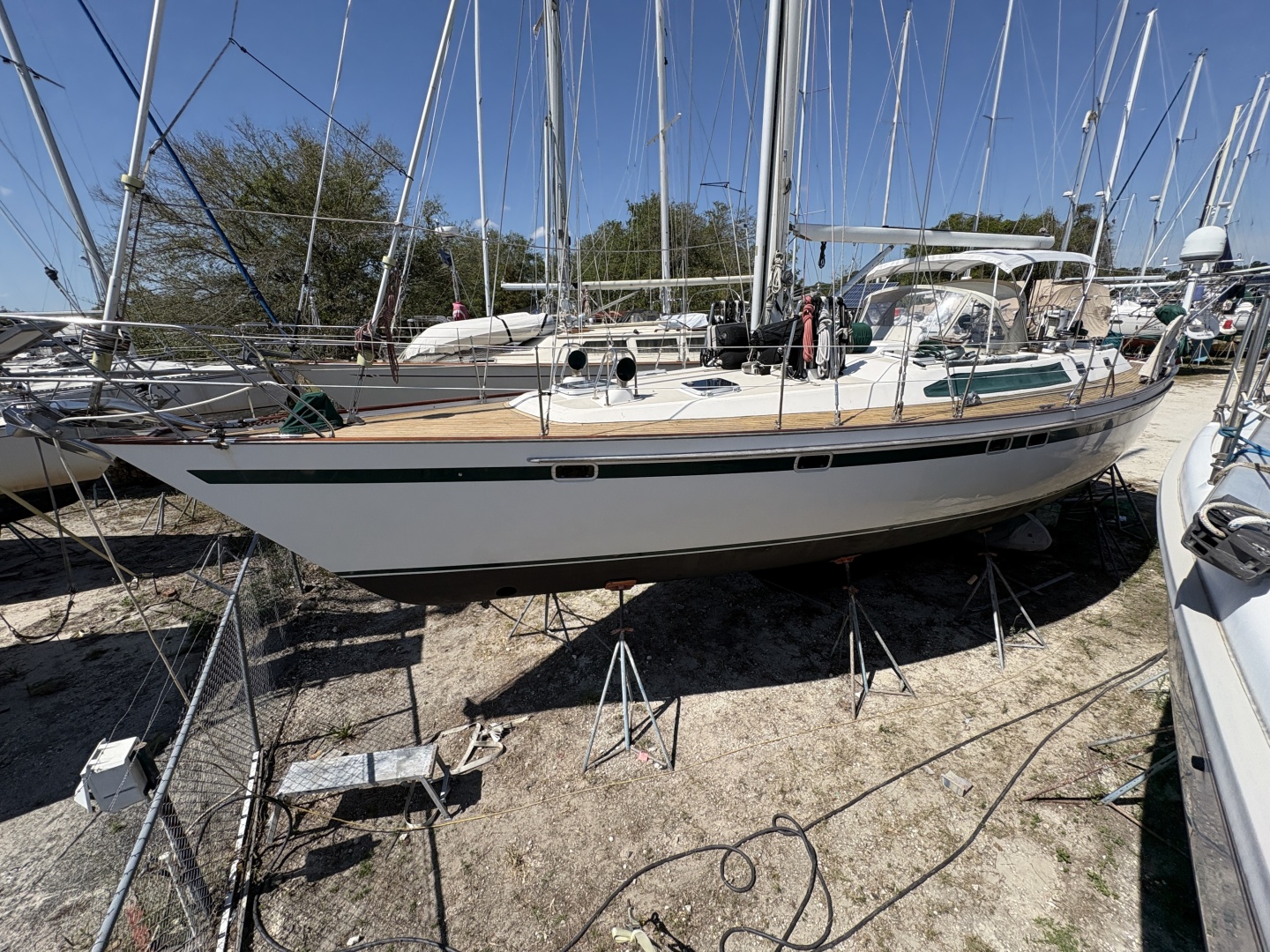
$149,850
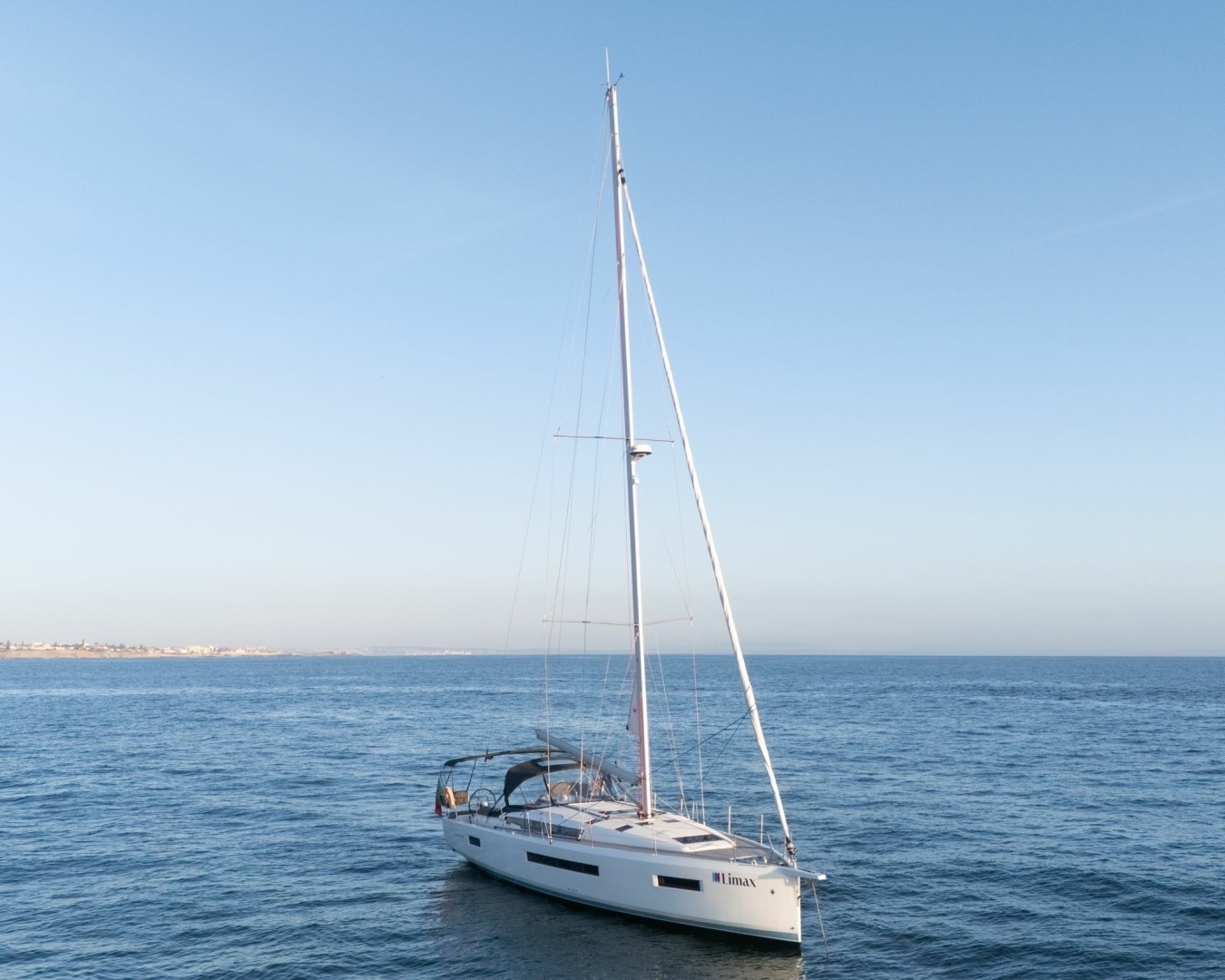
$369,000
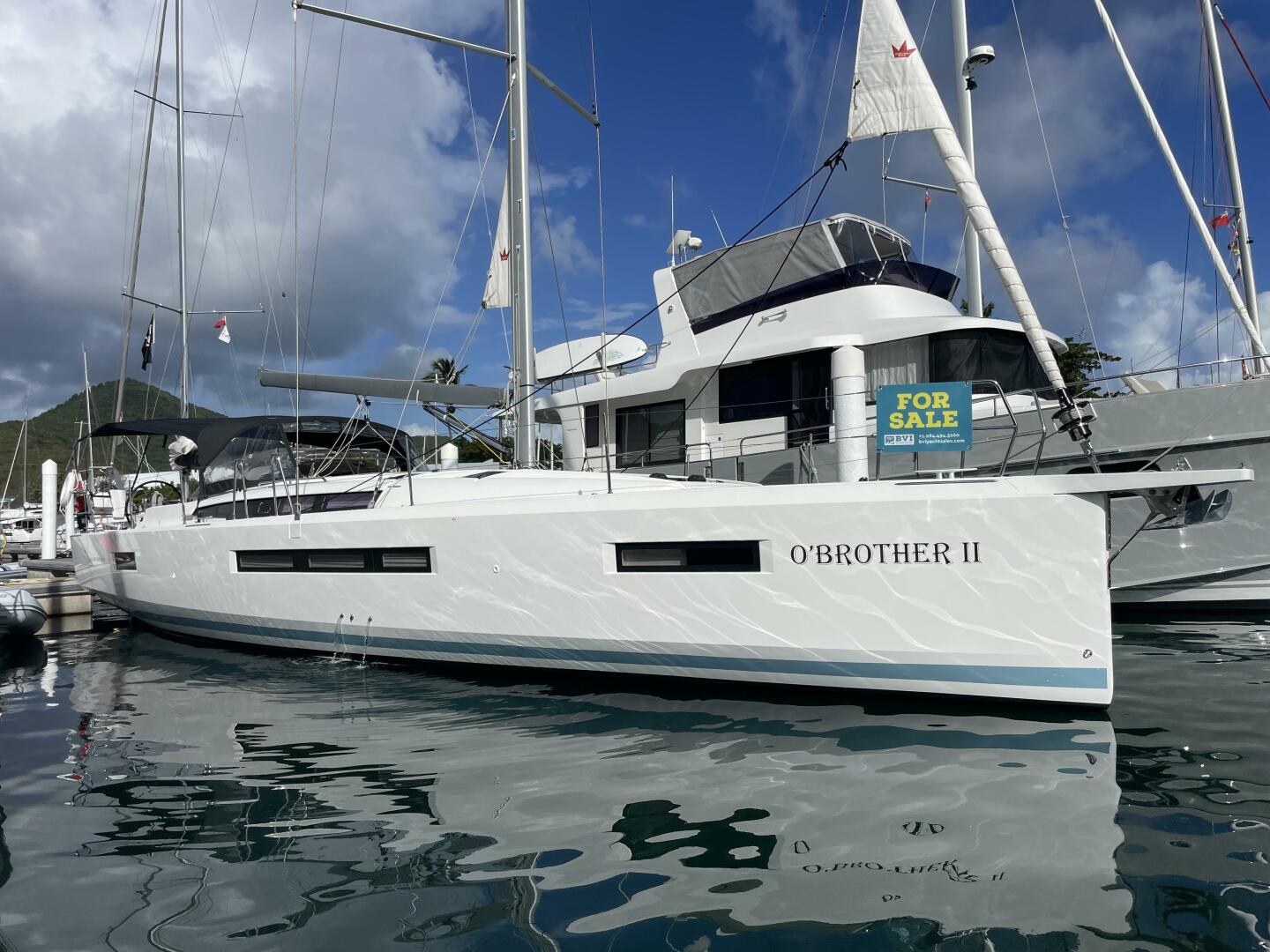
$395,000
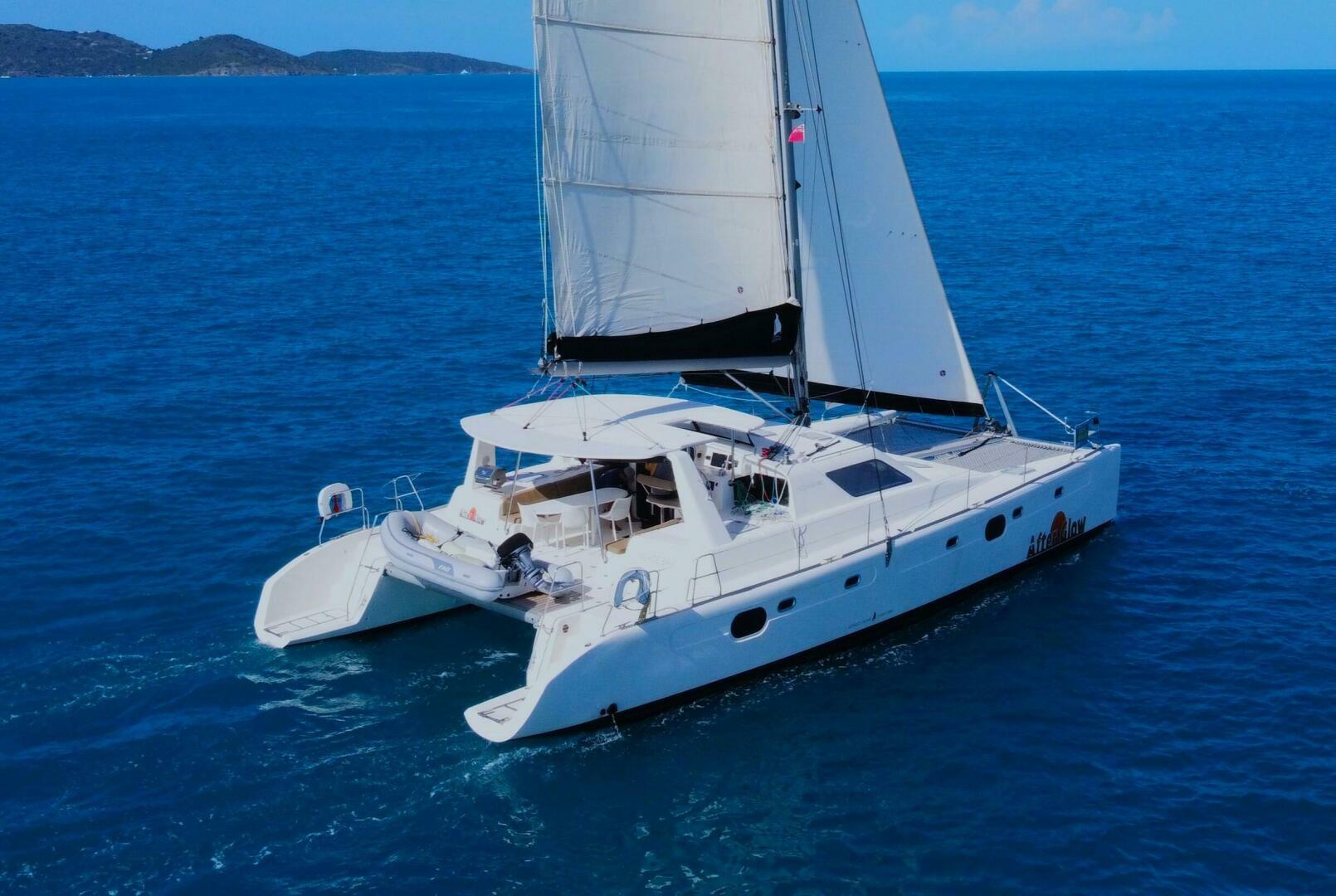
$349,000
$125,000
$1,724,571
$149,500
$109,900
$395,000

$652,000
$105,000

$115,000
$950,000
$149,000
$135,000
$349,000