

The cost of owning a yacht in the Caribbean typically runs 10 to 25% of its purchase price every single year. On a $500,000 cruiser that is $50,000 to $125,000 annually — before you have sailed a mile. The figure climbs in the islands because sun, salt, and hurricane season are relentless on a hull, its systems, and your insurance premium.
Key Takeaways
- 01
Budget 10–25% of value per year — In the Caribbean, treat the upper half of that range as realistic, not pessimistic.
- 02
Insurance is the regional surprise — Storm-zone premiums of 3–5% and large named-storm deductibles dwarf mainland rates.
- 03
Plan hurricane season early — Haul-out and cradle costs are mandatory spending, and the best yards fill fast.
- 04
Crew changes everything — Adding paid crew can become 30–40% of your operating budget — decide before you buy.
Definition
Total cost of ownership — The full annual cost of keeping a yacht in service — dockage, insurance, maintenance, crew, fuel, haul-out, and administration — expressed as a recurring budget rather than the one-time purchase price. In the Caribbean, these recurring costs are what determine whether ownership is sustainable.
The 10% Rule and Why the Caribbean Pushes It Higher
The industry rule of thumb is simple: budget around 10% of a yacht’s value each year for ownership. Brokers and operators widely cite a range of 10% to 25% of the yacht’s purchase price every year, with the lower end for newer, smaller, well-kept boats.
The Caribbean lives at the upper half of that range. Tropical UV degrades finishes faster, salt air accelerates corrosion, and named-storm insurance costs several times the mainland rate. Treat 10% as a floor here, not an average.
A useful planning anchor
If you are weighing a purchase, multiply the asking price by 12–15% for a realistic first-year Caribbean ownership budget. It will rarely be less, and building in that cushion keeps maintenance from becoming an emergency.
Your Annual Caribbean Yacht Budget, Line by Line
Every yacht is different, but the categories are consistent. The figures below are framed for a representative 50-foot cruiser; scale them to your own length and value. Where a cost is best expressed as a percentage of value, we have kept it that way. Where you buy changes the duty and registration position as much as the asking price, which is why we mapped the best places to buy in the Caribbean island by island.
Annual cost breakdown — representative 50 ft cruiser
Compiled from Windward Yachts, Boat International, Suncoast Insurance (2025–26), and Caribbean marina/haul-out guides. Ranges, not quotes.
| Cost category | Annual figure | Notes |
|---|---|---|
| Dockage / marina | $7,500–$17,500 | $150–$350 per foot annually; Caribbean transient runs $1.25–$1.50/ft per night |
| Insurance | 3–5% of value | Named-storm zone; vs 1–2% on the mainland |
| Maintenance | 5–10% of value | Used boats trend to 10%; the tropics push higher |
| Crew (if carried) | $80,000–$180,000 | Captain salary; deckhand adds $36K–$60K |
| Fuel | Variable | Depends on engines, speed, and miles — budget generously |
| Haul-out + hurricane storage | $4,000–$6,000+ | ~6 months; a hurricane cradle adds ~$1,500/season |
| Management (optional) | 0.5–1% of value | Often saves 10–20% on overall operating costs |
Add those lines up and the 10–25% rule stops feeling abstract. For an owner-operated 50-footer without paid crew, dockage, insurance, maintenance, and storage are the load-bearing costs. The moment you add crew, the budget changes character entirely.
Yacht insurance as a share of hull value: mainland vs Caribbean storm zone
| Mainland US (typical) | 1.5 |
| Caribbean storm zone | 4 |
Boat International; Suncoast Insurance (2025–26)
The purchase price is the cheapest part of yacht ownership. The Caribbean’s sun, salt, and storm season write the real budget — every year, whether you sail or not.
Hurricane Season: The Cost Caribbean Owners Can't Skip
From June through November, every Caribbean owner faces a decision the mainland sailor rarely does: where the boat rides out the season. Hauling out and storing on the hard in a recognized hurricane yard — Grenada and Trinidad are classic choices — runs around $4,000 or more for roughly six months, with a hurricane cradle adding about $1,500 on top.
Insurance compounds this. Many Caribbean policies carry named-storm deductibles of 2–10% of hull value, and some climb higher in season. Budgeting for a safe haul-out is not optional spending; it is what keeps a single storm from becoming a total loss. Insurance is the line owners underestimate most often in this budget, and Caribbean yacht insurance cost explains how named-storm deductibles and lay-up clauses move the number. Annual running costs read differently when the hull itself is financed, and yacht financing options shift the monthly picture more than dockage does.
Read your named-storm deductible before June
A 5% named-storm deductible on a $500,000 yacht is $25,000 out of pocket before coverage responds. Know that number, confirm your haul-out plan early — yards fill fast — and factor both into your annual budget rather than discovering them after a warning is posted.
Own or Charter? The Break-Even Math
If your annual budget gives you pause, run the comparison honestly. Chartering avoids every recurring cost above; ownership only makes financial sense past a certain amount of annual use.
Owning
- ✓Worthwhile beyond roughly 8 weeks of use per year
- ✓The boat is yours, ready, and personalized
- ✗Full recurring costs apply whether you sail or not
Chartering
- ✓No dockage, insurance, maintenance, or storage burden
- ✓Cheaper for occasional use under ~8 weeks a year
- ✗No equity, no customization, limited availability in peak season
The break-even point sits near eight weeks of annual use for many owners. Below that, chartering usually wins on pure economics. Above it — or if the goal is to live the cruising life rather than rent it — ownership earns its keep.
Costs First-Time Owners Underestimate
The headline numbers are easy to plan for. It is the recurring, unglamorous costs that derail first-year budgets.
01
Peak-season dockage premiums
Transient marina rates spike during the winter Caribbean season. The annual average hides how much a prime December berth in the islands can cost per night.
02
Crew retainers and benefits
Even part-season crew expect retainers, and benefits add 20–30% on top of salary. Crew can quietly become 30–40% of total operating cost.
03
Government and cruising fees
Cruising permits, customs, immigration, and national park fees vary island to island and add up across a season of moving between jurisdictions.
04
Deferred maintenance
Putting off a $20,000 repair in the tropics is how it becomes a six-figure emergency. Salt and sun do not wait for a convenient budget year.
BVI Yacht Sales
Plan the real numbers before you buy
We help buyers understand the full cost of ownership — not just the asking price. Talk to a broker who sails these waters and knows what they demand.
QHow much does it cost to own a yacht in the Caribbean each year?
Plan on 10 to 25% of the yacht’s purchase price annually, with the Caribbean sitting in the upper half of that range. For a $500,000 cruiser that is roughly $50,000 to $125,000 a year covering dockage, insurance, maintenance, fuel, haul-out, and administration. Tropical conditions and storm-zone insurance push island costs above mainland equivalents.
QWhat is the "10% rule" for yacht ownership costs?
The 10% rule is an industry rule of thumb that annual ownership costs run about 10% of a yacht’s value. It is a starting estimate, not a guarantee: newer, smaller, well-maintained boats can hit the low end, while older yachts in demanding climates like the Caribbean often reach 15–25%. Use it to sanity-check a purchase, then build a line-item budget.
QHow much is dockage at a Caribbean marina like Nanny Cay in the BVI?
Transient dockage in the BVI runs roughly $1.25 to $1.50 per foot per night at marinas such as Nanny Cay, so a 42-footer pays about $63 to $84 a night. Annual contract berths are negotiated directly and are not always published online. As a planning figure, US annual rates of $150 to $350 per foot are a reasonable benchmark.
QHow much does hurricane-season haul-out and storage cost?
Hauling out and storing on the hard for the roughly six-month hurricane season at a recognized yard in Grenada or Trinidad starts around $4,000, with a hurricane cradle adding about $1,500 on top. It is essential spending in the Caribbean: a safe haul-out plan is what keeps a single named storm from turning into a total loss.
QIs it cheaper to own a yacht or to charter in the Caribbean?
For occasional use, chartering is almost always cheaper because it avoids every recurring ownership cost. The break-even point sits near eight weeks of use per year for many owners. Beyond that threshold — or if you want a boat that is truly yours and ready whenever you are — ownership starts to make financial and lifestyle sense.
QWhat costs do first-time Caribbean yacht owners most often underestimate?
The recurring, less visible ones: peak-season dockage premiums, crew retainers and benefits, government and cruising fees that vary by island, and deferred maintenance. The last is the most dangerous — postponing a repair in a salt-and-sun climate routinely turns a modest job into a six-figure emergency. Build a contingency line into every annual budget.
Featured Listings
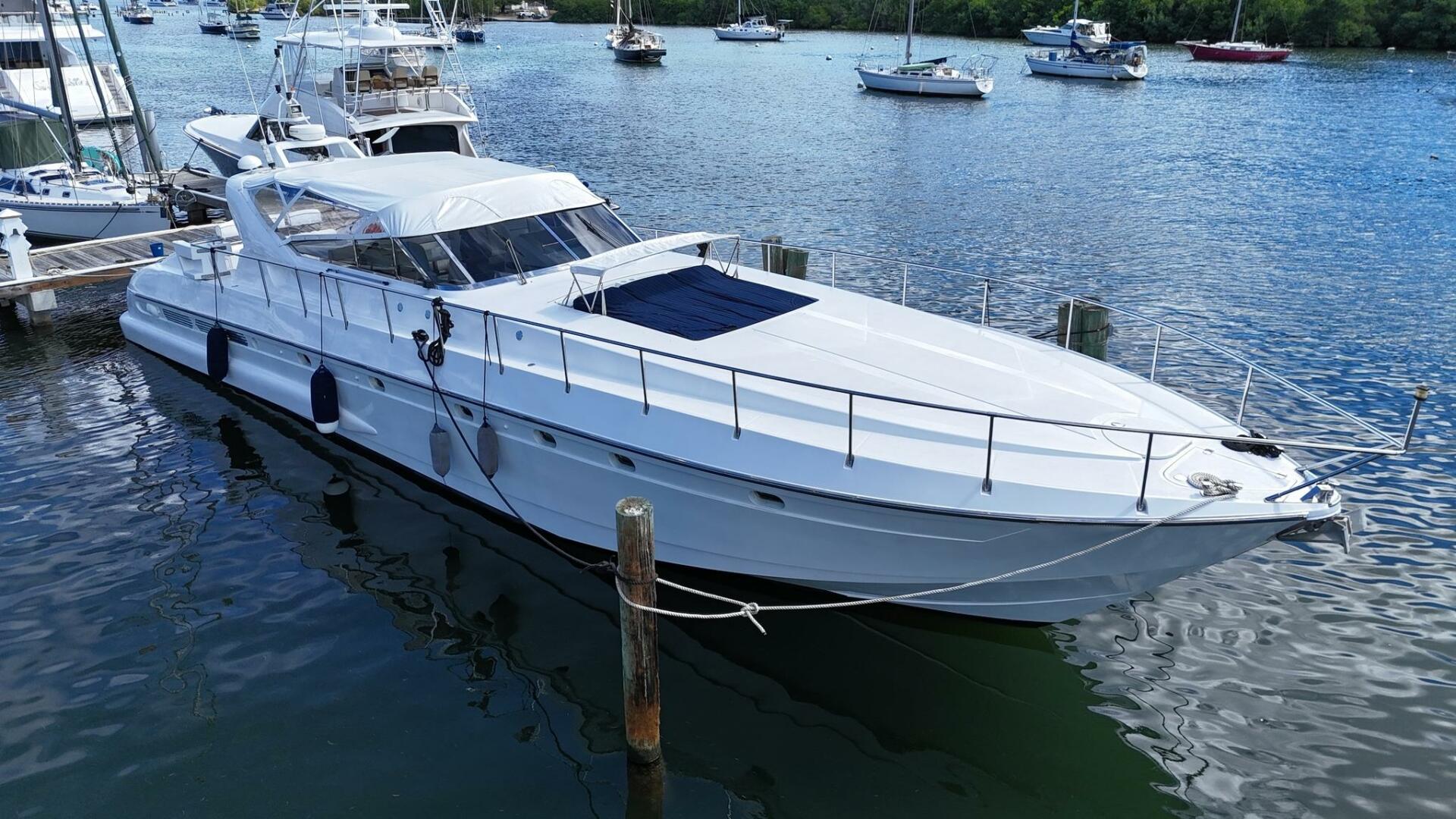
$599,000
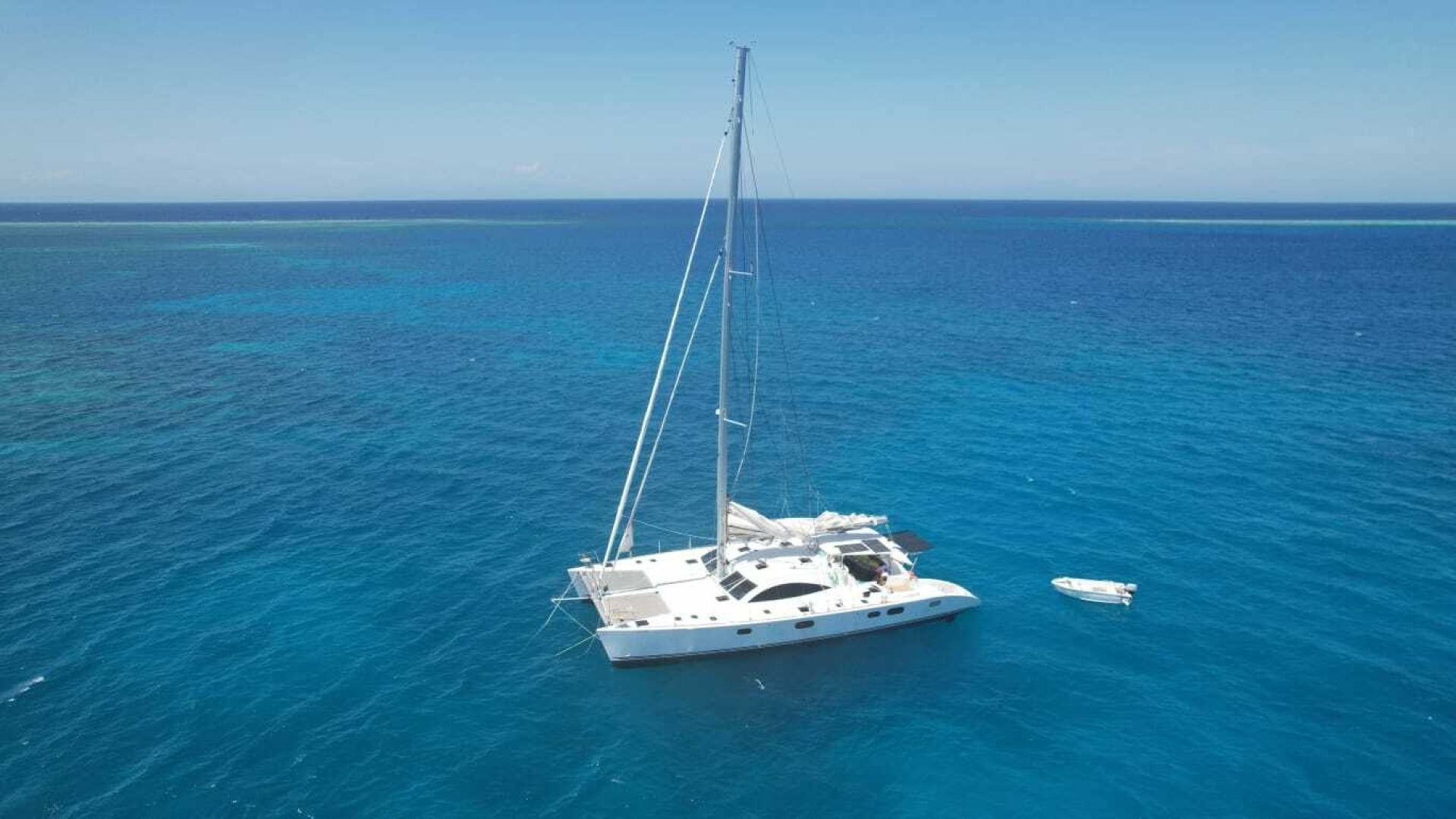
$1,300,000
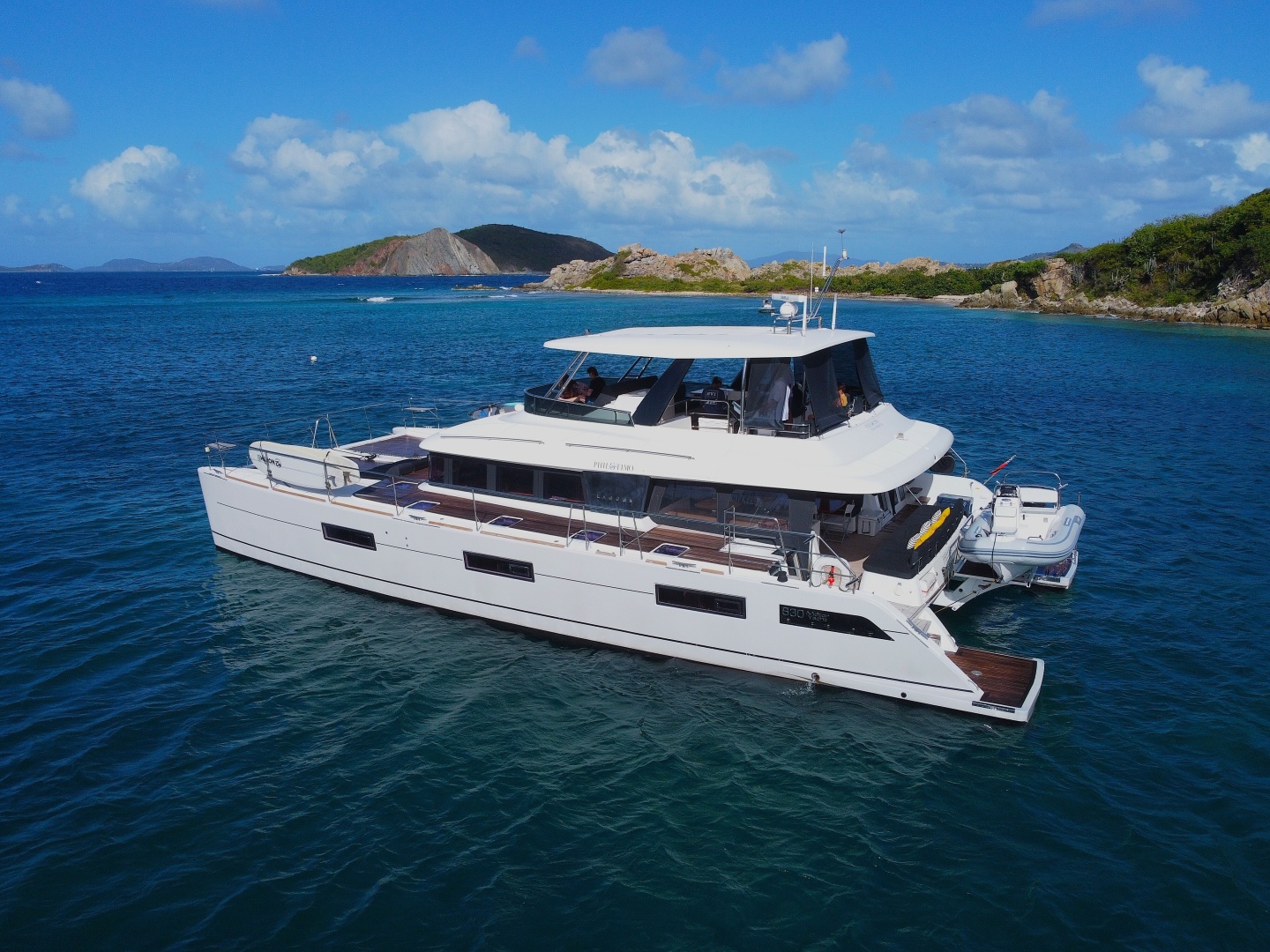
$1,699,000

$299,000

$899,000
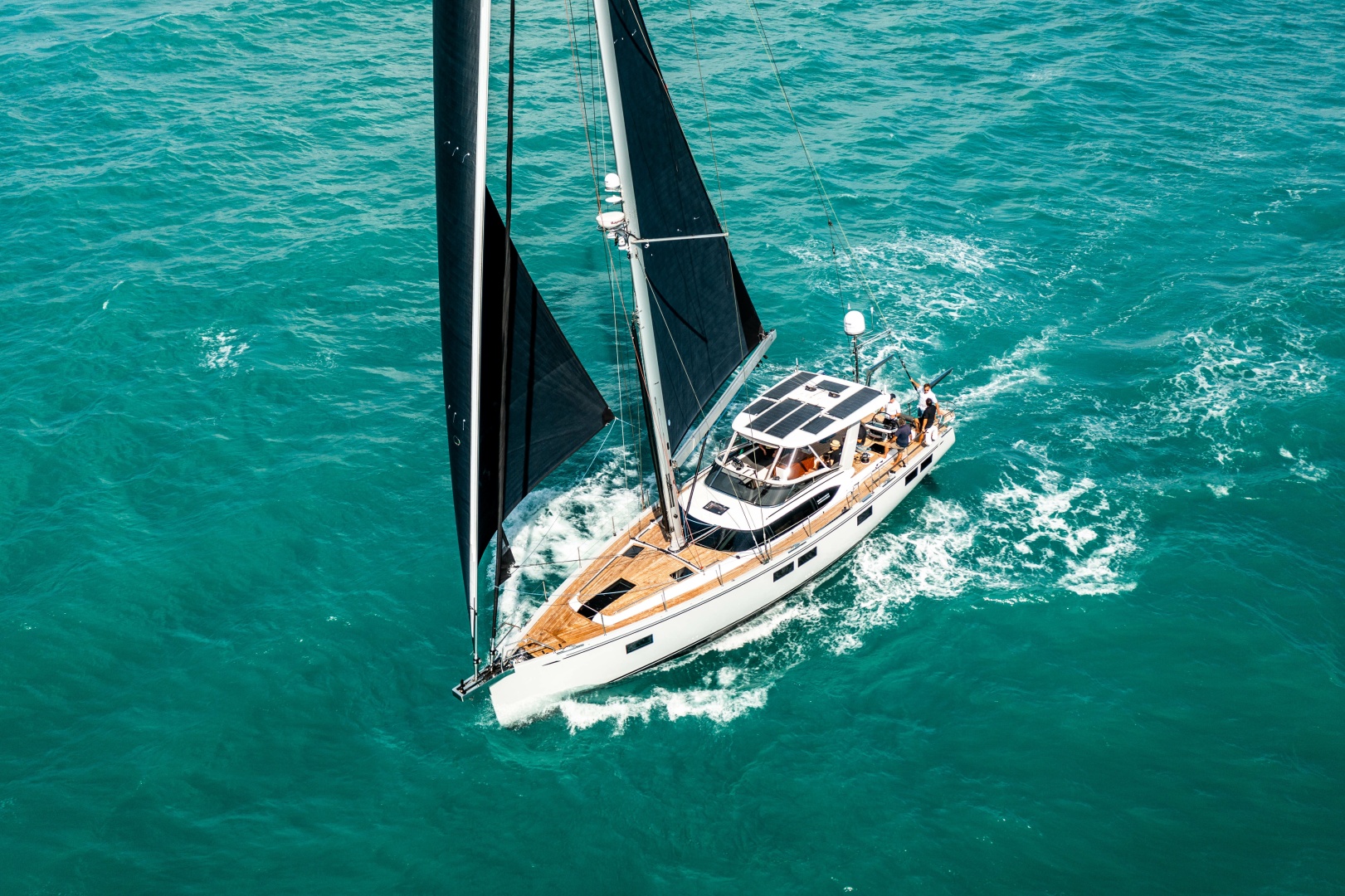
$1,795,000

$269,000
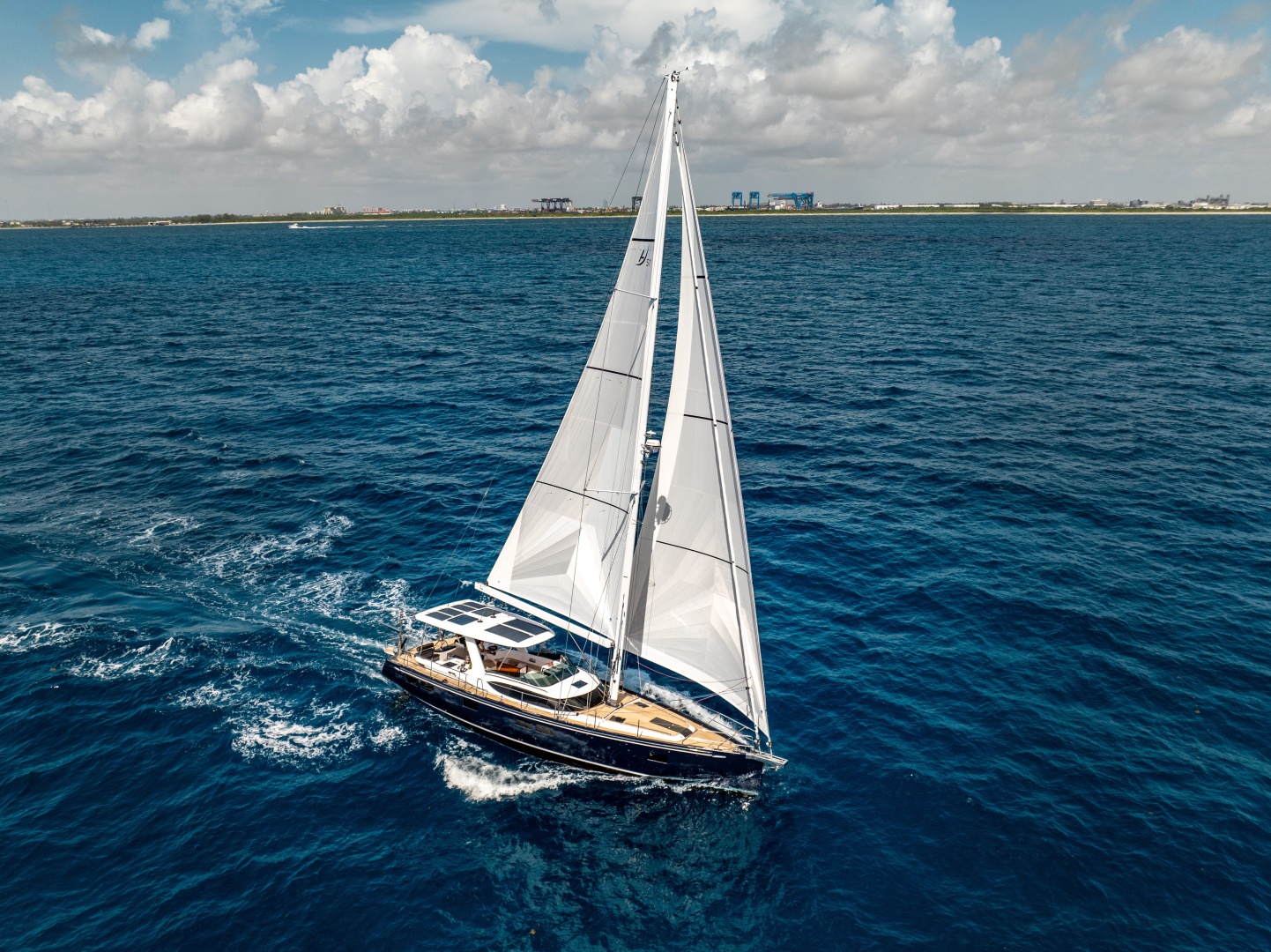
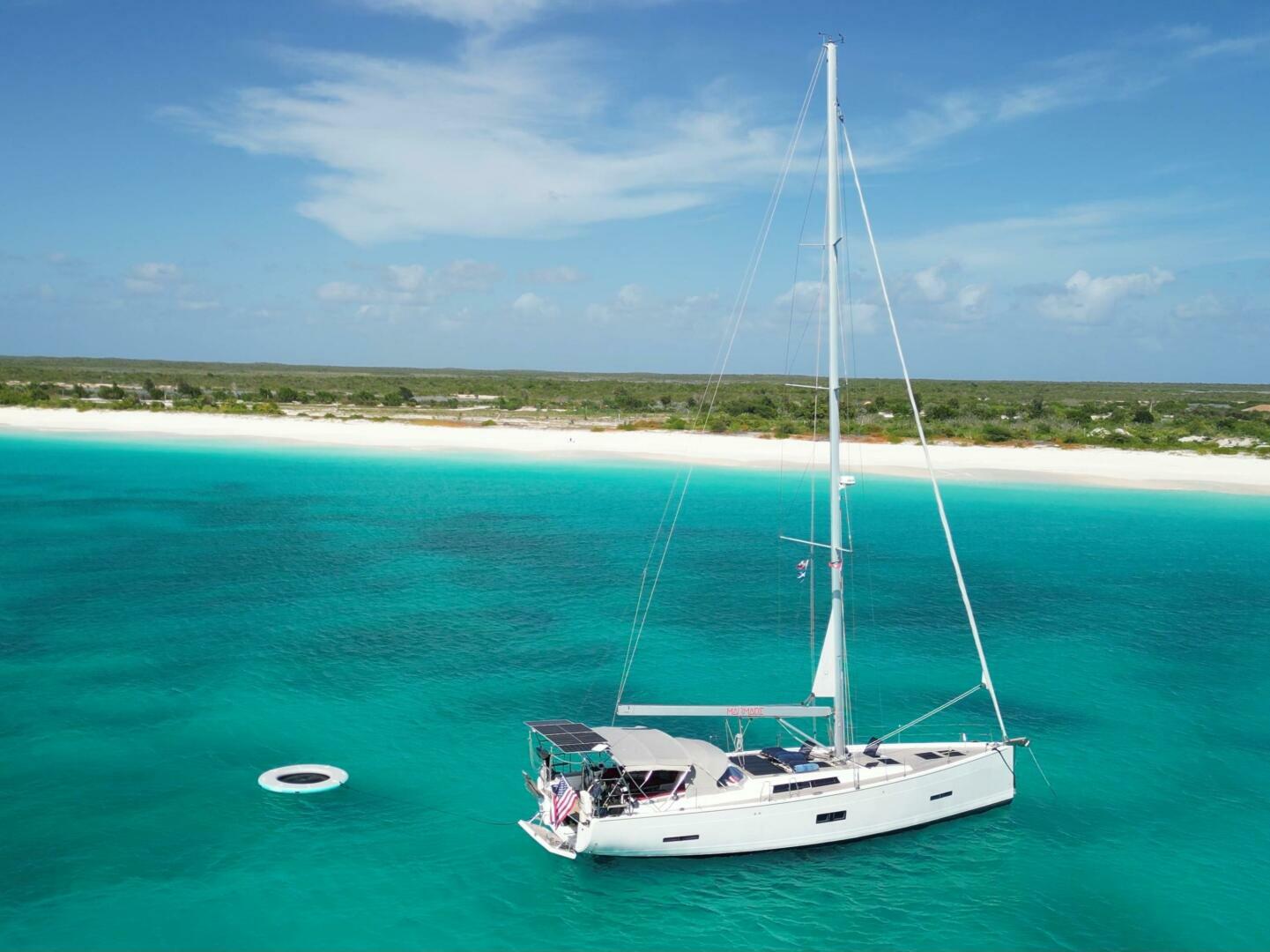
$359,000
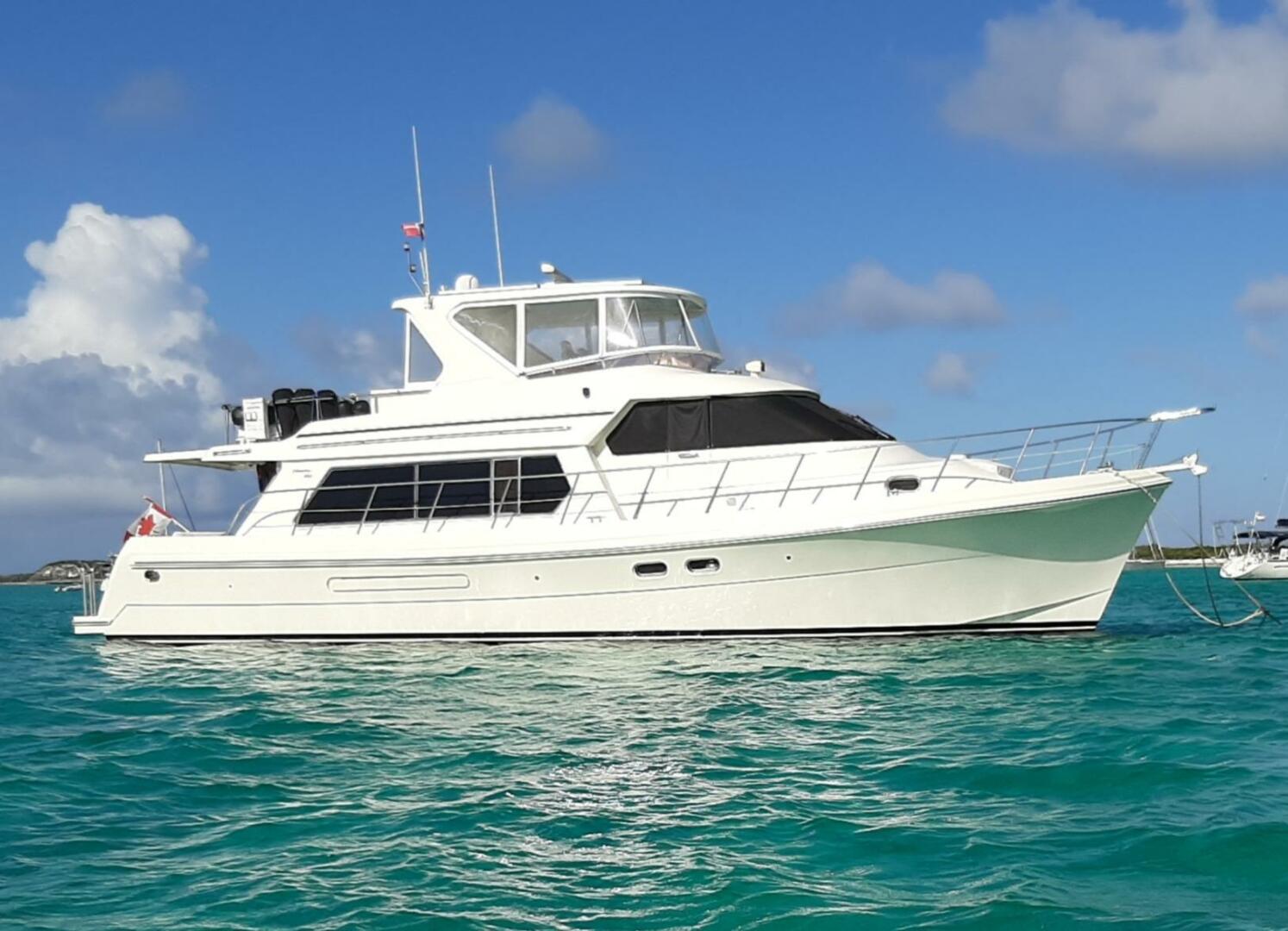
$499,500
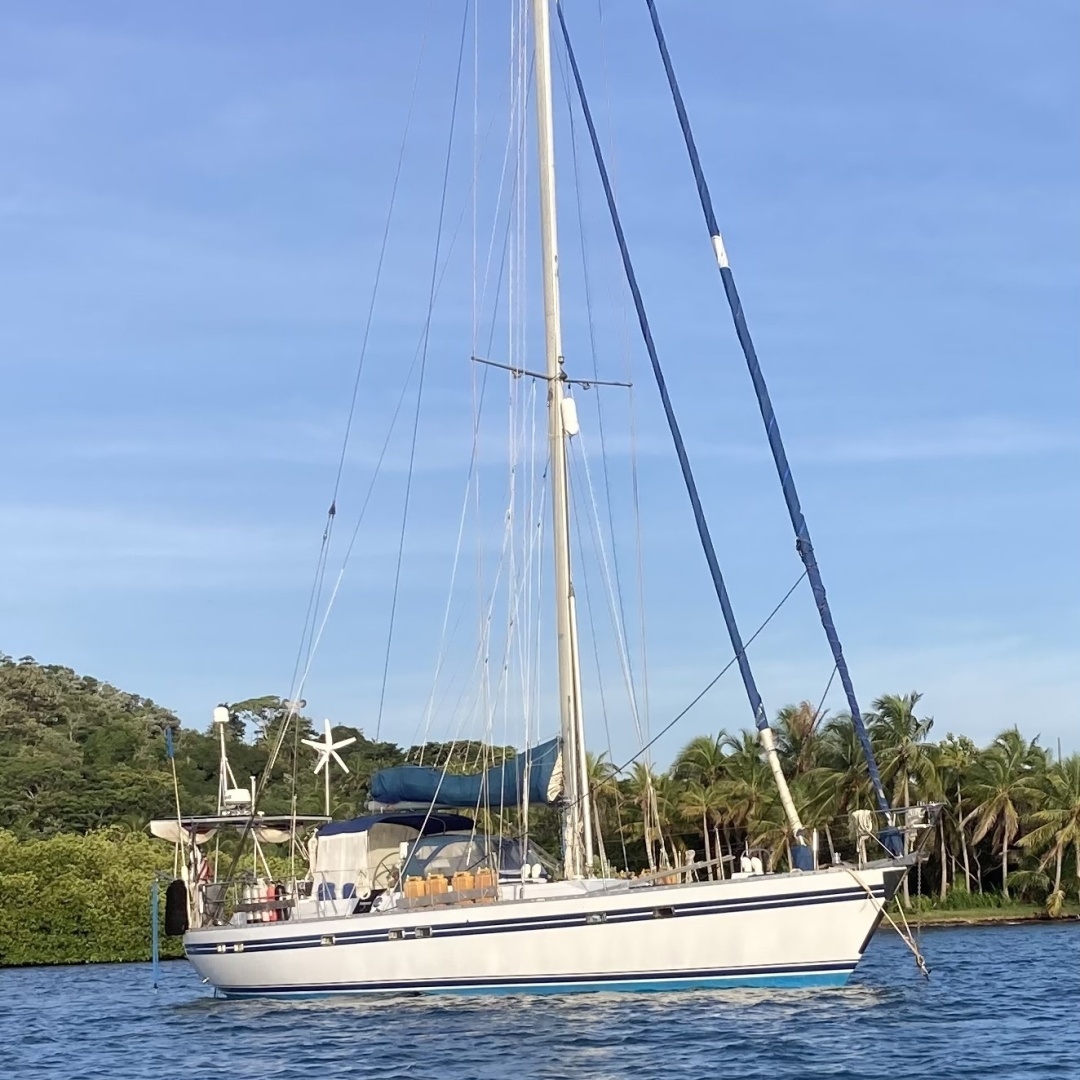
$299,500
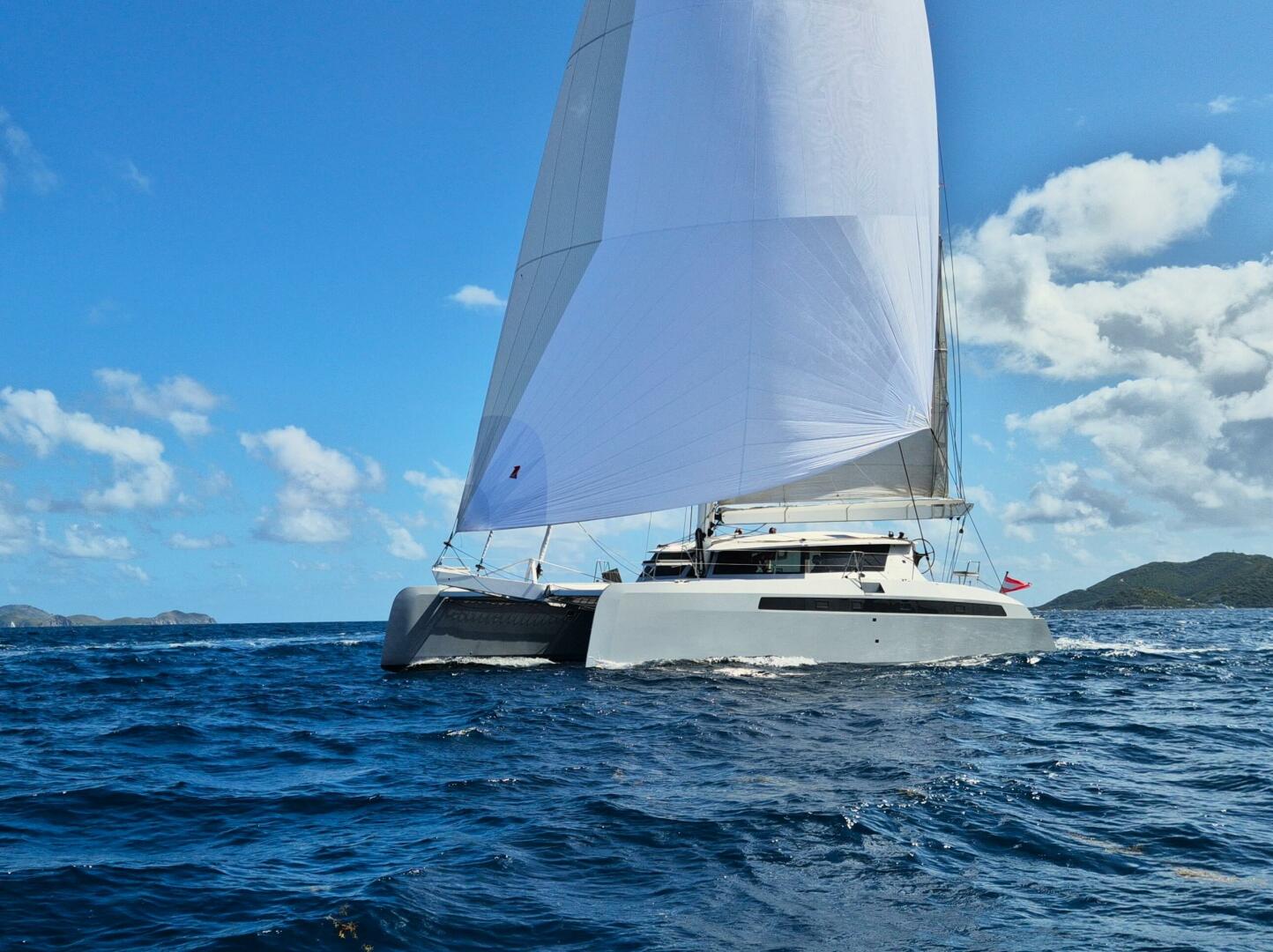
$1,290,000
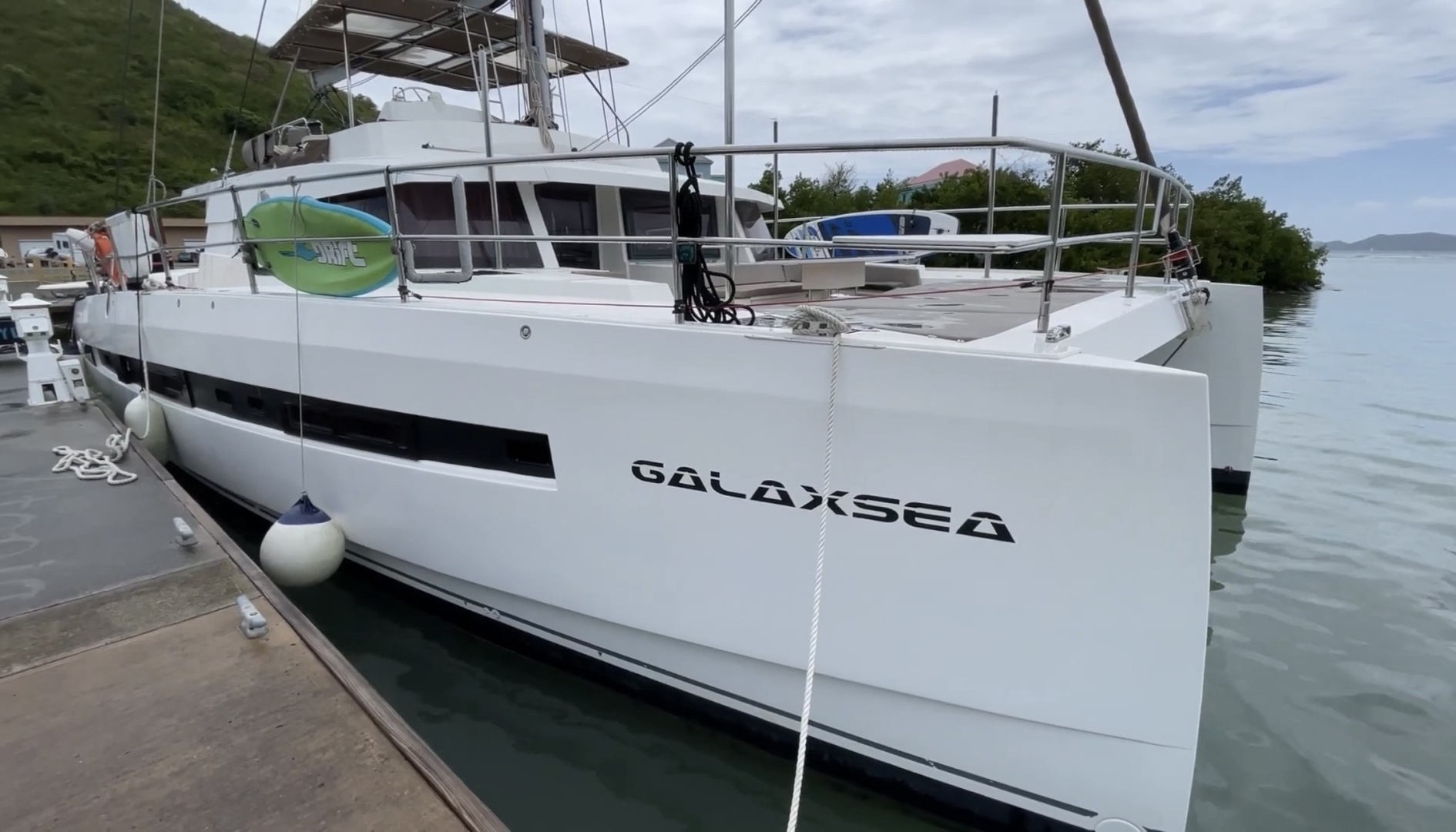
$800,000
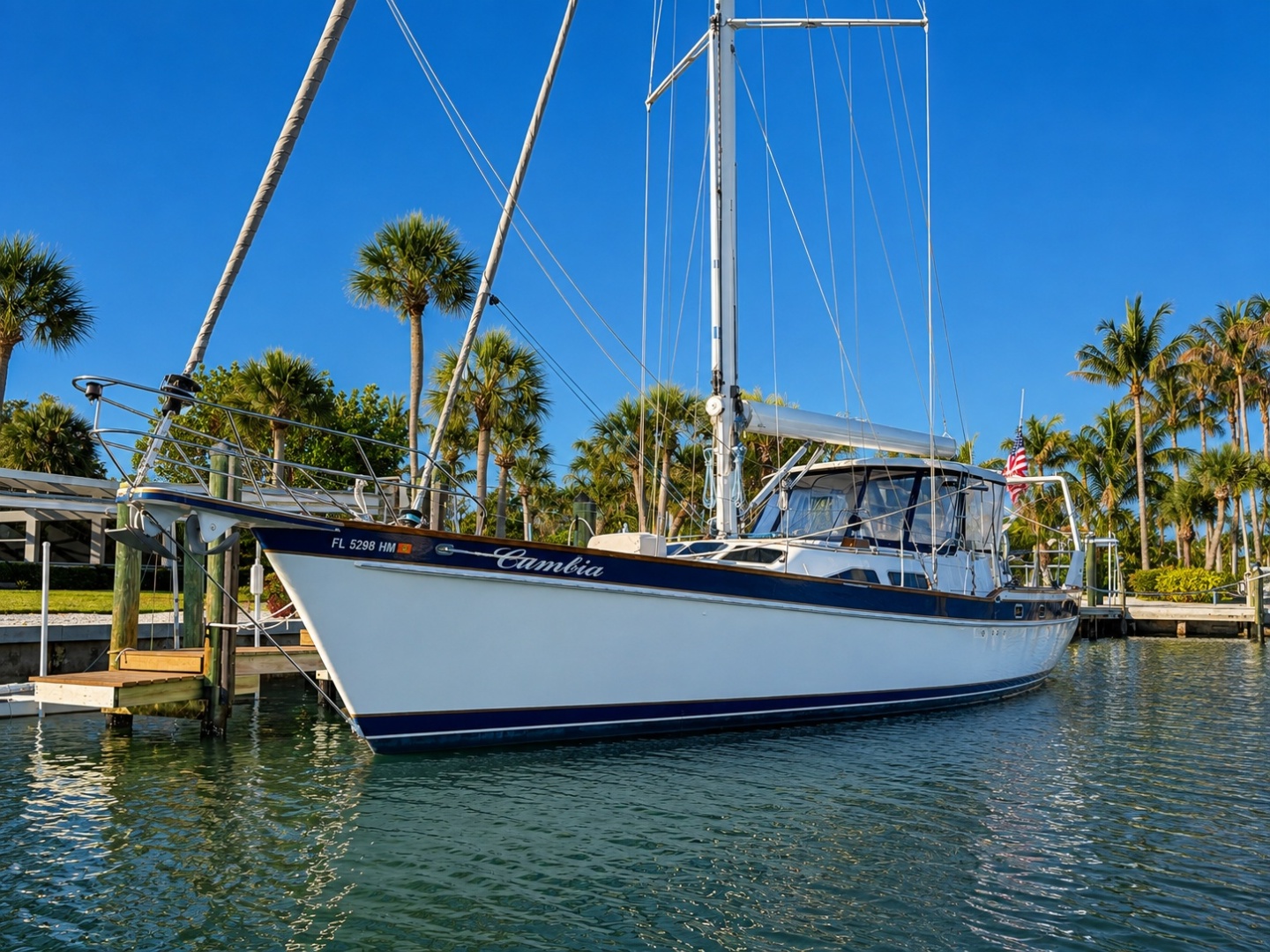
$545,000
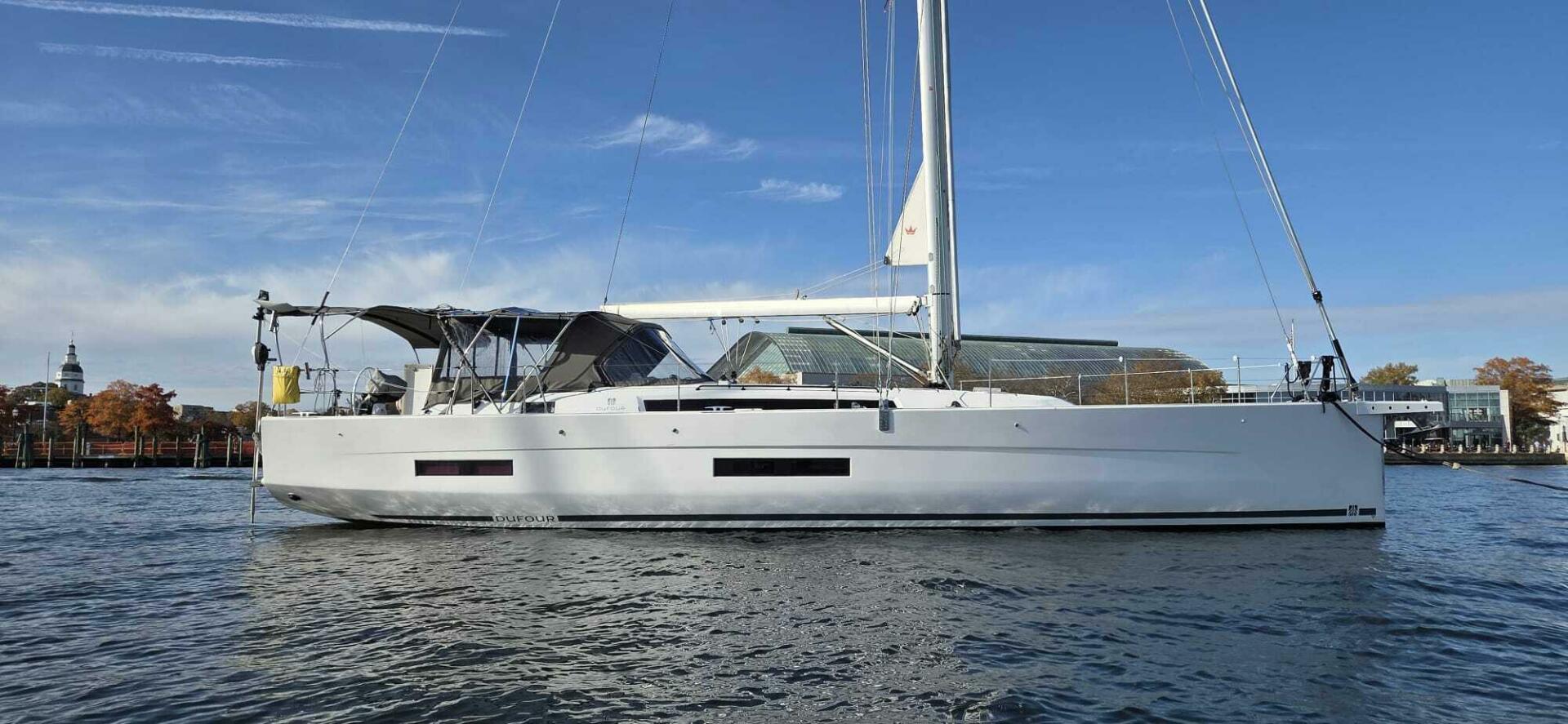
$564,900
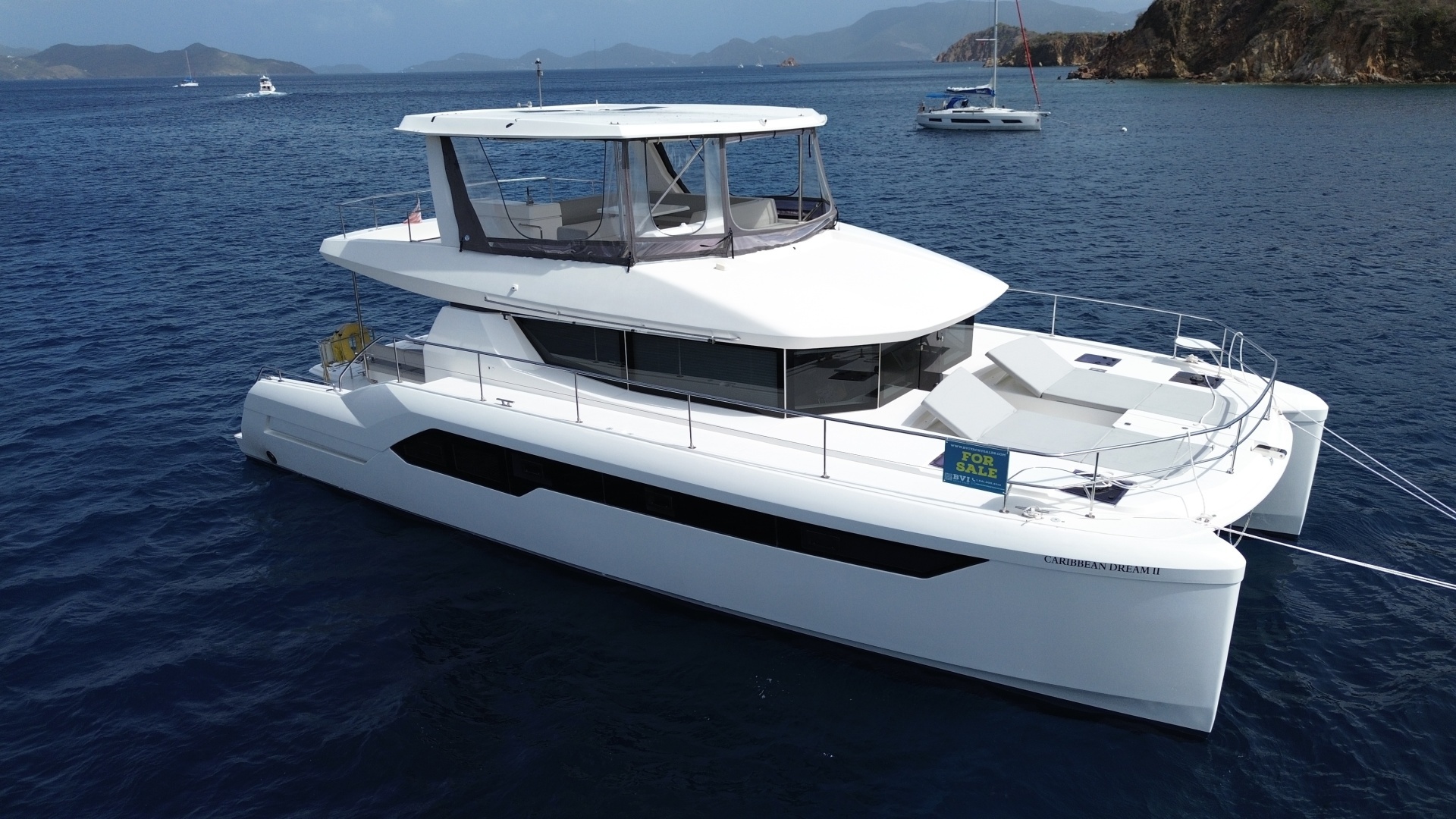
$1,130,000
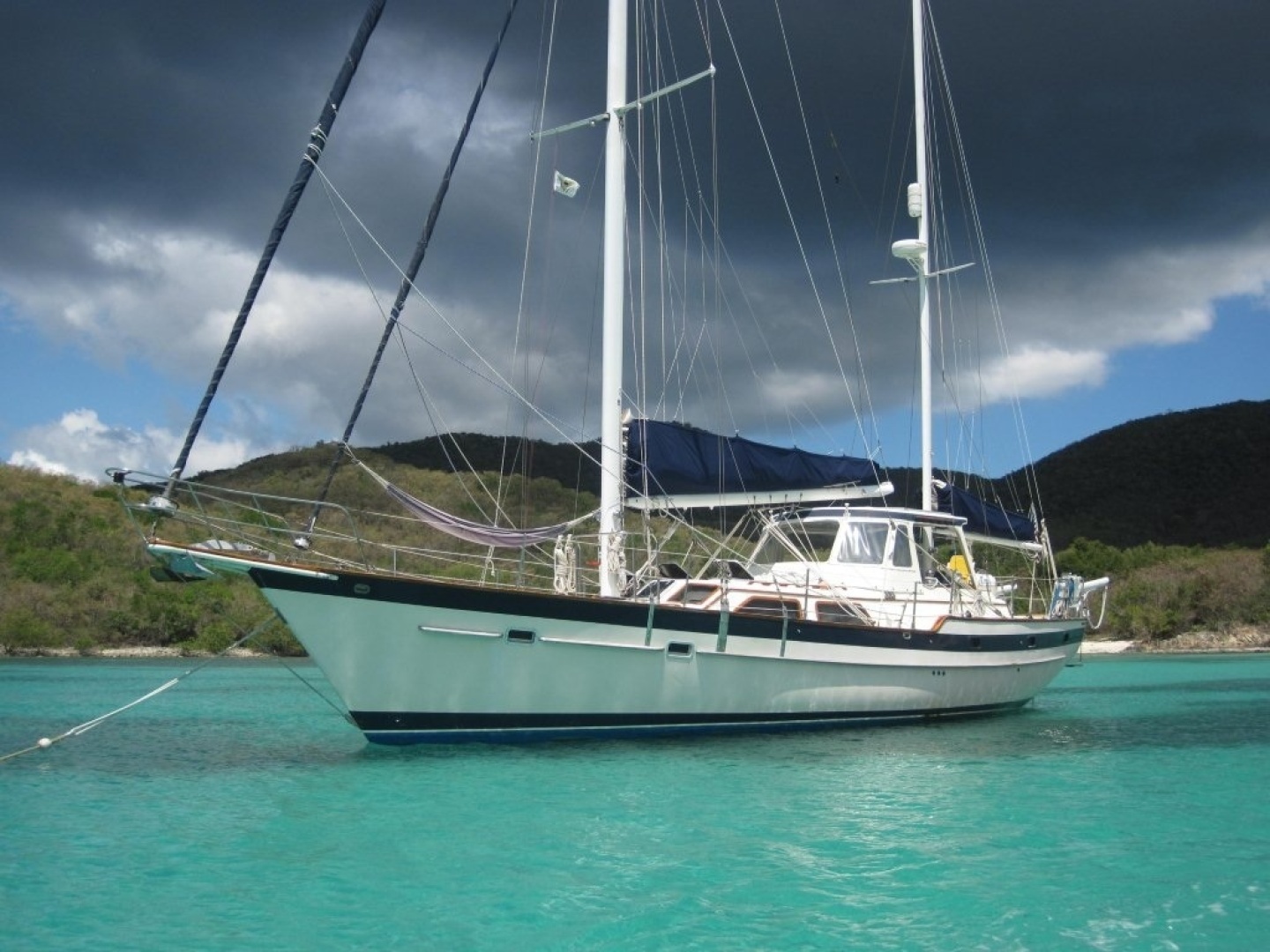
$159,000
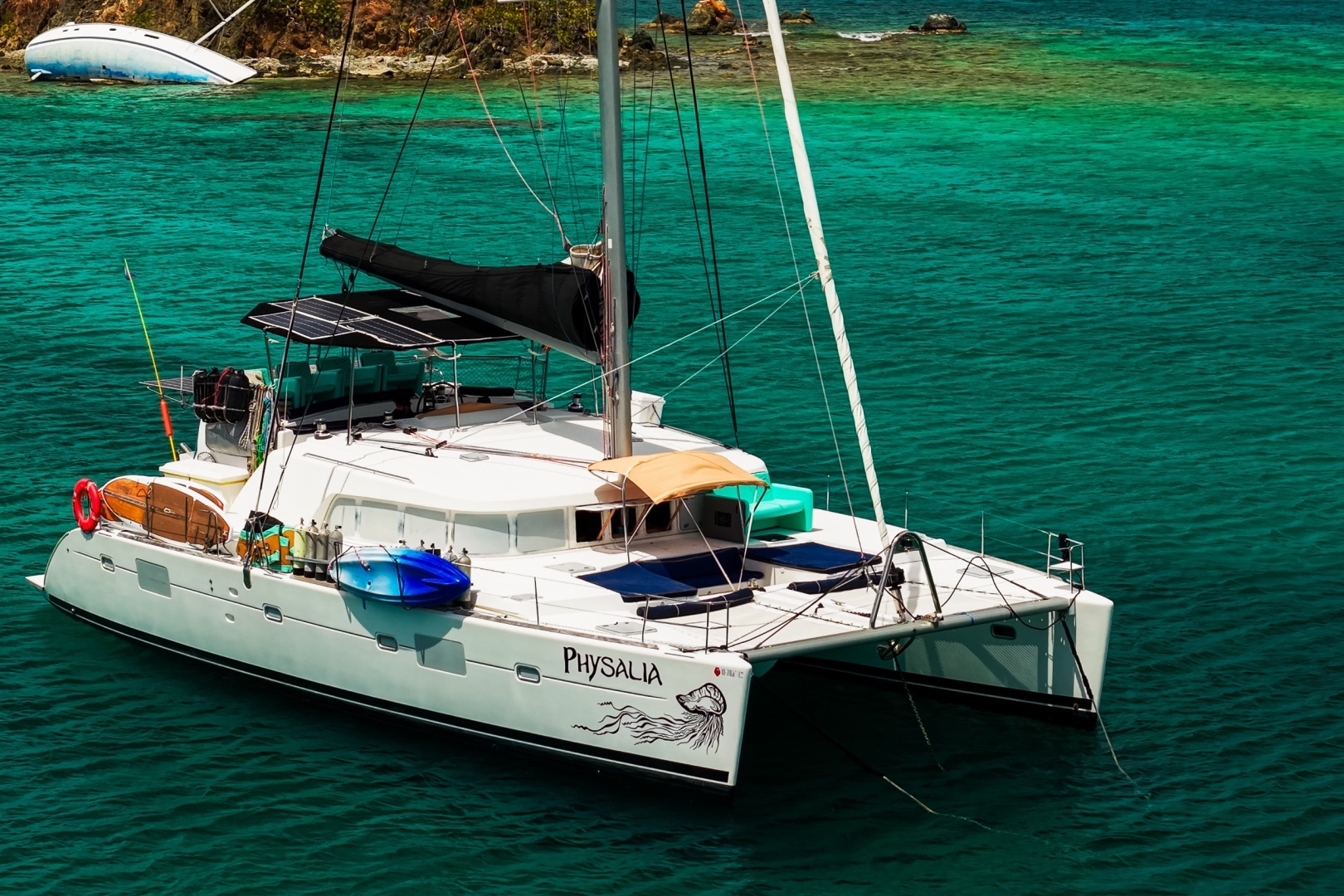
$499,000
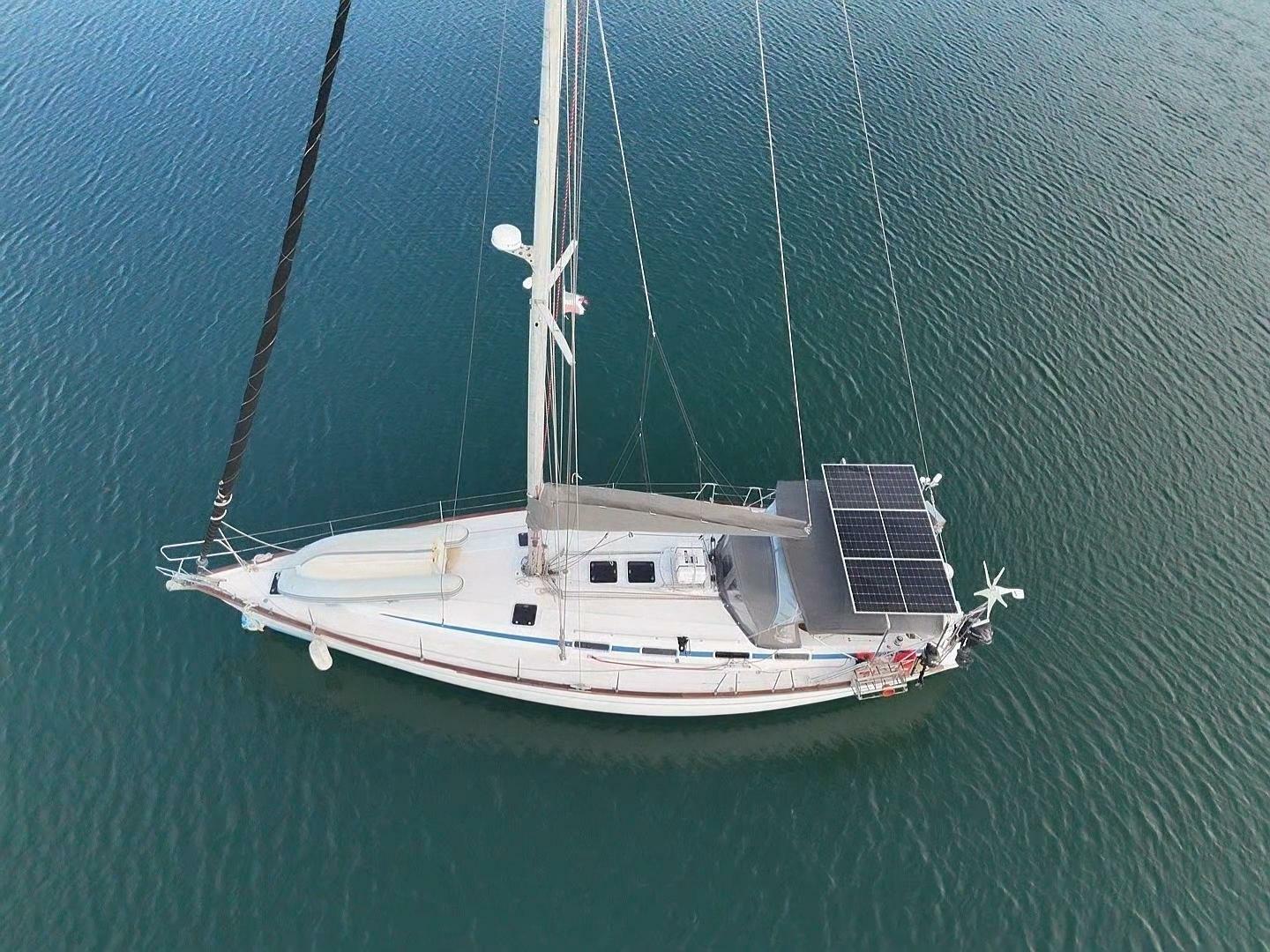
$89,000
$89,000
$135,000
$98,250
$149,850
$369,000
$395,000
$349,000
$125,000
$1,724,571
$149,500
$109,900
$395,000

$652,000
$105,000

$115,000
$950,000
$149,000
$135,000
$349,000